The Day the Flag Stood Still: The Forgotten Fourth of July on Wake Island, 1942
48 Star Flag Saved Sept 1945
On July 4, 1942, Americans back home celebrated Independence Day with cookouts and parades. Meanwhile, a small group of American civilian contractors and U.S. Navy personnel held a defiant but somber celebration under Japanese captivity on a tiny Pacific atoll called Wake Island.
Just months earlier, in December 1941, Wake Island had made headlines when a handful of U.S. Marines, Navy men, and civilian construction workers miraculously repelled a much larger Japanese force. This was one of the only successful defenses during the early days of World War II. But eventually, Wake fell. Hundreds of Americans were captured and held as prisoners.
Despite their grim reality, the spirit of independence didn’t die. On July 4, 1942, many had celebrated the day at home a year prior. A group of prisoners marked the holiday. They secretly stitched together a makeshift American flag from scraps of clothing and parachute fabric. They hid it under a floorboard in their barracks. That night, after roll call, they quietly raised the flag. It was up for just a few moments. That was long enough for the men to salute it and whisper a rendition of “The Star-Spangled Banner.”
The penalty for such defiance was death. For those men, risking their lives to honor the flag was worth it. The freedom it stood for—even behind enemy lines—justified their risk.
The flag was never discovered. The war ended in 1945. One of the surviving POWs smuggled the flag fragment home. He had sewn it into the lining of his jacket. It now resides in a museum in Kansas as a silent but powerful witness to patriotism under pressure.
Closing Thought:
Freedom isn’t always loud. It isn’t always celebrated with sparklers and song. Sometimes, it’s whispered in the dark. Saluted in secret. Hidden beneath the floorboards. And yet, even in those moments, it shines just as bright.
Leonard Cohen’s Hallelujah has become one of the most widely recognized and performed songs in modern music history. It’s played at weddings, funerals, church services, and talent shows. But in all the repetition and repurposing, something essential has been lost.
Cohen never intended Hallelujah to be simply beautiful. He intended it to be raw. Complex. Human.
The song is not a hymn of praise in the traditional sense. Instead, it’s a poem set to music, a confession wrapped in biblical language and erotic undertones. It’s about a man watching a woman undress from a rooftop. He watches not in an act of love, but of longing and helpless craving. He stands in his kitchen, overwhelmed and isolated. The “hallelujah” he utters is not holy—at least not in the religious sense. It is a broken hallelujah. It is born from the ache of wanting and not having. It is the result of touching something divine through deeply human hunger.
Cohen interweaves the sacred and the sensual because, for him, they were never far apart. Verses reference King David, Bathsheba, Samson and Delilah—figures whose passions brought them into both ecstatic heights and tragic ruin. Cohen wanted to explore this contradiction. He wanted to understand how love, lust, faith, betrayal, and surrender all live side by side in the human soul.
“There’s a blaze of light in every word. It doesn’t matter which you heard. It could be the holy or the broken hallelujah.”
The tension in Hallelujah is not just between sacred and profane, but between understanding and mystery. Why do we feel what we feel? Why do we cry out “hallelujah” even when we are lost or ashamed?
Later in life, Cohen was said to feel some regret. He was unhappy over how the song had been turned into a feel-good anthem. It was stripped of its edge and stripped of its truth. Many of the popular covers—Jeff Buckley’s, John Cale’s, even k.d. lang’s—choose only a few of the verses, removing the darker or more explicitly sexual lines. What’s left is haunting, but incomplete.
Cohen reportedly wrote over 80 verses for Hallelujah. The versions we know today are fragments—reflections of reflections. But they carry within them that strange, shimmering truth: that pain and praise can live in the same breath.
In one interview, Cohen said:
“This world is full of conflicts and full of things that can’t be reconciled. But there are moments when we can… and the song ‘Hallelujah’ is about those moments.”
Those moments—the mingling of joy and sorrow, flesh and spirit, light and shadow—are what make Hallelujah more than a song. They make it a mirror.
We don’t all shout our hallelujahs from rooftops. Some of us whisper them from the corners of our kitchens, alone, longing, and unsure. But that doesn’t make them any less true.
There’s a story my dad loved to tell. It was one of his favorites. He told it often to friends, family, and customers in his barber shop. He shared it with anyone who needed a good tale. He and his friend GH rode out on horseback one afternoon. They went to a little rise in northern Caddo County called Ghost Mound.
Ghost Mound – Caddo County – Oklahoma
Ghost Mound is one of those landmarks that doesn’t quite belong to any one town. It’s south of Hydro, north of Eakly, east of Colony, and west of the Sickles community. It’s a rocky, oddly-shaped hill. It looks like a miniature volcano. It is steep on one side and more gradual on the other. Back in the 1930s, it was open country. Kids would ride or walk out there on lazy afternoons. They climbed the rocks, explored the cracks, and wasted time in the best way.
On that particular day, my dad, JD, and GH set out. They had nothing more in mind than a good ride. They were also looking for a little adventure. GH had just celebrated a birthday and was proudly carrying a brand-new wallet in his back pocket. Before they saddled up, he showed JD the five-dollar bill. It was tucked inside and was quite a lot of money for a kid in those days.
Once they reached the Mound, the boys began to climb, making a show of how tough it was. About halfway up, GH lagged behind. Suddenly, he shouted:
“HELP! I’ve lost it!”
JD turned and saw GH crouched down, peering into a narrow crack in the rocks. Sliding back to him, he asked what was going on.
GH pointed. He said his birthday wallet had slipped out of his pocket and fallen deep into the crack. The wallet was whole with the five-dollar bill. The boys tried everything to retrieve it. They rolled up their sleeves, dug around, tried moving rocks, even tried widening the gap—but nothing worked. The wallet was gone.
From that moment on, the story of the wallet lost in Ghost Mound became family legend. I grew up hearing about it. Over and over, my dad would retell the tale. Sometimes it was a quick story; other times it grew with detail. Always, it ended the same way. The wallet was still there. It was wedged in the rocks with a crisp 1930s five-dollar bill, waiting to be discovered. He told it with such conviction, I was sure it had to be true. Dad told people whose hair he cut. Keeping an entire room of waiting customers spellbound. Sometimes GH would be there to re-enforce what dad was telling.
The day of my father’s funeral arrived. It was deeply emotional. The house was full of people who had known and loved him. Among them was GH. I had a chance to sit with him, and naturally, I asked him about the wallet. He threw his head back and laughed.
“Yeah,” he said, “the wallet did fall out of my pocket. But your dad was the only one with arms skinny enough to reach in and get it. We got it back that same day.”
I was stunned.
“Then why did you say it was still up there?” I asked.
GH grinned and said, “Because your dad was the biggest joker in the world. He made me promise not to tell anyone the truth. After that, we’d ride our horses out. We would just sit back and watch folks climb all over that Mound looking for that five-dollar bill. We’d laugh and laugh. If anyone had found it, they wouldn’t have brought it back to us anyway!”
And suddenly, a memory clicked. Every time we’d drive past Ghost Mound, we’d see someone out there climbing. It was usually someone who had been in my dad’s barber chair just days before. My dad would start laughing to himself. I never understood why. Not until GH let me in on the real story.
So maybe there’s no wallet up there after all. But the legend my dad spun from that day? That’s still very real. And just like Ghost Mound itself, it’s stuck with me for good.
Tuff was no ordinary dog. He was a broad-chested, mixed-breed bulldog from the dusty plains of western Oklahoma. He was loyal to the core. He was tough as nails—just like his name. He belonged to a boy named JD, and from the moment they met, the two were inseparable.
Wherever JD went, Tuff followed. JD rode across the Caddo and Washita County prairie on his sturdy pony. He even rode it to the one-room schoolhouse west of Eakly. He rounded up cattle on the family farm. Regardless Tuff was there, his paws pounding the dirt in time with the horse’s hooves. At school, while JD sat through his lessons, Tuff stayed with the horse, standing guard like a seasoned sentry. Rain or shine, he never left his post. He stayed until the bell rang. Then, the trio trotted home together, just three-quarters of a mile up the road.
One warm afternoon, while JD was still in school, trouble came calling. A neighbor’s ornery bull had pushed its way through a loosely latched gate and wandered off. As luck would have it, it made its way straight to JD’s homestead, snorting and stomping with agitation. JD’s mother was outside hanging laundry to dry in the Oklahoma breeze. The bull burst through the linens like a locomotive. It tore shirts and sheets from the line as it charged.
Startled, she dropped her clothespin basket and backed toward the yard fence, but there was nowhere left to go. The bull pawed at the dirt, its head low, flaring its nostrils as it prepared to strike. Streaks of foam, mixed with dust and sweat, ran from its mouth. Its bulk towered just yards away from her.
Thinking fast, JD’s mom cupped her hands to her mouth and called out with everything she had:
“Tuff! Ole Tuff! Come on, boy!”
Three-quarters of a mile away, in the tall grass outside the schoolyard, Tuff heard her. His ears perked up. He knew that voice—and he knew something was wrong.
Without a moment’s hesitation, Tuff shot off like a bullet, heading for home. He crossed pasture and ditch, squeezing under fences and dodging brush, driven by pure instinct.
When he arrived, the bull was still threatening JD’s mother. Tuff didn’t bark or hesitate. He charged.
The bull turned at the last second. It was startled and tried to lower its head for a fight. But, Tuff was already on him. He raced in circles, nipping and weaving, confusing the brute. The bull spun to face him again and again, becoming dizzy from the dog’s unrelenting speed.
Then, in one perfectly timed leap, Tuff clamped down on the bull’s nose—hard. The bull bucked and shook, kicked and bawled, but Tuff held firm, teeth sunk deep, refusing to let go. He brought the angry beast to its knees, pinning it in place with nothing but grit and jaw strength.
Just then, a cowboy riding by spotted the commotion. JD’s mother waved him down, shouting, “Ride fast to the Yarnell place! Tell ’em their bull’s out before someone gets hurt!”
The man nodded and galloped off in a cloud of dust.
Within the hour, the Yarnells arrived with ropes, a nose ring, and a long wooden block to secure the bull. The farmer jumped down from his saddle, shaking his head in disbelief.
“I’m real sorry, ma’am,” he said. “I reckon I forgot to latch the gate. Wind must’ve blown it wide open.” He paused, nodding toward the growling dog still latched onto the bull’s nose. “But first, we’re gonna need that dog to let go.”
JD’s mom looked at Tuff, calm and composed despite the ordeal. “Tuff, let go now, boy. Come here.”
Without hesitation, Tuff released the bull and trotted obediently to her side, tongue lolling, chest heaving but proud. The bull didn’t move again until ropes were secured and the men began the long walk back to their farm.
JD’s mom glanced at her watch and smiled. “Tuff, JD’s about to get out of school. You’d better go meet him.”
And with that, Tuff turned and loped back down the road. He was headed to the schoolyard just in time to greet his boy.
That evening, Tuff was treated like a king. JD’s mom gave him the biggest soup bone she’d been saving. He was even allowed to lie on the kitchen floor during supper. This was something normally off-limits. As the family passed dishes and swapped stories, JD’s mom told them what Tuff had done.
The story of Ole Tuff was told time and again. It was passed down through the years by my grandmother and my dad. Every time it was told, Tuff got a little tougher. Tuff got a little braver. Yet, the heart of the story stayed the same.
Because sometimes, legends aren’t born in books or movies.
Sometimes, they’re born in backyards—with a boy, his dog, and a mama hanging laundry.
There’s a movie out there—The Fall Guy—that reminds us of a truth we often forget. In Hollywood, when the action gets dangerous, they call in a stunt double. Someone else takes the fall, gets bruised, and gets burned. Then, they step aside so the star can walk away without a scratch.
But out here, in the real world, there are no stand-ins.
I was raised on a farm. My stand-in never showed up when I fell off the back of a truck hauling hay. They didn’t when I landed wrong jumping a ditch with a bale slung over my shoulder. No one else was there to take my place when a horse threw me. A cow with more attitude than brains also decided I was in her way. Every bruise, every scar, every ache in my knees—those were earned the hard way, by me.
When I became a police officer, the stakes only got higher. I was the one in the scuffle, the one trying to wrestle control out of chaos. I went through a windshield once during a pursuit. Another time, I got clipped by a car while waving traffic around a wreck on a rainy night. I never saw it coming—but I sure felt it. I still do.
There were fires, chemical spills, panicked families crying out for help. I didn’t hand off the breathing problems that came after pulling someone out of a smoky building. There was no double standing in my boots, breathing what I breathed, lifting what I lifted, hurting where I hurt.
The human body doesn’t forget. It keeps the ledger. Muscles remember the weight. Bones remember the falls. Your mind moves on. But, your back doesn’t let you forget the day you lifted more than you should’ve. It also reminds you of the time you hit the ground harder than expected.
There’s no editing room where the rough scenes get cut, no second take when a decision goes sideways. Every moment counts. Every choice echoes. That’s real life.
It’s not glamorous. You don’t get stunt bonuses. There is no applause when you get up off the ground with dust in your mouth. You have a limp in your step. But it’s yours. Every fall, every break, every bruise—it’s part of the story. And no one else gets to claim it.
The movies make heroes out of actors. But out here, the real stories are written in blood, sweat, and healing bones. No stand-ins. Just you.
Summer is the season when friendly faces return. Over the last two days, we’ve been lucky to welcome four dear friends into our lives again. One of them we hadn’t seen in nearly twenty years.
Our friend David moved away long ago in pursuit of new opportunities. We kept in touch online, and about a year ago, we sold his mother one of our cars. He trusted our word that the car was solid and dependable—and that trust meant a lot.
David and his spouse Josh flew into town Thursday. We already had our plans set. We planned to have dinner at our favorite Main Street spot, Christina’s Wildberry Restaurant. The food there is so good you’ll want to order extra sides. (And I do.)
We caught up on everything. David had moved on from California and now lives in Seattle, working as a film producer for Amazon. We had once caught a glimpse of him in a movie. We wondered if acting was his calling. Yet, he ended up behind the camera instead. The conversation flowed easily as we shared stories of the past twenty years. We talked about loved ones we’d lost. We discussed the changes in our lives. We even shared our various health battles. It was a wonderful reunion.
Back at home, yet, Otis—our ever-vigilant dog—was not quite as enthusiastic. He’s fiercely protective of our home, and new visitors throw his routine into chaos. He needed time to warm up: slow approaches, sniffing, backing off. Growling. Barking. Panting. It was a whole process. After a solid half-hour of cautious interaction, Otis finally accepted David and Josh. But his window of friendliness only lasted about five to ten minutes—just in time for them to leave.
And then came Saturday morning.
Otis had barely recovered from his last round of introductions. Then our friends Angie and Sasha showed up for breakfast—again at Christina’s Wildberry. But this time, Otis escalated. He was in full protection mode from the moment they approached the door. We strapped him into his safety vest. I controlled his lunges. As soon as the door opened, he exploded into noise. Growls, barks, lunges—the works. He reared on his hind legs like a wild stallion, roaring from the depths of his protective instincts. I had to scoop him up just so our friends was allowed to come inside.
We finally decided the best move was to leave for breakfast and give Otis a break. I would be the last one out. I unhooked his leash and bent down to reassure him.
“You’re in charge now,”
I said.
“Watch the house, and you’re free to bite anyone who tries to get in.”
His ears perked. Head tilted. Tail wagging. He jumped up with glee, clearly proud to be entrusted with such an important task. I locked the door and set the alarm—knowing full well that no burglar was getting past Commander Otis.
At the restaurant, our regular waitress Christine (no relation to the owner) greeted us with a smile. We always sit in her section. The service is consistently wonderful, and the food never disappoints. As we enjoyed our meal, we caught up on recent happenings. We also discussed the month ahead. We talked about my upcoming surgery in July. Not the easiest topic, but one that matters deeply among close friends. Angie and Sasha have supported us immensely. We rely on them more than words can express.
After breakfast, we walked next door to the wholesale closeout auction warehouse. It’s a local gem filled with Amazon returns and overstock items. It’s a weekly stop for us, and we nearly always walk out with a treasure or two. This time was no exception—we all left holding bags of bargains from the $10, $5, and $3 tables. The outer walls of the warehouse show moderately priced goods under $50. These include cooking gear, tools, and musical equipment.
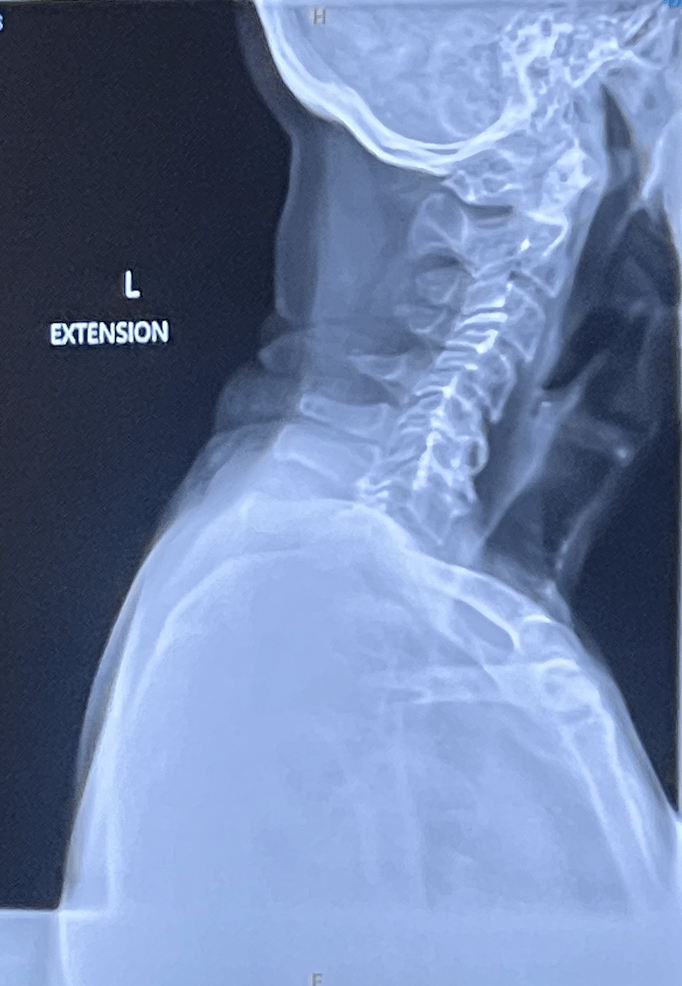
But that’s where I had to call it a day. My legs gave out—one of the symptoms tied to my spinal disc issue. It’s why surgery is coming. I was brought home to rest in my easy chair while Steve, Angie, and Sasha continued the shopping mission.
They headed to the local children’s home thrift store. Steve found me a kitchen stool. It was a fantastic find that will make cooking much easier. It allows me to sit while preparing meals. He also scored a new cutting board, which we’ve been sorely needing. The one we’ve been using is over twenty years old and has clearly done its time.
Later, the crew returned home, showing off their finds and bragging about their deals. We laughed, relaxed, and soaked in the joy of good company.
It’s been a full couple of days, and yes, I’m tired—but I’m also grateful. Sharing time with friends is a blessing, whether we saw them last week or haven’t seen them in decades. Add a protective dog with a dramatic flair. Include a few great meals and a handful of discount treasures. You’ve got the makings of a truly memorable summer weekend.
Talk again soon. Say hello to the folks.
With love,
Benjamin, Steven and Otis
Friendly letters, once a cherished form of personal connection, have become increasingly rare in the U.S. Postal Service. Instant messaging, email, and social media have contributed to this shift. Handwritten notes and heartfelt letters have largely faded from everyday life. A stamped envelope once carried news, encouragement, or love across miles. Now, a quick text or emoji often takes its place. The art of letter writing has a personal touch and thoughtful pace. It has quietly slipped into nostalgia. It is an almost forgotten tradition in our fast-moving digital world.
There’s a certain magic that shows up in late June. It drifts in on a warm breeze. It wraps itself around your shoulders like a sun-warmed blanket. It whispers, “Slow down a while.”
That was exactly what happened to me last Saturday.
I had plans, mind you. Big ones. Rake the yard. Clean out the garage. Paint that little table I rescued from a flea market. But then the sun was golden and lazy. It was the type of sunshine that doesn’t rush you. It invites you to stay awhile. So, I made a bold decision: I postponed productivity.
Instead of pulling out the rakes and tools, I pulled out a lawn chair. I poured a tall glass of iced tea. Then I plopped down under the shade of the patio covering. I did absolutely nothing. And I mean nothing. No phone. No music. No news. I listened to birdsong and felt a slight breeze. I heard the sound of a neighbor’s sprinkler ticking rhythmically like a metronome for summer’s easy tempo.
I watched the clouds. I counted the dragonflies. I let the world spin on without me—and it did just fine.
The dog lay beside me, belly-up to the sky, offering a solid endorsement for this lazy lifestyle. Even a stray cat, who usually stares at me like staff, sauntered over and decided to join the movement. We were a trio of content creatures, basking in a moment that cost nothing but meant everything.
At the end of the day, the lawn remained a jumble of rocks. The garage was still messy. The table continued to wait. But my heart? My heart was lighter. My shoulders less tense. And my soul? Sun-soaked and satisfied.
Summer has a way of reminding us that rest is not a reward—it’s a right. And sometimes, the most productive thing you can do is give yourself permission to simply be.
Moral of the story:
Don’t underestimate the power of a lazy summer day. It is true that you’re doing nothing—but you are just giving your spirit exactly what it needs.
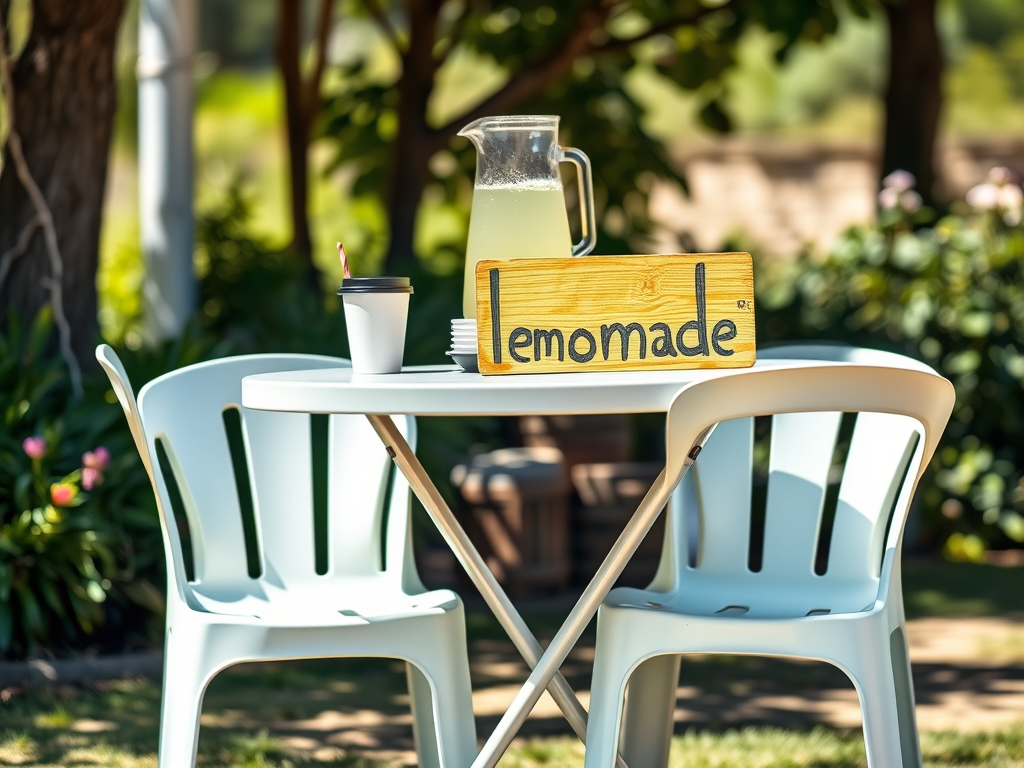
It started with a folding table, two plastic chairs, and a hand-painted sign that read, “Ice Cold Lemonade – 50¢.”
Emma, who is ten years old, and her little brother Caleb had a plan. They decided to spend the first real summer day doing something “big.” Not big like a vacation or fireworks—big like making a difference.
Their mom had mentioned that the animal shelter was trying to raise money. They needed some extra dog beds. They also needed fans for the kennels. That was all Emma needed to hear. She got to work squeezing lemons. She mixed sugar and water. She convinced Caleb that “lemonade manager” was a very important title.
By noon, their little stand was drawing a crowd. The lemonade was refreshing and generously poured. Additionally, Emma had placed a tip jar with a note: All proceeds go to the shelter pups! People smiled. They left five-dollar bills. Some handed over twenties and refused change. One elderly man left a fifty and simply said, “Thank you for reminding me what kindness looks like.”
By the end of the day, they had raised $237.50. They delivered it in person, with sticky hands and sunburned noses, to a surprised and teary-eyed shelter worker. Emma and Caleb even got to name one of the rescued puppies. They chose “Sunny.”
That evening, their mom posted a photo of the kids and their lemonade stand online. It went a little viral. Local news picked it up. The shelter ended up receiving over $3,000 in donations that week. This happened because two kids wanted to do something “big” on a warm summer day.
Now every June, Emma and Caleb set up the stand again, same folding table, same handwritten sign. Only now, the line stretches down the sidewalk. And Sunny? She got adopted. By them, of course.
It sat on the back porch, just outside the screen door. It was an old wooden shelf, weather-worn and slightly crooked. Everyone in the family knew it as “the pie shelf.”
Nobody remembered who gave it that name. Maybe it was Grandma. She used to cool her pies on it every Sunday afternoon. That was back when a breeze still found its way through the kitchen windows. There were always two pies—one for dinner and one “just in case someone dropped by.”
That shelf saw more life than most furniture in the house. Birthday cakes cooled there. Jars of canned peaches lined up in neat rows. Once, a baby kitten was found curled up in the corner, fast asleep next to a lemon meringue.
Years later, after Grandma had passed and the house had new owners, the pie shelf remained. Weathered, yes. Empty, often. But it stood—quiet and proud—like it was waiting for one more pie to be set on top.
When I visited the house last fall, I found it just the same. I brushed off the dust. Then, I straightened one of the legs with a folded napkin. For no reason at all, I baked an apple pie and set it right there on the top shelf.
I didn’t expect visitors. But just before sunset, a neighbor from years ago strolled by, drawn by the scent. He laughed when he saw the pie shelf.
“Some things,”
he said,
“don’t ever really leave us.”
We each took a slice and sat there on the porch, sharing stories of the people who came before us. For a brief moment, it seemed as though they were still here. They felt just inside the screen door, waiting for us to come in.
There is something about the days of summer that never quite leaves you. It is a scent in the air or a golden hue in the light. It is also the sound of cicadas warming up for their evening concert. For a child, summer feels like forever. For an adult, it feels like something you once held in your hands. You didn’t realize it would slip away so quickly.
I remember one summer, I must have been around eleven. We had a tire swing tied to the big oak tree out back. That tree had roots that curled up out of the ground like the backs of old hands. When it rained, they made little rivulets in the dirt. My brothers and I would race leaves down those muddy streams as if they were ships headed for faraway lands.
The days were long and hot, but we didn’t care. Shoes were optional. Supper was whenever someone called out loud enough for us to hear. Most days, we’d roam until we were sunburned and starving, a little wiser than we’d been that morning. There was always a watermelon cooling in the horse trough. We tried to swat away flies as we spit seeds into the grass, but we failed.
Evenings were for catching fireflies in jars. They were the kind with holes poked in the lid. We did this by using a nail we’d hammered with a rock. We thought we were giving them air. We didn’t yet know the difference between freedom and capture.
I think back on those days now and realize that summer isn’t just a season. It’s a feeling. You carry it in your chest long after the sweat has dried. The tan has faded. The swing has stopped creaking in the breeze.
It’s a reminder to slow down. To let the day last a little longer. To chase the light, even if it’s only for a little while.
There are moments in life when we contemplate our relationships with relatives who are dearly departed. Some have passed on, leaving behind only memories. Others are dearly departed in a different sense. They are no longer married into the family. Yet their presence lingers in our stories, our recollections, and sometimes, in our affections.
This story is about one such family member, who dearly departed not through death, but through divorce—from my sister. For nearly eighteen years or more, he was a big part of our family. Long before the wedding, during their dating years, he was already woven into our daily lives. He would often spend the night at our house. More than a few times, he slept in my room just to be near her. He was older than both of us, and a farmer by trade. During the winter months, farming slowed down. During this time, he worked as a parts clerk at his father’s Chevrolet dealership in town.
Since I worked for him on the farm, I spent nearly as much time with him as my sister did. From sunrise to sunset, we toiled together—planting crops, moving irrigation pipe, working cattle, and hauling hay. He even pitched in at the Girl Scout Camp where my dad was the ranger. And that’s where this story takes place.
It was the summer of 1978. A flood had wiped out a water line. The line ran from a well to a storage tank at the Girl Scout Camp. Special piping was needed for repairs. My dad asked Benny to take me to Clinton, Oklahoma, to pick up the materials. I was thrilled when he handed me the keys to one of the camp’s state-owned ranger vehicles. For a brief moment, I thought, “Wow, I get to drive!” But then he said, “Give these to Benny—he’ll be the one driving.” Shucks.
Still, the outing promised a break from our usual routine. We set out just before noon, heading west on State Highway 152. As we neared the town of Eakly, an Oklahoma Highway Patrol car coming toward us slowed dramatically. The trooper gave us both a piercing look, as if trying to place us. After passing us, he glanced back as though deciding whether to turn around. Odd, we thought—we hadn’t been speeding or doing anything wrong.
A few miles farther west, another patrol car did the exact same thing. Now we were both feeling uneasy. We even pulled over to check the truck—maybe something was dragging, maybe we had a flat tire—but everything checked out.
Four more patrol units gave us the same strange treatment. By now we were more than a little paranoid. What were we missing? We hadn’t turned on the radio, thinking it wasn’t our place to use official equipment in the state-owned truck. If we had, we’d have had our answer.
When we finally returned to the Ranger’s Quarters with the piping, we were greeted with wide eyes and urgent questions. Turns out, there had been a prison break nearby. The escapees had stolen a state vehicle—same color, same model, same government-issued license plate as the one we were driving. No wonder the troopers were ready to pounce. If we had known, we would’ve waved our Girl Scout badges out the window. We would have done this for the entire ride, like waving a white flag.
That trip became one of the many memorable moments I shared with my once-brother-in-law Benny. It was the story told every holiday. And it got laughs no matter how many times it was heard. Benny was a close comrade through much of my youth and during family gatherings. It was hard to see him and my sister go their separate ways. Still, I understood and respected her reasons. Sometimes life and family change in ways you don’t expect. And sometimes, those changes, though painful, lead to something better.
But Benny—well, he’ll always be one of our dearly departed.
Next month, you will notice I won’t be posting daily. Don’t worry—some content will still show up, thanks to the magic of pre-scheduled posts. The reason for the slowdown? I’m finally getting a long-overdue back surgery.
It’s not a procedure I’m exactly excited about. There’s a good chance it’ll knock me off my usual rhythm for a while. That is, of course, if everything goes according to plan. But, there are plenty of ways it not happening:
I can experience a sudden, miraculous recovery and cancel the whole thing.
My insurance will decide it’s a luxury item and deny the claim.
The orderly will wheel me into the wrong operating room.
The doctor disappears right before showtime.
Or, I will be the one who disappears—just as the doctor walks in, ready to go.
Or, the operating table goes missing on the day of the surgery.
Benjamin’s Profile
My hope is that the surgery will go as planned. If so it will ease the constant, gnawing pain I feel. It affects me whether I’m walking, sitting, standing, or trying to sleep. The sharp, stabbing, burning sensations mostly travel down my left leg. Though, they sometimes jump to the right when they get bored. They’ve also been known to zap my arms and hands. This happens especially in the middle of the night. It leaves a tingling, numbing wake.
I still manage to write here and there. I try to sound semi-coherent. I cook the occasional meal. I do my best to avoid going completely coo-coo. This journey has been a slow burn, building over more than fifteen years of other health concerns.
Sometimes, I see people out in the world. They are screaming into the void. I think, Wow, what must it be like to be them? But then I look around at my home, my dog, and my better half. I realize they’re probably looking at me thinking the exact same thing.
Until then, I’ll keep doing what I do—telling stories, filing reports, and generally pretending everything is completely under control. I’ll keep you posted on the surgery prep as it unfolds. Yes, I’m still obsessively checking my doctors’ reviews on Healthgrades.com. So far, there are no red flags. There are just a few mildly worrying Yelp comments about cold hands and questionable playlist choices in the OR.
Bruiser, Oggy and Jackie, three friends that protected Benji.
It was Three O’clock in the morning before the Doctor arrived at Benji’s home. The Doctor had been tied up delivering twin babies out in the country, 12 miles south of town. When he returned to his office, his night nurse instructed him to go to Benji’s house for an emergency. The Doctor hadn’t wasted any time. Benji’s parents led the Doctor down the hall to Benji’s room. Benji’s mother explained in detail to the Doctor. She shared that Benji has had a 106-degree temperature.
“I haven’t managed to get it to break. I have tried everything I know to use.”
The Doctor took a look at Benji, who was mumbling. Shining a light into Benji’s pupils, they were dilated and fixed, something the Doctor didn’t like. He took his temperature, and it read 107. He checked the inside of Benji’s mouth. He saw what looked like the start of mouth blisters caused by the temperature. Oddly, Benji’s ears were clear. The Doctor turned to Benji’s parents, Mr. and Mrs. Roff.
“I’m not at liberty to reveal what it is. Is it is an allergic reaction to something the boy found in the forest? Possible. Is it a splinter infection we can’t see. Or it is a virus. Plenty of those are circulating these days. The important thing for us to do is get him cooled down.”
The Doctor instructed Benji’s mother to soak him in a bathtub filled with cold water and ice.
“He needs ice baths every hour. He’ll start fighting it. I would, too. But, we need to lower the temperature to at least 100. Then, we can give him some over-the-counter medication to help from there. Plus, while you are soaking him, be sure to watch his feet for thorns or splinters he has. Do the same with the legs, arms, and hands. Check any part of his body for that matter. We want to make sure he hasn’t got some foreign item infecting him.”
Madge, Benji’s mother, was quick to start running cold tap water into the tub. She emptied ice trays and sent Jake to the store to buy bags of ice. Benji’s temperature continued to rise. It climbed to 109. The Doctor was sitting in the kitchen. He had a cup of coffee. He said,
“I don’t like this one bit. If it goes up much further, we are going to have to put him in a hospital. I know it is costly and a ways from home. But, we need access to fluids and IVs that only a hospital can offer. Continue bathing him and try to see if we can lower the temperature.”
As Benji’s parents moved him from the bed to the bath, he talked about feral hogs. He also mentioned wildcats and bottomless pits. Benji’s mother asked her husband, Jake, if he had any idea what he was talking about. Jake, scratching his head, replied wearily,
“Not – A- Clue! I have never heard him talk of any of them, and we ain’t got that thing around here.”
Madge asked Jake if he had wandered into No Man’s Land and got the ideas from there. Jake replied,
“I don’t see how. All that is back there is old scrub brush and blackjack trees. Maybe a few bobcats and a coyote or two. Our cows won’t even go in there. The most he’d get if he went in there is dirty.”
Benji kept having visions of Bruiser standing in front of him. Bruiser was fighting off a feral hog. Oggy distracted a second hog. Then, Jackie barked at a third. Then, his vision went black. And a cold wash went over him. SPLASH! Next, he was in a cave. He heard a scream and looked around for its source. He felt the dogs surrounding him. Again, a Cold wash went over him, and it went dark again. SPLASH! Next, he was near the Bottomless Pit. He looked around and saw the straight-down drop-off. His stomach became unsettled. Then, another cold wash, SPLASH! He was at the clearing with his parents. This time, they were drying him off. Benji began struggling and squealing -––– yelling out,
“Oh, please tell me I didn’t fall into the Bottomless Pit! “
Madge and Jake, both happy that he was awake and the temperature appeared to have broken, called to him. Madge, hugging him, cried.
“Benji, Benji, can you hear us? You have been so sick, son.”
Jake wanted to know what Benji had been talking about. He asked,
“What is all this talk about? You mentioned feral hogs, wildcats, and bottomless pits. You had us all going for a minute. That must’ve been some dream!”
Benji said it wasn’t a dream; it happened. He knew it did. He wanted to know how are Bruiser, Oggy, and Jackie? Jake assured him they were fine. They had all been fed. They were sleeping on their pads by the door. They were being lazy. Benji asked if Bruiser had to have stitches. Jake laughed, asking,
“What are you talking about? Bruiser is fine; he has been playing with Oggy out in the front yard all afternoon. But I can tell they all three are missing you being out there with them.”
Benji couldn’t figure out how this could all be just a dream. It had to be real. It had to have been something he did. He stopped elaborating on the story. He was cautious because he didn’t want his parents to limit where he go. After a week of healing and receiving the Doctor’s approval, Benji was back to his regular habits. The Doctor suspected he must’ve had some spoiled food. The last thing Benji remembers eating before getting sick was canned Vienna Sausages. They had stayed in a pack in a locked car in the sun’s heat for some time. He and his pals were on the fringes of the yard, playing rescue. It required rations of sorts to get back to home base. So, Benji used cans of Vienna Sausages. He had been carrying them with him for a year or longer. He had left them in his backpack in locked cars throughout the summer and winter months. The Doctor guessed. Those things must have marinated well over sixty times. They probably tasted like prime rib to Benji. After a week and a half, Benji was back to his regular self, as were the dogs. Leading and trailing the youngster wherever he went.
Benji promised himself he had to know. He got down on one knee before leaving the house that day. He told Bruiser, Oggy, and Jackie,
“You guys don’t have to come with me. I know in my dream, if that was what it was, you almost got hurt badly. Especially you, Bruiser. It is okay if you want to stay home and sit this one out. I understand!”
The three pooches glanced at each other. It seemed like they were taking a moral inventory. Then they looked back at Benji. In unison, they all barked -––
“We’re in!”
They were all off to the Hollow that led to the area Benji called “No Man’s Land.”
This time, they got there early in the morning, just after 7:00 a.m. Benji called his trio of pals and said –––
“Here we go, guys! A, One, a two, and a three.”
With that, the four crossed the imaginary line Benji had always set for “No Man’s Land.” They hiked, scampering through underbrush and thick overgrowth for thirty minutes when they came to a clearing. One clearing matched where the feral hogs had attacked. But on this day, it was peaceful. No critters were around. His three dogs’ ears were all on alert. Their eyes scanning the trees around them, but they found nothing to be alarmed over. Benji sat on a log, Bruiser, Oggy and Jackie circled him for a pep talk.
“So far, so good. We’ve been enjoying our beef jerky up to this point, so here are your pieces.”
Benji looked east, feeling out of sequence with his dream. He saw the Bottomless Pits. He decided to walk over to the drop-off. As Bruiser, Oggy, and Jackie looked over the cliff at the water below, it was just like Benji’s dream. Now, Benji started to question whether he had a dream. How did I know what this would look like if I had never been here? He didn’t have an answer, but he still wanted to go further and see what was deeper inside.
As he and the three dogs crept through the brush, another clearing came. As Benji got to the center, he looked up, and there were Sandrock cliffs all around him. On one side was a cave. It seemed like the cave he had spent a night in with his three dogs. Had it been a dream, or was it real? He and the dogs walked up to the cave. It didn’t look as if anything had disturbed the soil in a very long time. No animals, no person, not even a bird. Which Benji thought to be odd.
Benji wanted to examine the watering hole where the Wildcat had been spotted the night of his ‘dream.’ When he got to it, he saw that it was clear as day and ice cold. It was a natural spring. You can drink from this Spring without getting ill. It was not contaminated. The Spring fed a creek; Benji looked at the creek flowing north. It was one of the few creeks in the county to do so. The creek is on his Dad’s farm. He always wondered where the creek water flowed from. Now he knew. And he knew it was Spring fed—another interesting fact.
Benji turned to take the path he and the dogs used to enter the opening. Surprising him, there stood an older man. He wore a white shirt with suspenders paired with pants tucked into knee-high boots and a floppy hat. Behind him stood a mule saddled.
“Young man, you lost?”
He asked.
“No, I don’t think so,”
Benji replied.
“This is on my father’s farm. I have never been brave enough to venture into these parts. I’m here to take a look around.”
The older man laughed.
“Well, my name is Elmer. I have lived out here in these parts all my life. And there ain’t nothing to be afraid of. But, this is the second time you’ve been here with your buddies. I helped you out of here the other night. I was afraid for all four of you. You and your dogs looked like you had stopped and eaten loco weed. That’s the devil, weed, boy; it will make your head spin.”
Benji, looking confused, asked Elmer,
“You said Loco Weed? What is that?”
Elmer rubbed his mule’s head. He propped his hat back on his head. He let out a breath. –
It looks like Polk Salad. That is what gets many people to mistake it for Polk. But it is LOCO. I’ve seen horses and cows do all kinds of crazy on the stuff. I tried to kill it all off my place. But it keeps finding its way back; birds, animals, and such have a way of replanting things.
Benji then asked,
“So, you helped me out of here? “
Elmer was quick to oblige –
“Yep, me and old Sara here; that’s my mule’s name. We were over here trying to find a couple of my hogs that got loose. They retreat to the Blackjack Trees and wallow in the cool soil. Anyway, we were trying to find our hogs, and we came across you guys trying to fight them. You thought they were some third-world alien implant. I got a big laugh out of that.”
Benji, scratching his head, looked at Elmer.
“I don’t remember that part, and I don’t remember meeting you.”
Elmer said he doubted that he would. He was surprised to see the boy back out there ever again. You were having a tough time. I have no idea what drove you to eat loco weed. Benji explained that he was trying to live off the land. He wanted to be a true backwoodsman. He thought he’d be eating something like Polk. He had never heard of loco weed. Elmer told me he’d know, and he’d be smart to stay clear of it. Benji said the dogs ate when Benji wrapped it around a Vienna Sausage.
Elmer said,
‘Now I have heard everything.’
Elmer explained to Benji he was in “No Man’s Land” all of two hours that night.
“I loaded you on old Sara. I took you down to your parents. I told them I found you and the dogs in the woods very sick. I was hoping I wouldn’t have to do it again tonight. Benji said no, now that I know what I did, I won’t do it again. Thank you for talking to me.”
Elmer said your big dog there looks like he’s got into some briers. Benji looked, and it appeared just as it had when the injuries from the boars were inflicted on Bruiser. Benji said I need to get him home. He needed to take care of the injury. Benji also need to make sure the other two were okay. Benji thanked Elmer for telling him about what happened. Elmer flashed a peace sign to Benji and told him,
“Well, son, just you and I know. That is all that matters. Of course, these three friends of yours know, but they won’t say anything. Just remember to be careful about chasing make-believe.”
That night, Benji sat on the porch. A bandaged Bruiser rested at his feet. Oggy curled up on the welcome mat. Jackie sat beside him, her eyes watchful and wise. His father stepped outside.
“Heard some wild barking earlier. Everything okay?”
Benji smiled.
“Better than okay. Oggy warned us. Bruiser protected me. And Jackie brought us home.”
Jake scratched Bruiser’s ear.
“Looks like we’ve got ourselves three of the best dogs in the county!”
From that day on, every afternoon, the school bus came to a halt at 3:35. Three dogs waited at the gate. They were ready for the next trail, the next challenge, and the next memory to be made. Because no matter how wild the world became, Benji never hiked alone.
Sunrise sparkled through the trees, casting golden streaks through the ridge of the canyon as a new day began. The dogs had curled up around Benji during the long night after the wildcat screams. Sleep had eluded him, but at least their warmth had kept the cold at bay.
Jackie the Snake Fighter
Benji checked his backpack. Two cans of Vienna sausages. Two bottles of water. Not much, but enough if he rationed carefully. He didn’t know how long it would be before he saw civilization again. He jumped to his feet. He kicked dirt over the glowing embers of the fire. Then he spotted an old bucket lying in the grass. He fetched water from the same spot where he’d seen the wildcats drink and thoroughly doused the coals.
He whistled and called out,
“Okay, guys! Let’s find our way out of here!”
The dogs were now rested after the brutal meeting with the hogs the day before. They let out a few excited barks. They circled around him. They were ready.
“Jackie!”
Benji called out, his voice clear and hopeful.
“Let’s get going and take us home, girl!”
It was Jackie’s moment to lead.
She barked once, turned, and began moving with purpose down a faint trail. Her nose worked the ground like a compass, tracing the path with quiet certainty. She paused now and then to sniff, confirming her route, then pressed ahead.
Benji followed without hesitation.
“Good girl, Jackie. Take us home.”
As they retraced their steps, Benji noticed something he’d missed before. The chaos of the hog attack had distracted him from exploring further. Just east of where that meeting occurred, he saw something new. It was something he’d only ever heard described in hushed tones: the Bottomless Pits.
He turned to the dogs.
“Come on, guys. We’re close. I need to see this.”
He approached the edge of a steep cliff. It was seventy-five feet straight down to a deep, green pool below. The surface was fed by water trickling from the mouth of a sand rock ridge. “That’s a natural spring,” Benji murmured to himself, “surrounded by vegetation and carved into the canyon by wind and rain.” The erosion had shaped the space into something mysterious and timeless. There was no telling how far the pit actually went.
He stood there, staring into the depths. He imagined what happened to those who had entered “No Man’s Land” and never returned. No sane person would ever try a descent.
The dogs looked at each other, almost as if wondering whether this was going to turn into their next mission. They seemed relieved when Benji turned back and said, “Okay, Jackie. Take us on home.”
Their return journey was quieter, more deliberate. The woods themselves seemed to exhale—less ominous now, more at peace, as if the danger had passed.
Eventually, the familiar rise of Miller Hill came into view. Beyond it stood the barn, and flickering on the porch was the warm, welcome glow of a light. As they emerged from the tree line, Benji spotted people in the clearing. A search party—his father among them, his mother as well. They had been looking everywhere… except in the place no one dared go.
Benji’s dad stepped ahead quickly, his face a mix of relief and frustration.
“Son,”
he said,
“you knew that area was off-limits. No one goes back there. Why did you?”
Benji, still trembling slightly from nerves and exhaustion, answered quietly,
“I wasn’t looking for anything, really. But now I know what’s back there.”
His father narrowed his eyes.
“What? What did you find? No one ever comes back.”
Benji looked him in the eye.
“Feral hogs. Wildcats bigger than our dogs. And pits that look bottomless. I figure the people who disappeared… they didn’t make it out because they were walking in the dark. They either fell in—or the hogs got to them.”
The searchers stood silently for a moment, absorbing his words. Then came relief, and the reunions began.
Benji made a point to thank everyone who’d come looking for him. One by one. Then, he helped lift each of the dogs into the back of his father’s pickup. This time, he insisted they ride up front.
Oggy, Bruiser, and Jackie settled into the cab like visiting royalty, each peering out the windows with pride and dignity. They had saved Benji, and he knew they deserved far more than a truck ride.
The truck rolled down the familiar dirt road toward home. Benji sat in the open bed under the early morning sun. He leaned back. He opened his last two cans of Vienna sausages. Then, he drank from one of his remaining bottles of water. He was there, alone in the quiet. The wind brushed his face. The trees grew smaller behind him. He finally relaxed.
He had made it out of No Man’s Land.
Benji would never forget what he found there. But even better, he wouldn’t forget how his three pals had worked together to take care of him. And when he got home he would tell his dad about the dogs doing the great things they did. He also wanted to repay his canine friends in some way. In Chapter 5, Benji repays them and that is how the story ends in an unexpected way.
How can this story end in any unexpected way? A boy and his dogs have made it out of No Man’s Land. They are safe, aren’t they? We all are, aren’t we? Or are we? What Chapter five holds will have you asking questions of your own. It looks like the dogs will still be looking for a tree or two come Chapter Five!
Let’s get back to our story. –– Benji stood in the middle of the woods, heart racing, with three feral hogs growling and snorting nearby. Jackie had lost the scent trail. She couldn’t find the way home. Benji had just thrown away his only peace offering: the beef jerky. The hogs tore through the jerky in seconds. Benji and the three dogs tried to figure out what direction to go. But, now those hogs had regained interest in something more satisfying—the boy.
Oggy circled and snapped at the first boar, trying to keep it distracted. Jackie stood stiff and alert. She barked furiously at the second one. Her tail was rigid and her fur was raised. She positioned herself between the beast and Benji.
Bruiser, Dad’s Shadow
But it was Bruiser who took the lead.
With a thunderous bark, he lunged at the second boar. The clash was brutal. Bruiser’s sheer size and strength gave him an edge. Still, the wild boar was enraged and dangerous. It slashed with its tusks.
Benji screamed,
“No! Bruiser!”
But Bruiser didn’t back down. He planted his feet and forced the boar back with muscle and fury. Oggy darted in to nip at the animal’s hind legs while Jackie’s relentless barking finally drove the creature into retreat.
Within moments, the two remaining boars, startled and overwhelmed, turned tail and vanished into the trees.
Bruiser limped back, a fresh gash on his shoulder. Benji dropped to his knees and wrapped his arms around him, whispering,
“You saved us. You’re the bravest dog in the world.”
The three dogs surrounded Benji, panting heavily—not from fear, but from duty fulfilled. They had done their job.
The sun had dipped lower now, and the smell of distant cooking reminded Benji of home. He hoped Jackie would catch a scent that would guide them back—but no such luck.
They were still stuck in No Man’s Land.
Benji sighed and looked at his companions.
“Well, boys… looks like we’re gonna be here for a while. As well find a safe place to rest.”
The fading daylight painted the woods in long shadows. The path behind them had become a confusing tangle of trees and underbrush.
“I don’t know where we are,”
Benji admitted.
Oggy was licking his sore paws. Bruiser winced with every step. Jackie stood alert—ears perked, head rotating like a radar dish, listening for signs of danger.
Benji reached into his backpack and pulled out his trusty binoculars. Scanning the area, he spotted something—a cave etched into the canyon wall, not far off. It resembled an ancient hollow carved out of sandstone by the water long ago. If they can reach it safely, it can make a decent shelter for the night.
He pulled out a handkerchief. He tore it in half. He tied one piece to a high branch to mark the location.
Oggy took point. Bruiser limped beside Benji. Jackie stuck close this time and carefully marked her trail. They made their way to the cave.
Ten minutes later, they arrived at the entrance. The cave was shallow and quiet, with no signs of animal tracks inside. It looked safe—for now.
Benji gathered dead wood from the forest floor and built a small fire at the cave’s entrance. As the flickering flames grew, casting dancing shadows, the four of them settled in.
But Benji had a surprise.
He hadn’t given all the food to the hogs. He had two cans of Vienna sausages tucked in his backpack. They were beneath a rolled-up poncho. His dad always said to keep them in case of emergencies.
He popped open a can. Instantly, three sets of ears perked up.
Benji smiled and shared the sausages with the dogs, eating slowly and grateful that they had something to eat. But he couldn’t help wondering: How are we going to get out of this mess?
As night fell, the forest faded into darkness. The stars lit up the sky, and the wind rustled the trees outside. The cave offered shelter from the breeze, and the dogs took turns keeping watch while Benji dozed beside the fire.
At around three in the morning, a sharp, blood-curdling scream echoed through the canyon.
All three dogs leaped up, growling and tense. Benji jolted awake. The fire had burned down to glowing coals.
Another scream—closer this time.
Benji grabbed a long stick and jabbed it into the embers, trying to spark a flame. The dogs stood bristling, their fur raised, eyes locked on the darkness beyond.
This is the most dangerous moment yet—except maybe for the hogs.
Benji fumbled through his backpack and found a small flashlight. He switched it on and swept the beam across the canyon.
There, near a shallow watering hole, stood two full-grown wildcats—the biggest Benji had ever seen. Easily 130 pounds each. But the barking, the firelight, and the beam of the flashlight startled them. They bolted, disappearing into the trees.
Benji sat back down, heart pounding. Sleep was impossible now.
Thinking to himself –––
Was something else out there?
Has anyone even started looking for him yet?
He’d never been gone this long.
He sighed and pulled the blanket around him tighter.
“When I get back,”
he whispered to himself
“I’m gonna be in big trouble. For good this time.”
But for now, he is still in No Man’s Land.
And he is lost.
They called it No Man’s Land for a reason. Legend has it, no man who ever entered those woods was seen again. That little detail? It’s something Benji overlooked when planning his latest adventure. Rumor has it. No search party will go in after him. No one’s willing to take the chance they will not come back either. So maybe Benji ought to start thinking about an extended stay. Is anyone even organizing a search? Or will they just do a flyover, check a few boxes, and call it good? Check back tomorrow as the story continues—because things in No Man’s Land are only getting stranger.
Meet the Trail Guardians: A Boy, Three Dogs, and the Adventures That Bind Them
In the quiet stretch of Oklahoma back-country, the hills roll gently. The wind carries the scent of cedar and earth. A school bus door creaks open every afternoon at 3:35 p.m. Out steps a boy named Benji. He is full of curiosity and grit. He loves the wild places that lie just beyond the fence line. But he’s not alone. Waiting faithfully at the gate are his three loyal companions—Oggy, Bruiser, and Jackie.
To most folks, they’re just dogs. But to Benji—and anyone lucky enough to witness them in action—they’re guardians. Each has a purpose. Each with a soul as big as the land they roam.
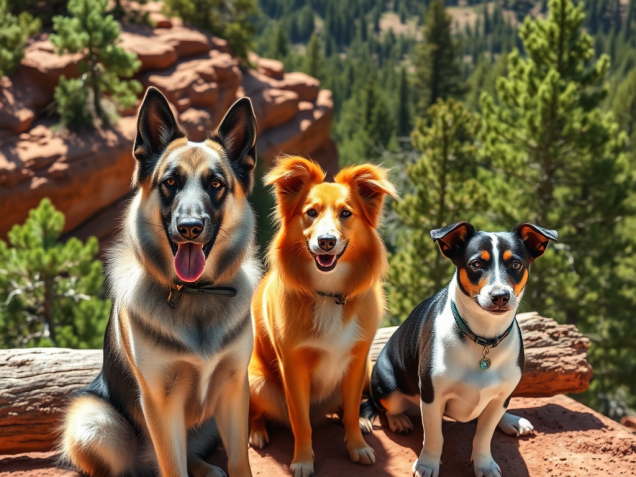
Oggy is the scout. He is a lightning-fast border collie. His job is to stay out front. He sniffs out threats and leads the way with sharp instinct. Bruiser, the muscle-bound mastiff mix with a thunderous bark and a heart of gold, never strays from Benji’s side. He is the protector. And Jackie, the wise and steady golden retriever, always takes the rear. She remembers every twist and turn in the woods. She is the quiet navigator. She ensures they always find their way back home.
What begins as a simple after-school tradition—just a boy and his dogs hiking the countryside—becomes something far greater. These four face the untamed wilderness. They discover the secrets of the land. They defend each other against the dangers that lurk in the shadows. These include wild boars, treacherous terrain, and even the unpredictable spirit of nature itself.
But this story isn’t just about survival—it’s about trust and purpose. It’s about the powerful bond that exists between a child and the animals who would give anything to protect him. It’s about finding your place in the world, knowing your role, and honoring it with everything you’ve got. It’s about how the world can feel vast and uncertain. Having the right ones by your side can make all the difference.
The Trail Guardians is a heartwarming, adventurous tale set against the backdrop of rural America. It is perfect for readers who believe in the magic of animals. It also appeals to those who appreciate the courage of kids and the timeless rhythm of life in the country.
📅 Mark your calendars—Chapter One begins Tuesday, June 17th!
Watch for the first of five exciting chapters. Enjoy this engaging short read as we count down to the first day of summer!
Join Benji, Oggy, Bruiser, and Jackie on their journey. They explore wild places where memories are made. Loyalty is tested, and legends are born.
This is only the beginning.
The story is growing, the trails are calling, and the dogs are ready!
That just about does it, don’t it?Step Right up Come On In!
The Honorable Judge Bledsoe peered over his glasses, clearly unimpressed. “Mr. Rawlins, you understand this is a legal proceeding, not the Grand Ole Opry?”
“Yes, Your Honor,”
Said Henry Rawlins. He stood tall in his dusty boots and bolo tie. One hand rested on a weathered Bible. The other clutched a crumpled lyric sheet.
Across the courtroom, his soon-to-be ex-wife, Sherry Lynn, sat rigid in her seat, her lawyer whispering furiously in her ear. Henry’s lawyer had already given up and was sitting down, his face red, wiping his forehead with a handkerchief.
Henry cleared his throat.
“But if the court will allow, I’d like to offer my final statement in my own words. I would also like to include the words of a few gentlemen. They helped me understand what went wrong.”
A murmur passed through the courtroom.
Judge Bledsoe sighed.
“Mr. Rawlins, continue—briefly.”
Henry nodded, unfolding the page.
“Your Honor, I ain’t a lawyer. But I know pain, regret, and how a man can lose his way. And those feelings are best told not in legal briefs but in country songs. So I offer my case—in three verses and a broken heart.”
He stepped ahead.
“First, Vern Gosdin said it best: ‘That just about does it. That’ll just about kill it, won’t it?’ That’s what I said the day Sherry left. I came home to an empty house and a note by the coffee pot. Ten years of marriage, and it ended in one quiet goodbye.”
He turned to Sherry Lynn.
“I didn’t fight. I figured I’d already lost. And I didn’t blame her—not entirely. I hadn’t been easy to love.”
The courtroom was silent. Even the bailiff looked up from his crossword.
“Then,” Henry continued,
“I walked through what George Jones called ‘The Grand Tour.’ I opened the closet and saw her dresses hangin’ like ghosts. Our baby’s room still had the mobile spinnin’ slow. The smell of her perfume lingered like a memory that didn’t know how to leave.”
Judge Bledsoe adjusted in his seat, then motioned for him to finish.
“But, Your Honor, here’s the thing. I almost didn’t show up here today. I nearly signed the papers and walked away. But then I heard Randy Travis singing. He was singing ‘On the Other Hand… there’s a golden band.’ It reminded me of someone who would not understand.”
Henry looked again at Sherry Lynn, softer now.
“On one hand, I messed up. I got too comfortable. I stopped listening. I stopped holding her when she needed to be held. But on the other hand, I still believe in us. That golden band still means something to me. Maybe I’m a fool for sayin’ this here in court. I’d rather fight to fix it. I won’t stand here and let it all go to hell while quoting country songs.”
He folded the paper, tucked it into his jacket, and looked down.
“I rest my case.”
A pause. Then Judge Bledsoe leaned back in his chair.
“Well,”
he said slowly,
“I’ve been on this bench for twenty-three years. I’ve heard lawyers argue using everything from scripture to Shakespeare. But, I’ve never heard anyone use Vern Gosdin.”
The judge turned to Sherry Lynn.
“Mrs. Rawlins, do you still wish to continue with the divorce?”
She was silent for a moment. Her expression softened as she looked at Henry—looked at him—for the first time in months.
“I… I don’t know,”
She said, her voice barely above a whisper.
“But maybe we should talk. Not here. Somewhere real.”
Judge Bledsoe smiled faintly.
But, on the other hand…The George, Vern and Randy Plea.
🌈 How Braums Dairy Supported Pride — Weathered Criticism, Reaped Major Rewards
1. Context: Logo on Plaza Sponsorship
In June 2025, Braums Dairy was unexpectedly in the spotlight. It is a beloved Oklahoma-based chain of ice cream shops, fast-food restaurants, and grocery markets. Their logo appeared on promotional flyers for “Pride on the Plaza,” a local Pride celebration in Oklahoma City (1). It served as part of a broader “Live on the Plaza” sponsorship package.
2. Initial Backlash
Conservative commentator and former state lawmaker Gabe Woolley reacted to the logo’s appearance. He tweeted that he would boycott Braums for allegedly funding a drag event. (2). His claims quickly gained traction among right-leaning Oklahomans, prompting calls for political reaction to this perceived advocacy.
3. Rebuttal & Clarification
Soon, voices with marketing skill pushed back. Braums was not directly sponsoring the Pride party. Instead, they were supporting the venue’s broader summer programming. Further investigation revealed that their sponsorship covered the entire weekend. This included the LGBTQ+ event. Still, it was not explicitly targeted at Pride.
This nuance shifted the framing dramatically: what was initially cast as a partisan act became clear as simple venue support.
4. The Social Media Surge
After the dust settled, reactions flipped. Social media buzz exploded on TikTok:
“@Braums could not have ENGINEERED this kind of positive publicity if they tried #oklahoma #braums #braumsicecream #drama”(3)
Citizens applauded the company’s unintended but visible support, demonstrating powerful brand alignment.
5. Tangible Business Upside
This wave of exposure translated into real-world gains:
Brand lift & awareness: Braums featured in news cycles, social feeds, and community conversations—as a business unafraid to be inclusive.
Customer engagement: LGBTQ+ supporters and allies publicly shared plans to patronize Braums. As a result, many new customers discovered the brand. Community loyalty soared.
Earned PR: Local outlets like The Lost Ogle covered the story. They humorously defended Braums. They also criticized the boycott efforts (4).
It became a textbook example of inclusive marketing with unexpected ROI.
6. Takeaways for Brand Strategy
Insight Lesson
Intersectional sponsorships matter. Even general licensing contracts (e.g., “Live on the Plaza”) can effectively link your brand to meaningful causes.
Backlashes can pivot positively When critics amplify your message, clear and direct messaging helps turn controversy into resonance.
Public support matters TikTok, and community praise can vastly outperform first negative attention.
Organic PR beats paid media. Media coverage and word-of-mouth about your brand can have a lasting impact and longevity that outlasts short campaigns.
7. Conclusion
Braums experience offers a powerful case study for businesses. Even inadvertent support of social causes can yield significant goodwill. It also brings loyalty and profitability. Through smart, clear communication and customer engagement, you can transform backlash into business-building buzz.
Not the peace that lives only in headlines or history books—the grand treaties, the ceasefires, the official proclamations. I’m talking about the peace we build in our daily lives. This peace begins around kitchen tables. It is found in community meetings. It happens in the quiet moments when we choose to listen rather than shout.
What would it take to create a more peaceful world? That question sits heavy on my heart.
I don’t pretend to have all the answers, but I believe peace isn’t something we wait for others to deliver. It’s something we shape, step by step, together. And maybe, just maybe, it starts with a plan. Its not a perfect plan, but it’s a real one. It’s something we can reach for and return to, like a compass in uncertain times.
Step One: Start With Listening
Peace begins with the willingness to hear someone else’s story—especially when it challenges our own. We don’t have to agree on everything, but we do have to care enough to listen.
Imagine what would change if we listened without preparing to argue back. If we asked “What is it like to be you?” and waited long enough for a real answer.
Step Two: Make Room for Justice
There can be no true peace where injustice lives unchecked. That means looking closely at the systems around us—schools, courts, hospitals, policing, housing—and asking, “Who is being left behind? Who is being harmed? And what can we do to fix it?”
Justice isn’t about blame. It’s about repair. Peace doesn’t ask us to forget the past. It asks us to heal from it—together.
Step Three: Practice Kindness Like It’s a Skill
We talk about kindness like it’s something we either have or don’t. But I think it’s more like a muscle. You build it every day—with patience, with humility, and with a little humor when things get hard.
Sometimes, peace looks like biting your tongue. Sometimes, it looks like reaching out. And sometimes, it’s just not walking away.
Step Four: Educate for Empathy
To give the next generation a better shot at peace, we must teach them differently. Not just math and reading—but empathy, conflict resolution, critical thinking, and how to talk across differences without losing our humanity.
We should teach history honestly, too—not just the polished parts, but the painful truths that still echo today. Healing begins with honesty.
Step Five: Be Brave Enough to Hope
Hope can be a radical thing. Especially when the news is bleak and the divisions feel endless. But hope is not weakness. It’s strength disguised as belief. It’s faith in what we can build, even if we haven’t seen it yet.
A plan for peace isn’t a single event. It’s not something we sign and file away. It’s a lifelong effort. It’s showing up, over and over, with open hands and an open heart.
We will never achieve a perfect peace. But if we can bring peace into one more conversation, one more neighborhood, one more generation—then it’s worth everything.
So here’s my plan. It starts with me. It starts with you. And it keeps going—as long as we keep walking ahead, one small, hopeful step at a time.









 benandsteve.com