There is talk about the next big craze. Is it real? According to the report, yes!
Donkey Milk has plenty of nutrients and more! Visit the World Farmer Story to learn more!
There is talk about the next big craze. Is it real? According to the report, yes!
Donkey Milk has plenty of nutrients and more! Visit the World Farmer Story to learn more!
By Benjamin GroffMedia© | benandsteve.com | 2025 Truth Endures©

Braddock Cain sat alone in The Assembly, a chessboard in front of him, half-played.
It was something he did when the whiskey wore off, and the world got too quiet. He played both sides of the board. He always made sure black lost.
Tonight, black wasn’t losing.
He moved a knight, sat back, and scowled.
The vault trap should have buried Finch and the girl. He’d received no word from Poke, which was unusual. Too unusual.
A low, sharp knock came at the door—three short raps.
Then silence.
His eyes narrowed.
“Enter,”
He growled.
The door creaked open, and the man who stepped inside wasn’t Poke. Wasn’t anyone from Serenity? His clothes were clean, military-cut. His boots were dustless. He didn’t wear a hat—but his shadow felt longer than the room allowed.
“Mr. Cain,”
The stranger said.
“I presume.”
Cain stood, hand already on the grip of his pistol.
“You don’t walk into this room without an invitation.”
“I didn’t walk,”
The man replied.
“I arrived.”
He stepped ahead and set a file down on Cain’s table. The name ASHWOOD was stamped in red across the top.
Cain didn’t move to open it.
“You’re Gallow,”
He said flatly.
“That’s what they used to call me,”
The man replied.
“In certain circles. Not the ones you buy into.”
Cain sat back slowly.
“What do you want?”
Gallow smiled faintly.
“Let’s call it… clarity. You’ve grown fat on rot, Cain. But rot attracts insects. I’m here to burn the carcass clean.”
Cain let out a cold laugh.
“You think you can walk into my town and—”
Gallow was suddenly in front of him.
Cain hadn’t even seen the movement.
A knife gleamed under Cain’s chin.
“I don’t think,”
Gallow whispered.
“I replace. You’ve become a liability to men far above either of us. The vault was never your property. The tapes, the ledgers, the names—you were supposed to manage them, not flaunt them.”
Cain’s eyes narrowed.
“You’re not just here for Finch.”
“I’m not here for Finch at all,”
Gallow said softly.
“He’s just a broken piece. You’re the engine.”
He pulled the knife away and tucked it back into his sleeve.
“I won’t kill you tonight. That would be –– premature. But I will leave you with a choice.”
Gallow tapped the Ashwood file.
“Burn this. Leave town. Or wait for me to come back.”
Then he was gone.
Cain sat still for a long time, listening to the echo of Gallow’s departure. When his hand finally moved, it wasn’t for his gun.
It was for the bottle.
Poke’s body was found behind the saloon—face down, no bullet wound, no blood.
Just two coins were placed over his eyes.
Wren and Chester stood over him in silence.
“Gallow’s here,”
Wren said.
“And he’s not working for Cain. He’s cleaning the house.”
Chester looked toward the west horizon, where dust clouds rolled in from the direction of the rail line.
He pulled the badge from his coat and stared at it.
“Time to decide,”
He muttered.
“Do I play Marshal—or outlaw?”
Well now, Gallow is certainly making his presence known! And Cain clearly has a big decision to make—but will he actually leave town? If so, he better start packing snacks for the road. But if he’s thinking about staying, he’ll want to give Jonathan Lawson a call. He should secure himself a Colonial Penn Life Insurance policy. It’s unfortunate Poke didn’t think ahead. Maybe those two coins over his eyes are enough to cover a plot in the nearest potter’s field.
As for Marshal Chester Finch, he’s defied the odds and made it to Chapter Ten. And it looks like this final chapter will finally answer the big mystery: the moped. Where has it been? Who hid it? Why wasn’t it tampered with? What was it originally bought for? And when did Chester decide it would be his official Marshal’s ride?
All of this—and more—will be revealed in Chapter Ten. ~ WE Hope ~
By Benjamin GroffMedia© | benandsteve.com | 2025 Truth Endures©

The blast had sealed the main vault door and collapsed part of the tunnel behind them. Smoke choked the air. Brick and metal groaned under stress. Chester blinked through blood and dust, pulling Wren up from the rubble.
“You alright?”
He asked, coughing.
“Been worse,”
Wren muttered, cradling her left arm.
“Dislocated, not broken. I’ll pop it back.”
Chester pulled out a penlight and scanned the room.
“No exit. That was the only way in.”
Wren smiled through the pain.
“You thought it was.”
She limped to the far wall. A section of decorative tiling was there—old, Spanish-style. It jutted out from the stone like it didn’t belong. She knocked three times in a rhythm that echoed deeper than it should have.
A hollow click responded.
“Cain didn’t build the vault himself. He took it from a man who did. The original owner had escape routes.”
She traced a tile shaped like a broken star and twisted it counterclockwise. With a faint hiss, the tile wall slid inward, revealing a narrow stone chute, half-collapsed and riddled with centipedes.
Chester stared into the black.
“I don’t suppose you brought rope,”
He said.
“Nope.”
“Alright then,”
He grunted, and they vanished into the dark.
Petal stood at her shop counter grinding roots when the front door exploded inward.
She ducked instinctively, drawing her old revolver, but it was too late.
Two men in black tactical gear moved in fast, grabbed her arms, and yanked her across the counter. The third figure entered last—calm, silent.
Mr. Gallow.
He picked up a vial from the shelf, sniffed it, and set it down.
“I’ve read your name,”
He said, voice flat.
“You’re a known associate of Wren. Harboring her. Aiding a rogue federal.”
Petal spat blood and smiled.
“You got a badge?”
“No. I have jurisdiction.”
He signaled.
The men dragged her out.
They disappeared down the street. Julep Jake watched from his cell window. He was whittling a miniature guillotine from an old broom handle.
“And now the harvest begins,”
He muttered.
Chester and Wren emerged two hours later through a rusted maintenance grate behind the abandoned Serenity Theater. They were scratched, covered in brick dust, and exhausted—but alive.
Wren wiped grime from her face.
“He set us up. Knew we were coming.”
Chester nodded grimly.
“Means we rattled him.”
She held up the two ledgers she’d saved—one in each hand.
“He loses if these go public.”
Chester took them, tucking them into his coat.
“Then let’s make sure they do.”
Suddenly—gunfire cracked in the distance. Three pops.
Wren froze.
“That was near Petal’s.”
Chester’s face hardened.
“We’re not the only ones he’s playing.”
They moved quickly down the alleys. Even as they ran, Wren stopped cold. She saw the mark scorched onto the alley wall: a circle with a horizontal line through it.
She grabbed Chester’s arm.
“That’s not Cain’s symbol.”
“What is it?”
Wren’s voice dropped to a whisper.
“It’s Gallow’s.”
Chester turned, scanning the rooftops.
“Then we’re out of time.”
What exactly did the symbol mean? Chester had the answer—or at least a regulation book with the answer—tucked away in the saddlebags on his moped. The problem? He didn’t bring it with him. And it’s too far to walk back now. Truth is, he hasn’t laid eyes on that moped since he rolled into town. So, is it hidden so well that he forgot where it is? Or is he protecting a strategic location he’s not ready to reveal? With only two chapters left, the Marshal better get moving!
By Benjamin GroffMedia© | benandsteve.com | 2025 Truth Endures©

Two nights later, Chester and Wren moved through the back alleys of Serenity like smoke.
The plan was simple: infiltrate the vault below The Assembly using the abandoned mine shaft Wren had mapped out. Inside, Cain kept more than just gold and guns—he kept records. Blackmail. Ledgers. Evidence.
Evidence that could break him!
Wren led them to a rusted grate hidden behind the collapsed ruins of an old hardware store. Beneath it: a shaft covered in rotted boards and bad intentions.
“Down there?”
Chester asked.
“Unless you’d rather try the front door.”
They climbed down slowly, their boots sinking into decades of dust and discarded bones. Lantern light flickered over graffiti scratched into the stone. Old names. Gang signs. Some symbols are older than either of them recognized.
They crawled through two hundred yards of tight rock. They ducked under fallen beams and crossed a flooded tunnel chest-deep in cold water. Finally, they came to a narrow corridor with smooth brick walls.
“This was built after the mine closed,”
Chester said.
“Cain built it,”
Wren confirmed.
“To smuggle in shipments during the lockdown years. It goes straight to his vault room.”
Chester’s hand rested on his revolver.
“We go in quiet. No guns unless we’re cornered.”
They reached the door—an iron-bound, reinforced, and sealed structure with an old code lock. Wren pulled a tiny folded paper from her coat.
“Petal gave me this,”
She said.
“It’s the combination. She wrote it down after Cain got drunk and showed off.”
Chester raised an eyebrow.
“I’m beginning to like that woman.”
Wren punched in the numbers. The lock hissed. The door creaked open.
Inside, the vault glimmered like a serpent’s nest: stacks of cash, boxes of documents, safes within safes.
But the prize wasn’t money.
It was the black books.
Wren went for the ledgers. Chester opened a crate and pulled out a collection of old film reels labeled with names—judges, mayors, even a U.S. senator.
“This is it,”
He whispered.
“This is Cain’s Kingdom in a box!“
“This is Cain’s kingdom in a box.”
But then, from behind them—a faint click.
Wren froze.
“Did you hear—”
Chester tackled her just as the explosion hit.
The vault door slammed shut.
Dust and debris rained down. A trap. It had been rigged.
From above, in a hidden observation room, Braddock Cain watched through a spyglass.
He turned to Poke and said,
“Let them cook. They wanted into my house. Now they can die in it.”
But neither he—nor Chester—knew that Wren had already mapped another way out.
And worse, Mr. Gallow had just entered Serenity.
Cain’s Kingdom In A Box? Sounds like evidence that sews up this case! But, now Mr. Gallow is in town, and this brings a whole new suggestion for more trouble. Or a solution. It is too early to tell. Maybe Mr Gallow came for the moped. What if the Marshal’s service issued the moped to Chester, and they want it back?
By Benjamin GroffMedia© | benandsteve.com | 2025 Truth Endures©

The file on Chester Finch wasn’t stored in any digital archive. It was handwritten, double-sealed, and stored in a fireproof vault in Washington, D.C., under a codename known only to four men who still remembered it.
Operation Ashwood.
Eight years ago, Chester was part of a black-bag unit inside the U.S. Marshal Service—officially unrecognized, unofficially unstoppable. The team was created to root out systemic corruption in rural American towns with privatized law enforcement and cartel-backed leadership. The mission was simple: infiltrate, destabilize, expose.
Ashwood’s first three targets were textbook. The fourth—Gulch County, Texas—was different.
Chester had made the call. He exposed the sheriff, three council members, and a judge and brought them down with a clean sweep.
But the blowback was lethal.
Three of Chester’s team were ambushed at the exit. A safe house was burned down—with a whistleblower’s daughter inside. The press got hold of fragments, but the whole truth? That was buried in a sealed report and heavily redacted.
Chester took the blame. Not officially. But quietly. They let him keep the badge—under the condition that he’d never be given another high-profile operation again.
Until now.
Serenity was never meant to be his assignment. Someone had slipped his name into the dispatch. Someone with a more extended memory than the agency admitted to.
And now Gallow, the last surviving Ashwood “fixer,” was on the trail.
Now, remember this is only a pause between Chapters Five and Seven. This moment is to clarify what was happening. It serves to show what brought Chester Finch to these parts. When Chapter Seven opens, it will seem like only a few days have passed. That will be just enough time for Finch to remember his past, whether he likes it or not. Still, there is no word where he has left the moped. Surely, it would have been used as a bargaining chip with him by now.
By Benjamin GroffMedia© | benandsteve.com | 2025 Truth Endures©

The bell above Petal’s shop rang twice—slow and deliberate.
That was the signal.
Wren waited until the third cloud passed over the moon before sliding off the schoolhouse roof. She moved like a whisper down the alleyway, avoiding the creaky boards and broken glass with practiced ease. She paused behind the horse trough near the sheriff’s office and whistled once—two notes, flat and low.
Chester was sitting inside the dim jailhouse with his boots propped up on a barrel. His bruised rib was bandaged with a strip of curtain. He heard the sound and stood up.
He opened the door.
Wren stepped into the lamplight. She was small and wiry, wrapped in an oversized coat that had seen better days. Her eyes were dark and deliberate, scanning the room, the exits, the Marshal.
“I watched you fight the Gentlemen,”
She said without greeting.
Chester gave her a nod, cautious but not cold.
“You’re the girl from the roof.”
“I’m the girl from everywhere,”
She replied.
He gestured to a stool.
“You hungry?”
She hesitated, then sat.
“I want something else.”
“Alright.”
“I want Cain gone.”
Chester leaned back against the wall, arms crossed.
“That makes two of us. But wantin’ it and surviving it are two different things.”
Wren pulled her notebook from her coat and opened it. She showed him a crude map—of underground tunnels, secret entrances, schedules.
“I’ve been tracking his movements for six months,”
She said.
“He’s gotten sloppy. He trusts the wrong people. There’s a weak point—down in the old mines under the vault. He thinks no one remembers it exists.”
Chester raised an eyebrow.
“And you want to hit him there?”
“I want to expose him first. Show Serenity what he is. Not just a tyrant. A liar. A coward. I can get you inside. You have to decide if you’re willing to break the rules you came here to enforce.”
He looked at her for a long moment.
“You ever worked with a marshal before?”
“No,”
Wren replied.
“You ever work with a kid who knows where all the bodies are buried?”
Chester smiled.
“Can’t say that I have.”
She closed the notebook.
“Then we’re even.”
They shook hands—hers small and cold, his calloused and warm. In that moment, something changed. Not in Serenity. Not yet.
But it had started.
Meanwhile –––
Five miles west of Serenity, in a ravine that didn’t show on most maps, a boxcar shuddered to a halt. It stopped on rusted rails.
A figure stepped out—tall, dressed in black, face hidden beneath a wide-brimmed hat. Beside him, four others disembarked—mercenaries, by the look of them. Not local. Not from this state. Not from this country, maybe.
They called him Mr. Gallow.
No one knew if that was his real name. He didn’t speak often, but when he did, people obeyed—or disappeared.
Gallow held up a leather-bound dossier stamped with the faded seal of the Bureau of Internal Affairs. Inside was a photo of Chester Finch, clipped to a thick file marked:
“CLASSIFIED – OPERATION ASHWOOD.”
He flipped the page and revealed a second file—one that bore the name Braddock Cain.
And then a third.
Subject: WREN (Alias Unknown).
Status: Missing / Witness Protection Violation.
Gallow smiled faintly.
He turned to his team and said only two words.
“Kill quietly.”
They vanished into the desert night like wolves on the scent.
Back in Serenity
Petal watched the train lights fade on the horizon, her face tense.
She reached behind the counter, pulled out a dusty revolver, and said to herself,
“They’re all waking up now.”
And somewhere, far below, in the tunnels beneath Serenity, a clock that had long stopped ticking began to turn again.
So, Chester’s past is coming back to haunt him. What exactly are contained in the files OPERATION ASHWOOD Files? And, how much of it did Chester do or not do? He now cares less about the moped. If the contents of the file sees light of day, what would it mean for our Marshal? The man trying to cleanup this dirty town? And the tunnels, are another thing? Just a quick way to get about town or something more sinister?
By Benjamin GroffMedia© | benandsteve.com | 2025 Truth Endures©

Braddock Cain stood in front of a pool table inside The Assembly, lining up a shot with surgical calm. His eyes didn’t leave the cue ball even as Poke relayed the report.
“He bloodied Silas’s nose, bruised Dutch’s ribs, broke Miles’ fiddle, and made Jonas fall on his ass,”
Poke said, leaning against a cracked marble column.
“Didn’t even draw his gun.”
Cain took the shot. The cue ball clicked sharply and sank the eight-ball in the corner pocket.
He stood slowly, placed the cue stick back on the rack, and poured himself a drink.
“And the town?”
“They watched,”
Poke replied.
“They didn’t help, but they didn’t laugh either. Some of ’em even looked –– curious.”
Cain stirred his drink with one finger.
“That’s the worst part.”
Poke blinked.
“Sir?”
Cain turned toward the window.
“Fear keeps Serenity in check. When people get curious, they start to hope. And hope’s just a prettier way of saying ‘trouble.'”
He walked back to his velvet chair, every step echoing in the hollow room.
“I want to know everything about Marshal Finch. Where he came from. What he’s running from. Who sent him? And,”
He added, narrowing his eyes,
“who he’s willing to die for.”
Poke nodded and disappeared.
Cain sipped his drink and muttered to the empty room,
“Let’s see what kind of man rides into Hell on a scooter.”
Wren sat cross-legged on the corrugated roof of what had once been Serenity’s schoolhouse. The sun was setting in a blood-orange smear across the sky. She held a spyglass in one hand and a half-sharpened pencil in the other. A leather-bound journal rested in her lap.
Inside were names. Maps. Notes.
She turned to a fresh page and wrote:
Chester Finch – Marshal – Took a hit, didn’t fall. I watched the Gentlemen leave bruised. He won’t last a month. He might last longer.
Beside her sat a worn revolver wrapped in canvas, untouched. Wren didn’t shoot unless necessary.
Observation was safer.
She reached into her coat and pulled out a folded piece of paper. It was a newspaper clipping, old and faded:
“LOCAL DEPUTY DIES IN FIRE — WIDOW, CHILD UNACCOUNTED FOR”
She stared at it for a long moment before tucking it away again.
Wren wasn’t born in Serenity. She was left here. Left during the chaos, after the fire, after the men in black suits came and went. Cain had taken her in—not out of kindness but calculation. He saw her silence, her memory, her talent for hiding in plain sight.
He never asked questions. Neither did she.
Until now.
She looked back toward the jailhouse, where Chester Finch was lighting a lantern in the window. He moved stiffly, but there was something in the way he held himself. Like a man who wasn’t afraid to die—but was trying real hard not to.
She flipped back through her notebook. She found a sketch she’d drawn weeks ago. It was a map of Serenity. The map had dotted lines marking the tunnels under the old mines. It showed the abandoned telegraph station and the hidden entrance to Cain’s private vault room.
Wren circled Chester’s name, then drew a faint arrow pointing to the vault.
It was almost time.
Elsewhere in Serenity ––
Back in The Assembly, Cain sat alone in the dim light, polishing a gold coin between his fingers. One side bore the symbol of the old U.S. Marshal’s badge. The other side? Blank.
“Flip it,”
He whispered.
“Heads, he burns. Tails, he breaks.”
He flipped the coin into the air and caught it.
But he didn’t look.
Not yet.
Yet another episode to our story concludes. And, still no word on whether the moped is safe. After all, nowhere in this story is it mentioned whether Chester Finch parked it in a loading zone. It also doesn’t say if he used a 1-hour only parking space when he got to town. So far it hasn’t been used to his advantage in any of the dealings he has had. In Chapter Five, you will find out why. There is a secret method to getting about the town. It is about to unfold.
By Benjamin GroffMedia© | benandsteve.com | 2025 Truth Endures©
A town allergic to rules.

By noon the next day, the heat in Serenity had risen to an oppressive boil. The town smelled of dry rot, sweat, and gun oil. Somewhere in the distance, a fiddle played off-key. Somewhere closer, someone was being punched.
Chester Finch stepped out of the rickety sheriff’s office he had claimed, swatting at flies with his hat. His left eye was bruised from a scuffle the night before, and he had re-holstered his sidearm four times that morning alone—once while buying coffee, once while crossing the street, once during a handshake, and once because a six-year-old pointed a slingshot at him and said,
“Bang.”
Serenity wasn’t just lawless—it was allergic to rules.
A woman named Petal ran the general store and apothecary. She greeted Chester with an arched brow, and a cigarette clung in the corner of her mouth.
“You’re still alive,”
She said, counting change.
“Didn’t expect that.”
“Thanks for the confidence,”
Chester replied, tipping his hat.
She shrugged.
“Ain’t personal. We don’t usually see second sunrises on lawmen.”
Chester had started to respond when a shadow fell across the dusty street. Four men approached—spaced out like predators, walking with the purpose that made children vanish and shutters slam.
The Gentlemen had arrived.
The one in front was tall, clean-shaven, and wore a preacher’s collar over a duster that flared in the wind. A thick Bible was tucked under one arm. His name was Silas Crane, but most folks called him Reverend Knuckle. He smiled with too many teeth.
“Marshal,”
He said.
“We heard you were new in town. Thought we’d come to say hello proper-like.”
Behind him stood the other three:
Chester stayed calm. He’d dealt with worse—once, a rogue bootleg militia in Nevada. Another time, a cult leader in Kentucky had a fondness for snakes and a penchant for blackmail. These four? They were just another test. Or so he hoped.
“I appreciate the hospitality,”
Chester said, thumb resting on his belt.
“But I’m here on business.”
Silas opened his Bible, then punched Chester square in the jaw. The Marshal hit the dirt hard.
“Chapter One,”
Silas said, closing the book.
“Verse one: The meek get stomped.”
Dutch cracked his knuckles.
“You wanna deliver the sermon, or should we take it from here?”
Chester wiped the blood from his lip and sat up.
“You fellas always greet visitors with scripture and assault?”
“We greet threats,”
Silas replied, crouching.
“You’re Cain’s business now. That means you’re ours.”
Behind them, the few townsfolk watching began to edge away, some disappearing entirely. Petal stayed, lighting a second cigarette from the first.
Chester stood up slowly.
“You done?”
Silas raised an eyebrow.
Because that’s when the door behind them swung open, and out walked Julep Jake, shirtless, handcuffed, and barefoot.
“Marshal,”
Jake yelled, grinning wildly,
“you left the cell unlocked again! I declare myself free! By raccoon law!”
Everyone froze.
Even Jonas blinked.
Silas turned slightly.
“What is—?”
And that’s when Chester moved. Fast.
He used the distraction to land a gut punch on Dutch. He spun around Silas. Then, he kicked Miles’ fiddle clean across the street. Jonas came at him like a wrecking ball, but Chester ducked and flipped a barrel in the way. The brute went tumbling.
It wasn’t a win. It was a delay.
But it was enough.
When the dust settled, Chester stood there, breathing hard, badge still gleaming. Around him, the Gentlemen nursed bruises and bruised pride.
“You tell Cain,”
Chester said, voice steady,
“that if he wants me gone, he better send a storm. Because the breeze just isn’t cuttin’ it.”
Silas stared at him, blood on his lip. Then he smiled that too-wide smile again.
“This is gonna be fun,”
He whispered.
They left him standing there, Jake still rambling behind him about his re-election campaign.
Later That Night ––
From a rooftop, a girl no older than fourteen watched the fight unfold. Her name was Wren. She didn’t talk much and didn’t smile either. But she watched everything. She scribbled something in a notebook.
The new Marshal wasn’t like the last dozen.
This one fought back.
Well now—what a predicament! After crossing paths with The Gentlemen, will the Marshal still be standing? Or will he end up being used to mop the floor by the end of Chapter Four? And as for his trusty moped… is it safe around this unruly bunch? Check here tomorrow for more and Chapter Four of this very exciting story!
By Benjamin GroffMedia© | benandsteve.com | 2025 Truth Endures©

Braddock Cain held court in what used to be Serenity’s town hall. It has been redubbed The Assembly. This tongue-in-cheek title amused him to no end. The building’s original seal featured a gavel and olive branch. It had been charred. A mural of a coiled snake wrapped around a set of broken scales replaced it.
Cain reclined in a velvet chair salvaged from an old theater. His legs were crossed and his boots polished. A glass of brandy swirled in his hand. He dressed like a gentleman, but everything about him screamed predator. His jaw bore a faded scar shaped like a question mark, and his eyes—green, sharp, reptilian—missed nothing.
He was listening to the daily reports from his lieutenants. These included moonshine shipments and bribe tallies. They discussed who’d been bought and who needed reminding. It was during this time that the news came in.
“Marshal rode in today,”
Said a wiry man named Poke, who hadn’t blinked since 1989.
“Little fella on a moped. Arrested Julep Jake, if you can believe it.”
Cain’s eyebrow lifted slightly.
“Didn’t shoot him?”
He asked, his voice smooth as oiled leather.
“No, sir. I hauled him off. Jake’s in the old jailhouse right now. He’s hollerin’ about election fraud. He’s claimin’ he’s immune to state law because of a sacred raccoon spirit.”
Cain chuckled, swirling his drink.
Side Note:
Julep Jake was a Yale-educated botanist. He loved whiskey-fueled nonsense. He habitually wore a sash that read “Honorary Mayor 4 Life.” Despite all this, he had a breakdown during a lecture on invasive species. He ended up in Serenity after wandering the desert in a bathrobe. He decided, on divine instruction, that this was where civilization needed his governance. The raccoon spirit came later, after a bad batch of moonshine.
Cain leaned forward, elbows on his knees.
“So. The law’s back in town.”
Poke nodded.
“Says he’s here to clean up.”
Cain smiled faintly.
“Then let’s give him something to mop up.”
He rose, slow and deliberate. Every movement was calculated with the same precision he used to carve out his little empire. Cain wasn’t just a criminal—he was a tactician. He knew that fear didn’t come from bloodshed alone. It came from control. Predictability. Making people believe that resistance was a form of suicide.
“Send word to the Gentlemen,”
Cain said.
The Gentlemen weren’t gentlemen at all. They were Cain’s enforcers—four men, each with a particular specialty. One was a former preacher who liked to break fingers while quoting scripture. Another was a silent giant who wore a butcher’s apron even on Sundays.
“Tell them I want to meet our new Marshal. Kindly, of course. Offer him a warm Serenity welcome.”
Poke nodded and vanished.
Cain turned to the shattered windows behind him, looking out over his kingdom. Dust swirled in the streets. Somewhere, a gunshot echoed, followed by laughter.
“I do enjoy it when they come in idealistic,”
Cain murmured, sipping his drink.
“They bleed slower.”
The sun sets over Serenity. One question hangs heavy in the air: Will the town still be standing by morning? It’s the same question whispered every night by those who still dare to hope. But for Chester, the stakes are far more personal. His question is simpler—yet far more deadly: Will he live to see the sunrise? And if he does… will he finally come face to face with the elusive “Gentlemen”? Few ever have—and fewer still lived to speak of it.
Chapter Three reveals the fate of the town. It uncovers the future of Chester. The shadowy intentions of the Gentlemen are exposed, at least for one more day. A luxury not everyone in Serenity can count on.
By Benjamin GroffMedia© | benandsteve.com | 2025 Truth Endures©

A town lies in the lawless fringes of the state. It is so dangerous and rotten that only the most desperate or the most damned ever call it home. Serenity—where outlaws drink with murderers, where honest men bleed before their second breath, and where fear rides in daylight.
Enter Chester Finch, a disgraced Deputy U.S. Marshal with a forgotten past and a laughable ride—a moped. But Serenity’s not a place that cares about appearances. It cares about power. And when Chester arrives, he’s not just up against crooked sheriffs, backroom executions, and townsfolk too scared to speak. He’s walking into the jaws of Braddock Cain—a kingpin with an empire built on blackmail and buried secrets.
Chester uncovers the layers of corruption. He discovers a larger threat: Gallow. Gallow is a ghost from his past with no badge, no mercy, and no leash. When Gallow comes to cleanse Serenity in fire, Chester must rally the few brave enough to fight. He must stand in the middle of a street where justice hasn’t walked in years.
This is a tale of grit, guilt, redemption—and standing tall when hell itself tells you to kneel.
Watch for the first Chapter in a series of 10! You can find them here beginning May 30th, 2025!
By Benjamin GroffMedia© | benandsteve.com | 2025 Truth Endures©
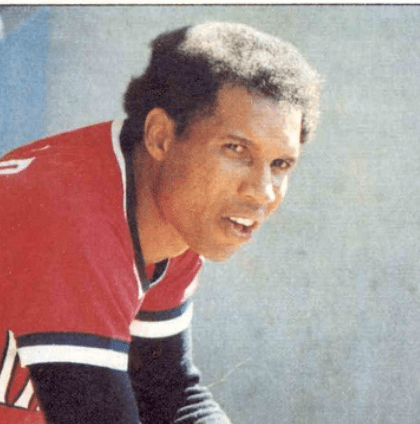
Horace Speed (1951–2025): Former Major League Outfielder Remembered for His Speed and Perseverance

Horace Solomon Speed was a former Major League Baseball player. He was known for his blazing speed and quiet determination. He passed away on May 26, 2025, at the age of 73.
Born on January 22, 1951, in Pasadena, California, Speed was a standout athlete from an early age. The San Francisco Giants drafted him out of Pasadena High School. This was during the Major League Baseball’s round of the 1969 June Amateur Draft. Speed spent most of his professional career in the minor leagues. Nonetheless, his dedication to the game paid off. He finally broke into the majors with the Cleveland Indians.
Speed made his MLB debut on September 14, 1975, and played parts of three seasons with the Indians. Throughout 62 games, he was often utilized as a pinch runner and reserve outfielder, capitalizing on his hallmark speed. While his offensive stats — a .140 batting average, seven stolen bases, and eight runs scored — show limited playing time, his presence was valuable. He made significant contributions in late-game situations, particularly on the bases.
Speed’s journey through professional baseball was a testament to resilience. He spent nearly a decade in the minors. Before reaching the major leagues, he served as a model of perseverance for countless aspiring athletes. His career was modest in statistical output. Nevertheless, it remains a testament to hard work and patience. It inspires all who hear his story.
After retiring from baseball, Speed largely stayed out of the public eye, living a private life away from the spotlight. His modesty stands out. He has made significant contributions to the sport. This modesty is a reminder of the humility that can be found in even the most accomplished individuals.
Horace Speed’s passing marks the loss of a quiet but determined competitor. His journey inspired those who watched him run, hustle, and chase his dreams. He is remembered for his achievements on the field. More importantly, he is remembered for the character he displayed in getting there.
By Benjamin GroffMedia© | benandsteve.com | 2025 Truth Endures©

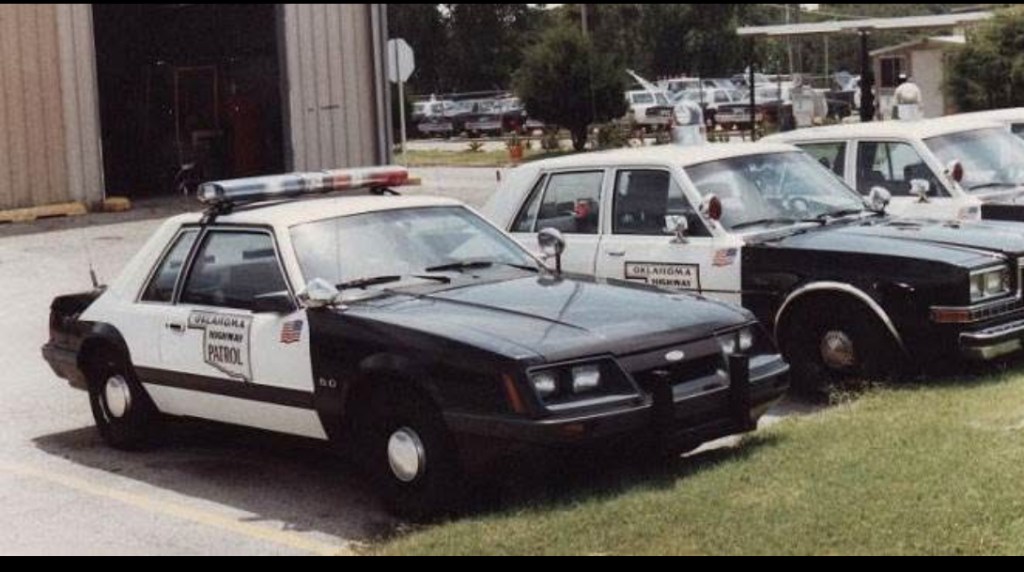
It was a warm May morning in 1978. I was 15 years old, working the phones at my dad’s office at Camp Red Rock in western Oklahoma. For several days, law enforcement radio traffic had been intense—more active than usual, more urgent. Something serious was happening.

An All-Points Bulletin had been issued statewide: two inmates had escaped from the Oklahoma State Prison in McAlester. They were described as extremely dangerous men, capable of committing horrific crimes. The Oklahoma Highway Patrol (OHP) and local authorities launched a massive manhunt, focusing on the southeastern region of the state. While there were scattered reports from other areas, the belief was that the fugitives remained nearby and on foot.

Still, troubling reports emerged—houses broken into, firearms stolen, and even a car gone missing. An army of troopers scoured the countryside. The fugitives had to move carefully, methodically, to avoid detection. The search had only been underway for days, but it felt like weeks.
May 26, 1978, arrived. It would become one of the darkest days in the history of the Oklahoma Highway Patrol.
Although I was hundreds of miles away from the action, the search was broadcast live to my ears. The ranger office where I worked was equipped with radios that picked up all law enforcement frequencies. I heard it all: the calls, the coordination, the chaos.

That morning, a somber message came over the radio from Highway Patrol District Headquarters:
“Attention all stations and units: All nets are 10-63 until further notice.”
In plain terms, this meant that the radio network was reserved exclusively for emergency traffic related to the escapees. No unnecessary chatter. But maintaining a “10-63 net” requires constant reinforcement. Officers rotate shifts. New dispatchers come on duty. Without reminders, the rule starts to fade, and soon enough, radio traffic returns to normal. That’s exactly what happened.
As the air unit tried to communicate with ground teams, their messages were drowned out by unrelated conversations. Then, something chilling unfolded.

I listened in real time. The air unit tried to warn a team of troopers. They had approached a area. The escapees were hiding—just beyond the trees, lying in wait. The troopers, thinking it was a routine check, got out of their car casually. Suddenly, gunfire erupted. It was an ambush.
One of the troopers managed to retreat to his vehicle and tried to call for backup. The air unit, having seen everything from above, struggled to get through. The radio frequencies were jammed with idle chatter. It was a communications nightmare that have cost lives.
I sat there, helpless, listening to the air unit reporting the tragedy to headquarters. The dispatcher pleaded for all units to clear the net so emergency aid is dispatched. I was stunned—devastated. This moment became a lasting lesson in why radio discipline can be a matter of life and death.
Later that day, I was shocked again—two more troopers had been shot in the same area. And then, I heard the message that signaled the manhunt was over:
“Be advised, the search for the escapees is over. All units and stations can return to regular assignments.”
That phrase said it all. The escapees were no longer a threat. They hadn’t been captured—they were dead. Had they been taken alive, the dispatch would have named the unit responsible for their arrest.
Three troopers lost their lives that day:
Summers and Young died in a gunfight on a rural road near Kenefic. This occurred after the escapees stole a farmer’s truck and weapons. The troopers, unaware of what they were driving into, were ambushed.
Later that day, in the small town of Caddo, Lt. Grimes and his partner, Lt. Hoyt Hughes, were searching a residential area when they, too, came under fire. Grimes was fatally shot. Hughes was wounded but managed to exit the vehicle and return fire at close range, killing one of the fugitives.
Just moments later, Lt. Mike Williams of the Durant detachment arrived. He fatally shot the second escapee. This action brought an end to a 34-day reign of terror that had stretched across six states.
The two escapees caused the deaths of eight people. This number includes the three troopers. They also injured at least three others during their violent run from justice.
What I heard that day shaped me. During my time in the police academy, I learned something important. My account of the events closely aligned with what was eventually confirmed. The tragedy of May 26, 1978, became a case study. It highlighted the importance of radio discipline. The event also emphasized operational coordination and situational awareness.
But for me, it was more than that. It was personal. I was there—listening. And I will never forget the sound of silence that followed.
By Benjamin GroffMedia© | benandsteve.com | 2025 Truth Endures©
Memorial Day: A Call for Deeper Understanding of a Sacred American Tradition

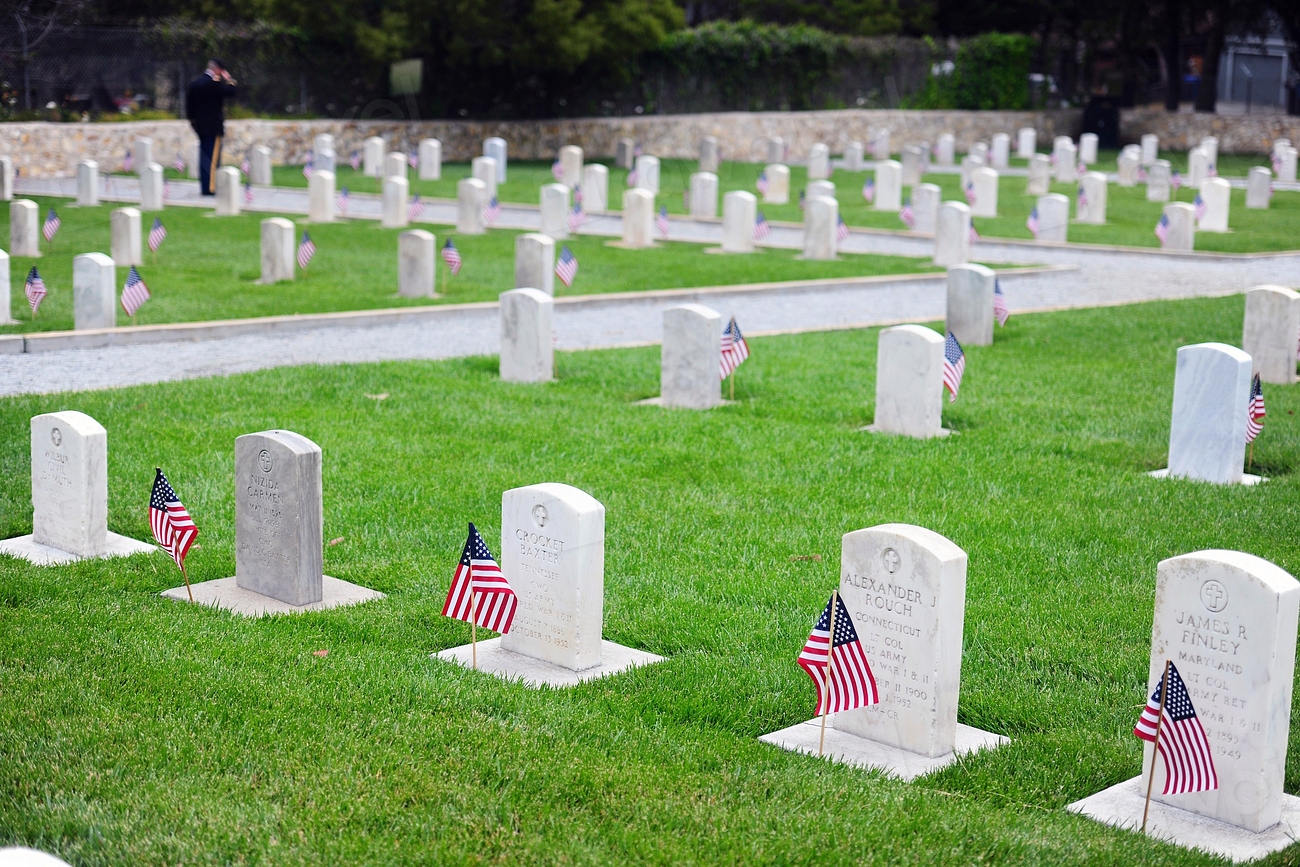
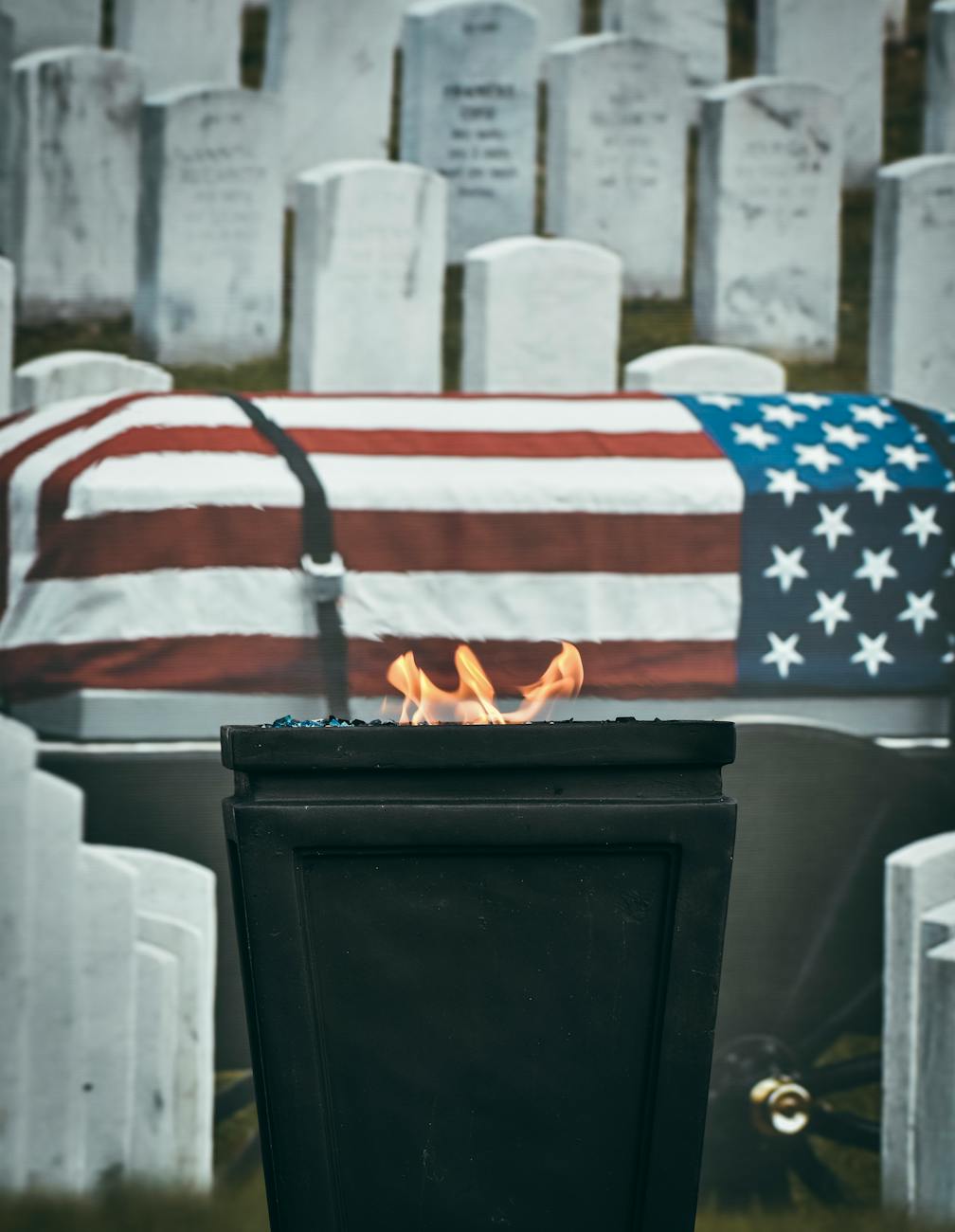
May 26, 2025 — Americans across the country gather for cookouts, beach trips, and retail sales this Memorial Day. Veterans and historians urge the public to remember the true meaning of the holiday. It is a solemn day of remembrance for those who died while serving in the United States Armed Forces.

Originally known as Decoration Day, Memorial Day was first widely observed in 1868. This was after the Civil War. Citizens and soldiers alike placed flowers on the graves of the fallen. Today, it is often confused with Veterans Day. Veterans Day honors all who served. Memorial Day is for those who made the ultimate sacrifice.
For many, the long weekend signals the unofficial start of summer. For Gold Star families—those who have lost a loved one in service—it’s a day marked by grief. It is also a time for reflection and pride.

“We don’t want people to stop enjoying their freedom,”
said Angela Cruz, whose son died in Afghanistan in 2011.
“But we hope they understand that someone paid for it.”
Surveys reveal a worrying trend. A growing number of Americans are unaware of the distinction between Memorial Day and Veterans Day. This is especially true for younger generations. A 2024 Pew Research poll found that nearly 40% of adults under 30 were unclear about Memorial Day’s purpose.
Historians warn that this disconnect risks eroding public understanding of military sacrifice.
“When people forget the meaning of Memorial Day, they forget about those who gave their lives in service. They overlook their sacrifice,”
said Dr. Robert Ellis, a military historian at Georgetown University.
“It’s not just a history lesson—it’s a civic responsibility.”

Efforts are underway to restore the day’s original intent. Many veterans’ organizations are promoting the National Moment of Remembrance, a voluntary pause at 3 p.m. local time on Memorial Day to think in silence. Schools and communities across the country are bringing back traditions. They are visiting cemeteries and laying wreaths. They are also reading the names of fallen service members.
“We want people to barbecue, to be with family, to enjoy America,”

said retired Army Sergeant Major Tyrese Bennett.
“But we also want them to take a moment—just a moment—to remember why they can.”
The nation marks another Memorial Day. Veterans and families hope that Americans will go beyond the sales. They want people to go beyond the celebrations. They wish everyone would take time to honor the names, stories, and legacies of those who never made it home.
By Benjamin GroffMedia© | benandsteve.com | 2025 Truth Endures
The First Memorial Day: Honoring the Fallen After the Civil War

In the aftermath of the American Civil War—a conflict that claimed more lives than any other in U.S. history—communities across the nation were left mourning. By 1865, with the war concluded, families faced the grim task of honoring more than 600,000 soldiers who had died. This collective grief gave rise to a new tradition: a day of remembrance.
Many towns and cities began their own informal commemorations of fallen soldiers. An early observance of what would become Memorial Day occurred in Charleston, South Carolina. It happened on May 1, 1865. There, newly freed African Americans held a ceremony to honor Union soldiers. These soldiers had died in a Confederate prison camp.

During the war, Confederate forces converted the city’s Washington Racecourse. Today, it is known as Hampton Park. They turned it into a prison for Union soldiers. Over 260 Union troops died there from disease and exposure and were buried in unmarked graves. After the Confederacy’s defeat, Black residents of Charleston, many of them formerly enslaved, took action. They worked to give those soldiers a proper burial. They reinterred the bodies. They built a fence around the site. They marked it with a sign that read: “Martyrs of the Race Course.”

On May 1, a crowd of around 10,000 people—including freedmen, Union troops, and white missionaries—gathered for a solemn procession. The event included prayers, singing, speeches, and the laying of flowers. Children marched with armfuls of blossoms, and the day ended with picnics and patriotic performances. This Charleston observance was largely forgotten in the national narrative for decades. Now, many historians recognize it as the first Memorial Day.
Nonetheless, the tradition took broader root a few years later. In 1868, Union General John A. Logan, head of a veterans’ organization called the Grand Army of the Republic, issued a proclamation. He declared May 30 as Decoration Day, a time to decorate the graves of fallen soldiers with flowers. That year, ceremonies were held at over 100 cemeteries across the country. A major event took place at Arlington National Cemetery. Flowers were placed on the graves of both Union and Confederate soldiers.

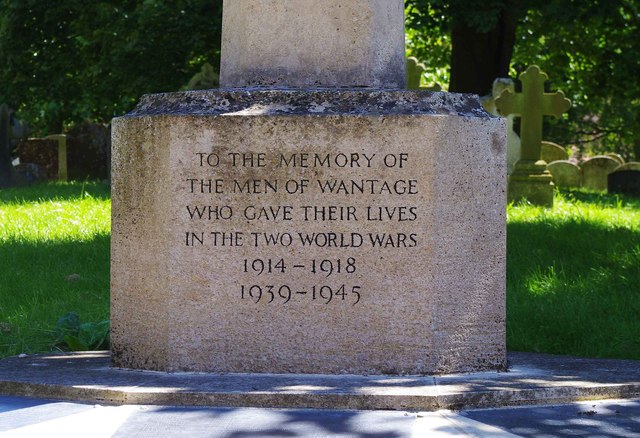
Over time, Decoration Day evolved into Memorial Day, gradually becoming a national holiday. After World War I, its purpose expanded to honor all Americans who died in military service. In 1971, Memorial Day was declared a federal holiday. It was moved to the last Monday in May. This change ensures a long weekend of remembrance.
Today, Memorial Day is a time for reflection. It is also a time for gratitude. It honors those who gave their lives in service to the United States—from the Civil War to the current day.
By Benjamin GroffMedia© | benandsteve.com | 2025 Truth Endures
“Shattered Expectations”

The night was calm in that tense, waiting way cops get used to. It was the quiet that makes your stomach coil. You know it won’t last. I was still new then, riding with my training officer. He was a crusty, seen-it-all type who barely spoke unless it was to point out something I’d done wrong. If I ever earned his approval, it’d be the same day pigs sprouted wings and took to the skies.
We cruised down a dark side street when I spotted a car weaving just enough to catch my attention. I hit the lights. It was a rust-bucket sedan packed with teenagers—maybe five of them, wide-eyed and frozen as I approached. My training officer stayed in the car. That was his style: throw the rookie in the water and see if he sank.
I had the driver step out. He was lanky, maybe seventeen. He wore his coat like a belt, tied around his waist. It seemed too warm for sleeves but too cool to ditch. As he stepped out, the hem of the coat caught on something. Then—clink clink clink—CRASH. Three or four bottles of beer tumbled from under the coat like traitors abandoning ship. They hit the pavement. The bottles shattered in an amber mess around our feet.
The kid froze. I froze. Then we both looked at the puddle between us. From where my training officer sat, it probably looked like I’d lost my temper and smashed the bottles myself. Great.
Before I processed the situation, the radio crackled with a priority call—armed robbery. We were the closest unit.
“Back in the car,”
Came the voice from the patrol unit.
I turned to the kids, who now looked ready to faint.
“Go to the police station. Wait there. I’ll meet you after this call.”
They didn’t argue. They didn’t run. I just nodded in frightened unison, which, in hindsight, has been the most surprising part of the whole thing.
We sped off. The call was a blur—adrenaline, sirens, controlled chaos. When it wrapped, I reminded my training officer about the teens.
“We need to swing by the station. The kids should be there.”
He gave me a skeptical glance.
“Right…”

But sure enough, there they were when we rolled up to the front of the station. All of them were sitting on the bench outside like they were waiting for a ride to Sunday school. Nobody had moved. Nobody had tried to hide or ditch the evidence.
I had them step inside one at a time. No citations. No handcuffs. It was just a firm talk I remembered getting when I was about their age. I laid it on thick—the “blood on the highway” speech, consequences, how lucky they were, all of it. They nodded solemnly. They got the message.

As we returned to the patrol car, my training officer gave me a sideways look.
“You know,”
He said,
“you didn’t have to bust the beer bottles like that. That was an asshole move.”
I laughed.
“That wasn’t me. The kid’s coat dragged them out. Total accident.”
He squinted at me like I was trying to sell him beachfront property in Kansas.
“Uh-huh,”
he said.
“Sure.”
I never did convince him. But a week later, during roll call, he told another officer I had
“a decent head on my shoulders.”
Coming from him, that was a standing ovation.
And me? I still smile every time I think of those kids. They sat quietly in front of the station, smelling like cheap beer and bad decisions. They were waiting for the rookie cop who didn’t quite screw it all up.
By Benjamin GroffMedia© | benandsteve.com | 2025 Truth Endures
A Frightening, Comical, and Hostile Ride: The Birth of Twila Elouise

By early June of 1960, Oklahoma’s summer heat had already settled in, pressing down across the vast plains. In Oklahoma City, JD Groff attended a convention of oil producers. He was representing Standard Oil Company alongside his superior. His superior was a man named Harold. Harold had a reputation for being both respected and heavy-handed with a whiskey glass.
Meanwhile, back in Clinton, JD’s wife Marjorie—known to family and friends as Margie—had decided to stay home during JD’s trip. Margie had four children already—Sheldon, Terry, Dennis, and Juli. She wanted to stay close to JD’s sister and brother-in-law. They could quickly step in and help with the kids if she needed to go to the hospital. It was a decision made with foresight and care, and as it turned out, it was the right one.

On June 2, Margie went into labor.
Her calm steadiness defined her actions. She went to the hospital, and the children were safely in good hands. Virgil Downing, her son-in-law, knew that JD needed to be reached quickly. He called the hotel in Oklahoma City. The oil convention was being held there. He had the front desk page, JD Groff.
“They called my name right in the middle of the banquet,”
JD later recalled.
“Everything stopped. I knew right then — it was time.”

JD bolted from the room, his heart pounding and his hands reaching for his keys when Harold intercepted him.
“You’re not driving,”
Harold slurred, wagging a finger.
“You’ll crash the damn car. You’re too excited, Groff. I’ll take you.”

JD tried to argue and pry the keys back, insisting that Harold should not drive. He even asked him multiple times to pull over. They should then switch places. Harold refused every time. He repeated with drunken certainty that he was the safer choice.
“You’ll wrap us around a tree,”
Harold barked, gripping the wheel with one hand and gesturing wildly with the other.
“You’re gonna be a daddy tonight, shaking too much to steer.”
A two-hour rollercoaster ride across the Oklahoma highways followed. It was a journey that JD would remember for the rest of his life.
“He passed cars on the left, passed them on the right,”
JD said later.
“He cussed at every truck, hollered at every red light, and nearly rear-ended a tractor. At one point, he tried lighting a cigar while doing 80 down a back road.”
As JD would describe,
“frightening, comical, and hostile all at once.”
By some miracle, they made it to Clinton in one piece. JD leaped from the car, bolted into the hospital, and made it to Margie’s side just in time.
That evening, on June 2, 1960, their daughter was born: Twila Elouise Groff.

JD had already picked the name. Twila for its soft, lyrical sound. Elouise served as a tribute to the Groff family lineage. This name stretched back to the family’s Swiss heritage. It was carried by strong women long before the Groffs ever set foot in America.
Twila’s birth quickly became more than a family milestone — it became a local legend.
In the next weeks and months, oil producers stopped by JD’s Standard Oil station in Clinton. Sales associates also visited. Colleagues from the convention came by as well. They checked in.
“How’s the baby?”
They’d ask.
“Did Harold drive you the whole way like a bat out of hell?”
Before long, the story had taken on a life of its own. Twila became affectionately known among oil company executives as
“The Standard Oil Baby.”

Her name would be mentioned at future conventions and meetings across Oklahoma. JD’s wild ride—and Twila’s prompt arrival—became an industry folklore, retold with laughter, awe, and camaraderie.
Years later, when new sales associates came through Clinton, they’d stop in and say,
“Is this where the Standard Oil Baby lives?”
And JD, with that familiar half-smile, would nod proudly and say,
“Yes, sir. That’s her.”
By Benjamin GroffMedia© | benandsteve.com | 2025 Truth Endures©
The Curious Legacy of Red “Pinky” Green, Known to All as Blue

The little town of Marlow’s Ridge was nestled between dusty hills and a river. This river had long forgotten how to rush. In this quaint setting lived a man named Red Green. His middle name was “Pinky,” a leftover from a grandmother who thought nicknames were good luck. But everyone in town—young, old, shopkeeper, sheriff, or schoolkid—called him Blue.
No one quite remembered how the name Blue came to be. Some said it was due to the denim shirt he always wore. It was frayed at the cuffs and patched at the elbows. Others swore it was because of his eyes. They were deep and stormy. They held stories no one ever heard him tell. Whatever the reason, the name stuck. And so did he.
Blue wasn’t what you’d call important. He wasn’t elected to anything. He didn’t own a business. He didn’t sing in church or march in parades. He wasn’t married and never had kids. He lived alone in a one-room shack on the edge of town. He built it himself, board by salvaged board. His house had a tin roof and a potbelly stove. The garden always grew more vegetables than one man can eat.
He was a fixture more than a figure. You’d see him mending a neighbor’s fence one day. The next day, he is fishing at the creek. Sometimes, he’d sit on the courthouse bench, whittling a stick into something halfway useful. He spoke little, smiled often, and always paid cash—exact change. Kids liked him because he had a knack for fixing broken toys with bits of wire and rubber bands. Adults liked him because he never asked for anything and always showed up when you needed another set of hands.
Blue was what folks called thrifty. He wore the same clothes for years. He repurposed everything. He carried a coffee can full of loose screws like it was a treasure. He never took credit, never owed money, and never once called attention to himself.
He died peacefully, in his sleep, sometime between dusk and dawn. So when he passed, the town mourned. They felt that soft, uncertain way people do when they realize someone quiet had been a cornerstone all along.
There was no family to speak of. The county handled the burial, and someone brought a pie to the service, which seemed appropriate. The people were about to scatter and return to their lives. Just then, the county clerk arrived with a letter in hand.
It was Blue’s ‘Will.’
Written in neat cursive on lined notebook paper, the will was short, but what it said stunned everyone with its unexpected generosity:
To the Town of Marlow’s Ridge,
If you’re hearing this, it means I’ve gone on ahead. It’s no use making a fuss, but I have a few things to leave behind.
First, I’ve set aside $20,000 for the school’s library. I want to make sure the kids get real books with pages they can turn.
Second, I’m giving $15,000 to the fire department. You’ve bailed me out more than once when I let that stove get too hot.
To Miss Delaney at the diner, you’ll find I’ve paid off your mortgage. You gave me free coffee every Monday for ten years. I figured it was time I returned the favor.
To the town mechanic, I left you my truck. It barely runs, but the toolbox in the back can come in handy.
The rest—over $300,000 in cash and savings—I want to put into a fund for the town. I want to fix up the playground, paint the church, and replace the town hall’s roof. You know what needs doing.
You were all my family. Maybe I didn’t say it, but I hope I showed it.
Thanks for everything.
—Red “Pinky” Green, but you knew me as Blue.
There was silence. It was not the kind that follows shock or grief. It was the kind that settles when truth lands heavy and sweet, like the last snowfall of winter.
In the next weeks, the town changed. It didn’t change in the way bulldozers and scaffolding alter things. It changed in how people react when they realize they’ve misjudged someone. Children now whispered stories of Blue’s secret treasure. Adults spoke his name with a new reverence. The diner added a “Blue Plate Special” in his honor. Every kid at school got a brand new library card. His actions inspired a wave of kindness and respect that swept through the town.
The bench outside the courthouse where he used to sit remained empty. Someone carved his name into it, not his full name, just the one that mattered. A simple yet powerful tribute that ensured his memory would never fade.
BLUE
No title. No explanation.
This is just a reminder that sometimes, the quietest lives leave the loudest echoes.
By Benjamin GroffMedia© | benandsteve.com | 2025 Truth Endures©

When Phones Were Tied To The Wall
I remember when the telephone was sacred. It wasn’t sacred in the biblical sense. It was sacred in how a thing becomes sacred through ritual and reverence. It hung on the kitchen wall. It was a beige rotary with a coiled cord. The cord always managed to tangle itself, no matter how carefully we stretched it. There was no strolling around the yard while chatting, no slipping it in your pocket. That phone was anchored to the wall, and in a way, so were we.
Back then, if you were expecting a call, you waited—at home. You couldn’t run errands or mow the lawn and hope they’d “just leave a message.” There was no voicemail, and answering machines were still considered a luxury or a spy device. If you missed a call, that was it. Maybe they’d try again. Or, they wouldn’t.
There was an entire culture built around the act of calling. If the phone rang during dinner, it was a dilemma. Do you get up and answer it? That would offend Mom, who just set the casserole on the table. Or do you let it ring and risk missing something important? ‘Important’ means anything—a job offer or a family emergency. More often than not, it was just Aunt Margaret from Tulsa, who forgot about time zones again.
It’s Your Dime!

Long-distance calls were a whole other beast. Before area codes were common knowledge, calling someone more than a town away was a financial decision. “Unlimited minutes” became a birthright later. You thought twice, maybe three times. Sometimes, you waited until Sunday after 7 p.m., when the rates went down. You’d hear people say,
“Make it quick; it’s a long distance,”
And suddenly, the air would tighten. Conversations became lean and efficient. There was no room for small talk when every second cost a dime.
And God help you if you live in a house with teenagers.
We had one line for the whole family. If someone was on the phone, that was it: no call waiting, no second line, no privacy. I sometimes sat on the front steps, listening to my older sister whisper sweet nothings to her boyfriend. At the same time, she stretched the phone cord into the hall closet for “privacy.” This meant insulation from our relentless teasing.
My Name Is In The Phone Book!
Phone books were gospel—fat and yellow and always near the phone. If someone’s number changed, you had to physically write it down in the back of the book. Otherwise, you risked losing it forever. If you didn’t know someone’s number, you called the operator, who answered with an almost magical,
“Information, how may I help you?”

There was a time when arriving in a new town didn’t mean turning on a GPS. It didn’t involve scrolling through social media, either. Instead, it meant pulling up to a phone booth and flipping through the phone book. Every booth had one, thick and heavy, usually hanging from a little metal chain to keep it from wandering off. If you were looking for someone, all you needed was their name. You’d find their phone number listed alphabetically, and right next to it—their home address.
It was all just there, in plain ink, as ordinary as the weather report. Privacy wasn’t the concern it is today. Back then, being listed in the phone book was considered part of being a community member. It was how people stayed connected. Out-of-town relatives, old friends, and even traveling salespeople brought to your doorstep with just a name and a little patience. And it meant something to have your name listed in the phone book.
It’s funny now how phones used to ring, and everyone rushed to answer. It was exciting—an event. Now our phones ring, and we stare at the screen half the time like it’s a burden. Back then, it was a connection. A real, human voice carried over copper lines and across miles. There was a weight to it. You felt the distance.
It Is So Nice To Hear From You!

And maybe that’s what I miss the most—not the inconvenience, not the cords or the costs, but the intention. Calls were planned. Conversations were meaningful, not disposable. There was something beautiful about the limits. There was something grounding about a phone that couldn’t follow you around. There was honesty in waiting for someone to call and hoping they’d find you home.
Because that was the world then—tied to the wall, rooted in place, and always listening. It was a simpler time in many ways. Yet, it would confuse anyone who had never experienced the rotary telephone era.
January 27, 1975 – May 17, 2025
By Benjamin GroffMedia© | benandsteve.com | 2025 Truth Endures©
Stanley Jason Conti was a former Major League Baseball outfielder. He was known for his defensive prowess. He contributed to several MLB teams. Conti passed away on May 17, 2025, his cause of death has not been disclosed.
Conti was born on January 27, 1975, in Pittsburgh, Pennsylvania. The Arizona Diamondbacks drafted him in the 32nd round of the 1996 amateur draft. He came from the University of Pittsburgh. He made his highly anticipated MLB debut with the Diamondbacks on June 29, 2000, filled with excitement and promise. He played for the Tampa Bay Devil Rays, Milwaukee Brewers, and Texas Rangers over a five-year major league career. Known for his strong throwing arm, Conti made memorable defensive plays. He threw out Atlanta’s Brian Jordan at third base on consecutive nights. He also gunned down Chicago’s Frank Thomas at home plate in back-to-back games. He appeared in 182 MLB games, recording a .238 batting average with six home runs and 47 RBIs.
After his time in the majors, Conti continued his baseball career in the minor leagues, even taking his talent overseas. He played in Italy for the Bologna Italieri of the Series 1-A Championship League during the 2007 season. His performance on the field showcased his skills on a global stage.
Conti’s passion for baseball and his memorable moments on the field left a lasting impression on fans and teammates alike. He is remembered for his athletic achievements and unwavering dedication to the sport, a commitment that inspired many.
He is survived by his family, friends, and countless fans who appreciated his contributions to baseball.
A memorial service will honor Jason Conti’s life and career.
By Benjamin GroffMedia© | benandsteve.com | 2025 Truth Endures©
“The Voice That Taught a Generation”

In the summer of 1950, a determined young singer named Lefty Frizzell stood outside Jim Beck’s recording studio. He was in Dallas, Texas. He was ready to make his mark. At just 22, he had already weathered a storm of heartbreak, barroom gigs, and run-ins with the law. Lefty had slicked-back hair and a crooked grin. A battered guitar was slung over his shoulder. He aimed for more than just a break. He was pursuing his destiny.
William Orville Frizzell was born in Corsicana, Texas, in 1928. He earned the nickname “Lefty” as a boy. Stories about how he got the nickname vary, from a boxing match to being left-handed. What was undeniable, though, was his voice. Smooth, elastic, and full of feeling, it wrapped around words in a way that captivated everyone who heard it.
That day in Dallas, Lefty recorded a few songs. He included one he had penned during his time in jail, ‘If You’ve Got the Money (I’ve Got the Time).‘ Within a few weeks, Columbia Records released it, and just like that, Lefty was catapulted into stardom.

By the end of 1950, he had four songs in the country Top Ten—a feat unheard of at the time. His singing style was marked by stretched syllables and graceful phrasing. It would later profoundly influence legends like Merle Haggard, George Jones, and Willie Nelson. We are forever appreciative for this influence.
Yet fame came with a cost. Lefty struggled with alcohol and the pressures of the spotlight. Though his career saw ups and downs, his voice never lost its magic. Even before he died in 1975 at the age of 47, he would sing for country artists. They would still gather around to hear him. They wanted to remember the man who changed the sound of country music forever.
Merle Haggard once said,
“I can’t think of anyone who has influenced me more.”
Lefty Frizzell didn’t just sing songs—he bent time with his voice and taught a generation how to feel every word.