Witnessing Tragedy: Lessons from a Highway Accident

Benjamin GroffMedia© | benandsteve.com | 2025 Truth Endures©

3–4 minutes

A Winter Night on the Highway

It was evening, and heavy traffic moved steadily along the narrow two-lane highway connecting small towns in the region. The road served as a lifeline, carrying motorists and buses through these quiet Oklahoma communities.

Law enforcement has fascinated me for as long as I can remember. My dad worked night shifts, patrolling the eastern region near the oil fields. In the summers, he served as a ranger at a nearby campsite. Winters drew him to different assignments, often more demanding and remote.

One of the state vehicles always remained parked at the ranger’s residence—our home—while my dad took the other on duty. That night felt like any other.

My bedroom was tucked into the back corner of the house. Even during winter, I often left the window cracked to let in the crisp night air. From there, I heard the distant hum of traffic about a mile to the south. 

As I lay on my bed studying for a test the next day, a sound split the quiet—a crash. Loud. Tires screeched. Then came the unmistakable bang of an impact.

It wasn’t the first time I’d heard it. A stretch of highway nearby had a reputation for accidents. Without hesitation, I grabbed my flashlight, told my mom there’d been a wreck, and jumped into the ranger truck. I had just earned my driver’s license, and the weight of responsibility was fresh on my shoulders.

Once on the road, I grabbed the radio and called it into the local police.

“It sounds bad—there have to be at least two vehicles involved.”

The Chief of Police from the nearest town confirmed he was en route. I pushed down the gas pedal and sped toward the highway. I noticed no cars coming eastbound as I turned onto it—an ominous sign. About two miles west, I saw the wreck.

A Greyhound bus had collided with a pickup truck. Both vehicles were mangled, partially in the ditch and partially blocking the road. The bus’s windshield was gone, and passengers were scattered everywhere—some dazed, others crying out.

The bus driver was lying in a yard 100 feet away. He was still strapped into his seat. The seat had been ejected from the bus. A man lay next to him. Both were dead. The bus had come to rest on the pickup truck, crushing its cab. 

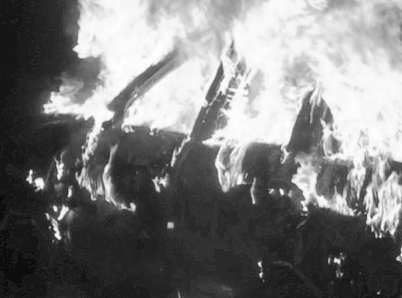
Flames licked at the wreckage. There was no chance anyone inside the pickup had survived.

Before officers arrived, I radioed again:

“Get every ambulance in the county out here. This is bad.”

A bread truck delivery driver had just finished his route and stumbled upon the crash. Without hesitation, he unloaded his remaining bread onto the roadside. He began helping by filling his truck with victims to shuttle them to the hospital.

There had been thirty-two people on board. Survivors said a passenger had been drinking and became increasingly aggressive. The driver warned him to settle down, but the man charged ahead and grappled with the driver. That man now lay dead beside him in the yard.

The response was massive—five police agencies, three fire departments, and four ambulance services. That same night, a basketball tournament had drawn spectators to a nearby town. Many who had been on their way became unexpected witnesses to a horrific scene.

Inside the crushed pickup were two passengers—the aunt and uncle of a local fire chief. The tragedy hit close to home.

Years later, as a police officer, I would respond to countless serious accidents. But none would ever match that cold winter night’s scale. None equaled its raw emotion. It was the first crash I saw with my own eyes.

Three Impacts of a Collision Explained

GROFF MEDIA 2024© TRUTH ENDURES IMDBPRO

Presented by benandsteve.com By: Benjamin Groff II©s

2–3 minutes

Understanding the Three Impacts in a Collision

Photo by Pixabay on Pexels.com

We often think there is just one impact when imagining an accident. Be this is a fall, a bicycle crash, or a car collision. Yet, physics and medical studies, based on rigorous research and analysis, show that every crash has three distinct impacts. Each one contributes to potential injury.

Let’s use a crash as an example, though the same principles apply to other accidents.

Impact #1: Vehicle Collision

This is the first crash. The moving vehicle collides with another object. Whether it is a wall or a stationary object. The force of this impact determines the severity of the accident.

Impact #2: Body Impact

Even after the vehicle stops or slows down, the occupants continue moving ahead due to inertia. This often causes a secondary impact. The person collides with the car’s interior, like the dashboard, windshield, airbag, or seatbelt. It’s important to note that seatbelts and airbags play a crucial role. They reduce injuries and make us feel safer on the road.

Impact #3: Internal Organ Impact

The most overlooked but critical impact happens within the body itself. Even after a person stops moving, their internal organs shift and collide with bones and other structures. This can lead to serious injuries like concussions, internal bleeding, and organ damage.

Delayed Symptoms and the Body’s 

Response Of The Body instantly after an accident, many people don’t feel the extent of their injuries. Adrenaline and shock mask the pain. The body naturally responds by triggering inflammation and swelling to protect damaged areas. Yet, once this response subsides—sometimes hours or even days later—the true severity of injuries becomes obvious.

The Delay Between Sight and Sound in a Crash

If you witness an accident from a distance, you notice another phenomenon. There is a delay between what you see and hear.

Because light travels faster than sound (186,000 miles per second vs. 1,125 feet per second), you will see a crash before you hear it. This creates a lag, where the sequence of events seems different from what happened.

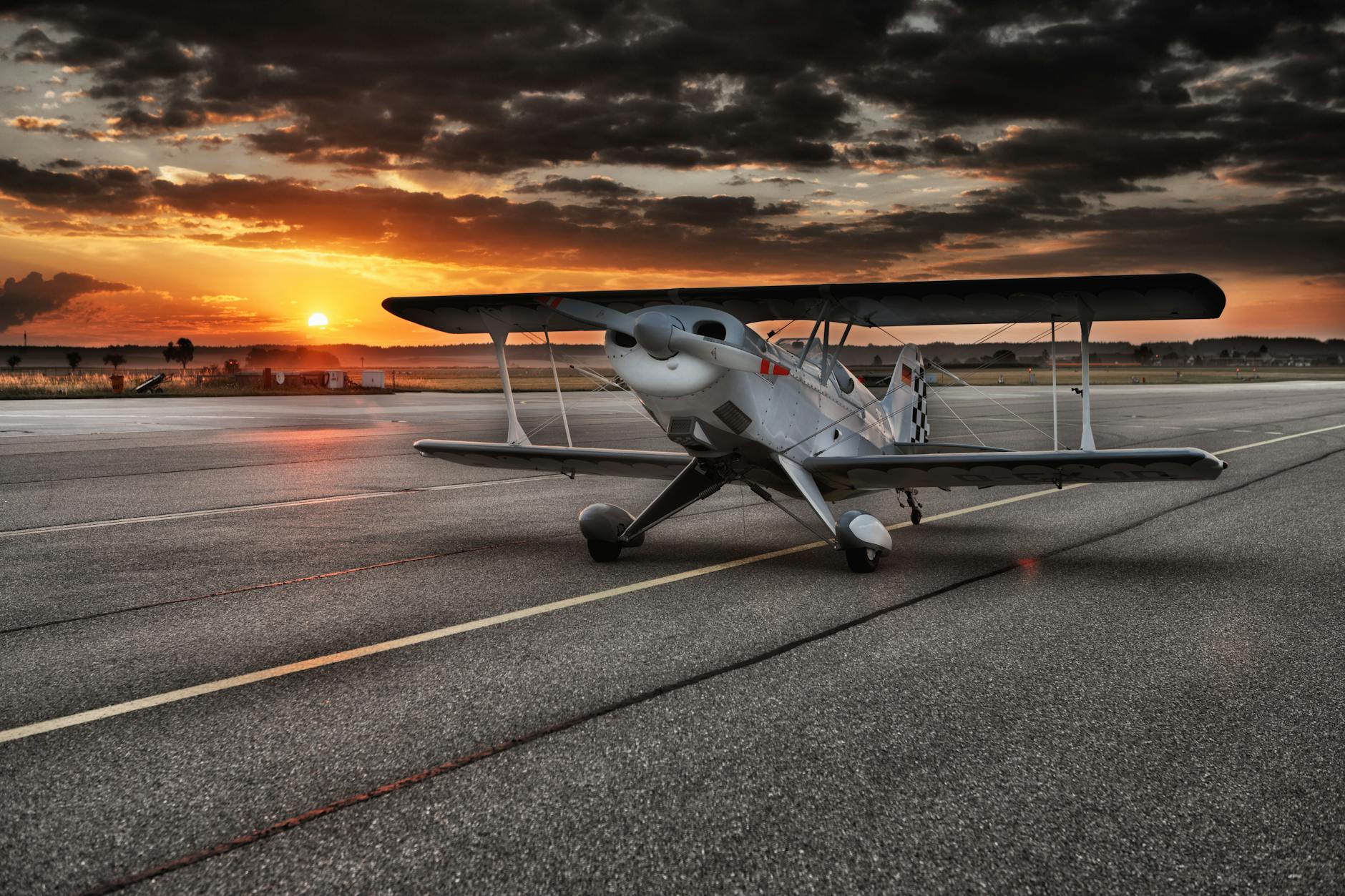
Photo by Pixabay on Pexels.com

For example, if a plane crashes and explodes, a witness will report hearing multiple booms and assume three separate explosions. In reality, they are hearing the first impact, secondary collisions, and final resting impact—all of which happened quickly. The delay in sound reaching the observer can create confusion, especially during traumatic or high-stress situations.

Key Takeaways

  • Accidents involve three distinct impacts: vehicle collision, body impact, and internal organ impact.
  • Injuries are not always instantly clear, as the body’s natural mechanisms can mask symptoms.
  • Witnesses misinterpret the sequence of events because of the delay between light and sound. Hence, investigators must analyze physical evidence carefully.

Understanding these factors can help individuals recognize the risks involved in crashes. They can then make informed decisions about safety and medical attention.

be advised—a signal-82 subject is trapped in a burning vehicle –– The Call I Remember

Groff Media 2024© Truth Endures IMDbPro

Presented by benandsteve.com By: Benjamin Groff II©

In law enforcement, some memories haunt you, especially the ones from the most harrowing nights on the job. I was an emergency dispatcher for a police department in southwest Oklahoma, responsible for dispatching fire, police, and ambulance services across five communities. Nights could get overwhelming, but one Saturday evening stands out.

Calls had been constant. Officers were busy responding to domestic disturbances, prowler sightings, burglaries, and other emergencies. In the 1980s, our department monitored Channel 9 on a citizen’s band radio, the go-to emergency frequency.

After 1:00 AM, a call cut through the static:

“Please help—we have an EMERGENCY!”

The voice was frantic. I picked up the station radio and replied, “This is Carnegie Police Department. Go ahead with your emergency traffic.”

The caller explained that a car had veered off the highway east of town, hit a ditch, and burst into flames. The driver was trapped inside. There was no time to lose. I quickly alerted the local police unit, activated the volunteer fire and ambulance lines, and relayed the details.

“Carnegie, Unit 2, be advised—a signal-82 subject is trapped in a burning vehicle near Carlin Lawrence Airport, east of Carnegie on Highway 9.”

The unit acknowledged and responded immediately. Meanwhile, I could hear the fire chief coordinating firefighters over the phone, and the ambulance confirmed they were en route.

Since the crash was outside city limits, I switched to the state’s point-to-point frequency to contact the Oklahoma Highway Patrol.

“Carnegie Police Department to Lawton OHP—rush traffic.”

The “rush traffic” designation signaled an urgent, life-or-death call. The OHP dispatcher responded immediately, and I relayed the details. Within seconds, they were alerting highway patrol units. Nearby sheriff’s deputies also began converging on the scene.

From the initial call, the first responders arrived in just over two minutes. The fire department reached the scene in under seven minutes, and the ambulance arrived by minute eight. The Highway Patrol, coming from the county seat 25 miles away, arrived about 30 minutes later.

Tragically, there was a home nearby, less than half a block from where the car crashed. The residents had slept through the commotion, unaware of the horror unfolding so close. Later, we discovered that the vehicle was registered to someone living in that house— their son. Breaking the news was a gut-wrenching moment for all of us.

The medical examiner arrived around 4:00 AM. Once the flames had subsided, investigators could finally assess the scene. The examiner determined that the driver had died on impact; the fire had not been the cause. If the driver had died from the flames, he would have shown signs of struggling for breath, but there were none. After sending the body for a complete analysis and identification through dental records, investigators believed that he’d likely fallen asleep at the wheel on his way home from a party. There was no indication of intoxication.

The smell of a burning body lingers. For days, sometimes weeks, it haunts those who encounter it. It’s one of the harshest experiences for civilians to witness, let alone the emergency responders who encounter it repeatedly. Nothing truly prepares you for a night like that, even for the most seasoned law enforcement and fire personnel.