
Subscribe to continue reading
Subscribe to get access to the rest of this post and other subscriber-only content.

Subscribe to get access to the rest of this post and other subscriber-only content.
By Benjamin GroffMedia© | benandsteve.com | 2025 Truth Endures©
My mother will turn 95 this August—if she makes it that far. Of the six siblings, only my youngest sister and I have cared for her in her old age. Two of the others gradually drifted away after our father passed. They chose, for their own reasons, to cut contact year by year. The two oldest brothers have both died in recent years.
My mother has always had a sharp mind and a strong, toned body. She was constantly on the move, always busy. Even into her 90s, she remained active and mentally alert. But over the past year, she’s started to slip. She now experiences episodes of sundowning. During these moments, she loses track of what she’s saying. She also becomes unaware of where she is or where she’s been.
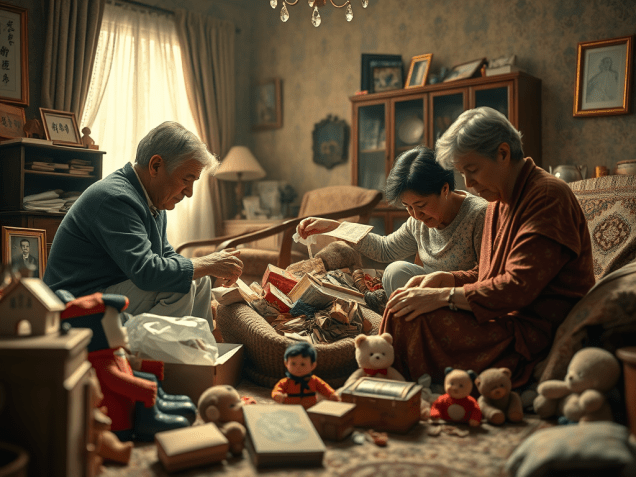
She now lives far away from me. Our once hour-long phone conversations, filled with talk of daily life, have been reduced to five minutes or less. Her thoughts drift. She forgets what we’re discussing, where she is, or even who she’s speaking with.
The next is a piece shared with me by KJ Stafford, titled “Cleaning Nana’s House.” It resonated deeply. My sisters and I cleaned the house we’d all grown up in. This was before my mother moved in with me for several years. She later moved in with my sister, where she now lives. Stafford’s words capture an experience I believe many can relate to, and with her blessing, I’m sharing it here.
BY: KJ Stafford
In January of 2024 we moved my Nana into my parents house. Her health was failing, and so was her mind. She was no longer able to live alone anymore and she hated that fact. The woman had been independent her entire life. And now at 90 years old she was forced to be cared for. She could no longer take care of herself. I remember the thought hurting my heart.
Fast forward to February 2025, I held her hand hours before she passed. I had never experienced death in that way before. Don’t get me wrong, I’ve dealt with death- both grandpa’s, aunts, uncles… but this was different. It had never been so in my face the way this was. I had never been physically there, witnessing the deterioration every day, every hour. I had never actually watched death slowly take someone. They are memories that will be buried inside my brain until death comes for me. Descriptions that will never make it down on paper ––

April 25th 2025: We piled in our cars, drove the 7 hours to my Nana’s house and began the task of clearing out our memories to make room for someone else’s. My Nana had lived in that house for over 50 years. My mom grew up there. My siblings and I spent weeks there during the summer and until 2024 every Thanksgiving of my life was spent in that tiny dining room around the round, antique wood table. The kitchen looks as if it got stuck in the 70’s. Yellow countertops remind me of sunflowers. The floor is tiled and worn from years of cooking. Years of family gatherings. Years of love. There’s the iconic green couch that sits in the living room…or sat- now it will be given to another family. Moved into a different living room after sitting comfortably in it’s corner for all of these years.
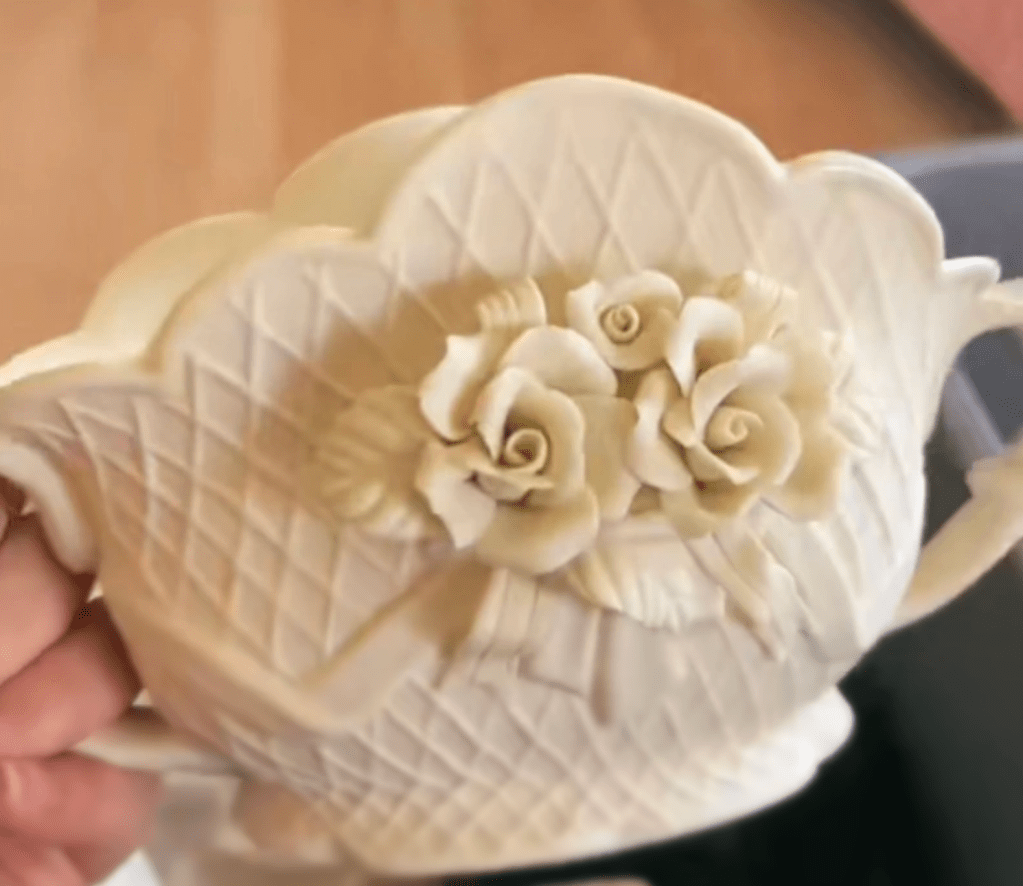
We found love letters from my Grampy to my Nana, boxes of old black and white photographs, ancient toys, jewelry, coats that have somehow found their way back in style, antique glass and trinkets galore. Each find triggering a specific memory. Each find making me wish I could go back 15 years ago. When I was just coming up for the week to visit. Instead of it being the last time within these cozy walls.
My Nana was by far the strongest woman I’ve ever met. She grew up in Canada, abandoned by her mother before she was 8 years old, left with an alcoholic for a father who was never around. She spent Canadian winters in their small, wooden shack often times by herself. Venturing out into the thick snow every so often to find more logs for the fire- the only thing keeping her warm enough to survive. Scavenging for scraps of food. Eventually being passed on and off to relatives, never having a home to call her own. Never truly feeling loved by a family….
Upon finally coming to America, she met her first husband. She married him when she was only 17 and had three children by the time she was 27. He was a drunk. He was a cheater. She deserved better. One night he got back a little too late, my Nana kicked him out. Divorced his ass. She was the talk of the town. It was unheard of at that time. What woman with three young children abandons her husband? A STRONG one, that’s who.
She set goals for herself. She knew she wanted to work at the University. She knew that is where she would meet someone else. And she DID. She worked hard until she got hired. And shortly after, she met my Grampy. The sweetest man to ever walk this earth. Years later they had my Mom.
Without my Nana’s strength. Without her knowing her self-worth, I would have never existed. Had she not followed her intuition. Had she not trusted her gut, there would be no me. No family. And for that, I am forever grateful.
I like to think she gave me a little of that strength. I feel it within myself sometimes. It’s why I took Stafford as my pen name. I am so honored. Honored that I was able to grow up with her in my life. Thankful that I had her to teach me how to become a strong woman. I vow to live my life as my Nana did. Never accepting less than I deserve and never being afraid to put myself out there, take a risk, trust my gut and grow.
To read the original story CLEANING NANA’S HOUSE by KJ Stafford click here.
Clicking the line above will also supply images that go with the story.
A Story By: Benjamin Groff© Groff Media 2024© Truth Endures
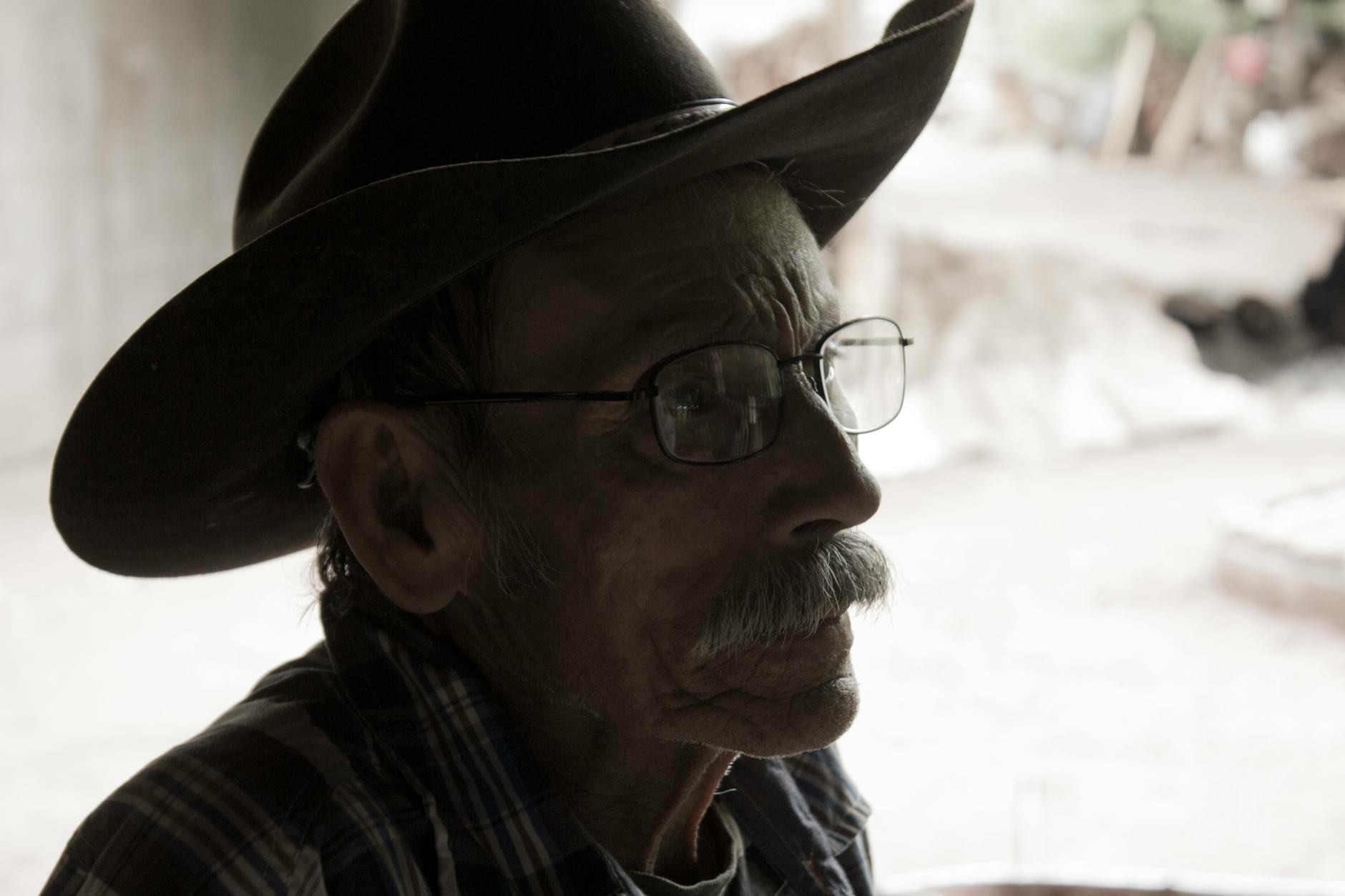
At 85, Elmer had circled the globe twice, a testament to his adventurous spirit. He was known as a reliable friend to his neighbors, colleagues, and family, earning their trust and respect. His life was a rich tapestry of experiences woven from the people he met and the challenges he overcame.
No one knew that since 80, Elmer had been slowly forgetting things. Elmer lived alone, having never had children. The love of his life, Bill, had been his husband. Together, they built a home and a life they had fought for since the 1960s. But Bill had died in the 1990s of AIDS, leaving Elmer to quietly close himself off from the world, no longer inviting people into his home.
In the last five years, Elmer had taken to raising quarter horses, finding solace in their company. But as time passed, he needed help to keep up with them. Elmer would leave gates open and have to chase the horses down or forget to feed them on time. Once, after a late ride, he left a horse saddled overnight. The guilt he felt was overwhelming, and he knew something was wrong.

A visit to the doctor revealed a possible explanation: lack of sleep and depression, likely linked to his grief over Bill’s passing.
Determined to regain control, Elmer began taking medication to lift his spirits and help him sleep. He convinced himself he could manage. On Wednesday, Elmer had an appointment with a buyer interested in purchasing two of his horses. He thought selling them might relieve some of the pressure, leaving him with only one horse to tend to.
But Elmer had other concerns. He now shared his home with a group of stray cats that seemed to have appeared out of nowhere, along with his faithful companion, Roger, a golden-eyed Saint Bernard. Roger was more than just a pet; he was Elmer’s protector, especially when the owner began drinking whiskey.
Elmer tried to manage his responsibilities—his horses, cats, dog, and the home he had shared with Bill—but his mind kept slipping. He believed that Bill might still come home, even calling Bill’s sister, Matilda, to ask if she’d seen him. Matilda gently reminded him that Bill had passed away years ago.
Realizing he had let his secret slip, Elmer quickly covered by asking if she had seen a particular picture of Bill.
Matilda, sensing something was wrong, insisted on visiting.
“Elmer, damn it, I need to see you. I haven’t been over in two years, and it’s time we have dinner!”
Matilda demanded.
Caught off guard, Elmer couldn’t refuse.
“In the morning would be fine,”
He replied, resigned to the visit.
After hanging up, Elmer sorted through his mail and found a late notice from the electric company. He had forgotten to pay his bill, and the power got scheduled to be disconnected the next day. Frustrated, Elmer called the company, only to learn he had missed several payments. He assured them he would take care of it first thing in the morning.
Elmer hung up the phone, the weight of the day pressing down on him. His forgetfulness had become more frequent and more troubling. Once, he ended up in a faraway town, wondering how he got there. He had forgotten the names of his horses, even his dog Roger, and once needed help figuring out what his car keys were for.
That evening, Elmer and Roger settled into the family room to watch a news program, a series on Alzheimer’s. The more Elmer watched, the more convinced he became that he was suffering from the disease. The thought terrified him. He looked at Roger and grumbled,
“I’ll be damned if I’m going out like that! I’m going out on top, not lingering around aloof and half-quacking!”
Determined to end his life on his terms, Elmer went to the liquor cabinet, packed five large bottles of whiskey into a box, grabbed some water, and called for Roger to get into the truck. He was visiting their favorite spot to watch the sunset—his and Bill’s particular spot. There, he planned to drink himself into oblivion and end his life.
As they arrived at the overlook, Elmer realized with a bitter laugh that he had forgotten the gun he intended to use.
“Shit! I forgot the gun to shoot myself with!”
He muttered. Searching for an alternative, he looked for a rope to hang himself, but that too was missing.
“Well, shit, Roger! I don’t have a rope.”
Roger, ever loyal, had been trained by a local bartender to remove the keys from Elmer’s truck whenever the pet’s master started drinking heavily. As Elmer continued drinking, Roger did just that, hiding the keys.
Now thoroughly drunk, Elmer looked at Roger and slurred,
“What the hell did we come out here for?”
He was confused, unable to remember his grim plan. By
2:00 AM, the sky was pitch dark, and both man and dog were asleep in the truck.
Back at Elmer’s home, the morning brought concern.
Matilda arrived, along with the horse buyer and the electric company. But Elmer was nowhere to be found. Sensing something was wrong, Matilda called out to the others,
“Elmer would never allow a cat inside his house; something is wrong here!”
The electric company worker radioed his office to report a possible missing person, while Matilda assured them she would cover the bill to keep the power on. Their primary concern was finding Elmer.
The horse buyer suggested,
“I figure Elmer’s out at the overlook like he is every year at this time. He and Bill went there every year on the 15th of this month for their anniversary.”
Meanwhile, Elmer was waking up at the overlook, groggy and disoriented. Roger, ever the guardian, brought him the truck keys.
Elmer looked at the dog,
“Roger, ‘ole boy, why in the hell are we out here? And who brought all these damn whiskey bottles?”
With no recollection of his plan, Elmer drove home, where a flurry of activity awaited him.
As he approached the gathering, he overheard someone say,
“A homeowner has gone missing, and everyone’s looking for him.”
Elmer, confused, asked, “Why are they doing it here?”
“They think this is where it happened,” came the reply.
“They think he went missing here?
I was here until 10 PM last night and didn’t see anything,” Elmer responded.
The man shouted to the Sheriff, “This man says he was here until 10 PM last night and didn’t see anything!”
The Sheriff called back, “What’s his name?”
Elmer, finally realizing the situation, shouted,
“ELMER!”
You’re on my damn land, damn it!”
Matilda reached Elmer, talked to him, and promised he would never be alone. She would ensure he did not get treated like others he had witnessed on television.
Matilda said,
“Elmer, you are 85. Other parts of you are more likely to take you out before the mind takes you!”
Elmer, looking around, remarked,
Matilda, you have a way of comforting the soul. Are you the one who brought all these damn cats out here and turned them loose in my house?
Matilda asked Elmer where he had been and what he had been doing.
Elmer said,
Truthfully, I don’t know. Roger and I just woke up at the overlook, and it was yesterday, today, and the 15th all coming together. I didn’t realize it.
Matilda confronted Elmer, saying, “Well, Roger had more to say about. In fact, a lot more. You see, he gave me this note you gave him. It is a goodbye note you put on his collar last night.”
Elmer’s face brightens as if a light bulb had gone on, responds,
Now I remember what I went out there for, but I just remembered that I need to bring—ugh, ice.
Matilda snaps back
Nice try, old man. I know what you are thinking, and it can’t happen. You still have a reason. And you can’t die until you no longer have a reason, like it or not. Your reason is not up yet! So get used to it. You still have a Reason
For more information on Alzheimers and Dementia Illnesses visit https://www.alz.org Also check when you can participate in the walk to prevent Alzheimers 2024!
 benandsteve.com