THE TRUTH IS THE HARDEST THING TO LOOK AT AND ACCEPT

When I first wrote this piece during election season, I thought it spoke to a particular moment. But the truth has a way of staying relevant. Looking around today, it feels just as necessary—maybe even more so.

1–2 minutes

THE TRUTH IS THE HARDEST THING TO LOOK AT AND ACCEPT

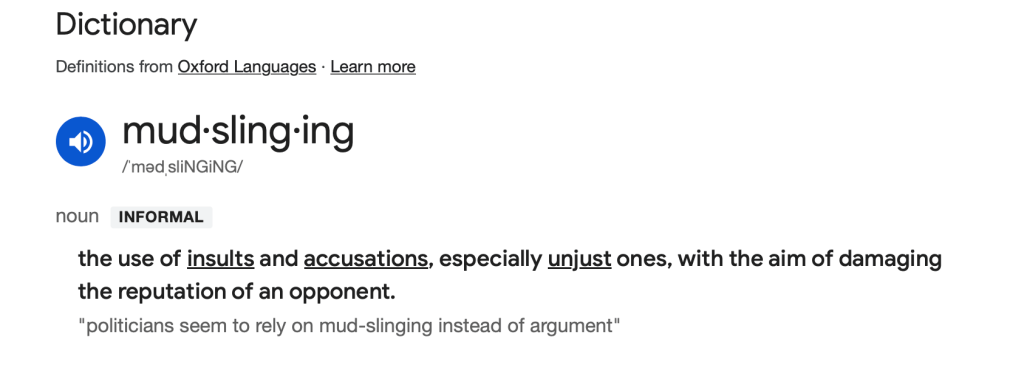
There was a time in American politics. Back then, slinging mud was considered the lowest, most dishonorable act a candidate would commit. Those who spread lies were branded untrustworthy. Decent people would never cast a vote for them. Back then, communities had a different rhythm. You knew your neighbors. You checked on the widow down the street. You went out of your way to support local businesses because of family ties. Courtesy was second nature. You didn’t blare your horn because someone hesitated at a stop sign. You didn’t sneer at people who looked different from you. When you traveled to another town for a ballgame, you were respectful. You treated their facilities with the same respect you expected for your own.

Politics, too, carried that sense of respect. When someone won an election—whether at the local, state, or national level—it wasn’t the end of the world. It simply meant they had earned the right to represent their community for a set term. Neighbors didn’t conspire to punish one another for “voting the wrong way.” They did not claim elections were fraudulent just because their candidate lost. They accepted the truth, even when it was difficult, because truth was what held the fabric of the community together.

What’s striking is that no one sought to destroy the lives of those who disagreed with them. Debate can be sharp, but it stopped short of hatred. People understood that democracy required trust. It required trust in the process. It required trust in one another. It also required trust that truth—no matter how uncomfortable—would endure. That same truth remains today. Still, it asks something of us. It requires the courage to look it in the eye. We must accept it and live by it.

By Benjamin GroffMedia© | benandsteve.com | 2025 

The Last to Fall

Groff Media 2024© Truth Endures IMDbPro

Presented by benandsteve.com By: Benjamin Groff II©

3–5 minutes

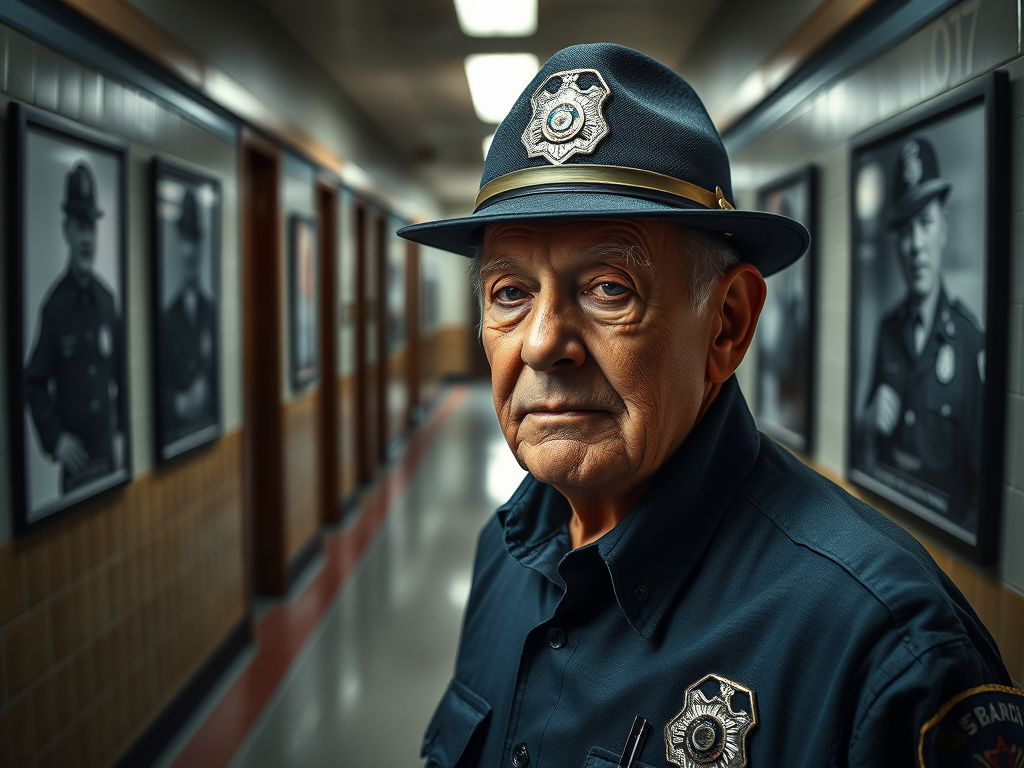
The stories of “The Magnificent Seven” were told with reverence in the small, aging town of Canadian. It nestles in the shadow of a mountain range near the Comanche Indian Reservations. They were not just police officers. They were beacons of bravery. Each one was a sentinel of justice. They had shaped the history of law enforcement in the area. Their tales of courage, integrity, and unyielding commitment to the badge echoed in the walls of the old precinct. Black-and-white photos of the seven adorned the main hallway.

Now, only one of them remained.

Thomas “Tommy” Wade was the last to fall. At 82, he still carried himself with the dignity that had defined his career. Time had dulled the sharpness of his features. Nonetheless, his piercing blue eyes—eyes that had stared down criminals and shielded victims—had not lost their fire. Tommy had outlived his brothers-in-arms. It was not because he was the strongest or the fastest. It was because, as he often quipped, –––

“I was just lucky.”

Yet, his legacy, his unwavering commitment to service, and his enduring impact on the community, was far from luck.

It was more than luck, though. Tommy had survived gunfights, ambushes, and even a close call with a car bomb planted by a vengeful felon. But his survival wasn’t the story. The story was about how he and his six comrades had redefined serving and protecting.

The Legends

Each member of the Magnificent Seven had a chapter in the book of Canadian history.

  • James “Big Jim” Hawthorne was the largest and strongest of the group. He was known for breaking up a bar brawl single-handedly. He tossed men around like rag dolls without ever drawing his weapon. He always said –––
    • “Strength is knowing when not to use it.”
  • Eddie Diaz, the marksman, had ended a three-day hostage standoff with a single, precise shot that saved a child’s life. He was quiet and almost shy, but his calm precision made him a hero when danger arose.
  • “Doc” Peterson, the team medic, was a genius at keeping people alive in harrowing circumstances. A former Army medic, he carried his battlefield skills into the streets of Canadian.

Walter “Walt” Grayson, the thinker, used his sharp intellect to outwit criminal masterminds. He often ended conflicts before they began by anticipating a felon’s next move.

Frankie “Spitfire” McNeil, the youngest, was impulsive but had a heart as big as the town. He chased down burglars on foot and once shielded a family from gunfire with his own body.

Samuel “Sam” Colton, the leader, brought them all together. Sam’s vision for law enforcement was rooted in community service and compassion. He was a mentor, a father figure, and a friend.

And then there was Tommy Wade, the glue that held them together. He was the everyman who listened, mediated disputes, and ensured the team had each other’s backs.

A Legacy Remembered

On the day of Tommy’s memorial, the whole town gathered. The mayor spoke, recounting the officers’ countless acts of heroism. Citizens shared personal stories. They spoke of how one of the Seven had saved their lives. Others talked about how the Seven brought justice to their families.

But Tommy’s granddaughter, Emily, delivered the most poignant eulogy. She stood before the crowd, holding the silver badge her grandfather had carried for over thirty years.

“My grandfather used to tell me stories of these men,”

she began, her voice trembling.

“He told me that each carried a burden—of duty, danger, and sacrifice. They didn’t wear capes or fly through the air. They walked the streets, often alone, and faced fear head-on so the rest of us didn’t have to.”

Emily paused, holding the badge close to her chest.

“He also told me that they weren’t perfect. They made mistakes and carried regrets. But what set them apart was their unwavering moral compass. They believed in justice, fairness, and the value of every life.”

As the crowd listened, she added,

“They were the best of us. My grandfather was the last to fall. He always said it wasn’t about the badge or the recognition. It was about the people they served.”

The Eternal Flame

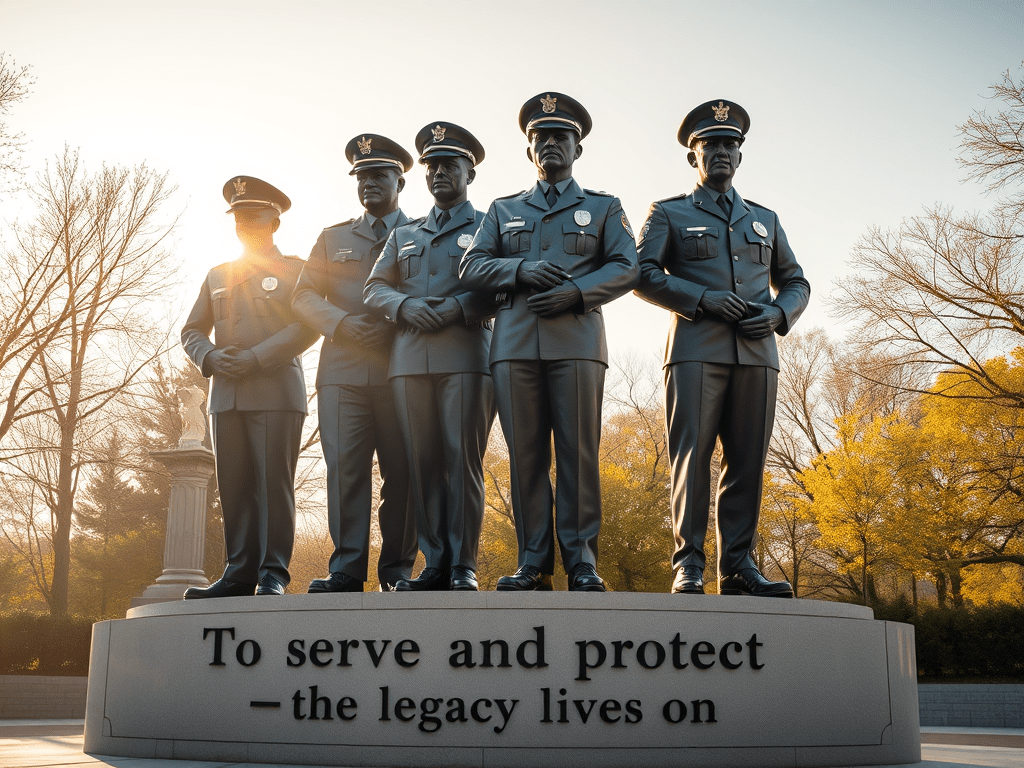
A statue now stands in the Canadian central park: seven figures, shoulder to shoulder, their badges gleaming in the sunlight. Inscribed at the base are the words: “To serve and protect—the legacy lives on.”

The Magnificent Seven are gone, but their stories endure. These tales are whispered in classrooms and retold at family dinners. They are honored in the lives of the officers who came after them. Tommy Wade have been the last to fall, but the spirit of his team will never fade.

Navigating Ethics in Law Enforcement

Groff Media 2024© Truth Endures IMDbPro

Presented by benandsteve.com By: Benjamin Groff II©


4–5 minutes

After completing my training, I got assigned to a two-person unit for part of my shift. Unfortunately, this arrangement led to the exposure of my partner’s extramarital affair with a young woman who worked at a nightclub on the city’s east side. His behavior was hard to ignore. Night after night, he would leave the patrol unit to spend hours inside the club, leaving me alone to monitor radio calls. Each absence grew longer and my frustration deeper.


The city grappled with a surge in burglaries targeting vehicles, garages, homes, and businesses. As crime reports piled up, the department needed to be closer to solving the problem. Sitting in the patrol car logging incidents while my partner dallied at the bar weighed heavily on me. Worse, my delayed response times to calls had begun to draw attention, placing me in a difficult position.

Addressing the issue felt like navigating a minefield. On one hand, I had a duty to uphold the integrity of our patrol duties. On the other, reporting my concerns to a sergeant or lieutenant risked exposing my partner’s personal life, which I preferred to avoid. Going over their heads to the Captain or Major felt equally precarious. However, during my travels to pistol shooting competitions, I established a good rapport with the Chief of Police. I decided to take a chance.


One afternoon, I invited the Chief for coffee to discuss an upcoming qualification event. Once seated, I confessed my more profound concerns. I told him about my partner’s absences, the nightclub, and the woman I suspected was involved. I explained why I had yet to go through the chain of command and emphasized that my primary concern was the integrity of our patrol duties. To my relief, the Chief not only understood but also reassured me that I had made the right choice. His promise to handle the situation discreetly was a weight off my shoulders.


A week later, the schedule was released, and to my disappointment, I again got paired with the same partner. The pattern continued, with him vanishing into the nightclub and leaving me to manage radio calls alone. Frustration mounted, but I stayed focused on my responsibilities.
At the following briefing, Lieutenant Wheeler announced a significant change: I would get assigned to a solo unit. My former partner, now in a solo unit, would no longer work with me. Other patrol officers, except the K9 unit, were paired up. The decision felt like a small but meaningful vindication, a recognition of my commitment to upholding the integrity of our patrol duties.


Working solo was a challenge. Within my first three days, I responded to two fatal calls—more than many officers encounter in a month. However, I was not alone. I appreciated the support of my fellow officers, who often checked in during traffic stops or guided me through the intricacies of field reporting. Their support was a testament to the camaraderie in law enforcement and the importance of teamwork.


One night, around 1:00 AM, I intercepted a burglary alarm call at a sporting goods store. I was close to the location and informed dispatch I would respond. Oddly, my former partner claimed the call, though he was across town. Dispatch redirected him to return to headquarters instead. I only thought of it once I reached the station later.


The pieces fell into place. The Chief observed my partner’s behavior, noting how long his patrol unit lingered at the nightclub each night. The Chief orchestrated a fake alarm call to confirm his suspicions and monitored my partner’s response time. This thorough investigation led to the end of my partner’s career; he resigned the following day.


The aftermath was messy. My former partner left town with the barmaid and her four children, abandoning his wife of many years. She was devastated and began calling the department, requesting me by name to visit her. I got met with her anguish and accusations each time: “Why didn’t you tell me?” At just 21 years old, I struggled to understand why she held me responsible for policing her husband’s fidelity.


While I tried to console her, the experience left a deep impression. It wasn’t just a lesson about personal integrity and the far-reaching consequences of a lack of it. From then on, I made it a point to know my partners better, ensuring they had solid personal ethics or no attachments that could spill into their professional lives.


This early chapter of my career shaped my approach to law enforcement. It reminded me that while we wear a badge to uphold the law, we also carry the weight of trust—not just from the public but from those who depend on us, on and off duty. The importance of personal integrity in law enforcement cannot be overstated. It is not just about following the rules, but about the impact of our actions on the lives of others.