The Day After Christmas Where Returns, Receipts, and Reality Collide

The holidays end. The bills arrive. Suddenly, the return line reveals more about our country than any economist ever can! Inflation, Stagnation, Slugflation, Depression.

By Benjamin GroffMedia© | benandsteve.com | ©2025 

2–4 minutes

It is the day after Christmas, and we all knew it would unfold exactly like this—a madhouse. Every store in town feels like it’s hosting its own miniature stampede. People rush in with returns clutched under their arms. These include sweaters that didn’t fit, gadgets they didn’t want, and décor that clashed with the kitchen. There are also duplicates of things they never needed one of in the first place. Others, running just as fast, are there for the sales—snatching up the merchandise that didn’t move before December 25.
The Day After Christmas

Can you relate to this scene? If you’re in the checkout line with a cart full of discounts, you are one of the lucky ones. You are not carrying a stack of bills. You are not yet crushed by what this economy has become. Some call it stagflation. Others, half-jokingly but not entirely incorrectly, call it slugflation. Depending on where you stand, your job, your savings, and your prospects, your perception differs. You feel like we’re living through something that looks and sounds an awful lot like a depression.

“The glow of the holidays fades quickly. Yet, the truth we uncover in the days afterward often shows us who we are. It also reveals what we are still trying to endure.”
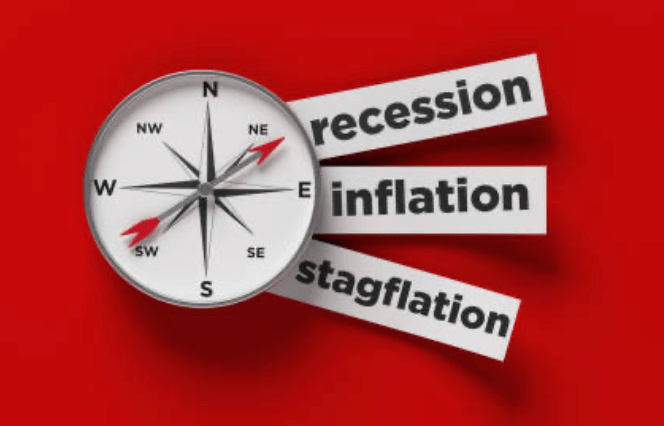
Stagflation, properly defined, is that painful moment when the economy stops moving, yet prices keep climbing. Wages stall, groceries rise, and efforts to fix things seem to vanish into a fog of economic stubbornness. For those without employment, the future feels dimmer than ever. For those nearing retirement, dreams of quitting work drift further out of reach. Families survive paycheck to paycheck. Some juggle bills so tightly that “robbing Peter to pay Paul” isn’t a saying. It’s a monthly way of life. They pray for health, because one unexpected medical bill breaks what’s left of their fragile stability.

Slugflation isn’t an economic term from textbooks—it’s a social one whispered in frustration. It describes households where the cost of living is so crushing that escape becomes a priority. Even temporary escape takes precedence over responsibility. The father who buys a beer before buying groceries. The single worker who stops at the bar on payday because the rent is already too high to manage anyway. It’s not irresponsibility. It’s more about resignation. People try to numb the hopelessness that elected officials promise to fix but never do.

And then there’s Depression—the word that carries both economic weight and personal weight. Economists use it to compare modern troubles to the Great Depression of the 1930s. They examine the stock market collapse, the Dust Bowl, and the poverty that blanketed the nation. But there’s another depression, quieter and far more personal: the emotional one. The kind that settles into a person’s bones, whispering that today is as well be tomorrow, because neither holds hope. It’s the feeling of sinking in deep water, kicking tirelessly, yet never breaking the surface for air.

Crowds push through automatic doors post-Christmas. Return lines snake around the aisles. Some people see chaos. Others see bargains. But some feel something heavier. They have the unmistakable realization that the holiday glow dies fast. The struggles waiting outside never take a day off.


By Benjamin GroffMedia© | benandsteve.com | ©2025 
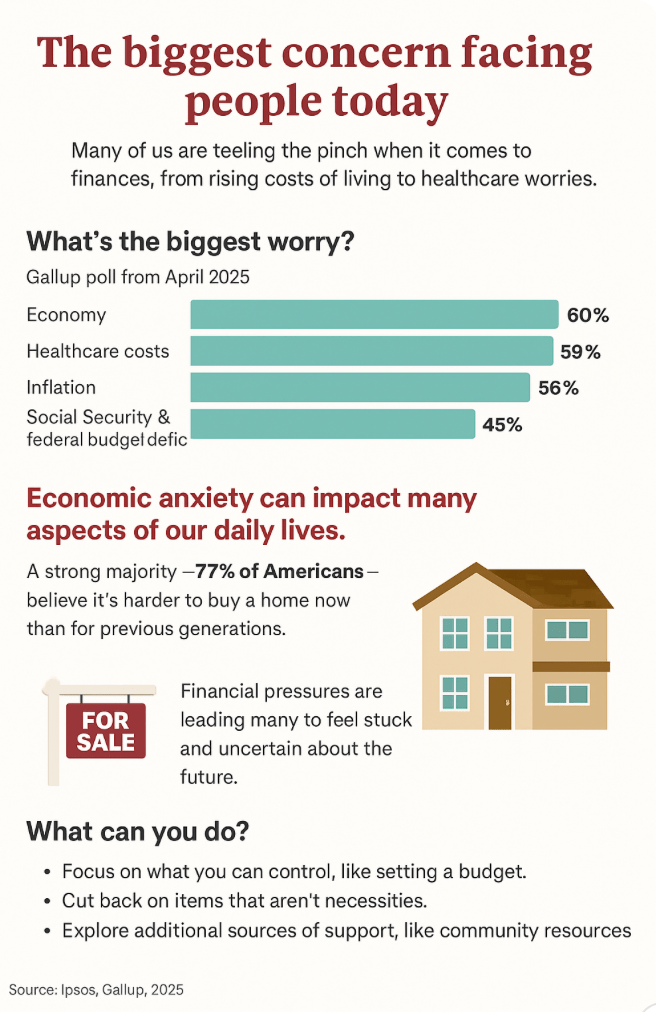
Top Financial Worries in 2025: What You Need to Know

2–3 minutes

The Biggest Concern Facing People Today

We live in a world filled with constant change and uncertainty. One theme keeps bubbling to the surface no matter where you look: economic anxiety. Money-related worries top the charts of what keeps people awake at night. These concerns range from the price of groceries to the dream of owning a home.


Gallup poll from April 2025 found that:

  • 60% of Americans worry “a great deal” about the economy.
  • 59% lose sleep over healthcare costs.
  • 56% are stressed about inflation.
  • Nearly half worry about Social Security and the federal budget deficit.

Globally, it’s no different. According to Ipsos, the leading concerns include inflation (30%)poverty (29%)unemployment (28%), and corruption (26%).

To make matters feel even heavier, 77% of Americans believe it’s harder to buy a home today. They feel it’s more difficult than it was for past generations. That frustration touches nearly every household—young people trying to buy, older adults trying to downsize, and families squeezed in between.


Staying together through rough times!

This isn’t just about numbers—it’s about people. Rising rent, higher grocery bills, climbing medical costs—each of these chip away at security. Families cut corners, young people delay milestones like marriage or kids, and many retirees wonder if their savings will last.

Economic stress also spills into mental health, relationships, and communities. When you feel like you’re always one paycheck away from disaster, it’s hard to focus on thriving—you’re stuck surviving.


While we can’t solve inflation or rewrite housing policy alone, there are small, powerful steps we can take:

The Mysteries of Financial Security.
  • Focus on control: Create a budget and stick to it. Even small wins matter.
  • Cut back strategically: Trim unnecessary expenses, but give yourself permission to keep the things that bring you joy.
  • Tap into resources: Community groups, food banks, and local organizations often have programs to ease the burden.
  • Stay connected: Talking about financial stress reduces shame. You’re not alone.

The economy, healthcare, inflation—they’re big, intimidating problems. But your response doesn’t have to be. Focus on what you can control. Find support in your community. Remember: sometimes resilience comes not from having more, but from facing less with wisdom, planning, and hope.


By Benjamin GroffMedia© | benandsteve.com | ©2025 

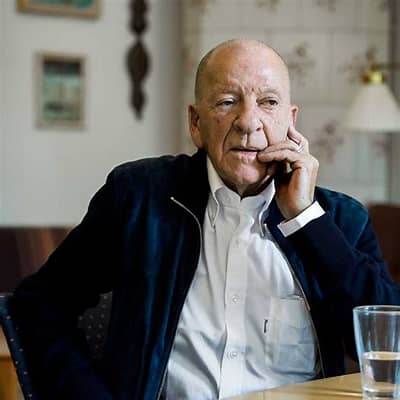
Pehr Gustaf Gyllenhammar, Former CEO and Chairman of VOLVO –––– ––– April 28, 1935 – November 2024 ––– 

Groff Media 2024© Truth Endures IMDbPro

Presented by benandsteve.com By: Benjamin Groff II©


2–3 minutes

Pehr Gustaf Gyllenhammar, a visionary Swedish businessman whose leadership and influence extended across industries and continents, passed away in November 2024 at 89. Born in Gothenburg, Sweden, on April 28, 1935, to Pehr Gyllenhammar Sr. and Aina (née Kaplan), Pehr G. Gyllenhammar was a man of profound intellect, ambition, and a global vision that inspired many. 

Gyllenhammar is best remembered for his transformative tenure as CEO and chairman of Volvo from 1970 to 1994, during which time he led the company through a period of dynamic growth and innovation, leaving an indelible mark on the automotive and industrial sectors. His bold attempt to merge Volvo with Renault in the 1990s exemplified his forward-thinking, even as it marked the end of his career with the company.  

Beyond Volvo, Gyllenhammar’s career spanned various leadership roles, including Aviva’s chairman and Rothschild Europe’s vice chairman. A fervent advocate for European industrial collaboration, he co-founded the European Round Table of Industrialists, promoting cooperation among the continent’s leading companies.  

His contributions were recognized with numerous accolades, including France’s *Ordre National du Mérite* in 1980 and the *Legion of Honour* in 1987. In 2001, he was named an Honorary Master of the Bench of the Inner Temple in London.  

Gyllenhammar’s intellectual curiosity and political engagement made him a public figure beyond the boardroom. An early proponent of social liberalism, he championed the Scandinavian model of governance and was a vocal advocate for European unity. His political views and engagement with social issues often influenced his business decisions, making him a unique and influential figure in both the political and business spheres. At one point, he was even considered a potential leader of Sweden’s Liberal People’s Party.  

He balanced his professional endeavors with a rich personal life. He married Christina Engellau, the daughter of Volvo’s former CEO, in 1959 and shared nearly five decades with her until her passing in 2008. Together, they raised four children—Cecilia, Charlotte, Sophie, and Oscar—each of whom carved out successful paths in the arts, business, and design. Later in life, Gyllenhammar found love again, marrying Lee Welton Croll in 2013, with whom he welcomed a child in 2016.  

A man of deep conviction, Gyllenhammar exemplified leadership and resilience, leaving an indelible mark on the business world and the communities he served. His resilience in the face of challenges is a testament to his character and the impact of his legacy. He is survived by his wife, Lee, his five children, and a legacy that will inspire future generations.  

A private family service will honor his memory. The service, which will be held at a private memorial, and will be a time for family and close friends to share their memories of Gyllenhammar and celebrate his life. In place of flowers, the family requests donations to causes reflecting Gyllenhammar’s dedication to innovation, education, and European unity.