
A SPECIAL PUBLICATION FOR DECEMBER 13th, 2025
Are modern LED emergency strobes increasing the risk to first responders on America’s roadways?
Groff Media ©2025 benandsteve.com Truth Endures
First responders are trained to notice patterns long before studies are commissioned or policies are rewritten. Sometimes danger announces itself not with a single catastrophic event, but with repetition—quiet, unsettling repetition. Over a single 24-hour period, I recorded eight separate headlines. Each headline involved police officers being struck by vehicles while working crashes or traffic stops. Eight. Different states. Different agencies. Same outcome. This situation raises a controversial and long overdue question. Are modern LED strobe lights unintentionally putting first responders in greater danger?
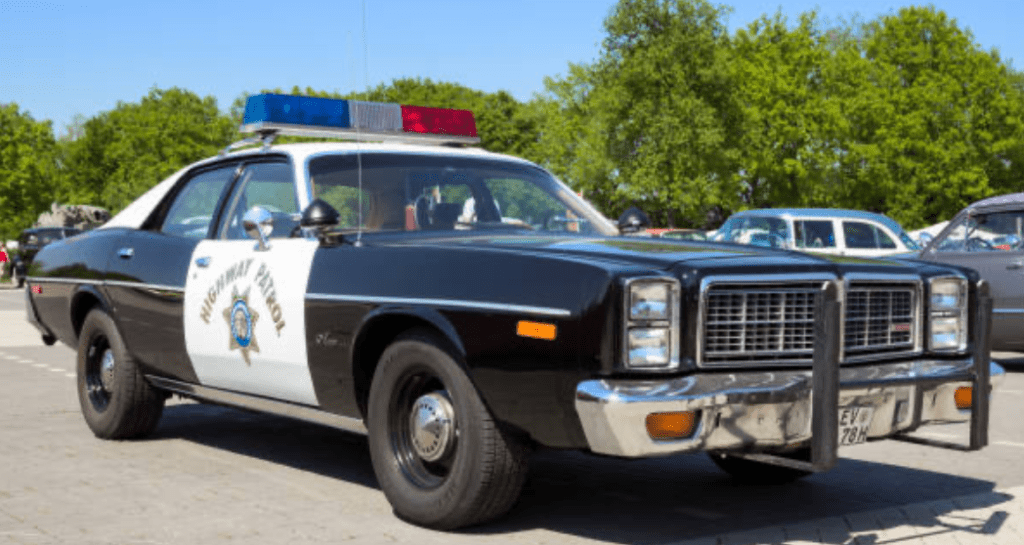
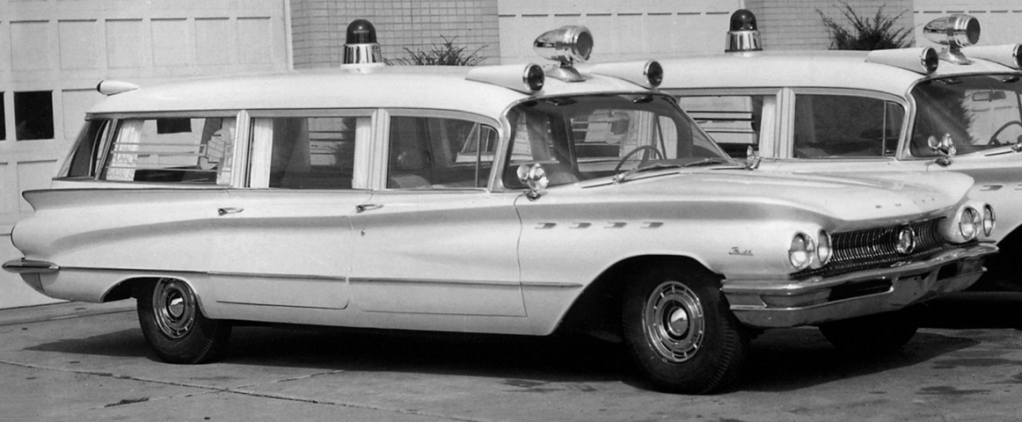
There was a time when emergency lights rotated. They swept. They moved with rhythm. The old beacons gave drivers something important—a visual break. A moment for the brain to process direction, distance, and motion. Today’s LED systems don’t rotate; they pulse. Rapidly.

Aggressively. Relentlessly. High-intensity strobes which floods the visual field, especially at night. Instead of guiding a driver away from danger, it overwhelms the brain’s ability to react. The result, in theory, is not panic—but fixation. The eyes lock on. The vehicle drifts toward the brightest point. Not out of intent, but neurological confusion.
Some call it “target fixation,” a phenomenon well known to pilots, motorcyclists, and tactical drivers. Under stress, humans often steer toward what they’re staring at—even when that object shows danger. Combine that instinct with modern LED strobes. These strobes flash faster than the brain comfortably processes. The warning light becomes a lure. A hypnotic point of focus. A tragic beacon.
Eight Officers Were Struck In 24 Hours. Different States. Same Strobe Style Lighting.
Is it time to ask whether modern emergency strobes are warning drivers—or pulling them in?
Within just one day, these were the headlines recorded:
• 1 arrested for allegedly driving while intoxicated after rear-ending a police cruiser on I-465
• Las Vegas police officer injured after vehicle hit while investigating a separate crash
• Effingham County deputy hospitalized after being struck by a vehicle, authorities confirm
• Police cruiser struck by car, officer injured in Naugatuck
• State trooper vehicle damaged after being hit during a traffic stop
• Norman police officer critically injured after being struck by a car on State Highway 9
• Winston-Salem police officer injured after impaired driver crashed into three patrol cars
• Waterbury man injured Naugatuck officer in hit-and-run crash
Eight incidents. One recurring element: emergency lighting designed to protect, now contributing to harm.
This is not an indictment of technology, nor a dismissal of impaired or reckless driving. Accountability still matters. But safety demands that we ask difficult questions—even when the answers challenge long-standing assumptions. If the very lights meant to warn motorists are instead disorienting them, then tradition, training, and procurement policies deserve re-examination.
Officers and firefighters shouldn’t have to stand in the road. They shouldn’t be wondering whether the light behind them is helping. They shouldn’t wonder if it’s painting a target on their back.
Sometimes progress requires us to look backward. Sometimes the old way worked better. And sometimes, the most dangerous thing on the roadside isn’t the driver who fails to slow down. Instead, it’s the light that never lets them look away.
This isn’t meant to be the final word — it’s meant to start a conversation.
If you’re a first responder, dispatcher, firefighter, EMT, tow operator, or a motorist, your experience matters. If you have ever felt disoriented by modern emergency lighting, your experience matters.
Have you noticed drivers drifting toward scenes instead of away from them? Do today’s LED strobes feel different than the rotating lights of the past? Or do you believe visibility has improved safety overall?
Share your thoughts, experiences, or observations in the comments. Respectful discussion is encouraged. If patterns are being noticed on the roadside long before they’re studied in boardrooms, it’s worth listening. Lives depend on it.
© Benjamin H. Groff II — Truth Endures / benandsteve.com
About the Author:

Benjamin Groff is a former police officer and radio news anchor. He has hosted programs for CNN and ABC News affiliates in Oklahoma, Colorado, and Wyoming. His career in law enforcement began in 1980 and lasted more than two decades. This gave him first hand insight into the criminal mind and public safety. Moreover, it provided him with an understanding of the human stories that often go untold. His writing draws on these experiences, blending street-level truth with a journalist’s eye for the bigger picture.



 benandsteve.com