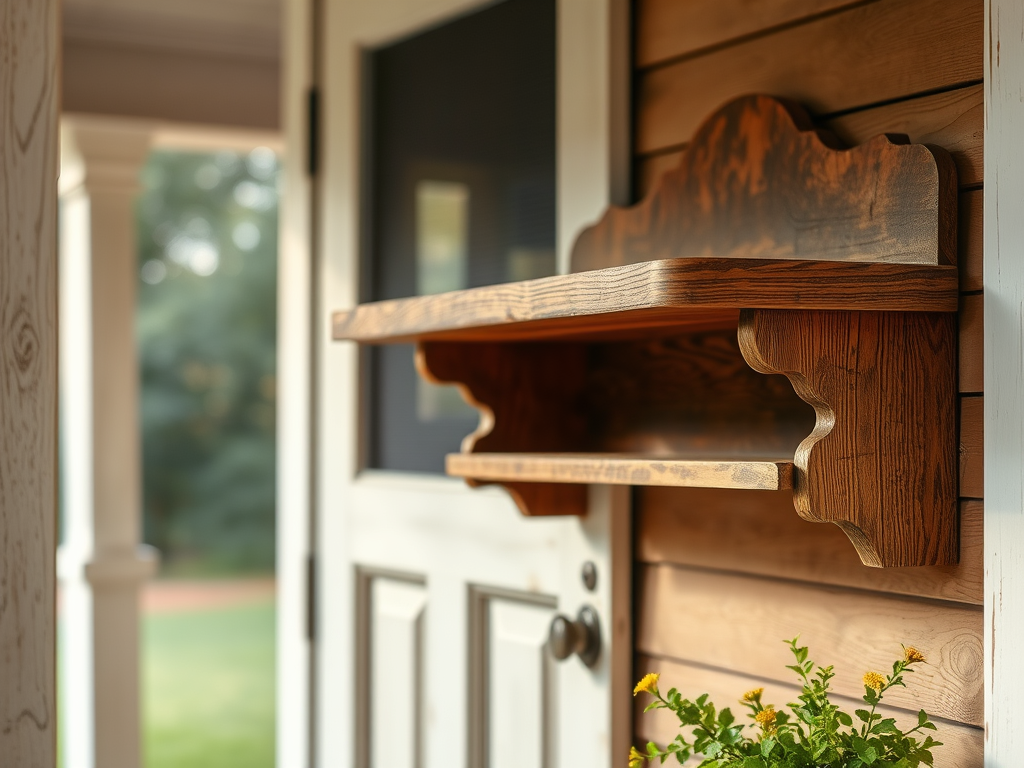
It sat on the back porch, just outside the screen door. It was an old wooden shelf, weather-worn and slightly crooked. Everyone in the family knew it as “the pie shelf.”
Nobody remembered who gave it that name. Maybe it was Grandma. She used to cool her pies on it every Sunday afternoon. That was back when a breeze still found its way through the kitchen windows. There were always two pies—one for dinner and one “just in case someone dropped by.”
That shelf saw more life than most furniture in the house. Birthday cakes cooled there. Jars of canned peaches lined up in neat rows. Once, a baby kitten was found curled up in the corner, fast asleep next to a lemon meringue.
Years later, after Grandma had passed and the house had new owners, the pie shelf remained. Weathered, yes. Empty, often. But it stood—quiet and proud—like it was waiting for one more pie to be set on top.
When I visited the house last fall, I found it just the same. I brushed off the dust. Then, I straightened one of the legs with a folded napkin. For no reason at all, I baked an apple pie and set it right there on the top shelf.
I didn’t expect visitors. But just before sunset, a neighbor from years ago strolled by, drawn by the scent. He laughed when he saw the pie shelf.
“Some things,”
he said,
“don’t ever really leave us.”
We each took a slice and sat there on the porch, sharing stories of the people who came before us. For a brief moment, it seemed as though they were still here. They felt just inside the screen door, waiting for us to come in.
There are moments in life when we contemplate our relationships with relatives who are dearly departed. Some have passed on, leaving behind only memories. Others are dearly departed in a different sense. They are no longer married into the family. Yet their presence lingers in our stories, our recollections, and sometimes, in our affections.
This story is about one such family member, who dearly departed not through death, but through divorce—from my sister. For nearly eighteen years or more, he was a big part of our family. Long before the wedding, during their dating years, he was already woven into our daily lives. He would often spend the night at our house. More than a few times, he slept in my room just to be near her. He was older than both of us, and a farmer by trade. During the winter months, farming slowed down. During this time, he worked as a parts clerk at his father’s Chevrolet dealership in town.
Since I worked for him on the farm, I spent nearly as much time with him as my sister did. From sunrise to sunset, we toiled together—planting crops, moving irrigation pipe, working cattle, and hauling hay. He even pitched in at the Girl Scout Camp where my dad was the ranger. And that’s where this story takes place.
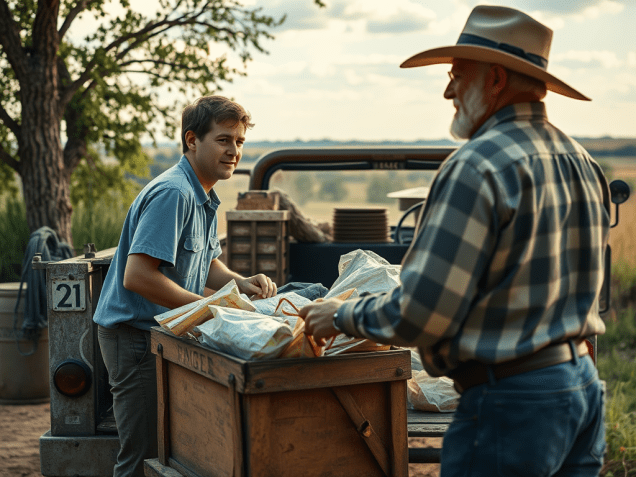
It was the summer of 1978. A flood had wiped out a water line. The line ran from a well to a storage tank at the Girl Scout Camp. Special piping was needed for repairs. My dad asked Benny to take me to Clinton, Oklahoma, to pick up the materials. I was thrilled when he handed me the keys to one of the camp’s state-owned ranger vehicles. For a brief moment, I thought, “Wow, I get to drive!” But then he said, “Give these to Benny—he’ll be the one driving.” Shucks.
Still, the outing promised a break from our usual routine. We set out just before noon, heading west on State Highway 152. As we neared the town of Eakly, an Oklahoma Highway Patrol car coming toward us slowed dramatically. The trooper gave us both a piercing look, as if trying to place us. After passing us, he glanced back as though deciding whether to turn around. Odd, we thought—we hadn’t been speeding or doing anything wrong.
A few miles farther west, another patrol car did the exact same thing. Now we were both feeling uneasy. We even pulled over to check the truck—maybe something was dragging, maybe we had a flat tire—but everything checked out.
Four more patrol units gave us the same strange treatment. By now we were more than a little paranoid. What were we missing? We hadn’t turned on the radio, thinking it wasn’t our place to use official equipment in the state-owned truck. If we had, we’d have had our answer.
When we finally returned to the Ranger’s Quarters with the piping, we were greeted with wide eyes and urgent questions. Turns out, there had been a prison break nearby. The escapees had stolen a state vehicle—same color, same model, same government-issued license plate as the one we were driving. No wonder the troopers were ready to pounce. If we had known, we would’ve waved our Girl Scout badges out the window. We would have done this for the entire ride, like waving a white flag.
That trip became one of the many memorable moments I shared with my once-brother-in-law Benny. It was the story told every holiday. And it got laughs no matter how many times it was heard. Benny was a close comrade through much of my youth and during family gatherings. It was hard to see him and my sister go their separate ways. Still, I understood and respected her reasons. Sometimes life and family change in ways you don’t expect. And sometimes, those changes, though painful, lead to something better.
But Benny—well, he’ll always be one of our dearly departed.
Not the peace that lives only in headlines or history books—the grand treaties, the ceasefires, the official proclamations. I’m talking about the peace we build in our daily lives. This peace begins around kitchen tables. It is found in community meetings. It happens in the quiet moments when we choose to listen rather than shout.
What would it take to create a more peaceful world? That question sits heavy on my heart.
I don’t pretend to have all the answers, but I believe peace isn’t something we wait for others to deliver. It’s something we shape, step by step, together. And maybe, just maybe, it starts with a plan. Its not a perfect plan, but it’s a real one. It’s something we can reach for and return to, like a compass in uncertain times.
Step One: Start With Listening
Peace begins with the willingness to hear someone else’s story—especially when it challenges our own. We don’t have to agree on everything, but we do have to care enough to listen.
Imagine what would change if we listened without preparing to argue back. If we asked “What is it like to be you?” and waited long enough for a real answer.
Step Two: Make Room for Justice
There can be no true peace where injustice lives unchecked. That means looking closely at the systems around us—schools, courts, hospitals, policing, housing—and asking, “Who is being left behind? Who is being harmed? And what can we do to fix it?”
Justice isn’t about blame. It’s about repair. Peace doesn’t ask us to forget the past. It asks us to heal from it—together.
Step Three: Practice Kindness Like It’s a Skill
We talk about kindness like it’s something we either have or don’t. But I think it’s more like a muscle. You build it every day—with patience, with humility, and with a little humor when things get hard.
Sometimes, peace looks like biting your tongue. Sometimes, it looks like reaching out. And sometimes, it’s just not walking away.
Step Four: Educate for Empathy
To give the next generation a better shot at peace, we must teach them differently. Not just math and reading—but empathy, conflict resolution, critical thinking, and how to talk across differences without losing our humanity.
We should teach history honestly, too—not just the polished parts, but the painful truths that still echo today. Healing begins with honesty.
Step Five: Be Brave Enough to Hope
Hope can be a radical thing. Especially when the news is bleak and the divisions feel endless. But hope is not weakness. It’s strength disguised as belief. It’s faith in what we can build, even if we haven’t seen it yet.
A plan for peace isn’t a single event. It’s not something we sign and file away. It’s a lifelong effort. It’s showing up, over and over, with open hands and an open heart.
We will never achieve a perfect peace. But if we can bring peace into one more conversation, one more neighborhood, one more generation—then it’s worth everything.
So here’s my plan. It starts with me. It starts with you. And it keeps going—as long as we keep walking ahead, one small, hopeful step at a time.
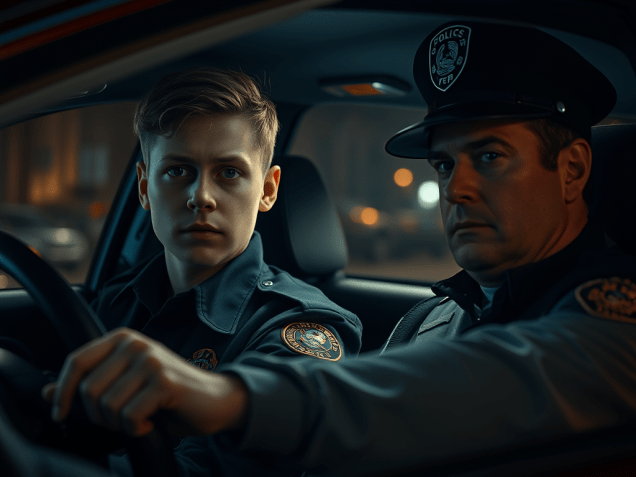
The night was calm in that tense, waiting way cops get used to. It was the quiet that makes your stomach coil. You know it won’t last. I was still new then, riding with my training officer. He was a crusty, seen-it-all type who barely spoke unless it was to point out something I’d done wrong. If I ever earned his approval, it’d be the same day pigs sprouted wings and took to the skies.
We cruised down a dark side street when I spotted a car weaving just enough to catch my attention. I hit the lights. It was a rust-bucket sedan packed with teenagers—maybe five of them, wide-eyed and frozen as I approached. My training officer stayed in the car. That was his style: throw the rookie in the water and see if he sank.
I had the driver step out. He was lanky, maybe seventeen. He wore his coat like a belt, tied around his waist. It seemed too warm for sleeves but too cool to ditch. As he stepped out, the hem of the coat caught on something. Then—clink clink clink—CRASH. Three or four bottles of beer tumbled from under the coat like traitors abandoning ship. They hit the pavement. The bottles shattered in an amber mess around our feet.
The kid froze. I froze. Then we both looked at the puddle between us. From where my training officer sat, it probably looked like I’d lost my temper and smashed the bottles myself. Great.
Before I processed the situation, the radio crackled with a priority call—armed robbery. We were the closest unit.
“Back in the car,”
Came the voice from the patrol unit.
I turned to the kids, who now looked ready to faint.
“Go to the police station. Wait there. I’ll meet you after this call.”
They didn’t argue. They didn’t run. I just nodded in frightened unison, which, in hindsight, has been the most surprising part of the whole thing.
We sped off. The call was a blur—adrenaline, sirens, controlled chaos. When it wrapped, I reminded my training officer about the teens.
“We need to swing by the station. The kids should be there.”
He gave me a skeptical glance.
“Right…”
But sure enough, there they were when we rolled up to the front of the station. All of them were sitting on the bench outside like they were waiting for a ride to Sunday school. Nobody had moved. Nobody had tried to hide or ditch the evidence.
I had them step inside one at a time. No citations. No handcuffs. It was just a firm talk I remembered getting when I was about their age. I laid it on thick—the “blood on the highway” speech, consequences, how lucky they were, all of it. They nodded solemnly. They got the message.
As we returned to the patrol car, my training officer gave me a sideways look.
“You know,”
He said,
“you didn’t have to bust the beer bottles like that. That was an asshole move.”
I laughed.
“That wasn’t me. The kid’s coat dragged them out. Total accident.”
He squinted at me like I was trying to sell him beachfront property in Kansas.
“Uh-huh,”
he said.
“Sure.”
I never did convince him. But a week later, during roll call, he told another officer I had
“a decent head on my shoulders.”
Coming from him, that was a standing ovation.
And me? I still smile every time I think of those kids. They sat quietly in front of the station, smelling like cheap beer and bad decisions. They were waiting for the rookie cop who didn’t quite screw it all up.
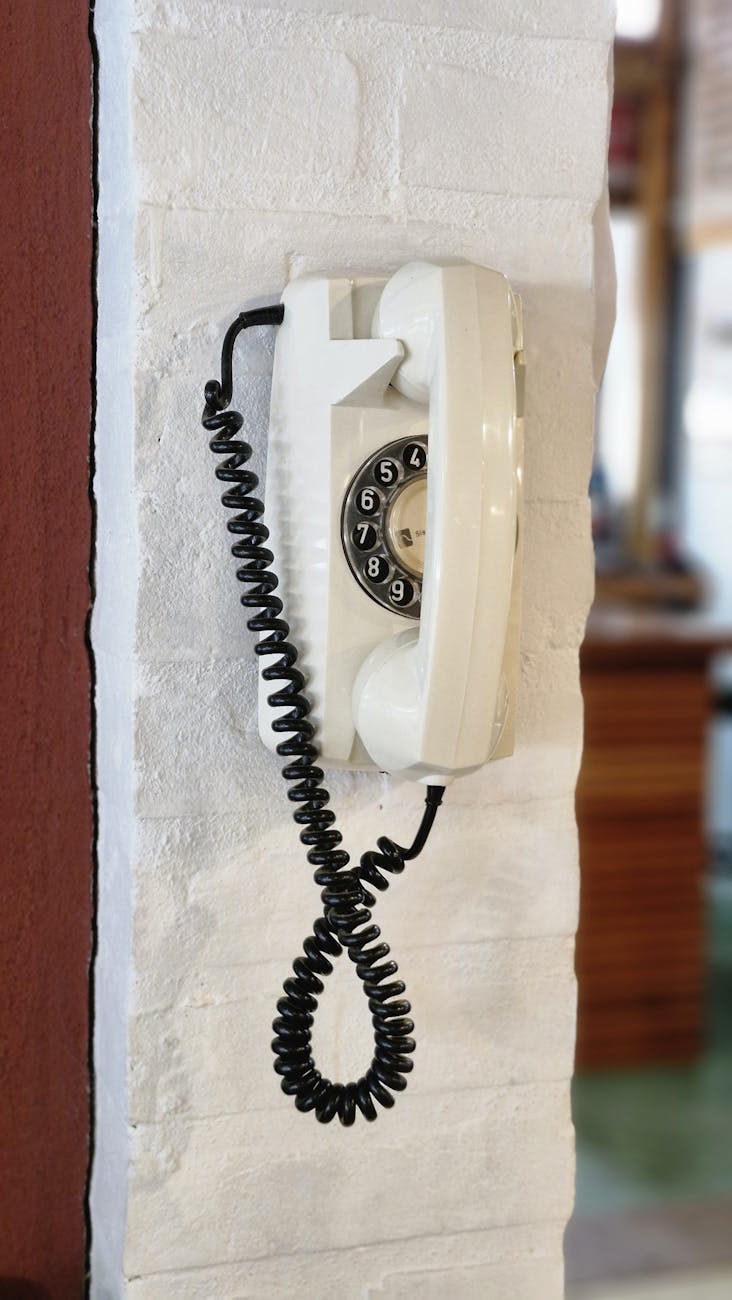
I remember when the telephone was sacred. It wasn’t sacred in the biblical sense. It was sacred in how a thing becomes sacred through ritual and reverence. It hung on the kitchen wall. It was a beige rotary with a coiled cord. The cord always managed to tangle itself, no matter how carefully we stretched it. There was no strolling around the yard while chatting, no slipping it in your pocket. That phone was anchored to the wall, and in a way, so were we.
Back then, if you were expecting a call, you waited—at home. You couldn’t run errands or mow the lawn and hope they’d “just leave a message.” There was no voicemail, and answering machines were still considered a luxury or a spy device. If you missed a call, that was it. Maybe they’d try again. Or, they wouldn’t.
There was an entire culture built around the act of calling. If the phone rang during dinner, it was a dilemma. Do you get up and answer it? That would offend Mom, who just set the casserole on the table. Or do you let it ring and risk missing something important? ‘Important’ means anything—a job offer or a family emergency. More often than not, it was just Aunt Margaret from Tulsa, who forgot about time zones again.
It’s Your Dime!
Long-distance calls were a whole other beast. Before area codes were common knowledge, calling someone more than a town away was a financial decision. “Unlimited minutes” became a birthright later. You thought twice, maybe three times. Sometimes, you waited until Sunday after 7 p.m., when the rates went down. You’d hear people say,
“Make it quick; it’s a long distance,”
And suddenly, the air would tighten. Conversations became lean and efficient. There was no room for small talk when every second cost a dime.
And God help you if you live in a house with teenagers.
We had one line for the whole family. If someone was on the phone, that was it: no call waiting, no second line, no privacy. I sometimes sat on the front steps, listening to my older sister whisper sweet nothings to her boyfriend. At the same time, she stretched the phone cord into the hall closet for “privacy.” This meant insulation from our relentless teasing.
My Name Is In The Phone Book!
Phone books were gospel—fat and yellow and always near the phone. If someone’s number changed, you had to physically write it down in the back of the book. Otherwise, you risked losing it forever. If you didn’t know someone’s number, you called the operator, who answered with an almost magical,
“Information, how may I help you?”
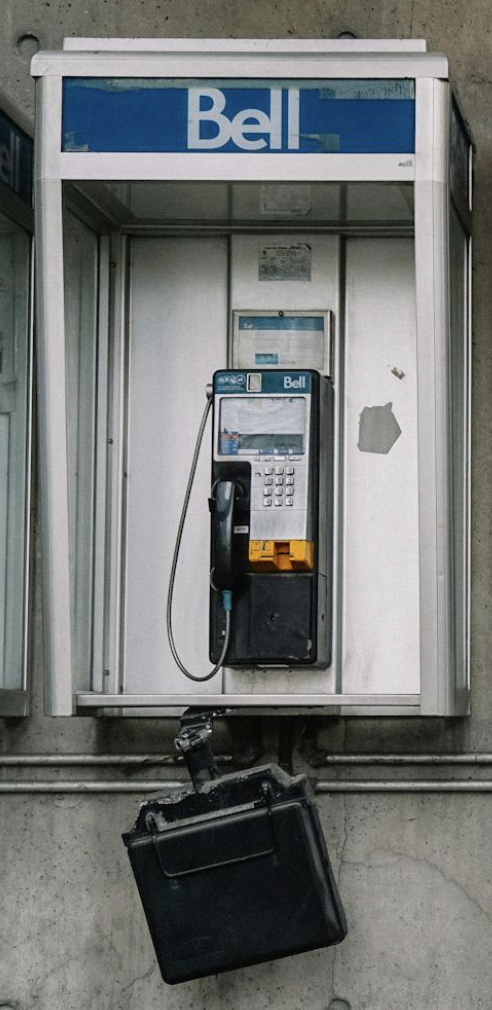
There was a time when arriving in a new town didn’t mean turning on a GPS. It didn’t involve scrolling through social media, either. Instead, it meant pulling up to a phone booth and flipping through the phone book. Every booth had one, thick and heavy, usually hanging from a little metal chain to keep it from wandering off. If you were looking for someone, all you needed was their name. You’d find their phone number listed alphabetically, and right next to it—their home address.
It was all just there, in plain ink, as ordinary as the weather report. Privacy wasn’t the concern it is today. Back then, being listed in the phone book was considered part of being a community member. It was how people stayed connected. Out-of-town relatives, old friends, and even traveling salespeople brought to your doorstep with just a name and a little patience. And it meant something to have your name listed in the phone book.
It’s funny now how phones used to ring, and everyone rushed to answer. It was exciting—an event. Now our phones ring, and we stare at the screen half the time like it’s a burden. Back then, it was a connection. A real, human voice carried over copper lines and across miles. There was a weight to it. You felt the distance.
And maybe that’s what I miss the most—not the inconvenience, not the cords or the costs, but the intention. Calls were planned. Conversations were meaningful, not disposable. There was something beautiful about the limits. There was something grounding about a phone that couldn’t follow you around. There was honesty in waiting for someone to call and hoping they’d find you home.
Because that was the world then—tied to the wall, rooted in place, and always listening. It was a simpler time in many ways. Yet, it would confuse anyone who had never experienced the rotary telephone era.
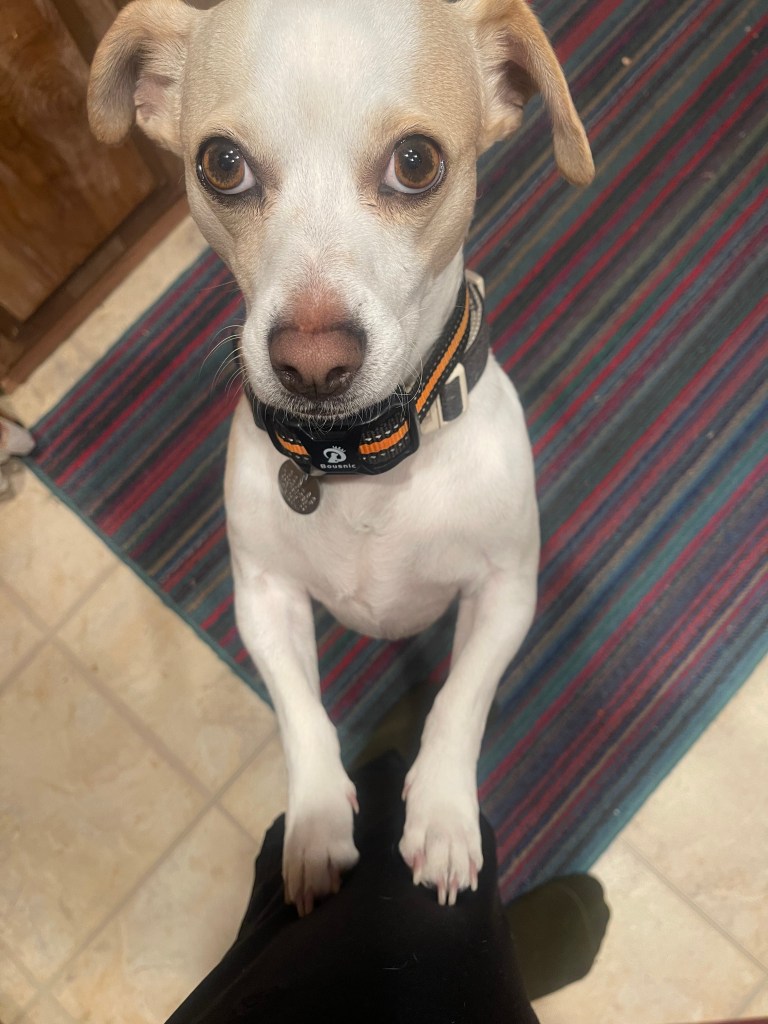
Our dog Otis is a handful—and that’s putting it mildly. He’s been part of our lives for over eight months now, and frankly, he has us wrapped around his paw. That’s how I see it, anyway.
Each morning, I dig into news articles. Meanwhile, Otis curls up on my lap. He looks like the innocent angel he most definitely is not. Don’t be fooled by the calm exterior—he’s always on high alert. He knows the sounds of the mail truck, the delivery van, and anything that dare to approach our house. With every rumble outside, he barks thunderously. He is desperate to storm the front lines. If only that pesky screened door weren’t in his way.
A simple knock on the door transforms Otis into a spinning, barking whirlwind. Imagine a Tasmanian devil with a bark louder than his bite (but don’t tell him that). He’s so protective that we often must hold him back when company arrives. Sometimes, he gets so worked up. He earns a timeout in his kennel. There, he huffs in protest like a disgruntled dragon.
Sunday was a special day—Otis got to join us for a visit with friends, one of his all-time favorite activities. He made nice with their dog, at least at first. But soon, his sly, bullish side took over. He snatched the ball and refused to return it, parading it like a trophy, asserting his love for socializing.
After a long day of play, Otis stayed awake the entire ride home, refusing to miss a moment. He joined us for some late-night TV, eyes heavy but stubbornly open. When bedtime finally arrived, he collapsed into a deep sleep filled with dreams. He was chasing tennis balls. He also was reliving his glorious day of dominance and friendship. I like to think he also dreamed of the day he outsmarted the mail truck.
Every year, in nearly every corner of the world, people buy flowers. They write cards and call their mothers to say “thank you.” But few know that Mother’s Day wasn’t always a celebration of brunches and bouquets. It began with a fight. It wasn’t with fists or fire, but with letters and marches. It involved the relentless will of one determined daughter.
The story starts in the United States in the late 1800s. It begins just after a brutal civil war tore the country apart. Ann Reeves Jarvis lived in a small town in West Virginia. She was a mother who believed that motherhood was more than just raising children. It was about strengthening communities. She organized “Mother’s Work Clubs” to teach women how to care for their families and treat illness. During the war, she crossed enemy lines to care for wounded soldiers. Being a mother meant healing, even in a time of hate for her.
When Ann died in 1905, her daughter Anna Jarvis was devastated. But in her grief, she found purpose. Anna believed that mothers—their love, their sacrifices, their invisible labor—deserved to be honored privately and publicly. She envisioned a day when everyone would pause to recognize the power of a mother’s influence.
In 1908, Anna held the first official Mother’s Day in her mother’s church. She sent 500 white carnations—her mother’s favorite flower—for the guests. But that was just the beginning. Anna wrote thousands of letters to politicians and ministers, urging them to create a holiday for mothers. She battled for six years until 1914 when the U.S. president made it official: the second Sunday of May would be known as Mother’s Day.
The idea spread across borders and oceans, and countries worldwide adopted it—each adapting it in their way. In Thailand, it aligns with the queen’s birthday. In Ethiopia, it’s celebrated with a family feast. But at its heart, it remains the same: a day to honor the women who shape our lives.
Ironically, Anna later grew furious at how commercialized Mother’s Day had become—filled with store-bought gifts rather than heartfelt thanks. But she couldn’t even stop its global march. The world had embraced the idea, and the spirit of that first small ceremony had taken root.
The next time you give your mother a flower or a call, remember. This day began not with marketing. It also did not start with tradition. It started with one woman’s vow to never let the world forget what mothers truly do.
When we first moved to the farm, my father bartered for just about everything. It was the 1960s. He had a wife and six kids. My young uncle, who felt more like an older brother, was also part of the family. He had plenty of mouths to feed. There were also many projects to tackle.
One of his deals involved tearing down an old house on a neighbor’s property in exchange for the lumber. It wasn’t a one-man job—my three older brothers, my uncle, and even my mother had to pitch in. My two sisters and I were assigned a very important task: holding down the tailgate of the pickup truck.
We were told in no uncertain terms to stay put. We knew exactly what that meant. From our perch on the tailgate, we watched as our dad and brothers clambered across the roof, tossing down boards. My mother hustled to pick them up, stacking them onto a flatbed trailer and into another old truck.
I still don’t know exactly why my mother did what she did next. Maybe she wanted to check on us; maybe she wanted to warn us again. But as boards kept flying off the house, she walked around to where we sat—into what my dad had firmly declared “the danger zone”—and yelled:
“You three stay away from here, or you’ll get hit in the head with a board with a rusty nail!”
And no sooner had the words left her mouth than—WHACK! A board sailed down and smacked her right on the head. Of course, it had a rusty nail. Of course, she screamed. And of course, all three of us screamed right along with her.
Almost instantly, my dad’s head popped up over the roof’s edge.
“What the hell are y’all screaming about?”
We all shouted at once:
“Mama’s bleeding! A board hit Mama in the head! There’s a nail in her head!”
My dad scrambled down the ladder, muttering adult words under his breath.
“Shit. Goddammit, Marge, why the hell were you standing where we told the kids not to go?”
My mother, ever unflappable, shot back:
“You threw that board at me on purpose!”
He glared at her.
“Dammit, I didn’t even know where you were. Kids, get off the tailgate and sit on that log. I gotta take your mother into town.”
They drove off toward Doc’s office, leaving my brothers to finish tearing down the house and loading up the wood. The sun set. The old trucks were filled. My brothers piled us into the pickup. They drove the mile and a half back home.
When we pulled into the yard, our parents were just arriving. My dad helped my mom out of the truck and told us she was fine—just a scratch, he said. Doc had cleaned her up, given her a tetanus shot, and sent her home with something “to relax her.”
Naturally, we kids had to see the wound for ourselves. It didn’t look like much—just a small cut hidden in her hair, surrounded by a bruise. Not exactly a house falling on someone’s head. But it had bled plenty, enough to scare us all.
That night, we sat around eating a casserole that had baked while we were gone, everything back to normal. Or so it seemed.
Later, as my mom recounted what happened, the story took on a life of its own. Over the years, at family gatherings and on phone calls, we’d hear her say,
“Well, you know, the day that house fell on my head…”
In the background, my dad’s familiar sigh would follow:
“Dammit, Marge. It was just a board. And it wouldn’t have hit you if you’d stayed where I told the kids not to go.”
But she never wavered. Even now, at 95, if you ask her, she’ll tell you straight:
I have many stories about growing up. Sometimes, I wonder how I fit everything I did into the years leading to where I am now. As a young teen, I always felt my family was boring. We never seemed to do anything special. But when I share our family stories today, people tell me they spark their forgotten memories. They bring back moments they thought were lost.
One such story involves our neighbors, Bill and his wife, Marie. They rescued every stray dog they found and invited each one into their growing pack.
I first met Bill while riding my bike home from a friend’s house. He had stopped his car to get the mail from his old roadside mailbox. I couldn’t help but stop and say hello. I asked him where he lived. He pointed across the road toward a distant antenna. It stood tall above the trees. “Right under that antenna,” he said with a smile. I had watched that antenna for years. It was massive. It perched on rotating poles to turn the shortwave and CB radio antennas in any direction he wanted. Seeing my interest, Bill invited me to visit the next day—but told me to check with my parents first.
I didn’t know it then, but Bill had been instrumental in bringing electricity to our area through a rural cooperative. He’d helped light up countless homes across several counties. My parents permitted me to visit but warned me not to overstay my welcome.
The next day after school, I finished my chores and pedaled toward Bill and Marie’s. As I left the paved road and turned onto the dirt path, barking erupted. A pack of dogs rushed to greet me, but they wagged their tails instead of attacking and licked my hands. It was like I was the first human they’d seen in years. They crowded around me, gently herding me up the porch steps. I reached for the doorbell, but before pressing it, the dogs nudged me ahead, practically carrying me into the house.
“Hello? Anyone home?”
I called out.
Marie’s sweet voice answered from the kitchen,
“I bet you’re JD’s boy. Bill told me you’d be stopping by. He’ll be out in a minute—say hello to the family.”
She gestured toward the dogs as she named them individually, expecting me to remember each name. There had to be twenty dogs in that living room alone. As I looked around, another thought puzzled me: how did she know I was my dad’s son? I hadn’t even introduced myself yet. A moment later, Bill entered, smoking his pipe, followed by four more dogs circling his legs. He shook my hand warmly and led me into his den, where I would spend hours learning from him. Bill introduced me to the world of shortwave radio and explained how to get a license. He even lent me a Morse code training record to help me prepare for the exam.
But radios were just the beginning. Bill showed me his greenhouse, where he taught me how starting seedlings early gives a head start in spring. One day, he took me to another outbuilding—a woodworking shop filled with the scent of freshly cut lumber. There, he showed me how he crafted furniture and home goods, staining and treating each piece with care.
When I was almost sixteen, Bill revealed yet another surprise: a mechanic’s shop hidden behind his house. Inside sat an old Datsun pickup.
“I haven’t driven it in years,”
Bill admitted,
“but it’s still here.”
I could feel the gears turning in my head. I was about to get my driver’s license, and that old truck looked like the perfect first car. Before I said anything, I knew I had to check with my dad. When I asked, my dad said,
“We can look at it.”
To me, that was a yes.
The next day, I returned to Bill’s and asked if he might be interested in selling the truck. Bill chuckled.
“I never thought about selling it—but if the price is right, maybe.”
“I’ll need a car when I get my license,”
I told him.
“And my dad said we could take a look.”
“Bring your dad down,”
Bill grinned,
“and we’ll talk.”
Dad and I stood in Bill’s mechanic shop a week later, looking over the Datsun. Bill puffed his pipe thoughtfully.
“It ran fine when I parked it. Might go ten miles, might go another hundred thousand. Hard to say with an old truck.”
He smiled at Dad.
“You know how it is with cars.”
Then Bill turned to me.
“I’ll talk price with the boy. You’re too good a horse trader for me to haggle with.”
My dad laughed.
“You know what you’ve got in your savings,”
he told me.
“Don’t spend more than that—and don’t forget tax, title, and insurance.”
At that moment, I felt the weight of adulthood settling on my shoulders. I bartered with Bill for ten minutes, careful with every dollar. Later, I discovered an interesting fact about Bill and my dad. They had been late-night radio buddies for years. They even arranged for a state newspaper courier to toss them papers at a secret highway drop each morning.
I kept visiting Bill and Marie for years. As I grew older, I began to understand Marie’s quiet burdens. They were things I wish I’d been capable of helping with then. I only understood them now, knowing what I know. Bill and his beloved dogs carried on their calm, legendary life on the edge of town.
No one else ever visited them—not like I did. And sometimes, I wonder if that had been the plan all along.
Bill and Marie passed away in the 1990s. Per their wishes, their property was sold to help the local community center. Their home, once full of vibrant life with voices, radio signals, and loyal dogs, became part of something greater. It was destined to be that way.
Every time I turn on a radio, I still feel them with me. When I smell fresh-cut wood or see an old pickup truck, I also think of them. Their stories live on—in mine.
Growing up, we had dogs that made our lives richer in ways I’m still discovering today. There were three of them: a St. Bernard–Collie mix, a German Shepherd, and a Rat Terrier—Oggy, Bruiser, and Jackie.
These three would become my best friends throughout my childhood.
The first to arrive was Oggy. He was a big, playful dog who loved to wrestle in the front yard for hours. But more than anything, he was our guardian. Oggy knew his role: to watch over us. Every afternoon, he met us at the gate when the school bus dropped us off and escorted us home. No stranger ever approached our house without Oggy ensuring they had our blessing to be there.
Next came Jackie, a spry little hound named after a friend’s dog. Jackie quickly became our best mouser and a fierce snake fighter, teaming up with Oggy on countless backyard missions.
Finally, Bruiser joined the pack—a German Shepherd with a name tougher than his heart. Although Bruiser had been obedience-trained and sounded intimidating, he was naturally gentle and shy. But when it mattered, he showed real courage, standing shoulder to shoulder with Oggy and Jackie to guard our home.
By age 13, the three of them followed me everywhere. We hiked deep into the forests near my dad’s ranger station, trekking miles through wildland few others dared to explore. Jackie scouted ahead, flushing out surprises. Oggy stayed close, my sturdy shield. And Bruiser brought up the rear, quietly ensuring nothing came up behind us.
Looking back, I realize they created a cone of safety around me, a living circle of love and protection. Whether I was on foot, on horseback, or driving a tractor, my trio was always there. They were my constant companions through childhood adventures.
Sometimes, we’d stop at a fallen log and sit together. I would talk to them about my troubles—problems that seemed so large at 13—and they would listen in silence. When I stood up again, the issues felt either solved or less heavy.
We would set off again every afternoon after school unless I had work to do for my dad. If I did have chores, they stayed right by my side, enduring the labor with me.
When I turned 17, we lost Oggy. His arthritis had left him nearly unable to walk, and his eyes had gone cloudy. With love and sorrow, my dad had a veterinarian help him cross over to a better place.
Jackie passed a few years later while I was away from home, already carving my path in the world. And then, in 1984, Bruiser’s body gave out after a long struggle with an incurable skin condition. After months of holding on, my parents made the painful but loving decision to let him go.
Those three dogs had been with me through it all. They ran beside me along ridges. They chased waterfalls. They climbed cliffs to the highest points of the land. They sat with me as we watched the world stretch out for miles.
Jackie once fought off a copperhead snake. She suffered terrible bites that swelled her head to twice its size. Yet, she survived and came running with us again. Oggy and Bruiser learned to shadow me unseen while I rode horseback, quietly blocking any stranger who came too close. It wasn’t training. It was friendship—the kind that instinctively protects without being asked.
In the end, the pain became too much for them to bear. Love helped us let them go. It broke our hearts. I’m grateful my dad made those final decisions because, to me, they weren’t just dogs.
They were my most faithful friends, making my childhood a place of wonder, safety, and unconditional love.
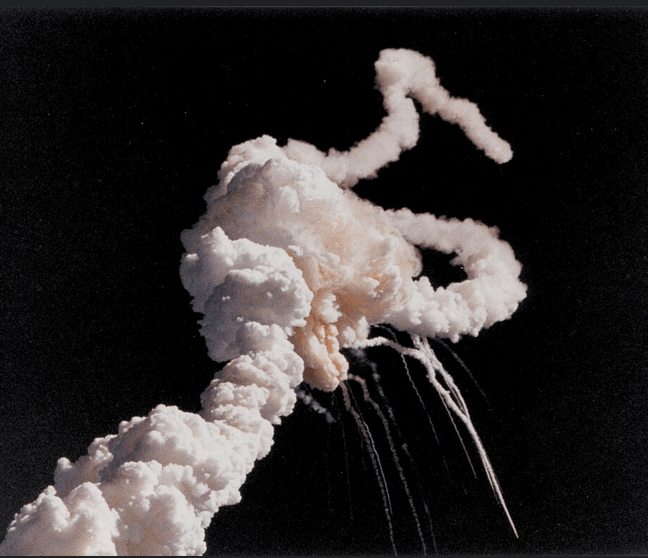
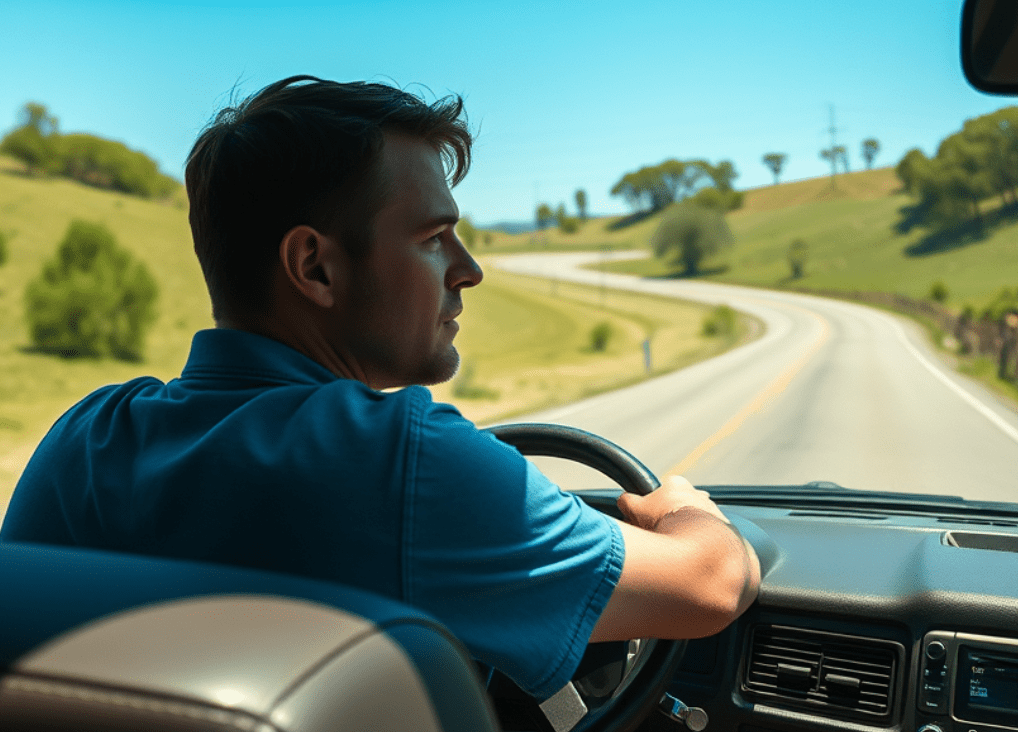
It was January 28th, 1986. Tim was driving to an appointment, his car weaving through fifty miles of winding highways. The radio crackled with the morning news. The Space Shuttle Challenger was set to launch, carrying the first civilian teacher into space.
As the announcer spoke, a sudden, vivid image flashed in Tim’s mind—an explosion, fiery and bright. He gripped the wheel tighter. Then, just as quickly, the vision faded.
This wasn’t the first time. During his years in law enforcement, Tim had experienced moments like this—flashes of insight, warnings he couldn’t explain. Colleagues had asked how he knew things before they happened. He’d only ever shrugged and said, “I’ve got a sixth sense, I guess.”
A commercial break interrupted the news. Tim leaned back, letting the hum of ads drown out the unease rising in his chest. Don’t be ridiculous, he told himself. There are engineers, scientists—people much smarter than me working on this. Who am I to question it?
Then the news returned, live coverage from Cape Canaveral. As the launch countdown continued, Tim felt it again. A deep, cold shiver passed across his neck. Then he envisioned the same haunting image of destruction.
He reached for the dashboard, then pulled his hand back. Should I call? he wondered. Would they even listen? The idea of calling NASA felt absurd. What would I say? he thought. That I had a feeling?
No one would believe him. He’d be laughed off the line—or worse. He pictured himself in a hospital gown, locked behind heavy doors for making prank calls to a national space agency.
So he drove on.
At the appointment, Tim entered the lobby and stepped up to the front desk. Just as he began to sign in, a man burst from his office, wide-eyed.
“You won’t believe what just happened!”
He turned on the TV. On the screen, the Space Shuttle Challenger rose into the sky—and then disintegrated in a plume of smoke and fire.
Gasps filled the room.
Tim stood frozen. The weight hit him all at once. Not just the horror of what had happened but also the hollow ache remained. He knew he had seen it coming… and done nothing.
In the days that followed, he replayed it again and again. The moment he didn’t call. The chance he didn’t take. The voice he silenced.
If he had picked up that phone, maybe nothing would’ve changed. Or maybe someone would’ve listened. Maybe someone smarter than him would’ve paused for just a second. He would never know.
One thing became clear to Tim that day. The burden of inaction weighs heavier than the risk of being wrong.
If he was able do it over, he’d make the call.
No matter how crazy it sounded.
This story is from actual events. The names of those in the story were changed to protect their privacy.
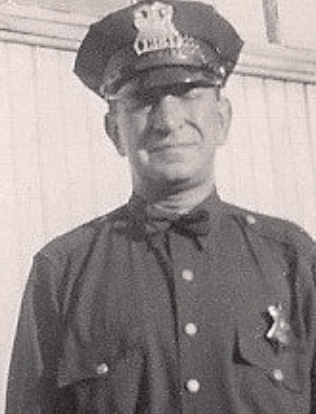
My grandfather had a host of brothers. Their father, Ulrich Groff Jr., had been married twice—the second time after his first wife died. Among my grandfather’s many brothers was one named Frank. In the family, he was known as Grand Uncle Frank or Great Uncle Frank, depending on who was telling. Frank lived a colorful, hard-worn life. He was the one who taught me how to ride a bike and always had a funny story to tell. He was raised on a farm. He worked odd jobs in his youth. Eventually, he found a steady calling with the Chicago Police Department.
Frank’s career on the force was mostly uneventful, at least by police standards. He would occasionally talk about the small-time crooks. He mentioned the drunks and the desperate people. He and his partner had to haul these people off to jail. But there was one story he told with a quiet solemnity—one that never left him. It was a time when being a police officer was a tough job, especially in a city like Chicago. The streets were rough, and the criminals should not be taken lightly.
Frank Groff
It was the night his partner died.
According to Frank, it had been a typical shift. He and his partner had picked up a couple of rowdy men, causing trouble. One of them shoved Frank’s partner during the scuffle. The man was quickly subdued and locked up. As far as Frank knew, it was nothing out of the ordinary. They had handled far worse and walked away without a scratch.
But the next morning, a knock at Frank’s door brought grim news. Fellow officers informed him that his partner, John Blazek, had passed away during the night.
John had hit his head during the scuffle—no one thought much of it at the time, including John himself. Like many men of his era, he brushed it off, finished his shift, and went home. Officer Blazek called a fellow officer to give him a ride. He didn’t feel quite right. Still, no one suspected anything serious. He went to bed and never woke up. The suddenness of his passing left everyone in shock and disbelief.
The official record read:
John Blazek
Patrolman John Blazek died after suffering a head injury. He fell or was pushed to the floor inside the 22nd District’s cell room. This incident occurred at 943 West Maxwell Street the prior night. He did not realize he had suffered a skull fracture. He attempted to go home at the end of his shift at 8:00 am. Blazek did not walk home and called another officer to pick him up. Once he got home, his condition worsened. He passed away the next day from the head injury.
Patrolman Blazek was a U.S. Army veteran of World War I who had served with the Chicago Police Department for 26 years. His sudden and unexpected death left a void in the community. His wife and two sons survive him.
Frank never quite recovered from that night. Though he stayed on the force, something in him changed. He stopped talking about the job as much. When he did, it was with a heavier voice. He had arrested many criminals and survived several street scuffles. Yet, the quiet death of his partner haunted him the most. They didn’t see it coming. He retired a few years later, and we see that the incident had taken a toll on him. He spent his days quietly, often lost in thought.
Years later, after Frank’s retirement, we found a worn copy of the police report. It was on John Blazek’s death and among his things. It was folded carefully into the pages of his Bible. Eventually, Frank passed on. On the back, in his handwriting, were the words:
“We don’t always know the moment something changes us. But we carry it. Always.”
When I was a child, my dad and I did countless things together.
We rode horses nearly every weekend if not every evening. We went to rodeos and parades—not just as spectators but as participants. We traveled to horse sales, chasing his dreams of new bloodlines, no matter how far away they seemed. Of course, I realized when I grew up that they weren’t all that far.
A lake at the south end of our property teased me year-round. I saw cars creeping across its dam, people scrambling down its rocky banks, casting lines into its blue water. I dreamed of fishing with my dad. But he never seemed interested.
We had more important things to do. We needed to haul feed for the horses, cut hay, stack bales in the barn, and care for the animals. The farm and all our other activities consumed all our time. There was no time for anything else. School and sleep were crammed in the margins of my day.
Eventually, I grew up and moved away. After a chlorine gas leak injured my dad, he had to sell the last of his horses. He became tethered to the living room; his body slowed, but his mind sharpened. On my days off, I would come home. We would sit on the back patio, drinking iced tea and talking. We watched that same blue lake that had taunted me for so long.
One afternoon, while I was visiting, he said,
“Come look at what I found in the storage shed.”
Out back, he pulled a polished rod from a rack. It was old but cared for. The line had to be a 100-pound test.
“Used to fish with this before you were born,”
He said.
“Put it away after you come along. So many kids were drowning in lakes back then… I couldn’t take the chance.”
And now, decades later, he held it out like an invitation.
“Will you take me fishing?”
“Of course,”
I said.
He smiled, took a puff from his nebulizer, and told me to wait while he got his hat.
“Dad, you need a fishing license.”
I reminded him, hoping it would buy me time. I needed to figure out how to care for him in a setting I didn’t control.
From the kitchen, Mom called out,
“He got one last week! He’s been waiting for you to come home. Can’t drive that far by himself.”
That settled it. I grabbed my gear from behind the seat of my truck. Then, I loaded Dad up. Finally, I drove us to my secret fishing spot.
The fish were practically leaping from the water. Dad was giddy, casting with the energy of a man half his age.
He kept asking how I found such a remote place and marveling at the size of the fish we caught.
I thought I had waited 24 years to go fishing with my dad. I didn’t want to use up all my time in one afternoon.
Eventually, the stringer was full, and the sun started slipping.
“We’d better get you home,”
I said.
“Mom said you’ve got to be back by two for a breathing treatment.”
He frowned but nodded, and we packed up our catch.
When we got home, the house was empty.
“Was Mom going out today?”
I asked.
“I think your sister was taking her shopping,”
He said, unconcerned.
I got Dad set up with his treatment. The hum of the machine had just started when the phone rang.
“Hello?”
“Benji?”
A familiar voice—my sister’s mother-in-law. Using my childhood name.
“Where have you and your daddy been? We’ve been trying to find you.”
“We went fishing.”
“Fishing? You took JD fishing?”
“Yeah—we caught a nice stringer full.”
There was a pause.
“You’d better put them on ice. Your mother and sister were in a bad accident. A truck hit them head-on out on the bridge. They’re at the hospital in Chickasha. You need to get your daddy down there.”
I turned to him and broke the news gently. He took it quietly, still holding onto the joy of our day. Maybe it hadn’t fully sunk in, or he didn’t want to let go of the moment.
At the hospital, Dad was the first to go in and check on Mom. My sister waited in the hall, shaken but okay. When Dad came out, he looked as calm as ever.
“She’s going to be fine.”
He said.
“They’ve got her so doped up she thinks she’s on the moon.”
Catch of The Day
Then someone asked him where he’d been. He grinned.
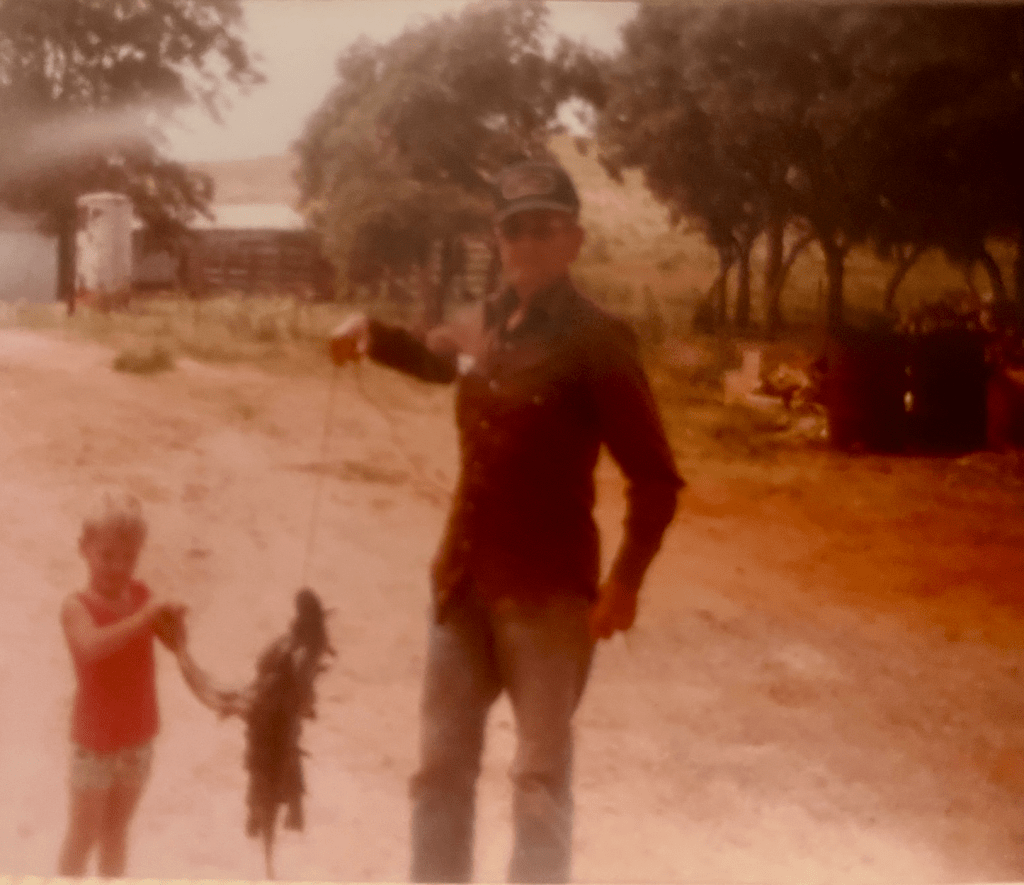
“Fishing. Caught the biggest fish you’ve ever seen. I swear, some were as long as my arm!”
Everyone laughed.
“That’s a fish story if I’ve ever heard one!”
“Sure, JD. Whatever you say.”
I backed him up, grinning.
“We’ve got them at home. Put them on ice. Big stringer full.”
My oldest sister chimed in, skeptical.
“No, you didn’t.”
“Yes, I did. Slid them into a plastic bag first, then put them in the freezer.”
It was true.
Grandson Raymond, and JD Groff
And that fishing trip wasn’t the last. That summer—his last summer—I ensured we went out as often as possible. Sometimes, it was just the two of us. I had always dreamed of this as a boy, watching the lake from our back porch. Other times, I brought my brother and my nephews along. Dad would hold court on the bank. He told stories and gave advice. He cast his line with the patience of someone who knew the water well. He knew the time was short.
We laughed, caught fish, and built memories like campfires—small moments that glowed long after sunrise.
That summer was magical.
It was the summer, and I finally got to take my dad fishing. And it was everything I had waited for.
My Dad was a man of fierce independence and deep protective instincts. He and my mom practiced defensive maneuvers as the days of aging grew—he had a plan. She would drop to the ground, and he would shoot over her, neutralizing any imagined threat. This was his way of ensuring our safety, a comforting thought for all of us. Of course, during practice, the gun was always unloaded. But as they grew older, my sisters became worried. Dad was on medication. It sometimes clouded his thinking. They feared he might one day forget to remove the bullets.
Years before, he had suffered a devastating injury. While inspecting a swimming pool facility, a large chlorine container malfunctioned, releasing a gas blast into a control room. He inhaled the toxic cloud, severely damaging his lungs. From that day onward, his breathing was labored, his movements slow and painful. The injury gradually robbed him of his strength until, eventually, he became bedridden.
As his physical strength faded, his concern for my mother’s safety grew stronger. He was terrified that they were vulnerable to burglars or intruders. And so, he devised a plan—an extension of the old drills. My mom would guide them to a specific location if someone ever forced their way into the house. He saw this spot clearly. She would drop to the floor just like in the old days, and he would be ready to fire.
That’s when my sisters turned to me. I’m a law enforcement officer, and they hoped I could safely remove the firearm from his possession. But that was easier said than done. When I spoke to him, he saw what I was thinking. Even in his weakened state, he firmly grasped his beliefs and authority. His determination was palpable. He made it clear that this was his home and responsibility. It was his plan to protect his wife.
But he also took the time to explain how seriously he took the safety of it all. His explanation wasn’t reckless or confused; it was thoughtful. He was rational and transparent in his thinking. In the end, I agreed. He was doing what he believed was best for them.
Still, I wanted to do something more—something that would help ease everyone’s minds. That day, I installed a motion detection system in the house. It covered the living and dining rooms, alerting them if anyone approached. Every door was now an alarm. It gave them peace of mind and ended the dramatic drop-and-shoot rehearsals.
Dad & Buck
Eventually, Dad was unable to get out of bed. He was confined to a hospital-style bed in a small office near their bedroom. His gun was out of reach, and it tore at him. One day, he felt sorrow and frustration. He asked for it not to defend the home. He wanted it to end his pain.
Two weeks later, my mother called an ambulance to rush my Dad to the hospital. They sedated Dad as fluid built up in his lungs, and he passed away there. Quietly, heavily, and—if I’m honest—less on his terms than he would have wanted.
I often think of the day he asked for the gun and couldn’t reach it. Part of me believes it would’ve been a more dignified end. He had spent his life in control. He always defended his family and lived by principle. But the law is clear, and so is the burden of those left behind. As much as it hurt, I nor anyone could hand it to him.
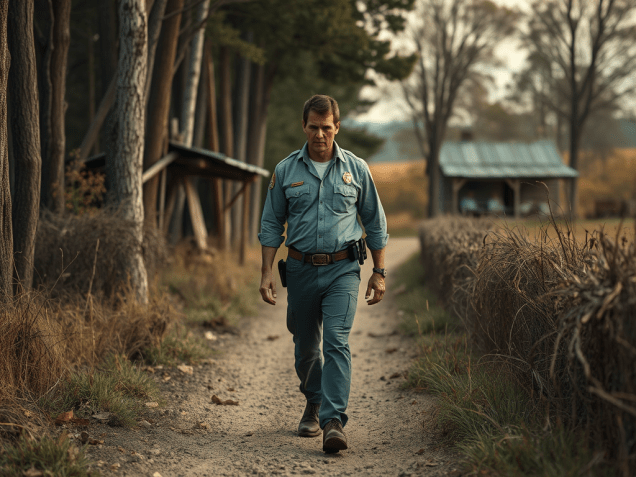
Officer Tim Roff was headed to a remote corner of the county to interview a key witness. This witness was a young girl named Cissy, the only eyewitness to a serious crime.
Nothing about it sounded very difficult. It was a straightforward drive, with a few questions, and Tim wanted to return for lunch.
He fueled his cruiser and pulled out of Delk View, heading west on the highway. The farther he drove, the thinner the traffic got. Eventually, it was just him and the radio. A long ribbon of blacktop stretched toward the horizon.
Forty miles later, he turned off at a row of faded, leaning mailboxes. They looked like they’d been abandoned decades ago.
A dirt road led up a shallow ridge, ending at a rusted metal gate with a handmade sign nailed to it:
“IF U R HEar TO C the Anderson Folks, U-will walk up here.”
Tim squinted at it.
“Charming.”
He parked the cruiser on the shoulder and climbed the gate, boots crunching dry gravel as he started the walk. It was unusually quiet—no dogs barking, livestock, or even a bird in the trees. That struck him as odd for a farm.
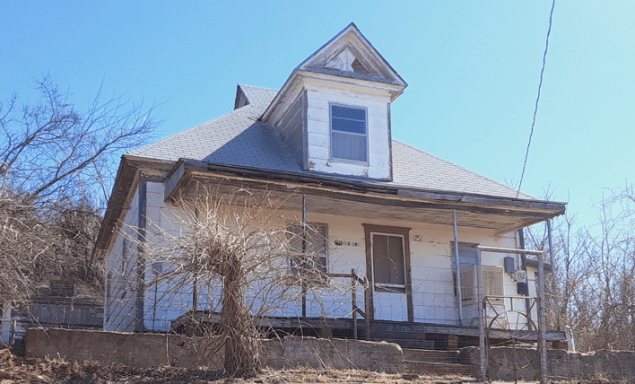
The shack was sagging. It stood at the end of the trail, leaning slightly. It looked like it had given up on fighting gravity. Tim knocked. After a few moments, the door creaked open, revealing a woman standing in shadow.
“Ma’am,” Tim said, flashing his badge. “Officer Roff, Delk View PD. I’m here to speak with Cissy.”
The woman gave him a long, assessing look before replying,
“I’m her mother. But Cissy ain’t here. She’s up at my great-grandparents’ place.”
Of course, she was.
The woman stepped outside and pointed behind the shack.
“You’ll wanna follow the trail goin’ north. Not northeast, not northwest—north. Climb the hill. When you hit the first house, keep going. That ain’t it. Go around back and find the east trail. That’ll get you to Great-Grand Pap’s.”
Tim nodded, trying to chart the path mentally.
“Appreciate it,”
He said.
“Wish I’d worn jeans.”
The trail was steep and rocky, winding uphill through thickets and trees. After nearly an hour of hiking, sweat soaking through Tim’s dress shirt, he reached a cabin. An elderly couple sat out front on mismatched chairs, sipping something cold.
“You lost?”
The old man called out.
Tim waved.
“Looking for Great-Grand Pap’s place. Cissy’s supposed to be there.”
The woman laughed.
“You’re close. Just head east from here. And watch out for bees—they’ve been feisty.”
Tim scratched his neck, thinking out loud ––
“Bees? Terrific.”
Tim trudged on and eventually reached a much nicer house between two ridgelines. Two cars were parked out back.
“You’ve got to be kidding me,”
He muttered.
“They have a driveway.”
A white-haired man and woman sat on the stoop, smiling like they’d been expecting him.
“Howdy!”
They chimed in unison.
“Howdy,”
Tim replied, a little breathless.
“I’m Officer Roff. I need to speak with Cissy.”
The couple exchanged a look.
“She’s over at Grand-Uncle Maxwell’s place.”
The old man said.
Tim sighed.
“Grand-Uncle?”
“Yup. Her grandfather’s brother. She’s watchin’ him today while his wife’s out shoppin’.”
Tim, peeking through his sunglasses, looks up –
“Watching him?”
The great-grandfather nodded.
“Ain’t much to it. Maxwell’s tied to a tree out front. Forty-foot chain. Keeps him from wanderin’ off.”
Tim blinked.
“I—what?“
“Yeah,”
The old man said.
“See, Maxwell was showin’ his boy how to clean a rifle last year—told him you never clean a loaded gun. The boy asked why. So Maxwell loaded it up, held the barrel to his head like he was cleanin’ it. And said, ‘Because if you pull the trigger, this could hap—’ And bam. Shot himself right through the nose and out the top of his skull.”
The woman nodded solemnly.
“He ain’t been the same since. I can’t trust him to stay put. We lost three family members to gun cleanin’ accidents.”
“And y’all still own guns?”
Tim asked.
“Well, of course,”
The old man said.
“But we’re real careful now.”
Tim rubbed the back of his neck.
“So… why is he her Grand-Uncle and not a Great-Uncle?”
The old man sat up a little straighter.
“Well, see, Cissy’s mama’s brothers are her uncles. Her mama’s parents are her grandparents. You followin’? But Maxwell’s her grandfather’s brother—so he’s a grand-uncle—different branch. You followin’? My brothers are Great uncles, just like I am a Great Grandpa.You followin’?“
“I think so,”
Tim said.
“But I’m pretty sure Ancestry.com would call him a great-uncle.”
“City folks,”
The old man muttered, shaking his head.
Eventually, they led Tim to Cissy. She was a wide-eyed girl with a thick accent. Her vocabulary included terms Tim had never heard. She explained what she saw, pointing to where it happened, who was there, and what she heard. Tim took meticulous notes. He jotted down not just the events but also the phrases she used. Some of these need translating in court.
He chuckled softly in the cruiser as he rewound his way to civilization. He thought about the chains and the bees. The hand-drawn family tree in his mind intrigued him. He pondered the odd logic of backwoods kinship.
And he couldn’t help but remember what the old man had told him as he left:
“Cousins are once or twice removed, then after that, well… you can marry ’em.”
Tim hoped the DA had a good sense of humor—and a good translator.
When I began my career in law enforcement, I experienced many “firsts.” One of the earliest was being assigned to a beat. I patrolled the alleys and streets of downtown, checking businesses and parks at night. The darkness was deep and constant. If fear crept in, the silence can feel almost haunting at times.
But I never let the shadows spook me. Not the sudden dash of a stray cat nor the wind rattling loose tin from an awning overhead. For a long time, I found nothing out of the ordinary. That is, until one night.
It happened in the park, beneath a pavilion by the river’s edge. I noticed someone lying across a picnic table. At nearly 2 a.m., the park was supposed to be empty. I stayed alert as I approached. I was constantly aware that people didn’t always travel alone. I didn’t want to be caught off guard.
As I approached, I spotted a can of spray paint beside her. A streak of glossy red paint coated her nose and mouth, dripping down her chin. She was a woman, and visibly pregnant, nearly full-term by the look of her.
I tried to wake her, but she didn’t respond. Her pulse was faint. Luckily, I had just been issued a portable radio—until recently, we’d relied on call boxes for communication. The radio gave me direct access to headquarters.
I keyed the mic and said,
“I need an ambulance under the pavilion at the river’s edge entrance. I have an unconscious female subject who appears to have been huffing paint. She’s approximately nine months pregnant.”
Headquarters confirmed and dispatched an ambulance promptly. Once it arrived, I assisted the paramedics. The woman was transported to a local hospital and then transferred to a larger facility for specialized care.
While searching the area, I found someone nearby who had passed out by the riverbank. I managed to rouse him. He was a man, around 32 years old, clearly intoxicated and unsteady. I placed him under arrest for public intoxication.
As I helped him up to the road, he turned to me and asked quietly,
“Is she going to be okay? I told her not to do that–– but she wouldn’t listen. That’s my baby, you know? I hope she’s alright.”
“Yes,”
I said.
I said,
“I hope the baby is okay, too. I’ve arranged a ride and a safe place for you to sleep tonight.”
The transport unit pulled up. As he climbed in, he paused, looked at me, and said,
“I’m glad you found us. It has saved both of us. Thank you!”
I nodded and replied,
“You’re welcome, try to get some sleep.”
It was one of the few times someone going to jail thanked me for stepping into their life. There would be other moments like this, but not many involving an unborn child.
I later learned the mother’s actions had not affected the baby. She had been admitted for addiction treatment, and hopefully, she stayed through the delivery and beyond. I never saw her again. I often think of that night. I think of how close things came to ending differently. Sometimes, just showing up can change everything.
The Groff House, first moved to Binger from Anadarko.
Our move to the farm east of Binger, Oklahoma marked a drastic change in life. It was vastly different from our life in Cordell. My dad had bought a house set on a modest foundation. A propane stove heated it. There was no running water. We had no telephone. The electricity worked until a snowstorm or thunderstorm blew through and took it down. In time, things would improve, but first, we had to learn a new way of living.
Each evening, my dad brought home two five-gallon containers of water and set them on the kitchen floor. Hanging above them was a metal ladle, which we all used to scoop ourselves a drink. It was a crude method, but it worked—and we didn’t think twice about it.
Going to the restroom was another matter. Several attempts had been made to drill wells, but all came up dry. My dad had the holes filled in, except one. Over that one, he placed an old-fashioned outhouse—worn, sun-bleached, and splintered. It looked fifty years old, and maybe it was. But he fitted it with a new toilet seat, and we used it like it was brand new. The worst part? The yellow jacket wasps that swarmed it in summer. They built their cones overnight, and chasing them off was a risky job that none of us looked ahead to.
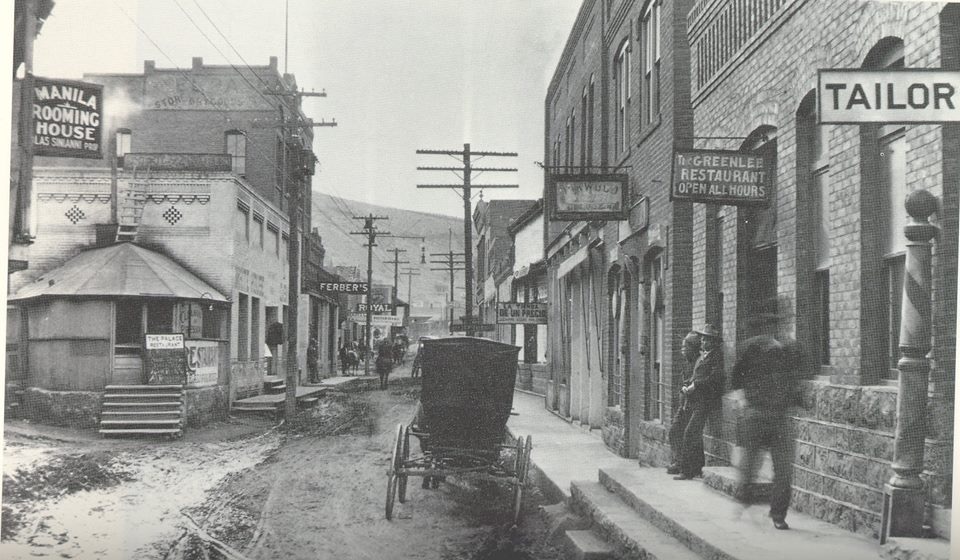
This story isn’t about the outhouse or the water jugs. It’s about the town’s Main Street during that time. The impression it left on me was significant. I was only five years old, but the images are burned into my memory.
My dad was the town barber. His shop sat on a steep sidewalk, at least three feet above the street. Set into the concrete were old metal rings. For the longest time, I had no idea what they were for. One spring morning, I was playing on the sidewalk. I was flipping one of the rings back and forth. An old timer stopped and looked down at me.
“Do you know what that ring is for, Sonny?”
He asked.
I shook my head.
“No.”
He grinned.
“Those were for tying up horses and wagons. Back in the day, folks would come to town on Saturdays—buggies and wagons lined this whole street. Horses everywhere.”
That answered a mystery I’d long wondered about. But there were more to come—and like those rings, they’d slowly be explained to me, one by one.
That same sidewalk saw a lot of stories. I remember one day. A slick Chevrolet four-door pulled up. Two men and their children—a boy and a girl—went into the drugstore next to Dad’s barbershop. My oldest brother had come into town to visit and was sitting in the shop when someone waiting for a haircut suddenly shouted,
“FIRE! FIRE! THAT CAR IS ON FIRE!”
The man bolted into the drugstore to alert the others. Someone must’ve called the fire department—but “fire department” was a stretch. The town had a 1945 fire truck with a rusted tank and an engine that wouldn’t start. They had to tow it with another truck to get it to the fire. My brother ran to the car and had one of the men pop the hood. Without hesitation, he ripped off his shirt and began beating out the flames around the carburetor.
The twins—those two kids—stood next to me on the sidewalk, watching. They would later become my classmates and lifelong friends. That introduction during the chaos would forge a connection we kept through the years.
My brother eventually put out the fire. The fire truck, still leaking water, finally rolled to a stop behind the car—just as the tank began to empty. The scene would’ve been funny if it hadn’t been so sad. Laughter erupted from my dad’s shop. The volunteer firefighters were embarrassed, and I remember feeling bad for them.
It wasn’t the last mishap. Months later, a house caught fire just behind the fire station. The truck’s wheels locked up that time, and it couldn’t even be towed out. The town then decided it was time for a new truck.
Through donations and fundraisers, they finally got one. The arrival of the new fire truck was a significant moment in our town’s history. It was a testament to our resilience and the importance of community support. It was a real point of pride—a saving grace when it finally arrived.
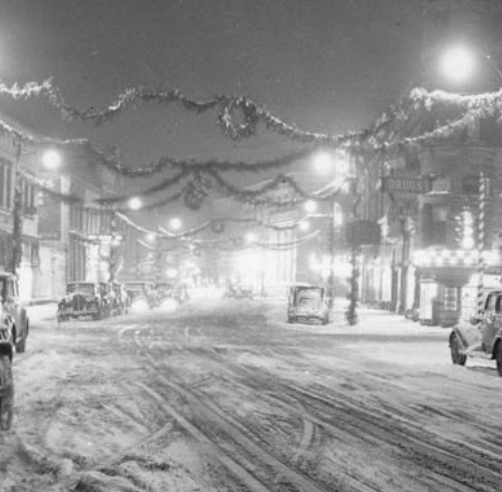
Main Street had its beautiful moments, too, especially at Christmas. The decorations draped across the street like something out of It’s a Wonderful Life. Seeing them lit up at night turned Main Street into a glowing wonderland.
One Christmas, the town threw a parade. The governor came. And so did our hometown hero, Johnny Bench, riding in the back of a convertible. I stood beside my dad in front of his barbershop, watching as they passed by. It was one of the biggest things to happen to our little town of 750 souls.
Main Street had different values back then, too. I remember a funeral procession once drove through town. My dad stopped cutting hair and closed the shop until the last car had passed. Other businesses did the same. That quiet gesture of respect left an impression on me that’s never gone away.
Looking back now, I realize that old Main Street was more than just a stretch of asphalt and storefronts. It was the heartbeat of a simpler time. Life was slower and more mindful then. It taught me about community, kindness, hard work, and the small moments that shape our lives. Those sidewalk rings, flickering Christmas lights, and clunky fire trucks are gone, but the memories stay. And in my heart, Main Street still stands—just as it was.
Growing up, it often felt like there wasn’t much to do. With six siblings and a life rooted on the farm, family trips or outside adventures seemed few and far between. But looking back now, I see how much my parents did to involve us in meaningful experiences.
They took us to local places of interest. They spent time with each of us in ways many parents couldn’t. At the time, I thought we were the ultimate close-knit family. My dad and I shared rodeos, horse sales, parades, and trail rides. He and my mother supported my sister’s love for basketball, attended games, and nurtured her talent. Another sister was given a piano, music lessons, and encouragement toward college. One of my brothers was allowed to buy into the farm and build a home. The two oldest boys had long since charted their paths. One went into the Marines. The other entered a world that eventually led to affluence. But no matter how far they went, they always came home for the holidays.
My mom’s youngest brother—my uncle—was a bonus sibling. He’d been born late in my grandparents’ lives, and as a teen and young adult, he often lived with us. He’d served in Vietnam. Though he was quiet about it, he carried a weight we all respected—even if we didn’t understand it fully.
One weekend, something unexpected happened. When I was 9, my uncle and brothers convinced my dad to take us to the lake. It was a rare outing, especially with all of us. I’d heard stories of him taking the family boating at lakes years before I was born. Yet, he had stopped going by the time I came along.
This lake trip, still, wasn’t a return to those stories. It was just up the road—Sayler’s Lake. It wasn’t much to look at. An old log cabin marked the entrance. The water looked murky and unsettling—it resembled a scene from a horror movie. Locals whispered that the lake had claimed lives—more than a few. It didn’t seem right, but the place had a reputation.
We arrived around 10 a.m. I was eager to get in the water, but my mother insisted I wear a life vest. I didn’t know how to swim, and she wasn’t taking any chances. I hated the bulky vest, but hated the thought of drowning more. My sisters had taken swimming lessons when we lived in town—those services didn’t exist where we were.
I paddled around, watching others enjoy themselves.
Across the water, people were diving from a rocky cliff. Some men dove headfirst, then climbed back up and did it again. It looked reckless, almost like a dare to death. Then, one of them dove in—and didn’t come back up.
I’ll never forget the girl on the cliff yelling,
“Where is he?”
People jumped into action. After five or ten long minutes, someone pulled his body from the water and dragged him to shore. The owner of the lake raced down in a pickup and began CPR. I stood there, stunned. It was the first time I’d ever seen someone dead—or nearly dead—pulled from water.
Then, the town ambulance arrived. It wasn’t like the ones you see on TV—it was a white Buick station wagon. An old man climbed out carrying an oxygen tank. When the victim’s friends saw him, they shook their heads and told him it was too late.
“You need a body bag.”
One of them said.
I didn’t know what a body bag was. But I figured it out when the old man pulled a stretcher from the back of the car. With the help of bystanders, he loaded the man’s body. Out of compassion, he turned on the red lights and the siren. Then he drove off.
I returned to where our family had set up a picnic. I don’t remember what I said—maybe something a little too grown-up or too curious—but I remember my father flicking me on the ear and speaking sharply,
“You aren’t quite that old yet.”
I’ve often wondered what that moment meant to him. Maybe he wasn’t angry—he was just shaken. Perhaps he didn’t want me to see what I had seen. That day made me grow up faster than he wanted. He liked to keep things under control, and this wasn’t one of those things.
Life doesn’t always allow us to choose the lessons we learn. Sometimes, they arrive uninvited on an ordinary day by a haunted lake.
When we arrived home that evening, the television was on in the living room. The news was starting. And there it was—Sayler’s Lake. A reporter stood near the very spot we’d been earlier, microphone in hand, delivering details about the drowning. I sat in disbelief, watching the event replay like it belonged to someone else’s world, not ours.
I remember thinking: How did they find out so fast? How had the news team gotten there?How did they film the scene, return to the station, and prepare the report all before dinner? It made the whole thing feel surreal—too real but somehow distant. The reporter confirmed what we had already feared. The man had died.
That moment glued itself to my memory. The sound of the television stayed with me, and the familiar living room around me lingered in my thoughts. The weight of what we had observed just hours earlier was still there. It layered into a quiet understanding. The world outside our farm can change in an instant. Sometimes, there are no answers—just echoes left behind by events too big to fully grasp.
My parents rarely attended celebrations, so seeing them at a party in our old town was a significant change. This meant that my two sisters and I would need to stay with my grandparents while they were “in town.” By then, my three older brothers had grown up and left home, marking a shift in our family dynamics.
It was unusual for my sisters to join me and my grandparents in their den. We affectionately referred to them as Mom and Pop. They usually came to the house for a celebration. This could be Christmas, Thanksgiving, or a birthday. We would all gather in the front living room. But we nestled with Mom and Pop this night in their cozy den.
Mom and Pop were old-timey. Mom had a rocking chair. She would rock endlessly in it. Pop sat stoically in his oversized comfort chair. He puffed on his pipe. They habitually glanced out the front door, tracking how often their neighbors left their homes. One neighbor, in particular, drove them crazy by leaving every thirty minutes. They never figured out why.
As evening settled in, the steady ticking of the mantle clock lulled us children into a calming trance. It was a good thing, too, because what was about to unfold would test our nerves.
A thunderstorm at night!
It roared in just as the clock struck seven—thunder, lightning, and a barrage of heavy rain. Mom and Pop had lived through the Dust Bowl. They had seen the Great Woodward, Oklahoma, Tornado. The tornado wiped out the town and claimed many lives in the black of night. Because of that, they had a deep respect for storms. They headed straight for the cellar at the first sign of a tornado threat.
Like an air raid siren, the storm siren was the town’s lifeline. In the early 1970s, we didn’t have the advanced weather alerts we do today. The local police alerted the residents. The fire departments would sound the alarm if a tornado was spotted. This gave residents only minutes to take cover. My grandmother hushed us, straining to listen for the whistle. Just as she did, a lightning strike took out the electricity—
NO LIGHTS!
Without hesitation, she calmly instructed,
“Pop, go in the bedroom and get the flashlight.”
Pop stood, walked to their bedroom, retrieved the flashlight, and handed it to her.
She scolded him.
“Pop, you could have turned it on, for heaven’s sake. Why didn’t you turn it on?”
Pop replied innocently,
“Well, Mom, you just said go get it—you didn’t tell me to turn it on.”
We sat in the dark, stifling laughter. Then it got worse. Mom attempted to turn on the flashlight, but nothing happened. She sighed.
“Pop, I thought we got new batteries for this last week?”
“We did, and I put them in,”
He answered confidently.
Confused, she asked,
“Pop, you left the new batteries on top of the chest of drawers, and I had to put them in. You never changed them.”
Pop puffed up.
“Mom, those were the old batteries I put up there after I changed them out.”
Mom groaned.
“Pop, why would you keep the old batteries? Why didn’t you throw them away?”
Pop’s reply ––
“If you saw them there, you’d know I’d already changed the batteries.”
Then Mom ––
“Pop, why would I assume that?”
She took a breath, trying to stay calm.
“Well, I put the old batteries in. So, what happened to the new ones?”
Pop hesitated.
“I thought they were the old batteries… so I threw them away.”
Mom clenched her jaw.
“So now we have no batteries and no flashlight. Wonderful.”
Determined, she announced,
“I’ll go upstairs and get the oil lantern.”
Pop offered to go, but she waved him off.
“No, you’ll mess it up. I’ll take care of it.”
While she was gone, it gave Pop time for improvisation.
He asked us kids,
“You know where Moses was when the light’s when out?
We all answered,
“No!”
Pop humorously responded,
“He was in the dark!”
He got such a chuckle out of telling it and we of coursed laughed.
Mom carefully navigated the stairs in the dark. Within minutes, she returned with the glowing lantern. The lantern finally illuminated the room.
All the while, my sisters and I sat on the den floor. We were petting Mom and Pop’s chihuahua. We tried to contain our laughter over the events of the evening. We were laughing so hard that, had the siren blown, we couldn’t even hear it. Still, we attempted to keep some composure out of respect for Mom and Pop.
Pop lit up his pipe, turned to Mom, and said
“You ought to put it on your list for when we go shopping to get batteries.”
Our parents didn’t return until nearly ten, when the lights came on. I don’t know how fun their party had been, but ours couldn’t have been any better. Mom and Pop swore us to silence. They didn’t want our dad to think they were becoming forgetful. Until this day, that story has never been privately or publicly shared.
New Year’s Eve 1986: Officer Tim Roff’s Midnight Mission
A True Story
New Year’s Eve 1986: Officer Tim Roff’s Midnight Mission
It was New Year’s Eve, 1986. Officer Tim Roff had just received a dispatch call. It sent him to the farthest point in the southern district of his patrol area. The report was grim, suspecting abuse of a newborn child.
In Oklahoma during the 1980s, police officers had significant authority in child abuse cases. If they believed a child was in danger, they would promptly remove the child from a home. They did this without a court order. No approval from higher authorities was needed.
As Officer Roff pulled up to 22735 SE 30th, Lot #14, he found himself in a trailer park. The location led him to a white single-wide mobile home with yellow trim. The porch light was on, illuminating a screaming woman on the front steps.
As he exited his patrol car, a backup unit from the traffic division arrived. Officer Wynn Peters stepped out and surveyed the scene.
Roff turned to him and said,
“Take care of the screaming lady. I need to check on the child.”
“Got it,”
Peters responded, moving toward the woman, who was now slurring her words. It didn’t take long to find she was intoxicated.
Inside the trailer, Roff found the baby. The infant, barely a few months old, lay bundled in a thin sheet—no diaper, no proper clothing. His tiny body bore the unmistakable signs of abuse: cigarette burns and raised welts from a cord.
Roff’s calm professionalism evaporated in an instant, replaced by controlled fury. Gently, he lifted the baby, cradling him close. The child whimpered, and Roff whispered,
“You’re safe now.”
As he carried the infant outside, the mother, now identified, spat out her excuse.
“I couldn’t get the little bastard to hush. It got to me! His father won’t come around because of it. I had to do something to shut it up!”
Roff’s jaw tightened. He turned to her.
“Well, you got your wish. The baby is quiet. And you? You’re going to jail.”
Before the woman reacted, Officer Peters had her in cuffs and secured in the back of his patrol car.
Roff gently placed the baby in his cruiser’s car seat and radioed dispatch. He needed someone to hold the baby since he didn’t have a child seat in his unit.
“I need Child Services at my location ASAP. I have an infant who needs immediate placement before transport to the county shelter.”
After locking the trailer and securing the scene, Roff returned to the patrol cars. He informed the suspect that detectives would issue a search warrant before she was even out of jail. The charges? Felony child abuse. Her chance of bonding out before seeing a judge? Slim.
As Roff spoke, a man approached from the shadows.
“I was sent by Child Protective Services to hold the baby.”
He said.
Roff sized him up quickly, then gestured toward his patrol car.
“Get in the front seat.”
As the CPS worker did, Roff handed him the baby, who was still wrapped in the sheet.
“Hold him close and buckle up.”
Now, it was time to move.
Roff flipped on his headlights and pulled out onto the darkened road. The county seat was twenty-five miles away, and the streets were dangerous on New Year’s Eve. Drunks, criminals, and gang activity all made for unpredictable hazards.
When it happened, they had nearly reached their destination—just five miles from the shelter.
Gunfire.
Bullets cracked through the night air. The unmistakable pop-pop-pop of semi-automatic fire echoed as Roff’s black-and-white patrol unit came under attack.
“DOWN! GET DOWN!”
He barked, shoving the CPS worker onto the floorboard.
More shots rang out, shattering the tension of the night. Roff slammed his emergency lights on, flipped the siren, and grabbed his radio.
“Unit 852 to Headquarters—I’m under fire near NE 23rd and Blackwell! I have a baby and a Child Services worker in the vehicle. I can’t stop! Send units!”
Every muscle in his body tensed as he navigated the streets. He weaved through traffic and pushed the car to its limits. The next five miles felt like an eternity, but Roff never let up. The patrol car screamed through the city at full speed, sirens blaring.
Then, finally, the shelter’s lights appeared ahead.
As Roff pulled in, he exhaled sharply and keyed his radio.
“We’re safe. We made it.”
Moments later, Headquarters responded.
“Copy that, 852. Three suspects are in custody. They were shooting at vehicles in your last known area.”
Roff stepped out, his pulse still hammering. He unwrapped the baby, handing it over to the shelter staff.
The CPS worker stood frozen.
Roff raised an eyebrow.
“You need a ride back to your car?”
The man swallowed hard.
“If it’s all the same to you, Officer, I think I’ll catch a ride from someone here. Or maybe –– get a taxi.”
Roff nodded, the ghost of a smirk touching his lips.
“Good call.”
And with that, he turned and walked back to his cruiser. Another night. Another battle. But at least, on this night, one child would see a safer tomorrow.
This is a true story!Names and locations have been changed to protect the privacy of those concerned.



















 benandsteve.com