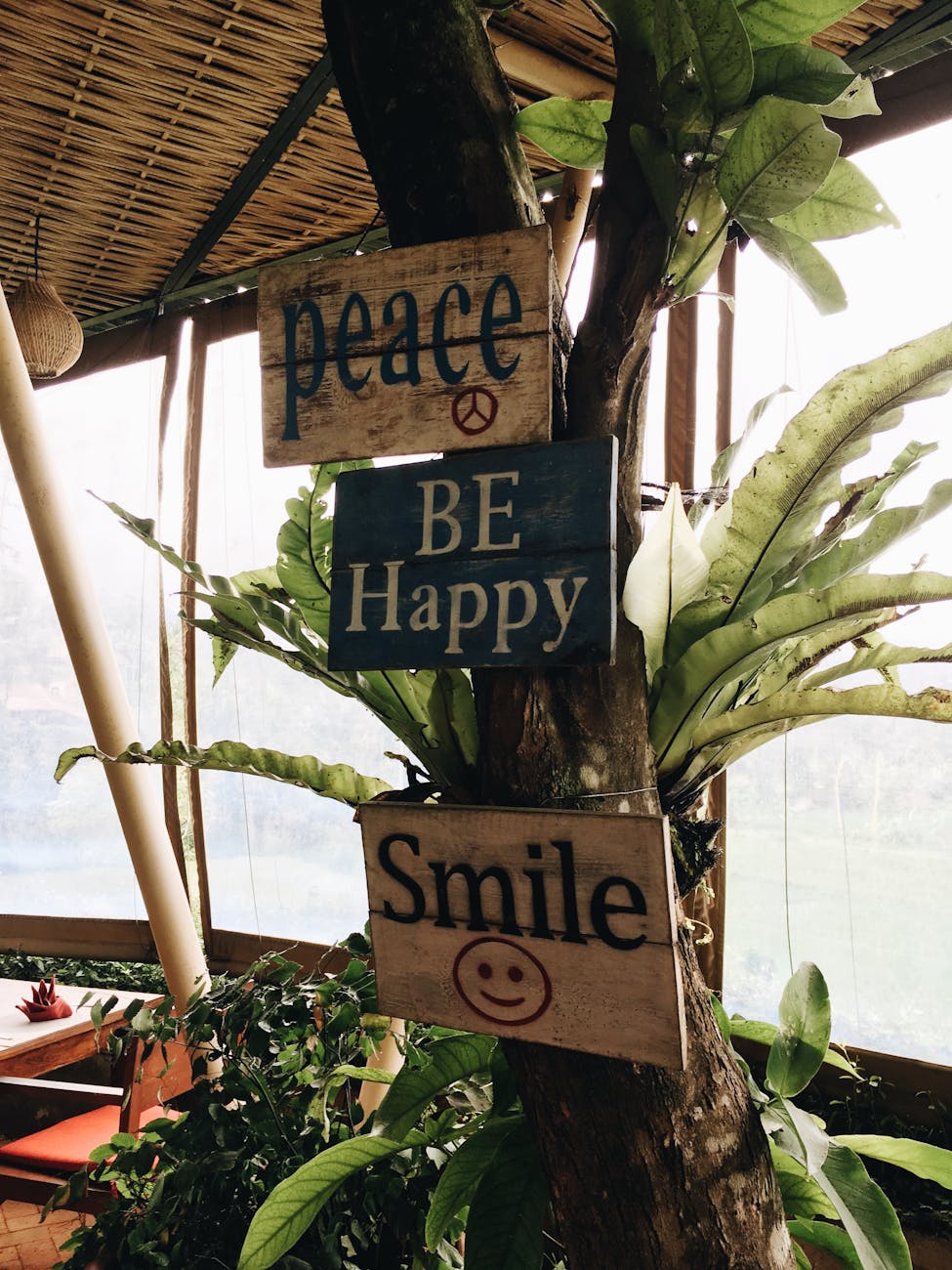
The Friendship of Happy and Sorrow: A Heartwarming Tale

By Benjamin GroffMedia© | benandsteve.com | 2025 Truth Endures©

2–4 minutes

“The Curious Friendship of Happy Goines and Sorrow Downs”

Happy Goines and Sorrow Downs

There once was a boy named Happy Goines. Not a soul could understand why he was always so terribly sad. His name sparkled like sunshine, but his face wore clouds. He dragged his feet to school. He sighed during recess. He stared out windows like he was watching for something that never came.

No one knew what made Happy so downcast. His parents loved him. His teachers were kind. But he always seemed to carry some invisible weight.

That is, until the day he met Sorrow Downs.

Sorrow was a new kid, just moved to town from a place no one could pronounce. He had the kind of grin that made your face smile back before you even realized it. His laugh was sudden and contagious. Even his freckles looked cheerful.

The teacher introduced him to the class. She said his name aloud—“Class, this is Sorrow Downs”. Everyone waited for a gloomy face or quiet voice. But instead, Sorrow waved both hands and said, “Nice to meet you! I love your shoes!” even though he hadn’t looked at anyone’s feet.

The kids chuckled. Except for Happy, who simply blinked.

At lunch, Sorrow sat across from Happy. Sorrow plopped a jelly sandwich on the table. It looked like a gold trophy.

“You look sad,” Sorrow said matter-of-factly.

“I am,” Happy replied.

Sorrow tilted his head. “But your name’s Happy.”

“I didn’t choose it,” Happy said with a shrug.

Sorrow grinned. “Well, I didn’t choose mine either. Imagine being named Sorrow and feeling like I do! Every day feels like a birthday to me!”

Happy cracked the tiniest smile.

“Tell you what,” Sorrow said, pulling a folded paper from his pocket. “Wanna try trading names for a day?”

Happy blinked. “We can’t just—”

“Why not? Who’s stopping us?” Sorrow stood on his chair and declared, “I am Happy Goines today! And this,” he said pointing down, “is Sorrow Downs!”

Some kids giggled. One clapped.

From that moment, something began to shift.

All day long, “Happy” Sorrow told jokes, made up songs, and danced down the hall. And “Sorrow” Happy, for the first time in ages, felt joy in laughing with someone. It was a different experience from laughing at something.

The two became inseparable.

They swapped shoes, lunches, and names whenever they felt like it. One day they were “Joy and Misery.” Another day, “Up and Down.” They learned that feelings didn’t always have to match what people expected.

One day Happy asked, “Aren’t you ever sad, Sorrow?”

Sorrow thought for a moment. “Sometimes. But I don’t stay there. I just let the sad walk beside me until it’s ready to go.”

And Happy nodded like it was the truest thing he’d ever heard.

As the months passed, Happy wasn’t always happy, and Sorrow wasn’t always cheerful. But together they built a friendship where feelings were safe. Names didn’t define you. A good laugh could turn an ordinary Tuesday into something extraordinary.

You might hear two boys shouting new names if you walk past the old schoolyard now. They could be called Sunshine and Thunder, or Giggles and Grumps. They laugh like the whole world belongs to them.

And maybe, in a way, it does.

Why Walter Higby Makes You Smile

GROFF MEDIA 2024© TRUTH ENDURES IMDBPRO

Presented by benandsteve.com By: Benjamin Groff II©

1–2 minutes

There once was a man named Walter Higby. He traveled from town to town. He wore a tweed coat and a bowler hat. He also carried a cane he didn’t need. Walter was a whimsical figure. He had a peculiar habit. He greeted everyone the same way. This added a touch of whimsy to their lives.

“You do,”

he would say with a sly smile.

Usually caught off guard, the person would blink in confusion.

“What?”

“You remind me of a man,”

Walter would continue.

“Who do?”

The person would ask, leaning in, curious now.

“You do,”

Walter would insist, tapping his cane on the ground for emphasis.

The other person would reply,

“I do?”

Which Walter would say,

“No, you do.”

And the reply would be,

“What?”

Which Walter would, in return, say,

“Remind me of a man.”

By this point, the conversation had become a swirling, nonsensical loop, leaving the other person chuckling or scratching their head. Walter never explained why he did it, nor did he ever stay long enough for anyone to figure him out.

One day, a young boy named Tommy stops Walter before he can walk away. “Mister, why do you say that to people?”

Walter looked down at Tommy and grinned. “Because it makes them think, and it makes them smile. That’s enough, don’t you think?”

Tommy thought for a moment, then nodded. “Yeah, I guess so.”

Walter tipped his hat, tapped his cane, and continued down the road. He was ready to meet the next unsuspecting stranger with his playful riddle. The man spoke in circles and kept wandering, leaving a trail of puzzled and amused people in his wake.

Finding Peace in a Day of Upset

GROFF MEDIA 2024© TRUTH ENDURES IMDBPRO

Presented by benandsteve.com By: Benjamin Groff II©

2–3 minutes

Maggie sat on her porch swing. The soft creak of the old chains was the only sound in the still afternoon air. The sun hung low, casting golden hues across her small Arizona town, but inside her chest, a storm raged. The day had been a whirlwind of mishaps. She missed deadlines at work. She had an argument with her sister. She also nagged worry about her aging father’s health. Each problem was stacked like bricks on her shoulders, weighing her with unresolved concern. She was in the midst of a battle for her Peace.

She sipped her tea. She hoped the warmth would soothe the ache. Yet, peace felt distant, like a mirage on the desert horizon. Her mind churned with “what-ifs” and “should-haves,” a relentless cycle that robbed her of the quiet she desperately craved.

Maggie took a deep breath and closed her eyes. She listened to the distant rustling of mesquite trees. Occasionally, she heard the bark of a neighbor’s dog. The natural sounds around her conveyed a message of resilience and adaptability. Slowly, she exhaled, reminding herself of her grandmother’s words: “You can’t stop the wind, but you can learn to bend.”

She stood and walked to the edge of her yard. Her fingers brushed over the delicate petals of the wildflowers. They had sprung up after last month’s rare rain. Their resilience struck her—fragile yet persistent, thriving even in the harsh desert soil.

Realizing she couldn’t control everything, Maggie focused on the now. She let the day’s stress settle, acknowledging it but not giving it power. She watched the sky darken into twilight. The first stars peeked through. She felt a little lighter with each breath. It was the power of being here, of living in the moment, that brought her Peace.

She realized Peace wasn’t about escaping the chaos but finding a quiet place. And tonight, as the desert cooled and the cicadas began their evening song, she finally let herself rest. The relief was palpable, like a weight lifted from her shoulders, as she surrendered to the tranquility of the night.

Moving Forward: Finding Stability in a Changing World

Groff Media 2024© Truth Endures IMDbPro

Presented by benandsteve.com By: Benjamin Groff II©

As the sun rises on another day, many Americans face questions about navigating a future that feels uncertain and, at times, challenging. With new policies, social shifts, and changes in government practices, it’s natural to wonder: How can we make peace with what tomorrow might bring?

Embracing Life as It Is

The journey forward begins by accepting life as it is. This acceptance isn’t about resigning ourselves to every challenge but acknowledging what is beyond our control. By shifting our focus inward, we can cultivate a balanced and manageable life, regardless of external circumstances.

This approach involves creating a routine—a set of daily habits and practices that we control and are structured to ensure Stability. When we establish a routine that aligns with our values and goals, we take ownership of our lives, making our days feel fulfilling and predictable, even when the world around us may feel anything but. This sense of control and predictability can empower us to face the uncertainties of the future with confidence.

Designing a Routine that Works for you. Focusing on what matters most to us individually will be essential to develop this routine. By centering our lives around personal choices and needs, we shape a daily rhythm whose influences aren’t getting pushed by the ever-shifting demands of society or government policies. Here are vital aspects to consider:

  1. Personal Autonomy: Build a day-to-day lifestyle that allows for independence. This involves selecting tasks, schedules, and activities that feel true to who you are and are within your control.
  2. Stability Through Simplicity: Keep routines simple and consistent. External events can derail complex plans; simplicity provides a foundation for adaptability and peace of mind.
  3. Harmony with Society: While focusing on our lives, aligning our activities with society’s laws and norms is essential. By following guidelines and remaining respectful of others, we minimize the risk of disruption and interference.

Living Without Unnecessary Interference

By developing a sustainable, uncontroversial, and law-abiding routine, we create space for ourselves to live relatively unaffected by the broader tides of political or social change. This sense of security and peace of mind allows us to focus on our personal growth and well-being, even in the face of external uncertainties.

Moving Forward Together

Ultimately, as individuals adopt this mindset, communities also benefit. When people find Stability within themselves, they become pillars of support to others, fostering collective resilience. In times of uncertainty, this shared calm, mutual respect, and individual responsibility can carry Americans forward together, one day at a time. This sense of community and shared responsibility can provide a strong support system in times of uncertainty.

In this approach, tomorrow’s challenges become more manageable, and with a foundation of self-guided routine, we discover that moving forward is not only possible but peaceful.