The Assignment ~ The Last Three Days ~ A Mission To Keep You Alive For 2025!

This Story From The Classics. Posted Originally in 2024 it is Reposted this year as part of the best of the best stories benandsteve.com are sharing at years end.

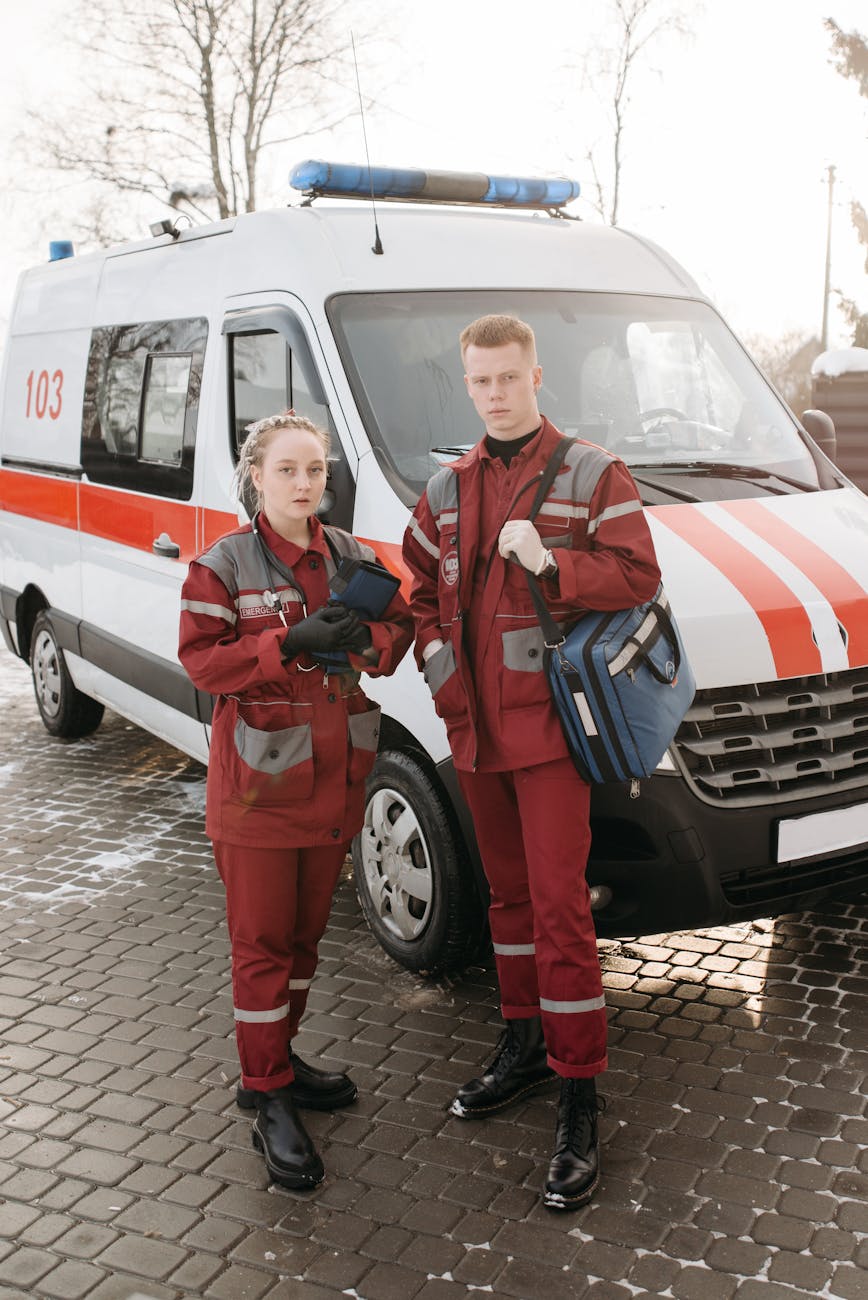
The last three days of the year often get overlooked. During this time, services go unnoticed around the average town or city. This well can be the case where you live. Police, Fire, Ambulance, and 911 Operators all do an incredible job. They work tirelessly in the build up to the New Year Eve Celebration and all the socializing involved. All the socializing is not celebratory, and the people they deal with are not all friendly.

Groff Media 2024© Truth Endures IMDbPro

Presented by benandsteve.com By: Benjamin Groff II©

3–5 minutes

As the year drew close, the city was abuzz with anticipation for the New Year’s celebrations. But for the fire, police, and ambulance services, the last three days of the year were anything but quiet. These dedicated men and women often worked long shifts. They sacrificed their own celebrations. They were on the front lines, ensuring the community’s safety and well-being.

Day One: December 29th

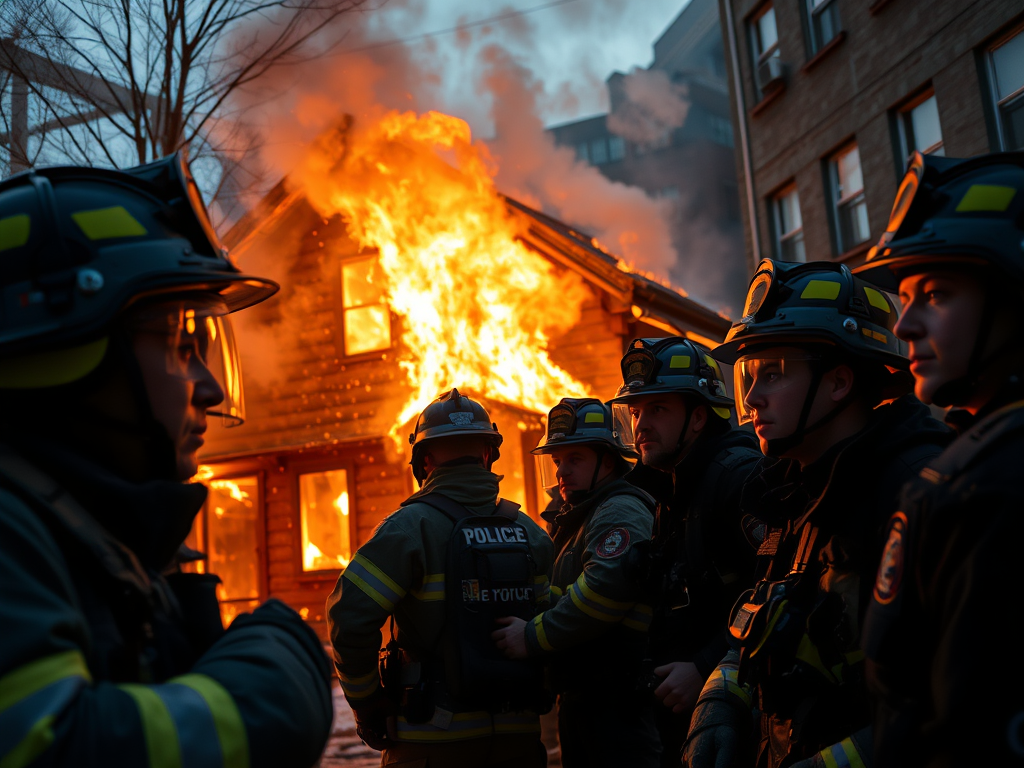
The fire department received a call about a house fire in the early morning hours. Flames engulfed the old wooden structure, and the firefighters worked tirelessly to control the blaze. They managed to rescue a family trapped inside, their faces covered in soot but grateful to be alive. Investigators later determined that a faulty space heater caused the fire. This serves as a stark reminder of the dangers of winter.

Meanwhile, the police were called to a domestic disturbance in a quiet suburban neighborhood. A heated argument escalated. Officers arrived with their professional demeanor and calm approach. They managed to defuse the situation. This ensured that both parties were safe and had a chance to cool down.

The ambulance service was dispatched to a car accident on the icy roads. A young driver had lost control of his vehicle and skidded into a tree. Paramedics worked quickly to stabilize him and transport him to the hospital. Despite the crash’s seriousness, the driver was expected to fully recover.

Day Two: December 30th

The fire department responded to a call about a gas leak in an apartment building. Residents were evacuated as firefighters located the source of the leak and shut it off. Their quick response and decisive action prevented a potential explosion. This reassured the residents. They were allowed to return to their homes once it was deemed safe.

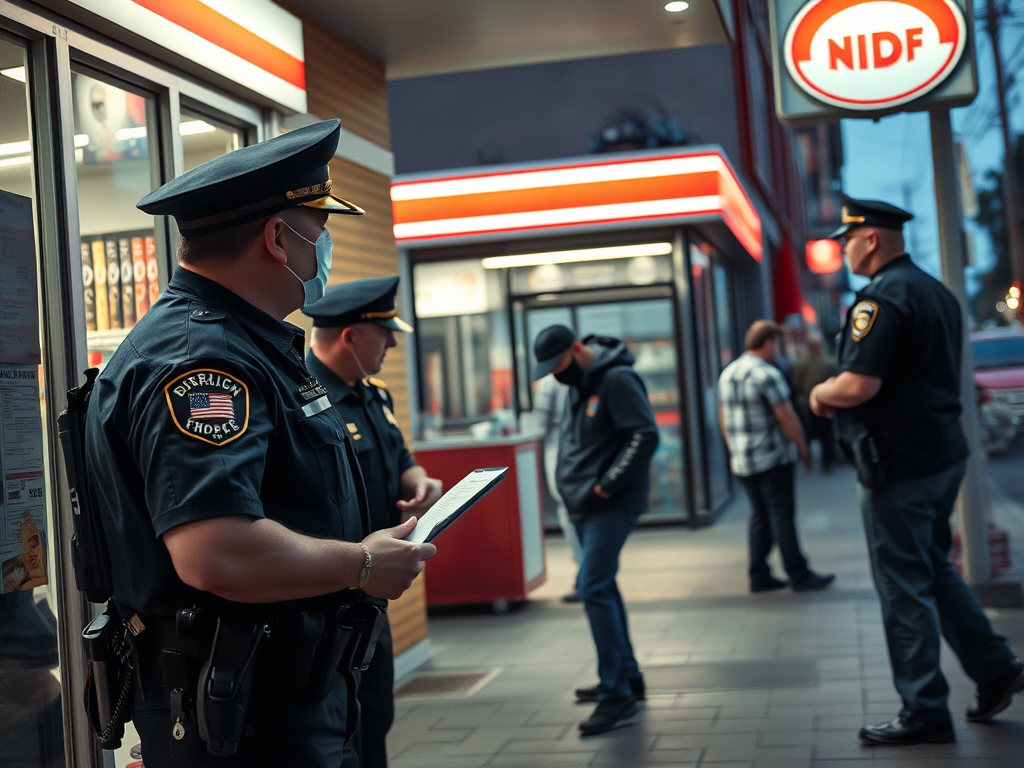
The police were called to a robbery at a local convenience store. The suspect had fled the scene, but officers gathered evidence and track him down. The thief was apprehended and taken into custody, and the stolen goods were returned to the relieved store owner.

The ambulance service received a call about an elderly woman who had fallen in her home. Paramedics arrived to find her in pain and incapable of moving. They carefully lifted her onto a stretcher. They transported her to the hospital. At the hospital, she was treated for a broken hip. Her family was grateful for the swift and compassionate care she received.

Day Three: December 31st

On New Year’s Eve, the fire department was on high alert as fireworks lit up the night sky. They responded to several small fires caused by stray sparks, but thankfully, none resulted in severe damage. Firefighters patrolled the city, ensuring that everyone enjoyed the celebrations safely despite the potential dangers they faced.

The police were busy with calls about noise complaints and public intoxication. Officers maintained a visible presence in the city center, where crowds had gathered to watch the fireworks show. They worked to keep the peace and make sure everyone rang in the new year without incident.

The ambulance service was called to help a young woman who had collapsed at a New Year’s party. Paramedics quickly assessed her condition and determined that she had consumed too much alcohol. They provided her with the necessary care and transported her to the hospital for further observation.

When the clock struck midnight, the city erupted in cheers and celebrations. The fire, police, and ambulance services continued their vigilant watch, ready to respond to emergencies. For them, the end of the year was just another day. They served and protected their community. This often came at the cost of their own family celebrations.

WHEN THE LIGHTS DON’T WARN — THEY PULL

A SPECIAL PUBLICATION FOR DECEMBER 13th, 2025

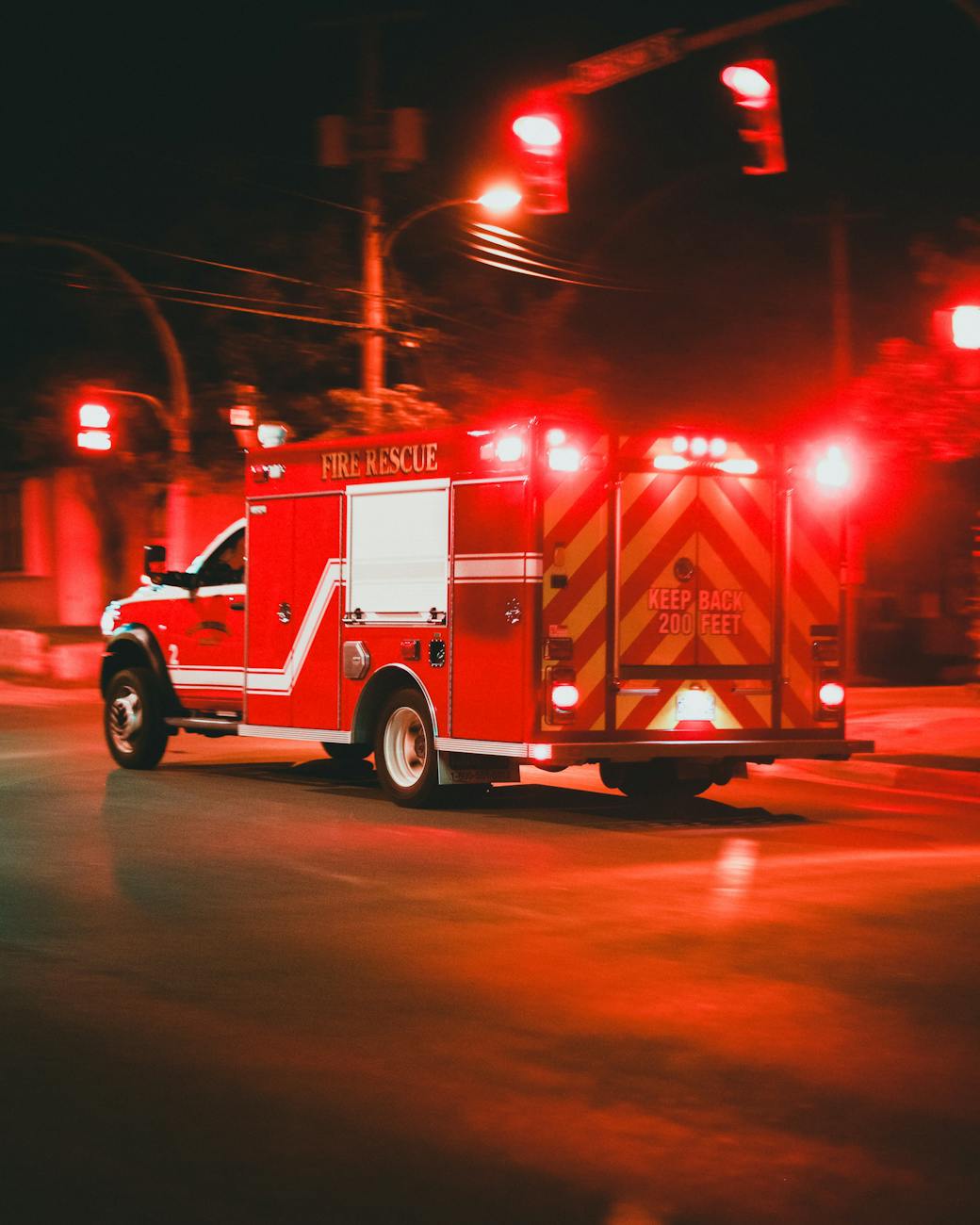
Are modern LED emergency strobes increasing the risk to first responders on America’s roadways?

Groff Media ©2025 benandsteve.com Truth Endures

3–5 minutes

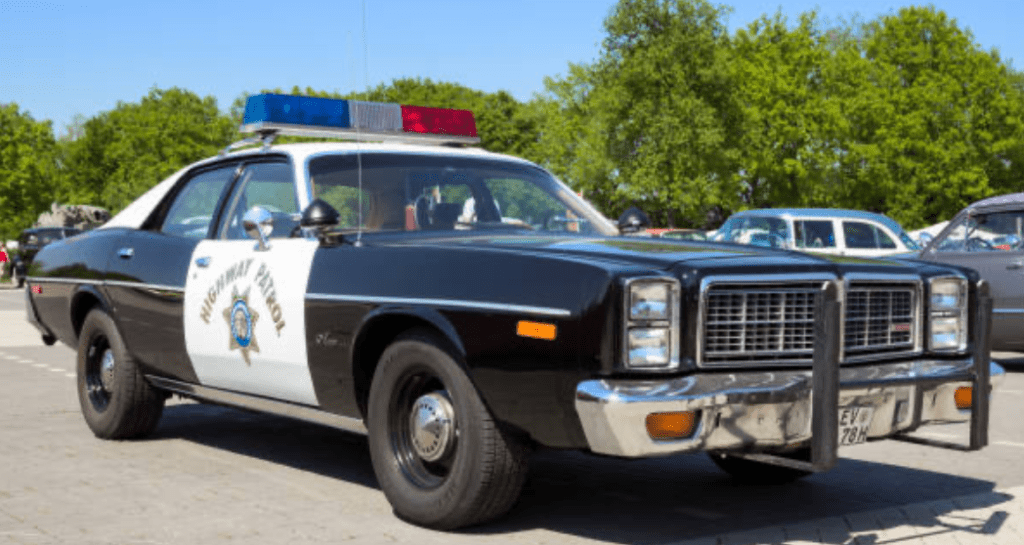
First responders are trained to notice patterns long before studies are commissioned or policies are rewritten. Sometimes danger announces itself not with a single catastrophic event, but with repetition—quiet, unsettling repetition. Over a single 24-hour period, I recorded eight separate headlines. Each headline involved police officers being struck by vehicles while working crashes or traffic stops. Eight. Different states. Different agencies. Same outcome. This situation raises a controversial and long overdue question. Are modern LED strobe lights unintentionally putting first responders in greater danger?

There was a time when emergency lights rotated. They swept. They moved with rhythm. The old beacons gave drivers something important—a visual break. A moment for the brain to process direction, distance, and motion. Today’s LED systems don’t rotate; they pulse. Rapidly. 

Aggressively. Relentlessly. High-intensity strobes which floods the visual field, especially at night. Instead of guiding a driver away from danger, it overwhelms the brain’s ability to react. The result, in theory, is not panic—but fixation. The eyes lock on. The vehicle drifts toward the brightest point. Not out of intent, but neurological confusion.

Some call it “target fixation,” a phenomenon well known to pilots, motorcyclists, and tactical drivers. Under stress, humans often steer toward what they’re staring at—even when that object shows danger. Combine that instinct with modern LED strobes. These strobes flash faster than the brain comfortably processes. The warning light becomes a lure. A hypnotic point of focus. A tragic beacon.

Is it time to ask whether modern emergency strobes are warning drivers—or pulling them in?

Within just one day, these were the headlines recorded:

• 1 arrested for allegedly driving while intoxicated after rear-ending a police cruiser on I-465

• Las Vegas police officer injured after vehicle hit while investigating a separate crash

• Effingham County deputy hospitalized after being struck by a vehicle, authorities confirm

• Police cruiser struck by car, officer injured in Naugatuck

• State trooper vehicle damaged after being hit during a traffic stop

• Norman police officer critically injured after being struck by a car on State Highway 9

• Winston-Salem police officer injured after impaired driver crashed into three patrol cars

• Waterbury man injured Naugatuck officer in hit-and-run crash

Eight incidents. One recurring element: emergency lighting designed to protect, now contributing to harm.

This is not an indictment of technology, nor a dismissal of impaired or reckless driving. Accountability still matters. But safety demands that we ask difficult questions—even when the answers challenge long-standing assumptions. If the very lights meant to warn motorists are instead disorienting them, then tradition, training, and procurement policies deserve re-examination. 

Officers and firefighters shouldn’t have to stand in the road. They shouldn’t be wondering whether the light behind them is helping. They shouldn’t wonder if it’s painting a target on their back.

Sometimes progress requires us to look backward. Sometimes the old way worked better. And sometimes, the most dangerous thing on the roadside isn’t the driver who fails to slow down. Instead, it’s the light that never lets them look away.

This isn’t meant to be the final word — it’s meant to start a conversation.

If you’re a first responder, dispatcher, firefighter, EMT, tow operator, or a motorist, your experience matters. If you have ever felt disoriented by modern emergency lighting, your experience matters. 

Have you noticed drivers drifting toward scenes instead of away from them? Do today’s LED strobes feel different than the rotating lights of the past? Or do you believe visibility has improved safety overall?

Share your thoughts, experiences, or observations in the comments. Respectful discussion is encouraged. If patterns are being noticed on the roadside long before they’re studied in boardrooms, it’s worth listening. Lives depend on it.


© Benjamin H. Groff II — Truth Endures / benandsteve.com

About the Author:

Benjamin Groff is a former police officer and radio news anchor. He has hosted programs for CNN and ABC News affiliates in Oklahoma, Colorado, and Wyoming. His career in law enforcement began in 1980 and lasted more than two decades. This gave him first hand insight into the criminal mind and public safety. Moreover, it provided him with an understanding of the human stories that often go untold. His writing draws on these experiences, blending street-level truth with a journalist’s eye for the bigger picture.

A SMALL TOWN VOLUNTEER AMBULANCE TEENAGE DRIVER

BenG

AT 16 YEARS OLD I VOLUNTEERED AS A DISPATCHER FOR OUR POLICE DEPARTMENT AND AMBULANCE SERVICE. I DROVE HALF THE PEOPLE IN OUR TOWN TO THE HOSPITAL THIRTY MILES AWAY.


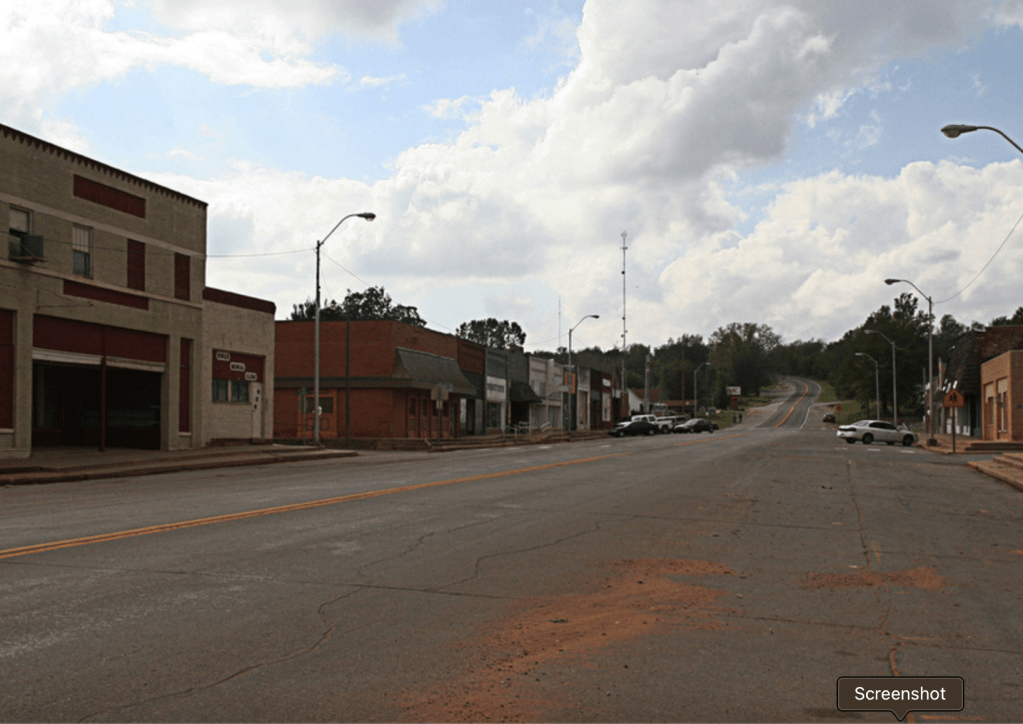
In the quaint town of Binger, nestled amidst rolling hills and whispering woods, life moved at its own unhurried pace. It was the 1970s, and I, at the tender age of sixteen, found myself immersed in the h.eart of the community as a volunteer dispatcher and ambulance driver.

Binger boasted a modest population of 850 souls, a close-knit tapestry of neighbors who looked out for one another. Our town’s medical emergencies were once tended to by the local undertaker, a man of solemn demeanor and a heart of gold. But as time marched on, age had caught up with his trusty driver, rendering him unable to steer the old ambulance through the town’s winding streets.

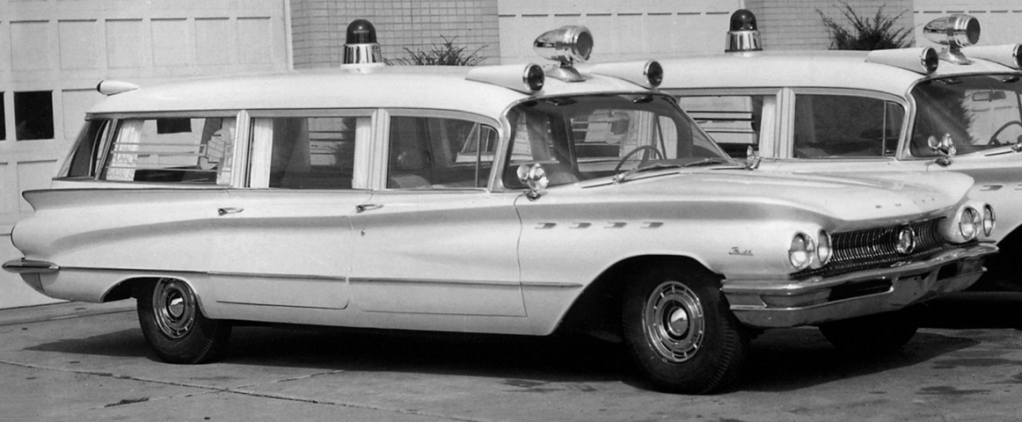
With a sense of duty and a touch of nostalgia, the undertaker donated his faithful 1962 Buick station wagon to serve as our makeshift ambulance. It was a relic of bygone days, rigged with flashing lights, a wailing siren, a sturdy stretcher, and a precious oxygen bottle. Thus, a new chapter unfolded in Binger’s history, with a rotating roster of ten volunteers, including myself, standing ready to answer the call of distress.

In those days, the rhythm of life was punctuated by the shrill ring of the telephone, summoning us into action. I would leap into the driver’s seat, adrenaline coursing through my veins, as I raced through the streets, navigating the twists and turns with practiced precision. The urgency of the situation would lend wings to my feet as I rushed to the aid of my fellow townsfolk.

The years rolled by, and Binger evolved. In 1978, the benevolent gesture of the Chevrolet dealer brought a gleaming new station wagon into our midst, a symbol of progress and prosperity. We felt like modern-day heroes, equipped with state-of-the-art technology to serve our community.

But as the 1980s dawned, change swept across the land. The state enacted stringent laws mandating EMT training and certification for ambulance attendants, a noble but burdensome requirement. Our volunteer organization, unable to meet the new standards, faced dissolution.

With heavy hearts, we bid farewell to an era marked by camaraderie and selflessness. The nearest ambulance service now lay twenty-eight miles away, a stark reminder of the passage of time and the inexorable march of progress.

Yet, amidst the bittersweet farewell, the spirit of Binger endured, a testament to the resilience of small-town values and the enduring bonds of community. And though our roles as volunteer dispatchers and ambulance drivers may have faded into memory, the echoes of our service reverberated through the annals of time, forever etched in the fabric of Binger’s history.