Alice Kessler & Ellen Kessler — Twin Lives, Shared Stardom, and a Final Choice Together

By Benjamin GroffMedia© | benandsteve.com | ©2025 
3–4 minutes

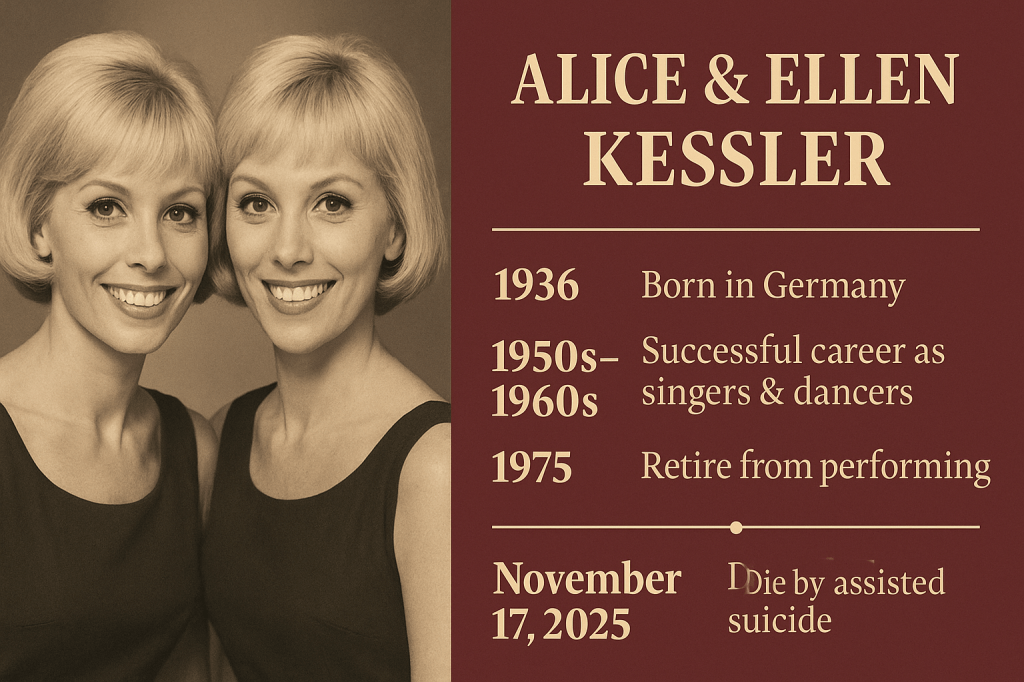
Alice and Ellen Kessler were born on August 20, 1936, in Nerchau, Saxony, Germany. From early childhood, they trained in ballet and performance, eventually emerging as a dazzling twin act in post-war Europe. They became known internationally for their synchronized dancing, singing, and television appearances. They found particular fame in Italy, where they were dubbed “Le gemelle Kessler”.  

They appeared in films like Love and the Frenchwoman and Dead Woman from Beverly Hills . Their careers expanded beyond dance into acting. 

Shared Career, Shared Life 

For decades, they performed as a unit—twins inseparable both on and off stage. Their image of elegance, glamour, and synchronized precision made them icons of entertainment in the 1950s and 1960s. Their bond remained strong even as they stepped away from the spotlight, ultimately returning to Germany and settling near Munich.

Their Final Days & Decision

On November 17, 2025, both Alice and Ellen passed away in Grünwald, Bavaria, Germany, at the age of 89.  Their cause of death is reported as assisted suicide. They made this decision together. It reflects how they had lived life: side by side. 

The sisters had long ago expressed the wish to be cremated together. They wanted their ashes placed in a single urn, according to reports. They had indicated they no longer wished to continue their current life. They chose to end their lives together. 

Why They Made That Choice

While the intimate details of their decision stay personal, the public record suggests the following contributing factors:

  • Age and quality of life: At 89, they faced the realities of aging. Having lived their whole careers, they wished to face death by choice rather than decline.
  • Deep bond: Their identity had been formed around always being together—professionally and personally. The decision to depart together echoes the unity they maintained for nearly nine decades.
  • Autonomy in the final act: In Germany, since 2019, medical aid in dying has been legal under certain conditions. This involves an individual administering prescribed medication themselves. They chose the timing, setting, and manner—affirming their autonomy to the end.

Legacy and Reflection

Alice and Ellen stay symbols of an era of variety-show glamour. They epitomize cross-European entertainment. Their twin synergy is unmatched by few acts. But beyond their performance, their final act raises profound questions about dignity. It also questions companionship and the nature of choice at the end of life.

Their journey is a full-circle narrative for fans, historians, and those intrigued by human stories. They start as childhood ballet students. They become international stars. Finally, they become co-authors of their own end. It shows how life can be lived. It also demonstrates how life can be shared and completed on one’s own terms.

Closing Thoughts Remembering The Kessler Sisters

How many partnerships in life are built to last so long, and so deeply? 

The Kessler twins remind us of devotion not only to craft, but to each other. In their final act, they teach us something tender and unsettling. They reveal the power of choice, the weight of togetherness, and the mystery of closure.

Latest on the Kessler Twins’ passing

NEWS BULLETIN. TUESDAY NOVEMBER 19, 2025

The Kessler Twins have left this world together.

Alice Kessler and Ellen Kessler—German twin sisters who performed as a variety entertainment duo—died by joint assisted suicide at their home in Gruenwald, Germany, on Nov. 17, according to the German Society for Humane Dying (DGHS).

“They had been considering this option for some time,” the association, which advocates for the right to a self-determined death, said in a statement to NBC News. “They had been members of the organization for over a year.”

Explaining that those “who choose this option in Germany must be absolutely clear-headed, meaning free and responsible,” the organization noted that the sisters engaged in thorough discussions with a lawyer and a doctor before setting on this path.

“The decision must be thoughtful and consistent,” the DGHS added, “meaning made over a long period of time and not impulsive.”

Assisted dying is legal in Germany, with the country’s constitutional court ruling in 2020 that an individual has the right to end their life and seek help from a third party under certain circumstances.

MEMORIAL: VIDEO – NOT A DRY EYE IN THE HOUSE


Groff Media ©2025 benandsteve.com Truth Endures

Surviving the Darkness: The Krieger Family’s Courage – Shadows In The Dark

GROFF MEDIA 2024© TRUTH ENDURES IMDBPRO

Presented by benandsteve.com By: Benjamin Groff II©

2–3 minutes

In the spring of 1942, the Krieger family vanished from the small town of Marburg, or so their neighbors believed. The truth, though, was a testament to their resilience. Ernst and Klara Krieger lived concealed behind a false wall. Their teenage daughter Lotte was with them in the attic of their modest home. They clung to a fragile existence beneath the ever-watchful eyes of the Nazi regime.

Before the war, Ernst had been a respected tailor, his shop bustling with customers seeking fine suits and dresses. The war machine tightened its grip on Germany, and Jewish families like the Kriegers became targets. They had no choice but to vanish from public view. Ernst’s friend, Herr Becker, was a trusted carpenter. He had built a hidden compartment in their attic. It was a space just large enough for the three of them to survive.

Each day, Klara prepared sparse meals from the dwindling stock of supplies. She rationed every crumb with the precision of a soldier. Lotte, once full of life and laughter, now spent her days in silence. She read the few books they had managed to take with them. Ernst, ever resourceful, repaired uniforms in secret. He exchanged this favor with Herr Becker for smuggled food. They also shared whispers of news from the outside world.

Life under the radar was a delicate balancing act, but the Kriegers refused to let go of hope. They learned to move only when the town slept, their footsteps carefully muffled. They endured bitter winters without fire, their breath hanging in the frozen air like ghosts. Klara kept their spirits up with whispered stories of better days. She spoke of summers at the lake and the scent of fresh bread filling their home. They lived in fear but also in quiet defiance, their hope a beacon in the darkness.

One night, in late 1944, as the war neared its end, a knock at the door sent their hearts racing. Herr Becker’s hushed voice broke through the silence. 

“The Americans are coming,” 

he whispered through the floorboards. 

“Stay hidden a little longer.”

Days passed like years until, at last, the sound of foreign voices filled the streets. The Kriegers dared to peek from their hidden vantage point. What they saw made their hearts swell with cautious hope. They observed Allied soldiers marching through the town. Their uniforms were different, and their faces were filled with determination rather than cruelty.

The danger had finally passed. Ernst and Klara stepped out into the light of a new morning. They held Lotte’s trembling hand. Their survival was a quiet miracle. It was a testament to the resilience, cunningness, and kindness of those who risked it all to help them. Their hearts were filled with gratitude for these unsung heroes.

Life was difficult in the next years, but the Kriegers rebuilt what they had lost. Ernst reopened his shop. Klara baked bread that once again filled their home with warmth. Lotte found her laughter in the sunlight. Though they had lived in the shadows for so long, they emerged stronger and free.

And in the attic, behind the false wall, they left a small inscription: 

We survived. We endured. We are free.

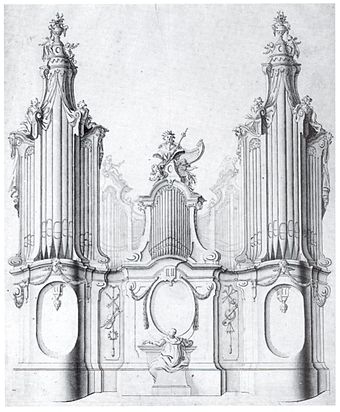
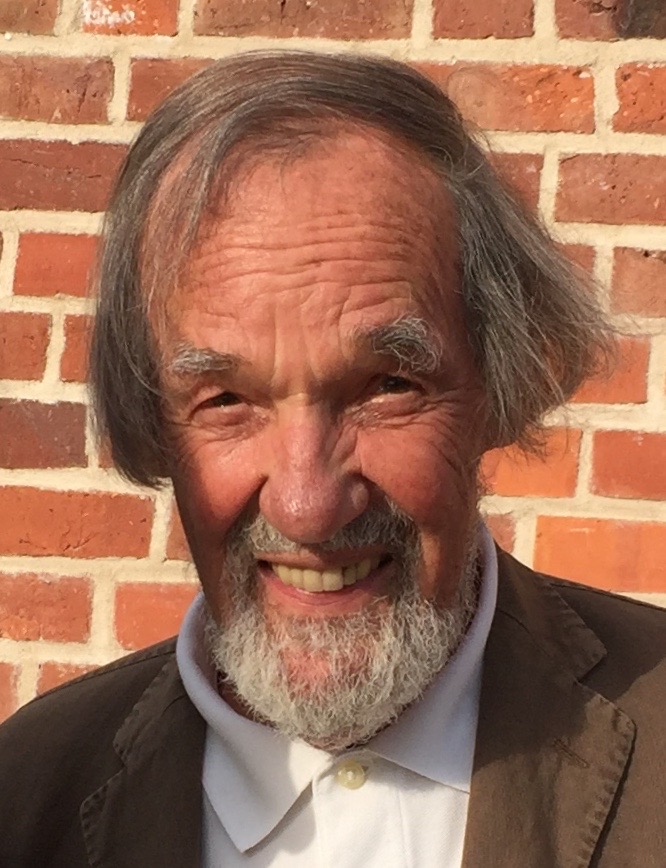
Remembering Jürgen Ahrend –– The Legendary Organ Builder

A Story By: Benjamin Groff© Groff Media 2024© Truth Endures

In the picturesque town of Göttingen, Germany, where the echoes of time vibrated through the cobblestone streets, a young prodigy named Jürgen Ahrend unearthed a profound connection to the world. Born on April 28, 1930, Jürgen was no ordinary child; his fascination with music was a beacon of his identity from a tender age. The harmonies of the local church organ would enrapture his imagination, and he would spend hours in silent contemplation, envisioning the creation of such magnificent sounds himself. This early passion for music and organ building is a testament to his lifelong dedication and can inspire us all.

At sixteen, Jürgen began his journey into the world of organ building, serving an apprenticeship with the renowned firm of Paul Ott. From 1946 to 1948, he learned the intricate art of crafting and restoring these majestic instruments. His apprenticeship was more than a mere training period; it was a formative time that solidified his passion and honed his skills. After completing his apprenticeship, Jürgen stayed on as an employee, perfecting his craft each day.

In 1954, Jürgen embarked on a new chapter of his life, forming a partnership with Gerhard Brunzema in Leer–Loga, Lower Saxony. Together, they created a symphony of work, producing 54 new organs and restoring 19. Their collaboration was a harmonious blend of innovation and tradition, each organ they built or restored becoming a testament to their dedication and artistry. However, in 1972, Brunzema left the firm, and Jürgen faced a new challenge. With unyielding determination, he established Jürgen Ahrend Orgelbau, a workshop that would soon become legendary in organ building.

Jürgen’s reputation grew with each project he undertook. His restoration of the Rysum organ and the Arp Schnitger organ in Hamburg’s Hauptkirche St. Jacobi (St. James’s Church) garnered international acclaim. These restorations were not mere repairs; they were acts of reverence, breathing new life into historical treasures. Jürgen’s meticulous attention to detail, his deep respect for the original craftsmanship, and his unwavering commitment to excellence ensured that each organ retained its unique voice, echoing through the centuries. His commitment to excellence is a testament to his dedication and can be felt in every note that resonates with his organs.

In 2009, filmmakers documented Jürgen’s remarkable journey in the film Martinikerk Rondeau. Through extensive interviews, he shared his wisdom, passion, and the philosophy that guided his work. The film offered a glimpse into the mind of a master craftsman, revealing the depth of his commitment to preserving the art of organ building.

As Jürgen approached his later years, he passed the torch to his son, Hendrik, in 2005. Under Hendrik’s leadership, Jürgen Ahrend Orgelbau continued to thrive, carrying forward the legacy of excellence that Jürgen had established. Jürgen’s influence remained palpable, his spirit woven into every pipe, every key, and every note resonating from the organs crafted in their workshop. The continuation of his legacy through his son, Hendrik, ensures that Jürgen’s influence will be felt for generations to come.

On August 1, 2024, Jürgen Ahrend passed away at 94. His life, marked by dedication, artistry, and an unwavering love for music, left an indelible mark on the world. Jürgen’s legacy lives on in the organs he built and restored, in the workshops where future generations of organ builders draw inspiration, and in the hearts of those touched by the music he so lovingly crafted.

Jürgen Ahrend was more than an organ builder; he was a maestro whose work transcended time, a guardian of musical heritage, and a beacon of passion and perseverance. His story is a tribute to the power of art, the importance of preserving history, and the enduring impact of one man’s dedication to his craft.