

Presented by benandsteve.com By: Benjamin Groff II© Groff Media 2024© Truth Endures IMDbPro
As we approach the upcoming elections, it’s crucial to remember that Americans are empowered to shape the nation’s trajectory every four years through their votes. When exercised responsibly and carefully reflecting on our past and present, this powerful right allows us to make decisions that align with our shared values and hopes for the future. Informed voting is not just a privilege—it’s a responsibility that enables us to build a future reflective of our ideals.
It’s sometimes helpful to step back and gain perspective to understand the present. Our current situation may seem overwhelming, but history often shows us that our challenges are more complex than we remember. Reflecting on past leadership and decisions not only reassures us but also guides us toward a more thoughtful approach to what lies ahead, providing a sense of reassurance and guidance.

Under the Trump administration, America experienced a turbulent period domestically and internationally. Families traveling abroad faced significant challenges, particularly when trying to return to the U.S. Students awaiting critical funding for their education found themselves in bureaucratic limbo. The economy saw dramatic fluctuations, with the stock market swinging between highs and lows and housing prices manipulated to benefit the wealthy. Trump’s philosophy favored personal gain over the nation’s welfare, leaving many Americans to navigate an unstable economy.
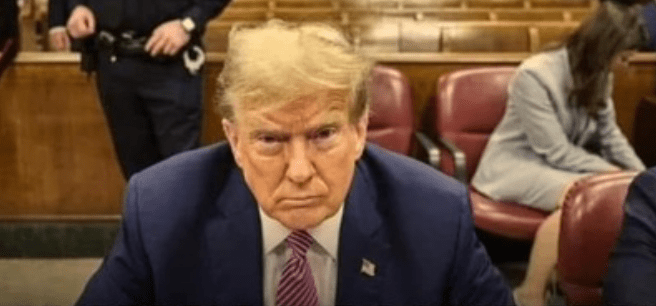
Trump’s handling of the COVID-19 pandemic was a defining moment of his presidency, marked by widespread criticism. His dismissive attitude toward the virus allowed it to sweep across the country unchecked, leading to hundreds of thousands of preventable deaths. He offered unscientific remedies, such as suggesting the use of disinfectants and promoting unproven drugs, and downplayed the severity of the crisis, causing further confusion and panic. His response to local disasters, for instance, his visit to Puerto Rico, where he threw paper towels into the crowd, reflected a troubling lack of empathy and leadership.
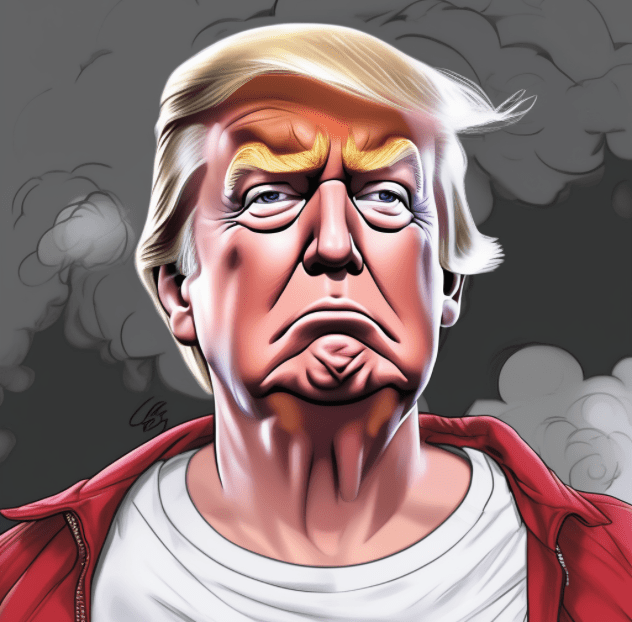
Moreover, during his presidency, Trump distanced himself from the traditions of decency and respect that past leaders upheld. He neglected to offer condolences to families of prominent Americans who passed, such as Barbara and George Bush, choosing instead to focus on personal leisure like golfing. Trump’s lack of emotional support marked a stark departure from the dignified conduct expected of a sitting president.

Domestically, Trump’s immigration policies, which included strict border controls and deportation of undocumented immigrants, led to labor shortages, particularly in the service industry, where businesses struggled to find staff. His administration’s aggressive stance on immigration had unintended consequences, with many sectors unable to recover after being stripped of their workforce.

On the international stage, Trump’s cozy relationships with authoritarian leaders in North Korea and Russia raised alarms about national security. His handling of classified information, especially the top-secret documents stored at Mar-a-Lago, left Americans wondering what was compromised and who had access to it.

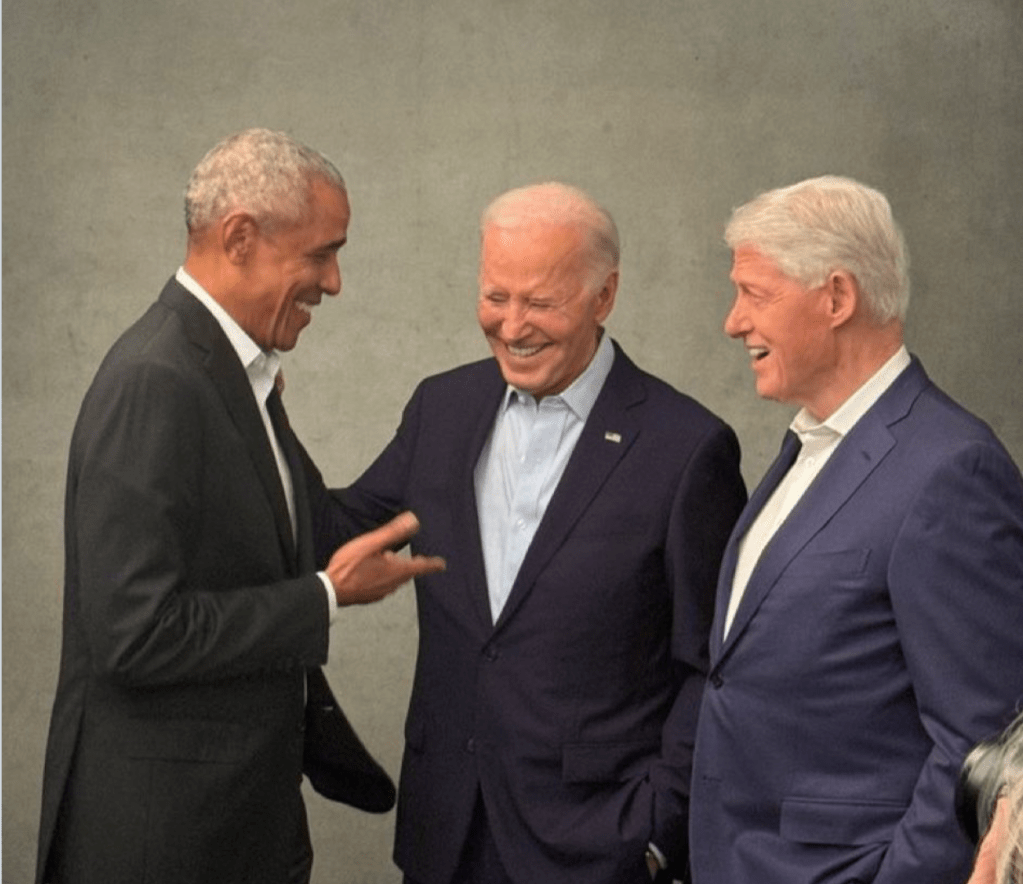
By contrast, the Biden administration has worked tirelessly to restore stability and dignity to the president’s office. Under Biden’s leadership, the economy has rebounded, and significant investments have been made in infrastructure, including road repairs, bridge replacements, and expanded internet access. His administration, though not without flaws, has prioritized the well-being of the American people, bringing a sense of civility and optimism back to the White House, highlighting the profound impact of leadership on democracy.
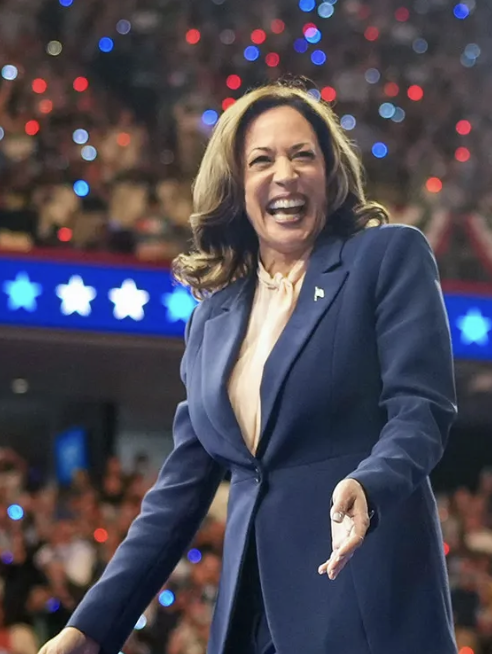
While sometimes criticized for being cautious, Biden’s approach to governance is rooted in diplomacy and careful planning. He brought America back to a position of respect globally, fostering relationships with allies and upholding democratic values. As Vice President, Kamala Harris has quietly supported these efforts, often working behind the scenes but prepared to step into leadership if needed.
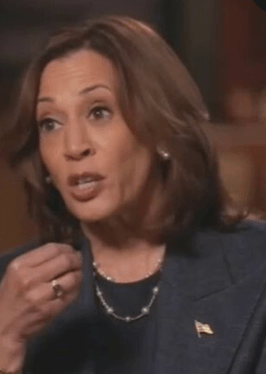
While no administration is perfect, it’s essential to recognize the progress made under Biden, especially compared to the chaos that marked Trump’s time in office. Biden inherited a nation with a 12% unemployment rate and shuttered businesses. Yet, within a year, he and Harris turned things around, rebuilding a country on the brink of collapse.
As we move forward, it’s critical to remember where we came from and who has been steering


 benandsteve.com