It Was A BedTime Story My Grandmother Would Tell Me, But It Was The Weekend That I Loved To Spend!

By: Benjamin Groff II© Groff Media 2024© Truth Endures IMDbPro

It was a bedtime story my grandmother used to tell me when I visited their home on weekends. They lived about forty miles west of the farm we had bought, but they had been farmers in the same area. As they grew older, they sold their place and moved to a larger town, closer to conveniences like supermarkets, doctors, hospitals, and stores. I visited them at least one weekend a month, sometimes more, either hopping a westbound Trailways bus or catching a ride with one of my dad’s friends heading out to Texas. On travel days, I dressed to the nines, careful not to show up looking like a bum, especially since people back then still took pride in looking sharp for such things. Times were changing, though. In the sixties, you started seeing folks on the bus with beads, bell bottoms, and cut-off t-shirts, their hair long, male or female.

I was five years old when I first started traveling with my grandparents, and it became a cherished tradition until my grandmother passed when I was eleven. Even as times changed, my routine remained the same. My grandfather would always park in front of the local drugstore that served as the bus stop in their town. A large courthouse sat in the center of the square, and the bus had to make a loop around it before stopping. The airbrakes would hiss, and I was always be the first one off. The bus driver ensured it, especially since I sat beside him on my suitcase for the whole ride.
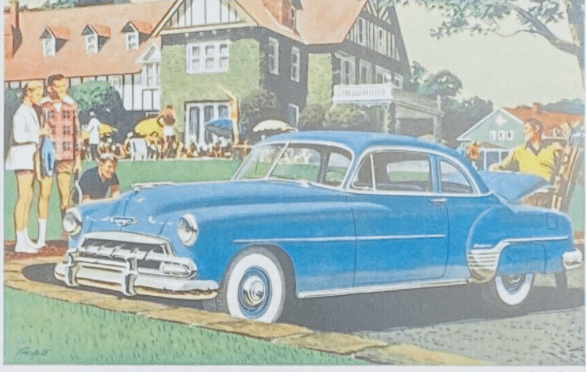
My grandfather, whom I called Pop, would be waiting by the trunk of his 1952 Chevrolet Coupe. As I stepped down those bus steps, the driver would already have handed my suitcase to Pop, who would smile and say, ––––

“Let’s scoot. Mom’s got dinner about ready at home!”

And it was home. My home away from home. I often dreamed of moving there, living with them, and even telling them so. I wanted my dad and our horses to come too because, in my child’s mind, my grandparents loved me so much that they’d love my dad and our horses too.
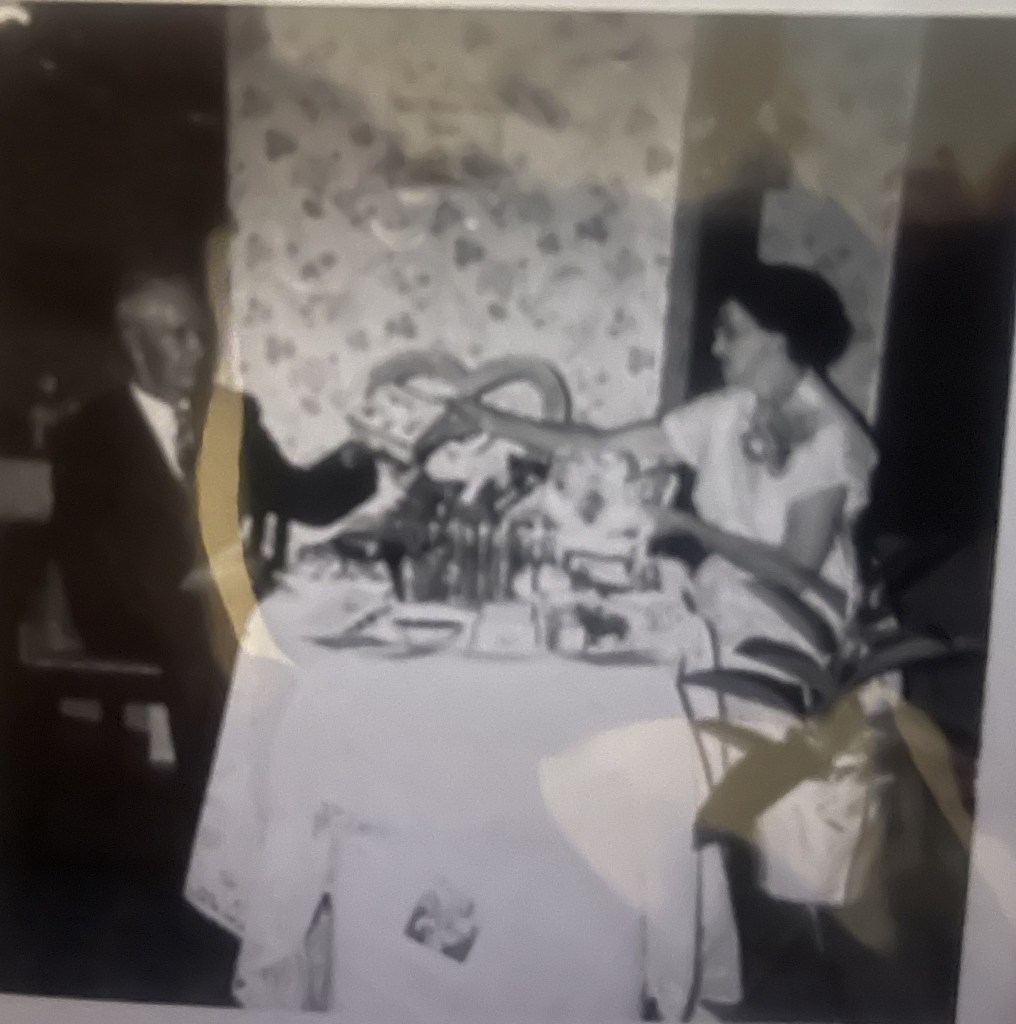
Pop had a habit of smoking a pipe—or rather, puffing on one. I could spend hours watching him puff smoke into the air in their cozy den. He liked to mix cherrywood tobacco with Prince Albert, and the sweet scent lingered long after he finished, complementing the smells of my grandmother’s cooking, making you want to eat whatever she was making. There was no television after dinner on most evenings. Instead, we’d listen to the ticking of the clock and talk. It was simple, but those talks meant more to me than the grandest concerts I’ve ever attended.

There were exceptions, though. Saturday evenings, we’d watch the news, then Lawrence Welk and Porter Wagoner, followed by a local music show hosted by a furniture store owner. But the TV was always off once Pop went to bed. That’s when my grandmother and I would click it back on for our secret ritual—watching championship wrestling from Oklahoma City. She loved it, getting so worked up that she’d tear tissues to pieces while her favorite wrestlers fought. I’d hand her a new tissue each time she shredded the last one. No one knew about this passion of hers except me, and she confided that she only got to watch wrestling when I visited. It made me feel needed by these two people I loved so much.

At night, I slept on a cot in their bedroom. It was as comfortable as any five-star hotel bed. But before I bedded down, my grandmother would let me crawl between her and Pop in their bed while she told me stories. One of my favorites was when she grew up in East Texas. She’d laugh so hard telling it, tears streaming down her face. It always made me laugh, too.
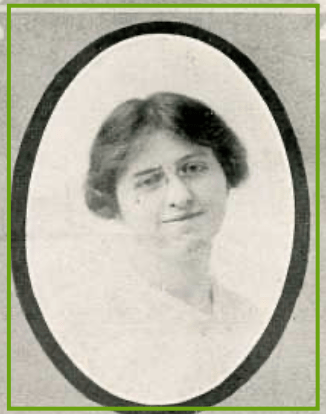
Mom, Florence Lula McElroy, Groff1914

She and her sister Ethyl were watching their little brother, Sam, who had just turned four. The rest of the family worked in the fields when the weather worsened. A funnel cloud was forming in the west, and the sisters, frightened, grabbed Sam and rushed into the farmhouse. Back then, there was no electricity, phones, or fundamental utilities, let alone cars. The girls did the only thing they could think of: they got under the heavy kitchen table, crying as the storm approached.

Not understanding what was happening, Little Sam asked, ––– “What should I do?”

My grandmother told him, ––– “Sam, you should pray!”

But the only prayer the boy knew was the table grace, so he began, ––– “Dear Lord, we thank you for what we are about to receive…”

That’s where the story always stopped because my grandmother would laugh so hard she couldn’t go on. I never knew if the house got hit or the storm blew the farm apart. All I remember is her laughter and how I’d move to the cot, hugging her and giving her a sloppy kiss goodnight.

Years later, I asked my Uncle Sam about that storm. He chuckled and said, ––– “Pots and pans were flying everywhere, and the two sisters were laughing like tea parties. We didn’t lose the house, but it scared me.”

Uncle Sam became my favorite great uncle after that.

I loved hanging out with Aunt Ethyl at family reunions. She dipped snuff—real tobacco, not the stuff you see now. She’d sniff it and tuck some into her upper lip. I could never keep up with her, and my grandmother would have been after me if she ever caught me trying.

On Sunday afternoons, my dad drove to pick me up from the farm. I was always happy to see him but hated leaving my grandparents. I didn’t want to return to the town near our farm—it was never as pleasant as the time spent with Mom and Pop. When I was five, I never imagined that they’d leave this world or that I’d grow up. Life takes the airplane, and time takes the train.

The Legend of Arizona’s Red Ghost Faris And His Caravan Of Former Calvary

Presented by benandsteve.com By: Benjamin Groff II© Groff Media 2024© Truth Endures IMDbPro

Sailors and an Arab camel herder load
a Bactrian camel aboard the USS Supply
during one of the two expeditions to
procure camels – National Archives

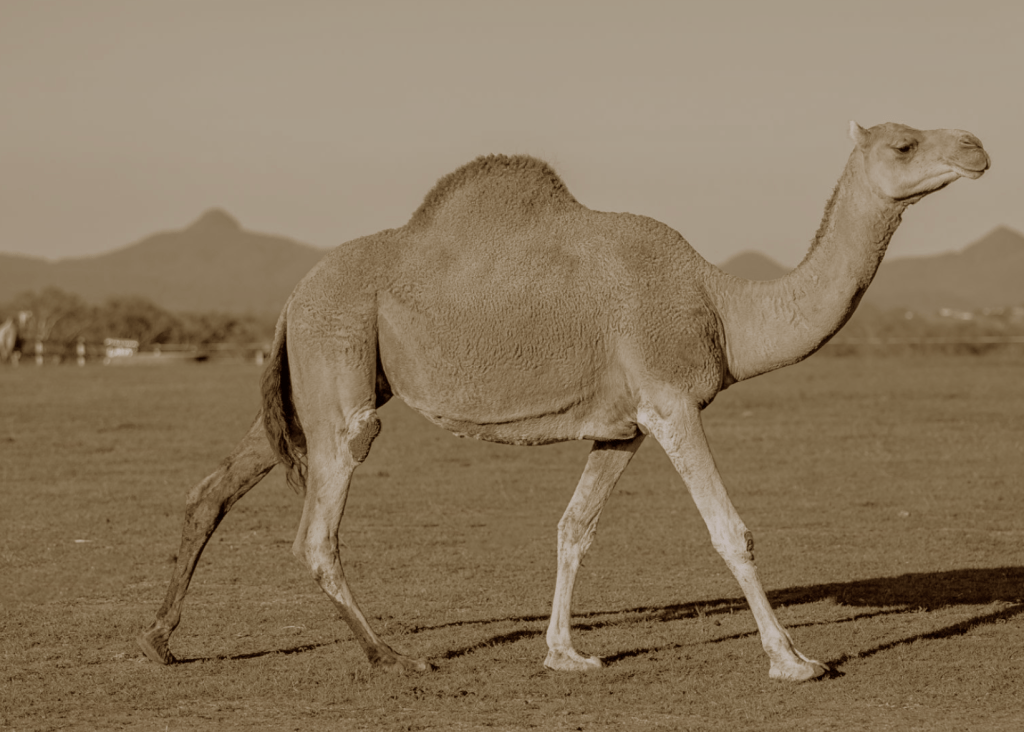
In the sun-scorched deserts of Arizona, the vast emptiness was once filled with the pounding hooves of horses and the steady march of soldiers from the United States Cavalry. But for a brief moment in history, an unlikely companion joined their ranks—the camel. Brought from distant lands, these towering creatures with their humped backs and long legs had intended to be the army’s answer to the challenges of traversing the rugged terrain of the Wild West.

A/I Created Photo

In the mid-1800s, under the guidance of Secretary of War Jefferson Davis, the U.S. government embarked on a truly unique experiment-the ‘Camel Corps’. Camels, renowned for their endurance in desert conditions, were imported to America and tasked with the challenging job of carrying supplies across the barren landscapes where wagons and horses often struggled. The soldiers stationed at the forts in Arizona and New Mexico were initially skeptical. They were baffled by the strange creatures that spit and moaned, their massive feet gliding over the desert sands as if weightless.

Among the camels, one stood out—a massive bull camel named Faris. He had traveled across the seas from the deserts of Egypt, his broad hump towering over his fellow camels. With piercing eyes and a personality as stubborn as the most seasoned cavalrymen, Faris became the pack’s leader, guiding the other camels through endless miles of scorching desert, carrying their loads without complaint.

Library of Congress

But the experiment was short-lived. As the Civil War loomed, funding for the Camel Corps dried up, and the forts in the Arizona desert began to close one by one. With the forts gone and no practical use for the camels, the military made a fateful decision: they turned them loose, setting them free in the vast desert wilderness. The soldiers and settlers who remained watched with mixed emotions as the camels slowly strode off into the horizon, their long necks and humps silhouetted against the setting sun.

Library of Congress

Faris led the herd, now wild, into the vast stretches of land where no human tread. Once tethered and burdened with human supplies, the camels embraced their freedom, roaming the desert, their calls echoing in the canyons and across the mesas.

For years, sightings of the camels became the stuff of legend. Travelers and settlers spoke of giant creatures wandering the wilderness, spooking horses, and disappearing into the dunes as quickly as they were seen. Stories of ‘The Red Ghost’ surfaced, a phantom camel said to be terrorizing ranchers, with strange tracks left in the dust after raids on isolated farms. The mystery deepened with some claiming to see a human skeleton strapped to the back of one rogue camel, but no one knew for sure whether this was fact or fiction.

Library of Congress

Faris, now older but still commanding, led his herd deeper into the desert as the years passed. The camels, with no soldiers to guide them, learned to live off the sparse vegetation, adapting as always. They became masters of the land, surviving where few others could, a testament to their remarkable adaptability.

Generations of Arizonans grew up hearing tales of the camels. Old ranchers would sit by the fire, recounting when they saw a lone camel watching them from the top of a ridge, its eyes gleaming in the moonlight before they vanished into the desert night. Cowboys whispered of Faris, the great camel leader, still roaming the wild, the last of a forgotten army, king of the untamed desert.

So, the camels of the Wild West became more than just a footnote in history—they became legends, ghosts of a time when even the most foreign creatures found a place in the rugged and unforgiving land of the Arizona desert.

A released camel or a descendent of one is believed to have inspired the Arizonan legend of the Red Ghost.

One of the few camel drivers whose name survives was Hi Jolly. He lived out his life in the United States. After his death in 1902, he was buried in Quartzsite, Arizona. His grave is marked by a pyramid-shaped monument topped with a metal profile of a camel.

Gone But Not Forgotten: Honoring Everyday Heroes

A Report By: Benjamin Groff© Groff Media 2024© Truth Endures

Gone But Not Forgotten: A Digital Memorial

Click Image to visit site.

In a quiet corner of the internet, there exists a place unlike any other—a virtual tribute to those who had walked this earth, loved, laughed, suffered, and left their mark, only to slip away as the sands of time carried them beyond the reach of the living. It was called Notable Deaths: Gone But Not Forgotten.

The website is more than just a list of names. It is a symphony of lives, a testament to the idea that every life matters, no matter how famous or obscure. Each entry tells the story of a person who has shaped the world in their own way, whether through art, science, politics, or just by touching the lives of those around them. This is a space for reflection, a collection of special memories and achievements.

At first glance, Gone But Not Forgotten appeared like any other tribute site—a photo, a name, a short biography. But for those who ventured deeper, it became clear that this was more than just a collection of obituaries. It was an evolving narrative, with contributors from all walks of life adding details about the departed, piecing together the puzzle of who they were. Some names were well-known household figures like actors, musicians, and leaders. Others were lesser-known heroes—activists, teachers, parents—whose contributions quietly wove into the fabric of society. This is a community of shared experiences, a place where grief is understood and shared.

Among the most moving sections was the Like You, These People Mattered column. Here, visitors could submit stories about people who had passed away. Major fame was not required of them, only a life well-lived. Each submission reminded the world that grief is universal, that love for the departed transcends celebrity, and that the value of a life doesn’t lie in recognition but in the impact it has on others. Every life, no matter how seemingly ordinary, is a treasure and a legacy.

One day, a young woman named Lena found herself on the website. She wasn’t sure how she’d ended up there—maybe it was fate, perhaps the randomness of an internet search—but she was grateful. Lena had lost her grandfather just a few weeks before, and the wound was still fresh. He had been the heart of their family, a kind, strong man who had lived through wars, raised children, and taught Lena everything she knew about compassion. His death had left a void she didn’t know how to fill.

On Gone But Not Forgotten, she found solace. She read stories of others who had felt the same loss, who had watched their loved ones slip away, only to hold onto their memories for comfort. She realized that her grandfather’s story, though deeply personal, was part of a much larger tapestry of human experience. Moved by the thought, Lena submitted a post to the Like You, These People Mattered section, pouring out her heart as she shared the man her grandfather had been—the jokes he told, the lessons he imparted, the quiet dignity with which he had faced his final days.

Days passed, and one afternoon, Lena returned to the site to find her story had been published. Not only that, but others had commented on it—people she didn’t know but who understood her grief. They offered words of sympathy, shared experience, and hope. Lena felt an overwhelming sense of connection. Here, in this virtual space, her grandfather lived on; in some small way, his life had touched others.

The website became a regular stop in her day. She began reading more of the stories, leaving comments for others who were grieving, and sometimes just sitting with the quiet weight of history as she browsed the names and faces of those who had passed. Famous or not, every story mattered. Each life was a thread in the rich, intricate tapestry of humanity.

As time went on, Gone But Not Forgotten grew. More stories were added, and more voices joined the chorus of remembrance. The world kept turning, and people kept living and dying, but this digital sanctuary reminded everyone that no one was truly gone as long as they were remembered. This is a place where the legacy of our loved ones lives, where their stories continue to inspire and comfort us.

Ultimately, the website became more than a place to honor the dead. It became a celebration of life—the connections we make, the people we love, and the way our stories, no matter how small, continue to ripple outward even after we’re gone.

The World Of One

A Story By Benjamin Groff© Groff Media 2024© Truth Endures

Tom Richardson awoke one ordinary morning with an extraordinary conviction: he was the sole individual of significance. He did not consider himself to be isolated—others still surrounded him. However, in his perception, they were merely silhouettes, existing solely to fulfill his desires, frustrations, and caprices. The needs, emotions, and experiences of all others were simply ambient noise, inconsequential to the grand narrative of his existence. In this self-centered realm, Tom stood as the sole inhabitant, a solitary monarch in a realm of his own creation.

Tom was entitled, cutting to the front of lines, talking over people in meetings, and driving through red lights without hesitation. He believed the world should move at his pace, bulldozing through daily interactions with unchecked arrogance.

At work, Tom’s behavior was incredibly disruptive. His coworkers noticed how he monopolized conversations during meetings, often interrupting others and steering the discussions towards his own agenda. He frequently dismissed ideas he did not like, making it challenging for his colleagues to express their opinions freely. Additionally, Tom had a habit of taking credit for work he had not done, which created a toxic environment of mistrust and resentment among the team. His colleague Melissa, in particular, had spent months pouring her energy and creativity into a project, only to watch Tom take the spotlight during the presentation without acknowledging her contributions. Her face burned with frustration and disappointment, but Tom was already basking in the praise, completely unaware—or uncaring—of the hurt he had caused. As a result of his actions, the morale of the team suffered, productivity decreased, and valuable talent began seeking opportunities elsewhere. The tangible consequences of Tom’s behavior were felt deeply by those around him, and the weight of his actions continued to impact the work environment.

  • Outside the office, Tom’s interactions were just as callous. In a crowded coffee shop, he snapped at the barista for taking too long with his order. When the woman in front of him politely asked if she could move ahead to grab her drink, Tom scoffed and said, “Wait your turn, like the rest of us.” It never occurred to him that her child was crying in the car outside or that her day might unravel.

In relationships, Tom’s selfishness is all-consuming. His girlfriend, Kate, was initially patient, excusing his behavior as stress. However, as time passed, she realized that Tom’s wants and needs dictated every conversation, every plan, and every moment they shared.

“Can we ever do something I want?”

she asked one evening. Tom shrugged, dismissing her words as if they were background noise.

“It is not that important,”

he replied, flipping through the TV channels as she sat beside him, feeling smaller every second.

The world began to push back.

  • At work, Melissa and other colleagues stopped inviting Tom to meetings. His input was more a hindrance than a help. Projects moved more smoothly without his constant interruptions. The team thrived in his absence, but Tom remained blissfully unaware, believing that his exclusion was a sign of jealousy or resentment, never his behavior.
  • On the streets, strangers grew cold. People who once offered pleasantries started to avoid him. The barista, usually polite despite his rudeness, began greeting him with silent, stony indifference. Tom, of course, assumed they were having bad days.
  • “Not my problem,” ––– he muttered each time.

At home, Kate left. Her final words echoed through their now-empty apartment:

“You do not see me, Tom. Tom, never will you see me!.”

Tom stood in the doorway, confused and angry, unable to comprehend why she was so upset. As far as he was concerned, everything had been fine—because everything had always been about him.

However, despite the growing distance between him and the world, Tom did not connect the dots. The problem, as far as he was concerned, was not him. It was everyone else. Why didn’t people understand that he was in charge of his life? Why didn’t they see that his needs were urgent, his time valuable, his presence essential? His self-centeredness was creating a chasm between him and the rest of the world, a gap that was widening with each passing day.

The final straw came one quiet evening. Tom sat in a restaurant, dining alone —–– a common occurrence now. He waved the waiter over impatiently, complaining about the wait for his meal. The waiter, a man in his late fifties with graying hair and tired eyes, looked at Tom and sighed.

“You are not the only person in the world, you know,” the waiter said softly, his voice edged with exhaustion. “You act like we are all here just for you, but we are not.”

Tom bristled at the remark, ready to retort with something biting to remind the man of his place. However, the waiter’s words hung in the air momentarily, their truth unsettled. The weight of his words, heavy with truth, began to sink in, stirring something deep within Tom.

For the first time in a long time, Tom looked around. The restaurant was filled with people—couples sharing meals, families laughing, servers rushing between tables. Each of them had their own stories, struggles, and lives. They were not shadows. They were not here for him. They were living their own lives, just as vivid and real as his.

The weight of it settled on Tom like a cold wave. For years, he had moved through the world as if it were his stage, oblivious to the people around him. He had interrupted their lives, stepped over their feelings, and demanded their attention without a second thought. He had bulldozed his way through, never considering the damage he left behind.

And then, in a moment that would change his life, he saw it. For the first time, Tom indeed saw the world around him, not as a stage for his performance, but as a rich tapestry of lives, each as important as his own.

Tom left the restaurant without finishing his meal, the waiter’s words echoing in his mind. As he walked down the street, past people he had never noticed, a strange feeling stirred in him—something akin to humility, though he would not have called it that. It was a shift in his attitude and his perception of the world.

The world did not revolve around him—it never had. Perhaps, for the first time in his life, Tom realized just how much he had lost because of it.

As just as he did, not expecting for it to happen, Jesus Christ popped in and said he is going to vote for Kamala Harris!

The End

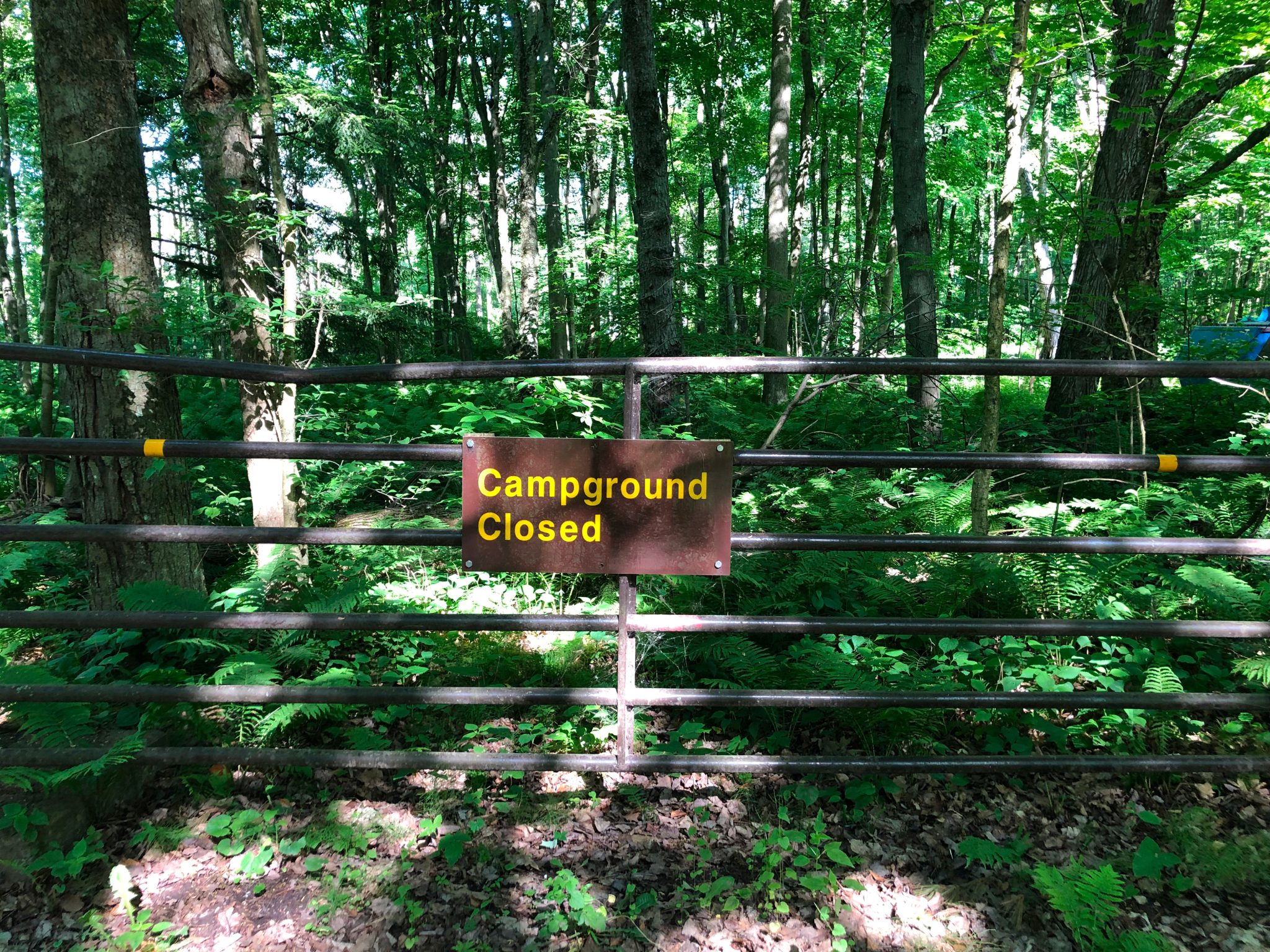
Tragic Loss: Coping with Grief and Family Support | Campground Incident

A Story By: Benjamin Groff© Groff Media 2024© Truth Endures

Sammie had just turned fourteen and was riding his bike around the campgrounds his dad patrolled as a ranger. The family lived in a state-owned residence provided as part of his father’s compensation package while he got assigned to the western part of the state. Life in the park was usually quiet, but earlier that year, a tragedy struck a different campground on the state’s eastern side.


Two families had been brutally murdered in their sleep, sending shockwaves across the state. In response, the state implemented new security measures at every campground. Entrance gates were locked, and everyone entering was logged by their driver’s license or other identification. Unsuspected patrols got scheduled, lighting around the parks flickered on and off without notice, and campers got direct communication links to the ranger’s headquarters. Additional officers were stationed along park perimeters at night, keeping a vigilant eye on the fencelines.

It was nearing 5 PM when Sammie pulled up in front of his home and started to get off his bike. A car horn suddenly blared from the gate entrance, catching his attention. Squinting, he saw a familiar figure waving from the vehicle.


“Sammie—it’s your Uncle Ned! Let me in; I need to see your dad and mom!”


Sammie quickly hopped back on his bike, racing to the gate. He pulled out his key ring, unlocked the gate, and swung it open with a grin.

“Wow! This is a pleasant surprise. It’s great to see you, Uncle Ned! I’ll lock the gate and meet you back at the house.”


Ned was accompanied by a man Sammie didn’t recognize, but there was no time to dwell on it. The car pulled through the gate, and Sammie secured it before pedaling back to the house. As he approached, his sister burst through the back door, tears streaming down her face.
Startled, Sammie tried to comfort her, but before he could, Uncle Ned stepped forward to hold her.

Confusion and fear knotted rolled in Sammie’s chest as he asked, –––

“What’s going on? Is it Grandma or Grandpa? Did one of them die?”


Uncle Ned’s voice was heavy. –––

“No, Sammie. It’s your Uncle Richard. He was killed this afternoon.”


Sammie stood frozen, his mind racing, but no words came. The weight of the news pressed down on him like a physical force. He stumbled into the living room, where his parents were. His father held his mother close, her body trembling with sobs. His dad turned to Sammie, his voice raw with grief. –––

“Your Uncle Ricky is dead. He got hit by a train in Oklahoma City. That’s all we know right now.”

The shock numbed Sammie. He recalled watching the afternoon news and seeing a report of a car struck by a train. The paramedics had been performing CPR on one of the occupants, and Sammie had thought the head looked familiar. But he had dismissed the thought—it couldn’t have been someone he knew.


As the reality of the situation sank in, Sammie told his family about the news broadcast. –––

“I think… I think I watched the last moments of Uncle Richard’s life on television. It might be on the ten o’clock news again.”


That night, the family sat together, waiting for the broadcast. Sure enough, the footage replayed, and there was no doubt—it was Uncle Richard. The sight left them in stunned silence, the grief fresh all over again.


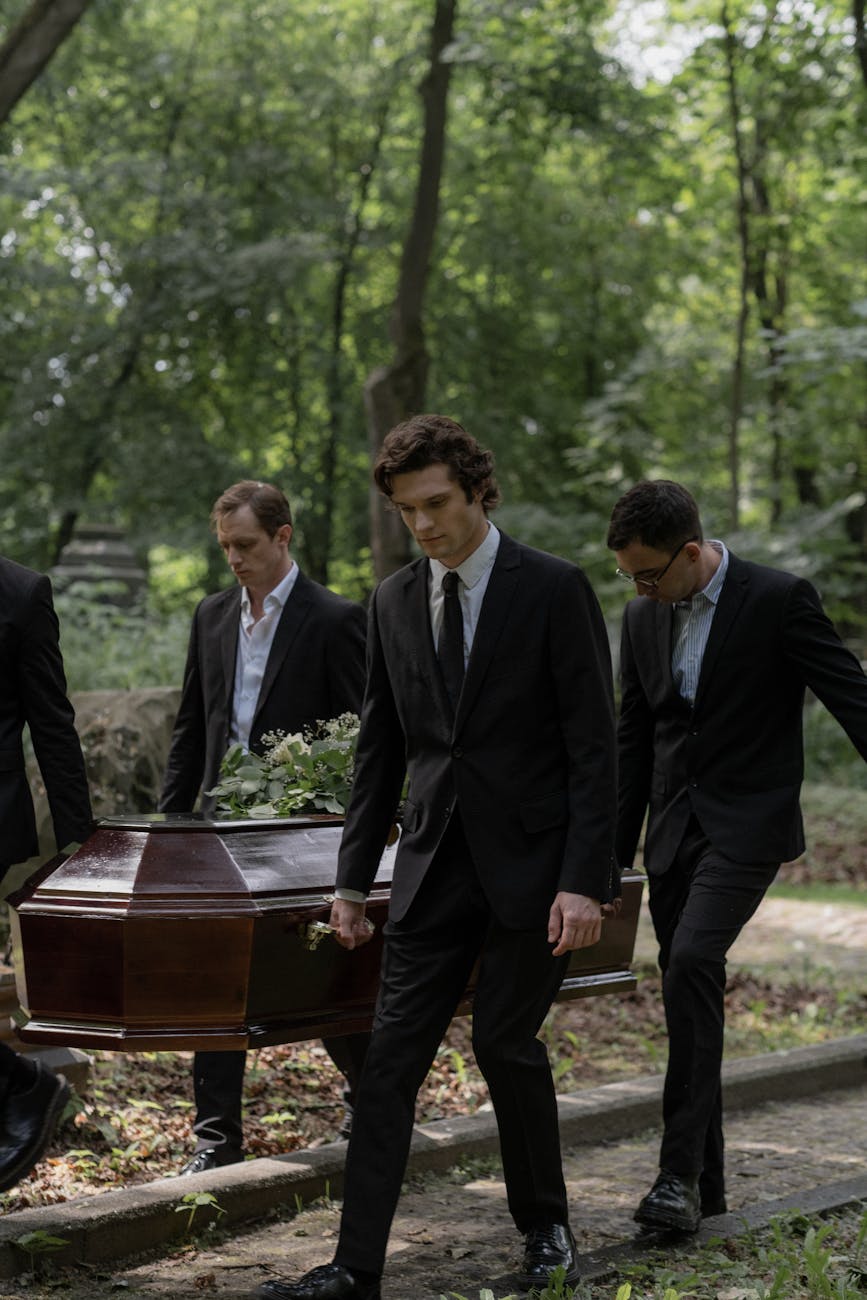
Days passed, and soon, it was time for the funeral. The family chose Sammie and five of his cousins to be pallbearers. The day was heavy with sorrow, and Sammie, feeling overwhelmed, approached his father. –––

“Dad, I don’t like going to funerals why do I have to go?”


His father’s response was gentle yet firm. –––

“Well, first, it’s the right thing to do: to show respect for another person’s life. As you age, you’ll realize that funerals are among the few times we come together as a family. They unite people who otherwise never see each other. You go to pay your respects and leave having been paid dearly for your time.”

Embracing Identity: Eleanor’s Journey from Tomboy to Lady Athlete

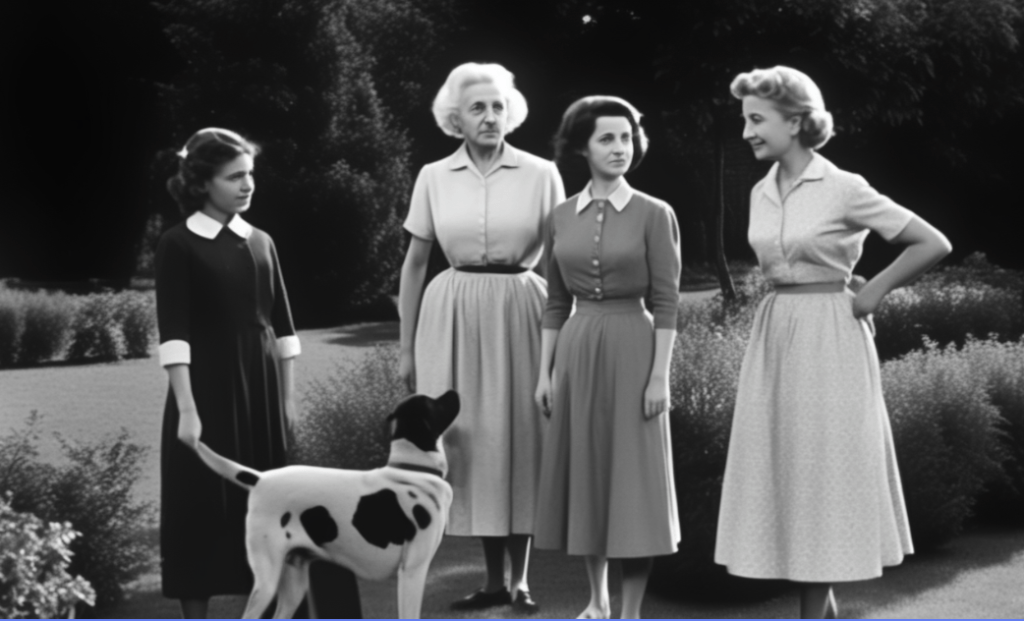
Eleanor’s father sent her to spend two months one summer with her grandmother and two Aunts in the countryside of GoatsManor. Her Aunts, Lilly and Lula, were very precise about how they liked to have the table settings placed each evening. Her Grandmother, Lola, insisted she wears a summer dress to tea at 2 O’clock exactly each afternoon. The ladies explained to Eleanor that she had specific criteria for becoming a lady.

Eleanor was a tomboy turning 14 to 15 years old, and she wished she could still play softball with the youth back in her neighborhood in Boston. Her father, Walter, had become a widower after Eleanor’s mother, Leanne, passed away from cancer two years ago. He was concerned that Elly, as she was known to the neighborhood boys, was becoming less of a lady and more of a roughhouse bar room gal—something he didn’t want for his little girl. So he had called his wife’s mother and aunts and arranged for a summer at GoatsManner.

The first week at GoatsManor was a whirlwind of rules and routines. Eleanor, a tomboy at heart, found herself suffocating in the frilly dresses and precise manners. Her mind often wandered to the dusty baseball diamond and her friends back home. Despite her resistance, her grandmother and aunts persisted, believing that structure and propriety would mold her into a proper young lady.

One hot afternoon, after another tedious tea session, Eleanor wandered into the sprawling fields behind the manor. She needed to clear her head and escape the suffocating expectations. As she walked, she stumbled upon an old barn, its red paint peeling and roof sagging. Curiosity got the better of her, and she pushed open the creaky door.

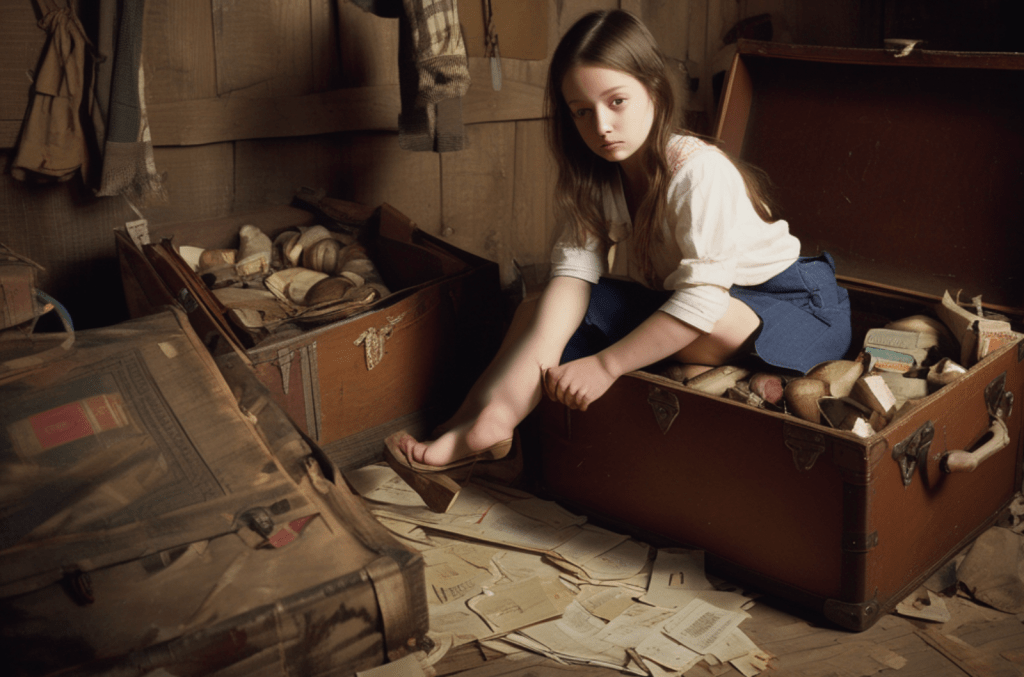
That was the day, Eleanor stumbled upon a hidden treasure: an old, dusty trunk filled with what appeared to be her mother’s childhood belongings. Among the items were a well-worn softball glove, a collection of vintage baseball cards, and a photograph of her mother, Leanne, in a baseball uniform, grinning widely with a bat slung over her shoulder.

Eleanor’s heart raced with excitement and a newfound connection to her mother. She spent hours in the barn, trying on the glove and imagining her mother playing the sport she loved. It was in this dusty sanctuary that Eleanor felt a surge of joy and freedom, a feeling she hadn’t experienced since her mother’s passing. The barn became her refuge, where she could be herself without judgment.

Over the next few weeks, Eleanor made it a habit to visit the barn whenever possible. She practiced throwing and catching, feeling a sense of freedom and joy she hadn’t felt since her mother’s passing. The barn became her refuge, where she could be herself without judgment.
One day, as Eleanor practiced her pitches, she heard a soft applause behind her. She turned to find her grandmother, Lola, watching her with a gentle smile. Eleanor froze, expecting a reprimand, but Lola’s expression was kind.

“I used to watch your mother play out here,” Lola said softly. “She was quite the athlete, just like you.”
Eleanor’s eyes widened in surprise. “You mean Mom played softball too?”

Lola nodded. “Oh, yes. She loved it dearly. She found joy and strength in the game. It’s part of who she was.”
Tears welled up in Eleanor’s eyes as she realized that her mother had shared her passion for softball. She felt a deep connection and renewed sense of purpose to her mother.

From that day on, Lola and Eleanor spent their afternoons in the barn, practicing together. Lola, who had once been a skilled player, taught Eleanor new techniques and shared stories of her mother’s adventures on the field. The bond between grandmother and granddaughter grew stronger with each passing day.


Eleanor still attended the afternoon teas and followed the table-setting rules, but her perspective had shifted. No longer did she feel confined by them. She had found a balance between GoatsManor’s expectations and her own identity. By the summer’s end, Eleanor had become more poised and confident and embraced her love for softball, knowing it was a cherished part of her mother’s legacy.

When it was time to return to Boston, Eleanor left GoatsManor with a newfound sense of self and a heart full of cherished memories. She knew she could be both a lady and a fierce athlete, carrying forward the best of both worlds.