
By Benjamin H. Groff II
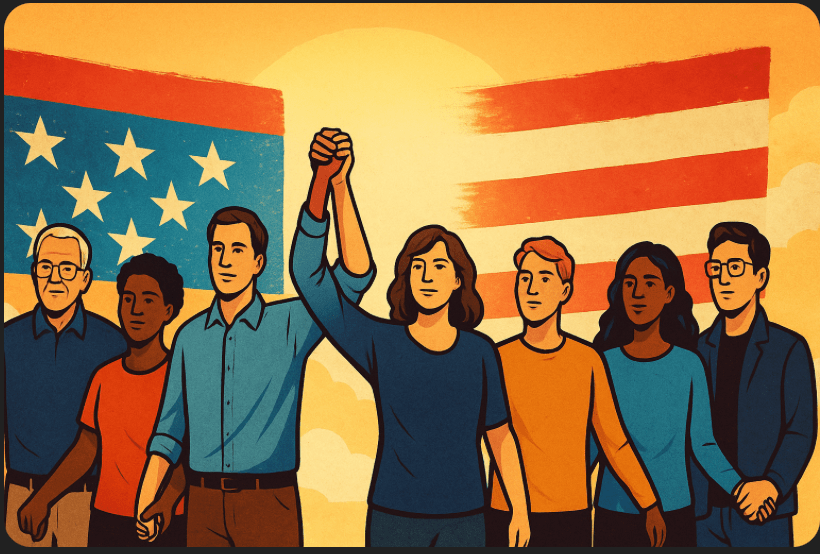
We are living in a time when critical issues are being tossed around like poker chips in Washington. These include health care, Social Security, disability support, and the rights of the LGBTQ+ community. The game has gotten meaner, the stakes higher, and the players more reckless. But if history teaches us anything, it’s that ordinary Americans can outshine the biggest machines of power. They can outlast them when they work smart and stay focused.
This isn’t about red or blue. It’s about who gets to live with dignity and who doesn’t.
1. Protecting What We’ve Paid For
Let’s start with the basics: Social Security and Medicare are not entitlements—they’re earned benefits. Working Americans paid into them every payday of their lives. Yet, each election cycle, someone in Congress floats the idea of “sunsetting” or “restructuring” them. That’s political code for cutting.
The smart move? Make every elected official—Republican or Democrat—go on record promising no cuts to Social Security and Medicare. It’s a winning issue across party lines because nearly every voter depends on it, or soon will. The average monthly advantage for retirees is about $2,000. You can’t afford to lose that—and neither can your parents.
2. The Health Care Frontline
Medicare drug price negotiations are already law, and they’re starting to bite down on Big Pharma. Those savings need to be expanded and defended. Keep the issue local—talk about your neighbor’s insulin cost, your pharmacy’s long lines, and your doctor’s limited hours. These stories hit harder than any campaign ad.
If you live in a state that still refuses Medicaid expansion, that’s another battle worth fighting. States like Oklahoma and Missouri proved that when citizens put Medicaid expansion on the ballot, it wins—even in conservative territory. It keeps rural hospitals open and saves lives. Simple as that.
3. Disability Rights Are Human Rights
For millions of Americans, especially seniors and people with disabilities, Medicaid is the real safety net. It funds long-term care, home health aides, and community services. Most people don’t realize that these programs face constant threats. This occurs at both the state and federal levels.
It’s time to make disability policy visible again. Discuss the waiting lists. Talk about the family caregivers working without rest. Tackle the closures of group homes that once kept people safe. Every one of those stories is a vote for compassion and common sense.
4. Standing Up for the LGBTQ+ Community
Across the nation, hundreds of anti-LBGTQ+ bills have been introduced under the banner of “protecting children.” But what they really do is threaten the safety and rights of already vulnerable people—students, families, and workers.
The answer isn’t more shouting matches. It’s telling real stories. These are parents who want their trans kid to live without fear. There is a teacher who wants to keep their job. Or a couple wants the same hospital visitation rights as anyone else. When the conversation becomes personal, hearts shift—and politics follows.
5. Building Alliances That Win
You don’t win these battles alone. You build coalitions that surprise people. Seniors and veterans defend Social Security. Small business owners back drug price reform. Nurses and church groups advocate dignity in care. That’s how movements grow—through unexpected allies who realize they’re all fighting for the same thing.
The revisionist thrives on division. A winning strategy thrives on unity.
6. How to Get Loud, Smart, and Effective
- Use your voice locally. County health boards, school boards, and hospital districts make real decisions about care and coverage. Attend those meetings.
- Tell your story. A 30-second video of your experience with health care or benefits will reach more people than a dozen speeches.
- Learn it. Agencies post new rules all the time—public comments matter. Gather friends, go to Regulations.gov, and leave thoughtful, factual remarks. Bureaucrats read them.
- Stick to clear messages:
- “Protect what we’ve paid for.”
- “Keep care close to home.”
- “Freedom to make personal medical decisions.”
- “Dignity for every family.”
7. The Bottom Line
The fight for affordable health care, strong social programs, and equal rights isn’t about party loyalty—it’s about survival. You can’t eat ideology, and you can’t pay for prescriptions with political slogans.
The people who built this country deserve to live out their years in peace, not fear. The next generation deserves to inherit something more significant, fairer, and more human.
That’s how we win. We don’t hate what’s broken. Instead, we protect what still works. We fight like hell to fix what doesn’t.
© Benjamin H. Groff II — Truth Endures / benandsteve.com



 benandsteve.com