Lessons from the Last Broadcast: Questioning the Airwaves

1–2 minutes

The Last Broadcast

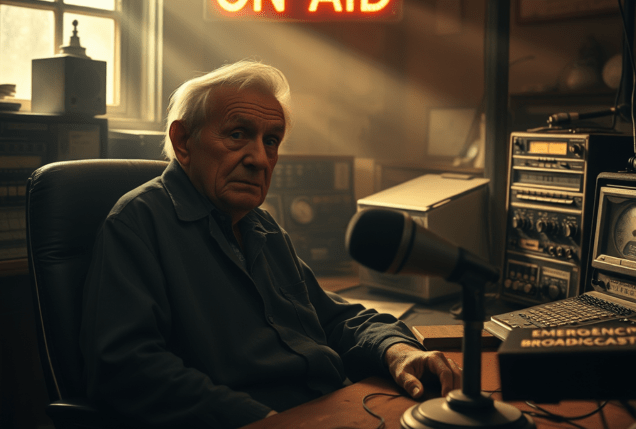
Sam Delaney had been a radio man his whole life. Station manager, on-air talent, janitor when needed—he had done it all. Now, in his seventies, he sat in the empty control room of what was once a bustling AM station. The place smelled of dust and warm circuitry. The walls hummed with silence.

Sam still knew every button by heart. Especially the one marked EBS—Emergency Broadcast System. Back in the day, the FCC’s rules were clear: tones were sacred. The piercing signal wasn’t just a sound; it was a promise. Tornado warnings. Flood alerts. The nation’s line of defense against panic. There had been rules—Title 47 of the CFR, etched into his memory like scripture.
But things had changed. With each new administration, the guardrails loosened. The equal-time law that once kept political chatter balanced had vanished decades ago. A president erased it. He feared his old Hollywood reels would force TV stations to give airtime to his critics. One law changed, and suddenly the airwaves were open territory—bluster, bias, and one-sided noise pumping into homes unchallenged.

Now Sam watched as networks ran those same tones he once revered, but not for weather or disaster. They tested loyalty. They triggered crowds into a frenzy. They commanded obedience in ways he never imagined. Once, tones meant safety. Now, they meant control.

He rubbed the crease in his neck where headphones had rested for thirty years. Outside, the town he had called home was no longer united. Neighbors didn’t trust neighbors. Families split along the fault lines of which voice on the radio they listened to.

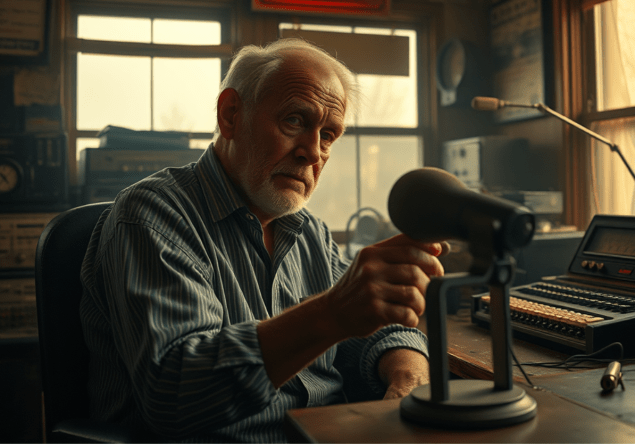
Sam leaned into the old microphone. The ON AIR light flickered.

“What if I told you,”

He began. His voice was gravel but steady.

“The lie isn’t in what you’re hearing. It’s in what you stopped questioning.”

He paused, finger hovering over the tone button.

For the first time in his career, he considered sending out a tone. This was not to warn people of a storm but to warn them of themselves.


By Benjamin GroffMedia© | benandsteve.com | ©2025 
IT WAS JUST ANOTHER DAY, UNTIL THE PHONE CALL!

Photo by Anthony ud83dude42 on Pexels.com
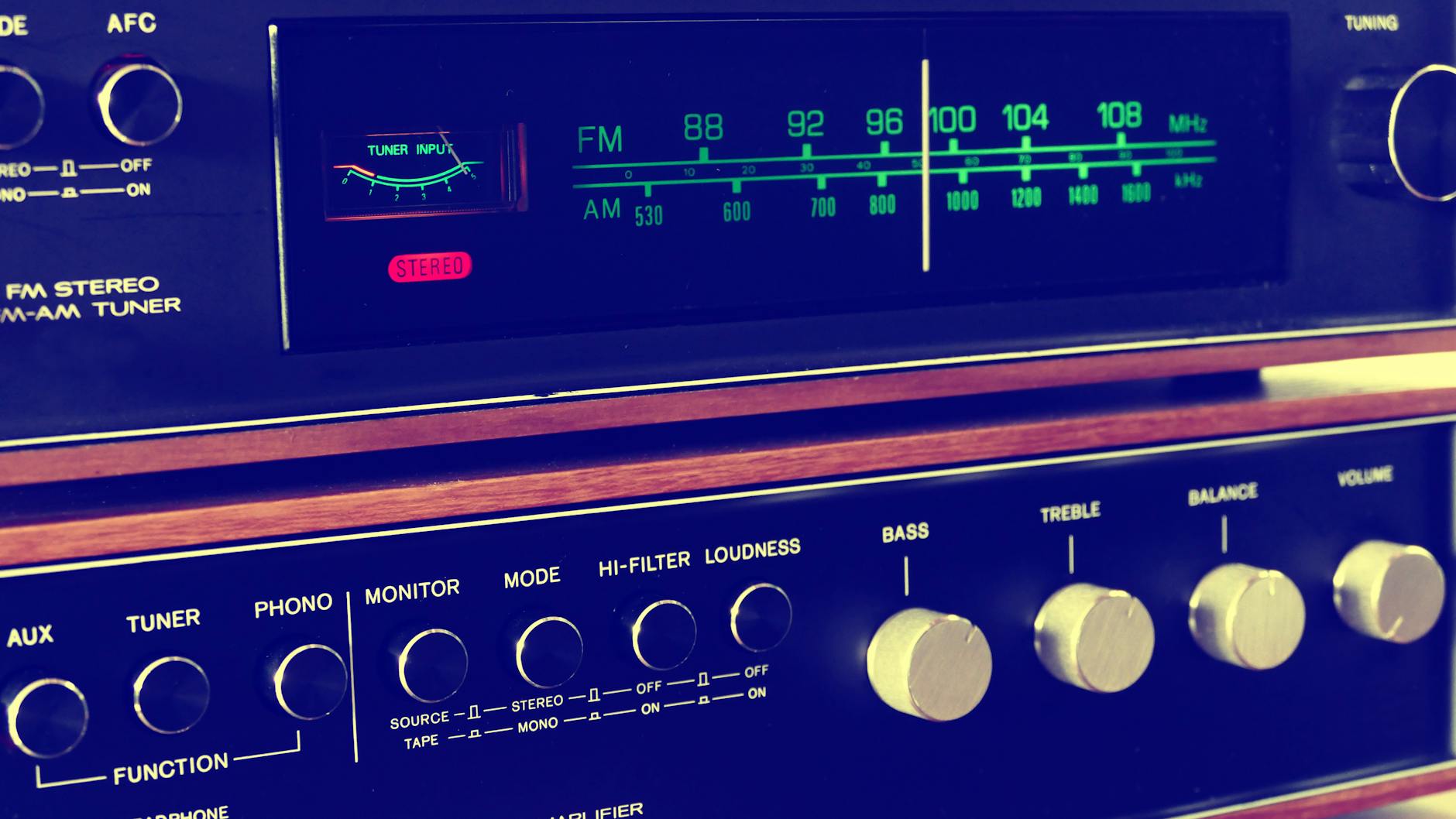
  • For all anyone knew, it was just another day. The sun was rising and appeared to be sunny, with average temperatures warming to 75 degrees by midafternoon, with a light wind from the south. That was the weather forecast everyone heard to start the day, as it echoed from speakers in the downtown square broadcasting from the local radio station KBAD. Topping the news from KBAD included a report concerning a house fire, two auto accidents, and a lost dog report. The station did not broadcast national news because the management felt it included more divisive material for the community and the station’s audience. KBAD’s motto promoted the station and its fans as * Kindhearted * Brilliant * Ambitious and * Devoted! It had a unique frequency on the AM Dial at 1000.0khz AM and 100.0mhz FM. The frequency identifier permitted those who wish to find it an easy way to remember its location on the radio dial. Operating by remote control authorization from the Federal Communications Commission, KBAD’s radio tower stood in two separate locations. The FM Broadcast Transmitter and Antenna broadcast on the same tower as many of the local television stations’ antenna services towers near the edge of town. The AM Broadcast Transmitter was with three directional towers west of the city on a hill that permitted the station to fluctuate power between sunrise – sunset – sunrise hours. The AM station reduced power during the daytime, and the signal with increased power would reach a different area than at night. The night signal could reach several states.
Photo by Mwabonje Ringa on Pexels.com

       The day was unfolding as usual, with one of our regular radio programs in full swing. Suddenly, in the midst of a phone-in segment, a caller made a startling revelation –––

“Do you people know that there is a guy hanging from your radio tower west of town? He is just dangling there.”

The Host was surprised by the caller comment and replied

 Sir, this is a live show. Please, this is not a time for pranks.

The caller shot back. – The caller’s voice was urgent, his words cutting through the airwaves.

‘This is not a joke,’ he insisted. ‘There’s a man, about three-fourths of the way up your middle tower, hanging upside down. You need to get him help.’

The Host, with urgency in his voice, told listeners

We take this seriously; our station manager and engineer are coming to the tower, and emergency responders are responding.

The Host then suggested that the caller should have notified 911 before calling the radio station first.

The man hanging upside down had been hired as a contractor to change the red blinking lights once a year to make sure that it met FCC requirements. On his way up, he experienced a fatal heart attack. He was tied off and had his safety gear on, which prevented him from falling when he could not continue climbing or descent. Due to how high he was, a specialized team of climbers had to be dispatched from over three hundred miles away to go to the scene and create a plan to lower him. It took over 24 hours to get the man to the ground safely.