
GROFF MEDIA 2024© TRUTH ENDURES IMDBPRO
Presented by benandsteve.com By: Benjamin Groff II©
GOOD TIMES REMEMBERED

For many, the good times meant youth spent without barriers. Kids rode bicycles freely around town or through the countryside. They explored wherever curiosity led. They just had to be home before dark or by 10 p.m. It was when running to a friend’s house, unannounced was safe. It felt just as natural for them to show up at yours. We all cherish that time of freedom and spontaneity.
Your version of the good times began when you got first place as a young adult. You also got hooked up to cable television. Gone were the days of only three channels. Now, there were forty or more. Channels like MTV, HBO, and SHOWTIME offered endless entertainment. Some kept their televisions locked on MTV 24/7, not wanting to miss the latest music video premiere. The phrase “I want my MTV” wasn’t just a slogan; it was a way of life.
Icons like Downtown Julie Brown, Max Headroom, Randy of the Redwoods, and JJ Jackson became daily companions. They guided audiences through interviews and music video countdowns. These shows entertained us and shaped our memories, creating connection and nostalgia.
Yet, while MTV rocked for many, others fondly recall Saturday mornings. They spent time with classic cartoon characters. They watched Bugs Bunny, Elmer Fudd, Daffy Duck, and Yosemite Sam. Or they enjoyed Speedy Gonzales, the Flintstones, or the Jetsons. These beloved characters live on today, often appearing in rebranded forms and often in commercials that spark nostalgia.
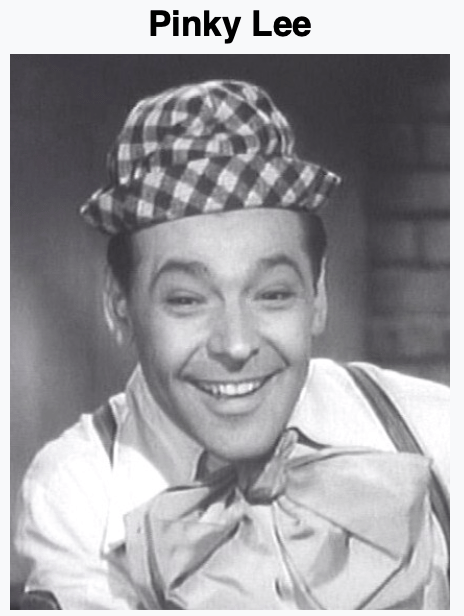
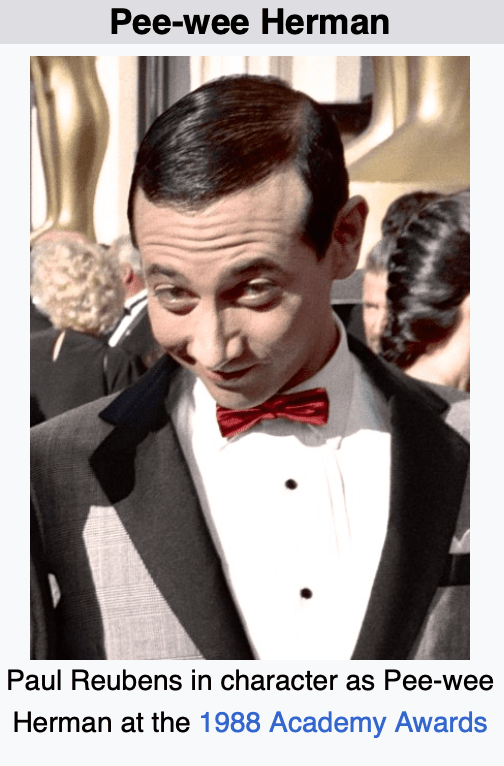
For earlier and later generations, laughter came from entertainers like Pinky Lee or Pee-wee Herman. In the 1950s, Pinky Lee brought his lively antics to television. He appeared first in a primetime variety show. Later, he starred in a children’s program sponsored by Tootsie Roll. His Emmy-nominated show paved the way for future quirky entertainers. Pee-wee Herman was one of them. His distinctive gray Glen plaid suit, red bow tie, and eccentric persona owed much to Lee’s energetic style.
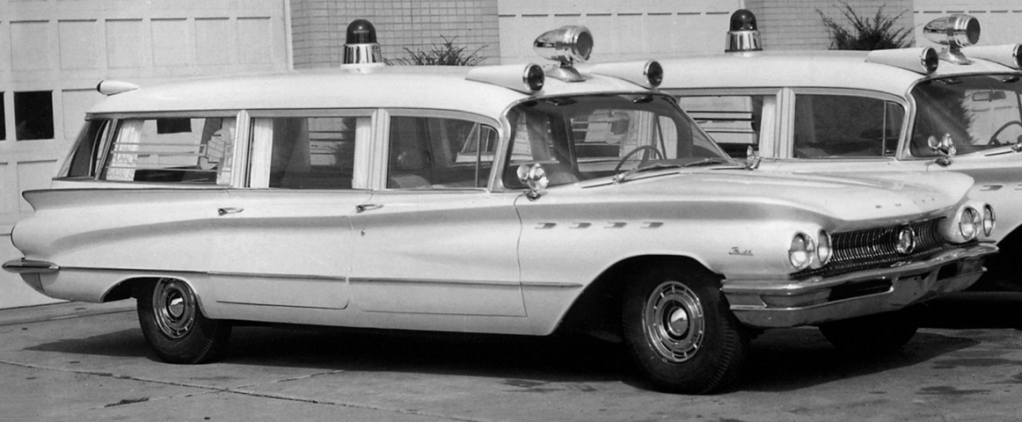
Beyond television, the good times existed in life’s simple pleasures. One was the crackle of a baseball game on the radio during a warm summer evening. Another was the scent of fresh popcorn at a drive-in theater. The excitement of getting that first car was thrilling. Sheer will and a little duct tape held it together.
For some, the best times were spent playing Pac-Man and Donkey Kong in arcade halls. They also glided across the roller rink beneath spinning disco lights. Others made mixtapes from the radio. They hoped the DJ wouldn’t talk over the intro of a favorite song. Others remember cruising on a Saturday night, windows down, music blasting, with no destination—just the pure joy of freedom.
The good times were about more than the entertainment we consumed. They were about the people we shared them with. Families gathered around holiday meals. Friends packed into a car for a spur-of-the-moment road trip. Conversations under a star-filled sky became treasured late-night memories.
Each generation has its version of the good times. These moments shape us and leave lasting impressions. They bring smiles long after they’ve passed. No matter what era you look back on, one thing is sure. The good times do not last forever. But they always roll on in our hearts. They create a sense of continuity and belonging.
What is your favorite best-of-times recollection?




 benandsteve.com