
Peering through the Oval Office Window: A Look Back

Groff Media 2024© Truth Endures IMDbPro
Presented by benandsteve.com By: Benjamin Groff II©
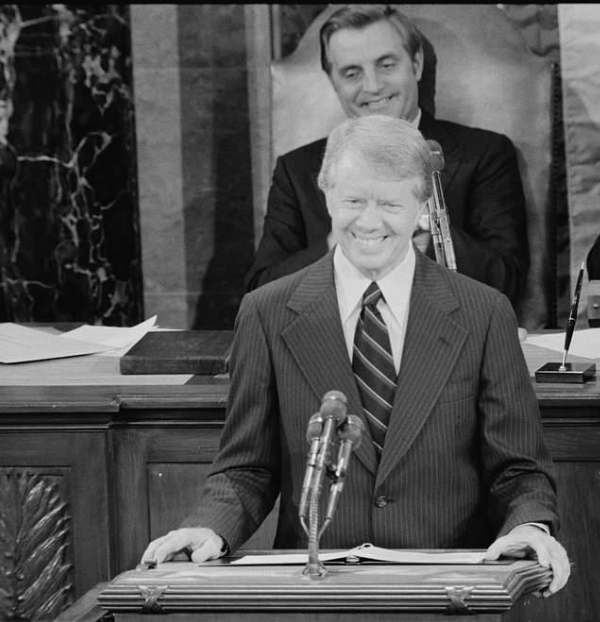
In the summer of 1977, President Jimmy Carter leaned back in his chair in the Oval Office. A pensive smile tugged at the corners of his mouth. Across from him sat Vice President Walter Mondale, poring over a stack of briefing papers with his trademark focus. One man was a farmer from Georgia. The other man was a lawyer from Minnesota. The two couldn’t have been more different in background. Yet, their partnership was rooted in a shared commitment to serving the American people.
“Fritz,”
Carter said, using Mondale’s nickname,
“you ever think we’re trying to do too much at once?”
Mondale looked up, his brow furrowed.
“Every day, Mr. President. But that doesn’t mean we stop trying.”
The two had agreed early on that their administration would focus on transparency and morality in government. It was a lofty goal, especially after the shadow of Watergate. Carter gave Mondale an unprecedented role as vice president. He granted him full access to meetings and decision-making processes. Mondale had a seat at the table in all major discussions.
That day’s agenda included preparations for the Camp David Accords. Carter knew the stakes were high. Peace in the Middle East was a dream worth pursuing, but the path was challenging.
“I’ve been thinking about how we can get Sadat and Menachem (Begin) to see eye to eye,”
Carter mused, tapping his pen on his desk.
“I need you to be my sounding board, as always.”
Mondale nodded, adjusting his glasses.
“They both trust you, Jimmy. That’s the key. You have a way of connecting with people, even when the odds seem impossible.”
Carter chuckled softly.
“Must be the peanut farmer in me.”
Over the months, the two worked tirelessly. Mondale often acted as a mediator in Congress, navigating the political complexities Carter sometimes found frustrating. When the energy crisis hit, Mondale suggested convening regional governors to gather diverse perspectives.
One evening, after a particularly grueling day, they found themselves alone in the Rose Garden. The air was warm and scented with magnolias, and the stars above were unusually bright.
“Fritz,”
Carter said, breaking the silence,
“I couldn’t do this without you. You keep me grounded.”
Mondale smiled, a rare expression of pride crossing his face.
“You’d manage, Jimmy. But I’m glad I’m here to help.”
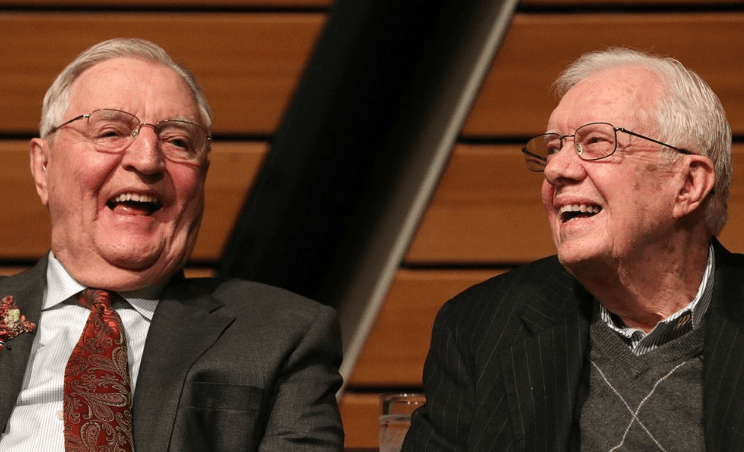
Their friendship, forged in the fire of challenges and the weight of leadership, became a hallmark of their administration. Though history would judge their tenure with mixed opinions, their mutual respect and dedication to principle left a lasting legacy.
As the years passed, Carter and Mondale’s bond endured. At their core, they remained two men dedicated to the idea that leadership meant service, not power. They carried this lesson beyond the White House walls.
A lesson that needs to be passed on increasingly so now!
 benandsteve.com