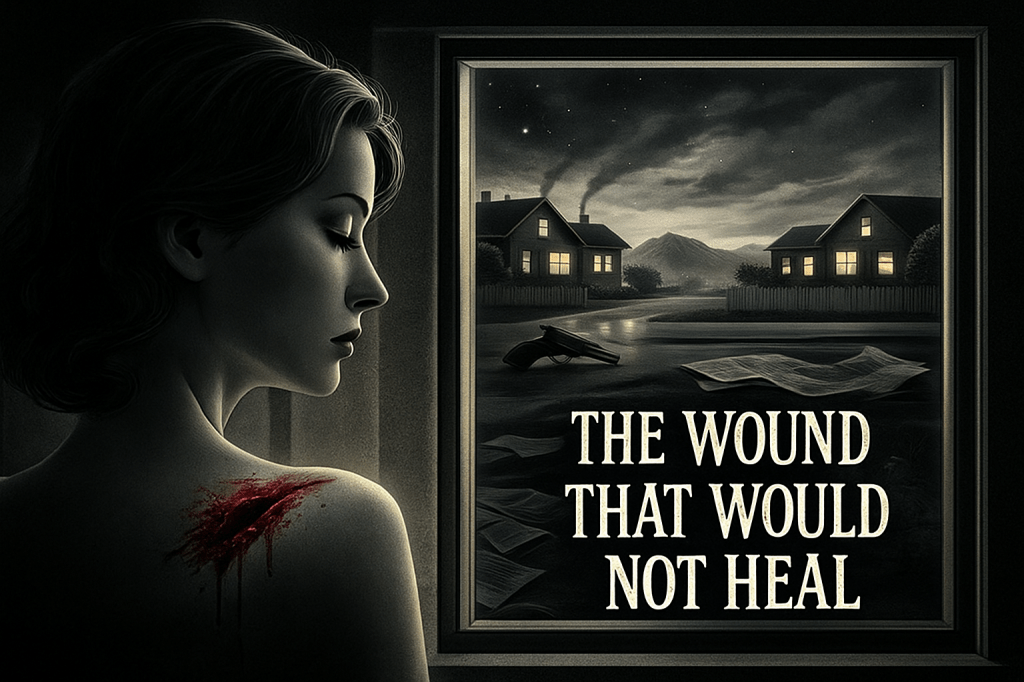
The Wound That Would Not Heal

By Benjamin GroffMedia© | benandsteve.com | ©2025 
3–5 minutes

In a quiet town where truth was inconvenient and denial came easily, a single gunshot fractured reality itself. A woman vanished, a neighbor unraveled, and time began to twist like a crooked dream. Somewhere between rumor and retribution, between silence and scream, lies a story where justice does not knock… it whispers — and waits.

No one remembers precisely when the truth first slipped away. They only knew it had happened quietly. It occurred somewhere between the gunshot and the bandage.

Mara Ellison had lived beside Harold Pike for seven years without incident. They exchanged polite nods, sometimes a forced smile across the narrow strip of gravel separating their properties. So when the bullet tore into her foot one late afternoon — fired inexplicably from Harold’s back porch — she assumed the world would respond with reason.

It did not.

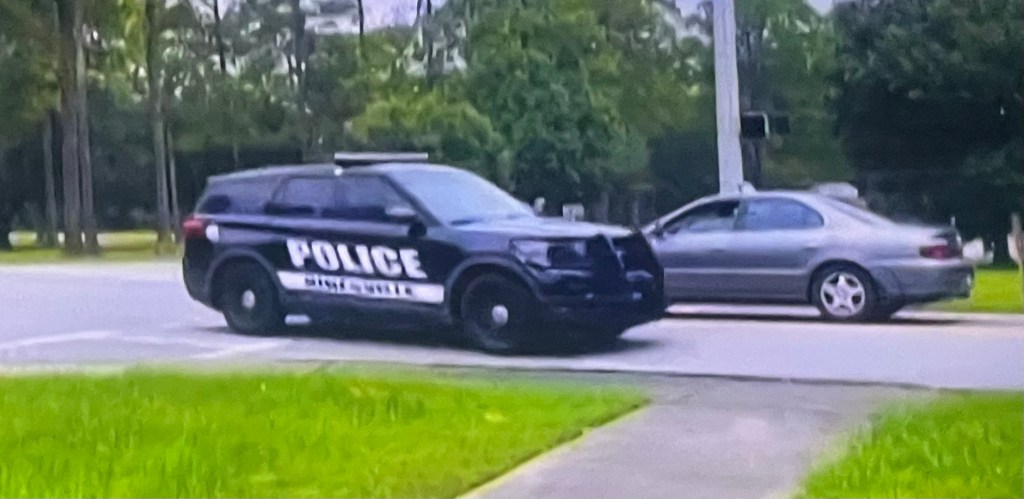
The police arrived within minutes, yet their questions drifted strangely away from the obvious. Why had she been standing there? Had she provoked him? Were there prior disagreements she had neglected to mention? Harold, calm and unsettlingly sincere, claimed the gun had “gone off on its own.” Soon, the incident was reclassified as an unfortunate misunderstanding.

Mara limped through the next weeks on swelling and disbelief. Her foot healed slowly. But the real pain settled elsewhere. It lingered in the way neighbors crossed the street to avoid her. It was noticeable in the whispers that followed her like dust. She was suddenly labeled unstable. Dramatic. A troublemaker.

She filed complaints. She documented every detail.

Each report vanished like breath on cold glass.

Harold began mowing his yard at odd hours, staring straight ahead, humming tunelessly as though nothing had happened. His friends brought casseroles. People clapped him on the back. Someone even hung a banner on his fence that read:

WE STAND WITH HAROLD.

Mara woke one morning to discover a court summons slid beneath her door. Harold claimed she had injured herself deliberately. He said it was to ruin his reputation.

The town agreed.

Reality itself began to warp. The scar on her foot throbbed while local newsletters praised Harold for his patience and “strength of character.” A small feature in the paper framed Mara as a disturbed woman seeking attention. Her own name felt foreign in print, warped by accusation.

Street signs near her home began to shift. Directions pointed nowhere. Familiar shops closed overnight. Conversations dissolved mid-sentence when she approached.

One night, she saw herself on the evening news. She looked laughing, cheerful, and perfectly fine. In reality, she sat alone. She stared at the bandage that never quite came off.

The bullet wound refused to disappear.

Nor did the silence that followed everyone’s denial of it.

On the final day anyone heard from her, Mara stood before the cracked mirror of her hallway. She whispered,

“If the world insists I am wrong, then what am I supposed to become?”

Outside, Harold watered his flowers with careful devotion.

Inside, Mara stepped into a reality no longer willing to recognize her. She vanished into a story written by others. This story never spoke the truth. Yet it was repeated loudly enough to become law.

Some said the house stood empty.

Others swore that if you passed it at dusk, you hear the faint echo of limping footsteps. They claimed to hear a voice pleading, again and again, to simply be believed.

Harold, meanwhile, withdrew mysteriously from society after Mara disappeared. He became a recluse, a shadow of the man the town once defended so fiercely.

Mara, in time, became folklore — “the woman no one believed.” Some claimed she had simply self-immolated. Others said she cried herself into nothing. A few insisted they saw her walking away from her home. She moved slowly toward the setting sun. She never once looked back.

Then, exactly ten years to the day of Mara’s shooting, Harold was found dead.

His body bore the evidence of prolonged torment . — Gunshot wounds in both feet, knees, hips, abdomen, hands, elbows, and upper arms. Each injury, save for the final one, had healed. The coroner confirmed a chilling pattern: Harold had been shot, treated, allowed to recover ––and shot again. Repeatedly, over the span of a decade.

The final bullet entered the right side of his head.

Nearby, written in a trembling hand, were the words:
“I can’t take it anymore.”

Had Harold been punishing himself for the truth he buried?
Had Mara’s spirit delivered a slow and deliberate reckoning?
Or had she never left at all — only waited?

Silence and shadows enveloped the town. It learned a lesson far too late: When truth is denied long enough, it finds other ways to speak.


By Benjamin GroffMedia© | benandsteve.com | ©2025 

The Silence About Straight Shooters

2–3 minutes

Double Standards – Plain Prejudices!

When a massacre occurs, we rush to ask why. We sift through social media posts, interviews, and histories, desperate for something that explains the unexplainable. But what’s telling is not just the reasons we find—it’s the reasons we don’t look for.

The overwhelming majority of mass shooters in the United States are heterosexual men. That’s not speculation; it’s data. Yet how often do you see headlines dissecting a killer’s heterosexuality as the cause of their violence? How often do pundits rush online? They demand to see if the shooter once posted about a girlfriend or wore a wedding ring. They use that as “proof” that straight men are dangerous by design. The answer is simple: never.

And yet, when a shooter identifies as LGBTQ+, or is even rumored to, it suddenly becomes fair game for speculation. Sexuality or gender identity—factors with no proven connection to violence—are treated as the smoking gun. It’s as if identity itself becomes a scapegoat, a convenient villain for people already inclined to mistrust it.

This double standard reveals a lot about our cultural biases. Straight people are allowed complexity. They can be troubled, mentally ill, politically radicalized, or angry at the world. They can also be a hundred other things. But LGBTQ+ people are flattened into caricatures, their entire identities blamed for tragedies they commit. Violence is driven by opportunity, ideology, and access to weapons. It is also driven by often untreated pain—not by who someone loves or how they define themselves.

Maybe the question isn’t why people commit atrocities. Instead, we should ask why we frame some people’s motives through the lens of prejudice. Meanwhile, we let others keep their humanity. Until we answer that honestly, we’ll keep mistaking bigotry for truth—and keep missing the real reasons behind the violence.

Benjamin Groff is a former police officer and radio news anchor. He has hosted programs for CNN and ABC News affiliates in Colorado and Wyoming. His career in law enforcement began in 1980 and lasted more than two decades. This gave him firsthand insight into the criminal mind and public safety. Moreover, it provided him with an understanding of the human stories that often go untold. His writing draws on these experiences, blending street-level truth with a journalist’s eye for the bigger picture.

By Benjamin GroffMedia© | benandsteve.com | 2025 

Warning Signs: What Recent Shootings Reveal About America’s Pressures

4–6 minutes

When Politics Turns Deadly: What Recent Shootings Reveals About America’s Pressures

Political Violence in the U.S.: A Historical Lens Political Pressure Pots That Are Exploding

On September 10, 2025, conservative activist Charlie Kirk was fatally shot while speaking at Utah Valley University. The attack shocked audiences nationwide and revived a painful question: Is political violence becoming more common in the United States? While the details of this case continue to unfold, history offers context. The Kirk shooting is tragic, but it’s not unprecedented—political assassinations and attacks have occurred before. Understanding that history can help us prevent future violence.

Throughout U.S. history, public figures have been targeted for their beliefs, activism, or positions of power. These events—though rare—often show deep social, political, or cultural tensions. Below is a timeline of key moments, followed by how they compare to today.

Year / Victim / Role / Context / Motive

On April 14, 1865, Abraham Lincoln, the U.S. President, was assassinated by John Wilkes Booth, a Confederate sympathizer.

1901 William McKinley, U.S. President, was killed by anarchist Leon Czolgosz.

1935 Huey Long, U.S. Senator / LA Governor, was shot by Carl Weiss amid political turmoil in Louisiana.

1963 Medgar Evers, a Civil Rights Activist, was shot outside his home for his activism in Mississippi.

In 1963, President John F. Kennedy was assassinated while riding in a motorcade in Dallas, Texas. Lee Harvey Oswald was arrested for the crime. He was shot and killed by Jack Ruby before standing trial. The official record names Oswald as the lone gunman. The motive has remained an issue of widespread debate and speculation for decades.

1965 Malcolm X, a Civil Rights Leader, was killed during a public speech in Harlem.

1968 Robert F. Kennedy, the Presidential Candidate, was shot after a campaign rally in Los Angeles.

On April 4, 1968, Dr. Martin Luther King Jr.—American Baptist minister, civil rights leader, and Nobel Peace Prize laureate—was assassinated. He was standing on the balcony of the Lorraine Motel in Memphis, Tennessee when it happened. James Earl Ray, an escaped convict, was arrested for the murder two months later and later pleaded guilty. Ray claimed he was part of a larger conspiracy. He later tried to recant his confession. Nonetheless, the official record names him as the assassin. The motive remains the topic of debate. King led the civil rights movement. He opposed systemic racism. These actions made him a frequent target of threats and hostility.

1969–70s Various bombings & shootings Political & protest-related Weather Underground, far-right and far-left extremist groups.

2011 Gabrielle Giffords (survived), U.S. Representative, was shot at a constituent event in Arizona; six others were killed.

High profile, targeted instances of political violence

Charlie Kirk shooting*

Killed

Orem, Utah

Kirk was shot and killed while speaking at an event on the campus of Utah Valley University. Kirk was a well-known conservative activist who founded Turning Point USA.

Sept. 2025

*Officials have not confirmed that the shooting was politically motivated.

*Officials have not confirmed that the shooting was politically motivated.

Minnesota lawmaker shootings

2 killed, 2 injured

Minneapolis, Minnesota

A gunman targeted several Minnesota election officials. He killed Minnesota House of Representatives member Melissa Hortman and her husband Mark Hortman in their home. State Sen. John Hoffman and his wife Yvette Hoffman were shot and injured in their home.

June 2025

Minnesota lawmaker shootings

Two killed, two injured

Minneapolis, Minnesota

A gunman targeted several Minnesota election officials. He killed Minnesota House of Representatives member Melissa Hortman and her husband Mark Hortman in their home. State Senator John Hoffman and his wife Yvette Hoffman were shot and injured in their home.

June 2025

Minnesota lawmaker shootings

Two killed, two injured

Minneapolis, Minnesota

A gunman targeted several Minnesota election officials. He killed Minnesota House of Representatives member Melissa Hortman and her husband Mark Hortman in their home. State Senator John Hoffman and his wife Yvette Hoffman were shot and injured in their home.

June 2025

Pennsylvania Gov. Josh Shapiro’s home arson

No injuries

Harrisburg, Pennsylvania

The Pennsylvania Governor’s Residence was set on fire while Shapiro and his family slept inside.

April 2025

Pennsylvania Gov. Josh Shapiro’s home arson

No injuries

Harrisburg, Pennsylvania

The Pennsylvania Governor’s Residence was set on fire while Shapiro and his family slept inside.

2025 Charlie Kirk, Conservative Activist, was shot while speaking at Utah Valley University; investigation ongoing.

Timeline of Notable Political Murders And Attacks In The U.S. (1865-2025)
  • Public Rhetoric Matters: In nearly every case, rhetoric and polarization preceded the violence.
  • Violence Rarely Comes From Nowhere: These events are almost always linked to broader grievances, social tensions, or extremist ideologies.
  • Modern Amplifiers: Today’s social media, 24/7 news, and intense partisanship can supercharge grievances faster than in past eras.

The Kirk shooting reflects how quickly divisions can escalate. This happens when marginalized or politically active groups feel threatened. It also occurs when public discourse frames opponents as existential enemies. Left unchecked, the result can spill over from online posts and protests into public spaces and deadly attacks.

History shows that violence rarely ends the debate—it deepens it. The antidote is not silence but inclusion, dialogue, and guardrails on how we treat one another, even when we disagree.

The U.S. is not doomed to repeat its worst moments, but it does need to recognize them. Political violence grows where alienation and fear fester. The Charlie Kirk tragedy, like earlier assassinations, should not only shock but also instruct. By confronting polarization and reinforcing democratic norms, communities can prevent these cycles from repeating.


About the Author:

Benjamin Groff is a former police officer and radio news anchor. He has hosted programs for CNN and ABC News affiliates in Colorado and Wyoming. His career in law enforcement began in 1980 and lasted more than two decades. This gave him firsthand insight into the criminal mind and public safety. Moreover, it provided him with an understanding of the human stories that often go untold. His writing draws on these experiences, blending street-level truth with a journalist’s eye for the bigger picture.

By Benjamin GroffMedia© | benandsteve.com | ©2025 
The Anatomy of a Shooter – Part Five: What We Can Actually Do About It

“Monsters aren’t born overnight. They’re made—in silence, in shadows, in places we refuse to look.”

By Benjamin GroffMedia© | benandsteve.com | 2025 Truth Endures©

3–5 minutes

Part Five: What We Can Actually Do About It

Let’s get one thing straight:
Mass shootings aren’t random.
They’re predictable.
Not in the “we know when and where” way. It is predictable in the “we’ve seen this play before” way. And we’ve seen it enough to know how it ends.

So the question becomes:
What do we do now—actually do?

If all we’ve got are thoughts, prayers, and hashtags, then outrage will burn out in a news cycle. We’re just spectators in someone else’s tragedy.


Enough With the Helplessness

It’s easy to feel like there’s nothing we can do.
But that’s a lie we’ve been sold to stay comfortable.
The truth is, we can’t stop every shooting—but we can reduce them.
We can spot the signs earlier.
We can intervene before someone crosses that line.
And yes, we can have uncomfortable conversations about guns, mental health, and social breakdown without turning it into political theater.

But first, we have to stop pretending we’re powerless.

Photo by MART PRODUCTION on Pexels.com

Real Things That Actually Help

Here’s a short, imperfect list. Not theory—practice.

🔹 1. Speak up—even when it’s awkward.

That kid, coworker, or neighbor who’s spiraling? Say something. Not on Facebook. Not behind their back. To someone who can act. Don’t wait until it’s too late.

🔹 2. Take threats seriously.

If someone is joking about violence, don’t assume they’re kidding. Shooters often telegraph their intentions—sometimes with neon signs.

🔹 3. Support red flag laws that work.

Yes, they’re controversial. But when implemented carefully, they’ve saved lives by allowing courts to temporarily remove firearms from people in crisis.

🔹 4. Don’t give platforms to the shooters.

No names. No manifestos. No fame. Let them fade into anonymity—don’t let them become anti-heroes.

🔹 5. Build better reporting systems.

We need clear, safe ways to report dangerous behavior—at schools, jobs, online—and a system that doesn’t bury it in bureaucracy.

🔹 6. Reinvest in human connection.

Isolation is gasoline for this fire. People with strong relationships, support systems, and a sense of belonging are less to fall into these dark holes. Community isn’t a luxury—it’s a safeguard.


Not Just a Policy Problem—A Culture Problem

Legislation matters. But culture matters, too.

We live in a society that celebrates violence, glorifies vengeance, and teaches boys that emotions are weakness.
We scroll past pain and reward provocation.
We share stories of destruction more than recovery.
We confuse attention with validation.

We can change laws. But until we change us, the cycle will continue.


Final Thought: The Story Isn’t Over—Unless We Let It Be

Photo by Mikhail Nilov
on Pexels.com

This five-part series wasn’t meant to explain every angle of mass shootings.
It was meant to start a conversation. To take you out of the numbness and into the uncomfortable places where change begins.

We don’t need heroes.
We need people who are willing to pay attention, speak up, and give a damn.

Because we’re not just analyzing shooters here.

We’re deciding what kind of society we want to live in.

Closing Note to My Readers

Thank you for walking with me through this five-part series.
I know it hasn’t been easy to read—hell, it wasn’t easy to write. But maybe that’s the point.

This isn’t just about shooters.
It’s about all of us.
What we tolerate. What we ignore. What we pretend not to see until it’s too late.

My hope is that these words spark more than discomfort.
Maybe they spark reflection. Maybe action. Maybe one conversation that changes something.

We want a world where mass shootings stop becoming headlines. To achieve this, we can’t just sit back and consume the story.

We have to be part of rewriting it.

—Benjamin Groff

About the Author:

Benjamin Groff is a former police officer and radio news anchor. He has hosted programs for CNN and ABC News affiliates in Colorado and Wyoming. His career in law enforcement began in 1980 and lasted more than two decades. This gave him firsthand insight into the criminal mind and public safety. Moreover, it provided him with an understanding of the human stories that often go untold. His writing draws on these experiences, blending street-level truth with a journalist’s eye for the bigger picture.

The Anatomy of a Shooter – Part Four: Red Flags and Shrugged Shoulders

By Benjamin GroffMedia© | benandsteve.com | 2025 Truth Endures©

2–4 minutes

Part Four: Red Flags and Shrugged Shoulders

After every mass shooting, the same story unfolds.
News reports reveal the shooter made threats.
He posted disturbing content.
He stockpiled weapons.
He scared people.

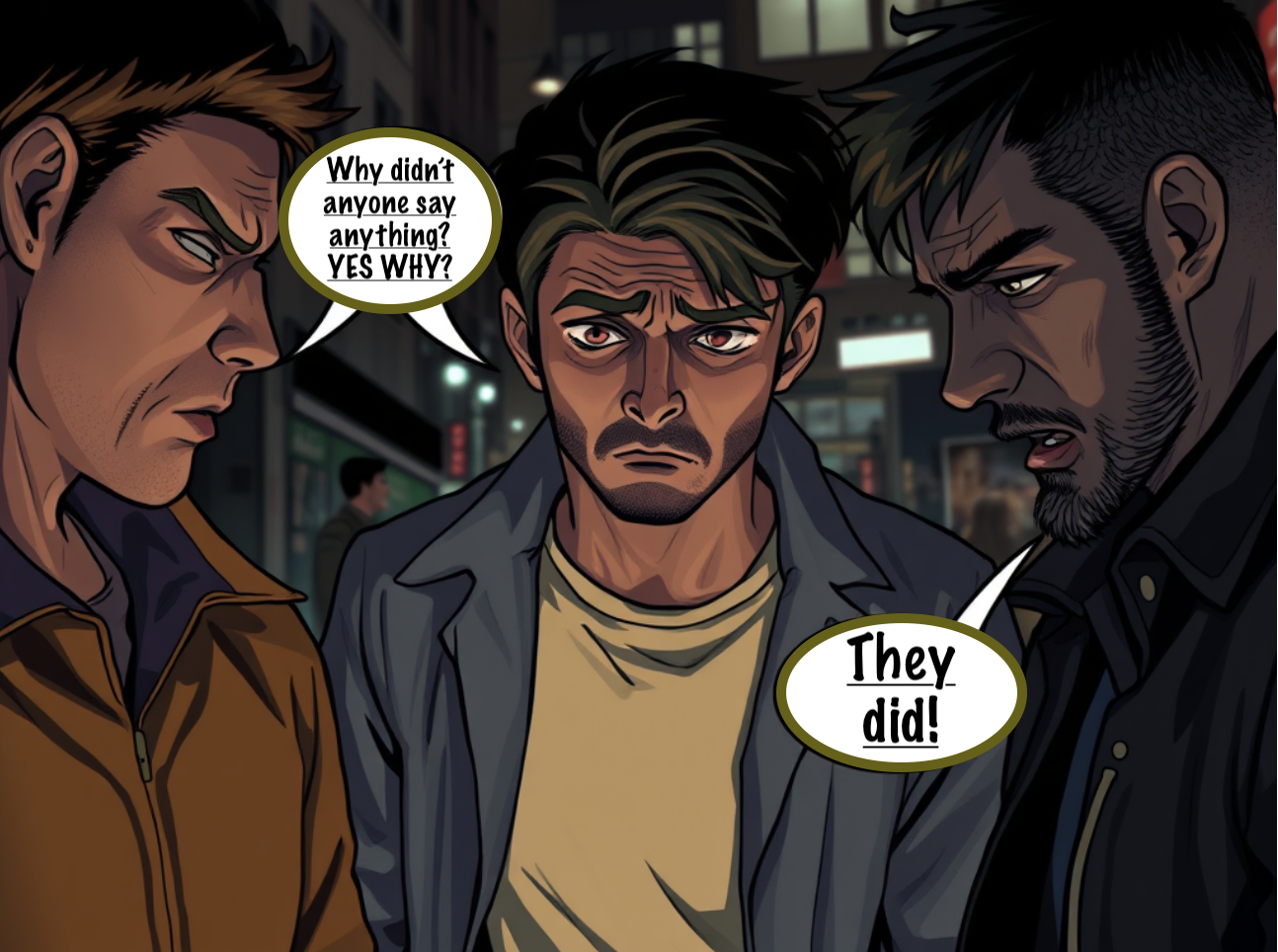
And then the world asks, 

“Why didn’t anyone say something?”

Except someone usually did.

They said it quietly to a friend.
They reported it to HR.
They sent up a flare—but it fizzled in a system built to tolerate discomfort until it explodes.


“It Just Felt Off”

Human instinct is powerful.
We know when something doesn’t feel right—when someone is spiraling, simmering, or clinging to rage a little too tightly.
But we’ve been trained to doubt our gut.

Why?
Because:

  • We don’t want to overreact.
  • We don’t want to get someone in trouble.
  • We don’t want to look paranoid or mean or judgmental.

So we say things like:

  • “He’s just blowing off steam.”
  • “He’s always been like that.”
  • “It’s probably nothing.”

Until it’s not.


The Signs Were There. The Action Wasn’t.

Let’s break it down. Red flags can look like:

  • Obsessive talk about violence or past shooters
  • Extreme ideological rants
  • Sudden personality changes or withdrawal
  • Threats—direct or veiled
  • Obsession with weapons or martyrdom
  • Social media posts that scream “notice me”

But here’s the kicker:
Even when these signs are clear, most people don’t act.
And when they do? They’re often ignored, dismissed, or redirected through layers of bureaucracy.

“It’s not our jurisdiction.”
“We can’t do anything unless he acts.”
“He hasn’t broken any laws.”

We treat early warning signs like legal puzzles, not human lives.


Fear of the Awkward Conversation

Red flags aren’t just missed.
They’re avoided—because confronting someone is uncomfortable.

There are times when you have to take the bull by the horns.
  • What if I’m wrong?
  • What if they get mad?
  • What if it ruins my relationship with them?
  • What if it’s not serious?

So instead of leaning in, we back away.

And we let someone else deal with it.
Except, too often, there isn’t someone else.


The Burden of Hindsight

Afterward, the red flags look obvious.
Crystal clear.
Undeniable.

But by then it’s too late.
And we’re left with vigils, flowers, and questions we didn’t ask soon enough.


A Shift in Mindset

We need to stop treating red flags like rumors.
They’re signals. Warnings.
Opportunities to intervene.

That doesn’t mean we accuse people on a hunch.
It means we build systems and cultures that listen.
That act before a weapon is drawn, not after.

Because by the time the police tape goes up, the story’s already been written.


Coming Up in the Series:

Part Five: What We Can Actually Do About It
We’ve identified the patterns. We’ve seen the signs. Now it’s time to talk about real solutions—what works, what doesn’t, and why “thoughts and prayers” aren’t enough.

About the Author:

Benjamin Groff is a former police officer and radio news anchor. He has hosted programs for CNN and ABC News affiliates in Colorado and Wyoming. His career in law enforcement began in 1980 and lasted more than two decades. This gave him firsthand insight into the criminal mind and public safety. Moreover, it provided him with an understanding of the human stories that often go untold. His writing draws on these experiences, blending street-level truth with a journalist’s eye for the bigger picture.

The Anatomy of a Shooter – Part Three: The Myth of the Lone Wolf

“Monsters aren’t born overnight. They’re made—in silence, in shadows, in places we refuse to look.”

By Benjamin GroffMedia© | benandsteve.com | 2025 Truth Endures©

2–4 minutes

Part Three: The Myth of the Lone Wolf

Every time the news breaks, we hear it:
“He acted alone.”
And just like that, the story is framed.
One man. One moment. One monster. Case closed.

But here’s the problem:
It’s not true.
Or at least, it’s not the whole truth.


The Comfortable Lie

Calling someone a “lone wolf” is tidy. It makes the rest of us feel better.
It tells the public:

  • This was a fluke.
  • It couldn’t have been predicted.
  • There’s nothing we could’ve done.

And maybe, if we say it enough, we’ll believe it.

But in reality? Shooters rarely emerge from a vacuum.
They come from families. Communities. Schools. Workplaces. Chatrooms.
They leave trails of clues—behavioral, verbal, digital, emotional.

And more often than not, somebody saw something.


He Was Always Quiet… Until He Wasn’t

We’ve all heard it:

  • “He kept to himself.”
  • “He was a little odd, but polite.”
  • “He never really fit in.”

The thing is, these aren’t descriptions of a mystery. They’re descriptions of a pattern.

Withdrawn doesn’t mean harmless.
Quiet doesn’t mean invisible.

But we’ve trained ourselves to look away.
To shrug off disturbing comments.
To ignore that one guy at work who’s always simmering just below the surface.
Because to speak up feels awkward. And what if we’re wrong?

Well—what if we’re right?


Behind the Shooter Is a System That Failed

Lone wolf? No.
It’s more like a failure of the pack.

The system failed.

  • The family that didn’t ask questions.
  • The school that let him fall through the cracks.
  • The workplace that ignored his meltdown.
  • The internet forums that radicalized him.
  • The society that let him buy a weapon without blinking.

A shooter might pull the trigger alone, yes.
But the road there was crowded.


When “Alone” Is a Strategy

Photo by Danik Prihodko on Pexels.com

Let’s not forget—some shooters want to be seen as lone wolves.
It fits the fantasy: the avenger, the martyr, the misunderstood genius.
They want us to think no one could’ve stopped them.

Because if we believe that, then we stop looking for answers.
And they get to become a headline instead of a warning.


So What Should We Say Instead?

We should say:
“He was one part of a larger failure.”
“This wasn’t random—it was ignored.”
“This wasn’t a mystery—it was a message we didn’t read in time.”


Coming Up in the Series:

Part Four: Red Flags and Shrugged Shoulders
He gave off signs. He said things. He posted warnings. But no one did anything. Why? Because we’re experts at convincing ourselves it’s not our problem—until it is. That is next!


About the Author:

Benjamin Groff is a former police officer and radio news anchor. He has hosted programs for CNN and ABC News affiliates in Colorado and Wyoming. He writes for organizations from his home in Arizona. His career in law enforcement began in 1980 and lasted more than two decades. This gave him firsthand insight into the criminal mind and public safety. Moreover, it provided him with an understanding of the human stories that often go untold. His writing draws on these experiences, blending street-level truth with a journalist’s eye for the bigger picture.

The Anatomy of a Shooter – Part Two: The Internet Never Forgets (or Forgives)

By Benjamin GroffMedia© | benandsteve.com | 2025 Truth Endures©

2–4 minutes

Part Two: The Internet Never Forgets (or Forgives)

The shooter didn’t get here alone.
Not really.

Sure, maybe they sat alone in a bedroom. A basement. A breakroom.
But they weren’t isolated from influence—just the opposite.
They were plugged into a digital bloodstream that fed them exactly what they wanted, and everything they didn’t need.

Welcome to the echo chamber. Population: too many.


Where the Internet Becomes an Incubator

A lonely, angry person finds a tribe. This occurs somewhere between YouTube rabbit holes, toxic forums, and Reddit threads that should’ve been shut down years ago.

Not a real one. Not the kind that helps you move or calls when you’re sick.
But one that says, 

“You’re right to be angry.”
“They are the problem.”
“You don’t need help—you need revenge.”

That validation is addictive.

And the internet is the perfect dealer:

  • Algorithms push increasingly extreme content.
  • “Communities” form around hate, resentment, and fear.
  • Every post, every comment, every manifesto builds a narrative: You are justified.

From Scrolling to Staging

It starts with watching. Then posting. Then commenting.
Then, maybe, fantasizing.
And eventually, planning.

A shooter doesn’t always invent the blueprint.
They download it—literally. From forums that dissect earlier mass shootings like game film. From chat groups where people joke about body counts and praise past killers like fallen heroes.

Some shooters even leave behind digital footprints—manifestos, livestreams, final posts—as if they’re signing off from a sick performance art.

And let’s not pretend it’s rare.
We’ve seen it again and again.
And again.


The Illusion of Community, the Reality of Collapse

Here’s the twisted irony:
Most of these online “connections” are built on mutual isolation.
It’s a virtual group hug from people who hate everything.

They don’t help each other grow—they help each other decay.

Not everyone in these spaces will act violently. Nevertheless, they create an environment where the leap from “I hate them” to “I’ll show them” feels smaller.
More rational.
More inevitable.


We Let the Fire Burn and Call It Free Speech

Let’s be honest:

We’ve been slow—very slow—to acknowledge how much harm can be done behind a keyboard.
We slap “content warning” stickers on hate, shrug off threats as trolling, and hide behind terms like “edgy humor.”

Meanwhile, more lives are lost.

Photo by Bulat Khamitov on Pexels.com

This isn’t about censoring opinions. It’s about recognizing when opinions become weapons.

A shooter adopts a belief before they pick up a gun. They believe that their anger matters more than your life.

And someone, somewhere, probably upvoted that.


Up Next in the Series:

Part Three: The Myth of the Lone Wolf
They always say, “He acted alone.” But did he? Or was he just the only one who pulled the trigger?

About the Author:
Benjamin Groff is a former police officer and radio news anchor. He has hosted programs for CNN and ABC News affiliates in Colorado and Wyoming. His career in law enforcement began in 1980 and lasted more than two decades. This gave him firsthand insight into the criminal mind and public safety. Moreover, it provided him with an understanding of the human stories that often go untold. His writing draws on these experiences, blending street-level truth with a journalist’s eye for the bigger picture.

The Anatomy of a Shooter – Part One: In the Beginning, There Was Silence

“Monsters aren’t born overnight. They’re made—in silence, in shadows, in places we refuse to look.”

By Benjamin GroffMedia© | benandsteve.com | 2025 Truth Endures©

3–4 minutes

Part One: In the Beginning, There Was Silence

Let’s start with a hard truth:
Shooters don’t come out of nowhere. They come out of silence.

Silence from the people around them.
Silence in rooms where pain festered.
And eventually, silence before the gunfire broke it all.

In this series, I’m not asking for sympathy for those who’ve caused unspeakable pain. But I am asking this:

How does a person get to the point where picking up a gun feels like a solution?

If we keep pretending it’s as simple as “they snapped,” we’re not solving a damn thing. If we keep saying “they were crazy,” we’re not solving a damn thing.


The Seed of Isolation

No one wakes up one day and says, “You know what? Today’s the day I destroy lives.”
It begins slowly. Quietly. Almost invisibly.

Maybe they were left out.
Maybe they were bullied.
Maybe they were weird, withdrawn, angry, or awkward.
Maybe they simply felt invisible.

That kind of loneliness doesn’t whisper—it screams. But not everyone knows how to listen to the silence. Some don’t even try.

And so, that person—young or old—starts pulling away from others. Or worse, starts resenting them.


Grievance: The Gateway Drug

Here’s where things shift.

What started as pain turns into blame.
Not just “I’m hurting,” but “They did this to me.”

And they might be:

  • The cool kids at school
  • The coworkers who laughed
  • The family who ignored
  • The ex who left
  • The entire world

Suddenly, it’s not just a personal wound—it’s a mission. A vendetta. A delusion of justice.

And online, there are entire dark corners ready to cheer them on.


When the Weapon Becomes a Microphone

The shooter mindset often merges with a desire to be seen—finally, undeniably.
And that’s what makes these tragedies feel like performances.
Not just an act of violence, but a message broadcast with blood:

“Look at me now.”

That’s not an excuse.
That’s an alarm bell.


What We Rarely Say Out Loud

Yes, mental illness plays a role in some cases. But not always.
Plenty of people struggle with mental health and don’t turn into killers.

What we’re talking about is a toxic cocktail:

  • Isolation
  • Grievance
  • Identity crisis
  • Obsession
  • Ego
  • Easy access to destruction

It’s not one red flag.
It’s a collection of ignored ones.


So, Why Write This?

Because the only thing more dangerous than a shooter is a society that refuses to understand one.

And understanding doesn’t mean excusing.

It means preventing.


Coming Up in the Series:

  • Part Two: The Online Echo Chamber
    How algorithms and angry forums radicalize the already isolated.
  • Part Three: The Myth of the Lone Wolf
    Why shooters aren’t anomalies—they’re symptoms of something bigger.
  • Part Four: Red Flags and Shrugged Shoulders
    What we miss—and why we keep missing it.
  • Part Five: What We Can Actually Do About It
    Solutions that go beyond slogans and shallow politics.

About the Author:
Benjamin Groff is a former police officer. He is also a radio news anchor. He has hosted programs for CNN and ABC News affiliates in Oklahoma, Colorado and Wyoming. His career in law enforcement began in 1980 and spanned more than two decades. This gave him firsthand insight into the criminal mind and public safety. He also learned about the human stories that often go untold. His writing draws on these experiences, blending street-level truth with a journalist’s eye for the bigger picture.

Midnight Mission: A Cop’s Fight Against Child Abuse

Benjamin GroffMedia© | benandsteve.com | 2025 Truth Endures©

4–6 minutes

New Year’s Eve 1986: Officer Tim Roff’s Midnight Mission

A True Story

New Year’s Eve 1986: Officer Tim Roff’s Midnight Mission

Officer Roff New Year's Eve Call

It was New Year’s Eve, 1986. Officer Tim Roff had just received a dispatch call. It sent him to the farthest point in the southern district of his patrol area. The report was grim, suspecting abuse of a newborn child.

In Oklahoma during the 1980s, police officers had significant authority in child abuse cases. If they believed a child was in danger, they would promptly remove the child from a home. They did this without a court order. No approval from higher authorities was needed.

As Officer Roff pulled up to 22735 SE 30th, Lot #14, he found himself in a trailer park. The location led him to a white single-wide mobile home with yellow trim. The porch light was on, illuminating a screaming woman on the front steps.

As he exited his patrol car, a backup unit from the traffic division arrived. Officer Wynn Peters stepped out and surveyed the scene.

Roff turned to him and said, 

“Take care of the screaming lady. I need to check on the child.”

“Got it,” 

Peters responded, moving toward the woman, who was now slurring her words. It didn’t take long to find she was intoxicated.

Inside the trailer, Roff found the baby. The infant, barely a few months old, lay bundled in a thin sheet—no diaper, no proper clothing. His tiny body bore the unmistakable signs of abuse: cigarette burns and raised welts from a cord.

Roff’s calm professionalism evaporated in an instant, replaced by controlled fury. Gently, he lifted the baby, cradling him close. The child whimpered, and Roff whispered, 

“You’re safe now.”

As he carried the infant outside, the mother, now identified, spat out her excuse. 

“I couldn’t get the little bastard to hush. It got to me! His father won’t come around because of it. I had to do something to shut it up!”

Roff’s jaw tightened. He turned to her.

 “Well, you got your wish. The baby is quiet. And you? You’re going to jail.”

Before the woman reacted, Officer Peters had her in cuffs and secured in the back of his patrol car.

Roff gently placed the baby in his cruiser’s car seat and radioed dispatch. He needed someone to hold the baby since he didn’t have a child seat in his unit.

“I need Child Services at my location ASAP. I have an infant who needs immediate placement before transport to the county shelter.”

After locking the trailer and securing the scene, Roff returned to the patrol cars. He informed the suspect that detectives would issue a search warrant before she was even out of jail. The charges? Felony child abuse. Her chance of bonding out before seeing a judge? Slim.

As Roff spoke, a man approached from the shadows. 

“I was sent by Child Protective Services to hold the baby.” 

He said.

Roff sized him up quickly, then gestured toward his patrol car. 

“Get in the front seat.” 

As the CPS worker did, Roff handed him the baby, who was still wrapped in the sheet. 

“Hold him close and buckle up.”

Now, it was time to move.

Roff flipped on his headlights and pulled out onto the darkened road. The county seat was twenty-five miles away, and the streets were dangerous on New Year’s Eve. Drunks, criminals, and gang activity all made for unpredictable hazards.

When it happened, they had nearly reached their destination—just five miles from the shelter.

Gunfire.

Bullets cracked through the night air. The unmistakable pop-pop-pop of semi-automatic fire echoed as Roff’s black-and-white patrol unit came under attack.

“DOWN! GET DOWN!” 

He barked, shoving the CPS worker onto the floorboard.

More shots rang out, shattering the tension of the night. Roff slammed his emergency lights on, flipped the siren, and grabbed his radio.

“Unit 852 to Headquarters—I’m under fire near NE 23rd and Blackwell! I have a baby and a Child Services worker in the vehicle. I can’t stop! Send units!”

Every muscle in his body tensed as he navigated the streets. He weaved through traffic and pushed the car to its limits. The next five miles felt like an eternity, but Roff never let up. The patrol car screamed through the city at full speed, sirens blaring.

Then, finally, the shelter’s lights appeared ahead.

As Roff pulled in, he exhaled sharply and keyed his radio. 

“We’re safe. We made it.”

Moments later, Headquarters responded. 

“Copy that, 852. Three suspects are in custody. They were shooting at vehicles in your last known area.”

Roff stepped out, his pulse still hammering. He unwrapped the baby, handing it over to the shelter staff.

The CPS worker stood frozen.

Roff raised an eyebrow. 

“You need a ride back to your car?”

The man swallowed hard. 

“If it’s all the same to you, Officer, I think I’ll catch a ride from someone here. Or maybe –– get a taxi.”

Roff nodded, the ghost of a smirk touching his lips. 

“Good call.”

And with that, he turned and walked back to his cruiser. Another night. Another battle. But at least, on this night, one child would see a safer tomorrow.

This is a true story! Names and locations have been changed to protect the privacy of those concerned.

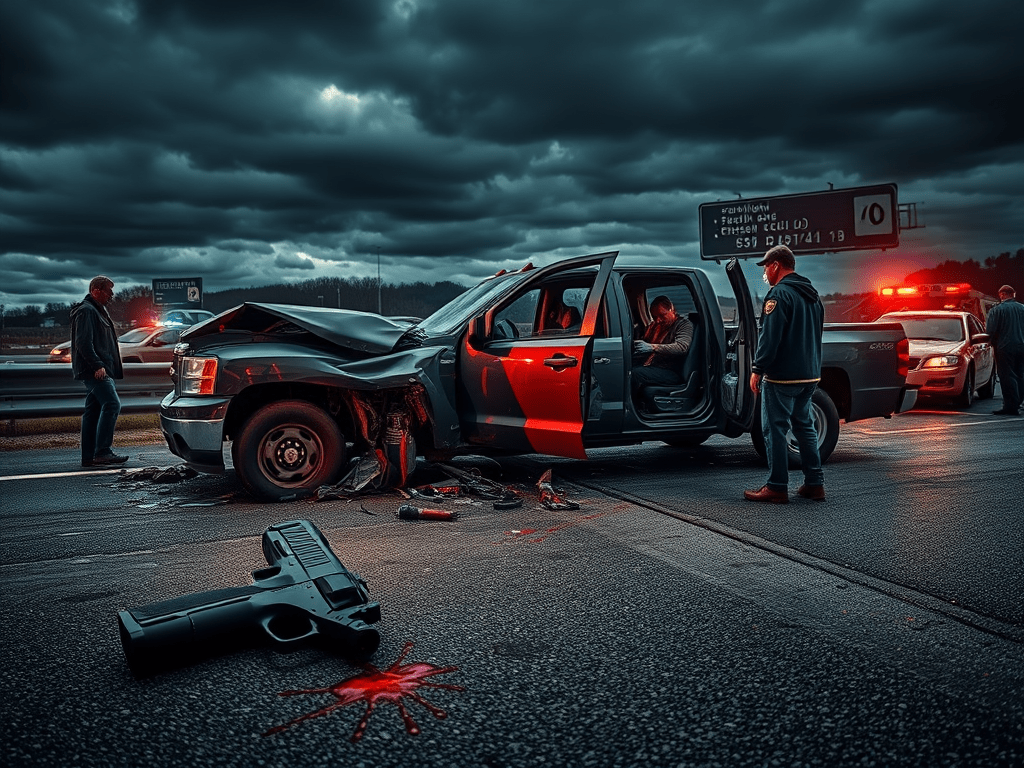
Highway Reckoning – When There Is Real Blood On The Highway ––– “He said we were both going to die!”

Groff Media 2024© Truth Endures IMDbPro

Presented by benandsteve.com By: Benjamin Groff II©

3–5 minutes

Officer Ben Groff had been juggling back-to-back court appearances at the Beckham County courthouse all morning. The docket was full of traffic violations and a few petty crimes, each case chewing away precious hours he would rather spend patrolling Elk City streets. 

The courtroom’s musty air and the monotony of testimonies felt like a prison until his radio crackled to life with a voice that cut through the monotony like a razor.

“Priority call for Elk City PD. Possible domestic disturbance turned vehicle crash at Interstate 40 and State Highway 6. Ambulances en route. Officers needed to secure the scene. Witnesses report shots fired. Groff and Wheeler, you’re closest.”

Groff glanced at his fellow officer, Lieutenant Wheeler, seated across the room as a witness for a separate case. Wheeler’s eyes mirrored the same urgency. Without needing words, both men left the courthouse, striding quickly to their cruisers.

Moments later, Groff sped East on Interstate 40 toward the reported scene, the shrill wail of his siren slicing through the rural quiet. The chaos became evident as he neared the overpass where Interstate 40 crossed Old Highway 66.

A mangled pickup truck rested askew across the interstate median, its engine smoking and horn blaring. A crushed sedan lay twenty yards away, its front end obliterated. Skid marks and shattered glass littered the asphalt like jagged scars. Traffic had stopped, and several drivers had exited their vehicles to rubberneck or assist.

Groff slowed only enough to navigate the melee before parking behind Wheeler’s cruiser. As Groff exited his vehicle, he took in the scene—a woman, visibly distraught, sat against the guardrail, holding a bloodied handgun. Paramedics surrounded her, carefully taking the weapon from her trembling hands.

“Groff, over here!” 

Wheeler shouted, pointing toward the pickup.

Inside, a man slumped lifelessly in the driver’s seat, a gunshot wound to his head. His hands still gripped the steering wheel, frozen in what seemed to be the final moment of his fatal decision. He had experienced the syndrome known in police work as having a Cadaveric Spasm or Instantaneous Rigor. 

“She shot him, Ben,” 

Wheeler said grimly. 

“Witnesses say he tried to crash the truck into the underpass while she fought him off.”

Groff nodded, taking in Wheeler’s words while scanning for immediate threats. 

“What caused the head-on with the sedan?”

“When she shot him, the truck swerved across the median into oncoming traffic,”

Wheeler explained. 

“A family of three was in that car. Paramedics say they’re alive, but it’s bad.”

“He said we were both going to die!”

Groff approached the woman at the guardrail, her tear-streaked face contorted in anguish. 

“Ma’am, I’m Officer Groff. I need you to tell me what happened.”

Through sobs, she explained the escalating argument at a gas station on Old Highway 66. Her husband, enraged over perceived slights, had driven recklessly onto the interstate, swerving wildly. When she tried to grab the wheel to prevent him from crashing into the underpass, he attacked her. In desperation, she retrieved the handgun from the glovebox and fired.

“He said we were both going to die!”

She whispered, her voice quaking. 

“I didn’t want to hurt him, but I couldn’t let him kill us.”

Groff nodded solemnly, trying to balance empathy with the need for clarity. 

“You did what you thought was necessary to survive. Right now, our focus is ensuring you’re safe and getting everyone the help they need.”

As he spoke, highway patrol officers arrived to assist with traffic control. Paramedics transported the injured family to the hospital, and the medical examiner began their grim work on the deceased husband.

Groff and Wheeler pieced together the scene as investigators. The domestic dispute was the tragic catalyst but also underscored the unpredictable volatility of police and emergency calls.

Hours later, Groff sat on the hood of his cruiser, staring at the fading sunlight over Interstate 40. Wheeler joined him, his expression weary. 

“Another senseless tragedy,” 

Wheeler said.

“Yeah,”

Groff replied, the day’s weight pressing down. 

“But at least she survived.”

The call would haunt them both for a long time, a stark reminder of the thin line officers walk between preserving life and untangling the wreckage of human conflict. For Groff, it was just another chapter in a small-town officer’s unpredictable, often harrowing life.