Horace Speed (1951–2025): Former Major League Outfielder Remembered for His Speed and Perseverance
Horace Speed
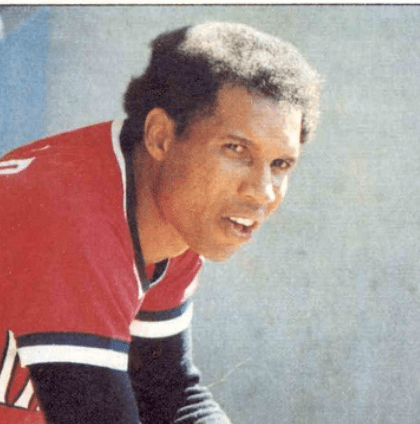
Horace Solomon Speed was a former Major League Baseball player. He was known for his blazing speed and quiet determination. He passed away on May 26, 2025, at the age of 73.
Born on January 22, 1951, in Pasadena, California, Speed was a standout athlete from an early age. The San Francisco Giants drafted him out of Pasadena High School. This was during the Major League Baseball’s round of the 1969 June Amateur Draft. Speed spent most of his professional career in the minor leagues. Nonetheless, his dedication to the game paid off. He finally broke into the majors with the Cleveland Indians.
Speed made his MLB debut on September 14, 1975, and played parts of three seasons with the Indians. Throughout 62 games, he was often utilized as a pinch runner and reserve outfielder, capitalizing on his hallmark speed. While his offensive stats — a .140 batting average, seven stolen bases, and eight runs scored — show limited playing time, his presence was valuable. He made significant contributions in late-game situations, particularly on the bases.
Speed’s journey through professional baseball was a testament to resilience. He spent nearly a decade in the minors. Before reaching the major leagues, he served as a model of perseverance for countless aspiring athletes. His career was modest in statistical output. Nevertheless, it remains a testament to hard work and patience. It inspires all who hear his story.
After retiring from baseball, Speed largely stayed out of the public eye, living a private life away from the spotlight. His modesty stands out. He has made significant contributions to the sport. This modesty is a reminder of the humility that can be found in even the most accomplished individuals.
Horace Speed’s passing marks the loss of a quiet but determined competitor. His journey inspired those who watched him run, hustle, and chase his dreams. He is remembered for his achievements on the field. More importantly, he is remembered for the character he displayed in getting there.
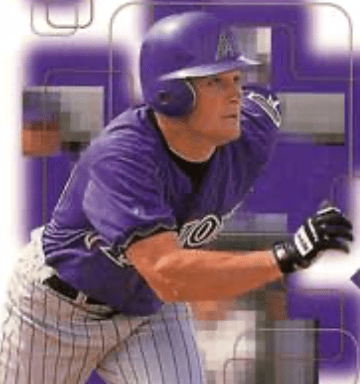
Stanley Jason Conti was a former Major League Baseball outfielder. He was known for his defensive prowess. He contributed to several MLB teams. Conti passed away on May 17, 2025, his cause of death has not been disclosed.
Conti was born on January 27, 1975, in Pittsburgh, Pennsylvania. The Arizona Diamondbacks drafted him in the 32nd round of the 1996 amateur draft. He came from the University of Pittsburgh. He made his highly anticipated MLB debut with the Diamondbacks on June 29, 2000, filled with excitement and promise. He played for the Tampa Bay Devil Rays, Milwaukee Brewers, and Texas Rangers over a five-year major league career. Known for his strong throwing arm, Conti made memorable defensive plays. He threw out Atlanta’s Brian Jordan at third base on consecutive nights. He also gunned down Chicago’s Frank Thomas at home plate in back-to-back games. He appeared in 182 MLB games, recording a .238 batting average with six home runs and 47 RBIs.
After his time in the majors, Conti continued his baseball career in the minor leagues, even taking his talent overseas. He played in Italy for the Bologna Italieri of the Series 1-A Championship League during the 2007 season. His performance on the field showcased his skills on a global stage.
Conti’s passion for baseball and his memorable moments on the field left a lasting impression on fans and teammates alike. He is remembered for his athletic achievements and unwavering dedication to the sport, a commitment that inspired many.
He is survived by his family, friends, and countless fans who appreciated his contributions to baseball.
A memorial service will honor Jason Conti’s life and career.
Spring is here, and that means baseball season is in full swing—just like Sophie’s Baseball Blog! Keeping up with the Phillies and Nationals has never been easier. For a quick way to stay updated, visit benandsteve.com. Click on the NEWS4YOU tab. Then, slide down to Sophie’s page—your one-stop shop for all the latest game insights and highlights. It’s a home run every time! ⚾🔥
“Where you do not have to pay to read a person’s obituary.“
2–3 minutes
Donald Earl “Slick” Watts (July 22, 1951 – March 15, 2025)
Donald Earl “Slick” Watts was a beloved figure in basketball. He was also a cherished member of the Seattle community. He passed away on March 15, 2025, at 73. Slick was born on July 22, 1951, in Rolling Fork, Mississippi. His journey from humble beginnings to NBA stardom is a testament to his dedication. It also highlights his charisma and enduring spirit.
Slick’s basketball career began at Grand View Junior College, after which he transferred to Xavier University of Louisiana in 1970. There, he played under coach Bob Hopkins and alongside future ABA and NBA star Bruce Seals. He was a leader on the court. His leadership guided the Xavier Gold Rush to consecutive NAIA District 30 Championships in 1972 and 1973.
Undrafted in 1973, Slick’s relentless determination earned him a spot with the Seattle SuperSonics. Known for his signature bald head and headband, he quickly became a fan favorite. In the 1975–76 season, Slick led the NBA in assists and steals, the first player to achieve this remarkable feat. His tenure in the NBA also included stints with the New Orleans Jazz and the Houston Rockets.
Beyond his professional career, Slick’s contributions to the Seattle community were profound. He dedicated many years to education. Slick Watts shared his skills and gifts as a physical education teacher at several elementary schools. Slick also served as a basketball coach at Franklin High School. His commitment to nurturing young talent and promoting physical fitness left an indelible mark on countless students.
In 2001, Slick faced a serious health challenge with sarcoidosis but demonstrated resilience and strength in his recovery. In April 2021, he suffered a significant stroke. He faced rehabilitation with the same determination that characterized his life on and off the court.
Slick Watts is survived by his son, Donald Watts. Donald followed in his father’s footsteps. He played basketball at the University of Washington and later contributed to the sport as a coach and mentor. Slick’s legacy is etched in basketball history. It also lives in the hearts of those he inspired through community engagement and unwavering spirit.
A public memorial service will be held in Seattle to honor Slick’s life and legacy. Details will be announced in the coming days. Instead of flowers, the family asks for donations to The Watts Foundation. This supports youth basketball programs and continues Slick’s lifelong commitment to empowering the next generation.
Slick Watts will be remembered for his exceptional basketball court skills. He profoundly affected the community and was dedicated to education. His resilience in the face of adversity inspired him.
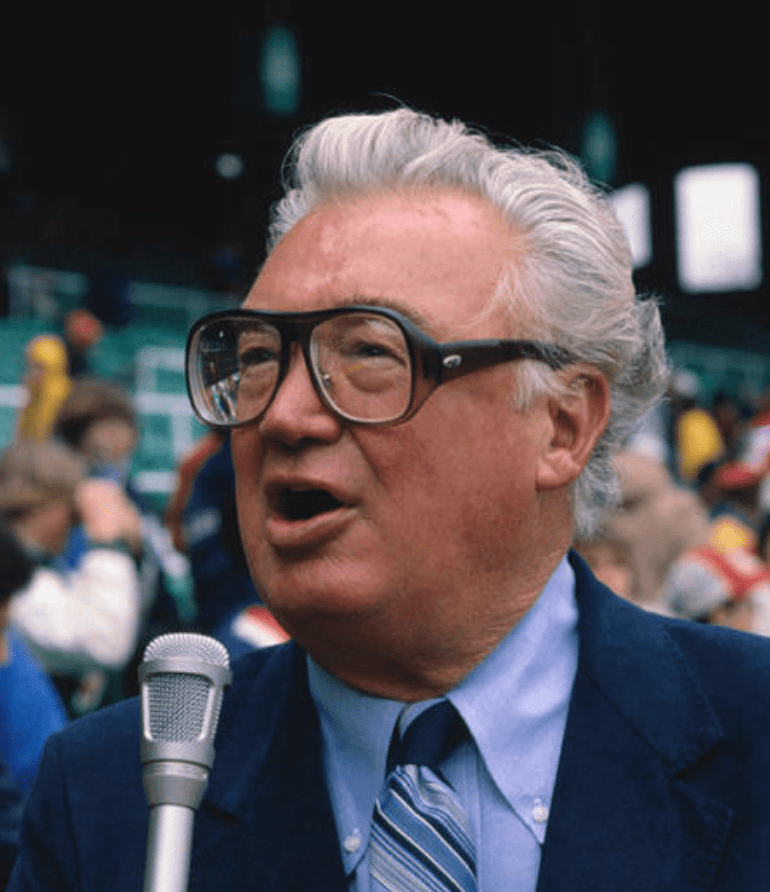
The sun beat down outside. The heat rolled in waves off the pavement. Inside my living room, the air was incredible, and the beer was ice-cold. It was that time of day again—my afternoons with Harry Caray.
The ritual was sacred. A six-pack, fresh from the ice chest, sat beside my recliner, already dripping with condensation. The TV crackled to life. There he was—Harry Caray, larger than life. His voice boomed through the speakers like an old friend stepping through the door.
“Holy cow! It’s a beautiful day for baseball!”
It didn’t matter where the Cubs were playing—Wrigley Field, St. Louis, Los Angeles—Harry brought the game home. The crack of the bat and the crowd’s screaming made each moment vivid. The agony of a blown lead and the thrill of a rally were more alive because Harry was calling it.
I took a long sip of my beer as the game unfolded, Harry’s voice rising and falling with every pitch.
“Ahhh, folks, that one just missed!”
he’d groan after a close ball.
“Boy, oh boy, you gotta be kiddin’ me!”
when the ump made a call against the Cubs. And when a fan made a barehanded grab in the stands?
“Let me tell ya, that guy deserves a contract!”
But no moment was more sacred than the seventh-inning stretch.
The organ at Wrigley Field fired up, and Harry’s voice slurred just enough to let you know he was enjoying the day as much as I was, belted out those legendary words:
“All right, Cubs fans, lemme hear ya! A one! A two! A three!”
And then it began:
“Take me out to the ballgame…”
I stood up from my chair, beer in hand, and sang along like I was in the bleachers. My voice didn’t hold a candle to Harry’s, but that didn’t matter. Our tradition was a shared experience that connected me to every other Cubs fan.
For those few moments, nothing else existed—just me, Harry, and the game.
When the ninth inning came, the excitement peaked. Whether the Cubs had pulled off a miracle or suffered another heartbreak, I lifted my beer. I then raised it one last time toward the screen.
“To you, Harry. Your legacy lives on in every Cubs fan. Holy cow, what a ride.”
The small town of Boone, nestled in the valley of snow-capped peaks, was no stranger to winter storms. But this one was different. The storm rolled in with icy winds that seemed to pierce every wall and seep through every seam. It coated the town in a thick, glittering layer of ice. The power lines sagged and snapped under the weight. This plunged Boone into darkness. The town’s survival hung in the balance, with temperatures plummeting to subzero.
The urgency of the situation was palpable. Dan Hayes, a seasoned electrician and father of two, was preparing for a quiet evening with his family. His phone buzzed incessantly. Calls came in from neighbors, then from Boone’s mayor himself. The town’s substation, already overwhelmed by the demand for heat, had succumbed to the relentless freeze. Ice had formed on critical equipment, blowing fuses and wiring, leaving the entire town powerless.
“Jimmy, grab my tool bag!”
Dan hollered to his teenage son, who quickly obeyed, bundling up in layers against the cold.
“We’re heading to the substation.”
Driving through the storm in his old but reliable truck, Dan and Jimmy barely see beyond the hood. Fallen branches and icy roads made the journey treacherous. When they finally reached the substation, the sight was worse than Dan expected. The entire structure got encased in ice. Its wires snapped like brittle twigs.
“Jimmy, this is going to take everything we’ve got,”
Dan said, his breath forming clouds in the freezing air.
“I’ll need your help every step of the way.”
Dan quickly assessed the situation, identifying the most critical damage. The main transformer was overloaded, and its fuses were blown. Wires leading to key circuits were severed, and ice threatened to collapse a vital power relay. Dan began carefully thawing the most delicate components using a portable heater from the truck. Meanwhile, Jimmy set up emergency lights and handed his dad tools as he worked.
Word spread that Dan was at the substation. Soon, a small group of townsfolk arrived. This group included the fire chief and a few volunteers. They formed a chain to bring sandbags and materials to reinforce the ice-laden structure. This was a testament to the resilience and unity of the community. One by one, Dan replaced the fried fuses and spliced wires, his fingers numb but his determination unshaken.
Hours passed, and the storm showed no mercy. Dan finished repairing the transformer. Then, the wind knocked a massive branch onto the newly restored lines. This snapped them again.
Dan didn’t flinch.
“We’ve got one shot to do this right,”
He muttered. Calling on his years of experience, he rigged a temporary bypass, rerouting power from a less-affected part of the grid. The fix have been made better, but it would hold until morning.
Finally, as dawn broke and the first rays of sunlight pierced the storm clouds, the lights flickered across Boone. Cheers erupted from the gathered crowd, but Dan was yet to finish. He double-checked every connection, ensuring no one would lose power again that day.
Jimmy looked at his dad with newfound admiration.
“You saved the whole town, Dad.”
Dan smiled, his face weary but proud.
“We did it together, son. Boone’s got a lot of heart, and so do its people. That’s what keeps us warm.”
Back home, Dan and Jimmy were comforted with hot cocoa and blankets from a grateful Mrs. Hayes. Outside, the storm subsided. It left behind a town that had endured the worst. This was thanks to the quiet heroics of a father who wouldn’t let the cold win.
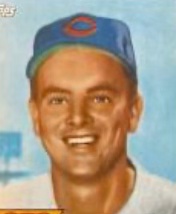
Robert Edward “Bob” Kelly, a distinguished former Major League Baseball pitcher. And an enduring symbol of the golden era of baseball. He passed away peacefully on November 27, 2024, in Old Lyme, Connecticut. He was 97 years old.
Born on October 4, 1927, Kelly’s journey to the Major Leagues began on the sandlots of East Cleveland, Ohio. His exceptional talent emerged early, leading East Cleveland Shaw High School to a state championship in 1944. A standout pitcher, he achieved a 7–2 record in 13 games, striking out an impressive 75 batters.
Kelly’s college baseball years, playing for Purdue University from 1946 to 1947. And Western Reserve (now Case Western Reserve University) from 1948 to 1949. Both were a testament to his resilience and skill. These formative years set the stage for a professional career that would be marked by these very qualities.
Kelly made his Major League debut in 1951 with the Chicago Cubs. He went on to pitch for the Cincinnati Redlegs and Cleveland Indians. Over his career, he demonstrated remarkable adaptability, competing during an era defined by legendary hitters and managerial icons. His versatility was a testament to his love for the game and his dedication to his craft.
Kelly enjoyed a significant time in the Major League. He was also a mainstay in the minor leagues. Notably, he played with the Los Angeles Angels of the Pacific Coast League. His contributions to the sport extended beyond his pitching abilities. He became a mentor to younger players. He instilled in them the values of professionalism and sportsmanship. His influence on them will be felt for generations to come.
Off the field, Kelly was deeply devoted to his family. He was a loving husband, father, and grandfather. He valued time spent with loved ones. He was known for his warmth, wit, and humility. His legacy extends beyond baseball, touching the lives of those fortunate enough to know him.
Bob Kelly’s life was a testament to the enduring spirit of baseball and the power of perseverance. His impact on the game and the people around him will be remembered fondly by fans, friends, and family.
In keeping with his family’s wishes, a private funeral service will honor his life. The family requests donations to youth baseball programs. This is to honor his memory. They want to make sure that Kelly’s love for the game inspires future generations.
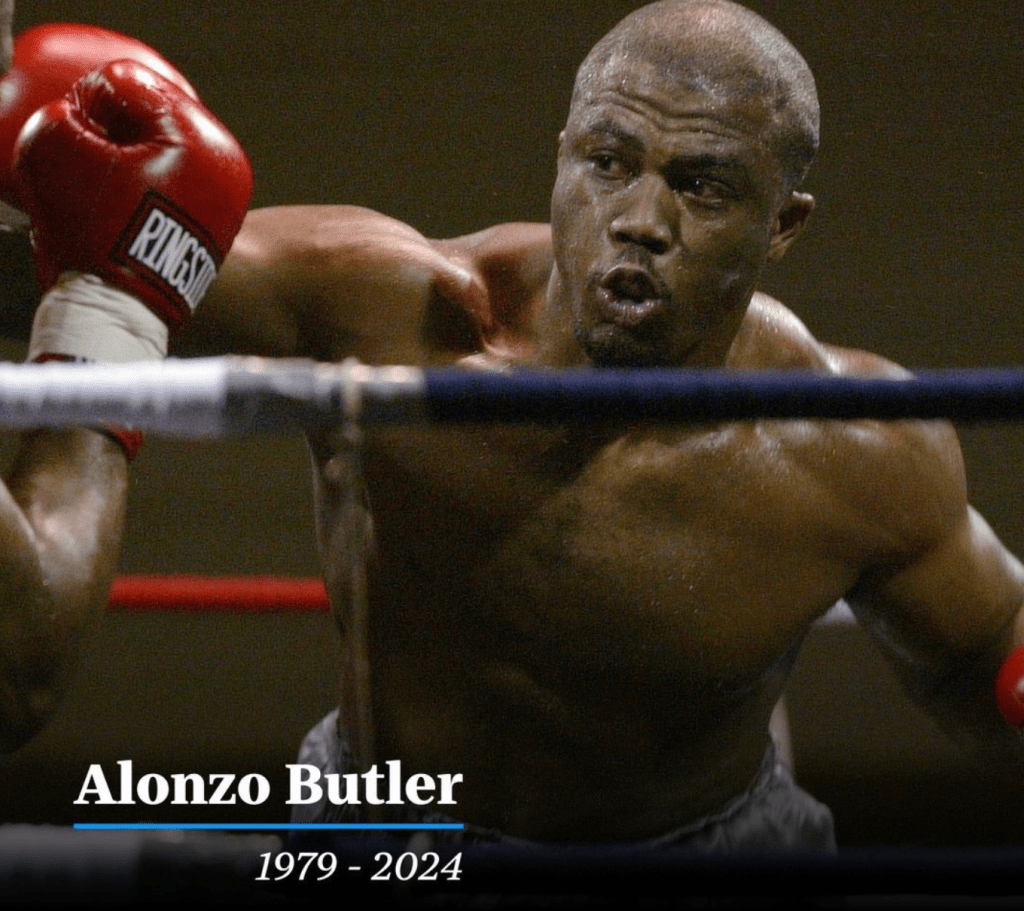
Alonzo Butler, a beloved former heavyweight boxer known to fans as “Big Zo,” passed away on Monday at age 44, as confirmed by his daughter, Jazlyn. A Chattanooga native who found his home in Knoxville, Alonzo impacted the boxing world and his community. His exceptional athleticism and dedication to his sport are reflected in his professional record of 35-3-2, with 25 knockouts. He fought mainly in Knoxville and East Tennessee, with a notable match in Auckland, New Zealand, in 2014. His achievements are a source of pride and celebration for all who knew him.
Butler’s decision to pursue boxing over football, where his power and precision earned him a devoted following, is a testament to his determination and courage. In 2006, Butler was honored as the Greater Knoxville Sports Hall of Fame’s Professional Athlete of the Year, a recognition he accepted with immense pride. Reflecting on the challenges of his career, Butler once shared, “Ace Miller told me four or five years ago I could be a champion, and I’ve stuck with it through the hard times. I’ve felt a responsibility to be a good model with the kids working with Golden Gloves, and I try to watch myself closely.” His commitment to being a positive role model and his dedication to his sport are qualities that will continue to inspire others.
Guided by legendary trainer Ace Miller, who managed and trained Butler during his undefeated run in the mid-2000s, Alonzo’s talent and warm personality left a mark on everyone he encountered. Miller spoke to Butler’s remarkable speed and strength, noting, “Alonzo could have done well in football because of his speed; at 250 pounds, we’ve timed him at 4.3 in the 40-yard dash. With his pure, warm personality, people want to know how he could be mean enough to be heavyweight champ of the world someday.”
Alonzo Butler’s legacy will endure in the hearts of those who knew him, from family and friends to fans and young athletes he inspired. His impact on the community through his boxing career and his role as a mentor is immeasurable. He leaves behind his daughter, Jazlyn, and a community that will forever be grateful for the kindness and strength he brought to the ring and beyond. His absence will be deeply missed in the lives of those dearest, but his memory will continue to inspire.
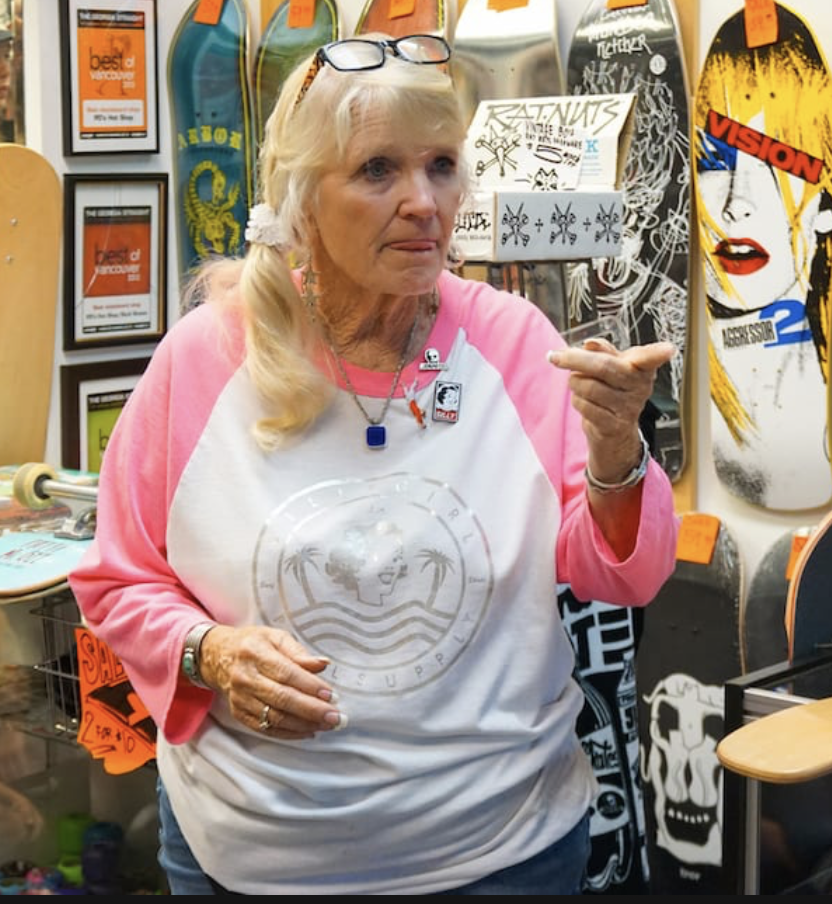
Patti McGee was not just a skateboarder; she was a trailblazer, a pioneer, and a symbol of inclusivity in a sport rapidly emerging in the 1960s. Her journey, which began with a skateboard built by her brother, evolved into a legendary career that broke barriers for women in skateboarding and cemented her place in history as one of the most iconic figures in the sport. She was not just a name in the history books but a person with a passion for skateboarding that was infectious to all who knew her.
Despite the challenges and the sport’s male-dominated nature, Patti’s resilience and determination shone through. Her first skateboard, a humble creation from her brother’s wood shop project, began a journey that would see her rise to national prominence.
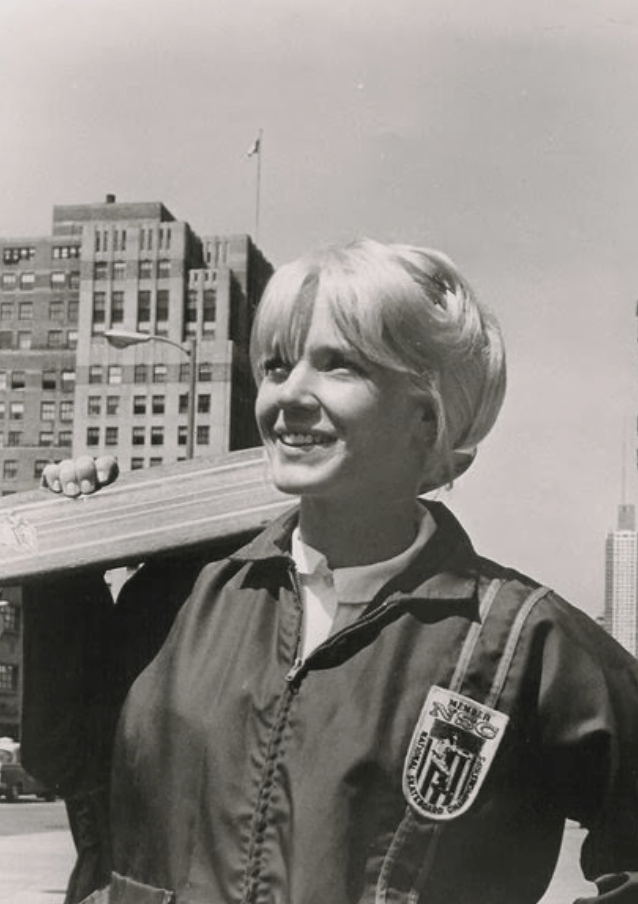
In 1964, Patti won the Women’s National Skateboard Championship in Santa Monica, California. Her smooth style, grace, and technical ability on the board distinguished her as a force in the early skateboarding community. Her victory was a breakthrough moment for women in the sport, demonstrating that skateboarding was not just a boys’ game but one where women could excel and lead.
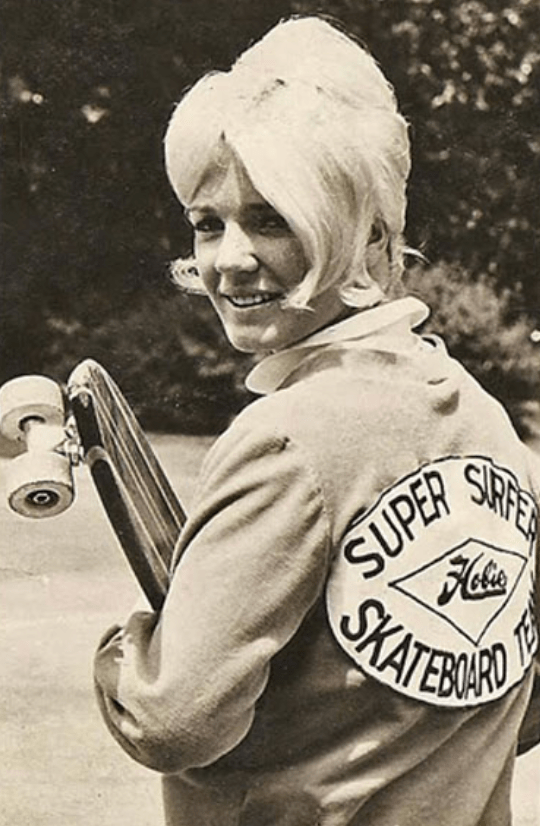
Patti’s career reached heights when she became the first professional female skateboarder, sponsored by Hobie Skateboards and Vita Pak. She traveled the country, performing skateboarding demonstrations, showcasing her talent, and spreading the love of the sport to a broader audience. Her influence was undeniable, helping to popularize skateboarding during its first wave of mainstream attention between 1959 and 1965. As a spokesperson and ambassador, she promoted the sport with passion and determination, ensuring that girls and women also saw skateboarding as a place for them.
In 1965, Patti made history again, becoming the first female skateboarder to appear on the cover of Life magazine. Her iconic photo, smiling while riding a skateboard in mid-air, is still considered one of the most memorable images of early skateboarding culture. Patti’s presence in the media helped legitimize skateboarding as a serious sport, and her charm and skill made her a role model for countless young skaters.
Patti’s contributions to the sport were officially recognized in 2010 when she became the first woman inducted into the Skateboarding Hall of Fame. Her induction was a celebration of her achievements and a reminder of her lasting impact on the sport and the many skaters who followed in her footsteps. Patti’s legacy is a testament to the importance of inclusivity, showing that skateboarding is for everyone, regardless of gender.
Beyond her professional accomplishments, Patti’s impact on the skateboarding community was profound. She continued to inspire new generations of skaters, sharing her love for the sport and advocating for the inclusion of women. Her spirit, determination, and dedication to her craft left an indelible mark on the skateboarding world, connecting her to skaters of all ages and backgrounds.
Patti McGee passed away on October 16, 2024, after suffering a stroke and subsequent complications. Her death marked the end of a remarkable life that helped shape the skateboarding world. As a champion, a role model, and a pioneer, she will be remembered as the matriarch of skateboarding, someone who paved the way for women in the sport and left an enduring legacy of passion and inclusivity. Her absence leaves a void in the skateboarding community that will be felt for years.
Obituary: Patti McGee (1945-2024)
Patti McGee, the world’s first professional female skateboarder and an iconic figure in skateboarding history, passed away on October 16, 2024, following complications from a stroke. She was 79 years old.
Born on August 23, 1945, Patti grew up in the United States, where she developed a love for skateboarding early in life. She first gained national recognition in 1964 when she won the Women’s National Skateboard Championship. Her victory established her as a pioneer in the sport and a role model for future generations of female skaters.
In 1965, Patti became the first woman to appear on the cover of Life magazine, an iconic moment that showcased her talent and helped popularize skateboarding. That same year, she became the first professional female skateboarder, sponsored by Hobie Skateboards and Vita Pak, traveling the country to perform and promote the sport.
Her contributions to skateboarding were formally recognized in 2010 when she became the first woman inducted into the Skateboarding Hall of Fame. Patti’s induction was a crowning achievement in a career filled with groundbreaking moments, solidifying her status as a trailblazer in the sport.
Throughout her life, Patti remained a beloved figure in the skateboarding community. She inspired skaters of all ages and advocated for women’s participation in the sport. Her passion, talent, and dedication left an enduring legacy that will continue to influence the skateboarding world for years.
Patti goes on before her daughter, Hailey, and countless friends and admirers in the skateboarding community. Her life is a remembering of her exceptional achievements, vibrant spirit, and commitment to promoting inclusivity in the sport she loves.
We are grateful for Patti McGee’s life and legacy. She was a true pioneer, a legend, and an inspiration to all who followed in her footsteps. Missing her presence in the world will continue forever, but her legacy will continue to roll on, just like the wheels of the skateboards she rode so gracefully.
(WTAQ-WLUK) — Hank the Dog, a stray who showed up at the Milwaukee Brewers’ spring training facility a decade ago and quickly became the team’s unofficial mascot, has reportedly died.
Social media posts Wednesday point to a Facebook post announcing Hank’s death. It reads, in part:
Today we had to say goodbye to a phenomenal dog: Hank the Ballpark Pup.
Many outside of Wisconsin do not know who he is, but every Brewers fan and Wisconsinite that has been paying attention — do. He was OUR little celebrity — and he NEVER failed to bring it and represent.
He was/is my favorite Brewer and he will be truly missed!
In February 2014, the stray pooch wandered onto the Brewers’ Arizona complex looking roughed up. He was taken to a veterinarian, who spotted a tail injury and some gray markings around his right hind leg — a sign that it may have been run over by a vehicle. The vet believed the dog to be around two years old.
The Brewers took the dog in and named him “Hank” after baseball legend Hank Aaron, who began his career in Milwaukee.
When the team could not find Hank’s previous owner, he was adopted by Marti Wronski and her family. Wronski, a Neenah native and 1994 graduate of St. Norbert College, served as the Brewers’ vice president and general counsel at the time. She is now the organization’s chief operating officer.
Hank’s story is one of rags to riches. He became a canine sensation, with the Brewers selling Hank-themed clothes and a stuffed toy version of the dog at their team store. The Brewers also gave away Hank bobblehead dolls at a game.
With his celebrity status, Hank also helped raise funds for the Make-A-Wish Foundation and the Wisconsin Humane Society. He even paid a visit to Fox Cities Stadium in Grand Chute.
Obituary published on Legacy.com by Green Hill Funeral Home of Owasso on Sep. 4, 2024.
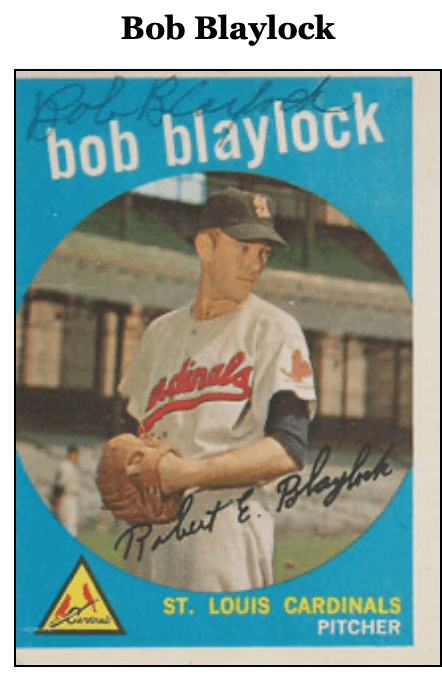
Obituary of Robert Edward Blaylock Robert Edward Blaylock, Husband, Father, Grandfather & Great Grandfather went to be with Jesus on September 1st, 2024, at the age of 89. He was born on June 28th, 1935, in Chattanooga, OK to Cecil and Fannie Blaylock. Bob was a 1953 graduate of Muldrow High School where he excelled in baseball and basketball. After graduation he signed to play baseball with the St. Louis Cardinals organization. Bob’s love for baseball continued throughout his whole life, he was a great coach on and off the field. He was also inducted into the University of Arkansas – Ft. Smith for his basketball achievements in 2012 and he was the 1st Hall of Fame inductee at Muldrow High School in 2014. He married Barbara Thompson on Oct 3, 1956. They had 3 children, Robyn, Russ and Terri. After his baseball career he raised his family in Tulsa, OK where he Managed the Saratoga Hotel and owned the Saratoga Restaurant until his retirement in 1997. After his retirement he bought a farm in Talala, OK where he raised racehorses and cattle. Bob loved animals of all kinds, he had pot belly pigs, cats, dogs and numerous Martin houses that he monitored hourly with his shotgun to keep the starlings away! Bob’s Celebration of Life will be at 11:00 AM Friday, September 6th, 2024 at First Baptist Church, Owasso, OK. The visitation will be at Greenhill Funeral Home Thursday, September 5th, 2024, from 5:00 – 7:00 PM. He was preceded in death by his wife Barbara, Parents Cecil & Fannie Blaylock, Brother & Sister-in-Law Harold & Wanda Blaylock and one infant sister Glenna Fay Blaylock. He is survived by his sister and brother-in-law, Lois & OC Flanagan. He is a Proud Papa of 9 Grandchildren and 10 Great Grandchildren who will always love and cherish the memories they have with him. Pallbearers are his Grandsons John Einhellig, Tyler Lambert, Justin & Josh Beal and Luke & Jake Blaylock. To send flowers to the family or plant a tree in memory of Robert Blaylock, please visit Tribute Store
EDITORS NOTE: Bob Blaylock’s talent on the mound caught the eye of the St. Louis Cardinals organization, with whom he would spend his entire ten-year professional career. Bob made his MLB debut on July 22, 1956, pitching for the Cardinals against the Brooklyn Dodgers. Despite a promising start, his time in the majors was marked by challenges, including an injury in his youth that left him with only three fingers on his non-pitching hand. Yet, he was a hard thrower who led the American Association in strikeouts in 1958, a testament to his resilience and determination that should inspire us all. Over two MLB seasons, in 1956 and 1959, Bob pitched in 17 games, striking out 42 batters. Though his major league career was brief, his impact was felt deeply by those who knew him. He was also part of a unique trio of unrelated Blaylocks who played in the National League during the 1950s, sharing the field with names like Marv and Gary Blaylock.









 benandsteve.com