Imagine waking up one day and discovering that half the population no longer has a voice in governance. It seems unimaginable. But, by exploring this dystopian scenario, we gain a clearer understanding. Women’s full participation is vital to a healthy democracy.
1. Democracy at Risk: Representation Crumbles
Eliminating women’s voting rights would erode democratic legitimacy. According to Pew Research, no nation has fully rescinded women’s suffrage after granting it. Afghanistan is a rare case. Instability there led to temporary rollbacks of voting rights for women (1).
Political representation would skew drastically without the inclusion of women. This would undermine policies related to education, healthcare, family leave, and equity. These are issues where women often drive progress (2). Removing half the electorate opens the door to unbalanced, unaccountable leadership that ignores countless lived experiences.
2. Social and Economic Inequities Would Widen
The ripple effect of eliminating women’s voting rights would be immediate and profound:
Policy Backslides: In response to women’s demands, early 20th-century legislation emerged. Acts like the Sheppard-Towner Act (maternity care), the Women’s Bureau, and the Cable Act were major milestones. They were built on women’s political influence (3). Lose voting rights, and such gains evaporate.
Stalled Progress for Women of Color: Even after the Nineteenth Amendment in 1920, women of color still faced systemic barriers. Voting was made difficult for them. These barriers persisted in many forms. This was especially true for Black, Native, Latinx, and Asian Americans. These barriers weren’t fully lifted until the Voting Rights Act of 1965 (4). Removing voting rights today would re-introduce even greater marginalization.
3. The 19th Amendment Is Not a Safety Net
The 19th Amendment constitutionally affirms women’s right to vote. Changing that would need another amendment. This presents an extraordinarily high legal and political hurdle. Legal scholars and court precedents affirm its permanence (5).
Still, we must stay vigilant. Recent developments remind us that the spirit of equality is always at risk. These include potential threats to voting access via legislation like the SAVE Act. There is also rhetoric from political figures undermining democratic foundations. (6).
Final Thought
Losing the right to vote wouldn’t be just a policy shift—it’d be a moral and societal unraveling. Not only would women’s voices vanish from ballots, but the very foundations of inclusive democracy would start to crumble. That’s why protecting voting rights isn’t optional—it’s essential.
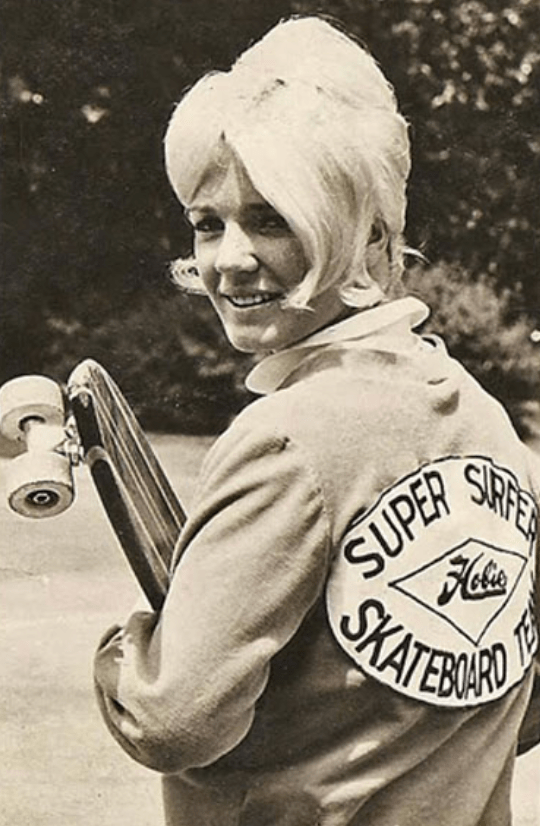
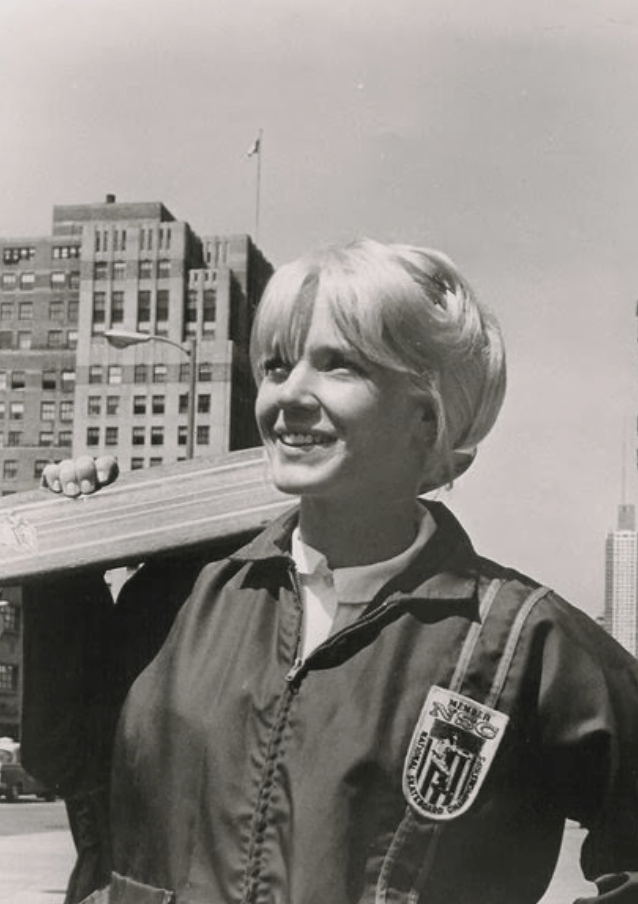
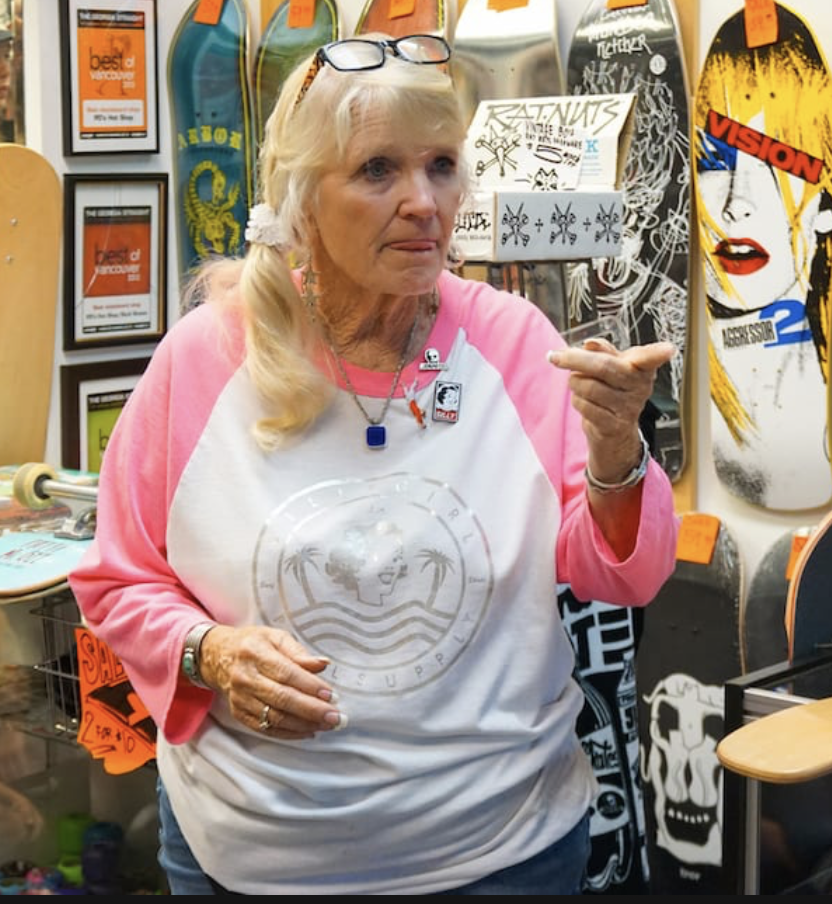
Patti McGee was not just a skateboarder; she was a trailblazer, a pioneer, and a symbol of inclusivity in a sport rapidly emerging in the 1960s. Her journey, which began with a skateboard built by her brother, evolved into a legendary career that broke barriers for women in skateboarding and cemented her place in history as one of the most iconic figures in the sport. She was not just a name in the history books but a person with a passion for skateboarding that was infectious to all who knew her.
Despite the challenges and the sport’s male-dominated nature, Patti’s resilience and determination shone through. Her first skateboard, a humble creation from her brother’s wood shop project, began a journey that would see her rise to national prominence.
In 1964, Patti won the Women’s National Skateboard Championship in Santa Monica, California. Her smooth style, grace, and technical ability on the board distinguished her as a force in the early skateboarding community. Her victory was a breakthrough moment for women in the sport, demonstrating that skateboarding was not just a boys’ game but one where women could excel and lead.
Patti’s career reached heights when she became the first professional female skateboarder, sponsored by Hobie Skateboards and Vita Pak. She traveled the country, performing skateboarding demonstrations, showcasing her talent, and spreading the love of the sport to a broader audience. Her influence was undeniable, helping to popularize skateboarding during its first wave of mainstream attention between 1959 and 1965. As a spokesperson and ambassador, she promoted the sport with passion and determination, ensuring that girls and women also saw skateboarding as a place for them.
In 1965, Patti made history again, becoming the first female skateboarder to appear on the cover of Life magazine. Her iconic photo, smiling while riding a skateboard in mid-air, is still considered one of the most memorable images of early skateboarding culture. Patti’s presence in the media helped legitimize skateboarding as a serious sport, and her charm and skill made her a role model for countless young skaters.
Patti’s contributions to the sport were officially recognized in 2010 when she became the first woman inducted into the Skateboarding Hall of Fame. Her induction was a celebration of her achievements and a reminder of her lasting impact on the sport and the many skaters who followed in her footsteps. Patti’s legacy is a testament to the importance of inclusivity, showing that skateboarding is for everyone, regardless of gender.
Beyond her professional accomplishments, Patti’s impact on the skateboarding community was profound. She continued to inspire new generations of skaters, sharing her love for the sport and advocating for the inclusion of women. Her spirit, determination, and dedication to her craft left an indelible mark on the skateboarding world, connecting her to skaters of all ages and backgrounds.
Patti McGee passed away on October 16, 2024, after suffering a stroke and subsequent complications. Her death marked the end of a remarkable life that helped shape the skateboarding world. As a champion, a role model, and a pioneer, she will be remembered as the matriarch of skateboarding, someone who paved the way for women in the sport and left an enduring legacy of passion and inclusivity. Her absence leaves a void in the skateboarding community that will be felt for years.
Obituary: Patti McGee (1945-2024)
Patti McGee, the world’s first professional female skateboarder and an iconic figure in skateboarding history, passed away on October 16, 2024, following complications from a stroke. She was 79 years old.
Born on August 23, 1945, Patti grew up in the United States, where she developed a love for skateboarding early in life. She first gained national recognition in 1964 when she won the Women’s National Skateboard Championship. Her victory established her as a pioneer in the sport and a role model for future generations of female skaters.
In 1965, Patti became the first woman to appear on the cover of Life magazine, an iconic moment that showcased her talent and helped popularize skateboarding. That same year, she became the first professional female skateboarder, sponsored by Hobie Skateboards and Vita Pak, traveling the country to perform and promote the sport.
Her contributions to skateboarding were formally recognized in 2010 when she became the first woman inducted into the Skateboarding Hall of Fame. Patti’s induction was a crowning achievement in a career filled with groundbreaking moments, solidifying her status as a trailblazer in the sport.
Throughout her life, Patti remained a beloved figure in the skateboarding community. She inspired skaters of all ages and advocated for women’s participation in the sport. Her passion, talent, and dedication left an enduring legacy that will continue to influence the skateboarding world for years.
Patti goes on before her daughter, Hailey, and countless friends and admirers in the skateboarding community. Her life is a remembering of her exceptional achievements, vibrant spirit, and commitment to promoting inclusivity in the sport she loves.
We are grateful for Patti McGee’s life and legacy. She was a true pioneer, a legend, and an inspiration to all who followed in her footsteps. Missing her presence in the world will continue forever, but her legacy will continue to roll on, just like the wheels of the skateboards she rode so gracefully.




 benandsteve.com