Night Shift, And Getting Behind The Radio

A Story By Benjamin H Groff© Groff Media Copyright 2024©

It was time to begin his night shift, and now the boy known as the Comm Commander by the ladies he worked with and his Captain who worked the day shift was about to take the helm, operating the phones, radio, and teletype.

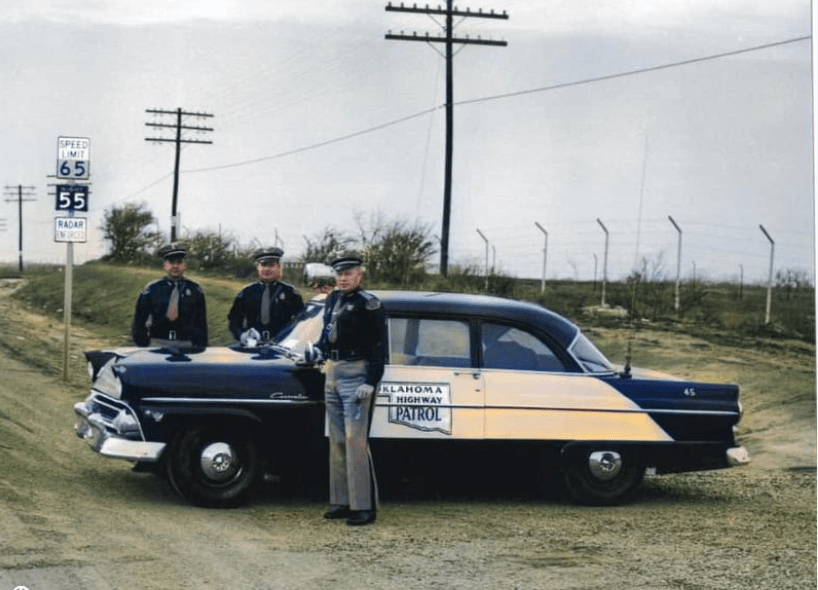
The Comm Commander’s mastery of the system was a feat that only a select few could achieve. He was among the elite, efficiently managing five or more radio cars and several county and state patrol units on different radio frequencies. His use of a foot pedal to operate the radio microphone set him apart, allowing him to handle phone calls and type information into the telecommunications system with his hands-free.

He could track information on vehicles that officers were making contact with and let them know if a car was stolen or not before they ever left their vehicle. A treatment they become spoiled by when he is on duty.

His ability to check vehicle registrations and local warrants, and his quick response to requests for driver’s license checks or background and warrant checks, was instrumental in providing critical information to officers in the field, significantly enhancing their operational efficiency and safety.

His experience and interactions with law enforcement agencies around where he grew up, which spanned years, were the foundation of his expertise. This was evident when officers would make vehicle stops, and he would send them back up before giving them a coded message of 10-48, an alert that the vehicle they were stopping in the National Crime Information Computer was a wanted felony subject.

He had volunteered as a youth in his hometown when the town was given an old radio and placed a short antenna outside their city hall. He would get his dad to drive him to town, where he’d sit in the evenings and dispatch calls from the phone to the local police unit. Sometimes, there would be no one call, but the interaction with the law enforcement community that came through would gift him with bits of information he stowed away. Later, during that Senior year of high school, when he went to work for the police department, he met the police chief, JR Toehay, at a gas well blowout he attended with an area police officer. The introduction led to the dispatching and jailing position. JR became a lifelong coach and confidant. He was a Kiowa Indian and Chief of a 9-man police department. His guidance and trust in the boy guided the way for the path that had led to the Comm Commander being in his seat operating so well.

The ladies he worked with had questions and wanted to know where he came from, who he was, and what brought him out west. Those stories were there to tell, and he had them; some, however, he wondered if it would be safe. Officers he had worked with told him to be careful; one of the stories could get him in a fix if the wrong people heard about it and wanted to settle any score they felt needed to be. He told them, I’ll let you know all about me, but first, it needs to be when this radio traffic slows down because you guys will be in for a story of your lives.

Taking A Seat At The Police Department

It was late spring when the boy took his seat behind the radio at the communications center for the first time. The Dispatch Center, located just inside the lobby’s front entry, led to a stairway that accessed the firefighters’ sleeping quarters, the chief’s and detectives’ offices, and the jail cells.

The city was a blend of lifetime residents with deep roots, newcomers raising families amidst burgeoning industry, and transients. Housing was scarce for recent arrivals. When available, it was expensive and often beyond the reach of a single income, leading to overcrowded living conditions. This frequently caused disputes.

A person might lease a property and sublet to ten or fifteen others. When conflicts arose and one tenant was asked to leave, the police were often called. Each time, officers had to explain it was a civil matter; the leaseholder needed a court order for eviction. Police couldn’t simply eject someone because of a sudden change in the leaseholder’s terms. However, if an arrest was made due to a disturbance, officers could advise the leaseholder to restrict the arrested individual from returning. Openings in housing were rare unless someone died, and there were plenty of deaths in the coming years.

A local motorcycle gang, known for drug dealing and various crimes, frequently had members as guests in our jail. Their threats were often more comical than serious, but every raid on their dens brought more threats. It wasn’t uncommon for lone riders to shoot out the windows of the dispatch center late at night.

After several incidents, the chief began posting officers on the roof with automatic rifles. This tactic worked, as the shootings ceased during their watch.

The boy worked well with a rotating line of female communications officers. The Captain worked the day shift, while the boy was assigned to nights. The women rotated between days and nights each month.

Soon, the boy became known as the Comm Commander for his authoritative style on the radio and in operating the jail. Edna, Gail, Linda, Pam, Patty, and Sheila were the women who became part of his years at Elk City, each leaving a personal mark on his story.

Yet, the Captain was the most significant influence during those dispatch days. It’s clear that the Comm Commander remembered these individuals throughout his life as he journeyed along many paths. More to follow.

A Young Officer Finding Law Enforcement

A Story By Benjamin H Groff© Groff Media Copyright 2024©

It was the early 1980s, and he rolled into the city from the South. The police department was easy to find. The radio tower extended high above the building and be seen from miles away. Pulling up in front for the first time as an officer gave him a true sense of purpose. He felt independence because he was on his own for the first time since graduating.

He entered the building to be fitted for uniforms. He also received his equipment there. During this time, he met two officers who would feature prominently in his future years. One he met right away. His name was Lee. Lee provided him with a resource for his first housing solution. This was in a town that the oil boom had overrun. People lived in tents in the town park and alongside the road. The other officer was Eddie. He was a Deputy from Cheyenne. Eddie had the actual house, a three-bedroom mobile home in a city-owned trailer court. The jurisdiction provided this to city employees to live. The rent was cheap by local standards and answered an immediate need. It did, though, come with a police K9 and two roommates who have been more neat and orderly.

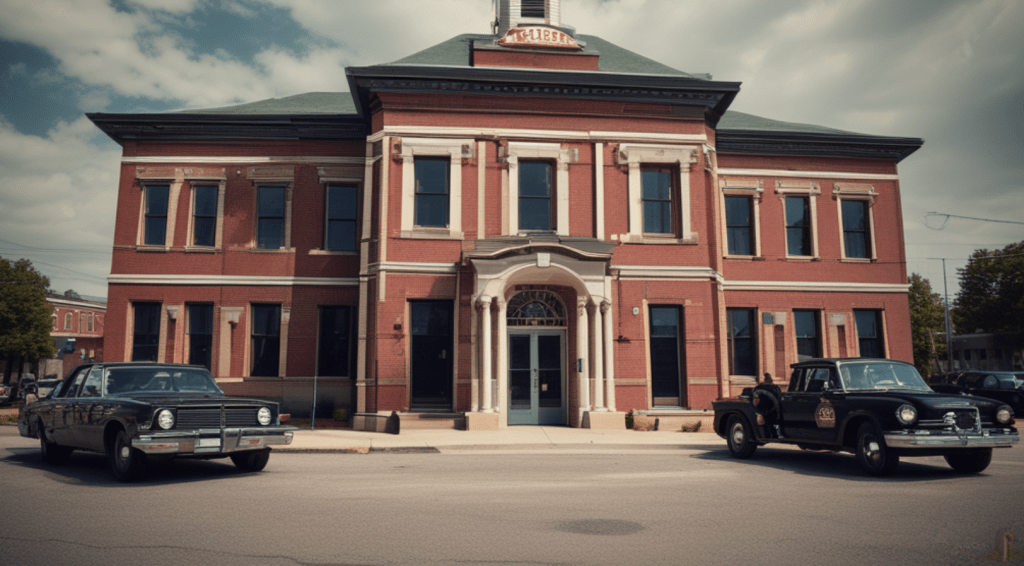
The police department operated out of a building shared with the fire department. The jail was on the second floor above the communications center. The fire crew slept across from the jail cells on the second level. This raised issues for a city that had doubled in population and area due to annexation. Voters approved a tax proposal to build a new police station and jail. They also planned to rebuild the fire station. Blueprints for the new station were in place, though its construction was several years away.

In court cases, Chicago judges had pointed to the city defendants. Elk City, Oklahoma was a place where they can get a one-way bus ticket. Or pick the choice to get six months in jail. Most people opted to take the bus ticket. The type of characters sent to the area ranged from criminals to mentally unstable to socially dysfunctional. It would be years before the area recovered from the judge’s poor decisions in making such a move. Before then, there would be murders, rapes, and worse.

The city was busy 24 hours a day. Calls for patrol unit service were backed up by three to four calls at a time. When calls did get caught up, it didn’t last long. The shifts were rotational. In that, there was never an entire shift on and off at the same time. Night shifts changed at 6 AM and 8 AM, and Day shifts changed at 4 PM and 8 PM. A mid-shift operated from 2 PM to 2 AM. Each officer worked ten-hour shifts with three days off. The schedule permitted officers to work extra assignments at security posts. This was necessary when gas wells blew their tops out. Roadblocks also had to go in place out in the county. Officers earn as much as $300 on their days off, pulling such assignments. And if there weren’t such assignments, you always pull OT. You take comp time. An officer used this later instead of vacation or sick days. An advantage that the city offered other municipalities didn’t.

The allure of lights, excitement, and action made Elk City, Oklahoma’s bustling oil town so attractive. It captivated an 18-year-old just out of high school. It also kept him there for many years, leading him through years of service. The young officer had already been briefed well in law enforcement with his earlier departments. There are histories from those days. They will come alive in the future. They will tell of his Elk City Days and how he became known throughout western Oklahoma.

In the next few weeks, he will watch the front door. He needs to see if he must duck bullets coming through the station’s windows.

The Move Into My LawMans Career

A Story By Benjamin H Groff© Groff Media Copyright 2024©

In his senior year of high school, he went to work at a neighboring police department thirty miles from where they lived. He worked as a jailer-dispatcher. He had just turned 17 years old, and His dad provided authorization from the school and local city government to go to work. Once he had been hired, there was no stopping his progress. He had listened to the police scanner for years and even volunteered at our local police department as a dispatcher and ambulance driver. He was only 16 then. This, to him, was the big time he was getting paid—the town at a rough character about it. A man had been killed behind the police department in the alley not too long before I went to work there. The killer was still at large.

He excelled in his duties. The chief appreciated his attendance record and punctual arrival to shifts. The assistant chief requested he be the only dispatcher assigned to his shift. He gained a reputation throughout the western state for His broadcasting style and etiquette—application of the police 10-code and professional stature that he applied in the tone of his broadcast. He was known as a no-nonsense type of communications officer. If he gave a call, the information was correct, and the officers could be sure he would stay with them through their response. If they needed help and he lost contact with them, neighboring agencies knew he could pull back up out of the blue. And they respected the ability.

Change is inevitable, and when he graduated high school, a neighboring agency offered me a position that would allow me to broaden his skills. It allowed him to gain telecommunication abilities and work with a county-wide agency, and he still had contact with his old pals at the smaller agency, just less often. The training opportunity exposed him to new experiences, and he was closer to home, but he lacked a feeling of being fulfilled. Something was missing that he couldn’t place my finger on. The period was during the oil boom in Oklahoma, and there was a flurry of activity everywhere. It was not uncommon that he held down employment in other adventures while working for these agencies. One had to. The pay needed to be better for making a serious living. He got offers from colleges and employers the first month after graduating high school. I had planned to work through school, so he planned to keep working at one of my jobs. Plans change. One hundred miles away, a city was beaming on the horizon. They had put a notice out they were hiring a crew of new communication officers and would be building a new administration building to host the center. It appeared intriguing. A visit to their department one morning caused further interest.


When a very experienced face met me at the door and asked how they could help me, He recognized it immediately from a statewide broadcast when he heard the voice. As soon as he spoke, they recognized mine. He explained he had word that they were hiring and that he wanted to spread his wings, move away from home, and get out on his own. The boy was also looking for a larger organization with which to become affiliated. The Captain had an application in the boy’s hand and sat in the chief office within thirty minutes. He accepted an offer within the hour and left town within two hours of arriving, trying to think of how to express my two-week notice to his current employer. Even worse, the boy was working out how he would tell my mom and dad he would be moving out. Not that he had not been gone most of the time with my jobs, but it is the idea that their youngest child was moving out and going on his own.


He went to work the following day. Things changed rapidly in law enforcement, now as they did then. The chief had quit after a heated argument with the mayor over funding, and in his boyish manner, he thought it was as good a time as any to throw his hat in the ring to make a statement. Knowing he already had a job made it much easier, so the boy gave his notice. Now, he just had Mother and Dad to tell. He told my dad first. It wasn’t the worst news Pop had by the mood he was already in, but it may have come close. After he went for a ride on his horse and came back in, he said to wait to tell the boy’s mother for a few days and catch her in a good mood. The kid’s mother reminded him of Eunice, off the Carol Burnett show. Or was it that Eunice reminded him of his mother? She always made him laugh doing the funniest of things.

Today, we briefly describe his first year of official employment in law enforcement and how the boy got started. Each stage is more detailed, and there are many more incidental stories about events that would take place in each department. The writer may tell you the stories in a different order, but as they are related to other incidents, those are coming soon.

True Law Enforcement Stories: Unveiling Events of Small Town Policing

A Story By Benjamin H Groff© Groff Media Copyright 2024©

In a town of fifteen thousand residents, the local police department comprised fifteen police officers and eight communication officers who also served as correctional officers. This team was dedicated to serving their community. The city had constructed the building in the early 1900s, and it shared its space with the fire department, which employed full-time firefighters. The fire crew typically had five to six members on duty during a twenty-four-hour shift. Together, these two services provided the city with around-the-clock emergency care, forming a unique and committed staff.

Among the day shift employees was Captain Bickerstaff, better known as “Bick,” a forty-year veteran of the department. He oversaw the Communications and Correctional Divisions, which included receiving incoming calls from the community, dispatching calls to units, and managing the intake and monitoring of prisoners. His team of seven staff members, each with their own distinctive character, included Edna, Gail, Pam, Sheila, Patty, and Ben.

The patrol division had a rotating roster of officers, with frequent personnel changes. As their stories unfold, the names of these officers will emerge. Future narratives will consist of true events from the law enforcement career, with certain details altered to protect privacy.

Upcoming stories include “The Dead Prisoner,” “Officer Down,” “Suspect in Trooper Killing, In Custody,” “OH SHIT!” and “The Missing Man,” among many others.

Stay tuned for these captivating and informative stories, and be sure to share them with your friends and family!

The Gorb Touch: Continuing the Tradition of Personalized Farewells in Elderton

A Story By Benjamin H Groff© Groff Media Copyright 2024©

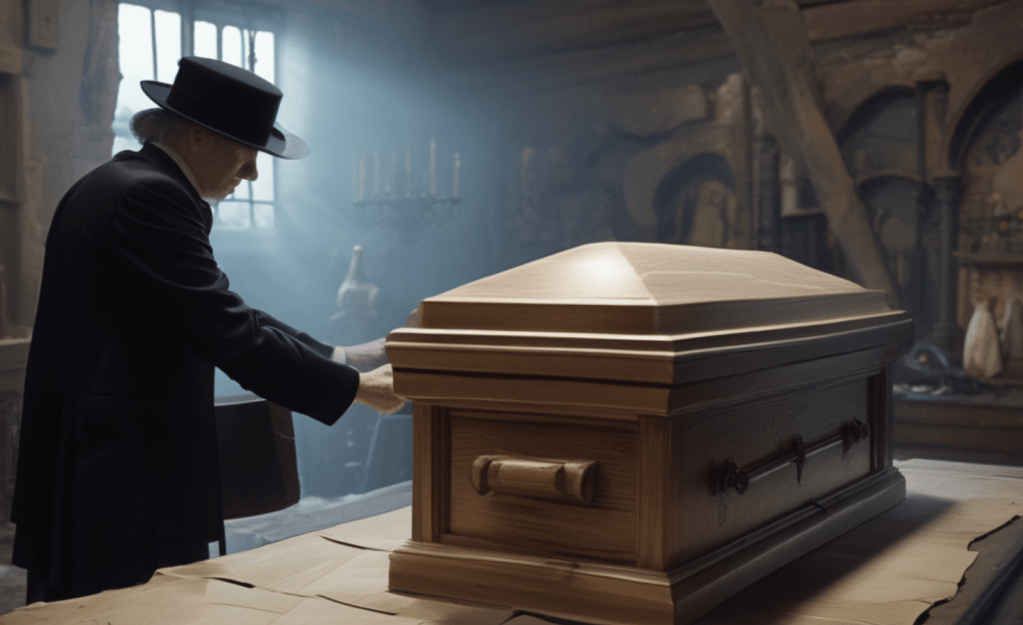
In the small town of Elderton, nestled between rolling hills and dense forests, there lived a man named Mr. Gorb. Mr. Gorb was a meticulous man, a perfectionist in every sense. His business dealings were unique, for Mr. Gorb was the town’s undertaker. However, unlike others in his profession, Mr. Gorb went above and beyond to ensure each client received a personal touch.


Although Mr. Gorb’s clients were all deceased, that didn’t mean they deserved any less care. He believed that everyone deserved a final sendoff that reflected who they were. This philosophy became known as the “Gorb Touch,” a term that resonated deeply within the community.


When someone in Elderton passed away, Mr. Gorb would embark on a journey to recreate their likeness as closely as possible to how they appeared when they last walked down Main Street. He would search the town for the most recent photographs of the deceased, often speaking with family members and friends to gather any images they had. He delved into the history of his clients, learning about their favorite outfits, their unique hairstyles, and any other defining features that made them who they were.

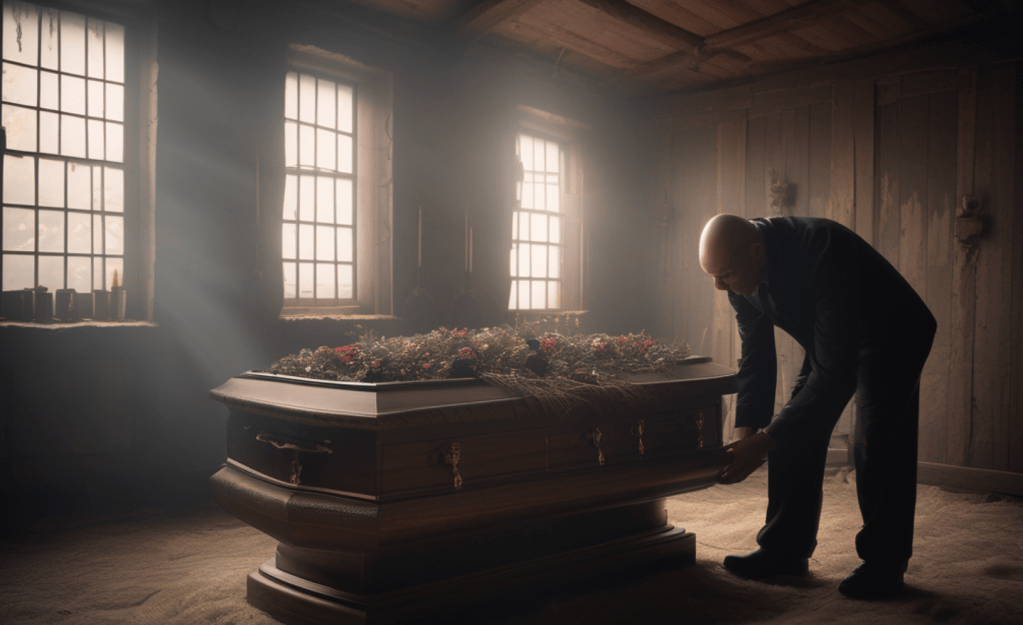
Mr. Gorb’s dedication was unparalleled. He would spend hours carefully applying makeup, arranging hair, and selecting the perfect attire for each individual. His attention to detail was astounding, and the results were always breathtaking. The people of Elderton loved Mr. Gorb for his personal touch and the comfort it brought them during their loss.


One crisp autumn morning, the townspeople awoke to shocking news. Mr. Gorb had passed away in his sleep. The entire town was at a loss. Who would now carry on the tradition of the Gorb Touch? Who would prepare Mr. Gorb himself for his final farewell?

Unbeknownst to the townspeople, Mr. Gorb had been quietly training an apprentice. A young man named Thomas had come to Elderton a few years prior, seeking guidance and a place to belong. Mr. Gorb had seen potential in Thomas and had taken him under his wing, teaching him everything he knew about the delicate art of caring for the deceased.


Thomas had learned well. He had absorbed every lesson, technique, and philosophy Mr. Gorb shared with him. And now, as the town mourned the loss of their beloved undertaker, Thomas stepped forward to fulfill his mentor’s legacy.


With a heavy heart, Thomas prepared Mr. Gorb for his final journey. He meticulously followed the same process Mr. Gorb taught, ensuring that every detail was perfect. The townspeople watched in awe and gratitude as Thomas recreated Mr. Gorb’s likeness with the same dedication and care that had become synonymous with the Gorb Touch.


The funeral was a beautiful tribute to Mr. Gorb’s life and work. As the townspeople gathered to say their final goodbyes, they saw the continuation of a tradition that had brought them so much comfort and peace in Thomas. They knew that Mr. Gorb’s legacy would live on through his apprentice and that the personal touch that had defined their community would never be lost.


Thomas continued to serve the people of Elderton with the same compassion and attention to detail that Mr. Gorb had instilled in him. As the years passed, the Gorb Touch remained a cherished tradition, a testament to the enduring impact of one man’s dedication to his craft and community.

Heroic Night in Cedar Hollow: The Legend of Fred Harper

A Story By Benjamin H Groff© Groff Media Copyright 2024©

Fred Harper was a man of simple routines. The mild-mannered police officer of Cedar Hollow, a quaint town of 700 nestled between rolling hills and dense forests, had a nightly patrol route that rarely changed. He preferred it that way. Cedar Hollow was a peaceful place where not much happened, and Fred liked it that way.

His nightly rounds consisted of checking the locked doors of businesses, shining his flashlight into the occasional darkened alley, and waving at the few night owls who might be walking their dogs or taking a late-night stroll.

But on this particular night, the tranquility of Cedar Hollow was shattered by a series of unexpected events, disrupting Fred’s usual routine.
It all began with a frantic call from Mary Jenkins, the usually composed wife of the mayor. Her voice was filled with urgency as she relayed the news about Helen’s labor.

Fred’s heart raced. He’d never delivered a baby before. He rushed to his squad car and sped to Helen’s house. When he arrived, he found Helen in the living room, breathing heavily, with Mary by her side. The tension in the room was palpable, and Fred could feel the weight of the situation on his shoulders.

Upon Fred’s arrival, Mary’s relief was palpable. “Fred, thank God you’re here,” she exclaimed, her face a picture of relief. “You need to help her. Now.”

Fred took a deep breath, remembering the emergency childbirth training he’d received years ago. With Mary’s assistance, he coached Helen through the contractions. After what felt like an eternity, but was in reality only a few intense minutes, the cries of a newborn filled the room. Fred cradled the baby in his arms, his uniform shirt now soaked with sweat.

Just as he handed the baby to a tearfully grateful Helen, his radio crackled to life. “Fred, we need you at the fire station. There’s a fire behind the building, and no one can start the engine.”

Leaving Helen and the baby in Mary’s capable hands, Fred raced to the fire station. Flames were licking the sky, dangerously close to City Hall. Fred jumped into the fire engine, praying his training would return to him. He managed to start the engine and drove it to the blaze. With no other firefighters in sight, he took hold of the hose and aimed it at the inferno. Neighbors, awakened by the commotion, formed a bucket brigade to help douse the flames. Together, they managed to keep the fire from spreading and saved City Hall.

As the last embers got extinguished, Fred’s radio buzzed again. “Officer Harper, there’s a break-in at the bank. Thieves are trying to rob the place.”

Exhausted but determined, Fred headed to the bank. He found a group of masked men attempting to pry open the vault. Drawing his service weapon, he shouted, “Freeze! Cedar Hollow Police!” The thieves, startled by his sudden appearance, attempted to flee. Fred, with unwavering courage, managed to subdue two, but the others escaped into the night. He secured the captured thieves and called for backup from neighboring towns.

The thieves, startled by his sudden appearance, attempted to flee. Fred managed to subdue two, but the others escaped into the night. He secured the captured thieves and called for backup from neighboring towns.
Just as he thought the night couldn’t get any worse, the call came in: “Fred, there’s been a four-car accident at the intersection. Significant injuries reported, and the town’s ambulance is thirty miles away.”

Fred’s mind raced as he arrived at the scene of the collision. Cars were crumpled, and injured people strewn across the road. He did what he could, providing first aid and comforting the victims while calling for an ambulance from a neighboring town. The ambulance, however, got lost on the way, and Fred’s patience became stretched to its limit.

As the first rays of sunlight lit up the sky, Fred finally saw the flashing lights of the neighboring town’s ambulance. He directed them to the injured, ensuring everyone received their needed care. The lady and her newborn, the fire at the station, the bank heist, and now the accident had been the most eventful night in Cedar Hollow’s history.

When the town woke up to a new day, Fred was utterly exhausted. His uniform was torn and dirty, and his body ached from the night’s exertions, but he was filled with a sense of accomplishment. He had faced every challenge alone and come through for his community.

As the townsfolk learned of the night’s events, they became filled with deep admiration and gratitude for Fred. They hailed him as a hero, their voices echoing through the streets of Cedar Hollow. But Fred, the humble officer, just smiled and said, “I was just doing my job.” His modesty only added to the townsfolk’s reverence for him, strengthening the bond of respect and unity within Cedar Hollow.

And Fred Harper, the humble police officer of Cedar Hollow, became a legend. In a town where life was usually quiet and uneventful, the night of chaos and heroism is a stark contrast, etching Fred’s name into the town’s history and leaving a profound mark on Cedar Hollow’s narrative.

Coming Out After Basic Training: John’s Journey to Authenticity

A Story By Benjamin H Groff© Groff Media Copyright 2024©

Returning home from basic training, John returned to a place he no longer knew. It was the same one he had left before going ‘to basic,’ but he was different. Between leaving and coming back, John had changed. Or had he accepted something about himself? He didn’t know.

From his perspective, his life was one in which he would have to live in double time: in his time for himself and when he was with his family in a perspective that fit their permissions. He had dated a girl before he left but had broken up with her before he returned. By letter. A ‘Dear Jane’ type of letter, letting her know she could date other guys and that he didn’t expect her to wait for him.

John wrote he would be in no condition as a datable companion if and when he returned. He included a few other words about how training had changed him, getting him ready for the fight, hoping it would get the message across and cause her to continue her life. He had been ranked and assigned to maintenance crews stateside for two years, which was the reality of his assignment.

When John arrived back in his hometown, he stepped off the bus, duffel bag slung over his shoulder, and the familiar streets of his hometown unfolded before him. It was a hot summer afternoon, and the cicadas droned loudly, filling the heavy air with their constant hum. It should have felt like home, but it didn’t. Everything seemed smaller, almost claustrophobic. The neat houses, the familiar storefronts, even the people who waved at him with a mix of pride and curiosity—none of it felt right.

He adjusted the strap on his shoulder and started walking, the soles of his boots crunching on the gravel. Memories of his time in basic training flooded his mind. The relentless drills, the camaraderie with his fellow soldiers, and the quiet introspection late at night had been a time of transformation, of pushing his limits and discovering parts of himself he had never confronted.

One of those parts was realizing he couldn’t keep living a lie. He’d broken up with Emily in a letter, the words blunt and final. He’d told her that basic training had changed him, but he hadn’t told her how. He hadn’t told her the real reason was that he couldn’t keep pretending to be someone he wasn’t. He’d signed the letter with a shaky hand, hoping she’d understand and move on.

Standing on his childhood street, John felt the weight of his double life pressing down on him. He had come to terms with his identity, but he knew that acceptance came with a price. His family had certain expectations and beliefs, and he didn’t fit into their neat, tidy picture.
The contrast between his inner truth and their external expectations was stark, and it weighed heavily on him.

As he approached his house, he saw his mother standing on the porch, her face lighting up as she saw him. She hurried down the steps, arms outstretched, and he found himself enveloped in her warm embrace.

“Oh, it’s so good to have you home!” – she exclaimed, looking back at him.

“You’ve grown, and you look so strong!”

He forced a smile, nodding.

“It’s good to be home, Mom.”

Inside, the house smelled freshly baked bread and flowers from the garden. His father was in his usual chair, reading the newspaper. When he saw his son, he stood and nodded in approval.

“Welcome back, son,”

The dad said gruffly.

“You did us proud.”

“Thanks, Dad,”

John replied, ignoring the tight knot in his stomach.

The next few days went by in a blur of family gatherings and catching up with old friends. Everyone wanted to hear about his experiences, basic training, and future in the maintenance crew. John told them what they wanted to hear, leaving out the parts that didn’t fit into their narrative.

One evening, he found himself alone in his room, which felt more like a museum of his past than a place of comfort. He sat on the edge of the bed, looking at the photos on the wall and the trophies on the shelf. It all felt so distant, so disconnected from who he had become.

He pulled out his phone and stared at Emily’s number. He had rehearsed what he wanted to say a hundred times, but now that the moment was here, he felt paralyzed.

Finally, he typed out a message:

“Hey Emily, I’m back in town. Would you like to meet up sometime? There’s something I need to talk to you about.”

He hit send before he could second-guess himself, and the response came quickly.

“Sure, I’d like that. When and where?”

They agreed to meet at the local coffee shop they used to go to in high school. As John walked there, he felt a mixture of dread and relief. He knew this conversation was necessary, but he also feared the consequences.

Emily was already there when he arrived, sitting at a corner table. She looked up and smiled when she saw him, but there was a hint of uncertainty in her eyes.

“Hi,” she said as he sat down. “It’s good to see you.”
“You too,” he replied, taking a deep breath. “Emily, I need to tell you something, and it’s not easy for me.”

She looked at him, her expression softening.


“Whatever it is, you can tell me.”


He looked down at his hands, then back up at her.

“I broke up with you because I couldn’t keep lying. And I couldn’t keep lying to you. I’m gay, Emily. That’s why I ended things. I didn’t want to hurt you, but I couldn’t keep pretending.”

There was a long silence, and he felt his heart pounding. Finally, Emily reached across the table and took his hand.

“Thank you for telling me,” she said quietly.
“I wish you had told me sooner, but I understand. I’m glad you’re being true to yourself.”

As they parted ways, John felt a sense of relief wash over him. The weight of his secret had been lifted, and he felt lighter, as if their visit had released a burden from his shoulders. He was grateful for Emily’s understanding and acceptance, and he felt a renewed sense of freedom and authenticity.

Returning home, John knew there were still challenges ahead—his family, community, and the double life he would have to navigate. But he also knew that he had taken the first step towards living authentically. For the first time in a long time, he felt a glimmer of hope.

Preventing Heatstroke: Why You Should Never Leave Kids or Pets in a Hot Car

A Story By Benjamin H Groff© Groff Media Copyright 2024©

Dangerously high temperatures up to 117°F are expected with the potential to cause life-threatening illnesses or even death.

Your car can turn dangerously hot in just a few minutes.

Temperatures inside your car can skyrocket to life-threatening levels within minutes, posing serious risks even on cooler days. Never leave children or pets unattended in a car. Always double-check to ensure everyone is out of the vehicle before leaving. Arizona is included in nationwide alert for heat warnings that could cause serious health concerns, stroke, or even death!

The Unforgettable Story of Ethan: A Three-Legged Hero’s Courage and Sacrifice in Willowbrook

A Story By Benjamin H Groff© Groff Media Copyright 2024©

A man named Ethan lived in the quaint village of Willowbrook, nestled among rolling hills and serene landscapes. Ethan was unlike any other in the town; he was born with a third leg. Though some initially viewed him with curiosity and even pity, he became an integral part of the community, his unusual limb symbolizing resilience and strength.


The village cherished its traditions, and none was more beloved than the annual Christmas service held in the old stone church at the heart of Willowbrook. On Christmas Eve, every villager would gather for a night of songs, stories, and the sharing of a festive feast.
However, one fateful Christmas Eve, the peaceful village was disrupted by a band of ruthless hoodlums. Known for their brutal raids, they had been terrorizing nearby towns, leaving a trail of destruction in their wake. The villagers of Willowbrook had heard whispers of their approach but hoped their remoteness would spare them.


As the service commenced, distant hoofbeats grew louder, echoing ominously through the church. Panic spread among the villagers as the doors burst open, revealing the menacing figures of the hoodlums. They forced everyone into the central aisle, threatening violence and demanding valuables.


Ethan, seated near the back, watched the chaos unfold. His heart pounded, not out of fear for himself but for his friends and family. He knew he had to act. As the hoodlums corralled the villagers, Ethan stumbled and fell in the narrow central aisle, his third leg jutting out awkwardly.


Shouts of anger and confusion erupted from the hoodlums as they tripped over Ethan’s leg, one after another. Understanding Ethan’s silent signal, the villagers began to leap over his third leg with practiced ease. The invaders, unfamiliar with the anomaly, continued to fall, rendering themselves unconscious as they hit the stone floor.


Ethan’s bravery gave the villagers the precious moments they needed. The stronger men and women quickly disarmed the stunned hoodlums, binding them with whatever they could find. The church that had been a place of sanctuary became a fortress of courage and quick thinking.
In the aftermath, the village celebrated Ethan as a hero. His act of selflessness and his unique third leg had saved them all. Yet, Ethan, who had always been modest and kind-hearted, succumbed to injuries sustained in the struggle. He passed away that night, surrounded by those he had saved.


Ethan’s story became a legend, and when the townspeople spoke his name, it was done so with reverence and gratitude. A statue was erected in the village square, depicting him with his three legs, a testament to his bravery and the night he saved Willowbrook. Every Christmas Eve, the villagers would gather at the church, now with a plaque dedicated to Ethan, and recount the tale of the man whose unique gift had become their salvation.
The legend of Ethan, the three-legged savior of Willowbrook, lives on, symbolizing how even the most unexpected traits can be the greatest of blessings.

The Last Journey

A Story By Benjamin H Groff© Groff Media Copyright 2024©

At 94, Mabel Johnson had seen her share of life’s trials and tribulations. From the Great Depression to the advent of the internet, she had weathered it all with resilience and grace. But now, in 2024, Mabel faced a new and unprecedented challenge. She knew what to do as she stood in her late husband’s workshop, surrounded by his carefully curated collection of firearms.


Her son, David, lived 1100 miles away with his husband, Alex. They had built a life together filled with love and laughter. But the political climate was changing, and the radical policies of the so-called 2025 Plan, championed by a rising wave of extremists, threatened everything they held dear. The hate-mongers on the Right had made their intentions clear: to eradicate the freedoms and rights of the LGBTQ+ community.


Mabel’s husband, George, had been an avid collector of firearms. His collection was extensive, ranging from vintage rifles to state-of-the-art automatic weapons. Though Mabel had never been a fan of guns, she understood their power and the protection they could offer. Looking over the arsenal, she felt George’s presence and strength guiding her.


Determined to protect her son and his husband, Mabel loaded the weapons into the back of her old station wagon. It was a journey she had to make alone. Mabel left a note for her neighbors, letting them know she was visiting family and might be gone for a while. With a deep breath, she set off on the long drive.


The miles rolled by as Mabel drove through vast countryside, bustling cities, and quiet towns. Memories of David’s childhood filled her thoughts, from his first steps to his high school graduation. She remembered the day he came out to her and George, the fear in his eyes, and the relief when they embraced him with unconditional love. They had always supported him, and now, more than ever, he needed their strength. The road was long and lonely, but Mabel’s determination and love for her son kept her going.


As she crossed state lines, Mabel listened to the news on the radio. Reports of violent clashes and hate-filled rallies filled the airwaves. The world seemed unraveling, and she feared for David’s safety. But she pressed on, determined to reach him in time.


After three days of relentless driving, Mabel finally arrived at David and Alex’s home. The two men rushed out to greet her, their faces etched with worry and relief. David enveloped his mother tightly, tears streaming down his face. The relief was palpable, and Mabel knew she had made the right decision.


“Mama, what are you doing here?” he asked, his voice choked with emotion.
“I came to protect you,” Mabel replied, her voice steady despite her exhaustion. “I brought your father’s collection. You’ll need it.”


David and Alex helped her unload the weapons, their faces a mix of shock and gratitude. They knew the gravity of the situation and the lengths Mabel had gone to ensure their safety.
Mabel shared her plan as the three sat around the kitchen table that night. They would train, learn to defend themselves and stand united against the impending threats. It wasn’t just about the weapons but also about resilience, love, and the unbreakable family bond.


Mabel became a fixture in David and Alex’s home in the following weeks. She taught them everything George had taught her about firearms, and they spent countless hours preparing for whatever might come their way. Inspired by Mabel’s bravery, the community began to rally together, forming a network of support and defense. Neighbors who had never spoken before now stood side by side, united in their determination to protect their loved ones and their rights.


David and Alex knew they were not alone as the political climate grew more hostile. With Mabel, they faced the future with unwavering determination and hope. The journey had been long and arduous, but it was a testament to the power of love and the lengths a mother would go to protect her son.


They stood firm in the face of hate, ready to defend their rights and home. And Mabel, at 94, proved that courage and love knew no age limits.

They stood firm in the face of hate, ready to defend their rights and home. Mabel, at 94, proved that courage and love knew no age limits. The couple then gathered other LGBTQI+ couples and members of the community and built teams like possies in the tens of thousands in cities and counties around the country, saving the land and freedom from extremists.

The Discovery of Beeping Moon Rocks: Dr. Richard Campbell’s Journey

A Story By Benjamin H Groff© Groff Media Copyright 2024©

In the bustling halls of NASA’s Johnson Space Center, where scientific minds collaborated to unlock the mysteries of the universe, there was a man named Dr. Richard Campbell. An experienced geologist, Dr. Campbell spent decades studying lunar samples and meteorites. His colleagues revered him for his meticulous research and unyielding skepticism—a trait that earned him both admiration and exasperation.


It all began one unassuming Wednesday morning when a rumor started circulating among the younger scientists—whispers of “moon rocks that beep” echoed through the labs, sparking excitement and curiosity. The story was that during a routine analysis, a peculiar sound echoed from one of the lunar samples hauled back to earth the Apollo missions.


Dr. Campbell dismissed these rumors as sheer nonsense. “Rocks don’t beep,” he asserted firmly whenever the topic arose. His logical mind couldn’t entertain the idea of lunar rocks emitting any sound, let alone beeping. He considered it a prank or, at best, a misinterpretation of data.


However, the buzz around the beeping moon rocks grew too loud to ignore. A young researcher named Dr. Emily Hayes, fresh out of her post-doc, approached Dr. Campbell with a determined look in her eyes. She respected his skepticism but believed there was something worth investigating.
“Dr. Campbell, I’d like you to see this for yourself,” she insisted, holding a tiny sample encased in a protective glass container. Reluctantly, he agreed to examine it in the lab.


Under the laboratory’s sterile white lights, they set up the sample on the analysis table. Dr. Hayes connected it to an array of sensors and amplifiers, the same setup that had reportedly detected the beeping. Dr. Campbell watched with skepticism and curiosity, arms crossed over his chest.


As the seconds ticked by in the sterile laboratory, a faint, almost imperceptible series of beeps reverberated through the speakers. Dr. Campbell’s eyes widened in disbelief. He leaned closer, adjusted his glasses, and listened again. There it was—a clear, rhythmic beeping sound emanating from the moon rock, a sound that defied his logical understanding of lunar geology.


“How is this possible?” he muttered, more to himself than to Dr. Hayes. His mind raced with potential explanations: electrical interference, experimental error, or even a practical joke. But, anticipating his doubts, Dr. Hayes showed him the logs of previous tests, all yielding the same results.


Driven by a newfound curiosity, Dr. Campbell embarked on a meticulous investigation of the phenomenon. He conducted a series of rigorous tests, eliminating every conceivable source of error. Days turned into weeks as he and Dr. Hayes worked tirelessly, scrutinizing every detail, leaving no stone unturned in their pursuit of scientific truth.


Their breakthrough came when they discovered a minute crystalline structure within the rock that had previously been overlooked. These crystals had piezoelectric properties, meaning they could create an electrical charge in response to mechanical stress. They theorized that the beeping was a result of tiny vibrations within the lunar environment that caused these crystals to emit electrical signals, which were then picked up as sound by their sensors.


Dr. Campbell’s initial skepticism gave way to a sense of awe and excitement. The discovery of the beeping moon rocks was not just a scientific breakthrough, but a leap toward our understanding of the moon’s geology and unique properties. He and Dr. Hayes co-authored a paper detailing their findings, a paper that was not just published, but widely celebrated in scientific journals worldwide.


The story of the beeping moon rocks became legendary at NASA, a testament to the importance of curiosity, skepticism, and collaboration in scientific discovery. Dr. Campbell, once the man who didn’t believe in beeping moon rocks, became their most passionate advocate, reminding everyone that the most extraordinary discoveries sometimes come from the most unlikely sources.

City Mice Max and Lily’s Countryside Picnic Adventure

In the summer of 2024, two city mice, Max and Lily, took a break from their bustling urban lives. Yearning for fresh air and tranquility, they planned a weekend getaway to the serene countryside. They packed a delightful picnic basket filled with cheese, bread, and a selection of berries and set off for the rolling hills and meadows.be

After a few hours of travel, they found the perfect spot—a grassy knoll overlooking a gentle river winding through the valley. The beauty of the countryside was breathtaking, with the sun casting a golden glow above the rolling hills. They laid out their blankets, unpacked their baskets, and enjoyed their feast under the warm sun, surrounded by the serene beauty of nature.

As the day went on, dark clouds began to gather on the horizon. Max, ever the cautious one, suggested they pack up and head back to the cottage they had rented. But Lily, captivated by the beauty of the countryside, convinced him to stay a bit longer. “It’s just a little rain, Max. We’ll be fine,” she said with a reassuring smile.

However, the little rain quickly turned into a torrential downpour. The river, once calm and serene, began to swell and rage. Realizing the severity of the situation, Max and Lily quickly gathered their belongings and started returning to the cottage. But the water rose faster than they could move, soon turning the meadow into a swirling expanse of water. The danger was palpable, and their hearts raced with fear as they struggled to reach safety.

They spotted an old, hollow oak tree on a small hill with nowhere to go and the floodwaters rising around them. “There!” shouted Max. “We can take shelter in that tree!” They waded through the water, which was now waist-deep, and climbed into the hollow trunk just as the floodwaters swept over their picnic spot.

Max and Lily huddled inside the tree, shivering from the cold and damp. The hours dragged on, and the rain showed no sign of letting up. They could hear the river’s roar and the crashing of debris being swept along by the flood.

Just as they were beginning to lose hope, the rain finally stopped. The relief was palpable, and they felt a surge of hope as the floodwaters started to recede, leaving a landscape transformed by the storm. Cautiously, Max and Lily emerged from their shelter. The meadow was a muddy mess, and their picnic spot was nowhere to be seen. But they were safe.

Determined to make the best of their situation, Max and Lily set to work. They used their city smarts to fashion a makeshift raft from fallen branches and debris, which they used to navigate the still-swollen river. Eventually, they reached the cottage, which had miraculously remained untouched by the flood.

Tired but relieved, Max and Lily dried off and warmed themselves by the fire. They reflected on their adventure and the dangers they had faced. “Maybe next time, we’ll check the weather forecast before our picnic,” Max joked, eliciting Lily’s tired but genuine laugh.

Their countryside picnic had turned into an unexpected adventure, strengthening their bond and reminding them of the importance of being prepared. As they settled in for the night, they were grateful for their safety and each other, ready to face whatever future adventures might bring.

Jamie: The New Face of Laughter in the Land of Sorrow

In a land where laughter was the currency of happiness, the funniest person on earth was Charlie, “Buckles” McGuffin –– who reigned supreme. His wit was sharper than the finest blade, and his laughter was contagious enough to cure the deepest sorrows. As everyone fondly called him, Buckles had the uncanny ability to turn the gloomiest days into festivals of joy with just a word or a gesture.


Then, one fateful day, Buckles was found lifeless in his cozy little cottage. The news spread like wildfire, and an unimaginable hush fell across the country. Once bustling with joy and merriment, the towns and cities became silent, their streets echoing with the void left by his absence. Even the skies seemed to mourn, covered with a blanket of gray clouds that mirrored the people’s collective sorrow.


The days turned weeks and weeks into years, but the silence persisted. The theaters, once filled with roaring laughter, were now empty. The cafes, where friends gathered to share jokes and stories, were now quiet. The country’s heart had stopped beating, its lifeblood of laughter drained with the passing of Buckles. No one could fill the void he left behind, and the silence was a constant reminder of the irreplaceable loss.



Years later, a child named Jamie was born in a small, forgotten village on the outskirts of the country. From the moment he could speak, it was clear that Jamie had a gift. His first word wasn’t “Mama” or “Dada,” but a hilarious mispronunciation of “banana” that had his parents in stitches. As he grew, his knack for humor became more evident. He had an innate ability to see the world in a light that others couldn’t, turning mundane situations into comedic gold.


By the time Jamie was a teenager, his reputation had spread. People would travel from far and wide to hear him speak. His humor was fresh, and his perspective was unique. He didn’t mimic Buckles; he brought something new to the table. His jokes blended innocence and cleverness, and his laughter was a beacon of hope in a land shrouded in sorrow.


Jamie’s rise to fame was meteoric. His performances began to draw crowds that were more significant than any seen since Buckles’ time. Theaters filled with fans once more, and the streets echoed with laughter. It wasn’t long before Jamie’s influence spread beyond his village, reaching the farthest corners of the country. The silence that had gripped the land for years dissipated, replaced by the joyous sound of laughter and celebration.


The people, initially hesitant, found themselves embracing this new wave of humor. Jamie’s presence was a breath of fresh air, a reminder that while no one could ever replace Buckles’, the spirit of laughter and joy could live on. The country began to heal. The wounds became soothed by the gift that Jamie brought. He wasn’t a replacement for Buckles but a new chapter in the book of laughter.


Jamie’s name became synonymous with joy in time, just as Buckles’ had been. Once plunged into darkness, the light of his humor now illuminated the nation. The silence became broken, and in its place, a new era of laughter and happiness began. Buckles’ legacy lived on, not in the form of a shadow but as a foundation upon which Jamie built his own unique brand of comedy, forever changing the land and restoring the laughter that was its lifeblood.

Resilience and Camaraderie: Two Cowboys’ Escape from the Valley of Vultures

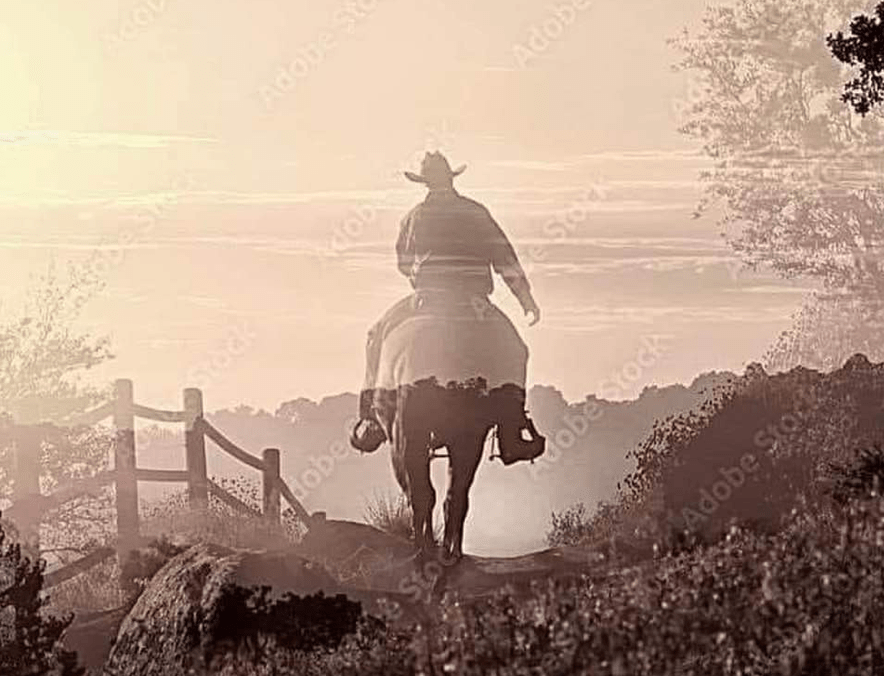
Two cowboys, Jake and Jud, rode their horses through the treacherous Valley of Vultures in the heart of the Wild West. The landscape, a rugged expanse of rocky canyons and arid plains, seemed to stretch into eternity.

The setting sun cast a crimson glow across the jagged cliffs, and the ominous sight of circling vultures overhead sent a shiver down their spines, a stark reminder of the peril that surrounded them.

Jake, a rugged man with a scruffy beard and a faded hat, glanced at his companion, Jud. Jud was slightly younger, with a boyish charm that belied the tough exterior he’d built from years on the range. They had been riding together for months, a pair of wanderers bound by a bond that was stronger than steel, forged in the fires of shared hardships. They were running from a past that wouldn’t let them be and searching for a future that seemed just out of reach.

“We’re gonna make it through, right?”

Jud’s voice broke the silence, his eyes fixed on the narrow path ahead.


Jake took a deep breath, his eyes scanning the cliffs that loomed on either side.

“Ain’t got much choice, Jud. We get through this canyon, or we don’t. But we ain’t the kind to give up. We gotta keep moving.”

His words were a testament to their resilience, a beacon of hope in the face of adversity.

The canyon walls seemed to close around them, casting long shadows dancing in the dying light. The sound of their horses’ hooves echoed off the rock, a steady rhythm that was reassuring and haunting. The vultures above were a constant reminder of the danger that lurked in this desolate place.

As they rode, memories of their journey played in Jake’s mind. They had met in a dusty saloon, both down on their luck and looking for a fresh start. It hadn’t taken long for them to realize they were kindred spirits, both longing for something more than the harsh realities of life on the frontier. Their bond, forever carved in the crucible of their shared struggles, had grown stronger with each passing day. Their friendship remained a source of comfort and strength, a light in the darkness.

“Remember that time we outran those rustlers in Texas?” –––

Jake said with a grin, trying to lighten the mood.


Jud laughed, the sound echoing through the canyon.

Jake said with a grin, trying to lighten the mood.
Jud laughed, the sound echoing through the canyon.

“Yeah, I thought we’d end up six feet under. But here we are.”

The path grew narrower, forcing them to ride a single file. The vultures seemed to sense their vulnerability, swooping lower and filling the air with mournful cries. Jud’s horse stumbled on a loose rock, and panic flashed in his eyes for a moment.

“Easy, boy,” Jud whispered, patting the horse’s neck. “We’re almost through.”

~~~

Jake slowed his horse, turning to offer a reassuring smile. “Stay close, Jud. We’re in this together.”

The canyon seemed endless, but they pressed on, driven by the hope of a better life beyond its rocky walls. They spoke of dreams and plans, of a place where they could build homes and live without fear. The conversation was a lifeline, a beacon of hope pulling them through the darkness.

Hours passed, and the canyon widened when it seemed they could ride no further. Disappointed by the lack of a feast, the vultures flew off into the night. A cool breeze blew through the opening, carrying with it the promise of freedom.

Jake and Jud emerged from the canyon, the vast plains stretching before them. The stars twinkled overhead, a celestial map guiding them to their new beginning. They stopped their horses, taking a moment to catch their breath and take the sight.

“We made it,” Jud said, his voice filled with awe and relief.

Jake reached out, taking Jud’s hand in his. “Yeah, we did. Together.”

At that moment, under the vast expanse of the night sky, they knew they could face whatever challenges lay ahead. They had each other, and that was enough. They rode on, two cowboys chasing a rainbow on the range, their love a beacon in the darkness.

Enlightenment: Unveiling the True Origins of the Bible for a United Future

In the year 2542, humanity had reached an age of enlightenment, where technology and knowledge had advanced to levels previously unimaginable.

Amidst the bustling metropolis of Neo-Tokyo, two men stood apart from the crowd, their expressions grave and determined. They were Dr. Elias Hartman, a renowned historian, and Kael Renwick, a brilliant physicist.

Their mission was as crucial as it was unprecedented: they had to travel back to the early 21st century to avert a catastrophe, a global war rooted in a millennia-old misunderstanding of religious texts that threatened to wipe out the progress of the enlightened age.
Elias and Kael had spent years researching the origins of religious texts, particularly the Bible.

Their findings were both groundbreaking and alarming. The Bible, revered by billions, was not a divine prophecy but a collection of embellished reports from historians of long ago.

These historians, lacking a comprehensive understanding and accurate recording methods, had chronicled events that occurred tens of thousands of years prior. Over time, their writings got misinterpreted and deified, leading humanity astray.

The duo stepped into the time portal, their hearts heavy with the weight of their mission. They emerged in the year 2024, a time when religious fervor was still potent, and the world was on the brink of environmental and societal collapse. The air was thick with pollution, and the political climate was rife with tension and division.

Their first destination was a conference on religious studies in New York City. With his scholarly demeanor, Elias took the stage amidst curious and skeptical academics.

“Ladies and gentlemen,” he began, his voice steady and authoritative, “I come from a future where we have uncovered the true origins of the Bible. It is not a prophecy or a divine mandate but a series of embellished reports from ancient historians who chronicled events inaccurately. These events occurred thousands of years ago and have no bearing on our future.”

The audience was stunned into silence, then erupted into a cacophony of disbelief and anger. Kael stepped forward, his presence commanding and reassuring.

“We understand this is difficult to accept,” Kael said, “but we have irrefutable evidence. The misinterpretations of these texts have led humanity down a dangerous path. If we do not correct our course, we will self-destruct.”

They presented their evidence: ancient manuscripts, carbon-dated artifacts, and advanced simulations showing the actual timeline of historical events. These artifacts and simulations, based on the latest scientific methods and technologies of the 26th century, provided a clear and irrefutable picture of the true origins of the Bible, shifting the room’s atmosphere from hostility to curiosity.

As their journey continued, Elias and Kael faced fierce opposition from religious leaders and institutions that saw their revelations as threatening. They were branded heretics and faced numerous attempts to discredit their work, including public denouncements, smear campaigns, and even physical threats. However, they also found allies in unexpected places—scientists, open-minded theologians, and everyday people who saw the truth in their words.

In a small town in the Midwest, they met Sarah, a young pastor who had long questioned the traditional interpretations of the Bible. She invited them to speak to her congregation, a modest group yearning for answers in an uncertain world.

Elias spoke passionately,

“The Bible’s true value lies in its moral and ethical teachings, not in its historical accuracy. We must embrace its wisdom while understanding that it is not a roadmap for our future.”

Kael added,

“Science and spirituality can coexist. We must use our knowledge to heal our planet and unite as a species, not divide ourselves based on ancient misunderstandings.”

Slowly but surely, their message began to spread. More people started questioning long-held beliefs, seeking knowledge and understanding over blind faith.

Grassroots movements for environmental preservation, social justice, and scientific advancement gained momentum.

Their journey was arduous, filled with moments of despair and hope. But Elias and Kael knew that the future depended on their success. As they stood on the steps of the United Nations, addressing the world for the first time, they felt a sense of destiny.

“Our future was not recorded or written in ancient texts,”

Elias declared.

“It is shaped by our actions today. Let us forge a path of understanding, compassion, and progress.”

Kael concluded,

“We have the power to change our destiny. Let us choose wisely and ensure a future where humanity thrives in sinc with our planet and one another.”

The world watched, listened, and began to change. The seeds of enlightenment they planted grew into a global movement, steering humanity away from the brink of disaster and towards a brighter, more united future. Elias and Kael fulfilled their mission, not by erasing the past but by illuminating the truth and guiding humanity toward a new dawn.

The Last President: A Tale of Democracy’s Demise

The Last President

It was the end of October, and the nation seemed to be in a state of distraction, unaware of the critical choice before them. Two men were vying for the highest office in the land, each bringing with him a starkly different vision for the future. The contrast between their characters and intentions was as clear as day, yet the people’s attention was elsewhere. The urgency of the situation was palpable, but the people were yet to realize the gravity of their decision.

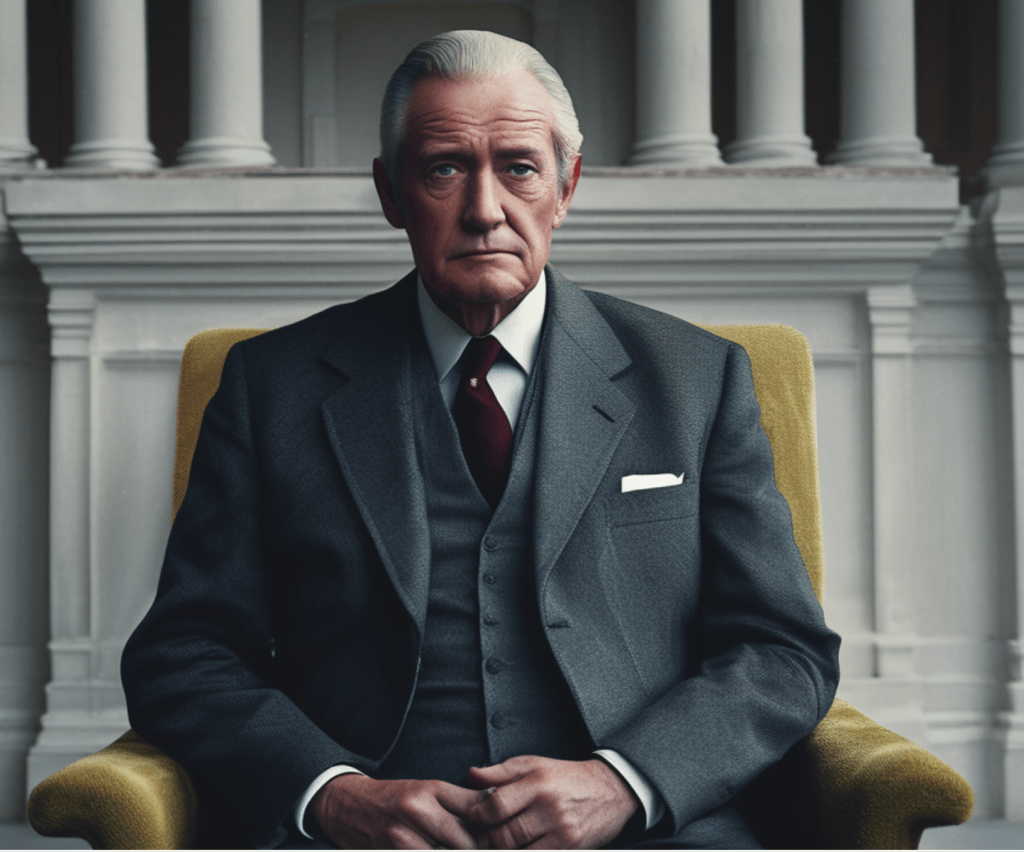
The first candidate was an elder statesman, a man whose career in public service spanned decades. He had held nearly every elected position imaginable, from local government to the halls of Congress. His dedication to the country was unwavering, a testament to his deep-seated patriotism. His life’s work, a reflection of his commitment to protecting the essence of the country he loved, was a beacon of trust and reliability for the nation.

In stark contrast stood the second candidate, a man whose motives were as transparent as they were troubling. Self-serving and careless, he made no secret of his intentions. He openly declared that, if elected, he would rule with an iron fist, punishing his enemies and consolidating power from day one. His rhetoric was filled with hate, yet the people, weary of the same old political games, dismissed his threats as mere bluster. This transparency, however, should have been a warning sign, a call for vigilance in the face of such extremism.

The campaign’s intensity grew as the days turned into weeks, yet the nation’s focus remained elsewhere. Perhaps it was the fatigue of constant political turmoil or the distractions of everyday life, but the electorate seemed indifferent, almost numb. They laughed off the second candidate’s tirades, convinced that such extremism could never take root in their democracy.

Election day arrived, and with it, a shocking outcome. The self-serving, hateful man had won. The people who had laughed at his threats now watched in stunned silence as he took the oath of office. His promises of dictatorship were not idle threats; they were his blueprint for governance, a reality that had suddenly come to pass. This was not just the result of one man’s ambition, but a collective decision made by the electorate.

From the very first day, the new President began to reshape the government to suit his whims. He targeted his opponents with a vengeance, using the full power of his office to silence dissent. Civil liberties and democratic institutions were eroded and undermined. The press, once the people’s watchdog, was muzzled. The judiciary, a bulwark against tyranny, was co-opted. His actions, such as [specific actions], tightened his authoritarian grip and spread fear like wildfire.

The oldest-ever President, now retired, watched in horror as the nation he had served so faithfully became dismantled piece by piece. His warnings had gone unheeded, his life’s work seemingly undone in months. Once so dismissive of the threat, the people found themselves powerless to stop the descent into chaos. The retired President, too, felt the weight of his powerlessness, a stark contrast to his years of service and influence.

It was the end of the nation, an Ending which the country could have avoided.nation. An Ending that could have been avoided.

The Enduring Love Story of Jon and Lester: Sudsville Pride Parade

In the quaint town of Sudsville, population 700, lived Jon and Lester, the town’s two oldest gay men. They had been partners for over fifty years, and their love story is a beautiful testament to the endurance of true love. Every year, they led the pride parade, a tradition that had grown into the town’s most anticipated and celebrated event.


Jon and Lester, who met in their twenties at a small cafe in a neighboring town, were not just partners, but also symbols of courage and resilience. Their connection was instant and deep, and they soon became inseparable. As the years passed, they faced many challenges, but their love grew more assertive. They moved to Sudsville in their thirties, seeking a quieter life where they could be themselves without fear of judgment. Initially, their presence was met with curiosity and a hint of apprehension from the townsfolk, but Jon and Lester’s kindness and willingness to help their neighbors soon won everyone over.


Sudsville’s first pride parade was a modest affair. Jon and Lester walked hand in hand down the main street, accompanied by a handful of supportive friends and neighbors. The event was a small but significant step for the town, beginning a new era of acceptance and inclusivity.


Over the years, the parade grew in size and significance, mirroring the town’s growing acceptance and inclusivity. People from all around, including area towns and even distant cities started to flock to Sudsville to participate in the celebration. The parade became a symbol of love, unity, and pride, drawing thousands of participants each year. Local businesses thrived during the event, with hotels, restaurants, and shops bustling with activity and generating hundreds of thousands of dollars in revenue.


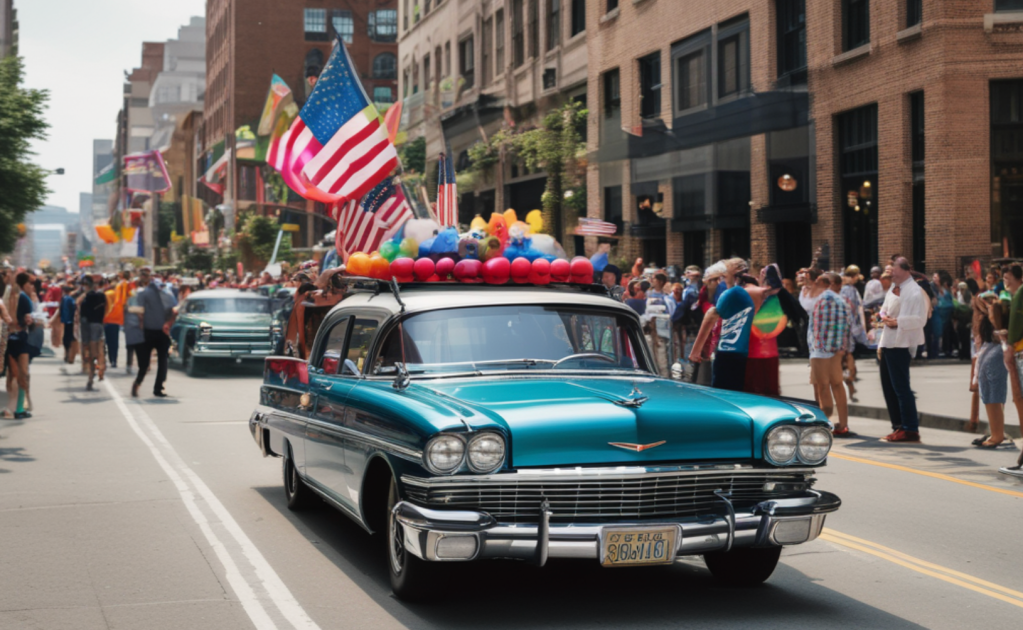
Jon and Lester, who became local celebrities, were not just a couple but a living testament to the power of love. Their love story inspired countless people. They would ride in a beautifully decorated vintage car at the front of the parade, waving to the crowd and blowing kisses. Their smiles radiated joy and pride, and their presence reminded them of the power of love and the importance of being true to oneself.


The townsfolk embraced the parade with open arms, and in doing so, they transformed Sudsville into a vibrant and welcoming place. The event featured colorful floats, lively music, and performances by talented artists. The streets became adorned with rainbow flags, and the atmosphere was emotive with excitement and celebration.


Each year, Jon and Lester would give a heartfelt speech at the end of the parade, thanking everyone for their support and sharing their hopes for a more inclusive future. Their words resonated deeply with the crowd, leaving many in tears and inspiring a renewed commitment to acceptance and love.

Jon and Lester grew older as the years went by, but their passion for the parade never waned. They continued to lead the event with the same enthusiasm and love, their bond as strong as ever. The pride parade became a beloved tradition, not just for Sudsville but for the entire region.


Jon and Lester’s legacy lived on. Their love story became etched into the hearts of everyone who had the privilege of knowing them. The parade they had started continued to flourish, a testament to their enduring love and the power of acceptance. Sudsville, once a quiet little town, had become a beacon of pride and inclusivity, all thanks to the love and courage of two extraordinary men.

Biden’s Victory Speech: Uniting America for Progress | Biden Wins

Before the presidential debates on Thursday, posts from supporters of President Biden are getting noticed. President Biden is getting noticed for his comment on the second anniversary of the revocation of ROE vs. Wade, a process that he says is caused by Donald Donald Trump.

    Three Presidents Who Are Respected Around The World
    There Is A Giant Difference Between The Two. When You Vote – It Is For Freedom!

    Former President Donald Trump was widely mocked after claiming to a crowd of supporters that he has “wounds all over my body” that they could see if he took his shirt off.

    Trump delivered the keynote address at the “Road to Majority” conference in Washington, D.C., organized by the conservative Christian political advocacy group, Faith and Freedom Coalition, on Saturday.

    For example, Presidents Abraham Lincoln, James Garfield, William McKinley, and John F. Kennedy were assassinated while still in office.

    Notably, Ronald Reagan was the victim of an attempted assassination in 1981 when a bullet fired by John Hinckley Jr. shot him in the underarm, broke one of his ribs, and punctured one of his lungs, causing significant internal bleeding. Reagan went on to serve two terms in office.

    In one of the more oddball moments in American history, Andrew Jackson in 1835 was attacked by an unemployed house painter whose pistols misfired—and promptly beat his failed assassin with his walking cane.

    And it is perhaps darkly comic that Theodore Roosevelt survived a 1912 assassination attempt after the assassin’s bullet became lodged in a folded copy of a speech Roosevelt was carrying in his breast pocket at the time.

    By contrast, Trump has never been in a similar position. Nor has he ever served in combat or sustained any wounds whatsoever considering he infamously dodged the Vietnam War draft by claiming he had bone spurs in his foot (a fact he has periodically downplayed).

    See the full report here!