
By Benjamin GroffMedia© | benandsteve.com | 2025 Truth Endures©
Wichita, Kansas – July 11, 1955
The heat had been unrelenting for days. By the evening of July 11th, something darker than the weather was brewing in the Kansas sky. Just after 6:30 p.m., local news reports began buzzing with concern. A fast-moving system was developing west of the city. Radar, still new technology for military meteorologists, was showing rotation in those days it wasn’t shared like it is now.
At 7:04 p.m., a Category F4 tornado touched down near the town of Udall, Kansas. It was the same town that had been devastated just two months earlier in the deadliest tornado in state history. This one skirted the more populated areas. Still, damage was widespread. Barns were flattened, power lines twisted, and wheat fields scraped bare. Miraculously, only minor injuries were reported. Many locals said they were prepared this time, keeping radios on and basements cleared after the trauma of May 25.
The Wichita Eagle published a late edition the next morning. The headline read
“Twister Brushes Wichita – City Spared, Farms Not So Lucky.”
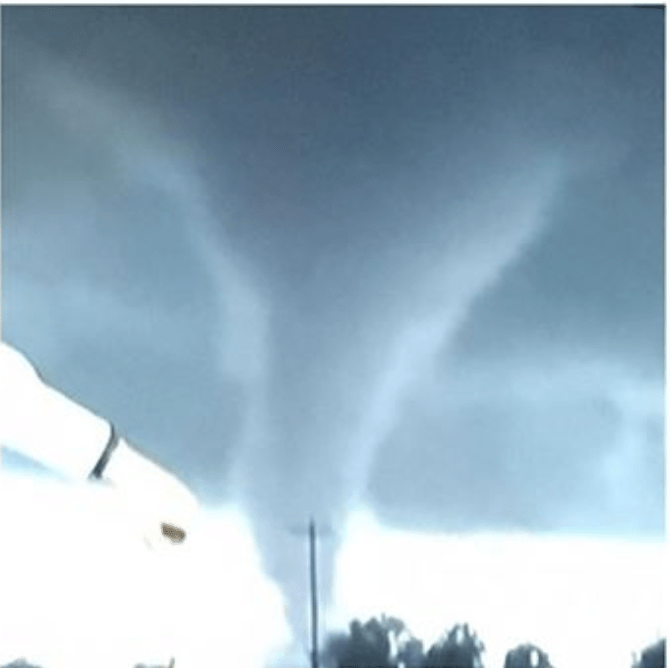
A black-and-white photo captured a twisted silo lying like a crushed can under a red-orange sunrise.
Looking back, July 11, 1955, was a reminder that in the American Midwest, nature rarely knocks. It kicks in the door, and you learn to be ready.
 benandsteve.com