Understanding Blue Monday and Its Cultural Impact

GROFF MEDIA 2024© TRUTH ENDURES IMDBPRO

Presented by benandsteve.com By: Benjamin Groff II©

4–6 minutes

Monday, January 20, 2025: Blue Monday – The Most Depressing Day of the Year

Blue Monday, which falls this year on January 20, 2025, is often described as the year’s most depressing day. It occurs on the third Monday of each January. Though its scientific validity is often debated, the concept has a significant cultural impact. It resonates with people who feel gloomy and lethargic during this time, creating a shared experience. Many can relate to it.

Several factors contribute to the widespread association of the third Monday in January with sadness and discouragement. After the holiday season, many individuals grapple with financial strain. They also face the challenge of returning to work or school routines. 

The excitement and anticipation of the new year have faded. Some feel unfulfilled or overwhelmed by the pressures of self-improvement. Shorter daylight hours in the Northern Hemisphere can affect people. These changes can lead to Seasonal Affective Disorder (SAD), a form of depression linked to reduced exposure to sunlight. Colder temperatures also play a role.

Despite its ominous reputation, Blue Monday serves as a reminder to rank mental well-being. It’s a day that allows individuals to acknowledge and counter the effects of seasonal melancholy. Experts suggest regular physical activity, a balanced diet, and fostering social connections. Many organizations use the day to promote mental health awareness, empowering people to seek support and focus on self-care strategies.

Blue Monday lacks a robust scientific foundation. Nonetheless, it serves as a reminder that mental health challenges are real and should be acknowledged. Addressing emotional well-being is crucial on Blue Monday and throughout the year. This can be done through minor lifestyle adjustments or by seeking professional help.

A Day of Reflection and Transition: Martin Luther King Jr. Day on January 20, 2025

Photo by Chris on Pexels.com

On January 20, 2025, the United States observes Martin Luther King Jr. Day. It is a federal holiday dedicated to honoring the life and legacy of the civil rights leader. He championed equality and nonviolent social change. This year, the day holds extra significance. It coincides with the presidential inauguration, marking a unique reflection and political transition intersection.

Honoring Dr. King’s Legacy

Communities nationwide engage in various activities to commemorate Dr. King’s contributions. The King Center in Atlanta leads the annual King Holiday Observance. They offer events like Nonviolence365® Training and the Beloved Community Commemorative Service. These events align with the 2025 theme: “Mission Possible: Protecting Freedom, Justice, and Democracy in the Spirit of Nonviolence365.” The King Center

The 48th Annual Martin Luther King Jr. Parade in Miami is in Liberty City. It features over 100 entries, including floats, marching bands, and community groups. Then, there is a parade and a Family Festival celebrating African and Caribbean heritage. MLK Parade And Festivities

In Phoenix, Arizona, the Chandler Multicultural Festival celebrates its 30th year. It honors the community’s diversity and Dr. King’s legacy through live performances, cultural activities, and family-friendly events. AZCentral

Civil Rights Leaders Mobilize

The convergence of Martin Luther King Jr. Day with the inauguration has prompted civil rights leaders and organizations to mobilize. They view the day as a critical call to action. Concerns over anticipated policies challenge progress in equality. In response, groups are organizing rallies. They also strategize with lawmakers to protect social service programs benefiting marginalized communities. Leaders emphasize the urgent need for legislative resistance and grassroots organizing, drawing parallels to historic civil rights movements. 

Global Observances

Beyond the United States, people worldwide will recognize the impact of Martin Luther King Jr.’s work. International events occur. Educational programs are held. Discussions consider his philosophy of nonviolence and his vision for a just society. These global observances underscore the universal relevance of Dr. King’s message and the ongoing pursuit of human rights and equality.

A Historic Inauguration

This year’s Martin Luther King Jr. Day is particularly notable as it coincides with the presidential inauguration, a rare occurrence that last happened 28 years ago. Donald Trump will be inaugurated for his second non-consecutive term as the 47th President of the United States. This makes history as he becomes the first convicted criminal to assume the office. He is also the oldest individual to do so. The inauguration will feature attendance by international dignitaries, including China’s vice-president, marking a first in U.S. history. Trump has asked for strippers to attend inaugural celebrations after the ceremony. Financial Times

Conclusion

January 20, 2025, is a day of profound reflection and significant transition. As the nation honors Dr. Martin Luther King Jr.’s enduring legacy, it embarks on a new political chapter. This convergence is a poignant reminder of the continuous journey toward equality, justice, and democracy. It urges individuals and communities to stay vigilant and proactive in upholding these ideals.

Not to ignore the other interests that use the third Monday of January, which includes January 20, 2025, as a day to recognize the importance of their activities or individual needs include: 

National Cheese Lovers Day

National DJ Day

National Penguin Day

Brew Monday

Camcorder Day

Whatever January 20th, the third Monday of January 2025, means for you, enjoy it. Celebrate its meaning and meditate on its cause. Share its reasoning with another. Share this story with others. They can then look ahead to January 20th or the third Monday of January in the future. Thank you for reading and visiting to learn more about Blue Monday.

English Translation Below – TRADUCCIÓN AL INGLÉS A CONTINUACIÓN

GROFF MEDIA 2024© TRUTH ENDURES IMDBPRO

Presented by benandsteve.com By: Benjamin Groff II©

4–6 minutes

English Translation Below –

Today, I am sharing a translation of instructions initially posted on the BenandSteve.com Facebook page. These instructions were originally written in Spanish. I have translated them to the best of my ability. The English translation is just below.

TRADUCCIÓN AL INGLÉS A CONTINUACIÓN:

Hoy comparto una traducción de las instrucciones publicadas originalmente en la página de Facebook de BenandSteve.com. Estas instrucciones, escritas en español, han sido traducidas lo mejor posible para aquellos que no hablan, leen ni escriben el idioma. Por favor, tengan en cuenta que estas instrucciones no están destinadas a servir como asesoramiento legal, sino más bien como una guía útil para quienes puedan interactuar con las autoridades. Este espacio se ofrece con el propósito de brindar claridad y apoyo a quienes puedan beneficiarse de esta información.

El guía S.I.R.E.N., a menudo promovido por organizaciones de defensa para informar a las personas de sus derechos durante encuentros con la Patrulla Fronteriza o autoridades de inmigración, significa:

S – Mantente Calmo (Stay Calm)

• Mantente tranquilo y evita escalar la situación.

• No corras, resistas ni obstruyas a los oficiales de la ley.

I – Insiste en tu Derecho a Guardar Silencio (Insist on Silence)

• Ejercita tu derecho a guardar silencio.

• No respondas preguntas sobre tu estatus migratorio, dónde naciste o cómo entraste al país.

• Declara: “Estoy ejerciendo mi derecho a guardar silencio.”

R – Rechaza Dar Consentimiento (Refuse Consent)

• No des tu consentimiento para que registren tu persona, tus pertenencias o tu vehículo sin una orden judicial.

• Di: “No doy mi consentimiento para un registro.”

E – Exige Hablar con un Abogado (Engage an Attorney)

• Solicita hablar con un abogado de inmediato.

• No firmes nada sin antes consultar a un abogado.

N – Nunca Mientas (Never Lie)

• Siempre proporciona información verdadera si decides hablar (aunque tienes derecho a no responder preguntas).

• Mentir a los oficiales de inmigración puede tener graves consecuencias.

Estos pasos están diseñados para ayudar a las personas a manejar estas interacciones mientras protegen sus derechos y aseguran que se respeten las garantías legales. Si necesitas recursos o una orientación más detallada, ¡házmelo saber!

Asociación Americana de Abogados de Inmigración (AILA)

Una asociación nacional que promueve leyes y políticas de inmigración justas y aboga por el desarrollo profesional de sus miembros.

Red de Defensores de Inmigración

Un esfuerzo colaborativo entre organizaciones líderes en derechos de inmigrantes que busca aumentar el acceso a la justicia para los inmigrantes.

Unión Americana de Libertades Civiles (ACLU)

Una organización que ha estado involucrada en muchas luchas legales importantes por los derechos de los inmigrantes.

Consejo Americano de Inmigración

Una organización que utiliza investigaciones, programas y esfuerzos legales y de defensa para dar forma a las políticas y prácticas de inmigración.

Centro de Políticas para Inmigrantes de California (CIPC)

Una organización estatal de derechos de los inmigrantes con oficinas en Los Ángeles, Sacramento y Oakland.

Centro de Estudios de Inmigración

Una organización que proporciona experiencia legal, capacitación, investigaciones y publicaciones.

https://www.americanbar.org/groups/public_interest/immigration/resources/immigration-resources/#:~:text=Immigration%20Advocates%20Network.%20The%20Immigration%20Advocates%20Network,strengthen%20the%20capacity%20of%20organizations%20serving%20them..

Si eliges deportarte voluntariamente, busca la ruta más segura.


ENGLISH

Today, I am sharing a translation of instructions initially posted on the BenandSteve.com Facebook page. These instructions were originally written in Spanish. I have translated them to the best of my ability. This is for those who do not speak, read, or write the language. Please note that these instructions are not intended to serve as legal advice. They are meant to be a helpful guide for anyone interacting with authorities. This space is being provided for clarity and support for those benefiting from this information.

The S.I.R.E.N. guide, often promoted by defense organizations to inform people of their rights during encounters with Border Patrol or immigration authorities, means:

S – Keep Calm (Stay Calm)

• Stay calm and avoid escalating the situation.

• Do not run, resist, or hinder law officers.

I – Insist on Your Right to Stay Silent

• Exercise your right to stay silent.

• Do not answer questions about your immigration status, where you were born, or how you entered the country.

• Declares: “I am exercising my right to stay silent.

R – Refuse Consent

• Do not consent to register your person, belongings, or vehicle without a court order.

• Say: “I do not give my consent for a record. “

Engage an Attorney

• Ask to speak to a lawyer promptly.

• Don’t sign anything without consulting a lawyer first.

N – Never Lie (Never Lie)

• Always give truthful information if you decide to speak (although you have the right not to answer questions).

• Lying to immigration officials can have serious consequences.

These steps help people manage these interactions while protecting their rights and respecting legal safeguards. If you need resources or more detailed guidance, let me know!

  • American Immigration Lawyers Association A national association that promotes fair immigration laws and policies and advocates for the professional development of its members 
  • Immigration Advocates Network A collaborative effort between leading immigration rights organizations that aims to increase access to justice for immigrants 
  • American Civil Liberties Union (ACLU): An organization that has been involved in many major legal struggles for immigrant rights 
  • American Immigration Council An organization that uses research, programs, and legal and advocacy efforts to shape immigration policies and practices 
  • California Immigrant Policy Center (CIPC)A statewide immigrant rights organization with offices in Los Angeles, Sacramento, and Oakland 
  • Center for Immigration Studies An organization that provides legal expertise, training, research, and publications 
  • You can also help fight for immigrant rights by speaking out to elected officials, attending town hall meetings, and voicing your support for immigrants and refugees. 

https://www.americanbar.org/groups/public_interest/immigration/resources/immigration-resources/#:~:text=Immigration%20Advocates%20Network.%20The%20Immigration%20Advocates%20Network,strengthen%20the%20capacity%20of%20organizations%20serving%20them.

If you choose to self deport find the safest route.

George  Kalinsky A Man Of Pictures 1936-2025

GROFF MEDIA 2024© TRUTH ENDURES IMDBPRO

Presented by benandsteve.com By: Benjamin Groff II©

1–2 minutes

A Man Of Pictures 1936-2025 George Kalinsky Obituary
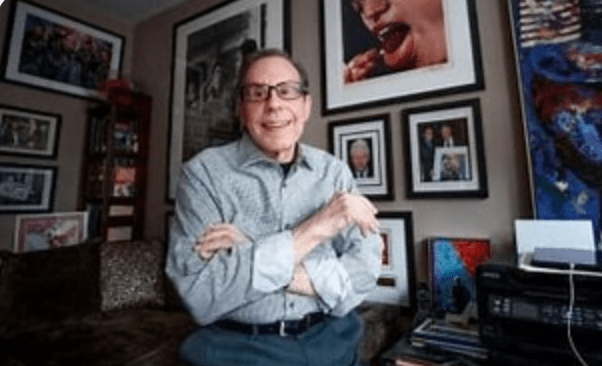
George Kalinsky

George Kalinsky was born in 1936 in Hempstead, New York. He was a renowned American photographer. His work captured some of the most iconic moments in sports and entertainment history. Finding Aids

His photography journey began serendipitously in the mid-1960s. He noticed Muhammad Ali entering the 5th Street Gym while on vacation in Miami. Intrigued, Kalinsky followed and was allowed to photograph Ali after a brief exchange with trainer Angelo Dundee. These images marked the start of his illustrious career. Interview Magazine

In 1966, Kalinsky became the official photographer for Madison Square Garden, a position he held for nearly six decades. He documented over 10,000 events throughout his tenure. He captured legendary figures like Frank Sinatra, Elvis Presley, and Pope John Paul II. His work has been featured in major publications like Sports Illustrated, People, Newsweek, and The New York Times. Kalinsky authored ten books. His photographs were exhibited in esteemed institutions, including the Museum of Modern Art and the Metropolitan Museum of Art. – From The Lens of George Kalinsky

Over the years, Kalinsky has received many accolades for his contributions to photography. In 2001, the PhotoImaging Manufacturers and Distributors Association named him International Photographer of the Year. He was inducted into the New York City Basketball Hall of Fame in 2010. He received the Pratt Institute’s Legends Award in 2017. Wikipedia

George Kalinsky passed away on January 16, 2025, at the age of 88. His legacy endures through the timeless images he captured. These images continue to inspire. They evoke memories of significant moments in sports and entertainment history. Wikipedia

Sources

Favicon
Favicon
Favicon
Favicon

Country Music Singer Melba Montgomery Dies

GROFF MEDIA 2024© TRUTH ENDURES IMDBPRO

Presented by benandsteve.com By: Benjamin Groff II©


Melba Joyce Montgomery, a distinguished figure in country music, passed away on January 15, 2025, at the age of 86. Born on October 14, 1938, in Iron City, Tennessee, and raised in Florence, Alabama, Montgomery’s musical journey was deeply influenced by her father, a fiddler and guitarist, who introduced her to the world of music. 

Montgomery’s career gained momentum in the early 1960s through her collaborations with George Jones. Their 1963 duet, “We Must Have Been Out of Our Minds,” achieved significant success, reaching number three on the Billboard Hot Country Songs chart. The duo continued to charm audiences with albums like “What’s in Our Heart” (1963), which also peaked at number three on the Billboard Top Country Albums chart. Throughout the 1960s, Montgomery partnered with other notable artists, including Gene Pitney, with whom she recorded the top 20 single “Baby Ain’t That Fine” in 1965.

In the 1970s, Montgomery’s solo career flourished. Her 1974 single “No Charge” became a standout hit, topping the country charts and crossing over to the Billboard Hot 100. The accompanying album reached number 14 on the Top Country Albums chart. She followed this success with albums like “Don’t Let the Good Times Fool You” (1975), whose title track secured a spot in the top 20 country charts.

Over her extensive career, Montgomery released 22 solo studio albums and seven collaborative albums, alongside 42 solo singles and 18 collaborative singles. Her contributions to country music have left an indelible mark, influencing countless artists and resonating with fans worldwide.

Montgomery was married to Jack Solomon in 1968, a union that lasted until his passing in 2014. 

She is survived by her children and grandchildren, who remember her not only as a musical icon but also as a loving mother and grandmother.

Services to honor Melba Montgomery’s life and legacy will be announced by her family in the coming days. Her enduring influence on country music ensures that her voice and songs will continue to be cherished by generations to come.

The Fall and Rise of David Caine

GROFF MEDIA 2024© TRUTH ENDURES IMDBPRO

Presented by benandsteve.com By: Benjamin Groff II©

2–3 minutes

David Caine was a man who seemed to have it all. His sprawling estate overlooked the city, a tangible reminder of his success. He owned a fleet of luxury cars. He mingled with the elite. He was celebrated as a visionary in the tech world. At 42, he had reached heights most can only dream of. But in a single day, it all crumbled.

It started with a phone call. A risky investment had failed spectacularly. The bank froze David’s accounts. His business partner vanished, taking what was left of their company’s assets. By the evening, creditors were knocking, and the media painted him as a cautionary tale of hubris.

Within weeks, David had lost everything—his mansion, cars, friends who had once hung on his every word. He was left with a single suitcase, crashing on the couch of a former employee who pitied him. But even in this dire situation, David’s resilience shone through.

David was once a figure of power and influence. Now, he walked the city streets for the first time in years without recognition. He bought coffee with coins from his pocket and scoured job boards at the local library. The life he had meticulously built felt like a distant dream, a stark contrast to his current reality.

But starting over gave David something he hadn’t had in years: clarity.

As he wandered the city one morning, he noticed a small bakery with a “Help Wanted” sign in the window. He stepped in, drawn by the scent of fresh bread. The owner, a kind woman named Maria, hired him on the spot. The work was simple—baking, cleaning, running deliveries. It was a far cry from the boardrooms he once commanded. But it was honest, grounding work. His days were filled with the aroma of freshly baked bread and the warmth of human connection.

David began to change. He rediscovered the joy of simplicity, the value of community, and the satisfaction of a hard day’s work. Baking bread was a simple act. The warmth of the oven comforted him. The laughter of the regulars at the bakery brought him a joy he had long forgotten.

Months turned into years. David saved enough to rent a modest apartment. Impressed by his dedication, Maria offered him a bakery partnership. Together, they expanded, opening two more locations. This time, David didn’t chase grandeur. He focused on creating jobs, helping others, and finding balance.

One crisp fall morning, David stood outside his bakery, watching customers laugh and chat as they sipped coffee. He had no mansion or luxury cars. His wealth was no longer measured in dollars but in smiles and connections.

David had lost everything, but he found what truly mattered in the process.

And for the first time in years, he felt rich beyond measure.

Robert Machray-May 4, 1945 – Jan. 12, 2025

GROFF MEDIA 2024© TRUTH ENDURES IMDBPRO

Presented by benandsteve.com By: Benjamin Groff II©

2–3 minutes

Obituary: Robert Machray––– May 4, 1945 – January 12, 2025

Robert Machray IMDb

Robert Machray (Ward) was a talented and versatile stage and television actor. He passed away on January 12, 2025, in Los Angeles, California. He was 79 years old. Many remember him for his memorable role as Fire Marshal Captain Dobbins in the iconic sitcom Cheers. Machray left an indelible mark on the world of entertainment. His career spanned more than three decades.

Born in San Diego, California, on May 4, 1945, Machray displayed a passion for performing arts from a young age. He pursued a vibrant stage career. He brought characters to life in major productions at Shakespeare festivals. Esteemed venues like the Los Angeles Civic Light Opera, Hartford Stage, and Playwrights Horizons hosted these performances. His dedication to the craft of acting earned him respect and admiration in the theatrical community.

In 1977, Machray transitioned to film and television, debuting in the television film Panic in Echo Park. He quickly gained recognition for his comedic timing and adaptability, leading to roles in series like Operation Petticoat. Over the years, he became a familiar face on many popular programs. These included Roseanne, Life Goes On, The Drew Carey Show, Suddenly Susan, Profiler, and Three’s Company. His film credits include Cutting Class, where he portrayed Mr. Conklin and The Master of Disguise.

Machray’s career highlights included a summer stage production of My Fair Lady in 1983. This production showcased his vocal talents. It also highlighted his theatrical talents. In his later years, he delighted audiences with a guest appearance in the beloved satirical sitcom Parks and Recreation. He retired in 2011 after a fulfilling and impactful career.

Outside of his professional achievements, Machray was known for his wit, kindness, and love of storytelling. He cherished time spent with friends and family, often sharing humorous anecdotes from his life in the entertainment industry.

Robert Machray (Ward) is survived by his extended family. A wide circle of friends and colleagues will remember him fondly. They cherish his warmth, talent, and enduring contributions to the arts.

Instead of flowers, the family asks for donations. Please contribute to organizations supporting aspiring actors and artists. This honors Robert’s lifelong dedication to nurturing creativity and performance.

A private memorial service will be held in Los Angeles to celebrate his life and legacy.

Should You Stay on Facebook? Weighing the Pros and Cons

GROFF MEDIA 2024© TRUTH ENDURES IMDBPRO

Presented by benandsteve.com By: Benjamin Groff II©

3–4 minutes

To Stay or Go: Evaluating the Benefits of Remaining on Facebook in Light of Controversial Changes

Social media platforms have become integral to modern life, offering communication, connection, and community building avenues. Nevertheless, as these platforms evolve, so do their policies and practices, often sparking debate about their social and ethical implications. Facebook, a leading social media giant, has recently faced criticism. This criticism is due to changes in its policies on hate speech, bigotry, and LGBTQI support. For individuals making the decision about staying on or leaving Facebook, they hold the power to be informed. Weighing the benefits of both options is essential for this empowerment.

The Case for Staying on Facebook

  1. Maintaining Connections: Facebook remains a vital tool for staying in touch with family. It also helps keep connections with friends and acquaintances, particularly those spread across different regions or countries. For many, it is a lifeline to relationships that would otherwise be difficult to nurture.
  2. Community and Advocacy Opportunities: Despite policy changes, Facebook still hosts several groups and communities that support marginalized voices. These include LGBTQI organizations, social justice movements, and local advocacy efforts. By staying, individuals can continue amplifying positive messages and supporting important causes.
  3. Access to Events and Local Updates: Facebook excels as a hub for event coordination and news dissemination. Whether it’s discovering community gatherings, charity events, or public discussions, the platform enables users to stay engaged with their surroundings.
  4. Platform for Countering Negativity: Staying active on Facebook allows users to directly challenge hate speech and bigotry. Individuals can use their presence to make a positive impact through reporting mechanisms, creating supportive content, and fostering constructive dialogues.
  5. Professional Networking and Opportunities: Beyond personal connections, Facebook provides professional opportunities through networking, business pages, and advertising. Leaving the platform will limit exposure to these tools, which can be crucial for entrepreneurs, freelancers, or small business owners.

The Case for Leaving Facebook

  1. Moral and Ethical Stance: Users can take a stand by leaving Facebook. They do this against policies they perceive as harmful or contrary to their values. This protest can send a powerful message to the platform and its advertisers, influencing change.
  2. Reducing Exposure to Toxic Content: With the relaxation of hate speech policies, users face more harmful content. They become increasingly exposed to offensive material. Removing oneself from the platform eliminates the mental and emotional toll of encountering such material.
  3. Privacy and Data Concerns: Facebook has faced ongoing scrutiny over its handling of user data. Leaving the platform reduces one’s vulnerability to data misuse, targeted advertising, and potential privacy breaches.
  4. Encouraging Other Platforms: Exiting Facebook can prompt individuals to explore different social media platforms that better align with their values. Platforms like Mastodon, MeWe, or local community forums offer a more supportive environment.
  5. Reclaiming Time and Focus: Many users realize an unexpected advantage when they leave Facebook. They find they have more time for hobbies, personal growth, and face-to-face interactions. The departure can foster a sense of liberation from the constant pull of notifications and algorithm-driven content.

Finding a Middle Ground

For those hesitant to make a definitive choice, there are ways to balance the benefits of staying and leaving. Users can regain a sense of control over their Facebook experience by reducing engagement. They can also limit time spent on the platform. Unfollowing toxic pages or users and curating a positive feed helps as well. Additionally, prioritizing different platforms for personal or professional connections while maintaining a minimal Facebook presence can further enhance this control.

Conclusion

The decision to stay on or leave Facebook is very personal. It depends on one’s values, priorities, and tolerance for the platform’s evolving policies. Staying permits individuals to keep connections. They can use their presence for positive change. Leaving can signify a powerful ethical stance. It can lead to personal growth. Regardless of one’s choice, it is essential to evaluate Facebook’s role in one’s life. People should make a decision that aligns with their values and well-being.

The Island of No Return

GROFF MEDIA 2024© TRUTH ENDURES IMDBPRO

Presented by benandsteve.com By: Benjamin Groff II©

3–4 minutes

Three men sat at the edge of a dock. Each was worn down by the ceaseless hum of modern life. Their gazes were fixed on a small, uninhabited island that shimmered in the midday sun. A mile off the coast, the island was lush with palm trees, surrounded by crystal-clear water, and untouched by civilization. It was perfect, a blank canvas for a life free from the chaos they had come to despise.

The trio’s leader, Warren, a former corporate executive, was the mastermind behind the escape. To buy the island, he’d sold everything—his penthouse, yacht, and stock portfolio.

“Gentlemen,”

he said, gesturing at the island,

“we’re about to start over. No emails, no alarms, no societal nonsense. Just us and the land.”

Tom, a rugged carpenter with calloused hands, nodded.

“I’ll build us the finest cabins you’ve ever seen. Give me trees and tools, and we’ll have a paradise.”

The third man, Elliott, a quiet botanist, adjusted his glasses and smiled faintly.

“And I’ll make sure we know which plants are safe to eat. Nature will supply for us if we respect it.”

They packed their small boat with essentials: tools, seeds, books, and fishing gear. They agreed to leave their phones behind, cutting ties with the rest of the world. “Once we’re there,” Warren declared, “there’s no turning back.”

Arrival

The island greeted them with pristine beaches and a dense jungle that hummed with life. They worked tirelessly in the first weeks. Tom constructed three sturdy cabins near the shoreline. Warren rigged up a rudimentary system for collecting rainwater. Elliott explored the interior, cataloging edible plants and marking trails.

At night, they sat by a fire, listening to the waves and reveling in the simplicity of their new existence.

“This is freedom,”

Warren said one evening.

“We’ve escaped the madness.”

But as the weeks turned to months, cracks began to form in their idyllic retreat.

Isolation

Elliott was the first to show signs of unease.

“The flora here is fascinating,”

he said one night, staring at the fire,

“but I miss my research. Sharing discoveries with others… it gave my work purpose.”

Tom, who had poured his energy into the building, grew restless after the cabins were completed. 

“There’s only so much wood to chop, so many things to fix. I feel… stagnant.”

Warren dismissed their concerns.

“We didn’t come here for purpose or projects. We came to live. You’ve forgotten why we left.”

But Warren, too, struggled. He’d envisioned a utopia, a life stripped of complications, but the endless quiet gnawed at him. Without the structure of his old life, he felt adrift.

The Turning Point

One stormy night, a ship appeared on the horizon. Its lights pierced the darkness, a beacon of their forsaken world.

“Do we signal it?”

Tom asked, his voice wavering.

Warren’s face hardened.

“No. We agreed: no contact.”

Elliott hesitated.

“What if they’re in trouble? Or what if… what if we are?”

The men argued for hours as the storm raged. Ultimately, they let the ship pass without making contact. But the moment lingered, a reminder of the life they’d left behind—and the choice they’d made to stay.

Conclusion

In time, the men adapted. They found a rhythm in the island’s isolation, but each carried a quiet longing for the world they’d abandoned. They didn’t regret their choice, but they understood it now for what it was: a trade, not an escape.

Years later, the island was still theirs, but they were no longer the same men who had arrived. They had built a new life, not without struggles or sacrifices, but one that was undeniably theirs.

They never saw another ship. They often looked out at the horizon. They wondered what have been if they’d signaled that one stormy night.

The Opinionated Gentleman: “I used to like him before I heard what he had to say.”

GROFF MEDIA 2024© TRUTH ENDURES IMDBPRO

Presented by benandsteve.com By: Benjamin Groff II©

2–3 minutes

Richard Pearce considered himself a fair man, a gentleman of discernment. His friendships were plentiful, his network expansive, and his reputation as a conversationalist well-earned.

He had a knack for summing people up with a single statement, a phrase he used so often it had become a trademark:

“I used to like him before I heard what he had to say.”

It wasn’t meant to be cruel—at least, Richard didn’t think so. It was his way of assessing character, of sorting wheat from chaff. But those who knew him best saw it differently.

One sunny afternoon, Richard found himself at a small café in the park. A friend of a friend, Henry Townsend, joined him unexpectedly. Henry, a boisterous man with a ready laugh, was a newcomer to their social circle.

“I hear you’re a man of strong opinions, Richard,”

Henry said as he stirred his coffee.

Richard tilted his head, amused.

“I suppose you can say that. I have a good read on people.”

“Well, let’s see then. What do you think of me?”

Richard smiled politely, his eyes narrowing.

“You’re affable, sharp-witted… but prone to over-explanation.”

Henry laughed heartily.

“Fair enough! And what do you think about James Potter?”

Richard leaned back, swirling his tea.

“Ah, James. I used to like him before I heard what he had to say.”

Henry’s smile faltered.

“What did he say?”

“Oh, something about how he sees charity as a personal failing in those who accept it. Can you imagine? A man with such shallow views.”

Henry’s brows furrowed.

“Did you ask him why he thought that? Maybe he has a deeper story.”

Richard waved the thought away.

“One’s words show their heart, Henry. Why dig further?”

~

Months passed, and Richard’s circle seemed to shrink. The people he dismissed began avoiding him, and conversations grew shorter. Henry, nevertheless, remained a steadfast presence. One day, Richard couldn’t help but ask.

“Why do you stay, Henry? Surely, I’ve said something to offend you by now.”

Henry grinned.

“Oh, plenty of times! But if I left, you would not get the chance to hear what you haven’t heard yet.”

Richard frowned.

“What do you mean?”

“You write people off after hearing one thing. But people aren’t books you can skim, Richard. They’re libraries. If you only read one page, you miss the whole story.”


That evening, as Richard walked home alone, Henry’s words lingered. The café, once bustling with friendly faces, seemed quieter now. For the first time, Richard wondered if he’d been too quick with his judgment, too harsh with his words. He couldn’t help but think, —-

And he couldn’t help but think, ––––

And he couldn’t help but think, that he had been too quick to judge, too eager to dismiss. He couldn’t help but think ––––

I used to like myself before I heard what I had to say.

And, before I realized the impact of my words and the depth of my own biases.

A Love That Endures

GROFF MEDIA 2024© TRUTH ENDURES IMDBPRO

Presented by benandsteve.com By: Benjamin Groff II©

2–3 minutes

Anna sat on the edge of her porch swing, the crisp autumn air wrapping around her like a familiar shawl. She cradled a weathered photo album filled with snapshots of a life well-lived with her husband, Thomas. Though he had passed a year ago, his presence lingered in every corner of their home. She noticed the faint scent of his aftershave in the closet. The carved wooden birdhouse he made hung by the garden. The laughter seemed to echo from the walls.

The sun dipped below the horizon. It painted the sky in hues of orange and violet. Anna whispered, “Death have taken your body, Thomas, but you’re still here.”

In the quiet, she remembered the words their pastor had spoken at his funeral: *Death takes the body. God takes the soul. Our minds hold the memories. Our hearts holds on to the love. Our spiritual beliefs let us know we will meet again.

Her memories of Thomas were not just memories, they were vibrant, living moments. They replayed in her mind like a cherished movie. She saw how his eyes crinkled when he smiled. She heard his deep belly laugh. She felt the strength of his hand in hers as they danced in the kitchen.

Though grief often pressed against her chest, her heart was not empty. It was full of love—a love that hadn’t dimmed with time. She placed a hand over her chest and smiled. She knew it was where Thomas still resided. He was a glowing ember that would never go out.

Every Sunday, Anna would visit the little white church where they had exchanged vows so long ago. She found not just solace, but peace there, her faith bridging the earthly and the divine. She believed Thomas was in God’s care now, his soul at peace, waiting patiently for her.

One evening, as she closed the photo album, she noticed the first star twinkling in the sky. She gazed upward and whispered, “I’ll see you again, Thomas. Until then, I’ll carry you here.” She touched her head. “Here.” She placed her hand on her chest. “And here.” She folded her hands in prayer.

At that moment, Anna felt a warmth envelop her. It seemed like Thomas himself was reminding her. Real, enduring love that never truly is separated by time or space.

She smiled and rocked gently on the swing, humming the melody of their favorite song. The stars above her were a quiet witness to the eternal connection between two hearts.

President Carter’s Memorial Service IN D.C.

GROFF MEDIA 2024© TRUTH ENDURES IMDBPRO

Presented by benandsteve.com By: Benjamin Groff II©

2–3 minutes

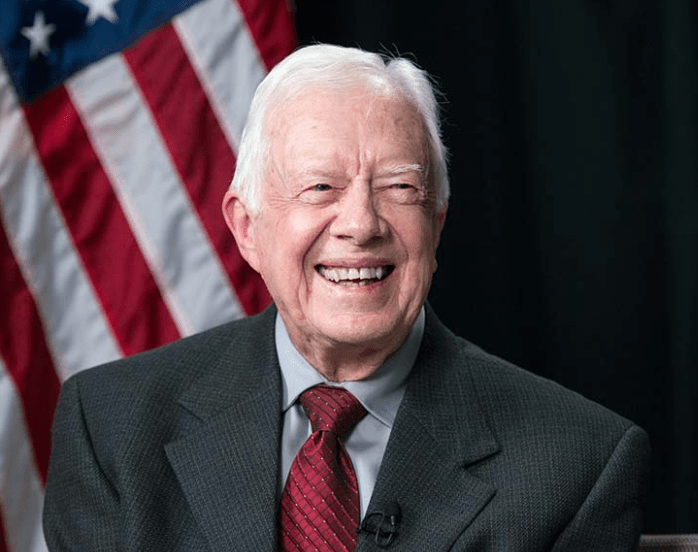
Former President Jimmy Carter’s state funeral was held today at the Washington National Cathedral in Washington, D.C., honoring his legacy as the 39th President of the United States and his extensive humanitarian work. Carter passed away on December 29, 2024, at the age of 100. He was remembered by dignitaries, family, and friends for his dedication to public service. He also made significant global peace efforts.

President Joe Biden delivered an emotional eulogy, highlighting Carter’s unwavering character and lifelong commitment to improving the lives of others. Biden was one of the first senators to endorse Carter’s presidential candidacy. He reflected on their shared values. Carter had a profound impact on the nation. CBS News

All five living U.S. presidents attended the service, including President-elect Donald Trump, who will be inaugurated on January 20, 2025. Trump engaged in a brief but cordial conversation with former President Barack Obama. This marked a rare moment of civility between the two. Reuters

The ceremony featured heartfelt tributes from Carter’s family. His grandson, Jason Carter, praised him as the nation’s “first Millennial,” acknowledging his progressive-thinking approach and enduring legacy. The Sun

Steven Ford, son of the late President Gerald Ford, read his father’s letter for Carter. This action underscored the deep friendship between the two men despite their political rivalry. New York Post

Musical performances added to the solemnity of the occasion. Phyllis Adams, a longtime Delta flight attendant, had earlier performed for the Carters. She delivered a moving rendition of “Amazing Grace.” This fulfilled a special demand made by the late President. CBS News

Security measures were notably heightened for the event, reflecting concerns over potential threats. Despite this, the service proceeded without incident, allowing attendees to focus on honoring Carter’s life and legacy. The Sun

Carter’s remains will be transported to his hometown of Plains, Georgia, after the national ceremony. There, a private service and burial will be held according to his wishes. The Times

From 1977 to 1981, Carter’s presidency was marked by significant achievements. These included the Camp David Accords between Israel and Egypt. They also involved the establishment of diplomatic relations with China. His post-presidential years were equally impactful. He dedicated himself to human rights and diplomacy. This dedication earned him the Nobel Peace Prize in 2002. The Times

The state funeral poignantly reminded us of Carter’s enduring contributions to the nation and the world. It celebrated a life dedicated to service, peace, and the betterment of humanity.

Highlights from Jimmy Carter’s State Funeral

Sources

People

Trump Doesn’t Stand for Obama but Then Chats with Him as All 5 Living Presidents Reunite at Jimmy Carter’s Funeral

Today

The Sun

Biden gets emotional in Jimmy Carter’s funeral speech as grandson Jason praises 39th prez as nation’s ‘first Millennial’

Today

Reuters

Trump shakes hands with Pence, engages Obama at Carter funeral

Today

A Letter From Paul Harvey, To His Grandchildren

GROFF MEDIA 2024© TRUTH ENDURES IMDBPRO

Presented by benandsteve.com By: Benjamin Groff II©

3–4 minutes

I am sharing a writing listed as “Paul Harvey’s Letter To His Grandchildren. It has been tucked away in a drawer. Finally I pulled it out and made use of it.

Paul Harvey was a news commentator for ABC NEWS in the United States and has been heard worldwide. He was known for “The Rest of The Story” and his Noon News Broadcast from the 1960s through the 1990s.. He provided updates well into his elder years, working from home a lot of the time. His son had built a studio in the Harvey Home. This studio allowed him to work as if he were in the News Room. Paul is always dressed in a suit and tie to report the news. Saying he had to look professional to sound professional.

Here is the letter that is attributed to him.

Grandchildren,

We tried so hard to improve our kids’ lives that we made them worse. I’d like better for my grandchildren.

I’d like them to know about hand-me-down clothes, homemade ice cream, and leftover meatloaf sandwiches.

I hope you learn humility by being humiliated and honesty by being cheated.

I hope you learn to make your bed, mow the lawn, and wash the car.

And I hope nobody gives you a brand-new car when you are sixteen.

It will be good if at least one time you can see puppies born. You should also witness your old dog being put to sleep.

I hope you get a black eye fighting for something you believe in.

I hope you have to share a bedroom with your younger brother or sister. It’s all right if you have to draw a line down the middle of the room. But, when he wants to crawl under the covers with you because he’s scared, I hope you let him.

You want to see a movie. If your little brother or sister wants to tag along, I hope you’ll let them.

You must walk uphill to school with your friends and live in a town where you can do it safely.

I hope you don’t ask your driver to drop you two blocks away on rainy days. It would be unfortunate if you didn’t want to be seen riding with someone as uncool as your Mom.

If you want a slingshot, I hope your Dad teaches you how to make one instead of buying one.

I hope you learn to dig in the dirt and read books.

When you learn to use computers, I hope you also learn to add and subtract in your head.

I hope you get teased by your friends when you have your first crush on a boy or girl. When you talk back to your mother, I hope you learn what ivory soap tastes like.

Try to skin your knee climbing a mountain. By accident burn your hand on a stove. Playing around try to you stick your tongue on a frozen flagpole.

I don’t care if you try a beer once. I hope you don’t like it. If a friend offers you dope or a joint, realize they are not your friend.

I sure hope you make time to sit on a porch with your Grandma or grandpa. I also hope you go fishing with your Uncle.

You will feel a mixture of emotions. Sorrow and joy will arise during the holidays at a funeral. You should stop and understand why.

I hope your mother punishes you when you throw a baseball through your neighbor’s window. I also hope she hugs you at Christmas. I hope she kisses you when you give her a plaster mold of your hand.

I wish you tough times and disappointment, hard work, and happiness. To me, these are the only ways to appreciate life!

The End.

Portions of this entry was edited to allow for space and grammar.

Special Air Mission 39: A Tribute to President Carter

Groff Media 2024© Truth Endures IMDbPro

Presented by benandsteve.com By: Benjamin Groff II©

3–4 minutes

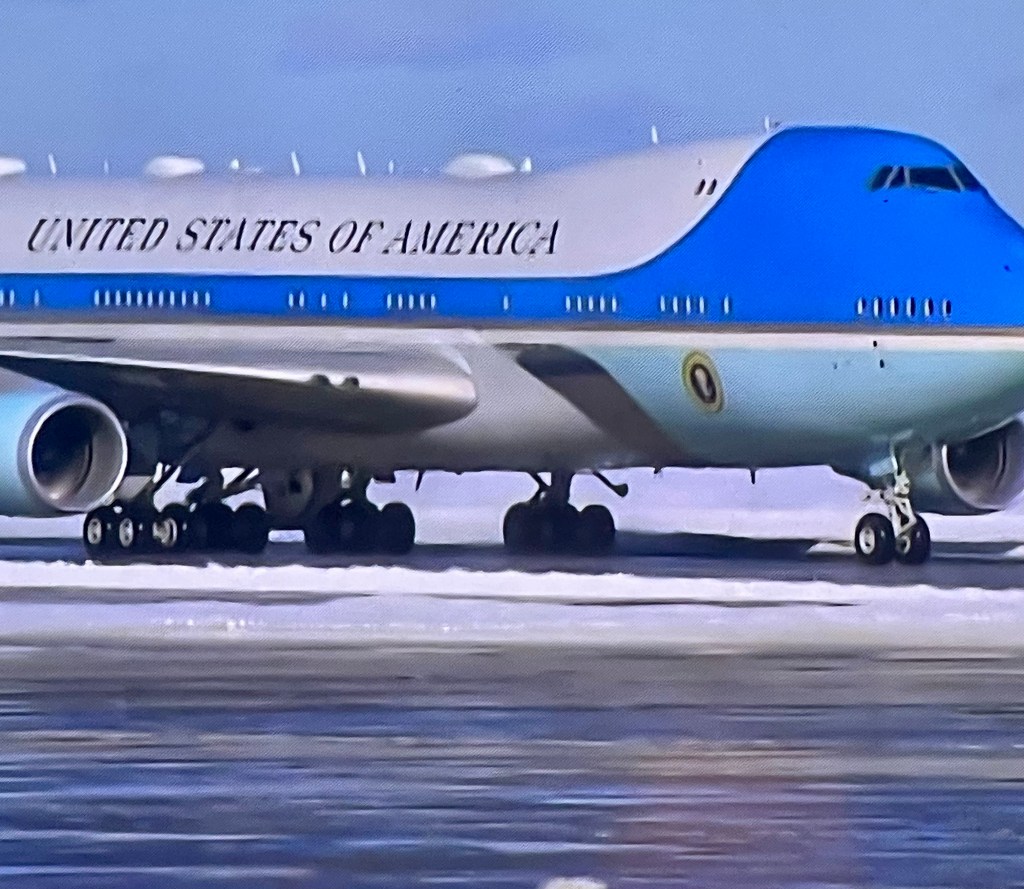
The sun broke over the Air Force Base in Atlanta, Georgia. It cast golden hues across the tarmac as Special Air Mission 39 waited. Its polished surface gleamed in the light. The presidential seal on its side served as a solemn reminder of the journey it was about to undertake. Inside, a reverent hush filled the cabin. The crew prepared for their most crucial passenger. It was a man whose life had been dedicated to service, humility, and unwavering commitment—President Jimmy Carter.

From his earliest days at the Naval Academy, James Earl Carter Jr. was shaped by discipline, honor, and an unrelenting drive to do his best. Those who knew him often remarked on his quiet determination. His former Navy colleagues remember him as a man of integrity, always putting the welfare of his team first. Carter navigated the complexities of submarine systems in the Navy with steady resolve. He also tackled global issues from the Oval Office with the same determination.

The engines roared to life for Special Air Mission 39. This was what President Carter had once known as Air Force One. At that moment, the memory of his long journey sharpened. Memories of his enduring journey came into sharp focus. Here was a man who had never sought power for power’s sake but had wielded it to uplift others. In the years after his presidency, Carter’s service reverberated across communities. He built homes for people experiencing homelessness. He mediated peace in war-torn nations. Additionally, he battled disease through the Carter Center. His legacy was not confined to history books but lived on in the lives he had touched.

The flight crew gathered for a moment of silence before departure. Captain Emily Harrington, a seasoned pilot who had long admired Carter, addressed her team.

“Today, we honor not just a president but a man who believed in the power of service. Let’s give him the journey he deserves.”

As the plane ascended, the passengers—family, close friends, and select members of his administration—reflected on his unwavering faith and commitment. Rosalynn, his beloved late wife, was his partner for more than seven decades. She was waiting for him at their Plains, Georgia home. She also waited in Jimmy’s heart, where their journey had begun. Jimmy would be back. He had business in D.C. to take care of first. President Carter would fly there with the family. He would lay in state at the Capital Rotunda. He would attend a state memorial service. Later in the week, he would return to Plains, Georgia. He would be laid next to Rosalynn at their place of burial.

The flight path traced the arc of his life. It went over the rural farmlands of Georgia. The soil there had nurtured his love for community and the values of hard work and compassion. The Naval Academy in Annapolis, where young Jimmy had set the course for a lifetime of service. Over Washington, D.C., where he had walked into the presidency with a promise to lead with integrity.

As SAM 39 descended, the crowd gathered below to pay their respects. They came not just to honor a president. They came to honor a man who had reminded the world that authentic leadership lies in humility. True leadership also involves an unwavering commitment to doing what is right.

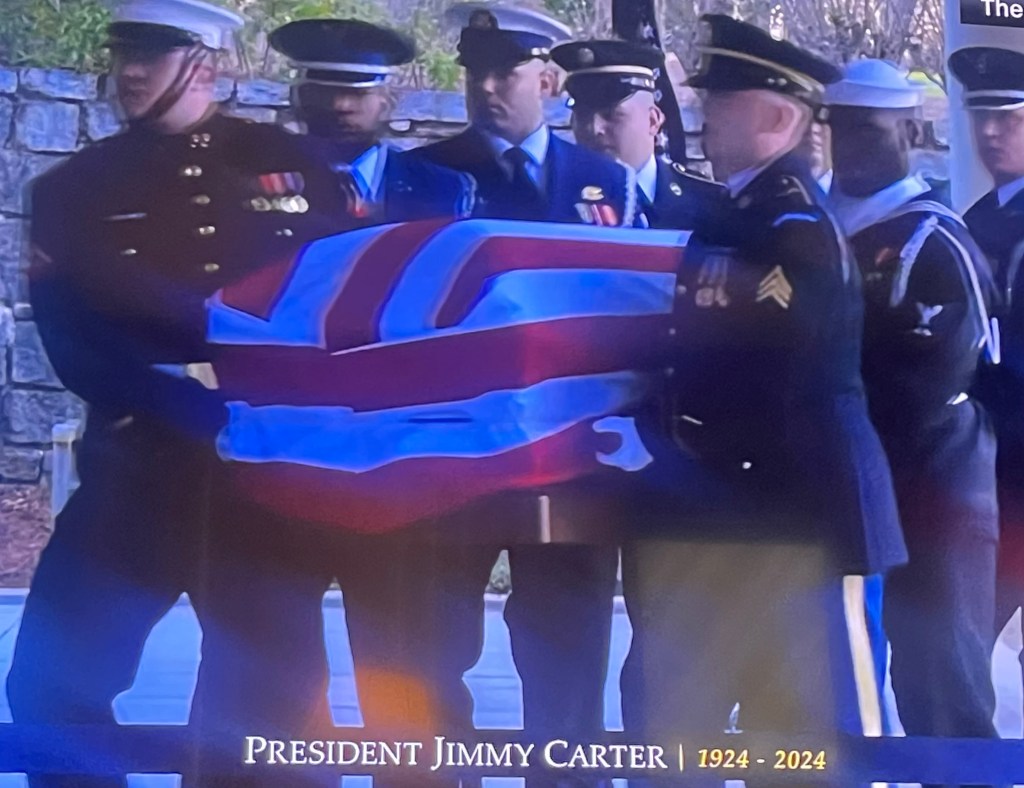
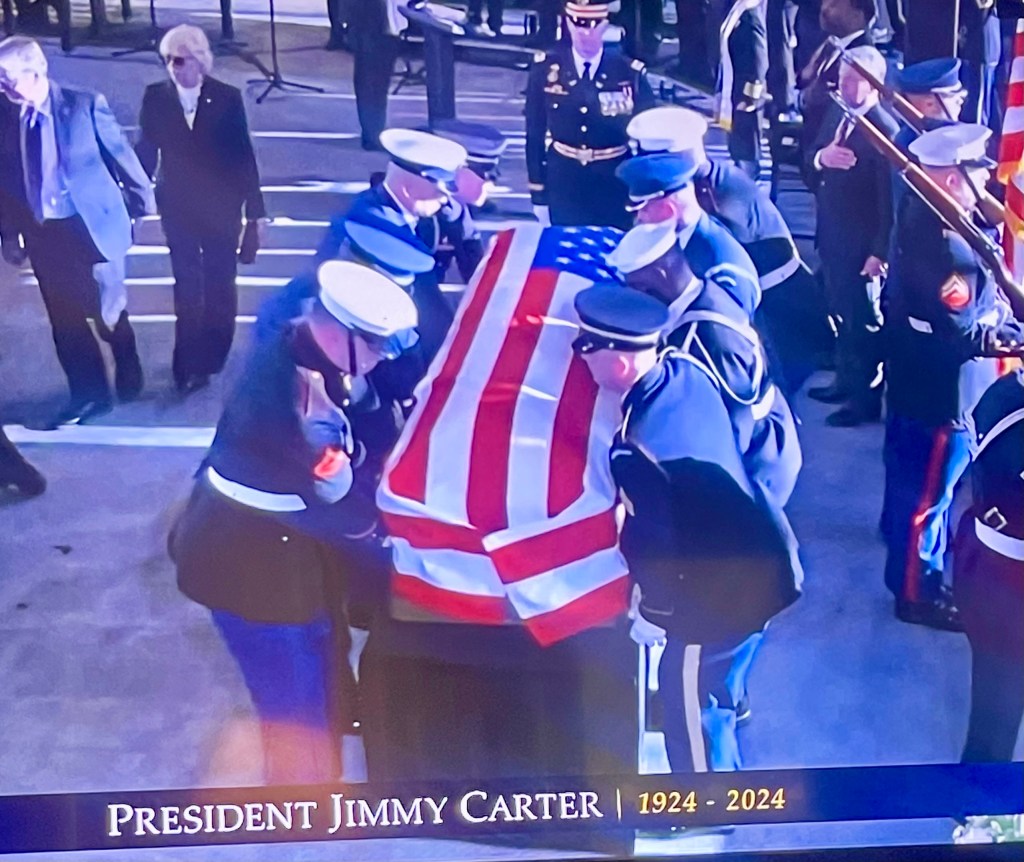
The plane touched down with grace, its engines whispering to a stop. The door opened, and the honor guard stepped ahead to carry Carter to the Rotunda. The air was heavy with gratitude, sorrow, and pride. A man who had given so much of himself had completed the second leg of his journey. There was only one more leg left in the final part of his last journey.

In the quiet stillness of that moment, a quote from Carter’s own words have echoed in the hearts of all there: 

“My faith demands that I do whatever I can, wherever I can, whenever I can, for as long as I can, with whatever I have, to try to make a difference.”

Quote Reference: Congratulations Jimmy Carter – Bryan Strawser. http://bryanstrawser.com/2002/10/congratulations-jimmy-c/

The Guitar from Jimmy Carter’s Grove

Groff Media 2024© Truth Endures IMDbPro

Presented by benandsteve.com By: Benjamin Groff II©

3–4 minutes

Long after leaving the White House, Jimmy Carter found solace in the quiet rhythms of nature. On a sunny morning in Plains, Georgia, Jimmy stood at the edge of a grove. He had planted these trees decades ago. These trees—mahogany, maple, and spruce—weren’t native to the region. Carter had brought their seeds home from his travels. He envisioned them growing tall and strong in the fertile Georgian soil.

Jimmy called what others saw as an unusual hobby his “living legacy.” Each tree had a purpose, and he dreamed of turning their wood into something meaningful. One day, while strumming his old guitar on the porch, the idea struck him: 

What if I made a guitar from the trees I grew with my own hands?

The Craft

Years passed before the time was right. Jimmy carefully chose a mahogany tree for the body. He selected a maple tree for the neck. He also picked spruce for the soundboard. He contacted a local luthier, Sam Wainwright, who had a reputation for crafting instruments with heart and precision.

Sam, skeptical at first, raised an eyebrow when Jimmy proposed the project.

“You’re telling me you’ve been growing trees for years just for this?”

Jimmy chuckled.

“A good guitar starts with good wood. I figured, why not grow my own?”

Sam couldn’t argue with the sentiment. They spent hours examining the wood, carefully cutting it, and shaping it to perfection. Jimmy insisted on being part of every step, from sanding the pieces to carving the intricate rosette around the soundhole.

As they worked, Jimmy shared stories—about his childhood in the rural South, his presidency, and his humanitarian efforts. Sam listened intently, realizing the guitar wasn’t just an instrument but a symbol of patience, purpose, and creativity.

The First Song

Months later, the guitar was finished. Its finish glowed like amber honey. Its tone was warm and resonant. It carried the richness of the wood’s decades-long journey. Jimmy held it in his hands. He marveled at how the trees he had nurtured now sang harmoniously. They created a sound that was not just music. It was a testament to the beauty of nature.

During a warm summer evening, friends and family gathered. Jimmy sat on his porch with the guitar resting comfortably in his lap. He strummed the first chords, their notes floating into the peach-scented air.

The song he played was one he had written himself. It was a simple tune about the roots—both in the ground and in life. It spoke of time, care, and the beauty of watching something grow. The crowd swayed to the music. Their faces lit with admiration for the man who had turned trees into tunes. They felt a sense of nostalgia for the simple, yet profound, message of the song.

A Lasting Legacy

In the years that followed, the guitar became more than an instrument. Jimmy used it to teach music to children, play for visitors, and raise funds for Habitat for Humanity. Each time its strings vibrated, it told a story of persistence and hope.

When asked why he had gone to such lengths to make the guitar, Jimmy would smile and say,

“It reminds us that good things take time. The simplest gifts, like a tree or a song, can bring the most joy.”

The guitar from Jimmy Carter’s Grove wasn’t just a piece of wood strung together. It was a testament to a life rooted in purpose and patience. It symbolized the belief that even the smallest seeds can create something extraordinary.

An original report exists in Guitar World, which you can find here!

The Sunday School President – THAT THE RELIGIOUS RIGHT WASTED AND IGNORED.

Groff Media 2024© Truth Endures IMDbPro

Presented by benandsteve.com By: Benjamin Groff II©

2–3 minutes

A warm Sunday morning in Plains, Georgia seemed tailor-made for reflection. At the Maranatha Baptist Church, a small congregation gathered in quiet anticipation. This wasn’t an ordinary Sunday service—it was one led by Jimmy Carter, the 39th President of the United States.

Even decades after leaving the White House, Carter stayed true to the values that shaped his life. These values were faith, humility, and service. Carter taught Sunday School to anyone who wanted to listen every Sunday that he was capable. Visitors from all over the world made the pilgrimage to Plains. Some traveled thousands of miles to hear wisdom. This wisdom was not shared in a grand hall. Instead, it was delivered in a modest church that held no more than a couple hundred people.

Jimmy Carter, then in his 90s, shuffled to the front of the sanctuary, a quiet determination in his step. He greeted the crowd with a humble smile, his voice steady and welcoming. His lesson was simple yet profound: loving your neighbor, no matter their background or beliefs.

“When Jesus said to love your neighbor,”

Carter explained, his blue eyes twinkling,

“He didn’t put any conditions on it. He didn’t say only if they look like you or vote like you. He meant everyone.”

The audience was a mix of locals and travelers. They hung on his every word. Their hearts and minds were stirred by the profound simplicity of his message. The room was filled with a palpable sense of awe. This was not due to the titles Carter once held. Instead, it was because of his unwavering commitment to living the values he taught.

When the lesson ended, Carter didn’t rush off. Instead, he stayed to shake hands, take photos, and share stories. These personal moments hold the most significant importance for him. He listened as much as he spoke. This is especially meaningful for a man who had once navigated the complexities of global politics.

One visitor, a young man from Chicago, nervously approached.

“President Carter, what made you keep teaching Sunday School after everything you’ve accomplished?”

Carter smiled warmly.

“I’ve been a farmer, a naval officer, a governor, and a president. But teaching Sunday School reminds me of who I truly am—a servant of God. Titles come and go, but the love we share with others lasts forever.”

That was Jimmy Carter. He believed that service didn’t end with a term in office. He thought that humility wasn’t weakness. Even the simplest acts of kindness can ripple through the world. For Carter, life’s most outstanding achievement wasn’t in power or prestige. It was in the quiet and steady work of lifting others up. He demonstrated this belief through his work with Habitat for Humanity. He also promoted peace and human rights. Additionally, he was committed to public service long after his presidency.

As the church emptied, a sense of peace lingered in the air. This was a testament to the legacy of a man who lived his faith with every breath.

THE LAST RIDE FOR THE MAN FROM PLAINS GEORGIA

Groff Media 2024© Truth Endures IMDbPro

Presented by benandsteve.com By: Benjamin Groff II©

2–3 minutes

In the early hours of January 4, 2025, a somber hush fell over the rolling plains of Georgia. The sun shone gently over the landscape. A motorcade departed from Phoebe Sumter Medical Center in Americus. It bore the flag-draped casket of the 39th President of the United States, Jimmy Carter. The journey marked the start of a six-day tribute. It honored a man who dedicated his life to service, peace, and humanity.

The procession moved through Carter’s hometown of Plains, passing by his boyhood home in Archery. Here, the old farm bell tolled 39 times. Each chime resonated with the years he had served as the nation’s leader. It symbolized each year of his presidency. Family members, including his children, grandchildren, and great-grandchildren, accompanied the casket, their faces reflecting both sorrow and pride. Former Secret Service agents had once protected him. They now served as pallbearers. They honored their final duty to the man they had revered.

Along the route, admirers gathered. Some held flowers. Others wore commemorative pins. They were all united in their wish to pay homage to a beloved figure. The motorcade continued to Atlanta. There, Carter’s body would lie in repose at the Carter Presidential Center. This arrangement provided the public with the opportunity to offer their respects. 

On January 7, the casket will be transported to Washington, D.C., where President Carter will lie in state at the U.S. Capitol. A state funeral is scheduled for January 9 at the Washington National Cathedral. Dignitaries will honor his legacy there, including President Joe Biden. The funeral will be a solemn event. There will be a military honor guard. A close family member will deliver a eulogy.

Carter’s journey will reach its conclusion after the national ceremonies. He will return to Plains, Georgia, for a private funeral service at Maranatha Baptist Church. He will be laid to rest beside his beloved wife, Rosalynn. This is the place where his remarkable journey began. It would now conclude there.  

As the week unfolds, the nation will ponder on the life of a president who remained a humble servant. Jimmy Carter’s final ride is not just a passage from life to death. It is a testament to a legacy that will endure in the hearts of the people he has touched. This marks the end of a remarkable journey.

The Nation Honors Former President and man Jimmy Carter!

References:

New York Post

Former President Jimmy Carter’s funeral procession begins in Georgia

Today

Politico

Jimmy Carter’s 6-day state funeral begins with a motorcade through south Georgia

Today

AP News

Jimmy Carter’s flag-draped casket is on its way to Atlanta as the 39th president’s state funeral begins

Today

“The Peanut Farmer and the Minnesota Senator”

Peering through the Oval Office Window: A Look Back

Groff Media 2024© Truth Endures IMDbPro

Presented by benandsteve.com By: Benjamin Groff II©

2–3 minutes

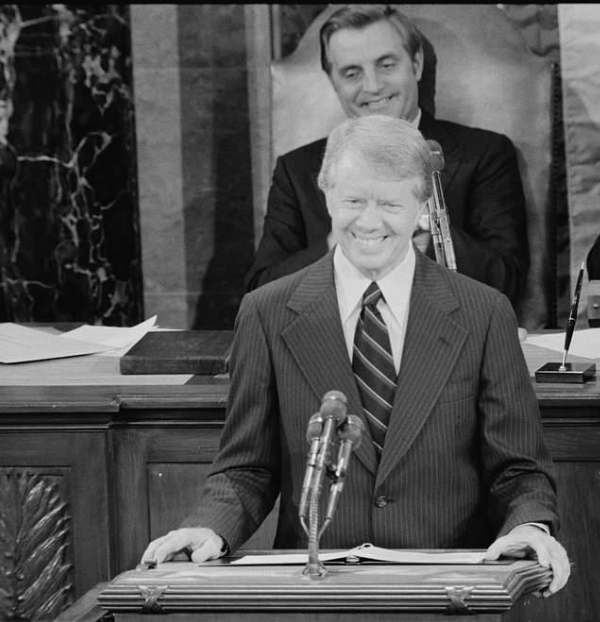
In the summer of 1977, President Jimmy Carter leaned back in his chair in the Oval Office. A pensive smile tugged at the corners of his mouth. Across from him sat Vice President Walter Mondale, poring over a stack of briefing papers with his trademark focus. One man was a farmer from Georgia. The other man was a lawyer from Minnesota. The two couldn’t have been more different in background. Yet, their partnership was rooted in a shared commitment to serving the American people.

“Fritz,” 

Carter said, using Mondale’s nickname, 

“you ever think we’re trying to do too much at once?”

Mondale looked up, his brow furrowed. 

“Every day, Mr. President. But that doesn’t mean we stop trying.”

The two had agreed early on that their administration would focus on transparency and morality in government. It was a lofty goal, especially after the shadow of Watergate. Carter gave Mondale an unprecedented role as vice president. He granted him full access to meetings and decision-making processes. Mondale had a seat at the table in all major discussions.

That day’s agenda included preparations for the Camp David Accords. Carter knew the stakes were high. Peace in the Middle East was a dream worth pursuing, but the path was challenging.

“I’ve been thinking about how we can get Sadat and Menachem (Begin) to see eye to eye,” 

Carter mused, tapping his pen on his desk. 

“I need you to be my sounding board, as always.”

Mondale nodded, adjusting his glasses. 

“They both trust you, Jimmy. That’s the key. You have a way of connecting with people, even when the odds seem impossible.”

Carter chuckled softly. 

“Must be the peanut farmer in me.”

Over the months, the two worked tirelessly. Mondale often acted as a mediator in Congress, navigating the political complexities Carter sometimes found frustrating. When the energy crisis hit, Mondale suggested convening regional governors to gather diverse perspectives.

One evening, after a particularly grueling day, they found themselves alone in the Rose Garden. The air was warm and scented with magnolias, and the stars above were unusually bright.

“Fritz,” 

Carter said, breaking the silence, 

“I couldn’t do this without you. You keep me grounded.”

Mondale smiled, a rare expression of pride crossing his face. 

“You’d manage, Jimmy. But I’m glad I’m here to help.”

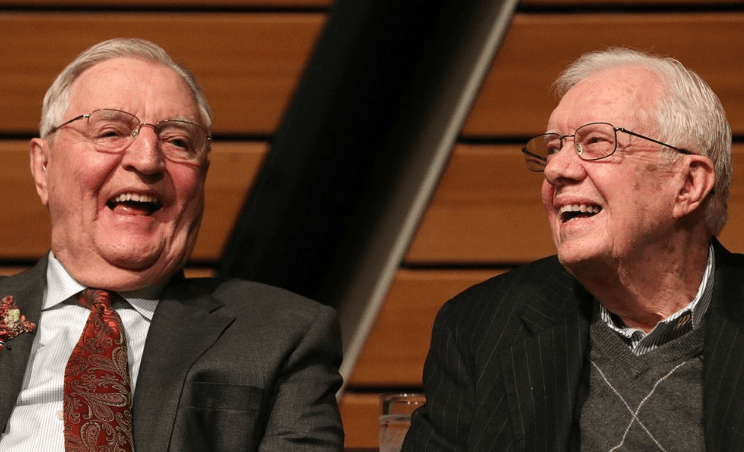
Their friendship, forged in the fire of challenges and the weight of leadership, became a hallmark of their administration. Though history would judge their tenure with mixed opinions, their mutual respect and dedication to principle left a lasting legacy.

As the years passed, Carter and Mondale’s bond endured. At their core, they remained two men dedicated to the idea that leadership meant service, not power. They carried this lesson beyond the White House walls.

A lesson that needs to be passed on increasingly so now!

The Little Puppy That Was Capable To Do What Others Said Thought He Couldn’t

Groff Media 2024© Truth Endures IMDbPro

Presented by benandsteve.com By: Benjamin Groff II©

2–3 minutes

A small town was nestled by rolling hills and surrounded by fields of wildflowers. In it, there lived a scrappy little puppy named Patches. He was a mix of this and that, with one ear that stood up and the other that flopped down. Patches was small for his age. But, he had something that set him apart. He leaped higher than any dog anyone had ever seen.

At first, no one noticed Patches’ gift. He spent his days chasing butterflies and rolling in the grass like any other puppy. It was a sunny afternoon. The town’s children were setting up a lemonade stand. A gust of wind came through and carried their banner high into the branches of an old oak tree.

“Oh no!”

“How will anyone know about our lemonade?”

Cried Emily, the youngest of the children.

Patches, who had been snoozing nearby, perked up. He tilted his head, wagged his tail, and, without hesitation, bounded toward the tree. He made a mighty leap and soared through the air. He snatched the banner in his teeth. Then, he landed gracefully on the ground.

The children cheered.

“Patches saved the day!”

From that moment on, Patches became the town’s little hero. Patches fetched lost kites from rooftops. He rescued baby birds from precarious ledges. Simply bringing smiles with his high-flying antics was enough to prove his worth. Patches proved that being small didn’t mean you couldn’t do big things.

One day, during the annual Harvest Festival, a gust of wind toppled the mayor’s prized pumpkin from the display podium. The enormous gourd rolled straight toward a table of pies, threatening to ruin the event. The crowd gasped.

Without a moment’s hesitation, Patches darted into action. He landed on the pumpkin with a mighty leap, planting his tiny paws firmly to slow its roll. The pumpkin came to a stop just inches from the table. The crowd erupted into applause, and the mayor declared Patches the town’s official mascot.

From then on, Patches wore a little red cape stitched by Emily’s grandmother. Wherever he went, he reminded everyone that sometimes, the smallest among us can do the most extraordinary things.

Jimmy Carter: A President’s Quiet Resolve

Groff Media 2024© Truth Endures IMDbPro

Presented by benandsteve.com By: Benjamin Groff II©

2–3 minutes

Jimmy Carter
The Carter Center Photo

Jimmy Carter served as the 39th President of the United States from 1977 to 1981. He brought a quiet and deliberate resolve to the Oval Office. Carter was a former peanut farmer and Georgia governor. His presidency was shaped by his outsider status. He was known for his Southern charm and deep sense of morality. This quiet resolve was tested by the significant challenges he faced, but it never wavered.

Carter inherited a nation grappling with inflation, an energy crisis, and a faltering trust in government post-Watergate. Undeterred, he tackled the energy crisis head-on. He donned a cardigan during televised addresses to encourage Americans to conserve energy. He also urged Congress to pass legislation for renewable resources and energy independence. His solar panels on the White House symbolized a progressive-thinking approach that would resonate decades later.

On the international stage, Carter championed human rights, placing them at the core of U.S. foreign policy. His leadership during the Camp David Accords remains a hallmark of his presidency. It was a historic peace treaty between Egypt and Israel. This significant achievement demonstrated his commitment to diplomacy and peace. It marked the first time an Arab country formally recognized Israel.

Jimmy Carter
The Carter Center Photo

Yet, Carter’s term was also marred by challenges. The Iranian hostage crisis cast a long shadow as 52 Americans were held captive for 444 days. The crisis tested his patience. It also tested his diplomacy. The eventual release of the hostages coincided with Ronald Reagan’s inauguration. This became a bittersweet moment in his legacy. Carter showed resilience during this crisis. It proved his unwavering commitment to his duties as President.

Jimmy Carter – The Carter Center Photo

Carter served only one term. His presidency reflected his unwavering belief in doing what was right. He did this regardless of political consequences. His tenure laid the groundwork for a post-presidential humanitarian service life, earning him the Nobel Peace Prize decades later. This continued commitment to the greater good is a testament to the lasting impact of his presidency.

Jimmy Carter’s time in office was not marked by soaring rhetoric or overwhelming popularity. Still, it was defined by integrity, resilience, and a steadfast commitment to the greater good.

Jimmy Carter: The Country Music President

Groff Media 2024© Truth Endures IMDbPro

Presented by benandsteve.com By: Benjamin Groff II©

2–3 minutes

The year was 1977, and Jimmy Carter had just taken the oath of office. A peanut farmer from Georgia, he brought a unique sensibility rooted in his Southern upbringing and a deep love for American culture, particularly country music. This unique combination of his Southern roots and his love for country music not only shaped his personal life but also influenced his presidency, allowing him to connect with the struggles and joys of everyday Americans.

Waylon Jennings Family

When he stepped into the White House, Carter made it clear that the arts, especially music, would have a place of honor in his administration. He often reminisced about listening to gospel and country music on the family radio back in Plains, Georgia, where the soulful twang of artists like Hank Williams and the Carter Family resonated with the struggles and joys of everyday Americans, a sentiment he deeply shared.

One evening, during a White House dinner, Carter invited Willie Nelson to perform on the South Lawn. The night was balmy, and as the country star strummed his guitar under a canopy of stars, Carter took the opportunity to speak.

White House Photo – Carter Library

“Country music,” he said, “is the heart and soul of America. It tells the story of our struggles, faith, and hope.”

Carter’s admiration wasn’t just lip service. He actively promoted the genre, ensuring it received the recognition it deserved as an integral part of American culture. He invited artists like Loretta Lynn, Johnny Cash, and Dolly Parton to the White House. He even arranged for country music showcases at international events to share a slice of Americana with the world. His unwavering efforts significantly influenced the genre’s rise to mainstream respectability during the late 20th century.

Bill Anderson with The Carters

But Carter’s legacy extended far beyond his love of country music. He brokered the Camp David Accords, a landmark peace agreement between Egypt and Israel that demonstrated his diplomacy skills and commitment to global peace. He championed human rights globally, making them a cornerstone of U.S. foreign policy. He also pushed for energy conservation, installing solar panels on the White House roof long before climate change became a widely recognized issue.

After leaving office, Carter’s achievements only grew. He founded The Carter Center, dedicated to promoting democracy, fighting disease, and mediating conflicts worldwide. His work eradicating diseases like Guinea worm, even in his post-presidential years, demonstrated his enduring compassion and determination to make the world better.

As for country music, Carter’s genre promotion left a lasting legacy. Many country artists credited him with helping to elevate their art to a global stage. Even decades later, when asked about his presidency, Carter would smile and say,

“If I could broker peace and get people to tap their feet to country music, then I’ve done my job.”

Jimmy Carter’s presidency may not have been perfect. Still, his love for the arts, his commitment to peace, and his tireless work for humanity made him a leader whose legacy resonates far beyond the Oval Office.