In the heart of the bustling city, the frigid December air carried the soft hum of holiday cheer. Festive lights adorned streetlamps, casting warm glows onto the snow-dusted streets. For the officers of the 8th Precinct, Christmas Eve was far from quiet. Calls came in relentlessly: domestic disputes, stranded travelers, and even a wayward reindeer reported near the city park. These dedicated officers were on duty, ready to serve and protect.
What the officers didn’t know was that they had three spectral protectors watching over them—The Guardians of Christmas Eve.
Each of these ghostly policemen had once served the city. They were bound by duty. A deep sense of loyalty held their spirits. They lingered to make sure that no harm would come to those who now walked the beat.
Inspector Miles Hanley
Miles Hanley was a tall and imposing figure. He had been the precinct’s first chief when the station was founded in the late 1800s. Known for his wisdom, he fiercely protected his officers. He carried his ghostly silver pocket watch. He used it to guide the others through the city. On this night, Hanley floated above a lone patrol car. It was parked at the edge of a dark alley. His translucent form shimmered in the moonlight.
“Johnson’s heading into a bad spot,”
Hanley muttered, watching the young officer approach a shadowy figure rummaging through garbage bins. With a flick of his watch, he whispered through the veil of time, nudging Johnson’s instincts. The officer hesitated, then called for backup—averting a potential ambush. Hanley grinned.
“Still got it.”
Officer Rosie McKinney
Rosie, affectionately called “Mama Mac” by her peers, had patrolled the city during the 1940s. She had an uncanny knack for reading people, even in death. Tonight, she hovered near a busy intersection where Officer Emily Torres was directing traffic midst a chaotic pile-up.
“Stay sharp, Emily,”
Rosie murmured, spotting a distracted driver barreling toward the scene. With a wave of her ethereal baton, she sent a gust of icy wind straight into the driver’s face. The man slammed on his brakes just in time, his car skidding to a halt inches from the officer. Rosie chuckled, tipping her ghostly hat. “That’s one less hospital visit tonight.”
Detective Lou Vargas
Lou had been a beloved detective in the 1970s, known for his quick wit and unshakable resolve. He now roamed the precinct’s cold case archives, whispering clues to frustrated officers. But tonight, Lou focused on Officer Brandon Lee. Officer Lee had just been called to investigate a suspicious package left near a crowded shopping district.
As Brandon approached the package, Lou materialized briefly behind him, a shadowy whisper in the winter night. “Check the wires, kid. Look left before you kneel.” Obeying the faint warning in his gut, Brandon discovered the package was harmless—a forgotten Christmas gift. Still, he felt the hairs on his neck stand like someone had been there with him.
A Christmas Morning Promise
As dawn broke over the city, the officers returned to the precinct, exhausted but safe. Unseen by human eyes, Miles, Rosie, and Lou gathered on the station’s rooftop, gazing at the snow-covered streets below.
“We did good,”
Lou said, leaning on his ghostly cane.
“Not a single officer lost,” Rosie added softly.
Miles held up his pocket watch, the spectral clock hands freezing as the sun rose. “Until next year,” he said, and the three faded into the morning mist.
Below, Officer Torres rubbed her arms against the chill. “Did you feel that?” she asked Officer Lee.
“Yeah,” he replied, staring at the horizon. “Like someone was watching over us.”
Faith, Fantasy, and Tradition: Do Churchgoers Believe in Santa Claus?
Faith is often regarded as the cornerstone of religious belief, encompassing elements of the unseen, the unknowable, and the divine. Yet, the figure of Santa Claus gets nestled within the realm of modern Christian culture. Most believe Santa Claus is a mythical character who, though secular, occupies a sacred space in many homes during Christmas. This essay examines the relationship between faith and fantasy in a critical manner. It asks a provocative question:
Do churchgoers who actively engage in Christian religious services also believe in Santa Claus?
The Coexistence of Faith and Fantasy
With his roots in the historical St. Nicholas, Santa Claus has evolved into a cultural icon who embodies generosity, joy, and the season’s magic. Churchgoers, particularly those steeped in Christian tradition, often embrace Santa alongside their religious celebrations. But does this blending of faith and fantasy dilute the essence of religious belief, or does it complement it?
For many, Santa symbolizes the wonder and innocence of childhood. He exists not as a deity but as a symbol of kindness and giving, traits consistent with Christian teachings. Yet, the theological implications of believing—or perpetuating belief—in Santa Claus among devout churchgoers raise critical questions. Is it contradictory to teach children to believe in an omniscient God? Is teaching about a jolly figure who rewards good behavior with material gifts also contradictory?
Theological Tensions and Cultural Adaptation
Theologically, the Santa narrative can be seen as problematic. Santa’s omniscience—knowing when children are ‘naughty or nice’—mimics divine qualities attributed to God. For devout Christians, this parallel is viewed as trivializing the sacred attributes of their deity. Additionally, Santa’s rewards depend on behavior. This conditional nature starkly contrasts with the Christian doctrine of grace, which emphasizes unconditional love and forgiveness. These tensions stem from God and the principles of the Christian faith. They raise questions about the compatibility of Santa Claus with religious beliefs.
On the other hand, the inclusion of Santa in Christmas traditions reflects a broader cultural adaptation. Churchgoers, like the wider society, are products of their environment. Santa Claus’s commercial and cultural saturation makes him almost inescapable. For many Christians, incorporating Santa into holiday traditions helps bridge the secular and the sacred. This creates a more inclusive celebration and resonates across different belief systems.
The Role of Myth in Faith Development
Belief in Santa Claus can also be seen as an early form of faith training. Santa embodies the power of belief for children—trusting in something unseen and expecting its fruition. In this way, Santa serves as a precursor to more mature forms of faith. The eventual realization that Santa is a myth does not necessarily undermine belief in God. Instead, it can reinforce the idea of a deeper, more profound belief in the divine. Transitioning from belief in a myth to belief in a higher power can be crucial for a child’s faith. It shapes their understanding of the unseen. It also builds their ability to trust the divine.
Critics argue, nonetheless, that perpetuating the Santa myth risks fostering cynicism. When children discover Santa isn’t real, they question the truth of other intangible beliefs, including God. This potential disillusionment challenges religious parents, raising concerns about the impact on their children’s faith. They must carefully navigate the transition from childhood fantasy to mature faith.
Reclaiming the Meaning of Christmas
The integration of Santa Claus into Christian homes invites churchgoers to consider the true meaning of Christmas. Is it about celebrating the birth of Christ and the message of salvation? Or has it become overshadowed by consumerism and secular traditions? For many churchgoers, the challenge is to reclaim the sacred aspects of the holiday. They also want to allow room for the cultural joy Santa brings.
Balancing these elements requires intentionality. Churchgoers are crucial in emphasizing Santa’s values—generosity, kindness, and joy—while grounding these traits in their faith. By framing Santa as a symbol, Christians can preserve the integrity of their beliefs. They can still enjoy the cultural richness of the holiday. This underscores the importance of their role in this balance.
Conclusion
Whether churchgoers believe in Santa Claus touches on more significant themes of faith, tradition, and cultural adaptation. Santa initially appears to conflict with Christian doctrine. Yet, he also offers an opportunity to engage with the season’s spirit of giving and wonder. Churchgoers need to discover how to integrate this cultural icon into their faith practices. They must achieve this without compromising their beliefs.
The coexistence of Santa Claus and churchgoers shows how people can balance faith and fantasy. Each aspect contributes to our understanding of the world. They also shape our place within it. Santa Claus does not need to diminish the sacredness of Christmas. Instead, he can symbolize the joy and generosity central to the season. Yet, some find it difficult to reconcile a fictional figure with their spiritual beliefs. This tension arises when they apply the same evaluative framework to religious doctrine, revealing a deeper reliance on external authority. For many, this dependence stems from an unwillingness to embrace personal accountability fully. They seek a Santa-like figure year-round—someone or something to guide their choices and confirm their actions. They continue to believe in Santa Claus, though under a different guise.
This piece is a beautiful reminder that there are countless reasons to smile and listen. No matter your language, its music will leave you yearning for more.
In the little town of Mesa Ridge, the December sky seemed to hold every dream ever whispered. This town was tucked between a quiet stretch of desert. December didn’t arrive with just one story. It came with hundreds.
Not everyone called this time “Christmas.” Some families lit candles and spoke of miracles. Others gathered for feasts that marked the turning of the year. Some spent the month in quiet reflection, while others burst through the season with celebration and song.
But one thing was always the same: the light.
It started with a single lantern placed outside the old community center on the first day of December. No one remembered who began the tradition, but every night the lantern burned, its small glow chasing back the darkness. By the second evening, another family placed a candle beside it. Then the kids down the block added a tiny string of lights. A paper star was made by the third-grade class. The elders contributed a jar filled with sand and a tea light, remembering doing the same in their youth.
Within a week, the once-plain walkway to the center shone with a thousand shapes of light. These represented different traditions, different meanings, and different languages of hope. They were all gathered in the same place.
One chilly evening, as neighbors drifted in to admire the growing show, an elderly woman named Mrs. Cordero said softly,
“This is what the season is supposed to look like. All of us… together, not the same, but warm in the same glow.”
A teenager beside her shrugged.
“But what does it celebrate? Which holiday?”
Mrs. Cordero smiled the smile that had seen many Decembers.
“It celebrates us,”
She said.
“Us choosing to be a little softer with one another. A little kinder. A little more willing to look someone in the eye and say, ‘You matter to me.’ If the lights have a job, it’s simply to remind us that we’re better when we brighten one another.”
Word spread quickly, as all good messages do.
Light has no doctrine, and kindness has no borders. In December, we simply shine a little brighter—together.
Soon, families who had never spoken found themselves sharing warm drinks and stories. The bakery owner delivered sweet rolls just because it felt right. A newcomer from across the country found herself wrapped in community she hadn’t expected. Even the grouchy widower who lived on the corner had not decorated for anything in decades. He quietly placed a single white lantern at the end of his driveway. No explanation needed.
On December 24th—whatever that date meant to each household—a gentle hush fell across Mesa Ridge. People walked the lantern path not as one faith or another, but simply as neighbors. The lights flickered, danced, and whispered the same message in a hundred different languages:
Goodwill belongs to everyone. Kindness is not seasonal, but December is a good place to start. And light—no matter where it comes from—shines brightest when shared.
When the last lantern was lit that night, the community didn’t cheer. They simply breathed in the moment, letting the warmth settle into their bones.
Some carried the glow home. Some carried it into the New Year. Some carried it for a lifetime.
And in the little town of Mesa Ridge, the tradition continued. It wasn’t because anyone told them to. It was because they remembered how it felt to step into the light together.
Most people driving the stretch between Granite and Elk City never realize they’re passing over a ghost. The four-lane highway hums along smoothly. Underneath its concrete spine once stood a town with a name born from a clever workaround. The town was called Retrop, simply Porter spelled backward.
Back in the early 1900s, the community wanted its own post office. But Oklahoma already had a Porter, and the postal authorities weren’t about to sort through that confusion. So the folks along the dusty road west of Sentinel shrugged, flipped the name around, and mailed in the paperwork. Retrop got its post office, its school, and its place on the map—at least for a while.
The school sat at the center of it all. A sturdy brick building with wide windows and a playground carved out by decades of small feet. Children rode in from miles around, their lunches wrapped in wax paper, their futures unwritten. There were stories—quiet ones—of students who went on to big cities and bigger lives. A doctor in Chicago. An engineer for NASA. A novelist whose pen never found its way back home. They carried Retrop inside them, even after the town itself faded away.
But Retrop’s beginning was clever. Its ending was swift.
When the new highway came through, the town didn’t stand a chance. Businesses folded. Families moved. The school closed its doors. The post office was shuttered. One by one, the foundations cracked and the roofs caved until only fields remained—fields pretending nothing had ever stood there.
Except for one detail people still talk about, though no one can confirm it anymore: the missing bell.
Retrop had its own Masonic Lodge in the 1940s
The school’s bell had hung proudly in the tower for decades. It called children in from recess and sent them home at day’s end. Then one year—a generation before the school closed—it vanished. Not stolen, exactly. Just gone. People assumed it had been taken for safekeeping. They thought it was stored in somebody’s barn for future repairs. Others believed it had been hauled away accidentally during a renovation.
The last families left Retrop. Then, bulldozers finally erased the last bricks of the school. Yet, the bell was still missing.
Some say the bell found another tower along the prairie. Others swear it sits buried beneath the highway, trapped in silence under thousands of cars a day. A few whisper that the bell rings on its own now and then—never heard, but felt. A tug in the chest. A memory rising like dust in a beam of sunlight. A sound from a place people forgot existed.
Most modern maps don’t show Retrop anymore.
But every once in a while, someone driving that long Oklahoma stretch will slow down for no reason at all. They will stare out toward the open fields. They swear they can sense something that has no business being there.
A town that isn’t. A school that was. And a bell—somewhere—still waiting to be found.
The Bell on County Road 7
No one knew who put the bell there. The old timers from the old school days at Retrop had all gone. Buried. The generation had died off. The families had sold their farms. Or, the farms had been handed down through generations. The old school bell had been forgotten. Until…
It appeared one Tuesday morning. It stood silent, rusted, and leaning a little to the left. The scene was at the far end of County Road 7, right where the asphalt surrendered to red dirt. The bell looked ancient, the kind you’d expect to find hanging outside a one-room schoolhouse or a long-gone prairie church. But there it stood, bolted to a cedar post that hadn’t been there the day before.
Folks in town had theories, of course. In places like Washita County, theories sprout faster than wheat after a spring rain.
Old Mrs. Peabody said it was a sign from the Lord. Hank Ballard at the feed store claimed it was an art project. College kids with too much time and not enough sense created it. Deputy Collins figured someone dumped it there after cleaning out a barn.
But no one claimed responsibility. And no one can explain what started happening a week later.
Every morning at exactly 5:17 a.m.—never a minute sooner, never a minute later—the bell rang.
Just one tone.
Clear. Strong. Impossible to ignore.
At first people thought it was a prank. Someone out there at dawn, pulling a rope and having a good laugh. But when a few curious souls drove out at that hour, no one was ever there. They’d wait in their cars or stand beside the fence line with coffee steaming in cold hands. The prairie would hold its breath. Coyotes would go quiet.
And then the bell would ring.
The sound didn’t vibrate through the metal—folks swore it vibrated through them. It was as if it reached down and stirred up something old they’d forgotten. It is a memory, a regret, or a promise left sitting too long on a dusty shelf.
For some, the mornings changed them.
Mr. Conway, who hadn’t spoken to his brother in twenty years, drove to Elk City and patched things up. Annie Lucas finally mailed the letter she’d been writing and rewriting for a decade. Deputy Collins insisted the whole thing was nonsense. Despite this, he found himself stopping by a certain headstone in Sentinel more often.
But on the eighth morning, the bell didn’t ring.
Not at 5:17. Not at all.
When people went to check, the bell was gone—post and all. As if erased. Only a square of red earth remained. It was freshly disturbed. It was like someone had quietly lifted a piece of the world and carried it away.
The next day, life went on. Coffee brewed, trucks rumbled to work, and theories fluttered around like tumbleweeds. But every now and then, people found themselves glancing toward County Road 7, half-expecting a sound that no longer came.
Still, there are some who swear, when the wind blows just right across the prairie, they can hear it faintly in the distance:
One clear, steady ring.
A reminder of something they’re still meant to do.
Police work operated on instinct, humor, and gritty common sense before body cameras. Every arrest didn’t turn into a viral upload back then. This approach belonged to another era. Officers learned from veterans who passed down unwritten rules — some practical, some questionable, and some downright hilarious. These stories aren’t a manual. They’re memories from a world that helped shape the officers we later became.
Don’s Lessons for Rookie Officers
Don was a seasoned officer whose wisdom mixed patience with a dry, knowing humor. He often told rookies about the prisoners who would scream for an entire transport ride. These are the same kind you see in fifteen-minute viral videos today.
He’d tell the infamous alum-powder story with a wink.
“Keep a plastic bag of it in your shirt pocket.
If you get a screamer, take a pinch and flick it – they will shut up!”
This always left rookies unsure whether he was pulling their leg. Or, was he sharing some relic from an era with fewer rules and more noise? His message was never about techniques. It was about the mindset: don’t let chaos set the tone. And always keep your humor intact.
The “Dog!” Brake Test
Another bit of old-school folklore involved the rowdy back-seat prisoner who wouldn’t stop cussing or kicking. Officers had a classic trick:
Get the patrol car up to about forty-five miles an hour.
Slam on the brakes.
Yell,
“Dog!”
The prisoner would slam into the cage divider and go silent. This silence would last until the second dog ran across the road. By the time they arrived at the jail, the only thing left in them was concern for the imaginary dogs.
It wasn’t policy. It wasn’t pretty. It was one of those stories officers shared over coffee. They shook their heads at “the way things used to be.”
The Gilligan’s Island Sobriety Test
DUI stops had their own brand of comedy. When you already knew the drunk driver was going to jail, the roadside field tests became… creative.
The “Gilligan’s Island Test” was a favorite:
Place your left hand over your head. Hold your right ear with your right hand. Balance on one foot. Sing the theme to Gilligan’s Island.
Most never made it past “a three-hour tour.”
It broke the tension. And after a long, cold night, sometimes everyone needed that.
Jurisdiction and the Art of Paperwork Avoidance
Jurisdiction lines used to shift like sand depending on who wanted — or didn’t want — the call. If the incident required endless paperwork, officers suddenly cared very deeply about city-limit boundaries, council-meeting notes, and outdated maps.
Veterans avoided calls they weren’t dispatched to, knowing the penalty: days off lost to court subpoenas. Midnight-shift officers often clocked out at dawn. They then sat in a courtroom until midafternoon. They did this while waiting for cases where they never said a word.
It was exhausting, but it was part of the rhythm of old-school policing.
A Time Before Cameras — And a Time With More Witnesses
These stories sound wild today, but much of policing back then was driven by common sense and community trust. People knew officers, and officers knew their people.
Citizens were often the first to speak up if an officer crossed a line. This happened long before social media or body cams existed. Even without technology, accountability came from individuals who believed in keeping standards high.
Most officers didn’t stop someone without a genuine reason. Those who abused that privilege rarely lasted. It was an unwritten rule — understood, enforced, and expected.
Closing Reflection
Old-school policing wasn’t perfect — not by a long shot. But it existed in a different world with different expectations. Humor softened harder edges. Community relationships carried more weight. And the job, for better or worse, relied on improvisation.
Today’s policing is built on transparency and technology, and that’s a good evolution. But these stories stay important. They are reminders of the human side of the badge, the long nights, and the strange solutions. These stories also recall the characters who trained us and the moments that shaped us along the way.
One persistent problem is untruths. Misinformation continues to mislead the public. These actions make the police look unfavorable.
Benjamin Groff is a former police officer and radio news anchor. He has hosted programs for CNN and ABC News affiliates in Colorado and Wyoming. His career in law enforcement began in 1980 and lasted more than two decades. This gave him firsthand insight into the criminal mind and public safety. Moreover, it provided him with an understanding of the human stories that often go untold. His writing draws on these experiences, blending street-level truth with a journalist’s eye for the bigger picture.
I’ve always felt that Hawaii is a state too often overlooked. I make it a point to include them whenever I’m searching for stories or news pieces. This Christmas—whatever your holiday season looks like—is no exception.
In times of uncertainty, we search for our better angels. We hope for a gentler tomorrow. I often turn to those who left us examples of grace, comfort, and tradition. There were people we once depended on to show up every Christmas. They became woven into the fabric of our holidays—at least for those of us in the United States.
To my friends outside the U.S., and to those who be too young to remember, I offer my apologies—this memory comes from another era. But I invite you along anyway. What I want to share is a small holiday wish from my own past.
It’s a moment wrapped in nostalgia, carried to us by a familiar voice: Bing Crosby.
There are words that live on paper, and then there are words that settle into the bones of a people. The kind that echo from porch steps and courthouse lawns, from quiet cemeteries and loud parade routes. The kind drift through open windows on warm summer evenings. A flag whispers its slow conversation with the breeze.
“This is my country! Land of my birth!”
The old man had recited it repeatedly. The lines felt stitched into his memory. They were like a family quilt. He first heard the poem as a schoolboy in a one-room classroom. The chalk dust drifted like snow. Old Glory hung slightly worn but always proud above the blackboard. They had stood, hands pressed to hearts, small chests swelling with pride they did not yet fully understand.
And now, decades later, he stood on the same red Oklahoma soil. This was the ground that had raised him. It shaped him and anchored generations before him. He thought of his father plowing under wide skies. He remembered his mother hanging laundry that snapped sharply in the prairie wind. This was the same wind that lifted the flag into slow, flawless motion.
“This is my country! Land of my birth!”The old man had recited it so many times. The lines felt stitched into his memory like a family quilt. He first heard the poem as a schoolboy in a one-room classroom. Chalk dust drifted like snow. Old Glory hung slightly worn but always proud above the blackboard. They had stood, hands pressed to hearts, small chests swelling with pride they did not yet fully understand.And now, decades later, he stood on the same red Oklahoma soil. This ground had raised him and shaped him. It had anchored generations before him. He thought of his father plowing under wide skies. He remembered his mother hanging laundry that snapped sharply in the prairie wind. It was the same wind that lifted the flag into slow, flawless motion.
“What difference if I hail from the North or the South, the East or the West?”
He had traveled. He had met farmers in Iowa. He had met dockworkers in Louisiana. He encountered miners in West Virginia. He also met shopkeepers in Arizona who spoke with accents as varied as the landscape. They all shared an unspoken recognition. There was a quiet understanding that this vast, imperfect, beautiful land belonged to them all. Not in ownership, but in guardianship. In gratitude.
He remembered the first time he truly understood the weight of those words. It wasn’t in a classroom. He was in uniform, standing still beneath a lowering sun. He watched the flag rise slowly as taps echoed across the horizon. In that moment, the poem ceased to be something learned and became something lived.
“With hand upon heart, I thank the Lord for this, my native land…”
He whispered the words now as the breeze carried the scent of freshly cut grass and distant rainfall. His soul, like the poem said, was rooted deeply in the soil on which he stood. Every memory, every loss, every joyful celebration had unfolded beneath the same sky, under the same banner.
This was not blind loyalty. This was love shaped by history — by wars survived, hardships endured, and freedoms fiercely guarded. It was a love that understood flaws. Yet it still swelled with gratitude for the promise, the struggle, and the hope that had always defined America.
As the flag unfurled above him, catching the light in crimson and gold, he spoke the final lines not as a performance, but as a vow, as millions had before him and millions would after:
“This is my country! Land of my choice! This is my country! Hear my proud voice! I pledge thee my allegiance, America, the bold — For this is my country, to have and to hold.”
In that quiet moment, the wind acted as a witness. Time stood briefly still. He knew something certain and unshakable.
This was his country. Not perfect. But deeply loved. Forever his.
This Story Originally Appeared On November 1st, 2025. On November 26th a shooting resulted in Washington D.C. It looks as if it resulted from pressure placed on an individual. A person identified from a sect or community. You can read the story connected to that event here. then consider the contents of this story and decide for yourself. It is not difficult to have predicted. More will come.
10–16 minutes
In every generation, the United States stands at a crossroads of its own making. From the outside, our country can look unstoppable. From the inside, we often feel the push and pull of competing values. These include hopes and fears. Beneath the headlines and politics are real people—neighbors, families, workers—trying to live meaningful lives. When pressure builds in a society, it rarely announces itself with fanfare. Instead, it creeps in quietly, showing up as worry, disconnection, or a sense that something familiar is shifting. This story isn’t about sensational headlines but about those quiet pressures—economic, social, and cultural—that can change a nation’s future.
Deportation, Prejudice, and the Risk of History Repeating
When governments treat specific communities as disposable, they create wounds. These often fester into something more dangerous. Today in the United States, many Hispanic families live under the shadow of deportation. They are sometimes sent to countries that are not their place of origin. Worse still, many are denied fair hearings or meaningful access to justice before being removed.
This pattern, though uniquely American in its details, has historical echoes elsewhere.
Lessons from Israel and Its Neighbors
Globally, people are voicing similar worries. Inflation, poverty, unemployment, and corruption rank highest worldwide. Local details differ, yet the underlying pressures on ordinary families are strikingly alike from one country to another.
In the Middle East, decades of restrictive policies have shaped the relationship between Israel and its neighbors. Palestinians have endured travel restrictions, settlement expansion, home demolitions, and barriers to full participation in civic life. While not every individual responds with violence, these systemic grievances have fueled a climate where radical groups gain traction. Street shootings, bombings, and attacks on innocent civilians are, in part, the tragic outcome of exclusion and marginalization.
When justice is denied, resentment grows. History shows us what happens when exclusion takes root. Will the U.S. repeat Israel’s mistakes?
The lesson is not that oppression always leads to terrorism. Yet, when large communities feel silenced, denied justice, or stripped of dignity, it becomes easier for extremism to take root.
The American Parallel
For many Hispanic communities in the U.S., there is growing concern that the same cycle begins here. Families who have lived in this country for years are uprooted without warning. Children who know no other homeland are deported to countries where they have no ties. Legal safeguards that should guarantee fairness are often bypassed through expedited removal or administrative shortcuts.
Deportation without dignity doesn’t just break families—it risks breaking society. Lessons from abroad show what happens when whole communities are silenced.
The danger is not only humanitarian—it is practical. Alienation breeds resentment. Resentment, left unchecked, can lead to anger that is so strong it erupts in harmful ways. If citizens and residents consistently feel betrayed by the very government meant to protect them, feelings of betrayal grow. Over time, these feelings lead to instability akin to that seen in other parts of the world.
A Cautionary Reflection
The United States faces a choice. It can double down on policies that treat Hispanic people as outsiders. Alternatively, it can recognize that fairness, dignity, and due process are not luxuries—they are stabilizers. By ensuring justice and compassion, the U.S. can protect both its people and its principles.
History reminds us that exclusion never produces lasting peace. Inclusion does. If America forgets this, it risks repeating a painful lesson already written across borders far from its own.
Exclusion never creates peace. Inclusion does. The United States must choose which future it wants.
As this report was being prepared on September 10, 2025. Conservative activist Charlie Kirk was fatally shot during a speaking event at Utah Valley University in Orem, Utah. He was addressing an audience as part of his “American Comeback Tour.” When a gunman, described as wearing tactical gear, opened fire from a nearby building. The event was not just violent in its outcome. It’s now being discussed widely as an example of how political tensions, rising polarization. Public rhetoric can set the stage for tragedy. AP News+3Reuters+3People.com+3
This shooting stands as a stark reminder of what happens when communities feel threatened, unheard, or unfairly treated. When specific policies—like deportations without fair hearings, rhetoric that pits “us vs. them,” or laws that strip rights from people—are merged with public disdain, alienation can grow. As with Kirk’s death, violence doesn’t happen in a vacuum. It is often preceded by months or years of escalating division, distrust, and dehumanizing language toward some group.
If similar pressures continue—where people feel they are being denied justice. Or they will be forced into exile, or silenced—the risk is not only that isolated individuals will lash out. More of these attacks will spill into public spaces, become more common, and target more people. Charlie Kirk’s shooting is tragic and shocking. Still it also foreshadows a pattern we’ve seen before elsewhere: oppression + exclusion + inflammatory rhetoric = violence.
THE QUESTION NOW FACING THE UNITED STATES
The U.S. be trailing a path? Is government policy and public rhetoric pushing some communities to a breaking point? Exclusion and injustice be more than grievances, becoming catalysts for violence?
Israel offers a stark example. It shows what can happen when a nation attempts to dominate or control another people or region. Despite decades of military action, surveillance, imprisonment, and harsh policies, the country faces ongoing terrorist attacks. These actions occur within its own borders. History shows that no matter the tactics, attempts to subjugate or marginalize an entire population often breed resentment. Such approaches lead to cycles of violence rather than lasting security.
Recent polling reveals Americans’ top worries focus on daily life basics. These include the economy, healthcare costs, inflation, and Social Security. Economic anxiety has become the leading stress point—and understanding it is key to shaping effective public policy.
In the United States, millions of people belong to the LGBTQI community—transgender, gay, intersex, and beyond. If laws or court rulings increasingly target these groups with discriminatory restrictions or hardships, the effect won’t just be legal. It will erode their existing rights and impact them deeply on a human level. People who feel cornered, threatened, or stripped of dignity often turn to protest, activism, and self-defense. Families, friends, and allies of LGBTQI individuals will stand with them. History shows that when marginalized communities are pushed too far, their collective response grows stronger. They become more determined, whether through the courts, the ballot box, or public action.
There are case studies in why inclusion and fairness matter. Disenfranchisement can occur across many lines. These include ethnicity, religion, gender, disability, or economic status. Prevention starts with recognizing early warning signs. It involves pushing for fairness and empathy. Other groups and individuals will be targeted in this sweeping of Americans’ rights.
1. Immigrant and Refugee Communities Beyond Latin America
People from African nations, the Middle East, or Asia sometimes experience parallel challenges. They face deportation, limited due process, and suspicion tied to their nationality or religion. Policies that reduce refugee admissions, delay asylum processing, or tighten visa rules disproportionately affect them.
2. Religious Minorities
Muslims, Sikhs, Jews, and other smaller faith groups have seen spikes in harassment or targeted legislation. Surveillance, mosque or temple zoning battles, and hate crimes all increase when public rhetoric frames these groups as”others.”
3. Indigenous Peoples
Tribal communities continue to face legal battles over land, water, and sovereignty. Changes to federal protections or environmental rules can undermine their rights. This fuels deep distrust and potential standoffs (for example, Standing Rock and other pipeline protests).
4. People With Disabilities
Budget cuts or shifts in healthcare, accessibility regulations, or education funding can affect people with physical or cognitive disabilities. Without legal protections and enforcement, they risk losing access to accommodations and services they depend on.
5. Women and Reproductive Rights
If policies continue restricting reproductive healthcare and bodily autonomy, many women feel increasingly alienated. This is especially true for those in rural and low-income areas. Such feelings lead to organized protest. It also heightens tensions.
6. Workers in Precarious or Gig Jobs
With unions weakened and worker protections often rolled back, low-wage and gig-economy workers are also vulnerable to systemic neglect. Economic insecurity can create fertile ground for unrest, especially if merged with racial or immigration-related grievances.
On a hot summer’s day, if you stir any of these pots, something unhappy will happen. Similarly, if you keep someone locked out on a cold winter’s day, the outcome will be negative. It used to be the explosive reaction we referred to as Cabin-Fever when someone no longer can take the pressure. When so many groups are pushed to the point of not being capable to handle it. What happens? America already has more firearms than any country in the world. It shouldn’t take much research to realize that becoming Palestine-Israel would be easier than ever. It would also be more violent than people thought.
Exclusion never creates peace. Inclusion does. America must choose which future it wants.
There are Americans who are also to be considered part of the LGBTQI community. If laws or Supreme Court rulings turn against the transgender, Gay members, or Intersex community, these laws can cause hardships. Further restrictions can come into their lives. At some point, they and their families, friends, and supporters are going to find ways to defend themselves.
Yes — beyond the Hispanic and LGBTQI communities already discussed, there are several other groups. Experts and advocates often recognize these groups as vulnerable. These groups are often affected by shifts in policy, public sentiment, or legal rulings. Here’s a quick overview:
How Many Transgender People Have Been Mass Shooters?
This chart shows just how rare transgender or nonbinary mass shooters are in the U.S.—less than 1% of cases compared to an overwhelming majority by cisgender men. It’s a clear reminder that public narratives blaming LGBTQ+ people for mass violence are unsupported by facts.
How many trans shooters are there in real life?
Officially, the short answer: very, very few. Credible databases don’t systematically record gender identity. Still, the best available analyses show well under 1% of U.S. mass shooters have identified as transgender or nonbinary—i.e., only a handful of cases across many decades. Social Sciences and Humanities College+1
A few notes for context:
The Violence Project’s long-running database (public mass shootings, 4+ killed) shows hundreds of incidents since 1966. Researchers and fact-checks confirm that transgender perpetrators account for less than 1% of cases. This is in the low single digits in total. The Violence Project+1
News reporting that tries to tally specific incidents similarly finds just a few cases. It also cautions that many official datasets code by sex, not gender identity, which limits precision. Newsweek
Independent fact-checks conclude that claims of a “rise” in transgender mass shooters are unsupported. The vast majority of mass shooters are cisgender men. Reuters
Bottom line: Exact counts are hard to pin down because of data limitations. The evidence consistently shows that transgender people make up a vanishingly small share of U.S. mass shooters.
“Fewer than ten transgender athletes out of 510,000 NCAA players.
Yet, they’re at the center of a multi-million-dollar political storm.”
This makes sense—transgender people represent a very small part of the population, and their visibility often makes them targets. Out of more than 510,000 NCAA college athletes nationwide, it’s estimated that fewer than ten are openly transgender. Historically, families—including our grandparents and their grandparents—have coexisted with transgender individuals without controversy. Only in recent years have political attacks escalated, turning a once-private aspect of life into a public battleground. These attacks have generated hundreds of millions of dollars. Groups and politicians use transgender people as a wedge issue. They target individuals who are simply trying to live their lives.
What We Know (or Think We Know)
According to the Williams Institute at UCLA, about 300,000 youth aged 13–17 recognize as transgender in the U.S. Williams Institute
Of those, some studies suggest ~40.7% of transgender high school students play on at least one sports team. Applying that to the population estimate gives around 120,000+ transgender high school student-athletes Williams Institute
Nonetheless, when it comes to more specific breakdowns (e.g. how many play in women’s teams, or how many are in college/pro sports), the numbers are much smaller. For example, GLAAD reports that among ~510,000 NCAA college athletes, there are fewer than 10 known transgender athletesGLAAD
Key Takeaways & Limitations
Small in relative terms: Tens of thousands of transgender youth join in high school sports. Still, they are still a very tiny fraction of all athletes.
Very few at higher levels: At the college or professional levels, the known, openly transgender athletes are very rare (under 10 in the NCAA among all those athletes, per recent reports) GLAAD+1
Data gaps: Many sports associations don’t track gender identity carefully. Privacy concerns, inconsistent reporting, and changing eligibility rules make precise numbers hard to nail down.
Exclusion never creates peace. Inclusion does. The United States must choose which future it wants.
Yet even in times of strain, The United States of America greatest strength has always been its capacity to self-correct. Communities do not simply absorb pressure—they also adapt, innovate, and rise to meet challenges. We have the chance now to choose empathy over division, solutions over rhetoric, and inclusion over exclusion. If we remember that the country’s heart beats strongest when its people are treated with fairness and dignity. Then the same forces that threaten to divide us can also become the sparks that unite us. This is not just a warning—it’s an invitation to hope.
This content was originally intended to be posted on September 11, 2025. Due to unfolding events at that time, its publication was postponed until November 1, 2025. The research began weeks before events on September 10, 2025 in Utah. If extra events have occurred since then, this report reflects the level of concern. It highlights the growing sense of unease emerging across the United States.
About the Author:
Benjamin Groff is a former police officer and radio news anchor. He has hosted programs for CNN and ABC News affiliates in Colorado and Wyoming. His career in law enforcement began in 1980 and lasted more than two decades. This gave him firsthand insight into the criminal mind and public safety. Moreover, it provided him with an understanding of the human stories that often go untold. His writing draws on these experiences, blending street-level truth with a journalist’s eye for the bigger picture.
This Thanksgiving, I’m reflecting on the many things I’m grateful for. First and foremost is my loving spouse, Steven. Since we met in 1982, our life together has been both challenging and rewarding. I’m thankful every day for the way we support one another. We are not rich, but we’re in good shape—physically and financially—and that’s a blessing in itself.
I’m grateful for my health. It is better than it has been in years. I am also thankful for the simple comforts of home. We have a roof over our heads. There is food on the table. We also have dependable cars that get us where we need to go. Our little dog Otis keeps us laughing and moving. His energy pushes us to stay active. I fully understand now why people say pets add years to your life.
I’m thankful for my siblings, even though time and distance have changed those relationships. Two brothers are gone. Two were adopted and moved in their own directions. The lessons we learned growing up were shaped by my parents. They have stayed with me and helped me through the hardest parts of life.
I’m grateful for good neighbors who look out for one another. They do so without stepping too close. I am also grateful for friends who can be counted on when it matters. And I’m especially thankful for my readers here on WordPress. Regardless of where you are in the world you are included in this day of gratitude. While it is an American Holiday, I do consider all the people in the world as part of it.
Writing something each day has become a personal goal. As long as I’m able, I’ll continue sharing these pieces of my life.
This Thanksgiving, I’m simply grateful to be alive—and for all the riches that can never be taken away. Happy Thanksgiving!
In the quiet margins of newspapers, lives flicker out of print. Still, they do not fade out of memory. That is where our magazine steps in. It offers a respectful space for families and community members. They can share and preserve their loved ones’ stories. benandsteve.com believes that every person who mattered deserves more than a line in the obituary section. It doesn’t matter whether they soared in the spotlight or labored in the shadows. They deserve a story that lingers.
In State. Gone But Not Forgotten! ~ The Quiet Roll Call of Memory ~ A Place Where Every Life is Honored!
The local teacher’s kindness rippled through generations. The factory worker’s quiet ingenuity saved jobs. Every story reminds us that all lives matter and deserve recognition. Each of them mattered in a way that defies headline fame, and we honor that truth.
When you turn our pages, you are not just scrolling past a date and a funeral notice. You are stepping into a life lived, an unfinished story, and a memory that still speaks. Through these stories, you can feel connected to those who shaped our world in ways that matter deeply to someone.
Join us. Let this edition of Notable Deaths – @ Galaxy8News, a service of benandsteve.com, stand as a testament that we remember — not only the famous, but the faithful. We honor not only the celebrated, but the steadfast. Through meaningful storytelling, we create a space where every life is acknowledged. Each life is valued and preserved. This nurtures a lasting sense of belonging and purpose.
We assure their contributions, their legacy, and their memory are posted. Visit daily to stay connected and informed on the most recent passing’s of those who have departed this world. Their lives mattered, and their stories deserve to be remembered. Bookmark it here! Just remember Galaxy8News, a service of benandsteve.com and Notable Deaths are two different pages. Hosted by the same entity.
The next photographs depict an small town in Oklahoma from its birth through current day.
Going to town. Getting groceries, supplies and other needed items were essential trips in the late 1800s and early 1900s. Towns like Binger, Oklahoma were places where such trading centers would become popular. Train depots and later bus lines would bring needed connections to the area.
The above photos capture buildings that no longer stand. They were lost in one of the early fires that shaped the town’s history. The original downtown was once located near the area now known as the Johnny Bench Ball Park. This is at the Fair Grounds. After each fire, the town slowly shifted north. It rebuilt itself one block at a time. Eventually, it settled into its current location. The Post Office was a major accomplishment for any community to achieve. When a post office came, it marked the community’s success. The community became a reliable base for investors, visitors, and tourists.
State Highway 152 now runs through the center of town. Locals know it as Main Street. This familiar stretch has quietly observed generations pass through. This place is not what I call my hometown. But, it remains part of my associations. It is woven into the landscape of where I grew up and the memories that shaped me. During the 1950s to 1980s, hundreds of teenagers gathered on Binger’s Main Street. They saw it as the Main Drag on Friday and Saturday nights. It was as hot as a radio station spinning its latest hit. Both tunes filled the air from the City Hall. Tires spun all the way to the east end by the CO-OP. Button Williams, the towns Police Chief, watching carefully over the towns teen as he had since God’s creation. His Assistant Chief Jerry Wright there to catch calls on off nights.
Binger has always felt like one of those places where sports held the town together. The fields and courts were filled with tough farm kids. They were shaped by long days and dusty roads. Life taught them strength early. Many came from the Caddo and Kiowa Nations. People from other tribes joined them. Together they formed a close-knit spirit. This made every game feel like a community event.
From those humble beginnings came Johnny Bench. He was a local boy who carried his talent all the way to the Cincinnati Reds. He proudly wore number 5. The town still honors him with a small museum. It serves as a quiet reminder of how far a dream can travel from a place like this. And then there was Robert Johnson Jr., who tasted professional baseball but chose the familiar comfort of small-town life instead. In these memories, the heart of Binger lives on. It resides not just in its history. It also lies in the way it shaped those who once called it home. My grandfather bought the first Model T Ford from the town of Binger’s Ford dealership. They came to town to sell them when the Model T’s came out. “Pop” described the Ford outfit as being near where an old Caddo Electric building sets today. If you drive through the town, you will see the big white building. It’s on the corner near US281 and SH-152.
The above photo shows Main Street in Binger, Oklahoma, in 1932. It captures a quiet moment frozen in time. After the town burned twice, it rose again each time. It was rebuilt about a block north of its original location. This carried with it the stubborn spirit of those who refused to let it disappear. This image shows what became the final resting place of that rebuilt heart of town. When the sidewalks were poured, metal rings were set into the concrete. They were meant to tether horses and wagons. Townsfolk stepped inside to conduct their daily business. For decades, those rings remained. They served as humble reminders of a slower pace and simpler life. In the mid-1970s, new federal accessibility requirements called for lower ramps and fresh pavement. With that change, the old sidewalks were replaced. The iron echoes of the past quietly vanished. Now, only memory and photographs tell their story.
This photo was found behind a old counter in the back of a business in the 1970s. Its dated as being in the 1920s. Which is a possibility. The name of the business is unknown. Yet longtime residents at the time did recognize the business as belonging to the town.
Binger once hosted three cafes and a hardware store. It also had two barber shops, a bar, and a propane company. There was a drug store, a movie theater, and two grocery stores. Additionally, it featured two laundries, a plumbing company, and a funeral home. The town included a post office, an electrical repair shop, a junk-pawn shop, and a pool hall. Binger also had two dry goods stores and a Western Auto. It had a Chevrolet Dealership, a TV Repair Service, and Three Service Stations. These were a Sinclair, a Gulf, and a Git-N-Go. There was also a dress shoppe. There was even a healthy farmer’s Co-Op. There were many other businesses that came and went in between the years. The public school was well respected in the County and had been given financial support to meet its needs.
This is a photo of the buses traveling both directions along Main Street in Binger. I’ve carried it with me for years. I have shared it many times. It always stirs the same familiar sense of remembering. This photo was taken while looking west. It captures the gentle rise at the end of the street — Binger Hill. For generations, this slope has slowed heavy trucks. It becomes unforgiving during icy winter storms.
On the right side, the white building stands just before the line of trees begins. It once served as City Hall. Inside were the fire department, water department, and city clerk. The building also housed a small police office. There was a jail that I can assure you no one was eager to test. The bars were thick, cold steel, reinforced and unyielding. I saw more than a few individuals placed there by the town’s two-man police force. This pair quietly carried more responsibility than most ever realized.
This photograph isn’t just about traffic or buildings. It holds a piece of a time when Binger moved at a gentler pace. The town watched over its own. Every corner held a story waiting to be remembered.
Johnny Bench rode home with the Binger High School baseball team on April 1, 1965. They had just played a game in nearby Riverside. This was a routine trip. It would become a moment forever etched into the town’s history. As the bus crested a hill, the coach suddenly realized the brakes had failed. The vehicle couldn’t slow down. It careened into a curve at dangerous speed. It burst through the guardrail and plunged nearly fifty feet into a ravine below.
The accident claimed the lives of two young teammates, Harold Sims and Billy Joe Wylie. This loss rippled through a small community that mourned deeply. Amid the chaos, Bench survived. He was guided by advice once given by his father. His father was a propane truck driver who understood the dangers of the road. He had told his son that in such a situation, the safest place was the floor of the vehicle. Remembering those words, Johnny dropped down. He instinctively pulled teammate David Gunter with him. This act well have saved both of their lives.
What followed was not just a tale of tragedy. It was also a story of instinct and survival. There was a quiet strength carried forth from a small Oklahoma town into the story of a legendary career.
Johnny Bench, the legendary Cincinnati Reds catcher, was known for the remarkable size and strength of his hands. Many claim he can palm as many as five baseballs in one hand. He famously demonstrated this skill on the television program This Is Your Life in the early 1970s. This moment is still remembered by many longtime fans.
Today the state highway runs right through the town’s middle section. What once was a Main Street with shops and store fronts bustling with shoppers and townspeople is now empty. It is nearly deserted.
Opitz Cotton Gin is no longer open
Cart’s Lumber on the Town’s East side is one of the few businesses providing services to the town.
The Medical Center reportedly closed some years ago.
There are a few businesses still open in the town. A dollar store, a satellite bank of a local branch is located on the hill. There is one diner. A convenience store. A bar and the Post Office. But for most part, the buildings you find will be empty, boarded up and closed. In the 1970s, the town’s streets were packed with people parking to go shopping on Main Street. Now, the streets are wide open. Many contribute the towns rundown to the Caddo Electric Headquarters moving it’s headquarters three miles east of town. It caused many doing business with the Electric Cooperative to avoid stopping in Binger. It was the first set of nails in the towns casket. The others were placed there when too much faith was placed in the oil industry. Then as shops began to close, people began to move, and the towns center stopped functioning. I know because I was there and watched it. This was the town closest to our farm. I graduated from a school some fifteen minutes away, a place called Lookeba-Sickles. And that place is story for another day!
No one remembers precisely when the truth first slipped away. They only knew it had happened quietly. It occurred somewhere between the gunshot and the bandage.
Mara Ellison had lived beside Harold Pike for seven years without incident. They exchanged polite nods, sometimes a forced smile across the narrow strip of gravel separating their properties. So when the bullet tore into her foot one late afternoon — fired inexplicably from Harold’s back porch — she assumed the world would respond with reason.
It did not.
The police arrived within minutes, yet their questions drifted strangely away from the obvious. Why had she been standing there? Had she provoked him? Were there prior disagreements she had neglected to mention? Harold, calm and unsettlingly sincere, claimed the gun had “gone off on its own.” Soon, the incident was reclassified as an unfortunate misunderstanding.
Mara limped through the next weeks on swelling and disbelief. Her foot healed slowly. But the real pain settled elsewhere. It lingered in the way neighbors crossed the street to avoid her. It was noticeable in the whispers that followed her like dust. She was suddenly labeled unstable. Dramatic. A troublemaker.
She filed complaints. She documented every detail.
Each report vanished like breath on cold glass.
Harold began mowing his yard at odd hours, staring straight ahead, humming tunelessly as though nothing had happened. His friends brought casseroles. People clapped him on the back. Someone even hung a banner on his fence that read:
WE STAND WITH HAROLD.
Mara woke one morning to discover a court summons slid beneath her door. Harold claimed she had injured herself deliberately. He said it was to ruin his reputation.
The town agreed.
Reality itself began to warp. The scar on her foot throbbed while local newsletters praised Harold for his patience and “strength of character.” A small feature in the paper framed Mara as a disturbed woman seeking attention. Her own name felt foreign in print, warped by accusation.
Street signs near her home began to shift. Directions pointed nowhere. Familiar shops closed overnight. Conversations dissolved mid-sentence when she approached.
One night, she saw herself on the evening news. She looked laughing, cheerful, and perfectly fine. In reality, she sat alone. She stared at the bandage that never quite came off.
The bullet wound refused to disappear.
Nor did the silence that followed everyone’s denial of it.
On the final day anyone heard from her, Mara stood before the cracked mirror of her hallway. She whispered,
“If the world insists I am wrong, then what am I supposed to become?”
Outside, Harold watered his flowers with careful devotion.
Inside, Mara stepped into a reality no longer willing to recognize her. She vanished into a story written by others. This story never spoke the truth. Yet it was repeated loudly enough to become law.
Some said the house stood empty.
Others swore that if you passed it at dusk, you hear the faint echo of limping footsteps. They claimed to hear a voice pleading, again and again, to simply be believed.
Harold, meanwhile, withdrew mysteriously from society after Mara disappeared. He became a recluse, a shadow of the man the town once defended so fiercely.
Mara, in time, became folklore — “the woman no one believed.” Some claimed she had simply self-immolated. Others said she cried herself into nothing. A few insisted they saw her walking away from her home. She moved slowly toward the setting sun. She never once looked back.
Then, exactly ten years to the day of Mara’s shooting, Harold was found dead.
His body bore the evidence of prolonged torment . — Gunshot wounds in both feet, knees, hips, abdomen, hands, elbows, and upper arms. Each injury, save for the final one, had healed. The coroner confirmed a chilling pattern: Harold had been shot, treated, allowed to recover ––and shot again. Repeatedly, over the span of a decade.
The final bullet entered the right side of his head.
Nearby, written in a trembling hand, were the words: “I can’t take it anymore.”
Had Harold been punishing himself for the truth he buried? Had Mara’s spirit delivered a slow and deliberate reckoning? Or had she never left at all — only waited?
Silence and shadows enveloped the town. It learned a lesson far too late: When truth is denied long enough, it finds other ways to speak.
They called it Eden’s Key — though nothing about what came next resembled paradise.
Five families pooled their fortunes to buy a remote private island. They were unrelated and united only by ideology. The island is miles from any shipping lane. Their goal was singular and chilling. They wanted to build a bloodline so ‘pure’ it would never produce what they considered deviation. This included homosexuality, bisexuality, transgender identity, or anything that threatened their narrow vision of human perfection.
These pilgrims to the island had checked and rechecked each other’s families. There had been no known, reported, or openly known LGBTQI+ members in any of the families. There had also been no mental healthcare admissions involving anyone belonging to the family trees going to the island. There would have been seven families in total but two families didn’t pass the bloodline background. The group was made up of a doctor, chemist, preacher, farmer, carpenter, and a dentist. The plan was for each profession and trade to pass these skills to children. Children who were to be born into families on the island.
They constructed homes of pale stone and imported perfect soil for perfect gardens. Children were raised with strict doctrine. They were taught that love came only in prescribed forms. Anything else was seen as a contamination from a broken world.
And for the first generation, it appeared to work.
The island thrived. Crops grew. Marriages were arranged. Babies were born. And the elders congratulated one another on their success, believing they had outwitted nature itself.
But nature is patient.
Subtle fractures began to surface by the time the third generation came of age. There were lingering glances. Forbidden letters were exchanged. Hands brushed too long in passing. Whispers floated through palm-lined walkways. A daughter cried in secret over feelings she did not understand. A son locked himself in his room for hours. He stared at the ocean, hoping it can answer questions no one else can.
The Council called it sickness.
They tightened rules. Curfews sharpened. Surveillance increased. Shame became the island’s true currency.
Each new generation revealed an undeniable truth. The same percentage of LGBTQI+ identities emerged as existed beyond their shores. The very diversity they sought to erase bloomed organically within their controlled experiment.
The elders gathered in panic, pouring over family trees and blood records, searching for a contaminant that did not exist. The realization crept in slowly and bitterly — they had not escaped the world. They had recreated it.
And worse, they had bred it themselves.
Years later, a young woman named Elia stood on the highest ridge of the island. She held the hand of another girl. Both were trembling. Both were defiant. They were not sick. They were not broken. They were simply human. The ocean wind tangled their hair as the sounds of distant arguments echoed below.
“We were never the disease,” Elia whispered. “Fear was.”
When the first boats began to arrive — outsiders, journalists, doctors, activists — the island’s mythology unraveled. The story of Eden’s Key became a caution whispered across the world. It reminds us that identity can’t be engineered out of humanity.
The families who once prized isolation now faced the same reckoning their ancestors had tried so desperately to avoid.
And from the ruins of control rose a new truth, written not in doctrine but in courage:
You can’t uproot what lives in the soul.
Somewhere on that windswept island, between salt air and forgiveness, a generation finally chose love over fear. In doing so, they found a freedom their founders never imagined possible.
This ditty is possible using a lighting trick. A photo of our home in Arizona on a full moon night in October 2025
Over the years, I’ve taken countless photographs during my travels across the United States. They are not professional grade. Together they tell a story of moments, places, and memories I felt worth sharing. This is the first collection I’m beginning with, and over time I will add more as the journey continues. Depending on how these are received, future sets will follow. For now, I invite you to enjoy this glimpse through my lens.
THE COURT HOUSE
The Washita County Court House. In Cordell, Oklahoma where my Grandparents hailed fromwhen I was a child.
The Washita County Courthouse, located in Courthouse Square in New Cordell, is the county courthouse serving Washita County, Oklahoma. The Classical Revival courthouse was built in 1910. It was added to the National Register of Historic Places on August 24, 1984. Wikipedia
I first attended holiday events with my grandparents here. Later as a police officer I testified at murder trials in the historic court room.
Britten USA
Every time we travel east to visit relatives we pass this landmark in Groom Texas. On this particular day we were heading west hurrying home. A ice storm had been predicted and we were trying to beat it over the mountains.
“Britten USA” most commonly refers to the Britten U.S.A. Leaning Tower of Texas in Groom, Texas, a roadside attraction on Route 66 created by Ralph Britten. Alternatively, it can also refer to Britten Inc., a marketing and branding company that specializes in visual engagement solutions for events and advertising.
The Leaning Tower of Texas
Current status: It remains a popular tourist attraction and a landmark on historic Route 66.
What it is: A roadside water tower that is tilted about five degrees from vertical.
Location: Groom, Texas, along the westbound frontage road of Interstate 40 near the historic Route 66 path.
History: Ralph Britten bought the tower from a nearby town. He installed it as a marketing tool for his truck stop and restaurant in the early 1980s. An electrical fire later destroyed the buildings, leaving only the tower.
Oklahoma Windmills
Windmills in Oklahoma. A field in Western Oklahoma to be exact.
Windmills stretch across the American landscape. They stand quietly in a field of Western Oklahoma — steady sentinels of what renewable energy can represent. Yet in the current political climate, the future of clean energy in the United States feels increasingly uncertain. Progress once promised innovation and leadership. Now, it risks being slowed by shifting priorities. Resistance at the highest levels of government contributes to this challenge, particularly within the current administration and Republican leadership.
Each pause in advancing renewable energy costs more than time; it costs momentum, opportunity, and global standing. Other nations continue to move ahead. They invest in sustainable solutions and future infrastructure. Meanwhile, America risks falling further behind. This gap is not by years, but by decades. Every delay today echoes as missed potential tomorrow.
MOUNTAINS OF UTAH
This black-and-white industrial scene was captured many years ago. I was accompanying my better half on a business trip to Salt Lake City, Utah. Somewhat surprisingly, the photo was taken from the third-floor window of our modest motel room.
As I looked out, the contrast of rigid industry against the soft sweep of snow-capped mountains stirred something in me. It was a moment that begged to be preserved. It served as a quiet reminder of winter’s presence. This was rare compared to the sun-baked valley we call home near Phoenix. Instinct took over, and I froze the memory in time with a simple click.
The photo above comes from a much earlier time. It is a fleeting capture of two vultures perfectly perched on weathered fence posts. This scene is in the desert near our old Road’s End Ranch, west of Phoenix, Arizona. We lived there for nearly eleven years, and it remains one of the richest chapters of our lives. Open range, endless sky, and a wildness that felt both rugged and beautiful.
Cattle wandered freely into our yard, trailing no rules but their own. Coyotes called at dusk. Javelina passed through like restless shadows. Rattlesnakes reminded us daily that we were sharing their world. The Western Diamondback (Crotalus atrox) was among the most common. The Mojave Rattlesnake (Crotalus scutulatus) and the Sidewinder (Crotalus cerastes) were also frequent visitors. They were constant guardians of the desert floor.
This particular moment was captured on the fly — literally. We sped through the desert in a golf cart. I clung to the passenger seat. At the same time, I attempted to steady a camera. The vultures sat motionless, almost statuesque, watching over some unseen feast just beyond the fence line. A raw, unplanned moment — and yet one that perfectly reflects the untamed spirit of the life we cherished there.
Sunset at Road’s End Ranch. It was one of the last we were fortunate enough to witness before selling our desert home. We moved to the city in 2013. The White Tank Mountains stretch softly across the western horizon. They catch the fading light in a way only the desert can offer.
This marks the close of the current collection. Many more photographs will be shared in the days, weeks, and months ahead. Thank you for your thoughtful comments, memories, and kind suggestions along the way.
Arthur P. Calloway had built a reputation for saying exactly what he thought — and what he thought was rarely kind. He had campaigned against “outsiders.” He railed at city council meetings. He spoke with a confidence born not of wisdom, but volume. English, he often boasted, was the only language this country should ever need.
Arthur opened his mouth one Tuesday morning. He heard flawless Portuguese spill into the quiet of his kitchen. He thought it must be a joke. He assumed it was a trick of the television. It was a dream he had not yet shaken. He tried again. Perfect Mandarin. Then French. Then something that sounded like Arabic, rolling and melodic and utterly foreign to his ears.
“Stop this nonsense,” he commanded himself — only it came out in rapid German, sharp and precise. His heartbeat climbed into his throat.
“Hört auf mit diesem Unsinn!”
Arthur spent the day marching through town in bewilderment, attempting to explain his crisis to clerks, police officers, and neighbors. Every word that escaped him was eloquent and unfamiliar. Some laughed. Some filmed him. A few shook their heads and muttered that he was finally “losing it.”
By afternoon, humiliated and exhausted, he wandered into the small international grocery store he had once tried to shut down. A young woman stood behind the counter. He recognized her instantly. It was Marisol Reyes. She was one of the very people he had publicly accused of “changing the town.” She watched him carefully as he stammered in perfect Spanish.
Her eyes widened. “You never spoke to us before,” she said quietly. “Now you talk like you were born somewhere else.”
“Nunca antes nos habías hablado, ahora hablas como si hubieras nacido en otro lugar.”
Arthur understood.
Arthur’s face burned, but for the first time in years, something softer stirred beneath his anger. Through a strange miracle or curse, he explained everything. He shared his confusion and his fear. He talked about his inability to produce even a single English syllable.
Marisol listened. Not because she owed him kindness, but because she chose it.
Word spread quickly. People from other communities began visiting Arthur, testing his strange gift. He spoke Tagalog with nurses, Swahili with truck drivers, Italian with the old baker whose accent now made perfect sense. Each conversation chipped quietly at the fortress he had built around himself.
Weeks later, as suddenly as it had come, the spell broke. Arthur awoke to find English restored, sitting comfortably on his tongue like an old coat.
But something within him no longer fit.
He returned to Marisol’s store, this time with a hesitant smile and a humility unfamiliar even to himself.
“I don’t deserve it,” he said, at last understanding the weight and privilege of those simple words. “But I want to learn. Not just the words. The people.”
Marisol nodded once. Then she gestured to a small bulletin board near the door. It displayed community language classes, cultural nights, and shared meals.
Arthur signed up for every one of them.
The town never quite knew what had caused his transformation. Some called it divine intervention. Others laughed it off as a nervous breakdown. Arthur never explained. He listened more. He spoke less. He walked daily past a world he once hated. Now he heard it. He truly heard it. He listened in every language he had once refused to respect.
And for the first time in his life, he found peace not in being understood… but in understanding.
Alice and Ellen Kessler were born on August 20, 1936, in Nerchau, Saxony, Germany. From early childhood, they trained in ballet and performance, eventually emerging as a dazzling twin act in post-war Europe. They became known internationally for their synchronized dancing, singing, and television appearances. They found particular fame in Italy, where they were dubbed “Le gemelle Kessler”.
They appeared in films like Love and the Frenchwoman and Dead Woman from Beverly Hills . Their careers expanded beyond dance into acting.
Shared Career, Shared Life
For decades, they performed as a unit—twins inseparable both on and off stage. Their image of elegance, glamour, and synchronized precision made them icons of entertainment in the 1950s and 1960s. Their bond remained strong even as they stepped away from the spotlight, ultimately returning to Germany and settling near Munich.
Their Final Days & Decision
On November 17, 2025, both Alice and Ellen passed away in Grünwald, Bavaria, Germany, at the age of 89. Their cause of death is reported as assisted suicide. They made this decision together. It reflects how they had lived life: side by side.
The sisters had long ago expressed the wish to be cremated together. They wanted their ashes placed in a single urn, according to reports. They had indicated they no longer wished to continue their current life. They chose to end their lives together.
Why They Made That Choice
While the intimate details of their decision stay personal, the public record suggests the following contributing factors:
Age and quality of life: At 89, they faced the realities of aging. Having lived their whole careers, they wished to face death by choice rather than decline.
Deep bond: Their identity had been formed around always being together—professionally and personally. The decision to depart together echoes the unity they maintained for nearly nine decades.
Autonomy in the final act: In Germany, since 2019, medical aid in dying has been legal under certain conditions. This involves an individual administering prescribed medication themselves. They chose the timing, setting, and manner—affirming their autonomy to the end.
Legacy and Reflection
Alice and Ellen stay symbols of an era of variety-show glamour. They epitomize cross-European entertainment. Their twin synergy is unmatched by few acts. But beyond their performance, their final act raises profound questions about dignity. It also questions companionship and the nature of choice at the end of life.
Their journey is a full-circle narrative for fans, historians, and those intrigued by human stories. They start as childhood ballet students. They become international stars. Finally, they become co-authors of their own end. It shows how life can be lived. It also demonstrates how life can be shared and completed on one’s own terms.
Closing Thoughts Remembering The Kessler Sisters
How many partnerships in life are built to last so long, and so deeply?
The Kessler twins remind us of devotion not only to craft, but to each other. In their final act, they teach us something tender and unsettling. They reveal the power of choice, the weight of togetherness, and the mystery of closure.
Latest on the Kessler Twins’ passing –
NEWS BULLETIN. TUESDAY NOVEMBER 19, 2025
The Kessler Twins have left this world together.
Alice Kessler and Ellen Kessler—German twin sisters who performed as a variety entertainment duo—died by joint assisted suicide at their home in Gruenwald, Germany, on Nov. 17, according to the German Society for Humane Dying (DGHS).
“They had been considering this option for some time,” the association, which advocates for the right to a self-determined death, said in a statement to NBC News. “They had been members of the organization for over a year.”
Explaining that those “who choose this option in Germany must be absolutely clear-headed, meaning free and responsible,” the organization noted that the sisters engaged in thorough discussions with a lawyer and a doctor before setting on this path.
“The decision must be thoughtful and consistent,” the DGHS added, “meaning made over a long period of time and not impulsive.”
Assisted dying is legal in Germany, with the country’s constitutional court ruling in 2020 that an individual has the right to end their life and seek help from a third party under certain circumstances.
Marketing to change people’s views isn’t a new concept—it’s one of the oldest tools of persuasion known to humankind. It begins quietly, almost imperceptibly, with the notion that a particular group or sect isn’t “right” for the community. That whisper grows into a chorus, spreading suspicion from one group to the next. Before long, it becomes an orchestrated campaign designed to win favor with the majority.
Sometimes the purpose is simple—boosting sales or swaying public opinion. Other times it’s darker. It aims to destroy a movement or to silence dissent. It can also trample a people beneath the weight of manipulated perception.
The pattern always begins the same way. A subtle warning disguised as concern. A headline. A slogan. A talking point. Then, as the message gains traction, it becomes sharper, more divisive. The targets shift—left or right, religious or secular, it makes no difference. The goal is control.
In the coming months and years, we will see more of this calculated persuasion. This is marketing that doesn’t sell products but ideas. It spreads fear and hate. It will portray immigrants as criminals, minorities as threats, and neighbors as enemies. The tactic is old, but the technology behind it is new—and more potent than ever.
This isn’t confined to one nation. It crosses oceans and borders, infecting democracies and dictatorships alike. It’s a sickness of the mind and spirit, a global contagion that thrives on division.
To resist it, those who are often isolated in their struggles must unite. Civil rights advocates, faith groups, workers, and artists need to see they are part of the same story. Each citizen must realize their cause is connected. Survival now depends on solidarity. Only by coming together can we create a message stronger than the one designed to tear us apart.
The town coroner was also the same man who delivered most of the people’s babies in town. He was nearly 97 years old and still doing business. His name was Dr. Doodley. Dr. Doodley began working as a doctor when he graduated from Medical School at age thirty in 1957. He made his home in Meadowview. He had a significant other. He was a gentleman Dr. Doodley had met in college. Together, they raised Dr Doodley’s two nephews. They were the sons of Dr. Doodley’s brother, who got killed in an auto accident along with his wife. The community never questioned the couple’s union. They never questioned the children raised by the two men. Everyone welcomed the couple as they joined in events.
Dr. Doodley was the only doctor in the county. He was on call twenty-four hours a day. He would be available seven days a week. With such a schedule, it was common for the family only to see the older family member on the go. He was known for delivering nearly every child in the county for over 70 years. In as much, he declared dead nearly everyone who passed away in the county. This spanned the past 71 years. He had brought into the world and seen many of the same people leave it. He was known to many as an indirect member of their family for his declarations.
On a foggy Tuesday morning, Dr. Doodley received a call for his services. It was from a lady twelve miles from town. At the home, there was also a man. His wife was gravely ill too. It wasn’t until Dr. Doodley arrived that he discovered two other expecting mothers were present. There was also an older man who appeared about to die.
Dr. Doodley was 97 years old and thought to himself, ––
“I hope I am up to this chore. If all these people require my services, I will have my hands complete.”
A young lady at the home received Dr. Doodley, took his hat, and directed him to the kitchen. She had prepared several pans of hot water, clean towels, and sticks there. Dr. Doodley always required those three things to be available. He liked to have hot water for cleaning. Towels for drying and sticks for placing in people’s mouths to bite down on and grit through pain.
The doctor was known to use the sticks himself on occasion to avoid using curse words when he was stressed.
Mildred was a big lady. She was also Dr. Doodley’s first patient and was expecting twins. Her water had broken, and she was about to deliver. The conditions at the home were not ideal for privacy; there was only one room, and everyone was in it.
Mildred yelled ––
It is happening. They’re coming!
Dr. Doodley crunched his 97-year-old body down while Mildred sisters held her hands, trying to do breathing exercises.
Dr Doodley said to Mildred ––
Honey, you have to push, push like there is no tomorrow.
Mildred yelled ––
I’m trying. They’re fighting.
Dr. Doodley trying to soothe Mildred replied ––
They’re not fighting. They’re just taking their time.
Dr. Doodley smiled and, with a cough, shouted.
Looky here, they are here. Mildred! You did it! You got three! Boy, Girl, Boy!
Mildred, exhausted and sweating, shocked stewed back
What’s that, doc? Did you say Three? I was expecting two. Where is the third one from?
Dr. Doodley smiled and laughed,
Mildred, the third one is from you. You had a little hider in you—what a surprise!
The doctor went to announce the new arrivals to the rest of the family. Upon hearing that Mildred had triplets, two of the older family members dropped dead.
The triplets were the first ever born into the family since the 1800s. It was a blessing of riches for the family to get them. An old Irish family tale had always suggested such. The doctor tried to revive the two family members, but their aged bodies were nonrevivable. So he put on his Coroner hat, declared them dead, and called for the funeral home.
Dr. Doodley turned to the family. He told them their two older family members, Elmer and Magnolia, had passed away. He offered his condolences. As he explained the situation, Mildred’s sister, Ethel, entered labor.
Ethel was bigger than Mildred and only slightly smaller than Minnie, her twin sister, who was also expecting. Neither sister knew what they were expecting. They wanted to keep it a surprise for their families. It was also a surprise for the doctor.
Dr. Doodley barely had time to catch his breath before Ethel’s cries filled the room. With a weary but determined look, he wiped his brow and prepared for the next round. He had seen many things in his 97 years. Yet, he had a feeling that today would be one for the books.
Ethel’s contractions came fast and fierce. Dr. Doodley quickly realized that this delivery would be anything but ordinary. He moved swiftly, calling for more towels and hot water, his voice steady despite the chaos around him.
Ethel, gripping her sister Mildred’s hand, screamed out as the first baby appeared.
“Push, Ethel, just a little more,”
Dr. Doodley encouraged. To his astonishment, another head was crowned instantly after the first.
“Twins!”
He announced, but as he cradled the two newborns, he felt another tiny foot.
“Wait—triplets!”
The room buzzed with excitement and disbelief. But Ethel’s labor still needed to be done. With one final push, a fourth baby emerged, making history in the small town of Meadowview.
“Quadruplets!”
Dr. Doodley gasped, his voice cracking with the thrill of the moment. The room erupted in cheers, even as Minnie, the third sister, began to feel the unmistakable pangs of labor herself.
Dr. Doodley was now running on pure adrenaline. He had delivered quadruplets in his nearly seven decades of practice, but never had he faced such a succession. As Minnie’s labor intensified, he steeled himself for what was to come.
Minnie, the largest of the three sisters, began laboring with a determination that matched her size. The room grew quiet, anticipation thick in the air. The first baby arrived, the second, then the third, and when a fourth followed, the room collectively held its breath.
But Minnie wasn’t done. To the astonishment of all, a fifth baby emerged, followed by a sixth. Dr. Doodley, his hands trembling, delivered each child with care, his heart pounding with the sheer impossibility of it all.
“Six babies!”
He declared, his voice a mix of awe and exhaustion. Minnie lay back, breathless but smiling, as the room buzzed with the excitement of the extraordinary event.
Then in the back of the room a cousin named Sissy screamed ––
Doc I think I need you!
As the doctor walked back to her, he could see she had given partial birth to a child, and he said ––
Oh dear, lets get this corrected, and cleaned up. Lay back and hold your aunts hand while we help you!
And that is when the last baby of the night entered the world.
By the end of that foggy Tuesday, Meadowview had welcomed fourteen new babies. It made history in the sleepy little town.
Dr. Doodley, despite his age, had once again proven why he was the most revered doctor in the county. As he looked at the fourteen newborns swaddled and cooing, he couldn’t help but smile. It was a significant day in the history of Meadowview. An elderly man, nearly a century-old, delivered a miracle. No one would ever forget this event.
With the 2026 U.S. election season soon underway, you’ll hear a significant amount of disinformation. One major strand targets immigrants in a wholly prejudicial way. It treats them as one homogenous group of “illegal” residents. It claims they all take “welfare benefits,” “food stamps,” or “public assistance programs.” These terms are used as triggers to motivate a particular set of voters. This is a tactic well understood by the most bigoted of candidates.
In reality, U.S. federal law places strict limits on non-citizens’ access to most benefit programs. Among the relevant statutes is the Personal Responsibility and Work Opportunity Reconciliation Act (PRWORA) of 1996. This act sets the baseline framework that governs immigrant eligibility for federal means-tested benefits. (1)
Key Facts
Undocumented immigrants — those who entered without inspection or overstayed visas — are generally ineligible for most federal public benefits. According to the National Conference of State Legislatures (NCSL), people without authorization in the United States can’t access federal public benefits. People who lack authorization in the United States are unable to access federal public benefits. People without authorization in the United States cannot access federal public benefits. Exceptions exist for certain emergency assistance, disaster relief, and non-cash community-level services. (2)
These benefits include major programs. Examples are the Supplemental Nutrition Assistance Program (SNAP, or “food stamps”). Another example is the Temporary Assistance for Needy Families (TANF) cash-assistance program. They also include non-emergency Medicaid. (3)
Lawfully present immigrants, including lawful permanent residents (green-card holders), face further restrictions. Most must wait five years after achieving “qualified immigrant” status before becoming eligible for many federally funded means-tested benefit programs. (4)
Criminal convictions may further affect eligibility. Individuals convicted of a drug–related felony after August 22, 1996 may be barred from receiving SNAP benefits. This is the case in many states. (5)
State-level variation: Federal law sets the baseline. However, individual states may use state funds to extend certain benefits. These benefits are for immigrants who are otherwise ineligible under federal rules. (6)
Quick Facts: 📌 Law: Personal Responsibility and Work Opportunity Reconciliation Act (PRWORA) of 1996 📌 Undocumented Immigrants: Ineligible for SNAP, TANF, and non-emergency Medicaid 📌 Legal Immigrants: Usually face a 5-year waiting period 📌 State Variations: Some states fund limited local programs 📌 Citizen Children: Eligible for benefits if they meet program rules 📌 Exceptions: Refugees, asylees, trafficking victims are exempt from waiting periods
Benefits for U.S. citizen children: A key exception ensures that children born in the U.S. can receive federal benefits, such as SNAP and Medicaid. This is true regardless of their parents’ immigration status, provided they meet all other eligibility requirements. The parents’ immigration status does not disqualify the U.S. citizen child. (7)
Specific exempt categories: Some immigrants are exempt from certain waiting periods or restrictions. These include refugees, asylees, victims of human trafficking, and certain others. (8)
In Summary
The U.S. benefit system places tight limitations on which non-citizens can receive publicly funded assistance. Eligibility depends heavily on:
the individual’s immigration status (unauthorized vs. qualified)
how long they’ve been residing legally
the particular rules of the specific assistance program.
In short: undocumented immigrants have virtually no access to standard federal welfare programs. They also lack access to food-assistance programs, especially if they have a criminal record. Many legal permanent residents must wait years. There are state-funded alternatives and exceptions. However, the broad public claim that “immigrants all use welfare/food stamps” is factually false. This claim serves as a misleading narrative.
Why this matters
When you hear a politician or political advertisement claim that immigrants are draining public benefits, you’re hearing a distorted narrative. It’s a message crafted to provoke emotional responses. It appeals to anxieties. It does not truthfully engage with the specifics of immigration law and benefit eligibility.
Bookmark this post for future reference—especially in the coming campaign months, when such claims will be ramped up. Having the facts on hand helps you call out hyperbole. It separates rhetoric from reality. This keeps the public conversation grounded in truth.
Constitutional Rights of Immigrants
Despite differences in citizenship status, the U.S. Constitution guarantees core rights to all persons within its jurisdiction — including immigrants, regardless of legal status. The Fifth and Fourteenth Amendments protect every “person” (not merely “citizens”) from deprivation of life, liberty, or property. Due process of law is required. They also protect from denial of equal protection under the law. The First Amendment also ensures freedom of speech, religion, and peaceful assembly for all. These guarantees extend to everyone on U.S. soil, whether they are citizens, lawful residents, or undocumented immigrants.
The Supreme Court has repeatedly affirmed these principles — most notably in Plyler v. Doe (1982). It held that undocumented children are entitled to the same public education rights as others. This is echoed in Zadvydas v. Davis (2001), which found that indefinite detention of immigrants violated constitutional due process. While immigration status can affect eligibility for government benefits, it does not erase the fundamental rights guaranteed by the Constitution.
References
U.S. Constitution, Fifth Amendment – Protects all persons from deprivation of life, liberty, or property without due process of law.
U.S. Constitution, Fourteenth Amendment, Section 1 – Ensures equal protection and due process for “any person” within the United States.
U.S. Constitution, First Amendment – Guarantees freedom of religion, speech, press, and peaceful assembly to all persons.
Plyler v. Doe, 457 U.S. 202 (1982) – Supreme Court ruled that denying public education to undocumented children violates the Equal Protection Clause.
Zadvydas v. Davis, 533 U.S. 678 (2001) – Affirmed that immigrants, even undocumented, are protected by the Due Process Clause against indefinite detention.
Yick Wo v. Hopkins, 118 U.S. 356 (1886) – Early Supreme Court case establishing that equal protection applies to non-citizens as well as citizens.
🗳️ Call to Action: Truth Over Talk
In the months ahead, political noise will grow louder, and facts will often take a back seat to fear. Before sharing or believing any claim about immigrants, take a moment to fact-check it. Look for verifiable data. Check reputable sources and legal references. Misinformation thrives when good people stay silent.
Share true information. Challenge falsehoods when you see them. By doing so, you defend the truth. You also uphold the American promise of fairness and equality under the law.

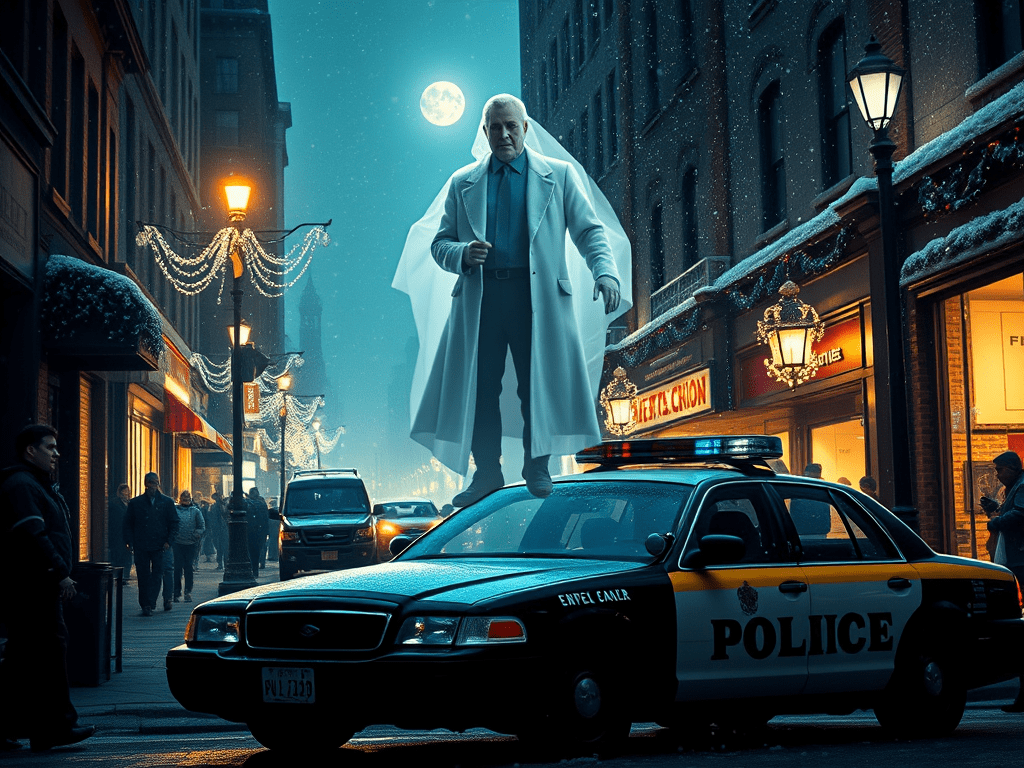



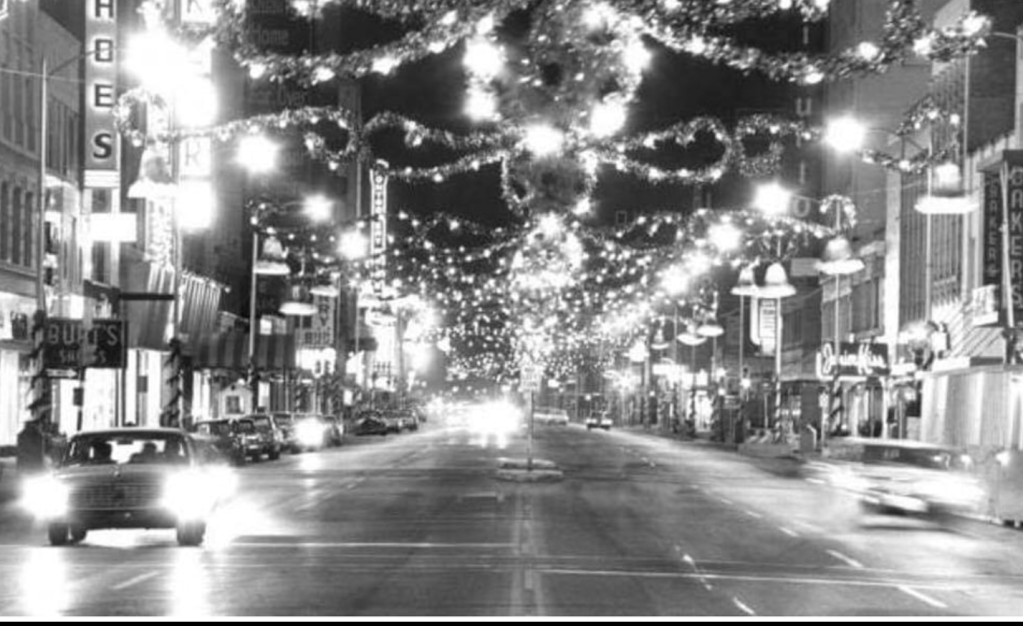


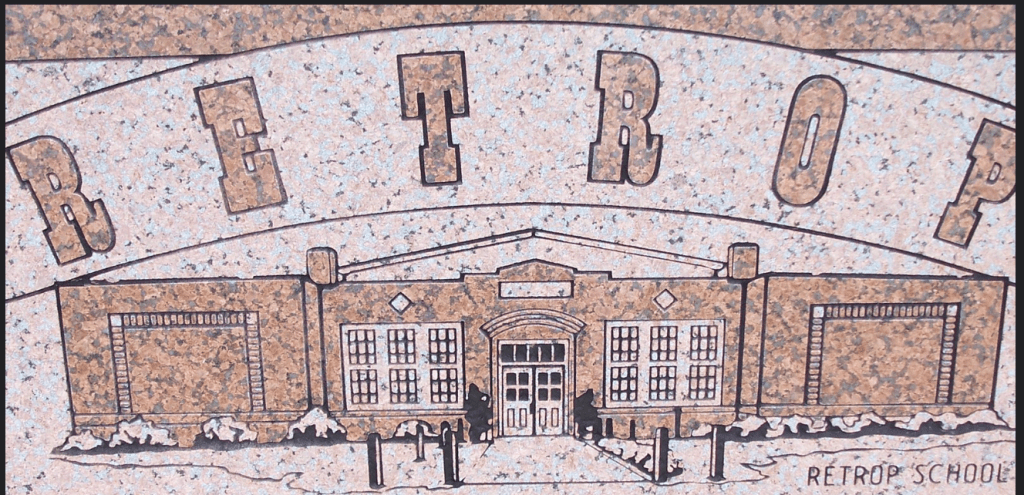
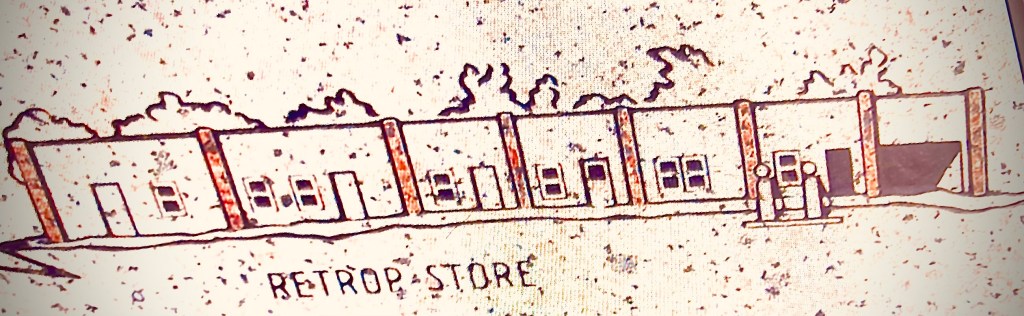

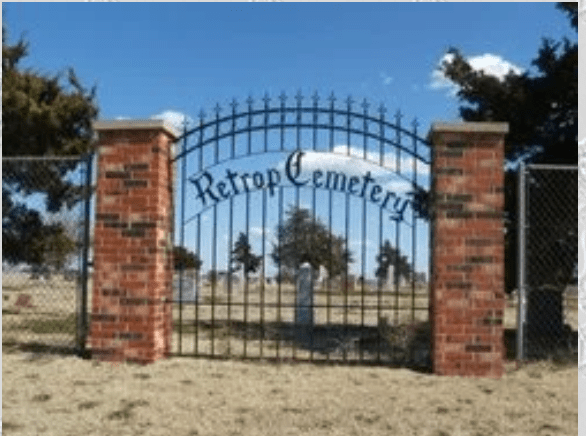







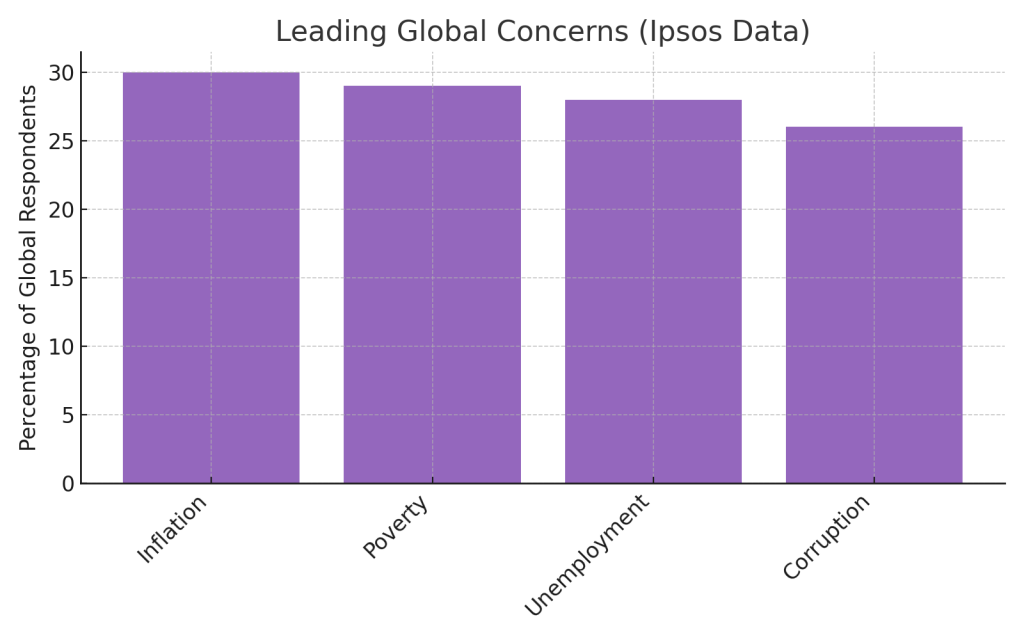



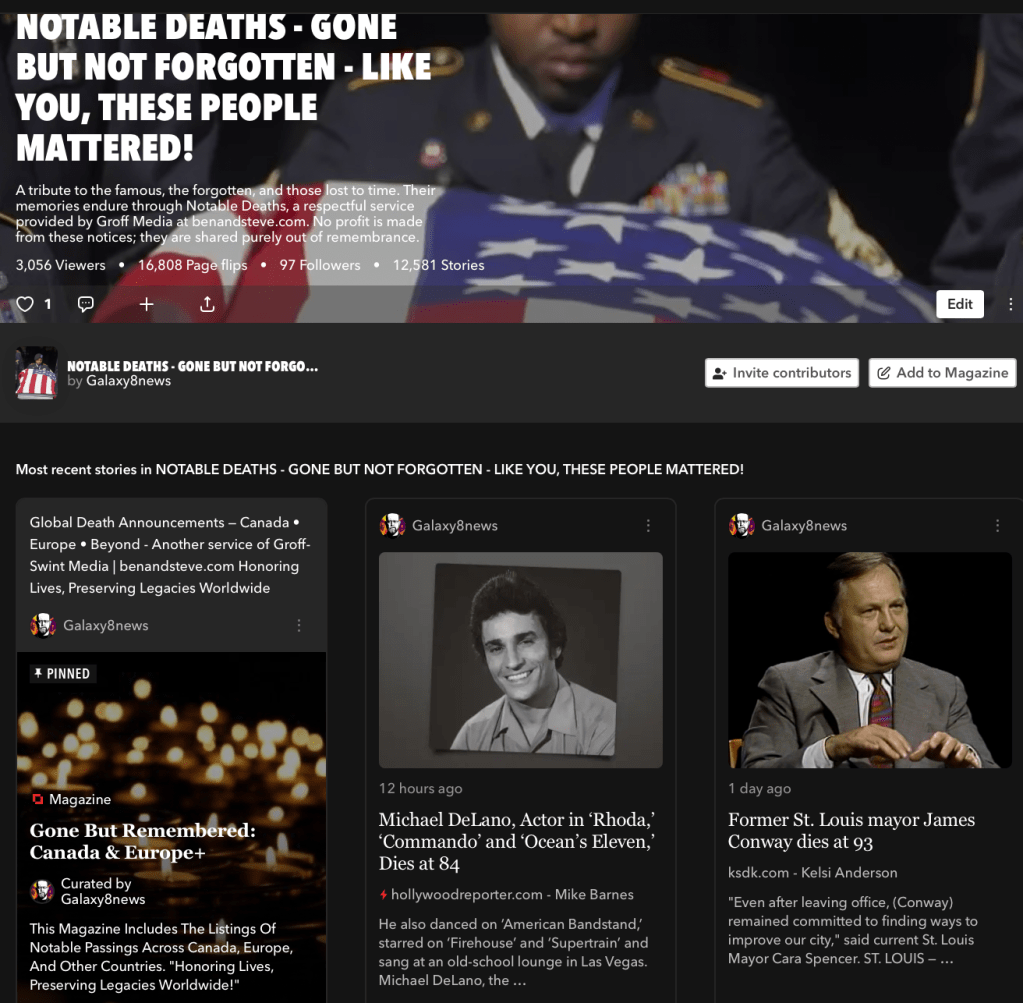



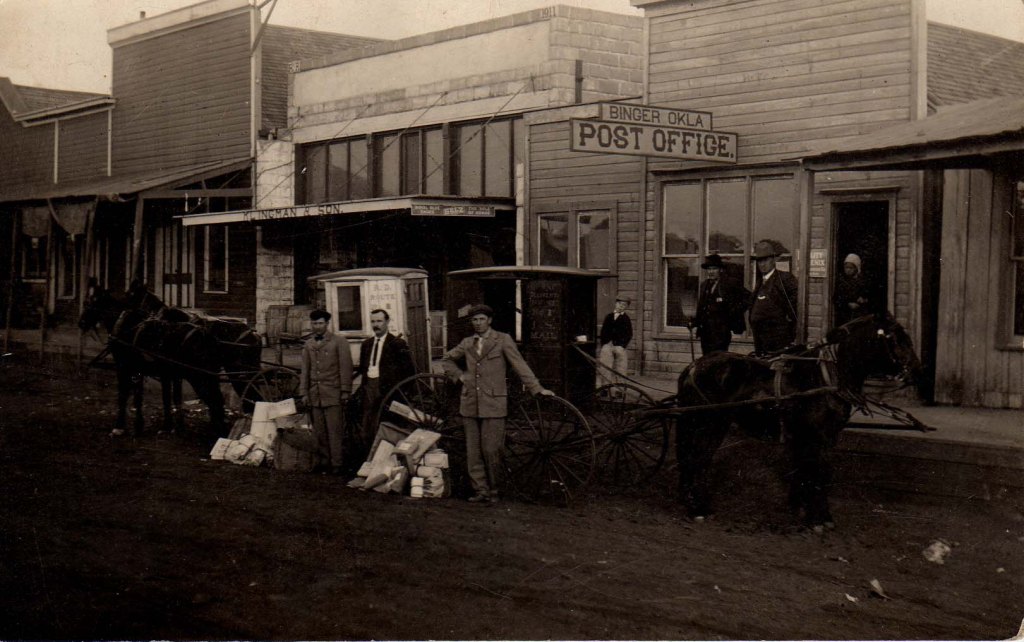

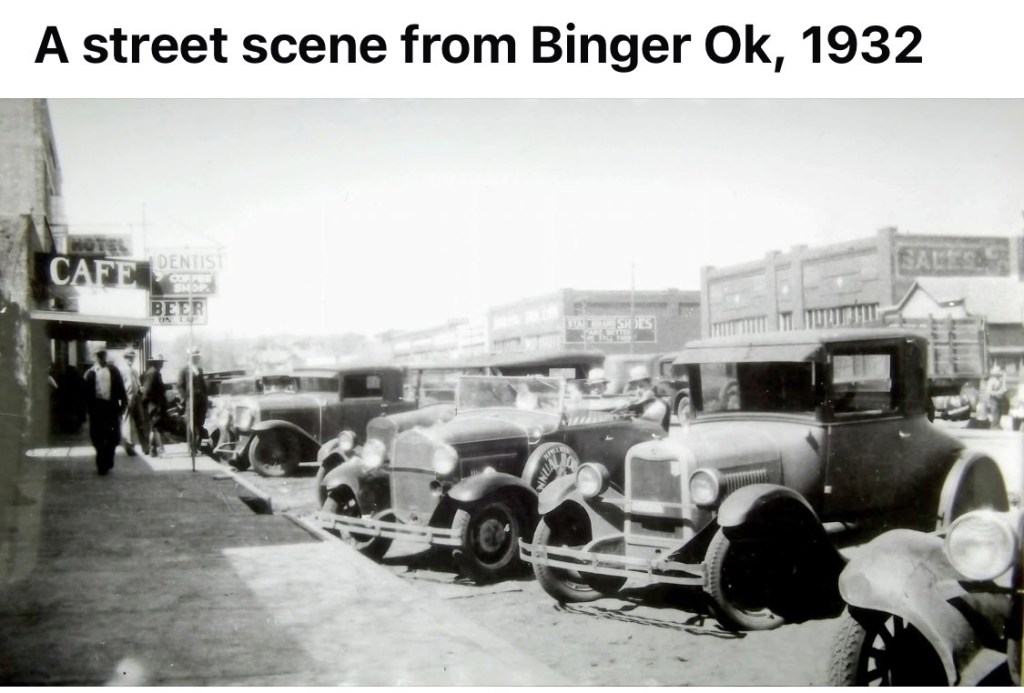



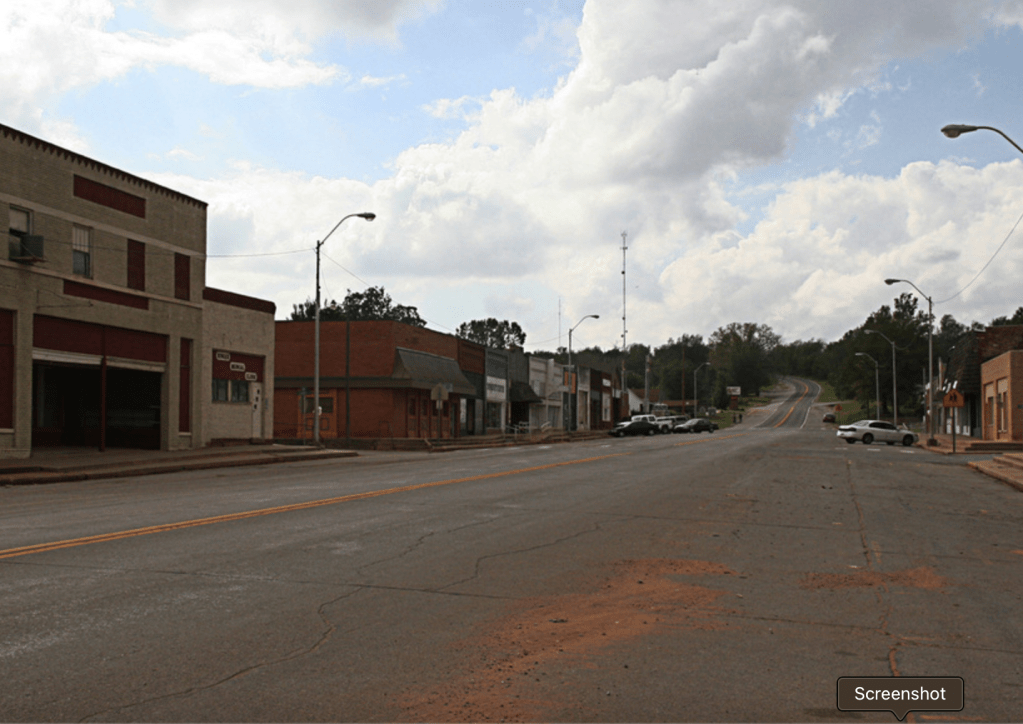






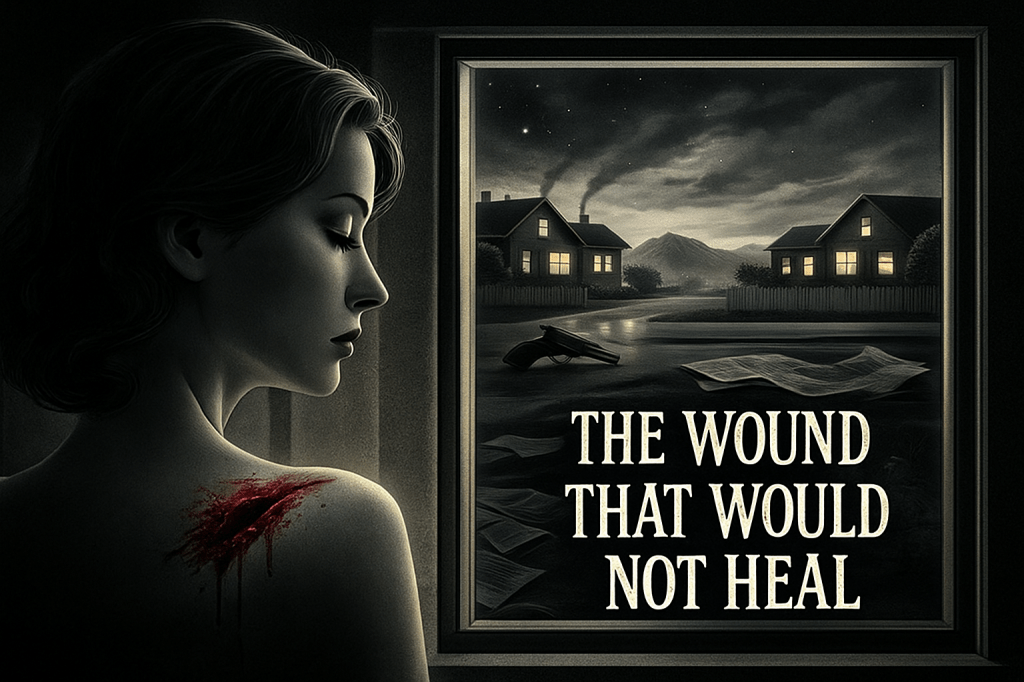
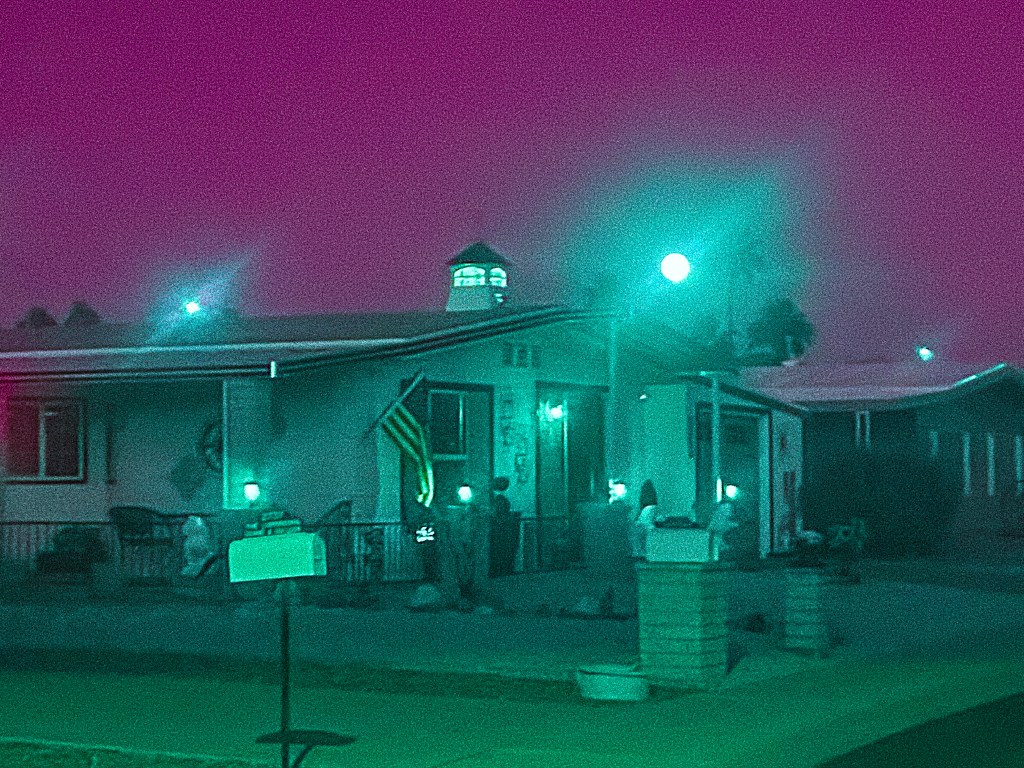

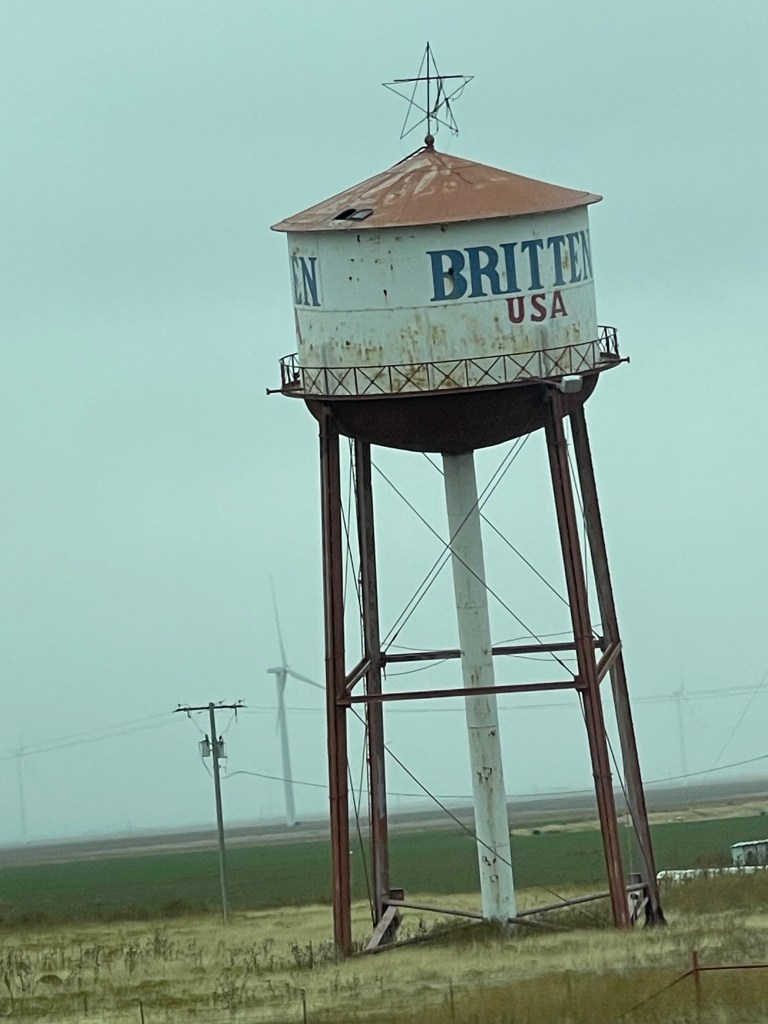
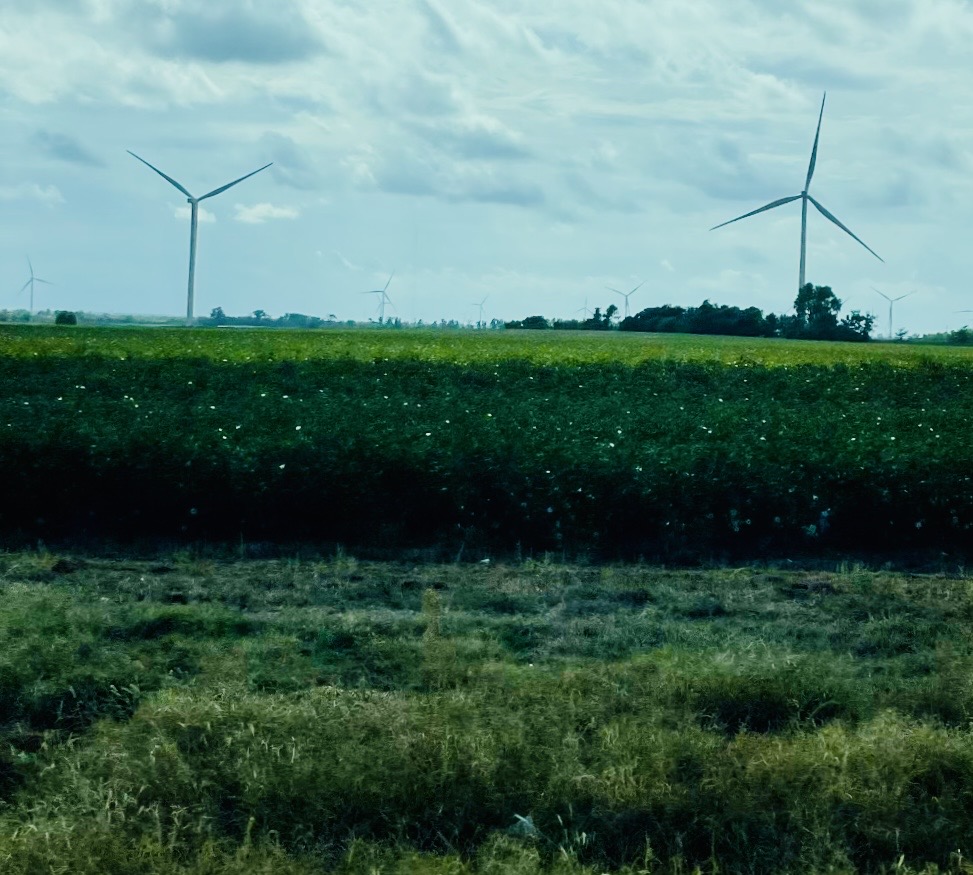

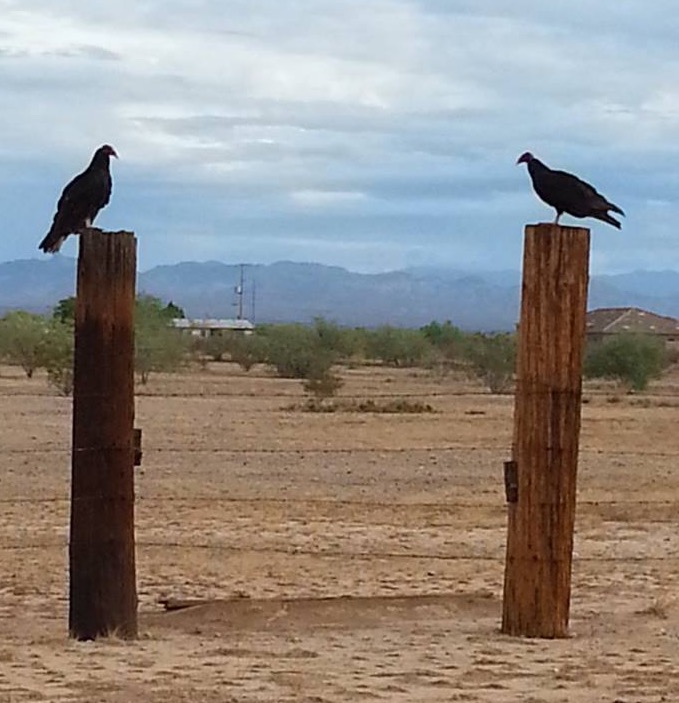


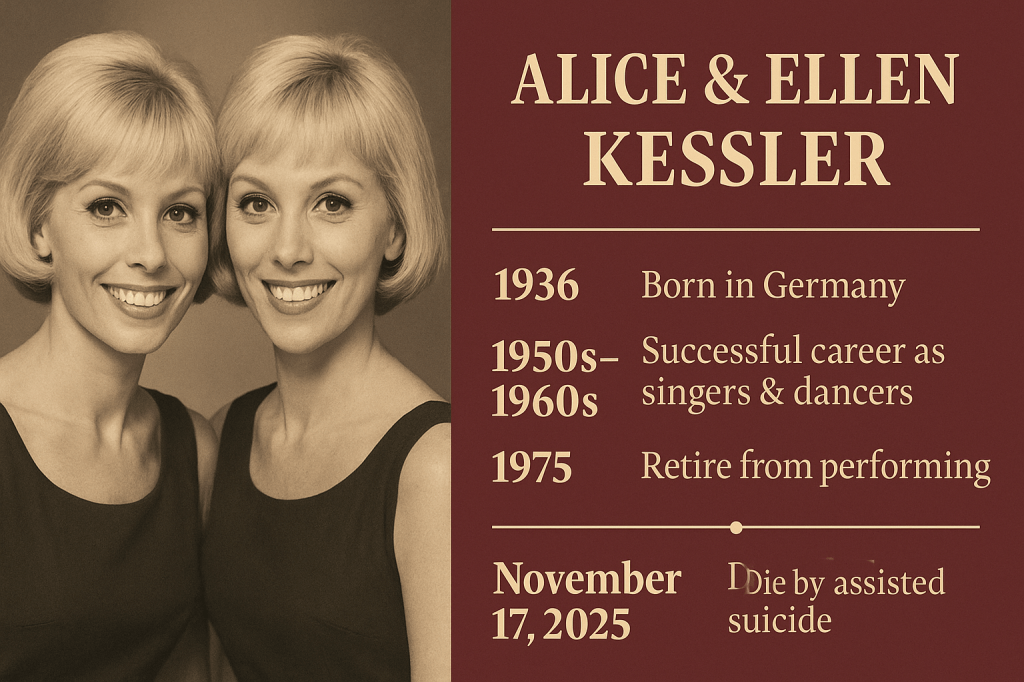
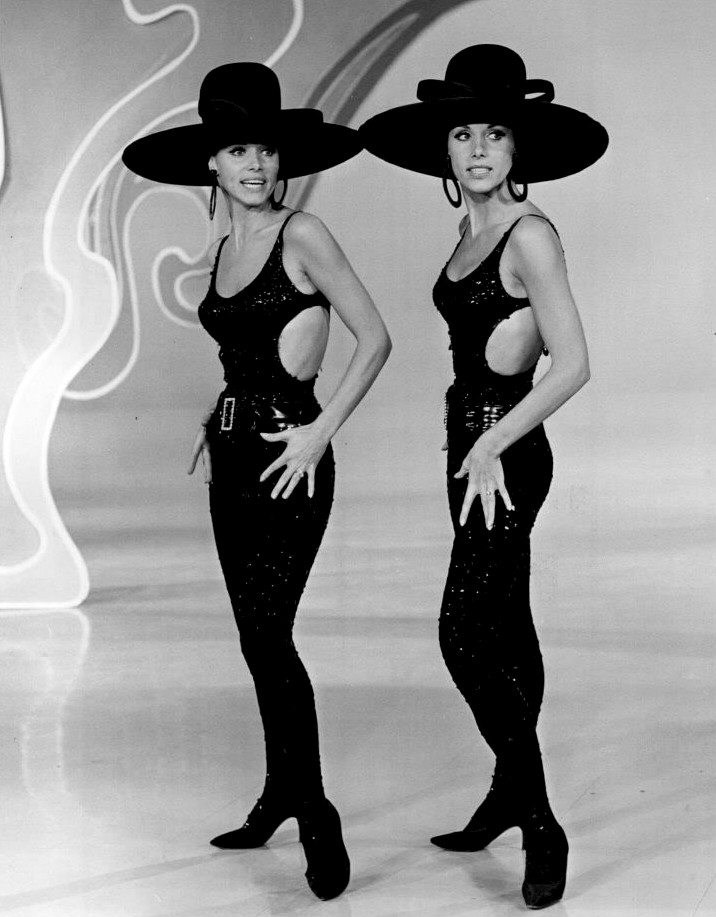






 benandsteve.com