Statues, Highways, and History: Keeping Hate Visible as a Warning

Statues and names aren’t just honors—they’re reminders. By keeping the names of hate in public view, we offer the right context. This turns symbols of division into warnings for the future.

2–3 minutes

Why We Should Keep the Names of Hate in the Public Eye

Photo by Germar Derron on Pexels.com

We’re living in a time of debate across the country. Communities are considering whether to remove statues and rename highways. There’s also discussion on erasing the public memory of people who promoted hate, bigotry, and division. It’s an understandable impulse: why honor those who harmed others? But erasure carries a hidden risk—forgetting.

History teaches us that forgetting the darkest chapters makes it easier for them to repeat. When names are scrubbed away, the context can be lost. Future generations will not know the full weight of what those people stood for. Worse still, without clear memory, others try to rehabilitate these messages. Some try to whitewash them. Others rebrand the hateful messages into something even more dangerous.

Keeping those names visible—in the right way—turns them from tributes into lessons. A highway named after a segregationist can become an outdoor museum. A statue of a tyrant can stand in a public square. A plaque can explain exactly what they did. It can also explain why it was wrong. By preserving their presence as warnings, not celebrations, we turn the symbols of hate into tools for education.

This is not about reverence. It’s about responsibility. Public memory should hold two things at once. First, the good we want to emulate. Second, the evil we must never repeat. We can’t do that if we pretend the evil never existed.

The Takeaway

We remember the names of those who promoted hate and division. By doing so, we deny them the chance to be rebranded as something they were not. Their actions stay tied to their identities. Their legacy becomes a constant, unavoidable reminder of how close we once came to tearing ourselves apart. If we truly want a brighter, more united future, we need both inspiration—and warning signs along the way.


By Benjamin GroffMedia© | benandsteve.com | ©2025 

The Idiocy Of Name Calling – Woof Whistles And Such!

1–2 minutes

The Great Name-Calling Open

The morning was sunny on the golf course. A group of doctors noticed a team of nurses playing a round a few holes over. One of the doctors cupped his hands and hollered across the fairway:

“Hey! When you walked by the gate, the watchdog said WOOF! WOOF!”

The nurses froze, glaring back. One of them raised her club like a microphone and shouted,

“Oh yeah? When you all walked by the pond, the ducks went QUACK! QUACK!”

The golf course grew quiet. A couple of retirees nearby peeked out of their carts to see what the commotion was. The trash talk had officially begun.

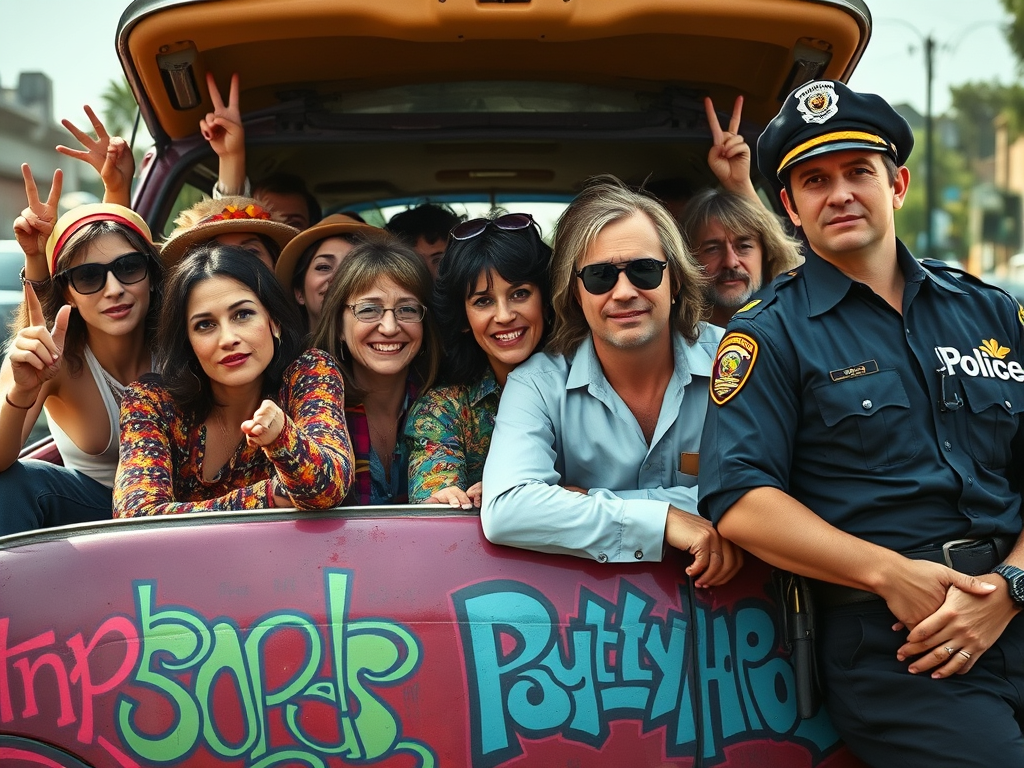
Just then, a police officer—off duty but still in uniform for reasons only he knew—wandered up and added his grievance.

“That’s nothing! I went into a restaurant today and a bunch of teenagers started going OINK! OINK! OINK! at me!”

The doctors and nurses nodded sympathetically, but before long they were all laughing. It seemed no profession was safe from ridicule.

“Well,” said one of the nurses, grinning. “If we’re going to keep score, I went to a rock concert last week. The singer stopped mid-song, pointed straight at the crowd, and called us every name in the book. I felt like I’d paid extra for the insults.”

By now, the golfers had abandoned their shots. The officer had parked his cart. The conversation had spiraled into a full-blown “who got called what” competition. Farmers chimed in about “moo” jokes. Teachers griped about “boring” chants. A barber also complained about being called “clip-clop” at the horse races.

The sun dipped lower, balls went unhit, and nobody remembered the score of the game. One thing was certain: the Great Name-Calling Open had been played on that course. Every profession—dog, duck, pig, or otherwise—walked away laughing.


By Benjamin GroffMedia© | benandsteve.com | 2025 

Henry’s Midnight Firestorm A Cloud Of Dust And Mistrust

2–3 minutes

Henry’s Midnight Firestorm

Henry had been laying low for months. He wasn’t exactly on the best terms with the brass at his small police department. He’d been on the midnight shift so long, most people in town barely remembered he worked there. To entertain himself, he left funny notes about the place signed “John Henry.” The detective division took six months to figure out who was behind the jokes. They learned the truth only by accident.

Henry confessed to one of the detectives during a neighborly beer session. The young detective was desperate for some action. He had gone a year without a single arrest. He thought maybe Henry can teach him a thing or two. Henry didn’t hold back: “For starters, I’m not sitting on my ass in the office for eight hours.” It stung. The detective had only one unit in his division. His wet-hen supervisor kept him glued to a desk. Henry, on the other hand, led the department in felony arrests for two years straight. His bluntness was legendary, especially among supervisors who loved to hate him.

But it was what happened at 3:00 a.m. one night that sealed Henry’s reputation. He pulled his black-and-white patrol unit up to the north entry door of the station. He wanted to check his oil. He also wanted to check his transmission fluid. Both were low. As he topped the transmission, some spilled onto the exhaust pipes and burst into flames. In seconds, the underside of the cruiser was lit up like a bonfire. Henry shouted, “Shit! Shit! Shit!” sprinted inside, grabbed the fire extinguisher, and went to work.

The flames went out. A massive cloud of extinguisher powder billowed everywhere—under the car, across the pavement, and straight into the police department itself. The breathalyzer, computers, and half the office equipment were dusted in a fine white film. To anyone walking in, it looked like a cocaine snowstorm had blown through the station.

Henry realized it would take 18 hours to clean, and he wasn’t about to spend his shift playing janitor. He called to a cat he saw over in a alley way. It came to him. He picked it up and threw it into the station. Then he rolled the extinguisher across the floor causing it to seem that it had knocked over. He dusted off his hands and thought: “Shit happens. Things happen. And I’ll be in the far south district when they find this mess.” shut and locked the door and headed south. And that is where he was at 0800. Day shift radioed saying they were 10-8. Henry replied, good I am Ten Dash Seven!

To this day, no one ever heard the story—until now. The Cat? No one ever mentioned it again!


By Benjamin GroffMedia© | benandsteve.com | 2025 

Warning Signs: What Recent Shootings Reveal About America’s Pressures

4–6 minutes

When Politics Turns Deadly: What Recent Shootings Reveals About America’s Pressures

Political Violence in the U.S.: A Historical Lens Political Pressure Pots That Are Exploding

On September 10, 2025, conservative activist Charlie Kirk was fatally shot while speaking at Utah Valley University. The attack shocked audiences nationwide and revived a painful question: Is political violence becoming more common in the United States? While the details of this case continue to unfold, history offers context. The Kirk shooting is tragic, but it’s not unprecedented—political assassinations and attacks have occurred before. Understanding that history can help us prevent future violence.

Throughout U.S. history, public figures have been targeted for their beliefs, activism, or positions of power. These events—though rare—often show deep social, political, or cultural tensions. Below is a timeline of key moments, followed by how they compare to today.

Year / Victim / Role / Context / Motive

On April 14, 1865, Abraham Lincoln, the U.S. President, was assassinated by John Wilkes Booth, a Confederate sympathizer.

1901 William McKinley, U.S. President, was killed by anarchist Leon Czolgosz.

1935 Huey Long, U.S. Senator / LA Governor, was shot by Carl Weiss amid political turmoil in Louisiana.

1963 Medgar Evers, a Civil Rights Activist, was shot outside his home for his activism in Mississippi.

In 1963, President John F. Kennedy was assassinated while riding in a motorcade in Dallas, Texas. Lee Harvey Oswald was arrested for the crime. He was shot and killed by Jack Ruby before standing trial. The official record names Oswald as the lone gunman. The motive has remained an issue of widespread debate and speculation for decades.

1965 Malcolm X, a Civil Rights Leader, was killed during a public speech in Harlem.

1968 Robert F. Kennedy, the Presidential Candidate, was shot after a campaign rally in Los Angeles.

On April 4, 1968, Dr. Martin Luther King Jr.—American Baptist minister, civil rights leader, and Nobel Peace Prize laureate—was assassinated. He was standing on the balcony of the Lorraine Motel in Memphis, Tennessee when it happened. James Earl Ray, an escaped convict, was arrested for the murder two months later and later pleaded guilty. Ray claimed he was part of a larger conspiracy. He later tried to recant his confession. Nonetheless, the official record names him as the assassin. The motive remains the topic of debate. King led the civil rights movement. He opposed systemic racism. These actions made him a frequent target of threats and hostility.

1969–70s Various bombings & shootings Political & protest-related Weather Underground, far-right and far-left extremist groups.

2011 Gabrielle Giffords (survived), U.S. Representative, was shot at a constituent event in Arizona; six others were killed.

High profile, targeted instances of political violence

Charlie Kirk shooting*

Killed

Orem, Utah

Kirk was shot and killed while speaking at an event on the campus of Utah Valley University. Kirk was a well-known conservative activist who founded Turning Point USA.

Sept. 2025

*Officials have not confirmed that the shooting was politically motivated.

*Officials have not confirmed that the shooting was politically motivated.

Minnesota lawmaker shootings

2 killed, 2 injured

Minneapolis, Minnesota

A gunman targeted several Minnesota election officials. He killed Minnesota House of Representatives member Melissa Hortman and her husband Mark Hortman in their home. State Sen. John Hoffman and his wife Yvette Hoffman were shot and injured in their home.

June 2025

Minnesota lawmaker shootings

Two killed, two injured

Minneapolis, Minnesota

A gunman targeted several Minnesota election officials. He killed Minnesota House of Representatives member Melissa Hortman and her husband Mark Hortman in their home. State Senator John Hoffman and his wife Yvette Hoffman were shot and injured in their home.

June 2025

Minnesota lawmaker shootings

Two killed, two injured

Minneapolis, Minnesota

A gunman targeted several Minnesota election officials. He killed Minnesota House of Representatives member Melissa Hortman and her husband Mark Hortman in their home. State Senator John Hoffman and his wife Yvette Hoffman were shot and injured in their home.

June 2025

Pennsylvania Gov. Josh Shapiro’s home arson

No injuries

Harrisburg, Pennsylvania

The Pennsylvania Governor’s Residence was set on fire while Shapiro and his family slept inside.

April 2025

Pennsylvania Gov. Josh Shapiro’s home arson

No injuries

Harrisburg, Pennsylvania

The Pennsylvania Governor’s Residence was set on fire while Shapiro and his family slept inside.

2025 Charlie Kirk, Conservative Activist, was shot while speaking at Utah Valley University; investigation ongoing.

Timeline of Notable Political Murders And Attacks In The U.S. (1865-2025)
  • Public Rhetoric Matters: In nearly every case, rhetoric and polarization preceded the violence.
  • Violence Rarely Comes From Nowhere: These events are almost always linked to broader grievances, social tensions, or extremist ideologies.
  • Modern Amplifiers: Today’s social media, 24/7 news, and intense partisanship can supercharge grievances faster than in past eras.

The Kirk shooting reflects how quickly divisions can escalate. This happens when marginalized or politically active groups feel threatened. It also occurs when public discourse frames opponents as existential enemies. Left unchecked, the result can spill over from online posts and protests into public spaces and deadly attacks.

History shows that violence rarely ends the debate—it deepens it. The antidote is not silence but inclusion, dialogue, and guardrails on how we treat one another, even when we disagree.

The U.S. is not doomed to repeat its worst moments, but it does need to recognize them. Political violence grows where alienation and fear fester. The Charlie Kirk tragedy, like earlier assassinations, should not only shock but also instruct. By confronting polarization and reinforcing democratic norms, communities can prevent these cycles from repeating.


About the Author:

Benjamin Groff is a former police officer and radio news anchor. He has hosted programs for CNN and ABC News affiliates in Colorado and Wyoming. His career in law enforcement began in 1980 and lasted more than two decades. This gave him firsthand insight into the criminal mind and public safety. Moreover, it provided him with an understanding of the human stories that often go untold. His writing draws on these experiences, blending street-level truth with a journalist’s eye for the bigger picture.

By Benjamin GroffMedia© | benandsteve.com | ©2025 

The Consequences of Women Losing Voting Rights

2–3 minutes

What If Women Lost the Right to Vote Today?

Imagine waking up one day and discovering that half the population no longer has a voice in governance. It seems unimaginable. But, by exploring this dystopian scenario, we gain a clearer understanding. Women’s full participation is vital to a healthy democracy.


1. Democracy at Risk: Representation Crumbles

Eliminating women’s voting rights would erode democratic legitimacy. According to Pew Research, no nation has fully rescinded women’s suffrage after granting it. Afghanistan is a rare case. Instability there led to temporary rollbacks of voting rights for women (1).

Political representation would skew drastically without the inclusion of women. This would undermine policies related to education, healthcare, family leave, and equity. These are issues where women often drive progress (2). Removing half the electorate opens the door to unbalanced, unaccountable leadership that ignores countless lived experiences.


2. Social and Economic Inequities Would Widen

The ripple effect of eliminating women’s voting rights would be immediate and profound:

  • Policy Backslides: In response to women’s demands, early 20th-century legislation emerged. Acts like the Sheppard-Towner Act (maternity care), the Women’s Bureau, and the Cable Act were major milestones. They were built on women’s political influence (3). Lose voting rights, and such gains evaporate.
  • Stalled Progress for Women of Color: Even after the Nineteenth Amendment in 1920, women of color still faced systemic barriers. Voting was made difficult for them. These barriers persisted in many forms. This was especially true for Black, Native, Latinx, and Asian Americans. These barriers weren’t fully lifted until the Voting Rights Act of 1965 (4). Removing voting rights today would re-introduce even greater marginalization.

3. The 19th Amendment Is Not a Safety Net

The 19th Amendment constitutionally affirms women’s right to vote. Changing that would need another amendment. This presents an extraordinarily high legal and political hurdle. Legal scholars and court precedents affirm its permanence (5).

Still, we must stay vigilant. Recent developments remind us that the spirit of equality is always at risk. These include potential threats to voting access via legislation like the SAVE Act. There is also rhetoric from political figures undermining democratic foundations.  (6).


Final Thought

Losing the right to vote wouldn’t be just a policy shift—it’d be a moral and societal unraveling. Not only would women’s voices vanish from ballots, but the very foundations of inclusive democracy would start to crumble. That’s why protecting voting rights isn’t optional—it’s essential.


By Benjamin GroffMedia© | benandsteve.com | 2025 

How Blind Trust Leads to Deception

1–2 minutes

The Man of Hoaxes

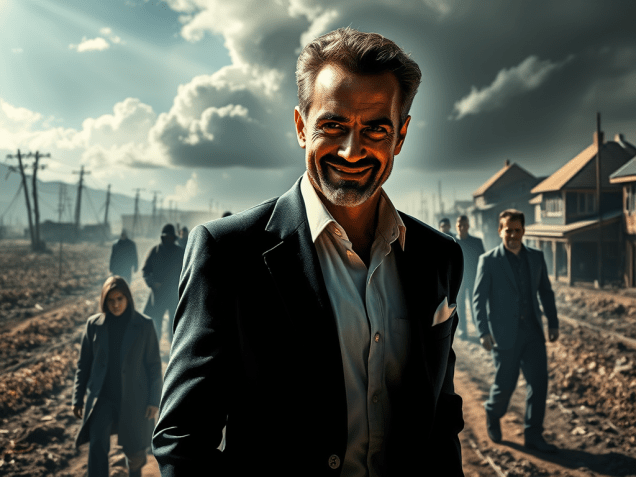
He wasn’t the strongest. He wasn’t the wisest. Yet, he fluttered about with enough charm and bluster. This convinced the people he belonged in power. They laughed at his antics, mistaking arrogance for confidence and confusion for brilliance. By the time they realized he had taken control of their trust, it was too late. He spoke, and they listened.

Whenever things went wrong, he had an answer ready: “It’s a hoax.” Crops failed? A hoax. Jobs vanished? A hoax. Storms swept through the land? A hoax. Even the things they see with their own eyes, he dismissed with a sneer. And they believed him, because it was easier than admitting they had been deceived.

Slowly, their lives unraveled. Families quarreled. Neighbors turned on one another. Their fields lay empty, their towns hollow, their hopes spent. Yet they clung to his words like a drowning man clings to driftwood. In truth, their downfall wasn’t his alone—it was their own. For had they stood up, had they questioned, had they said “enough,” they stopped him. Instead, their faith in his lies became the noose that choked their future.


Moral

A hoax repeated becomes a truth only in the minds of the foolish. To see clearly, one must dare to doubt the man who profits from your blindness.


By Benjamin GroffMedia© | benandsteve.com | 2025 

Finding Common Ground: Building Bridges in Polarized Times

1–2 minutes

Photo by cottonbro studio on Pexels.com

Finding Common Ground in a Divided Nation

Everywhere we look, the signs of division are clear. Our conversations have turned into shouting matches, our communities into factions, and even the smallest differences into battle lines. A nation divided can’t stand strong. But there is another path. It does not ask us to agree on everything. Instead, it asks us to bring ourselves into spaces that center peace and shared purpose.


The Power of a Centered Community

When we step away from division and enter a group that is centered and peaceful, something remarkable happens. The noise quiets down. Respect returns to the conversation. We start to see each other not as opponents. Instead, we see each other as fellow human beings. We recognize struggles, joys, and hopes that are more alike than different. These kinds of communities create an environment where empathy can thrive—and empathy is the root of unity.


A Call to Unite Around a Common Cause

Now more than ever, we need to reclaim what unites us. Not political slogans, not party lines—but a shared wish for dignity, fairness, and belonging. The call is simple: bring yourself, with open hands and an open heart, to a group that fosters peace. Choose to engage in a way that builds bridges instead of burning them. Let’s unite around the common cause of healing our communities, so that we can heal our nation.


Closing Thought

Division is loud, but peace is stronger. Every voice that chooses compassion over conflict adds weight to the side of unity. The choice begins with each of us—will we contribute to the noise, or to the harmony?


By Benjamin GroffMedia© | benandsteve.com | 2025 

How a Talking Box Changed a Village Forever

2–3 minutes

The Man Who Brought the Talking Box

Long ago, in a village nestled between mountains and rivers, the people lived simple lives. They farmed, fished, and told stories by firelight. The outside world was a distant rumor; progress had passed them by like a river running around a stone.

One day, a man arrived carrying a strange box. He called it a television. The villagers had never heard such a word. When he told them it would show pictures that talked, they laughed and shook their heads. “You are a fool,” they said. “Only dreams speak, not boxes.”

But the man was prepared. He produced a car battery and some wires. With a flicker of static, light and sound filled the screen. A newsreader from a city hundreds of miles away appeared, his voice echoing across the quiet square. The villagers gasped. They fell to their knees. They did not see a machine—they saw a miracle. To them, this man had called forth visions from the air. He was no salesman. He was a god.

They showered him with gifts: food, gold, comforts he had never imagined. Women sang songs to him, elders bowed in reverence, and children followed him as though he were a prophet. The man, intoxicated by their devotion, stopped trying to sell televisions. Why would he? To share the secret would be to share his power. Instead, he worked to suppress progress, warning of curses should other machines arrive. If anyone else brought innovation to the village, his godhood would vanish.

But gods made of flesh will not stand forever. One day, another traveler arrived, carrying a radio. The villagers gathered again. They looked at the newcomer in awe. Their awe was just like when they revered their god of the television. Voices once poured from the box without wires or pictures. In that instant, the spell broke. The villagers realized the man was no deity, only a trickster who had hoarded knowledge.

The gifts stopped. The songs ended. He was left alone with his machine, just another man in a world where progress is not be-dammed forever.


Moral

Power built on ignorance never lasts. Sooner or later, truth finds a way to flicker into the light.

By Benjamin GroffMedia© | benandsteve.com | 2025 

Uncommon Phobias That Sound Made Up

2–3 minutes

The Strangest Phobias You’ve Never Heard Of

When most people think of phobias, the usual suspects come to mind: spiders, heights, flying, or public speaking. But the human mind is infinitely complex, and so are the fears it produces. Beyond the common anxieties, there are phobias so rare and oddly specific. They almost sound made up, yet they’re very real for those who experience them.


1. Arachibutyrophobia – Fear of Peanut Butter Sticking to the Roof of the Mouth

It sounds funny at first, but this phobia can cause genuine distress. For those who suffer from it, even the thought of peanut butter clinging to their mouth can spark panic. It often extends to sticky foods in general.


2. Nomophobia – Fear of Being Without a Cell Phone

A very modern fear, nomophobia describes the anxiety people feel when separated from their phones. This can occur when the battery dies, the signal drops, or when the device is misplaced. In an age where smartphones are lifelines, this phobia has become increasingly common.


3. Xanthophobia – Fear of the Color Yellow

While most associate yellow with warmth and cheer, some people experience overwhelming anxiety when exposed to the color. It can be triggered by objects, clothing, or even sunshine itself.


4. Papaphobia – Fear of the Pope

Unusual, yes, but historically documented. For those with papaphobia, even images or references to the Pope can cause panic. It’s believed to stem from a mix of religious trauma and authority-based fears.


5. Pogonophobia – Fear of Beards

In some cases, beards are more than just a fashion statement—they’re a trigger. This phobia can cause sufferers to avoid contact with people who have facial hair. This avoidance is rooted in past negative experiences or simply an overwhelming sense of discomfort.


6. Hippopotomonstrosesquipedaliophobia – Fear of Long Words

Ironically named, this phobia is real and involves anxiety around long, complex words. Sufferers feel uneasy in academic or professional settings where such terms are common.


7. Eisoptrophobia – Fear of Mirrors

This phobia goes beyond superstition. For some, looking into mirrors triggers deep anxiety. This anxiety is linked to fears of self-perception. It is also connected to superstition. There is also the uncanny feeling of seeing one’s reflection.


Why These Fears Matter

While some of these phobias sound absurd to outsiders, they are real, debilitating conditions for those who experience them. They highlight the diverse ways our minds process fear. These remind us that what seems laughable to one person feel life-altering to another.

By Benjamin GroffMedia© | benandsteve.com | 2025 

The Other Laws That Are Weird And Strange That Snag People!

2–4 minutes

When Weird Laws Get Real: Strange Rules That Actually Snagged People

We’ve all heard about oddball laws that lurk in dusty legal books. Some examples include bans on whistling at canaries or outlawing whale hunting in landlocked states. Most sound like punchlines, not punishments. But here’s the kicker: some of America’s strangest laws have actually been enforced. Real people have faced consequences because of them.


In Woburn, Massachusetts, city ordinances once required that bar patrons stay seated while drinking. Sounds silly? Local authorities enforced it. The rule came from strict licensing codes. Bar owners had to police their customers. A little too much standing around with a pint trigger fines or even a license suspension. Imagine being told to “sit down or get out” just for holding your beer upright!


In Alaska, it’s illegal for someone who is intoxicated to stay in a bar. That’s right: you can’t be drunk in a place that exists to serve alcohol. Police actively enforce this law. They have arrested bar patrons. They have even fined bartenders for allowing visibly drunk people to hang around. It’s like a bouncer’s dream written into law, with teeth.


Here’s one that isn’t just quirky—it’s downright controversial. Civil forfeiture laws let police seize property, like cars or cash, without ever charging the owner with a crime. It’s happened across the country. Regular folks are stripped of thousands of dollars. They have to fight uphill battles in court just to get their property back. Technically legal, often enforced, and more than a little surreal.


Another group that bumps into odd laws are self-proclaimed “sovereign citizens.” These are individuals who claim they’re not bound by U.S. laws, often flooding courts with bizarre paperwork or filing fake liens on judges and officials. Sounds like a fringe hobby—until the arrests come down. Many sovereign citizens have faced jail time for fraud, impersonation, or obstruction. Turns out the government doesn’t take kindly to “opting out” of its authority.


In 1997, Chandler, Arizona, became the stage for one of the strangest law enforcement crackdowns in modern memory. Police, alongside Border Patrol, conducted sweeps that targeted hundreds of people suspected of being undocumented immigrants. The problem? Many of those arrested were actually legal residents or citizens. What was meant to be law enforcement turned into a scandal over racial profiling and civil rights.


It’s easy to laugh at quirky laws about dogs’ hair or Sunday shopping bans. But when enforced, even the strangest rules can shape lives, communities, and freedoms. These cases remind us that laws, no matter how odd they sound, carry real consequences. Sometimes, the difference between comedy and tragedy is simply whether the rulebook is dusted off.


About the Author:

Benjamin Groff is a former police officer and radio news anchor. He has hosted programs for CNN and ABC News affiliates in Colorado and Wyoming. His career in law enforcement began in 1980 and lasted more than two decades. This gave him first hand insight into the criminal mind and public safety. Moreover, it provided him with an understanding of the human stories that often go untold. His writing draws on these experiences, blending street-level truth with a journalist’s eye for the bigger picture.

By Benjamin GroffMedia© | benandsteve.com | 2025 

Has Anyone Ever Been Arrested For Violating Silly Laws?

4–6 minutes

No one has been arrested for any of the silly laws on the books in various states around the country. I conducted a deep dive into the internet, exploring the latest trends in innovative computing, AI, and ChatGPT. This suggests that most of these laws include strict provisions for enforcement. Nevertheless, they seem to be purely regulatory. There are no documented arrests or prosecutions for violation.

There are no recorded cases of arrests for purchasing Silly String. Authorities also report no arrests for whistling to Canaries. Moreover, no one has been arrested for allowing someone to eat them. According to officials, these laws and their enforcement are purely regulatory. There are no documented arrests or prosecutions for violations, as I said above.

The law seems to exist mainly to deter careless purchases. It also aims to prevent property damage. It does not primarily encourage criminal enforcement against children. Still, there were more questions, and that led to today’s report.

Fundamental Laws That Still Raise Eyebrows (and Sometimes Cause Trouble)

1. Civil Forfeiture: The Law That Targets Your Stuff

This isn’t a fictional plot device—it’s real and deeply troubling. In the U.S., police can seize property—cars, cash—even without charging the owner with a crime. Imagine your gold crucifix being named as the defendant in a court case e.g., State v. One Gold Crucifix. The government confiscates nearly half a million dollars from travelers at airports. This happens despite no evidence of wrongdoing. These actions are legally permitted. Often, there are no arrests or convictions. Individuals must fight a labyrinthine process to reclaim their property. (1)

2. Sovereign Citizens: When Laws Are “Optional”

The sovereign citizen movement has seen people file frivolous court documents. They use homemade license plates and claim federal laws do not bind them. Authorities take it seriously. Some adherents have been arrested for filing fake liens, orchestrating “common law courts,” and engaging in wire fraud. One such case was deemed a racketeering enterprise, with convictions earning individuals lengthy prison sentences. (2)

3. Silly String Restrictions – Enforced for Safety Over Fun

In Meriden, Connecticut, silly string can’t be sold to anyone under 18 unless a parent is nearby. It must also be stored securely and can’t be sprayed in public spaces. There’s no record of teens being arrested. Retailers can face fines, up to $99, for violations. This means enforcement is real, even if narrowly targeted. (3)

Why These Laws Matter — Beyond the Weirdness

These aren’t costumes—these laws have tangible consequences. Civil forfeiture can strip people of property without due process. Sovereign citizen actions clog courts and sometimes spiral into criminal schemes. And yes—even silly string bans illustrate how enforcement can reach unexpected corners of daily life.

In the deep dive this is what the results showed –

Here’s what I found on whether anyone has ever been arrested for violating these odd laws:


Arrests? Not Really—But Enforcement Exists

Delaware: Selling Dog Hair

Delaware law prohibits selling or bartering dog or cat hair or fur. The penalties can be up to a Class B misdemeanor. There is also a fine around $2,500 (b). There are no documented cases of arrests or prosecutions solely for selling pet hair. This law appears more preventive than actively enforced.

Berkeley, CA: Whistling for Your Canary Before 7 AM

Berkeley’s noise ordinance indeed bars whistling for a lost canary before 7 a.m. (a). Still, there’s no evidence anyone has ever been arrested or cited for doing so. This one remains a quirky legal tidbit more than a prosecutable offense.

Idaho: Cannibalism

Idaho’s law criminalizes cannibalism, even if consensual, with penalties up to 14 years in prison.  Despite its notoriety, there are no known prosecutions under this statute (2e).

Meriden, CT: Selling Silly String to Minors

Silly string in Meriden can’t be sold to anyone under 18 unless accompanied by a parent. It must be locked away. Violators can face a fine of up to $99 (1d). Yet there’s no record of minors ever being arrested or cited for this — enforcement applies to retailers, not children.

Baltimore: Scrubbing Sinks

Rumor has it you can’t scrub a sink in Baltimore – one of those strange local restrictions (1c). That said, there’s no credible record of enforcement or arrests, and the law is generally considered obsolete or never serious.

Utah: Whaling Ban

Utah doesn’t have whaling laws because it was a myth. Still, commercial whaling is prohibited federally via the Whaling Convention Act (1a). Enforcement takes place at the federal level. It does not occur at a state-specific level. Clearly, no one was ever arrested for whaling in landlocked Utah.

Bergen County, NJ: Blue Laws

Bergen County maintains strict blue laws. These laws prohibit retail sales of non-essential items on Sundays. The rules are still actively monitored (2a). Retailers have faced legal pushback for Sunday operations. Investigations, like those involving the mega American Dream mall, have occurred. Nonetheless, no high-profile criminal arrests are generally reported (2b)


Summary Table

LawArrests Reported?Enforcement Notes
Delaware dog hair banNoRarely enforced, no cases
Berkeley canary whistle banNoNo known citations or arrests
Idaho cannibalism lawNoNo reported prosecutions
Meriden silly string saleNoRetailer fines possible; no youth arrests
Baltimore sink scrubbing prohibitionNoMostly folklore, unenforced
Utah whaling mythNoFederal whale protections apply nationwide
Bergen County blue laws

About the Author:

Benjamin Groff is a former police officer and radio news anchor. He has hosted programs for CNN and ABC News affiliates in Colorado and Wyoming. His career in law enforcement began in 1980 and lasted more than two decades. This gave him firsthand insight into the criminal mind and public safety. Moreover, it provided him with an understanding of the human stories that often go untold. His writing draws on these experiences, blending street-level truth with a journalist’s eye for the bigger picture.

By Benjamin GroffMedia© | benandsteve.com | 2025 

Strange Laws Still on the Books in the US

2–3 minutes

Laughable Laws Still Technically Legal in the U.S.

Believe it or not, there are plenty of bizarre laws still sitting in state and local legal codes. Some are outdated, while others are downright absurd. Some rules originated to deal with bygone concerns. Others weren’t removed with the times. These rules range from amusing to downright perplexing.


A Few Noteworthy Oddities

  • No dog hair for sale in Delaware. If you collect your pet’s hair, and you try to sell it, you will face a hefty fine. The fine is up to $2,400. (1).
  • Do not whistle for your canary in Berkeley before 7 AM. Ornithophiles, beware. Making that whistle too early can land you in legal hot water. (2).
  • Cannibalism loophole in Idaho? — It sounds bizarre, but Idaho’s law specifies that non-consensual cannibalism is illegal. This implies that if someone consents, the law doesn’t technically apply (3).
  • Selling silly string in Meriden, Connecticut is regulated. It must be locked up in stores. Anyone under 18 can’t buy it (4).
  • Helium balloon limits also apply in Connecticut. You can earn a $75 fine. This fine is incurred by releasing more than 10 balloons in 24 hours. (5).
  • The “pickle must bounce” myth — This rule is touted as a real law. In reality, it is mostly an urban legend with no legal basis. (6).
  • Sink scrubbing is outlawed in Baltimore. Cleaning your sink is seen as pollution under local regulations. (7).
  • Saying goodbye to blue laws — In Bergen County, NJ, malls are shut on Sundays. This is due to strict retail blue laws. These laws are a holdover from colonial-era legislation (8).
  • Whaling ban in landlocked Utah — Yes, it was once illegal to hunt whales there—though that law was repealed (9).

Why They Still Exist

These odd laws often stem from cultural quirks or outdated public health concerns. Many are no longer enforced, existing more as quirky relics than current legal threats (10). But they serve as a humorous reminder: sometimes our legal system moves at a glacial pace.

About the Author:

Benjamin Groff is a former police officer and radio news anchor. He has hosted programs for CNN and ABC News affiliates in Colorado and Wyoming. His career in law enforcement began in 1980 and lasted more than two decades. This gave him first hand insight into the criminal mind and public safety. Moreover, it provided him with an understanding of the human stories that often go untold. His writing draws on these experiences, blending street-level truth with a journalist’s eye for the bigger picture.

By Benjamin GroffMedia© | benandsteve.com | 2025 
GARY INDIANA CRIME RATES HIGHER THAN CHICAGO

4–5 minutes

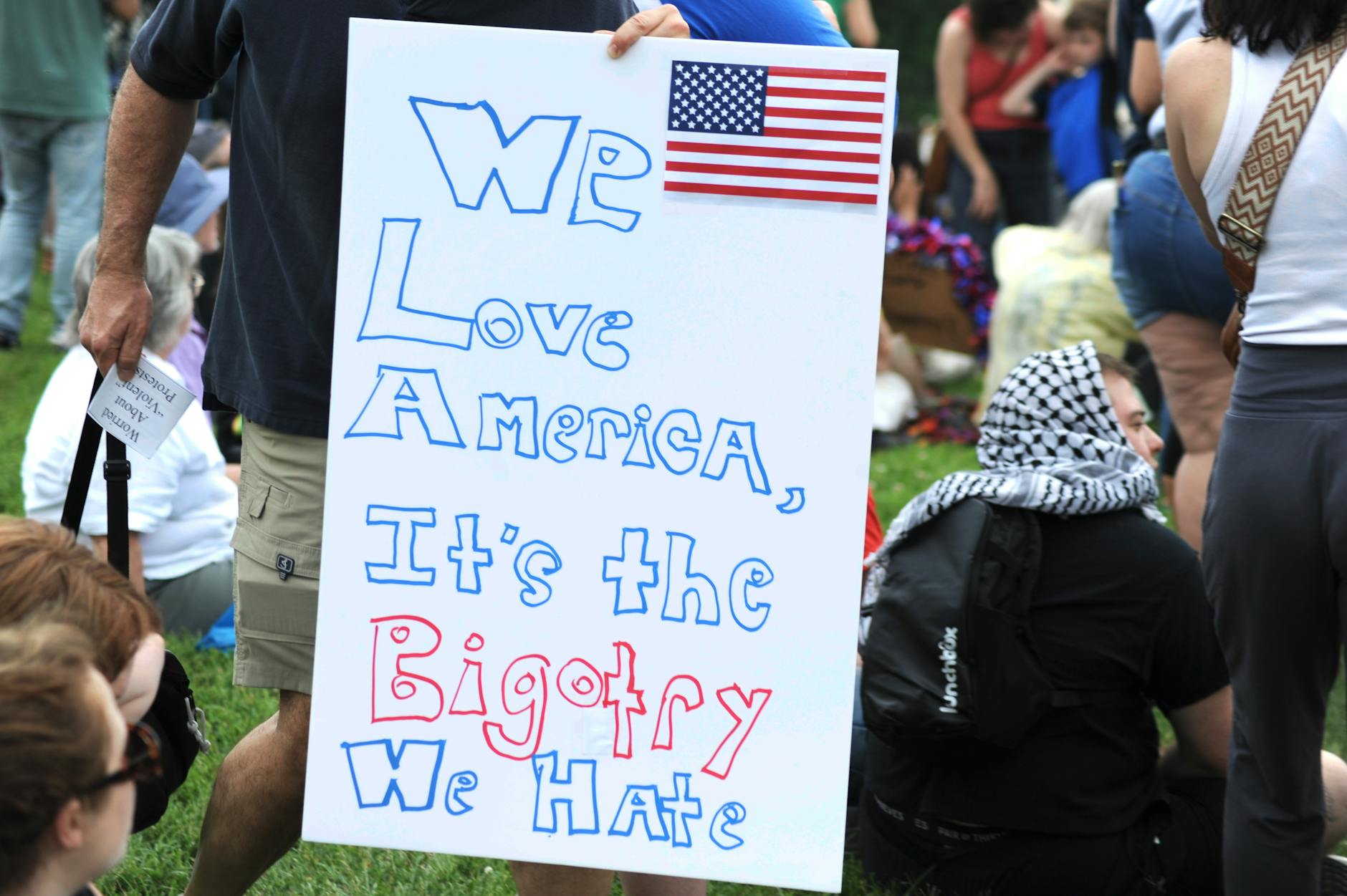
Indiana Governor Michael Braun

Why Isn’t Indiana Governor Mike Braun

Being Given National Guard Help?

Chicago is often spotlighted for its crime statistics. Yet, Gary, Indiana consistently ranks higher in many key crime metrics. This is true even when compared on a per-capita basis.

Chicago often dominates headlines for crime. Yet, FBI data and neighborhood crime indexes reveal a different story. Residents in Gary, Indiana, face significantly higher per-capita risks of violent and property crimes. According to NeighborhoodScout, Gary’s violent crime rate stands at roughly 1,180 per 100,000 residents—nearly double Chicago’s rate of 673.5.

President Trump reportedly plans to send National Guard troops to Chicago to tackle crime. If crime is really the concern, those service members should go just across the border to Gary. Decades of statistics show even higher rates staring them in the face. This report includes the data and sources to prove it. So the real question is: why isn’t the Guard going to Indiana? Maybe they know they can’t go back there.


  • Violent crime in Gary is approximately 11.8 per 1,000 residents, or 1,180 per 100,000, significantly above national averages and surpassing Chicago’s violent crime rate of 673.5 per 100,000.ReolinkNiche
  • Your odds of being a victim of violent crime in Gary are about 1 in 112. This is compared to Chicago’s overall violent crime rate.NeighborhoodScout
  • Property crimes are also markedly higher: a 1 in 35 chance in Gary versus substantially lower in Chicago.NeighborhoodScout

Gary’s elevated crime levels have been well-documented over the years. These range from a ‘1993 Murder Capital’ billboard warning to recent statistics. Recent data shows some of the highest violence and theft rates in the nation.The TraceMacrotrends
Despite improvements in some categories, Gary remains one of Indiana’s most dangerous cities. It often exceeds Chicago in both violent and property crime rates.


CityViolent Crime (per 100,000)Property Crime Odds
Gary, IN~1,1801 in 35 victims
Chicago, IL673.5Lower than Gary’s rate

Yes—Gary, Indiana, a smaller city just southeast of Chicago, has higher crime rates than Chicago on a per-capita level. Though Chicago may grab more headlines, Gary’s challenges with both violent and property crime are even more severe.

  • Violent Crime Rate: Gary records approximately 11.8 incidents per 1,000 residents, making it the highest violent crime rate in the state Reolink+1.
  • Property Crime Chance: On an individual level, the chance of being a victim in Gary is 1 in 112 for violent crime. The odds are 1 in 35 for property crime. NeighborhoodScout.
  • Daily Crime Risk: Overall, you face a 1 in 27 chance per year of becoming a crime victim in Gary. Check more on Areavibes.
  • Safety Map Insights: Neighborhood safety varies widely. In central areas, residents face up to a 1 in 67 chance of violent crime. In safer southwestern zones, that drops to 1 in 137 Reddit.
  • Citywide Crime Index: Gary’s total crime rate runs at about 59.75 incidents per 1,000 residents, compared to roughly 33.37 nationally nextdoor.com.
  • Recent Trends: Encouragingly, Gary’s Police Department reported a notable drop in violent crime and fatal traffic accidents in 2024. They also noted increased proactive patrols in Gary, Indiana.

  • Comparative Crime Index (Gary vs. Chicago):
    • Violent Crime: Chicago reports about 21% more violent crime overall. Still, because of its much higher population, the individual risk remains lower than in Gary BestPlaces.
    • Property Crime: Chicago’s rate is approximately 30% lower than Gary’s  BestPlaces.
  • Detailed Numbers (NeighborhoodScout): The chance of being a victim of violent crime in Chicago is about 1 in 167. In Gary, it is 1 in 112. Property crime risk in Chicago is about 1 in 29, slightly better than Gary’s 1 in 35 NeighborhoodScoutAreavibes.

  • Lake County averages around 395 violent crimes per 100,000 residents. This figure is slightly higher than national averages near 360 per 100,000. Axios+1Wikipedia+1.
  • Economic Impact: Crime-related costs, including emotional and tangible losses, are significant across the county.

Quick Comparison Table

LocationViolent Crime RiskProperty Crime RiskNotes
Gary, IN1 in 112 (high risk)1 in 35 (high risk)Among “most dangerous” cities in Indiana
Chicago, ILLower individual riskSlightly lower than GaryLarger scale but safer per capita
Lake County, INSlightly above averageMixedCrime concentrated in urban pockets like Gary

  • Gary, Indiana, has significantly higher violent and property crime rates—both per-capita—than Chicago. Despite Chicago’s national notoriety, individuals face greater personal risk in Gary.
  • Lake County overall carries elevated crime levels, but the burden is not uniform—it’s concentrated in areas like Gary.
  • Positive note: There are signs of progress, especially in Gary. Proactive policing has reduced violent crime. It has also improved safety initiatives.

By Benjamin GroffMedia© | benandsteve.com | ©2025 

About the Author:

Benjamin Groff is a former police officer and radio news anchor. He has hosted programs for CNN and ABC News affiliates in Colorado and Wyoming. His career in law enforcement began in 1980 and lasted more than two decades. This gave him firsthand insight into the criminal mind and public safety. Moreover, it provided him with an understanding of the human stories that often go untold. His writing draws on these experiences, blending street-level truth with a journalist’s eye for the bigger picture.

The Undermining Of Civil Rights In 2025

2–4 minutes

QUESTION FROM READER

Will Americans loose more Civil Rights With Republicans In control? Mike Lee, Trump, and others are pushing the Project 2025 Playbook. It sure looks like the Constitution’s articles are under threat and today’s GOP will lead to its undoing. 

THE RESPONSE

You’ve raised a critical concern. The answer is: yes. Under a Republican administration, there is influence exerted through tools like Project 2025. Many observers, civil‑rights organizations, and news outlets warn of significant threats to civil liberties and democratic norms.


What Is Project 2025?

  • Project 2025 is a policy blueprint authored by The Heritage Foundation. Contributions from former Trump staffers are included. It advocates for a sweeping restructuring of the executive branch. The plan expands presidential control over key agencies like the DOJ, FBI, DHS, and Department of Education. It seeks to install ideologically vetted loyalists, dismantle agency independence, and extend power across the executive branch.(1)
  • Critics label it an authoritarian and Christian-nationalist roadmap. It threatens civil rights protections. It also endangers democratic checks and balances and the rule of law.(2)

Key Threats to Civil Rights

  1. Dismantling DEIA and Affirmative Action Safeguards
    • Executive Orders signed in January 2025 have abolished government DEI (Diversity, Equity, Inclusion, Accessibility) initiatives, rescinded affirmative action mandates (e.g., EO 11246), and set in motion mass firings of employees affiliated with DEIA roles.(3)
  2. Eroding Oversight of Discrimination
    • Project 2025 proposes ending the collection of race and gender data by the EEOC. This decision would cripple the government’s ability to detect and tackle employment discrimination. (4)
  3. Weakening Voting Rights and Census Equity
    • The plan promotes a citizenship question on the census, which will suppress representation and resources for immigrant and minority communities. It also proposes limiting the DOJs role in election protection. Additionally, it suggests reforms to the FEC that would shift power to politically appointed commissioners.(4a)
  4. Suppressing LGBTQ+, Black, Immigrant, and Other Communities’ Protections
    • Policies aim to curtail reproductive freedoms, strip LGBTQ rights, and dismantle educational protections—particularly in schools and public institutions. (5)
  5. Consolidating Executive Power and Undermining the Courts
    • Project 2025 advocates for weakening independent oversight, firing Inspectors General, and enforcing loyalty tests—subverting professional integrity and rule of law.(6)
  6. Shifting Federal Civil Rights Enforcement
  7. Politicizing Justice Leadership
    • Appointments like that of Pam Bondi raise concerns about fairness in civil and voting rights enforcement. Their lack of independence from political influence is particularly worrisome.(7)

Broader Repercussions Reported by News Sources

  • Project 2025 has already sparked real-world impacts, like:
    • Mississippi implementing stricter abortion bans, voting restrictions, education rollbacks, and book censorship—reflecting Project 2025’s influence.(8)
    • Cancellation of Latino cultural festivals due to intensified ICE enforcement, demonstrating an atmosphere of fear in immigrant communities.(9)
    • A marked rollback on civil rights enforcement and protections in education and beyond. (9a)

In Summary

  • There is clear, mounting evidence.Republicans are in positions of control. They are involved in Project 2025. This involvement poses an existential threat to several pillars of civil rights. Republicans are in positions of control. Project 2025 is a concern. There is a threat to several pillars of civil rights. This threat includes dismantling DEI programs. It involves undermining federal oversight. Additionally, it consolidates executive power and targets marginalized communities across voting, education, employment, and beyond.

What You Can Do

  • Support and amplify the work of:
    • Civil rights organizations: ACLU, NAACP LDF, Urban League—many are actively litigating (e.g., National Urban League v. Trump contesting anti-DEIA executive orders) (10).
    • Voting and immigrant rights groups tracking suppression and census issues.
    • Local advocacy and grassroots movements fostering solidarity and resistance.

By Benjamin GroffMedia© | benandsteve.com | 2025 
Counting Seconds: A New Perspective on Time

2–3 minutes

How Counting Seconds Can Change Your View of Time

He almost walked past the park bench that morning. Another day, another half-forgotten hour drifting into the pile of others. Life, he thought, had been nothing special. Sixty years gone, and what was left? A handful of photographs, some worn-out stories, and too many missed chances.

Something pulled him down onto the bench. An older gentleman sat next to him. The man’s eyes seemed to know something he didn’t. They exchanged the small talk of strangers until the conversation wandered toward time itself.

“You say sixty years is nothing?”

The old man asked with a quiet smile.

“Let’s count it differently.”

He leaned back, gaze fixed on the trees swaying above them.

“In your life, the Earth has spun on its axis more than 21,900 times. That’s 21,900 sunrises and sunsets — not one of them the same. You’ve lived through over 525,000 hours. Do you realize how many conversations, choices, and quiet moments fit into that span? More than 31 million minutes. More than 1.8 billion seconds. And each one a chance to live, to change, to love.”

The man swallowed. He had never thought of it like that. He had always measured himself by birthdays, promotions missed, or years lost to routine. But suddenly his life didn’t seem so small. Each second, he realized, was a story. Every minute, a chance to change one.

“And here’s the wonder,”

the older man continued.

“Every one of those seconds kept you alive. Your heart beat. Your lungs pulled in air. The Earth carried you through another rotation of light and shadow. You’ve orbited the Sun sixty times, son. That’s not nothing. That’s a journey.”

They sat in silence after that. The bench creaked beneath them. The leaves whispered. And for the first time in a long time, he felt his life wasn’t slipping away. Instead, it was unfolding — second by second, minute by minute. It unfolded in ways he had never stopped to count.

As he stood to leave, the old man gave him a final thought:

“Don’t measure your worth in years, or even decades. Measure it in seconds well-lived. Those, my friend, are endless if you pay attention.”

By Benjamin GroffMedia© | benandsteve.com | 2025 

The Last Trip

2–3 minutes

Joe’s Last Trip

Joe had been lost in grief ever since Belinda, his wife of fifty years, passed away. Now nearly 80, his health was slipping. His memory faltered. His doctor warned he would soon need full-time care. One day, he might not even remember who he was. Watching Belinda decline into that same fog had torn him apart. Joe swore he wouldn’t let himself linger the way she had.

He made up his mind. Quietly, carefully, he wrote out a plan on paper and kept it folded in his pocket. When the time came, he would go to a scenic overlook, drink a fifth of whiskey, and take his own life as the sun slipped below the horizon. In his truck’s glovebox sat both the bottle and a revolver, waiting.

As the months wore on, Joe’s forgetfulness grew worse. He climbed into the wrong car. He mistook strangers’ houses for his own. He baffled neighbors with his confused blunders. It might have been comical if it weren’t so tragic. Then one morning, Joe woke with rare clarity. Today, he thought, would be the day. He dressed. He tipped his waitress a hundred dollars at breakfast. He filled his truck and signed the title over to the station owner. He stopped by the bank to remind young Betty, the teller, that she would inherit his house someday. He even visited Belinda’s grave, promising to leave a light on so she’d know he was coming home.

It took him five hours to find the overlook—a place barely half a mile from his house. As the sky burned orange, Joe followed the instructions from his pocket: whiskey first, then the gun. Memories came in waves—his youth, his marriage, his place in the community. With a last swig, he cocked the revolver, looked toward the heavens, and whispered, “Honey, I’m on my way.” He pulled the trigger.

Darkness. Then voices. A bright light. He thought he was dead—until he woke the next morning in County General Hospital.

“Good morning, Joe,” a nurse said. “We were wondering when you’d wake up. How was your trip last night?”

Joe frowned. “Trip? What trip?”

“The usual,” she smiled. “Breakfast, gas station, bank, then the overlook. The sheriff’s department was waiting for you. You got lost again, but they helped you find your way.”

Joe’s face hardened. “Dadblast it, that was my plan to do myself in! I’ve got a right to my privacy.”

The doctor walked in, shaking his head. “You do, Joe. But here in Canada, there’s another way. You qualify for MAiD—the Medical Assistance in Dying law. You don’t have to go alone with a bottle and a gun.”

Joe stared at him, confused. “Did I… forget that too?”

By Benjamin GroffMedia© | benandsteve.com | 2025 
THE TRUTH IS THE HARDEST THING TO LOOK AT AND ACCEPT

When I first wrote this piece during election season, I thought it spoke to a particular moment. But the truth has a way of staying relevant. Looking around today, it feels just as necessary—maybe even more so.

1–2 minutes

THE TRUTH IS THE HARDEST THING TO LOOK AT AND ACCEPT

There was a time in American politics. Back then, slinging mud was considered the lowest, most dishonorable act a candidate would commit. Those who spread lies were branded untrustworthy. Decent people would never cast a vote for them. Back then, communities had a different rhythm. You knew your neighbors. You checked on the widow down the street. You went out of your way to support local businesses because of family ties. Courtesy was second nature. You didn’t blare your horn because someone hesitated at a stop sign. You didn’t sneer at people who looked different from you. When you traveled to another town for a ballgame, you were respectful. You treated their facilities with the same respect you expected for your own.

Politics, too, carried that sense of respect. When someone won an election—whether at the local, state, or national level—it wasn’t the end of the world. It simply meant they had earned the right to represent their community for a set term. Neighbors didn’t conspire to punish one another for “voting the wrong way.” They did not claim elections were fraudulent just because their candidate lost. They accepted the truth, even when it was difficult, because truth was what held the fabric of the community together.

What’s striking is that no one sought to destroy the lives of those who disagreed with them. Debate can be sharp, but it stopped short of hatred. People understood that democracy required trust. It required trust in the process. It required trust in one another. It also required trust that truth—no matter how uncomfortable—would endure. That same truth remains today. Still, it asks something of us. It requires the courage to look it in the eye. We must accept it and live by it.

By Benjamin GroffMedia© | benandsteve.com | 2025 

The Comfort of Routine: Breakfast in Mesa, Arizona

2–3 minutes

Breakfast, Community, and the Comfort of Routine

After weeks of rehab after my back surgery, I finally treated myself to breakfast at my favorite spot—Christina’s Wildberry Diner. It didn’t disappoint. It never does. The place is everything a diner should be. It’s a mix of friendly faces. The menu is full of home-cooked favorites. It has the atmosphere that makes first-timers wish they would come back again and again.

Of course, I ordered my usual. Our waitress Christine is our favorite server, not the owner. She knows my routine so well. She brings drinks to the table before we’ve even settled in. She’ll look at me with a grin and ask, “Having your normal with gravy this week?” And my answer is always the same: “Of course!”

My better-half, Steve, makes his order. But it is never quite as predictable. Pancakes one week, toast the next—it keeps Christine on her toes. But no matter what we order, our glasses are never empty. That’s part of what makes this place special. Christine remembers. The staff notices. After four years of showing up on weekends, the diner has come to expect us. If we’re going to be out of town, we let them know. Here, being seen and known is part of belonging.

After breakfast comes the next stop in our routine: Superstition Ranch Market. It’s a no-frills produce market where farmers bring in fresh fruits and vegetables by the bulk. We’ve honed our shopping to an art. We’re in and out in under ten minutes. The savings are worth the trip. The produce is second to none. The clerks know us, too. One cashier in particular likes us at her lane, and when she’s there, that’s where we go. They check on our health. They also check on our recovery. This care says everything about the community we’re lucky to live in.

What makes it remarkable is this: Mesa, Arizona, isn’t a small town. It’s the second-largest city in the state, part of a metro area of more than five million people. And yet, somehow, in the middle of all that, we’ve found a community that feels small, familiar, and deeply connected.

For more than 24 years, we’ve lived in Arizona, and the last 12 in Mesa. Of all the places we’ve called home, this city is one of the most special. It has a blend of people from everywhere. It has a rhythm of routines and unexpected kindness.

By Benjamin GroffMedia© | benandsteve.com | 2025 

The Great Tortoise Escape: A Neighborhood Mystery

2–3 minutes

The Great Tortoise Caper

Photo by Edwin Lopez on Pexels.com

Harold was not your average backyard pet. For one thing, he was a tortoise—stoic, slow-moving, and entirely uninterested in chew toys or squeaky balls. He had a knack for testing boundaries. He focused specifically on the wooden fence that separated his little patch of green from the rest of the world.

It was a warm Thursday morning when Harold spotted his chance. The gate, left just barely ajar, beckoned. And so, with all the urgency of a creature who could nap through an earthquake, he set off.

The first few feet were thrilling—new smells, unfamiliar blades of grass. Soon he found himself among tall weeds. They brushed the top of his shell. The sunlight dappled through in golden patches. Harold was, for the first time in years, truly free.

Back at the house, his caretaker, Miriam, noticed the absence almost instantly. Panic bloomed. Harold wasn’t fast, but he was determined, and that made him unpredictable. She called the local HOA, who wasted no time sending out a neighborhood alert. Within the hour, a small army of retirees—sun hats on, binoculars in hand—fanned out through the cul-de-sacs and common areas. They called his name as if he actually come when called.

“Check under the hedges!”

shouted Frank from three doors down.


“Don’t forget the drainage ditch!”

added Ethel, peering into a shrub like it might hold the crown jewels.

But Harold was nowhere near the hedges. He was ambling through a corridor of tall grass, blissfully unaware of the search party. The grass parted to reveal shimmering water ahead—one of the golf course ponds, its surface gleaming like a mirror. Harold paused at the edge, the water rippling as a golf ball plunked in somewhere across the way.

It was here, in this quiet moment, that his adventure almost took a turn. The pond’s soft edge gave way under his front foot. Harold slid ahead, catching himself just in time. He gave the pond a slow, thoughtful look, decided it was not his scene, and turned back toward the grass.

Hours later, Miriam spotted him in the shade of a ficus tree near the clubhouse. He was calm, content, and entirely unbothered by the chaos he’d caused. The search party gathered, relieved, and one by one, they drifted back to their homes.

Harold was returned to his yard, the gate firmly latched this time. If you looked closely the next morning, you might have seen him sitting by that same gate. He was staring out at the world beyond. He was already plotting his next great escape.

By Benjamin GroffMedia© | benandsteve.com | 2025 

Forgiveness and Memories: A Story Unfolds

1–2 minutes

The Last Letter

The envelope had no return address—just Ben Keller’s name written in neat, looping script he hadn’t seen in twenty years.

It arrived on a Wednesday, the gray morning when the world felt slightly out of focus. He set it on the kitchen table. He stared at it over his coffee. The handwriting gnawed at a half-buried memory.

When he finally opened it, there were only four words inside: “I forgive you. – M.”

Ben’s mind spun. M had only one reason to forgive him. It was Maggie Lowe, his best friend from the summer of ’98. They were both seventeen then. The girl who vanished after that last night on the lake. The girl everyone assumed had run away.

For the rest of the day, the letter sat in his jacket pocket, a warm weight against his chest. That night, he drove out to the lake. It looked smaller than it had in his memory. The old pier was still there. The boards were warped and groaned under his steps.

Halfway down, he stopped. Someone was standing at the end of the pier, back to him, long hair rippling in the wind.

“Maggie?”

The figure turned. Same face. Same eyes. Not aged a day.

Ben’s breath caught.

“How…?”

She smiled faintly, holding up her hand. A folded sheet of paper slipped from her fingers, catching the wind before it hit the water.

“You always wondered what happened. Now you’ll remember.”

When Ben blinked, she was gone.

And in his pocket, the original letter was gone too.

By Benjamin GroffMedia© | benandsteve.com | 2025