Reliving Harry Caray’s Magic: A Cubs Story

GROFF MEDIA 2024© TRUTH ENDURES IMDBPRO

Presented by benandsteve.com By: Benjamin Groff II©

2–3 minutes

My Afternoons with Harry Caray

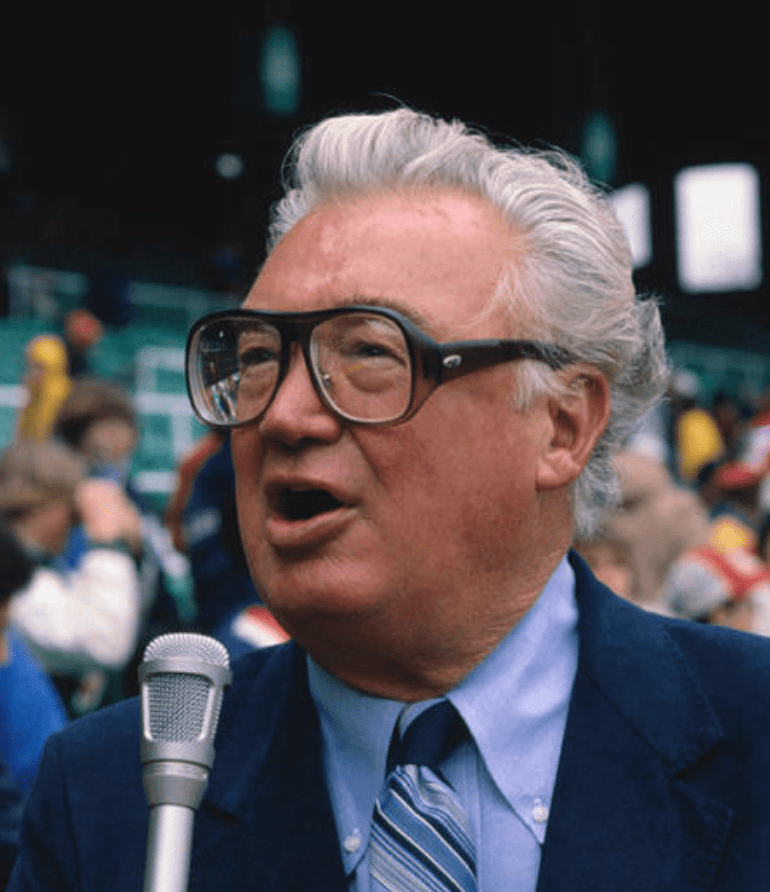
The sun beat down outside. The heat rolled in waves off the pavement. Inside my living room, the air was incredible, and the beer was ice-cold. It was that time of day again—my afternoons with Harry Caray.

The ritual was sacred. A six-pack, fresh from the ice chest, sat beside my recliner, already dripping with condensation. The TV crackled to life. There he was—Harry Caray, larger than life. His voice boomed through the speakers like an old friend stepping through the door.

“Holy cow! It’s a beautiful day for baseball!”

It didn’t matter where the Cubs were playing—Wrigley Field, St. Louis, Los Angeles—Harry brought the game home. The crack of the bat and the crowd’s screaming made each moment vivid. The agony of a blown lead and the thrill of a rally were more alive because Harry was calling it.

I took a long sip of my beer as the game unfolded, Harry’s voice rising and falling with every pitch.

“Ahhh, folks, that one just missed!”

he’d groan after a close ball.

“Boy, oh boy, you gotta be kiddin’ me!”

when the ump made a call against the Cubs. And when a fan made a barehanded grab in the stands?

“Let me tell ya, that guy deserves a contract!”

But no moment was more sacred than the seventh-inning stretch.

The organ at Wrigley Field fired up, and Harry’s voice slurred just enough to let you know he was enjoying the day as much as I was, belted out those legendary words:

“All right, Cubs fans, lemme hear ya! A one! A two! A three!”

And then it began:

“Take me out to the ballgame…”

I stood up from my chair, beer in hand, and sang along like I was in the bleachers. My voice didn’t hold a candle to Harry’s, but that didn’t matter. Our tradition was a shared experience that connected me to every other Cubs fan.

For those few moments, nothing else existed—just me, Harry, and the game.

When the ninth inning came, the excitement peaked. Whether the Cubs had pulled off a miracle or suffered another heartbreak, I lifted my beer. I then raised it one last time toward the screen.

“To you, Harry. Your legacy lives on in every Cubs fan. Holy cow, what a ride.”

Harmony in Chaos: Finding Peace in Urban Sanctuaries

GROFF MEDIA 2024© TRUTH ENDURES IMDBPRO

Presented by benandsteve.com By: Benjamin Groff II©

3–4 minutes

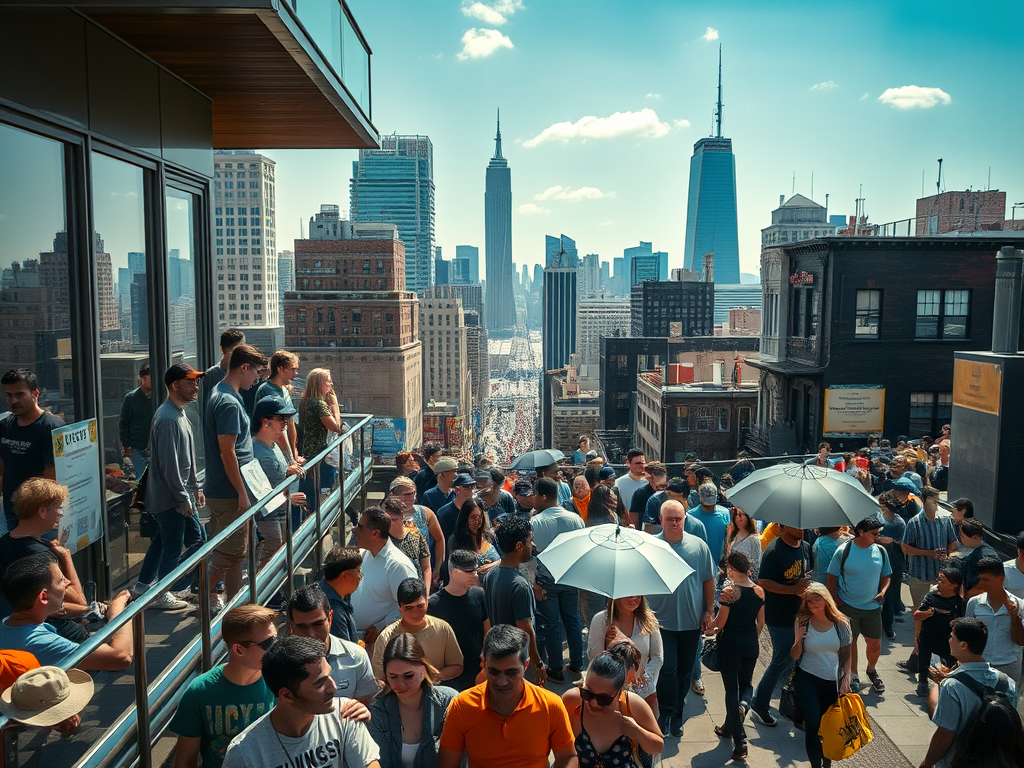
In a bustling city, alive with clashing opinions and hurried lives, everyone respected an unspoken rule. Your space is yours, and in it, you reign supreme. It didn’t matter if it was a sprawling penthouse overlooking the skyline. It is a cozy corner in a crowded apartment. Or it is a patch of pavement under a tattered umbrella. Whatever boundaries you claimed, those were the limits of your kingdom.

Take Mrs. Hargrove, for instance. Behind her red-painted door in a quiet cul-de-sac, the world was a sanctuary of classical music. Fragrant lavender candles filled the air with their scent, and books were piled high in every corner. Her rules were simple: shoes off at the door, cats welcome, and no conversation louder than a murmur. Beyond her door, the city roar with chaos, but inside, her sanctuary hummed with the warmth of gentle living.

A few blocks away, Alejandro held court on a sidewalk square. He was nestled between a lamppost and the entrance of a busy coffee shop. His throne was a battered lawn chair, and his walls were chalk-drawn lines on the pavement. Within those lines, Alejandro was both king and philosopher. Passersby often stopped to chat, offering a coffee or sandwich in exchange for his wisdom. His space, though humble, operated on principles he cherished, like kindness first, stories over silence, and always having respect.

Meanwhile, on the tenth floor of a downtown high-rise, siblings Jordan and Tamara lived in a small two-bedroom apartment. They turned it into a vibrant world of their own making. The walls were covered in murals painted by friends who visited. Their home was a haven of creativity where every night was a celebration of life. “No negativity allowed” was their unspoken law, and those who entered left their worries at the threshold.

Even in the less obvious corners of the city, the principle held firm. Marcy, a young artist, had claimed an unused stretch of wall as her gallery. It was down an alley shaded by fire escapes. She painted over it weekly, layering it with bold, defiant colors. Though the city’s rules forbade graffiti, this was Marcy’s domain, where her voice never gets muted. Locals respected her unwritten sovereignty, even the city workers, who cleaned around her artwork but left it untouched.

The beauty of the unwritten code was not just in the freedom it offered. It was also in the mutual understanding that accompanied it. Disagreements in the public square? Common. Heated debates at the park? Inevitable. But everyone knew that you honored their rules when you stepped into someone else’s space. You argue politics at the corner diner or challenge worldviews in the library. Still, you wouldn’t dare speak out of turn in Alejandro’s chalk-drawn palace or disrespect the tranquility of Mrs. Hargrove’s quiet retreat.

This tacit agreement turned the city into a patchwork quilt of safe havens. Each space was unique. It reflected the ideals and beliefs of its occupant. Together, they wove a sense of unity that was stronger than the chaos beyond their boundaries.

One day, a storm swept through the city, bringing rain that soaked Alejandro’s chalk lines and threatened Marcy’s murals. As the wind howled, neighbors opened their doors to one another. Mrs. Hargrove invited Alejandro into her book-filled retreat. Jordan and Tamara turned their living room into an impromptu art studio for Marcy. Even unlikely alliances formed in those moments. They understood that when someone’s space was threatened, the rest of the city stood ready. They were committed to protect it.

When the skies cleared, the city was quieter, and its people were more thoughtful. The storm had reminded everyone of the fragility of their spaces. It highlighted the strength in preserving them—not just their own but those of their neighbors, too.

And so, the unwritten rule endured. Within your space, you were sovereign. You were free to live, believe, and dream as you saw fit. The city remained a cacophony of voices and lives. Yet, it thrived by quietly revering the small sanctuaries that made it whole.

No More Tomorrow’s Forever

GROFF MEDIA 2024© TRUTH ENDURES IMDBPRO

Presented by benandsteve.com By: Benjamin Groff II©

2–4 minutes

Javier stood at the edge of the city park. Staring out at the bustling streets of his new home in America. The golden autumn leaves danced in the wind, starkly contrasting the memories of his war-torn homeland. Javier had come to the United States to find refuge and hope. Yet, the events unfolding around him now gave him an unsettling sense of déjà vu.

Back in his home country—a place he no longer dared to name aloud—Javier had watched the slow unraveling of society. It had once been a proud nation. Families like his owned small businesses. Children played freely in the streets. Communities were bound together by tradition and trust. Corruption spread throughout the country. Drug lords rose to power. Oligarchs infiltrated and bought influence with cold, hard cash. They sowed fear and discord, and before long, even the police and the government served their interests alone. The people were left with nothing but fear and silence.

He had fled that darkness, believing that America would offer something different. And for a time, it did. He found work, made friends, and even started to dream again. 

But the cracks were showing. The unchecked greed was too familiar. The political maneuvering was too familiar. The way drugs crept into the neighborhoods under the guise of prosperity was too familiar. He watched politicians make promises while corporations tightened their grip on the economy. He saw his neighbors losing faith, their voices drowned out by the same wealth-driven forces he had left behind.

“No more tomorrows forever,” 

Javier muttered under his breath, a phrase his grandfather used to say when hope felt like an illusion. He feared that history was repeating itself, that this land of opportunity was sliding down the same treacherous path.

One evening, Javier visited a local diner. He often met with his friend Michael there. Michael was an old war veteran who deeply loved the country he had served. Javier shared his concerns over cups of bitter coffee, finding solace in Michael’s understanding and wisdom.

“I’ve seen this before, amigo. Back home. The greed, the power, the division. It starts small, but it grows until there’s nothing left.”

Michael nodded, his tired eyes scanning the newspaper headlines. 

“You ain’t wrong, son. This country’s got its problems. But we fight. We speak up. That’s the difference.”

Javier wasn’t so sure. He thought of his own country. There, people had fought and lost. Bullets and bribes had silenced voices for freedom. Yet, deep down, Javier wanted to believe Michael. He tried to think that this place still had a chance, that people could push back against the tide.

Javier left the diner. He looked around at the city skyline. The shining towers and the streets were filled with life. The battle wasn’t over yet, and maybe—just maybe—he could do something to help stop history from repeating itself.
The next day, he enrolled in a local community initiative to support struggling neighborhoods. Passionate individuals like himself led this initiative. They aimed to give resources and support to those most affected by the societal issues he had observed. He would share his story. He shared a warning and his hope. He believed past mistakes didn’t have to define the future. America still had tomorrow’s worth fighting for.

But deep inside, a lingering voice whispered, 

No more tomorrow’s forever!”

English Translation Below – TRADUCCIÓN AL INGLÉS A CONTINUACIÓN

GROFF MEDIA 2024© TRUTH ENDURES IMDBPRO

Presented by benandsteve.com By: Benjamin Groff II©

4–6 minutes

English Translation Below –

Today, I am sharing a translation of instructions initially posted on the BenandSteve.com Facebook page. These instructions were originally written in Spanish. I have translated them to the best of my ability. The English translation is just below.

TRADUCCIÓN AL INGLÉS A CONTINUACIÓN:

Hoy comparto una traducción de las instrucciones publicadas originalmente en la página de Facebook de BenandSteve.com. Estas instrucciones, escritas en español, han sido traducidas lo mejor posible para aquellos que no hablan, leen ni escriben el idioma. Por favor, tengan en cuenta que estas instrucciones no están destinadas a servir como asesoramiento legal, sino más bien como una guía útil para quienes puedan interactuar con las autoridades. Este espacio se ofrece con el propósito de brindar claridad y apoyo a quienes puedan beneficiarse de esta información.

El guía S.I.R.E.N., a menudo promovido por organizaciones de defensa para informar a las personas de sus derechos durante encuentros con la Patrulla Fronteriza o autoridades de inmigración, significa:

S – Mantente Calmo (Stay Calm)

• Mantente tranquilo y evita escalar la situación.

• No corras, resistas ni obstruyas a los oficiales de la ley.

I – Insiste en tu Derecho a Guardar Silencio (Insist on Silence)

• Ejercita tu derecho a guardar silencio.

• No respondas preguntas sobre tu estatus migratorio, dónde naciste o cómo entraste al país.

• Declara: “Estoy ejerciendo mi derecho a guardar silencio.”

R – Rechaza Dar Consentimiento (Refuse Consent)

• No des tu consentimiento para que registren tu persona, tus pertenencias o tu vehículo sin una orden judicial.

• Di: “No doy mi consentimiento para un registro.”

E – Exige Hablar con un Abogado (Engage an Attorney)

• Solicita hablar con un abogado de inmediato.

• No firmes nada sin antes consultar a un abogado.

N – Nunca Mientas (Never Lie)

• Siempre proporciona información verdadera si decides hablar (aunque tienes derecho a no responder preguntas).

• Mentir a los oficiales de inmigración puede tener graves consecuencias.

Estos pasos están diseñados para ayudar a las personas a manejar estas interacciones mientras protegen sus derechos y aseguran que se respeten las garantías legales. Si necesitas recursos o una orientación más detallada, ¡házmelo saber!

Asociación Americana de Abogados de Inmigración (AILA)

Una asociación nacional que promueve leyes y políticas de inmigración justas y aboga por el desarrollo profesional de sus miembros.

Red de Defensores de Inmigración

Un esfuerzo colaborativo entre organizaciones líderes en derechos de inmigrantes que busca aumentar el acceso a la justicia para los inmigrantes.

Unión Americana de Libertades Civiles (ACLU)

Una organización que ha estado involucrada en muchas luchas legales importantes por los derechos de los inmigrantes.

Consejo Americano de Inmigración

Una organización que utiliza investigaciones, programas y esfuerzos legales y de defensa para dar forma a las políticas y prácticas de inmigración.

Centro de Políticas para Inmigrantes de California (CIPC)

Una organización estatal de derechos de los inmigrantes con oficinas en Los Ángeles, Sacramento y Oakland.

Centro de Estudios de Inmigración

Una organización que proporciona experiencia legal, capacitación, investigaciones y publicaciones.

https://www.americanbar.org/groups/public_interest/immigration/resources/immigration-resources/#:~:text=Immigration%20Advocates%20Network.%20The%20Immigration%20Advocates%20Network,strengthen%20the%20capacity%20of%20organizations%20serving%20them..

Si eliges deportarte voluntariamente, busca la ruta más segura.


ENGLISH

Today, I am sharing a translation of instructions initially posted on the BenandSteve.com Facebook page. These instructions were originally written in Spanish. I have translated them to the best of my ability. This is for those who do not speak, read, or write the language. Please note that these instructions are not intended to serve as legal advice. They are meant to be a helpful guide for anyone interacting with authorities. This space is being provided for clarity and support for those benefiting from this information.

The S.I.R.E.N. guide, often promoted by defense organizations to inform people of their rights during encounters with Border Patrol or immigration authorities, means:

S – Keep Calm (Stay Calm)

• Stay calm and avoid escalating the situation.

• Do not run, resist, or hinder law officers.

I – Insist on Your Right to Stay Silent

• Exercise your right to stay silent.

• Do not answer questions about your immigration status, where you were born, or how you entered the country.

• Declares: “I am exercising my right to stay silent.

R – Refuse Consent

• Do not consent to register your person, belongings, or vehicle without a court order.

• Say: “I do not give my consent for a record. “

Engage an Attorney

• Ask to speak to a lawyer promptly.

• Don’t sign anything without consulting a lawyer first.

N – Never Lie (Never Lie)

• Always give truthful information if you decide to speak (although you have the right not to answer questions).

• Lying to immigration officials can have serious consequences.

These steps help people manage these interactions while protecting their rights and respecting legal safeguards. If you need resources or more detailed guidance, let me know!

  • American Immigration Lawyers Association A national association that promotes fair immigration laws and policies and advocates for the professional development of its members 
  • Immigration Advocates Network A collaborative effort between leading immigration rights organizations that aims to increase access to justice for immigrants 
  • American Civil Liberties Union (ACLU): An organization that has been involved in many major legal struggles for immigrant rights 
  • American Immigration Council An organization that uses research, programs, and legal and advocacy efforts to shape immigration policies and practices 
  • California Immigrant Policy Center (CIPC)A statewide immigrant rights organization with offices in Los Angeles, Sacramento, and Oakland 
  • Center for Immigration Studies An organization that provides legal expertise, training, research, and publications 
  • You can also help fight for immigrant rights by speaking out to elected officials, attending town hall meetings, and voicing your support for immigrants and refugees. 

https://www.americanbar.org/groups/public_interest/immigration/resources/immigration-resources/#:~:text=Immigration%20Advocates%20Network.%20The%20Immigration%20Advocates%20Network,strengthen%20the%20capacity%20of%20organizations%20serving%20them.

If you choose to self deport find the safest route.

Should You Stay on Facebook? Weighing the Pros and Cons

GROFF MEDIA 2024© TRUTH ENDURES IMDBPRO

Presented by benandsteve.com By: Benjamin Groff II©

3–4 minutes

To Stay or Go: Evaluating the Benefits of Remaining on Facebook in Light of Controversial Changes

Social media platforms have become integral to modern life, offering communication, connection, and community building avenues. Nevertheless, as these platforms evolve, so do their policies and practices, often sparking debate about their social and ethical implications. Facebook, a leading social media giant, has recently faced criticism. This criticism is due to changes in its policies on hate speech, bigotry, and LGBTQI support. For individuals making the decision about staying on or leaving Facebook, they hold the power to be informed. Weighing the benefits of both options is essential for this empowerment.

The Case for Staying on Facebook

  1. Maintaining Connections: Facebook remains a vital tool for staying in touch with family. It also helps keep connections with friends and acquaintances, particularly those spread across different regions or countries. For many, it is a lifeline to relationships that would otherwise be difficult to nurture.
  2. Community and Advocacy Opportunities: Despite policy changes, Facebook still hosts several groups and communities that support marginalized voices. These include LGBTQI organizations, social justice movements, and local advocacy efforts. By staying, individuals can continue amplifying positive messages and supporting important causes.
  3. Access to Events and Local Updates: Facebook excels as a hub for event coordination and news dissemination. Whether it’s discovering community gatherings, charity events, or public discussions, the platform enables users to stay engaged with their surroundings.
  4. Platform for Countering Negativity: Staying active on Facebook allows users to directly challenge hate speech and bigotry. Individuals can use their presence to make a positive impact through reporting mechanisms, creating supportive content, and fostering constructive dialogues.
  5. Professional Networking and Opportunities: Beyond personal connections, Facebook provides professional opportunities through networking, business pages, and advertising. Leaving the platform will limit exposure to these tools, which can be crucial for entrepreneurs, freelancers, or small business owners.

The Case for Leaving Facebook

  1. Moral and Ethical Stance: Users can take a stand by leaving Facebook. They do this against policies they perceive as harmful or contrary to their values. This protest can send a powerful message to the platform and its advertisers, influencing change.
  2. Reducing Exposure to Toxic Content: With the relaxation of hate speech policies, users face more harmful content. They become increasingly exposed to offensive material. Removing oneself from the platform eliminates the mental and emotional toll of encountering such material.
  3. Privacy and Data Concerns: Facebook has faced ongoing scrutiny over its handling of user data. Leaving the platform reduces one’s vulnerability to data misuse, targeted advertising, and potential privacy breaches.
  4. Encouraging Other Platforms: Exiting Facebook can prompt individuals to explore different social media platforms that better align with their values. Platforms like Mastodon, MeWe, or local community forums offer a more supportive environment.
  5. Reclaiming Time and Focus: Many users realize an unexpected advantage when they leave Facebook. They find they have more time for hobbies, personal growth, and face-to-face interactions. The departure can foster a sense of liberation from the constant pull of notifications and algorithm-driven content.

Finding a Middle Ground

For those hesitant to make a definitive choice, there are ways to balance the benefits of staying and leaving. Users can regain a sense of control over their Facebook experience by reducing engagement. They can also limit time spent on the platform. Unfollowing toxic pages or users and curating a positive feed helps as well. Additionally, prioritizing different platforms for personal or professional connections while maintaining a minimal Facebook presence can further enhance this control.

Conclusion

The decision to stay on or leave Facebook is very personal. It depends on one’s values, priorities, and tolerance for the platform’s evolving policies. Staying permits individuals to keep connections. They can use their presence for positive change. Leaving can signify a powerful ethical stance. It can lead to personal growth. Regardless of one’s choice, it is essential to evaluate Facebook’s role in one’s life. People should make a decision that aligns with their values and well-being.

President Carter’s Memorial Service IN D.C.

GROFF MEDIA 2024© TRUTH ENDURES IMDBPRO

Presented by benandsteve.com By: Benjamin Groff II©

2–3 minutes

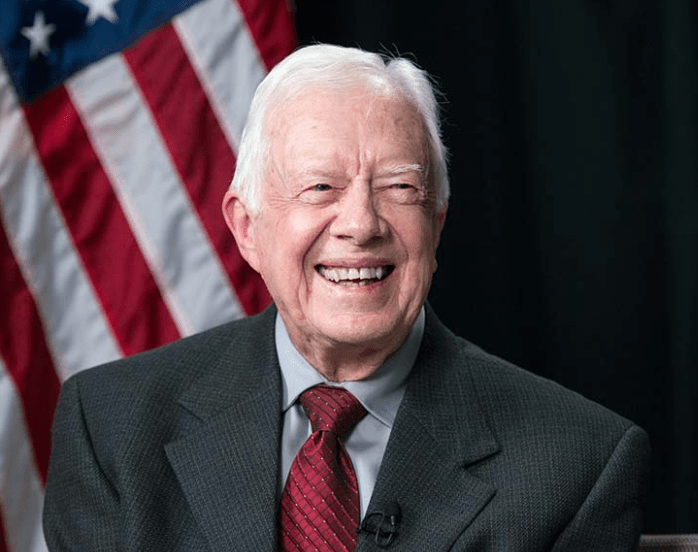
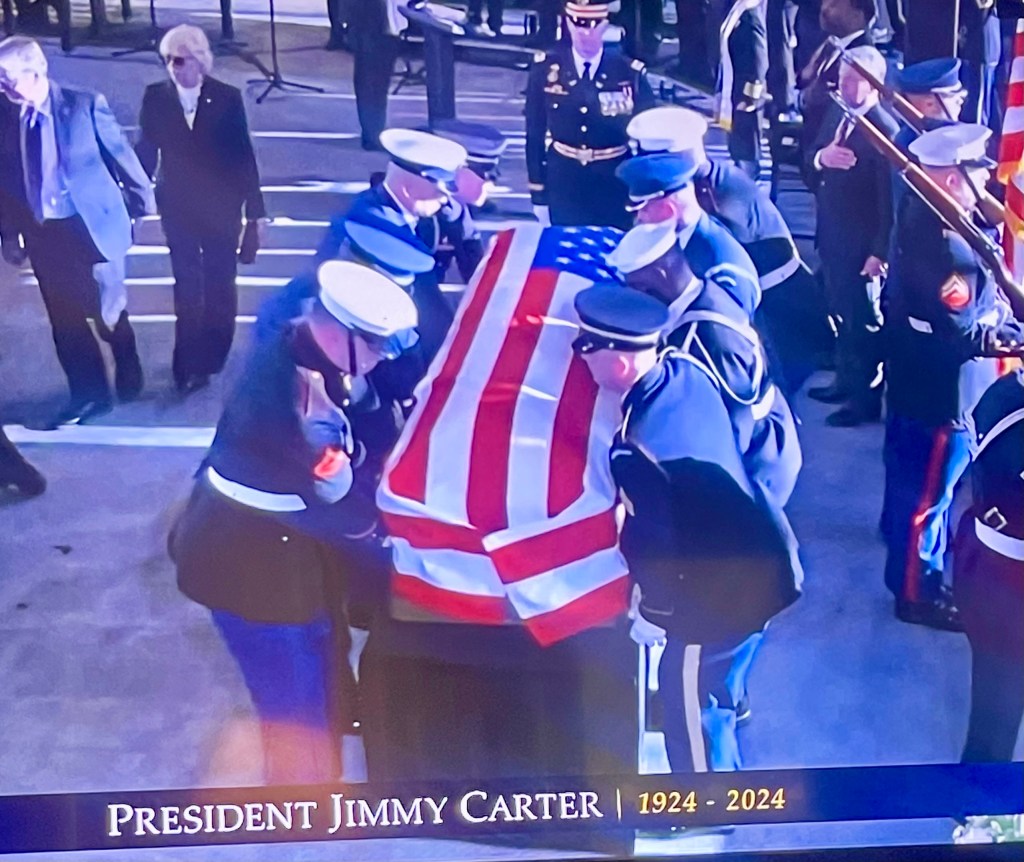
Former President Jimmy Carter’s state funeral was held today at the Washington National Cathedral in Washington, D.C., honoring his legacy as the 39th President of the United States and his extensive humanitarian work. Carter passed away on December 29, 2024, at the age of 100. He was remembered by dignitaries, family, and friends for his dedication to public service. He also made significant global peace efforts.

President Joe Biden delivered an emotional eulogy, highlighting Carter’s unwavering character and lifelong commitment to improving the lives of others. Biden was one of the first senators to endorse Carter’s presidential candidacy. He reflected on their shared values. Carter had a profound impact on the nation. CBS News

All five living U.S. presidents attended the service, including President-elect Donald Trump, who will be inaugurated on January 20, 2025. Trump engaged in a brief but cordial conversation with former President Barack Obama. This marked a rare moment of civility between the two. Reuters

The ceremony featured heartfelt tributes from Carter’s family. His grandson, Jason Carter, praised him as the nation’s “first Millennial,” acknowledging his progressive-thinking approach and enduring legacy. The Sun

Steven Ford, son of the late President Gerald Ford, read his father’s letter for Carter. This action underscored the deep friendship between the two men despite their political rivalry. New York Post

Musical performances added to the solemnity of the occasion. Phyllis Adams, a longtime Delta flight attendant, had earlier performed for the Carters. She delivered a moving rendition of “Amazing Grace.” This fulfilled a special demand made by the late President. CBS News

Security measures were notably heightened for the event, reflecting concerns over potential threats. Despite this, the service proceeded without incident, allowing attendees to focus on honoring Carter’s life and legacy. The Sun

Carter’s remains will be transported to his hometown of Plains, Georgia, after the national ceremony. There, a private service and burial will be held according to his wishes. The Times

From 1977 to 1981, Carter’s presidency was marked by significant achievements. These included the Camp David Accords between Israel and Egypt. They also involved the establishment of diplomatic relations with China. His post-presidential years were equally impactful. He dedicated himself to human rights and diplomacy. This dedication earned him the Nobel Peace Prize in 2002. The Times

The state funeral poignantly reminded us of Carter’s enduring contributions to the nation and the world. It celebrated a life dedicated to service, peace, and the betterment of humanity.

Highlights from Jimmy Carter’s State Funeral

Sources

People

Trump Doesn’t Stand for Obama but Then Chats with Him as All 5 Living Presidents Reunite at Jimmy Carter’s Funeral

Today

The Sun

Biden gets emotional in Jimmy Carter’s funeral speech as grandson Jason praises 39th prez as nation’s ‘first Millennial’

Today

Reuters

Trump shakes hands with Pence, engages Obama at Carter funeral

Today

A Letter From Paul Harvey, To His Grandchildren

GROFF MEDIA 2024© TRUTH ENDURES IMDBPRO

Presented by benandsteve.com By: Benjamin Groff II©

3–4 minutes

I am sharing a writing listed as “Paul Harvey’s Letter To His Grandchildren. It has been tucked away in a drawer. Finally I pulled it out and made use of it.

Paul Harvey was a news commentator for ABC NEWS in the United States and has been heard worldwide. He was known for “The Rest of The Story” and his Noon News Broadcast from the 1960s through the 1990s.. He provided updates well into his elder years, working from home a lot of the time. His son had built a studio in the Harvey Home. This studio allowed him to work as if he were in the News Room. Paul is always dressed in a suit and tie to report the news. Saying he had to look professional to sound professional.

Here is the letter that is attributed to him.

Grandchildren,

We tried so hard to improve our kids’ lives that we made them worse. I’d like better for my grandchildren.

I’d like them to know about hand-me-down clothes, homemade ice cream, and leftover meatloaf sandwiches.

I hope you learn humility by being humiliated and honesty by being cheated.

I hope you learn to make your bed, mow the lawn, and wash the car.

And I hope nobody gives you a brand-new car when you are sixteen.

It will be good if at least one time you can see puppies born. You should also witness your old dog being put to sleep.

I hope you get a black eye fighting for something you believe in.

I hope you have to share a bedroom with your younger brother or sister. It’s all right if you have to draw a line down the middle of the room. But, when he wants to crawl under the covers with you because he’s scared, I hope you let him.

You want to see a movie. If your little brother or sister wants to tag along, I hope you’ll let them.

You must walk uphill to school with your friends and live in a town where you can do it safely.

I hope you don’t ask your driver to drop you two blocks away on rainy days. It would be unfortunate if you didn’t want to be seen riding with someone as uncool as your Mom.

If you want a slingshot, I hope your Dad teaches you how to make one instead of buying one.

I hope you learn to dig in the dirt and read books.

When you learn to use computers, I hope you also learn to add and subtract in your head.

I hope you get teased by your friends when you have your first crush on a boy or girl. When you talk back to your mother, I hope you learn what ivory soap tastes like.

Try to skin your knee climbing a mountain. By accident burn your hand on a stove. Playing around try to you stick your tongue on a frozen flagpole.

I don’t care if you try a beer once. I hope you don’t like it. If a friend offers you dope or a joint, realize they are not your friend.

I sure hope you make time to sit on a porch with your Grandma or grandpa. I also hope you go fishing with your Uncle.

You will feel a mixture of emotions. Sorrow and joy will arise during the holidays at a funeral. You should stop and understand why.

I hope your mother punishes you when you throw a baseball through your neighbor’s window. I also hope she hugs you at Christmas. I hope she kisses you when you give her a plaster mold of your hand.

I wish you tough times and disappointment, hard work, and happiness. To me, these are the only ways to appreciate life!

The End.

Portions of this entry was edited to allow for space and grammar.

Special Air Mission 39: A Tribute to President Carter

Groff Media 2024© Truth Endures IMDbPro

Presented by benandsteve.com By: Benjamin Groff II©

3–4 minutes

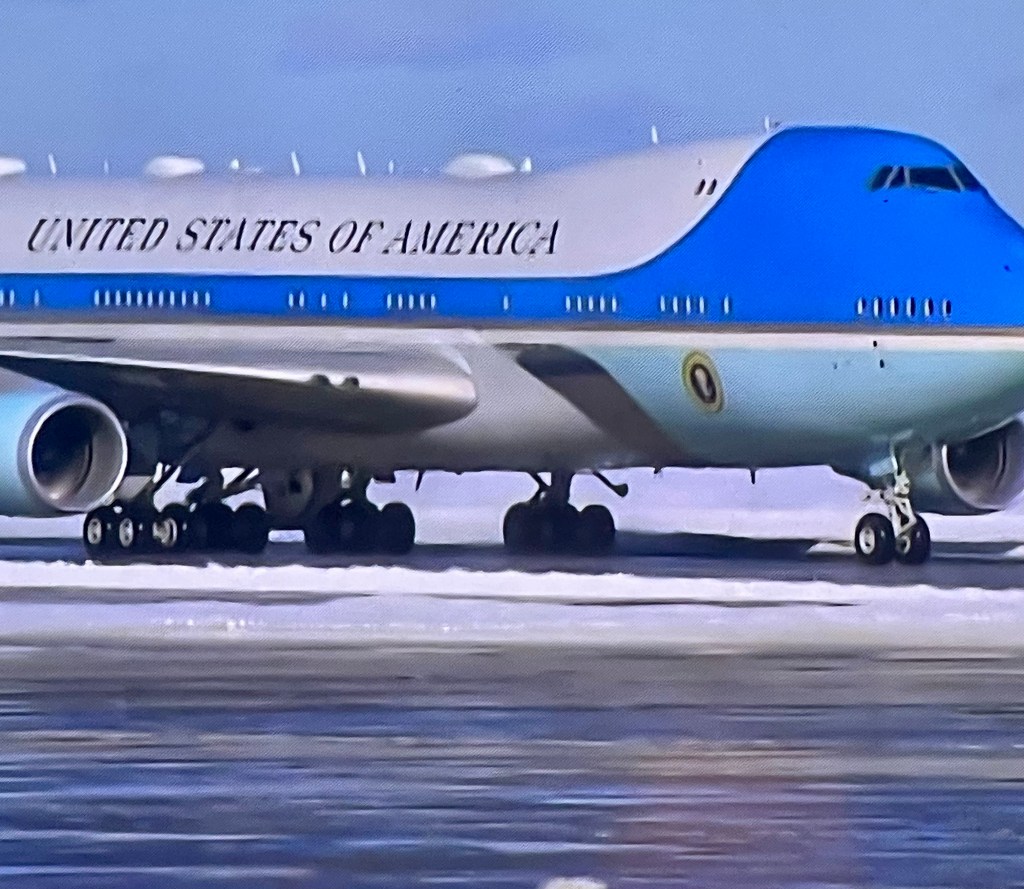
The sun broke over the Air Force Base in Atlanta, Georgia. It cast golden hues across the tarmac as Special Air Mission 39 waited. Its polished surface gleamed in the light. The presidential seal on its side served as a solemn reminder of the journey it was about to undertake. Inside, a reverent hush filled the cabin. The crew prepared for their most crucial passenger. It was a man whose life had been dedicated to service, humility, and unwavering commitment—President Jimmy Carter.

From his earliest days at the Naval Academy, James Earl Carter Jr. was shaped by discipline, honor, and an unrelenting drive to do his best. Those who knew him often remarked on his quiet determination. His former Navy colleagues remember him as a man of integrity, always putting the welfare of his team first. Carter navigated the complexities of submarine systems in the Navy with steady resolve. He also tackled global issues from the Oval Office with the same determination.

The engines roared to life for Special Air Mission 39. This was what President Carter had once known as Air Force One. At that moment, the memory of his long journey sharpened. Memories of his enduring journey came into sharp focus. Here was a man who had never sought power for power’s sake but had wielded it to uplift others. In the years after his presidency, Carter’s service reverberated across communities. He built homes for people experiencing homelessness. He mediated peace in war-torn nations. Additionally, he battled disease through the Carter Center. His legacy was not confined to history books but lived on in the lives he had touched.

The flight crew gathered for a moment of silence before departure. Captain Emily Harrington, a seasoned pilot who had long admired Carter, addressed her team.

“Today, we honor not just a president but a man who believed in the power of service. Let’s give him the journey he deserves.”

As the plane ascended, the passengers—family, close friends, and select members of his administration—reflected on his unwavering faith and commitment. Rosalynn, his beloved late wife, was his partner for more than seven decades. She was waiting for him at their Plains, Georgia home. She also waited in Jimmy’s heart, where their journey had begun. Jimmy would be back. He had business in D.C. to take care of first. President Carter would fly there with the family. He would lay in state at the Capital Rotunda. He would attend a state memorial service. Later in the week, he would return to Plains, Georgia. He would be laid next to Rosalynn at their place of burial.

The flight path traced the arc of his life. It went over the rural farmlands of Georgia. The soil there had nurtured his love for community and the values of hard work and compassion. The Naval Academy in Annapolis, where young Jimmy had set the course for a lifetime of service. Over Washington, D.C., where he had walked into the presidency with a promise to lead with integrity.

As SAM 39 descended, the crowd gathered below to pay their respects. They came not just to honor a president. They came to honor a man who had reminded the world that authentic leadership lies in humility. True leadership also involves an unwavering commitment to doing what is right.

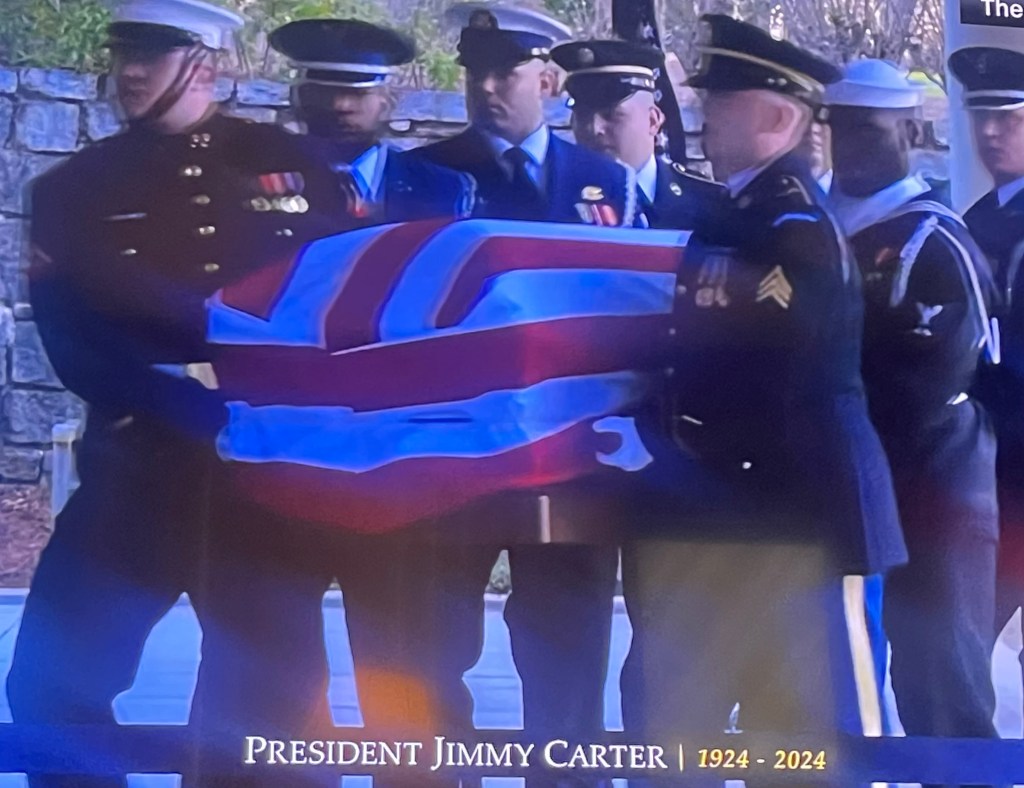
The plane touched down with grace, its engines whispering to a stop. The door opened, and the honor guard stepped ahead to carry Carter to the Rotunda. The air was heavy with gratitude, sorrow, and pride. A man who had given so much of himself had completed the second leg of his journey. There was only one more leg left in the final part of his last journey.

In the quiet stillness of that moment, a quote from Carter’s own words have echoed in the hearts of all there: 

“My faith demands that I do whatever I can, wherever I can, whenever I can, for as long as I can, with whatever I have, to try to make a difference.”

Quote Reference: Congratulations Jimmy Carter – Bryan Strawser. http://bryanstrawser.com/2002/10/congratulations-jimmy-c/

The Guitar from Jimmy Carter’s Grove

Groff Media 2024© Truth Endures IMDbPro

Presented by benandsteve.com By: Benjamin Groff II©

3–4 minutes

Long after leaving the White House, Jimmy Carter found solace in the quiet rhythms of nature. On a sunny morning in Plains, Georgia, Jimmy stood at the edge of a grove. He had planted these trees decades ago. These trees—mahogany, maple, and spruce—weren’t native to the region. Carter had brought their seeds home from his travels. He envisioned them growing tall and strong in the fertile Georgian soil.

Jimmy called what others saw as an unusual hobby his “living legacy.” Each tree had a purpose, and he dreamed of turning their wood into something meaningful. One day, while strumming his old guitar on the porch, the idea struck him: 

What if I made a guitar from the trees I grew with my own hands?

The Craft

Years passed before the time was right. Jimmy carefully chose a mahogany tree for the body. He selected a maple tree for the neck. He also picked spruce for the soundboard. He contacted a local luthier, Sam Wainwright, who had a reputation for crafting instruments with heart and precision.

Sam, skeptical at first, raised an eyebrow when Jimmy proposed the project.

“You’re telling me you’ve been growing trees for years just for this?”

Jimmy chuckled.

“A good guitar starts with good wood. I figured, why not grow my own?”

Sam couldn’t argue with the sentiment. They spent hours examining the wood, carefully cutting it, and shaping it to perfection. Jimmy insisted on being part of every step, from sanding the pieces to carving the intricate rosette around the soundhole.

As they worked, Jimmy shared stories—about his childhood in the rural South, his presidency, and his humanitarian efforts. Sam listened intently, realizing the guitar wasn’t just an instrument but a symbol of patience, purpose, and creativity.

The First Song

Months later, the guitar was finished. Its finish glowed like amber honey. Its tone was warm and resonant. It carried the richness of the wood’s decades-long journey. Jimmy held it in his hands. He marveled at how the trees he had nurtured now sang harmoniously. They created a sound that was not just music. It was a testament to the beauty of nature.

During a warm summer evening, friends and family gathered. Jimmy sat on his porch with the guitar resting comfortably in his lap. He strummed the first chords, their notes floating into the peach-scented air.

The song he played was one he had written himself. It was a simple tune about the roots—both in the ground and in life. It spoke of time, care, and the beauty of watching something grow. The crowd swayed to the music. Their faces lit with admiration for the man who had turned trees into tunes. They felt a sense of nostalgia for the simple, yet profound, message of the song.

A Lasting Legacy

In the years that followed, the guitar became more than an instrument. Jimmy used it to teach music to children, play for visitors, and raise funds for Habitat for Humanity. Each time its strings vibrated, it told a story of persistence and hope.

When asked why he had gone to such lengths to make the guitar, Jimmy would smile and say,

“It reminds us that good things take time. The simplest gifts, like a tree or a song, can bring the most joy.”

The guitar from Jimmy Carter’s Grove wasn’t just a piece of wood strung together. It was a testament to a life rooted in purpose and patience. It symbolized the belief that even the smallest seeds can create something extraordinary.

An original report exists in Guitar World, which you can find here!

The Sunday School President – THAT THE RELIGIOUS RIGHT WASTED AND IGNORED.

Groff Media 2024© Truth Endures IMDbPro

Presented by benandsteve.com By: Benjamin Groff II©

2–3 minutes

A warm Sunday morning in Plains, Georgia seemed tailor-made for reflection. At the Maranatha Baptist Church, a small congregation gathered in quiet anticipation. This wasn’t an ordinary Sunday service—it was one led by Jimmy Carter, the 39th President of the United States.

Even decades after leaving the White House, Carter stayed true to the values that shaped his life. These values were faith, humility, and service. Carter taught Sunday School to anyone who wanted to listen every Sunday that he was capable. Visitors from all over the world made the pilgrimage to Plains. Some traveled thousands of miles to hear wisdom. This wisdom was not shared in a grand hall. Instead, it was delivered in a modest church that held no more than a couple hundred people.

Jimmy Carter, then in his 90s, shuffled to the front of the sanctuary, a quiet determination in his step. He greeted the crowd with a humble smile, his voice steady and welcoming. His lesson was simple yet profound: loving your neighbor, no matter their background or beliefs.

“When Jesus said to love your neighbor,”

Carter explained, his blue eyes twinkling,

“He didn’t put any conditions on it. He didn’t say only if they look like you or vote like you. He meant everyone.”

The audience was a mix of locals and travelers. They hung on his every word. Their hearts and minds were stirred by the profound simplicity of his message. The room was filled with a palpable sense of awe. This was not due to the titles Carter once held. Instead, it was because of his unwavering commitment to living the values he taught.

When the lesson ended, Carter didn’t rush off. Instead, he stayed to shake hands, take photos, and share stories. These personal moments hold the most significant importance for him. He listened as much as he spoke. This is especially meaningful for a man who had once navigated the complexities of global politics.

One visitor, a young man from Chicago, nervously approached.

“President Carter, what made you keep teaching Sunday School after everything you’ve accomplished?”

Carter smiled warmly.

“I’ve been a farmer, a naval officer, a governor, and a president. But teaching Sunday School reminds me of who I truly am—a servant of God. Titles come and go, but the love we share with others lasts forever.”

That was Jimmy Carter. He believed that service didn’t end with a term in office. He thought that humility wasn’t weakness. Even the simplest acts of kindness can ripple through the world. For Carter, life’s most outstanding achievement wasn’t in power or prestige. It was in the quiet and steady work of lifting others up. He demonstrated this belief through his work with Habitat for Humanity. He also promoted peace and human rights. Additionally, he was committed to public service long after his presidency.

As the church emptied, a sense of peace lingered in the air. This was a testament to the legacy of a man who lived his faith with every breath.

THE LAST RIDE FOR THE MAN FROM PLAINS GEORGIA

Groff Media 2024© Truth Endures IMDbPro

Presented by benandsteve.com By: Benjamin Groff II©

2–3 minutes

In the early hours of January 4, 2025, a somber hush fell over the rolling plains of Georgia. The sun shone gently over the landscape. A motorcade departed from Phoebe Sumter Medical Center in Americus. It bore the flag-draped casket of the 39th President of the United States, Jimmy Carter. The journey marked the start of a six-day tribute. It honored a man who dedicated his life to service, peace, and humanity.

The procession moved through Carter’s hometown of Plains, passing by his boyhood home in Archery. Here, the old farm bell tolled 39 times. Each chime resonated with the years he had served as the nation’s leader. It symbolized each year of his presidency. Family members, including his children, grandchildren, and great-grandchildren, accompanied the casket, their faces reflecting both sorrow and pride. Former Secret Service agents had once protected him. They now served as pallbearers. They honored their final duty to the man they had revered.

Along the route, admirers gathered. Some held flowers. Others wore commemorative pins. They were all united in their wish to pay homage to a beloved figure. The motorcade continued to Atlanta. There, Carter’s body would lie in repose at the Carter Presidential Center. This arrangement provided the public with the opportunity to offer their respects. 

On January 7, the casket will be transported to Washington, D.C., where President Carter will lie in state at the U.S. Capitol. A state funeral is scheduled for January 9 at the Washington National Cathedral. Dignitaries will honor his legacy there, including President Joe Biden. The funeral will be a solemn event. There will be a military honor guard. A close family member will deliver a eulogy.

Carter’s journey will reach its conclusion after the national ceremonies. He will return to Plains, Georgia, for a private funeral service at Maranatha Baptist Church. He will be laid to rest beside his beloved wife, Rosalynn. This is the place where his remarkable journey began. It would now conclude there.  

As the week unfolds, the nation will ponder on the life of a president who remained a humble servant. Jimmy Carter’s final ride is not just a passage from life to death. It is a testament to a legacy that will endure in the hearts of the people he has touched. This marks the end of a remarkable journey.

The Nation Honors Former President and man Jimmy Carter!

References:

New York Post

Former President Jimmy Carter’s funeral procession begins in Georgia

Today

Politico

Jimmy Carter’s 6-day state funeral begins with a motorcade through south Georgia

Today

AP News

Jimmy Carter’s flag-draped casket is on its way to Atlanta as the 39th president’s state funeral begins

Today

Jimmy Carter: The Country Music President

Groff Media 2024© Truth Endures IMDbPro

Presented by benandsteve.com By: Benjamin Groff II©

2–3 minutes

The year was 1977, and Jimmy Carter had just taken the oath of office. A peanut farmer from Georgia, he brought a unique sensibility rooted in his Southern upbringing and a deep love for American culture, particularly country music. This unique combination of his Southern roots and his love for country music not only shaped his personal life but also influenced his presidency, allowing him to connect with the struggles and joys of everyday Americans.

Waylon Jennings Family

When he stepped into the White House, Carter made it clear that the arts, especially music, would have a place of honor in his administration. He often reminisced about listening to gospel and country music on the family radio back in Plains, Georgia, where the soulful twang of artists like Hank Williams and the Carter Family resonated with the struggles and joys of everyday Americans, a sentiment he deeply shared.

One evening, during a White House dinner, Carter invited Willie Nelson to perform on the South Lawn. The night was balmy, and as the country star strummed his guitar under a canopy of stars, Carter took the opportunity to speak.

White House Photo – Carter Library

“Country music,” he said, “is the heart and soul of America. It tells the story of our struggles, faith, and hope.”

Carter’s admiration wasn’t just lip service. He actively promoted the genre, ensuring it received the recognition it deserved as an integral part of American culture. He invited artists like Loretta Lynn, Johnny Cash, and Dolly Parton to the White House. He even arranged for country music showcases at international events to share a slice of Americana with the world. His unwavering efforts significantly influenced the genre’s rise to mainstream respectability during the late 20th century.

Bill Anderson with The Carters

But Carter’s legacy extended far beyond his love of country music. He brokered the Camp David Accords, a landmark peace agreement between Egypt and Israel that demonstrated his diplomacy skills and commitment to global peace. He championed human rights globally, making them a cornerstone of U.S. foreign policy. He also pushed for energy conservation, installing solar panels on the White House roof long before climate change became a widely recognized issue.

After leaving office, Carter’s achievements only grew. He founded The Carter Center, dedicated to promoting democracy, fighting disease, and mediating conflicts worldwide. His work eradicating diseases like Guinea worm, even in his post-presidential years, demonstrated his enduring compassion and determination to make the world better.

As for country music, Carter’s genre promotion left a lasting legacy. Many country artists credited him with helping to elevate their art to a global stage. Even decades later, when asked about his presidency, Carter would smile and say,

“If I could broker peace and get people to tap their feet to country music, then I’ve done my job.”

Jimmy Carter’s presidency may not have been perfect. Still, his love for the arts, his commitment to peace, and his tireless work for humanity made him a leader whose legacy resonates far beyond the Oval Office.

Parallels Between the Chinese Exclusion Act and Modern Immigration Concerns: Lessons from History –– The Danger Of Losing Immigrants

Groff Media 2024© Truth Endures IMDbPro

Presented by benandsteve.com By: Benjamin Groff II©

You can also refer to the NPR Story America’s first major immigration crackdown and the making and breaking of the West  for additional insights and related material that complement this story, offering a deeper exploration of the subject.


3–5 minutes

The Chinese Exclusion Act of 1882 marked a pivotal moment in U.S. immigration history, becoming the first significant federal law restricting immigration. It targeted a specific ethnic group driven by economic fears, racial prejudice, and political populism. A review of this historic legislation, alongside the context of its enactment, reveals striking parallels to modern immigration debates. Both historical and contemporary issues illustrate how economic anxieties, cultural misunderstandings, and political opportunism can drive restrictive immigration policies that may ultimately prove disastrous for society.

The Role of Immigrant Labor in Economic Development

In the mid-19th century, Chinese immigrants, despite facing systemic discrimination and being blamed for economic problems, played a crucial role in building the American West. Their resilience and determination were evident in their instrumental role in constructing the transcontinental railroad, tackling some of the most dangerous and demanding jobs in brutal conditions. However, when the Panic of 1873 led to widespread unemployment, populist sentiment scapegoated Chinese immigrants, claiming they were stealing jobs from white workers.

A similar narrative exists today. Immigrant labor is fundamental to the agriculture, construction, and technology industries. Despite this, immigrants are often vilified during economic downturns, accused of taking jobs or lowering wages. This cyclical pattern of scapegoating undermines the reality that immigrants frequently perform jobs that native-born workers are unwilling or unable to do, driving economic growth and innovation. Restrictive immigration policies, such as deportations or bans, risk damaging these essential industries and the broader economy, much like the exclusion of Chinese workers stunted specific sectors in the late 19th century.

Cultural Backlash and Populist Politics

The transcontinental railroad’s completion in 1869 symbolized a remarkable technological achievement but also marked a turning point for Chinese immigrants. Their presence sparked a cultural backlash as they settled in communities like Truckee, California. Fueled by racial prejudice and populist rhetoric, white workers and politicians pushed for their exclusion, culminating in the Chinese Exclusion Act. This act institutionalized xenophobia and created a precedent for racially biased immigration policies.

Today, cultural anxieties continue to shape immigration debates. Concerns about preserving cultural identity and fears of “otherness” fuel resistance to immigrants. Particularly from Latin America, the Middle East, and Asia. Politicians often exploit these fears to rally support, pushing for restrictive measures such as border walls, travel bans, or mass deportations. Such actions not only marginalize immigrant communities but also foster division and xenophobia, hindering social cohesion.

Economic Consequences of Restriction

The long-term economic impacts of the Chinese Exclusion Act highlight the dangers of restrictive immigration policies. By limiting a vital workforce, the law hampered industries reliant on immigrant labor. The exclusion of Chinese workers also set a precedent that discouraged innovation and adaptability in labor markets, contributing to stagnation in certain regions.

Policies that limit immigrant contributions to the workforce have modern parallels. For example, restrictive visa programs and deportations threaten industries like agriculture and technology, which rely heavily on immigrant talent. Moreover, these policies can exacerbate labor shortages, driving up consumer costs and reducing the global competitiveness of U.S. industries. History demonstrates that economic growth thrives on diversity and inclusion, not exclusion.

Lessons from the Past

The Chinese Exclusion Act teaches us that targeting immigrants as scapegoats for economic or social challenges is a shortsighted and counterproductive strategy. Immigration is a cornerstone of American prosperity, fostering innovation, cultural richness, and financial resilience. Policies driven by fear and prejudice, rather than informed analysis, risk repeating the mistakes of the past and should be considered.

Today’s immigration debates echo the populist rhetoric and exclusionary measures of the late 19th century. However, we have the benefit of hindsight to recognize that such policies often create more problems than they solve. To avoid a similar disaster, today’s policymakers must approach immigration with a focus on integration, economic opportunity, and respect for human dignity. By learning from history, we can build a more inclusive and prosperous future, where all individuals feel valued and respected.

You can also refer to the NPR Story America’s first major immigration crackdown and the making and breaking of the West  for additional insights and related material that complement this story, offering a deeper exploration of the subject.

America at a Crossroads

Groff Media 2024© Truth Endures IMDbPro

Presented by benandsteve.com By: Benjamin Groff II©

1–2 minutes

America is at a turning point, a moment so profound that many may not see the year’s end without facing life-altering consequences. These changes aren’t their fault. They stem from forces more significant than any single person or group—forces set in motion long ago.

The nation stands on the brink of challenges unseen in living memory. No vote, no leader, no hero can steer us away from what’s coming. The roots of our crisis lie in greed and unchecked ambition, planted by individuals we know and trust—people we’ll sit across from at holiday dinners, unaware they helped build the road to this moment.

As the months unfold, our choices are narrowing. The lives we’ve known, filled with freedom of association, laughter, and uninhibited conversation, are under siege. Soon, those liberties may be reshaped or stripped away entirely, dictated by legislation crafted by those who believe they know better.

Imagine a world where our words must align with an official narrative, where dissent is no longer tolerated. Our daily connections—jokes, debates, and chatter—become whispers of a bygone era. Communication will be monitored, censored, or stifled entirely. Freedom of thought, once a cornerstone of this great land, will be reduced to a memory.

And yet, it is worth remembering:

We let this happen.

Or rather, “they” did.

Those who wielded their votes, believing in promises that veiled agendas, have delivered us to this precipice.

It is “they” who must now reckon with what “they’ve” done to the “Land of the Free and Home of the Brave.”

But reckoning is not enough. As the storm looms, let us not resign ourselves to despair. Let us remember who we are and what we stand for. Even as the path ahead grows darker, there remains a flicker of the courage, resilience, and unity that built this nation. We must nurture that spark, which may guide us back to the light.

The Story Of The Unchecked Mayor

Groff Media 2024© Truth Endures IMDbPro

Presented by benandsteve.com By: Benjamin Groff II©

In a small city, one man’s election as Mayor marked a drastic turning point. Traditionally, city decisions required approval from a council of six members, with a majority vote ensuring every person wielded only a little power. But soon after taking office, the Mayor and his political allies on the council pushed through changes that redefined his role. They granted him unprecedented authority to make sweeping decisions for the city and its residents, bypassing the usual oversight.

But that initial optimism soon eroded, giving way to a profound sense of disappointment and betrayal. The Mayor began filling oversight boards and committees with his chosen people—none of whom had relevant experience. They promised to “clean house” and end wasteful spending, but their true motives quickly surfaced.

The Commissioner of Streets and Lights, handpicked by the Mayor, promptly fired the street crew and supervisors, many of whom had worked for the city for over fifteen years and were approaching retirement. The Commissioner hired the Mayor’s son’s paving company in their place, and he also contracted two out-of-town electricians for lighting maintenance. These new hires lacked the skills to handle the city’s infrastructure needs, but the Mayor’s orders were clear. The supposed “savings” were diverted into three hidden accounts linked to companies the Mayor quietly operated on the side.

The Mayor restructured Water and Trash Services similarly. Water management was outsourced to a neighboring town with little regard for the community’s best interests. Trash collection was reduced to once a week, and a company from two towns away was hired, offering only minimal service. The Mayor’s promised savings got funneled into an account controlled solely by the Mayor.

Every city department followed the same grim trajectory. Once-dedicated employees were let go and replaced by disinterested newcomers complaining about their low wages and minimal benefits. City services deteriorated rapidly, with potholes on the streets, frequent power outages, and overflowing trash bins, leaving residents dismayed as their quality of life declined.

The townspeople soon noticed their bills creeping upward—first by ten dollars, then by thirty, with no explanation or improvement in service. This financial strain, coupled with crumbling city infrastructure, directly resulted from the Mayor’s unchecked power and self-serving decisions, placing a heavy burden and stress on the residents.

Residents registered with the opposing political party received letters citing dubious code violations and demanding fines. Those who contested were slapped with even more violations, driving many to leave the city altogether. Once most of his opposition had been driven out, the Mayor enacted a new ordinance requiring his remaining supporters to pay a “privilege to live here” fee. When citizens objected, he sent his security force to arrest vocal dissenters, warning others of eviction if they did not comply.

The Mayor’s reign of intimidation didn’t stop there. He established a “Mayor’s Court,” where anyone accused of a crime—even minor infractions—was jailed indefinitely. Their families could “buy” their release, but only at exorbitant prices, often reaching hundreds of thousands of dollars. The city had become a prison, and its leader was a dictator.

Many residents clung to the hope that this nightmare would end with the Mayor’s death. But when he passed away, the townspeople were horrified to learn that city law now dictated his son would inherit his office.

This tale serves as a stark warning: when voting, beware of who you trust with power. Sometimes, that choice can cost more than you ever imagined.

Moving Forward: Finding Stability in a Changing World

Groff Media 2024© Truth Endures IMDbPro

Presented by benandsteve.com By: Benjamin Groff II©

As the sun rises on another day, many Americans face questions about navigating a future that feels uncertain and, at times, challenging. With new policies, social shifts, and changes in government practices, it’s natural to wonder: How can we make peace with what tomorrow might bring?

Embracing Life as It Is

The journey forward begins by accepting life as it is. This acceptance isn’t about resigning ourselves to every challenge but acknowledging what is beyond our control. By shifting our focus inward, we can cultivate a balanced and manageable life, regardless of external circumstances.

This approach involves creating a routine—a set of daily habits and practices that we control and are structured to ensure Stability. When we establish a routine that aligns with our values and goals, we take ownership of our lives, making our days feel fulfilling and predictable, even when the world around us may feel anything but. This sense of control and predictability can empower us to face the uncertainties of the future with confidence.

Designing a Routine that Works for you. Focusing on what matters most to us individually will be essential to develop this routine. By centering our lives around personal choices and needs, we shape a daily rhythm whose influences aren’t getting pushed by the ever-shifting demands of society or government policies. Here are vital aspects to consider:

  1. Personal Autonomy: Build a day-to-day lifestyle that allows for independence. This involves selecting tasks, schedules, and activities that feel true to who you are and are within your control.
  2. Stability Through Simplicity: Keep routines simple and consistent. External events can derail complex plans; simplicity provides a foundation for adaptability and peace of mind.
  3. Harmony with Society: While focusing on our lives, aligning our activities with society’s laws and norms is essential. By following guidelines and remaining respectful of others, we minimize the risk of disruption and interference.

Living Without Unnecessary Interference

By developing a sustainable, uncontroversial, and law-abiding routine, we create space for ourselves to live relatively unaffected by the broader tides of political or social change. This sense of security and peace of mind allows us to focus on our personal growth and well-being, even in the face of external uncertainties.

Moving Forward Together

Ultimately, as individuals adopt this mindset, communities also benefit. When people find Stability within themselves, they become pillars of support to others, fostering collective resilience. In times of uncertainty, this shared calm, mutual respect, and individual responsibility can carry Americans forward together, one day at a time. This sense of community and shared responsibility can provide a strong support system in times of uncertainty.

In this approach, tomorrow’s challenges become more manageable, and with a foundation of self-guided routine, we discover that moving forward is not only possible but peaceful.

What You Can Do Now As An American.

Groff Media 2024© Truth Endures IMDbPro

Presented by benandsteve.com By: Benjamin Groff II©

Nearly half of Americans who cast ballots in the November 5, 2024, Presidential Election voted for Kamala Harris; the other half for Donald Trump.

At this stage, it’s less about who supported whom and more about what lies ahead. If Trump follows through on his campaign promises, there could be significant changes in government agencies, which might affect the benefits that many Americans depend on. He has openly vowed to bring retribution against those he views as adversaries—potentially including the half of the nation that didn’t vote for him. However, it’s also important to note that not all of his promises may come to fruition, and the political system has checks and balances to prevent extreme actions.

Federal law enforcement agencies involved in national security and other branches focused on homeland security could be dissolved. Trump has publicly stated his intent to dismantle these institutions.

Social programs for adults, older people, and those with disabilities—such as food assistance, school aid, healthcare, and Social Security—are likely to face drastic cuts, potentially leaving them virtually ineffective for those in need. He has said as much.

LGBTQI+ rights and protections are also under threat, as outlined in Project 2025, a policy initiative he supports. If you think this won’t materialize, consider the promises already laid out. The next four years will show us the reality.

If Trump appoints Robert Kennedy Jr. to oversee public health, as he has suggested, food and drug safety regulations could be gutted. Protections that ensure safe food, medications, and clean drinking water could be stripped away, leading to significant health risks.

Trump is likely to have the backing of a Republican-controlled House and Senate. New laws and repeals may come as swiftly and forcefully as debris in a tornado. The U.S. could change drastically, and not only non-supporters would feel the impact—Trump supporters, too, could face serious, unforeseen consequences.

Expect an economic downturn as average Americans encounter hardships unprecedented in recent history. As with the COVID-19 crisis, another wave of upheaval may follow. Trump’s track record shows a tendency for crises, particularly in ventures he leads. The economic future under his leadership looks bleak.

What You Can Do

HOARD – Stock up on canned goods and cash reserves outside traditional banking institutions. Prepare for potential utility outages and find ways to stay connected without reliance on cell phones or computers. Secure a supply of both drinking and non-drinking water to meet various needs.

PROTECT – Prioritize security measures for yourself, your home, and your property, particularly those independent of electricity. Stock up on self-defense tools like bear spray or mace. Ensure that your home’s locks are strong both inside and out. In the event of an intruder, remember: in a fight for survival, any measure is justifiable. There are no rules when fighting for your life. Anything is fair!

These are just a few preparations to consider. With the current political landscape in both Houses and the Supreme Court tilted in Trump’s favor, our democratic processes could be at risk. This election may mark our last chance to elect our President—and our future as a democracy. It’s critical to stay informed, engage in the political process, and support organizations that defend democratic values. Together, we can make a difference.

Unpacking ‘Make America Great Again’: What MAGA Overlooks in Its Vision of the Past

Presented by benandsteve.com By: Benjamin Groff II©

Groff Media 2024© Truth Endures IMDbPro


The fall of 2024 found a vibrant small community town hall filled with locals from every walk of life. The walls became lined with a diverse array of familiar faces of the neighborhood—retired teachers, young activists, military veterans, and longtime friends who had lived through decades of change, some of it hard-won, others bittersweet. On the stage, with a sign reading “Let’s Talk About Greatness,” stood a panel, each holding their idea of what that greatness looked like.

Jared, a man in his late sixties with a MAGA hat perched atop his head, leaned forward as he spoke, –––

“I want my kids and grandkids to grow up in a country that feels strong, proud, and united—like it was back then. We all knew our neighbors. Families were close-knit. There was a sense of American unity.”

Dolores, a retired history teacher, nodded beside him. But as the crowd listened, some exchanged looks. –––

“So, Jared, I get what you’re saying,” a young local journalist interrupted Lena. But when we say ‘back then,’ do we mean the same thing?”

Jared paused, looking thoughtful, as Dolores took the microphone. –––

“We tend to remember the good and forget the rest,” she said gently. I remember growing up in the fifties and sixties. It was stable and ideal for some of us, but not everyone. This ‘great’ past we want to go back to meant certain people couldn’t vote. Others had to hide who they loved. And women—our dreams were seen as distractions to a family.”

There was a hush as Dolores’s words hung in the air.

“I don’t think Jared meant that,”

––– came a soft voice from the audience. It was Naomi, a single mother and community organizer.

“But when we say we want to ‘Make America Great Again,’ we have to ask—for whom? The history we’re returning to was not the same experience for everyone.”

The community members exchanged glances. Jared turned back to the crowd. –––

“I respect what you’re saying, Naomi,”

he replied, genuinely thoughtfully. –––

“When I say ‘greatness,’ I’m not talking about racism or inequality. I’m talking about hard work, pride, patriotism—things that feel like they’re slipping away.”

Naomi nodded understanding, fostering a sense of mutual respect and value for each other’s perspectives, highlighting the importance of open and respectful dialogue in the community.

“But the word again implies that we want to go backward,”

––– Lena pointed out.

“And, for me, that’s concerning. I love this country and respect what’s gone into making it better. I mean, we have interracial marriage, legal protections for LGBTQ+ people, voting rights for everyone.”

––– Lena paused, looking at Jared.

“To me, that’s American greatness—now.”

As the meeting unfolded, the debate deepened. Various members shared stories of progress and hardships. Kayla, a small business owner, spoke about her pride in balancing work and motherhood.

“When I hear traditional values, I think of something different than my grandmother might have,”

––– she said.

“My values include family, hard work, women’s rights, and equal opportunities.”

Another voice said,

“Look, I served in the military, and I believe in protecting this country,”

––– said Tom, a retired Marine and a man with a thick gray beard.

“I fought for an America that moves forward and doesn’t leave anyone behind. ‘Greatness’ is complex—strong enough to protect everyone’s rights.”

The meeting wrapped up with the group realizing that “greatness” was many things, each person’s version holding personal meaning. Dolores took the microphone one last time:

“Maybe we can remember this—our vision of a truly great America embraces both the good of the past and the advancements we’ve made. To build greatness, we don’t go backward. We keep moving and evolving, ensuring that each generation has the opportunity to contribute to a better America, instilling a sense of hope and optimism in the audience for the future.”

The room echoed with nods of agreement, and as the townspeople filed out, they carried forward a renewed understanding: that the road to greatness was not paved with nostalgia alone but with a willingness to grow beyond it.

What to Expect if Authoritarianism Takes Over in 2025

If you wake up one morning and it gets decided that the far right movement has successfully won up and down the ballot the offices that will allow them control of the Senate, House, and Presidency, what happens on January 21st when the President takes office? The other’s take will have taken office on January 3rd, 2025.

If a far-right, authoritarian shift happened, imagine daily life feeling tense and disorienting. Freedom of speech and privacy might tighten, and communities could fracture over polarized beliefs.

Social media would likely be more censored, making it hard to know what’s happening.

For those in creative fields, such as storytelling and journalism, the potential for self-censorship is a real concern. Themes might be subtly altered, as work reflecting dissent or critique could become risky.

Public spaces and services would not be immune to the influence of a far-right, authoritarian shift. Schools, healthcare, and public safety could all be shaped by this new ideology, affecting the way history is taught, access to healthcare, and what behavior is punished or protected.

Law enforcement could face a mix of skepticism and loyalty shifts as priorities change, especially in places that once held them in high esteem.

Ultimately, a far-right, authoritarian shift could lead to a personal life that feels guarded. People might find themselves either staying under the radar or trying to navigate systems to protect themselves and their values.

It’s crucial to consider the potential influence of far-right extremism when we vote. Hopefully, there are still enough clear-minded individuals in America who can help prevent such a shift.

The world is going to POT, and we are watching it go!

A view of the world as it is today by: Benjamin Groff II© Groff Media 2024© Truth Endures IMDbPro

My dad and grandfather are gone now, but neither would support a liar, cheat, rapist, insurrectionist, dictator, or someone who supports one, or generally speaking, a creep or ‘weirdo.’ 

There are other reasons you can look at as well. For instance, a candidate such has a sexual offense judgment against him, and he is under indictment for countless federal crimes; in the last year, one of the candidates was in the air, flying, on their way to being arrested, just as much as he was campaigning at one point. 

One or more of those reasons would have been reason enough to consider looking into the person’s background. And three to four, would have been reason enough to reject a person all together. Someone who was strongly running for public office would have been rejected. Now, the GOP considers it a qualification required for all Republican candidates.

The candidates have endorsements from KKK members. They boast about, a presidential politician having endorsements from dictators. They wallow in such markings, and candidates publicly brag about laws they will violate first, if elected. And this makes them the most qualified candidate. Going as far as boasting about becoming a dictator. Going about telling people this is the last election they will have to worry about voting in. 

Why? Does that mean the Constitution is going to get ripped apart, shredded, and there will no longer be a United States where the people choose its leaders? It appears it doesn’t matter to the people who are numb and following this character. They appear to have zoned out of reality. 

My grandfather, father, uncles, aunts, and even a few dogs and horses I’ve had would not have allowed the goings on to persist. The greatest generation has died chiefly off; fewer of them now than ever are living, which sadly shows in our world. They were the ones who knew what happens when the world that falls to fascism. When reality hits and the world dies. It is beginning as America will turn grey; it will become a black-and-white construct of anything anyone remembers of its being, if these destructionists are permitted to have their way with the country. We only hope enough voters come to the polls and and vote, and save our America!

My dad had a favorite saying: the older I got, the wiser he’d get. And he was right; I wish he were here to help us out of this madness!

JD Groff At Rest And Getting Wiser Every Day!