We’re only at the beginning of 2026, yet many of us already feel the weight of events unfolding around us. Some disappointments are loud and public, others quieter and deeply personal. They come from headlines. Leadership is a source. Disappointments arise from a loss of trust. It is simply the sense that we keep revisiting the same struggles under new names.
This space isn’t about arguments or absolutes—it’s about honest reflection. Your perspective matters here, whether it’s something global or something close to home. Sometimes naming a concern is the first step toward understanding it.
What is the most disappointing concern you feel 2026 has already brought into the world?
3 responses to “Your Voice Matters: What’s the Most Disappointing Part of 2026 So Far?”
There comes a time in every nation’s history when silence becomes more dangerous than speaking. We are living in such a time now. Books are being banned, lessons erased, and truths rewritten to serve new agendas. What once stood as collective memory is being scrubbed clean, leaving behind a shell of what was. But history, real history, lives in the people who lived it — and that means you.
If the history of your people, your town, your family, or your country is under attack, write it down. Don’t wait for permission. Don’t assume someone else will record it for you. Every letter and every diary is a piece of the truth. Every recollection of how life was is also a piece of the truth. This includes the food you ate and the songs that played on your street. This truth is something that no one can erase.
Print it. Bind it. Keep it in a box, a drawer, or a chest. Place it anywhere it can be found by those who come after you. Share copies among your family members. Hide one in a place that time itself will forget. Digital memories are fleeting; servers fail, passwords vanish, and what is “deleted” online is often gone forever. But paper endures.
We have the power, still, to protect the soul of a free people — not through politics, but through preservation. Keep the banned books. Read them. Understand why they were silenced. They are often the keys to liberty’s locked door. The stories, poems, and records we save are not only for nostalgia’s sake. They defend against those who claim freedom was always fragile. They made it seem that way to future generations.
When freedom falters, truth is what leads us back. Write your book. Tell your story. Save it as if your grandchildren’s liberty depends on it — because one day, it just will.
Celebrating Connection: World Post Day & Leif Erikson Day
October 9 is more than just a date on the calendar. It’s a day rich with meaning. The day celebrates global communication. It also honors the spirit of exploration. Here are two powerful ways this day reminds us of human connection:
1. World Post Day
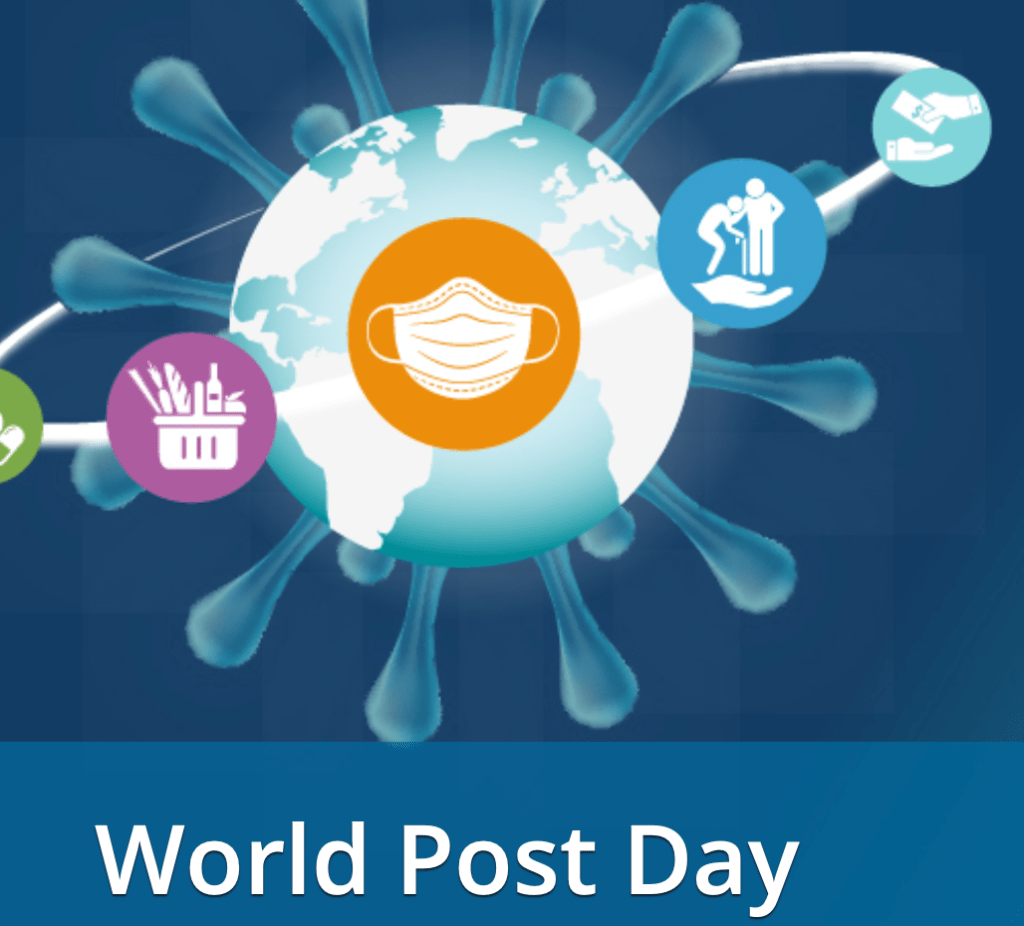
In 1874, the Universal Postal Union (UPU) was founded in Switzerland. This event marked the beginning of the modern era of global communication. Today—World Post Day—we honor the postal service’s vital role in connecting communities, families, and hearts across the globe. Post offices celebrate with stamp exhibits, open houses, and even letter-writing competitions for young people. (1)
2. Leif Erikson Day
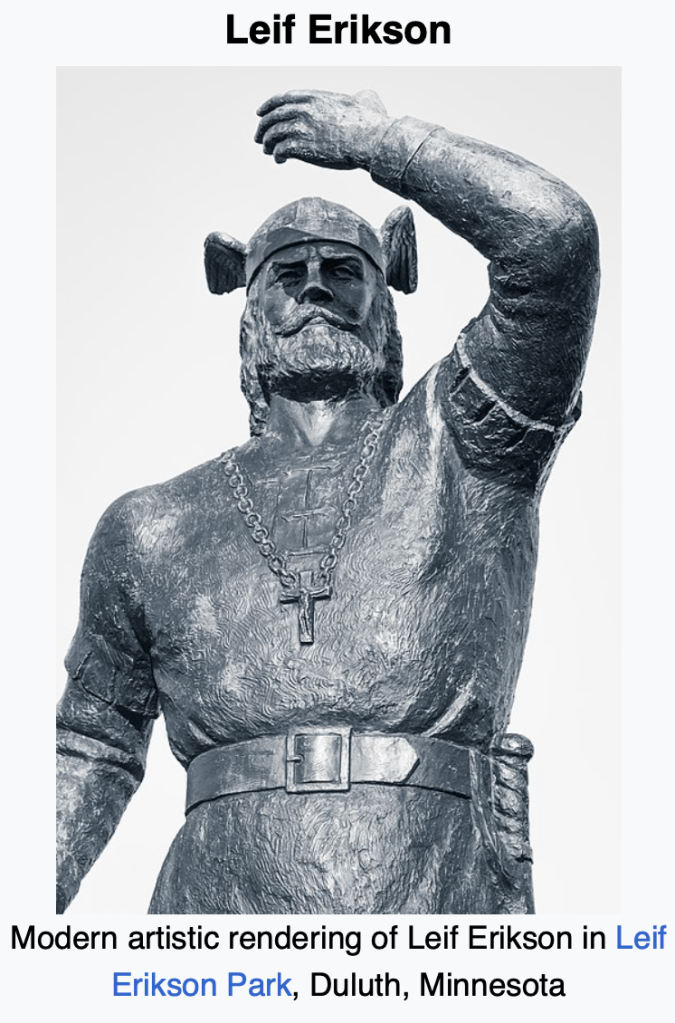
Leif Erikson Day is also celebrated today. This day honors the Norse explorer. He is believed to be the first European to reach North America. Established in the early 20th century and federally recognized in the U.S. in 1935, the day is especially cherished in communities of Nordic heritage. It’s a celebration of bravery, curiosity, and the timeless call of new frontiers.(2)
In 1929, the Wisconsin Legislature passed a bill to make 9 October “Leif Erikson Day” in the state. In the years after, several other states adopted laws to celebrate the day.[81] In 1935, legislation was introduced to the United States Congress requesting federal observance of the day. Before the legislation was passed, it was amended so that the observance would only occur in 1935. [82] Which it was, after a proclamation that year by President President Franklin D. Roosevelt).[83] In future decades, many attempts to pass legislation were unsuccessful. They sought to have Leif Erikson Day proclaimed annually by the president.[84]Proponents eventually succeeded. In 1964, the Congress authorized and requested the president to proclaim 9 October of each year as “Leif Erikson Day”.[19]In the years since, each president has issued an annual proclamation calling for observance of the day.[85].(3)
A Real-Life Reminder: The Power of Connecting
These historic observances brought to mind a personal story I experienced just last weekend:
Visiting the grocery store, I ran into a long-forgotten neighbor—someone I’d only exchanged waves with in passing. We chatted by the fruit stand for several minutes, sharing news, laughter, and even some life advice. When I left, I carried more than groceries. I carried renewed warmth. It was a reminder that connection doesn’t have to be epic to be meaningful.
Takeaway for Today
Send a letter or thank-you note—traditional or digital. Let someone know how much they matter.
Reach out to someone you haven’t spoken to in a while. A simple chat can rekindle connection.
Think about exploration—big or small. Whether learning something new, trying a recipe, or visiting a new place, celebrate the courage that brought you there.
On this October 9, let’s honor our past. Let’s look ahead with open hearts. We will celebrate the small connections that make life rich and whole. Especially if countries around the world are shipping to America again. If not, keep an eye on history. It happened once. It will happen again. Maybe.
When the law decides you no longer exist, freedom isn’t about where you live.
It’s about how far you’re willing to lose yourself to survive.
2–3 minutes
Getting Marked – Freedom at a cost
What if you belonged to a group that the government suddenly decided was a problem?
Not because of anything you did. Not because of a crime. Not even because of your beliefs. You were placed quietly and without your knowledge. The current leaders decided that the category was “unjust.”
Illegal.
It didn’t matter that you’d lived here your whole life. That your parents and grandparents had, too. It didn’t matter your race, your sex, your creed, your record. None of that mattered anymore. The only thing that mattered was that you had been identified.
The rules you thought protected you suddenly didn’t apply.
Your home wasn’t yours. Your job will vanish with a keystroke. The bank will empty your account without notice. You weren’t even a “person” anymore, not in the legal sense described by the Constitution you once believed in.
It happened so fast you couldn’t trace the moment when it began. At first, it was a news story about “reforms.” Then, “temporary measures.” Then, new identification cards, “to streamline services.” People told themselves it was nothing — until the cards became color-coded. Until the colors meant everything.
Now the world feels smaller every day. Friends stop calling, not because they don’t care, but because they’re afraid to be seen caring. Even strangers look at you differently, as if they’re silently choosing whether to turn away or turn you in.
You start making plans. Options. But they’re illusions. Leave the country? Borders are closed to you. Fight back? With what? Every avenue seems to end at the same locked door.
Then one night, in the quiet of your apartment, you find a letter slipped under your door. No name. No return location. Just a single sentence:
“There’s a way out, but you can’t take anything with you.”
Your heart pounds. Hope flares in your chest — real, breathing hope for the first time in months. You imagine stepping across a border, leaving all this behind, starting over somewhere no one knows your name.
But then the weight comes crashing back. You can’t take anything with you. Not your family, if they’re marked. Not your home. Not even the history that made you who you are.
The choice is yours. Stay and lose everything slowly, or leave and lose it all at once.
It’s hope. And it’s despair.
And tonight, both feel exactly the same.
Will you let this country get to this point? Is the United States already there? Is it too late to turn around?
From The Greater County Backroads Dictionary, 3rd Edition (self-published, available only at Gus’s Feed & Seed):
Digshin(noun) — /ˈdig-shin/
A lively social gathering resembles a shindig. It features more spirited dancing. It has more questionable music combinations. There is a higher probability of meeting your future ex-spouse.
Any event where the crowd can dance on the floor. They will also dance on the tables.
A party that starts like a potluck. It ends like a family reunion if your family includes a traveling accordion player. Imagine two cousins who know the cha-cha, and a guy named Larry who’s never without his washboard.
Origin: Exact origin unknown. The phrase was first recorded in County gossip circa 1974. Edna Lou Perkins was overheard saying, “That wasn’t no shindig, that was a full-blown digshin.”
Usage:
“We went to the barn dance. We thought it was a shindig, but they had an accordion. There was a conga line and three flavors of moonshine. It was definitely a digshin.”
How I Learned the Difference the Hard Way
Around here, folks talk about a shindig and a digshin like they’re just cousins. They are close enough to be in the same family photo. But, they are different enough to fight over who gets the last piece of pie.
A shindig, you probably already know. That’s your wholesome Saturday-night community gathering. Picnic tables sag under the weight of potato salad and baked beans. Music is played by somebody’s cousin on an acoustic guitar. The dancing doesn’t need a permission slip or a chiropractor afterward. Kids run wild between the hay bales. The mayor dances with the school librarian. There’s always that one guy who insists his chili is “just a little spicy.” It makes half the crowd break into a sweat.
A digshin, though? That’s a different animal. I didn’t know that until one fateful summer evening when I mixed the two up.
It started with an invitation. I’d heard the Johnson family was organizing “a big shindig out at the old barn.” Because the Johnson’s know how to cook, I didn’t ask too many questions. I shined up my boots. I wore my good hat. I brought along a peach cobbler. I was hoping it would make me a local legend.
When I got there, I noticed a few things were… different
First off, the music wasn’t just country and bluegrass. There was a fiddle in there. It was tangled up with a bass line. The rhythm made my boots twitch without asking permission. Someone had added a washboard player who looked like he’d just wandered in from a Mardi Gras parade. Halfway through the first song, a guy with an accordion joined in. It was as if he’d been waiting all year for this moment.
Second, the crowd was livelier than your average shindig bunch. At a normal shindig, folks will dance — polite, steady, maybe a do-si-do if the caller is feeling bossy. But here? People were spinning, stomping, and swinging their partners until their hats flew off. The mechanic from three towns over was leading a line dance. It kept changing every eight beats. Meanwhile, the feed store clerk had somehow ended up dancing with three partners at once.
Then came the moment I knew I wasn’t at a shindig at all — I was at my first digshin.
See, at a shindig, you can leave anytime you want. Folks will wave, hand you a slice of pie for the road, and tell you to drive safe. At a digshin, you can’t leave without getting pulled into at least one dance. There will be one toast. And there is always one questionable story told by somebody who swears it happened “back in ’78.”
By the time I made it out, my boots were dusty. My cobbler dish was empty. My cheeks hurt from smiling. I still couldn’t tell you exactly what a digshin is, but I know this:
If you’re at a shindig, you’ll go home with a full belly. If you’re at a digshin, you’ll go home with a full belly. You’ll also have a story you probably shouldn’t tell your grandmother.
If you are ever invited to a Shindig – Digshin crossover event, don’t pass up the chance to go. You will have the time of your life. Especially if you stay for the whole Digshin! (And remember it.)
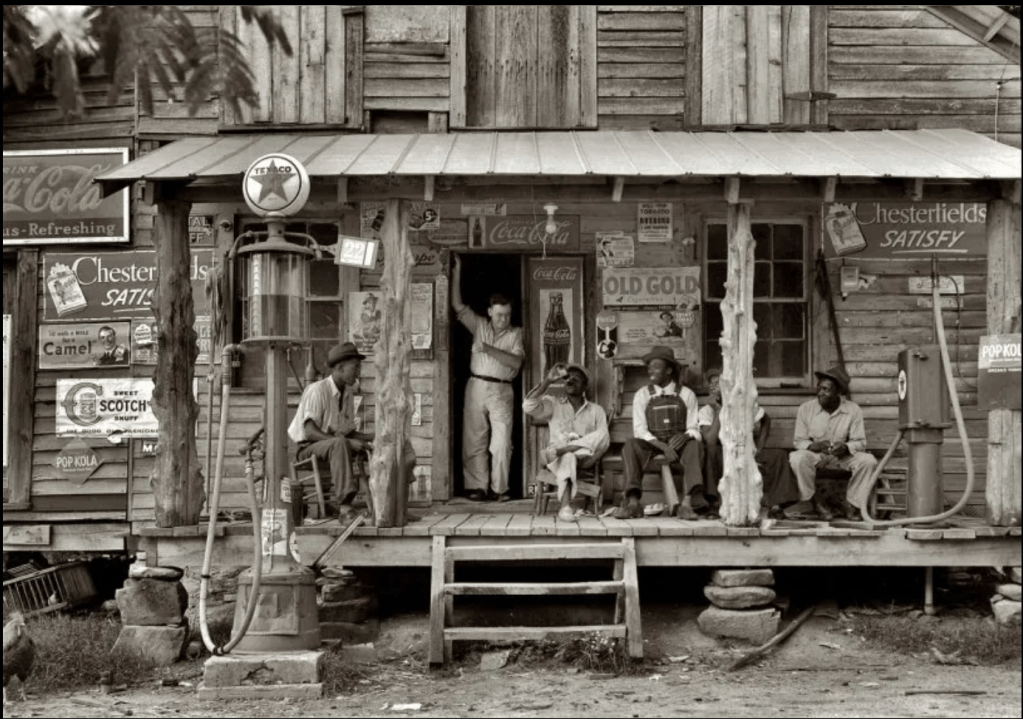
On July 25, 1939, Dorothea Lange was a renowned documentary photographer. She paused her busy travels across the American South. She stepped into a quiet moment just outside Gordonton, North Carolina. It was a humid summer Sunday. Through her lens, she discovered something golden: a rickety country store. Its wooden porch was dappled in shade. A few men sat comfortably in rocking chairs on it. The afternoon moved slowly around them.(1)
“Captured on July 25, 1939: a country store porch in rural North Carolina. Dorothea Lange found the perfect rendition of a lazy summer afternoon here. Let this moment remind you—it’s okay to choose rest today.”
Lange raised her camera and captured exactly what she saw: a peaceful summer tableau. The porch wasn’t staged—it was real life, real rest. The men lounged beside old kerosene and gas pumps, their chatter and quiet breaths blending with cicadas in the heat.
That moment—frozen in a gelatin silver print—became a small celebration of indolent joy. No agenda. No hurry. Just an afternoon spent doing exactly what summer begs you to do: nothing.
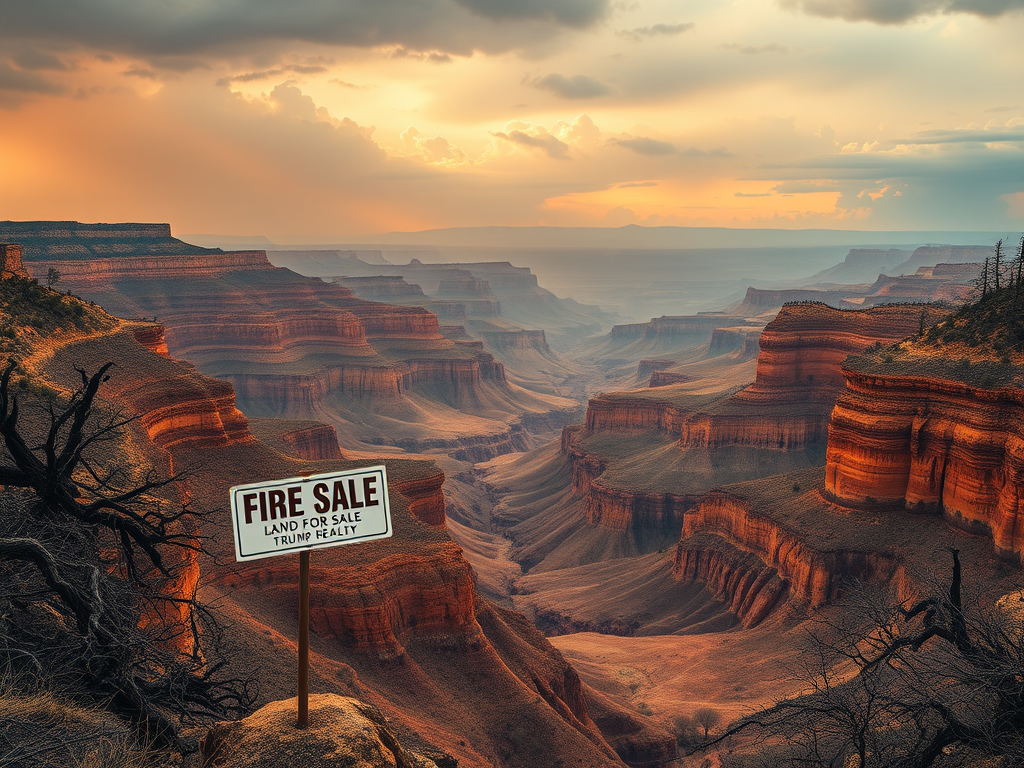
There is a quiet discussion about the concern. People are worried about the destruction of the structures at the Grand Canyon’s North Rim area. Especially if you mention whether Trump will arrange the sale of the property to an investor. Some prospective property companies are considering this, and they have shown interest in the area since it burned last week. The Sale Is –– Not Likely!
It’s doubtful that the U.S. government (i.e., the National Park Service, which manages Grand Canyon National Park) will sell off the burned North Rim properties to private investors. BUT there are always an exception!
“Selling the Canyon: What If the North Rim Was for Sale?”
Private investors will rebuild the lost structures by purchasing the property and assuming control of the North Rim. This would take the burden off the Federal Government. Additionally, it would bring a commercial attraction to the area, increasing yearly traffic compared to the current level.
We have seen with the Trump Administration that the members of his office do not adhere to general practices. These practices are important to ethical principles. They are not below ignoring court orders, laws, and regulations to do what they please. The Administration can obtain anything it asks for with the current House, Senate, and Supreme Court. If Trump asks for a clear title for the Grand Canyon Properties, he would get one. He wipes it from the National Historical Places Monuments list. He removes select pieces of property from the protections of the National Park System.
Don’t think he would, or should? Try stopping renaming a Military Base after a Civil War figure from the Confederacy. Try stopping a military parade on his birthday. Try stopping him from cutting medical insurance coverage for millions of Americans. Inform him that everyone is entitled to civil liberties and must be permitted due process through a legal hearing.
Then, say selling off property in a National Park will never happen. Many do not believe the House and Senate will support Trump’s actions. They will not give him the papers he needs. This includes doing what he wants with the smoldering remains of the North Rim. It also affects any National Park.
🇺🇸 Enter the Trump Administration
Federal law strictly prohibits the sale of national park lands. Nonetheless, recent administrations—especially under Donald Trump—have shown a willingness to test those boundaries. Presidential influence has set a precedent for reshaping public lands policy. Protections in Bears Ears and Grand Staircase-Escalante have been reduced. Formerly protected lands have been opened to oil and gas leases. The Trustee of the National Land and Parks Service will face a force from the Trump Administration. Survival is uncertain if Trump and Company aim to dismantle it.
Sources close to high-level real estate firms claim interest has spiked since the North Rim Lodge was destroyed. The timing has raised questions among environmentalists. They wonder if the destruction of federal structures paves the way. An administration unconcerned with precedent or preservation will try a land transfer.
🏛️ Legal Hurdles (and How They Might Be Circumvented)
Legally, the sale of Grand Canyon National Park land is almost impossible under existing statutes. Some fear the standard rules no longer apply. This fear arises from a cooperative Congress. Additionally, an activist Supreme Court and a President with a record of executive overreach contribute to this concern.
There are those close to the Canyon who are saying – “It’s unlikely, but not unimaginable. In 2020, no one thought sacred tribal lands would be opened to mining. Yet it happened. If political winds shift hard enough, even the Grand Canyon is not be safe from the bulldozer.”
Speaking for the Nay side.
Why a sale isn’t feasible:
There are several points to consider. These points explain why the sale of land owned by the Park Service would not transfer to private ownership. This is due to certain reasons and should be considered. Anyone wishing to ought to consider them further.
The North Rim Is Part of a National Park
The North Rim once included the Lodge, cabins, ranger headquarters, and other structures. It is now part of a federally protected unit of the National Park System. That land is held in trust for the public and can’t be sold or transferred to private ownership.
The area is of Historic and Cultural Significance (does it matter?)
The Grand Canyon Lodge was designated a National Historic Landmark in 1982. It was also listed on the National Register of Historic Places (1). Federal law prevents the disposal of such historic properties without a formal and rare delisting process—something that’s practically unheard of.
Park Policy and Public Trust Doctrine now objects to sale or misuse of property.
The NPS mission requires preserving federal land for future generations. Selling land—even after a disaster—is contrary to this mission and the principles of public trust.
Federal Law on Disposal (would have to be changed.)
Federal agencies must prove the land is excess under laws like the Property Act. The Federal Lands & Policy Management Act also requires this. They must prepare environmental assessments. Agencies must also undergo public notice and comment before any disposal occurs. That’s a lengthy, bureaucratic process—and it rarely results in the sale of park lands.
What’s likely to happen instead:
Reconstruction & Restoration
Park officials and the State of Arizona are more focused on fire investigation. Governor Katie Hobbs is pushing for accountability. There is emphasis on environmental remediation and rebuilding. The North Rim will be closed for the rest of the 2025 season (2).
Congressional/Agency Funding
Efforts now will center on securing federal and state funding to rebuild the Lodge, cabins, ranger facilities, and other infrastructure.
Fire Response Review
Investigations are underway into the decision to let the Dragon Bravo Fire burn before it exploded. Arizona’s government has demanded a thorough, independent review (3).
The burned structures are integral parts of Grand Canyon National Park—they’re not eligible for sale. Instead, the focus will be on recovery, restoration, and rebuilding what was lost, all within the park’s management framework.
Nevertheless, I reserve this statement. We have observed this with the Trump Administration. The members of his office do not adhere to general practices that are germane to ethical principles. They are not below ignoring court orders, laws, and regulations to do what they please. The current House and Senate, along with the Supreme Court, support the Administration. This means the Administration can obtain anything it asks for. If Trump asks for a clear title for the Grand Canyon Properties, he would get one.
Editor’s Note:
I’ve always had something like a sixth sense—premonitions, you can call them. Strangely, the ones I write about never seem to come true. It’s the ones I keep to myself that have a way of becoming reality. – Peace!
On July 17th, a report came out from an Arizona Television News Outlet. The report identified the location as GRAND CANYON NATIONAL PARK, AZ (AZFamily). Arizona’s Family learned a crucial member of the crew was not called in promptly to help. The Dragon Bravo Fire blew up and burned dozens of buildings over the weekend.
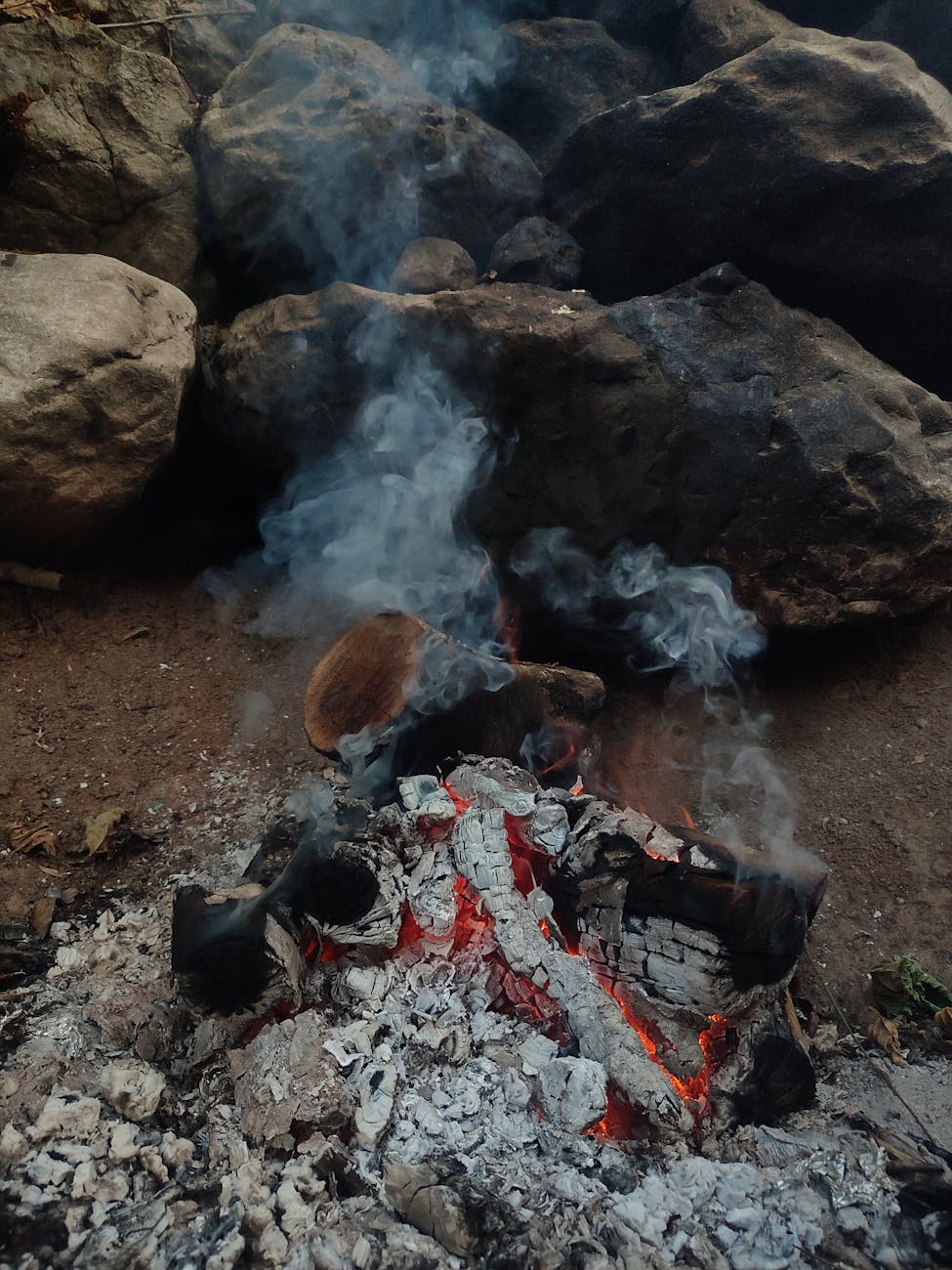
As of Thursday, there is still no containment of the wildfire at the Grand Canyon’s North Rim. Six hundred firefighters are working to put out the flames. The wildfire has grown to more than 11,000 acres.
Meteorologists are key to fire management. The Dragon Bravo Fire didn’t have one on scene until Monday. This was several days after the damage was done.
It adds to concerns about how the fire was handled after being sparked by lightning on the Fourth of July. In this case, aside from the actual flames, the weather played a significant role in the destruction.
Strong winds blew up from within the canyon and fanned the flames. Crews on the ground didn’t have an incident meteorologist with them over the weekend. This expert have been capable of warn them ahead of time.
For days, the National Park Service took a “confine and contain” approach. They allowed flames to consume the underbrush. At the same time, they protected the structures within the national park. Nonetheless, that changed on July 11. Firefighters reported that “strong northwest wind gusts were uncommon to the area. These winds jumped multiple containment features.”
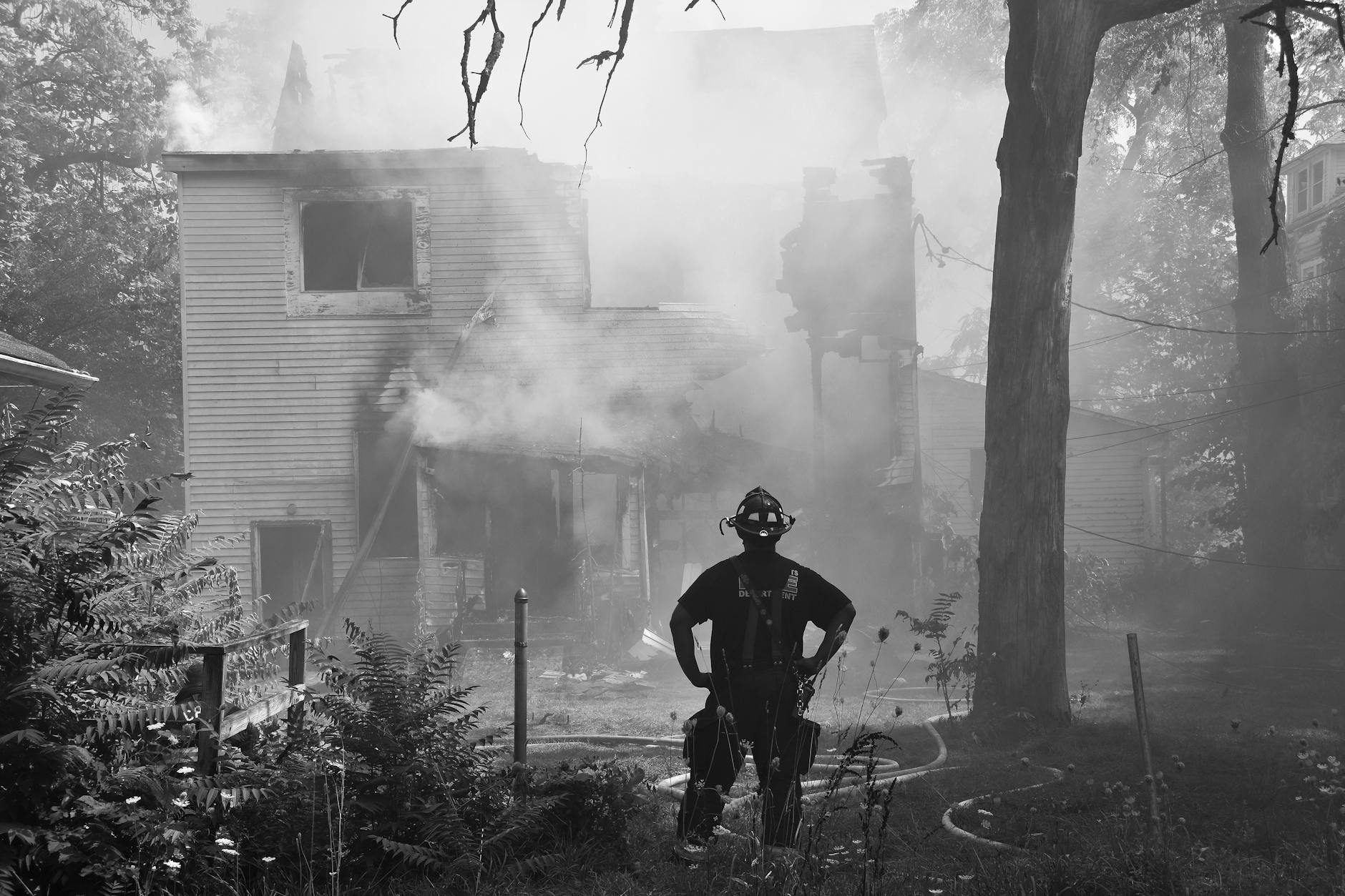
Ultimately, the result was more than 70 structures destroyed by flames, including the historic lodge.
The Day the Flag Stood Still: The Forgotten Fourth of July on Wake Island, 1942
48 Star Flag Saved Sept 1945
On July 4, 1942, Americans back home celebrated Independence Day with cookouts and parades. Meanwhile, a small group of American civilian contractors and U.S. Navy personnel held a defiant but somber celebration under Japanese captivity on a tiny Pacific atoll called Wake Island.
Just months earlier, in December 1941, Wake Island had made headlines when a handful of U.S. Marines, Navy men, and civilian construction workers miraculously repelled a much larger Japanese force. This was one of the only successful defenses during the early days of World War II. But eventually, Wake fell. Hundreds of Americans were captured and held as prisoners.
Despite their grim reality, the spirit of independence didn’t die. On July 4, 1942, many had celebrated the day at home a year prior. A group of prisoners marked the holiday. They secretly stitched together a makeshift American flag from scraps of clothing and parachute fabric. They hid it under a floorboard in their barracks. That night, after roll call, they quietly raised the flag. It was up for just a few moments. That was long enough for the men to salute it and whisper a rendition of “The Star-Spangled Banner.”
The penalty for such defiance was death. For those men, risking their lives to honor the flag was worth it. The freedom it stood for—even behind enemy lines—justified their risk.
The flag was never discovered. The war ended in 1945. One of the surviving POWs smuggled the flag fragment home. He had sewn it into the lining of his jacket. It now resides in a museum in Kansas as a silent but powerful witness to patriotism under pressure.
Closing Thought:
Freedom isn’t always loud. It isn’t always celebrated with sparklers and song. Sometimes, it’s whispered in the dark. Saluted in secret. Hidden beneath the floorboards. And yet, even in those moments, it shines just as bright.
In the aftermath of the American Civil War—a conflict that claimed more lives than any other in U.S. history—communities across the nation were left mourning. By 1865, with the war concluded, families faced the grim task of honoring more than 600,000 soldiers who had died. This collective grief gave rise to a new tradition: a day of remembrance.
Many towns and cities began their own informal commemorations of fallen soldiers. An early observance of what would become Memorial Day occurred in Charleston, South Carolina. It happened on May 1, 1865. There, newly freed African Americans held a ceremony to honor Union soldiers. These soldiers had died in a Confederate prison camp.
During the war, Confederate forces converted the city’s Washington Racecourse. Today, it is known as Hampton Park. They turned it into a prison for Union soldiers. Over 260 Union troops died there from disease and exposure and were buried in unmarked graves. After the Confederacy’s defeat, Black residents of Charleston, many of them formerly enslaved, took action. They worked to give those soldiers a proper burial. They reinterred the bodies. They built a fence around the site. They marked it with a sign that read: “Martyrs of the Race Course.”
On May 1, a crowd of around 10,000 people—including freedmen, Union troops, and white missionaries—gathered for a solemn procession. The event included prayers, singing, speeches, and the laying of flowers. Children marched with armfuls of blossoms, and the day ended with picnics and patriotic performances. This Charleston observance was largely forgotten in the national narrative for decades. Now, many historians recognize it as the first Memorial Day.
Nonetheless, the tradition took broader root a few years later. In 1868, Union General John A. Logan, head of a veterans’ organization called the Grand Army of the Republic, issued a proclamation. He declared May 30 as Decoration Day, a time to decorate the graves of fallen soldiers with flowers. That year, ceremonies were held at over 100 cemeteries across the country. A major event took place at Arlington National Cemetery. Flowers were placed on the graves of both Union and Confederate soldiers.
Over time, Decoration Day evolved into Memorial Day, gradually becoming a national holiday. After World War I, its purpose expanded to honor all Americans who died in military service. In 1971, Memorial Day was declared a federal holiday. It was moved to the last Monday in May. This change ensures a long weekend of remembrance.
Today, Memorial Day is a time for reflection. It is also a time for gratitude. It honors those who gave their lives in service to the United States—from the Civil War to the current day.
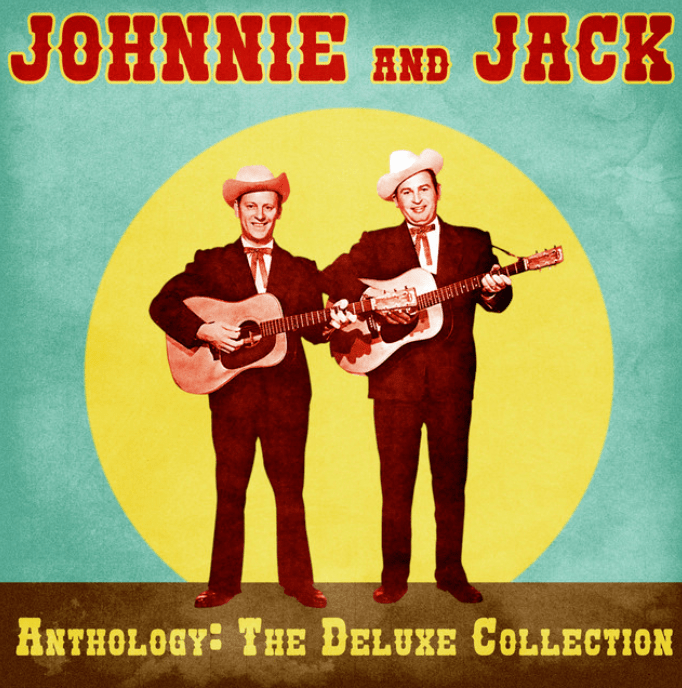
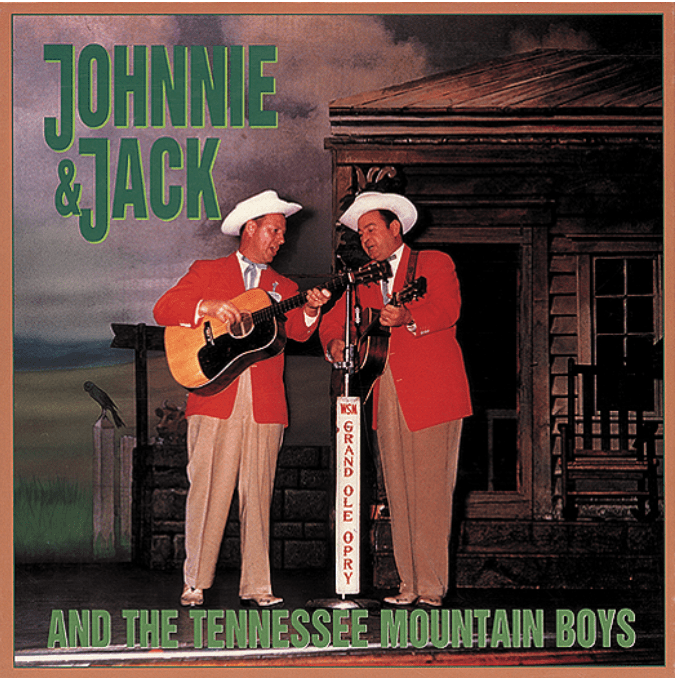
They say Friday the 13th brings bad luck. But, for Jack Anglin and Johnnie Wright, it brought something entirely different. It brought love, brotherhood, and the country music that carves its way into the soul.
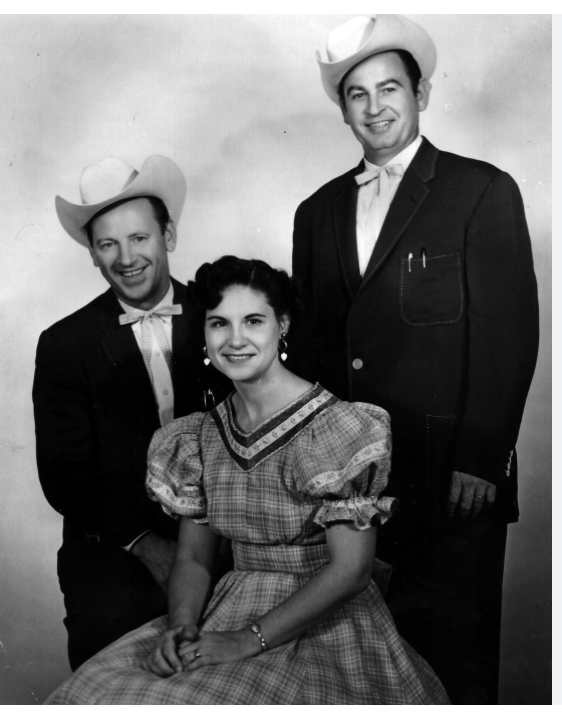
Jack and Johnnie were destined to sing. Their childhoods were steeped in gospel, church choirs, and the rhythm of the land. They met as they met most things in life—through music. And they married as they did everything else—on a Friday the 13th. Jack wed Louise, and Johnnie took her sister, Muriel, as his bride. This made them brothers-in-law, but their voices had already made them brothers in spirit, their bond unbreakable.
They began touring as Johnnie & Jack, their harmonies tight as barbed wire and twice as sharp. They sang of sorrow and salvation, of trains leaving and lovers staying. And behind them, always, stood the sisters.
Johnnie’s wife, Muriel, had a soft voice. It could’ve gone unnoticed if not for a quiet evening at home. She hummed along to a song Johnnie was working on. He stopped strumming, looked at her, and knew.
“You need a stage name,”
He said.
“Something people will remember.”
He thought a moment, then grinned.
“Kitty Wells.”
She laughed at the name, but it stuck. Kitty Wells soon became the Queen of Country Music. Her voice turned the tide with It Wasn’t God Who Made Honky Tonk Angels. The song gave women in the country their place in the spotlight.
In a later interview, Johnny recalled that the name “Kitty Wells” came from an old spiritual recording. He used to play it during his early days working at a radio station. The name stuck with him. When it came time to give Muriel a stage name, it felt like the perfect fit. It was familiar, timeless, and filled with meaning.
Life moved fast. Fame came. Tours blurred together. But Jack and Johnnie were always together—on stage, on the road, in life.
Then came March 1963.
Patsy Cline, Cowboy Copas, and Hawkshaw Hawkins—all killed in a plane crash returning after a charity concert. The country music world was shattered. A memorial service was planned, and Jack insisted on going.
“Gotta pay respects,”
He said.
“We’ve all come up together.”
But he never made it.
On the fateful morning of March 8, 1963, Jack Anglin was en route to the service. Tragically, he lost control of his car and crashed. His life was taken in an instant. The news reached the church before Johnnie’s arrival. They say the moment he heard, Johnnie was overcome with grief, falling to his knees. The man who had been his constant companion on every stage, in every storm, was no more.
It was a heartbreak no harmony can fix.
Johnnie went on as best he could. Kitty sang. The spotlight stayed, but something had shifted. There was a silence beside him now where Jack’s voice used to be.
Still, the music lived on.
Two men, two sisters, two voices joined by fate, and a wedding date no one forgets. Friday the 13th had given them everything—and, somehow, had taken it all back.
Yet, their songs endure, a testament to their enduring legacy. In every old record and radio play, their voices still resonate. Jack and Johnnie were brothers in music and marriage. Their harmonies echo through the years. It is a timeless tribute to their bond and art.
One man’s journey through Oklahoma’s parks led him somewhere unexpected—and unforgettable.
When I graduated high school, I was no stranger to the outdoors. My dad was a park ranger, so much of my youth was spent in the Oklahoma parks where he worked. But let’s be honest. My version of “camping” came with cabins and beds. I always had the choice to stay inside if the weather got bad. I didn’t venture far into the woods unless I had to. That was just the way it was.
As I entered adulthood, though, something shifted. I started craving a deeper experience with nature, something less structured and more raw. I planned to visit every state park in Oklahoma. I aimed to camp at each one—no cabins—just me, a tent, and the open sky.
That plan lasted exactly five stops.
On my sixth visit, I reached Lake Tenkiller—and everything changed. The water was clear and clean, the air calm, sheltered from Oklahoma’s notorious winds. It was unlike anything I’d experienced. I pitched my tent and knew, deep down, I wouldn’t need to search any further. I had found my place.
Stormy Nights and Quiet Joys
I returned often, even through thunderstorms. While other campers packed up or ran to their cars at the first crack of thunder, I stayed. I watched lightning dance across the water. Thunder rolled through the hills. Rain swept across the lake. These moments became one of my life’s most calming experiences. Tenkiller is situated north of Gore, Oklahoma, in the Cookson Hills. It also feeds the Lower Illinois River, which contributes to the Arkansas River.
In those younger years, full of energy and a touch of recklessness, I embraced the wilderness. I was there for all the peace, the storms, and the quiet lessons only nature can teach.
Evolving Comforts
Eventually, the novelty of sleeping on the ground wore off. The cold felt colder, and the earth felt harder. That’s when I discovered a few rental cabins tucked near a cove. I asked around and spoke to the owner. They explained how they customized cabins for guests. They even hung a shingle with my name on the front.
Suddenly, a fireplace, stove, refrigerator, and absolute beds transformed my experience. It was still my beloved lake—but now with a touch of comfort. When friends heard about it, they wanted in. Soon, I was making the trip with six or eight others. We built a tradition of campfires, storytelling, and fish tales. These tales only grew bigger over time.
Moving On, But Never Forgetting
As the years passed, life caught up with me. Work, family, and obligations—they pulled me in new directions. My visits to Tenkiller slowed, then stopped. One day, I realized it had been years since I’d last seen that clear water.
But that’s the way of things. The lake had given me what I needed when I needed it—freedom, peace, community, clarity. And though I will not return as often, the memories are stitched into who I am. When life gets noisy, I remember those quiet storms. I think of the glassy mornings. I recall the crackle of fire in a lakeside cabin.
Some places stay with you, even after you’ve left them.
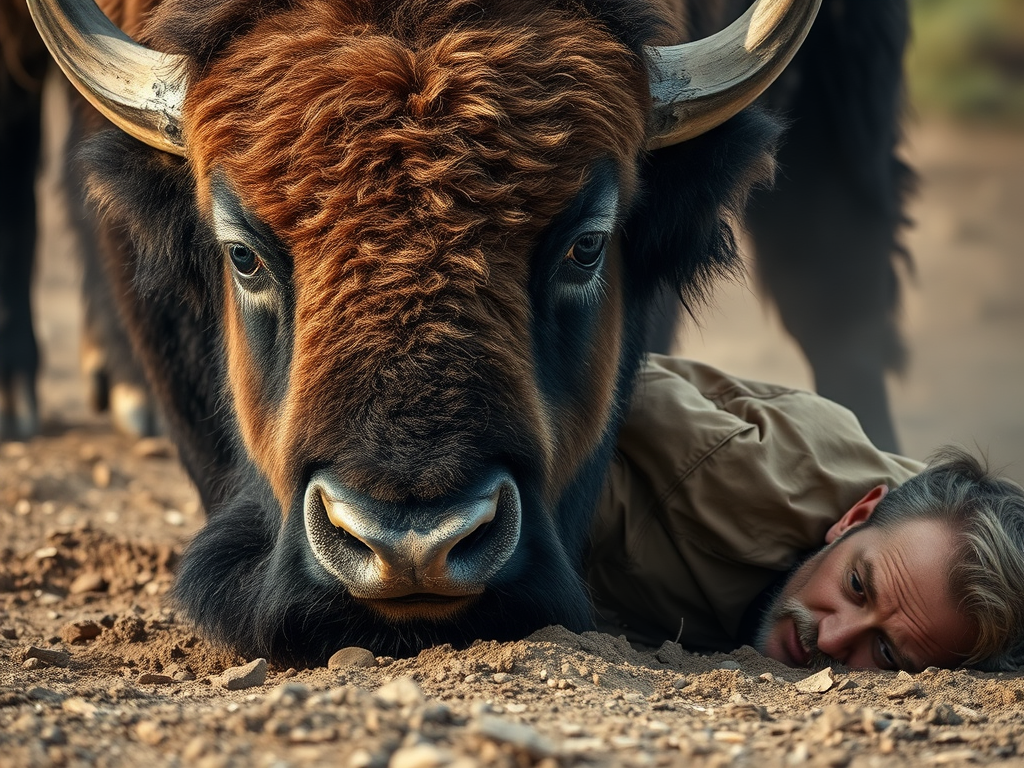
Carney had no idea what his neighbor, Ted Ortiz, had done. Ted had recently purchased what everyone around here called a buffalo—though, technically, they were bison. His grand idea? Cross-breeding the massive bull with his cattle. What is there to go wrong?
That morning, Carney had spent hours plowing one of his fields. When he finally finished, he hopped down from his tractor. He stretched his back and pulled out his packed lunch—a simple sandwich and a thermos of water. After a few quick gulps, he was ready to tackle the next field.
He set off across the pasture, taking his usual shortcut. Halfway across, he heard a deep, rumbling snort behind him. At first, he figured it was just one of Ted’s cows and kept walking. But then he noticed something—the snorting sound was moving with him.
Carney turned around and froze.
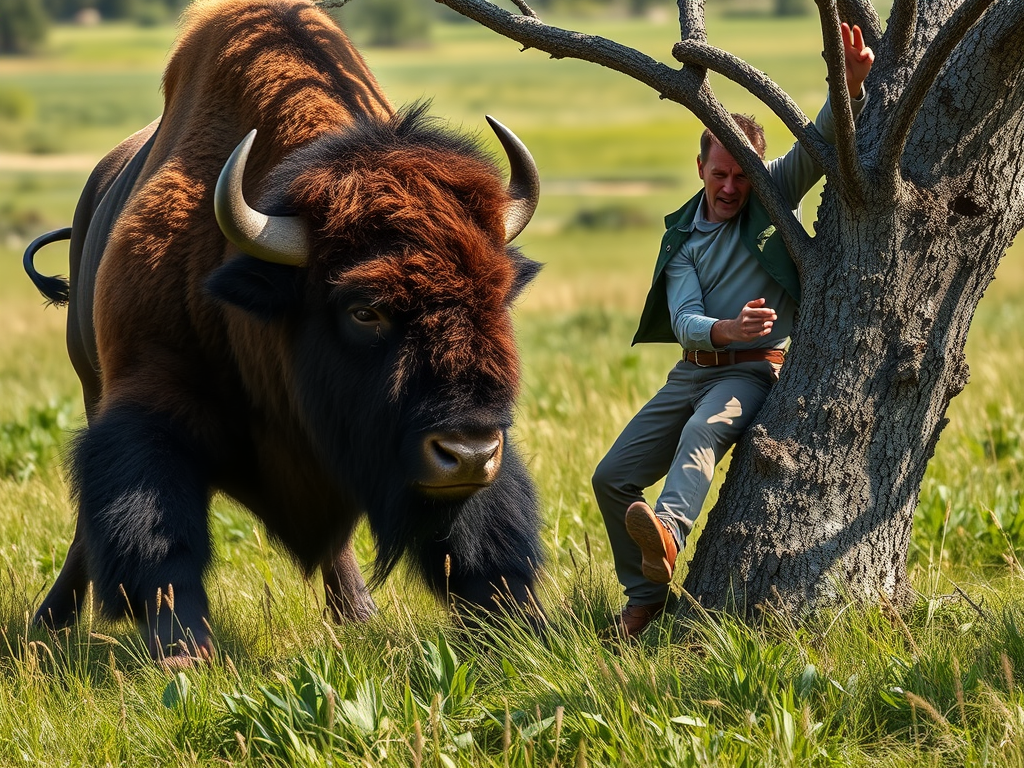
A massive, very annoyed bull bison stood just a few yards away. And Carney had unknowingly interrupted the beast’s afternoon of affection.
The bison pawed the ground, snorted louder, and locked eyes with Carney. He had seconds to decide—fall, play dead, or run like hell. He chose the latter.
Now, Carney was in his fifties. He was not exactly a sprinter, but he moved like an Olympic athlete when faced with a furious bison. His only hope was a nearby tree. He scrambled up, arms and legs flailing, barely reaching a branch as the bull slammed into the trunk below.
Unfortunately, Carney had picked the wrong tree.
It was dead.
The bison rammed it again. The whole thing groaned and wobbled. Carney had two choices—jump and run or ride the tree down like a doomed cowboy in a slow-motion disaster.
So he jumped. And ran.
And here’s where things took an unexpected turn.
Carney swears he made it to the fence, jumped over, and escaped without a scratch. But according to the newspaper, the story went a little differently.
The article claimed that the bison knocked the tree over after Carney hit the ground. Then it turned its fury back on him. Carney had no other options. He did the only thing he thought possible. He dropped to the ground. His face was down in the dirt, and he played dead.
The bison approached, snorting, its heavy breath huffing across Carney’s back. It sniffed his head. His shoulders. His boots. Then, it reached his backside—and suddenly, something changed.
The bull gagged.
Its eyes watered, and its massive body trembled. The mighty beast gave a final snort of disgust. It turned its tail and bolted. The beast ran away as fast as its hooves carried it.
Carney, shaking but victorious, got to his feet and went to the other field. Before plowing, he had to detour into the nearest creek. He needed to scrub off whatever offended that bison so severely.
The newspaper never revealed its source for this version of events, but everyone had their suspicions. Most believed the town barber had something to do with it. After all, most of the town’s best stories started in his shop.
To this day, the Great Bison Incident resurfaces whenever the local men need a good laugh. It is a legendary reminder that sometimes survival comes down to sheer luck, including an unfortunate choice in lunch. It’s a tale that never fails to entertain.
This is a true story. The names have been changed to protect the privacy of those in real life.
Sitting in the large living room, Tim’s father called him down from his upstairs bedroom. As Tim entered, he wondered if he had forgotten to do his chores properly. He also thought about whether his father had bad news to deliver.
Sitting on the fireplace ledge, he faced his father, who sat in his favorite chair.
“I’m helping Jess Paul tomorrow down south of Mingo for Doc. We must drive cattle up from their southern pasture. Then, we will move them into holding pens for transport to the sale barns. We need a third rider to keep the point in key areas, and I’d like you to come with us.”
Tim’s heart leaped. He had never been to Mingo but had always heard about the town. It was one of the last places with a 19th-century reputation. It was known as a wild, lawless settlement. Gunfights on the main street occurred weekly. Jess Paul often talked about how the local cowboys were descendants of the originals who roamed the territory before statehood.
Jess Paul was one of his father’s closest friends. Ten years ago, he lost both legs below the knee in a farming accident. Despite this, he rehabilitated himself and learned to walk using only a cane. Jess Paul can mount a horse and ride all day without showing pain or discomfort. With his two wooden legs, he can break a wild two-year-old stud just as well as any other cowboy. To Tim, Jess Paul was the toughest man Tim had ever known. His hands were massive, and he had a story for every place they went.
Tim’s father instructed his older sister to stop by his school and collect any assignments he’d miss.
“Tell his teacher I need him to work cattle,”
he said matter-of-factly.
The next morning came early. At 4:00 AM, Jess Paul was already up, having slept in his truck’s camper parked in front of their house. Jess Paul’s horse had been kept with the others on Tim’s father’s farm. While his father and Jess Paul gathered saddles and horses, Tim hitched the stock trailer to his father’s pickup.
Jake, Tim’s father, rode his horse, Red Man. Tim mounted Sam, his temperamental gelding, while Jess Paul rode Sonny. With the horses loaded, they set out for Mingo—a journey of over 150 miles. Another 20 miles beyond the town lay the range land where the cattle waited.
Jess Paul talked nonstop during the long drive. Tim had heard some of his stories several times before. Each time, Jess Paul added a new detail to keep them fresh. This made the stories engaging.
After three hours on the road, they arrived and unloaded the horses. Tim dreaded the ride on Sam. The weather was unseasonably cool, and Sam was known for taking off bucking at the worst possible times.
“No cowboying,”
Jake warned.
“We want these cattle to walk to the pens. Just guide them—don’t rush them or get them running.”
Tim nodded. He understood why. Running the cattle would make them lose weight, reducing their value at the auction.
No cattle were in sight from the truck. The trio mounted up and rode south across the prairie. Half an hour later, they spotted the herd—about two hundred head—gathered in a valley, sheltered from the cold north wind. Jake moved wide to one side of the herd. Jess Paul took the opposite side. Tim took position on the hill. He was ready to steer the cattle north toward the pens.
Tim fought to keep Sam still as the cattle approached. The horse was itching to jump, and Tim braced himself, expecting a sudden bucking fit.
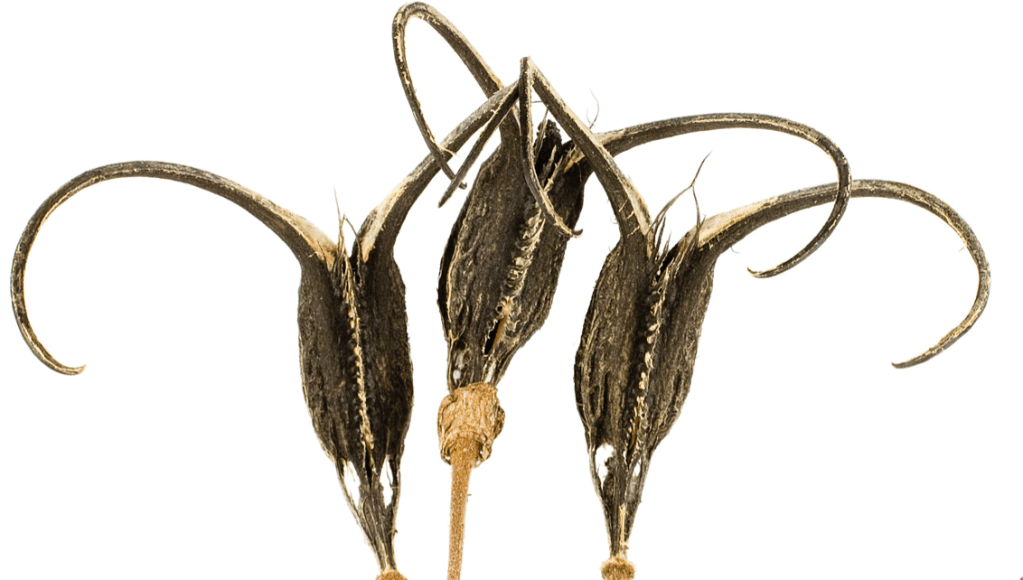
The first two turning points went smoothly. Tim maneuvered between the cattle and the next position with ease. But at the final turn, he noticed a devil’s claw tangled around Sam’s hind hoof. The dried-up weed flower was notorious for driving horses wild, making them kick and thrash to free themselves. Tim knew he had to stay calm.
Devils Claw Proboscidea louisianica
Slowly, he dismounted, working his way around Sam. He reached down with deliberate care. Then, he grabbed the devil’s claw and pulled it free. Using his boot, he brushed it away. Miraculously, Sam stood still.
Tim half expected the horse to explode at any moment. The last time Sam went full rodeo, they had been riding a narrow trail along a canyon. On one side was a dirt wall; on the other, a hundred-foot drop. Sam had bucked the entire way down to the canyon floor. Tim had held on for dear life. He cursed the horse with every bounce. Tim’s father scolded him for not stopping the horse. Tim never dared argue back. He had just been trying to survive the ride.
Now, with Sam behaving, Tim remounted and guided the cattle through the final turn. The herd moved steadily into the holding pens, where hay and grain had been spread. After the last cow entered, the trio loaded their horses back into the trailer, and the gates clanged shut. The job was done. They had answered the call south of Mingo, and now it was time to head home.
Riding home meant Jess Paul would tell more stories.
The older man rocked back and forth on the porch swing, the wood creaking under his weight. His nephew, Jake, sat cross-legged on the wooden planks, listening intently. The evening sun stretched its shadows long across the yard, the golden light flickering through the trees.
“You ever run through a plowed field, boy?”
Uncle Neb asked, a slow grin spreading across his weathered face.
Jake wrinkled his nose.
“Why would I do that?”
Ole Neb chuckled.
“Ah, you don’t know what you’re missin’. When I was your age, runnin’ through a fresh-plowed field was the best thing in the world. The dirt was soft, the furrows deep. Felt like jumpin’ across waves in the ocean—only, it was earth beneath your feet, not water.”
Jake smirked.
“Sounds messy.”
“Sure was!”
Uncle Neb laughed.
“And I’d get a good whuppin’ from your grandma for trackin’ mud in the house, too.”
He leaned back, sighing.
“Every spring, my daddy plowed and prepared the land to plant maize and oats. That was our winter feed for the livestock. Down at the bottom of our place, we had an alfalfa field. Grew some of the best in the county, thanks to the floods from the neighbor’s lake.”
“Wait—you let your field flood on purpose?”
Jake asked, wide-eyed.
“Didn’t have a choice, boy! The heavy spring rains would swell that lake, and the water would just roll over into our land. But let me tell you, that soaked ground made the alfalfa thick and green. We never had to worry about our cattle goin’ hungry.”
Jake traced a knot in the porch wood with his finger.
“You had cattle?”
“Sure did. Horses and chickens, guineas, goats—you name it. Had a big ol’ barn on the west side of the place where we kept ’em. But there was one animal I couldn’t go near—one of our milk cows. It is the meanest thing you have ever seen. That cow would lower her head and charge at me as soon as she spotted me.”
Jake grinned.
“You were scared of a cow?”
Uncle Neb narrowed his eyes playfully.
“You woulda been too, boy! Kids had tormented that cow before she came to us. Made her mad as a hornet. Your grandpa had to milk her himself ’cause she wouldn’t let nobody else close.”
Jake laughed.
“Sounds like she had a grudge.”
“That she did. But that was life on the farm, son. You learned to work with what you had, respect the land, and steer clear of mad cows.”
Ole Neb winked.
“Now come on, let’s go walk that field out back. Maybe you’ll see why runnin’ through dirt felt like flyin’ to a boy like me.”
Jake hesitated, then hopped up.
“Alright, Uncle Neb. But if I trip, you owe me ice cream.”
Neb laughed, his voice warm as the setting sun.
“Deal, boy. Deal.”
And together, they walked toward the fields, the past and gift blending with every step.
Javier stood at the edge of the city park. Staring out at the bustling streets of his new home in America. The golden autumn leaves danced in the wind, starkly contrasting the memories of his war-torn homeland. Javier had come to the United States to find refuge and hope. Yet, the events unfolding around him now gave him an unsettling sense of déjà vu.
Back in his home country—a place he no longer dared to name aloud—Javier had watched the slow unraveling of society. It had once been a proud nation. Families like his owned small businesses. Children played freely in the streets. Communities were bound together by tradition and trust. Corruption spread throughout the country. Drug lords rose to power. Oligarchs infiltrated and bought influence with cold, hard cash. They sowed fear and discord, and before long, even the police and the government served their interests alone. The people were left with nothing but fear and silence.
He had fled that darkness, believing that America would offer something different. And for a time, it did. He found work, made friends, and even started to dream again.
But the cracks were showing. The unchecked greed was too familiar. The political maneuvering was too familiar. The way drugs crept into the neighborhoods under the guise of prosperity was too familiar. He watched politicians make promises while corporations tightened their grip on the economy. He saw his neighbors losing faith, their voices drowned out by the same wealth-driven forces he had left behind.
“No more tomorrows forever,”
Javier muttered under his breath, a phrase his grandfather used to say when hope felt like an illusion. He feared that history was repeating itself, that this land of opportunity was sliding down the same treacherous path.
One evening, Javier visited a local diner. He often met with his friend Michael there. Michael was an old war veteran who deeply loved the country he had served. Javier shared his concerns over cups of bitter coffee, finding solace in Michael’s understanding and wisdom.
“I’ve seen this before, amigo. Back home. The greed, the power, the division. It starts small, but it grows until there’s nothing left.”
Michael nodded, his tired eyes scanning the newspaper headlines.
“You ain’t wrong, son. This country’s got its problems. But we fight. We speak up. That’s the difference.”
Javier wasn’t so sure. He thought of his own country. There, people had fought and lost. Bullets and bribes had silenced voices for freedom. Yet, deep down, Javier wanted to believe Michael. He tried to think that this place still had a chance, that people could push back against the tide.
Javier left the diner. He looked around at the city skyline. The shining towers and the streets were filled with life. The battle wasn’t over yet, and maybe—just maybe—he could do something to help stop history from repeating itself.
The next day, he enrolled in a local community initiative to support struggling neighborhoods. Passionate individuals like himself led this initiative. They aimed to give resources and support to those most affected by the societal issues he had observed. He would share his story. He shared a warning and his hope. He believed past mistakes didn’t have to define the future. America still had tomorrow’s worth fighting for.
A man named Walter Henshaw lived in a small town. This town was nestled between rolling hills. Walter was known for his insatiable curiosity, always pondering life’s mysteries. One evening, as he sat on his front porch watching the sunset, he wondered aloud,
“Is it possible to find two people in this world who agree on everything?”
The thought consumed him, and soon, Walter embarked on a journey around the world to find the answer. He packed his belongings, bid farewell to his friends and family, and set off on his quest.
Walter’s first stop was Paris, where he met a pair of artists who were painting by the Seine. They seemed in perfect harmony, laughing and finishing each other’s sentences. But when Walter asked them if they agreed on everything, they chuckled.
“Of course not,”
One replied.
“He thinks Monet is the greatest, but I prefer Van Gogh.”
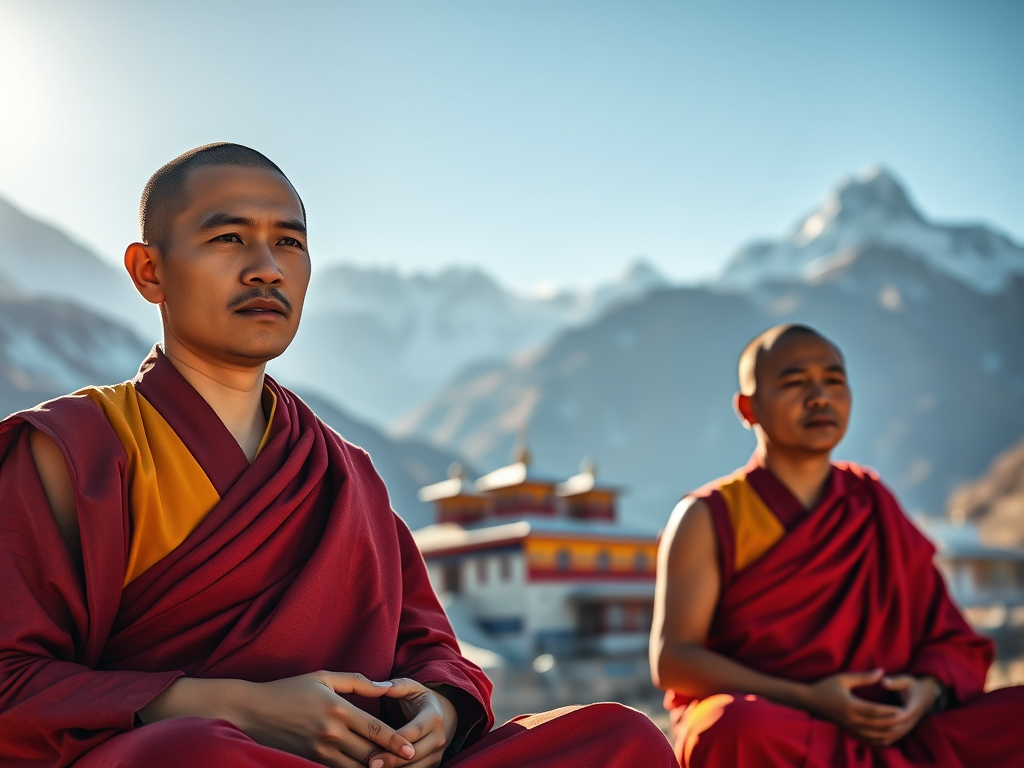
Undeterred, Walter traveled to India, where he visited a monastery high in the Himalayas. There, he met two monks who had lived in silence for decades. Walter was sure he had found his answer, but when he posed his question, one monk smiled and said,
“I prefer tea; he prefers coffee.”
Walter traveled onward. He visited the bustling streets of New York City. Then he experienced the serene countryside of Japan. Finally, he explored the vast plains of Africa. He encountered lifelong friends. He met devoted couples. He even found identical-twins everywhere he went. Nonetheless, no two people ever claimed to agree on everything.
After years of traveling, Walter found himself in a small village in South America. He met an elderly couple who had been together for over seventy years. Patiently, they listened as Walter told them about his journey.
The older man chuckled and said,
“Young man, love is not about agreeing on everything. It’s about embracing differences and finding common ground.”
Walter sat in silence, absorbing the wisdom. He realized then that his journey had taught him more than he ever imagined. The beauty of human connection lies not in absolute agreement but in understanding, compromise, and the joy of diversity.
It also reminded him of one chap he had met in the United States who said to him –––
“Show me any two people who agree on everything, sir, and I will show you a pair of liars!”
Returning home, Walter shared his experiences with his friends and family. He had not found two people who agreed on everything. Still, he discovered something even more valuable. He gained an appreciation for the uniqueness that made each person unique.
Once a seeker of perfect agreement, Walter Henshaw sought harmony. He became a storyteller. He wove tales of his adventures and the lessons he had learned. He realized that life wasn’t about finding someone who thinks as you do. Instead, it is about learning to cherish the differences. These differences make life enjoyable and meaningful.
In the end, Walter’s journey had been about connection, not conformity. He found peace knowing that the world was more prosperous because of its endless variety.
Today, I am sharing a translation of instructions initially posted on the BenandSteve.com Facebook page. These instructions were originally written in Spanish. I have translated them to the best of my ability. The English translation is just below.
TRADUCCIÓN AL INGLÉS A CONTINUACIÓN:
Hoy comparto una traducción de las instrucciones publicadas originalmente en la página de Facebook de BenandSteve.com. Estas instrucciones, escritas en español, han sido traducidas lo mejor posible para aquellos que no hablan, leen ni escriben el idioma. Por favor, tengan en cuenta que estas instrucciones no están destinadas a servir como asesoramiento legal, sino más bien como una guía útil para quienes puedan interactuar con las autoridades. Este espacio se ofrece con el propósito de brindar claridad y apoyo a quienes puedan beneficiarse de esta información.
El guía S.I.R.E.N., a menudo promovido por organizaciones de defensa para informar a las personas de sus derechos durante encuentros con la Patrulla Fronteriza o autoridades de inmigración, significa:
S – Mantente Calmo (Stay Calm)
• Mantente tranquilo y evita escalar la situación.
• No corras, resistas ni obstruyas a los oficiales de la ley.
I – Insiste en tu Derecho a Guardar Silencio (Insist on Silence)
• Ejercita tu derecho a guardar silencio.
• No respondas preguntas sobre tu estatus migratorio, dónde naciste o cómo entraste al país.
• Declara: “Estoy ejerciendo mi derecho a guardar silencio.”
R – Rechaza Dar Consentimiento (Refuse Consent)
• No des tu consentimiento para que registren tu persona, tus pertenencias o tu vehículo sin una orden judicial.
• Di: “No doy mi consentimiento para un registro.”
E – Exige Hablar con un Abogado (Engage an Attorney)
• Solicita hablar con un abogado de inmediato.
• No firmes nada sin antes consultar a un abogado.
N – Nunca Mientas (Never Lie)
• Siempre proporciona información verdadera si decides hablar (aunque tienes derecho a no responder preguntas).
• Mentir a los oficiales de inmigración puede tener graves consecuencias.
Estos pasos están diseñados para ayudar a las personas a manejar estas interacciones mientras protegen sus derechos y aseguran que se respeten las garantías legales. Si necesitas recursos o una orientación más detallada, ¡házmelo saber!
Asociación Americana de Abogados de Inmigración (AILA)
Una asociación nacional que promueve leyes y políticas de inmigración justas y aboga por el desarrollo profesional de sus miembros.
Red de Defensores de Inmigración
Un esfuerzo colaborativo entre organizaciones líderes en derechos de inmigrantes que busca aumentar el acceso a la justicia para los inmigrantes.
Unión Americana de Libertades Civiles (ACLU)
Una organización que ha estado involucrada en muchas luchas legales importantes por los derechos de los inmigrantes.
Consejo Americano de Inmigración
Una organización que utiliza investigaciones, programas y esfuerzos legales y de defensa para dar forma a las políticas y prácticas de inmigración.
Centro de Políticas para Inmigrantes de California (CIPC)
Una organización estatal de derechos de los inmigrantes con oficinas en Los Ángeles, Sacramento y Oakland.
Centro de Estudios de Inmigración
Una organización que proporciona experiencia legal, capacitación, investigaciones y publicaciones.
Today, I am sharing a translation of instructions initially posted on the BenandSteve.com Facebook page. These instructions were originally written in Spanish. I have translated them to the best of my ability. This is for those who do not speak, read, or write the language. Please note that these instructions are not intended to serve as legal advice. They are meant to be a helpful guide for anyone interacting with authorities. This space is being provided for clarity and support for those benefiting from this information.
The S.I.R.E.N. guide, often promoted by defense organizations to inform people of their rights during encounters with Border Patrol or immigration authorities, means:
S – Keep Calm (Stay Calm)
• Stay calm and avoid escalating the situation.
• Do not run, resist, or hinder law officers.
I – Insist on Your Right to Stay Silent
• Exercise your right to stay silent.
• Do not answer questions about your immigration status, where you were born, or how you entered the country.
• Declares: “I am exercising my right to stay silent. “
R – Refuse Consent
• Do not consent to register your person, belongings, or vehicle without a court order.
• Say: “I do not give my consent for a record. “
Engage an Attorney
• Ask to speak to a lawyer promptly.
• Don’t sign anything without consulting a lawyer first.
N – Never Lie (Never Lie)
• Always give truthful information if you decide to speak (although you have the right not to answer questions).
• Lying to immigration officials can have serious consequences.
These steps help people manage these interactions while protecting their rights and respecting legal safeguards. If you need resources or more detailed guidance, let me know!
American Immigration Lawyers Association A national association that promotes fair immigration laws and policies and advocates for the professional development of its members
Immigration Advocates Network A collaborative effort between leading immigration rights organizations that aims to increase access to justice for immigrants
American Civil Liberties Union (ACLU): An organization that has been involved in many major legal struggles for immigrant rights
American Immigration Council An organization that uses research, programs, and legal and advocacy efforts to shape immigration policies and practices
California Immigrant Policy Center (CIPC)A statewide immigrant rights organization with offices in Los Angeles, Sacramento, and Oakland
Center for Immigration Studies An organization that provides legal expertise, training, research, and publications
You can also help fight for immigrant rights by speaking out to elected officials, attending town hall meetings, and voicing your support for immigrants and refugees.
The Chinese Exclusion Act of 1882 marked a pivotal moment in U.S. immigration history, becoming the first significant federal law restricting immigration. It targeted a specific ethnic group driven by economic fears, racial prejudice, and political populism. A review of this historic legislation, alongside the context of its enactment, reveals striking parallels to modern immigration debates. Both historical and contemporary issues illustrate how economic anxieties, cultural misunderstandings, and political opportunism can drive restrictive immigration policies that may ultimately prove disastrous for society.
The Role of Immigrant Labor in Economic Development
In the mid-19th century, Chinese immigrants, despite facing systemic discrimination and being blamed for economic problems, played a crucial role in building the American West. Their resilience and determination were evident in their instrumental role in constructing the transcontinental railroad, tackling some of the most dangerous and demanding jobs in brutal conditions. However, when the Panic of 1873 led to widespread unemployment, populist sentiment scapegoated Chinese immigrants, claiming they were stealing jobs from white workers.
A similar narrative exists today. Immigrant labor is fundamental to the agriculture, construction, and technology industries. Despite this, immigrants are often vilified during economic downturns, accused of taking jobs or lowering wages. This cyclical pattern of scapegoating undermines the reality that immigrants frequently perform jobs that native-born workers are unwilling or unable to do, driving economic growth and innovation. Restrictive immigration policies, such as deportations or bans, risk damaging these essential industries and the broader economy, much like the exclusion of Chinese workers stunted specific sectors in the late 19th century.
Cultural Backlash and Populist Politics
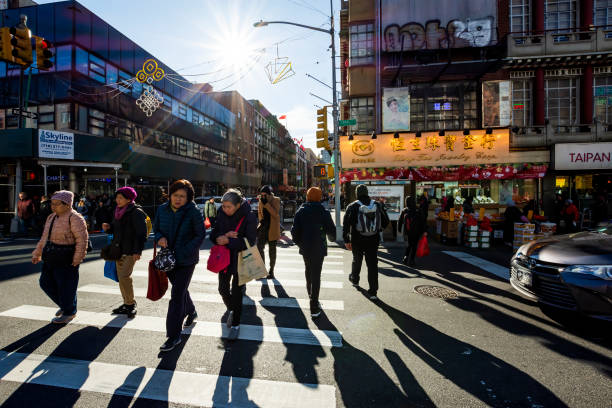
The transcontinental railroad’s completion in 1869 symbolized a remarkable technological achievement but also marked a turning point for Chinese immigrants. Their presence sparked a cultural backlash as they settled in communities like Truckee, California. Fueled by racial prejudice and populist rhetoric, white workers and politicians pushed for their exclusion, culminating in the Chinese Exclusion Act. This act institutionalized xenophobia and created a precedent for racially biased immigration policies.
Today, cultural anxieties continue to shape immigration debates. Concerns about preserving cultural identity and fears of “otherness” fuel resistance to immigrants. Particularly from Latin America, the Middle East, and Asia. Politicians often exploit these fears to rally support, pushing for restrictive measures such as border walls, travel bans, or mass deportations. Such actions not only marginalize immigrant communities but also foster division and xenophobia, hindering social cohesion.
Economic Consequences of Restriction
The long-term economic impacts of the Chinese Exclusion Act highlight the dangers of restrictive immigration policies. By limiting a vital workforce, the law hampered industries reliant on immigrant labor. The exclusion of Chinese workers also set a precedent that discouraged innovation and adaptability in labor markets, contributing to stagnation in certain regions.
Policies that limit immigrant contributions to the workforce have modern parallels. For example, restrictive visa programs and deportations threaten industries like agriculture and technology, which rely heavily on immigrant talent. Moreover, these policies can exacerbate labor shortages, driving up consumer costs and reducing the global competitiveness of U.S. industries. History demonstrates that economic growth thrives on diversity and inclusion, not exclusion.
Lessons from the Past
The Chinese Exclusion Act teaches us that targeting immigrants as scapegoats for economic or social challenges is a shortsighted and counterproductive strategy. Immigration is a cornerstone of American prosperity, fostering innovation, cultural richness, and financial resilience. Policies driven by fear and prejudice, rather than informed analysis, risk repeating the mistakes of the past and should be considered.
Today’s immigration debates echo the populist rhetoric and exclusionary measures of the late 19th century. However, we have the benefit of hindsight to recognize that such policies often create more problems than they solve. To avoid a similar disaster, today’s policymakers must approach immigration with a focus on integration, economic opportunity, and respect for human dignity. By learning from history, we can build a more inclusive and prosperous future, where all individuals feel valued and respected.
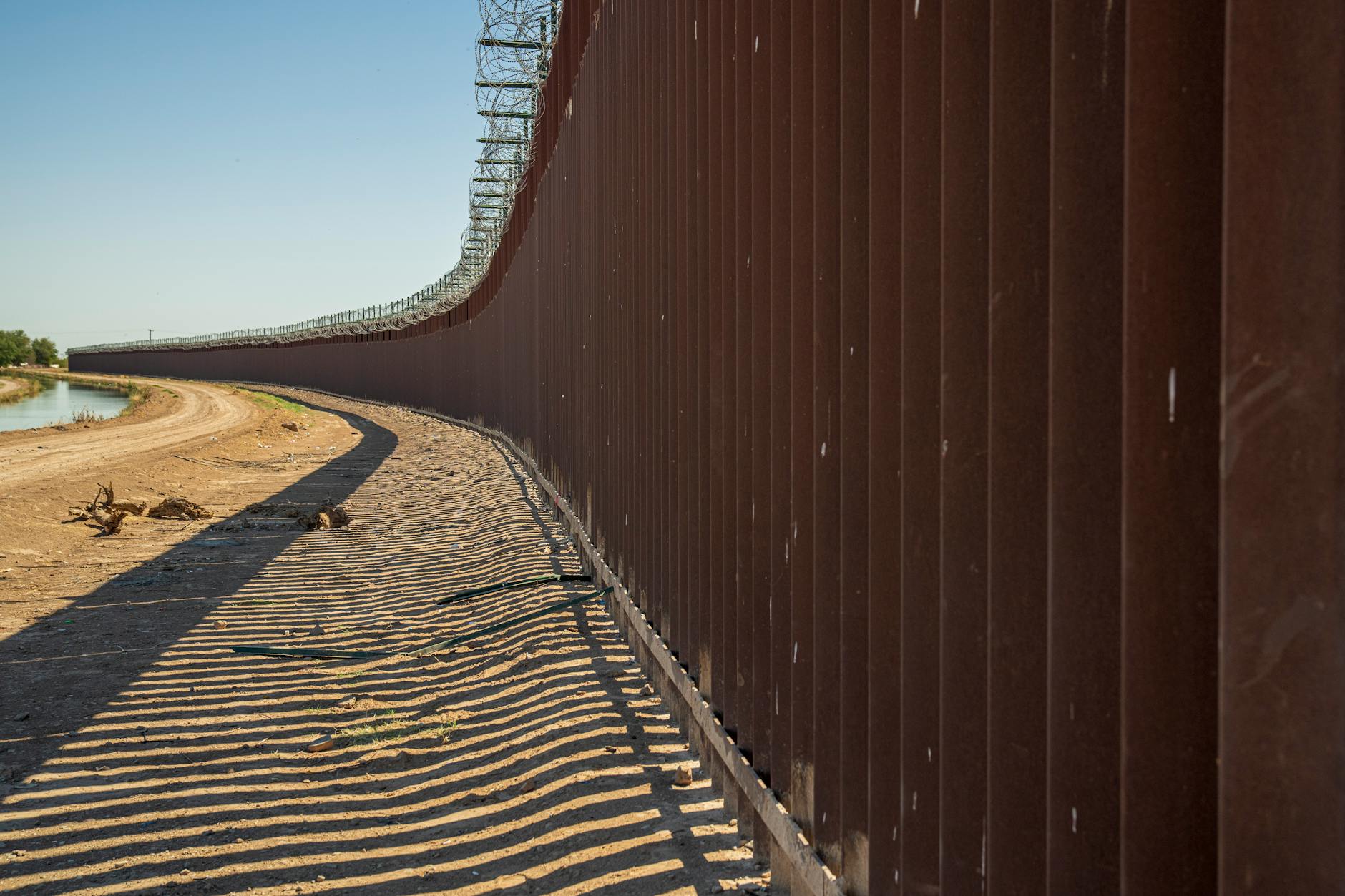
I want to delve into the Border Issue, a topic that often dominates national news and political discussions. As a resident of Mesa, Arizona, and a frequent traveler across the state, I’ve never encountered the dramatic scenes that the media often depicts. There have been no families from Central America camping in my front yard or streams of people crossing into nearby towns. This stark contrast between media portrayals and my personal experiences is a puzzle that I’m eager to explore.
It’s interesting to note that I know individuals who firmly believe in these media portrayals. Some have even ventured to Mexico, confident that the Border Patrol would ensure their safety. Upon their return, I eagerly inquired about their experiences, expecting tales of chaos. To my surprise, they described the areas as eerily quiet—almost like ghost towns. They reported no issues crossing the border and found the most challenging part of the journey to be the drive itself.
Despite these personal accounts, the news continues to show what’s framed as thousands of people crossing the border here in Arizona. While I acknowledge that some may exploit entry points or policies, I struggle to find evidence of this on the ground. It raises questions: where are these images and reports coming from, and are they truly reflective of the situation here?
My dad and grandfather are gone now, but neither would support a liar, cheat, rapist, insurrectionist, dictator, or someone who supports one, or generally speaking, a creep or ‘weirdo.’
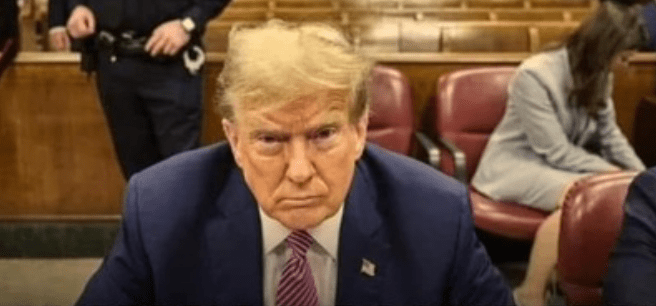
There are other reasons you can look at as well. For instance, a candidate such has a sexual offense judgment against him, and he is under indictment for countless federal crimes; in the last year, one of the candidates was in the air, flying, on their way to being arrested, just as much as he was campaigning at one point.
One or more of those reasons would have been reason enough to consider looking into the person’s background. And three to four, would have been reason enough to reject a person all together. Someone who was strongly running for public office would have been rejected. Now, the GOP considers it a qualification required for all Republican candidates.
The candidates have endorsements from KKK members. They boast about, a presidential politician having endorsements from dictators. They wallow in such markings, and candidates publicly brag about laws they will violate first, if elected. And this makes them the most qualified candidate. Going as far as boasting about becoming a dictator. Going about telling people this is the last election they will have to worry about voting in.
Why? Does that mean the Constitution is going to get ripped apart, shredded, and there will no longer be a United States where the people choose its leaders? It appears it doesn’t matter to the people who are numb and following this character. They appear to have zoned out of reality.
My grandfather, father, uncles, aunts, and even a few dogs and horses I’ve had would not have allowed the goings on to persist. The greatest generation has died chiefly off; fewer of them now than ever are living, which sadly shows in our world. They were the ones who knew what happens when the world that falls to fascism. When reality hits and the world dies. It is beginning as America will turn grey; it will become a black-and-white construct of anything anyone remembers of its being, if these destructionists are permitted to have their way with the country. We only hope enough voters come to the polls and and vote, and save our America!
My dad had a favorite saying: the older I got, the wiser he’d get. And he was right; I wish he were here to help us out of this madness!


























 benandsteve.com
Leave a comment