The Legend of Arizona’s Red Ghost Faris And His Caravan Of Former Calvary

Presented by benandsteve.com By: Benjamin Groff II© Groff Media 2024© Truth Endures IMDbPro

Sailors and an Arab camel herder load
a Bactrian camel aboard the USS Supply
during one of the two expeditions to
procure camels – National Archives

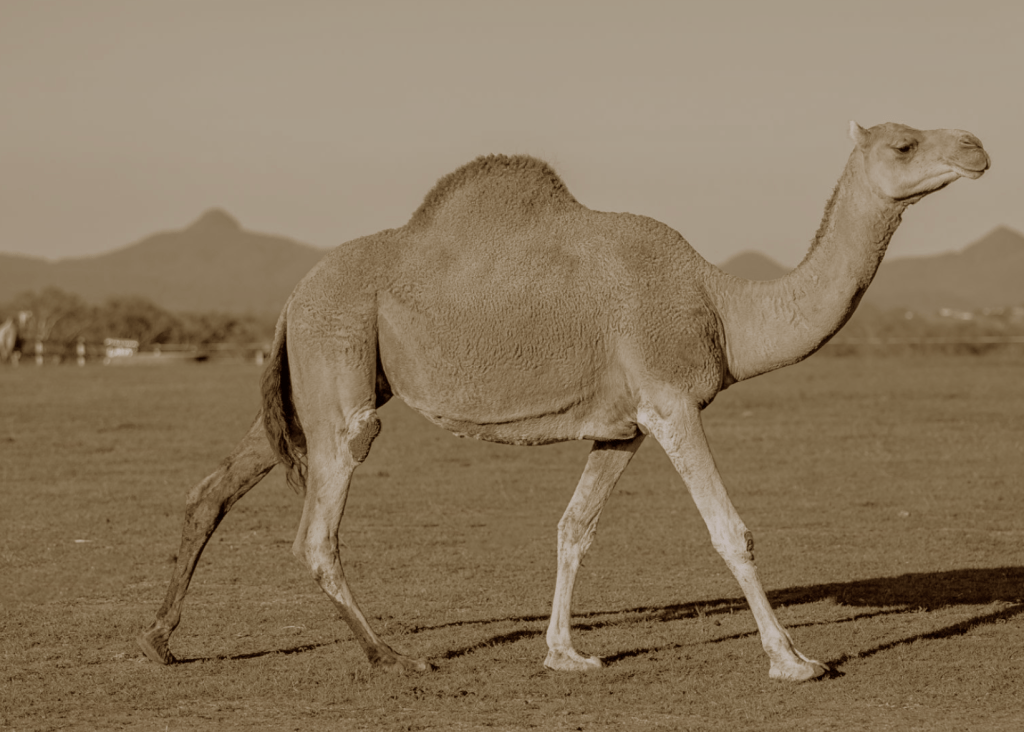
In the sun-scorched deserts of Arizona, the vast emptiness was once filled with the pounding hooves of horses and the steady march of soldiers from the United States Cavalry. But for a brief moment in history, an unlikely companion joined their ranks—the camel. Brought from distant lands, these towering creatures with their humped backs and long legs had intended to be the army’s answer to the challenges of traversing the rugged terrain of the Wild West.

A/I Created Photo

In the mid-1800s, under the guidance of Secretary of War Jefferson Davis, the U.S. government embarked on a truly unique experiment-the ‘Camel Corps’. Camels, renowned for their endurance in desert conditions, were imported to America and tasked with the challenging job of carrying supplies across the barren landscapes where wagons and horses often struggled. The soldiers stationed at the forts in Arizona and New Mexico were initially skeptical. They were baffled by the strange creatures that spit and moaned, their massive feet gliding over the desert sands as if weightless.

Among the camels, one stood out—a massive bull camel named Faris. He had traveled across the seas from the deserts of Egypt, his broad hump towering over his fellow camels. With piercing eyes and a personality as stubborn as the most seasoned cavalrymen, Faris became the pack’s leader, guiding the other camels through endless miles of scorching desert, carrying their loads without complaint.

Library of Congress

But the experiment was short-lived. As the Civil War loomed, funding for the Camel Corps dried up, and the forts in the Arizona desert began to close one by one. With the forts gone and no practical use for the camels, the military made a fateful decision: they turned them loose, setting them free in the vast desert wilderness. The soldiers and settlers who remained watched with mixed emotions as the camels slowly strode off into the horizon, their long necks and humps silhouetted against the setting sun.

Library of Congress

Faris led the herd, now wild, into the vast stretches of land where no human tread. Once tethered and burdened with human supplies, the camels embraced their freedom, roaming the desert, their calls echoing in the canyons and across the mesas.

For years, sightings of the camels became the stuff of legend. Travelers and settlers spoke of giant creatures wandering the wilderness, spooking horses, and disappearing into the dunes as quickly as they were seen. Stories of ‘The Red Ghost’ surfaced, a phantom camel said to be terrorizing ranchers, with strange tracks left in the dust after raids on isolated farms. The mystery deepened with some claiming to see a human skeleton strapped to the back of one rogue camel, but no one knew for sure whether this was fact or fiction.

Library of Congress

Faris, now older but still commanding, led his herd deeper into the desert as the years passed. The camels, with no soldiers to guide them, learned to live off the sparse vegetation, adapting as always. They became masters of the land, surviving where few others could, a testament to their remarkable adaptability.

Generations of Arizonans grew up hearing tales of the camels. Old ranchers would sit by the fire, recounting when they saw a lone camel watching them from the top of a ridge, its eyes gleaming in the moonlight before they vanished into the desert night. Cowboys whispered of Faris, the great camel leader, still roaming the wild, the last of a forgotten army, king of the untamed desert.

So, the camels of the Wild West became more than just a footnote in history—they became legends, ghosts of a time when even the most foreign creatures found a place in the rugged and unforgiving land of the Arizona desert.

A released camel or a descendent of one is believed to have inspired the Arizonan legend of the Red Ghost.

One of the few camel drivers whose name survives was Hi Jolly. He lived out his life in the United States. After his death in 1902, he was buried in Quartzsite, Arizona. His grave is marked by a pyramid-shaped monument topped with a metal profile of a camel.

MAGA Is Not The First To Attempt And Bring Down America. A Populist Movement Nearly Destroyed American Democracy Over 110 Years Ago

Presented by benandsteve.com By: Benjamin Groff II© Groff Media 2024© Truth Endures IMDbPro

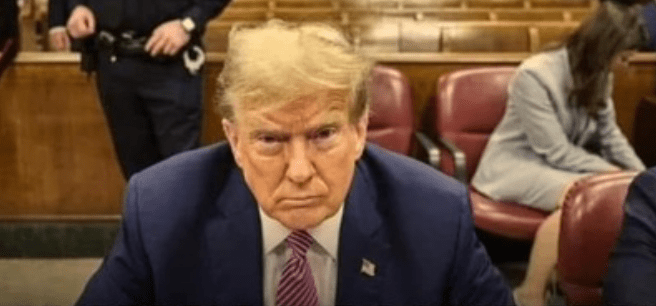
Over a century ago, the United States grappled with a political movement that bears striking similarities to today’s MAGA (Make America Great Again) movement, a populist uprising spearheaded by former President Donald Trump. Like MAGA, this earlier movement thrived on populist discontent, nativist sentiments, and a rejection of the established order. If not kept in check, it could have reshaped American democracy in ways that might have undermined its democratic institutions, a peril we must remain vigilant against.

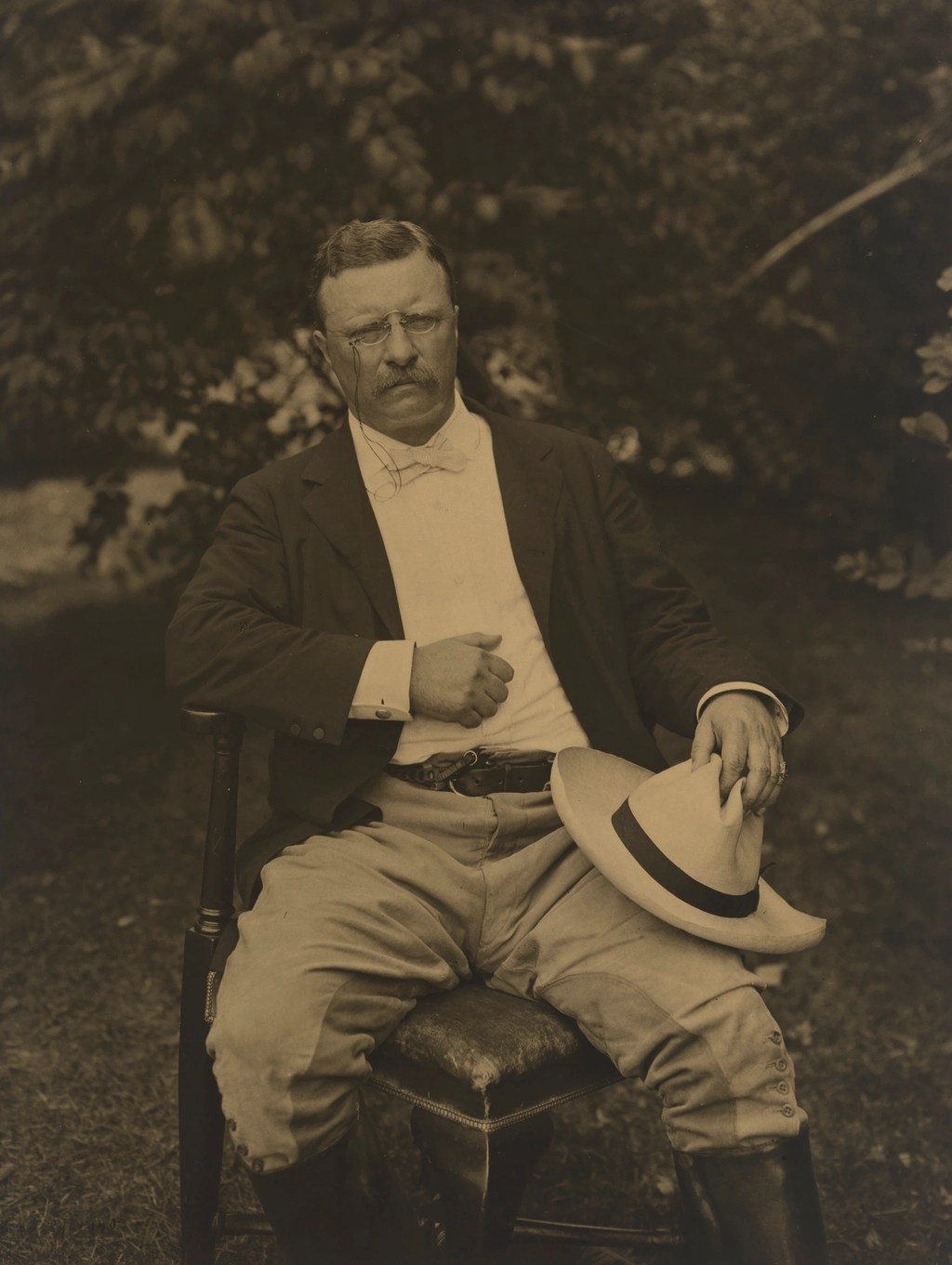
One of the most significant instances of this was during Theodore Roosevelt’s presidency, a man with intricate political loyalties. In 1912, Roosevelt’s Bull Moose Party brought populist elements into the political mainstream, appealing to working-class voters who felt marginalized by the two major parties. While Roosevelt was not anti-democratic, his charismatic leadership style and his ability to rally crowds around a strongman image set a precedent for future political movements that would seek to undermine democratic norms.

Simultaneously, the rise of the “America First” movement and the Ku Klux Klan spanning the 1920s showed how easily populist rhetoric could veer into exclusionary nationalism and nativism. The Klan’s widespread influence reached local, state, and federal government levels, promoting an agenda that sought to disenfranchise non-white citizens, immigrants, and anyone considered “un-American.” This movement found an audience among rural and working-class Americans who felt left behind by the rapid industrialization and modernization of the country.

At the heart of these movements was a profound distrust of the government, elites, and institutions—just like the anti-establishment fervor that fueled the rise of MAGA. These movements aimed to “restore” a vision of America rooted in racial and social hierarchies, often using violent rhetoric and intimidation to achieve their goals. Had these populist forces gained more traction, they could have severely damaged the democratic foundation of the country, ushering in a more authoritarian regime.

It took concerted efforts from both citizens and political leaders to resist these dangerous movements and restore democratic norms. In some ways, the lessons from over a century ago echo loudly today: unchecked populism, especially when it flirts with nativism and authoritarianism, can bring democracy to the brink of collapse. However, this history also reminds us of our power to shape the future of our democracy, offering hope and inspiration for positive change.

Today, as MAGA remains a force in American politics, it is crucial to remember that the battle to preserve democracy requires vigilance. While populism can express legitimate grievances of people who feel left behind, it must not be allowed to erode the very institutions that allow democracy to function. History teaches us that democracy’s survival depends on our collective ability to balance popular anger with reasoned leadership and respect for the rule of law. We all have a role to play in this ongoing struggle, and it is our vigilance that will keep democracy alive.

You can also find a more information concerning this subject at Salon.com click here.

The Impact of Leadership on American Democracy

Presented by benandsteve.com By: Benjamin Groff II© Groff Media 2024© Truth Endures IMDbPro

As we approach the upcoming elections, it’s crucial to remember that Americans are empowered to shape the nation’s trajectory every four years through their votes. When exercised responsibly and carefully reflecting on our past and present, this powerful right allows us to make decisions that align with our shared values and hopes for the future. Informed voting is not just a privilege—it’s a responsibility that enables us to build a future reflective of our ideals.

It’s sometimes helpful to step back and gain perspective to understand the present. Our current situation may seem overwhelming, but history often shows us that our challenges are more complex than we remember. Reflecting on past leadership and decisions not only reassures us but also guides us toward a more thoughtful approach to what lies ahead, providing a sense of reassurance and guidance.

Under the Trump administration, America experienced a turbulent period domestically and internationally. Families traveling abroad faced significant challenges, particularly when trying to return to the U.S. Students awaiting critical funding for their education found themselves in bureaucratic limbo. The economy saw dramatic fluctuations, with the stock market swinging between highs and lows and housing prices manipulated to benefit the wealthy. Trump’s philosophy favored personal gain over the nation’s welfare, leaving many Americans to navigate an unstable economy.

Trump’s handling of the COVID-19 pandemic was a defining moment of his presidency, marked by widespread criticism. His dismissive attitude toward the virus allowed it to sweep across the country unchecked, leading to hundreds of thousands of preventable deaths. He offered unscientific remedies, such as suggesting the use of disinfectants and promoting unproven drugs, and downplayed the severity of the crisis, causing further confusion and panic. His response to local disasters, for instance, his visit to Puerto Rico, where he threw paper towels into the crowd, reflected a troubling lack of empathy and leadership.

Moreover, during his presidency, Trump distanced himself from the traditions of decency and respect that past leaders upheld. He neglected to offer condolences to families of prominent Americans who passed, such as Barbara and George Bush, choosing instead to focus on personal leisure like golfing. Trump’s lack of emotional support marked a stark departure from the dignified conduct expected of a sitting president.

Domestically, Trump’s immigration policies, which included strict border controls and deportation of undocumented immigrants, led to labor shortages, particularly in the service industry, where businesses struggled to find staff. His administration’s aggressive stance on immigration had unintended consequences, with many sectors unable to recover after being stripped of their workforce.

On the international stage, Trump’s cozy relationships with authoritarian leaders in North Korea and Russia raised alarms about national security. His handling of classified information, especially the top-secret documents stored at Mar-a-Lago, left Americans wondering what was compromised and who had access to it.

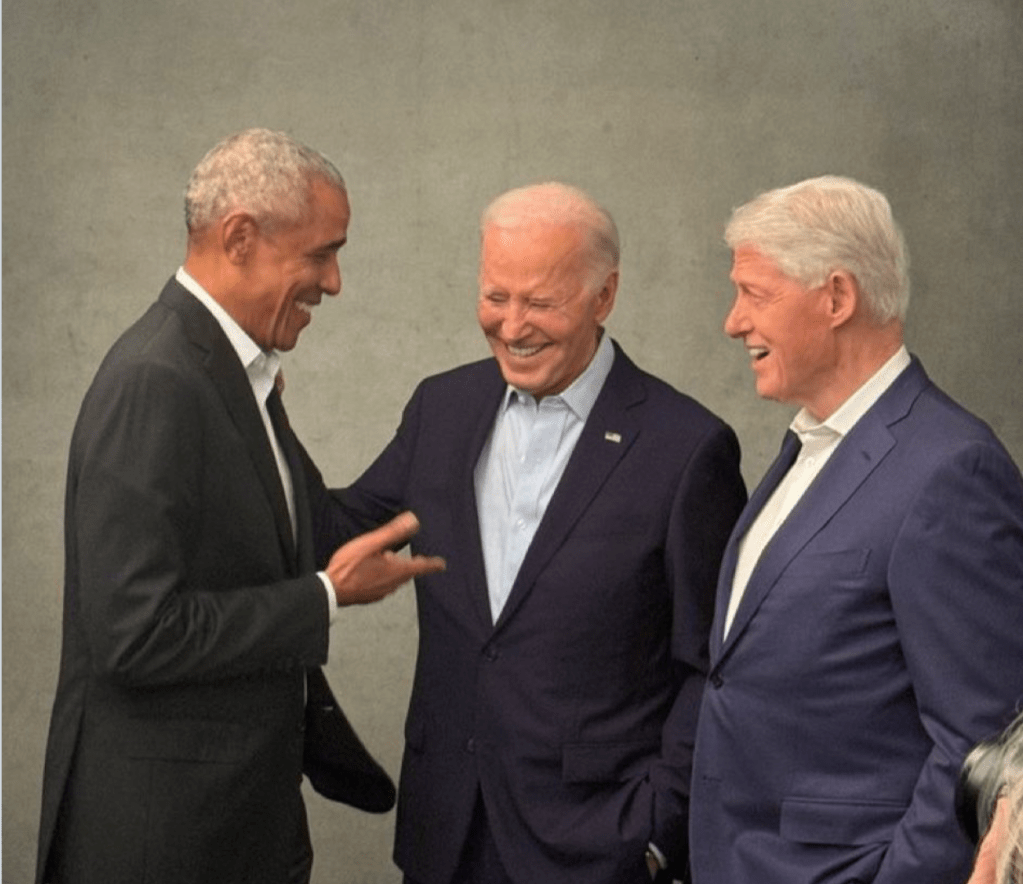
By contrast, the Biden administration has worked tirelessly to restore stability and dignity to the president’s office. Under Biden’s leadership, the economy has rebounded, and significant investments have been made in infrastructure, including road repairs, bridge replacements, and expanded internet access. His administration, though not without flaws, has prioritized the well-being of the American people, bringing a sense of civility and optimism back to the White House, highlighting the profound impact of leadership on democracy.

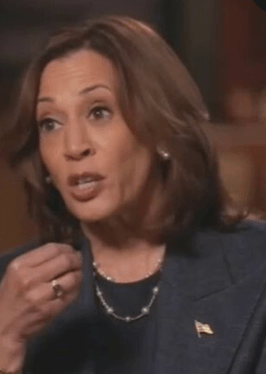
While sometimes criticized for being cautious, Biden’s approach to governance is rooted in diplomacy and careful planning. He brought America back to a position of respect globally, fostering relationships with allies and upholding democratic values. As Vice President, Kamala Harris has quietly supported these efforts, often working behind the scenes but prepared to step into leadership if needed.

While no administration is perfect, it’s essential to recognize the progress made under Biden, especially compared to the chaos that marked Trump’s time in office. Biden inherited a nation with a 12% unemployment rate and shuttered businesses. Yet, within a year, he and Harris turned things around, rebuilding a country on the brink of collapse.

As we move forward, it’s critical to remember where we came from and who has been steering

Take A Ride With Kamala on Air Force 1 – Ridin’ With Biden! Click on Image above!

What Happens When the Country is Closed for Average Americans?

A Report By: Benjamin Groff© Groff Media 2024© Truth Endures

A Shift in the Landscape of Freedom

Amid political upheaval, the everyday American—who works a regular job, pays taxes, and seeks a life of routine and stability—may question their future in an increasingly polarized society. As extreme political movements push for agendas that center around ideas of “Project 25” or the return of Trump, advocating for a strict interpretation of Christianity, suppression of women’s rights, and an aggressive nationalistic framework, the real impact may be felt most by the “regular Joe”—the one who wants to live a quiet, predictable life.

For the average person, life may close in on them in such a scenario. The country may become unrecognizable, not in a dystopian fantasy, but in subtle, pervasive ways. It might start with the suppression of individual freedoms—targeting what people can say, wear, or how they worship. Religious dogma could permeate public life, not as a choice but as a mandate, affecting schools, workplaces, and government institutions. The Bible in every building might become symbolic and a requirement, with legal frameworks promoting a particular religious view while leaving others on the margins.

Erosion of Women’s Rights

Regular Americans might witness fundamental changes in the status of women while going about their daily lives. With growing pressure from ultra-conservative elements, efforts to curtail women’s autonomy could accelerate. The reversal of women’s rights, particularly reproductive rights, is already in motion. In this new political order, women might have even fewer choices about their bodies, careers, and participation in public life. For many, this will mark a turning point when personal freedom can no longer be taken for granted.

The Fear of the Unknown

Fear might become customary for those not part of this hard-right movement. The “regular Joe” will likely feel caught between competing narratives. On one side, there is the quiet desperation of wanting to hold on to their everyday life, and on the other, the nagging sense that the world is changing in ways that might soon render them powerless. Whether one is bisexual, straight, or simply someone with no interest in pushing their identity into the political arena, they might start feeling stalked by the system—monitored, judged, and left wondering if their way of life is still valid.

A New “American Dream?”

In this environment, the American Dream could become narrow. No longer about opportunity for all, it may become a dream only accessible to those who fit the suitable mold—racially, religiously, and socially. If one does not align with the ideals of whiteness or conservative sexuality, they could find themselves increasingly ostracized, with opportunities drying up. The path to success might depend less on hard work and more on conformity to ideals driven by far-right ideologues.

The reality could become darker for the person who comes home daily, pats their dog on the head, and watches the news. The content of that evening television might change, with media outlets pushing extreme viewpoints or censorship becoming the norm. Growing anxieties about what tomorrow holds could interrupt quiet moments of relaxation.

Where Do They Go?

If the country starts closing itself to all but those who align with this rigid agenda, the regular Joe may ask, “Where do I go?” It is hard to imagine a physical place for escape in a country that feels increasingly closed off to dissent. For many, the answer might not be in leaving the country but in finding a way to resist quietly—by forming communities with others who feel left behind, advocating for empathy and open-mindedness, and holding on to the idea that the heart of America lies not in exclusion but inclusion.

The danger is not just in the policies themselves but in the erosion of what makes America a place where people of all walks of life can live freely, with differences embraced rather than punished. When that idea is under attack, the question of “Where will you go?” takes on a much deeper meaning because the honest answer is about preserving a sense of home, not just for oneself but for everyone.

In this potential future, where does the regular Joe go? Perhaps they remain right where they are, standing in quiet defiance, continuing to pay their taxes, pat their dog, and live with the hope that balance will one day return to a nation at risk of losing itself.

The Intestate Legacy of John Ellis, Esq.

A Glimpsing Report By: Benjamin Groff© Groff Media 2024© Truth Endures

The name John Ellis, Esq. still echoes in the rolling hills and creeks of Deep River, North Carolina. To those who knew him, he was a stern yet fair Justice of the Peace, ruling his township with a measured hand, holding court in his modest home, and settling disputes with the wisdom of a man who had seen both war and peace. However, there was one mystery about John Ellis that no one could quite explain. For all his legal prowess and the order he brought to his community, John Ellis died without leaving a will—a fact unsettled his descendants for years to come and continues to intrigue history enthusiasts and those interested in legal history.

The year was 1812, and a biting winter frost clung to the edges of the Ellis estate, an imposing tract of land the Earl of Granville granted to John fifty years earlier. John’s death cast a long shadow on the west side of Deep River, where his 520 acres stretch over the rugged terrain. His wife, Mary Quinn Ellis, now widowed and frail, remained in their home in Fort Mill, York County, South Carolina, surrounded by memories of their eleven children and the life they had built together. John’spassing was not unexpected—he was 83—but the silence he left behind was.

It wasn’t just his absence that haunted those around him. It was the absence of something else—his final words, his will. John had settled countless estates during his time as Justice of the Peace, ensuring families were provided for, debts were settled, and the land was distributed correctly. And yet, he left no such document for his own family. Eighteen years would pass before his estate got probated in 1831, long after his burial in the family cemetery at Jumping Branch Creek. The delay gnawed at the Ellis children, especially William Quinn, the eldest son, who should have inherited the bulk of the estate. But the land was silent, locked in bureaucratic limbo.

In the years following John’s death, whispers swelled through the small towns of North Carolina and South Carolina, where his family had deep roots. The family cemetery where John and Mary would get buried became a place of whispered tales. Some said that John had left instructions hidden somewhere on his land—perhaps in a letter or beneath a cornerstone in his house. His children, it was said, spent months after his death combing through every inch of the property but found nothing. These rumors and folklore added a layer of fascination to the mystery of John Ellis’s intestate legacy.

The most curious rumor concerned the woods that bordered the Ellis estate. Hunters and travelers passing through Rowan and Tryon Counties spoke of a strange figure—an older man who resembled John Ellis, seen walking among the trees, sometimes at dusk, sometimes at dawn. This figure, they claimed, seemed to be searching for something, bending low to inspect the ground or pausing by the river as if lost in thought. Others said the older man appeared near the family cemetery, wandering among the graves silently.

By 1831, when the estate was finally resolved and divided among the children, most of these tales had faded into local folklore. But there was one final piece of the story that remained unexplained. One autumn afternoon, shortly after the estate gets settled, a group of workers clearing trees from the property stumbled upon a small, hidden clearing by the river. There, beneath a heavy stone, they found a weathered leather-bound book half-buried in the soil. This discovery added a new chapter to the mystery of John Ellis’s intestate legacy, sparking curiosity and speculation.

“To those who come after, let the land be their guide. All answers will be revealed in the river’s flow and the earth’s turning. I leave my legacy to the water, where I once made peace.”

No one knew what John had meant, but the discovery only deepened the mystery surrounding his death. Had John left his will in the elements, knowing it would be lost to time? Or had he chosen, in his final years, to let go of the very legal structures he had spent his life upholding?

The land remained, of course, just as the family stayed. However, the legend of John Ellis, Esq. grew with each passing year. And those who ventured near Deep River, when the mist was thick and the air still, would sometimes swear they heard a voice, carried on the wind, speaking words too faint to be understood.

Perhaps, they said, John Ellis had finally found his will—hidden somewhere between the river and the earth, waiting for those brave enough to listen.
 

The End.

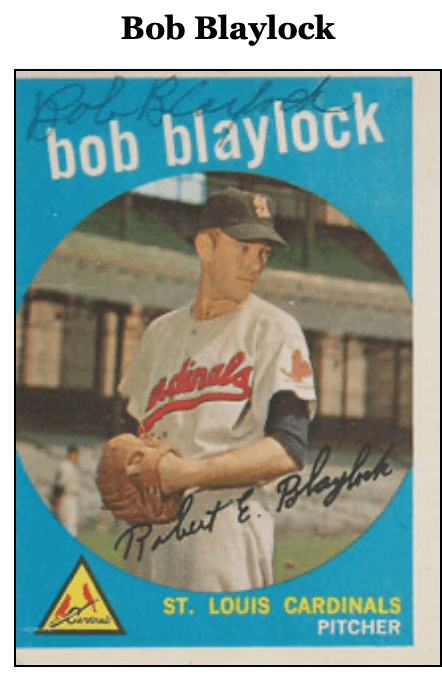
Baseball’s Robert Edward “Bob” Blaylock Has Died. And Few Noticed.

By: Benjamin Groff© Groff Media 2024© Truth Endures

Robert Blaylock Obituary

Obituary published on Legacy.com by Green Hill Funeral Home of Owasso on Sep. 4, 2024.

Obituary of Robert Edward Blaylock
Robert Edward Blaylock, Husband, Father, Grandfather & Great Grandfather went to be with Jesus on September 1st, 2024, at the age of 89. He was born on June 28th, 1935, in Chattanooga, OK to Cecil and Fannie Blaylock.
Bob was a 1953 graduate of Muldrow High School where he excelled in baseball and basketball. After graduation he signed to play baseball with the St. Louis Cardinals organization. Bob’s love for baseball continued throughout his whole life, he was a great coach on and off the field. He was also inducted into the University of Arkansas – Ft. Smith for his basketball achievements in 2012 and he was the 1st Hall of Fame inductee at Muldrow High School in 2014.
He married Barbara Thompson on Oct 3, 1956. They had 3 children, Robyn, Russ and Terri. After his baseball career he raised his family in Tulsa, OK where he Managed the Saratoga Hotel and owned the Saratoga Restaurant until his retirement in 1997. After his retirement he bought a farm in Talala, OK where he raised racehorses and cattle. Bob loved animals of all kinds, he had pot belly pigs, cats, dogs and numerous Martin houses that he monitored hourly with his shotgun to keep the starlings away!
Bob’s Celebration of Life will be at 11:00 AM Friday, September 6th, 2024 at First Baptist Church, Owasso, OK. The visitation will be at Greenhill Funeral Home Thursday, September 5th, 2024, from 5:00 – 7:00 PM.
He was preceded in death by his wife Barbara, Parents Cecil & Fannie Blaylock, Brother & Sister-in-Law Harold & Wanda Blaylock and one infant sister Glenna Fay Blaylock.
He is survived by his sister and brother-in-law, Lois & OC Flanagan.
He is a Proud Papa of 9 Grandchildren and 10 Great Grandchildren who will always love and cherish the memories they have with him.
Pallbearers are his Grandsons John Einhellig, Tyler Lambert, Justin & Josh Beal and Luke & Jake Blaylock.
To send flowers to the family or plant a tree in memory of Robert Blaylock, please visit Tribute Store

EDITORS NOTE: Bob Blaylock’s talent on the mound caught the eye of the St. Louis Cardinals organization, with whom he would spend his entire ten-year professional career.
Bob made his MLB debut on July 22, 1956, pitching for the Cardinals against the Brooklyn Dodgers. Despite a promising start, his time in the majors was marked by challenges, including an injury in his youth that left him with only three fingers on his non-pitching hand. Yet, he was a hard thrower who led the American Association in strikeouts in 1958, a testament to his resilience and determination that should inspire us all.
Over two MLB seasons, in 1956 and 1959, Bob pitched in 17 games, striking out 42 batters. Though his major league career was brief, his impact was felt deeply by those who knew him. He was also part of a unique trio of unrelated Blaylocks who played in the National League during the 1950s, sharing the field with names like Marv and Gary Blaylock.

An Old Truck For The Twins – A Promise From The Farm

A Story By: Benjamin Groff© Groff Media 2024© Truth Endures

Jessie and Frank, twin brothers, were not just ordinary farm boys. They were the backbone of their father’s farm, taking on the most challenging tasks that even grown men often avoided. They hauled hay, built fences, chopped wood, and tended to the livestock. Their relentless dedication and resilience inspired all who knew them. As they reached high school, they dreamt of a future beyond the farm, envisioning themselves attending an out-of-state university on agriculture scholarships.

At 17, the twins were nearly indistinguishable in appearance, voice, and mannerisms. Their mother, Ann, often found herself confused by their playful antics, while their father, James, could always tell them apart with a steely blue-eyed gaze that seemed to pierce straight through to their souls.

The boys had always known that their father had set a challenge for them: the one who excelled in school, worked hardest on the farm, stayed out of trouble by the time they turned 18, and would inherit their grandfather’s old truck. This truck, a symbol of their grandfather’s dedication to the farm, had been kept out of sight, locked away in a shed the boys were forbidden to enter. James had made it clear that if they ever crossed that line, the promise of the truck would vanish.

The truck was not extravagant, just an old farm pickup—a 1972 Chevrolet Cheyenne. Yet, in its prime, it was the epitome of rugged style, loaded with air conditioning, an AM radio, tilt steering, and optional cruise control. The dimmer switch was a silver push knob, and the wipers had three speeds: delay, slow, and fast. Its 350-horsepower engine with a four-barrel carburetor and dual exhaust pipes made it rumble in a way that the twins found irresistibly cool.

The story goes that their grandfather bought a brand-new truck when the twins were still in grade school. Disappointed, he told James to lock it away for one of the boys and returned to his old Cheyenne, never repurchasing another vehicle. He swore that nothing could replace the reliability and charm of that old truck.

As graduation approached, Jessie and Frank received their final transcripts and were thrilled to learn they both got accepted to their dream college. They had met all of James and Ann’s conditions, and the day of reckoning arrived on a Sunday before Memorial Day. The family gathered for a noon meal when Frank, unable to contain his excitement, suggested they finally see who would inherit the shed’s contents. Little did they know, the surprise of a lifetime was waiting for them.

James, with a knowing smile, opened both transcripts. –––

“Boys, you’ve always given your best on the farm and never brought shame to our family. But as you grow older, you’ll realize that in an instant, you can destroy everything your name stands for. You must protect it with everything you have by always being your best. Now, about these school results…”

Jessie and Frank exchanged curious glances. They knew they had done well in school, but their father’s words left them on edge. As James continued, his grin widened, and he looked at Ann and their grandfather. –––

“Damn it, I told both of you this would happen. I knew it!”

Ann, perplexed, interrupted. –––

“What are you talking about, James? You knew what?”

James continued with his monologue –––

“Ten years ago, when we locked that shed, I told you this would end in a tie. Those boys are identical in everything they do, even when they take different courses. And sure enough, they tied on their transcripts!”

Their grandfather chuckled. –––

“Well, it’s good I had another shed at my place, too. I knew they’d tie, and what was in that one shed wouldn’t be enough for both of them.

Jessie and Frank, quietly processing the unfolding events, began to understand the lesson their family had taught them all these years—hard work, equality, and family values.

James asked, –––

“Ann, did you know Pop had another shed down at his place?”

Ann shook her head, still in disbelief. –––

“No one told me a thing! You’d think someone would, but no—never a single word.”

James, towering over the dining table, spread his arms wide and declared, –––

“Let’s put an end to this and see what’s in the shed.”

Their grandfather suggested waiting until morning, but James insisted –––

“No, Pop. Let’s show the boys what’s in my shed. It may not be what they’re expecting, but it is what it is.”

The twins were baffled, unsure of what to expect. At the shed, James paused before unlocking the door and turning to Ann. –––

“What if they aren’t pleased? We’ve only fed, schooled, clothed, and sheltered them for 18 years. What if they don’t like what’s inside?”

Jessie, ever the joker, quipped, –––

“Well, only one of us will be disappointed, so you’ve got that going for you.”

As the shed door creaked open, lights flickered on inside, and their grandfather exclaimed, –––

“Hey! You’ve brought the stuff from my shed down here! How’d you do that?”

Inside were the old truck and two brand-new pickups—precisely like the ones Jessie and Frank had admired recently at a local dealership. The old truck, as promised, would go to both boys on one condition: they had to promise to keep farming the land when they returned from college.


True to their word, Jessie and Frank returned after college, not just as graduates, but as committed farmers. They continued the legacy of their family, working the land with the same dedication and resilience they had shown in their youth. They went into business together, selling signature meats and grains. The old truck became the symbol of their brand, preserved in pristine condition in a showroom at their farm headquarters. With under thirty miles on the odometer, it remains as good as new, touched only by the twins. Anyone else wanting that privilege must work on their farm for over ten years without complaint, earn top grades, and uphold the family’s good name.

The First Man To Buy A Car In Town – The Model T Pioneer of Binger, Oklahoma

A Story by Benjamin Groff©II – Groff Media2024© Truth Endures

He was the first to buy a Model T in a town east of his farm. I am referring to Benjamin Groff I. The guy everyone called “Pop” was my grandfather. He was not a flashy guy. He wasn’t wealthy. He was a farmer on the lower plains who had survived the Dust Bowl and made a living on the scant meager crops that grew in the 1930s; he battled through the shortages of provisions to provide for his family from 1911 to when his wife died in 1975.

Sometime before 1920, he rode a draft (draught) horse to a small town where a horse trader had just opened a Ford dealership. His mission was not to get a car. It was to sell his horse, get items for the farm, and maybe a pony in trade.

My grandfather was a talker just as quick in his elder years. He must have been a whiz when he was young. He could quietly engage you in a conversation and have you change your view on a subject without knowing how or when you did. And he was good at it. He must have done some slick horse trading because he left the Ford dealership with a New Model T, $100, and an unrestricted driver’s lesson.

He was the first to buy a Model-T in Binger, Oklahoma, and drive to a farm West of Eakly, Oklahoma, in Caddo County. His wife, Florence, who everyone affectionately referred to as “Mom,” stepped out of their kitchen door and pouted out,

“Oh Lord, what have you done now, Pop?”

Replying proudly, Pop said –––

“Ma Ma Mom, I went and traded that dead head for us a motorized buggy and a way to get around where we will be warm and dry!”

News of Pop’s new car spread like wildfire in the countryside. Their kids had already dashed out of the house and clambered into the vehicle. The oldest had sprinted down the road to the neighbors, proudly announcing their newfound ‘riches ‘. As the news rippled from home to home, a sense of shared excitement and anticipation filled the air. Everyone wanted Pop to accompany them for horse trading, to help them secure a car. It was the start of a bustling Spring, filled with shared goals and a united sense of purpose.

The request for bartering went on for months, and finally, Pop had to stop people coming over and say look, I have to get my crops in for the summer; if you want to help me plow my fields and get my livestock ready for sales I will be glad to catch your bartering, but I am so far behind I won’t be able to feed my family. So when do you want to come over? The calls stopped except for one.

A lady named Loranne had six children and was single. The oldest child was a boy about 15, then a girl about 13, another boy about 10, a boy about 8, a boy about 6, and a baby girl about 2. Her husband had died in a farming accident two years ago. She lived alone with them and had no means of support except for the work she took in from neighbors, such as ironing, washing, helping with food, watching children for families, etc.

Loranne said –––

“If you can help me get a car, I will plant your fields and care for your animals. You won’t have to do anything.”

Pop said to her –––

“You won’t do no such thing; your two oldest boys and mine and I will get the crops and livestock taken care of; you can help Mom around the house and do whatever you need for your home. You take care of your children!”

Loranne was grateful for the opportunity and agreed to begin working bright and early the following day.
Pop’s farm, once a quiet expanse of land, now buzzed with life and activity. Loranne’s boys, alongside Pop’s children, worked tirelessly in the fields. Their laughter and shared experiences brought a renewed sense of hope and camaraderie to the farm. Under Pop’s wise guidance, the boys learned the intricacies of farming, infusing the farm with fresh energy and determination. The farm had transformed into a vibrant community hub, a testament to the power of collaboration and shared goals.

Mom and Loranne quickly formed a close bond. While the boys were out in the fields, the women would work together in the house, preparing meals, mending clothes, and sharing stories. Mom’s gentle nature complemented Loranne’s resilience; together, they created a warm and welcoming home for all the children.

Days turned into weeks, and the farm began to flourish. Pop and the boys plowed the fields and planted the crops, and the livestock was well cared for. The hard work and cooperation paid off, and the farm soon thrived once again. Pop kept his promise to help Loranne get a car. After a successful summer harvest, he took her to the Ford dealership, and with his keen negotiating skills, he secured a reliable Model T for her and her children.

The day Loranne drove her new car back to her home was a moment of triumph for everyone involved. The children cheered and joy filled Loranne’s eyes as she thanked Pop and Mom for their generosity and support.

Pop smiled and said, ––––
“We’re all in this together, Loranne. That’s what neighbors are for.”

As the years passed, the bond between the two families grew stronger. The children grew up, and the farm continued to prosper. Pop’s act of kindness had a lasting impact, changing the lives of Loranne and her children. It also brought the community closer together. His legacy of compassion, hard work, and generosity lived on through the stories passed down by those who knew him, a beacon of hope and inspiration for future generations.

And so, the tale of Pop, the first man in town to buy a Model T, became more than just a story about a car. It was a testament to the power of community, the strength of the human spirit, and the enduring impact of one man’s kindness.

Solemn Reflections: Memorial Day and the Spirit of Sacrifice

As the sun rose over the small town of Oakwood, its warm rays illuminated the rows of white headstones in the Oakwood Cemetery. The city, steeped in a rich history of honoring fallen soldiers, had always observed Memorial Day with solemn pride. This day, originally known as Decoration Day, was established after the Civil War to commemorate the Union and Confederate soldiers who died in the war. It has since evolved to honor all Americans who have died in military service.

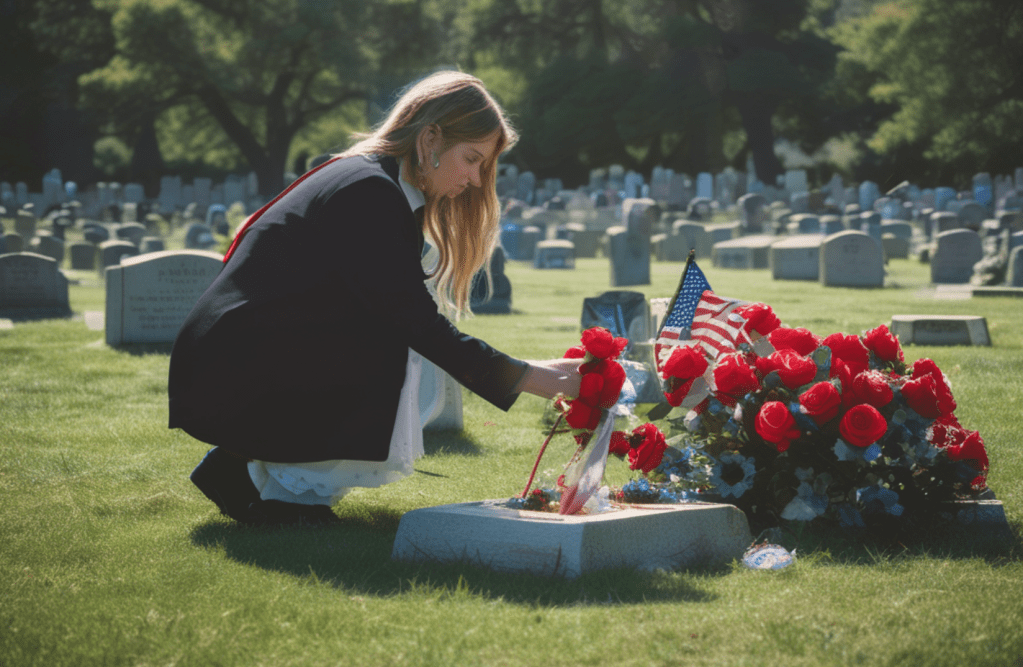
Sarah Thompson stood at the cemetery’s gate, holding a bouquet of red, white, and blue flowers. She was in her late thirties, her eyes reflecting sorrow and strength. Visiting the cemetery was her yearly ritual—a pilgrimage to visit the grave of her brother, Daniel, who had died in Afghanistan a decade ago.

As Sarah walked along the gravel path, she remembered the day they received the news. It had been a bright summer afternoon, much like today. Daniel had always been a source of light and joy in their family, with his infectious laughter and boundless energy. The knock on the door that day had shattered their world.

Sarah reached Daniel’s grave and knelt, gently placing the flowers in front of the headstone. She traced her fingers over his name etched in the cold stone and whispered a prayer. Memories flooded back—playing tag in the backyard, late-night talks about their dreams, and the tearful goodbye when he left for his final deployment.

The cemetery, a place of collective grief and remembrance, began to fill with others who had come to pay their respects. Families, friends, and fellow veterans moved among the graves, their shared sorrow palpable in the air. Some walked in silence, their thoughts a private tribute, while others shared stories, their voices a collective echo of the lives lost.

A familiar voice broke Sarah’s reverie. “Hey, Sarah.”

She turned to see Tom, one of Daniel’s best friends from high school, standing nearby. He held a small American flag, which he placed at the base of the headstone. Tom had served alongside Daniel and had been with him during his last moments.

“It’s good to see you, Tom,” Sarah said, her voice soft.

Tom nodded, his eyes filled with shared grief. “I come here every year. Feels like the least I can do.”

They stood in silence for a moment, their hearts heavy with the weight of their loss. Each lost in their thoughts, memories of Daniel flooding their minds. Then Tom began to speak, his voice steady but emotional, his words a testament to the bravery and selflessness of their fallen friend. ‘Daniel was the bravest person I knew,’ he said, his voice breaking with emotion. ‘He always put others before himself. Even in the end, he worried more about us than his safety.’

Sarah smiled through her tears. “That sounds like him.”

The morning wore on, and more people arrived, each carrying their own memories and gratitude. A group of children from the local school, accompanied by their teachers, placed flags on the graves of all the fallen soldiers, a symbol of their respect and understanding of the sacrifices made. The town’s mayor gave a short speech, his words echoing with the collective gratitude and remembrance of the community. A local choir sang ‘America the Beautiful,’ their voices a poignant reminder of the unity and strength that comes from shared values. The collective remembrance was a powerful testament to the sacrifices made by so many.

As the ceremony ended, Sarah and Tom lingered by Daniel’s grave a little longer. They shared stories, laughed, and cried, finding comfort in each other’s company.

“Thank you for being here,” Sarah said as they prepared to leave.

“Always,” Tom replied. “He was my brother, too.”

They returned to the cemetery gate together, the sun now high in the sky. As Sarah looked back one last time at the sea of white headstones, she felt a sense of peace. Memorial Day was not just about remembering the fallen; it was about celebrating their lives and the values they stood for.

Driving home, Sarah contemplated the significance of this day and how she would pass on its importance to her children. She understood that as long as they remembered, Daniel’s spirit would continue to live on. Every Memorial Day, she would return to this hallowed ground, ensuring that the memory of her brother and all those who had made the ultimate sacrifice for their country would never fade.

In checking references part of this story may include referencese similar to others found on the internet. The simularities are incidential and are not included intentional. You can find more these simularities RE: New York. Memorial Day. Monument. Dead Soldier. Wheelchair. Handicapped Boy. | Didier Ruef | Photography. https://www.didierruef.com/gallery-image/Aura/G0000Is39GN2Av9w/I0000aHlCvWVZLNc/C0000EU0LcXmMzWo/