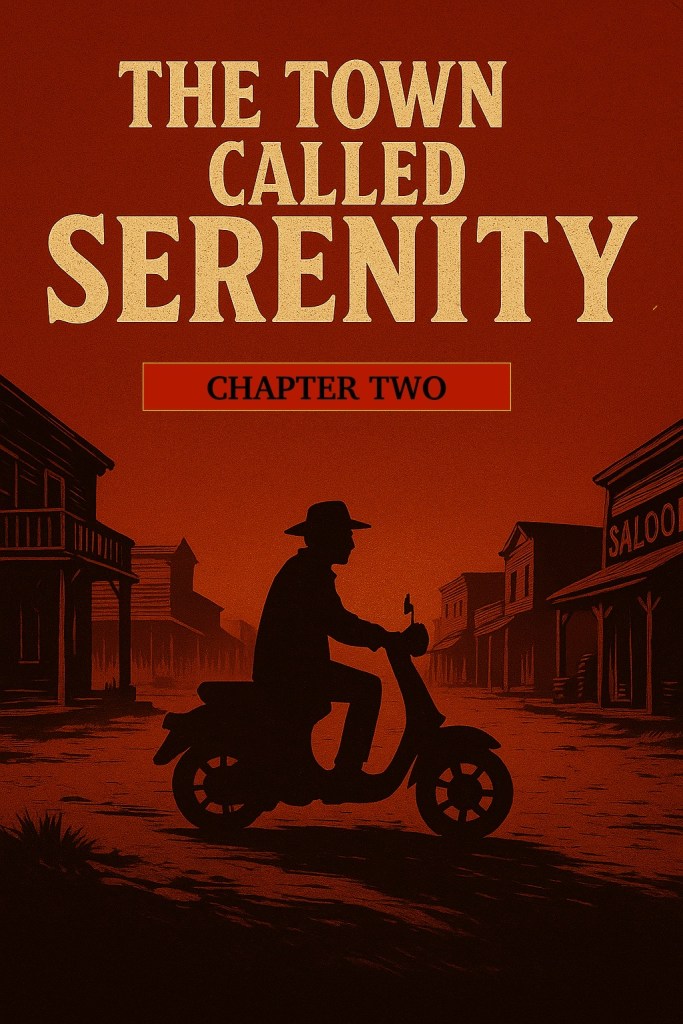
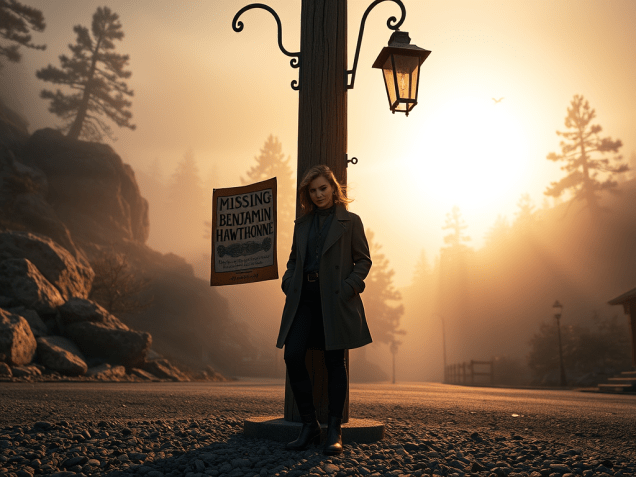
The Assignment ~ The Last Three Days ~ A Mission To Keep You Alive For 2025!

This Story From The Classics. Posted Originally in 2024 it is Reposted this year as part of the best of the best stories benandsteve.com are sharing at years end.

The last three days of the year often get overlooked. During this time, services go unnoticed around the average town or city. This well can be the case where you live. Police, Fire, Ambulance, and 911 Operators all do an incredible job. They work tirelessly in the build up to the New Year Eve Celebration and all the socializing involved. All the socializing is not celebratory, and the people they deal with are not all friendly.
Groff Media 2024© Truth Endures IMDbPro

Presented by benandsteve.com By: Benjamin Groff II©

3–5 minutes

As the year drew close, the city was abuzz with anticipation for the New Year’s celebrations. But for the fire, police, and ambulance services, the last three days of the year were anything but quiet. These dedicated men and women often worked long shifts. They sacrificed their own celebrations. They were on the front lines, ensuring the community’s safety and well-being.

Day One: December 29th
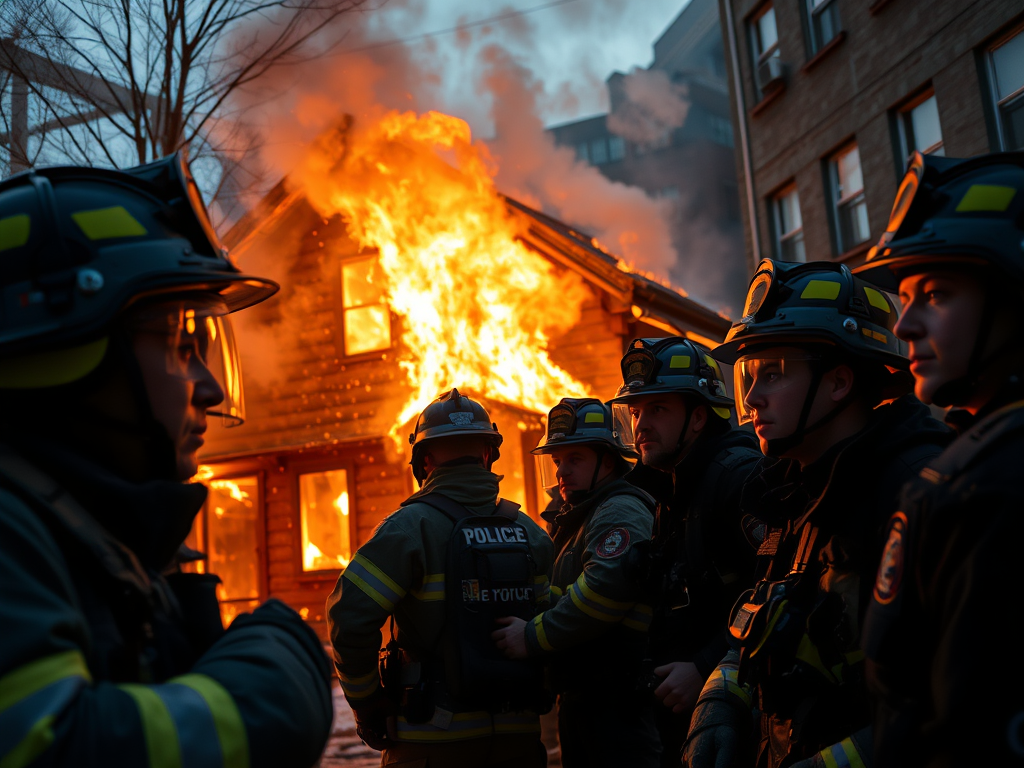
The fire department received a call about a house fire in the early morning hours. Flames engulfed the old wooden structure, and the firefighters worked tirelessly to control the blaze. They managed to rescue a family trapped inside, their faces covered in soot but grateful to be alive. Investigators later determined that a faulty space heater caused the fire. This serves as a stark reminder of the dangers of winter.

Meanwhile, the police were called to a domestic disturbance in a quiet suburban neighborhood. A heated argument escalated. Officers arrived with their professional demeanor and calm approach. They managed to defuse the situation. This ensured that both parties were safe and had a chance to cool down.

The ambulance service was dispatched to a car accident on the icy roads. A young driver had lost control of his vehicle and skidded into a tree. Paramedics worked quickly to stabilize him and transport him to the hospital. Despite the crash’s seriousness, the driver was expected to fully recover.

Day Two: December 30th

The fire department responded to a call about a gas leak in an apartment building. Residents were evacuated as firefighters located the source of the leak and shut it off. Their quick response and decisive action prevented a potential explosion. This reassured the residents. They were allowed to return to their homes once it was deemed safe.
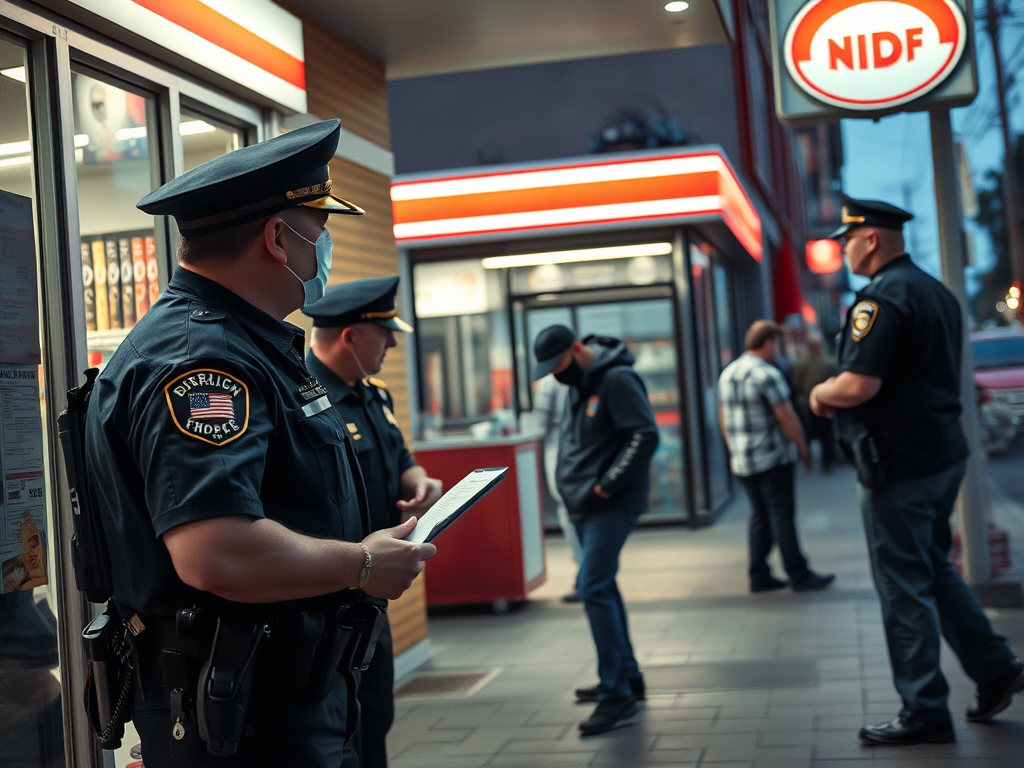
The police were called to a robbery at a local convenience store. The suspect had fled the scene, but officers gathered evidence and track him down. The thief was apprehended and taken into custody, and the stolen goods were returned to the relieved store owner.

The ambulance service received a call about an elderly woman who had fallen in her home. Paramedics arrived to find her in pain and incapable of moving. They carefully lifted her onto a stretcher. They transported her to the hospital. At the hospital, she was treated for a broken hip. Her family was grateful for the swift and compassionate care she received.

Day Three: December 31st

On New Year’s Eve, the fire department was on high alert as fireworks lit up the night sky. They responded to several small fires caused by stray sparks, but thankfully, none resulted in severe damage. Firefighters patrolled the city, ensuring that everyone enjoyed the celebrations safely despite the potential dangers they faced.

The police were busy with calls about noise complaints and public intoxication. Officers maintained a visible presence in the city center, where crowds had gathered to watch the fireworks show. They worked to keep the peace and make sure everyone rang in the new year without incident.

The ambulance service was called to help a young woman who had collapsed at a New Year’s party. Paramedics quickly assessed her condition and determined that she had consumed too much alcohol. They provided her with the necessary care and transported her to the hospital for further observation.

When the clock struck midnight, the city erupted in cheers and celebrations. The fire, police, and ambulance services continued their vigilant watch, ready to respond to emergencies. For them, the end of the year was just another day. They served and protected their community. This often came at the cost of their own family celebrations.

The Silence About Straight Shooters

2–3 minutes

Double Standards – Plain Prejudices!

When a massacre occurs, we rush to ask why. We sift through social media posts, interviews, and histories, desperate for something that explains the unexplainable. But what’s telling is not just the reasons we find—it’s the reasons we don’t look for.

The overwhelming majority of mass shooters in the United States are heterosexual men. That’s not speculation; it’s data. Yet how often do you see headlines dissecting a killer’s heterosexuality as the cause of their violence? How often do pundits rush online? They demand to see if the shooter once posted about a girlfriend or wore a wedding ring. They use that as “proof” that straight men are dangerous by design. The answer is simple: never.

And yet, when a shooter identifies as LGBTQ+, or is even rumored to, it suddenly becomes fair game for speculation. Sexuality or gender identity—factors with no proven connection to violence—are treated as the smoking gun. It’s as if identity itself becomes a scapegoat, a convenient villain for people already inclined to mistrust it.

This double standard reveals a lot about our cultural biases. Straight people are allowed complexity. They can be troubled, mentally ill, politically radicalized, or angry at the world. They can also be a hundred other things. But LGBTQ+ people are flattened into caricatures, their entire identities blamed for tragedies they commit. Violence is driven by opportunity, ideology, and access to weapons. It is also driven by often untreated pain—not by who someone loves or how they define themselves.

Maybe the question isn’t why people commit atrocities. Instead, we should ask why we frame some people’s motives through the lens of prejudice. Meanwhile, we let others keep their humanity. Until we answer that honestly, we’ll keep mistaking bigotry for truth—and keep missing the real reasons behind the violence.

Benjamin Groff is a former police officer and radio news anchor. He has hosted programs for CNN and ABC News affiliates in Colorado and Wyoming. His career in law enforcement began in 1980 and lasted more than two decades. This gave him firsthand insight into the criminal mind and public safety. Moreover, it provided him with an understanding of the human stories that often go untold. His writing draws on these experiences, blending street-level truth with a journalist’s eye for the bigger picture.

By Benjamin GroffMedia© | benandsteve.com | 2025 

Warning Signs: What Recent Shootings Reveal About America’s Pressures

4–6 minutes

When Politics Turns Deadly: What Recent Shootings Reveals About America’s Pressures

Political Violence in the U.S.: A Historical Lens Political Pressure Pots That Are Exploding

On September 10, 2025, conservative activist Charlie Kirk was fatally shot while speaking at Utah Valley University. The attack shocked audiences nationwide and revived a painful question: Is political violence becoming more common in the United States? While the details of this case continue to unfold, history offers context. The Kirk shooting is tragic, but it’s not unprecedented—political assassinations and attacks have occurred before. Understanding that history can help us prevent future violence.

Throughout U.S. history, public figures have been targeted for their beliefs, activism, or positions of power. These events—though rare—often show deep social, political, or cultural tensions. Below is a timeline of key moments, followed by how they compare to today.

Year / Victim / Role / Context / Motive

On April 14, 1865, Abraham Lincoln, the U.S. President, was assassinated by John Wilkes Booth, a Confederate sympathizer.

1901 William McKinley, U.S. President, was killed by anarchist Leon Czolgosz.

1935 Huey Long, U.S. Senator / LA Governor, was shot by Carl Weiss amid political turmoil in Louisiana.

1963 Medgar Evers, a Civil Rights Activist, was shot outside his home for his activism in Mississippi.

In 1963, President John F. Kennedy was assassinated while riding in a motorcade in Dallas, Texas. Lee Harvey Oswald was arrested for the crime. He was shot and killed by Jack Ruby before standing trial. The official record names Oswald as the lone gunman. The motive has remained an issue of widespread debate and speculation for decades.

1965 Malcolm X, a Civil Rights Leader, was killed during a public speech in Harlem.

1968 Robert F. Kennedy, the Presidential Candidate, was shot after a campaign rally in Los Angeles.

On April 4, 1968, Dr. Martin Luther King Jr.—American Baptist minister, civil rights leader, and Nobel Peace Prize laureate—was assassinated. He was standing on the balcony of the Lorraine Motel in Memphis, Tennessee when it happened. James Earl Ray, an escaped convict, was arrested for the murder two months later and later pleaded guilty. Ray claimed he was part of a larger conspiracy. He later tried to recant his confession. Nonetheless, the official record names him as the assassin. The motive remains the topic of debate. King led the civil rights movement. He opposed systemic racism. These actions made him a frequent target of threats and hostility.

1969–70s Various bombings & shootings Political & protest-related Weather Underground, far-right and far-left extremist groups.

2011 Gabrielle Giffords (survived), U.S. Representative, was shot at a constituent event in Arizona; six others were killed.

High profile, targeted instances of political violence

Charlie Kirk shooting*

Killed

Orem, Utah

Kirk was shot and killed while speaking at an event on the campus of Utah Valley University. Kirk was a well-known conservative activist who founded Turning Point USA.

Sept. 2025

*Officials have not confirmed that the shooting was politically motivated.

*Officials have not confirmed that the shooting was politically motivated.

Minnesota lawmaker shootings

2 killed, 2 injured

Minneapolis, Minnesota

A gunman targeted several Minnesota election officials. He killed Minnesota House of Representatives member Melissa Hortman and her husband Mark Hortman in their home. State Sen. John Hoffman and his wife Yvette Hoffman were shot and injured in their home.

June 2025

Minnesota lawmaker shootings

Two killed, two injured

Minneapolis, Minnesota

A gunman targeted several Minnesota election officials. He killed Minnesota House of Representatives member Melissa Hortman and her husband Mark Hortman in their home. State Senator John Hoffman and his wife Yvette Hoffman were shot and injured in their home.

June 2025

Minnesota lawmaker shootings

Two killed, two injured

Minneapolis, Minnesota

A gunman targeted several Minnesota election officials. He killed Minnesota House of Representatives member Melissa Hortman and her husband Mark Hortman in their home. State Senator John Hoffman and his wife Yvette Hoffman were shot and injured in their home.

June 2025

Pennsylvania Gov. Josh Shapiro’s home arson

No injuries

Harrisburg, Pennsylvania

The Pennsylvania Governor’s Residence was set on fire while Shapiro and his family slept inside.

April 2025

Pennsylvania Gov. Josh Shapiro’s home arson

No injuries

Harrisburg, Pennsylvania

The Pennsylvania Governor’s Residence was set on fire while Shapiro and his family slept inside.

2025 Charlie Kirk, Conservative Activist, was shot while speaking at Utah Valley University; investigation ongoing.

Timeline of Notable Political Murders And Attacks In The U.S. (1865-2025)
  • Public Rhetoric Matters: In nearly every case, rhetoric and polarization preceded the violence.
  • Violence Rarely Comes From Nowhere: These events are almost always linked to broader grievances, social tensions, or extremist ideologies.
  • Modern Amplifiers: Today’s social media, 24/7 news, and intense partisanship can supercharge grievances faster than in past eras.

The Kirk shooting reflects how quickly divisions can escalate. This happens when marginalized or politically active groups feel threatened. It also occurs when public discourse frames opponents as existential enemies. Left unchecked, the result can spill over from online posts and protests into public spaces and deadly attacks.

History shows that violence rarely ends the debate—it deepens it. The antidote is not silence but inclusion, dialogue, and guardrails on how we treat one another, even when we disagree.

The U.S. is not doomed to repeat its worst moments, but it does need to recognize them. Political violence grows where alienation and fear fester. The Charlie Kirk tragedy, like earlier assassinations, should not only shock but also instruct. By confronting polarization and reinforcing democratic norms, communities can prevent these cycles from repeating.


About the Author:

Benjamin Groff is a former police officer and radio news anchor. He has hosted programs for CNN and ABC News affiliates in Colorado and Wyoming. His career in law enforcement began in 1980 and lasted more than two decades. This gave him firsthand insight into the criminal mind and public safety. Moreover, it provided him with an understanding of the human stories that often go untold. His writing draws on these experiences, blending street-level truth with a journalist’s eye for the bigger picture.

By Benjamin GroffMedia© | benandsteve.com | ©2025 

GARY INDIANA CRIME RATES HIGHER THAN CHICAGO

4–5 minutes

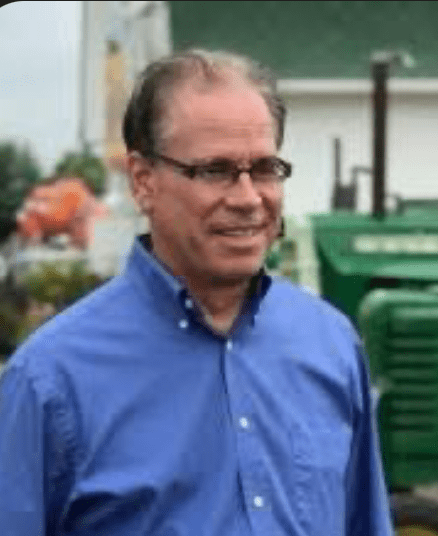
Indiana Governor Michael Braun

Why Isn’t Indiana Governor Mike Braun

Being Given National Guard Help?

Chicago is often spotlighted for its crime statistics. Yet, Gary, Indiana consistently ranks higher in many key crime metrics. This is true even when compared on a per-capita basis.

Chicago often dominates headlines for crime. Yet, FBI data and neighborhood crime indexes reveal a different story. Residents in Gary, Indiana, face significantly higher per-capita risks of violent and property crimes. According to NeighborhoodScout, Gary’s violent crime rate stands at roughly 1,180 per 100,000 residents—nearly double Chicago’s rate of 673.5.

President Trump reportedly plans to send National Guard troops to Chicago to tackle crime. If crime is really the concern, those service members should go just across the border to Gary. Decades of statistics show even higher rates staring them in the face. This report includes the data and sources to prove it. So the real question is: why isn’t the Guard going to Indiana? Maybe they know they can’t go back there.


  • Violent crime in Gary is approximately 11.8 per 1,000 residents, or 1,180 per 100,000, significantly above national averages and surpassing Chicago’s violent crime rate of 673.5 per 100,000.ReolinkNiche
  • Your odds of being a victim of violent crime in Gary are about 1 in 112. This is compared to Chicago’s overall violent crime rate.NeighborhoodScout
  • Property crimes are also markedly higher: a 1 in 35 chance in Gary versus substantially lower in Chicago.NeighborhoodScout

Gary’s elevated crime levels have been well-documented over the years. These range from a ‘1993 Murder Capital’ billboard warning to recent statistics. Recent data shows some of the highest violence and theft rates in the nation.The TraceMacrotrends
Despite improvements in some categories, Gary remains one of Indiana’s most dangerous cities. It often exceeds Chicago in both violent and property crime rates.


CityViolent Crime (per 100,000)Property Crime Odds
Gary, IN~1,1801 in 35 victims
Chicago, IL673.5Lower than Gary’s rate

Yes—Gary, Indiana, a smaller city just southeast of Chicago, has higher crime rates than Chicago on a per-capita level. Though Chicago may grab more headlines, Gary’s challenges with both violent and property crime are even more severe.

  • Violent Crime Rate: Gary records approximately 11.8 incidents per 1,000 residents, making it the highest violent crime rate in the state Reolink+1.
  • Property Crime Chance: On an individual level, the chance of being a victim in Gary is 1 in 112 for violent crime. The odds are 1 in 35 for property crime. NeighborhoodScout.
  • Daily Crime Risk: Overall, you face a 1 in 27 chance per year of becoming a crime victim in Gary. Check more on Areavibes.
  • Safety Map Insights: Neighborhood safety varies widely. In central areas, residents face up to a 1 in 67 chance of violent crime. In safer southwestern zones, that drops to 1 in 137 Reddit.
  • Citywide Crime Index: Gary’s total crime rate runs at about 59.75 incidents per 1,000 residents, compared to roughly 33.37 nationally nextdoor.com.
  • Recent Trends: Encouragingly, Gary’s Police Department reported a notable drop in violent crime and fatal traffic accidents in 2024. They also noted increased proactive patrols in Gary, Indiana.

  • Comparative Crime Index (Gary vs. Chicago):
    • Violent Crime: Chicago reports about 21% more violent crime overall. Still, because of its much higher population, the individual risk remains lower than in Gary BestPlaces.
    • Property Crime: Chicago’s rate is approximately 30% lower than Gary’s  BestPlaces.
  • Detailed Numbers (NeighborhoodScout): The chance of being a victim of violent crime in Chicago is about 1 in 167. In Gary, it is 1 in 112. Property crime risk in Chicago is about 1 in 29, slightly better than Gary’s 1 in 35 NeighborhoodScoutAreavibes.

  • Lake County averages around 395 violent crimes per 100,000 residents. This figure is slightly higher than national averages near 360 per 100,000. Axios+1Wikipedia+1.
  • Economic Impact: Crime-related costs, including emotional and tangible losses, are significant across the county.

Quick Comparison Table

LocationViolent Crime RiskProperty Crime RiskNotes
Gary, IN1 in 112 (high risk)1 in 35 (high risk)Among “most dangerous” cities in Indiana
Chicago, ILLower individual riskSlightly lower than GaryLarger scale but safer per capita
Lake County, INSlightly above averageMixedCrime concentrated in urban pockets like Gary

  • Gary, Indiana, has significantly higher violent and property crime rates—both per-capita—than Chicago. Despite Chicago’s national notoriety, individuals face greater personal risk in Gary.
  • Lake County overall carries elevated crime levels, but the burden is not uniform—it’s concentrated in areas like Gary.
  • Positive note: There are signs of progress, especially in Gary. Proactive policing has reduced violent crime. It has also improved safety initiatives.

By Benjamin GroffMedia© | benandsteve.com | ©2025 

About the Author:

Benjamin Groff is a former police officer and radio news anchor. He has hosted programs for CNN and ABC News affiliates in Colorado and Wyoming. His career in law enforcement began in 1980 and lasted more than two decades. This gave him firsthand insight into the criminal mind and public safety. Moreover, it provided him with an understanding of the human stories that often go untold. His writing draws on these experiences, blending street-level truth with a journalist’s eye for the bigger picture.

Your Claim To Sobriety Matters – Will You Be Able To Do It When You Are Asked To Step Up?

When Did Walking The Line Become A Thing?

3–4 minutes

If you’ve ever been told to “walk a straight white line,” the meaning depends a lot on where you’re standing. It also depends on who’s watching. In the Welsh valleys of How Green Was My Valley, the “white line” was a poetic path. It symbolized memory and loss. In American trucker slang, it’s the hypnotic blur of endless road miles. But to a police officer at 1 a.m. on the shoulder of a highway, that white line is all about one thing: sobriety.

A Path in Song and Story

In How Green Was My Valley, the final scene drifts to Alfred Newman’s Finale. It is woven with the Welsh hymn Pen Calfaria. Its the “white line” was a poetic path of memory and loss. “This shall never leave my memory”, feels like a pledge. This pledge is to never forget where you’ve walked. The “white line” here is a metaphorical road. It signifies a way home, a journey of life. It is the one path you try to stay true to.

Road Paint and Real Lines

Outside of metaphor, the first real white lines appeared on American roads in the early 20th century. Two names claim credit:

  • A leaking milk wagon inspired Edward Hines in 1911.
  • Dr. June McCarroll, who proposed painted center lines after a close call in 1917.

Whichever story you buy, the point is safety—keeping drivers in their lane and avoiding head-on collisions. And from there, the idea of “walking the line” naturally started meaning “stay where you’re supposed to.”

Law and Order: The Walk-and-Turn

The “walk the white line” sobriety test isn’t ancient Irish pub lore or a circus stunt. It’s a product of late 1970s American law enforcement. The U.S. National Highway Traffic Safety Administration (NHTSA) funded research to standardize roadside sobriety tests. Out of those studies came the now-famous “Walk and Turn” test:

  • Nine heel-to-toe steps along a straight line.
  • Turn in a prescribed way.
  • Nine steps back.

It’s part of the Standardized Field Sobriety Tests (SFSTs), along with the horizontal gaze test and the one-leg stand. The idea is to challenge both balance and divided attention—two abilities alcohol loves to mess with.

Officers used informal techniques before the SFSTs. They asked suspects to touch their nose. Suspects were also asked to recite the alphabet or, yes, walk a straight line. These early “white line” walks have been inspired by the painted road markings. They also have been inspired by circus balance acts. Alternatively, the practical idea of watching someone try to move in a perfectly straight path have been the inspiration.

Beyond the Pavement

Hymns about life’s journey include the image of a narrow path you must follow. Truckers experience “white line fever.” Country music promises fidelity with songs like Johnny Cash’s“I Walk the Line.” This imagery runs deep in human storytelling. The white line is painted down the middle of a highway, showing control and direction. It can also be imagined across the green hills of Wales. It shows the consequences of straying.

The modern police test feel clinical—clipboards, flashlights, and a yellow legal pad. Nevertheless, the symbolism is the same. Can you keep your feet steady? Is your head clear, and can you stay on the line?

Sometimes, the answer to “where did it come from?” is that it came from everywhere. It came from roads, songs, and courtrooms. It also originated from the human habit of evaluating a person’s worth. This is done by observing how well they adhere to the path.

The Anatomy of a Shooter – Part Five: What We Can Actually Do About It

“Monsters aren’t born overnight. They’re made—in silence, in shadows, in places we refuse to look.”

By Benjamin GroffMedia© | benandsteve.com | 2025 Truth Endures©

3–5 minutes

Part Five: What We Can Actually Do About It

Let’s get one thing straight:
Mass shootings aren’t random.
They’re predictable.
Not in the “we know when and where” way. It is predictable in the “we’ve seen this play before” way. And we’ve seen it enough to know how it ends.

So the question becomes:
What do we do now—actually do?

If all we’ve got are thoughts, prayers, and hashtags, then outrage will burn out in a news cycle. We’re just spectators in someone else’s tragedy.


Enough With the Helplessness

It’s easy to feel like there’s nothing we can do.
But that’s a lie we’ve been sold to stay comfortable.
The truth is, we can’t stop every shooting—but we can reduce them.
We can spot the signs earlier.
We can intervene before someone crosses that line.
And yes, we can have uncomfortable conversations about guns, mental health, and social breakdown without turning it into political theater.

But first, we have to stop pretending we’re powerless.

Photo by MART PRODUCTION on Pexels.com

Real Things That Actually Help

Here’s a short, imperfect list. Not theory—practice.

🔹 1. Speak up—even when it’s awkward.

That kid, coworker, or neighbor who’s spiraling? Say something. Not on Facebook. Not behind their back. To someone who can act. Don’t wait until it’s too late.

🔹 2. Take threats seriously.

If someone is joking about violence, don’t assume they’re kidding. Shooters often telegraph their intentions—sometimes with neon signs.

🔹 3. Support red flag laws that work.

Yes, they’re controversial. But when implemented carefully, they’ve saved lives by allowing courts to temporarily remove firearms from people in crisis.

🔹 4. Don’t give platforms to the shooters.

No names. No manifestos. No fame. Let them fade into anonymity—don’t let them become anti-heroes.

🔹 5. Build better reporting systems.

We need clear, safe ways to report dangerous behavior—at schools, jobs, online—and a system that doesn’t bury it in bureaucracy.

🔹 6. Reinvest in human connection.

Isolation is gasoline for this fire. People with strong relationships, support systems, and a sense of belonging are less to fall into these dark holes. Community isn’t a luxury—it’s a safeguard.


Not Just a Policy Problem—A Culture Problem

Legislation matters. But culture matters, too.

We live in a society that celebrates violence, glorifies vengeance, and teaches boys that emotions are weakness.
We scroll past pain and reward provocation.
We share stories of destruction more than recovery.
We confuse attention with validation.

We can change laws. But until we change us, the cycle will continue.


Final Thought: The Story Isn’t Over—Unless We Let It Be

Photo by Mikhail Nilov
on Pexels.com

This five-part series wasn’t meant to explain every angle of mass shootings.
It was meant to start a conversation. To take you out of the numbness and into the uncomfortable places where change begins.

We don’t need heroes.
We need people who are willing to pay attention, speak up, and give a damn.

Because we’re not just analyzing shooters here.

We’re deciding what kind of society we want to live in.

Closing Note to My Readers

Thank you for walking with me through this five-part series.
I know it hasn’t been easy to read—hell, it wasn’t easy to write. But maybe that’s the point.

This isn’t just about shooters.
It’s about all of us.
What we tolerate. What we ignore. What we pretend not to see until it’s too late.

My hope is that these words spark more than discomfort.
Maybe they spark reflection. Maybe action. Maybe one conversation that changes something.

We want a world where mass shootings stop becoming headlines. To achieve this, we can’t just sit back and consume the story.

We have to be part of rewriting it.

—Benjamin Groff

About the Author:

Benjamin Groff is a former police officer and radio news anchor. He has hosted programs for CNN and ABC News affiliates in Colorado and Wyoming. His career in law enforcement began in 1980 and lasted more than two decades. This gave him firsthand insight into the criminal mind and public safety. Moreover, it provided him with an understanding of the human stories that often go untold. His writing draws on these experiences, blending street-level truth with a journalist’s eye for the bigger picture.

The Anatomy of a Shooter – Part Four: Red Flags and Shrugged Shoulders

By Benjamin GroffMedia© | benandsteve.com | 2025 Truth Endures©

2–4 minutes

Part Four: Red Flags and Shrugged Shoulders

After every mass shooting, the same story unfolds.
News reports reveal the shooter made threats.
He posted disturbing content.
He stockpiled weapons.
He scared people.

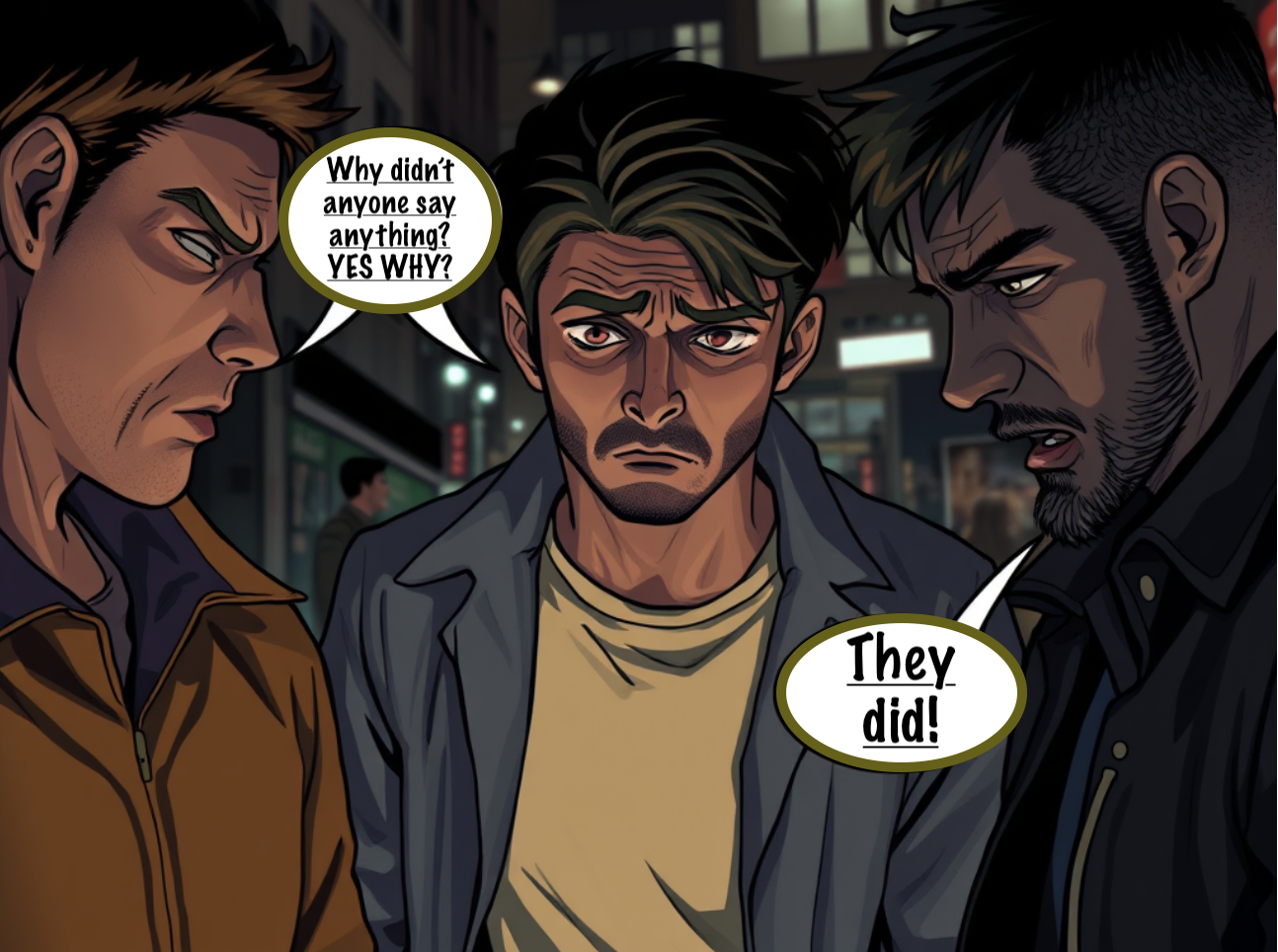
And then the world asks, 

“Why didn’t anyone say something?”

Except someone usually did.

They said it quietly to a friend.
They reported it to HR.
They sent up a flare—but it fizzled in a system built to tolerate discomfort until it explodes.


“It Just Felt Off”

Human instinct is powerful.
We know when something doesn’t feel right—when someone is spiraling, simmering, or clinging to rage a little too tightly.
But we’ve been trained to doubt our gut.

Why?
Because:

  • We don’t want to overreact.
  • We don’t want to get someone in trouble.
  • We don’t want to look paranoid or mean or judgmental.

So we say things like:

  • “He’s just blowing off steam.”
  • “He’s always been like that.”
  • “It’s probably nothing.”

Until it’s not.


The Signs Were There. The Action Wasn’t.

Let’s break it down. Red flags can look like:

  • Obsessive talk about violence or past shooters
  • Extreme ideological rants
  • Sudden personality changes or withdrawal
  • Threats—direct or veiled
  • Obsession with weapons or martyrdom
  • Social media posts that scream “notice me”

But here’s the kicker:
Even when these signs are clear, most people don’t act.
And when they do? They’re often ignored, dismissed, or redirected through layers of bureaucracy.

“It’s not our jurisdiction.”
“We can’t do anything unless he acts.”
“He hasn’t broken any laws.”

We treat early warning signs like legal puzzles, not human lives.


Fear of the Awkward Conversation

Red flags aren’t just missed.
They’re avoided—because confronting someone is uncomfortable.

There are times when you have to take the bull by the horns.
  • What if I’m wrong?
  • What if they get mad?
  • What if it ruins my relationship with them?
  • What if it’s not serious?

So instead of leaning in, we back away.

And we let someone else deal with it.
Except, too often, there isn’t someone else.


The Burden of Hindsight

Afterward, the red flags look obvious.
Crystal clear.
Undeniable.

But by then it’s too late.
And we’re left with vigils, flowers, and questions we didn’t ask soon enough.


A Shift in Mindset

We need to stop treating red flags like rumors.
They’re signals. Warnings.
Opportunities to intervene.

That doesn’t mean we accuse people on a hunch.
It means we build systems and cultures that listen.
That act before a weapon is drawn, not after.

Because by the time the police tape goes up, the story’s already been written.


Coming Up in the Series:

Part Five: What We Can Actually Do About It
We’ve identified the patterns. We’ve seen the signs. Now it’s time to talk about real solutions—what works, what doesn’t, and why “thoughts and prayers” aren’t enough.

About the Author:

Benjamin Groff is a former police officer and radio news anchor. He has hosted programs for CNN and ABC News affiliates in Colorado and Wyoming. His career in law enforcement began in 1980 and lasted more than two decades. This gave him firsthand insight into the criminal mind and public safety. Moreover, it provided him with an understanding of the human stories that often go untold. His writing draws on these experiences, blending street-level truth with a journalist’s eye for the bigger picture.

The Anatomy of a Shooter – Part Two: The Internet Never Forgets (or Forgives)

By Benjamin GroffMedia© | benandsteve.com | 2025 Truth Endures©

2–4 minutes

Part Two: The Internet Never Forgets (or Forgives)

The shooter didn’t get here alone.
Not really.

Sure, maybe they sat alone in a bedroom. A basement. A breakroom.
But they weren’t isolated from influence—just the opposite.
They were plugged into a digital bloodstream that fed them exactly what they wanted, and everything they didn’t need.

Welcome to the echo chamber. Population: too many.


Where the Internet Becomes an Incubator

A lonely, angry person finds a tribe. This occurs somewhere between YouTube rabbit holes, toxic forums, and Reddit threads that should’ve been shut down years ago.

Not a real one. Not the kind that helps you move or calls when you’re sick.
But one that says, 

“You’re right to be angry.”
“They are the problem.”
“You don’t need help—you need revenge.”

That validation is addictive.

And the internet is the perfect dealer:

  • Algorithms push increasingly extreme content.
  • “Communities” form around hate, resentment, and fear.
  • Every post, every comment, every manifesto builds a narrative: You are justified.

From Scrolling to Staging

It starts with watching. Then posting. Then commenting.
Then, maybe, fantasizing.
And eventually, planning.

A shooter doesn’t always invent the blueprint.
They download it—literally. From forums that dissect earlier mass shootings like game film. From chat groups where people joke about body counts and praise past killers like fallen heroes.

Some shooters even leave behind digital footprints—manifestos, livestreams, final posts—as if they’re signing off from a sick performance art.

And let’s not pretend it’s rare.
We’ve seen it again and again.
And again.


The Illusion of Community, the Reality of Collapse

Here’s the twisted irony:
Most of these online “connections” are built on mutual isolation.
It’s a virtual group hug from people who hate everything.

They don’t help each other grow—they help each other decay.

Not everyone in these spaces will act violently. Nevertheless, they create an environment where the leap from “I hate them” to “I’ll show them” feels smaller.
More rational.
More inevitable.


We Let the Fire Burn and Call It Free Speech

Let’s be honest:

We’ve been slow—very slow—to acknowledge how much harm can be done behind a keyboard.
We slap “content warning” stickers on hate, shrug off threats as trolling, and hide behind terms like “edgy humor.”

Meanwhile, more lives are lost.

Photo by Bulat Khamitov on Pexels.com

This isn’t about censoring opinions. It’s about recognizing when opinions become weapons.

A shooter adopts a belief before they pick up a gun. They believe that their anger matters more than your life.

And someone, somewhere, probably upvoted that.


Up Next in the Series:

Part Three: The Myth of the Lone Wolf
They always say, “He acted alone.” But did he? Or was he just the only one who pulled the trigger?

About the Author:
Benjamin Groff is a former police officer and radio news anchor. He has hosted programs for CNN and ABC News affiliates in Colorado and Wyoming. His career in law enforcement began in 1980 and lasted more than two decades. This gave him firsthand insight into the criminal mind and public safety. Moreover, it provided him with an understanding of the human stories that often go untold. His writing draws on these experiences, blending street-level truth with a journalist’s eye for the bigger picture.

The Anatomy of a Shooter – Part One: In the Beginning, There Was Silence

“Monsters aren’t born overnight. They’re made—in silence, in shadows, in places we refuse to look.”

By Benjamin GroffMedia© | benandsteve.com | 2025 Truth Endures©

3–4 minutes

Part One: In the Beginning, There Was Silence

Let’s start with a hard truth:
Shooters don’t come out of nowhere. They come out of silence.

Silence from the people around them.
Silence in rooms where pain festered.
And eventually, silence before the gunfire broke it all.

In this series, I’m not asking for sympathy for those who’ve caused unspeakable pain. But I am asking this:

How does a person get to the point where picking up a gun feels like a solution?

If we keep pretending it’s as simple as “they snapped,” we’re not solving a damn thing. If we keep saying “they were crazy,” we’re not solving a damn thing.


The Seed of Isolation

No one wakes up one day and says, “You know what? Today’s the day I destroy lives.”
It begins slowly. Quietly. Almost invisibly.

Maybe they were left out.
Maybe they were bullied.
Maybe they were weird, withdrawn, angry, or awkward.
Maybe they simply felt invisible.

That kind of loneliness doesn’t whisper—it screams. But not everyone knows how to listen to the silence. Some don’t even try.

And so, that person—young or old—starts pulling away from others. Or worse, starts resenting them.


Grievance: The Gateway Drug

Here’s where things shift.

What started as pain turns into blame.
Not just “I’m hurting,” but “They did this to me.”

And they might be:

  • The cool kids at school
  • The coworkers who laughed
  • The family who ignored
  • The ex who left
  • The entire world

Suddenly, it’s not just a personal wound—it’s a mission. A vendetta. A delusion of justice.

And online, there are entire dark corners ready to cheer them on.


When the Weapon Becomes a Microphone

The shooter mindset often merges with a desire to be seen—finally, undeniably.
And that’s what makes these tragedies feel like performances.
Not just an act of violence, but a message broadcast with blood:

“Look at me now.”

That’s not an excuse.
That’s an alarm bell.


What We Rarely Say Out Loud

Yes, mental illness plays a role in some cases. But not always.
Plenty of people struggle with mental health and don’t turn into killers.

What we’re talking about is a toxic cocktail:

  • Isolation
  • Grievance
  • Identity crisis
  • Obsession
  • Ego
  • Easy access to destruction

It’s not one red flag.
It’s a collection of ignored ones.


So, Why Write This?

Because the only thing more dangerous than a shooter is a society that refuses to understand one.

And understanding doesn’t mean excusing.

It means preventing.


Coming Up in the Series:

  • Part Two: The Online Echo Chamber
    How algorithms and angry forums radicalize the already isolated.
  • Part Three: The Myth of the Lone Wolf
    Why shooters aren’t anomalies—they’re symptoms of something bigger.
  • Part Four: Red Flags and Shrugged Shoulders
    What we miss—and why we keep missing it.
  • Part Five: What We Can Actually Do About It
    Solutions that go beyond slogans and shallow politics.

About the Author:
Benjamin Groff is a former police officer. He is also a radio news anchor. He has hosted programs for CNN and ABC News affiliates in Oklahoma, Colorado and Wyoming. His career in law enforcement began in 1980 and spanned more than two decades. This gave him firsthand insight into the criminal mind and public safety. He also learned about the human stories that often go untold. His writing draws on these experiences, blending street-level truth with a journalist’s eye for the bigger picture.

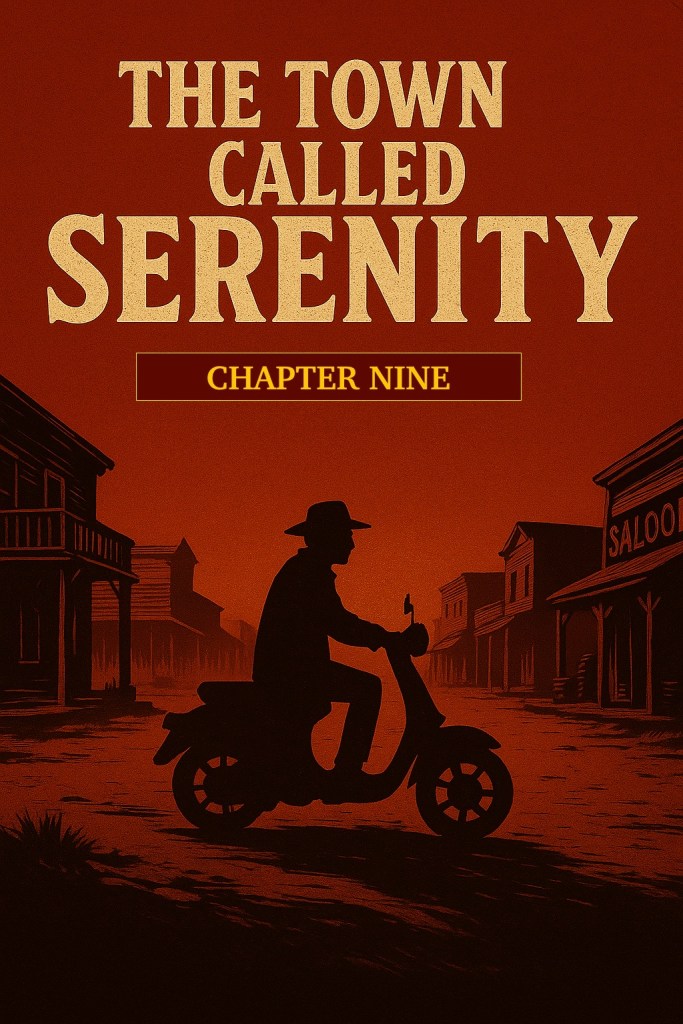
The Town Called Serenity – Chapter Ten: Stand Still, and the Dust Will Bury You

By Benjamin GroffMedia© | benandsteve.com | 2025 Truth Endures©

3–5 minutes

Chapter Ten: Stand Still, and the Dust Will Bury You

By dawn, the desert wind carried more than heat. It took silence—the kind that comes before thunder.

  • Chester Finch stood on the steps of the half-burned church at the edge of Serenity’s main street. His badge was pinned high and proud. His ribs ached. His coat was torn. But his eyes were sharp, and the ledger in his hands could end a dynasty. 
  • The Marshal had pulled his moped from hiding and had it juiced up for duty. The Vespa GTS (300cc) moped shone as slick as the day it was new. It had US Marshal emblems on it and had been stowed inside the jail’s secret compartment. A hiding place that Chester designed the night he arrived in town. 

Chester looked out over the gathering.

Wren was there, her arm in a sling, a rifle strapped across her back.

Petal stood beside her, bruised but alive, clutching a satchel full of Cain’s secrets.

Julep Jake leaned against the doorframe, sharpening his miniature whittled guillotine. 

“A town’s only worth the blood it takes to keep it,” 

He said. 

“Reckon we’re due.”

Even Buck Harlan was the old stagecoach driver who hadn’t spoken more than ten words in a decade. He stood with a shotgun across his knees.

And behind him came the others—storekeepers, grooms, forgotten women, broken men.

Cain had ruled them. Gallow had hunted them.

But now –– now they remembered their names.

Chester raised his voice.

“I’m no savior. I’m no sheriff. I’m just the last man they sent when no one else would come.”

He held up the badge.

“But I say this badge still means something. Not because it’s brass. Not because the government gave it to me. But because I’m willin’ to bleed for it.”

He threw the ledgers down onto the church steps.

“These are Cain’s sins. Every payment, every name, every blackmail note, every fix. And when this town turns that over to the federal office, I just wired—they’re gonna come. Not with a whisper. With subpoenas and dogs.”

A beat of silence.

Then a single voice called out:

“And Gallow?”

Chester turned. 

“He’ll come. Tonight, maybe. It could be sooner. He’ll bring fire.”

He looked to Wren.

“But fire don’t mean nothin’ if you’ve got water and grit.”

Wren nodded once. 

“We stand.”

The townsfolk murmured.

Then they shouted.

Then they began to build.

Barricades. Traps. Makeshift outposts from overturned wagons and scrap wood. Petal turned the saloon into a war room. Julep Jake strung piano wire across alleys. Even the bell tower rang for the first time in years, warning off the vultures.

The Last Hour

Cain, watching from The Assembly, saw the town rise against him and knew he’d lost the crown.

He poured a final drink, set it aside, and vanished through a trapdoor in the fireplace, bound for nowhere.

The Arrival

Gallow came at sunset, just as expected.

He walked straight down the main street—unarmed, unhurried—like he owned time.

But this time, time fought back.

The first tripwire knocked him off balance. A spotlight lit him up. A warning shot clipped his boot.

He crouched, ready to vanish into shadow—until he saw Chester.

Standing in the street. Moped beside him. Rifle in hand.

“You’re outgunned,” 

Gallow called.

“Nope,” 

Chester said. 

“I’m out-cowed.”

The townsfolk emerged—on roofs, behind crates, on balconies.

Gallow took a step. Then another.

Chester held firm.

And Wren, from the bell tower, raised her rifle.

The shot rang out.

Gallow stumbled. Not dead. Just marked.

He turned—bleeding, seething—and ran.

He vanished into the dust from which he’d come.

And the town never saw him again.

Epilogue: A New Kind of Quiet

Serenity changed.

The ledgers made it to Washington. Petal was deputized. Wren chose to stay and built the first real school the town had seen in thirty years. Julep Jake finally finished his guillotine and gave it to a museum in Tulsa.

As for Chester Finch?

He stayed, too.

He never left Serenity.

Not because he had to.

But sometimes, the worst places can create the most profound kind of peace.

Even if you get there on a moped.

The Town Called Serenity

A hero did not save it.

It was saved by the last man willing to stay when everyone else ran.

So the moped was hidden away in the jail’s secret spot—one no one else even knew existed. Good thing Chester made it out alive, or that Vespa would’ve turned into a time capsule! More importantly, this story is a great reminder: the bad guys never truly win.

THE TOWN OF SERENITY – Chapter Nine: A Predator in the Garden

By Benjamin GroffMedia© | benandsteve.com | 2025 Truth Endures©

3–4 minutes

Chapter Nine: A Predator in the Garden

Braddock Cain sat alone in The Assembly, a chessboard in front of him, half-played.

It was something he did when the whiskey wore off, and the world got too quiet. He played both sides of the board. He always made sure black lost.

Tonight, black wasn’t losing.

He moved a knight, sat back, and scowled.

The vault trap should have buried Finch and the girl. He’d received no word from Poke, which was unusual. Too unusual.

A low, sharp knock came at the door—three short raps. 

Then silence.

His eyes narrowed.

“Enter,”

He growled.

The door creaked open, and the man who stepped inside wasn’t Poke. Wasn’t anyone from Serenity? His clothes were clean, military-cut. His boots were dustless. He didn’t wear a hat—but his shadow felt longer than the room allowed.

“Mr. Cain,”

The stranger said. 

“I presume.”

Cain stood, hand already on the grip of his pistol.

“You don’t walk into this room without an invitation.”

“I didn’t walk,” 

The man replied. 

“I arrived.”

Cain didn’t move to open it.

“You’re Gallow,”

He said flatly.

“That’s what they used to call me,”

The man replied. 

“In certain circles. Not the ones you buy into.”

Cain sat back slowly. 

“What do you want?”

Gallow smiled faintly.

“Let’s call it… clarity. You’ve grown fat on rot, Cain. But rot attracts insects. I’m here to burn the carcass clean.”

Cain let out a cold laugh. 

“You think you can walk into my town and—”

Gallow was suddenly in front of him.

Cain hadn’t even seen the movement.

A knife gleamed under Cain’s chin.

“I don’t think,”

Gallow whispered. 

“I replace. You’ve become a liability to men far above either of us. The vault was never your property. The tapes, the ledgers, the names—you were supposed to manage them, not flaunt them.”

Cain’s eyes narrowed. 

“You’re not just here for Finch.”

“I’m not here for Finch at all,”

Gallow said softly.

“He’s just a broken piece. You’re the engine.”

He pulled the knife away and tucked it back into his sleeve.

“I won’t kill you tonight. That would be –– premature. But I will leave you with a choice.”

Gallow tapped the Ashwood file.

“Burn this. Leave town. Or wait for me to come back.”

Then he was gone.

Cain sat still for a long time, listening to the echo of Gallow’s departure. When his hand finally moved, it wasn’t for his gun.

It was for the bottle.

Elsewhere in Serenity

Poke’s body was found behind the saloon—face down, no bullet wound, no blood.

Just two coins were placed over his eyes.

Wren and Chester stood over him in silence.

“Gallow’s here,” 

Wren said. 

“And he’s not working for Cain. He’s cleaning the house.”

Chester looked toward the west horizon, where dust clouds rolled in from the direction of the rail line.

He pulled the badge from his coat and stared at it.

“Time to decide,” 

He muttered. 

“Do I play Marshal—or outlaw?”

Well now, Gallow is certainly making his presence known! And Cain clearly has a big decision to make—but will he actually leave town? If so, he better start packing snacks for the road. But if he’s thinking about staying, he’ll want to give Jonathan Lawson a call. He should secure himself a Colonial Penn Life Insurance policy. It’s unfortunate Poke didn’t think ahead. Maybe those two coins over his eyes are enough to cover a plot in the nearest potter’s field.

As for Marshal Chester Finch, he’s defied the odds and made it to Chapter Ten. And it looks like this final chapter will finally answer the big mystery: the moped. Where has it been? Who hid it? Why wasn’t it tampered with? What was it originally bought for? And when did Chester decide it would be his official Marshal’s ride?

All of this—and more—will be revealed in Chapter Ten. ~ WE Hope ~

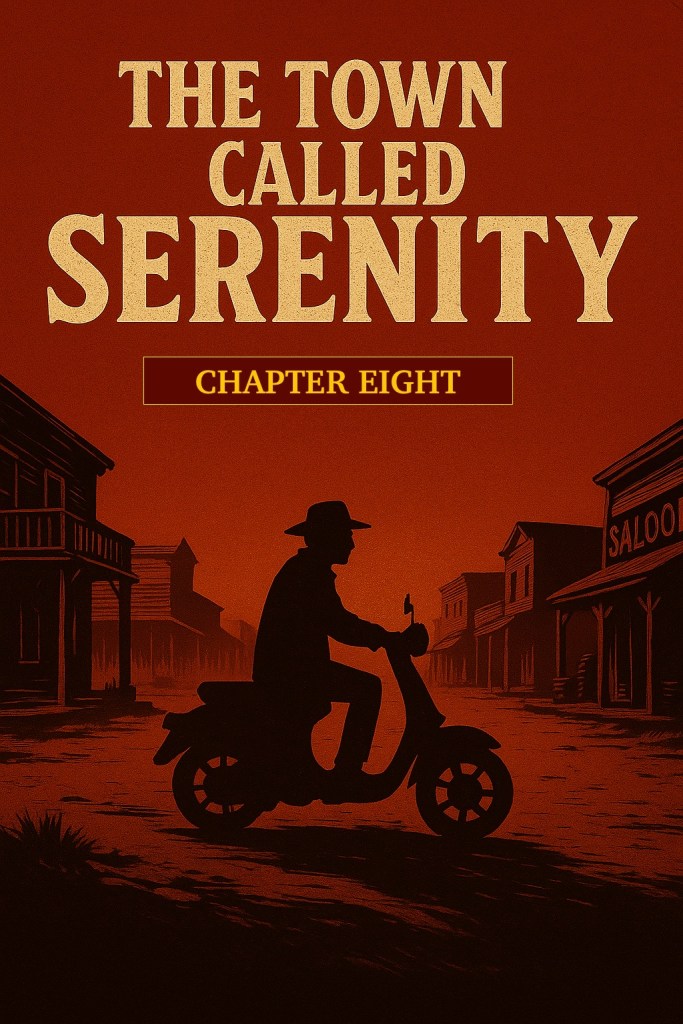
The Town Called Serenity – Chapter Eight – The Devil Knows The Way Out

By Benjamin GroffMedia© | benandsteve.com | 2025 Truth Endures©

3–4 minutes

Chapter Eight: The Devil Knows the Way Out

The blast had sealed the main vault door and collapsed part of the tunnel behind them. Smoke choked the air. Brick and metal groaned under stress. Chester blinked through blood and dust, pulling Wren up from the rubble.

“You alright?”

He asked, coughing.

“Been worse,” 

Wren muttered, cradling her left arm. 

“Dislocated, not broken. I’ll pop it back.”

Chester pulled out a penlight and scanned the room. 

“No exit. That was the only way in.”

Wren smiled through the pain. 

“You thought it was.”

She limped to the far wall. A section of decorative tiling was there—old, Spanish-style. It jutted out from the stone like it didn’t belong. She knocked three times in a rhythm that echoed deeper than it should have.

A hollow click responded.

“Cain didn’t build the vault himself. He took it from a man who did. The original owner had escape routes.”

She traced a tile shaped like a broken star and twisted it counterclockwise. With a faint hiss, the tile wall slid inward, revealing a narrow stone chute, half-collapsed and riddled with centipedes.

Chester stared into the black.

“I don’t suppose you brought rope,”

He said.

“Nope.”

“Alright then,”

He grunted, and they vanished into the dark.

In the Streets Above

Petal stood at her shop counter grinding roots when the front door exploded inward.

She ducked instinctively, drawing her old revolver, but it was too late.

Two men in black tactical gear moved in fast, grabbed her arms, and yanked her across the counter. The third figure entered last—calm, silent.

Mr. Gallow.

He picked up a vial from the shelf, sniffed it, and set it down.

“I’ve read your name,”

He said, voice flat. 

“You’re a known associate of Wren. Harboring her. Aiding a rogue federal.”

Petal spat blood and smiled. 

“You got a badge?”

“No. I have jurisdiction.”

He signaled.

The men dragged her out.

They disappeared down the street. Julep Jake watched from his cell window. He was whittling a miniature guillotine from an old broom handle. 

“And now the harvest begins,”

He muttered.

The Long Climb

Chester and Wren emerged two hours later through a rusted maintenance grate behind the abandoned Serenity Theater. They were scratched, covered in brick dust, and exhausted—but alive.

Wren wiped grime from her face. 

“He set us up. Knew we were coming.”

Chester nodded grimly. 

“Means we rattled him.”

She held up the two ledgers she’d saved—one in each hand.

“He loses if these go public.”

Chester took them, tucking them into his coat. 

“Then let’s make sure they do.”

Suddenly—gunfire cracked in the distance. Three pops.

Wren froze. 

“That was near Petal’s.”

Chester’s face hardened. 

“We’re not the only ones he’s playing.”

They moved quickly down the alleys. Even as they ran, Wren stopped cold. She saw the mark scorched onto the alley wall: a circle with a horizontal line through it.

She grabbed Chester’s arm. 

“That’s not Cain’s symbol.”

“What is it?”

Wren’s voice dropped to a whisper. 

“It’s Gallow’s.”

Chester turned, scanning the rooftops.

“Then we’re out of time.”

What exactly did the symbol mean? Chester had the answer—or at least a regulation book with the answer—tucked away in the saddlebags on his moped. The problem? He didn’t bring it with him. And it’s too far to walk back now. Truth is, he hasn’t laid eyes on that moped since he rolled into town. So, is it hidden so well that he forgot where it is? Or is he protecting a strategic location he’s not ready to reveal? With only two chapters left, the Marshal better get moving!

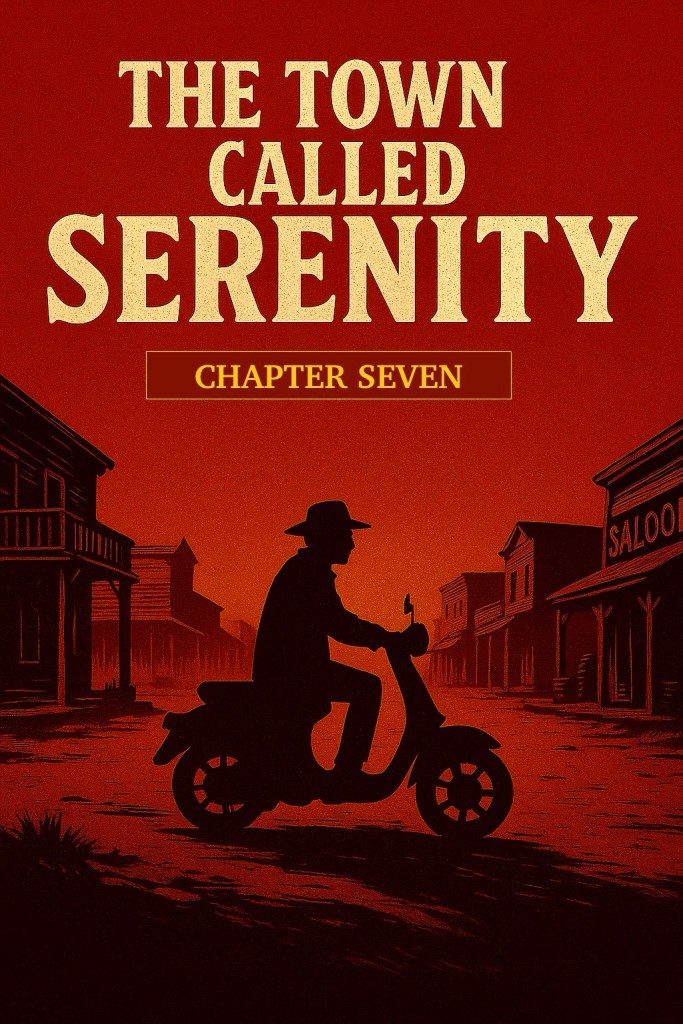
The Town Called Serenity – Chapter Seven – The Hollow Vault

By Benjamin GroffMedia© | benandsteve.com | 2025 Truth Endures©

2–3 minutes

Chapter Seven: The Hollow Vault

Two nights later, Chester and Wren moved through the back alleys of Serenity like smoke.

The plan was simple: infiltrate the vault below The Assembly using the abandoned mine shaft Wren had mapped out. Inside, Cain kept more than just gold and guns—he kept records. Blackmail. Ledgers. Evidence.

Evidence that could break him!

Wren led them to a rusted grate hidden behind the collapsed ruins of an old hardware store. Beneath it: a shaft covered in rotted boards and bad intentions.

“Down there?” 

Chester asked.

“Unless you’d rather try the front door.”

They climbed down slowly, their boots sinking into decades of dust and discarded bones. Lantern light flickered over graffiti scratched into the stone. Old names. Gang signs. Some symbols are older than either of them recognized.

They crawled through two hundred yards of tight rock. They ducked under fallen beams and crossed a flooded tunnel chest-deep in cold water. Finally, they came to a narrow corridor with smooth brick walls.

“This was built after the mine closed,” 

Chester said.

“Cain built it,” 

Wren confirmed. 

“To smuggle in shipments during the lockdown years. It goes straight to his vault room.”

Chester’s hand rested on his revolver. 

“We go in quiet. No guns unless we’re cornered.”

They reached the door—an iron-bound, reinforced, and sealed structure with an old code lock. Wren pulled a tiny folded paper from her coat.

“Petal gave me this,” 

She said.

“It’s the combination. She wrote it down after Cain got drunk and showed off.”

Chester raised an eyebrow. 

“I’m beginning to like that woman.”

Wren punched in the numbers. The lock hissed. The door creaked open.

Inside, the vault glimmered like a serpent’s nest: stacks of cash, boxes of documents, safes within safes.

But the prize wasn’t money.

It was the black books.

Wren went for the ledgers. Chester opened a crate and pulled out a collection of old film reels labeled with names—judges, mayors, even a U.S. senator.

“This is it,”

He whispered.

“This is Cain’s Kingdom in a box!

“This is Cain’s kingdom in a box.”

But then, from behind them—a faint click.

Wren froze. 

“Did you hear—”

Chester tackled her just as the explosion hit.

The vault door slammed shut.

Dust and debris rained down. A trap. It had been rigged.

From above, in a hidden observation room, Braddock Cain watched through a spyglass.

He turned to Poke and said, 

“Let them cook. They wanted into my house. Now they can die in it.”

But neither he—nor Chester—knew that Wren had already mapped another way out.

And worse, Mr. Gallow had just entered Serenity.

Cain’s Kingdom In A Box? Sounds like evidence that sews up this case! But, now Mr. Gallow is in town, and this brings a whole new suggestion for more trouble. Or a solution. It is too early to tell. Maybe Mr Gallow came for the moped. What if the Marshal’s service issued the moped to Chester, and they want it back?

The Town Called Serenity – Chapter Six – Ashwood

By Benjamin GroffMedia© | benandsteve.com | 2025 Truth Endures©

1–2 minutes

Chapter Six: Ashwood

The file on Chester Finch wasn’t stored in any digital archive. It was handwritten, double-sealed, and stored in a fireproof vault in Washington, D.C., under a codename known only to four men who still remembered it.

Operation Ashwood.

Eight years ago, Chester was part of a black-bag unit inside the U.S. Marshal Service—officially unrecognized, unofficially unstoppable. The team was created to root out systemic corruption in rural American towns with privatized law enforcement and cartel-backed leadership. The mission was simple: infiltrate, destabilize, expose.

Ashwood’s first three targets were textbook. The fourth—Gulch County, Texas—was different.

Chester had made the call. He exposed the sheriff, three council members, and a judge and brought them down with a clean sweep.

But the blowback was lethal.

Three of Chester’s team were ambushed at the exit. A safe house was burned down—with a whistleblower’s daughter inside. The press got hold of fragments, but the whole truth? That was buried in a sealed report and heavily redacted.

Chester took the blame. Not officially. But quietly. They let him keep the badge—under the condition that he’d never be given another high-profile operation again.

Until now.

Serenity was never meant to be his assignment. Someone had slipped his name into the dispatch. Someone with a more extended memory than the agency admitted to.

And now Gallow, the last surviving Ashwood “fixer,” was on the trail.

Now, remember this is only a pause between Chapters Five and Seven. This moment is to clarify what was happening. It serves to show what brought Chester Finch to these parts. When Chapter Seven opens, it will seem like only a few days have passed. That will be just enough time for Finch to remember his past, whether he likes it or not. Still, there is no word where he has left the moped. Surely, it would have been used as a bargaining chip with him by now.

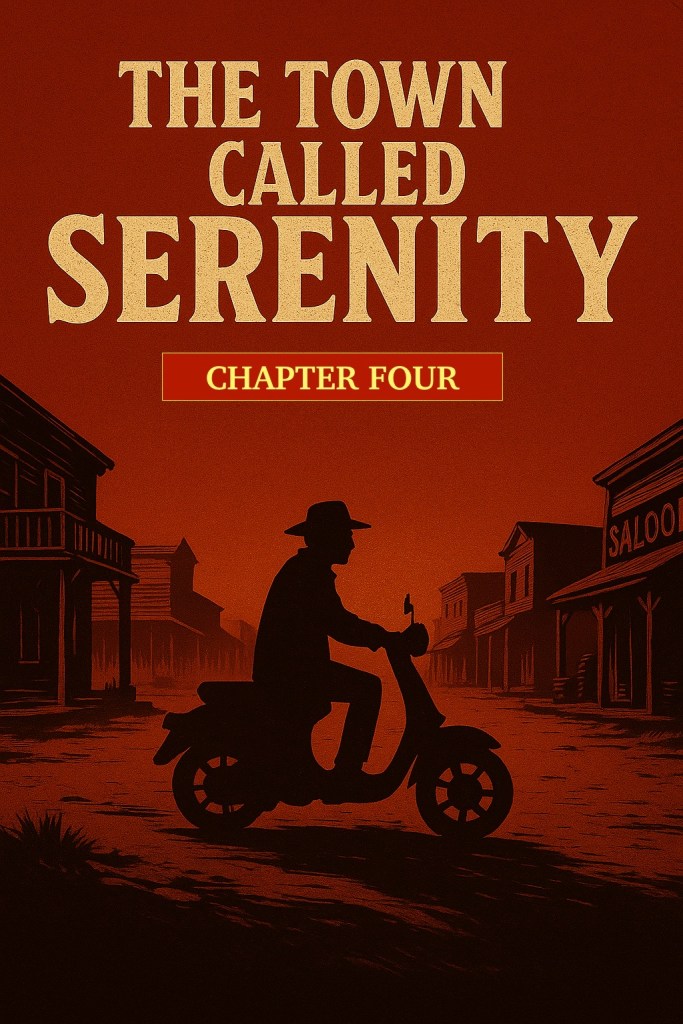
The Town Called Serenity – Chapter Four – Pieces on the Board

By Benjamin GroffMedia© | benandsteve.com | 2025 Truth Endures©

3–5 minutes

Chapter Four: Pieces on the Board

Braddock Cain stood in front of a pool table inside The Assembly, lining up a shot with surgical calm. His eyes didn’t leave the cue ball even as Poke relayed the report.

“He bloodied Silas’s nose, bruised Dutch’s ribs, broke Miles’ fiddle, and made Jonas fall on his ass,” 

Poke said, leaning against a cracked marble column. 

“Didn’t even draw his gun.”

Cain took the shot. The cue ball clicked sharply and sank the eight-ball in the corner pocket.

He stood slowly, placed the cue stick back on the rack, and poured himself a drink.

“And the town?”

“They watched,” 

Poke replied. 

“They didn’t help, but they didn’t laugh either. Some of ’em even looked –– curious.”

Cain stirred his drink with one finger. 

“That’s the worst part.”

Poke blinked. 

“Sir?”

Cain turned toward the window. 

“Fear keeps Serenity in check. When people get curious, they start to hope. And hope’s just a prettier way of saying ‘trouble.'”

He walked back to his velvet chair, every step echoing in the hollow room.

“I want to know everything about Marshal Finch. Where he came from. What he’s running from. Who sent him? And,”

He added, narrowing his eyes, 

“who he’s willing to die for.”

Poke nodded and disappeared.

Cain sipped his drink and muttered to the empty room,

“Let’s see what kind of man rides into Hell on a scooter.”

Across the Rooftops

Wren sat cross-legged on the corrugated roof of what had once been Serenity’s schoolhouse. The sun was setting in a blood-orange smear across the sky. She held a spyglass in one hand and a half-sharpened pencil in the other. A leather-bound journal rested in her lap.

Inside were names. Maps. Notes.

She turned to a fresh page and wrote:

Chester Finch – Marshal – Took a hit, didn’t fall. I watched the Gentlemen leave bruised. He won’t last a month. He might last longer.

Beside her sat a worn revolver wrapped in canvas, untouched. Wren didn’t shoot unless necessary. 

Observation was safer.

She reached into her coat and pulled out a folded piece of paper. It was a newspaper clipping, old and faded:

“LOCAL DEPUTY DIES IN FIRE — WIDOW, CHILD UNACCOUNTED FOR”

She stared at it for a long moment before tucking it away again.

Wren wasn’t born in Serenity. She was left here. Left during the chaos, after the fire, after the men in black suits came and went. Cain had taken her in—not out of kindness but calculation. He saw her silence, her memory, her talent for hiding in plain sight.

He never asked questions. Neither did she.

Until now.

She looked back toward the jailhouse, where Chester Finch was lighting a lantern in the window. He moved stiffly, but there was something in the way he held himself. Like a man who wasn’t afraid to die—but was trying real hard not to.

She flipped back through her notebook. She found a sketch she’d drawn weeks ago. It was a map of Serenity. The map had dotted lines marking the tunnels under the old mines. It showed the abandoned telegraph station and the hidden entrance to Cain’s private vault room.

Wren circled Chester’s name, then drew a faint arrow pointing to the vault.

It was almost time.

Elsewhere in Serenity ––

  • Petal wiped the dust from her apothecary shelves. She stared at a cracked photo of her brother. He was killed by Cain’s men for refusing to cook meth in the back room. She kept smiling, but her smile was starting to slip.
  • Julep Jake, now back in his cell by choice, was building something with matchsticks and chewing gum. “Civic infrastructure,” he explained to no one.
  • Silas Crane dipped his bleeding knuckle into holy water and laughed softly. “He’s gonna make me preach,” he whispered. “And I do love a sermon.”

Back in The Assembly, Cain sat alone in the dim light, polishing a gold coin between his fingers. One side bore the symbol of the old U.S. Marshal’s badge. The other side? Blank.

“Flip it,”

He whispered. 

“Heads, he burns. Tails, he breaks.”

He flipped the coin into the air and caught it.

But he didn’t look.

Not yet.

The Town Called Serenity – Welcome Committee

By Benjamin GroffMedia© | benandsteve.com | 2025 Truth Endures©

3–5 minutes

Chapter Three: Welcome Committee.

A town allergic to rules.

The Town Called Serenity

By noon the next day, the heat in Serenity had risen to an oppressive boil. The town smelled of dry rot, sweat, and gun oil. Somewhere in the distance, a fiddle played off-key. Somewhere closer, someone was being punched.

Chester Finch stepped out of the rickety sheriff’s office he had claimed, swatting at flies with his hat. His left eye was bruised from a scuffle the night before, and he had re-holstered his sidearm four times that morning alone—once while buying coffee, once while crossing the street, once during a handshake, and once because a six-year-old pointed a slingshot at him and said, 

“Bang.”

Serenity wasn’t just lawless—it was allergic to rules.

A woman named Petal ran the general store and apothecary. She greeted Chester with an arched brow, and a cigarette clung in the corner of her mouth.

“You’re still alive,”

She said, counting change. 

“Didn’t expect that.”

“Thanks for the confidence,” 

Chester replied, tipping his hat.

She shrugged. 

“Ain’t personal. We don’t usually see second sunrises on lawmen.”

Chester had started to respond when a shadow fell across the dusty street. Four men approached—spaced out like predators, walking with the purpose that made children vanish and shutters slam.

The Gentlemen had arrived.

The one in front was tall, clean-shaven, and wore a preacher’s collar over a duster that flared in the wind. A thick Bible was tucked under one arm. His name was Silas Crane, but most folks called him Reverend Knuckle. He smiled with too many teeth.

“Marshal,” 

He said. 

“We heard you were new in town. Thought we’d come to say hello proper-like.”

Behind him stood the other three:

  • Dutch, a former bare-knuckle boxer with hands like cinder blocks and a voice like gravel being chewed.
  • Miles, a one-eyed fiddler with a twitchy finger, never stopped humming.
  • And Jonas, the silent butcher-aproned brute who carried a wood-chopping ax like it was a handshake waiting to happen.

Chester stayed calm. He’d dealt with worse—once, a rogue bootleg militia in Nevada. Another time, a cult leader in Kentucky had a fondness for snakes and a penchant for blackmail. These four? They were just another test. Or so he hoped.

“I appreciate the hospitality,” 

Chester said, thumb resting on his belt. 

“But I’m here on business.”

Silas opened his Bible, then punched Chester square in the jaw. The Marshal hit the dirt hard.

“Chapter One,”

Silas said, closing the book. 

“Verse one: The meek get stomped.”

Dutch cracked his knuckles. 

“You wanna deliver the sermon, or should we take it from here?”

Chester wiped the blood from his lip and sat up. 

“You fellas always greet visitors with scripture and assault?”

“We greet threats,”

Silas replied, crouching. 

“You’re Cain’s business now. That means you’re ours.”

Behind them, the few townsfolk watching began to edge away, some disappearing entirely. Petal stayed, lighting a second cigarette from the first.

Chester stood up slowly. 

“You done?”

Silas raised an eyebrow.

Because that’s when the door behind them swung open, and out walked Julep Jake, shirtless, handcuffed, and barefoot.

“Marshal,” 

Jake yelled, grinning wildly, 

“you left the cell unlocked again! I declare myself free! By raccoon law!”

Everyone froze.

Even Jonas blinked.

Silas turned slightly. 

“What is—?”

And that’s when Chester moved. Fast.

He used the distraction to land a gut punch on Dutch. He spun around Silas. Then, he kicked Miles’ fiddle clean across the street. Jonas came at him like a wrecking ball, but Chester ducked and flipped a barrel in the way. The brute went tumbling.

It wasn’t a win. It was a delay.

But it was enough.

When the dust settled, Chester stood there, breathing hard, badge still gleaming. Around him, the Gentlemen nursed bruises and bruised pride.

“You tell Cain,”

Chester said, voice steady, 

“that if he wants me gone, he better send a storm. Because the breeze just isn’t cuttin’ it.”

Silas stared at him, blood on his lip. Then he smiled that too-wide smile again.

“This is gonna be fun,” 

He whispered.

They left him standing there, Jake still rambling behind him about his re-election campaign.

Later That Night ––

From a rooftop, a girl no older than fourteen watched the fight unfold. Her name was Wren. She didn’t talk much and didn’t smile either. But she watched everything. She scribbled something in a notebook.

The new Marshal wasn’t like the last dozen.

This one fought back.

The Town Called Serenity – Chapter Two ~ The Man In The Velvet Chair ~

By Benjamin GroffMedia© | benandsteve.com | 2025 Truth Endures©

3–4 minutes

Chapter Two: The Man in the Velvet Chair

Braddock Cain held court in what used to be Serenity’s town hall. It has been redubbed The Assembly. This tongue-in-cheek title amused him to no end. The building’s original seal featured a gavel and olive branch. It had been charred. A mural of a coiled snake wrapped around a set of broken scales replaced it.

Cain reclined in a velvet chair salvaged from an old theater. His legs were crossed and his boots polished. A glass of brandy swirled in his hand. He dressed like a gentleman, but everything about him screamed predator. His jaw bore a faded scar shaped like a question mark, and his eyes—green, sharp, reptilian—missed nothing.

He was listening to the daily reports from his lieutenants. These included moonshine shipments and bribe tallies. They discussed who’d been bought and who needed reminding. It was during this time that the news came in.

“Marshal rode in today,” 

Said a wiry man named Poke, who hadn’t blinked since 1989. 

“Little fella on a moped. Arrested Julep Jake, if you can believe it.”

Cain’s eyebrow lifted slightly.

“Didn’t shoot him?” 

He asked, his voice smooth as oiled leather.

“No, sir. I hauled him off. Jake’s in the old jailhouse right now. He’s hollerin’ about election fraud. He’s claimin’ he’s immune to state law because of a sacred raccoon spirit.”

Cain chuckled, swirling his drink.

Side Note:

Julep Jake was a Yale-educated botanist. He loved whiskey-fueled nonsense. He habitually wore a sash that read “Honorary Mayor 4 Life.” Despite all this, he had a breakdown during a lecture on invasive species. He ended up in Serenity after wandering the desert in a bathrobe. He decided, on divine instruction, that this was where civilization needed his governance. The raccoon spirit came later, after a bad batch of moonshine.

Cain leaned forward, elbows on his knees. 

“So. The law’s back in town.”

Poke nodded. 

“Says he’s here to clean up.”

Cain smiled faintly. 

“Then let’s give him something to mop up.”

He rose, slow and deliberate. Every movement was calculated with the same precision he used to carve out his little empire. Cain wasn’t just a criminal—he was a tactician. He knew that fear didn’t come from bloodshed alone. It came from control. Predictability. Making people believe that resistance was a form of suicide.

“Send word to the Gentlemen,”

Cain said.

The Gentlemen weren’t gentlemen at all. They were Cain’s enforcers—four men, each with a particular specialty. One was a former preacher who liked to break fingers while quoting scripture. Another was a silent giant who wore a butcher’s apron even on Sundays.

“Tell them I want to meet our new Marshal. Kindly, of course. Offer him a warm Serenity welcome.”

Poke nodded and vanished.

Cain turned to the shattered windows behind him, looking out over his kingdom. Dust swirled in the streets. Somewhere, a gunshot echoed, followed by laughter.

“I do enjoy it when they come in idealistic,”

Cain murmured, sipping his drink. 

“They bleed slower.”

The Town Called Serenity – Chapter One

By Benjamin GroffMedia© | benandsteve.com | 2025 Truth Endures©

3–4 minutes

The Town Called Serenity

In a remote corner of the state, the roads grow narrow. The trees lean in like they’re sharing secrets. There lies a town called Serenity. The name is a cruel joke—there’s nothing serene about it. This is a place where street signs double as target practice. The law has long since departed. No one has noticed. The welcome sign on the outskirts used to say, Population: 312. Someone scratched it out and replaced it with Too Many.

In Serenity, bars outnumber churches, and the only thing thinner than a promise is a badge. It’s where outlaws hide not from the law but from one another. It’s a haven for grifters, gunmen, and ghosts of good men who didn’t make it out.

And into this outlaw’s paradise rolled Chester Finch.

Deputy U.S. Marshal Chester Finch was not the image of frontier justice. He didn’t ride in on a stallion or a dusty pickup truck. No, Chester arrived in Serenity on a cherry-red moped. It’s the kind you’d see zipping through suburbs. You also find it parked at a vegan coffee shop. He wore regulation boots, a broad-brimmed hat, and a badge that gleamed as if it still held some hope.

The moped sputtered as it crossed the town’s crooked boundary, its two-cycle engine whining like a mosquito. Chester parked outside the Rusted Spur Saloon. It was half brothel, half bar, and all trouble. Eyes were already watching him from behind dusty windows and cracked doors.

On the porch, an older man with a shotgun across his knees spat into a tin can and said, 

“That there’s the funniest damn thing I’ve seen all week.”

Chester dismounted, kicked the stand down, and brushed the dust off his badge. 

“I’m lookin’ for the sheriff,”

He said.

The older man cackled. 

“Ain’t had a sheriff since Mad-Eye Morgan got shot for winnin’ too many poker hands. That was six months back.”

“Then I suppose I’m it now,” 

Chester replied, squinting at the sun. 

“By order of the U.S. Marshal Service, I’m here to restore order.”

The laughter that followed came from more than just the porch. It drifted from second-story windows and behind swinging doors. It came from a town. The town believed the law was something you threw in a ditch. It was buried with the rest of your conscience.

Chester knew this wouldn’t be easy. He knew his badge would draw more bullets than respect. But he also knew Serenity was on the brink of something worse. The federal files hinted at growing ties to outlaw syndicates. There were whispers of gun-running. A name kept popping up: Braddock Cain.

Cain ran Serenity like a private kingdom. Tall, scarred, and charming as a rattlesnake in a bowtie, he was the unspoken king of vice. No one crossed him unless they wanted to disappear.

Chester had crossed worse. Or so he told himself.

His first night in Serenity ended with a knife fight. There was a horse in a bar. The moped was set on fire by a drunk named Julep Jake, who claimed to be the mayor. Chester arrested him anyway. This unpopular move earned him a cracked rib and a bloodied lip. It also earned him the first sliver of respect from the few decent souls still buried in Serenity’s mess.

By morning, Chester had taken over an old sheriff’s office. It was half caved in and smelled of rot and regret. He nailed his badge to the door. It was symbolic more than anything. And in this town, symbols were dangerous.

He had come for peace, riding on two wheels and carrying a quiet resolve. He found a town at war with itself. It was a fight that takes more than a badge to win.

But Chester Finch wasn’t here for symbolism. He was here to end the laughing.

Coming Friday The Ten Part Story Begins On The Town Called Serenity

By Benjamin GroffMedia© | benandsteve.com | 2025 Truth Endures©

1–2 minutes

Summary:

The Town Called Serenity

A town lies in the lawless fringes of the state. It is so dangerous and rotten that only the most desperate or the most damned ever call it home. Serenity—where outlaws drink with murderers, where honest men bleed before their second breath, and where fear rides in daylight.

Enter Chester Finch, a disgraced Deputy U.S. Marshal with a forgotten past and a laughable ride—a moped. But Serenity’s not a place that cares about appearances. It cares about power. And when Chester arrives, he’s not just up against crooked sheriffs, backroom executions, and townsfolk too scared to speak. He’s walking into the jaws of Braddock Cain—a kingpin with an empire built on blackmail and buried secrets.

Chester uncovers the layers of corruption. He discovers a larger threat: Gallow. Gallow is a ghost from his past with no badge, no mercy, and no leash. When Gallow comes to cleanse Serenity in fire, Chester must rally the few brave enough to fight. He must stand in the middle of a street where justice hasn’t walked in years.

This is a tale of grit, guilt, redemption—and standing tall when hell itself tells you to kneel.

Watch for the first Chapter in a series of 10! You can find them here beginning May 30th, 2025!

Detective Clara Vale: Unraveling Pine Hollow’s Secrets

By Benjamin GroffMedia© | benandsteve.com | 2025 Truth Endures©

2–4 minutes

The morning sun had just begun to burn away the last wisps of fog. The fog clung to Pine Hollow’s deserted streets. At this moment, Detective Clara Vale stepped off the county bus. The little town—nestled between whispering pines and rocky hills—was where everyone knew your grandmother’s maiden name. In this town, no secret stayed buried for long. But something about the silent hush felt different today, as if the forest was holding its breath.

Clara’s boots crunched on the gravel. She walked to the crooked lamppost at the town square. There, a single bulletin board displayed the hand-painted flyer she’d come to see:

“Missing: Benjamin Hawthorne. Last seen at the Old Mill.”

Benjamin, a local schoolteacher, had vanished two nights before. He left only a trail of broken glass in his classroom. A smear of muddy footprints led into the woods. Clara studied the flyer’s edges—fresh tears around the corners told her someone had already pulled it down once. She taped it back in place and set off.

Her first stop was the Old Mill, its rotting wood groaning in the breeze. Inside, moonlight slanted through broken windows, illuminating desks overturned, and chalk dust still hovering in the air. Clara knelt by a desk. She noted the glass shards and a single, battered notebook. It lay open to a page filled with frantic mathematical equations. This was Benjamin’s lifework on the community’s crumbling dam.

Clara closed the book gently and pocketed it. The dam’s collapse would flood half the town; had Benjamin discovered a flaw and been threatened into silence?

As dusk fell, Clara meticulously combed through the Hawthorne farm. Benjamin’s aging parents stuttered about late-night visitors. Strange trucks idled on the gravel road, and their headlights flickered like watchful eyes. Their hands trembled as they described a low rumble, like a machine in the woods. Clara’s pulse quickened at the implication of clandestine logging or worse. She assured them she’d find Benjamin, her determination unwavering, then slipped out the back door.

By midnight, Clara was deep in the forest, tracking tire tracks that plunged toward the dam’s service tunnel. She shone her flashlight on fresh scuff marks along the tunnel walls. Heart pounding, she crept ahead until she heard a muffled voice. 

“Detective… over here.” 

Benjamin emerged from the shadows, bruised but alive, clutching the dam’s blueprints. 

“They wanted me to falsify the safety report,” 

He whispered. 

“When I refused, they locked me up.” 

Clara’s eyes narrowed as headlights flared above ground—masked men were coming back. Benjamin was by her side. She retraced her steps. She used the winding tunnel to slip past the guard trucks waiting at the entrance.

When they burst into the open, Clara raised her badge like a beacon. 

“State Police—step away from the dam!” 

Her command sent the conspirators scattering into the trees. Moments later, sirens rang in the distance—backup arrived earlier to secure the scene. In the stillness that followed, Clara handed Benjamin his blueprints. 

“Now the town knows the truth,” 

She said. As the first light of dawn filtered through the pines, Pine Hollow exhaled, its secrets finally laid to rest. 

The collective sigh of relief was relatable as Detective Vale boarded the morning bus, ready for whatever mystery came next.