Disney’s Experiential Designer Eddie Sotto Dead At Age 67

Groff Media ©2025 benandsteve.com Truth Endures
1–2 minutes

Eddie Sotto, 67, American experiential designer, mixed-media producer and conceptualist

Eddie Sotto, a visionary designer and influential figure in themed entertainment, has died at the age of 67. Sotto earned widespread respect for his creative leadership. He made a lasting impact on the way immersive environments are imagined and experienced. His work with Walt Disney Imagineering was significant during a pivotal era of expansion and innovation.

Eddie Sotto imagined places where stories lived. He shaped immersive worlds at Walt Disney Imagineering. These worlds welcomed millions and forever redefined themed design.

Sotto joined Walt Disney Imagineering in 1986. He rose to become Senior Vice President of Concept Design in 1994. This role placed him at the center of some of Disney’s most ambitious international projects. Among his most notable achievements was overseeing the design of Main Street, U.S.A. at Disneyland Paris. There, his vision helped adapt a classic American concept for a global audience. He managed to preserve its sense of nostalgia, storytelling, and emotional resonance.

One of Sotto’s most enduring contributions was his proposal. He suggested placing the Disneyland Hotel directly at the entrance of Disneyland Paris. This proposal was bold and unprecedented. This was the first time Disney situated a hotel within a theme park. This concept would influence future park planning. It also redefined the relationship between guest experience and themed architecture. Eddie Sotto’s legacy endures in the spaces he helped create and in the imaginative standards he set for immersive design.


Groff Media ©2025 benandsteve.com Truth Endures

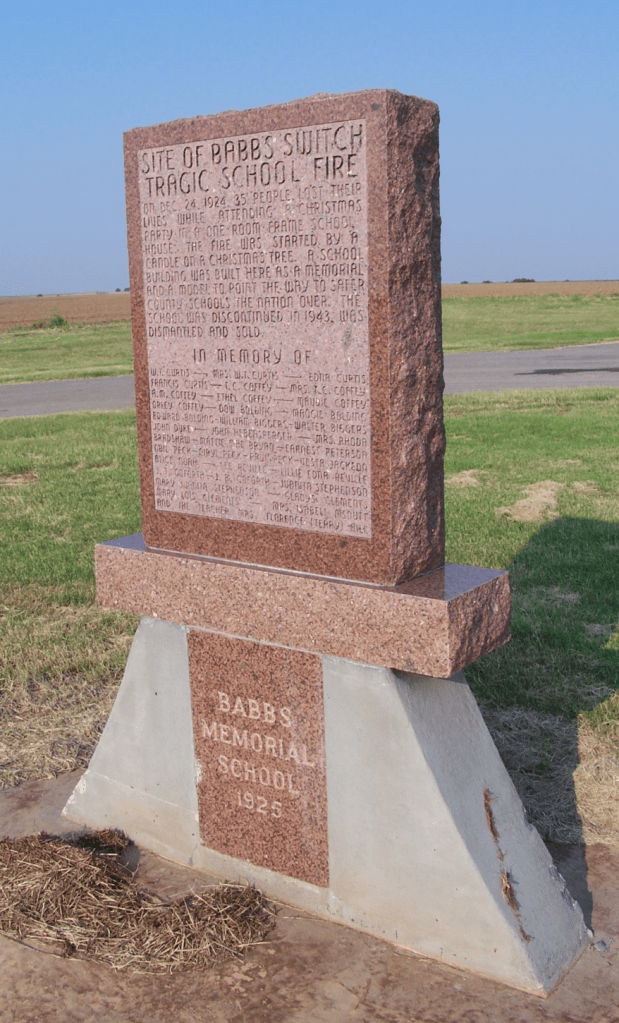
The Christmas Eve Babbs Switch School Fire

This story is pulled from the archives as a celebration for the season edition.

Groff Media 2024© Truth Endures IMDbPro

Presented by benandsteve.com By: Benjamin Groff II©

3–5 minutes

Every year at this time, I am reminded of a harrowing story. It is deeply etched into Oklahoma’s collective memory: the Babbs Switch School Fire of Christmas Eve, 1924. It stands as a tragic lesson in safety, humanity, and resilience.

The Fire

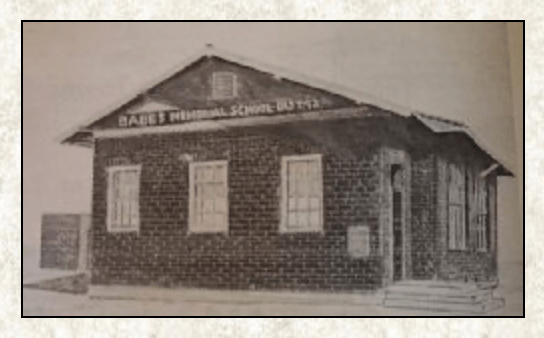
On that bitterly cold night, with heavy snow and sub-zero temperatures, 200 residents gathered. They met in Babbs Switch’s one-room schoolhouse for a Christmas Eve program. The school was tightly packed with engaged couples, grandparents, mothers, fathers, and children. The building’s windows were secured with wire mesh to deter intruders from the nearby railroad tracks. The sole exit—a door that opened inward—would soon become a deadly trap.

The program concluded with a teenage boy dressed as Santa Claus. He handed out toys and candy beneath a cedar Christmas tree. The tree was decorated with paper, tinsel, and lit candles. One of these candles brushed against the tree’s dry needles, igniting it instantly. Mrs. W.G. Boland, whose three children perished that night, later recounted the horror. 

“I tried to beat it out with a paper sack,”

she said, 

“but it did no good.” 

Initially, the crowd laughed, believing the small blaze was being contained. But within moments, the flames engulfed the tree, the ceiling, and the entire structure.

Panic erupted.

The sole exit became a bottleneck as the crowd surged toward the door. Those at the back pushed forward, while the unlucky at the front got crushed in the chaos. Some attempted to pry open the wired windows, but their efforts were futile. Trapped inside, children, parents, and neighbors succumbed to the smoke and flames. Witnesses recalled the horrifying scene of people clawing at the exit. Bodies piled atop one another, and the acrid stench of burning flesh.

The Survivors

Among those who escaped was Lillie Biggers. She crawled out from under a desk clutching a doll she had just received. Her mother, Margaret, managed to get out but suffered severe burns to her hands and arms. Tragically, Lillie’s brothers, William, 9, and Walter, 15, did not survive. The Biggers family’s grief mirrored that of the entire community, where 36 lives were lost—half of them children. The belongings later identified the bodies of William and Walter. They carried a toy gun and a belt buckle.

The injured and deceased were transported to Hobart, the nearest town, where makeshift morgues were set up. The community’s response, known as the “Hobart Spirit,” saw residents drop everything to give aid and comfort. Newspaper accounts likened this effort to the Oklahoma Standard that emerged decades later after the Oklahoma City bombing.

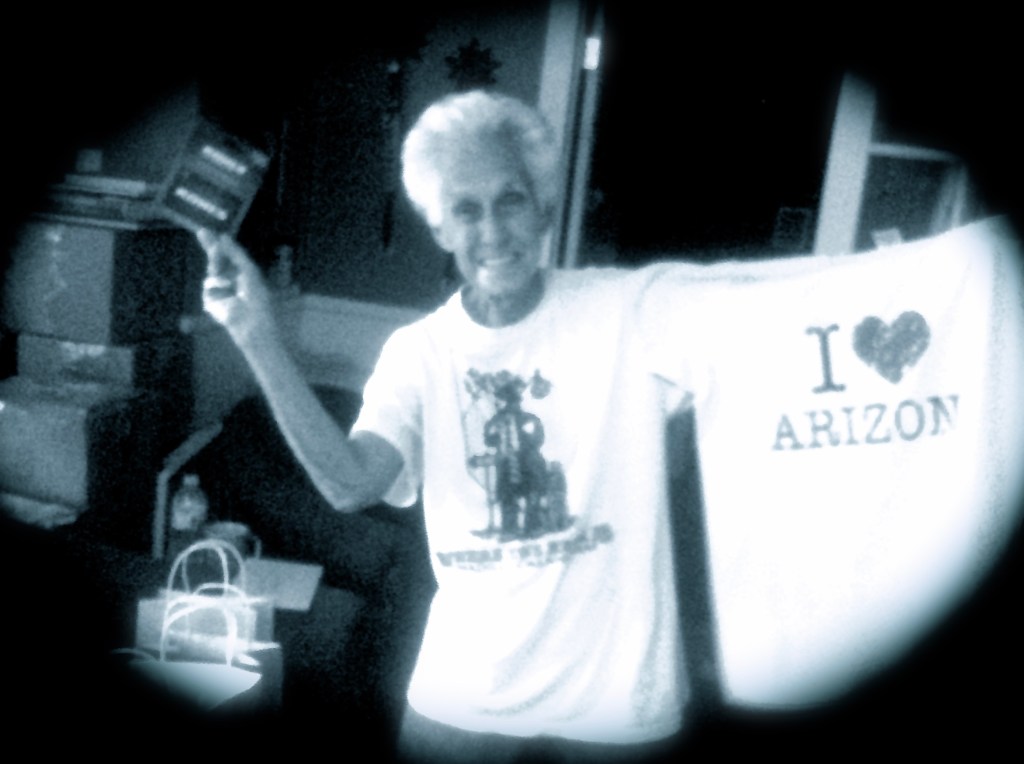
Julie Braun with Mother
Lillie’s Doll That Survived Fire

The Aftermath

The tragedy prompted a wave of reforms. Oklahoma legislators enacted fire safety laws requiring outward-opening doors, multiple exits, and accessible window screens in schools. Open flames were banned, and fire extinguishers became mandatory. The reforms eventually spread nationwide, though it would take more tragedies before they were fully adopted.

The morning after the Babbs Switch School Fire

A Missing Child

The story took a strange twist that turned it into a lingering mystery. Among the victims was three-year-old Mary Edens—or so it was believed. Her aunt, Alice Noah, escaped the building. She died days later. She claimed she had handed Mary to an unknown person outside the burning building. Mary’s body was never recovered, leading her family to hope she had survived.

In 1957, decades after the fire, a woman named Grace Reynolds came forth. She was from Barstow, California. She claimed to be the long-lost Mary. The Edens family reunited with her on Art Linkletter’s House Party television program, believing their prayers had been answered. Reynolds even wrote a book about her experiences. It is titled Mary, Child of Tragedy: The Story of the Lost Child of the 1924 Babbs Switch Fire.

But only some were convinced. A local newspaper editor who investigated the claim questioned its validity. 

Skeptics noted inconsistencies in Reynolds’s story, but no definitive evidence confirmed or debunked her identity. To this day, the truth remains elusive.

Legacy

The Babbs Switch School Fire is remembered as one of the deadliest school fires in U.S. history. A stone monument now stands where the schoolhouse once stood, a quiet marker of lives lost and lessons learned. The physical scars of the tragedy have faded. Yet, its memory endures. It serves as a poignant reminder of the fragility of life and our enduring hope for safety and change.

References for this writing can be found at – 

https://blogoklahoma.us/place/394/kiowa/site-of-babbs-switch-tragic-school-fire

https://www.thesirenspodcast.com/post/case-files-babbs-christmas-fire

https://genealogytrails.com/oka/kiowa/babbsfire.html

https://en.wikipedia.org/wiki/Babbs_Switch_fire

Because They Mattered ~ Legacy Lives On

Their Final Chapter Is Not the End

Groff Media ©2025 benandsteve.com Truth Endures

2–3 minutes

In the quiet margins of newspapers, lives flicker out of print. Still, they do not fade out of memory. That is where our magazine steps in. It offers a respectful space for families and community members. They can share and preserve their loved ones’ stories. benandsteve.com believes that every person who mattered deserves more than a line in the obituary section. It doesn’t matter whether they soared in the spotlight or labored in the shadows. They deserve a story that lingers.

At Galaxy8News, a Service of benandsteve.com, we curate the collection Notable Deaths—Gone But Not Forgotten. Our aim is to shine a light on the lives behind the names. We ask the questions no standard notice ever does: What did they believe? What seeds did they plant? Who still carries their echo?

Remembering those who have gone on before.
In State. Gone But Not Forgotten! ~ The Quiet Roll Call of Memory ~ A Place Where Every Life is Honored!

The local teacher’s kindness rippled through generations. The factory worker’s quiet ingenuity saved jobs. Every story reminds us that all lives matter and deserve recognition. Each of them mattered in a way that defies headline fame, and we honor that truth.

When you turn our pages, you are not just scrolling past a date and a funeral notice. You are stepping into a life lived, an unfinished story, and a memory that still speaks. Through these stories, you can feel connected to those who shaped our world in ways that matter deeply to someone.

Join us. Let this edition of Notable Deaths – @ Galaxy8News, a service of benandsteve.com, stand as a testament that we remember — not only the famous, but the faithful. We honor not only the celebrated, but the steadfast. Through meaningful storytelling, we create a space where every life is acknowledged. Each life is valued and preserved. This nurtures a lasting sense of belonging and purpose.

We assure their contributions, their legacy, and their memory are posted. Visit daily to stay connected and informed on the most recent passing’s of those who have departed this world. Their lives mattered, and their stories deserve to be remembered. Bookmark it here! Just remember Galaxy8News, a service of benandsteve.com and Notable Deaths are two different pages. Hosted by the same entity.


By Benjamin GroffMedia© | benandsteve.com | ©2025 

Photo by ASHISH SHARMA on Pexels.com
Don’t Be A Turkey!

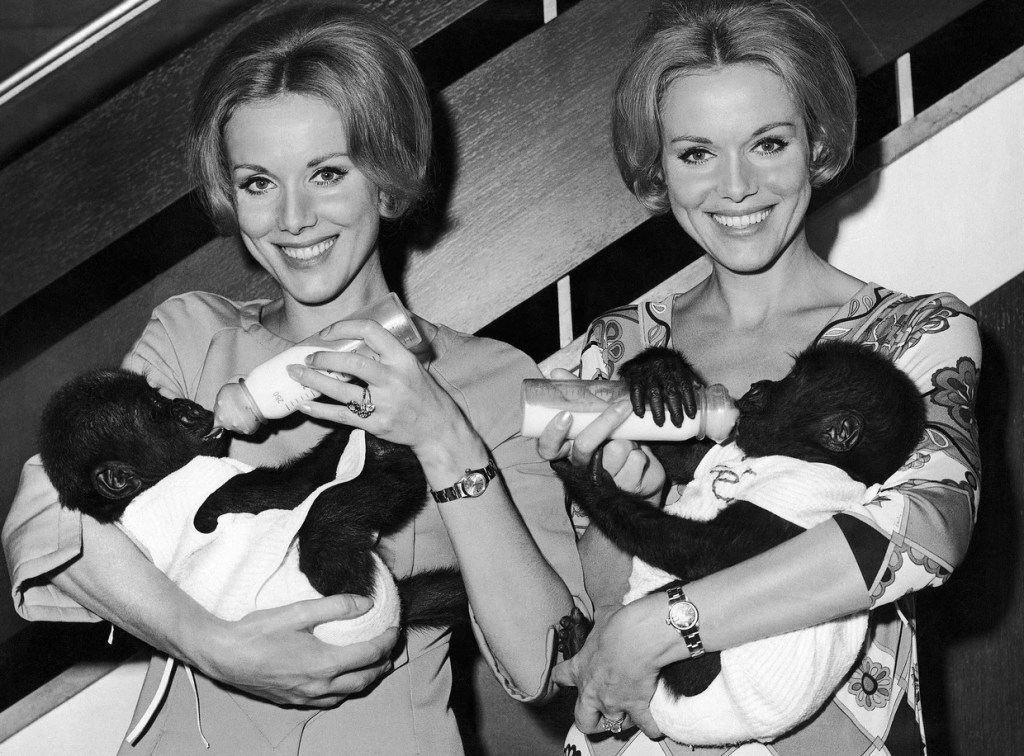
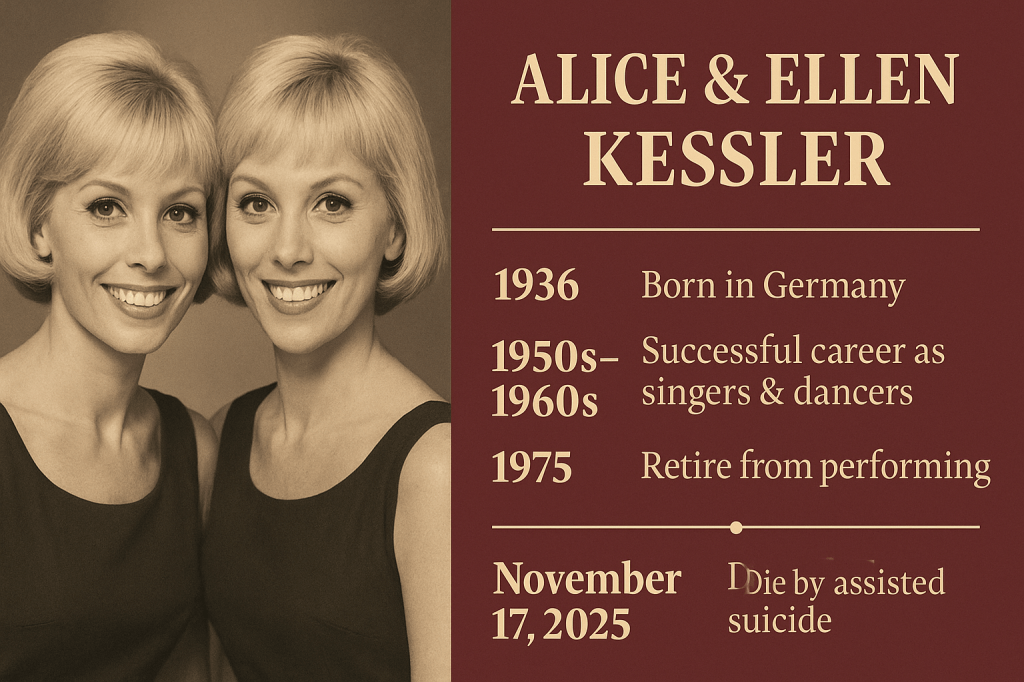
Alice Kessler & Ellen Kessler — Twin Lives, Shared Stardom, and a Final Choice Together

By Benjamin GroffMedia© | benandsteve.com | ©2025 

3–4 minutes

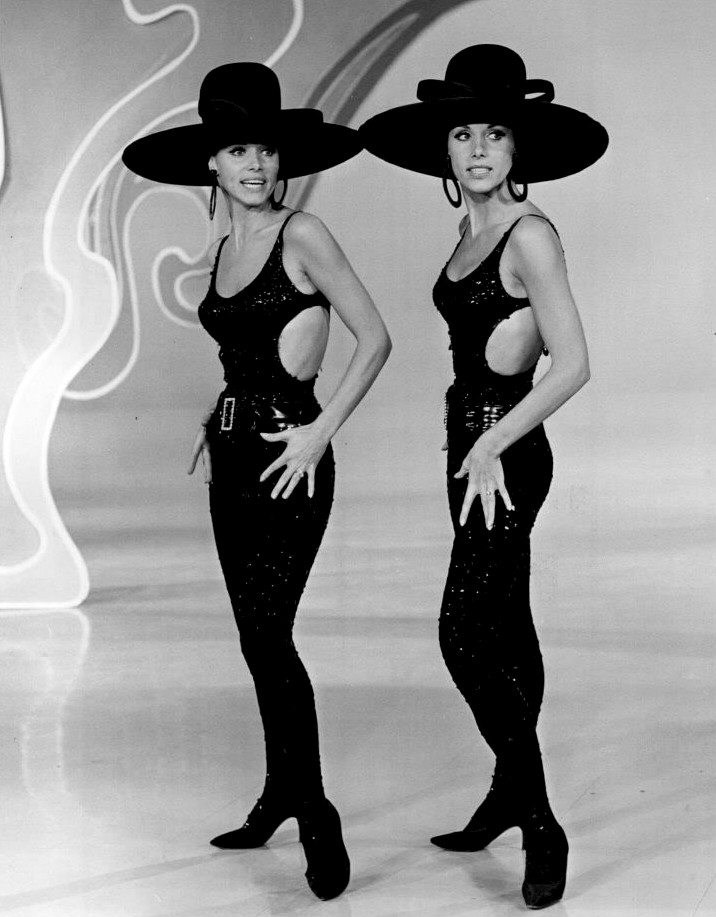
Alice and Ellen Kessler were born on August 20, 1936, in Nerchau, Saxony, Germany. From early childhood, they trained in ballet and performance, eventually emerging as a dazzling twin act in post-war Europe. They became known internationally for their synchronized dancing, singing, and television appearances. They found particular fame in Italy, where they were dubbed “Le gemelle Kessler”.  

They appeared in films like Love and the Frenchwoman and Dead Woman from Beverly Hills . Their careers expanded beyond dance into acting. 

Shared Career, Shared Life 

For decades, they performed as a unit—twins inseparable both on and off stage. Their image of elegance, glamour, and synchronized precision made them icons of entertainment in the 1950s and 1960s. Their bond remained strong even as they stepped away from the spotlight, ultimately returning to Germany and settling near Munich.

Their Final Days & Decision

On November 17, 2025, both Alice and Ellen passed away in Grünwald, Bavaria, Germany, at the age of 89.  Their cause of death is reported as assisted suicide. They made this decision together. It reflects how they had lived life: side by side. 

The sisters had long ago expressed the wish to be cremated together. They wanted their ashes placed in a single urn, according to reports. They had indicated they no longer wished to continue their current life. They chose to end their lives together. 

Why They Made That Choice

While the intimate details of their decision stay personal, the public record suggests the following contributing factors:

  • Age and quality of life: At 89, they faced the realities of aging. Having lived their whole careers, they wished to face death by choice rather than decline.
  • Deep bond: Their identity had been formed around always being together—professionally and personally. The decision to depart together echoes the unity they maintained for nearly nine decades.
  • Autonomy in the final act: In Germany, since 2019, medical aid in dying has been legal under certain conditions. This involves an individual administering prescribed medication themselves. They chose the timing, setting, and manner—affirming their autonomy to the end.

Legacy and Reflection

Alice and Ellen stay symbols of an era of variety-show glamour. They epitomize cross-European entertainment. Their twin synergy is unmatched by few acts. But beyond their performance, their final act raises profound questions about dignity. It also questions companionship and the nature of choice at the end of life.

Their journey is a full-circle narrative for fans, historians, and those intrigued by human stories. They start as childhood ballet students. They become international stars. Finally, they become co-authors of their own end. It shows how life can be lived. It also demonstrates how life can be shared and completed on one’s own terms.

Closing Thoughts Remembering The Kessler Sisters

How many partnerships in life are built to last so long, and so deeply? 

The Kessler twins remind us of devotion not only to craft, but to each other. In their final act, they teach us something tender and unsettling. They reveal the power of choice, the weight of togetherness, and the mystery of closure.

Latest on the Kessler Twins’ passing

NEWS BULLETIN. TUESDAY NOVEMBER 19, 2025

The Kessler Twins have left this world together.

Alice Kessler and Ellen Kessler—German twin sisters who performed as a variety entertainment duo—died by joint assisted suicide at their home in Gruenwald, Germany, on Nov. 17, according to the German Society for Humane Dying (DGHS).

“They had been considering this option for some time,” the association, which advocates for the right to a self-determined death, said in a statement to NBC News. “They had been members of the organization for over a year.”

Explaining that those “who choose this option in Germany must be absolutely clear-headed, meaning free and responsible,” the organization noted that the sisters engaged in thorough discussions with a lawyer and a doctor before setting on this path.

“The decision must be thoughtful and consistent,” the DGHS added, “meaning made over a long period of time and not impulsive.”

Assisted dying is legal in Germany, with the country’s constitutional court ruling in 2020 that an individual has the right to end their life and seek help from a third party under certain circumstances.

MEMORIAL: VIDEO – NOT A DRY EYE IN THE HOUSE


Groff Media ©2025 benandsteve.com Truth Endures
Former Zamalek Midfielder Dies in Car Accident at 51

Groff Media ©2025 benandsteve.com Truth Endures

2–3 minutes

🕊️ Mohamed Sabry (1974–2025)

Mohamed Sabry, Former Zamalek Midfielder, Dies at 51

Mohamed Sabry Former Zamelek Midfielder, Dead at Age 51.

The Egyptian football community is deeply saddened to mourn the loss of Mohamed Sabry. He was the former Zamalek and Egypt national team midfielder. He died in a car accident in Cairo’s Fifth Settlement on Thursday. He was 51. Sabry’s untimely passing marks the end of a remarkable life. He dedicated his life to the sport he loved. He helped define it for a generation of fans.

Sabry was a central figure in Zamalek’s golden era throughout the 1990s and early 2000s. This was a decade of triumphs. It cemented the club’s legacy in African football. Between 1993 and 2003, he lifted 15 major titles. These included three CAF Champions League trophies and two Egyptian Premier League championships. Known for his fierce determination, vision, and leadership on the pitch, Sabry was instrumental. He led Zamalek through some of its most celebrated victories. He earned admiration from teammates, opponents, and supporters alike.

Mohamed Sabry

After news of his passing, tributes poured in from across Egypt and beyond. Zamalek icon Mahmoud Abdel-Razek “Shikabala” described Sabry as “a legend of Egyptian football.” He also called him “a symbol of loyalty and devotion to his club and supporters.” His words reflected the views of many who admired Sabry for his exceptional talent. They saw him as a model of dedication and humility. Fans, former teammates, and rival clubs alike joined in remembering a man whose passion for football transcended the game’s rivalries.

Condolences also came from key figures within Egyptian football. Hossam Hassan, the national team coach, offered his sympathy to Sabry’s family. Al Ahly president Mahmoud El Khatib also conveyed his condolences to the wider football community. Tributes continue to flow. Mohamed Sabry will be remembered as one of Zamalek’s most influential midfielders. His achievements, sportsmanship, and loyalty to his club left an indelible mark on Egyptian football history.


Groff Media ©2025 benandsteve.com Truth Endures
Mohamed Sabry (1974–2025): Remembering a Zamalek Legend

Carol Jane “Penny” Pence Taylor * May 11, 1929 – November 4, 2025

2–3 minutes

Groff Media ©2025 benandsteve.com Truth Endures

Carol "Penny" Pence Taylor
Carol Jane “Penny” Pence Taylor

We are deeply saddened to announce the passing of Carol Jane “Penny” Pence Taylor. She was born on May 11, 1929, and passed away on November 4, 2025. Penny was a pioneering American swimmer, Olympian, mentor, and coach. She was also a beloved figure in the sport of swimming. She died in New Orleans, Louisiana, at the age of 96. 

Life & Accomplishments

Penny Pence was born in Indianapolis, Indiana, and as a young woman rose to national prominence as a breaststroke specialist. She represented the United States at the 1948 Summer Olympics in London. She competed in the women’s 200-metre breaststroke at the age of 19. 

In that era, women’s competitive swimming was still evolving. Swimsuits were made of cotton. Goggles were not yet in regular use. Lane lines and pool technology were far less advanced than today. As noted in

Beyond the Olympics, she achieved multiple national titles in breaststroke and medley relay events. At the 1951 Pan American Games, she won gold in the 3×100 m medley relay. She also secured bronze in the 200 m breaststroke. Which is noted in Olympedia+1

After her competitive career, Penny turned to coaching and leadership. She spent more than three decades as a swim coach in the St. Louis area. She served in various roles with U.S. Swimming organizations. She was a team leader at the 1984 and 1992 Olympics. She worked as a deck marshal at the 1996 Games. She was also the chef de mission at several FINA World Championships. Her backgrounds are well documented on Wikipedia

Legacy

At the 1951 Pan American Games, she won gold in the 3×100 m medley relay. She also secured bronze in the 200 m breaststroke.

Penny Pence’s legacy lives on in many ways. She helped lay the groundwork for women’s competitive swimming in the United States. Her efforts bridged the post-war era into the modern age of the sport. Her dedication as an athlete, coach, administrator, and mentor touched countless swimmers. She had the rare perspective of having raced in the era when the butterfly wing-style was emerging in breaststroke events. Later, she guided new generations. 

A Life Remembered

Penny was admired for her determination, her attention to detail, and her lifelong commitment to the sport she loved. She stayed involved with swimming well into her later years. She attended major events. She offered counsel and shared stories of an era when competitive swimming was very different from today. 

You will find many references to her through Swimming World Magazine

In Tribute

A private celebration of her life is being planned.

Her family requests donations in her name instead of flowers. These can be made to a local swim club. Alternatively, they can be directed to a scholarship fund supporting young swimmers.

Her memory reminds us of the value of perseverance, service, and passion for the sport.

Penny Pence has left the pool. Still, her ripple effect continues in the lanes. It also continues in the lives of all whom she touched. She will be deeply missed and fondly remembered.


A service provided by By Benjamin GroffMedia© | benandsteve.com | ©2025 

The Elevator of Life: A Profound Story of Honesty

2–3 minutes

The Whiskey Sea and the Elevators

The man had lived his life in balance—not a saint, not a sinner, but somewhere in between. He had helped when strong. He erred when he was weak. Now, in his elder years, he carried the weight of both. His body ached. His breath came shorter. One night, he sank into a sleep so deep it felt like stepping into another world.

A ship appeared from the darkness. Its hull was blackened with age. It floated on a sea of whiskey. The whiskey shimmered like molten amber under the moonlight. A cigar extended from the deck like a gangplank, smoke curling in lazy ribbons. Hesitant but curious, the man stepped onto the cigar and walked across, balancing himself as if crossing into another reality.

On board, a captain awaited him—tall, weathered, eyes that had seen too much. “I’m here to take you to your next destination,” the captain said, voice low and certain. The man nodded. The ship cut across the whiskey sea. It came to rest before a towering building of glass and brass. Its entrance was lined with golden elevators, each gleaming like judgment itself.

Inside, a sharply dressed man waited in the lobby. His shoes were polished so bright they caught the reflection of the man’s weary face. He gestured toward a chair. “Tell me your life story,” he said.

And so the man spoke. He told of the good—moments of kindness, loyalty, laughter. He confessed to the bad—times of selfishness, anger, and failure. He left nothing out, for what use was there in lying at the end? The suited man listened, not judging, only nodding as though each word was weighed like coin on a scale.

At the end, silence hung heavy. The suited man pressed a single button. The doors of one elevator slid open, glowing with light the man did not quite see. He stepped ahead, heart pounding. Whether the elevator rose or fell, he did not know. But as the doors closed, he understood something profound. The true measure had never been perfection. It was honesty. It was the courage to walk the bridge, board the ship, and face the truth of who he had been.


By Benjamin GroffMedia© | benandsteve.com | 2025 

The Last Trip

2–3 minutes

Joe’s Last Trip

Joe had been lost in grief ever since Belinda, his wife of fifty years, passed away. Now nearly 80, his health was slipping. His memory faltered. His doctor warned he would soon need full-time care. One day, he might not even remember who he was. Watching Belinda decline into that same fog had torn him apart. Joe swore he wouldn’t let himself linger the way she had.

He made up his mind. Quietly, carefully, he wrote out a plan on paper and kept it folded in his pocket. When the time came, he would go to a scenic overlook, drink a fifth of whiskey, and take his own life as the sun slipped below the horizon. In his truck’s glovebox sat both the bottle and a revolver, waiting.

As the months wore on, Joe’s forgetfulness grew worse. He climbed into the wrong car. He mistook strangers’ houses for his own. He baffled neighbors with his confused blunders. It might have been comical if it weren’t so tragic. Then one morning, Joe woke with rare clarity. Today, he thought, would be the day. He dressed. He tipped his waitress a hundred dollars at breakfast. He filled his truck and signed the title over to the station owner. He stopped by the bank to remind young Betty, the teller, that she would inherit his house someday. He even visited Belinda’s grave, promising to leave a light on so she’d know he was coming home.

It took him five hours to find the overlook—a place barely half a mile from his house. As the sky burned orange, Joe followed the instructions from his pocket: whiskey first, then the gun. Memories came in waves—his youth, his marriage, his place in the community. With a last swig, he cocked the revolver, looked toward the heavens, and whispered, “Honey, I’m on my way.” He pulled the trigger.

Darkness. Then voices. A bright light. He thought he was dead—until he woke the next morning in County General Hospital.

“Good morning, Joe,” a nurse said. “We were wondering when you’d wake up. How was your trip last night?”

Joe frowned. “Trip? What trip?”

“The usual,” she smiled. “Breakfast, gas station, bank, then the overlook. The sheriff’s department was waiting for you. You got lost again, but they helped you find your way.”

Joe’s face hardened. “Dadblast it, that was my plan to do myself in! I’ve got a right to my privacy.”

The doctor walked in, shaking his head. “You do, Joe. But here in Canada, there’s another way. You qualify for MAiD—the Medical Assistance in Dying law. You don’t have to go alone with a bottle and a gun.”

Joe stared at him, confused. “Did I… forget that too?”

By Benjamin GroffMedia© | benandsteve.com | 2025 

Until Death, Never Did They Part – Thomas & Mary Ellen Souder

In 1921, Thomas and Mary Ellen Souder of Texas proved love doesn’t end at goodbye.

1–2 minutes

A Story of Devotion: Thomas Jefferson Souder & Mary Ellen

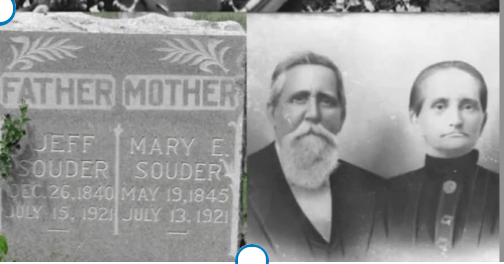
In the gentle stillness of Hurst, Texas, Thomas Jefferson Souder and Mary Ellen East Souder shared a quiet love. It spanned six decades. They were married for 60 years. They raised a family and cultivated a home. They remained inseparable through every upturn and downturn of life.

July 1921 brought a cruel twist. Both fell victim to “the flux.” It was a brutal wave of gastroenteritis. It was so swift that it swept Mary Ellen away first, on July 13. Thomas Jefferson, already weakened, succumbed to grief and illness just two days later on July 15.

The community mourned—especially those who believed no bond was stronger than theirs. So it was decided: they would rest together, side by side, in a unique double coffin. Their shared burial echoed their life—inseparable, even in death.

Newspapers of the day captured the sentiment well. The Fort Worth Star-Telegram, on July 16, headlined their story: “Death fails to Separate Couple Wed 60 Years.” They honored not just the passing of two individuals. It was a love that truly endured it all.

More than a century later, their story endures. It is not a tragedy but a testament. True devotion can span lifetimes. It quietly reminds us that love, in its purest form, touches eternity.

Fact-Checked Details

  • Thomas Jefferson Souder and Mary Ellen East Souder were married for about 60 years. They passed within a couple of days of one another in July 1921 (1).
  • Mary Ellen died on July 13, 1921, and Thomas Jefferson followed two days later, on July 15, 1921 (2).
  • Their cause of death was identified as dysentery. It was referred to at the time as “the flux.” This is a severe form of gastroenteritis (3).
  • Both were well-known pioneers of Hurst in Tarrant County, Texas. They were buried together in a double coffin. It was a striking symbol of their lifelong unity (4).
  • Their joint burial made front-page news in the Fort Worth Star-Telegram on July 16, 1921, under a headline expressing how “Death fails to Separate Couple Wed 60 Years”

By Benjamin GroffMedia© | benandsteve.com | 2025 

The Haunting Experience of a Small Town Funeral Home

2–4 minutes

The Dead Has Gone – A Night Call to the Funeral Home

Jake Roff was a man of routine. Up before the sun, station lights on by 4:30, coffee brewed by 4:35. He liked the quiet hours before the town woke up. There was no traffic and no gossip. Just the hum of the soda cooler and the smell of gasoline.

That’s when the hearse pulled in.

The local funeral director appeared. He was a man who had perfected the art of wearing a solemn face. He maintained this expression even when discussing baseball scores. He leaned out the window and said,

“Jake… I can use an extra set of hands unloading a client.”

Jake wasn’t sure “client” was the right word, but he was too polite to argue. He locked the station door and climbed into the passenger seat. The ride was short. It was a ride where the air feels colder than it should. You can’t shake the notion that someone in back is listening.

At the funeral home, the place was dark. A single light illuminated the hallway. It was the light that leaves more shadows than it removes. The two men wheeled their passenger toward the prep room, the floor squeaking under the gurney wheels.

That’s when Jake’s hip clipped something.

The “something” was another gurney, parked just out of sight. The bump sent the sheet sliding to the floor in slow, terrible motion. It was like a curtain rising before a play no one wants to see.

Underneath was a woman. Her hair was a halo of white, frizzed and jutting out like she’d been caught mid-scream in a lightning storm. Her eyes were wide and glassy, locked on Jake as if she’d been waiting for him specifically. Her jaw hung slack. Her teeth were just visible. It was an open-mouthed stare that made him wonder if she was about to say something.

Jake didn’t stick around to find out. He backpedaled so fast he nearly tipped the “client” he’d come to help with. His heart was pounding. He mumbled something about

“forgetting to check the oil at the station.”

Then, he made a break for the door.

The funeral director called after him. By then, Jake was halfway down the block. He vowed never to set foot in that place again. For the rest of his days, he’d open his station early. Yet, if a hearse rolled in before sunrise, Bill always ensured he had a sudden, urgent appointment anywhere else.

CELEBRATION OF LIFE ANNOUNCED FOR COUNTRY LEGEND JEANNIE SEELY

Jeannie Seely’s 5,398th Opry Show” Set for August 14 at Grand Ole Opry House

1–2 minutes

A public Celebration of Life will honor Grand Ole Opry star and country music icon Jeannie Seely. It will be held Wednesday, August 14 at 10:00 a.m. CT at the Grand Ole Opry House in Nashville. Fittingly titled “Jeannie Seely’s 5,398th Opry Show,” the service will pay tribute to her unmatched legacy.

The event will be broadcast live on 650 AM WSM. It will also be available via livestream at: VIMEO. You can view it live there. Here.

Jeannie Seely passed away on Friday, August 1 at age 85, after complications from an intestinal infection. She held the record for most Opry appearances in history — 5,397 — a milestone unlikely to ever be surpassed.

Tributes from the Country Music Community

Many stars shared heartfelt words:

  • Ricky Skaggs: “She made nervous newcomers feel at peace. We can all take her lead and encourage the next generation.”
  • Pam Tillis: “She had grit, wit, talent—and she was cool.”
  • Larry Gatlin: “She was my champion and inspiration. I miss her already.”
  • John Anderson, Ray Stevens, Mark Chesnutt, Darryl Worley, Billy Dean, and others echoed similar admiration, love, and deep loss.

Legacy

Nicknamed “Miss Country Soul,” Jeannie Seely broke barriers for women in country music. She was the first woman to regularly host Opry segments. She is also a GRAMMY winner and a BMI-awarded songwriter. Additionally, she has been an Opry member since 1967. Her songs were recorded by legends. These include Merle HaggardDottie West, and Willie Nelson. She also shared the screen with Willie Nelson in Honeysuckle Rose. In 2022, she was honored for her historic number of Opry performances. A stretch of road near the venue was renamed the Jeannie Seely Interchange in 2024.

Instead of Flowers

Donations in Jeannie’s name are encouraged to pet-related charities or the Opry Trust Fundopry.com/about/opry-trust-fund

To start viewing events from Jeannie’s life, visit her website here. You can see the music she shared, events celebrated, and the people she loved.

William Irwin “Bill” Krisher (September 18, 1935 – 2025, age 89)

GroffMedia© | benandsteve.com | 2025 Truth Endures©

1–2 minutes

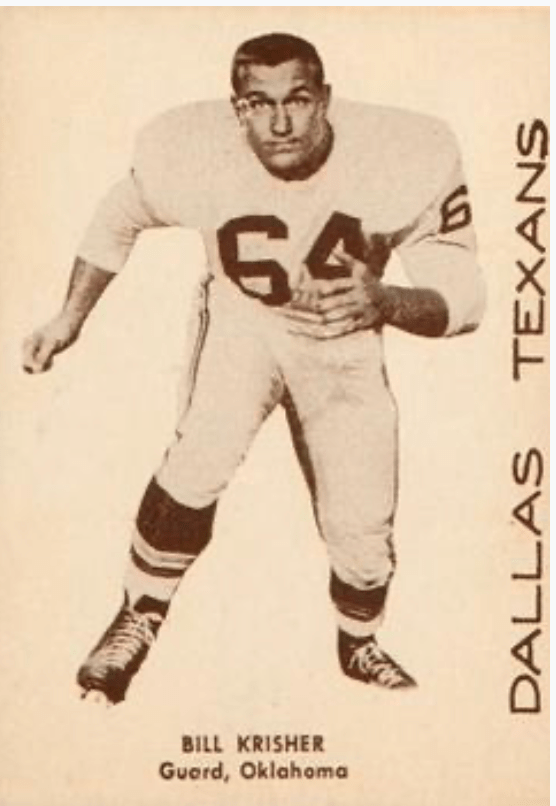
William Irwin “Bill” Krisher (September 18, 1935 – 2025, age 89)

William Irwin Krisher, known to football fans as Bill Krisher, passed away in 2025 at age 89 (1). 

He was born on September 18, 1935, in Perry, Oklahoma. He grew up in Midwest City. He developed into a standout lineman for the University of Oklahoma under coach Bud Wilkinson (2). 

Krisher’s college career was decorated. He earned consensus All-American honors in 1957. He helped the Sooner’s win consecutive national championships in 1955 and 1956 3

Selected in the third round of the 1958 NFL draft, he played for the Pittsburgh Steelers before moving to the AFL’s Dallas Texans (now Kansas City Chiefs), where he was named to the All‑AFL Team in 1960 and honored as a division All‑Star in 1961 4

Off the field, Krisher dedicated himself to faith and mentorship. He was an active member of the Fellowship of Christian Athletes and served as its southwestern regional director by the mid‑1970s 5

Bill Krisher leaves behind a legacy of excellence in collegiate and pro football. He dedicated his life to uplifting others through faith and service. 

He is remembered by family, teammates, and athletes inspired by his example.

Embracing the Constant of Change

By Benjamin GroffMedia© | benandsteve.com | 2025 Truth Endures©

2–3 minutes

“The Constant of Change”

There are stories worth telling—stories shaped by the countless experiences we collect in life. In mine, there have been unforgettable moments. I visited with friends, shared laughter, and exchanged hugs. Then I returned home—only to learn the next day that they were gone. No warning. No signs. One moment, they were part of my world; the next, they had vanished from it.

Those moments taught me a truth that often goes unspoken: nothing in life is definite.

Even when it feels like we’re stuck—repeating the same routines, going through the same motions—life is still moving. The world shifts beneath our feet, often without our awareness, certainly without our consent. Change is not something we invite; it’s something that happens. It shows itself in every breath we take. It appears with every face that enters or leaves our lives. It influences every decision made far beyond our control—from government chambers to hospital rooms.

Change is the only constant.

Sometimes, a change is so small it goes unnoticed—until its effects stretch across history. On February 2, 1959, Waylon Jennings gave up his seat on a chartered airplane to the Big Bopper, J.P. Richardson, who was feeling ill. The plane also carried Buddy Holly and Ritchie Valens. It crashed in an Iowa field just minutes after takeoff. Everyone aboard died.

Waylon Jennings

That one seat swap—an act of kindness, -–– saved Jennings’s life. No one was at fault. But that simple moment, that ordinary change in plan, altered the course of music history and Jennings’s own future. He carried the weight of that change for the rest of his life. And yet, that change gave him more years, more music, more life.

That is how change works. Quiet. Sudden. Unfair. Unpredictable. But real.

When everything feels bleak, we must remember: change is still at work. When loss feels unbearable or the path ahead seems hidden, we must remember: change is still at work. What feels like the end today reveals itself as the beginning of something new tomorrow.

Time moves. People change. Life adapts. Always.

And in that, we find our only real choice: acceptance.

Accepting change—no matter how painful—does not mean surrendering to it. It means choosing to live with eyes open, hearts ready, and spirits willing to grow from what has been lost. We don’t have to like every change. But by accepting it, we start to transform with it—and even rise because of it.


Postscript:

After a tragic 1991 plane crash claimed the lives of several members of Reba McEntire’s band, it was Waylon Jennings—haunted by his own near-miss decades earlier—who offered her a few words she never forgot:

“Reba, you’ll never get over it, but you’ll get through it.”

And that’s the final truth about change. We don’t get over it—we live through it. And somehow, life keeps going.

Helen Cornelius Passes Away At Age 83

By Benjamin GroffMedia© | benandsteve.com | 2025 Truth Endures©

3–4 minutes

Helen Cornelius (December 6, 1941 – July 18, 2025) was the deeply cherished voice of classic country. She was the beloved duet partner to Jim Ed Brown. She passed away on July 18, at the age of 83 FacebookThe Sun Set TV. She was born as Helen Lorene Johnson in Monroe City, Missouri. She was raised on a farm where music flowed naturally in her family. She joined her sisters Judy and Sharon in a local singing trio before forming her own band, The Crossroads.

Cornelius’s early career blossomed in the late 1960s. She worked as a songwriter signed to Screen Gems Music. She penned songs recorded by artists like Barbara Fairchild and Connie Smith Wikipedia+3Wikipedia+3The Sun Set TV+3. After a brief stint with Columbia and MCA Records, her life’s defining moment arrived in 1976. Teaming up with Jim Ed Brown, she recorded “I Don’t Want to Have to Marry You.” It was a No. 1 country smash. This success launched a string of hit duets. These include “Saying Hello, Saying I Love You, Saying Goodbye.” They also include “Lying in Love with You” and “Fools.” There are more HistoryForSale+7Wikipedia+7Country Music Hall of Fame and Museum+7. Their chemistry was undeniable. It earned them the Country Music Association’s Vocal Duo of the Year award. This accolade came in 1977 Country Music Hall of Fame and Museum.

Cornelius also enjoyed solo success. This includes her charting single “Whatcha Doin’ After Midnight Baby.” She toured with iconic acts like The Statler Brothers. She later brought her signature warmth to stage shows. This included a stint in the musical Annie Get Your Gun. She also opened the Nashville South venue in Gatlinburg HistoryForSale+3Wikipedia+3The Sun Set TV+3. In the 2000s, she became a Branson favorite at the Jim Stafford Theater. She made frequent appearances on RFD‑TV’s Country’s Family Reunion series Facebook+5Wikipedia+5The Sun Set TV+5.

Helen was recognized not just for her pure, heartfelt voice. She was also acknowledged for her humility and graciousness. Moreover, the undeniable bond she shared with Jim Ed Brown on stage and in life was noteworthy. Even after their professional split in 1981, she remained a steadfast presence in country music. They reunited for a 1988 tour. She continued to be a steadfast presence in country music 98.1 – Minnesota’s New Country+4Wikipedia+4The Sun Set TV+4.

She is survived by her loving family and legions of fans who still cherish those golden harmonies. Helen Cornelius’s legacy lives on in every record, performance, and the countless artists she inspired. She will be remembered as one of country music’s finest voices. She was a true steward of its heart.


Highlights of Helen Cornelius’s life and career:


Her passing marks the end of a storied chapter in country music. Her voice—filled with warmth, purity, and grace—will continue to echo for generations. Rest in harmony, Helen Cornelius.

The Last Chair: A Story of Loss and Recovery

By Benjamin GroffMedia© | benandsteve.com | 2025 Truth Endures©

1–2 minutes

“The Last Chair at the Table”

There used to be four chairs at the table.
Every Sunday, without fail, they were filled.

Anna always brought the rolls.
George never remembered the salad.
And Michael, the youngest, made them laugh so hard someone usually spilled something.
Then there was Claire. The one who set the table. Who kept the tradition.

But life doesn’t ask for permission when it starts rearranging things.

Anna moved three states away for a job that offered better pay and less time.
George passed unexpectedly—just one late afternoon in September, gone with no goodbyes.
Michael, grief-stricken and incapable of facing the silence, stopped coming.

And Claire… she kept setting the table. All four chairs. Every Sunday.

It felt foolish at first—preparing a meal for no one. But over time, the quiet stopped being so loud. She began to remember George’s voice not as an echo of absence, but as a smile in her thoughts. She started writing letters to Anna and cooking Michael’s favorite dish, just in case he came.

And one Sunday, he did.

He didn’t say much—just sat in his chair like it had never been empty.
They ate. They laughed. No one mentioned the salad.

Recovery isn’t about replacing what’s lost.
It’s about honoring it enough to keep living.

Even if all you do is keep setting the table.

Remembering Horace Speed: A MLB Player’s Legacy

By Benjamin GroffMedia© | benandsteve.com | 2025 Truth Endures©

By Benjamin GroffMedia© | benandsteve.com | 2025 Truth Endures©

1–2 minutes

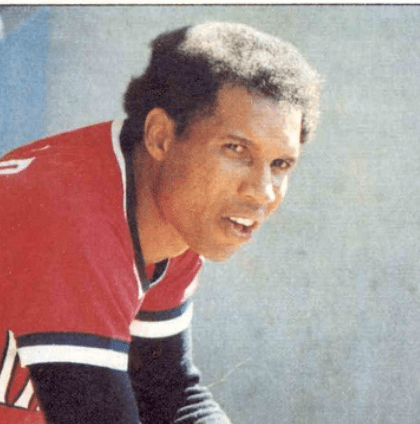
Horace Speed (1951–2025): Former Major League Outfielder Remembered for His Speed and Perseverance

Horace Speed

Horace Solomon Speed was a former Major League Baseball player. He was known for his blazing speed and quiet determination. He passed away on May 26, 2025, at the age of 73.

Born on January 22, 1951, in Pasadena, California, Speed was a standout athlete from an early age. The San Francisco Giants drafted him out of Pasadena High School. This was during the Major League Baseball’s round of the 1969 June Amateur Draft. Speed spent most of his professional career in the minor leagues. Nonetheless, his dedication to the game paid off. He finally broke into the majors with the Cleveland Indians.

Speed made his MLB debut on September 14, 1975, and played parts of three seasons with the Indians. Throughout 62 games, he was often utilized as a pinch runner and reserve outfielder, capitalizing on his hallmark speed. While his offensive stats — a .140 batting average, seven stolen bases, and eight runs scored — show limited playing time, his presence was valuable. He made significant contributions in late-game situations, particularly on the bases.

Speed’s journey through professional baseball was a testament to resilience. He spent nearly a decade in the minors. Before reaching the major leagues, he served as a model of perseverance for countless aspiring athletes. His career was modest in statistical output. Nevertheless, it remains a testament to hard work and patience. It inspires all who hear his story.

After retiring from baseball, Speed largely stayed out of the public eye, living a private life away from the spotlight. His modesty stands out. He has made significant contributions to the sport. This modesty is a reminder of the humility that can be found in even the most accomplished individuals.

Horace Speed’s passing marks the loss of a quiet but determined competitor. His journey inspired those who watched him run, hustle, and chase his dreams. He is remembered for his achievements on the field. More importantly, he is remembered for the character he displayed in getting there.

Dre Love’s Legacy: Bridging American and Italian Music

By Benjamin GroffMedia© | benandsteve.com | 2025 Truth Endures©

3–4 minutes

André Thomas Halyards, known artistically as Dre Love, was a central and pioneering figure in Italian hip hop. He has passed away in Florence at the age of 55.

Dre Love was born in the Queens borough of New York City. He became a Florentine by adoption in the 1990s. Dre Love was a versatile artist: DJ, rapper, beatmaker, songwriter, and tireless collaborator. He had a gritty voice and unmistakable style. He brought the groove and soul of African American funk into the sounds of Italian hip hop. This helped to write some of its most authentic and vital chapters.

Dre Love arrived in Italy in the early 1990s. He made his home in Florence. This city would shape both his artistic and personal journey. There, he joined Radical Stuff, one of Italy’s very first hip hop groups. He became a living bridge between American street culture and the emerging urban scenes taking shape across the country. He was also a member of the collective Messaggeri della Dopa. He helped to redefine Italian rap with a style that blended social consciousness. His approach also incorporated sophisticated musicality and spirituality.

His Collaboration with Neffa

Dre Love’s name is often linked with Neffa, with whom he collaborated on the Campanian rapper’s first two albums. He worked with a wide array of Italian and international artists. These include Irene GrandiAlex BrittiAlmamegrettaDJ GruffDJ EnzoGopher DReggae National Tickets. His collaborations even touched on the soul-funk sound of Jamiroquai.

Dre Love was never just a guest artist. He was a true collaborator in the deepest sense. He was an artist who opened doors. He created connections between musical worlds that seemed far apart. A messenger who made every beat, every bar, a statement of purpose. His music was a captivating blend of rap, funk, soul, and electronic experimentation. It was deeply rooted in a visceral respect for African American culture. His work always pushed toward innovation.

With his band, Dre Love delivered live performances. The band featured talented Italian musicians like Diego Leporatti (drums), Gianni Pantaleo (keyboards), and Niccolò Malcontenti (bass). It also included Tiziano Carfora (percussion), Andrea Rubino (guitar), Leandro Giordani (saxophone), and Emanuele Campigli (trumpet). Each performance was a true sonic journey through the past, current, and future of Black music.

Unlike the other famous “Dre” in hip hop history, Dr. Dre, Dre Love built his legend in a different way. He did not do it through the spotlight of the music industry. Instead, he made a direct impact with audiences, scenes, and people. He didn’t seek confrontation, but dialogue. Not profit, but connection. Where Dr. Dre of Compton made significant changes in hip hop with The Chronic, he further transformed the music industry with Beats. In contrast, Dre Love revolutionized hearts and stages, leaving an indelible mark on the history of Italian rap.

(By Paolo Martini)


A Tribute from Casino Royale

“Just a little while ago, a ‘great’ one made the big leap. This was a soul who gave so much. He contributed both humanly and in terms of sound and attitude to the Italian scene. Casino Royale was never a hip hop project. Still, we had the privilege of crossing paths with many figures. These figures made history in this country’s hip hop culture. Dre Love was one of those. He will always stay in our Olympus of demigods. We had the honor of meeting such people.

Every time we crossed paths, there were genuine hugs. They were full of mutual respect. We always promised that one day, we’d play that game together. It’s the game that becomes a mission for those who feel the responsibility. They also experience the joy of doing things a certain way.
ROCK ON!!! That was his goodbye.
The sky is the limit’—fly light, Dre Love. See you on the other side.”

(From a post published by Casino Royale on Facebook)

Originally posted at adnkronos

Jason Conti’s Impact on MLB History

January 27, 1975 – May 17, 2025

By Benjamin GroffMedia© | benandsteve.com | 2025 Truth Endures©

1–2 minutes

Jason Conti, AZ Diamondbacks

Stanley Jason Conti was a former Major League Baseball outfielder. He was known for his defensive prowess. He contributed to several MLB teams. Conti passed away on May 17, 2025, his cause of death has not been disclosed.

Conti was born on January 27, 1975, in Pittsburgh, Pennsylvania. The Arizona Diamondbacks drafted him in the 32nd round of the 1996 amateur draft. He came from the University of Pittsburgh. He made his highly anticipated MLB debut with the Diamondbacks on June 29, 2000, filled with excitement and promise. He played for the Tampa Bay Devil Rays, Milwaukee Brewers, and Texas Rangers over a five-year major league career. Known for his strong throwing arm, Conti made memorable defensive plays. He threw out Atlanta’s Brian Jordan at third base on consecutive nights. He also gunned down Chicago’s Frank Thomas at home plate in back-to-back games. He appeared in 182 MLB games, recording a .238 batting average with six home runs and 47 RBIs.

After his time in the majors, Conti continued his baseball career in the minor leagues, even taking his talent overseas. He played in Italy for the Bologna Italieri of the Series 1-A Championship League during the 2007 season. His performance on the field showcased his skills on a global stage.

Conti’s passion for baseball and his memorable moments on the field left a lasting impression on fans and teammates alike. He is remembered for his athletic achievements and unwavering dedication to the sport, a commitment that inspired many.

He is survived by his family, friends, and countless fans who appreciated his contributions to baseball.


A memorial service will honor Jason Conti’s life and career.

Sharing A Story About “Cleaning Nana’s House” by KJ Stafford

By Benjamin GroffMedia© | benandsteve.com | 2025 Truth Endures©

4–7 minutes

My mother will turn 95 this August—if she makes it that far. Of the six siblings, only my youngest sister and I have cared for her in her old age. Two of the others gradually drifted away after our father passed. They chose, for their own reasons, to cut contact year by year. The two oldest brothers have both died in recent years.

My mother has always had a sharp mind and a strong, toned body. She was constantly on the move, always busy. Even into her 90s, she remained active and mentally alert. But over the past year, she’s started to slip. She now experiences episodes of sundowning. During these moments, she loses track of what she’s saying. She also becomes unaware of where she is or where she’s been.

She now lives far away from me. Our once hour-long phone conversations, filled with talk of daily life, have been reduced to five minutes or less. Her thoughts drift. She forgets what we’re discussing, where she is, or even who she’s speaking with.

The next is a piece shared with me by KJ Stafford, titled “Cleaning Nana’s House.” It resonated deeply. My sisters and I cleaned the house we’d all grown up in. This was before my mother moved in with me for several years. She later moved in with my sister, where she now lives. Stafford’s words capture an experience I believe many can relate to, and with her blessing, I’m sharing it here.

CLEANING NANA’S HOUSE

BY: KJ Stafford

In January of 2024 we moved my Nana into my parents house. Her health was failing, and so was her mind. She was no longer able to live alone anymore and she hated that fact. The woman had been independent her entire life. And now at 90 years old she was forced to be cared for. She could no longer take care of herself. I remember the thought hurting my heart. 


Fast forward to February 2025, I held her hand hours before she passed. I had never experienced death in that way before. Don’t get me wrong, I’ve dealt with death- both grandpa’s, aunts, uncles… but this was different. It had never been so in my face the way this was. I had never been physically there, witnessing the deterioration every day, every hour. I had never actually watched death slowly take someone. They are memories that will be buried inside my brain until death comes for me. Descriptions that will never make it down on paper ––


April 25th 2025: We piled in our cars, drove the 7 hours to my Nana’s house and began the task of clearing out our memories to make room for someone else’s. My Nana had lived in that house for over 50 years. My mom grew up there. My siblings and I spent weeks there during the summer and until 2024 every Thanksgiving of my life was spent in that tiny dining room around the round, antique wood table. The kitchen looks as if it got stuck in the 70’s. Yellow countertops remind me of sunflowers. The floor is tiled and worn from years of cooking. Years of family gatherings. Years of love. There’s the iconic green couch that sits in the living room…or sat- now it will be given to another family. Moved into a different living room after sitting comfortably in it’s corner for all of these years.

We found love letters from my Grampy to my Nana, boxes of old black and white photographs, ancient toys, jewelry, coats that have somehow found their way back in style, antique glass and trinkets galore. Each find triggering a specific memory. Each find making me wish I could go back 15 years ago. When I was just coming up for the week to visit. Instead of it being the last time within these cozy walls. 


My Nana was by far the strongest woman I’ve ever met. She grew up in Canada, abandoned by her mother before she was 8 years old, left with an alcoholic for a father who was never around. She spent Canadian winters in their small, wooden shack often times by herself. Venturing out into the thick snow every so often to find more logs for the fire- the only thing keeping her warm enough to survive. Scavenging for scraps of food. Eventually being passed on and off to relatives, never having a home to call her own. Never truly feeling loved by a family….


Upon finally coming to America, she met her first husband. She married him when she was only 17 and had three children by the time she was 27. He was a drunk. He was a cheater. She deserved better. One night he got back a little too late, my Nana kicked him out. Divorced his ass. She was the talk of the town. It was unheard of at that time. What woman with three young children abandons her husband? A STRONG one, that’s who. 


She set goals for herself. She knew she wanted to work at the University. She knew that is where she would meet someone else. And she DID. She worked hard until she got hired. And shortly after, she met my Grampy. The sweetest man to ever walk this earth. Years later they had my Mom. 
Without my Nana’s strength. Without her knowing her self-worth, I would have never existed. Had she not followed her intuition. Had she not trusted her gut, there would be no me. No family. And for that, I am forever grateful. 


I like to think she gave me a little of that strength. I feel it within myself sometimes. It’s why I took Stafford as my pen name. I am so honored. Honored that I was able to grow up with her in my life. Thankful that I had her to teach me how to become a strong woman. I vow to live my life as my Nana did. Never accepting less than I deserve and never being afraid to put myself out there, take a risk, trust my gut and grow. 

To read the original story CLEANING NANA’S HOUSE by KJ Stafford click here.

Clicking the line above will also supply images that go with the story.

Remembering John S. Foster Jr.: A Key Figure in Nuclear Deterrence

By Benjamin GroffMedia© | benandsteve.com | 2025 Truth Endures©

2–3 minutes

John S. Foster Jr., 102, Pioneering Physicist and Architect of U.S. Nuclear Deterrence, Dies

John Stuart Foster Jr. was a visionary physicist. His career spanned over eight decades of American scientific and defense innovation. He passed away on April 25, 2025, in Goleta, California. He was 102.​ (1)

Born on September 18, 1922, in New Haven, Connecticut, Foster was the son of renowned Canadian physicist John S. Foster Sr. He began his academic journey at McGill University, earning a Bachelor of Science degree in 1948. He later obtained a Ph.D. in physics from the University of California, Berkeley, in 1952.​ (2)

Foster’s skill during World War II was instrumental in developing radar and countermeasure technologies at Harvard’s Radio Research Laboratory. He served as a scientific advisor to the 15th Air Force in the Mediterranean Theater. This role further demonstrated his dedication to the war effort. (3)

In 1952, Foster was recruited by Edward Teller to join the Lawrence Livermore National Laboratory (LLNL). His leadership in nuclear weapons design at LLNL was groundbreaking. He eventually became the director in 1961. This leadership fostered a culture of innovation and collaboration that continues to inspire today.

From 1965 to 1973, Foster served as the Director of Defense Research and Engineering at the U.S. Department of Defense, advising four Secretaries of Defense and two Presidents. He championed advancements in smart weapons, night vision, and reconnaissance technologies.​ (4)

After his tenure at the Pentagon, Foster joined TRW Inc. as Vice President of Science and Technology, later serving on its board of directors. He remained an influential figure in national security. He participated in the Defense Science Board. He also joined the President’s Foreign Intelligence Advisory Board. Additionally, he served on the Commission to Assess the Threat to the United States from Electromagnetic Pulse (EMP) Attack. ​(5)

Foster’s contributions earned him many accolades. These include the Enrico Fermi Award and the Founder’s Award from the National Academy of Engineering. He also received multiple Department of Defense Distinguished Public Service Medals. He was also honored internationally. He received the Knight Commander’s Cross of the Order of Merit of the Federal Republic of Germany. He was named Commander of the French Legion of Honor.​ (6)

In recognition of his enduring legacy, LLNL established the John S. Foster Jr. Medal, awarded annually to individuals demonstrating exceptional leadership in national security science and technology. (7)

Foster is survived by his family and a legacy that continues to influence U.S. defense policy and scientific research.​

A memorial service will be held at Lawrence Livermore National Laboratory. Instead of flowers, the family requests donations be made to the Livermore Lab Foundation in his honor.​ (8)