Remembering John S. Foster Jr.: A Key Figure in Nuclear Deterrence

By Benjamin GroffMedia© | benandsteve.com | 2025 Truth Endures©

2–3 minutes

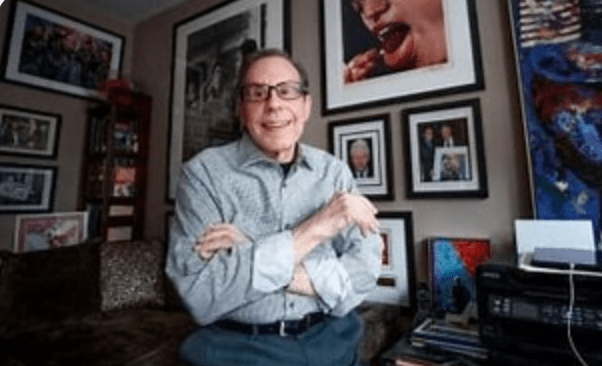
John S. Foster Jr., 102, Pioneering Physicist and Architect of U.S. Nuclear Deterrence, Dies

John Stuart Foster Jr. was a visionary physicist. His career spanned over eight decades of American scientific and defense innovation. He passed away on April 25, 2025, in Goleta, California. He was 102.​ (1)

Born on September 18, 1922, in New Haven, Connecticut, Foster was the son of renowned Canadian physicist John S. Foster Sr. He began his academic journey at McGill University, earning a Bachelor of Science degree in 1948. He later obtained a Ph.D. in physics from the University of California, Berkeley, in 1952.​ (2)

Foster’s skill during World War II was instrumental in developing radar and countermeasure technologies at Harvard’s Radio Research Laboratory. He served as a scientific advisor to the 15th Air Force in the Mediterranean Theater. This role further demonstrated his dedication to the war effort. (3)

In 1952, Foster was recruited by Edward Teller to join the Lawrence Livermore National Laboratory (LLNL). His leadership in nuclear weapons design at LLNL was groundbreaking. He eventually became the director in 1961. This leadership fostered a culture of innovation and collaboration that continues to inspire today.

From 1965 to 1973, Foster served as the Director of Defense Research and Engineering at the U.S. Department of Defense, advising four Secretaries of Defense and two Presidents. He championed advancements in smart weapons, night vision, and reconnaissance technologies.​ (4)

After his tenure at the Pentagon, Foster joined TRW Inc. as Vice President of Science and Technology, later serving on its board of directors. He remained an influential figure in national security. He participated in the Defense Science Board. He also joined the President’s Foreign Intelligence Advisory Board. Additionally, he served on the Commission to Assess the Threat to the United States from Electromagnetic Pulse (EMP) Attack. ​(5)

Foster’s contributions earned him many accolades. These include the Enrico Fermi Award and the Founder’s Award from the National Academy of Engineering. He also received multiple Department of Defense Distinguished Public Service Medals. He was also honored internationally. He received the Knight Commander’s Cross of the Order of Merit of the Federal Republic of Germany. He was named Commander of the French Legion of Honor.​ (6)

In recognition of his enduring legacy, LLNL established the John S. Foster Jr. Medal, awarded annually to individuals demonstrating exceptional leadership in national security science and technology. (7)

Foster is survived by his family and a legacy that continues to influence U.S. defense policy and scientific research.​

A memorial service will be held at Lawrence Livermore National Laboratory. Instead of flowers, the family requests donations be made to the Livermore Lab Foundation in his honor.​ (8)

Tribute to Edy Star: The Groundbreaking Brazilian Artist

By Benjamin GroffMedia© | benandsteve.com | 2025 Truth Endures©

1–2 minutes

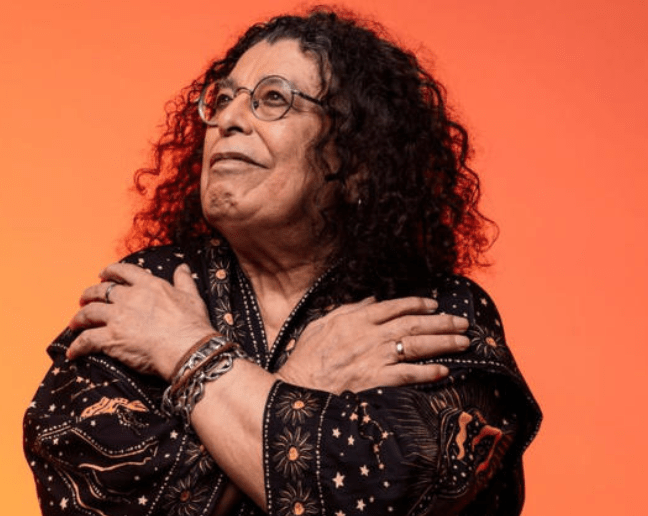
Edy Star

Edy Star, Trailblazing Brazilian Artist and Queer Icon, Dies at 87

April 25, 2025 – São Paulo, Brazil

Edy Star was a flamboyant and fearless Brazilian artist. He was a singer, actor, and visual artist. He broke ground as one of the country’s first openly gay performers. Edy Star died on April 24 in São Paulo. He was 87.


A Singular Life

Born Edy Nunes in Salvador, Bahia, Edy Star became a singular presence in Brazilian culture. His career spanned music, theater, television, and visual arts. He carved a space for himself that defied convention. He also challenged the mainstream.

He is best remembered for his work on the 1971 cult album. Sociedade da Grã-Ordem Kavernista Apresenta Sessão das 10 gained significant attention. It is a psychedelic, satirical collaboration with Raul Seixas, Sérgio Sampaio, and Miriam Batucada. The album blends rock, samba, and theatrical flair. It was initially pulled from circulation. But, it later became a defining artifact of Brazil’s counter cultural movement.


Fearless Expression in Dangerous Times

Edy Star was known for his irreverent stage presence, extravagant costumes, and unapologetic queerness. Brazil was under a military dictatorship. During this time, LGBTQ+ voices were often silenced. His bold performances stood as acts of defiance.

By challenging gender norms and pushing social boundaries, he became a symbol of artistic freedom, resistance, and queer pride.


A Multidisciplinary Force

Moreover to his musical legacy, Edy Star was a visual artist, television presenter, and seasoned stage actor. His multidisciplinary approach made him a beloved figure across Brazil’s creative scenes.

He brought the same vibrant energy and passion to every medium he touched. His work left a lasting impression on audiences and fellow artists alike.


A Peaceful Farewell

Edy Star passed away peacefully in a São Paulo hospital due to complications after a domestic accident. According to a statement from his press office, he died “without pain, while receiving medical treatment.”


An Enduring Legacy

Edy Star’s legacy lives on in the bold, boundary-breaking art he championed. He inspired generations of LGBTQ+ artists to live and create without compromise.

He didn’t just execute. He transformed.

The Life and Career of Erik Ruus: An Estonian Icon

By Benjamin GroffMedia© | benandsteve.com | 2025 Truth Endures©

1–2 minutes

Eric Ruus -The Movie Database Groff Media©

Erik Ruus, a prominent Estonian theater and film figure, passed away on April 22, 2025. He was 62, just one day before his 63rd birthday. Born on April 23, 1962, in Elva, Estonia, Ruus had a distinguished career spanning over four decades. 

SOURCE researched for material (WikipediaIMDb+1xwhos.com+1)

A Life on Stage and Screen

Ruus graduated from the Viljandi Culture Academy in 1982 and began his professional acting career shortly thereafter. He was a longstanding member of the Rakvere Theater from 1985 to 1995 and from 1996 to 2009. Between 1995 and 1996, he performed at the Endla Theater in Pärnu. Since 2009, Ruus has worked as a freelance actor, contributing to various stage productions, films, and television series.​ (1)

Notable Film and Television Roles

Ruus’s film career included roles in several significant Estonian films. He played Peeter in Vaatleja (The Birdwatcher, 1987). This film received international acclaim. It won awards from the Karlovy Vary International Film Festival, the Torino Film Festival, and the Rouen Nordic Film Festival. In Tulivesi (Firewater, 1994), he portrayed Eerik, a position that left a forever impression on audiences. Notable appearances include Minu Leninid (1997) and Ferdinand (2002). He also appeared in Stiilipidu (2005) and Päeva lõpus (2009). His roles continued with Kutsar koputab kolm korda (2010) and Johannes Pääsukese tõeline elu (2019).​ (2)

On television, Ruus appeared in series like Ohtlik lend (2006), Kelgukoerad (2006–2007), Klass: Elu pärast (2010), and Õnne 13 (1997–1999) (3)

Personal Struggles and Resilience

Throughout his life, Ruus faced personal challenges, including struggles with alcohol, which affected his tenure at the Rakvere Theater. His unwavering commitment to his craft is remarkable and a testament to his cause. He continues to inspire many.​ (4)

Erik Ruus’s contributions to Estonian theater and film have left an indelible mark on the country’s cultural landscape. His performances resonated with audiences. His legacy will influence future groups of actors and artists. It is a testament to the impact of his work.

References:

(1) (Wikipedia+1xwhos.com+1xwhos.com+1Wikipedia+1)

(2) Wikipedia+1Wikipedia+1IMDb+4Wikipedia+4TheTVDB+4TheTVDB+4Wikipedia+4EFIS+4

(3) IMDbPro+1TheTVDB+1

(4) Wikipedia

Why It’s Okay for Men to Cry: A Lesson in Grief

By Benjamin GroffMedia© | benandsteve.com | 2025 Truth Endures©

3–5 minutes

When I Learned It Was Okay For Grown Men To Cry

Grief is one of the most powerful and complex emotions we can experience. Yet, it’s often the least talked about, especially in front of children. But we must do it. Parents, grandparents, uncles, aunts, caregivers—everyone has a role in helping younger generations understand and process loss in healthy, open ways.

Why This Matters Now Is More Important Than Ever

I recently came across a meaningful article on the Modern Parenting Hub. The article offered guidance on how to talk to children. It also included advice on discussing grief with other family members. This instantly struck a chord with me. These conversations are difficult, yes, but incredibly important. This topic has come up often in my family. My father’s death nearly forty years ago has brought it up many times over the decades.

Despite the passage of time, some of my relatives are still coping with the ripple effects of that loss. It’s a reminder that unspoken grief doesn’t simply go away—it lingers, often silently, until we confront it.

The First Time I Saw My Father Cry

I’ll never forget the first time I saw my father cry. It wasn’t during a national tragedy or a close friend’s funeral. It was when we got the call that my grandmother, his mother, had passed away.

He and I were the first to arrive at my grandparents’ home. My grandfather sat slumped in his favorite chair, overcome with sorrow. My father leaned down and embraced him. Through his sobs, my grandfather whispered:

“We lost Ma Ma.”

My father’s tears came swiftly—tears of deep, unfiltered grief. Until then, I had only seen him cry from laughing too hard at his jokes. This was something entirely different. Something raw. And it changed the way I viewed him.

Grief in Unexpected Places

Years later, when my uncle died in a tragic car and train accident, I saw my parents overwhelmed again. It wasn’t until my father’s funeral that I fully grasped the impact grief can have. Children must witness honest expressions of grief.

My father was a deeply loved man. He had a large circle of close friends. We chose fourteen pallbearers. This number was still too small to honor everyone who had loved him.

The group included cowboys, law enforcement officers, linemen, ranchers, farmers, and local business owners. These men were known for being tough, stoic, and strong. Only family and pallbearers remained in the church during a private moment after the public service. I watched those same hardened men. They broke down in tears.

They weren’t quietly dabbing their eyes. They were crying. Fully, openly, and without shame.

The Lesson I’ll Never Forget

That moment stayed with me. It showed me that strength and vulnerability are not opposites. The ability to express emotion—especially grief—is one of the most courageous things we can do.

I often say that my father’s funeral was the day I learned it was okay for grown men to cry. And I believe that’s a lesson we need to pass down. Our children need to see that real strength includes compassion and empathy. It also consists of the willingness to mourn openly when we’ve lost someone we love.

Bringing Grief Into the Conversation

Grief is universal and should be discussed across all generations. When we make space for these emotions, we also make space for healing. Children gain from understanding that sadness is a natural response to loss. It doesn’t need to be hidden or avoided.

Resources like the Modern Parenting Hub are essential in guiding families through these complex moments. I’ll share their piece with my readers and loved ones, and I encourage you to do the same.

Final Thoughts

Grief doesn’t follow a timeline. It doesn’t play by the rules. We can talk about it. We can face it together. We can help each other navigate the path it carries through our lives. Let’s teach our children that tears are not signs of weakness—they are signs of love, humanity, and deep connection.

Recommended Resource:
Modern Parenting Hub – Talking to Children About Grief

Have You Talked to Your Family About Grief?
Share your experience or thoughts in the comments below. What helped you or your family cope with loss?

The Last Ride: A Father’s Legacy of Protection

Benjamin GroffMedia© | benandsteve.com | 2025 Truth Endures©

3–4 minutes

Dad’s Last Ride

Dad (JD Groff) on his horse, My Mollies Reed

My Dad was a man of fierce independence and deep protective instincts. He and my mom practiced defensive maneuvers as the days of aging grew—he had a plan. She would drop to the ground, and he would shoot over her, neutralizing any imagined threat. This was his way of ensuring our safety, a comforting thought for all of us. Of course, during practice, the gun was always unloaded. But as they grew older, my sisters became worried. Dad was on medication. It sometimes clouded his thinking. They feared he might one day forget to remove the bullets.

Years before, he had suffered a devastating injury. While inspecting a swimming pool facility, a large chlorine container malfunctioned, releasing a gas blast into a control room. He inhaled the toxic cloud, severely damaging his lungs. From that day onward, his breathing was labored, his movements slow and painful. The injury gradually robbed him of his strength until, eventually, he became bedridden.

As his physical strength faded, his concern for my mother’s safety grew stronger. He was terrified that they were vulnerable to burglars or intruders. And so, he devised a plan—an extension of the old drills. My mom would guide them to a specific location if someone ever forced their way into the house. He saw this spot clearly. She would drop to the floor just like in the old days, and he would be ready to fire.

That’s when my sisters turned to me. I’m a law enforcement officer, and they hoped I could safely remove the firearm from his possession. But that was easier said than done. When I spoke to him, he saw what I was thinking. Even in his weakened state, he firmly grasped his beliefs and authority. His determination was palpable. He made it clear that this was his home and responsibility. It was his plan to protect his wife.

But he also took the time to explain how seriously he took the safety of it all. His explanation wasn’t reckless or confused; it was thoughtful. He was rational and transparent in his thinking. In the end, I agreed. He was doing what he believed was best for them.

Still, I wanted to do something more—something that would help ease everyone’s minds. That day, I installed a motion detection system in the house. It covered the living and dining rooms, alerting them if anyone approached. Every door was now an alarm. It gave them peace of mind and ended the dramatic drop-and-shoot rehearsals.

Dad & Buck

Eventually, Dad was unable to get out of bed. He was confined to a hospital-style bed in a small office near their bedroom. His gun was out of reach, and it tore at him. One day, he felt sorrow and frustration. He asked for it not to defend the home. He wanted it to end his pain.

Two weeks later, my mother called an ambulance to rush my Dad to the hospital. They sedated Dad as fluid built up in his lungs, and he passed away there. Quietly, heavily, and—if I’m honest—less on his terms than he would have wanted.

I often think of the day he asked for the gun and couldn’t reach it. Part of me believes it would’ve been a more dignified end. He had spent his life in control. He always defended his family and lived by principle. But the law is clear, and so is the burden of those left behind. As much as it hurt, I nor anyone could hand it to him.

A Life of Humility: The Story of Wayne Handy

Benjamin GroffMedia© | benandsteve.com | 2025 Truth Endures©

3–4 minutes

In Memory of Wayne Jackson, Handy ––– The Unlikely Rock and Roller

Wayne Handy

Wayne Jackson Handy was a man whose velvet voice once crooned over the airwaves of American Bandstand. His voice later soothed those navigating the mortgage banking world. He passed away peacefully on April 1, 2025, at 89. Wayne started from humble beginnings on a farm in Eden, North Carolina. He then moved on to the dazzling lights of 1950s television. Later, he found the quiet steadiness of a career in finance. Wayne lived an entire and remarkable life. It was defined not by fame or fortune but by kindness, creativity, and unwavering devotion to his family.

Wayne’s love and commitment to his family were unwavering. The youngest of five children, Wayne was born in Eden and raised helping his parents in the fields. He graduated from Reidsville High School in 1953. Two years later, he married the love of his life, Marjorie Louise Smith of Cassville. He charmed her at a local baseball game. This was a story he told with a twinkle in his eye. His smile hinted at the hopeless romantic within. Their marriage endured over six decades. It was a bond marked by deep affection and laughter. Their steadfast partnership lasted until Marjorie’s passing in 2018.

Wayne’s musical talent was a source of inspiration for many. His velvet-smooth voice and playful way with melody, often accompanied by his ukulele, were a joy to behold. In 1957, his passion for music led him to a national stage. He performed on American Bandstand. He shared the screen with some of rock and roll’s earliest stars there. His brush with fame was brief. Yet, it left a glimmer of rockabilly stardust. This touch of stardust was on a life otherwise grounded in humility and grace.

After enlisting in the U.S. Army in 1958, Wayne served two years in Alaska as a field radio operator. Upon returning home, he pursued higher education. He studied business at North Carolina State University and the University of North Carolina at Chapel Hill. He graduated in 1962. His career in mortgage banking took him and his family across the Southeast. They even moved to Utah. His career eventually culminated in his time with Carolina Bank in Greensboro. He worked there until his retirement in the mid-2000s.

In every chapter of his life, Wayne’s character remained consistent: humble, gracious, patient, meticulous, and quietly dignified. He gave generously of himself, donating blood regularly and ringing the Salvation Army bell during the holidays. He was profoundly artistic and playfully inventive. His children celebrated him for his affectionate nicknames. Adults also appreciated his funny songs, silly voices, and irrepressible sense of the absurd.

Despite his many accomplishments, Wayne’s humility was a defining trait. He was never one to boast. He preferred to show love through small, steady acts. This included a freshly repaired item. It was a perfectly stacked rock wall, a gentle word, or a slow walk in the evening light. He was a natural storyteller. He was a dapper dresser. His gentle Southern accent and kind eyes conveyed a rare and genuine warmth.

He is remembered with love and admiration. His children include Christopher Handy, Jeff Handy, and Meredith Brunel (Richard). His grandchildren include Louise, Henri, Carlene, Charlotte, Erendira, and Matthew. He is also remembered by his great-grandchildren. Wayne was predeceased by his beloved wife, Marjorie, with whom he now reunites in eternal peace.

A graveside gathering and inurnment of ashes will occur at Bethesda Presbyterian Church in Ruffin. The date is yet to be announced.

Wayne Handy lived with a quiet brilliance. He was a rock and roller by surprise, a banker by choice, and a gentleman by nature. His life reminds us that grace, humor, love, and a good melody can carry us further than fame ever could.

Rest well, Wayne. You sang your song, walked your path, and left the world a gentler place.

Lessons from a Fateful Day at Sayler’s Lake

Benjamin GroffMedia© | benandsteve.com | 2025 Truth Endures©

4–6 minutes

A Day at Sayler’s Lake

Sayler’s Lake, SH152 Binger, OK

Growing up, it often felt like there wasn’t much to do. With six siblings and a life rooted on the farm, family trips or outside adventures seemed few and far between. But looking back now, I see how much my parents did to involve us in meaningful experiences.

They took us to local places of interest. They spent time with each of us in ways many parents couldn’t. At the time, I thought we were the ultimate close-knit family. My dad and I shared rodeos, horse sales, parades, and trail rides. He and my mother supported my sister’s love for basketball, attended games, and nurtured her talent. Another sister was given a piano, music lessons, and encouragement toward college. One of my brothers was allowed to buy into the farm and build a home. The two oldest boys had long since charted their paths. One went into the Marines. The other entered a world that eventually led to affluence. But no matter how far they went, they always came home for the holidays.

My mom’s youngest brother—my uncle—was a bonus sibling. He’d been born late in my grandparents’ lives, and as a teen and young adult, he often lived with us. He’d served in Vietnam. Though he was quiet about it, he carried a weight we all respected—even if we didn’t understand it fully.

One weekend, something unexpected happened. When I was 9, my uncle and brothers convinced my dad to take us to the lake. It was a rare outing, especially with all of us. I’d heard stories of him taking the family boating at lakes years before I was born. Yet, he had stopped going by the time I came along.

This lake trip, still, wasn’t a return to those stories. It was just up the road—Sayler’s Lake. It wasn’t much to look at. An old log cabin marked the entrance. The water looked murky and unsettling—it resembled a scene from a horror movie. Locals whispered that the lake had claimed lives—more than a few. It didn’t seem right, but the place had a reputation.

We arrived around 10 a.m. I was eager to get in the water, but my mother insisted I wear a life vest. I didn’t know how to swim, and she wasn’t taking any chances. I hated the bulky vest, but hated the thought of drowning more. My sisters had taken swimming lessons when we lived in town—those services didn’t exist where we were.

I paddled around, watching others enjoy themselves. 

Across the water, people were diving from a rocky cliff. Some men dove headfirst, then climbed back up and did it again. It looked reckless, almost like a dare to death. Then, one of them dove in—and didn’t come back up.

I’ll never forget the girl on the cliff yelling, 

“Where is he?”

People jumped into action. After five or ten long minutes, someone pulled his body from the water and dragged him to shore. The owner of the lake raced down in a pickup and began CPR. I stood there, stunned. It was the first time I’d ever seen someone dead—or nearly dead—pulled from water.

Then, the town ambulance arrived. It wasn’t like the ones you see on TV—it was a white Buick station wagon. An old man climbed out carrying an oxygen tank. When the victim’s friends saw him, they shook their heads and told him it was too late. 

“You need a body bag.” 

One of them said.

I didn’t know what a body bag was. But I figured it out when the old man pulled a stretcher from the back of the car. With the help of bystanders, he loaded the man’s body. Out of compassion, he turned on the red lights and the siren. Then he drove off.

I returned to where our family had set up a picnic. I don’t remember what I said—maybe something a little too grown-up or too curious—but I remember my father flicking me on the ear and speaking sharply, 

“You aren’t quite that old yet.”

I’ve often wondered what that moment meant to him. Maybe he wasn’t angry—he was just shaken. Perhaps he didn’t want me to see what I had seen. That day made me grow up faster than he wanted. He liked to keep things under control, and this wasn’t one of those things.

Life doesn’t always allow us to choose the lessons we learn. Sometimes, they arrive uninvited on an ordinary day by a haunted lake.

When we arrived home that evening, the television was on in the living room. The news was starting. And there it was—Sayler’s Lake. A reporter stood near the very spot we’d been earlier, microphone in hand, delivering details about the drowning. I sat in disbelief, watching the event replay like it belonged to someone else’s world, not ours.

I remember thinking: How did they find out so fast? How had the news team gotten there? How did they film the scene, return to the station, and prepare the report all before dinner? It made the whole thing feel surreal—too real but somehow distant. The reporter confirmed what we had already feared. The man had died.

That moment glued itself to my memory. The sound of the television stayed with me, and the familiar living room around me lingered in my thoughts. The weight of what we had observed just hours earlier was still there. It layered into a quiet understanding. The world outside our farm can change in an instant. Sometimes, there are no answers—just echoes left behind by events too big to fully grasp.

Remembering Gordon Faith: A Legacy in Acting and Voice Coaching

Benjamin GroffMedia© | benandsteve.com | 2025 Truth Endures©

1–2 minutes

Gordan Faith
Gordon Faith

Gordon Faith, a distinguished actor and voice coach, has passed away at 94 in Tyne, England. Gordon was born in 1931. His passion for the performing arts led him to a successful career on stage and screen. He also held a respected position as an educator in voice and speech.​

Gordon’s acting career spanned several decades, with notable performances in London’s West End productions. 

He appeared as a Neighbor in “Bye Bye Birdie” in 1961. He portrayed the Cantor in “Bar Mitzvah Boy” in 1978.  His television credits were extensive. He took roles in “Doctor Who,” “The Liver Birds,” and “War and Peace.” He also acted in “When the Boat Comes In,” “Z Cars,” “Crossroads,” and “Colditz.” ​

Beyond his acting accomplishments, Gordon was deeply committed to the art of voice and speech. He studied under Cicely Berry. She was the esteemed voice coach for the Royal Shakespeare Company. He furthered his skills with phonetics specialist Greta Colson. Gordon shared his knowledge through teaching positions at several institutions. These included the Guildford School of Acting, the Webber Douglas Academy, Rose Bruford College, and Mountview Drama School. He was Head of Voice at the London Academy of Performing Arts and London’s Method Studio. 

Gordon’s dedication to voice coaching extended to private clients. He offered guidance in interview techniques, vocal projection, elocution, and stage confidence. His students included aspiring actors, business professionals, and individuals seeking to enhance their communication skills.

Colleagues and students remember Gordon for his exceptional ability to convey the importance of bodily support in voice production. Actress and playwright Naomi Willis remarked,

“Gordon is brilliant at conveying how every part of the body must support the voice for it to be strong.” 

Gordon Faith’s legacy in the performing arts is invaluable. Those who had the privilege of learning from him will cherish his influence in voice coaching communities. Those who worked with him will also hold his influence dear.​

Understanding Loss: A Decade of Reflections

GROFF MEDIA 2024© TRUTH ENDURES IMDBPRO

Presented by benandsteve.com By: Benjamin Groff II©s

6–9 minutes

Reflections
Reflections On Every Ten Years

It started when I was around ten years old—I began seeing life in ten-year intervals. Every decade, I would take stock of where I was. I would think about where I am going. I would consider who was still with me and who was no longer there. Sometimes, life separates us through distance, sometimes through death.

In my first ten years, I had already experienced both. Friends I met in school came and went, their families moving away before we had time to build anything lasting. Loss was something my grandparents had gently prepared me for, though it didn’t soften the blow when it happened.

One of the first deaths I remember was a neighbor of theirs, a man named Tom. I often visited his house with my grandfather, sitting and listening as they talked. When he passed, I already knew before anyone told me. That morning, the hearse pulled up to his house after passing my grandparents’ place. I also knew my grandfather had spent the night with him, sitting in quiet vigil. Tom’s funeral was the first I ever attended.

Then there was Maynord, a clumsy old farmer with an Okie drawl and a stride to match. He was my dad’s friend, but I saw him as my best friend. His death hit me harder than I ever expected. One moment, he was there. He was laughing and rambling on as he always did. The next moment—gone—a heart attack took him suddenly and finally. I was only eight. I carried that weight for years, incapable of understanding how life takes people without warning.

By the time I turned ten, I thought I had braced myself for loss. I believed that nothing would catch me off guard again. But life has a way of proving us wrong.

At eleven, I came home from school one afternoon. I found my mother already there. This was unusual enough to make my stomach tighten. She called me outside. We stood together on the ledge in front of our house. She then broke the news. My grandmother had died suddenly that day. No warning. No time to prepare. Just gone.

I didn’t cry right away. Instead, my mind turned inward, searching for meaning in something so senseless. Was this some punishment? Had I done something wrong? Was God teaching me a lesson? And if so—what was it? It took years for me to understand that life doesn’t work that way. It happens and keeps happening, regardless of what we think or how ready we believe we are.

Over the next decade, I watched more family members slip away—some suddenly, others with the slow certainty of time. Friends moved and lives shifted. By the time I reached twenty, I had seen the past ten years as a lesson in endurance. I had learned what to hold onto and what to let go of.

But life doesn’t follow our plans. It unfolds in its way, teaching us not through intention but experience. And the next ten years would drive that lesson home in ways I never expected.

As a law enforcement officer, I would be called to homes where deaths had occurred. I had attended so many of these that the coroner trusted me. He allowed me to make the death declaration over the phone. Then, he signed the death certificate. I sat with family members until the body was removed from the home. I held grieving loved ones the best I was able. 

The hardest of these instances included the death of a 15-year-old disabled child. She depended on her parents for every facet of life. Feeding, being on a respirator, medications, cleaning, and moving about the home. They had been the life inside her, literally. She passed one morning as the mother was feeding her and couldn’t get the respirator back on quickly enough. The parents were wrecks when I arrived on the scene. It was the most emotional death scene I ever had to deal with. I called a police Chaplain to the scene because, quite frankly, it was beyond what I was equipped to handle. 

I discovered he was speechless and powerless to be of much use either. I sat with the parents and promised them it wasn’t their fault. That life goes when we don’t want it to. I couldn’t tell them about all my experiences, but I wanted them to know they were not alone. I left my calling card and asked them to call if they needed anything. I checked back in on them days later. It was no easier then. 

During my time as a police officer, I experienced the ultimate sacrifice twice. Two fellow officers were killed in the line of duty.

The first happened late one night during a robbery at a hotel on the city’s edge. The officer interrupted the thieves, but they overpowered him. One of the assailants shot him, and then—adding to the horror—they used his weapon to finish the job. The hotel clerk, hidden in an ideal location, saw their getaway and critically described the vehicle. Thanks to that information, the suspects were arrested soon after. The gunman was convicted and sentenced to death. He was executed in 2000.

I was on radio duty. An ambulance was transporting the officer. It tried to navigate through thick fog on its way to a larger hospital. When the driver suddenly exited the highway, I knew what that meant—the officer was gone. I promptly called the chief’s office. But by then, news outlets, always tuned into police transmissions, had already picked up on the situation. The department’s phone lines were jammed with calls. I took on the role of spokesperson. I did my best to clear the lines quickly. This was so they can be used for local needs. That was January 1983.

Less than two years later, in October 1984, I had been transferred to patrol. One night, we were responding to a vehicle accident outside our jurisdiction. My unit’s radio picked up an urgent transmission. A state trooper was down.

We were en route to the accident. Then, the assigned ambulance reported it was just a car in a ditch. We weren’t needed. But by then, we were already far outside the city, and no other units were nearby. I radioed the county sheriff’s office, advising them of our location and availability. They authorized us to continue north on State Highway 6.

As we traveled, more details about the suspect’s vehicle came through. Then, we spotted it. My partner and I intercepted the car and pulled it over. The driver’s license was expired, but we knew little else at the time. Only later did we learn a chilling detail. He had left his valid driver’s license with the trooper he had shot.

We were transferring the suspect to a deputy’s vehicle. Then, word came through that the ambulance transporting the trooper was lost. They were struggling to find the hospital. We raced to intercept them.

We arrived at the emergency room. A First Lieutenant with the highway patrol and I broke the safety keepers on the stretcher. We pulled the trooper out of the ambulance ourselves. The paramedics were in shock, frozen by the weight of what had happened. We pushed the stretcher down the corridor. As we rounded a corner into the ER, the trooper’s arm fell from the cot. It knocked pens and pencils everywhere. That’s when I knew.

He was gone.

Still, I refused to leave him. I stood at the head of the stretcher, unwilling to let him be alone. Finally, the doctors and nurses forced me away. I didn’t want to go.

Out in the hallway, my own Lieutenant stood waiting. 

“We’ve got reports to write,” 

He said. 

“While it’s fresh in your mind.”

I looked him straight in the eye. 

“This night will forever be fresh in my mind.”

Every ten years, I look back on the events of the earlier decade. I wonder what will be in store for the next ten years! My mother is pushing 95 years-of-age and I doubt she is in my next ten years. I am just hoping that I am in my next ten years.

The Enduring Power of Love and Memory

GROFF MEDIA 2024© TRUTH ENDURES IMDBPRO

Presented by benandsteve.com By: Benjamin Groff II©s

2–3 minutes

A Bridge Beyond Time

The old oak tree, a silent witness to Sarah's life.
The old oak tree is a silent witness to Sarah’s life.

The old oak tree was a silent witness to Sarah’s life. It stood tall at the top of the hill, its branches stretching toward the heavens. Sarah sat on a wooden bench beneath its shade. She stared at the horizon, where the sun-drenched the sky in shades of gold and crimson. This was where she had always met her grandfather, who taught her about life, love, and faith. The oak tree, a symbol of strength and endurance, had always been a part of their meetings.

She can still hear his voice—soft yet firm, filled with wisdom. “Death takes the body, sweetheart, but never let it take your love. Love stays here.” He had placed his hand over her heart when he said it.

It had been a year since he passed. She still felt his presence in the whisper of the wind, even in the rustling leaves. The loss had been unbearable, but time had taught her something—her grandfather was not truly gone.

Her mind held the memories. They were like precious gems, each a testament to his life and their bond. She remembered sitting on his lap as a child, listening to stories of his youth. She recalled the scent of his old leather chair. He hummed an old hymn while tending his garden. She remembered the warmth of his calloused hand in hers during Sunday walks. Like a living tapestry, these memories kept him alive in her heart.

Her heart kept the love. Love did not disappear with death. It remained, placed safely within her, growing stronger each day.

And then there was faith. Faith whispered that this was not the end. It reassured her that she would see him again one day in a place beyond time and sorrow. This promise filled her with hope and anticipation.

Sarah reached into her pocket and pulled out a small wooden cross he had carved for her long ago. Clutching it tightly, she closed her eyes. “I miss you, Grandpa,” she whispered.

A gentle breeze brushed against her cheek. For a brief moment, she almost felt his hand on her shoulder. The sensation was so real that she almost felt the roughness of his palm and the warmth of his touch.

She smiled. Love remained. Memories endured. And faith promised—one day, they would meet again.

Remembering Slick Watts: NBA Star and Community Hero

GROFF MEDIA 2024© TRUTH ENDURES IMDBPRO

Presented by benandsteve.com By: Benjamin Groff II©s

Where you do not have to pay to read a person’s obituary.

2–3 minutes

https://www.theelinetwork.com/wp-content/uploads/2021/04/slick-watts.jpg

Donald Earl “Slick” Watts (July 22, 1951 – March 15, 2025)

Donald Earl “Slick” Watts was a beloved figure in basketball. He was also a cherished member of the Seattle community. He passed away on March 15, 2025, at 73. Slick was born on July 22, 1951, in Rolling Fork, Mississippi. His journey from humble beginnings to NBA stardom is a testament to his dedication. It also highlights his charisma and enduring spirit.

Slick’s basketball career began at Grand View Junior College, after which he transferred to Xavier University of Louisiana in 1970. There, he played under coach Bob Hopkins and alongside future ABA and NBA star Bruce Seals. He was a leader on the court. His leadership guided the Xavier Gold Rush to consecutive NAIA District 30 Championships in 1972 and 1973.

https://data2.nssmag.com/images/galleries/12643/slick-watts-headband-3.jpg

Undrafted in 1973, Slick’s relentless determination earned him a spot with the Seattle SuperSonics. Known for his signature bald head and headband, he quickly became a fan favorite. In the 1975–76 season, Slick led the NBA in assists and steals, the first player to achieve this remarkable feat. His tenure in the NBA also included stints with the New Orleans Jazz and the Houston Rockets.

Beyond his professional career, Slick’s contributions to the Seattle community were profound. He dedicated many years to education. Slick Watts shared his skills and gifts as a physical education teacher at several elementary schools. Slick also served as a basketball coach at Franklin High School. His commitment to nurturing young talent and promoting physical fitness left an indelible mark on countless students.

In 2001, Slick faced a serious health challenge with sarcoidosis but demonstrated resilience and strength in his recovery. In April 2021, he suffered a significant stroke. He faced rehabilitation with the same determination that characterized his life on and off the court.

Slick Watts is survived by his son, Donald Watts. Donald followed in his father’s footsteps. He played basketball at the University of Washington and later contributed to the sport as a coach and mentor. Slick’s legacy is etched in basketball history. It also lives in the hearts of those he inspired through community engagement and unwavering spirit.

https://www.si.com/.image/c_fill%2Cw_1440%2Car_16%3A9%2Cf_auto%2Cq_auto%2Cg_auto/MTgwMjkzMDE5OTIzMTMwMjIw/slick-watts.jpg

A public memorial service will be held in Seattle to honor Slick’s life and legacy. Details will be announced in the coming days. Instead of flowers, the family asks for donations to The Watts Foundation. This supports youth basketball programs and continues Slick’s lifelong commitment to empowering the next generation.

Slick Watts will be remembered for his exceptional basketball court skills. He profoundly affected the community and was dedicated to education. His resilience in the face of adversity inspired him.

Discovering a Father’s Hidden Letters

GROFF MEDIA 2024© TRUTH ENDURES IMDBPRO

Presented by benandsteve.com By: Benjamin Groff II©s

3–5 minutes

The last of the guests had left. A heavy silence remained, seeming to fill every corner of the house. It had been a long day. Victor placed his hands over his face. He tried to collect himself from everything that had happened in the last few days. His father had passed, and the funeral had brought together friends and family he had not seen in years. Once filled with laughter and conversation, the house now stood eerily silent.

He walked to the refrigerator for a cold glass of water. Something caught his eye—a wooden cigar box atop a cabinet. It was the old kind –– the type that hadn’t been made in years. It was a mystery, a relic from a bygone era. His father must have been holding onto it.

Curious, Victor set his glass on the kitchen table and reached for the box. He found letters bundled with a rubber band as he pried it open. The postmark on the top envelope was dated 1942. He ran his fingers over the stack, noticing the new rubber band. His father had handled these recently.

Victor’s mother, Emily, had passed nearly seven years ago. Since then, his father, Bob, has never been the same. He continued with life, but something had changed—like a light had dimmed.

He carefully removed the band and unfolded the first letter. A small tobacco sack slipped out as he did, landing softly on the table. It felt empty, save for dust. Pushing it aside, Victor began to read.

My Dearest Emily,

Today, we are adrift going “over there.” I don’t know what we will find when or if we wash ashore. Yet, I know one thing—I wish to get back to you more than anything. You are my love, my most faithful and one and only! I promise with all my heart to survive this mission and see you again! I have to make this quick to get to the mail plane before it takes off.

Love, Bob

Letter after letter, Victor saw the same unwavering devotion. His hands trembled as he read the words, feeling the weight of his father’s love and sacrifice. Then, one in particular caught his attention:

My Dearest Emily,

We ran into trouble and had to fight the Japanese in the middle of the ocean. We won. The chiefs say it will be a decisive battle in the war. I certainly hope so. We took losses. Some of my buddies are gone. But I am still here, as I promised you I would be. I love you and can only count the days until this war ends, and I am back home with you. I promise I will never leave your side again once I return!

Love, Bob

Victor looked at the date on the letter and the weight of his father’s words. Could Bob have been in the Battle of Midway? He had never spoken much about his military service. The letters seemed to carry the burden of his unspoken past.

No kid should have to be a killer of another. It is the most horrible thing you can imagine.

Those were the only words his father had ever spoken about the war.

Victor leaned back in his chair, staring at the letters before him. His father had seen horrors he had never spoken of and endured trials he had buried deep. Yet, through it all, the one thing that had kept him going was his profound and unwavering love for Emily.

He suddenly understood why, after her passing, his father had never quite been the same. Bob had kept his promise—he had never left her side. And when Emily was gone, so too, in a way, was Bob.

A lump began to form in Victor’s throat. He had always known his parents’ love was strong, but he had never truly grasped its depth until now. He had a newfound appreciation for the man his father had been. He gently and reverently returned the letters to the cigar box. Each one was a testament to his father’s enduring love.

As he placed the box back on the cabinet, he felt something shift within him. Grief remained, but now it was accompanied by a deep admiration. His father had lived and loved with an intensity few understood.

And finally, after all these years, he was with Emily again.

Quiet Reflections: Harold Whitman’s Final Moments

GROFF MEDIA 2024© TRUTH ENDURES IMDBPRO

Presented by benandsteve.com By: Benjamin Groff II©

2–3 minutes

The Last Day

Harold Whitman woke before dawn, just as he had done for countless mornings. He stretched his aching limbs, feeling the stiffness permanently occupying his bones. The old house was quiet. Only the refrigerator’s soft hum and the occasional creak of settling wood were heard. This familiar symphony accompanied his every awakening.

He shuffled to the kitchen, brewed a pot of coffee, and sat at the window. He watched the sunrise paint the morning sky in shades of orange and pink. He savored the moment. The cup’s warmth was in his hands, and the faint aroma of the beans filled the air. His late wife had always loved those beans.

Today, he decided, would be a good day.

After breakfast, Harold walked to the park, as he had done for decades. He fed the ducks at the pond. He nodded to the joggers and dog walkers. They had become familiar faces over the years. These interactions, though brief, were like tiny rays of sunshine in his otherwise solitary life. A young boy, no older than six, waved at him from the swings. Harold smiled and waved back.

At the corner store, he bought a piece of his favorite caramel candy and an extra for the cashier. Marisol, a sweet girl, constantly reminded him of his granddaughter.

“You spoil me, Mr. Whitman,”

she said, laughing as she unwrapped the treat.

“Someone’s got to,”

he replied with a wink.

In the afternoon, he visited the cemetery. He sat on the bench beside his wife’s headstone, tracing her name with his fingers. The silence of the place soothed his soul. He felt a strange comfort thinking about joining his wife.

“I think I’ll be seeing you soon,”

he murmured.

“Maybe later tonight.”

There was no fear in him—just a quiet knowing.

Before heading home, he stopped by the diner, ordering a slice of apple pie and a cup of black coffee. The waitress, Lucy, patted his shoulder.

“You always get the same thing,”

she teased.

“Because I know what’s good,”

he said with a grin.

That evening, Harold sat in his favorite chair by the window, where the sunset bathed the room in golden light. He opened a book, though he barely read the words and content to hold it.

When sleep came, it was gentle, like slipping into a warm embrace.

Harold’s heart gave its final beat, and he sighed with quiet satisfaction. His last day had been good, a testament to the peace and acceptance that filled his heart.

George  Kalinsky A Man Of Pictures 1936-2025

GROFF MEDIA 2024© TRUTH ENDURES IMDBPRO

Presented by benandsteve.com By: Benjamin Groff II©

1–2 minutes

A Man Of Pictures 1936-2025 George Kalinsky Obituary
George Kalinsky

George Kalinsky was born in 1936 in Hempstead, New York. He was a renowned American photographer. His work captured some of the most iconic moments in sports and entertainment history. Finding Aids

His photography journey began serendipitously in the mid-1960s. He noticed Muhammad Ali entering the 5th Street Gym while on vacation in Miami. Intrigued, Kalinsky followed and was allowed to photograph Ali after a brief exchange with trainer Angelo Dundee. These images marked the start of his illustrious career. Interview Magazine

In 1966, Kalinsky became the official photographer for Madison Square Garden, a position he held for nearly six decades. He documented over 10,000 events throughout his tenure. He captured legendary figures like Frank Sinatra, Elvis Presley, and Pope John Paul II. His work has been featured in major publications like Sports Illustrated, People, Newsweek, and The New York Times. Kalinsky authored ten books. His photographs were exhibited in esteemed institutions, including the Museum of Modern Art and the Metropolitan Museum of Art. – From The Lens of George Kalinsky

Over the years, Kalinsky has received many accolades for his contributions to photography. In 2001, the PhotoImaging Manufacturers and Distributors Association named him International Photographer of the Year. He was inducted into the New York City Basketball Hall of Fame in 2010. He received the Pratt Institute’s Legends Award in 2017. Wikipedia

George Kalinsky passed away on January 16, 2025, at the age of 88. His legacy endures through the timeless images he captured. These images continue to inspire. They evoke memories of significant moments in sports and entertainment history. Wikipedia

Sources

Favicon
Favicon
Favicon
Favicon

Country Music Singer Melba Montgomery Dies

GROFF MEDIA 2024© TRUTH ENDURES IMDBPRO

Presented by benandsteve.com By: Benjamin Groff II©


Melba Joyce Montgomery, a distinguished figure in country music, passed away on January 15, 2025, at the age of 86. Born on October 14, 1938, in Iron City, Tennessee, and raised in Florence, Alabama, Montgomery’s musical journey was deeply influenced by her father, a fiddler and guitarist, who introduced her to the world of music. 

Montgomery’s career gained momentum in the early 1960s through her collaborations with George Jones. Their 1963 duet, “We Must Have Been Out of Our Minds,” achieved significant success, reaching number three on the Billboard Hot Country Songs chart. The duo continued to charm audiences with albums like “What’s in Our Heart” (1963), which also peaked at number three on the Billboard Top Country Albums chart. Throughout the 1960s, Montgomery partnered with other notable artists, including Gene Pitney, with whom she recorded the top 20 single “Baby Ain’t That Fine” in 1965.

In the 1970s, Montgomery’s solo career flourished. Her 1974 single “No Charge” became a standout hit, topping the country charts and crossing over to the Billboard Hot 100. The accompanying album reached number 14 on the Top Country Albums chart. She followed this success with albums like “Don’t Let the Good Times Fool You” (1975), whose title track secured a spot in the top 20 country charts.

Over her extensive career, Montgomery released 22 solo studio albums and seven collaborative albums, alongside 42 solo singles and 18 collaborative singles. Her contributions to country music have left an indelible mark, influencing countless artists and resonating with fans worldwide.

Montgomery was married to Jack Solomon in 1968, a union that lasted until his passing in 2014. 

She is survived by her children and grandchildren, who remember her not only as a musical icon but also as a loving mother and grandmother.

Services to honor Melba Montgomery’s life and legacy will be announced by her family in the coming days. Her enduring influence on country music ensures that her voice and songs will continue to be cherished by generations to come.

Robert Machray-May 4, 1945 – Jan. 12, 2025

GROFF MEDIA 2024© TRUTH ENDURES IMDBPRO

Presented by benandsteve.com By: Benjamin Groff II©

2–3 minutes

Obituary: Robert Machray––– May 4, 1945 – January 12, 2025

Robert Machray IMDb

Robert Machray (Ward) was a talented and versatile stage and television actor. He passed away on January 12, 2025, in Los Angeles, California. He was 79 years old. Many remember him for his memorable role as Fire Marshal Captain Dobbins in the iconic sitcom Cheers. Machray left an indelible mark on the world of entertainment. His career spanned more than three decades.

Born in San Diego, California, on May 4, 1945, Machray displayed a passion for performing arts from a young age. He pursued a vibrant stage career. He brought characters to life in major productions at Shakespeare festivals. Esteemed venues like the Los Angeles Civic Light Opera, Hartford Stage, and Playwrights Horizons hosted these performances. His dedication to the craft of acting earned him respect and admiration in the theatrical community.

In 1977, Machray transitioned to film and television, debuting in the television film Panic in Echo Park. He quickly gained recognition for his comedic timing and adaptability, leading to roles in series like Operation Petticoat. Over the years, he became a familiar face on many popular programs. These included Roseanne, Life Goes On, The Drew Carey Show, Suddenly Susan, Profiler, and Three’s Company. His film credits include Cutting Class, where he portrayed Mr. Conklin and The Master of Disguise.

Machray’s career highlights included a summer stage production of My Fair Lady in 1983. This production showcased his vocal talents. It also highlighted his theatrical talents. In his later years, he delighted audiences with a guest appearance in the beloved satirical sitcom Parks and Recreation. He retired in 2011 after a fulfilling and impactful career.

Outside of his professional achievements, Machray was known for his wit, kindness, and love of storytelling. He cherished time spent with friends and family, often sharing humorous anecdotes from his life in the entertainment industry.

Robert Machray (Ward) is survived by his extended family. A wide circle of friends and colleagues will remember him fondly. They cherish his warmth, talent, and enduring contributions to the arts.

Instead of flowers, the family asks for donations. Please contribute to organizations supporting aspiring actors and artists. This honors Robert’s lifelong dedication to nurturing creativity and performance.

A private memorial service will be held in Los Angeles to celebrate his life and legacy.

A Love That Endures

GROFF MEDIA 2024© TRUTH ENDURES IMDBPRO

Presented by benandsteve.com By: Benjamin Groff II©

2–3 minutes

Anna sat on the edge of her porch swing, the crisp autumn air wrapping around her like a familiar shawl. She cradled a weathered photo album filled with snapshots of a life well-lived with her husband, Thomas. Though he had passed a year ago, his presence lingered in every corner of their home. She noticed the faint scent of his aftershave in the closet. The carved wooden birdhouse he made hung by the garden. The laughter seemed to echo from the walls.

The sun dipped below the horizon. It painted the sky in hues of orange and violet. Anna whispered, “Death have taken your body, Thomas, but you’re still here.”

In the quiet, she remembered the words their pastor had spoken at his funeral: *Death takes the body. God takes the soul. Our minds hold the memories. Our hearts holds on to the love. Our spiritual beliefs let us know we will meet again.

Her memories of Thomas were not just memories, they were vibrant, living moments. They replayed in her mind like a cherished movie. She saw how his eyes crinkled when he smiled. She heard his deep belly laugh. She felt the strength of his hand in hers as they danced in the kitchen.

Though grief often pressed against her chest, her heart was not empty. It was full of love—a love that hadn’t dimmed with time. She placed a hand over her chest and smiled. She knew it was where Thomas still resided. He was a glowing ember that would never go out.

Every Sunday, Anna would visit the little white church where they had exchanged vows so long ago. She found not just solace, but peace there, her faith bridging the earthly and the divine. She believed Thomas was in God’s care now, his soul at peace, waiting patiently for her.

One evening, as she closed the photo album, she noticed the first star twinkling in the sky. She gazed upward and whispered, “I’ll see you again, Thomas. Until then, I’ll carry you here.” She touched her head. “Here.” She placed her hand on her chest. “And here.” She folded her hands in prayer.

At that moment, Anna felt a warmth envelop her. It seemed like Thomas himself was reminding her. Real, enduring love that never truly is separated by time or space.

She smiled and rocked gently on the swing, humming the melody of their favorite song. The stars above her were a quiet witness to the eternal connection between two hearts.

President Carter’s Memorial Service IN D.C.

GROFF MEDIA 2024© TRUTH ENDURES IMDBPRO

Presented by benandsteve.com By: Benjamin Groff II©

2–3 minutes

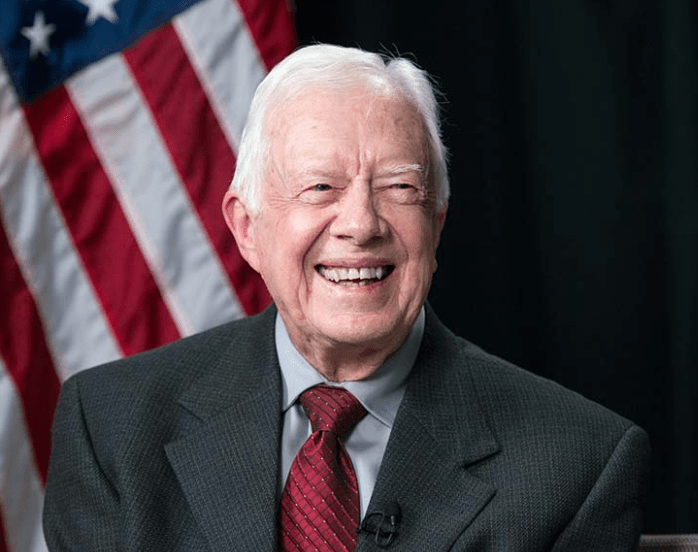
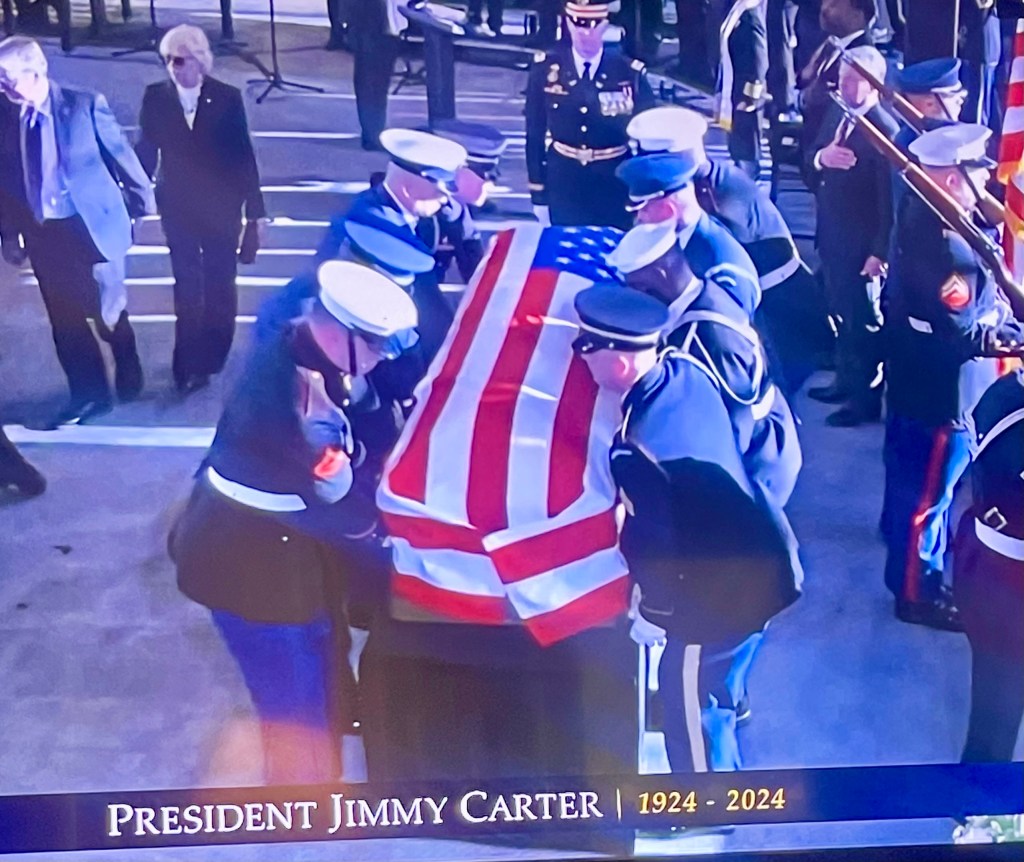
Former President Jimmy Carter’s state funeral was held today at the Washington National Cathedral in Washington, D.C., honoring his legacy as the 39th President of the United States and his extensive humanitarian work. Carter passed away on December 29, 2024, at the age of 100. He was remembered by dignitaries, family, and friends for his dedication to public service. He also made significant global peace efforts.

President Joe Biden delivered an emotional eulogy, highlighting Carter’s unwavering character and lifelong commitment to improving the lives of others. Biden was one of the first senators to endorse Carter’s presidential candidacy. He reflected on their shared values. Carter had a profound impact on the nation. CBS News

All five living U.S. presidents attended the service, including President-elect Donald Trump, who will be inaugurated on January 20, 2025. Trump engaged in a brief but cordial conversation with former President Barack Obama. This marked a rare moment of civility between the two. Reuters

The ceremony featured heartfelt tributes from Carter’s family. His grandson, Jason Carter, praised him as the nation’s “first Millennial,” acknowledging his progressive-thinking approach and enduring legacy. The Sun

Steven Ford, son of the late President Gerald Ford, read his father’s letter for Carter. This action underscored the deep friendship between the two men despite their political rivalry. New York Post

Musical performances added to the solemnity of the occasion. Phyllis Adams, a longtime Delta flight attendant, had earlier performed for the Carters. She delivered a moving rendition of “Amazing Grace.” This fulfilled a special demand made by the late President. CBS News

Security measures were notably heightened for the event, reflecting concerns over potential threats. Despite this, the service proceeded without incident, allowing attendees to focus on honoring Carter’s life and legacy. The Sun

Carter’s remains will be transported to his hometown of Plains, Georgia, after the national ceremony. There, a private service and burial will be held according to his wishes. The Times

From 1977 to 1981, Carter’s presidency was marked by significant achievements. These included the Camp David Accords between Israel and Egypt. They also involved the establishment of diplomatic relations with China. His post-presidential years were equally impactful. He dedicated himself to human rights and diplomacy. This dedication earned him the Nobel Peace Prize in 2002. The Times

The state funeral poignantly reminded us of Carter’s enduring contributions to the nation and the world. It celebrated a life dedicated to service, peace, and the betterment of humanity.

Highlights from Jimmy Carter’s State Funeral

Sources

People

Trump Doesn’t Stand for Obama but Then Chats with Him as All 5 Living Presidents Reunite at Jimmy Carter’s Funeral

Today

The Sun

Biden gets emotional in Jimmy Carter’s funeral speech as grandson Jason praises 39th prez as nation’s ‘first Millennial’

Today

Reuters

Trump shakes hands with Pence, engages Obama at Carter funeral

Today

THE LAST RIDE FOR THE MAN FROM PLAINS GEORGIA

Groff Media 2024© Truth Endures IMDbPro

Presented by benandsteve.com By: Benjamin Groff II©

2–3 minutes

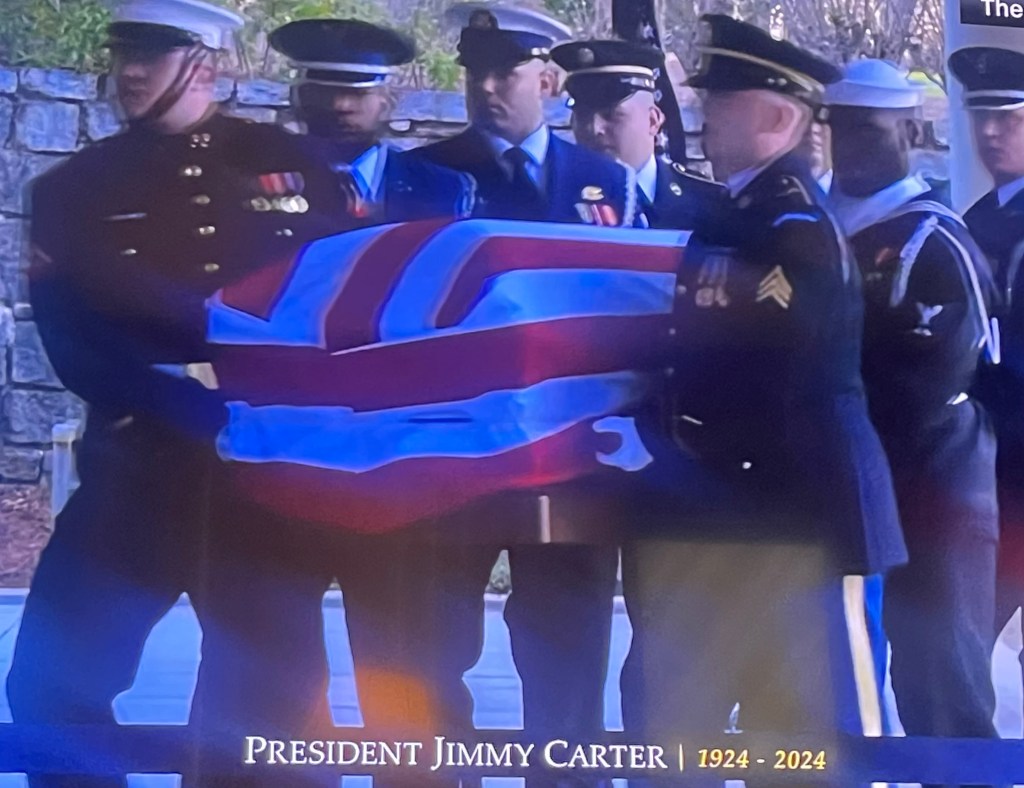
In the early hours of January 4, 2025, a somber hush fell over the rolling plains of Georgia. The sun shone gently over the landscape. A motorcade departed from Phoebe Sumter Medical Center in Americus. It bore the flag-draped casket of the 39th President of the United States, Jimmy Carter. The journey marked the start of a six-day tribute. It honored a man who dedicated his life to service, peace, and humanity.

The procession moved through Carter’s hometown of Plains, passing by his boyhood home in Archery. Here, the old farm bell tolled 39 times. Each chime resonated with the years he had served as the nation’s leader. It symbolized each year of his presidency. Family members, including his children, grandchildren, and great-grandchildren, accompanied the casket, their faces reflecting both sorrow and pride. Former Secret Service agents had once protected him. They now served as pallbearers. They honored their final duty to the man they had revered.

Along the route, admirers gathered. Some held flowers. Others wore commemorative pins. They were all united in their wish to pay homage to a beloved figure. The motorcade continued to Atlanta. There, Carter’s body would lie in repose at the Carter Presidential Center. This arrangement provided the public with the opportunity to offer their respects. 

On January 7, the casket will be transported to Washington, D.C., where President Carter will lie in state at the U.S. Capitol. A state funeral is scheduled for January 9 at the Washington National Cathedral. Dignitaries will honor his legacy there, including President Joe Biden. The funeral will be a solemn event. There will be a military honor guard. A close family member will deliver a eulogy.

Carter’s journey will reach its conclusion after the national ceremonies. He will return to Plains, Georgia, for a private funeral service at Maranatha Baptist Church. He will be laid to rest beside his beloved wife, Rosalynn. This is the place where his remarkable journey began. It would now conclude there.  

As the week unfolds, the nation will ponder on the life of a president who remained a humble servant. Jimmy Carter’s final ride is not just a passage from life to death. It is a testament to a legacy that will endure in the hearts of the people he has touched. This marks the end of a remarkable journey.

The Nation Honors Former President and man Jimmy Carter!

References:

New York Post

Former President Jimmy Carter’s funeral procession begins in Georgia

Today

Politico

Jimmy Carter’s 6-day state funeral begins with a motorcade through south Georgia

Today

AP News

Jimmy Carter’s flag-draped casket is on its way to Atlanta as the 39th president’s state funeral begins

Today

Jimmy Carter: The Country Music President

Groff Media 2024© Truth Endures IMDbPro

Presented by benandsteve.com By: Benjamin Groff II©

2–3 minutes

The year was 1977, and Jimmy Carter had just taken the oath of office. A peanut farmer from Georgia, he brought a unique sensibility rooted in his Southern upbringing and a deep love for American culture, particularly country music. This unique combination of his Southern roots and his love for country music not only shaped his personal life but also influenced his presidency, allowing him to connect with the struggles and joys of everyday Americans.

Waylon Jennings Family

When he stepped into the White House, Carter made it clear that the arts, especially music, would have a place of honor in his administration. He often reminisced about listening to gospel and country music on the family radio back in Plains, Georgia, where the soulful twang of artists like Hank Williams and the Carter Family resonated with the struggles and joys of everyday Americans, a sentiment he deeply shared.

One evening, during a White House dinner, Carter invited Willie Nelson to perform on the South Lawn. The night was balmy, and as the country star strummed his guitar under a canopy of stars, Carter took the opportunity to speak.

White House Photo – Carter Library

“Country music,” he said, “is the heart and soul of America. It tells the story of our struggles, faith, and hope.”

Carter’s admiration wasn’t just lip service. He actively promoted the genre, ensuring it received the recognition it deserved as an integral part of American culture. He invited artists like Loretta Lynn, Johnny Cash, and Dolly Parton to the White House. He even arranged for country music showcases at international events to share a slice of Americana with the world. His unwavering efforts significantly influenced the genre’s rise to mainstream respectability during the late 20th century.

Bill Anderson with The Carters

But Carter’s legacy extended far beyond his love of country music. He brokered the Camp David Accords, a landmark peace agreement between Egypt and Israel that demonstrated his diplomacy skills and commitment to global peace. He championed human rights globally, making them a cornerstone of U.S. foreign policy. He also pushed for energy conservation, installing solar panels on the White House roof long before climate change became a widely recognized issue.

After leaving office, Carter’s achievements only grew. He founded The Carter Center, dedicated to promoting democracy, fighting disease, and mediating conflicts worldwide. His work eradicating diseases like Guinea worm, even in his post-presidential years, demonstrated his enduring compassion and determination to make the world better.

As for country music, Carter’s genre promotion left a lasting legacy. Many country artists credited him with helping to elevate their art to a global stage. Even decades later, when asked about his presidency, Carter would smile and say,

“If I could broker peace and get people to tap their feet to country music, then I’ve done my job.”

Jimmy Carter’s presidency may not have been perfect. Still, his love for the arts, his commitment to peace, and his tireless work for humanity made him a leader whose legacy resonates far beyond the Oval Office.