My Father’s Journey: From Service Station to Horse Ranch

GROFF MEDIA 2024© TRUTH ENDURES IMDBPRO

Presented by benandsteve.com By: Benjamin Groff II©s

4–5 minutes

Today, as I write, I ponder what story to share. Specific recollections stand out, shaping my life in ways that make them worth remembering.


One of my fondest memories is traveling with my father and one of his friends. These journeys often involved a horse—whether for a rodeo, a parade, or taking a mare to be bred. I remember sitting in the middle of the pickup seat. The air conditioning blasted my face. The two men talked nonstop. The smell of their cigarettes filled the cab; they never cracked a window. Though I never smoked a day in my life, I suspect I passively inhaled enough to equate to thirty packs.

This was the early 1970s when smoking held no taboos, even around children. My father eventually quit in his late fifties, relieved to be free of nicotine’s grip. Sadly, six months later, he responded to a chlorine leak at a swimming pool. While shutting off the container, he inhaled the toxic gas, permanently damaging his lungs. From then on, breathing was a struggle. The medications he took to manage his condition weakened his bones. By 63, he was no longer capable of walking. He passed away shortly after. But in those 63 years, he packed in a lifetime of experiences.


Reflecting on my childhood, I marvel at how my parents managed to supply for six children. We weren’t wealthy, yet they kept us clothed, fed, and engaged—horse riding, basketball, piano lessons, and football. We started in a beautiful three-bedroom brick home in a great community. My father owned a Texaco service station and volunteered as a fireman. Some neighbors even urged him to run for city council, but his passion lay elsewhere. He dreamed of owning a quarter-horse farm, a dream that required sacrifice.


The first step was selling our home. We moved into a one-bedroom rental, with my parents in the sole bedroom and us kids on foldout couches. My father attended barber school, planning for the future. A year later, he purchased forty acres in a small town 35 miles away. He used the money from selling the house and service station. The land was densely wooded, and my father and three older brothers worked tirelessly to clear it for a home.


He found a house nearby for sale, provided it was moved. It had four rooms downstairs, one upstairs, and disconnected kitchen and bathroom additions. Two trucks transported the house 28 miles to our new farm. Once settled, we designated rooms: the kitchen, living room, and bedrooms. The steep stairs to the upstairs bedroom often left me bruised from falls. I loved that room. It had windows at both ends, letting a breeze flow as I gazed at the valley. I imagined future adventures.
I discovered my secret hideout underneath those stairs, meant to be my sister’s closet. Small enough to squeeze deep inside, I stayed undetected until I was spotted and lost my perfect hiding place.


Life on the farm lacked modern conveniences, including indoor plumbing. My father found an abandoned outhouse and positioned it over a dry well. Inside, we had two five-gallon buckets of water for drinking, with a dipper hanging above and another for washing dishes. Each day, my father refilled them after closing his barbershop in town.


We also had no phone service at first. When we finally got a phone, I was about eight. The company laid a single line down the rural road. We shared it with three other families on a party line. Each household had a distinct ring. Still, anyone might eavesdrop. Power outages were frequent, lasting days during snowstorms or severe thunderstorms, making access to our home difficult in bad weather.


My father and brothers built horse barns south of our home. At one point, we had over forty horses. Spring was the busiest, with foals being born. My father hosted roping events, where friends gathered to rope all day. Eventually, he installed arena lighting, allowing him to ride even after long days in the barbershop. I joined him often, eating more red sand from falling off horses and calves than I care to remember.


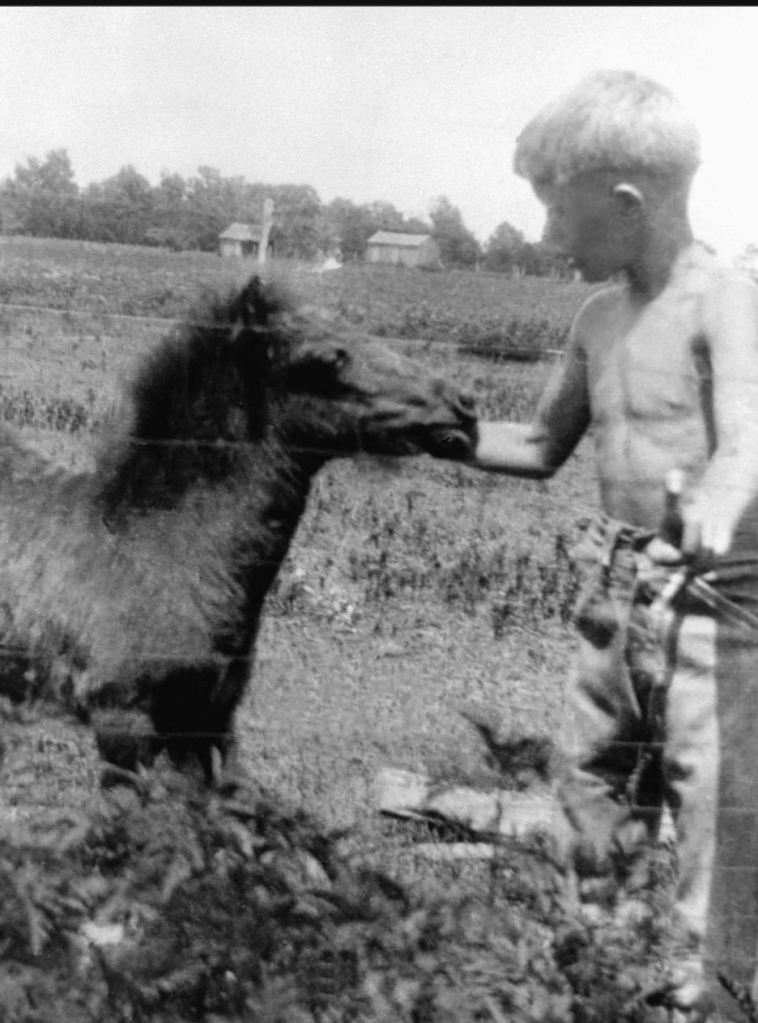
Over time, the horses dwindled to just mine and his. My siblings had moved on from riding. My father worried that his aging stud horse was no longer suitable for breeding. That’s when he became a ranger at the Girl Scout camp, changing my world entirely. Life on the farm transitioned into something new and unknown. What I learned at the camp shaped me. It taught me the value of acceptance. The lessons in resilience have stayed with me through life’s most challenging moments. But that, as they say, is another story entirely.

To end, I want to include a question I recently asked my 95-year-old mother:

“You went through so much. It all started after selling the brick home. You moved from the life we had in the city. Knowing all this, would you do it again?”

She replied,

“in a heartbeat!”

Honoring Tradition: Birthday Memories and Family Bonds

GROFF MEDIA 2024© TRUTH ENDURES IMDBPRO

Presented by benandsteve.com By: Benjamin Groff II©s

2–4 minutes

February 17th: A Day to Remember

Today is February 17th. In the United States, it’s recognized as Presidents’ Day. This holiday honors past leaders and their contributions to the nation. Initially, the day was all about Washington and Lincoln, but eventually, every other president wanted in on the act. At least, that’s how I remember it from my elementary school days.

Groff Family Celebrations
Groff Media©

But for me, February 17th holds a much deeper meaning. It marks the birthdays of three people who shaped my life. They are my grandmother, father, and an uncle by marriage to my father’s sister. And with that, it also carries a tradition that has lingered through the years.

When they were alive, our family gathered every year on the Sunday before their birthdays. Relatives, friends, and even neighbors would fill my grandparents’ home. Some were from their old farm. Others came from their city life after retirement. As a child, I didn’t fully grasp the significance of these gatherings. Now, in my retirement years, I see it so clearly. The warmth of belonging, the shared stories, the laughter—it all meant something. Looking back at the old photos, I understand now what I couldn’t then.

After they passed, my mother kept the tradition alive in her way. Every year, without fail, she’d call each of us siblings and ask,

“You know what day it is?”

Groff Family Celebrations Groff Media©

But time moves ahead, as it always does. My mother is now 95. She no longer makes those calls. Her mind can’t reach for the dates and details that once anchored her. So instead, we call her. And the tradition continues, binding us together in shared memories and love.

Only my sister and I acknowledge the day out of six siblings. Sometimes, I call her first. Other times, like this morning, she beats me to it—before I’ve even had my first sip of coffee. Our conversation is brief but meaningful, a moment to honor the three lives that shaped us. And, of course, to share a hearty laugh at the memory of my father’s favorite joke.

My dad was a barber, and in our town, barbershops traditionally closed on Mondays. But when Presidents’ Day landed on February 17th, he saw an opportunity for mischief. At family gatherings, he’d grin and announce,

“If the Post Office is closing on my birthday, then I suppose I have to close my shop too!”

In those years, he’d even hang a sign in his shop window:

“JOINING THE POST OFFICE—WE WILL BE CLOSED ON MONDAY IN RECOGNITION OF MY BIRTHDAY.”

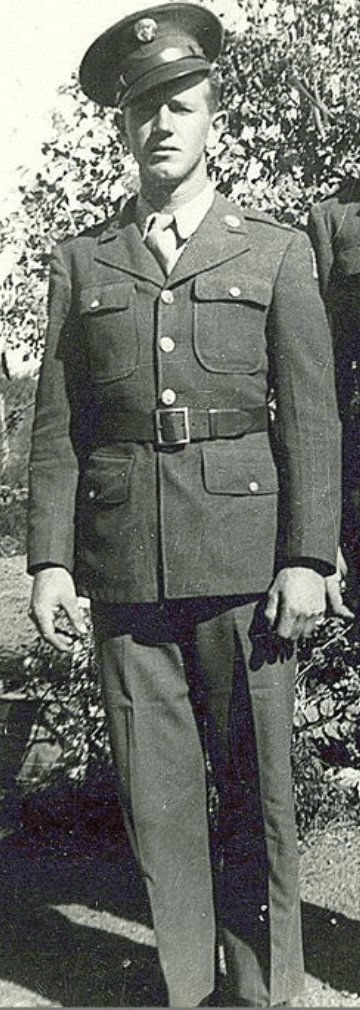
My Father JD
Groff Media©

He thought it was the funniest thing in the world, and as kids, we did too.

I always admired my dad. I looked up to him, though I never told him outright. I wish I had. There were so many times I wanted to say the words, but I never quite found the right moment. And yet, I believe he knew. Somehow, he always knew things about me that I never spoke out loud.

Even on February 17th, I felt his presence in the quiet traditions that remained. I sense it in the phone calls, laughter, and stories we still tell.

And I think—that’s enough.

Cherished Memories from 608 E Kiowa Street

GROFF MEDIA 2024© TRUTH ENDURES IMDBPRO

Presented by benandsteve.com By: Benjamin Groff II©s

3–5 minutes

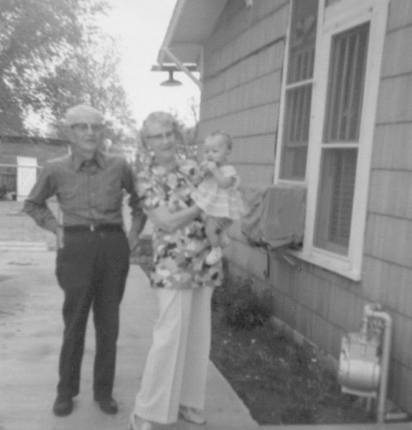
The house at 608 E Kiowa Street was a two-story, single-family dwelling. It was the largest home on the street. It was on the road’s south side, just east of Jefferson Elementary School. The exterior was adorned with a well-kept garden. There was a porch with a swing where we spent many evenings. A large oak tree provided shade in the summer. It was my grandparents’ home from when I was born until my grandmother passed away in the mid-1970s.

With its shale shingle siding, the house always seemed enormous to me. The first floor held a kitchen, a cozy den, and a bedroom. It contained a formal sitting room and a living room where their black-and-white television rested. Upstairs were three large rooms—spacious enough for my grandmother to host visiting relatives from out of state.

My grandmother’s hospitality was legendary. She accommodated up to three full-size beds with people. She had sleeping cots and plenty of room to use if needed. She was always ready to welcome more guests into her home, making everyone feel like they belonged.

One of the most memorable aspects of the upstairs was the introduction to an old-fashioned necessity: the chamber pot. My grandmother clarified that it was mainly for the ‘men folk.’ The women seemed to manage through the night without issue. Every morning, my grandfather would empty the pot into the downstairs toilet. Then he would step outside. He would wash it thoroughly with the garden hose. He’d always follow this routine by filling it halfway with water and calling out to my grandmother,

“Ok, Mom, I got halfway there.”

To which she’d respond from somewhere in the house,

“Don’t put the lid on it. I’m bringing the bleach!”

Everyone called them Pop and Mom. Over the years, the names became so natural that they started addressing each other that way. This was true except when my grandmother was exasperated with Pop for not hearing her. Then, she’d call him by his actual name, the very name I shared with him. But beneath the surface, how much they loved and cared for each other was always evident.

“BEN!”

Whenever I visited, I couldn’t help but worry that the neighbors thought she was yelling at me for misbehaving. I loved my grandparents too much to ever cause trouble. I tried my best to help Pop hear her. I acted as a go-between for their familiar, loving banter.

Another curiosity upstairs was an old doorstop. It was a gift from my great-grandfather. He was a stern, fire-and-brimstone Baptist preacher. He roamed Northeast Texas, Southwest Arkansas, and Southeast Oklahoma. His mission work often left my grandmother unsure which state they lived in since their farm straddled all three.

She once told me something interesting. The doorstop had accompanied her brother. He came to give my grandfather permission to marry her. It remained tucked away upstairs because, as she explained,

“Times have changed, and it wouldn’t be proper to show it in the main part of the house.”

In the kitchen, a small toy was tucked inside a cabinet. It was the only toy my grandmother ever bought for my dad during his childhood. Money was tight back then, and buying toys was a luxury most couldn’t afford. Yet, she purchased this wind-up toy. It would dance and entertain my dad as a toddler while she worked around the house. When my grandmother passed away, the toy went to my dad. After his passing, I found it in our attic. It was worn and weathered by time. Yet, it still carried the weight of all those cherished memories. I kept it—not for its value, but for the stories and love it symbolized.

The family gatherings we shared there pull me back to that old house, even though it no longer stands. Mom and Pop’s home was a magnet for loved ones, filled with laughter and warmth. Even during the most challenging economic times, a sense of togetherness and unity prevailed. This feeling seems more elusive in today’s world. Their old radio will not pick up the stations it once did.

I often wonder what Mom and Pop would think if they saw our modern world—technology and conveniences. But more than that, I wonder how they’d feel. How would they react if they saw what we’ve done with the legacy they left us? They instilled the values of hard work, love, and togetherness. Would they be proud of the way we’ve upheld these values? Would they recognize the strong family bonds they worked so hard to instill? The actual family values of love before judgment.

Those questions linger, just like the memory of the old house on Kiowa Street.

Discovering a Father’s Hidden Letters

GROFF MEDIA 2024© TRUTH ENDURES IMDBPRO

Presented by benandsteve.com By: Benjamin Groff II©s

3–5 minutes

The last of the guests had left. A heavy silence remained, seeming to fill every corner of the house. It had been a long day. Victor placed his hands over his face. He tried to collect himself from everything that had happened in the last few days. His father had passed, and the funeral had brought together friends and family he had not seen in years. Once filled with laughter and conversation, the house now stood eerily silent.

He walked to the refrigerator for a cold glass of water. Something caught his eye—a wooden cigar box atop a cabinet. It was the old kind –– the type that hadn’t been made in years. It was a mystery, a relic from a bygone era. His father must have been holding onto it.

Curious, Victor set his glass on the kitchen table and reached for the box. He found letters bundled with a rubber band as he pried it open. The postmark on the top envelope was dated 1942. He ran his fingers over the stack, noticing the new rubber band. His father had handled these recently.

Victor’s mother, Emily, had passed nearly seven years ago. Since then, his father, Bob, has never been the same. He continued with life, but something had changed—like a light had dimmed.

He carefully removed the band and unfolded the first letter. A small tobacco sack slipped out as he did, landing softly on the table. It felt empty, save for dust. Pushing it aside, Victor began to read.

My Dearest Emily,

Today, we are adrift going “over there.” I don’t know what we will find when or if we wash ashore. Yet, I know one thing—I wish to get back to you more than anything. You are my love, my most faithful and one and only! I promise with all my heart to survive this mission and see you again! I have to make this quick to get to the mail plane before it takes off.

Love, Bob

Letter after letter, Victor saw the same unwavering devotion. His hands trembled as he read the words, feeling the weight of his father’s love and sacrifice. Then, one in particular caught his attention:

My Dearest Emily,

We ran into trouble and had to fight the Japanese in the middle of the ocean. We won. The chiefs say it will be a decisive battle in the war. I certainly hope so. We took losses. Some of my buddies are gone. But I am still here, as I promised you I would be. I love you and can only count the days until this war ends, and I am back home with you. I promise I will never leave your side again once I return!

Love, Bob

Victor looked at the date on the letter and the weight of his father’s words. Could Bob have been in the Battle of Midway? He had never spoken much about his military service. The letters seemed to carry the burden of his unspoken past.

No kid should have to be a killer of another. It is the most horrible thing you can imagine.

Those were the only words his father had ever spoken about the war.

Victor leaned back in his chair, staring at the letters before him. His father had seen horrors he had never spoken of and endured trials he had buried deep. Yet, through it all, the one thing that had kept him going was his profound and unwavering love for Emily.

He suddenly understood why, after her passing, his father had never quite been the same. Bob had kept his promise—he had never left her side. And when Emily was gone, so too, in a way, was Bob.

A lump began to form in Victor’s throat. He had always known his parents’ love was strong, but he had never truly grasped its depth until now. He had a newfound appreciation for the man his father had been. He gently and reverently returned the letters to the cigar box. Each one was a testament to his father’s enduring love.

As he placed the box back on the cabinet, he felt something shift within him. Grief remained, but now it was accompanied by a deep admiration. His father had lived and loved with an intensity few understood.

And finally, after all these years, he was with Emily again.

Life Lessons from a Skunk: Trust and Taking Chances

GROFF MEDIA 2024© TRUTH ENDURES IMDBPRO

Presented by benandsteve.com By: Benjamin Groff II©s

3–5 minutes

It was an old house on the southeast side of town. The floorboards creaked. The front porch sagged just a little in the middle. Jeb and Lorine lived there with their giant Boxer. The dog was as broad as a barrel. He was just as heavy when he flopped into your lap.

At five years old, Tim sometimes spent his afternoons there, waiting for his dad to pick him up. He had just started kindergarten and hated school—not just kindergarten, but the whole idea for the next twelve years. The only good thing was that, for now, Tim only had to go until noon. Then, most days, he’d end up at Jeb and Lorine’s, where things were much more enjoyable.

One thing about their house always intrigued Tim: the mysterious knocking and pounding under the floor. It was a constant occurrence as if something—or someone—was moving beneath them. Tim had been taught not to be rude and ask questions in other people’s homes. He sat quietly, but his mind was buzzing with curiosity.

Maybe it was the bees. Jeb had a beehive in the backyard and collected honey from it. Tim imagined a massive honeycomb hidden under the house, so big that its weight made the boards creak. He pictured golden honey dripping through the cracks in the floor. But no, that didn’t explain the noise. The sound traveled, shifting from one end of the house to the other.

One afternoon, while playing in the backyard, Tim noticed a small fence blocking off a crawl space beneath the house. It was big enough to hold an animal—maybe even a dog. But why would Jeb fence it off? Was he trying to keep something out? Or ––– keep something in?

Curious, Tim dropped to his hands and knees, peering into a dark hole in the foundation. He squinted, trying to make sense of the shadows. Suddenly, two glassy eyes stared back at him. A jolt of surprise went through his body.

Tim let out a startled yelp and scrambled backward his heart racing. He barely managed to stop himself from swearing in shock.

“WHOA! HOLY COW!”

The eyes moved closer, emerging from the darkness. Tim’s breath caught as the creature stepped into the light.

“A SKUNK!”

He shot to his feet and bolted inside, bursting into the living room where Jeb and Lorine sat.

“There’s a skunk under your house!” he gasped. “You gotta get a shovel—hit it over the head! It’s living under there!”

Jeb and Lorine burst into laughter.

“You met Johnny,” Jeb said, shaking his head. “He’s a buddy of mine. Come on, I’ll let you hold him.”

Tim’s eyes widened.

“Hold him?! Are you crazy? He’ll spray us!”

Jeb chuckled.

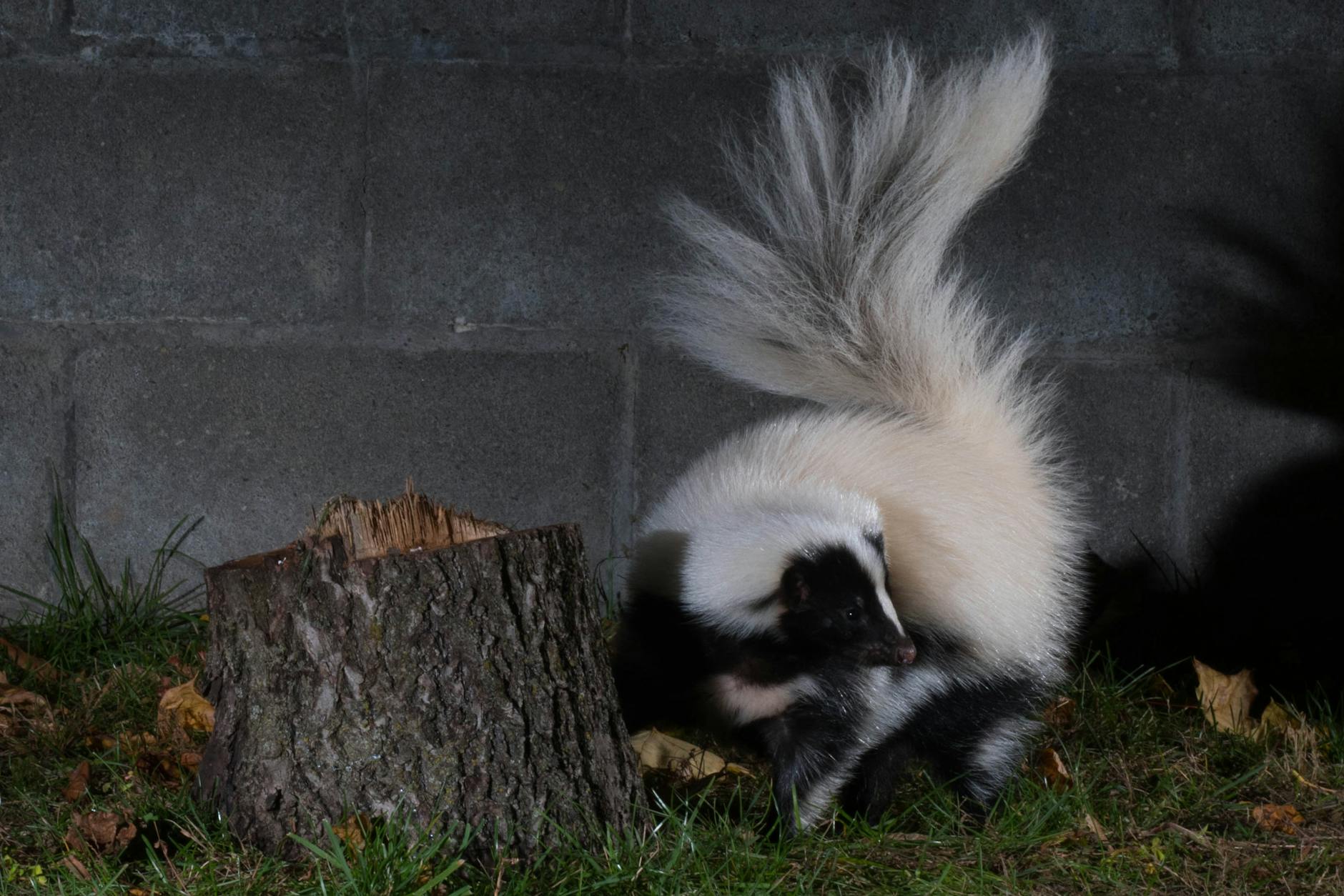
“No, he won’t. Johnny had his scent glands removed when he was a baby. He can’t spray.”

His words were like a soothing balm, calming Tim’s nerves.

Tim hesitated, his skepticism clear.

“How can you be so sure?”

He asked, his voice tinged with doubt.

“Because I raised him,” Jeb said, standing up. “Found him in my barn after his mama got hit by a car on the highway. Watched that nest for days, but she never came back. He would’ve died if I hadn’t taken him in.”

Tim followed Jeb outside, still wary. The last thing he wanted was to go home reeking of skunk.

Jeb knelt by the crawl space and softly said,

“Johnny, Johnny, come on out, boy.”

Tim tensed as the skunk waddled into view, its black-and-white fur gleaming in the afternoon sun.

Jeb looked at Tim and grinned.

“Son, I know what you’re thinking. Life’s about trust, taking chances, and finding things out for yourself. You can do all three right now.”

Tim swallowed hard, debating. Does he trust this?

Taking a deep breath, he held out his arms.

Jeb carefully placed Johnny in his hands, and Tim braced himself for the worst. Johnny curled against his chest, nestling under his chin like a kitten. His friendly demeanor melted Tim’s apprehensions.

Tim stood there, stiff at first, then slowly relaxed. The skunk was warm, soft, and oddly ––– pleasant.

After a few minutes, Jeb patted Tim’s shoulder.

“That’s good now. Johnny must return inside, and your daddy’ll be here soon.”

Tim handed Johnny back and followed Jeb into the house. As he sat on the couch, he waited for his dad. He thought about what Jeb had said. It was about trust, taking chances, and learning things for yourself.

When his dad pulled up, Tim climbed into the truck. As they pulled away, his father wrinkled his nose.

“What have you been doing?”

He asked.

“You smell like a skunk!”

Tim just grinned. And said –––

“I’ve been taking a chance on trusting people and other things and learning things for myself.”

A Journey Through Fields: Life Lessons from Uncle Neb

GROFF MEDIA 2024© TRUTH ENDURES IMDBPRO

Presented by benandsteve.com By: Benjamin Groff II©

2–3 minutes

An Uncle’s Field of Memories

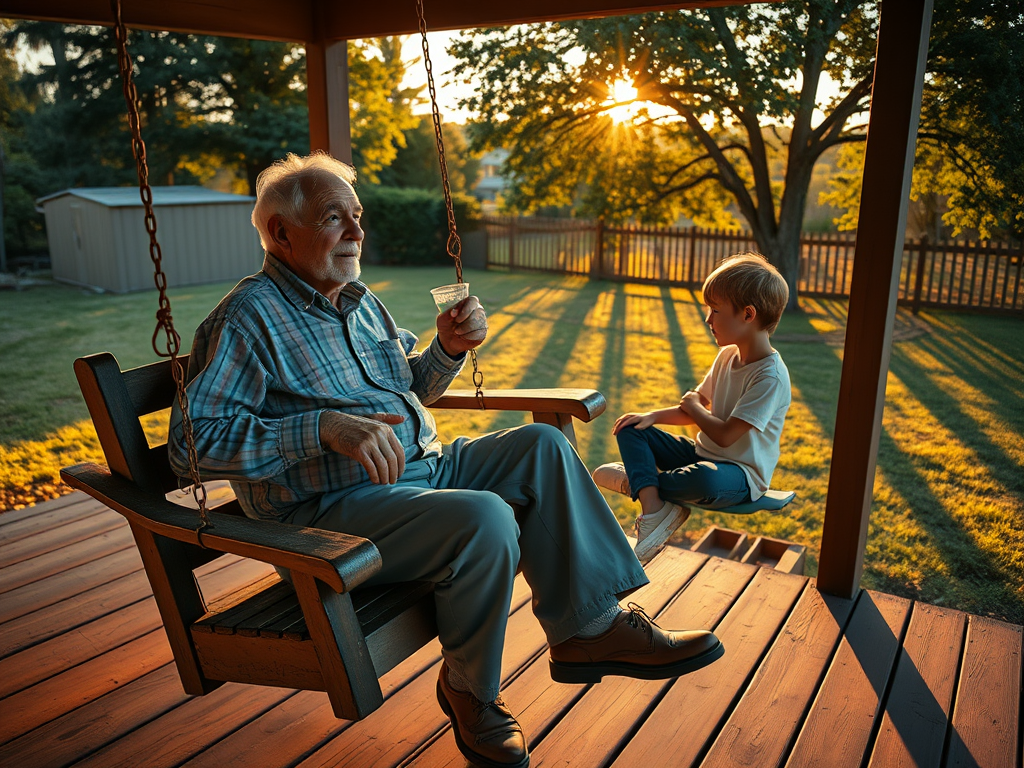
The older man rocked back and forth on the porch swing, the wood creaking under his weight. His nephew, Jake, sat cross-legged on the wooden planks, listening intently. The evening sun stretched its shadows long across the yard, the golden light flickering through the trees.

“You ever run through a plowed field, boy?” 

Uncle Neb asked, a slow grin spreading across his weathered face.

Jake wrinkled his nose. 

“Why would I do that?”

Ole Neb chuckled.

“Ah, you don’t know what you’re missin’. When I was your age, runnin’ through a fresh-plowed field was the best thing in the world. The dirt was soft, the furrows deep. Felt like jumpin’ across waves in the ocean—only, it was earth beneath your feet, not water.”

Jake smirked. 

“Sounds messy.”

“Sure was!”

Uncle Neb laughed. 

“And I’d get a good whuppin’ from your grandma for trackin’ mud in the house, too.”

He leaned back, sighing. 

“Every spring, my daddy plowed and prepared the land to plant maize and oats. That was our winter feed for the livestock. Down at the bottom of our place, we had an alfalfa field. Grew some of the best in the county, thanks to the floods from the neighbor’s lake.”

“Wait—you let your field flood on purpose?”

Jake asked, wide-eyed.

“Didn’t have a choice, boy! The heavy spring rains would swell that lake, and the water would just roll over into our land. But let me tell you, that soaked ground made the alfalfa thick and green. We never had to worry about our cattle goin’ hungry.”

Jake traced a knot in the porch wood with his finger. 

“You had cattle?”

“Sure did. Horses and chickens, guineas, goats—you name it. Had a big ol’ barn on the west side of the place where we kept ’em. But there was one animal I couldn’t go near—one of our milk cows. It is the meanest thing you have ever seen. That cow would lower her head and charge at me as soon as she spotted me.”

Jake grinned. 

“You were scared of a cow?”

Uncle Neb narrowed his eyes playfully. 

“You woulda been too, boy! Kids had tormented that cow before she came to us. Made her mad as a hornet. Your grandpa had to milk her himself ’cause she wouldn’t let nobody else close.”

Jake laughed. 

“Sounds like she had a grudge.”

“That she did. But that was life on the farm, son. You learned to work with what you had, respect the land, and steer clear of mad cows.”

Ole Neb winked. 

“Now come on, let’s go walk that field out back. Maybe you’ll see why runnin’ through dirt felt like flyin’ to a boy like me.”

Jake hesitated, then hopped up.

“Alright, Uncle Neb. But if I trip, you owe me ice cream.”

Neb laughed, his voice warm as the setting sun. 

“Deal, boy. Deal.”

And together, they walked toward the fields, the past and gift blending with every step.

Quiet Reflections: Harold Whitman’s Final Moments

GROFF MEDIA 2024© TRUTH ENDURES IMDBPRO

Presented by benandsteve.com By: Benjamin Groff II©

2–3 minutes

The Last Day

Harold Whitman woke before dawn, just as he had done for countless mornings. He stretched his aching limbs, feeling the stiffness permanently occupying his bones. The old house was quiet. Only the refrigerator’s soft hum and the occasional creak of settling wood were heard. This familiar symphony accompanied his every awakening.

He shuffled to the kitchen, brewed a pot of coffee, and sat at the window. He watched the sunrise paint the morning sky in shades of orange and pink. He savored the moment. The cup’s warmth was in his hands, and the faint aroma of the beans filled the air. His late wife had always loved those beans.

Today, he decided, would be a good day.

After breakfast, Harold walked to the park, as he had done for decades. He fed the ducks at the pond. He nodded to the joggers and dog walkers. They had become familiar faces over the years. These interactions, though brief, were like tiny rays of sunshine in his otherwise solitary life. A young boy, no older than six, waved at him from the swings. Harold smiled and waved back.

At the corner store, he bought a piece of his favorite caramel candy and an extra for the cashier. Marisol, a sweet girl, constantly reminded him of his granddaughter.

“You spoil me, Mr. Whitman,”

she said, laughing as she unwrapped the treat.

“Someone’s got to,”

he replied with a wink.

In the afternoon, he visited the cemetery. He sat on the bench beside his wife’s headstone, tracing her name with his fingers. The silence of the place soothed his soul. He felt a strange comfort thinking about joining his wife.

“I think I’ll be seeing you soon,”

he murmured.

“Maybe later tonight.”

There was no fear in him—just a quiet knowing.

Before heading home, he stopped by the diner, ordering a slice of apple pie and a cup of black coffee. The waitress, Lucy, patted his shoulder.

“You always get the same thing,”

she teased.

“Because I know what’s good,”

he said with a grin.

That evening, Harold sat in his favorite chair by the window, where the sunset bathed the room in golden light. He opened a book, though he barely read the words and content to hold it.

When sleep came, it was gentle, like slipping into a warm embrace.

Harold’s heart gave its final beat, and he sighed with quiet satisfaction. His last day had been good, a testament to the peace and acceptance that filled his heart.

Surviving the Darkness: The Krieger Family’s Courage – Shadows In The Dark

GROFF MEDIA 2024© TRUTH ENDURES IMDBPRO

Presented by benandsteve.com By: Benjamin Groff II©

2–3 minutes

In the spring of 1942, the Krieger family vanished from the small town of Marburg, or so their neighbors believed. The truth, though, was a testament to their resilience. Ernst and Klara Krieger lived concealed behind a false wall. Their teenage daughter Lotte was with them in the attic of their modest home. They clung to a fragile existence beneath the ever-watchful eyes of the Nazi regime.

Before the war, Ernst had been a respected tailor, his shop bustling with customers seeking fine suits and dresses. The war machine tightened its grip on Germany, and Jewish families like the Kriegers became targets. They had no choice but to vanish from public view. Ernst’s friend, Herr Becker, was a trusted carpenter. He had built a hidden compartment in their attic. It was a space just large enough for the three of them to survive.

Each day, Klara prepared sparse meals from the dwindling stock of supplies. She rationed every crumb with the precision of a soldier. Lotte, once full of life and laughter, now spent her days in silence. She read the few books they had managed to take with them. Ernst, ever resourceful, repaired uniforms in secret. He exchanged this favor with Herr Becker for smuggled food. They also shared whispers of news from the outside world.

Life under the radar was a delicate balancing act, but the Kriegers refused to let go of hope. They learned to move only when the town slept, their footsteps carefully muffled. They endured bitter winters without fire, their breath hanging in the frozen air like ghosts. Klara kept their spirits up with whispered stories of better days. She spoke of summers at the lake and the scent of fresh bread filling their home. They lived in fear but also in quiet defiance, their hope a beacon in the darkness.

One night, in late 1944, as the war neared its end, a knock at the door sent their hearts racing. Herr Becker’s hushed voice broke through the silence. 

“The Americans are coming,” 

he whispered through the floorboards. 

“Stay hidden a little longer.”

Days passed like years until, at last, the sound of foreign voices filled the streets. The Kriegers dared to peek from their hidden vantage point. What they saw made their hearts swell with cautious hope. They observed Allied soldiers marching through the town. Their uniforms were different, and their faces were filled with determination rather than cruelty.

The danger had finally passed. Ernst and Klara stepped out into the light of a new morning. They held Lotte’s trembling hand. Their survival was a quiet miracle. It was a testament to the resilience, cunningness, and kindness of those who risked it all to help them. Their hearts were filled with gratitude for these unsung heroes.

Life was difficult in the next years, but the Kriegers rebuilt what they had lost. Ernst reopened his shop. Klara baked bread that once again filled their home with warmth. Lotte found her laughter in the sunlight. Though they had lived in the shadows for so long, they emerged stronger and free.

And in the attic, behind the false wall, they left a small inscription: 

We survived. We endured. We are free.

English Translation Below – TRADUCCIÓN AL INGLÉS A CONTINUACIÓN

GROFF MEDIA 2024© TRUTH ENDURES IMDBPRO

Presented by benandsteve.com By: Benjamin Groff II©

4–6 minutes

English Translation Below –

Today, I am sharing a translation of instructions initially posted on the BenandSteve.com Facebook page. These instructions were originally written in Spanish. I have translated them to the best of my ability. The English translation is just below.

TRADUCCIÓN AL INGLÉS A CONTINUACIÓN:

Hoy comparto una traducción de las instrucciones publicadas originalmente en la página de Facebook de BenandSteve.com. Estas instrucciones, escritas en español, han sido traducidas lo mejor posible para aquellos que no hablan, leen ni escriben el idioma. Por favor, tengan en cuenta que estas instrucciones no están destinadas a servir como asesoramiento legal, sino más bien como una guía útil para quienes puedan interactuar con las autoridades. Este espacio se ofrece con el propósito de brindar claridad y apoyo a quienes puedan beneficiarse de esta información.

El guía S.I.R.E.N., a menudo promovido por organizaciones de defensa para informar a las personas de sus derechos durante encuentros con la Patrulla Fronteriza o autoridades de inmigración, significa:

S – Mantente Calmo (Stay Calm)

• Mantente tranquilo y evita escalar la situación.

• No corras, resistas ni obstruyas a los oficiales de la ley.

I – Insiste en tu Derecho a Guardar Silencio (Insist on Silence)

• Ejercita tu derecho a guardar silencio.

• No respondas preguntas sobre tu estatus migratorio, dónde naciste o cómo entraste al país.

• Declara: “Estoy ejerciendo mi derecho a guardar silencio.”

R – Rechaza Dar Consentimiento (Refuse Consent)

• No des tu consentimiento para que registren tu persona, tus pertenencias o tu vehículo sin una orden judicial.

• Di: “No doy mi consentimiento para un registro.”

E – Exige Hablar con un Abogado (Engage an Attorney)

• Solicita hablar con un abogado de inmediato.

• No firmes nada sin antes consultar a un abogado.

N – Nunca Mientas (Never Lie)

• Siempre proporciona información verdadera si decides hablar (aunque tienes derecho a no responder preguntas).

• Mentir a los oficiales de inmigración puede tener graves consecuencias.

Estos pasos están diseñados para ayudar a las personas a manejar estas interacciones mientras protegen sus derechos y aseguran que se respeten las garantías legales. Si necesitas recursos o una orientación más detallada, ¡házmelo saber!

Asociación Americana de Abogados de Inmigración (AILA)

Una asociación nacional que promueve leyes y políticas de inmigración justas y aboga por el desarrollo profesional de sus miembros.

Red de Defensores de Inmigración

Un esfuerzo colaborativo entre organizaciones líderes en derechos de inmigrantes que busca aumentar el acceso a la justicia para los inmigrantes.

Unión Americana de Libertades Civiles (ACLU)

Una organización que ha estado involucrada en muchas luchas legales importantes por los derechos de los inmigrantes.

Consejo Americano de Inmigración

Una organización que utiliza investigaciones, programas y esfuerzos legales y de defensa para dar forma a las políticas y prácticas de inmigración.

Centro de Políticas para Inmigrantes de California (CIPC)

Una organización estatal de derechos de los inmigrantes con oficinas en Los Ángeles, Sacramento y Oakland.

Centro de Estudios de Inmigración

Una organización que proporciona experiencia legal, capacitación, investigaciones y publicaciones.

https://www.americanbar.org/groups/public_interest/immigration/resources/immigration-resources/#:~:text=Immigration%20Advocates%20Network.%20The%20Immigration%20Advocates%20Network,strengthen%20the%20capacity%20of%20organizations%20serving%20them..

Si eliges deportarte voluntariamente, busca la ruta más segura.


ENGLISH

Today, I am sharing a translation of instructions initially posted on the BenandSteve.com Facebook page. These instructions were originally written in Spanish. I have translated them to the best of my ability. This is for those who do not speak, read, or write the language. Please note that these instructions are not intended to serve as legal advice. They are meant to be a helpful guide for anyone interacting with authorities. This space is being provided for clarity and support for those benefiting from this information.

The S.I.R.E.N. guide, often promoted by defense organizations to inform people of their rights during encounters with Border Patrol or immigration authorities, means:

S – Keep Calm (Stay Calm)

• Stay calm and avoid escalating the situation.

• Do not run, resist, or hinder law officers.

I – Insist on Your Right to Stay Silent

• Exercise your right to stay silent.

• Do not answer questions about your immigration status, where you were born, or how you entered the country.

• Declares: “I am exercising my right to stay silent.

R – Refuse Consent

• Do not consent to register your person, belongings, or vehicle without a court order.

• Say: “I do not give my consent for a record. “

Engage an Attorney

• Ask to speak to a lawyer promptly.

• Don’t sign anything without consulting a lawyer first.

N – Never Lie (Never Lie)

• Always give truthful information if you decide to speak (although you have the right not to answer questions).

• Lying to immigration officials can have serious consequences.

These steps help people manage these interactions while protecting their rights and respecting legal safeguards. If you need resources or more detailed guidance, let me know!

  • American Immigration Lawyers Association A national association that promotes fair immigration laws and policies and advocates for the professional development of its members 
  • Immigration Advocates Network A collaborative effort between leading immigration rights organizations that aims to increase access to justice for immigrants 
  • American Civil Liberties Union (ACLU): An organization that has been involved in many major legal struggles for immigrant rights 
  • American Immigration Council An organization that uses research, programs, and legal and advocacy efforts to shape immigration policies and practices 
  • California Immigrant Policy Center (CIPC)A statewide immigrant rights organization with offices in Los Angeles, Sacramento, and Oakland 
  • Center for Immigration Studies An organization that provides legal expertise, training, research, and publications 
  • You can also help fight for immigrant rights by speaking out to elected officials, attending town hall meetings, and voicing your support for immigrants and refugees. 

https://www.americanbar.org/groups/public_interest/immigration/resources/immigration-resources/#:~:text=Immigration%20Advocates%20Network.%20The%20Immigration%20Advocates%20Network,strengthen%20the%20capacity%20of%20organizations%20serving%20them.

If you choose to self deport find the safest route.

A Love That Endures

GROFF MEDIA 2024© TRUTH ENDURES IMDBPRO

Presented by benandsteve.com By: Benjamin Groff II©

2–3 minutes

Anna sat on the edge of her porch swing, the crisp autumn air wrapping around her like a familiar shawl. She cradled a weathered photo album filled with snapshots of a life well-lived with her husband, Thomas. Though he had passed a year ago, his presence lingered in every corner of their home. She noticed the faint scent of his aftershave in the closet. The carved wooden birdhouse he made hung by the garden. The laughter seemed to echo from the walls.

The sun dipped below the horizon. It painted the sky in hues of orange and violet. Anna whispered, “Death have taken your body, Thomas, but you’re still here.”

In the quiet, she remembered the words their pastor had spoken at his funeral: *Death takes the body. God takes the soul. Our minds hold the memories. Our hearts holds on to the love. Our spiritual beliefs let us know we will meet again.

Her memories of Thomas were not just memories, they were vibrant, living moments. They replayed in her mind like a cherished movie. She saw how his eyes crinkled when he smiled. She heard his deep belly laugh. She felt the strength of his hand in hers as they danced in the kitchen.

Though grief often pressed against her chest, her heart was not empty. It was full of love—a love that hadn’t dimmed with time. She placed a hand over her chest and smiled. She knew it was where Thomas still resided. He was a glowing ember that would never go out.

Every Sunday, Anna would visit the little white church where they had exchanged vows so long ago. She found not just solace, but peace there, her faith bridging the earthly and the divine. She believed Thomas was in God’s care now, his soul at peace, waiting patiently for her.

One evening, as she closed the photo album, she noticed the first star twinkling in the sky. She gazed upward and whispered, “I’ll see you again, Thomas. Until then, I’ll carry you here.” She touched her head. “Here.” She placed her hand on her chest. “And here.” She folded her hands in prayer.

At that moment, Anna felt a warmth envelop her. It seemed like Thomas himself was reminding her. Real, enduring love that never truly is separated by time or space.

She smiled and rocked gently on the swing, humming the melody of their favorite song. The stars above her were a quiet witness to the eternal connection between two hearts.

A Letter From Paul Harvey, To His Grandchildren

GROFF MEDIA 2024© TRUTH ENDURES IMDBPRO

Presented by benandsteve.com By: Benjamin Groff II©

3–4 minutes

I am sharing a writing listed as “Paul Harvey’s Letter To His Grandchildren. It has been tucked away in a drawer. Finally I pulled it out and made use of it.

Paul Harvey was a news commentator for ABC NEWS in the United States and has been heard worldwide. He was known for “The Rest of The Story” and his Noon News Broadcast from the 1960s through the 1990s.. He provided updates well into his elder years, working from home a lot of the time. His son had built a studio in the Harvey Home. This studio allowed him to work as if he were in the News Room. Paul is always dressed in a suit and tie to report the news. Saying he had to look professional to sound professional.

Here is the letter that is attributed to him.

Grandchildren,

We tried so hard to improve our kids’ lives that we made them worse. I’d like better for my grandchildren.

I’d like them to know about hand-me-down clothes, homemade ice cream, and leftover meatloaf sandwiches.

I hope you learn humility by being humiliated and honesty by being cheated.

I hope you learn to make your bed, mow the lawn, and wash the car.

And I hope nobody gives you a brand-new car when you are sixteen.

It will be good if at least one time you can see puppies born. You should also witness your old dog being put to sleep.

I hope you get a black eye fighting for something you believe in.

I hope you have to share a bedroom with your younger brother or sister. It’s all right if you have to draw a line down the middle of the room. But, when he wants to crawl under the covers with you because he’s scared, I hope you let him.

You want to see a movie. If your little brother or sister wants to tag along, I hope you’ll let them.

You must walk uphill to school with your friends and live in a town where you can do it safely.

I hope you don’t ask your driver to drop you two blocks away on rainy days. It would be unfortunate if you didn’t want to be seen riding with someone as uncool as your Mom.

If you want a slingshot, I hope your Dad teaches you how to make one instead of buying one.

I hope you learn to dig in the dirt and read books.

When you learn to use computers, I hope you also learn to add and subtract in your head.

I hope you get teased by your friends when you have your first crush on a boy or girl. When you talk back to your mother, I hope you learn what ivory soap tastes like.

Try to skin your knee climbing a mountain. By accident burn your hand on a stove. Playing around try to you stick your tongue on a frozen flagpole.

I don’t care if you try a beer once. I hope you don’t like it. If a friend offers you dope or a joint, realize they are not your friend.

I sure hope you make time to sit on a porch with your Grandma or grandpa. I also hope you go fishing with your Uncle.

You will feel a mixture of emotions. Sorrow and joy will arise during the holidays at a funeral. You should stop and understand why.

I hope your mother punishes you when you throw a baseball through your neighbor’s window. I also hope she hugs you at Christmas. I hope she kisses you when you give her a plaster mold of your hand.

I wish you tough times and disappointment, hard work, and happiness. To me, these are the only ways to appreciate life!

The End.

Portions of this entry was edited to allow for space and grammar.

The Little Puppy That Was Capable To Do What Others Said Thought He Couldn’t

Groff Media 2024© Truth Endures IMDbPro

Presented by benandsteve.com By: Benjamin Groff II©

2–3 minutes

A small town was nestled by rolling hills and surrounded by fields of wildflowers. In it, there lived a scrappy little puppy named Patches. He was a mix of this and that, with one ear that stood up and the other that flopped down. Patches was small for his age. But, he had something that set him apart. He leaped higher than any dog anyone had ever seen.

At first, no one noticed Patches’ gift. He spent his days chasing butterflies and rolling in the grass like any other puppy. It was a sunny afternoon. The town’s children were setting up a lemonade stand. A gust of wind came through and carried their banner high into the branches of an old oak tree.

“Oh no!”

“How will anyone know about our lemonade?”

Cried Emily, the youngest of the children.

Patches, who had been snoozing nearby, perked up. He tilted his head, wagged his tail, and, without hesitation, bounded toward the tree. He made a mighty leap and soared through the air. He snatched the banner in his teeth. Then, he landed gracefully on the ground.

The children cheered.

“Patches saved the day!”

From that moment on, Patches became the town’s little hero. Patches fetched lost kites from rooftops. He rescued baby birds from precarious ledges. Simply bringing smiles with his high-flying antics was enough to prove his worth. Patches proved that being small didn’t mean you couldn’t do big things.

One day, during the annual Harvest Festival, a gust of wind toppled the mayor’s prized pumpkin from the display podium. The enormous gourd rolled straight toward a table of pies, threatening to ruin the event. The crowd gasped.

Without a moment’s hesitation, Patches darted into action. He landed on the pumpkin with a mighty leap, planting his tiny paws firmly to slow its roll. The pumpkin came to a stop just inches from the table. The crowd erupted into applause, and the mayor declared Patches the town’s official mascot.

From then on, Patches wore a little red cape stitched by Emily’s grandmother. Wherever he went, he reminded everyone that sometimes, the smallest among us can do the most extraordinary things.

Jimmy Carter: A President’s Quiet Resolve

Groff Media 2024© Truth Endures IMDbPro

Presented by benandsteve.com By: Benjamin Groff II©

2–3 minutes

Jimmy Carter
The Carter Center Photo

Jimmy Carter served as the 39th President of the United States from 1977 to 1981. He brought a quiet and deliberate resolve to the Oval Office. Carter was a former peanut farmer and Georgia governor. His presidency was shaped by his outsider status. He was known for his Southern charm and deep sense of morality. This quiet resolve was tested by the significant challenges he faced, but it never wavered.

Carter inherited a nation grappling with inflation, an energy crisis, and a faltering trust in government post-Watergate. Undeterred, he tackled the energy crisis head-on. He donned a cardigan during televised addresses to encourage Americans to conserve energy. He also urged Congress to pass legislation for renewable resources and energy independence. His solar panels on the White House symbolized a progressive-thinking approach that would resonate decades later.

On the international stage, Carter championed human rights, placing them at the core of U.S. foreign policy. His leadership during the Camp David Accords remains a hallmark of his presidency. It was a historic peace treaty between Egypt and Israel. This significant achievement demonstrated his commitment to diplomacy and peace. It marked the first time an Arab country formally recognized Israel.

Jimmy Carter
The Carter Center Photo

Yet, Carter’s term was also marred by challenges. The Iranian hostage crisis cast a long shadow as 52 Americans were held captive for 444 days. The crisis tested his patience. It also tested his diplomacy. The eventual release of the hostages coincided with Ronald Reagan’s inauguration. This became a bittersweet moment in his legacy. Carter showed resilience during this crisis. It proved his unwavering commitment to his duties as President.

Jimmy Carter – The Carter Center Photo

Carter served only one term. His presidency reflected his unwavering belief in doing what was right. He did this regardless of political consequences. His tenure laid the groundwork for a post-presidential humanitarian service life, earning him the Nobel Peace Prize decades later. This continued commitment to the greater good is a testament to the lasting impact of his presidency.

Jimmy Carter’s time in office was not marked by soaring rhetoric or overwhelming popularity. Still, it was defined by integrity, resilience, and a steadfast commitment to the greater good.

Jimmy Carter and the Little Peanut Stand

Groff Media 2024© Truth Endures IMDbPro

Presented by benandsteve.com By: Benjamin Groff II©

2–3 minutes

Earl Carter and Children

The summer in Plains, Georgia, was hot and humid. Young Jimmy Carter, no more than ten years old, sat under the shade of an old pecan tree. Beside him stood a makeshift wooden stand crafted from spare planks his father had discarded. A hand-painted sign read, “Peanuts 5¢ a Bag.”

Jimmy’s father, Earl, suggested selling peanuts after the latest harvest.

“You’ll learn the value of hard work,”

Earl had said, his weathered hand resting on Jimmy’s shoulder.

“And how to talk to people. That’s important.”

Jimmy Carter

Jimmy took the advice seriously. He woke early each morning to bag the peanuts. He carefully measured each part to guarantee every customer got their money’s worth. Then he’d march down the dirt road to the little stand. He would sit there until the sun dipped low in the sky.

On this particular day, business was slow. The air was thick with the buzz of cicadas, and Jimmy’s mind wandered as he stared down the empty road. He thought about the world beyond Plains. It was a world he’d only glimpsed in books. Travelers passing through town also told him stories about it.

As he mused, a car sputtered to a stop nearby. It was an old Ford, its green paint faded and dust-caked. A man stepped out, dressed in overalls and a straw hat. He approached the stand with a friendly smile.

“Afternoon, young man,”

the stranger said, his voice tinged with a twang.

“How much for a bag of those peanuts?”

“Five cents, sir,”

Jimmy replied, standing up straight.

The man chuckled.

“You drive a hard bargain, but I reckon it’s worth it.”

He handed Jimmy a shiny nickel, and Jimmy passed him a bag of peanuts in return.

The man lingered, munching on the peanuts as he leaned against the car.

“You’re Earl Carter’s boy, ain’t ya?”

“Yes, sir.”

“Well, you got his knack for business. Ever think about what you wanna do when you’re older?”

Jimmy hesitated, then spoke with quiet determination.

“I think I’d like to help people. Maybe be a farmer like my dad, or –– maybe even something bigger. Like a teacher or someone who solves problems.”

The man nodded thoughtfully.

Jimmy Carter was a teenager then. He was number 10 in a group portrait of the Plains High School basketball team. The photo was taken in Plains, Georgia, around 1940.

“That’s a fine ambition. Keep that kindness in your heart, boy. The world can use more folks like you.”

Jimmy smiled, his youthful confidence bolstered by the stranger’s words.

Years later, as President of the United States, Jimmy Carter often recalled that summer by the peanut stand. There, under the pecan tree, he first learned the value of hard work. He also learned humility and the simple power of connecting with others. These were lessons that would guide him throughout his life.

The stand was long gone. But, the spirit of that little boy with big dreams remained. It was forever rooted in the red soil of Plains.

Learn more about Jimmy Carter in photos. Got to the source for photos used in this writing by clicking here.

Otis, the Guardian of the Pack

Groff Media 2024© Truth Endures IMDbPro

Presented by benandsteve.com By: Benjamin Groff II©

3–4 minutes

From the moment Ben and Steve walked into the shelter, Otis knew they were his people. It wasn’t just how they crouched down to his level. It was the warmth in their eyes and the promise in their voices.

“You’re coming home with us,”

Steve had said. Otis had wagged his tail so hard he nearly toppled over. He vowed then and there to be the best protector any family ask for.


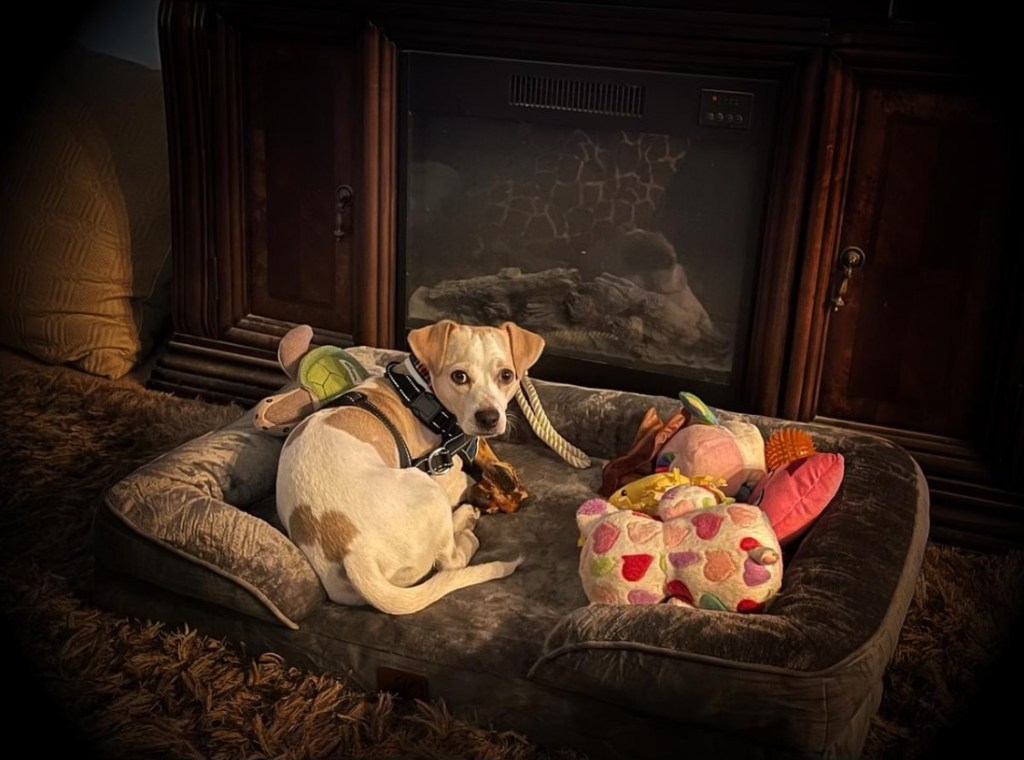
Life in his new home was nothing short of paradise. Otis had a cozy bed by the fireplace, more toys than he can chew, and an endless supply of love. But what truly mattered to him was his duty to keep Ben and Steve safe. He took it upon himself to investigate every rustle in the bushes, every knock at the door. No leaf dared to blow towards his masters without Otis standing his ground.

Otis’s vigilance, nevertheless, had its challenges. After one too many encounters with a growling Otis, the mail carrier learned to toss packages from a distance. Neighborhood passerby’s hoped drop off leaflets and country club newsletters. They were met with a flurry of barks so fierce they often retreated before reaching the door.


Things came to a head one sunny Saturday when their neighbor Marlene, visited. Otis had met her once before and didn’t trust her an inch. She was too loud, animated, and far too close to his people to his liking. When Marlene leaned in to hug Steve, Otis darted between them, barking his warning. Steve scooped him up, carrying him to the laundry room for a “time out.”

“Otis, you need to relax,”

Steve said, his voice equal parts exasperation and affection. Otis stared back, unconvinced. Who would protect them if he wasn’t on duty?


During one memorable stormy night, Otis proved why his protectiveness wasn’t just a quirk—it was his calling. The wind howled, rain lashed against the windows, and the house creaked under the storm’s force. Otis lay at the foot of the bed, his ears perked. Suddenly, a loud crash echoed from the backyard.

Ben and Steve bolted upright. Otis was already off the bed. He growled as he raced to the source of the noise. They found him at the patio door. He barked furiously at a tree branch. The branch had broken off and slammed into the house. While it wasn’t an intruder, Otis’s readiness reassured them that no danger would catch them off guard.


Over time, Ben and Steve learned to appreciate Otis’s protective nature and quirks. They worked with a trainer to help him distinguish between threats and friendly visitors, but his fierce loyalty never wavered. Otis accepted his ‘time outs’ with dignity. He understood that even the most dedicated guardians needed to let their pack relax occasionally.

Otis knew one thing for certain in his heart. Ben and Steve had rescued him from a lonely life. He would spend every day making sure they were loved, protected, and never alone. His love for them was as deep as the ocean, and his loyalty as unyielding as the mountains.

Dan the Electrician Saves Boone

Groff Media 2024© Truth Endures IMDbPro

Presented by benandsteve.com By: Benjamin Groff II©

3–4 minutes

The small town of Boone, nestled in the valley of snow-capped peaks, was no stranger to winter storms. But this one was different. The storm rolled in with icy winds that seemed to pierce every wall and seep through every seam. It coated the town in a thick, glittering layer of ice. The power lines sagged and snapped under the weight. This plunged Boone into darkness. The town’s survival hung in the balance, with temperatures plummeting to subzero.

The urgency of the situation was palpable. Dan Hayes, a seasoned electrician and father of two, was preparing for a quiet evening with his family. His phone buzzed incessantly. Calls came in from neighbors, then from Boone’s mayor himself. The town’s substation, already overwhelmed by the demand for heat, had succumbed to the relentless freeze. Ice had formed on critical equipment, blowing fuses and wiring, leaving the entire town powerless.

“Jimmy, grab my tool bag!”

Dan hollered to his teenage son, who quickly obeyed, bundling up in layers against the cold.

“We’re heading to the substation.”

Driving through the storm in his old but reliable truck, Dan and Jimmy barely see beyond the hood. Fallen branches and icy roads made the journey treacherous. When they finally reached the substation, the sight was worse than Dan expected. The entire structure got encased in ice. Its wires snapped like brittle twigs.

“Jimmy, this is going to take everything we’ve got,”

Dan said, his breath forming clouds in the freezing air.

“I’ll need your help every step of the way.”

Dan quickly assessed the situation, identifying the most critical damage. The main transformer was overloaded, and its fuses were blown. Wires leading to key circuits were severed, and ice threatened to collapse a vital power relay. Dan began carefully thawing the most delicate components using a portable heater from the truck. Meanwhile, Jimmy set up emergency lights and handed his dad tools as he worked.

Word spread that Dan was at the substation. Soon, a small group of townsfolk arrived. This group included the fire chief and a few volunteers. They formed a chain to bring sandbags and materials to reinforce the ice-laden structure. This was a testament to the resilience and unity of the community. One by one, Dan replaced the fried fuses and spliced wires, his fingers numb but his determination unshaken.

Hours passed, and the storm showed no mercy. Dan finished repairing the transformer. Then, the wind knocked a massive branch onto the newly restored lines. This snapped them again.

Dan didn’t flinch.

“We’ve got one shot to do this right,”

He muttered. Calling on his years of experience, he rigged a temporary bypass, rerouting power from a less-affected part of the grid. The fix have been made better, but it would hold until morning.

Finally, as dawn broke and the first rays of sunlight pierced the storm clouds, the lights flickered across Boone. Cheers erupted from the gathered crowd, but Dan was yet to finish. He double-checked every connection, ensuring no one would lose power again that day.

Jimmy looked at his dad with newfound admiration.

“You saved the whole town, Dad.”

Dan smiled, his face weary but proud.

“We did it together, son. Boone’s got a lot of heart, and so do its people. That’s what keeps us warm.”

Back home, Dan and Jimmy were comforted with hot cocoa and blankets from a grateful Mrs. Hayes. Outside, the storm subsided. It left behind a town that had endured the worst. This was thanks to the quiet heroics of a father who wouldn’t let the cold win.

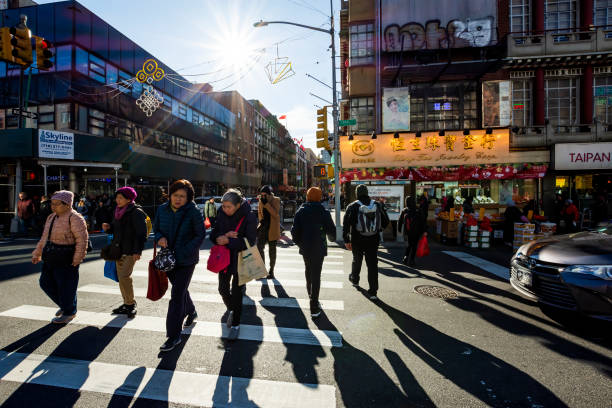
Parallels Between the Chinese Exclusion Act and Modern Immigration Concerns: Lessons from History –– The Danger Of Losing Immigrants

Groff Media 2024© Truth Endures IMDbPro

Presented by benandsteve.com By: Benjamin Groff II©

You can also refer to the NPR Story America’s first major immigration crackdown and the making and breaking of the West  for additional insights and related material that complement this story, offering a deeper exploration of the subject.


3–5 minutes

The Chinese Exclusion Act of 1882 marked a pivotal moment in U.S. immigration history, becoming the first significant federal law restricting immigration. It targeted a specific ethnic group driven by economic fears, racial prejudice, and political populism. A review of this historic legislation, alongside the context of its enactment, reveals striking parallels to modern immigration debates. Both historical and contemporary issues illustrate how economic anxieties, cultural misunderstandings, and political opportunism can drive restrictive immigration policies that may ultimately prove disastrous for society.

The Role of Immigrant Labor in Economic Development

In the mid-19th century, Chinese immigrants, despite facing systemic discrimination and being blamed for economic problems, played a crucial role in building the American West. Their resilience and determination were evident in their instrumental role in constructing the transcontinental railroad, tackling some of the most dangerous and demanding jobs in brutal conditions. However, when the Panic of 1873 led to widespread unemployment, populist sentiment scapegoated Chinese immigrants, claiming they were stealing jobs from white workers.

A similar narrative exists today. Immigrant labor is fundamental to the agriculture, construction, and technology industries. Despite this, immigrants are often vilified during economic downturns, accused of taking jobs or lowering wages. This cyclical pattern of scapegoating undermines the reality that immigrants frequently perform jobs that native-born workers are unwilling or unable to do, driving economic growth and innovation. Restrictive immigration policies, such as deportations or bans, risk damaging these essential industries and the broader economy, much like the exclusion of Chinese workers stunted specific sectors in the late 19th century.

Cultural Backlash and Populist Politics

The transcontinental railroad’s completion in 1869 symbolized a remarkable technological achievement but also marked a turning point for Chinese immigrants. Their presence sparked a cultural backlash as they settled in communities like Truckee, California. Fueled by racial prejudice and populist rhetoric, white workers and politicians pushed for their exclusion, culminating in the Chinese Exclusion Act. This act institutionalized xenophobia and created a precedent for racially biased immigration policies.

Today, cultural anxieties continue to shape immigration debates. Concerns about preserving cultural identity and fears of “otherness” fuel resistance to immigrants. Particularly from Latin America, the Middle East, and Asia. Politicians often exploit these fears to rally support, pushing for restrictive measures such as border walls, travel bans, or mass deportations. Such actions not only marginalize immigrant communities but also foster division and xenophobia, hindering social cohesion.

Economic Consequences of Restriction

The long-term economic impacts of the Chinese Exclusion Act highlight the dangers of restrictive immigration policies. By limiting a vital workforce, the law hampered industries reliant on immigrant labor. The exclusion of Chinese workers also set a precedent that discouraged innovation and adaptability in labor markets, contributing to stagnation in certain regions.

Policies that limit immigrant contributions to the workforce have modern parallels. For example, restrictive visa programs and deportations threaten industries like agriculture and technology, which rely heavily on immigrant talent. Moreover, these policies can exacerbate labor shortages, driving up consumer costs and reducing the global competitiveness of U.S. industries. History demonstrates that economic growth thrives on diversity and inclusion, not exclusion.

Lessons from the Past

The Chinese Exclusion Act teaches us that targeting immigrants as scapegoats for economic or social challenges is a shortsighted and counterproductive strategy. Immigration is a cornerstone of American prosperity, fostering innovation, cultural richness, and financial resilience. Policies driven by fear and prejudice, rather than informed analysis, risk repeating the mistakes of the past and should be considered.

Today’s immigration debates echo the populist rhetoric and exclusionary measures of the late 19th century. However, we have the benefit of hindsight to recognize that such policies often create more problems than they solve. To avoid a similar disaster, today’s policymakers must approach immigration with a focus on integration, economic opportunity, and respect for human dignity. By learning from history, we can build a more inclusive and prosperous future, where all individuals feel valued and respected.

You can also refer to the NPR Story America’s first major immigration crackdown and the making and breaking of the West  for additional insights and related material that complement this story, offering a deeper exploration of the subject.

Otis The Dog That Trouble Finds

Groff Media 2024© Truth Endures IMDbPro.

Presented by benandsteve.com By: Benjamin Groff II© 


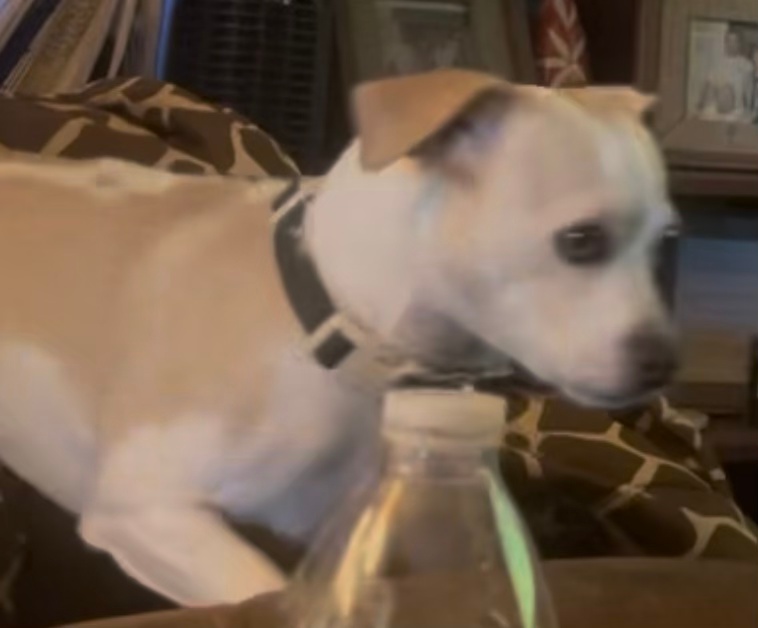
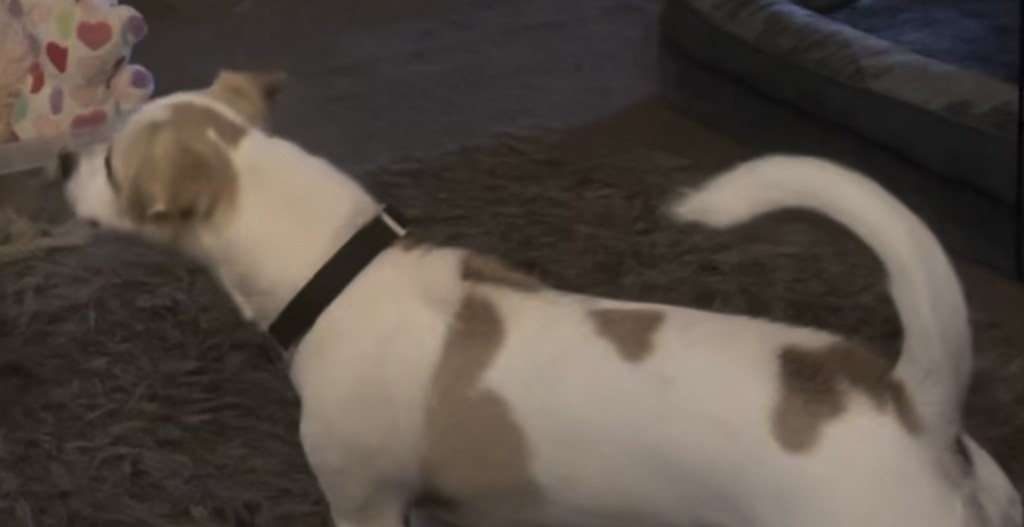
One sunny morning, Otis, a slick Jack Russell Terrier with a gleam in his eyes

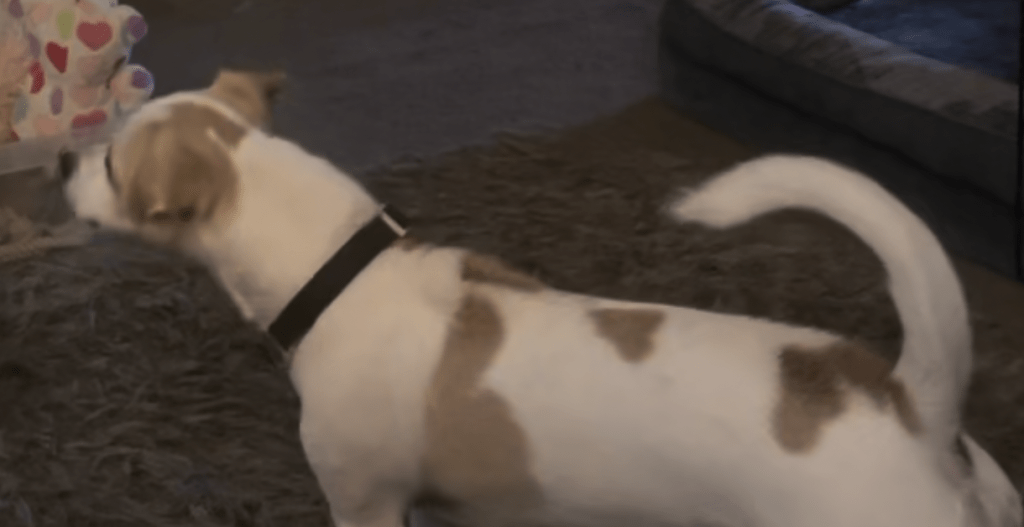
and mischief in his heart, woke up. His fur was a brilliant shade of gold, shimmering in the sunlight, and his tail wagged with such enthusiasm that it could power a windmill. The day started innocently enough; we had breakfast at our favorite restaurant and came home. With his wagging tail and big, innocent eyes, Otis welcomed us home and helped us as we tidied up around the house. But Otis is no ordinary dog—trouble seems to find him as a squirrel finds an acorn. He gets these spurts of energy known well as zoomies.

It’s like he’s a magnet for mishaps, a walking comedy show. Wherever he goes, calamity follows. He’s so adorable that it’s impossible not to chuckle when his wrecking ball hits.

It wasn’t long before Otis’s nose led him to the kitchen. The scent of freshly baked bread cooling on the counter was just too tempting. He stood on his hind legs, stretching his neck as far as it would go. Just then, a slight breeze blew through an open window, knocking a paper off the fridge and startling Otis. He yelped and bumped into the counter in a flurry of fur and paws. The bread tumbled down, landing squarely on the floor.

When we walked in, Otis stood over the fallen loaf, his big, brown eyes looking up at us with a mix of innocence and apology. His expression seemed to say, “I didn’t mean to!” It’s hard not to forgive him when he looks at you like that.

We sighed but couldn’t help the tiny smile tugging at your lips. Before picking up the bread, Otis had darted out of the room, ears flapping, tail wagging like a flag, and disappeared into the yard.

As the day went on, Otis’s streak of bad luck continued. While exploring under the porch, he got tangled in a ball of twine that a handyman had left behind. Emerging from the shadows, he looked wide-eyed and confused, like a dog-sized spider web. The neighbors couldn’t help but chuckle when they saw him, tangled and guilty-looking. One even offered to help untangle him, but Otis, being Otis, managed to free himself in a comical fashion.

Capping off his day – Otis’s curiosity got the best of him once more when he found a potted plant by the front door. It only took a nudge from his nose for the pot to tip over, spilling soil all over the welcome mat. He sniffed the dirt, sneezed, and left tiny paw prints leading to his bed, where he flopped down, exhausted.

When found, he looked up with that sweet, guilty face as if saying, I swear, I don’t know how it happened!

Despite the chaos, we knelt and scratched behind his ears. Otis nuzzled into my hand, eyes closing in contentment. As much trouble as he got into, he was ours, and those mishaps only make our days a little more memorable—and a lot more fun. His presence, filled with joy, even amid his mischievous adventures, is a constant reminder of the happiness pets bring into our lives.

The world is going to POT, and we are watching it go!

A view of the world as it is today by: Benjamin Groff II© Groff Media 2024© Truth Endures IMDbPro

My dad and grandfather are gone now, but neither would support a liar, cheat, rapist, insurrectionist, dictator, or someone who supports one, or generally speaking, a creep or ‘weirdo.’ 

There are other reasons you can look at as well. For instance, a candidate such has a sexual offense judgment against him, and he is under indictment for countless federal crimes; in the last year, one of the candidates was in the air, flying, on their way to being arrested, just as much as he was campaigning at one point. 

One or more of those reasons would have been reason enough to consider looking into the person’s background. And three to four, would have been reason enough to reject a person all together. Someone who was strongly running for public office would have been rejected. Now, the GOP considers it a qualification required for all Republican candidates.

The candidates have endorsements from KKK members. They boast about, a presidential politician having endorsements from dictators. They wallow in such markings, and candidates publicly brag about laws they will violate first, if elected. And this makes them the most qualified candidate. Going as far as boasting about becoming a dictator. Going about telling people this is the last election they will have to worry about voting in. 

Why? Does that mean the Constitution is going to get ripped apart, shredded, and there will no longer be a United States where the people choose its leaders? It appears it doesn’t matter to the people who are numb and following this character. They appear to have zoned out of reality. 

My grandfather, father, uncles, aunts, and even a few dogs and horses I’ve had would not have allowed the goings on to persist. The greatest generation has died chiefly off; fewer of them now than ever are living, which sadly shows in our world. They were the ones who knew what happens when the world that falls to fascism. When reality hits and the world dies. It is beginning as America will turn grey; it will become a black-and-white construct of anything anyone remembers of its being, if these destructionists are permitted to have their way with the country. We only hope enough voters come to the polls and and vote, and save our America!

My dad had a favorite saying: the older I got, the wiser he’d get. And he was right; I wish he were here to help us out of this madness!

JD Groff At Rest And Getting Wiser Every Day!

The Unlikely Friendship: Lessons in Kindness

By: Benjamin Groff II© Groff Media 2024© Truth Endures IMDbPro

It was a quiet Sunday morning. A knock came at the door as the man leafed through the morning paper. He answered it, and there stood a stranger, looking road-worn but determined. ––––

“Is this where Benjamin Groff lives?”

the stranger asked.

“Yes, it is,”

the man replied, studying the stranger’s face.

“You must be his father,”

the stranger ventured his smile kind and knowing.

“Yes, I am,”

the man replied, both curious and wary.

The stranger introduced himself.

“My name is Samuel Johnson. I’ve driven over seventy miles to meet you, sir. You must have been one remarkable man to raise a son like Benjamin.”

The father, his heart swelling with pride, felt a mix of emotions.

“Thank you, Samuel,”

he said.

“But, please, how do you know my son?”

Samuel nodded as though expecting the question.

“I met Ben at the Oklahoma State Fair last fall. I was just there to do a job—keeping an eye on one of the old buildings. Some local boys had been giving me trouble, but Ben stepped in. Out of all the things he could have done at the fair, he chose to sit down and talk with me. We spoke for hours. Your son has a way of making people feel seen, of looking out for folks. He even asked me if anyone was bothering me, and from that moment on, I felt I wasn’t just working the fair—I was spending time with a friend.”

The father listened, deeply touched.

“That sounds like Ben,”

he said softly, gesturing for Samuel to take a seat.

“Let me wake him—he’ll want to know you’re here.”

Ben’s father went to his son’s room and gently shook him awake.

“Ben, you’ll never guess who’s here to see you,”

he said.

Still half-asleep, Ben slowly got up and followed his father into the living room. To his surprise, there sat Samuel, his old buddy from the State Fair. A smile of joy spread across Ben’s face as memories flooded back.

On that day at the fair, Ben had already taken in the sights, ridden the rides, and wandered through the livestock shows, which, to his surprise, had lost their charm despite his upbringing on a farm. He was winding down, simply walking, when he happened upon Samuel’s post.

Samuel was friendly, the kind of person who seemed to carry his life’s story in the lines of his face. Ben had sensed the man’s kindness right away, trusting him instinctively. They talked for hours, sharing stories. Samuel had offered him cold water from the employee stash and even let him use the private restroom in the back, which felt like a luxury compared to the crowded ones across the fairgrounds. Ben could still recall their easy camaraderie, even though much of what they’d discussed had faded over time.

Before parting, Ben had written down his number and directions to their home, saying,

“If you’re ever in town and need anything, look us up.”

Now, here was Samuel, having made good on that invitation.

After they caught up for a while, Ben suggested a tour of the campground where his father worked as a Ranger. The sprawling property had over 350 acres, six cabins, and a large recreation hall. As they rode around, they laughed about old times and marveled at the twists and turns that brought two unlikely friends together again.

Finally, as the afternoon sun started to wane, Samuel turned to Ben with a smile.

“I’d better head back to the city,”

he said, patting Ben on the shoulder.

“I’m grateful to have met your folks and seen your home—it’s even better than I’d imagined.”

He climbed into his Lincoln Continental, waved as he pulled away, and drove down the dusty road until he was out of sight. That was the last time Ben saw Samuel. But in the years that followed, he often recalled the kindness they’d shared, proof that a simple act of friendship could reach far beyond the boundaries of a single day.

Benjamin stood on the porch as Samuel drove off, watching the dust settle behind the Lincoln. He thought about how Samuel’s visit had bridged two worlds—a fact that didn’t escape him in a town where Black residents were often confined to the southwest corner, seen more as a separate community than as neighbors.


Growing up, Benjamin noticed the prejudices that ran through many families in town but never took root in his heart. His father, a man who saw people for who they were, not where they came from, profoundly influenced him. Samuel’s visit was a powerful reminder of how simple kindness could defy those boundaries, how a shared afternoon at a fair could lead to a journey across miles.

Though he never saw Samuel again, Benjamin often recalled those two encounters. They left him with a lesson he carried into adulthood and his career—a quiet but powerful truth about compassion. Samuel had come to honor Benjamin’s father. Still, Benjamin always remembered Samuel for showing him how friendship and decency could surpass any divide, leaving an enduring mark on his life.

In a way, Samuel had gifted him a legacy of his own: the reminder that sometimes, the connections we make in unexpected places leave the most enduring marks on our lives.

In Memory of Samuel!