A Letter From An American Adresses Fascism – First Alerting American troops To Avoid It In 1943! Today Americans Are Voting For It!

Today’s Voice Is By Heather Cox Richardson Posted By: Benjamin Groff II© Groff Media 2024© Truth Endures IMDbPro

You can read more by Heather Cox Richardson Letter’s From An American here.

Beginning in 1943, the War Department published a series of pamphlets for U.S. Army personnel in the European theater of World War II. Titled Army Talks, the series was designed “to help [the personnel] become better-informed men and women and therefore better soldiers.”

On March 24, 1945, the topic for the week was “FASCISM!” 

“You are away from home, separated from your families, no longer at a civilian job or at school and many of you are risking your very lives,” the pamphlet explained, “because of a thing called fascism.” But, the publication asked, what is fascism? “Fascism is not the easiest thing to identify and analyze,” it said, “nor, once in power, is it easy to destroy. It is important for our future and that of the world that as many of us as possible understand the causes and practices of fascism, in order to combat it.”

Fascism, the U.S. government document explained, –––

“is government by the few and for the few. The objective is seizure and control of the economic, political, social, and cultural life of the state.” “The people run democratic governments, but fascist governments run the people.” 

“The basic principles of democracy stand in the way of their desires; hence—democracy must go! Anyone who is not a member of their inner gang has to do what he’s told. They permit no civil liberties, no equality before the law.” “Fascism treats women as mere breeders. ‘Children, kitchen, and the church,’ was the Nazi slogan for women,” ––– the pamphlet said. 

Fascists understood that “the fundamental principle of democracy—faith in the common sense of the common people—was the direct opposite of the fascist principle of rule by the elite few,” it explained, “[s]o they fought democracy…. They played political, religious, social, and economic groups against each other and seized power while these groups struggled.”  

Americans should not be fooled into thinking that fascism could not come to America, the pamphlet warned; after all, “[w]e once laughed Hitler off as a harmless little clown with a funny mustache.” And indeed, the U.S. had experienced “sorry instances of mob sadism, lynchings, vigilantism, terror, and suppression of civil liberties. We have had our hooded gangs, Black Legions, Silver Shirts, and racial and religious bigots. All of them, in the name of Americanism, have used undemocratic methods and doctrines which…can be properly identified as ‘fascist.’”

The War Department thought it was important for Americans to understand the tactics fascists would use to take power in the United States. They would try to gain power “under the guise of ‘super-patriotism’ and ‘super-Americanism.’” And they would use three techniques: 

It is “vitally important” to learn to spot native fascists, the government said, “even though they adopt names and slogans with popular appeal, drape themselves with the American flag, and attempt to carry out their program in the name of the democracy they are trying to destroy.” 

The only way to stop the rise of fascism in the United States, the document said, “is by making our democracy work and by actively cooperating to preserve world peace and security.” In the midst of the insecurity of the modern world, the hatred at the root of fascism “fulfills a triple mission.” By dividing people, it weakens democracy. “By getting men to hate rather than to think,” it prevents them “from seeking the real cause and a democratic solution to the problem.” By falsely promising prosperity, it lures people to embrace its security.

Read more from Heather Cox Richardson by clicking here!

Notes:

War Department, “Army Talk 64: FASCISM!” March 24, 1945, at https://archive.org/details/ArmyTalkOrientationFactSheet64-Fascism/mode/2up

Concerning Remarks by Former President Trump Regarding Military Burial and Generals

By: Benjamin Groff II© Groff Media 2024© Truth Endures IMDbPro

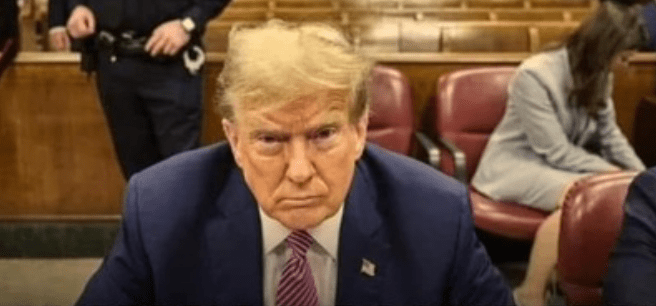
A recent news segment broadcasted by MSNBC-TV News says that former President Donald Trump reportedly made a controversial remark regarding the cost of burying a Hispanic woman he described as a “f–King Mexican” who had been killed and mutilated at a Texas Army base by a fellow soldier. The burial expenses reportedly amounted to approximately $80,000. Trump allegedly expressed frustration, saying it cost “too fucking much money” to provide the soldier with a proper burial.

This statement, if accurate, raises significant concerns about the former president’s attitude toward the treatment of military personnel, particularly those of Mexican heritage, as well as the costs associated with honoring fallen soldiers. The issue transcends one demographic and speaks to broader implications about how different groups—Mexicans, military members, and their families—are treated and respected within the national discourse.

John Kelly says Trump is a Fascist!”

In addition to this disturbing comment, the report also highlighted another alarming remark by Trump, where he expressed a desire for military generals akin to those in Nazi Germany under Adolf Hitler. Given its historical connotations, this remark should be receiving widespread attention in both mainstream and military-focused media, especially during a presidential election cycle.

However, despite their gravity, these statements have not dominated headlines in the way one might expect. The lack of focus on such inflammatory remarks is concerning, particularly given their implications for how a future Trump administration might handle military leadership and diverse communities.

These statements deserve heightened scrutiny from Spanish-speaking news outlets, military programs, and even women’s rights advocates, as they touch on crucial issues of race, leadership, and the treatment of soldiers. The implications of a leader aspiring to emulate Hitler’s generals, combined with dismissive comments about the costs of burying a soldier, suggest dangerous intentions for the future should Trump get re-elected.

The absence of widespread discussion on these matters is troubling, as the importance of holding political leaders accountable for their statements must be balanced, especially when they potentially foreshadow harmful policies.

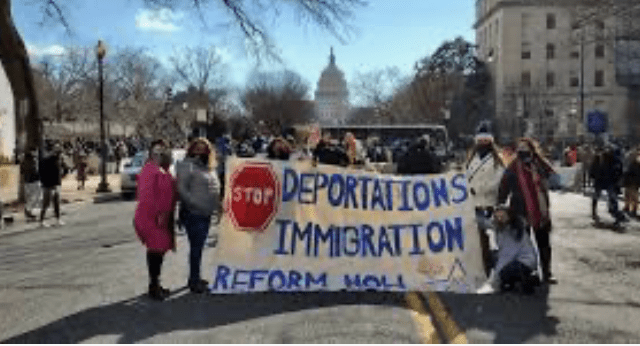
Former President Donald Trump has once again put mass deportations at the forefront of his political agenda, threatening to implement a sweeping policy of deporting millions of undocumented immigrants if he gets re-elected. This proposal raises numerous concerns about the economic, social, and moral ramifications for the United States, with devastating consequences not only for immigrant communities but also for the country as a whole.

Mass deportations would have a profound negative impact on the U.S. economy. Undocumented immigrants contribute significantly to various sectors, including agriculture, construction, hospitality, and healthcare. Removing millions of workers from these industries would lead to severe labor shortages, driving up production costs and potentially creating inflationary pressures that affect all Americans. Businesses would need help filling vacancies, especially in labor-intensive jobs that many Americans are unwilling or unable to take on. The ripple effect would result in reduced productivity, increased costs for products and services, and a contraction in critical industries, including food production and construction.

Additionally, undocumented immigrants contribute billions of dollars to local and federal taxes each year, including sales and property taxes. Their removal would shrink this tax base, creating budgetary shortfalls for essential services like education, healthcare, and infrastructure. The cost of enforcing mass deportations—estimated to be in the hundreds of billions—would burden the federal government and taxpayers.

The human cost of mass deportations cannot be understated. Deportations would tear apart families, many of which include U.S. citizens. An estimated six million U.S.-born children live with at least one undocumented parent, and these children would face traumatic separations that could lead to long-term psychological harm. Communities, particularly those with large immigrant populations, would experience destabilization as families and social networks get disrupted, potentially altering the fabric of our society.

The fear and uncertainty generated by the threat of mass deportations would create a climate of mistrust between migrant communities and law enforcement, causing it to be more challenging for authorities to solve crimes or maintain order in immigrant-dense areas. Many undocumented individuals contribute to the community fabric by volunteering, attending schools, and participating in religious and civic organizations, and their forced removal would erode these social bonds.

Mass deportations also raise profound moral questions about America’s identity as a nation built on immigration. For centuries, the U.S. has stood as a beacon of hope and opportunity for people fleeing persecution, poverty, and violence. Deporting millions of people en masse, many of whom have resided in the U.S. for decades, sends a harsh message that contradicts these ideals. Such a policy risks deepening racial and ethnic divisions, stoking xenophobia, and inciting further polarization in an already divided political landscape, threatening the unity of our nation.

Politically, Trump’s plan for mass deportations is likely to galvanize opposition not just from immigrant rights groups but also from many sectors of society, including businesses, religious organizations, and community leaders who recognize the humanitarian and economic risks of such an approach. The request is likely to face legal challenges as well, potentially sparking a constitutional debate over due process, civil liberties, and the limits of executive power, offering a glimmer of hope for the preservation of our democratic principles.

Mass deportations could also have negative consequences for national security. If immigrants are too afraid to report crimes or cooperate with law enforcement, it could undermine efforts to fight human trafficking, drug smuggling, or other criminal activities. Additionally, the U.S.’s standing in the global community could get tarnished as other nations criticize the harshness of the policy, straining diplomatic relationships with key allies, particularly in Latin America.

Donald Trump’s threat to implement mass deportations would have dire consequences for Americans. It would inflict severe economic damage, cause profound social harm, and challenge the nation’s moral fabric. Rather than solving immigration issues, such a policy would exacerbate existing problems while undermining the values of inclusivity and opportunity that the U.S. has long championed. The broader national and international fallout from this approach would have far-reaching effects on the country’s domestic stability and global reputation.

The Impact of Leadership on American Democracy

Presented by benandsteve.com By: Benjamin Groff II© Groff Media 2024© Truth Endures IMDbPro

As we approach the upcoming elections, it’s crucial to remember that Americans are empowered to shape the nation’s trajectory every four years through their votes. When exercised responsibly and carefully reflecting on our past and present, this powerful right allows us to make decisions that align with our shared values and hopes for the future. Informed voting is not just a privilege—it’s a responsibility that enables us to build a future reflective of our ideals.

It’s sometimes helpful to step back and gain perspective to understand the present. Our current situation may seem overwhelming, but history often shows us that our challenges are more complex than we remember. Reflecting on past leadership and decisions not only reassures us but also guides us toward a more thoughtful approach to what lies ahead, providing a sense of reassurance and guidance.

Under the Trump administration, America experienced a turbulent period domestically and internationally. Families traveling abroad faced significant challenges, particularly when trying to return to the U.S. Students awaiting critical funding for their education found themselves in bureaucratic limbo. The economy saw dramatic fluctuations, with the stock market swinging between highs and lows and housing prices manipulated to benefit the wealthy. Trump’s philosophy favored personal gain over the nation’s welfare, leaving many Americans to navigate an unstable economy.

Trump’s handling of the COVID-19 pandemic was a defining moment of his presidency, marked by widespread criticism. His dismissive attitude toward the virus allowed it to sweep across the country unchecked, leading to hundreds of thousands of preventable deaths. He offered unscientific remedies, such as suggesting the use of disinfectants and promoting unproven drugs, and downplayed the severity of the crisis, causing further confusion and panic. His response to local disasters, for instance, his visit to Puerto Rico, where he threw paper towels into the crowd, reflected a troubling lack of empathy and leadership.

Moreover, during his presidency, Trump distanced himself from the traditions of decency and respect that past leaders upheld. He neglected to offer condolences to families of prominent Americans who passed, such as Barbara and George Bush, choosing instead to focus on personal leisure like golfing. Trump’s lack of emotional support marked a stark departure from the dignified conduct expected of a sitting president.

Domestically, Trump’s immigration policies, which included strict border controls and deportation of undocumented immigrants, led to labor shortages, particularly in the service industry, where businesses struggled to find staff. His administration’s aggressive stance on immigration had unintended consequences, with many sectors unable to recover after being stripped of their workforce.

On the international stage, Trump’s cozy relationships with authoritarian leaders in North Korea and Russia raised alarms about national security. His handling of classified information, especially the top-secret documents stored at Mar-a-Lago, left Americans wondering what was compromised and who had access to it.

By contrast, the Biden administration has worked tirelessly to restore stability and dignity to the president’s office. Under Biden’s leadership, the economy has rebounded, and significant investments have been made in infrastructure, including road repairs, bridge replacements, and expanded internet access. His administration, though not without flaws, has prioritized the well-being of the American people, bringing a sense of civility and optimism back to the White House, highlighting the profound impact of leadership on democracy.

While sometimes criticized for being cautious, Biden’s approach to governance is rooted in diplomacy and careful planning. He brought America back to a position of respect globally, fostering relationships with allies and upholding democratic values. As Vice President, Kamala Harris has quietly supported these efforts, often working behind the scenes but prepared to step into leadership if needed.

While no administration is perfect, it’s essential to recognize the progress made under Biden, especially compared to the chaos that marked Trump’s time in office. Biden inherited a nation with a 12% unemployment rate and shuttered businesses. Yet, within a year, he and Harris turned things around, rebuilding a country on the brink of collapse.

As we move forward, it’s critical to remember where we came from and who has been steering

Take A Ride With Kamala on Air Force 1 – Ridin’ With Biden! Click on Image above!

Providing Pivotal Role For Family Members In Runup To Election Day! How Family Matters…

A Report By: Benjamin Groff II© Groff Media 2024© Truth Endures IMDbPro

During the run-up to any election, families play a pivotal role in supporting and understanding one another. This period, filled with political debates, media coverage, and public discourse, can stir emotions and create an intensely charged atmosphere. The emotional toll of election season can affect even the most resilient individuals, making the support of one’s family crucial and invaluable. Families are the core unit, providing a comforting and reassuring presence. It is essential that the role model (be it a father, older sibling, uncle, or aunt,) when possible, show support, care, and empathy. Doing so should be cultivated, and providing emotional backing and physical presence can help members navigate the turmoil of an upcoming election.

Election seasons amplify the daily stressors people face. Whether it is work pressure, financial struggles, or personal challenges, these become compounded by the uncertainty of political outcomes. Each family member may carry their political convictions, hopes, and anxieties, and these can sometimes clash with those of others. This emotional burden often deepens as people speculate about the possible outcomes—who they hope will win, who they fear will lose, and how the results will shape their future. The thought of losing an election can become so overwhelming that it leads to despair, disappointment, or even anger. For some, this emotional strain can develop into mental health issues, making it vital for families to remain vigilant about one another’s well-being during this time and to seek professional help if needed.

In the most extreme cases, the stress associated with an election’s outcome can drive individuals to become a threat to themselves or others. This is especially true when political messaging often stokes fear, resentment, and division. Individuals who place too much faith in a particular candidate or political party may feel personally attacked when that candidate loses. The sense of loss may not just be political; it can be internalized as a personal failure, leaving individuals feeling disillusioned or even desperate. Families must observe signs of distress, such as prolonged periods of sadness or withdrawal, recognize potential harmful behavior, like verbal or physical aggression, and intervene when necessary. It is crucial to remain proactive, offering emotional support and, if needed, involving professionals or authorities to prevent escalation.

The role of misinformation and campaigns lies in discussing election-induced emotional volatility. Many political campaigns thrive on pushing false narratives, spreading misleading information to sway voters. Misinformation, which includes false or inaccurate information that is spread deliberately to deceive, can reinforce individuals’ beliefs to dangerous levels. The spread of misinformation fuels emotional intensity and gives people a sense of justification for actions that, under normal circumstances, would seem unreasonable or extreme. When individuals have been repeatedly exposed to incorrect information, their convictions can become so ingrained that they believe their behavior—whether confrontation, violence, or drastic action—is justified.

In such situations, the line between reason and irrationality blurs. What may begin as passionate support for a candidate can spiral into dangerous behavior if an individual believes they are defending a “truth” that is, in fact, built on lies. This is why it is imperative for families to communicate openly about politics, encouraging fact-checking and critical thinking. Recognizing when a loved one’s emotional engagement has become unhealthy is not just crucial, but empowering. In these moments, reporting potentially dangerous behavior to the appropriate authorities is not an act of betrayal but one of care and protection for the individual and others around them, reinforcing the sense of responsibility and control within the family.

As elections approach, the pressure intensifies, with it, the emotional strain on families. However, families can also be a force for positive change, weathering the storm of political tension together by staying connected, offering support, and observing each other’s mental health. It is essential to create a space where emotions can be expressed freely but responsibly and where misinformation is challenged rather than accepted at face value. In doing so, families not only protect one another but also contribute to a more balanced and less volatile society during the electoral process, fostering a sense of hope and optimism for a brighter future.

What If My Candidate Doesn’t Win? What Do I Do on Election Day?

A Report By: Benjamin Groff© Groff Media 2024© Truth Endures

Election Day is a moment filled with hope, anticipation, and often anxiety as we vote for the candidates we believe in. However, there’s always the possibility that the candidate we support won’t win. So, what should you do if that happens? Here are a few constructive actions to consider when facing such an outcome.

  • Remember That Democracy Is About Participation, Not Just Winning

Democracy thrives on diverse opinions; your vote is a meaningful contribution to that system. Even if your candidate doesn’t win, participating in the democratic process is vital. It sends a message about your values, priorities, and what you believe is best for your community or country.

Instead of viewing the result as a failure, consider it a reflection of the broader political landscape and the desires of your fellow citizens. Democracy works because people are free to express differing opinions, and your vote, win or lose, plays a vital role in configuring the future.

  • Engage in Positive Civic Action

Remember, politics doesn’t end on Election Day. There are numerous ways to stay involved in the causes you care about. Even if your candidate doesn’t win, the issues they represent remain crucial. Consider joining advocacy groups, volunteering for community organizations, or attending city council meetings. Your civic engagement at the local level can directly impact your community more than national politics. By continuing to advocate for the issues that matter most to you, you’re helping to shape policy and public opinion, regardless of the election result.

By continuing to advocate for the issues that matter most to you, you’re helping to shape policy and public opinion, regardless of the election result.

  • Be Respectful of Others’ Views

Election outcomes can feel deeply personal, especially when we are passionate about a candidate or cause. However, it’s important to remember that democracy requires respect for differing viewpoints. Avoid lashing out at those who supported the opposition if your candidate doesn’t win. Instead, engage in respectful dialogue and understand why others voted differently.

Remember, productive conversations can lead to greater understanding and help build coalitions for future elections. Your ability to listen and engage constructively can influence future political outcomes. By continuing to advocate for the issues that matter most to you, you’re helping to shape policy and public opinion, regardless of the election result.

  • Prepare for the Next Election

The results of one election are not the end of the story. Candidates and policies evolve, and new elections will always come. Take this time to reflect on why your candidate didn’t win. Were their policies too out of step with the electorate? Was the campaign messaging weak? Understanding these factors can help you become a more informed voter and activist in the next election cycle.

Consider getting involved in the early stages of the next campaign. Whether you work on voter registration drives, participate in debates, or even consider running for local office yourself, the future is always open to those who stay engaged.

  • Stay Informed and Hold Leaders Accountable

Regardless of who wins, it’s crucial to stay informed about what elected leaders are doing once they are in office. Please pay attention to their decisions and promises they keep or fail to keep. Even if your preferred candidate loses, your role as a constituent remains critical. You can hold elected officials accountable by writing letters, making phone calls, or organizing petitions. Democracy doesn’t end at the ballot box. Citizens’ ongoing scrutiny and engagement ensure that leaders remain responsive to the people’s needs.

Democracy doesn’t end at the ballot box. Citizens’ ongoing scrutiny and engagement ensure that leaders remain responsive to the people’s needs.

  • Take Care of Your Emotional Well-Being

Elections can be emotionally taxing if you heavily invest in a particular candidate or outcome. If the result doesn’t go your way, it’s natural to feel disappointed or frustrated. Take some time to process your emotions healthily. Talk to friends or family members about your feelings, participate in activities that bring you joy and distract you from disappointment, or take a break from politics altogether for a few days to give yourself a mental reset. Remember, it’s okay to feel disappointed, but it’s important to take care of yourself during these times.

Maintaining your emotional well-being is essential for yourself and your ability to continue contributing positively to political discussions and future elections.

Conclusion

If your candidate doesn’t win on Election Day, don’t despair. Democracy is a long and evolving process, and every election provides new opportunities for learning and growth. By staying engaged, respecting others’ views, and preparing for future elections, you can continue to be a positive force for the issues you care about. Your participation matters, win or lose, and it’s through this continued involvement that meaningful change happens over time.

The Upcoming Election: A Matter of Urgency

Plainly Speaking By: Benjamin Groff© Groff Media 2024© Truth Endures (resharing encouraged)

As the next election looms, it’s vital to pause and consider the potential fallout of inaction. This isn’t about personal feelings towards candidates; it’s about the future course of the United States. A conservative takeover, especially by the far-right factions of the Republican party, presents a grave threat to the core freedoms and values we’ve steadfastly defended for decades. The consequences of inaction could be dire.

If we allow figures like Trump and those who share his extreme ideologies to ascend to power in local, state, and federal offices, we risk a regression of fundamental rights. Women’s rights to make decisions about their bodies, LGBTQ+ rights, voting rights, environmental protections, and access to fair education are all in jeopardy. These rights were hard-fought and could be easily dismissed if we do not act now.

Think about the simple freedoms we take for granted:

  • the freedom to access accurate information
  • the freedom to speak up when something is wrong without fear of government retaliation
  • the freedom to gather with others and protest 

In an era where misinformation, conspiracy theories, and autocratic tendencies dominate the discourse, these fundamental liberties hang in the balance.

If you’re reading this, you already grasp the importance of participation. But now, we must move beyond just casting our own votes. We must empower everyone we know—family, friends, colleagues—to vote and, more importantly, vote for candidates who will uphold democracy. Your vote is not just a choice but a powerful tool for shaping the future. 

The threat is not about a single issue but about ensuring that the United States remains a nation that upholds all rights, including freedoms, equality, and justice for all.

We have seen glimpses of what a conservative grip on power looks like in recent years—attempts to undermine the electoral process, rollbacks of protections for minority communities, and the emboldening of hate groups. Imagine what that would look like unchecked.

Voting Blue in the next election is not just a partisan decision—it is a vote to preserve the essence of what makes America a place where freedom still means something. 

Let us not take that for granted. Let us make sure our voices get heard and our values protected.

Fight Today For A Better Tomorrow – Saving America – Coming Home

A Report By: Benjamin Groff© Groff Media 2024© Truth Endures

A Nation’s Call

It was the fall of 2024, and the country had never seemed more divided. Political upheaval had peaked, with protests echoing through city streets, harsh words hurled in homes, and debates erupting at family dinner tables. The election season had become more than just a contest of policies; it had morphed into a battle over the nation’s soul, pitting neighbor against neighbor.

At the heart of this turmoil was a young senator named Jacob Randall. A man of few words but deep conviction, he had saw firsthand the devastating effects of division. Randall had grown up in a small town where his mother and father, though from opposite sides of the political spectrum, had found common ground in their love for family, faith, and community. That shared foundation had always given him hope that unity was possible.

However, as he stood before Congress, he wondered if that hope had been misplaced. The chamber was restless, with representatives glaring at one another across the aisle, the tension palpable. Randall chose to speak at what many called a last-ditch effort—a desperate attempt to heal the nation before it tore apart.

Taking a deep breath, he began.

“Fellow citizens, colleagues, I stand before you not as a Democrat or a Republican but as an American. Our great nation is facing a challenge unlike any other. We have become so entrenched in our political camps that we no longer see each other as fellow countrymen. We see enemies where once we saw neighbors. And that division is killing the very fabric of our society.

“My parents did not always agree on politics. Mother was a staunch conservative, Father a proud progressive. But they understood something we have forgotten: that compromise is not a weakness but the cornerstone of democracy. They believed that every person, no matter how much they disagreed, had something valuable to contribute to the conversation.”

Randall’s words caught the attention of some. A few heads began to nod slowly. He pressed on, feeling the weight of the moment.

“Our founders, too, were divided. They had different visions for this country and ideas about what liberty and justice should look. Nevertheless, they knew that to create something lasting, they had to pull together to find common ground. And they did. That is the spirit that created America. Moreover, that is the spirit we need to rediscover today.”

As Randall continued, he saw a shift in the faces before him. Some were hard, unmoving, but others softened, listening with new ears. He was not offering easy solutions but calling for something more complicated: humility.

“When we look across the aisle, we must not see enemies but partners in this great American experiment. We have different ideas about achieving a better future, but we all want a better one. And if we cannot even agree on that, we have already lost.”

He paused, letting the gravity of his words settle in the room.

“In every crisis, there is opportunity, an opportunity to rise above the noise, the hatred, and the division. It is an opportunity to remember that we are bound together not just by the laws of this land but by the ideals it represents. Life, liberty, and the pursuit of happiness—for everyone. Not just for those who agree with us.”

Randall stepped away from the podium and glanced up at the gallery above. It was filled with citizens from across the country, watching with anxious eyes, waiting for anyone to bring clarity to the chaos. He saw young activists clutching signs, older veterans with tears in their eyes, and families holding hands.

“I am not asking you to abandon your beliefs. Listen to those who see the world differently. Not to argue but to understand a call for uniformity, but for unity because we cannot get found without uniting.”

The silence in the chamber was deafening. No one was shouting for the first time in what seemed like years. No one was trying to outdo the other with statistics or soundbites. They were listening.

Randall’s speech ended with a simple message: “America is not a perfect nation, but it is a nation built on the belief that we can pursue perfection together. Let us, as a people, return to that pursuit—not as adversaries, but as Americans.”

As he stepped away from the podium, the room erupted—not in protest, but in applause. Representatives stood on both sides of the aisle, clapping not just for Randall’s words but for what those words represented: a glimmer of hope that maybe, just maybe, the country could pull itself back from the brink.

It would take work. It would not happen overnight. But in that moment, something had shifted. For the first time in a long time, there was a shared sense of purpose— a belief that even in the darkest of times, unity was possible—and that together, the nation could find its way back to the light.

Harrison J. Goldin, Longtime New York City Comptroller, Former New York State Senator, Dies at 90

An Obituary Presented By Benjamin Groff© Groff Media 2024© Turth Endures

Harrison J. Goldin, Longtime New York City Comptroller, Dies at 90

Harrison J. Goldin, Longtime New York City Comptroller, Dies at 90

Harrison J. Goldin, who served as New York City’s comptroller for 16 years and was pivotal in steering the city through its near-bankruptcy in the 1970s, his death was reported on September 16th, 2024. He was 90.

A Harvard Law School graduate, Goldin was a driving force in New York politics from the late 1960s through the 1980s. Goldin, who won the election to become New York City’s comptroller in 1973, and his tenure coincided with one of the city’s most challenging financial crises. Goldin, then-Mayor Abraham Beame, and others worked tirelessly to restructure the city’s finances, helping to avert fiscal collapse. He was instrumental in negotiating critical deals with creditors and introducing reforms that put the city on a path toward financial recovery.

Goldin’s unwavering commitment to public finance and his no-nonsense approach earned him a reputation as a watchdog for the public purse. He initiated audits of city agencies and pushed for greater transparency and efficiency in government spending, leaving an indelible mark on the comptroller’s office. Even amid New York’s darkest financial days, Goldin remained steady, advocating for long-term solutions over short-term fixes, inspiring all with his steadfast commitment.

Harrison Golden

Before his time as comptroller, Goldin was a New York State Senator, championing civil rights, education reform, and fair housing policies. His political career reflected his deep commitment to social justice, a value he carried throughout his public service and one that we can all appreciate.

Following his departure from public office in 1989, Goldin transitioned to private law practice, consulting on financial matters and representing high-profile clients. He remained a respected voice in financial and legal circles despite stepping back from the political spotlight.

Goldin leaves behind many family and friends who remember him as a dedicated public servant, a passionate advocate for New Yorkers, and a loving father and grandfather.

His contributions to the city’s financial recovery will long stand, as New York owes much of its financial resilience to the groundwork he helped lay during its most difficult times. We are grateful for his service and dedication.

“A Letter From An American!”

POSTED BY Benjamin Groff© GROFF MEDIA 2024© TRUTH ENDURES

Written By: Heather Cox Richardson

September 14, 2024

Five years ago, on September 15, 2019, after about a six-week hiatus during the summer, I wrote a Facebook post that started:

“Many thanks to all of you who have reached out to see if I’m okay. I am, indeed (aside from having been on the losing end of an encounter with a yellow jacket this afternoon!). I’ve been moving, setting up house, and finishing the new book. Am back and ready to write, but now everything seems like such a dumpster fire it’s very hard to know where to start. So how about a general overview of how things at the White House look to me, today….” 

I wrote a review of Trump’s apparent mental decline amidst his faltering presidency, stonewalling of investigations of potential criminal activity by him or his associates, stacking of the courts, and attempting to use the power of the government to help his 2020 reelection. 

Then I noted that the chair of the House Intelligence Committee, Representative Adam Schiff (D-CA), had written a letter to the acting director of national intelligence, Joseph Maguire, on Friday, September 13, telling Maguire he knew that a whistleblower had filed a complaint with the inspector general of the intelligence community, who had deemed the complaint “credible” and “urgent.” This meant that the complaint was supposed to be sent on to the House Intelligence Committee. But, rather than sending it to the House as the law required, Maguire had withheld it. Schiff’s letter told Maguire that he’d better hand it over. Schiff speculated that Maguire was covering up evidence of crimes by the president or his closest advisors.

And I added: “None of this would fly in America if the Senate, controlled by Majority Leader Mitch McConnell of Kentucky, were not aiding and abetting him.”

“This is the story of a dictator on the rise,” I wrote, “taking control of formerly independent branches of government, and using the power of his office to amass power.”

Readers swamped me with questions. So I wrote another post answering them and trying to explain the news, which began breaking at a breathtaking pace. 

And so these Letters from an American were born.

In the five years since then, the details of the Ukraine scandal—the secret behind the whistleblower complaint in Schiff’s letter—revealed that then-president Trump was running his own private foreign policy to strong-arm Ukraine into helping his reelection campaign. That effort brought to light more of the story of Russian support for Trump’s 2016 campaign, which until Russia’s February 2022 invasion of Ukraine seemed to be in exchange for lifting sanctions the Obama administration imposed against Russia after Russia invaded Ukraine in 2014. 

The February 2022 invasion brought renewed attention to the Mariupol Plan, confirmed by Trump’s 2016 campaign advisor Paul Manafort, that Russia expected a Trump administration to permit Russian president Vladimir Putin to take over eastern Ukraine. 

The Ukraine scandal of 2019 led to Trump’s first impeachment trial for abuse of power and obstruction of Congress, then his acquittal on those charges and his subsequent purge of career government officials, whom he replaced with Trump loyalists. 

Then, on February 7, just two days after Senate Republicans acquitted him, Trump picked up the phone and called veteran journalist Bob Woodward to tell him there was a deadly new virus spreading around the world. It was airborne, he explained, and was five times “more deadly than even your strenuous flus.” “This is deadly stuff,” he said. He would not share that information with other Americans, though, continuing to play down the virus in hopes of protecting the economy.

More than a million of us did not live through the ensuing pandemic.

We have, though, lived through the attempts of the former president to rig the 2020 election, the determination of American voters to make their voices heard, the Black Lives Matter protests after the murder of George Floyd, the election of Democrat Joe Biden and Vice President Kamala Harris, and the subsequent refusal of Trump and his loyalists to accept Biden’s win. 

And we have lived through the unthinkable: an attack on the U.S. Capitol by a mob determined to overrule the results of an election and install their own candidate in the White House. For the first time in our history, the peaceful transfer of power was broken. Republican senators saved Trump again in his second impeachment trial, and rather than disappearing after the inauguration of President Biden, Trump doubled down on the Big Lie that he had been the true winner of the 2020 presidential election. 

We have seen the attempts of Biden and the Democratic-controlled Congress to move America past this dark moment by making coronavirus vaccines widely available and passing landmark legislation to rebuild the economy. The American Rescue Plan, the Bipartisan Infrastructure Law, the CHIPS and Science Act, and the Inflation Reduction Act spurred the economy to become the strongest in the world, proving that the tested policy of investing in ordinary Americans worked far better than post-1980 neoliberalism ever did. After Republicans took control of the House in 2023, we saw them paralyze Congress with infighting that led them, for the first time in history, to throw out their own speaker, Kevin McCarthy (R-CA). 

We have watched as the Supreme Court, stacked by Trump with religious extremists, has worked to undermine the proven system in place before 1981. It took away the doctrine that required courts to defer to government agencies’ reasonable regulations and opened the way for big business to challenge those regulations before right-wing judges. It ended affirmative action in colleges and universities, and it overturned the 1973 Roe v. Wade decision recognizing the constitutional right to abortion. 

And then we watched the Supreme Court hand down the stunning decision of July 1, 2024, that overturned the fundamental principle of the United States of America that no one is above the law. In Donald J. Trump v. U.S., the Supreme Court ruled that a president could not be prosecuted for crimes committed as part of his official duties.

We saw the reactionary authoritarianism of the former president’s supporters grow stronger. In Republican-dominated states across the country, legislatures passed laws to suppress Democratic voting and to put the counting of votes into partisan hands. Trump solidified control over the Republican Party and tightened his ties to far-right authoritarians and white supremacists. Republicans nominated him to be their presidential candidate in 2024 to advance policies outlined in Project 2025 that would concentrate power in the president and impose religious nationalism on the country. Trump chose as his running mate religious extremist Ohio senator J.D. Vance, putting in line for the presidency a man whose entire career in elected office consisted of the eighteen months he had served in the Senate.

In that first letter five years ago, I wrote: “So what do those of us who love American democracy do? Make noise. Take up oxygen…. Defend what is great about this nation: its people, and their willingness to innovate, work, and protect each other. Making America great has never been about hatred or destruction or the aggregation of wealth at the very top; it has always been about building good lives for everyone on the principle of self-determination. While we have never been perfect, our democracy is a far better option than the autocratic oligarchy Trump is imposing on us.” 

And we have made noise, and we have taken up oxygen. All across the country, people have stepped up to defend our democracy from those who are open about their plans to destroy it and install a dictator. Democrats and Republicans as well as people previously unaligned, we have reiterated why democracy matters, and in this election where the issue is not policy differences but the very survival of our democracy, we are working to elect Democratic presidential nominee Kamala Harris and her running mate, Minnesota governor Tim Walz.

If you are tired from the last five years, you have earned the right to be.

And yet, you are still here, reading. 

I write these letters because I love America. I am staunchly committed to the principle of human self-determination for people of all races, genders, abilities, and ethnicities, and I believe that American democracy could be the form of government that comes closest to bringing that principle to reality. And I know that achieving that equality depends on a government shaped by fact-based debate rather than by extremist ideology and false narratives. 

And so I write.

But I have come to understand that I am simply the translator for the sentiments shared by millions of people who are finding each other and giving voice to the principles of democracy. Your steadfast interest, curiosity, critical thinking, and especially your kindness—to me and to one another—illustrate that we have not only the power, but also the passion, to reinvent our nation.

To those who read these letters, send tips, proofread, criticize, comment, argue, worry, cheer, award medals (!), and support me and one another: I thank you for bringing me along on this wild, unexpected, exhausting, and exhilarating journey.

— Heather Cox Richardson

Notes:

https://www.nbcnews.com/politics/donald-trump/trump-told-bob-woodward-he-knew-february-covid-19-was-n1239658

https://ourworldindata.org/coronavirus

Share

Heather Cox Richardson is an American historian. She is a professor of history at Boston College, where she teaches courses on the American Civil War, the Reconstruction Era, the American West, and the Plains Indians.[1] She previously taught history at MIT and the University of Massachusetts Amherst.[2]

Richardson has authored seven books on history and politics. In 2019, Richardson started publishing Letters from an American, a nightly newsletter that chronicles current events in the larger context of American history.[3] The newsletter accrued over one million subscribers, making her, as of December 2020, the most successful individual author of a paid publication on Substack.[4 (see more click here)

The Arlington Cemetery: A Place of Solemnity and Reverence

A Few Words Written By Benjamin Groff© Groff Media 2024© Truth Endures

It’s a stark reality that the respect owed to those who made the ultimate sacrifice for our nation gets often overlooked during political and commercial events. A red, white, and blue flower bouquet, more fitting for a picnic table than a sacred resting place, laid at the headstone of a fallen hero is a painful reminder of this disrespect.

It’s crucial to understand that there’s a distinct time and place for honoring our heroes and a separate space for casual group photos. These two should never mix. It’s our responsibility, especially for those in influential positions like Donald Trump, to uphold this distinction.

The Campaign Flare That Saved the First Lady and the Candidate for President

A FICTIONAL Story By: Benjamin Groff© Groff Media 2024© Truth Endures

In a time of intense political enthusiasm, the nation’s largest city braced for the Democratic National Convention. The convention was monumental, drawing over 200,000 people, including fervent supporters, passionate protestors, and those harboring darker intentions. The city’s population swelled, and the number of people and calls for service pushed authorities’ abilities, as law enforcement officers from seven neighboring states were called to ensure the safety of all in attendance.

The Convention Management needed two massive arenas to accommodate the influx of attendees, all eager to witness the nomination of their party’s candidate. Security was tight, with officers meticulously screening everyone entering the venues. Despite the thorough checks, the atmosphere was tense; no one knew what might happen as the evening unfolded.

As the convention began, volunteers handed out bracelets and necklaces designed to light up in vibrant shades of blue and pink. These accessories, when activated, blinked with a strobe-like effect, adding to the electric atmosphere. However, as the lights flashed rapidly, the joy turned into panic. For some, the blinking lights triggered seizures, turning the arena into a scene of chaos as over five hundred attendees began convulsing.

The sudden medical emergency overwhelmed the official responders. But amid the turmoil, a few quick-thinking attendees with first responder training stepped in, helping to manage the situation. They guided others in assisting the stricken, and together, they stabilized the crisis without needing additional outside help.

Realizing the cause of the seizures, the speaker at the podium urged the crowd to switch their bracelets and necklaces to a steady glow or to turn them off altogether. As the crowd complied, the flashing lights faded, and calm returned to the arena.

But a new and more sinister threat emerged just as the situation seemed to be under control. An embittered and desperate opposing candidate had managed to slip into the venue through a back door. Claiming he had a scheduled meeting with his Democratic opponent, he bypassed security and found his way to a room intended for the candidate.

Unbeknownst to him, the candidate wasn’t there that evening. Instead, a former First Lady entered the room, unaware of the intruder’s presence. As she closed the door behind her, the man, believing he was facing his political rival, prepared to attack. But before he could strike, the former First Lady, trained in Krav Maga, swiftly neutralized him. In a matter of seconds, the would-be attacker was subdued, left crying, and defeated on the floor.

He didn’t know the incident was captured on a security camera, complete with audio. The footage revealed his violent intentions, his use of racist slurs, and his plan to kill who he thought was his opponent. The video also showed the failure of both his and her security teams to prevent the breach, highlighting the danger she faced.

Despite the overwhelming evidence, the authorities neither arrested nor questioned the intruder. Instead, the former First Lady, a Black woman, was detained and interrogated as if she were the aggressor. It wasn’t until the security footage was reviewed that the truth was undeniable: she had acted in self-defense against a deliberate attack.

A week later, authorities showed the video to the public. The opposing campaign scrambled to make excuses, suggesting that the former First Lady should have chosen a different dressing room and their candidate had every right to be where he was. But the damage was done. The public, especially the supporters of the former First Lady and her candidate, were galvanized. They were more determined than ever to prevent such evil from reaching the Oval Office.

Ultimately, what began as a night of political celebration became a defining moment in the campaign. One woman’s bravery, coupled with the quick thinking of ordinary citizens, may have saved her life and the nation’s future.

The Nightmare They Escaped Is Part Of The Plan In Project 2025

Click the here for full report!

Two Russian dissidents released in a prisoner swap on Thursday said they refused to sign a petition for mercy to be sent to Russian President Vladimir Putin as requested by prison officials. 

During a news conference in Germany, Vladimir Kara-Murza and Ilya Yashin said they did not admit guilt or give Russian officials their consent to be removed, and vowed to return home one day. 

Mr Kara-Murza said the deal had saved “16 human lives” and that he had been convinced he would die in prison.

He added that many Russians were “opposed to Putin’s war in Ukraine”.

We require to listen to those who on were brought home. The hell they describe is the future Donald Trump and the GOP dream of for the U.S.A.

Political Mission Set In Fictional future Yet Sparks Of Reality Shines Through!

A Story By Benjamin H Groff© Groff Media Copyright 2024©

The tides of change swept through every street, home, and heart in the nation’s heart. It was an era marked by uncertainty and tension as a rising conservative movement began to reshape the very fabric of society. The once-balanced scales of politics now tipped heavily in favor of those who believed in tradition, order, and a return to what they called “the good old days.”

~
Emma Caldwell, a liberal activist and journalist, sat in her small apartment, the glow of her laptop illuminating her worried face. She had spent years fighting for progress—campaigning for equal rights, environmental protection, and social justice. But now, every headline seemed to bring another blow to the causes she held dear, intensifying the urgency of her mission.

~


The latest news was the most disturbing yet: a proposed amendment to the constitution that would severely restrict freedom of speech and assembly, effectively silencing dissent and opposition. Emma’s fingers flew across the keyboard as she typed out an article, her words mixing passion and desperation. She knew that getting the truth out was more important than ever.


Across town, in a grand office overlooking the city, Senator Marcus Reid, a leading figure in the conservative movement, reviewed the day’s agenda. He believed sincerely in his cause, convinced the country had lost its way in a maze of liberal policies and needed to return to its core values. To him, the changes were necessary, even if they were painful.


As the days passed, protests erupted across the nation. Streets filled with a sea of faces—young and old, united by a shared fear of losing their rights. Emma was among them, her camera capturing the raw emotions of the crowd. She interviewed people from all walks of life: the single mother worried about her children’s future, the college student anxious about the loss of academic freedom, the elderly couple who had fought for civil rights decades ago and now saw history repeating itself.


Despite the growing unrest, the conservative agenda pushed forward relentlessly. The lawmakers passed laws at a dizzying pace, each chipping away at the freedoms many had taken for granted. These laws included [specific laws], which directly affected [specific groups of people]. The country seemed to be spiraling into a new era of authoritarianism, and the hope that once burned brightly in the hearts of liberals began to dim.


Emma found herself at a crossroads. Her work was censored, and her voice was stifled by the very government she had once trusted to protect her freedoms. But she refused to give up. Gathering a small group of like-minded individuals, she formed an underground network dedicated to preserving and disseminating information. Their determination was a silent but powerful force, inspiring others with their unwavering resolve.


Senator Reid, now one of the most powerful men in the country, began to sense the growing resistance. He dismissed it at first, confident that his vision was the right path. However, as the underground movement gained momentum, Senator Reid realized that silencing dissent was more complex than passing laws. The human spirit, he discovered, was not so quickly subdued.
One evening, Emma received a message from an anonymous source—a high-ranking government official who had grown disillusioned with the conservative regime. The source provided her with classified documents detailing the administration’s plans to tighten their grip on power further.

These documents revealed [specific details], a dangerous revelation, but Emma knew it was the spark needed to ignite a more significant movement.


She leaked the documents to the public with the help of her network. The revelations shook the country, and the streets again filled with protesters. This time, their numbers were more significant, and their resolve was more robust, demonstrating the potential impact of collective action. The conservative government, facing unprecedented pressure, began to falter.


Senator Reid watched as the country he had tried to reshape slipped from his grasp. He had underestimated the people’s power and ability to unite and fight for their rights. As the conservative movement began to crumble, a new era of political awakening dawned.


Emma stood on the capitol’s steps, her camera in hand, capturing the momentous events unfolding before her. She knew the battle was far from over, but she felt a glimmer of hope for the first time in a long while. The changing times had tested the nation’s spirit, but in the end, its people’s resilience and determination prevailed.

The Last President: A Tale of Democracy’s Demise

The Last President

It was the end of October, and the nation seemed to be in a state of distraction, unaware of the critical choice before them. Two men were vying for the highest office in the land, each bringing with him a starkly different vision for the future. The contrast between their characters and intentions was as clear as day, yet the people’s attention was elsewhere. The urgency of the situation was palpable, but the people were yet to realize the gravity of their decision.

The first candidate was an elder statesman, a man whose career in public service spanned decades. He had held nearly every elected position imaginable, from local government to the halls of Congress. His dedication to the country was unwavering, a testament to his deep-seated patriotism. His life’s work, a reflection of his commitment to protecting the essence of the country he loved, was a beacon of trust and reliability for the nation.

In stark contrast stood the second candidate, a man whose motives were as transparent as they were troubling. Self-serving and careless, he made no secret of his intentions. He openly declared that, if elected, he would rule with an iron fist, punishing his enemies and consolidating power from day one. His rhetoric was filled with hate, yet the people, weary of the same old political games, dismissed his threats as mere bluster. This transparency, however, should have been a warning sign, a call for vigilance in the face of such extremism.

The campaign’s intensity grew as the days turned into weeks, yet the nation’s focus remained elsewhere. Perhaps it was the fatigue of constant political turmoil or the distractions of everyday life, but the electorate seemed indifferent, almost numb. They laughed off the second candidate’s tirades, convinced that such extremism could never take root in their democracy.

Election day arrived, and with it, a shocking outcome. The self-serving, hateful man had won. The people who had laughed at his threats now watched in stunned silence as he took the oath of office. His promises of dictatorship were not idle threats; they were his blueprint for governance, a reality that had suddenly come to pass. This was not just the result of one man’s ambition, but a collective decision made by the electorate.

From the very first day, the new President began to reshape the government to suit his whims. He targeted his opponents with a vengeance, using the full power of his office to silence dissent. Civil liberties and democratic institutions were eroded and undermined. The press, once the people’s watchdog, was muzzled. The judiciary, a bulwark against tyranny, was co-opted. His actions, such as [specific actions], tightened his authoritarian grip and spread fear like wildfire.

The oldest-ever President, now retired, watched in horror as the nation he had served so faithfully became dismantled piece by piece. His warnings had gone unheeded, his life’s work seemingly undone in months. Once so dismissive of the threat, the people found themselves powerless to stop the descent into chaos. The retired President, too, felt the weight of his powerlessness, a stark contrast to his years of service and influence.

It was the end of the nation, an Ending which the country could have avoided.nation. An Ending that could have been avoided.

Biden’s Victory Speech: Uniting America for Progress | Biden Wins

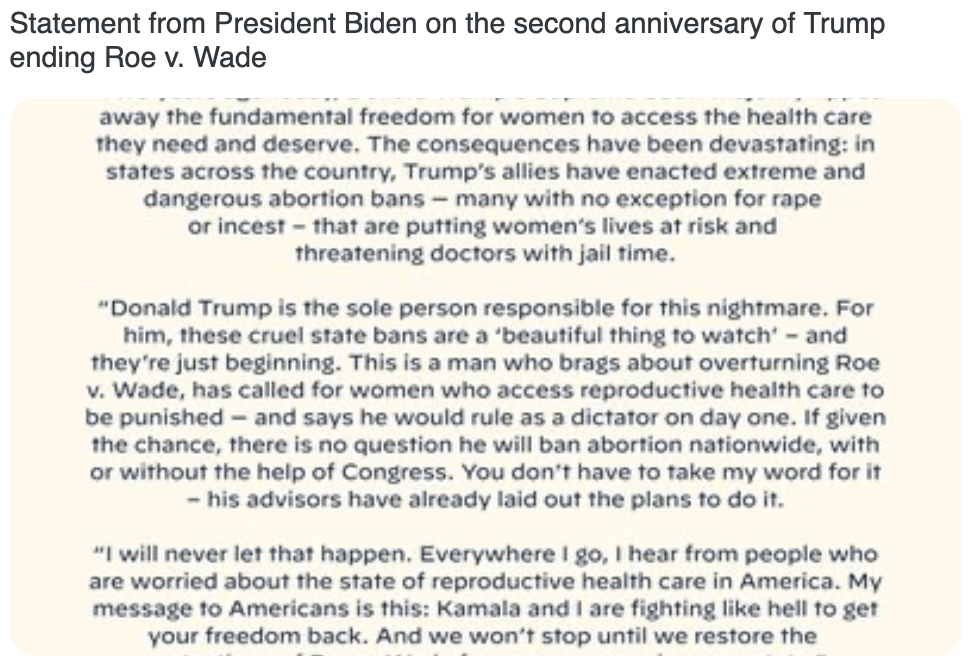
Before the presidential debates on Thursday, posts from supporters of President Biden are getting noticed. President Biden is getting noticed for his comment on the second anniversary of the revocation of ROE vs. Wade, a process that he says is caused by Donald Donald Trump.

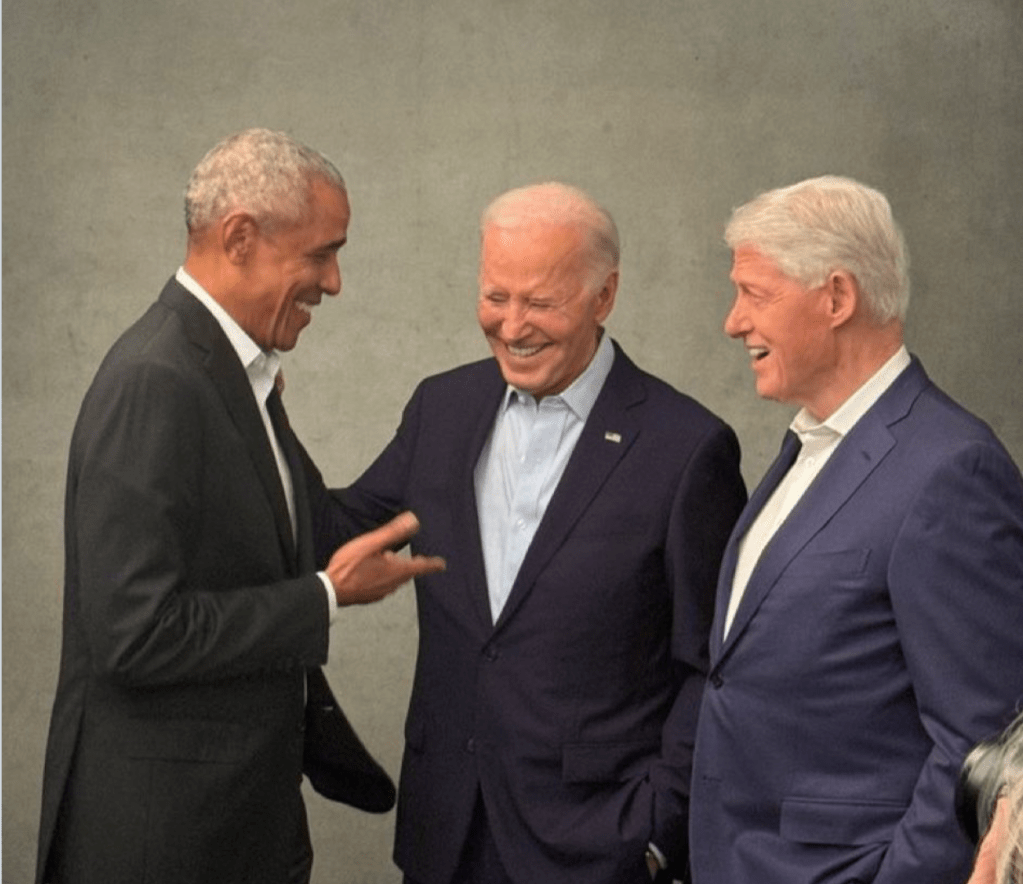
    Three Presidents Who Are Respected Around The World
    There Is A Giant Difference Between The Two. When You Vote – It Is For Freedom!

    Former President Donald Trump was widely mocked after claiming to a crowd of supporters that he has “wounds all over my body” that they could see if he took his shirt off.

    Trump delivered the keynote address at the “Road to Majority” conference in Washington, D.C., organized by the conservative Christian political advocacy group, Faith and Freedom Coalition, on Saturday.

    For example, Presidents Abraham Lincoln, James Garfield, William McKinley, and John F. Kennedy were assassinated while still in office.

    Notably, Ronald Reagan was the victim of an attempted assassination in 1981 when a bullet fired by John Hinckley Jr. shot him in the underarm, broke one of his ribs, and punctured one of his lungs, causing significant internal bleeding. Reagan went on to serve two terms in office.

    In one of the more oddball moments in American history, Andrew Jackson in 1835 was attacked by an unemployed house painter whose pistols misfired—and promptly beat his failed assassin with his walking cane.

    And it is perhaps darkly comic that Theodore Roosevelt survived a 1912 assassination attempt after the assassin’s bullet became lodged in a folded copy of a speech Roosevelt was carrying in his breast pocket at the time.

    By contrast, Trump has never been in a similar position. Nor has he ever served in combat or sustained any wounds whatsoever considering he infamously dodged the Vietnam War draft by claiming he had bone spurs in his foot (a fact he has periodically downplayed).

    See the full report here!

    Winning at Any Cost: The Deterioration of Political Ethics

    Mudslinging, once the most reprehensible act a political contestant could commit, was a behavior that branded the perpetrator as untrustworthy, someone respectable voters would never support. These were the days when community bonds were robust. Neighbors were familiar faces, and the widow down the street was always checked on. People went out of their way to support a friend’s business, driven by loyalty and the value of relationships.

    Courtesy was not just a virtue, it was a way of life. You didn’t honk at the car ahead for hesitating at a stop sign, and everyone, regardless of race, was treated with respect. You honored their facilities at sporting events in neighboring towns, expecting the same respect in return during your homecoming games. These were the values that held our society together, and their erosion is a cause for concern.

    Winning an election was once a sign of trust in the democratic process. It meant the elected individual would represent the community, county, state, or nation for their term. There was no need for your parents to rally the neighbors, seeking to punish those who voted differently or to overturn the results. They trusted the process and the enduring truth. However, today, this trust has seemingly eroded, and the need for reflection and change in our political and social interactions is more pressing than ever.

    Today, it seems that the aim is not just to win, but to annihilate the opponent’s life and reputation.

    Solemn Reflections: Memorial Day and the Spirit of Sacrifice

    As the sun rose over the small town of Oakwood, its warm rays illuminated the rows of white headstones in the Oakwood Cemetery. The city, steeped in a rich history of honoring fallen soldiers, had always observed Memorial Day with solemn pride. This day, originally known as Decoration Day, was established after the Civil War to commemorate the Union and Confederate soldiers who died in the war. It has since evolved to honor all Americans who have died in military service.

    Sarah Thompson stood at the cemetery’s gate, holding a bouquet of red, white, and blue flowers. She was in her late thirties, her eyes reflecting sorrow and strength. Visiting the cemetery was her yearly ritual—a pilgrimage to visit the grave of her brother, Daniel, who had died in Afghanistan a decade ago.

    As Sarah walked along the gravel path, she remembered the day they received the news. It had been a bright summer afternoon, much like today. Daniel had always been a source of light and joy in their family, with his infectious laughter and boundless energy. The knock on the door that day had shattered their world.

    Sarah reached Daniel’s grave and knelt, gently placing the flowers in front of the headstone. She traced her fingers over his name etched in the cold stone and whispered a prayer. Memories flooded back—playing tag in the backyard, late-night talks about their dreams, and the tearful goodbye when he left for his final deployment.

    The cemetery, a place of collective grief and remembrance, began to fill with others who had come to pay their respects. Families, friends, and fellow veterans moved among the graves, their shared sorrow palpable in the air. Some walked in silence, their thoughts a private tribute, while others shared stories, their voices a collective echo of the lives lost.

    A familiar voice broke Sarah’s reverie. “Hey, Sarah.”

    She turned to see Tom, one of Daniel’s best friends from high school, standing nearby. He held a small American flag, which he placed at the base of the headstone. Tom had served alongside Daniel and had been with him during his last moments.

    “It’s good to see you, Tom,” Sarah said, her voice soft.

    Tom nodded, his eyes filled with shared grief. “I come here every year. Feels like the least I can do.”

    They stood in silence for a moment, their hearts heavy with the weight of their loss. Each lost in their thoughts, memories of Daniel flooding their minds. Then Tom began to speak, his voice steady but emotional, his words a testament to the bravery and selflessness of their fallen friend. ‘Daniel was the bravest person I knew,’ he said, his voice breaking with emotion. ‘He always put others before himself. Even in the end, he worried more about us than his safety.’

    Sarah smiled through her tears. “That sounds like him.”

    The morning wore on, and more people arrived, each carrying their own memories and gratitude. A group of children from the local school, accompanied by their teachers, placed flags on the graves of all the fallen soldiers, a symbol of their respect and understanding of the sacrifices made. The town’s mayor gave a short speech, his words echoing with the collective gratitude and remembrance of the community. A local choir sang ‘America the Beautiful,’ their voices a poignant reminder of the unity and strength that comes from shared values. The collective remembrance was a powerful testament to the sacrifices made by so many.

    As the ceremony ended, Sarah and Tom lingered by Daniel’s grave a little longer. They shared stories, laughed, and cried, finding comfort in each other’s company.

    “Thank you for being here,” Sarah said as they prepared to leave.

    “Always,” Tom replied. “He was my brother, too.”

    They returned to the cemetery gate together, the sun now high in the sky. As Sarah looked back one last time at the sea of white headstones, she felt a sense of peace. Memorial Day was not just about remembering the fallen; it was about celebrating their lives and the values they stood for.

    Driving home, Sarah contemplated the significance of this day and how she would pass on its importance to her children. She understood that as long as they remembered, Daniel’s spirit would continue to live on. Every Memorial Day, she would return to this hallowed ground, ensuring that the memory of her brother and all those who had made the ultimate sacrifice for their country would never fade.

    In checking references part of this story may include referencese similar to others found on the internet. The simularities are incidential and are not included intentional. You can find more these simularities RE: New York. Memorial Day. Monument. Dead Soldier. Wheelchair. Handicapped Boy. | Didier Ruef | Photography. https://www.didierruef.com/gallery-image/Aura/G0000Is39GN2Av9w/I0000aHlCvWVZLNc/C0000EU0LcXmMzWo/