Experiencing A Different Version Of The Same Day Over And Over.
A Story By: Benjamin Groff© Groff Media 2024 © Truth Endures
Detective James “Jimmy” O’Connor had seen it all—or so he thought. O’Connor had been on the force since 1951 when respect meant something and a good cop could solve a case with his wits and a firm handshake. But nothing could have prepared him for the day he woke up in 2024, a world so different from the one he knew. It was as if he had stepped into a parallel universe.
It started like any other morning. Jimmy rolled out of bed in his modest home, built solidly after the war when families were booming and life was good. He yawned, stretched, and reached for his old fedora, a relic from yesteryear that still sat faithfully on the bedpost. The sun streamed through the window, but something in the light felt –– off. A glance at the calendar confirmed it. The year read 2024.
“What in the Sam Hill…”
he muttered, running a hand through his graying hair. Had he been in a coma? Had he somehow slept through sixty years of his life?
Still dazed, he dressed in his usual attire: a crisp white shirt, suspenders, pleated trousers, and polished leather shoes. His well-worn and comforting hat sat snugly atop his head. The mirror reflected a man who had not aged a day since the early 1960s. Time had played its tricks, but Jimmy O’Connor remained the same.
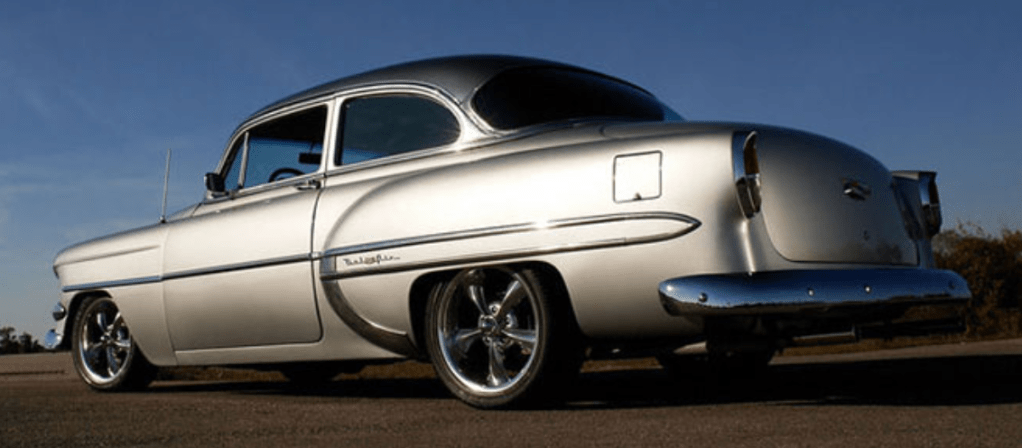
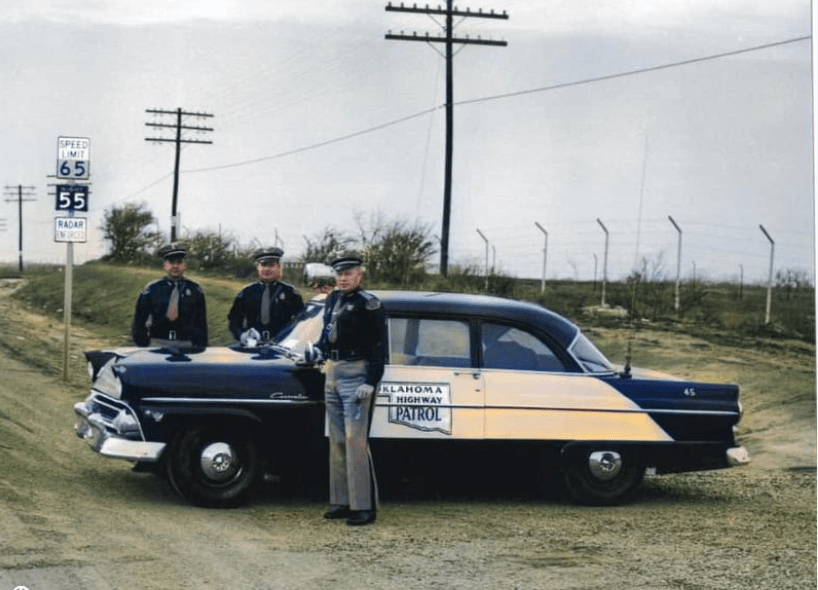
Determined to make sense of things, he grabbed his keys and headed out. His faithful 1954 Chevrolet two-door coupe sat waiting in the driveway as he’d left it. The car was nothing fancy—back in the day, it had been the biggest clunker in the department. The boys at the station used to rib him about it, but Jimmy liked it just fine. It had character, just like him.
The drive to the station was surreal. Buildings towered over the officer, sleek and modern. People walked down the streets glued to strange devices, barely looking up. The air buzzed with a thousand sounds, none of which he recognized. And the cars—by God, the cars! They whizzed by silently as if propelled by magic. Jimmy’s old Chevy chugged along, a relic in a world that had moved on without him, a world that felt utterly alien.
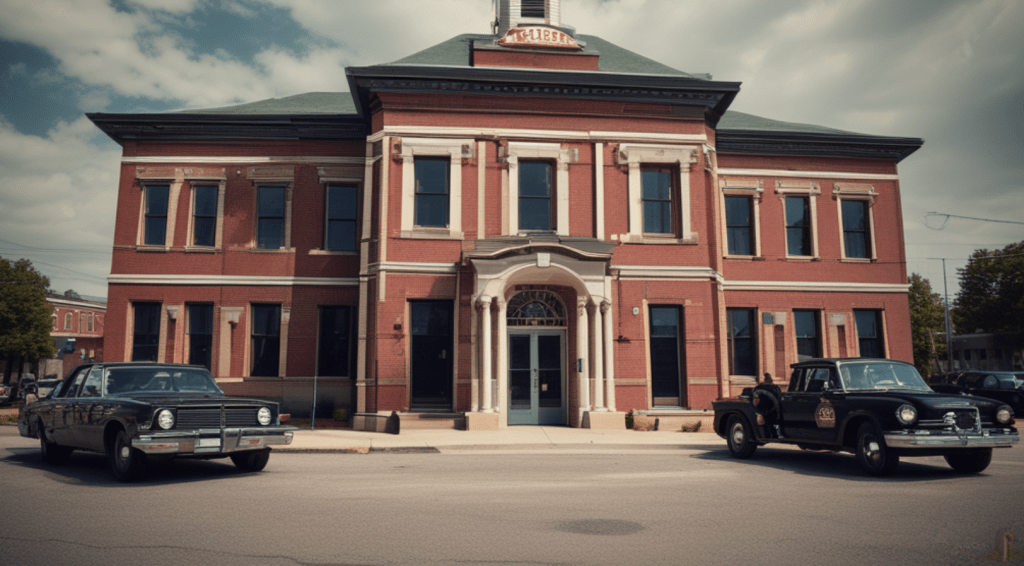
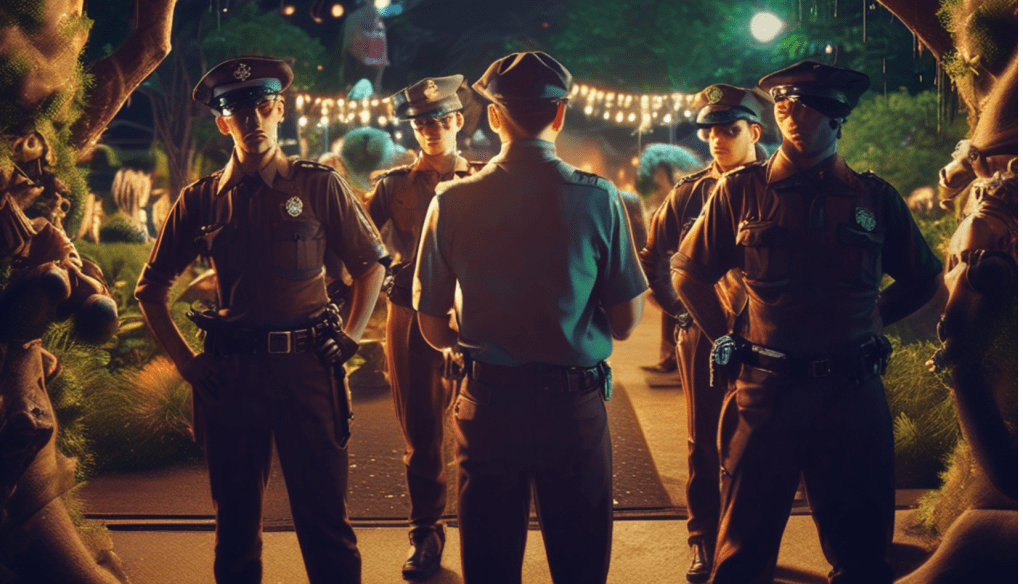
When he pulled up to the station, he first noticed the gawking. A group of younger officers stood in the lot, eyes wide and mouths agape as they saw him and his car. One of them, a kid who couldn’t have been more than twenty-five, stepped forward.
“Is that…a ’54 Chevy?”
He asked, awe dripping from his voice.
Jimmy nodded, confused.
“Sure is. Why?”
“That thing’s a classic! How the hell did you get it in such good shape?”
“Just took care of it, I guess,”
Jimmy replied, still trying to process everything.
“Now, what in blazes is going on around here?”
Inside, the station was a hive of activity, but nothing looked the same. Computers sat on every desk, glowing with images Jimmy didn’t understand. Phones weren’t phones anymore; they were slim, glass rectangles everyone seemed glued to. And the fashion—if you could call it that—was wild—bright colors, strange fabrics, and hair that defied gravity.
Jimmy made his way to the chief’s office, nodding at a few familiar faces, now older men. They all stared back as if they’d seen a ghost. When he finally entered the door, Chief Morales looked up from his desk, his eyes nearly popping out of his head.
“Jimmy?”
Chief Morales croaked, his eyes nearly popping out of his head.
“What the hell?”
His voice was a mix of shock and disbelief, mirroring the sentiments of everyone who had laid eyes on the seemingly unchanged detective.
“Chief, I don’t know what’s happening, but I woke up this morning, and the whole world turned upside down. I need answers.”
Morales gestured for him to sit, still in shock.
“You mean to tell me you remember nothing past…when? The 1960s?”
“Last thing I remember, Kennedy was in office, and I was working a case with the old squad,”
Jimmy replied, sinking into the chair.
“Now it’s like I stepped into one of those science fiction movies.”
The chief rubbed his temples.
“Jimmy, it’s 2024. A lot has changed. I don’t know how or why, but you look like you haven’t aged a day.”
“Tell me about it,”
Jimmy grumbled.
“And what’s with the kids these days? I was on a case involving students before this, whatever it was. Are they all this –––different?”
The chief sighed.
“Different doesn’t begin to cover it. Kids these days are a whole new breed. They have connected to the world in ways we couldn’t have imagined in the 60s. Social media, smartphones, instant communication –– They’re more outspoken and more aware but more distracted. It’s a different world, Jimmy.”
Just then, a young officer burst into the room, his face excitedly lit.
“Chief, we’ve got a situation at the high school. Some fight—might be gang-related.”
Jimmy’s ears perked up. A case involving students? An assignment with students –– was familiar territory.
“I’ll go,”
he said, standing up.
“Jimmy, wait—”
Morales started, but Jimmy was already out the door.
On the Case
The high school was a chaotic scene. Teens were scattered everywhere, shouting and recording the commotion on their phones. Jimmy strode in, commanding attention despite the odd looks he received. He spotted a group of kids at the center of it all, some dressed in clothes he could barely comprehend, others with tattoos and piercings that would have been unthinkable in his time.
“Alright, break it up!”
Jimmy barked, his voice cutting through the noise like a knife. The kids looked at him, confused, but the tone was unmistakable. They started to disperse, grumbling under their breath.
A young girl with brightly colored hair and a nose ring approached him.
“Who are you supposed to be? You look like you just walked out of a history book.”
“Detective O’Connor,”
he replied gruffly.
“Now, what’s going on here?”
She shrugged, unimpressed.
“Just a fight. It happens all the time. We caught it on video if you want to see it.”
Jimmy blinked.
“Caught it on video? You mean you filmed it instead of stopping it?”
The girl rolled her eyes.
“Yeah, it’s what we do. Upload it to TikTok, get some likes.”
“Tik…what?”
Jimmy shook his head, feeling like he was slipping further into the twilight zone.
“Never mind,”
she said, dismissing him.
“You wouldn’t get it.”
As he tried to piece together what she meant, a senior officer approached, relieved to see him.
“Detective O’Connor, right? I’ve heard stories about you. The chief said you might be ––– helping out today?“
“Helping out, yeah,”
Jimmy replied, still feeling out of place.
“What’s the story here?”
The officer explained the situation—two students from rival groups had fought over something posted online. Jimmy listened, but the details were baffling. Back in his day, fights happened face-to-face, not through the internet.
“Sounds like the same old story, just with a new twist,”
Jimmy said.
“I’ll talk to them.”
He approached the two students, who were now sulking on the sidelines. They looked up at him with a mix of defiance and confusion.
“Alright, you two,”
Jimmy started,
“what’s this all about?”
They exchanged glances before one finally spoke up.
“This boy posted some crap about my sister on Instagram. I wasn’t going to let that slide.”
“Instagram?”
Jimmy repeated, trying to keep up.
“Back in my day, you settled things like men. You talked it out—or, if it came to blows, you did it without an audience.”
The other boy scoffed.
“What do you know, old man? Times have changed.”
“Maybe so,”
Jimmy admitted,
“but respect doesn’t. You don’t solve problems by hiding behind a screen. If you’ve got an issue, you deal with it face-to-face, like men. And you sure don’t let it become a circus for everyone else to watch.”
The boys looked at him, considering his words. It was a message from another time, but something about it resonated. Eventually, they both nodded, muttering apologies under their breath.
As the situation defused, Jimmy felt a strange sense of accomplishment. The methods might have changed, but the core principles still needed to be. Respect, honesty, and responsibility still mattered, even in this brave new world.
The World Keeps Spinning
Back at the station, the day wound down, and Jimmy found himself in the parking lot, staring at his old Chevy. It was the one constant in this sea of change, a reminder of where he came from and who he was. But as he climbed in and turned the key, he couldn’t help but wonder how long he could hold onto the past in a world that seemed determined to move forward without him.
As the engine roared to life, Jimmy tipped his hat, adjusted his rearview mirror, and drove into the setting sun. The road ahead was uncertain, but he’d face it the only way he knew how—one mile at a time, just like he always had.
He’d find his place in this strange new world somewhere along the way. But for now, he was content to be a man out of time, doing his best to keep up with a world that had left him behind.
A Step Out of Time The Next Morning
Detective James “Jimmy” O’Connor had seen it all—or so he thought. O’Connor had been on the force since 1951 when respect meant something and a good cop could solve a case with his wits and a firm handshake. But nothing could have prepared him for the day he woke up in 2024, a world so different from the one he knew. It was as if he had stepped into a parallel universe, a world where the very fabric of society got rewoven.
It started like any other morning. Jimmy rolled out of bed in his modest home, built solidly after the war when families were booming and life was good. He yawned, stretched, and reached for his old fedora, a relic from yesteryear that still sat faithfully on the bedpost. The sun streamed through the window, but something in the light felt –– off. A glance at the calendar confirmed it. The year read 2024.
“What in the Sam Hill…it seems like I’ve been here before.”
he muttered, his voice trembling, running a hand through his graying hair. Had he been in a coma? Had he somehow slept through sixty years of his life?
Still dazed, he dressed in his usual attire: a crisp white shirt, suspenders, pleated trousers, and polished leather shoes. His well-worn and comforting hat sat snugly atop his head. The mirror reflected a man who had not aged a day since the early 1960s. Time had played its tricks, but Jimmy O’Connor remained the same.
Determined to make sense of things, he grabbed his keys and headed out. His faithful 1954 Chevrolet two-door coupe sat waiting in the driveway as he’d left it. The car was nothing fancy—back in the day, it had been the biggest clunker in the department. The boys at the station used to rib him about it, but Jimmy liked it just fine. It had character, just like him.
The drive to the station was surreal. Buildings towered over the officer, sleek and modern. People walked down the streets glued to strange devices, barely looking up. The air buzzed with a thousand sounds, none of which he recognized. And the cars—by God, the cars! They whizzed by silently as if propelled by magic. Jimmy’s old Chevy chugged along, a relic in a world that had moved on without him, a world that felt utterly alien.
When he pulled up to the station, he first noticed the gawking. A group of younger officers stood in the lot, eyes wide and mouths agape as they saw him and his car. One of them, a kid who couldn’t have been more than twenty-five, stepped forward.
“Is that…a ’54 Chevy?”
the young officer asked, his voice filled with awe and disbelief as if he had just seen a relic from a forgotten era.
Jimmy nodded, confused.
“Sure is. Why?“
“That thing’s a classic! How the hell did you get it in such good shape?”
“Just took care of it, I guess,”
Jimmy replied, thinking he’d answered the same question a day before, he was still trying to process everything.
“Now, what in blazes is going on around here?”
Inside, the station was a hive of activity, but nothing looked the same. Computers sat on every desk, glowing with images Jimmy didn’t understand. He’d been here before. This is the same thing he had done yesterday. Phones weren’t phones anymore; they were slim, glass rectangles everyone seemed glued to. The fashion starkly contrasted Jimmy’s traditional attire—bright colors, strange fabrics, and hair that defied gravity. The world had become a place where technology and individual expression reigned supreme, a far cry from the simpler times Jimmy was used to. I am repeating yesterday in the future, Jimmy thought to himself.
Jimmy went to the chief’s office, nodding at a few familiar faces, now older men. They all stared back as if they’d seen a ghost, they hadn’t seen Jimmy looking that young in fifty years. When he finally entered the door, Chief Morales looked up from his desk, his eyes nearly popping out of his head.
“Jimmy?”
Chief Morales croaked, his eyes nearly popping out of his head. The shock and disbelief in his voice mirrored the sentiments of everyone who had laid eyes on the seemingly unchanged detective.
“Chief, I don’t know what’s happening, but I woke up this morning, and the whole world turned upside down. I need answers,”
he declared, his voice unwavering despite the chaos around him.
“We did this yesterday, and now it is happening again!“
Morales gestured for him to sit, still in shock.
“Like I told you yesterday, when we went through this the last thing I remember, Kennedy was in office, and I was working a case with the old squad,” Jimmy replied, sinking into the chair. “Now it’s like I stepped into one of those science fiction movies.“
The chief rubbed his temples.
“Jimmy, it’s 2024. A lot has changed. I don’t know how or why, but you look like you haven’t aged a day.”
“Tell me about it,”
Jimmy grumbled.
“And what’s with the kids these days? I was on a case involving students before this, whatever it was. Are they all this –––different?”
The chief sighed.
“Different doesn’t begin to cover it. Kids these days are a whole new breed. They have connected to the world in ways we couldn’t have imagined in the 60s. Social media, smartphones, instant communication –– They’re more outspoken and more aware but more distracted. It’s a different world, Jimmy.”
Just then, a young officer burst into the room, his face excitedly lit.
“Chief, we’ve got a situation at the high school. Some fight—might be gang-related.”
Jimmy’s ears perked up. A case involving students? An assignment with students –– was familiar territory.
“I’ll go,”
he said, standing up.
“Jimmy, wait—
” Morales started, but Jimmy was already out the door.
On the Case
The high school was a chaotic scene. Teens were scattered everywhere, shouting and recording the commotion on their phones. Jimmy strode in, commanding attention despite the odd looks he received. He spotted a group of kids at the center of it all, some dressed in clothes he could barely comprehend, others with tattoos and piercings that would have been unthinkable in his time.
“Alright, break it up!”
Jimmy barked, his voice cutting through the noise like a knife. The kids looked at him, confused, but the tone was unmistakable. They started to disperse, grumbling under their breath.
A young girl with brightly colored hair and a nose ring approached him.
“Who are you supposed to be? You look like you just walked out of a history book.”
“Detective O’Connor,”
he replied gruffly.
“Now, what’s going on here?”
She shrugged, unimpressed.
“Just a fight. It happens all the time. We caught it on video if you want to see it.”
Jimmy blinked.
“Caught it on video? You mean you filmed it instead of stopping it?”
The girl rolled her eyes.
“Yeah, it’s what we do. Upload it to TikTok, get some likes.”
“Tik…what?”
Jimmy shook his head, feeling like he was slipping further into the twilight zone.
“Never mind,”
she said, dismissing him.
“You wouldn’t get it.”
As he tried to piece together what she meant, a senior officer approached, relieved to see him.
“Detective O’Connor, right? I’ve heard stories about you. The chief said you might be ––– helping out today?”
“Helping out, yeah,”
Jimmy replied, still feeling out of place.
“What’s the story here?”
The officer explained the situation—two students from rival groups had fought over something posted online. Jimmy listened, but the details were baffling. Back in his day, fights happened face-to-face, not through the internet.
“Sounds like the same old story, just with a new twist,”
Jimmy said.
“I’ll talk to them.”
He approached the two students, who were now sulking on the sidelines. They looked up at him with a mix of defiance and confusion.
“Alright, you two,”
Jimmy started,
“what’s this all about?”
They exchanged glances before one finally spoke up.
“This boy posted some crap about my sister on Instagram. I wasn’t going to let that slide.”
“Instagram?”
Jimmy repeated, trying to keep up.
“Back in my day, you settled things like men. You talked it out—or, if it came to blows, you did it without an audience.”
The other boy scoffed.
“What do you know, old man? Times have changed.”
“Maybe so,”
Jimmy admitted,
“but respect doesn’t. You don’t solve problems by hiding behind a screen. If you’ve got an issue, you deal with it face-to-face, like men. And you sure don’t let it become a circus for everyone else to watch.”
The boys looked at him, considering his words. It was a message from another time, but something about it resonated. Eventually, they both nodded, muttering apologies under their breath.
As the situation defused, Jimmy felt a strange sense of accomplishment. The methods might have changed, but the core principles still needed to be. Respect, honesty, and responsibility still mattered, even in this brave new world.
The World Keeps Spinning
Back at the station, the day wound down, and Jimmy found himself in the parking lot, staring at his old Chevy. It was the one constant in this sea of change, a reminder of where he came from and who he was. But as he climbed in and turned the key, he couldn’t help but wonder how long he could hold onto the past in a world that seemed determined to move forward without him.
As the engine roared to life, Jimmy tipped his hat, adjusted his rearview mirror, and drove into the setting sun. The road ahead was uncertain, but he’d face it the only way he knew how—one mile at a time, just like he always had.
He’d find his place in this strange new world somewhere along the way. But for now, he was content to be a man out of time, doing his best to keep up with a world that had left him behind.
A Step Out of Time The Morning After
Detective James “Jimmy” O’Connor had seen it all—or so he thought. O’Connor had been on the force since 1951 when respect meant something and a good cop could solve a case with his wits and a firm handshake. But nothing could have prepared him for the day he woke up in 2024, a world so different from the one he knew. It was as if he had stepped into a parallel universe, a world where the very fabric of society got rewoven.
It started like any other morning. Jimmy rolled out of bed in his modest home, built solidly after the war when families were booming and life was good. He yawned, stretched, and reached for his old fedora, a relic from yesteryear that still sat faithfully on the bedpost. The sun streamed through the window, but something in the light felt –– off. A glance at the calendar confirmed it. The year read 2024.
“What in the Sam Hill…” he muttered, his voice trembling, running a hand through his graying hair. Had he been in a coma? Had he somehow slept through sixty years of his life?
Still dazed, he dressed in his usual attire: a crisp white shirt, suspenders, pleated trousers, and polished leather shoes. His well-worn and comforting hat sat snugly atop his head. The mirror reflected a man who had not aged a day since the early 1960s. Time had played its tricks, but Jimmy O’Connor remained the same.
Determined to make sense of things, he grabbed his keys and headed out. His faithful 1954 Chevrolet two-door coupe sat waiting in the driveway as he’d left it. The car was nothing fancy—back in the day, it had been the biggest clunker in the department. The boys at the station used to rib him about it, but Jimmy liked it just fine. It had character, just like him.
The drive to the station was surreal. Buildings towered over the officer, sleek and modern. People walked down the streets glued to strange devices, barely looking up. The air buzzed with a thousand sounds, none of which he recognized. And the cars—by God, the cars! They whizzed by silently as if propelled by magic. Jimmy’s old Chevy chugged along, a relic in a world that had moved on without him, a world that felt utterly alien.
When he pulled up to the station, he first noticed the gawking. A group of younger officers stood in the lot, eyes wide and mouths agape as they saw him and his car. One of them, a kid who couldn’t have been more than twenty-five, stepped forward.
“Is that…a ’54 Chevy?” the young officer asked, his voice filled with awe and disbelief as if he had just seen a relic from a forgotten era.
Jimmy nodded, confused. “Sure is. Why?”
“That thing’s a classic! How the hell did you get it in such good shape?”
“Just took care of it, I guess,” Jimmy replied, still trying to process everything. “Now, what in blazes is going on around here? This has got to stop!”
Inside, the station was a hive of activity, but nothing looked the same. Computers sat on every desk, glowing with images Jimmy didn’t understand. Phones weren’t phones anymore; they were slim, glass rectangles everyone seemed glued to. The fashion starkly contrasted Jimmy’s traditional attire—bright colors, strange fabrics, and hair that defied gravity. The world had become a place where technology and individual expression reigned supreme, a far cry from the simpler times Jimmy was used to.
Jimmy went to the chief’s office, nodding at a few familiar faces, now older men. They all stared back as if they’d seen a ghost. When he finally entered the door, Chief Morales looked up from his desk, his eyes nearly popping out of his head.
“Jimmy?” Chief Morales croaked, his eyes nearly popping out of his head. The shock and disbelief in his voice mirrored the sentiments of everyone who had laid eyes on the seemingly unchanged detective.
“Chief, I don’t know what’s happening, but I woke up this morning, and the whole world turned upside down. I need answers,” he declared, his voice unwavering despite the chaos around him.
Morales gestured for him to sit, still in shock. “You mean to tell me you remember nothing past…when? The 1960s?”
“Last thing I remember, Kennedy was in office, and I was working a case with the old squad,” Jimmy replied, sinking into the chair. “Now it’s like I stepped into one of those science fiction movies.”
The chief rubbed his temples. “Jimmy, it’s 2024. A lot has changed. I don’t know how or why, but you look like you haven’t aged a day.”
“Tell me about it,” Jimmy grumbled. “And what’s with the kids these days? I was on a case involving students before this, whatever it was. Are they all this –––different?”
The Chief sighed. “Different doesn’t begin to cover it. Kids these days are a whole new breed. They have connected to the world in ways we couldn’t have imagined in the 60s. Social media, smartphones, instant communication –– They’re more outspoken and more aware but more distracted. It’s a different world, Jimmy.”
The Chief then confided to Jimmy, only to tell people two years ago that I came here in 1972. Nixon was still in office. I have no idea what happened, but like you, this day of mine has repeated; until you came, I thought I was going looney. Now I know it is something else.
There is a glitch in the world’s timeline, and it is realigning where everyone is supposed to be. A clerk in fingerprints came here from a 1910 timeline; she has to have had that, or she has nasty tastes in clothing styles. It is all that I can conclude. I wonder if this is a broad-spread matter, and besides the two of us, who would we bring the matter to the attention of? They would lock us up in the looney house if we went to higher-ups and tried to explain this issue.
For now, we should try to blend in and manage it between us and be there for others we suspect of being travelers like us. Detective O’Conner, for the first time, realized that he was no longer in his time and had somehow been moved through generations and life to end up in a year he would probably not have lived to see. He and the Chief had an opportunity to share their values with a generation that sorely needed guidance, and the Chief felt a deep sense of responsibility to do so.













 benandsteve.com