Why Walter Higby Makes You Smile

GROFF MEDIA 2024© TRUTH ENDURES IMDBPRO

Presented by benandsteve.com By: Benjamin Groff II©

1–2 minutes

There once was a man named Walter Higby. He traveled from town to town. He wore a tweed coat and a bowler hat. He also carried a cane he didn’t need. Walter was a whimsical figure. He had a peculiar habit. He greeted everyone the same way. This added a touch of whimsy to their lives.

“You do,”

he would say with a sly smile.

Usually caught off guard, the person would blink in confusion.

“What?”

“You remind me of a man,”

Walter would continue.

“Who do?”

The person would ask, leaning in, curious now.

“You do,”

Walter would insist, tapping his cane on the ground for emphasis.

The other person would reply,

“I do?”

Which Walter would say,

“No, you do.”

And the reply would be,

“What?”

Which Walter would, in return, say,

“Remind me of a man.”

By this point, the conversation had become a swirling, nonsensical loop, leaving the other person chuckling or scratching their head. Walter never explained why he did it, nor did he ever stay long enough for anyone to figure him out.

One day, a young boy named Tommy stops Walter before he can walk away. “Mister, why do you say that to people?”

Walter looked down at Tommy and grinned. “Because it makes them think, and it makes them smile. That’s enough, don’t you think?”

Tommy thought for a moment, then nodded. “Yeah, I guess so.”

Walter tipped his hat, tapped his cane, and continued down the road. He was ready to meet the next unsuspecting stranger with his playful riddle. The man spoke in circles and kept wandering, leaving a trail of puzzled and amused people in his wake.

The Last to Fall

Groff Media 2024© Truth Endures IMDbPro

Presented by benandsteve.com By: Benjamin Groff II©

3–5 minutes

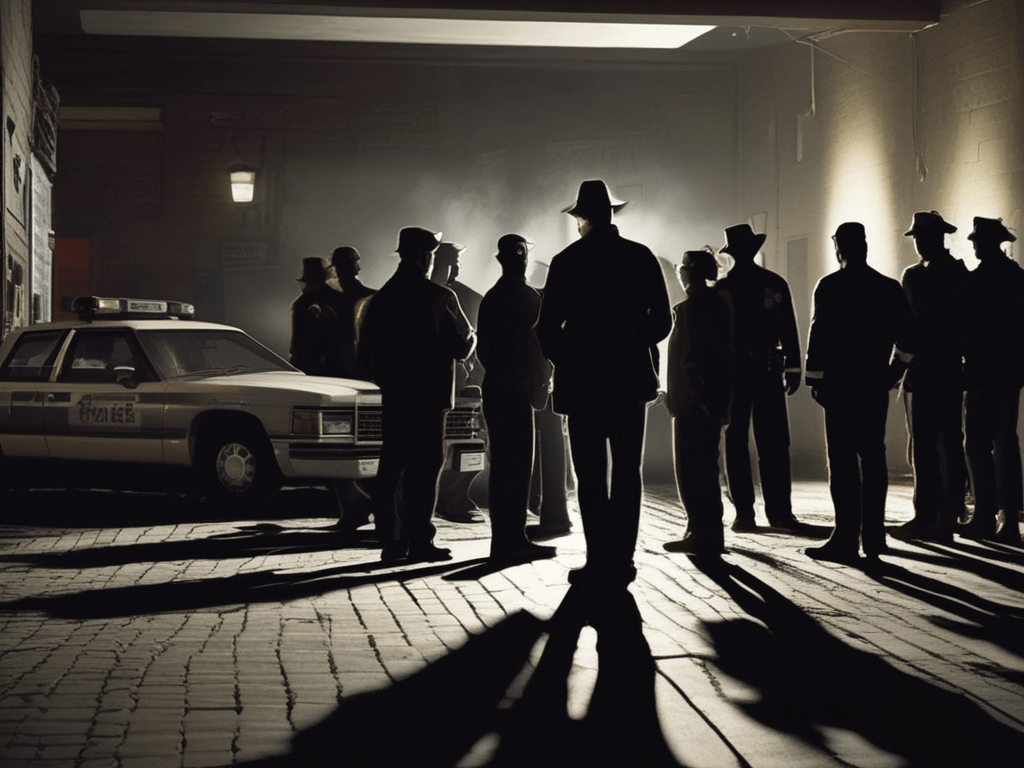
The stories of “The Magnificent Seven” were told with reverence in the small, aging town of Canadian. It nestles in the shadow of a mountain range near the Comanche Indian Reservations. They were not just police officers. They were beacons of bravery. Each one was a sentinel of justice. They had shaped the history of law enforcement in the area. Their tales of courage, integrity, and unyielding commitment to the badge echoed in the walls of the old precinct. Black-and-white photos of the seven adorned the main hallway.

Now, only one of them remained.

Thomas “Tommy” Wade was the last to fall. At 82, he still carried himself with the dignity that had defined his career. Time had dulled the sharpness of his features. Nonetheless, his piercing blue eyes—eyes that had stared down criminals and shielded victims—had not lost their fire. Tommy had outlived his brothers-in-arms. It was not because he was the strongest or the fastest. It was because, as he often quipped, –––

“I was just lucky.”

Yet, his legacy, his unwavering commitment to service, and his enduring impact on the community, was far from luck.

It was more than luck, though. Tommy had survived gunfights, ambushes, and even a close call with a car bomb planted by a vengeful felon. But his survival wasn’t the story. The story was about how he and his six comrades had redefined serving and protecting.

The Legends

Each member of the Magnificent Seven had a chapter in the book of Canadian history.

  • James “Big Jim” Hawthorne was the largest and strongest of the group. He was known for breaking up a bar brawl single-handedly. He tossed men around like rag dolls without ever drawing his weapon. He always said –––
    • “Strength is knowing when not to use it.”
  • Eddie Diaz, the marksman, had ended a three-day hostage standoff with a single, precise shot that saved a child’s life. He was quiet and almost shy, but his calm precision made him a hero when danger arose.
  • “Doc” Peterson, the team medic, was a genius at keeping people alive in harrowing circumstances. A former Army medic, he carried his battlefield skills into the streets of Canadian.

Walter “Walt” Grayson, the thinker, used his sharp intellect to outwit criminal masterminds. He often ended conflicts before they began by anticipating a felon’s next move.

Frankie “Spitfire” McNeil, the youngest, was impulsive but had a heart as big as the town. He chased down burglars on foot and once shielded a family from gunfire with his own body.

Samuel “Sam” Colton, the leader, brought them all together. Sam’s vision for law enforcement was rooted in community service and compassion. He was a mentor, a father figure, and a friend.

And then there was Tommy Wade, the glue that held them together. He was the everyman who listened, mediated disputes, and ensured the team had each other’s backs.

A Legacy Remembered

On the day of Tommy’s memorial, the whole town gathered. The mayor spoke, recounting the officers’ countless acts of heroism. Citizens shared personal stories. They spoke of how one of the Seven had saved their lives. Others talked about how the Seven brought justice to their families.

But Tommy’s granddaughter, Emily, delivered the most poignant eulogy. She stood before the crowd, holding the silver badge her grandfather had carried for over thirty years.

“My grandfather used to tell me stories of these men,”

she began, her voice trembling.

“He told me that each carried a burden—of duty, danger, and sacrifice. They didn’t wear capes or fly through the air. They walked the streets, often alone, and faced fear head-on so the rest of us didn’t have to.”

Emily paused, holding the badge close to her chest.

“He also told me that they weren’t perfect. They made mistakes and carried regrets. But what set them apart was their unwavering moral compass. They believed in justice, fairness, and the value of every life.”

As the crowd listened, she added,

“They were the best of us. My grandfather was the last to fall. He always said it wasn’t about the badge or the recognition. It was about the people they served.”

The Eternal Flame

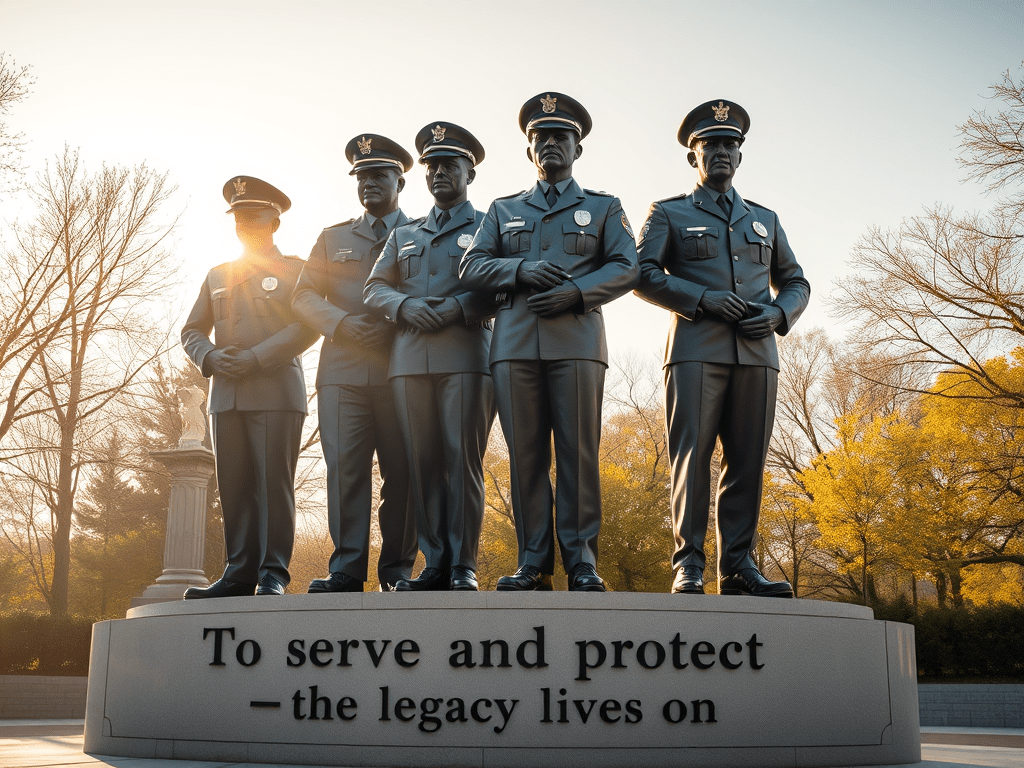
A statue now stands in the Canadian central park: seven figures, shoulder to shoulder, their badges gleaming in the sunlight. Inscribed at the base are the words: “To serve and protect—the legacy lives on.”

The Magnificent Seven are gone, but their stories endure. These tales are whispered in classrooms and retold at family dinners. They are honored in the lives of the officers who came after them. Tommy Wade have been the last to fall, but the spirit of his team will never fade.

The Day Communications Sent the Cavalry to My Rescue ––– Thanks To Chester

Groff Media 2024© Truth Endures IMDbPro

Presented by benandsteve.com By: Benjamin Groff II©

3–5 minutes

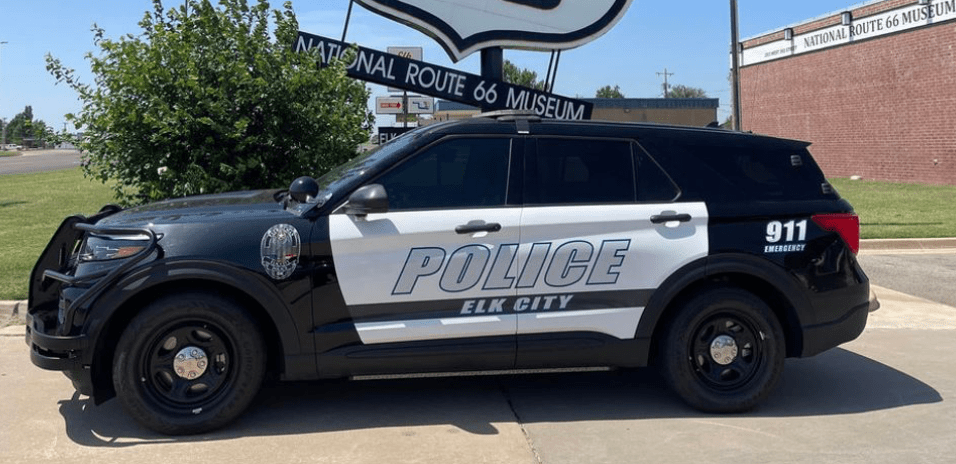
It was one of those perfect spring days in April when everything felt right. The sun warmed the air to a comfortable 70 degrees. I rolled down my cruiser’s windows for the first time in months. I patrolled the streets of Elk City. That morning, the west side was my focus, a quiet stretch where anything unusual instantly stood out. That’s where I spotted Chester Hessman.

Ah, Chester Hessman. Everyone in Elk City knew him. Born and raised here, Chester was as much a part of the town as its aging brick buildings. He shared the unofficial title of “town drunk.” Another character held this title, too, whose story fills its chapter. Chester, though, was unique. He had a charm akin to Otis Campbell from The Andy Griffith Show. Otis was a regular at the jail with a presence so familiar that he also had his key.

Chester was skinny and of medium height. He was always disheveled. If he was out in public, he was most certainly drunk. Today, he was directing traffic in the middle of a bustling four-lane intersection, completely ignoring the functioning traffic light overhead.

I flipped on my red-and-blue lights and eased my cruiser into the intersection, pulling up beside him. Stepping out, I called him ––––

“Chester, you’re going to put me out of a job! How about I give you a ride home instead?”

Chester turned toward me, swaying on unsteady legs. He gave me a gummy smile—he hadn’t had teeth for years—and replied, –––

“I’d love ya for it!”

I chuckled, helped him into the passenger seat, and gave him a friendly warning. –––

“Now listen, Chester. I need you to sit tight and behave. Don’t think about jumping out or causing trouble, or it’s straight to jail. Got it?”

“I plomise!”

he slurred, laughing and babbling as I buckled him in.

Pulling away, I turned off the lights and debated whether to radio in the meeting. Chester had just been released from jail that morning. I hoped he would stay out of trouble if I got him home—at least for the day. I decided to keep it off the books. What would go wrong?

Well, a lot, as it turned out.


We were only a few blocks from Chester’s house when a priority call came over the radio.

Unit 3, Unit 4, Unit 2, and Unit 6: Report of six individuals behind Braum’s on 3rd Street. They are shooting at each other with a gun.

I was the closest unit, just a block away. Chester looked at me, confused as I explained the situation. –––

“Chester, you’ve ridden along before. You know the drill—stay in the car, keep your head down, and don’t touch anything for the love of God. Got it?”

He nodded solemnly, briefly giving the impression he was sober.

“I’ll watch out for ya, Officer Ben. Don’t worry.”

As I pulled up to Braum’s, I spotted six figures loitering near the back of the building. I radioed in,

“Unit 3: Headquarters, I’m 10-97 with six 10-12s. I’ll be out with them.”

Communication was acknowledged, and I stepped out to approach the group. But as I got closer, my portable radio began emitting a garbled, high-pitched noise. Annoyed, I assumed it was interference and turned the volume down.

The six “suspects” were kids playing with a toy air gun. We had a brief chat about how their game looked to the public. I suggested they move their play to a less conspicuous location. They nodded, embarrassed but cooperative.


As I headed back to my cruiser, I heard sirens approaching from all directions. Confused, I quickened my pace and opened the car door to find Chester holding my radio mic.

“Chester,”

I said, trying to process the scene.

“What are you doing?”

He grinned at me like a naughty child caught red-handed. –––

“Just makin’ some sounds, Officer Ben. Ain’t it funny?”

It wasn’t. The “interference” I’d heard earlier was Chester making garbled noises on my radio. When I turned my portable’s volume down, Communications assumed the worst. They thought I was injured. Worse, they thought I was trying to signal for help. They’d dispatched every available unit, fire, and ambulance to my location.

Chester’s laughter echoed as the reality of the situation sank in. What was supposed to be a quiet favor for Chester had turned into a full-blown emergency response.


I drove Chester straight to jail. He laughed the entire ride, still holding the microphone like his toy. I went to radio headquarters. I needed to explain to my supervisor how Elk City’s most infamous drunk had hijacked my radio, sparking chaos.

As I left the station that day, I still heard Chester laughing from his cell. I didn’t find it nearly as amusing.

Rebuilding Trust: The Impact of a New Police Facility

Groff Media 2024© Truth Endures IMDbPro

Presented by benandsteve.com By: Benjamin Groff II©

In a gleaming, state-of-the-art facility, I yearned for the old station. The building at 303 West Fifth Street had something the new place lacked—character. It bore the marks of its long history, each crack and stain a testament to its battles and stories. By contrast, the new facility felt overly polished, almost ostentatious. Yet, I couldn’t deny its benefits. It offered the community better services and restored a sense of dignity lost after years of wear, neglect, and the relentless battering of Oklahoma’s weather.

The new station brought more than aesthetics; it symbolized the department’s renewed professionalism. After years of enduring lousy press and negative public perception, the facility served as a much-needed fresh start. The change was palpable. Officers began taking pride in their appearance—shining their brass, maintaining their units meticulously, and improving their health. Fast food runs gave way to salads and healthier choices. Quarterly fitness tests became mandatory, along with regular firearm qualifications.

Meanwhile, I was immersed in building the station’s new crime information center, logging details that painted a clearer picture of the city’s criminal landscape. Patterns emerged from seemingly unrelated incidents. Though not enough to secure warrants, the connections hinted at the methods and motives behind a string of burglaries. It was like assembling a jigsaw puzzle, piece by piece.

My role included ride-a-longs with patrol officers to understand their work firsthand. Having served both in dispatch and on patrol in previous departments, I could see both sides. During these rides, I shared my theories about the crimes, but my ideas were often met with skepticism. The officers humored me, though politely dismissive, and I couldn’t help but feel a pang of frustration. There had to be another way to make them see what I was uncovering.

Amid this, my focus shifted when the Chief of Police gave me unexpected news: I was to start competing in pistol-shooting matches across western Oklahoma. The announcement caught me off guard. As a Communications Officer, I only carried a sidearm if assigned to special events like parades or rodeos. Nonetheless, I attended the matches, often pitted against seasoned professionals. My performance, however, left much to be desired. It wasn’t until years later that I discovered the real issue—I was nearsighted. Once I got glasses, both my shooting and driving skills improved significantly.

The Chief’s directive had a purpose. On October 1, 1984, I received official notice of my transfer from Communications to the Patrol Division, effective October 25. My new assignment under Lieutenant Wheeler marked the beginning of a new chapter.

In my final weeks in Communications, I worked tirelessly to ensure a seamless transition for my replacement. I completed data entries and left the crime database in pristine order. The move to patrol was a dramatic shift that would challenge me in ways I couldn’t yet imagine—but also shape my career in profound and unexpected ways.

Former Heavyweight Boxer ‘ Big Zo’ Dead At Age 44 – Alonzo “Big Zo” Butler, 1980 – 2024

Provided a Service of benandsteve.com By: Benjamin©Groff Media 2024© Truth Endures

Alonzo Butler, a beloved former heavyweight boxer known to fans as “Big Zo,” passed away on Monday at age 44, as confirmed by his daughter, Jazlyn. A Chattanooga native who found his home in Knoxville, Alonzo impacted the boxing world and his community. His exceptional athleticism and dedication to his sport are reflected in his professional record of 35-3-2, with 25 knockouts. He fought mainly in Knoxville and East Tennessee, with a notable match in Auckland, New Zealand, in 2014. His achievements are a source of pride and celebration for all who knew him.

Butler’s decision to pursue boxing over football, where his power and precision earned him a devoted following, is a testament to his determination and courage. In 2006, Butler was honored as the Greater Knoxville Sports Hall of Fame’s Professional Athlete of the Year, a recognition he accepted with immense pride. Reflecting on the challenges of his career, Butler once shared, “Ace Miller told me four or five years ago I could be a champion, and I’ve stuck with it through the hard times. I’ve felt a responsibility to be a good model with the kids working with Golden Gloves, and I try to watch myself closely.” His commitment to being a positive role model and his dedication to his sport are qualities that will continue to inspire others.

Guided by legendary trainer Ace Miller, who managed and trained Butler during his undefeated run in the mid-2000s, Alonzo’s talent and warm personality left a mark on everyone he encountered. Miller spoke to Butler’s remarkable speed and strength, noting, “Alonzo could have done well in football because of his speed; at 250 pounds, we’ve timed him at 4.3 in the 40-yard dash. With his pure, warm personality, people want to know how he could be mean enough to be heavyweight champ of the world someday.”

Alonzo Butler’s legacy will endure in the hearts of those who knew him, from family and friends to fans and young athletes he inspired. His impact on the community through his boxing career and his role as a mentor is immeasurable. He leaves behind his daughter, Jazlyn, and a community that will forever be grateful for the kindness and strength he brought to the ring and beyond. His absence will be deeply missed in the lives of those dearest, but his memory will continue to inspire.

The world is going to POT, and we are watching it go!

A view of the world as it is today by: Benjamin Groff II© Groff Media 2024© Truth Endures IMDbPro

My dad and grandfather are gone now, but neither would support a liar, cheat, rapist, insurrectionist, dictator, or someone who supports one, or generally speaking, a creep or ‘weirdo.’ 

There are other reasons you can look at as well. For instance, a candidate such has a sexual offense judgment against him, and he is under indictment for countless federal crimes; in the last year, one of the candidates was in the air, flying, on their way to being arrested, just as much as he was campaigning at one point. 

One or more of those reasons would have been reason enough to consider looking into the person’s background. And three to four, would have been reason enough to reject a person all together. Someone who was strongly running for public office would have been rejected. Now, the GOP considers it a qualification required for all Republican candidates.

The candidates have endorsements from KKK members. They boast about, a presidential politician having endorsements from dictators. They wallow in such markings, and candidates publicly brag about laws they will violate first, if elected. And this makes them the most qualified candidate. Going as far as boasting about becoming a dictator. Going about telling people this is the last election they will have to worry about voting in. 

Why? Does that mean the Constitution is going to get ripped apart, shredded, and there will no longer be a United States where the people choose its leaders? It appears it doesn’t matter to the people who are numb and following this character. They appear to have zoned out of reality. 

My grandfather, father, uncles, aunts, and even a few dogs and horses I’ve had would not have allowed the goings on to persist. The greatest generation has died chiefly off; fewer of them now than ever are living, which sadly shows in our world. They were the ones who knew what happens when the world that falls to fascism. When reality hits and the world dies. It is beginning as America will turn grey; it will become a black-and-white construct of anything anyone remembers of its being, if these destructionists are permitted to have their way with the country. We only hope enough voters come to the polls and and vote, and save our America!

My dad had a favorite saying: the older I got, the wiser he’d get. And he was right; I wish he were here to help us out of this madness!

JD Groff At Rest And Getting Wiser Every Day!

It Was A BedTime Story My Grandmother Would Tell Me, But It Was The Weekend That I Loved To Spend!

By: Benjamin Groff II© Groff Media 2024© Truth Endures IMDbPro

It was a bedtime story my grandmother used to tell me when I visited their home on weekends. They lived about forty miles west of the farm we had bought, but they had been farmers in the same area. As they grew older, they sold their place and moved to a larger town, closer to conveniences like supermarkets, doctors, hospitals, and stores. I visited them at least one weekend a month, sometimes more, either hopping a westbound Trailways bus or catching a ride with one of my dad’s friends heading out to Texas. On travel days, I dressed to the nines, careful not to show up looking like a bum, especially since people back then still took pride in looking sharp for such things. Times were changing, though. In the sixties, you started seeing folks on the bus with beads, bell bottoms, and cut-off t-shirts, their hair long, male or female.

I was five years old when I first started traveling with my grandparents, and it became a cherished tradition until my grandmother passed when I was eleven. Even as times changed, my routine remained the same. My grandfather would always park in front of the local drugstore that served as the bus stop in their town. A large courthouse sat in the center of the square, and the bus had to make a loop around it before stopping. The airbrakes would hiss, and I was always be the first one off. The bus driver ensured it, especially since I sat beside him on my suitcase for the whole ride.

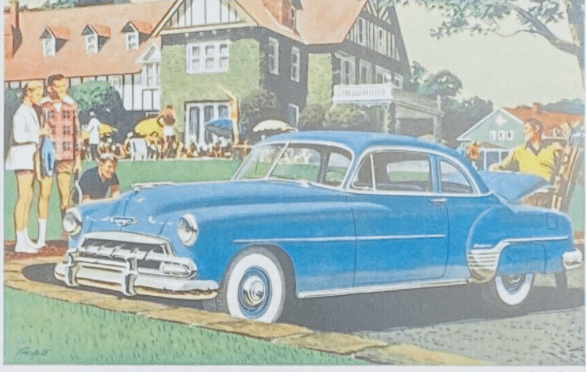
My grandfather, whom I called Pop, would be waiting by the trunk of his 1952 Chevrolet Coupe. As I stepped down those bus steps, the driver would already have handed my suitcase to Pop, who would smile and say, ––––

“Let’s scoot. Mom’s got dinner about ready at home!”

And it was home. My home away from home. I often dreamed of moving there, living with them, and even telling them so. I wanted my dad and our horses to come too because, in my child’s mind, my grandparents loved me so much that they’d love my dad and our horses too.

Pop had a habit of smoking a pipe—or rather, puffing on one. I could spend hours watching him puff smoke into the air in their cozy den. He liked to mix cherrywood tobacco with Prince Albert, and the sweet scent lingered long after he finished, complementing the smells of my grandmother’s cooking, making you want to eat whatever she was making. There was no television after dinner on most evenings. Instead, we’d listen to the ticking of the clock and talk. It was simple, but those talks meant more to me than the grandest concerts I’ve ever attended.

There were exceptions, though. Saturday evenings, we’d watch the news, then Lawrence Welk and Porter Wagoner, followed by a local music show hosted by a furniture store owner. But the TV was always off once Pop went to bed. That’s when my grandmother and I would click it back on for our secret ritual—watching championship wrestling from Oklahoma City. She loved it, getting so worked up that she’d tear tissues to pieces while her favorite wrestlers fought. I’d hand her a new tissue each time she shredded the last one. No one knew about this passion of hers except me, and she confided that she only got to watch wrestling when I visited. It made me feel needed by these two people I loved so much.

At night, I slept on a cot in their bedroom. It was as comfortable as any five-star hotel bed. But before I bedded down, my grandmother would let me crawl between her and Pop in their bed while she told me stories. One of my favorites was when she grew up in East Texas. She’d laugh so hard telling it, tears streaming down her face. It always made me laugh, too.

Mom, Florence Lula McElroy, Groff1914

She and her sister Ethyl were watching their little brother, Sam, who had just turned four. The rest of the family worked in the fields when the weather worsened. A funnel cloud was forming in the west, and the sisters, frightened, grabbed Sam and rushed into the farmhouse. Back then, there was no electricity, phones, or fundamental utilities, let alone cars. The girls did the only thing they could think of: they got under the heavy kitchen table, crying as the storm approached.

Not understanding what was happening, Little Sam asked, ––– “What should I do?”

My grandmother told him, ––– “Sam, you should pray!”

But the only prayer the boy knew was the table grace, so he began, ––– “Dear Lord, we thank you for what we are about to receive…”

That’s where the story always stopped because my grandmother would laugh so hard she couldn’t go on. I never knew if the house got hit or the storm blew the farm apart. All I remember is her laughter and how I’d move to the cot, hugging her and giving her a sloppy kiss goodnight.

Years later, I asked my Uncle Sam about that storm. He chuckled and said, ––– “Pots and pans were flying everywhere, and the two sisters were laughing like tea parties. We didn’t lose the house, but it scared me.”

Uncle Sam became my favorite great uncle after that.

I loved hanging out with Aunt Ethyl at family reunions. She dipped snuff—real tobacco, not the stuff you see now. She’d sniff it and tuck some into her upper lip. I could never keep up with her, and my grandmother would have been after me if she ever caught me trying.

On Sunday afternoons, my dad drove to pick me up from the farm. I was always happy to see him but hated leaving my grandparents. I didn’t want to return to the town near our farm—it was never as pleasant as the time spent with Mom and Pop. When I was five, I never imagined that they’d leave this world or that I’d grow up. Life takes the airplane, and time takes the train.

2024 Hand-Counting Election: A Tale of Two Residents counting the nations ballots

A Story By: Benjamin Groff© Groff Media 2024© Truth Endures

In the heart of the dusty plains, where tumbleweeds rolled lazily across the horizon, sat the humble town of Booterville. A place so small it didn’t even appear on most maps. Known for little more than its annual chili cook-off and the town’s general store, Booterville got entrusted with one of the most critical tasks in the 2024 election: hand-counting every vote nationwide.

Rumor had it that some miscommunication at a high level led to Booterville’s selection. The plan had been simple: With all the national turmoil surrounding electronic voting machines, distrust of mail-in ballots, and other voting controversies, someone high up had the idea to return to a “simpler” method—hand counting. Unfortunately, the job landed in the laps of Booterville’s only two permanent residents qualified to take on the task: Earl and Maude Jenkins.

Earl and Maude, both pushing 80, had stayed in Booterville for decades. Earl was a retired mailman with a sharp eye for sorting, while Maude was known for her days as the town librarian, meticulous in her record-keeping, and famous for knitting scarves with perfect symmetry. Together, they formed what the nation had come to call the “Election Duo.”

As election night approached, the rest of the country anxiously prepared for the returns. Cable news channels buzzed with frantic energy. Experts spoke confidently about the “return to integrity” with hand-counted ballots. However, they could only explain how it was physically possible for two people to count hundreds of millions of votes promptly. Analysts debated whether the results would come in within hours, days, or—worst case—months.

Booterville, meanwhile, was calm, as always. Earl and Maude sat on their front porch, sipping sweet tea, staring at the horizon where, in just a few hours, trucks would arrive carrying boxes upon boxes of ballots from all over the country.

The first truck pulled up right on time—around 9 p.m.—loaded with crates of ballots from California. Earl scratched his head and squinted at the car, which stretched longer than the main street of Booterville itself.

He muttered.

As Maude gingerly opened the first crate, the magnitude of the task became apparent. Inside were hundreds of thousands of paper ballots, each needing to be verified, double-checked, and counted by hand. Earl retrieved an abacus from their parlor, confident that the ancient method would sufficiently tally the votes.

Frustrated news anchors from CNOX and FONN NEWS networks chimed in, saying in general –––

“Our experts say we should have heard from at least the smaller states by now.”

Booterville, however, wasn’t so much concerned with the rush. Ever the perfectionist, Earl spent twenty minutes on each ballot, inspecting signatures, verifying dates, and ensuring no Chad hung loosely from the corners.

Maude cross-referenced each voter’s name with meticulously kept records from her days as a librarian. She spent additional time knitting if any name seemed unfamiliar while contemplating its legitimacy.

By midnight, the panic had spread. Election officials from every state began ringing Booterville’s single landline, asking for updates. But halfway through her evening tea, Maude had turned off the ringer to avoid distractions. Earl had managed to count precisely 72 ballots.

By morning, networks were abuzz with speculation. Some suggested Earl and Maude were holding the election hostage, while others theorized a deep conspiracy in which Booterville’s hand-counting was a covert means of election tampering. In truth, Earl and Maude were simply slow workers.

As the days dragged on, Earl and Maude remained unphased. They didn’t own a television, and Maude had never been a radio fan. They were blissfully unaware that the world was falling apart outside of Booterville. Mass protests erupted in cities, with demands for transparency. Accusations flew between political parties.

In some corners of the internet, Booterville became a symbol of resilience; in others, it became a meme, representing all that was wrong with the electoral process.

Two weeks later, the National Guard arrived. They politely knocked on Earl and Maude’s door, requesting an update on the election. Maude, unperturbed, invited them in for tea and showed them the ballots neatly stacked in her living room. The guards, bewildered, nodded and promised to relay their findings back to the capital.

Finally, in mid-December, a breakthrough occurred. After endless negotiations, Booterville agreed to let nearby towns assist in the counting process. Volunteers, election experts, and even some former contestants from the chili cook-off converged on Booterville to save the election.

But even with the new help, it took another month before all the votes got tallied.

As Earl and Maude sat together on New Year’s Eve, looking out at the winter stars, Earl leaned back in his chair and said,

Maude, knitting a scarf with perfect stitches, smiled and nodded. They never knew their efforts had plunged the nation into one of the most prolonged and chaotic elections in history. But to them, it was just another quiet day in Booterville.

Earl did ask Maude,

Maude said,

Earl replied,

Maude, rocking back and forth in her rocker, replied ––

Earl just grumbled.

The End.

The Intestate Legacy of John Ellis, Esq.

A Glimpsing Report By: Benjamin Groff© Groff Media 2024© Truth Endures

The name John Ellis, Esq. still echoes in the rolling hills and creeks of Deep River, North Carolina. To those who knew him, he was a stern yet fair Justice of the Peace, ruling his township with a measured hand, holding court in his modest home, and settling disputes with the wisdom of a man who had seen both war and peace. However, there was one mystery about John Ellis that no one could quite explain. For all his legal prowess and the order he brought to his community, John Ellis died without leaving a will—a fact unsettled his descendants for years to come and continues to intrigue history enthusiasts and those interested in legal history.

The year was 1812, and a biting winter frost clung to the edges of the Ellis estate, an imposing tract of land the Earl of Granville granted to John fifty years earlier. John’s death cast a long shadow on the west side of Deep River, where his 520 acres stretch over the rugged terrain. His wife, Mary Quinn Ellis, now widowed and frail, remained in their home in Fort Mill, York County, South Carolina, surrounded by memories of their eleven children and the life they had built together. John’spassing was not unexpected—he was 83—but the silence he left behind was.

It wasn’t just his absence that haunted those around him. It was the absence of something else—his final words, his will. John had settled countless estates during his time as Justice of the Peace, ensuring families were provided for, debts were settled, and the land was distributed correctly. And yet, he left no such document for his own family. Eighteen years would pass before his estate got probated in 1831, long after his burial in the family cemetery at Jumping Branch Creek. The delay gnawed at the Ellis children, especially William Quinn, the eldest son, who should have inherited the bulk of the estate. But the land was silent, locked in bureaucratic limbo.

In the years following John’s death, whispers swelled through the small towns of North Carolina and South Carolina, where his family had deep roots. The family cemetery where John and Mary would get buried became a place of whispered tales. Some said that John had left instructions hidden somewhere on his land—perhaps in a letter or beneath a cornerstone in his house. His children, it was said, spent months after his death combing through every inch of the property but found nothing. These rumors and folklore added a layer of fascination to the mystery of John Ellis’s intestate legacy.

The most curious rumor concerned the woods that bordered the Ellis estate. Hunters and travelers passing through Rowan and Tryon Counties spoke of a strange figure—an older man who resembled John Ellis, seen walking among the trees, sometimes at dusk, sometimes at dawn. This figure, they claimed, seemed to be searching for something, bending low to inspect the ground or pausing by the river as if lost in thought. Others said the older man appeared near the family cemetery, wandering among the graves silently.

By 1831, when the estate was finally resolved and divided among the children, most of these tales had faded into local folklore. But there was one final piece of the story that remained unexplained. One autumn afternoon, shortly after the estate gets settled, a group of workers clearing trees from the property stumbled upon a small, hidden clearing by the river. There, beneath a heavy stone, they found a weathered leather-bound book half-buried in the soil. This discovery added a new chapter to the mystery of John Ellis’s intestate legacy, sparking curiosity and speculation.

“To those who come after, let the land be their guide. All answers will be revealed in the river’s flow and the earth’s turning. I leave my legacy to the water, where I once made peace.”

No one knew what John had meant, but the discovery only deepened the mystery surrounding his death. Had John left his will in the elements, knowing it would be lost to time? Or had he chosen, in his final years, to let go of the very legal structures he had spent his life upholding?

The land remained, of course, just as the family stayed. However, the legend of John Ellis, Esq. grew with each passing year. And those who ventured near Deep River, when the mist was thick and the air still, would sometimes swear they heard a voice, carried on the wind, speaking words too faint to be understood.

Perhaps, they said, John Ellis had finally found his will—hidden somewhere between the river and the earth, waiting for those brave enough to listen.
 

The End.

The Legend Of Earl and Maynard And Boy Scout Troop 159 – High Atop Mount Sopris!

A Story By: Benjamin Groff II© Groff Media 2024© Truth Endures

The wind howled through the pines as Boy Scout Troop 159 huddled together, trying to keep warm. Their campfire flickered weakly in the clearing, barely enough to fight the growing cold. The storm was coming, the first winter blast of the season. It had crept in on them like an ambush, driven by the low-pressure system spinning in from California’s Baja Peninsula.

Scoutmaster Pearson sat by the fire, pale and shivering. He’d confidently led them into the wilds of Mount Sopris, but now he looked lost, his breaths shallow. His assistant, Mr. Haines, leaned against a tree, coughing into a handkerchief. The boys had whispered that it could be Covid-19, but no one wanted to say it aloud.

“We sleep here,” Pearson rasped, his voice barely louder than the crackling fire. The boys exchanged worried glances, unsure of what to do.

“Shouldn’t we move, sir?” asked Danny, the oldest scout, his voice steady despite the fear in his eyes. “Get lower before the snow hits?”

Pearson shook his head weakly. “Too far… it’s… it’s better to stay.”

They had marched for hours, though the cold terrain made it feel like days. Each step felt heavier as they passed by the marker where it was said John Denver had written “Rocky Mountain High.” The mountains loomed like sentinels in the fading light, watching the troops struggle.

But it wasn’t the storm that haunted their thoughts. It was the legend.

As they had set out that morning, Mr. Haines had told stories of Earl and Maynard, the two mysterious backwoodsmen who supposedly lived on the mountain. Most people thought they were fictional characters, spun from the drunken memories of old-timers in Carbondale’s pubs, but the boys had listened with wide eyes as Haines spoke, their imaginations running wild with the possibilities.

“No one ever sees ’em,” Haines had said, his voice low and conspiratorial. “But those who’ve been lost on this mountain and lived to tell the tale always say they felt… something. It’s like someone was watching. Some even claim Earl and Maynard saved them.”

With the snow already beginning to fall, Danny thought back to that tale. His gut twisted with uncertainty. Was there any truth to it?

“Come on, guys, get your sleeping bags out,” Danny urged, trying to sound calm despite his racing heart. The sky had darkened, and the storm clouds were heavy with snow. The wind snapped through the clearing like the mountain was breathing down on them. Fear and uncertainty hung in the air, thick and palpable.

Something rustled in the trees as the boys settled in for the night. Danny jerked his head up, his eyes scanning the darkness beyond the fire. He strained to listen, but the wind masked everything.

“Did you hear that?” one of the younger boys, Jacob, whispered.

Danny shook his head, not wanting to frighten the others, but deep down, he had heard it too. Something—or someone—was out there.

Hours passed, and the storm hit hard. Snow piled up quickly, covering their small camp in a thick, white blanket. The fire had gone out, and the temperature dropped below freezing. Danny shivered uncontrollably in his sleeping bag, his mind racing through every possible scenario. They were lost. They had sick leaders. And the storm was only getting worse.

Then, something changed.

In the middle of the night, Danny sat up when the wind howled loudest. The air felt different—calmer, almost still. He blinked in the dim light and noticed something strange. Just beyond the edge of their clearing, the snow had been disturbed. Large footprints—deep, wide, and unmistakable—led from the forest to the edge of their camp.

His heart pounded as he nudged Jacob awake. “Look at that,” Danny whispered, pointing to the unmistakable footprints. Jacob’s eyes widened in shock and disbelief. “Who-what is that? No one’s been out here!” he exclaimed, his voice a mix of fear and wonder.

Jacob’s eyes widened. “Who—what is that? No one’s been out here!”

Suddenly, the sound of snapping branches filled the air. The boys froze, their breath catching in their throats. The smell of wood smoke drifted through the clearing from the shadows, though their own fire had long since died out.

“Come on,” Danny said, his voice shaky but determined. He grabbed a flashlight and motioned for Jacob to follow. “We’ve got to see where this leads.” Their fear was palpable, but they refused to let it paralyze them.

They followed the tracks, their boots crunching in the snow. The prints led them deeper into the woods, winding through the trees. The further they walked, the more a strange warmth surrounded them—almost unnatural, given the biting cold of the storm.

Then, they saw it.

An old cabin stood nestled between the trees, its roof sagging under the weight of the snow, but smoke curled from its chimney. The door creaked open slightly as if someone had left in a hurry.

Without thinking, Danny pushed the door wider. Inside, there was no one. But there was warmth. A fire roared in the stone hearth, and two tin mugs of coffee steamed on the table. More importantly, there were blankets, canned food, and an old map tacked to the wall with a safe path marked in pencil that led directly back to the mountain’s base.

The boys exchanged wide-eyed glances. “Who… who do you think was here?” Jacob whispered.

Danny shook his head slowly. His eyes drifted to the wall, where a small, yellowed note was pinned next to the map. Scrawled in faded ink were the initials, E&M.

“Do you think…?” Jacob began, but Danny cut him off with a glance. He didn’t know what to think.

The boys gathered supplies and hurried back to camp, guiding the others to the cabin. By dawn, the storm had eased, and they began their descent down the mountain, safe and warm.

No one spoke of the tracks, the fire, the cabin, or the initials on the wall.

But as they reached the base of the mountain, the legend of Earl and Maynard lived on—alive, as ever, in the back of their minds.

Freddy the Frog: Embracing Adversity with Grace and Grit

A Story By Benjamin Groff© Groff Media 2024© Truth Endures

Once upon a time, a frog named Freddy lived in a quiet woodland pond nestled at the edge of a neighborhood. Freddy’s life was simple and peaceful. His favorite spot was a cozy little lily pad shaded by tall reeds. Each morning, Freddy would wake to birds chirping, the soft rustle of leaves, and the shimmering sunlight dancing on the water.

That all changed one day when loud machines rolled in, and men in hard hats began building a new home next to the pond. Freddy watched in horror as the construction grew closer and closer until, one day, his beloved lily pad was torn from the water, and the pond shrunk into a muddy puddle.

With his home destroyed, Freddy had no choice but to leave. He hopped through the woods, searching for a new place to live. Days passed, and Freddy grew tired and hungry. Then, just as he was about to give up, he stumbled upon a lush, green golf course. In the middle of a pond sat a large and perfect lily pad, just waiting for a frog like him. Freddy couldn’t believe his luck.

Excitedly, he leaped onto the lily pad and settled in. The pond was clear, the grass was trimmed, and the sun shone warmly on his new home. Freddy thought he had found paradise—until the first golf ball landed in the water with a loud plop.

Startled, Freddy dove underwater, only to resurface to see a man with a long club fishing the ball out. “Hmm, must’ve sliced it,” the golfer muttered as he walked away.

Freddy shrugged it off and continued his day, but the peace didn’t last long. Soon, more golf balls began raining down from the sky, thudding into the water and onto his lily pad. Some would bounce off with a dull thud, while others would send ripples through the pond, unsettling everything around him.

Every day, Freddy’s new lily pad became a target. No matter how much he tried to ignore the golf balls, they kept coming. He would sit quietly, only to be startled by a ball splashing into the water inches away. Some days, the barrage was so constant that Freddy could hardly rest, his nerves frazzled from dodging incoming projectiles.

At first, Freddy thought about leaving again, but where would he go? The golf course pond was the only place he could find, and despite the constant bombardment, it was still a safe place to sleep. So, Freddy decided to adapt, showing a determination that inspired all who witnessed his struggle.

One evening, after narrowly avoiding yet another ball, Freddy had an idea. He gathered twigs, leaves, and small stones, building a tiny fortress around his lily pad. With each piece he added, the pad grew sturdier, able to withstand the impact of the golf balls.

Days turned into weeks, and Freddy became a master at navigating his chaotic new world. He could now sense a golf ball before it hit, leaping into the water just in time or taking cover behind his makeshift shield. Strangely, he began to enjoy the challenge. The golf balls that once terrorized him now felt like a game—a test of his agility and wit. His transformation from fear to enjoyment was a powerful testament to the resilience of the mind.

One afternoon, a young boy approached the pond as Freddy sat on his pad, watching the golfers. He had lost his ball, and as he peered into the water, he noticed Freddy sitting calmly on his lily pad fortress. “Hey, look!” the boy called to his dad. “A frog is living here!”

The boy and his father stood by the pond, smiling at Freddy. The father chuckled, “Seems like he’s figured out how to deal with all the golf balls, huh?” His admiration for Freddy’s resilience was evident in his tone.

Freddy, proud of his resilience, croaked contentedly. His new home wasn’t perfect, but he had made it his own. No matter how many golf balls came his way, Freddy the Frog would always find a way to bounce back.

And so, Freddy lived on his golf course lily pad, a small but mighty frog who turned adversity into adventure, embracing his unpredictable new life with grace and grit. His story serves as a reminder that no matter what life throws at us, with resilience and adaptability, we can always find a way to bounce back.

The end.

Barry’s Trip To Space To Rescue Boeing’s Starliner

A Story By: Benjamin Groff© Groff Media 2024© Truth Endures

Barry Figg, renowned for his practicality and unconventional approach, was on the brink of an interstellar journey. His mind was ignited with possibilities as he readied his trusty 1968 Ford pickup truck. He had hauled many things in his lifetime, from trailers to farm equipment, but a Boeing Starliner? This was uncharted territory. The fact that no one else had dared to use a pickup truck for such a task only fueled Barry’s determination, a determination that was unwavering in the face of skepticism.

“Beau, you ready for a road trip? Or should I say space trip?”


Beau cocked his head, giving his usual “I’m not sure about this” Look. But he followed Barry, hopping into the passenger seat as Barry checked his supplies. Duct tape, check. Extra gas cans, check. A spare tire, in case outer space, had potholes—check. He’d even brought along an old CB radio, thinking it might work in zero gravity, though he had no clue how radio waves worked in space. Barry didn’t care; he figured he’d wing it like most things.

Once NASA learned of Barry’s mission, skepticism was immediate. Experts in aerodynamics and astrophysics laughed but turned to dead silence when Barry’s truck, rigged to a makeshift launch system, somehow lifted off without a hitch.

“Well, that wasn’t so bad,” Barry muttered as he and Beau cruised past the stratosphere.

“This ol’ girl’s still got it.”

Barry marveled at the view as the Ford ascended through the layers of atmosphere. Earth, a glowing blue marble beneath him, seemed serene. And there, floating ahead, was the broken-down Boeing Starliner its silver hull gleaming in the sunlight. Inside the Starliner, astronauts Mike and Sarah, who had been stranded for days, stared in disbelief as the pickup truck came into view, their shock and awe palpable even from a distance.

“You seeing what I’m seeing?” Mike asked over the radio.
“Is that a pickup truck?” Sarah’s voice crackled over the radio, disbelief evident in her tone. “Did NASA send a guy in a truck?”

As Barry carefully maneuvered the truck closer to the shuttle, he saw their faces peering through the small windows, wide-eyed and in shock.

“Do you need a lift?”

Barry asked through the CB, unaware it was probably not connected to any NASA frequency. Luckily, the two astronauts got tuned in to a general frequency, and Mike responded,

“Uh… yes. Yes, we do.”

Barry pulled alongside the shuttle and threw his hook—a custom-made towing rig he’d welded together using old chains and farm parts—around the back of the spacecraft. The starliner got securely latched to his truck with a few hard pulls.

“Hold tight, fellas. We’re goin’ home,”

Barry said, grinning from ear to ear as Beau barked in approval.

Barry set his course for Earth with the astronauts safely aboard and the spacecraftin tow. The news of this unprecedented rescue spread like wildfire, catching the attention of NASA, SpaceX, and Boeing engineers. Always hungry for a good story, the media began reporting on the ‘Miracle Towman’ who was bringing the astronauts home.

The shuttle’s re-entry into Earth’s atmosphere was tense. The heat shields were supposed to disintegrate, but they managed to hold with Barry’s truck pulling it at just the right angle and speed. Barry Figg was a hero when the Ford’s tires hit the ground, rolling onto the Kennedy Space Center runway.

The crowd went wild. Reporters rushed to the scene, cameras flashing, as Barry and Beau stepped out of the truck. The two astronauts emerged next, dazed but alive.

The media was abuzz with the story of the ‘Miracle Towman,’ who had defied all odds to bring the astronauts home, and the story was soon making headlines around the world.

“Barry, how did you do it?”

A reporter asked, thrusting a microphone in his face.

Barry scratched his head, looked down at Beau, and then back at the reporter.

“I dunno. I just did what I always do—haul stuff. It didn’t matter if it was a broken tractor or a spacecraft. You hook it up, pull it, and ensure it doesn’t fall apart.”

NASA and Boeing executives stood in the crowd, their faces a mixture of awe and disbelief. Melon Lusk tweeted,

“Sometimes the simplest solution is the most unexpected. Well done, Barry.”

Barry couldn’t believe the attention. He had never asked for fame but was a national sensation here. As the praise rolled in, he felt a mix of pride and humility. He thought,

“Maybe space haulin’ ain’t so bad after all.”

But deep down, he knew that he was just a small-town hauler who had done what he thought was right.
Later that evening, after all the interviews and handshakes, Barry climbed back into his pickup with Beau and started the engine. As he pulled out of the space center parking lot, he turned to his loyal dog.

“Well, Beau, we’re not just small-town haulers anymore, are we?”

Beau barked once, agreeing they now head for more than just earthbound odd jobs. The Beau began to speak human, saying


“You are one lucky son-of-a-bitch, Barry!”

Then, he began barking using his dog voice—Wolf, Wolf, Wolf, Wolf, Wolf. This caused Barry to wake up from the most incredible dream he had ever experienced!

When Barry woke up, he realized he had to go to work at the job he had been doing for the last 18 years, 11 months, 14 days, and 16 hours: folding boxes at a candy-making company. ––– The End.

The Man Who Worked Everywhere

A Story By: Benjamin Groff© Groff Media 2024© Truth Endures

Leroy Jones lived a simple life three towns away from the bustling city where he believed he worked. Each morning, he would wake up at precisely 6:00 a.m., put on his neatly pressed work clothes, and head out the door with his lunchbox. The route was always the same—past the old gas station, through the sleepy neighborhoods, and over the rickety bridge that creaked with every car that crossed it. Leroy never noticed the subtle changes in his surroundings as he arrived at his “workplace” each day.

But Leroy’s workplace wasn’t just one place. Each day, he entered a different building, convinced it was the office where he had been employed for the last 25 years. On Monday, he might stroll into a bakery, slipping on an apron as if it were the most natural thing in the world. He would knead dough, chat with customers, and even operate the register when needed. The bakery staff never questioned his presence; he was just another part of their daily routine, his dedication to the ‘job’ unwavering.

On Tuesday, Leroy would find himself in a mechanic’s garage, wiping grease from his hands and sliding under cars to fix mysterious engine problems. He’d swap stories with the other mechanics, his laughter echoing through the shop as if he had been working there for years.

Wednesday brought Leroy to an office building downtown. He would sit at a desk, typing furiously at a computer, answering phones, and filing paperwork. The office workers treated him like any other coworker, nodding in acknowledgment as they passed by his desk.

Thursday saw him behind the counter of a small bookstore, recommending novels and arranging displays with a meticulous eye. Customers appreciated his suggestions, never questioning why a man in his mid-fifties seemed to know every book in the store by heart.

By Friday, Leroy had somehow found his way into a local diner, flipping burgers and pouring coffee for the regulars who called him “Jonesy” with fond familiarity. The servers giggled at his jokes, and the manager would give him a friendly pat, grateful for his hard work.

The strangest part was that no one noticed anything odd about Leroy’s ever-changing jobs. It was as if he belonged everywhere he went, seamlessly fitting into each new role without question. And Leroy himself was blissfully unaware of the peculiar situation. He was content, believing he was fulfilling his duties as an employee, no matter where he happened to be.

The only thing that remained constant was the distance Leroy traveled each day. Three towns away, in his cozy tiny home, his family never suspected a thing. They would ask about his day, and Leroy would share stories that seemed to fit together perfectly, a jigsaw puzzle of experiences from countless workplaces. His wife would smile and nod, proud of her hardworking husband, who, in her mind, had always been reliable and steadfast.

But as the weeks turned into months, a subtle shift began. The people in the various businesses Leroy frequented started to notice something odd. The baker couldn’t recall hiring him, the mechanic couldn’t remember his first day, and the office workers had no recollection of his name on the payroll. Yet, none of them could bring themselves to confront him. After all, Leroy was a good worker and brought a certain charm to their lives that they didn’t want to lose.

One crisp autumn morning, as Leroy entered a flower shop he had never seen before, something unusual happened. The shopkeeper, a kind older woman with silver hair, watched him arrange a bouquet with practiced hands. She approached him with a gentle touch, placing a hand on his shoulder.

“Leroy, do you know where you are?” she asked softly.

Leroy paused, looking around the shop as if seeing it for the first time.

“Why, I’m at work, of course,” he replied warmly.

The shopkeeper nodded, her eyes filled with understanding and sadness.

“Yes, Leroy. You are. But perhaps it’s time to go home now.”

Leroy looked at her, confusion flickering across his face. “Home?”

She guided him to the door, her voice calm and soothing.

“Yes, home. Where you’ve always belonged.”

As Leroy stepped outside, the fog that had clouded his mind for so long began to lift. He looked around at the unfamiliar street, realizing for the first time just how far he had wandered. He turned back to the shopkeeper, who gave him a gentle smile and a wave.

Leroy walked slowly back to his car, the pieces of his life starting to come together in a way that made sense for the first time in years. He drove back the three towns to his quiet, tiny home, where his family waited for him, unaware of the strange journey he had been on. As he stepped through the door that evening, a profound sense of peace washed over him. He was truly home, and he knew he would never leave again.

The businesses he had worked at never saw him return, but they never forgot the man who had, for a brief time, been a part of their lives.

And Leroy? He never spoke of those days again, content to leave the mystery behind, embracing the life he had always known, finally at peace with the place he truly belonged.

You May Have Heard OF Project 2025 But Have You Heard Of The Rights “Nickle A Prayer Tax?”

A Fictional Writing By: Benjamin Groff© Groff Media 2024© Truth Endures

In a move that could only be described as a blend of boldness and absurdity, the Rights Political Movement unveiled its most audacious plan yet: the Nickel A Prayer Tax. The idea was simple—or so they claimed. Every time someone bowed their head in prayer within the sacred walls of a tax-exempt church, the government will tally a nickel to get paid at the end of the fiscal year. The plan, the movement argues, was a way to finally have churches “pay their fair share” for the many costs they purportedly impose on the taxpayers.

The proposal, though greeted with a mix of shock and hilarity, was rooted in a series of dubious and imaginative calculations that the movement’s leaders claime are grounded in reality.

The Costs Churches Create for Taxpayers

  1. Lost Revenue from Tax Exemptions: The Rights Political Movement claime that churches, by being tax-exempt, were costing the government billions in lost revenue. “Imagine the potholes that could get filled if every stained-glass window paid its share!” exclaimed Senator Hilda Bottomline, one of the movement’s most fervent advocates.
  2. Emergency Services: According to the proposal, every time a church caught fire, needed police protection during a controversial sermon, or hosted a significant event requiring traffic control, taxpayers were on the hook. “Why should my tax dollars go to escorting a parade of choir members?” asked Roger Stingy, a local businessman and supporter of the tax.
  3. Social Services Duplication: Churches often run soup kitchens, shelters, and charity drives. While these services are undeniably helpful, the movement argued they duplicated what the government was already providing without paying their “service fees.” “We’ve got welfare programs for a reason, no need for double-dipping,” said Ernestina Pennypinch, another movement leader.
  4. Real Estate Value Suppression: The movement claimed that large churches, especially those in prime urban locations, suppressed property values. They took up space that could otherwise be used for lucrative, tax-paying businesses like luxury condos or gourmet dog food stores. “Holy land? More like hole-in-the-budget land,”remarked developer Richie Realestate as he eyed a historic cathedral downtown.
  5. Environmental Impact: Every Sunday, cars are packed into church parking lots, creating traffic jams and pollution. The movement argues that if churches paid a Nickel A Prayer Tax, those funds could go directly into green initiatives to offset this “prayer smog.” “Save the planet, tax the pews” became the rallying cry of eco-activists who quickly latched onto the movement.

The Benefits of the Nickel A Prayer Tax

  1. Filling the Budget Gaps: The movement estimated that the tax could raise billions, plugging holes in state and federal budgets. “Forget about cutting school lunches—we’ll be swimming in nickels!” a high-ranking budget official proclaimed.
  2. Funding Secular Charities: The tax revenue could get redirected to secular charities that, according to the movement, were more inclusive and efficient. “Why should a soup kitchen be connected to a sermon?” asked Kaylee Kindly, founder of the Secular Soup for All initiative.
  3. Incentivizing Smaller Congregations: Large megachurches would finally have to pay their way, while more minor, less extravagant congregations might see a decrease in attendance—and, therefore, their tax burden. “Think of it as a spiritual diet plan,” joked Bottomline. “Less congregation, more salvation!”
  4. Reducing Traffic Congestion: With fewer people flocking to Sunday services, roads would be more precise, reducing traffic accidents and wear and tear on infrastructure. “Sunday mornings will become the new blissful commute hour,” promised Max Gridlock, the city’s transportation chief.

The Backlash

Unsurprisingly, religious groups across the nation oppose the plan fiercely. The National Association of Pastors (NAP) organized a “Prayer-a-Thon” to raise funds to fight the tax. Every prayer during the event was meticulously counted, and the movement’s leaders were sent a bill—penned in gold ink—for the “spiritual services rendered.” It was a bill that could only be paid in prayers, of course.

The Final Word

In a twist of irony, the Nickel A Prayer Tax became a subject of intense debate and endless litigation. Lawyers will make a fortune arguing over what constituted a “prayer”—is a simple “Amen” worth a nickel? What about silent prayers? Could churches claim a rebate for prayers said in service to the community?

The Rights Political Movement continue to push the tax, convinced that it is the key to a balanced budget and a fairer society. While the tax itself is mired in legal challenges, its mere proposal left an indelible mark on the political landscape, forcing everyone to rethink the true cost of faith—or at least, the cost of not charging for it.

Tragic Loss: Coping with Grief and Family Support | Campground Incident

A Story By: Benjamin Groff© Groff Media 2024© Truth Endures

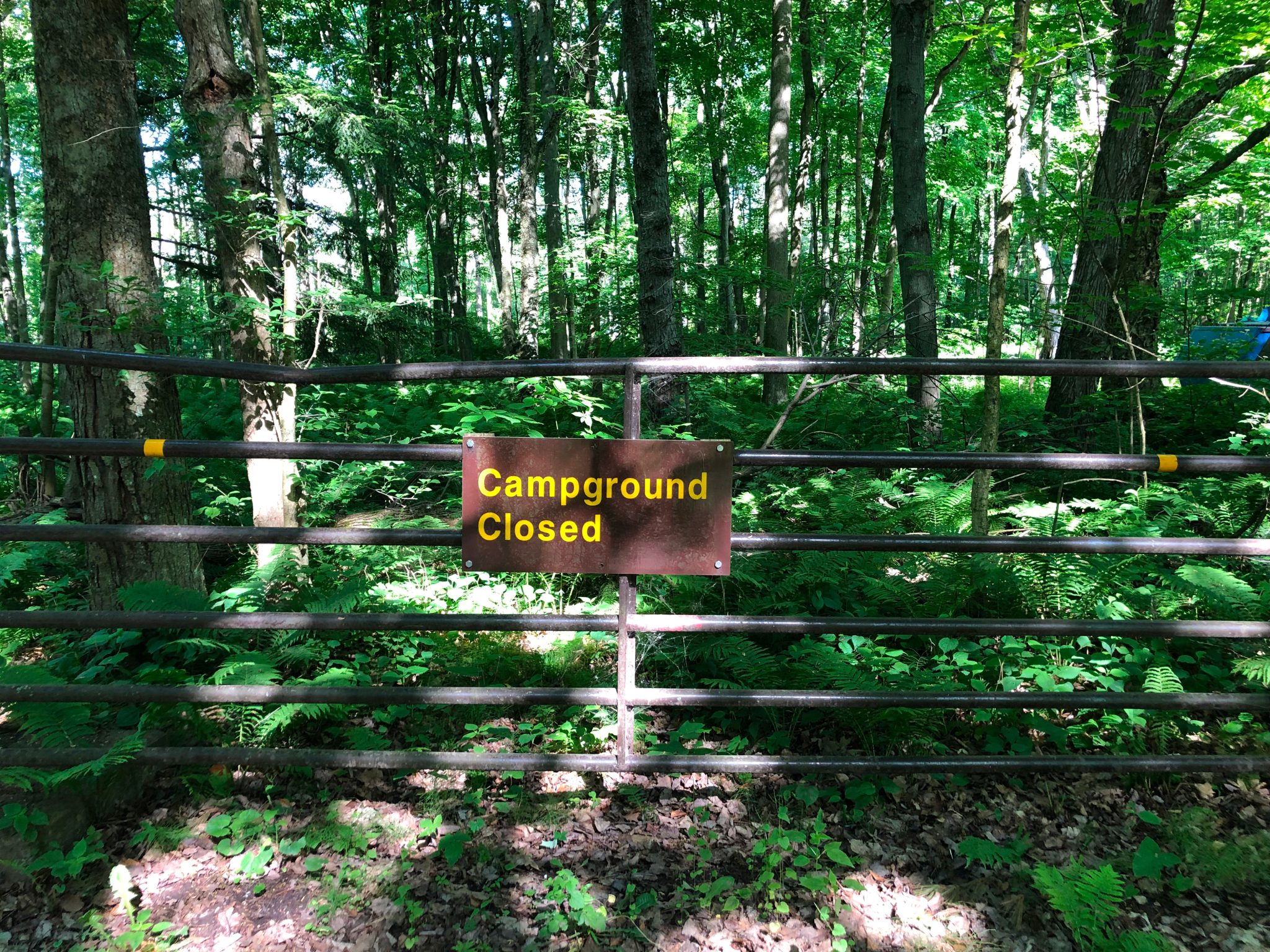
Sammie had just turned fourteen and was riding his bike around the campgrounds his dad patrolled as a ranger. The family lived in a state-owned residence provided as part of his father’s compensation package while he got assigned to the western part of the state. Life in the park was usually quiet, but earlier that year, a tragedy struck a different campground on the state’s eastern side.


Two families had been brutally murdered in their sleep, sending shockwaves across the state. In response, the state implemented new security measures at every campground. Entrance gates were locked, and everyone entering was logged by their driver’s license or other identification. Unsuspected patrols got scheduled, lighting around the parks flickered on and off without notice, and campers got direct communication links to the ranger’s headquarters. Additional officers were stationed along park perimeters at night, keeping a vigilant eye on the fencelines.

It was nearing 5 PM when Sammie pulled up in front of his home and started to get off his bike. A car horn suddenly blared from the gate entrance, catching his attention. Squinting, he saw a familiar figure waving from the vehicle.


“Sammie—it’s your Uncle Ned! Let me in; I need to see your dad and mom!”


Sammie quickly hopped back on his bike, racing to the gate. He pulled out his key ring, unlocked the gate, and swung it open with a grin.

“Wow! This is a pleasant surprise. It’s great to see you, Uncle Ned! I’ll lock the gate and meet you back at the house.”


Ned was accompanied by a man Sammie didn’t recognize, but there was no time to dwell on it. The car pulled through the gate, and Sammie secured it before pedaling back to the house. As he approached, his sister burst through the back door, tears streaming down her face.
Startled, Sammie tried to comfort her, but before he could, Uncle Ned stepped forward to hold her.

Confusion and fear knotted rolled in Sammie’s chest as he asked, –––

“What’s going on? Is it Grandma or Grandpa? Did one of them die?”


Uncle Ned’s voice was heavy. –––

“No, Sammie. It’s your Uncle Richard. He was killed this afternoon.”


Sammie stood frozen, his mind racing, but no words came. The weight of the news pressed down on him like a physical force. He stumbled into the living room, where his parents were. His father held his mother close, her body trembling with sobs. His dad turned to Sammie, his voice raw with grief. –––

“Your Uncle Ricky is dead. He got hit by a train in Oklahoma City. That’s all we know right now.”

The shock numbed Sammie. He recalled watching the afternoon news and seeing a report of a car struck by a train. The paramedics had been performing CPR on one of the occupants, and Sammie had thought the head looked familiar. But he had dismissed the thought—it couldn’t have been someone he knew.


As the reality of the situation sank in, Sammie told his family about the news broadcast. –––

“I think… I think I watched the last moments of Uncle Richard’s life on television. It might be on the ten o’clock news again.”


That night, the family sat together, waiting for the broadcast. Sure enough, the footage replayed, and there was no doubt—it was Uncle Richard. The sight left them in stunned silence, the grief fresh all over again.


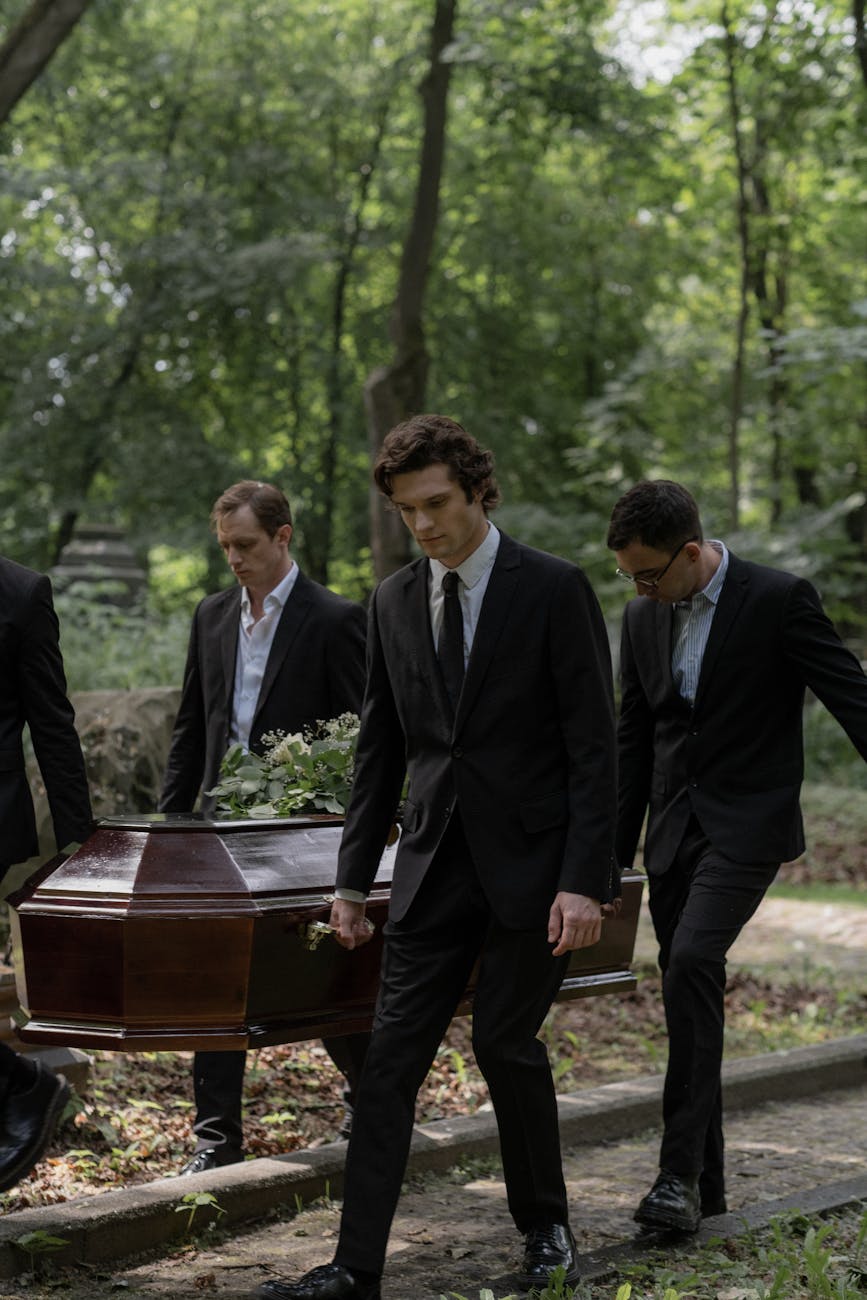
Days passed, and soon, it was time for the funeral. The family chose Sammie and five of his cousins to be pallbearers. The day was heavy with sorrow, and Sammie, feeling overwhelmed, approached his father. –––

“Dad, I don’t like going to funerals why do I have to go?”


His father’s response was gentle yet firm. –––

“Well, first, it’s the right thing to do: to show respect for another person’s life. As you age, you’ll realize that funerals are among the few times we come together as a family. They unite people who otherwise never see each other. You go to pay your respects and leave having been paid dearly for your time.”

‘Jiggers’ Journey

A Story By: Benjamin Groff© Groff Media 2024© Truth Endures

Jiggers, a scruffy little terrier mix, never thought he’d find himself alone on a dusty country road. He had always been a good dog, or so he thought, despite the odd quirks that seemed to annoy his last owner. Jiggers had a habit of wallowing in the grass until he was covered in bites from yard bugs, which made him scratch and twitch endlessly. His owner, frustrated by Jiggers’ seemingly strange behavior, finally decided he had enough. Without a second thought, he opened the car door, shoved Jiggers out, and drove away, leaving the confused dog staring after the disappearing taillights.

Jiggers stood there for a while, his ears drooping as he tried to understand what had just happened. The sun was high, and the heat made the road shimmer like a mirage. Jiggers looked around, his nose twitching as he sniffed the unfamiliar air. He didn’t know where to go but knew he couldn’t stay there. He needed to find shelter before nightfall.

Not too far ahead, Jiggers spotted a farm with a large red barn and a farmhouse nestled among fields of tall corn. His tail wagged with hope as he trotted toward the house, his paws kicking up small dust clouds. The farmhouse looked like a safe place; maybe someone there would be kind enough to give him food and a place to sleep.

As he approached the porch, a heavyset woman with an apron tied around her waist stepped out of the house. 

Jiggers wagged his tail even harder, hoping to win her with his best puppy-dog eyes. But the woman’s face twisted into a scowl before he could even reach the steps. She grabbed a pan of water on the porch and hurled it at him, the cold liquid splashing across his fur.

“Get out of here, you mangy mutt!” 

she shouted, her voice harsh and unforgiving.

The woman’s cruel act left Jiggers shaken and confused. He couldn’t understand why she was so mean. All he wanted was a little kindness, but it seemed that wasn’t something he would find at the farm. The injustice of it all was palpable.

With his spirits dampened, Jiggers kept moving, his legs growing tired as the day wore on. He followed the road, unsure where it would lead him but knowing he had to keep going. After what felt like hours, he heard the sounds of children laughing and playing. His ears perked up, and he quickened his pace, thinking the kids would be friendly.

Jiggers rounded a bend and saw a small group of children playing in a yard. They were throwing a ball back and forth, their laughter filling the air. Jiggers barked happily and ran toward them, hoping they would let him join the fun. But as soon as the children saw him, they screamed and scattered in all directions. A stern-looking man came out of a nearby building, waving his arms and shouting.

“Get out of here, dog! You’re not allowed on school grounds!”

he yelled.

Jiggers skidded to a halt, his tail tucking between his legs as he realized he wasn’t welcome there either. He didn’t understand what he had done wrong. He was trying to find a place where he could belong. But it seemed like everywhere he went, Jiggers got met with fear or anger.

The sun began to dip below the horizon, casting long shadows across the road. Jiggers was tired, hungry, and more than a little scared. He had been alone for five hours, and the world seemed much more significant and scarier than he had ever imagined. He remembered watching television with his last owner, seeing shows where animals were left out in the dark, facing all sorts of dangers. He didn’t want that to happen to him.

Jiggers kept walking, his paws sore from the rough pavement. He didn’t know where he would sleep, but Jiggers knew he needed to find somewhere safe. As the last rays of sunlight faded and the sky changed to purple, Jiggers spotted a small, abandoned shed at the edge of a field. It wasn’t much, but it was better than nothing.

He squeezed through a gap in the door and curled up on a patch of dry straw in the corner. The shed was old and smelled musty, but it was quiet and hidden from the world outside. Jiggers rested his head on his paws and closed his eyes, trying to push away the sadness in his chest. He didn’t know what tomorrow would bring, but for now, he was safe, and that was enough.

Jiggers may not have found a new home that day, but he hadn’t given up hope. He was being a dog, and sometimes, that was all he could do. 

As he was about to drift off to sleep, a farmer entered the shed for a tool and saw Jiggers. The farmer was kind, got down on one knee, and called to the tired and frightened pup. Saying, –––

“You will be quite the surprise for the Misses. She’s been mightly lonely since Beau passed away. It is like you just got handed to us. Can we call you Lucky?” 

And, just like that, Jigger’s tail began wagging, and his life changed; plus, he went from being named for what someone thought was weird about him to what someone thought was the best thing in him!

The farmer picked up Lucky, cuddled him in his arms and carried him to his truck and together they rode to a new home where his new life would be full of love and pampering.

As you read his story, remember that you can make a difference in the lives of abandoned animals. Your support and care can improve their stories.

Horace Thistle’s Clocks ––– Capturing A Family’s Most Precious Moments!

A Story By: Benjamin Groff© Groff Media 2024© Truth Endures

A unique and gifted clockmaker named Horace Thistle resided in the quaint town of Willowbrook, nestled amidst rolling hills and whispering pines. Horace’s talent surpassed the ordinary mechanics of time. His clocks were not mere timekeepers; they were enchanting devices that could capture and immortalize moments in a delicate dance of gears and hands.

Horace’s shop, Timeless Treasures, stood at the heart of the town square. Its windows were full of clocks, each more intricate than the last. People from all walks of life visited his shop, drawn by the promise of clocks that measured time in a way no other timepieces could.

“Good day, Mr. Thistle,” David greeted, eyes scanning the wondrous creations that lined the walls.
“Welcome, Thompsons,” Horace replied with a warm smile. “How may I assist you today?”

One crisp autumn day, the Thompson family, filled with anticipation, stepped into the shop. Sarah and David Thompson, accompanied by their two young children, Emily and Ben, had been intrigued by the rumors of Horace’s magical clocks. They had come to see if these whispers held any truth.

Sarah stepped forward, holding Emily’s hand. “We’ve heard that your clocks can mark special moments in our lives. Is that true?”

Horace’s eyes twinkled. “Indeed, it is. My clock’s design is to capture the essence of your family’s milestones. Each tick is a memory; each chimes a celebration.”

Intrigued and excited, the Thompsons made a decision that would forever change their lives. They chose to commission a clock from Horace. He asked them to share their most cherished moments, and as they spoke, he listened intently, his hands working with the precision of a maestro composing a symphony.

Over the next few weeks, Horace poured his heart and soul into crafting the Thompson family’s clock. He inscribed the day Sarah and David met on the clock face, their wedding day marked with a delicate engraving of intertwined rings. The birthdates of Emily and Ben are each adorned with tiny, twinkling stars.

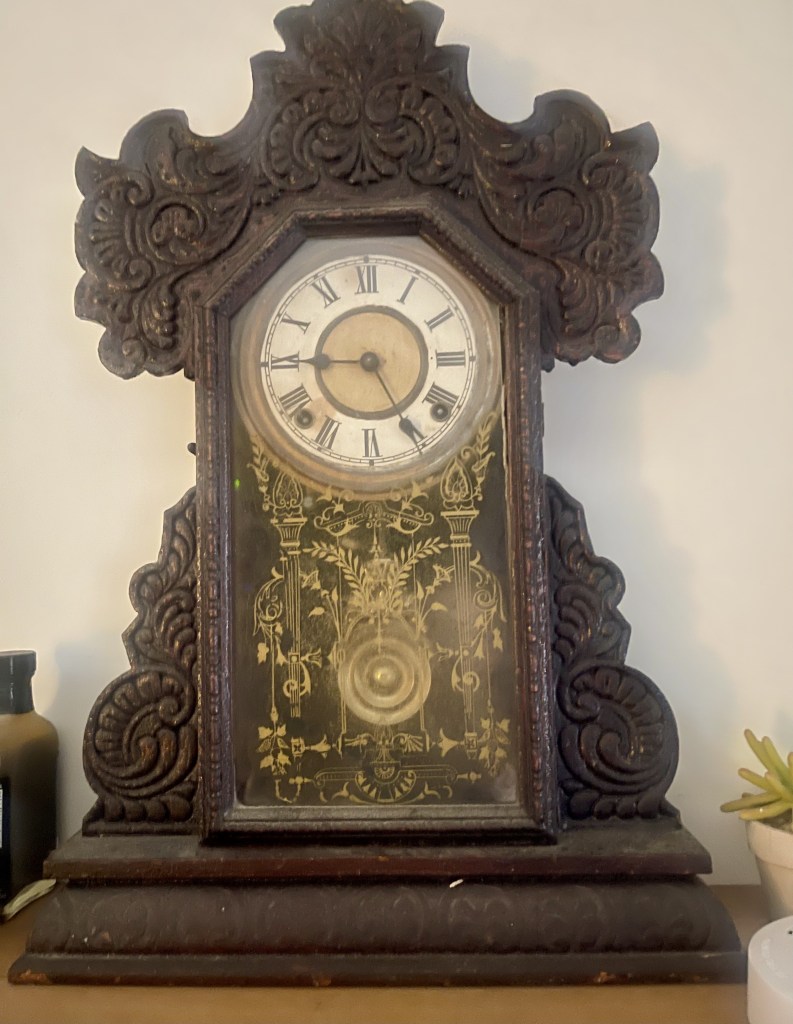
When the clock was finally ready, the Thompsons returned to the shop. Horace unveiled the masterpiece—a grand wooden clock with ornate carvings and delicate details. As the family gathered around, he wound the clock and set it in motion.

The clock’s hands began to move, but not steadily. Instead, they danced, slowing down during moments of joy and speeding up during excitement. Each tick resonated with the laughter of birthdays, the warmth of holidays, and the quiet comfort of everyday moments.

The Thompson family’s clock became a cherished heirloom as the years passed. It recorded Emily’s first steps, Ben’s school achievements, and countless family gatherings. Each time they look at it, they will remember the love and memories that had shaped their lives.

Word of Horace’s extraordinary clocks spread far and wide, and families from distant towns came to Willowbrook, seeking their own Timeless Treasures.

Horace welcomed them all, listening to their stories and weaving their memories into the fabric of time.

So, in the little town of Willowbrook, the clockmaker who could capture moments continued to craft his magical clocks, ensuring that no memory was ever lost to the relentless march of time.

The Night Everything Changed ~ Neighbors became inseparable Putting Aside Their Sexuality.

A Story By: Benjamin Groff© Groff Media 2024© Truth Endures

In the quiet town of Maplewood, where everyone knew each other’s business, Frank Henderson was known for his stern opinions and narrow views. A man set in his ways often muttered under his breath about the changing world, particularly about his new neighbor, Adam. Adam was young, openly gay, and unashamedly himself, much to Frank’s chagrin.

Frank had lived in Maplewood his whole life, where traditions ran deep. Frank’s meeting new people within the community gets resisted. He prided himself on his neat lawn, spotless car, and strict adherence to the values he had grown up with. He watched behind his curtains as Adam moved in, noting the rainbow flag that fluttered proudly from the porch. Frank scoffed, shaking his head. “Not in my neighborhood,” he muttered to himself.

Days turned into weeks, and Frank’s irritation only grew. He avoided Adam, never engaging in more than a curt nod if their paths crossed. He dismissed his wife, Martha, whenever she suggested they invite Adam over for dinner, insisting they didn’t need to associate with “those kinds of people.”

But everything changed one fateful night.

It was a typical summer evening when the sound of shattering glass pierced the stillness. Frank bolted upright from his recliner, his heart racing. He rushed to the window and saw flames licking the side of his garage. His car! Panic surged as he stumbled outside, yelling for Martha to call 911.

A voice called out from the darkness as he struggled with the garden hose, trying in vain to douse the growing flames. “Frank! Frank, let me help!” It was Adam, running toward him with a fire extinguisher in hand.

For a moment, Frank hesitated, pride and prejudice warring within him. But as the fire roared louder, he swallowed his pride. “Alright, over here!” he shouted, pointing to the source of the fire.

Together, they fought the flames, Adam’s quick thinking and calm demeanor providing the guidance Frank desperately needed. Within minutes, the fire was under control, and the garage and car were saved from destruction. As the fire trucks pulled up, Frank found himself leaning against the charred wall, breathing heavily.

“Thank you,” he said, turning to Adam. The words felt foreign on his tongue, but he meant them. “I… I don’t know what I would have done without you.”

“Thank you,” he said, turning to Adam. The words felt foreign on his tongue, but he meant them. “I… I don’t know what I would have done without you.”

Adam smiled, brushing ash from his hands.

“No problem, Frank. I’m just glad I can help.”

In the days that followed, Frank found himself reevaluating his views. He watched as Adam continued to go about his life, kind and friendly to everyone he met. Frank began to notice the little things—how Adam helped Mrs. Johnson with her groceries or how he always waved to the children playing in the street.

As the sun dipped below the horizon one evening, Frank made his way next door. He knocked hesitantly, feeling out of place. Adam opened the door, surprise flickering across his face.

“Frank, hi! What can I do for you?”

Frank shifted uncomfortably.

“I wanted to say thanks again for the other night. And ––– I was wondering if you’d like to come over for dinner. Martha makes a mean pot roast.”

Adam’s smile widened.

“I’d love to. Thank you, Frank.”

Over pot roast and mashed potatoes, a tentative friendship began forming that night. They talked about everything—life, love, and the struggles each had faced. Frank truly listened, and for the first time, he saw Adam as more than just his gay neighbor. He saw him as a person, someone who had shown him kindness when he needed it most.

As the months passed, Frank’s views continued to soften. He began to understand that love and kindness knew no boundaries and that people were more than the labels society placed on them. He found himself defending Adam when others in the town gossiped, challenging the bigotry he once held so dear.

In the end, it was a simple act of bravery and compassion that changed Frank’s heart. He learned that neighbors were more than just the people who lived next door; they were the ones who stood by you in times of need and who showed you the power of acceptance and love. And in that quiet town of Maplewood, Frank Henderson became a testament to the idea that it’s never too late to change, grow, and embrace the world with an open heart.

The ENDING – Monday Morning Was A Killer For One Neighborhood – Ding Dong

A Story By Benjamin Groff© Groff Media2024© Truth Endures

It was a Monday morning, and everyone was starting their week. Neighbors were running about getting to their cars to hit the road and begin to work. John and Mary Wagner were still at home. Both had stayed in their vehicles since arriving home for the weekend, but no one noticed. It wasn’t unusual. They were known for locking their doors on weekends and never leaving the house, so staying home all weekend didn’t signal any concerns.

However, on Monday morning, John was usually the first to leave. He was out of the house and on the road by 6:00 AM to beat rush hour traffic, and Mary would leave by 7:00 AM with their two children, Max and Terri. So what was happening that day? The neighbor two doors down was a lady named Alice Morgan. She watched the neighborhood, curious about the Wagners’ home. 

Why aren’t they moving about this Monday? She asked herself

As the neighborhood drivers leaving for work thinned out, Alice meandered to the Wagners. Walking to the front door, she peered through the front bay window and saw no one inside. She went on up to the door and rang the bell, 

DING DONG, BING, BING, DING, DING, BONG

Alice thought to herself, what a weird doorbell ring. She rang it again to listen to the rhythm,

DING, DONG, BING, BING, DING, DING, BONG

No one came to the door. Curious about the cars remaining in the drive, Alice went to look inside them to see if there was anything strange about them.

Walking under an A-Frame carport, she saw two people in each car. She went up to the first vehicle, a 2017 Ford Pickup, and started to knock on the window before seeing that John Wagner appeared to be stone dead sitting behind its driver’s wheel. He had what looked like a gunshot to his forehead, and a trail of dried blood ran down his head to his chest. Startled, she ran over to Mary’s vehicle to find that Mary also appeared to have been shot in the same manner. The two kids lay dead in the back seat of Mary’s car, a blue 2020 Volvo XC60. Seeing this, Alice began screaming bloody murder and ran down the street, screaming louder and louder as she went toward her home. 

Once inside her home, Alice called 911 and told the operator that she had just found four dead people at her neighbor’s house, and she thought someone murdered four people. The 911 operator asked why she felt someone murdered the four people, and she said they had all had a single gunshot to the forehead and laid over in a car at their home.

Within two minutes, the City of Appleton Police Department had police officers on the scene. Alice Morgan was in the middle of the crime scene, pointing to the dead bodies and explaining the ding-dong doorbell to police officers. They asked her to sit in a patrol unit so they could get a statement from her in writing and a recording of her saying how and what she had discovered. They put her in the back of a patrol unit while she was still talking non-stop, closed the door, and walked away.

Burt Johnson was the lead detective assigned to investigate what had happened to the family. 

A seasoned detective with a knack for piecing together even the most cryptic of puzzles, Burt Johnson arrived on the scene shortly after the first responders. He assessed the surroundings with a practiced eye, noting the position of the vehicles, the broken glass, and the eerie stillness that hung over the Wagner household.

The forensics team was already at work, taking samples and photographing the scene. Burt walked over to the patrol unit where Alice Morgan sat, her face pale and her hands trembling. He opened the door and crouched down to her level.

“Alice, I’m Detective Johnson. Can you walk me through what you saw this morning?”

Alice took a deep breath and recounted her morning, the odd stillness, the peculiar doorbell chime, and the horrifying discovery of the bodies. Burt listened intently, nodding occasionally.

“Thank you, Alice. You’ve been accommodating,” he said, gently patting her hand. “We’ll get someone to take you home soon. For now, try to relax.”

Burt then moved to the vehicles, examining the positions of the bodies. The gunshot wounds were precise, execution-style. These shootings were not random acts of violence; someone put planning into carrying them out. He noted the positions of the vehicles, the lack of struggle, and the fact that the shooter targeted both parents and children.

A uniformed officer approached Burt. “Detective, we found something in the mailbox. It’s an envelope addressed to you.”

Burt’s eyebrows shot up. He took the envelope, carefully opened it, and pulled out a letter. The handwriting was neat, almost meticulous.

“Detective Johnson, You’re getting warmer. This family was just the beginning. Find me before I find my next target.

  • “The Avenger”

Burt felt a chill run down his spine. The Avenger was a name he was all too familiar with – a shadowy figure who had been linked to several high-profile murders, always leaving behind cryptic notes and taunting the police.

Back at the precinct, Burt convened his team. They pored over the evidence, looking for clues that might lead them to the Avenger. The forensic team reported that no fingerprints or DNA were left behind, but they had found traces of a rare chemical compound used in industrial cleaning agents.

Burt’s mind raced. He remembered a case from years ago involving a disgruntled former employee of an industrial cleaning company. The man, Thomas Greene, had a history of mental instability and a vendetta against those he felt had wronged him. Could Thomas be the Avenger?

With a possible suspect in mind, Burt and his team delved into Thomas Greene’s past, uncovering a pattern of behavior that matched the Avenger’s MO. They also discovered that Thomas recently had been in Appleton.

A breakthrough came when a witness reported seeing a man matching Thomas’s description near the Wagner’s home on Sunday night. Burt mobilized his team, and they tracked Thomas’s movements through security footage and witness statements.

Their efforts paid off. They found Thomas hiding in an abandoned warehouse on the outskirts of town. Burt and his team moved in and apprehended him without incident.

Back at the precinct, under intense interrogation, Thomas eventually broke down. He confessed to the murders, revealing that he had been following the Wagner family for weeks, meticulously planning their deaths. He saw himself as an avenger, righting perceived wrongs with his twisted sense of justice.

The Appleton community breathed a sigh of relief as news of Thomas Greene’s arrest spread. Burt, exhausted but relieved, knew there would be more work to ensure Thomas was prosecuted and put away for good. But for now, he could take comfort in justice being served for the Wagner family.

Still shaken but grateful, Alice Morgan found solace in knowing that her vigilance had played a crucial role in solving the case. The neighborhood, once again, felt safe.

And as Burt Johnson left the precinct that night, he couldn’t help but think about the families still haunted by the Avenger’s previous crimes. He promised to continue his pursuit of justice, no matter where it led him.

Riding For Their Lives, Two Cowboys Find One Another On The Way Home

A Story By Benjamin Groff© Groff Media2024©. Truth Endures

In the rugged expanse of the 1870s, the badlands of old Mexico were no place for the faint of heart. The sun beat down relentlessly on the arid landscape, casting long shadows as two figures galloped toward the distant border of the United States. Dust rose in their wake, marking their desperate flight from a fate they did not deserve.


Thomas “Tommy” Bellamy and Javier “Javi” Morales were not hardened outlaws, but the cards got dealt against them. In a dimly lit cantina, they had accused two desperados of cheating at poker—a claim that sparked a barfight and ended in gunfire. The local sheriff, a man of questionable integrity, saw an opportunity to pin the shootout on Tommy and Javi, branding them as evil men. With the threat of hard labor or the horrors of Mexican prisons looming, their only hope lay in reaching the safety of the U.S. border.
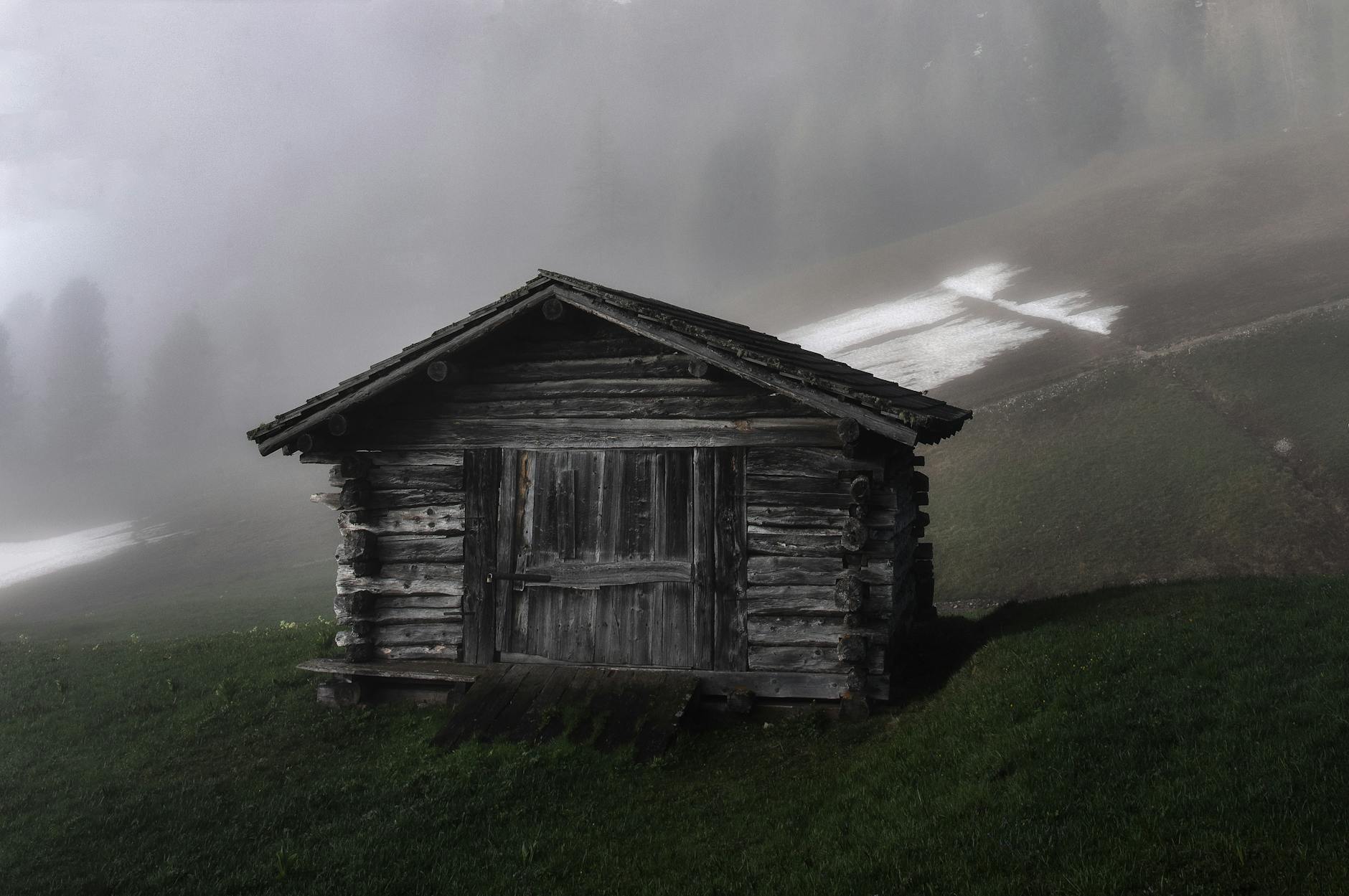


The journey was fraught with challenges. The badlands were an unforgiving terrain with little water and less mercy. Their horses, Midnight and Sol, were their only companions in the vast, empty wilderness. Days blended into nights as they pushed on, driven by the fear of capture and the promise of freedom.


As the miles stretched on, so did Tommy and Javi’s bond. In the quiet moments between the relentless pursuit, they found solace in each other’s company. Around the campfire, under a canopy of stars, they shared stories of their pasts—Tommy, the son of a Tennessee farmer, and Javi, the orphaned child of a Mexican peasant. Their differences faded in the face of their shared struggle, and a deep, unspoken connection began to blossom.


One night, as the embers of their fire glowed softly, Tommy glanced over at Javi. The flickering light cast shadows across Javi’s face, highlighting the weariness and determination etched into his features. Tommy felt a pang of emotion he could not quite place—a mix of admiration, respect, and more.


“Javi,” Tommy began hesitantly, “I don’t know what I’d do without you out here.”
Javi looked up, his dark eyes reflecting the flames. “We’re in this together, Tommy. Always have been, always will be.”


Their eyes locked, and the world around them seemed to fade away at that moment. Tommy reached out, his hand trembling slightly, and Javi met his touch with a quiet intensity. It was a tentative gesture, a bridge between fear and hope, and it spoke volumes more than words ever could.


As the days turned into weeks, their bond grew more pungent, transcending the physical hardships they faced. They encountered hostile landscapes, battled exhaustion, and evaded pursuers while drawing strength from each other. In a land where trust was scarce and betrayal familiar, they had found something rare and precious—unwavering loyalty and love.
One evening, as they neared the border, they found a small, abandoned shack. Exhausted and hungry, they decided to take shelter for the night. Inside, the air was cool, and the silence was broken only by the distant howls of coyotes. They sat close, their shoulders touching, as they shared a meager meal.


“Tommy,” Javi said softly, “do you ever think about what we’ll do once we cross the border?”
Tommy nodded, his gaze fixed on the horizon. “Yeah, I do. We’ll find a place to start fresh. Somewhere we can be free.”


Javi smiled, a rare sight that lit up his face. “As long as we’re together, we’ll make it.”
The border was within reach, but the journey was far from over. The two men knew the dangers that awaited them on the other side, but they faced them with a newfound determination. They were not just running from a past they did not deserve but running toward a future they could build together.


As dawn broke, they saddled their horses and got ready for the final leg of their ride. Tommy glanced at Javi, his heart swelling with pride and affection. They were outlaws by circumstance, but they had found something true and pure in each other.


With a shared nod, they spurred their horses forward, leaving behind the badlands of old Mexico and riding toward the promise of a new life. Their path was uncertain, but their bond was unbreakable, forged in the fires of adversity and tempered by the strength of their love.