by Benjamin Groff II – this is a fictional story. It was created by the space in my head. In this space, various ideas loom when I read news articles. This makes them more enjoyable.
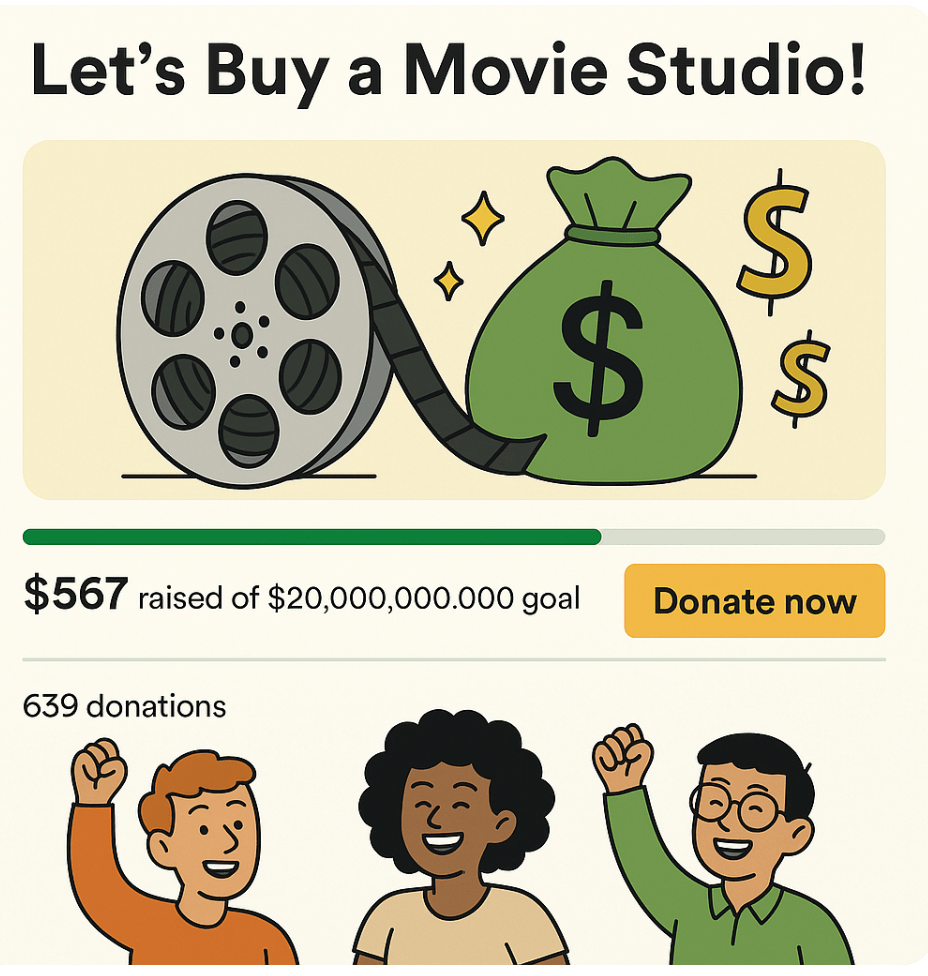
A GOFUNDME to buy Warner Brothers?
It started as a joke. It was one of those offhand remarks tossed out online. You’ve had just enough coffee and cable-news frustration to believe you do better than a billion-dollar studio.
“Why don’t we just buy Warner Bros.?” I said. “We’ll start a GoFundMe.”
Within minutes, the idea took on a life of its own. A few shares, a few memes, and by nightfall, the campaign had raised $437.17 — most of it from people who thought they were donating to rescue Bugs Bunny.
Of course, the real Warner Bros. — now a corporate hydra known as Warner Bros. Discovery — is valued somewhere north of $20 billion, give or take a Batman sequel. That means we’d need approximately 500 million people donating $40 each to make an offer. A few folks online said that it was doable “if we all skipped Starbucks for a month.”
I’m not saying I was confident, but I did start designing logos: “People’s Pictures Presents…” and “A Groff–Swint Production.” I figured we’d restore Saturday morning cartoons. We would bring back The Bugs Bunny/Road Runner Show. We should stop rebooting the same superhero franchise every six months.
Within days, the comments on the GoFundMe page turned into a movement. Someone pledged $10 and demanded we greenlight Smokey and the Bandit 2: The Electric Pontiac. Another offered $25 “if y’all promise to fire whoever keeps canceling good shows after one season.”
The campaign hit $3,000. Then I got my first call from a lawyer. Apparently, corporate takeovers by crowdfunding are “not standard procedure.” I told him, “Neither is releasing Space Jam 2, but that didn’t stop you.”
Before long, our story went viral. CNN called it “the most optimistic hostile takeover in entertainment history.” One late-night host joked that Americans had finally united. They did not unite to choose a president. Instead, they united to save Looney Tunes.
We never got close to $20 billion. We didn’t even reach the amount needed for one Warner Bros. parking pass. But something magical happened. Fans from around the world flooded the comments. They shared memories of Saturday morning cereal and cartoons that made them laugh before school. For a moment, it wasn’t about money. It was about taking back a piece of joy that corporations can’t own.
So no, we didn’t buy Warner Bros. But in a way, we did something better. We reminded the world who really owns the stories. They are owned by the people who remember them.
As for me, I left the GoFundMe page up. In case Elon or Oprah feels nostalgic.
Still I have a question. If Fans Owned Hollywood — What Would Change First?
Long ago, in a village nestled between mountains and rivers, the people lived simple lives. They farmed, fished, and told stories by firelight. The outside world was a distant rumor; progress had passed them by like a river running around a stone.
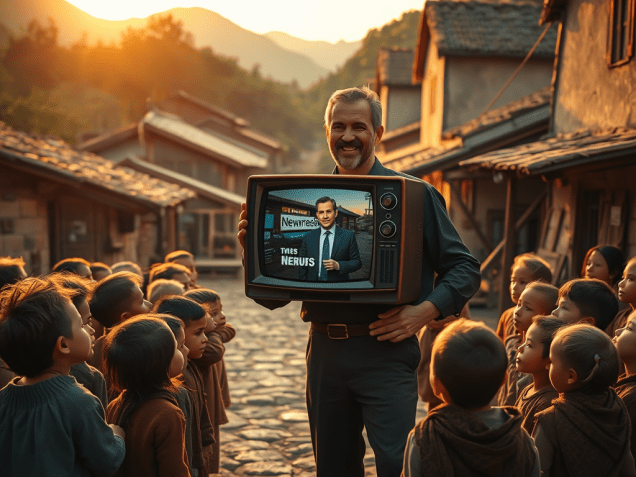
One day, a man arrived carrying a strange box. He called it a television. The villagers had never heard such a word. When he told them it would show pictures that talked, they laughed and shook their heads. “You are a fool,” they said. “Only dreams speak, not boxes.”
But the man was prepared. He produced a car battery and some wires. With a flicker of static, light and sound filled the screen. A newsreader from a city hundreds of miles away appeared, his voice echoing across the quiet square. The villagers gasped. They fell to their knees. They did not see a machine—they saw a miracle. To them, this man had called forth visions from the air. He was no salesman. He was a god.
They showered him with gifts: food, gold, comforts he had never imagined. Women sang songs to him, elders bowed in reverence, and children followed him as though he were a prophet. The man, intoxicated by their devotion, stopped trying to sell televisions. Why would he? To share the secret would be to share his power. Instead, he worked to suppress progress, warning of curses should other machines arrive. If anyone else brought innovation to the village, his godhood would vanish.
But gods made of flesh will not stand forever. One day, another traveler arrived, carrying a radio. The villagers gathered again. They looked at the newcomer in awe. Their awe was just like when they revered their god of the television. Voices once poured from the box without wires or pictures. In that instant, the spell broke. The villagers realized the man was no deity, only a trickster who had hoarded knowledge.
The gifts stopped. The songs ended. He was left alone with his machine, just another man in a world where progress is not be-dammed forever.
Moral
Power built on ignorance never lasts. Sooner or later, truth finds a way to flicker into the light.
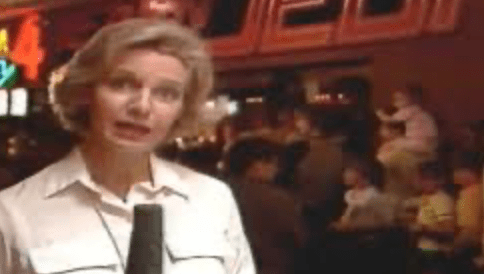
I came across this news report and was genuinely impressed by its craftsmanship. The reporter doesn’t just tell the story. They show it. They use actuality reporting and a wraparound technique that gives the piece depth and authenticity. It’s the type of journalism that doesn’t just inform—it immerses you. This level of storytelling should be seen and appreciated by more people.
Lola Hall: Oklahoma’s Weather Girl Who Became a Legend
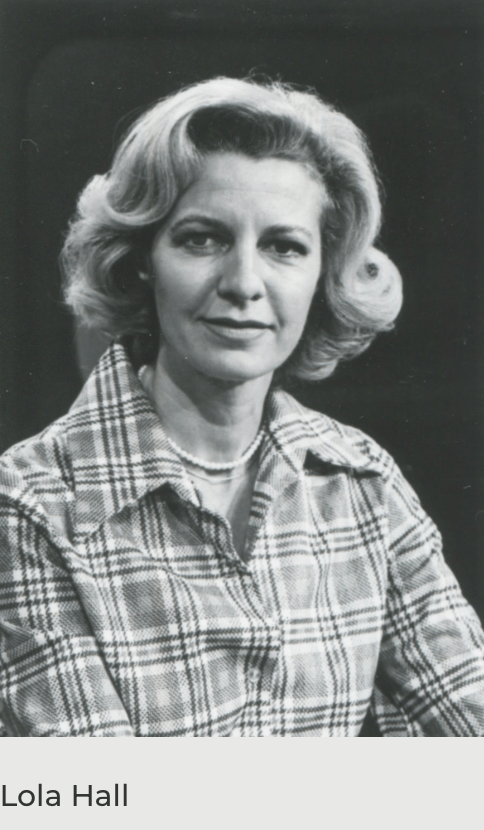
In the heart of America, television was becoming the central storyteller of the modern household. During this time, one woman in Oklahoma City quietly became a beloved figure. She was cherished across living rooms, farms, and small-town diners alike. Her name was Lola Hall, the poised and personable weather girl for KWTV Channel 9. Through the 1960s and 1970s, Lola transitioned from forecasting the weather. She began anchoring the morning news. She carved out a legacy of warmth, professionalism, and unexpected celebrity.
A Humble Start on Channel 9
Lola Hall wasn’t born into the limelight. She was raised in Oklahoma. She considered herself an ordinary woman. “I’m just a plain girl with a good work ethic,” she once said. She never imagined she would become a fixture in households across the state. She also didn’t foresee that her name would one day be immortalized in a hit country song.
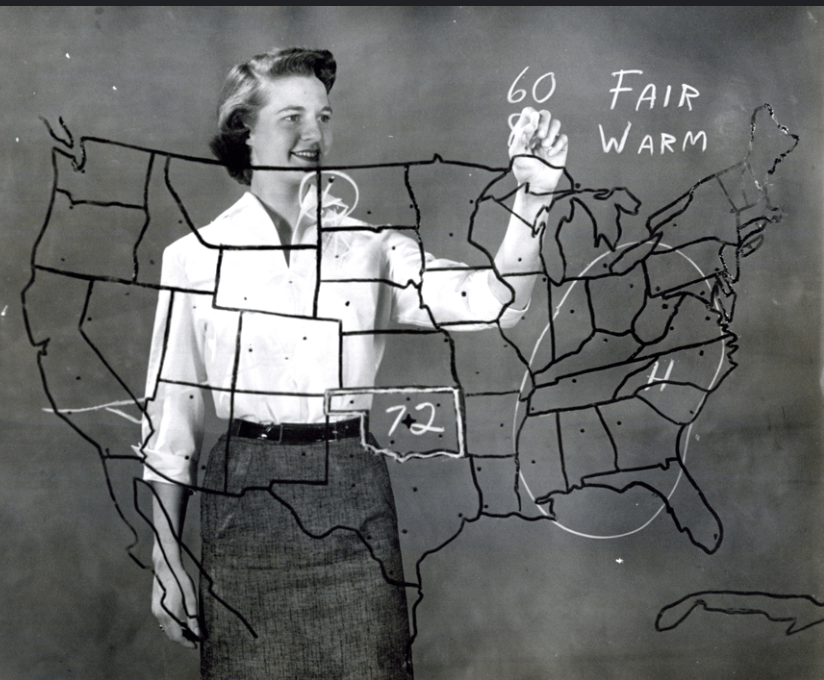
She started at KWTV in the early 1960s. Television was still finding its footing then. Local personalities were becoming stars in their own right. Initially billed as a “weather girl,” a common term at the time, Lola did more. She did more than point at cloud symbols and smile at the camera. She brought a genuine understanding of weather patterns. Her calm demeanor during storms was notable. She had a natural charisma that made viewers trust her.
The Weather Girl also known as the Weather Lady, and Lola Hall
Lola quickly stood out not only for her delivery but for her grounded, approachable nature. She didn’t talk down to viewers or play a character. She was simply Lola — smart, steady, and relatable.
Rising to Anchor the Morning News
As her popularity grew, so did her responsibilities. By the early 1970s, Lola earned a promotion to co-anchor the morning news. This was a significant achievement for a woman in broadcasting. In that early morning slot, she became the face viewers saw as they sipped coffee. People watched her while packing school lunches. They prepared for long days on the farm or at work.
Her calm voice and natural empathy helped set the tone for the day. But it wasn’t a solo act.
Near the end of her career, she welcomed two of Oklahoma’s most trusted newsmen. Bill Haire and Wayne Lyle joined her on the morning show. Both were widely respected for their skill in agricultural reporting — essential content for Oklahoma’s large farming population. The trio became a necessary part of daily life for rural viewers. Farmers tuned in for weather and headlines. They also relied on Bill and Wayne for dependable reports on crop forecasts. Their reports covered market conditions and farming trends.
Lola, Bill, and Wayne worked together to form an Oklahoma morning news trifecta. They delivered information with clarity, sincerity, and a deep respect for their audience. They weren’t just broadcasters; they were neighbors.
A Country Music Cameo
But, Lola’s story wouldn’t be finished without an interesting twist. One of her career’s most surprising moments was an unexpected brush with country music fame.
Lola Hall, KWTV Channel 9′s beloved weather girl and morning news anchor, pictured during a 1970s broadcast. Her calm presence and signature charm made her a household name across Oklahoma.
During an interview with country star Mickey Gilley, Lola found herself momentarily flustered. Gilley, known for chart-topping hits and honky-tonk swagger, was in Oklahoma City promoting his music when he confessed on air.
He told Lola that back in his younger days, he grew up in rural east Texas. KWTV Channel 9 was one of the few stations they could pick up. And Lola Hall, with her grace and good looks, was a celebrity to the local boys.
“You were the hottest thing we’d ever seen,”
Gilley smiled, adding that Lola had made such an impression that he mentioned her by name in his song.
“The Girls All Get Prettier at Closing Time.”
For a brief moment, Lola lost her composure — laughing, blushing, and turning to the crew off-camera. It was a rare crack in her usually calm exterior, and viewers loved it. She quickly recovered, continuing the interview with her usual charm, but later admitted she was shocked.
“I thought I was just the girl telling them to grab an umbrella,”
She joked.
A Lasting Legacy
Lola Hall stepped away from the news desk eventually. She left behind a legacy built not on flash or fame. Instead, it was built on trust, relatability, and professionalism. During an era when women in broadcasting often had to work twice as hard, Lola rose through the ranks. Her long-lasting connection with viewers stood as a quiet revolution.
She may never have considered herself glamorous. She may not have thought of herself as remarkable. But, to thousands of Oklahomans—and at least one country legend—she was both.
You know it each time you hear the song and Gilley sings the line,
“I know Robert Redford even Lola Hall!”
Lola Hall wasn’t just the weather girl. She was part of the fabric of Oklahoma life. Her name, her voice, and her smile are still remembered by those who welcomed her into their homes each morning.
To truly dive into the story of Lola Hall and other trailblazing women of the 1950s and ’60s, prepare yourself. They were often known then as “weather girls.” Grab your favorite refreshment and settle in. This captivating podcast offers a rich glimpse into their rise to popularity. Back in the day, we just called it a recording—but whatever the name, you’re in for something special.
Earning the Badge: How Jack Webb Won the Respect of the L.A.P.D.
Gaining the gratitude of the Los Angeles Police Department is no small accomplishment, especially for a television creator. Yet, after nearly two decades of portraying law enforcement with integrity and realism, Jack Webb did just that.
Best known as the mind behind groundbreaking crime dramas Dragnet and Adam-12. Webb distinguished himself from other producers and directors. He excelled in an industry often criticized for sensationalism.
Rather than relying on over-the-top drama to capture ratings, he took a different approach: authenticity. Webb regularly consulted real-life officers, ensuring his shows reflected the true spirit and procedures of police work.
That commitment to realism earned him more than high ratings—it won him the deep admiration of the L.A.P.D. itself.
In 1968, the department honored Webb with a unique and heartfelt gesture. They presented him with the original Badge 714, famously worn by Sgt. Joe Friday in Dragnet. It was a symbolic gift that carried the full weight of the department’s appreciation.
“This is only a small token of our appreciation to you, Jack, and for all the things you have done for our department dating back to when Dragnet first went on the radio in 1949,”
Said then-L.A.P.D. Chief Thomas Reddin during the presentation.
“This badge has never been issued to anyone else; the entire force feels it belongs to you.”
The moment left Webb deeply moved.
“For one of the very few times in my life,” he said, “I’m at a loss for words. I can’t express my feelings.”
According to The Cumberland News, the L.A.P.D. viewed the gift as more than just a gesture of thanks. It was also a tribute to Webb’s enduring impact on the public image of police officers. This image is not defined by glamour or exaggeration. Instead, it is characterized by honesty and respect.
Reruns of the Dragnet Show can still be watched on television channels like MeTV.
Staying up late on a Saturday night was a rare privilege. My parents were strict about bedtime but sometimes let me stretch the rules on weekends. That night, I curled up on the living room carpet, my chin propped up on my hands. I stared wide-eyed at the glow of our old television. The movie was Bonnie and Clyde, and it was my first time seeing Gene Hackman.
Left – Gene Hackman as Buck Barrow. Right – Warren Beatty as Clyde.
He portrayed Buck Barrow, Clyde’s older brother—loud, reckless, and desperate. His movements and voice, cracked with both joy and fear, captivated me. He wasn’t just a character. He was a man caught between love and loyalty. He wavered between the thrill of rebellion and the weight of consequence. Despite the inevitable doom of the Barrow gang, Buck was more than a criminal. He was a flawed person yet strangely likable.
The film stuck with me. It made me wonder where the line between right and wrong sits. Was it drawn in law books or people’s choices when they had no good options? I didn’t have answers, but I knew I wanted to understand.
Right – Nathan Lane. Left – Gene Hackman
Years later, another late-night movie changed something in me. This time, I was older—long out of high school, I think—and the film was The Birdcage. The movie is a comedy about a gay couple who pretend to be straight for a conservative family. It challenged societal norms and expectations. I hadn’t planned to watch it but was hooked when I saw Robin Williams and Nathan Lane.
And then there he was again. Gene Hackman appeared this time as a conservative senator. He was trapped in the most absurd, hilarious, and strangely heartfelt situation.
I watched him stumble through a world he didn’t understand, forced to confront something outside his comfort zone. His discomfort was funny. Beneath it, there was something tangible. He clung to the rules he’d built his life around. He struggled with the idea that maybe, just maybe, he was wrong.
By the time the credits rolled, a profound shift had occurred within me. Bonnie and Clyde sparked my curiosity about the limits of the law—who writes the rules, follows them, and breaks them? The Birdcage had prompted a more personal question. It asked who I was and whether I dared live outside the expectations of others. These films, through the characters portrayed by Gene Hackman, ignited a journey of self-discovery and reflection.
In those movies, Gene Hackman embodied two distinct characters. Buck Barrow laughed in the face of fate, and Senator Keeley was trapped in his rigid beliefs. Yet, in both roles, he was undeniably human—flawed, confused, and trying. His characters were not just roles but mirrors reflecting the complexities of the human condition.
For many, the good times meant youth spent without barriers. Kids rode bicycles freely around town or through the countryside. They explored wherever curiosity led. They just had to be home before dark or by 10 p.m. It was when running to a friend’s house, unannounced was safe. It felt just as natural for them to show up at yours. We all cherish that time of freedom and spontaneity.
Your version of the good times began when you got first place as a young adult. You also got hooked up to cable television. Gone were the days of only three channels. Now, there were forty or more. Channels like MTV, HBO, and SHOWTIME offered endless entertainment. Some kept their televisions locked on MTV 24/7, not wanting to miss the latest music video premiere. The phrase “I want my MTV” wasn’t just a slogan; it was a way of life.
Icons like Downtown Julie Brown, Max Headroom, Randy of the Redwoods, and JJ Jackson became daily companions. They guided audiences through interviews and music video countdowns. These shows entertained us and shaped our memories, creating connection and nostalgia.
Yet, while MTV rocked for many, others fondly recall Saturday mornings. They spent time with classic cartoon characters. They watched Bugs Bunny, Elmer Fudd, Daffy Duck, and Yosemite Sam. Or they enjoyed Speedy Gonzales, the Flintstones, or the Jetsons. These beloved characters live on today, often appearing in rebranded forms and often in commercials that spark nostalgia.
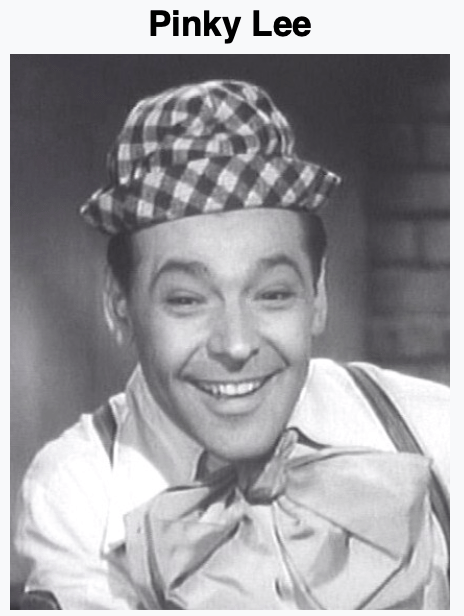
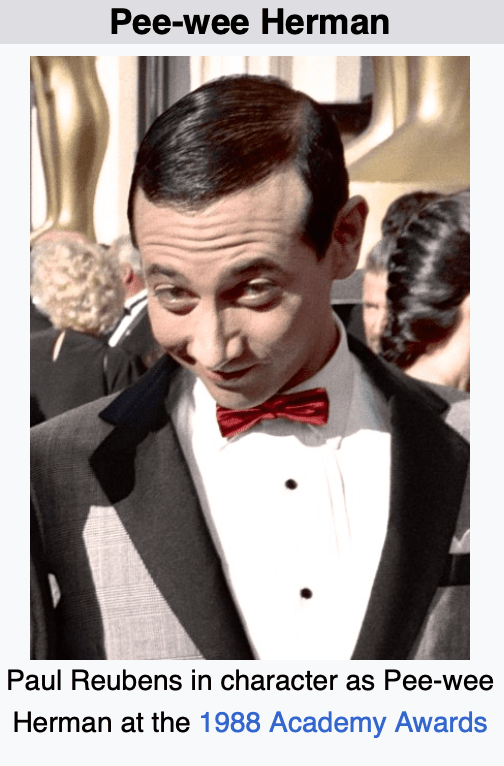
For earlier and later generations, laughter came from entertainers like Pinky Lee or Pee-wee Herman. In the 1950s, Pinky Lee brought his lively antics to television. He appeared first in a primetime variety show. Later, he starred in a children’s program sponsored by Tootsie Roll. His Emmy-nominated show paved the way for future quirky entertainers. Pee-wee Herman was one of them. His distinctive gray Glen plaid suit, red bow tie, and eccentric persona owed much to Lee’s energetic style.
Beyond television, the good times existed in life’s simple pleasures. One was the crackle of a baseball game on the radio during a warm summer evening. Another was the scent of fresh popcorn at a drive-in theater. The excitement of getting that first car was thrilling. Sheer will and a little duct tape held it together.
For some, the best times were spent playing Pac-Man and Donkey Kong in arcade halls. They also glided across the roller rink beneath spinning disco lights. Others made mixtapes from the radio. They hoped the DJ wouldn’t talk over the intro of a favorite song. Others remember cruising on a Saturday night, windows down, music blasting, with no destination—just the pure joy of freedom. The good times were about more than the entertainment we consumed. They were about the people we shared them with. Families gathered around holiday meals. Friends packed into a car for a spur-of-the-moment road trip. Conversations under a star-filled sky became treasured late-night memories.
Each generation has its version of the good times. These moments shape us and leave lasting impressions. They bring smiles long after they’ve passed. No matter what era you look back on, one thing is sure. The good times do not last forever. But they always roll on in our hearts. They create a sense of continuity and belonging.
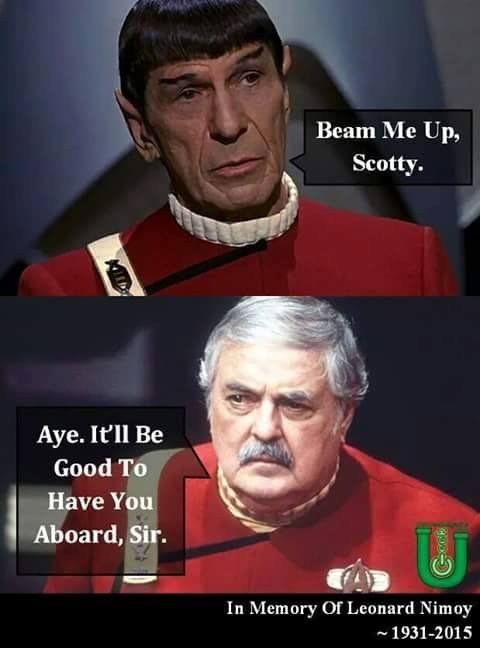
In the storied annals of the Star Trek universe, what began as a television series in the 1960s blossomed into a cultural phenomenon, giving birth to a vision of a harmonious future that fans continue to embrace. Behind the scenes, however, the camaraderie portrayed on screen did not always extend to real life. The tensions between certain cast members, notably William Shatner (Captain Kirk) and George Takei (Hikaru Sulu), became a topic of public interest, casting a shadow over the show’s legacy.
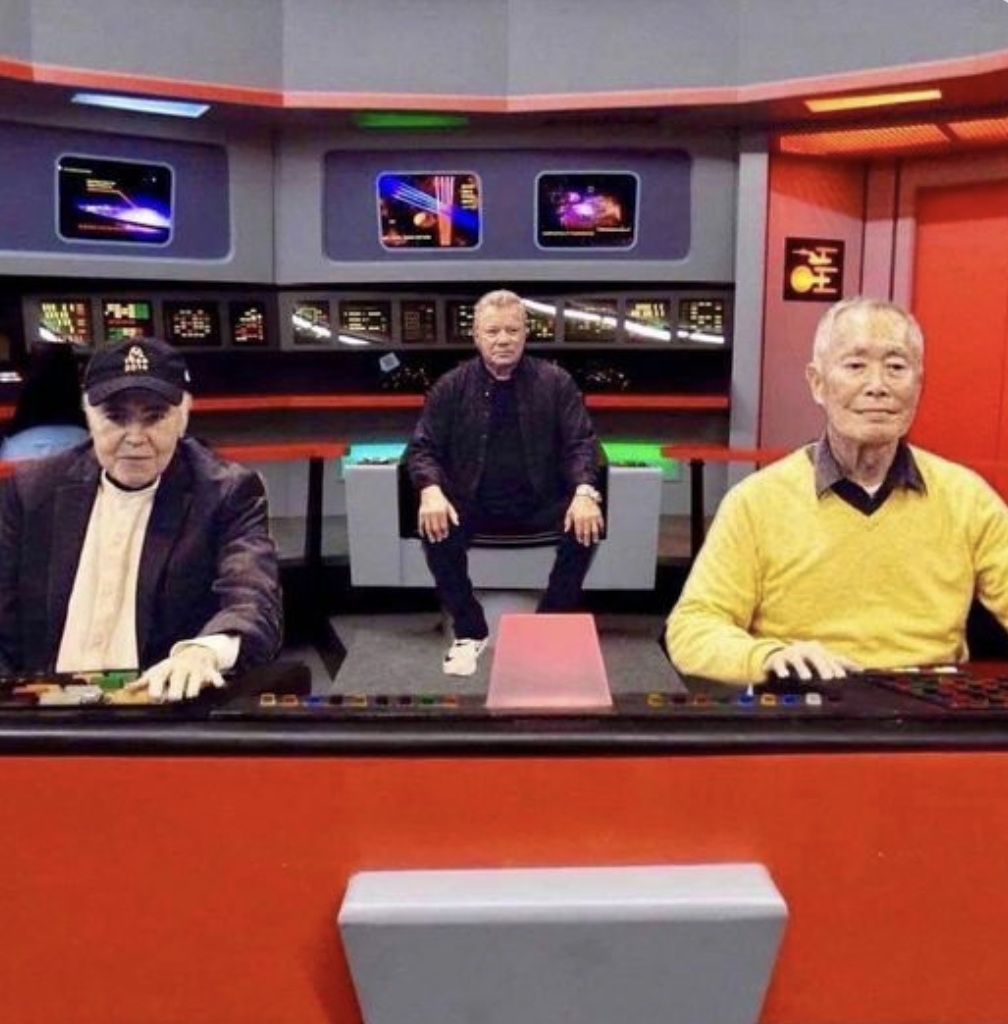
Though these actors became involved in personal feuds for decades, their occasional joint appearances remain momentous for fans. Alongside Walter Koenig, who portrayed Pavel Chekov, these three actors are the last surviving members of the original cast, each representing a connection to the show’s storied past. Koenig, notably, has managed to stay above the fray, providing a calm contrast to his costars’ more public disagreements.
A particularly memorable gathering took place at the 2016 Destination: Star Trek Convention in Birmingham, England. Here, a faithful recreation of the Enterprise Bridge set the stage for a rare photo featuring Shatner, Takei, and Koenig. Unlike what some may have assumed, this gathering was going to be a gathering of friends celebrating their accomplished successes, which created such longevity. Instead, it was a simple yet significant moment—a testament to the enduring bond, however complicated, between them.
For fans, this image was a bittersweet reminder of a time when the entire cast of the original series still walked among us. With Nichelle Nichols (Uhura) still alive at the time, the photo symbolized the resilience of these iconic figures and the passage of time. It was a moment captured not as an epitaph but as a celebration of survival, legacy, and the stories that continue to bring joy to generations.
As the years pass and opportunities for such reunions grow less likely, this photograph—and the event it commemorates—becomes even more meaningful. While the on-screen unity may not always have reflected real-life relationships, the lasting impact of Star Trek remains undeniable. Even with its complexities, the shared history of these actors continues to evoke nostalgia and appreciation for the universe they helped to create.






 benandsteve.com