When the Press Begins to Look Over Its Shoulder

There comes a time when you have to draw a line and decide what you stand for. Because if you don’t stand for something, sooner or later you’ll fall for anything.

Groff Media ©2026 benandsteve.com Truth Endures


This week I made the next announcement:

I have made the decision to stop any association with content connected to CBS, CBS News, CNN, FOX, and Flipboard. I can no longer, in good conscience, republish material from these organizations. I also can’t promote content from organizations that use media in ways I find troubling.

A Change in Direction

There are moments in history when small events start to reveal a much larger shift. What has been happening inside major American media organizations lately is one of those moments. Stephen Colbert is a prominent public voice. He finds himself at the center of controversy shortly after openly criticizing corporate decisions tied to network leadership. This situation naturally raises questions. Is outspoken criticism still welcome within the walls of the companies that broadcast it?

At the same time, reports of internal conflict surrounding the newsroom at 60 Minutes have emerged. These reports involve one of the most respected investigative news teams in television. They have only deepened those concerns. Leadership changes have occurred. Public statements from newsroom figures have surfaced. Accounts of staff unease suggest that journalists inside the organization are feeling pressures. These pressures extend beyond the simple business of reporting the news.

This is where the issue becomes larger than one show, one host, or even one network. The concern is about the atmosphere surrounding journalism itself. When reporters start to sense that pursuing certain stories will carry professional consequences, the chilling effect spreads quickly. Investigative reporting depends on courage, independence, and the understanding that truth—not corporate comfort or political pressure—guides editorial decisions.

My declaration about stepping away from redistributing material from major outlets is rooted in this concern. It is not an attack on journalism. In fact, it is the opposite. It is a defense of what journalism is supposed to be. A free press only remains free when reporters and editors can pursue facts without intimidation. They must be capable of chasing stories without fear of reprisal. Reporters should not have to wonder whether the story they are chasing will upset powerful interests behind the scenes.

Journalists should never have to look over their shoulder before telling the truth. If they do, the public will lose more than just a few television programs. They will also lose newspaper columns. We will lose something far more important. We will lose the ability to trust someone. Somewhere, someone is still willing to ask the hard questions.

History teaches us that the erosion of press freedom rarely begins with a dramatic announcement. It usually starts quietly—with a decision here, a resignation there, a story that suddenly feels too risky to pursue. The public does not notice at first. But journalists do. They feel the shift in the air long before anyone else sees it. When reporters question if the truth cost them their platform, the damage has begun. They question if it risks their career or the support of their newsroom. This damage shows that fear is overshadowing press freedom. My decision to step back from amplifying certain media outlets is not born from anger. It is born from concern. A healthy democracy depends on journalists who can pursue facts without fear. If the press ever needs to seek permission to reveal the truth, the public will suffer. This greater loss impacts more than just a television program or a headline. We will have lost our watchdog.

It is up to us. The average Joe. To start doing something. What will you do?

3 responses to “When the Press Begins to Look Over Its Shoulder”

  1. Hazel Avatar

    It’s one of my concerns, too. The job of journalists and reporters becomes risky now. They’re not safe if they tell the truth, especially since powerful people are involved in it. I don’t know about news these days if it’s true or just be polished to protect someone else. The media becomes chaotic, as well as politics. I don’t understand, and I dislike to hear something disgusting about it.

    Like

    1. Benjamin Avatar

      Thank you, Hazel. Many people are torn between speaking up or staying quiet and hoping things change. But dust doesn’t move unless someone disturbs it. Sometimes the only way to slow what’s happening is to challenge it. If my words inspire even one person to act, and that person inspires another, then they have done their job.

      Liked by 1 person

      1. Hazel Avatar

        Yeah. Hopefully some are courageous enough to speak and make a change. We’ll never know. My pleasure, Benjamin. Healing vibes to you.

        Like

Leave a comment

This site uses Akismet to reduce spam. Learn how your comment data is processed.

The Power of Actuality Reporting in Journalism

1–2 minutes

I came across this news report and was genuinely impressed by its craftsmanship. The reporter doesn’t just tell the story. They show it. They use actuality reporting and a wraparound technique that gives the piece depth and authenticity. It’s the type of journalism that doesn’t just inform—it immerses you. This level of storytelling should be seen and appreciated by more people.

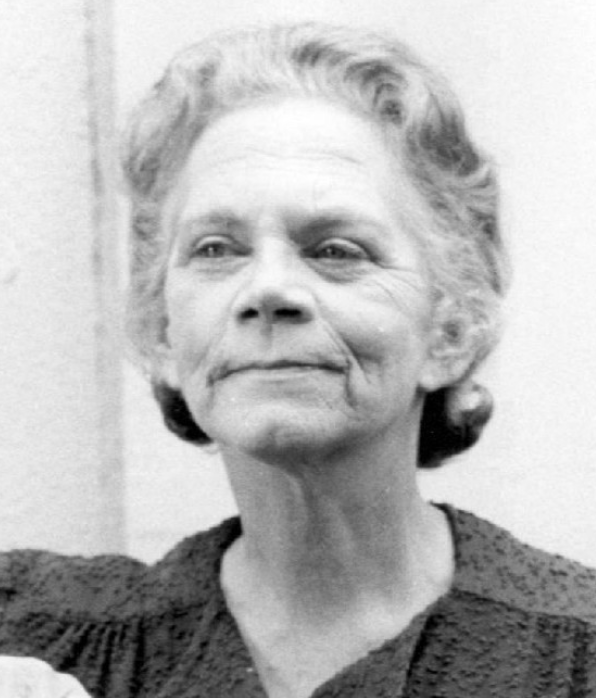
Ellen Corby: The Heart of The Waltons and a Timeless Television Matriarch

By Benjamin GroffMedia© | benandsteve.com | 2025 Truth Endures

4–5 minutes

Ellen Corby: The Heart of The Waltons and a Timeless Television Matriarch

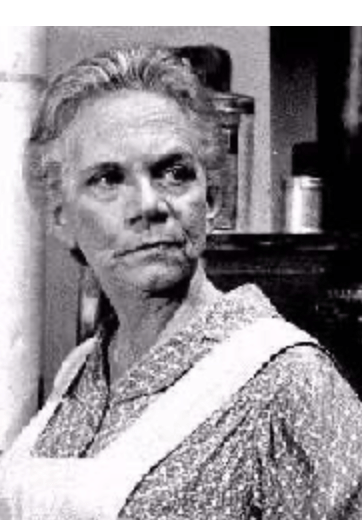
Few television roles have left as lasting an impression as Ellen Corby’s portrayal of Esther “Grandma” Walton on The Waltons. Corby brought to life a character with quiet strength. Her heartfelt warmth and unwavering authenticity made the character a symbol of family resilience. She became a moral grounding figure for millions of viewers. Her work helped shape the soul of the beloved series. She left an indelible legacy in the history of American television.

A Matriarch Who Anchored a Generation

Premiering in 1972, The Waltons introduced us to the trials and triumphs of a large, close-knit family. They lived in a rural setting during the Great Depression and World War II. As Grandma Walton, Ellen Corby was the family’s guiding force—a woman of deep faith, strong convictions, and boundless love.

Corby’s portrayal resonated deeply with audiences. She was neither overly sentimental nor idealized. Instead, she reflected the real-life qualities of many grandmothers: steady, firm, nurturing, and full of lived wisdom. Her presence brought a sense of comfort and stability that grounded the emotional core of the show.

Strength, Faith, and a Touch of Humor

What set Ellen Corby apart was her ability to portray strength without sacrificing warmth. Grandma Walton had experienced hardships, including losing loved ones, yet remained devoted to her family and faith. Her resilience became a reflection of the show’s broader themes—perseverance, community, and enduring love.

Corby’s performance balanced gravitas with subtle humor and tenderness. Whether offering sage advice, a knowing glance, or a gentle scolding, she made Grandma Walton feel wholly real. Viewers saw in her a grandmother, a teacher, and a friend.

A Memorable On-Screen Partnership

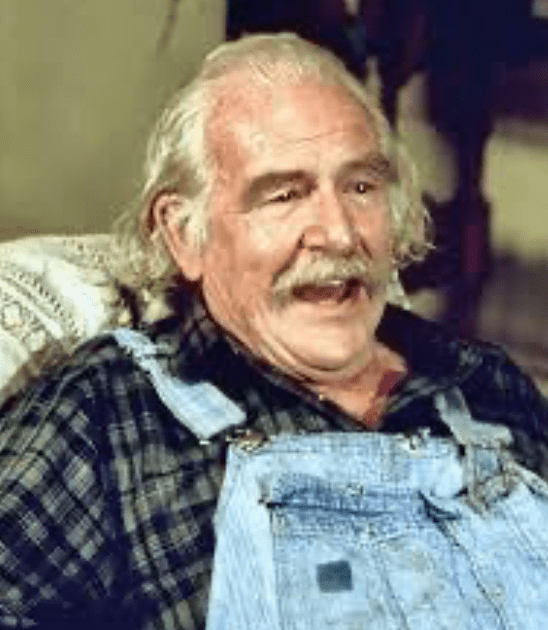
The dynamic between Grandma and Grandpa Walton was one of the most cherished aspects of The Waltons. This was brought to life by Will Geer. Their on-screen chemistry brought warmth and authenticity to the couple’s enduring marriage. Together, Corby and Geer portrayed a relationship built on love, respect, and shared history—a rarity in television at the time.

Their interactions often offered hope and humor, showing the strength of a long-lasting partnership even in difficult times. This relationship was a powerful reminder of the importance of family unity and mutual support.

Accolades and Enduring Impact

Ellen Corby’s performance earned widespread recognition, including three Primetime Emmy Awards for Outstanding Supporting Actress in a Drama Series. These honors reflected her exceptional talent and profound impact on the show’s success.

In 1976, Corby suffered a major stroke, a significant event that threatened to end her time on The Waltons. Still, in an inspiring show of courage, she returned to the show and continued portraying Grandma Walton. The show integrated her recovery into the storyline, allowing viewers to witness her real-life perseverance mirrored in her character. This showcased Corby’s resilience, the show’s commitment to addressing real-life issues, and the importance of family support during difficult times.

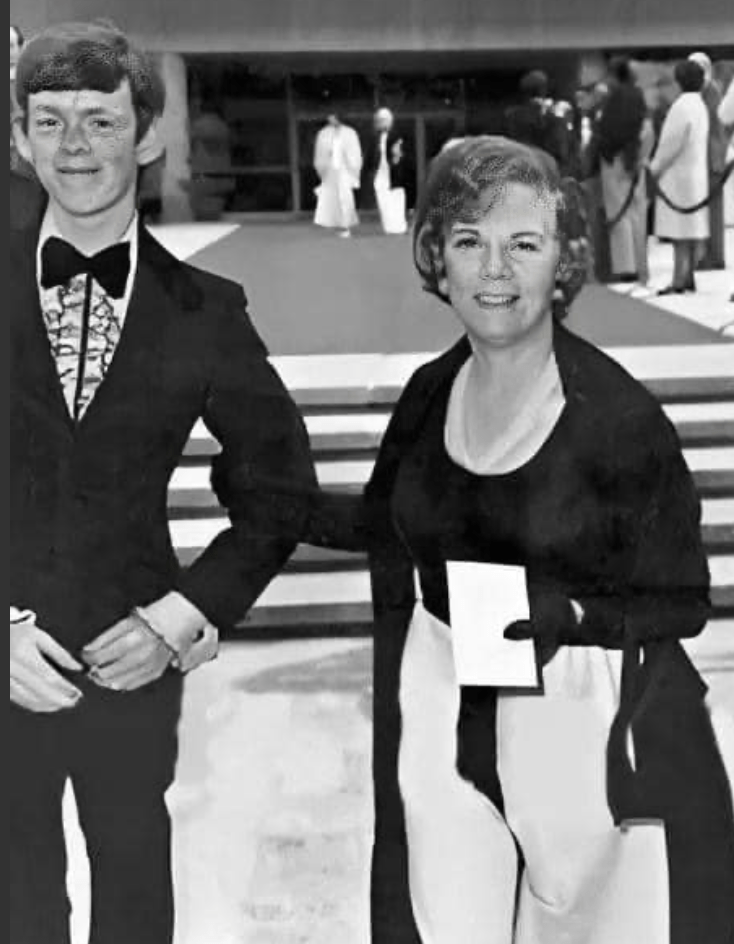
Behind the scenes, Corby’s heart extended far beyond her on-screen family. When she suffered the stroke she formed a particularly close bond with a young actor from the cast. The young actor was Jon Walmsley, who played the musically gifted eldest son, Jason Walton.

Though not formally adopted in a legal sense, Ellen Corby regarded Jon as her surrogate son. The bond between them went far beyond television scripts and stage directions. When Corby was recovering from her stroke, Walmsley visited her often. He remained one of her strongest supporters and encouraged her through her rehabilitation. She, in turn, called him “my boy,” a term of endearment that lasted until the end of her life.

Their connection was one of genuine affection and chosen family. It was a relationship forged in kindness and strengthened by hardship. It was remembered fondly long after the cameras stopped rolling.

Hollywood is often marked by fleeting relationships. The love between Ellen Corby and Jon Walmsley stood as a quiet, enduring testament. This love illustrates the family that develops through compassion and care. A family can be built, even if it starts on a soundstage.

A Legacy That Lives On

More than four decades after its original broadcast, The Waltons resonates with viewers, largely thanks to Ellen Corby’s unforgettable performance. Her portrayal of Grandma Walton is a tribute to the quiet heroes in every family. These grandmothers guide with grace. They love without limits and face life’s challenges with unshakable strength. The show’s enduring popularity is a testament to Corby’s attributes and her lasting impact on television history.

Ellen Corby passed away in 1999 at the age of 87, but her legacy lives on. Through her work, she gave audiences a timeless character whose influence endures in fans’ hearts and television history. Her legacy is a thread that connects generations of fans, memorializing the enduring power of storytelling.

In honoring Ellen Corby, we remember more than just an actress. We celebrate the spirit of a woman who helped define what family means on screen and in real life. Her portrayal of Grandma Walton evokes a sense of nostalgia. It reminds us of the timeless values of love, resilience, and unity that she brought to life.