If Social Security were eliminated, the effects would be wide-ranging. It would touch nearly every part of American life. This is especially true for retirees, people with disabilities, and survivors of deceased workers. Here’s how it would unfold:
1. Immediate Loss of Income for Millions
Social Security now provides monthly benefits to over 70 million Americans, including retirees, disabled individuals, and surviving spouses or children. Without it, many of these households would lose their main or only source of income overnight.
Retirees: Many older Americans rely on Social Security for the bulk of their income—especially those without significant savings or pensions.
Survivors: Widows, widowers, and children who now get survivor benefits would lose critical support.
Disabled workers: People incapable of work due to disability would lose a major safety net.
2. Surge in Poverty Rates
Before Social Security, poverty among the elderly was extremely high—estimates put it at around 35–50%. The program cut that rate dramatically. Without it, poverty rates among older Americans will return to pre-1935 levels.
3. Strain on Families and Local Communities
The financial burden of caring for elderly or disabled relatives would shift heavily to families. Those without family support be forced into underfunded state programs or charitable care.
Families need to delay retirement, take on extra jobs, or house multiple generations under one roof.
Local charities and churches would see rising demand for basic necessities like food and shelter.
4. Ripple Effects on the Economy
Social Security benefits aren’t just “checks”—they fuel spending in local economies. Without those payments:
Rural and small-town economies (which often have higher percentages of retirees) see sharp declines in consumer spending.
Certain industries—especially healthcare, retail, and housing—would feel immediate impacts.
5. Political and Social Fallout
Because Social Security is one of the most popular federal programs, ending it would be politically explosive. It would lead to intense public backlash, large-scale protests, and significant shifts in voter behavior.
States try to create their own replacement programs, but poorer states struggle to fund them.
The wealth gap would widen sharply. Those without private retirement savings would be left with little to no safety net.
The Social Security Administration (SSA) stands proud according to a press release by the Trump Administration.
August 2025 commemorates its 90th anniversary. It marks its unwavering commitment to the financial security and dignity of millions of Americans. President Franklin D. Roosevelt signed the Social Security Act into law on August 14, 1935. Since then, the program has grown into one of the most successful and trusted institutions in American history.
“For 90 years, Social Security has stood as a promise kept. It ensures that older Americans have the support they need. It also aids people with disabilities, as well as families facing loss,”
said Commissioner Frank J. Bisignano.
“As we honor this legacy, we are also building a future. This future is where service is faster, smarter, and more accessible than ever before. Through President Trump’s vision, we are protecting and preserving Social Security. We achieve this by delivering extraordinary customer service through technological improvements. Enhanced process engineering also plays a crucial role.”
In an open letter to the American people, Commissioner Bisignano emphasized the importance of Social Security. He highlighted his commitment to strengthening the agency. He also mentioned the significant improvements to customer service achieved in his first 100 days in office.
Today, Commissioner Bisignano also joined President Donald J. Trump at the White House. The President issued a presidential proclamation. He recommitted to always defend Social Security. He recognized the countless contributions of every American senior. They have invested their time, talent, and resources into our Nation’s future.
The Baptists are at it again. They are raising a protest over who should be allowed to marry. It is as though they alone have the final word. Yet, let us be clear: They are opposing who can walk into a county or state office. They do not want everyone to ask for a marriage license or enter into a legally recognized civil contract. That is not a religious rite. It is a legal agreement—filed, signed, and validated by the state. What the Baptists are trying to do is assert control over who can enter into that civil contract. Moreover, that is where their argument starts to fall apart.
One can understand a church’s wish to define marriage for its faith tradition. For example, it only performs holy matrimony for male-female couples. That is their theological prerogative. Furthermore, the LGBTQI+ community is better served by choosing faith institutions that embrace and affirm their unions. Those places do exist. They conduct beautiful, sacred ceremonies filled with love and meaning.
The Baptists alleged to be upset over same-sex couples marrying are not fighting for “Holy Sanctioned” marriage. Their effort is a thinly veiled effort to legislate bias. They aim to stir up fear and rally support for political agendas. When the current battle over trans rights no longer generates the same heat, they will seek another issue. This will be the next fire they try to stoke. It will be another wedge to deepen divisions. They will build up the offering plate and feed the partisan machine.
Trying to impose a ceremony on a church that fundamentally rejects it leads to resentment. Such an action only reinforces division. It is counterproductive. The real problem arises when religious institutions try to dictate who can access civil marriage through the state. That is not about faith. That is about politics, prejudice, and, frankly, power.
The sun broke over the Air Force Base in Atlanta, Georgia. It cast golden hues across the tarmac as Special Air Mission 39 waited. Its polished surface gleamed in the light. The presidential seal on its side served as a solemn reminder of the journey it was about to undertake. Inside, a reverent hush filled the cabin. The crew prepared for their most crucial passenger. It was a man whose life had been dedicated to service, humility, and unwavering commitment—President Jimmy Carter.
From his earliest days at the Naval Academy, James Earl Carter Jr. was shaped by discipline, honor, and an unrelenting drive to do his best. Those who knew him often remarked on his quiet determination. His former Navy colleagues remember him as a man of integrity, always putting the welfare of his team first. Carter navigated the complexities of submarine systems in the Navy with steady resolve. He also tackled global issues from the Oval Office with the same determination.
The engines roared to life for Special Air Mission 39. This was what President Carter had once known as Air Force One. At that moment, the memory of his long journey sharpened. Memories of his enduring journey came into sharp focus. Here was a man who had never sought power for power’s sake but had wielded it to uplift others. In the years after his presidency, Carter’s service reverberated across communities. He built homes for people experiencing homelessness. He mediated peace in war-torn nations. Additionally, he battled disease through the Carter Center. His legacy was not confined to history books but lived on in the lives he had touched.
The flight crew gathered for a moment of silence before departure. Captain Emily Harrington, a seasoned pilot who had long admired Carter, addressed her team.
“Today, we honor not just a president but a man who believed in the power of service. Let’s give him the journey he deserves.”
As the plane ascended, the passengers—family, close friends, and select members of his administration—reflected on his unwavering faith and commitment. Rosalynn, his beloved late wife, was his partner for more than seven decades. She was waiting for him at their Plains, Georgia home. She also waited in Jimmy’s heart, where their journey had begun. Jimmy would be back. He had business in D.C. to take care of first. President Carter would fly there with the family. He would lay in state at the Capital Rotunda. He would attend a state memorial service. Later in the week, he would return to Plains, Georgia. He would be laid next to Rosalynn at their place of burial.
The flight path traced the arc of his life. It went over the rural farmlands of Georgia. The soil there had nurtured his love for community and the values of hard work and compassion. The Naval Academy in Annapolis, where young Jimmy had set the course for a lifetime of service. Over Washington, D.C., where he had walked into the presidency with a promise to lead with integrity.
As SAM 39 descended, the crowd gathered below to pay their respects. They came not just to honor a president. They came to honor a man who had reminded the world that authentic leadership lies in humility. True leadership also involves an unwavering commitment to doing what is right.
The plane touched down with grace, its engines whispering to a stop. The door opened, and the honor guard stepped ahead to carry Carter to the Rotunda. The air was heavy with gratitude, sorrow, and pride. A man who had given so much of himself had completed the second leg of his journey. There was only one more leg left in the final part of his last journey.
In the quiet stillness of that moment, a quote from Carter’s own words have echoed in the hearts of all there:
“My faith demands that I do whatever I can, wherever I can, whenever I can, for as long as I can, with whatever I have, to try to make a difference.”
The Chinese Exclusion Act of 1882 marked a pivotal moment in U.S. immigration history, becoming the first significant federal law restricting immigration. It targeted a specific ethnic group driven by economic fears, racial prejudice, and political populism. A review of this historic legislation, alongside the context of its enactment, reveals striking parallels to modern immigration debates. Both historical and contemporary issues illustrate how economic anxieties, cultural misunderstandings, and political opportunism can drive restrictive immigration policies that may ultimately prove disastrous for society.
The Role of Immigrant Labor in Economic Development
In the mid-19th century, Chinese immigrants, despite facing systemic discrimination and being blamed for economic problems, played a crucial role in building the American West. Their resilience and determination were evident in their instrumental role in constructing the transcontinental railroad, tackling some of the most dangerous and demanding jobs in brutal conditions. However, when the Panic of 1873 led to widespread unemployment, populist sentiment scapegoated Chinese immigrants, claiming they were stealing jobs from white workers.
A similar narrative exists today. Immigrant labor is fundamental to the agriculture, construction, and technology industries. Despite this, immigrants are often vilified during economic downturns, accused of taking jobs or lowering wages. This cyclical pattern of scapegoating undermines the reality that immigrants frequently perform jobs that native-born workers are unwilling or unable to do, driving economic growth and innovation. Restrictive immigration policies, such as deportations or bans, risk damaging these essential industries and the broader economy, much like the exclusion of Chinese workers stunted specific sectors in the late 19th century.
Cultural Backlash and Populist Politics
The transcontinental railroad’s completion in 1869 symbolized a remarkable technological achievement but also marked a turning point for Chinese immigrants. Their presence sparked a cultural backlash as they settled in communities like Truckee, California. Fueled by racial prejudice and populist rhetoric, white workers and politicians pushed for their exclusion, culminating in the Chinese Exclusion Act. This act institutionalized xenophobia and created a precedent for racially biased immigration policies.
Today, cultural anxieties continue to shape immigration debates. Concerns about preserving cultural identity and fears of “otherness” fuel resistance to immigrants. Particularly from Latin America, the Middle East, and Asia. Politicians often exploit these fears to rally support, pushing for restrictive measures such as border walls, travel bans, or mass deportations. Such actions not only marginalize immigrant communities but also foster division and xenophobia, hindering social cohesion.
Economic Consequences of Restriction
The long-term economic impacts of the Chinese Exclusion Act highlight the dangers of restrictive immigration policies. By limiting a vital workforce, the law hampered industries reliant on immigrant labor. The exclusion of Chinese workers also set a precedent that discouraged innovation and adaptability in labor markets, contributing to stagnation in certain regions.
Policies that limit immigrant contributions to the workforce have modern parallels. For example, restrictive visa programs and deportations threaten industries like agriculture and technology, which rely heavily on immigrant talent. Moreover, these policies can exacerbate labor shortages, driving up consumer costs and reducing the global competitiveness of U.S. industries. History demonstrates that economic growth thrives on diversity and inclusion, not exclusion.
Lessons from the Past
The Chinese Exclusion Act teaches us that targeting immigrants as scapegoats for economic or social challenges is a shortsighted and counterproductive strategy. Immigration is a cornerstone of American prosperity, fostering innovation, cultural richness, and financial resilience. Policies driven by fear and prejudice, rather than informed analysis, risk repeating the mistakes of the past and should be considered.
Today’s immigration debates echo the populist rhetoric and exclusionary measures of the late 19th century. However, we have the benefit of hindsight to recognize that such policies often create more problems than they solve. To avoid a similar disaster, today’s policymakers must approach immigration with a focus on integration, economic opportunity, and respect for human dignity. By learning from history, we can build a more inclusive and prosperous future, where all individuals feel valued and respected.
Information Produced and Presented By Organizations Other Than Groff Media 2024
Above, two-time Academy Award nominee Marshall Curry presents A Night at The Garden, a film that revisits a night in February 1939 when “20,000 Americans rallied in New York’s Madison Square Garden to celebrate the rise of Nazism — an event largely forgotten from U.S. history.” As we described it back in 2017, the film documents the following scene:
What you’re looking at is the 1939 “Pro-American Rally” (aka Pro-Nazi Rally) sponsored by the German American Bund at Madison Square Garden on George Washington’s 207th Birthday. Banners emblazoned with such slogans as “Stop Jewish Domination of Christian Americans,” “Wake Up America. Smash Jewish Communism,” and “1,000,000 Bund Members by 1940” decorated the great hall.
New York City Mayor Fiorello LaGuardia—an Episcopalian with a Jewish mother—considered canceling the event, but ultimately he, along with the American Jewish Committee and the American Civil Liberties Committee decreed that the Bund was exercising its right to free speech and free assembly.
A crowd of 20,000 filled the famous sports venue in mid-town Manhattan to capacity. 1,500 police officers were present to render the Garden “a fortress impregnable to anti-Nazis.” An estimated 100,000 counter-demonstrators were gathering outside.…
The most disturbing moment in the short film comes at the 3:50 mark, when another security force—the Bund’s Ordnungsdienst or “Order Service” pile on Isidore Greenbaum, a 26-year-old Jewish worker who rushed the podium where bundesführerFritz Julius Kuhn was fanning the flames of hatred. Valentine’s men eventually pulled them off, just barely managing to save the “anti-Nazi” from the vicious beating he was undergoing.
Made entirely from archival footage filmed that night, A Night at The Garden “transports audiences to this chilling gathering and shines a light on the power of demagoguery and anti-Semitism in the United States.” You can learn more about the film and the 1939 rally at Marshall Curry’s web site.
Any similarity to actual persons, living or dead, or other xenophobic rallies being held this weekend in Madison Square Garden is purely coincidental, of course.
MAGA Is Not The First To Attempt And Bring Down America. A Populist Movement Nearly Destroyed American Democracy Over 110 Years Ago, But Our Democracy Prevailed
Over a century ago, the United States grappled with a political movement that closely resembled today’s MAGA (Make America Great Again) movement, a populist uprising spearheaded by former President Donald Trump. Like MAGA, this earlier movement thrived on populist discontent, nativist sentiments, and rejection of the established order. If not kept in check, it could have reshaped American democracy in ways that might have undermined its democratic institutions, a peril we must remain vigilant against.
One of the most significant instances was during Theodore Roosevelt’s presidency, a man with intricate political loyalties. In 1912, Roosevelt’s Bull Moose Party brought populist elements into the political mainstream, appealing to working-class voters who felt marginalized by the two major parties. While Roosevelt was not anti-democratic, his charismatic leadership style and his ability to rally crowds around a strongman image set a precedent for future political movements that would seek to undermine democratic norms.
Simultaneously, the rise of the “America First” movement and the Ku Klux Klan spanning the 1920s showed how easily populist rhetoric could veer into exclusionary nationalism and nativism. The Klan’s widespread influence reached local, state, and federal government levels, promoting an agenda that sought to disenfranchise non-white citizens, immigrants, and anyone considered “un-American.” This movement found an audience among rural and working-class Americans who felt left behind by the rapid industrialization and modernization of the country.
At the heart of these movements was a profound distrust of the government, elites, and institutions—just like the anti-establishment fervor that fueled the rise of MAGA. These movements aimed to “restore” a vision of America rooted in racial and social hierarchies, often using violent rhetoric and intimidation to achieve their goals. Had these populist forces gained more traction, they could have severely damaged the democratic foundation of the country, ushering in a more authoritarian regime.
It took concerted efforts from citizens and political leaders to resist these dangerous movements and restore democratic norms. In some ways, the lessons from over a century ago echo loudly today: unchecked populism, especially when it flirts with nativism and authoritarianism, can bring democracy to the brink of collapse. However, this history also reminds us of our power to shape the future of our democracy, offering hope and inspiration for positive change.
Today, as MAGA remains a force in American politics, it is crucial to remember that the battle to preserve democracy requires vigilance. While populism can express legitimate grievances of people who feel left behind, it must not be allowed to erode the institutions enabling democracy to function. History teaches us that democracy’s survival depends on our ability to balance widespread anger with reasoned leadership and respect for the rule of law. We all have a role to play in this ongoing struggle, and our vigilance is required to maintain a true Republic of the People!
A recent news segment broadcasted by MSNBC-TV News says that former President Donald Trump reportedly made a controversial remark regarding the cost of burying a Hispanic woman he described as a “f–King Mexican” who had been killed and mutilated at a Texas Army base by a fellow soldier. The burial expenses reportedly amounted to approximately $80,000. Trump allegedly expressed frustration, saying it cost “too fucking much money” to provide the soldier with a proper burial.
This statement, if accurate, raises significant concerns about the former president’s attitude toward the treatment of military personnel, particularly those of Mexican heritage, as well as the costs associated with honoring fallen soldiers. The issue transcends one demographic and speaks to broader implications about how different groups—Mexicans, military members, and their families—are treated and respected within the national discourse.
John Kelly says Trump is a Fascist!”
In addition to this disturbing comment, the report also highlighted another alarming remark by Trump, where he expressed a desire for military generals akin to those in Nazi Germany under Adolf Hitler. Given its historical connotations, this remark should be receiving widespread attention in both mainstream and military-focused media, especially during a presidential election cycle.
However, despite their gravity, these statements have not dominated headlines in the way one might expect. The lack of focus on such inflammatory remarks is concerning, particularly given their implications for how a future Trump administration might handle military leadership and diverse communities.
These statements deserve heightened scrutiny from Spanish-speaking news outlets, military programs, and even women’s rights advocates, as they touch on crucial issues of race, leadership, and the treatment of soldiers. The implications of a leader aspiring to emulate Hitler’s generals, combined with dismissive comments about the costs of burying a soldier, suggest dangerous intentions for the future should Trump get re-elected.
The absence of widespread discussion on these matters is troubling, as the importance of holding political leaders accountable for their statements must be balanced, especially when they potentially foreshadow harmful policies.
The Damning Implications of Donald Trump’s Threat of Mass Deportations on Americans
Former President Donald Trump has once again put mass deportations at the forefront of his political agenda, threatening to implement a sweeping policy of deporting millions of undocumented immigrants if he gets re-elected. This proposal raises numerous concerns about the economic, social, and moral ramifications for the United States, with devastating consequences not only for immigrant communities but also for the country as a whole.
Economic Fallout
Mass deportations would have a profound negative impact on the U.S. economy. Undocumented immigrants contribute significantly to various sectors, including agriculture, construction, hospitality, and healthcare. Removing millions of workers from these industries would lead to severe labor shortages, driving up production costs and potentially creating inflationary pressures that affect all Americans. Businesses would need help filling vacancies, especially in labor-intensive jobs that many Americans are unwilling or unable to take on. The ripple effect would result in reduced productivity, increased costs for products and services, and a contraction in critical industries, including food production and construction.
Additionally, undocumented immigrants contribute billions of dollars to local and federal taxes each year, including sales and property taxes. Their removal would shrink this tax base, creating budgetary shortfalls for essential services like education, healthcare, and infrastructure. The cost of enforcing mass deportations—estimated to be in the hundreds of billions—would burden the federal government and taxpayers.
Social Impact
The human cost of mass deportations cannot be understated. Deportations would tear apart families, many of which include U.S. citizens. An estimated six million U.S.-born children live with at least one undocumented parent, and these children would face traumatic separations that could lead to long-term psychological harm. Communities, particularly those with large immigrant populations, would experience destabilization as families and social networks get disrupted, potentially altering the fabric of our society.
The fear and uncertainty generated by the threat of mass deportations would create a climate of mistrust between migrant communities and law enforcement, causing it to be more challenging for authorities to solve crimes or maintain order in immigrant-dense areas. Many undocumented individuals contribute to the community fabric by volunteering, attending schools, and participating in religious and civic organizations, and their forced removal would erode these social bonds.
Moral and Political Implications
Mass deportations also raise profound moral questions about America’s identity as a nation built on immigration. For centuries, the U.S. has stood as a beacon of hope and opportunity for people fleeing persecution, poverty, and violence. Deporting millions of people en masse, many of whom have resided in the U.S. for decades, sends a harsh message that contradicts these ideals. Such a policy risks deepening racial and ethnic divisions, stoking xenophobia, and inciting further polarization in an already divided political landscape, threatening the unity of our nation.
Politically, Trump’s plan for mass deportations is likely to galvanize opposition not just from immigrant rights groups but also from many sectors of society, including businesses, religious organizations, and community leaders who recognize the humanitarian and economic risks of such an approach. The request is likely to face legal challenges as well, potentially sparking a constitutional debate over due process, civil liberties, and the limits of executive power, offering a glimmer of hope for the preservation of our democratic principles.
Broader Impact on National Security and Foreign Relations
Mass deportations could also have negative consequences for national security. If immigrants are too afraid to report crimes or cooperate with law enforcement, it could undermine efforts to fight human trafficking, drug smuggling, or other criminal activities. Additionally, the U.S.’s standing in the global community could get tarnished as other nations criticize the harshness of the policy, straining diplomatic relationships with key allies, particularly in Latin America.
Conclusion
Donald Trump’s threat to implement mass deportations would have dire consequences for Americans. It would inflict severe economic damage, cause profound social harm, and challenge the nation’s moral fabric. Rather than solving immigration issues, such a policy would exacerbate existing problems while undermining the values of inclusivity and opportunity that the U.S. has long championed. The broader national and international fallout from this approach would have far-reaching effects on the country’s domestic stability and global reputation.
As we approach the upcoming elections, it’s crucial to remember that Americans are empowered to shape the nation’s trajectory every four years through their votes. When exercised responsibly and carefully reflecting on our past and present, this powerful right allows us to make decisions that align with our shared values and hopes for the future. Informed voting is not just a privilege—it’s a responsibility that enables us to build a future reflective of our ideals.
It’s sometimes helpful to step back and gain perspective to understand the present. Our current situation may seem overwhelming, but history often shows us that our challenges are more complex than we remember. Reflecting on past leadership and decisions not only reassures us but also guides us toward a more thoughtful approach to what lies ahead, providing a sense of reassurance and guidance.
Under the Trump administration, America experienced a turbulent period domestically and internationally. Families traveling abroad faced significant challenges, particularly when trying to return to the U.S. Students awaiting critical funding for their education found themselves in bureaucratic limbo. The economy saw dramatic fluctuations, with the stock market swinging between highs and lows and housing prices manipulated to benefit the wealthy. Trump’s philosophy favored personal gain over the nation’s welfare, leaving many Americans to navigate an unstable economy.
Trump’s handling of the COVID-19 pandemic was a defining moment of his presidency, marked by widespread criticism. His dismissive attitude toward the virus allowed it to sweep across the country unchecked, leading to hundreds of thousands of preventable deaths. He offered unscientific remedies, such as suggesting the use of disinfectants and promoting unproven drugs, and downplayed the severity of the crisis, causing further confusion and panic. His response to local disasters, for instance, his visit to Puerto Rico, where he threw paper towels into the crowd, reflected a troubling lack of empathy and leadership.
Moreover, during his presidency, Trump distanced himself from the traditions of decency and respect that past leaders upheld. He neglected to offer condolences to families of prominent Americans who passed, such as Barbara and George Bush, choosing instead to focus on personal leisure like golfing. Trump’s lack of emotional support marked a stark departure from the dignified conduct expected of a sitting president.
Domestically, Trump’s immigration policies, which included strict border controls and deportation of undocumented immigrants, led to labor shortages, particularly in the service industry, where businesses struggled to find staff. His administration’s aggressive stance on immigration had unintended consequences, with many sectors unable to recover after being stripped of their workforce.
On the international stage, Trump’s cozy relationships with authoritarian leaders in North Korea and Russia raised alarms about national security. His handling of classified information, especially the top-secret documents stored at Mar-a-Lago, left Americans wondering what was compromised and who had access to it.
By contrast, the Biden administration has worked tirelessly to restore stability and dignity to the president’s office. Under Biden’s leadership, the economy has rebounded, and significant investments have been made in infrastructure, including road repairs, bridge replacements, and expanded internet access. His administration, though not without flaws, has prioritized the well-being of the American people, bringing a sense of civility and optimism back to the White House, highlighting the profound impact of leadership on democracy.
While sometimes criticized for being cautious, Biden’s approach to governance is rooted in diplomacy and careful planning. He brought America back to a position of respect globally, fostering relationships with allies and upholding democratic values. As Vice President, Kamala Harris has quietly supported these efforts, often working behind the scenes but prepared to step into leadership if needed.
While no administration is perfect, it’s essential to recognize the progress made under Biden, especially compared to the chaos that marked Trump’s time in office. Biden inherited a nation with a 12% unemployment rate and shuttered businesses. Yet, within a year, he and Harris turned things around, rebuilding a country on the brink of collapse.
As we move forward, it’s critical to remember where we came from and who has been steering
Take A Ride With Kamala on Air Force 1 – Ridin’ With Biden! Click on Image above!
During the run-up to any election, families play a pivotal role in supporting and understanding one another. This period, filled with political debates, media coverage, and public discourse, can stir emotions and create an intensely charged atmosphere. The emotional toll of election season can affect even the most resilient individuals, making the support of one’s family crucial and invaluable. Families are the core unit, providing a comforting and reassuring presence. It is essential that the role model (be it a father, older sibling, uncle, or aunt,) when possible, show support, care, and empathy. Doing so should be cultivated, and providing emotional backing and physical presence can help members navigate the turmoil of an upcoming election.
Election seasons amplify the daily stressors people face. Whether it is work pressure, financial struggles, or personal challenges, these become compounded by the uncertainty of political outcomes. Each family member may carry their political convictions, hopes, and anxieties, and these can sometimes clash with those of others. This emotional burden often deepens as people speculate about the possible outcomes—who they hope will win, who they fear will lose, and how the results will shape their future. The thought of losing an election can become so overwhelming that it leads to despair, disappointment, or even anger. For some, this emotional strain can develop into mental health issues, making it vital for families to remain vigilant about one another’s well-being during this time and to seek professional help if needed.
In the most extreme cases, the stress associated with an election’s outcome can drive individuals to become a threat to themselves or others. This is especially true when political messaging often stokes fear, resentment, and division. Individuals who place too much faith in a particular candidate or political party may feel personally attacked when that candidate loses. The sense of loss may not just be political; it can be internalized as a personal failure, leaving individuals feeling disillusioned or even desperate. Families must observe signs of distress, such as prolonged periods of sadness or withdrawal, recognize potential harmful behavior, like verbal or physical aggression, and intervene when necessary. It is crucial to remain proactive, offering emotional support and, if needed, involving professionals or authorities to prevent escalation.
The role of misinformation and campaigns lies in discussing election-induced emotional volatility. Many political campaigns thrive on pushing false narratives, spreading misleading information to sway voters. Misinformation, which includes false or inaccurate information that is spread deliberately to deceive, can reinforce individuals’ beliefs to dangerous levels. The spread of misinformation fuels emotional intensity and gives people a sense of justification for actions that, under normal circumstances, would seem unreasonable or extreme. When individuals have been repeatedly exposed to incorrect information, their convictions can become so ingrained that they believe their behavior—whether confrontation, violence, or drastic action—is justified.
In such situations, the line between reason and irrationality blurs. What may begin as passionate support for a candidate can spiral into dangerous behavior if an individual believes they are defending a “truth” that is, in fact, built on lies. This is why it is imperative for families to communicate openly about politics, encouraging fact-checking and critical thinking. Recognizing when a loved one’s emotional engagement has become unhealthy is not just crucial, but empowering. In these moments, reporting potentially dangerous behavior to the appropriate authorities is not an act of betrayal but one of care and protection for the individual and others around them, reinforcing the sense of responsibility and control within the family.
As elections approach, the pressure intensifies, with it, the emotional strain on families. However, families can also be a force for positive change, weathering the storm of political tension together by staying connected, offering support, and observing each other’s mental health. It is essential to create a space where emotions can be expressed freely but responsibly and where misinformation is challenged rather than accepted at face value. In doing so, families not only protect one another but also contribute to a more balanced and less volatile society during the electoral process, fostering a sense of hope and optimism for a brighter future.
Amid political upheaval, the everyday American—who works a regular job, pays taxes, and seeks a life of routine and stability—may question their future in an increasingly polarized society. As extreme political movements push for agendas that center around ideas of “Project 25” or the return of Trump, advocating for a strict interpretation of Christianity, suppression of women’s rights, and an aggressive nationalistic framework, the real impact may be felt most by the “regular Joe”—the one who wants to live a quiet, predictable life.
For the average person, life may close in on them in such a scenario. The country may become unrecognizable, not in a dystopian fantasy, but in subtle, pervasive ways. It might start with the suppression of individual freedoms—targeting what people can say, wear, or how they worship. Religious dogma could permeate public life, not as a choice but as a mandate, affecting schools, workplaces, and government institutions. The Bible in every building might become symbolic and a requirement, with legal frameworks promoting a particular religious view while leaving others on the margins.
Erosion of Women’s Rights
Regular Americans might witness fundamental changes in the status of women while going about their daily lives. With growing pressure from ultra-conservative elements, efforts to curtail women’s autonomy could accelerate. The reversal of women’s rights, particularly reproductive rights, is already in motion. In this new political order, women might have even fewer choices about their bodies, careers, and participation in public life. For many, this will mark a turning point when personal freedom can no longer be taken for granted.
The Fear of the Unknown
Fear might become customary for those not part of this hard-right movement. The “regular Joe” will likely feel caught between competing narratives. On one side, there is the quiet desperation of wanting to hold on to their everyday life, and on the other, the nagging sense that the world is changing in ways that might soon render them powerless. Whether one is bisexual, straight, or simply someone with no interest in pushing their identity into the political arena, they might start feeling stalked by the system—monitored, judged, and left wondering if their way of life is still valid.
A New “American Dream?”
In this environment, the American Dream could become narrow. No longer about opportunity for all, it may become a dream only accessible to those who fit the suitable mold—racially, religiously, and socially. If one does not align with the ideals of whiteness or conservative sexuality, they could find themselves increasingly ostracized, with opportunities drying up. The path to success might depend less on hard work and more on conformity to ideals driven by far-right ideologues.
The reality could become darker for the person who comes home daily, pats their dog on the head, and watches the news. The content of that evening television might change, with media outlets pushing extreme viewpoints or censorship becoming the norm. Growing anxieties about what tomorrow holds could interrupt quiet moments of relaxation.
Where Do They Go?
If the country starts closing itself to all but those who align with this rigid agenda, the regular Joe may ask, “Where do I go?” It is hard to imagine a physical place for escape in a country that feels increasingly closed off to dissent. For many, the answer might not be in leaving the country but in finding a way to resist quietly—by forming communities with others who feel left behind, advocating for empathy and open-mindedness, and holding on to the idea that the heart of America lies not in exclusion but inclusion.
The danger is not just in the policies themselves but in the erosion of what makes America a place where people of all walks of life can live freely, with differences embraced rather than punished. When that idea is under attack, the question of “Where will you go?” takes on a much deeper meaning because the honest answer is about preserving a sense of home, not just for oneself but for everyone.
In this potential future, where does the regular Joe go? Perhaps they remain right where they are, standing in quiet defiance, continuing to pay their taxes, pat their dog, and live with the hope that balance will one day return to a nation at risk of losing itself.
In the heart of the dusty plains, where tumbleweeds rolled lazily across the horizon, sat the humble town of Booterville. A place so small it didn’t even appear on most maps. Known for little more than its annual chili cook-off and the town’s general store, Booterville got entrusted with one of the most critical tasks in the 2024 election: hand-counting every vote nationwide.
Rumor had it that some miscommunication at a high level led to Booterville’s selection. The plan had been simple: With all the national turmoil surrounding electronic voting machines, distrust of mail-in ballots, and other voting controversies, someone high up had the idea to return to a “simpler” method—hand counting. Unfortunately, the job landed in the laps of Booterville’s only two permanent residents qualified to take on the task: Earl and Maude Jenkins.
Earl and Maude, both pushing 80, had stayed in Booterville for decades. Earl was a retired mailman with a sharp eye for sorting, while Maude was known for her days as the town librarian, meticulous in her record-keeping, and famous for knitting scarves with perfect symmetry. Together, they formed what the nation had come to call the “Election Duo.”
As election night approached, the rest of the country anxiously prepared for the returns. Cable news channels buzzed with frantic energy. Experts spoke confidently about the “return to integrity” with hand-counted ballots. However, they could only explain how it was physically possible for two people to count hundreds of millions of votes promptly. Analysts debated whether the results would come in within hours, days, or—worst case—months.
Booterville, meanwhile, was calm, as always. Earl and Maude sat on their front porch, sipping sweet tea, staring at the horizon where, in just a few hours, trucks would arrive carrying boxes upon boxes of ballots from all over the country.
Election night finally arrived, and the nightmare began.
The first truck pulled up right on time—around 9 p.m.—loaded with crates of ballots from California. Earl scratched his head and squinted at the car, which stretched longer than the main street of Booterville itself.
“Well, I reckon we best get started,”
He muttered.
As Maude gingerly opened the first crate, the magnitude of the task became apparent. Inside were hundreds of thousands of paper ballots, each needing to be verified, double-checked, and counted by hand. Earl retrieved an abacus from their parlor, confident that the ancient method would sufficiently tally the votes.
Across the nation, voters stared at their television screens.
“Booterville still hasn’t reported any results,”
Frustrated news anchors from CNOX and FONN NEWS networks chimed in, saying in general –––
“Our experts say we should have heard from at least the smaller states by now.”
Booterville, however, wasn’t so much concerned with the rush. Ever the perfectionist, Earl spent twenty minutes on each ballot, inspecting signatures, verifying dates, and ensuring no Chad hung loosely from the corners.
Maude cross-referenced each voter’s name with meticulously kept records from her days as a librarian. She spent additional time knitting if any name seemed unfamiliar while contemplating its legitimacy.
By midnight, the panic had spread. Election officials from every state began ringing Booterville’s single landline, asking for updates. But halfway through her evening tea, Maude had turned off the ringer to avoid distractions. Earl had managed to count precisely 72 ballots.
By morning, networks were abuzz with speculation. Some suggested Earl and Maude were holding the election hostage, while others theorized a deep conspiracy in which Booterville’s hand-counting was a covert means of election tampering. In truth, Earl and Maude were simply slow workers.
As the days dragged on, Earl and Maude remained unphased. They didn’t own a television, and Maude had never been a radio fan. They were blissfully unaware that the world was falling apart outside of Booterville. Mass protests erupted in cities, with demands for transparency. Accusations flew between political parties.
In some corners of the internet, Booterville became a symbol of resilience; in others, it became a meme, representing all that was wrong with the electoral process.
Two weeks later, the National Guard arrived. They politely knocked on Earl and Maude’s door, requesting an update on the election. Maude, unperturbed, invited them in for tea and showed them the ballots neatly stacked in her living room. The guards, bewildered, nodded and promised to relay their findings back to the capital.
Finally, in mid-December, a breakthrough occurred. After endless negotiations, Booterville agreed to let nearby towns assist in the counting process. Volunteers, election experts, and even some former contestants from the chili cook-off converged on Booterville to save the election.
But even with the new help, it took another month before all the votes got tallied.
As Earl and Maude sat together on New Year’s Eve, looking out at the winter stars, Earl leaned back in his chair and said,
“You know, Maude, I think we’ve done a fine job. Every vote, fair and square.”
Maude, knitting a scarf with perfect stitches, smiled and nodded. They never knew their efforts had plunged the nation into one of the most prolonged and chaotic elections in history. But to them, it was just another quiet day in Booterville.
Earl did ask Maude,
“You know, in this day and age, you’d think they’d have computerized machines that could count these voting ballots in a much more accurate manner than the one everyone just went through. It might take a week or so, but they could tally all the votes with computers if everyone in the nation were to vote. Has anyone ever thought of that?”
Maude said,
“No, and if they did, some idiot would try to say they were stealing the election or something.”
Earl replied,
“Surely no one would believe something like that.”
Maude, rocking back and forth in her rocker, replied ––
“Well, they expected us to count every national vote by hand overnight, so that should tell you something about the people we are talking about.”
It was the fall of 2024, and the country had never seemed more divided. Political upheaval had peaked, with protests echoing through city streets, harsh words hurled in homes, and debates erupting at family dinner tables. The election season had become more than just a contest of policies; it had morphed into a battle over the nation’s soul, pitting neighbor against neighbor.
At the heart of this turmoil was a young senator named Jacob Randall. A man of few words but deep conviction, he had saw firsthand the devastating effects of division. Randall had grown up in a small town where his mother and father, though from opposite sides of the political spectrum, had found common ground in their love for family, faith, and community. That shared foundation had always given him hope that unity was possible.
However, as he stood before Congress, he wondered if that hope had been misplaced. The chamber was restless, with representatives glaring at one another across the aisle, the tension palpable. Randall chose to speak at what many called a last-ditch effort—a desperate attempt to heal the nation before it tore apart.
Taking a deep breath, he began.
“Fellow citizens, colleagues, I stand before you not as a Democrat or a Republican but as an American. Our great nation is facing a challenge unlike any other. We have become so entrenched in our political camps that we no longer see each other as fellow countrymen. We see enemies where once we saw neighbors. And that division is killing the very fabric of our society.
“My parents did not always agree on politics. Mother was a staunch conservative, Father a proud progressive. But they understood something we have forgotten: that compromise is not a weakness but the cornerstone of democracy. They believed that every person, no matter how much they disagreed, had something valuable to contribute to the conversation.”
Randall’s words caught the attention of some. A few heads began to nod slowly. He pressed on, feeling the weight of the moment.
“Our founders, too, were divided. They had different visions for this country and ideas about what liberty and justice should look. Nevertheless, they knew that to create something lasting, they had to pull together to find common ground. And they did. That is the spirit that created America. Moreover, that is the spirit we need to rediscover today.”
As Randall continued, he saw a shift in the faces before him. Some were hard, unmoving, but others softened, listening with new ears. He was not offering easy solutions but calling for something more complicated: humility.
“When we look across the aisle, we must not see enemies but partners in this great American experiment. We have different ideas about achieving a better future, but we all want a better one. And if we cannot even agree on that, we have already lost.”
He paused, letting the gravity of his words settle in the room.
“In every crisis, there is opportunity, an opportunity to rise above the noise, the hatred, and the division. It is an opportunity to remember that we are bound together not just by the laws of this land but by the ideals it represents. Life, liberty, and the pursuit of happiness—for everyone. Not just for those who agree with us.”
Randall stepped away from the podium and glanced up at the gallery above. It was filled with citizens from across the country, watching with anxious eyes, waiting for anyone to bring clarity to the chaos. He saw young activists clutching signs, older veterans with tears in their eyes, and families holding hands.
“I am not asking you to abandon your beliefs. Listen to those who see the world differently. Not to argue but to understand a call for uniformity, but for unity because we cannot get found without uniting.”
The silence in the chamber was deafening. No one was shouting for the first time in what seemed like years. No one was trying to outdo the other with statistics or soundbites. They were listening.
Randall’s speech ended with a simple message: “America is not a perfect nation, but it is a nation built on the belief that we can pursue perfection together. Let us, as a people, return to that pursuit—not as adversaries, but as Americans.”
As he stepped away from the podium, the room erupted—not in protest, but in applause. Representatives stood on both sides of the aisle, clapping not just for Randall’s words but for what those words represented: a glimmer of hope that maybe, just maybe, the country could pull itself back from the brink.
It would take work. It would not happen overnight. But in that moment, something had shifted. For the first time in a long time, there was a shared sense of purpose— a belief that even in the darkest of times, unity was possible—and that together, the nation could find its way back to the light.
Five years ago, on September 15, 2019, after about a six-week hiatus during the summer, I wrote a Facebook post that started:
“Many thanks to all of you who have reached out to see if I’m okay. I am, indeed (aside from having been on the losing end of an encounter with a yellow jacket this afternoon!). I’ve been moving, setting up house, and finishing the new book. Am back and ready to write, but now everything seems like such a dumpster fire it’s very hard to know where to start. So how about a general overview of how things at the White House look to me, today….”
I wrote a review of Trump’s apparent mental decline amidst his faltering presidency, stonewalling of investigations of potential criminal activity by him or his associates, stacking of the courts, and attempting to use the power of the government to help his 2020 reelection.
Then I noted that the chair of the House Intelligence Committee, Representative Adam Schiff (D-CA), had written a letter to the acting director of national intelligence, Joseph Maguire, on Friday, September 13, telling Maguire he knew that a whistleblower had filed a complaint with the inspector general of the intelligence community, who had deemed the complaint “credible” and “urgent.” This meant that the complaint was supposed to be sent on to the House Intelligence Committee. But, rather than sending it to the House as the law required, Maguire had withheld it. Schiff’s letter told Maguire that he’d better hand it over. Schiff speculated that Maguire was covering up evidence of crimes by the president or his closest advisors.
And I added: “None of this would fly in America if the Senate, controlled by Majority Leader Mitch McConnell of Kentucky, were not aiding and abetting him.”
“This is the story of a dictator on the rise,” I wrote, “taking control of formerly independent branches of government, and using the power of his office to amass power.”
Readers swamped me with questions. So I wrote another post answering them and trying to explain the news, which began breaking at a breathtaking pace.
And so these Letters from an American were born.
In the five years since then, the details of the Ukraine scandal—the secret behind the whistleblower complaint in Schiff’s letter—revealed that then-president Trump was running his own private foreign policy to strong-arm Ukraine into helping his reelection campaign. That effort brought to light more of the story of Russian support for Trump’s 2016 campaign, which until Russia’s February 2022 invasion of Ukraine seemed to be in exchange for lifting sanctions the Obama administration imposed against Russia after Russia invaded Ukraine in 2014.
The February 2022 invasion brought renewed attention to the Mariupol Plan, confirmed by Trump’s 2016 campaign advisor Paul Manafort, that Russia expected a Trump administration to permit Russian president Vladimir Putin to take over eastern Ukraine.
The Ukraine scandal of 2019 led to Trump’s first impeachment trial for abuse of power and obstruction of Congress, then his acquittal on those charges and his subsequent purge of career government officials, whom he replaced with Trump loyalists.
Then, on February 7, just two days after Senate Republicans acquitted him, Trump picked up the phone and called veteran journalist Bob Woodward to tell him there was a deadly new virus spreading around the world. It was airborne, he explained, and was five times “more deadly than even your strenuous flus.” “This is deadly stuff,” he said. He would not share that information with other Americans, though, continuing to play down the virus in hopes of protecting the economy.
More than a million of us did not live through the ensuing pandemic.
We have, though, lived through the attempts of the former president to rig the 2020 election, the determination of American voters to make their voices heard, the Black Lives Matter protests after the murder of George Floyd, the election of Democrat Joe Biden and Vice President Kamala Harris, and the subsequent refusal of Trump and his loyalists to accept Biden’s win.
And we have lived through the unthinkable: an attack on the U.S. Capitol by a mob determined to overrule the results of an election and install their own candidate in the White House. For the first time in our history, the peaceful transfer of power was broken. Republican senators saved Trump again in his second impeachment trial, and rather than disappearing after the inauguration of President Biden, Trump doubled down on the Big Lie that he had been the true winner of the 2020 presidential election.
We have seen the attempts of Biden and the Democratic-controlled Congress to move America past this dark moment by making coronavirus vaccines widely available and passing landmark legislation to rebuild the economy. The American Rescue Plan, the Bipartisan Infrastructure Law, the CHIPS and Science Act, and the Inflation Reduction Act spurred the economy to become the strongest in the world, proving that the tested policy of investing in ordinary Americans worked far better than post-1980 neoliberalism ever did. After Republicans took control of the House in 2023, we saw them paralyze Congress with infighting that led them, for the first time in history, to throw out their own speaker, Kevin McCarthy (R-CA).
We have watched as the Supreme Court, stacked by Trump with religious extremists, has worked to undermine the proven system in place before 1981. It took away the doctrine that required courts to defer to government agencies’ reasonable regulations and opened the way for big business to challenge those regulations before right-wing judges. It ended affirmative action in colleges and universities, and it overturned the 1973 Roe v. Wade decision recognizing the constitutional right to abortion.
And then we watched the Supreme Court hand down the stunning decision of July 1, 2024, that overturned the fundamental principle of the United States of America that no one is above the law. In Donald J. Trump v. U.S., the Supreme Court ruled that a president could not be prosecuted for crimes committed as part of his official duties.
We saw the reactionary authoritarianism of the former president’s supporters grow stronger. In Republican-dominated states across the country, legislatures passed laws to suppress Democratic voting and to put the counting of votes into partisan hands. Trump solidified control over the Republican Party and tightened his ties to far-right authoritarians and white supremacists. Republicans nominated him to be their presidential candidate in 2024 to advance policies outlined in Project 2025 that would concentrate power in the president and impose religious nationalism on the country. Trump chose as his running mate religious extremist Ohio senator J.D. Vance, putting in line for the presidency a man whose entire career in elected office consisted of the eighteen months he had served in the Senate.
In that first letter five years ago, I wrote: “So what do those of us who love American democracy do? Make noise. Take up oxygen…. Defend what is great about this nation: its people, and their willingness to innovate, work, and protect each other. Making America great has never been about hatred or destruction or the aggregation of wealth at the very top; it has always been about building good lives for everyone on the principle of self-determination. While we have never been perfect, our democracy is a far better option than the autocratic oligarchy Trump is imposing on us.”
And we have made noise, and we have taken up oxygen. All across the country, people have stepped up to defend our democracy from those who are open about their plans to destroy it and install a dictator. Democrats and Republicans as well as people previously unaligned, we have reiterated why democracy matters, and in this election where the issue is not policy differences but the very survival of our democracy, we are working to elect Democratic presidential nominee Kamala Harris and her running mate, Minnesota governor Tim Walz.
If you are tired from the last five years, you have earned the right to be.
And yet, you are still here, reading.
I write these letters because I love America. I am staunchly committed to the principle of human self-determination for people of all races, genders, abilities, and ethnicities, and I believe that American democracy could be the form of government that comes closest to bringing that principle to reality. And I know that achieving that equality depends on a government shaped by fact-based debate rather than by extremist ideology and false narratives.
And so I write.
But I have come to understand that I am simply the translator for the sentiments shared by millions of people who are finding each other and giving voice to the principles of democracy. Your steadfast interest, curiosity, critical thinking, and especially your kindness—to me and to one another—illustrate that we have not only the power, but also the passion, to reinvent our nation.
To those who read these letters, send tips, proofread, criticize, comment, argue, worry, cheer, award medals (!), and support me and one another: I thank you for bringing me along on this wild, unexpected, exhausting, and exhilarating journey.
Richardson has authored seven books on history and politics. In 2019, Richardson started publishing Letters from an American, a nightly newsletter that chronicles current events in the larger context of American history.[3] The newsletter accrued over one million subscribers, making her, as of December 2020, the most successful individual author of a paid publication on Substack.[4 (see more click here)
Tom Richardson awoke one ordinary morning with an extraordinary conviction: he was the sole individual of significance. He did not consider himself to be isolated—others still surrounded him. However, in his perception, they were merely silhouettes, existing solely to fulfill his desires, frustrations, and caprices. The needs, emotions, and experiences of all others were simply ambient noise, inconsequential to the grand narrative of his existence. In this self-centered realm, Tom stood as the sole inhabitant, a solitary monarch in a realm of his own creation.
Tom was entitled, cutting to the front of lines, talking over people in meetings, and driving through red lights without hesitation. He believed the world should move at his pace, bulldozing through daily interactions with unchecked arrogance.
At work, Tom’s behavior was incredibly disruptive. His coworkers noticed how he monopolized conversations during meetings, often interrupting others and steering the discussions towards his own agenda. He frequently dismissed ideas he did not like, making it challenging for his colleagues to express their opinions freely. Additionally, Tom had a habit of taking credit for work he had not done, which created a toxic environment of mistrust and resentment among the team. His colleague Melissa, in particular, had spent months pouring her energy and creativity into a project, only to watch Tom take the spotlight during the presentation without acknowledging her contributions. Her face burned with frustration and disappointment, but Tom was already basking in the praise, completely unaware—or uncaring—of the hurt he had caused. As a result of his actions, the morale of the team suffered, productivity decreased, and valuable talent began seeking opportunities elsewhere. The tangible consequences of Tom’s behavior were felt deeply by those around him, and the weight of his actions continued to impact the work environment.
Outside the office, Tom’s interactions were just as callous. In a crowded coffee shop, he snapped at the barista for taking too long with his order. When the woman in front of him politely asked if she could move ahead to grab her drink, Tom scoffed and said, “Wait your turn, like the rest of us.” It never occurred to him that her child was crying in the car outside or that her day might unravel.
In relationships, Tom’s selfishness is all-consuming. His girlfriend, Kate, was initially patient, excusing his behavior as stress. However, as time passed, she realized that Tom’s wants and needs dictated every conversation, every plan, and every moment they shared.
“Can we ever do something I want?”
she asked one evening. Tom shrugged, dismissing her words as if they were background noise.
“It is not that important,”
he replied, flipping through the TV channels as she sat beside him, feeling smaller every second.
The world began to push back.
At work, Melissa and other colleagues stopped inviting Tom to meetings. His input was more a hindrance than a help. Projects moved more smoothly without his constant interruptions. The team thrived in his absence, but Tom remained blissfully unaware, believing that his exclusion was a sign of jealousy or resentment, never his behavior.
On the streets, strangers grew cold. People who once offered pleasantries started to avoid him. The barista, usually polite despite his rudeness, began greeting him with silent, stony indifference. Tom, of course, assumed they were having bad days.
“Not my problem,” ––– he muttered each time.
At home, Kate left. Her final words echoed through their now-empty apartment:
“You do not see me, Tom. Tom, never will you see me!.”
Tom stood in the doorway, confused and angry, unable to comprehend why she was so upset. As far as he was concerned, everything had been fine—because everything had always been about him.
However, despite the growing distance between him and the world, Tom did not connect the dots. The problem, as far as he was concerned, was not him. It was everyone else. Why didn’t people understand that he was in charge of his life? Why didn’t they see that his needs were urgent, his time valuable, his presence essential? His self-centeredness was creating a chasm between him and the rest of the world, a gap that was widening with each passing day.
The final straw came one quiet evening. Tom sat in a restaurant, dining alone —–– a common occurrence now. He waved the waiter over impatiently, complaining about the wait for his meal. The waiter, a man in his late fifties with graying hair and tired eyes, looked at Tom and sighed.
“You are not the only person in the world, you know,” the waiter said softly, his voice edged with exhaustion. “You act like we are all here just for you, but we are not.”
Tom bristled at the remark, ready to retort with something biting to remind the man of his place. However, the waiter’s words hung in the air momentarily, their truth unsettled. The weight of his words, heavy with truth, began to sink in, stirring something deep within Tom.
For the first time in a long time, Tom looked around. The restaurant was filled with people—couples sharing meals, families laughing, servers rushing between tables. Each of them had their own stories, struggles, and lives. They were not shadows. They were not here for him. They were living their own lives, just as vivid and real as his.
The weight of it settled on Tom like a cold wave. For years, he had moved through the world as if it were his stage, oblivious to the people around him. He had interrupted their lives, stepped over their feelings, and demanded their attention without a second thought. He had bulldozed his way through, never considering the damage he left behind.
And then, in a moment that would change his life, he saw it. For the first time, Tom indeed saw the world around him, not as a stage for his performance, but as a rich tapestry of lives, each as important as his own.
Tom left the restaurant without finishing his meal, the waiter’s words echoing in his mind. As he walked down the street, past people he had never noticed, a strange feeling stirred in him—something akin to humility, though he would not have called it that. It was a shift in his attitude and his perception of the world.
The world did not revolve around him—it never had. Perhaps, for the first time in his life, Tom realized just how much he had lost because of it.
As just as he did, not expecting for it to happen, Jesus Christ popped in and said he is going to vote for Kamala Harris!
Glendale, AZ — On a sweltering Friday afternoon, August 9, 2024, Glendale, Arizona, became the latest stop on Vice President Kamala Harris and Minnesota Governor Tim Walz’s Western campaign trail. The rally was not just a show of support for the Democratic ticket but a testament to the power of unity and bipartisan cooperation in an era often marked by division.
Attendance estimated between 18,000 to 20,000 indoors and 5,000 or more waiting outside for an opportunity to enter if a space became available.
The event attracted a diverse crowd of enthusiastic supporters, united by a shared belief in the Harris-Walz vision for America’s future. Many attendees expressed their excitement about the campaign’s message of collaboration across party lines, a refreshing contrast to the polarized political climate of recent years.
A Message of Unity and Collaboration
Vice President Harris, who has been a trailblazer throughout her career, took the stage with her characteristic poise and determination. She addressed the crowd with a message focused on building bridges, not walls. “We are stronger together,” Harris proclaimed. “This campaign is about bringing people from all walks of life together to solve the real problems facing our nation. We must move beyond the divisiveness that has plagued our politics and work towards solutions that benefit every American, regardless of party affiliation.”
Governor Walz echoed Harris’s sentiments, emphasizing the importance of working with Republicans to achieve meaningful progress. “We cannot afford to be bogged down by the politics of the past,” Walz said. “We need to find common ground, and that means reaching out to those who may not always agree with us but who share our love for this country.”
Bi-Partisan Cooperation as a Cornerstone ‘We Love Our Country!’
Throughout the rally, the speakers underscored their commitment to bipartisan cooperation, highlighting their belief that real change can only come through collaboration. The Harris-Walz campaign has made a concerted effort to reach out to moderate Republicans and independents, recognizing that achieving lasting change requires the support of a broad coalition.
One of the most poignant moments of the rally came when Harris and Walz addressed the need for bipartisan efforts to protect democracy. “Our democracy is fragile,” Harris warned. “It requires constant care and attention. We must stand united against those who seek to undermine it, and that means working with anyone willing to uphold our democratic values.”
Walz, who has been known for his pragmatic approach to governance in Minnesota, shared success stories from his time working across the aisle to pass legislation that benefited all Minnesotans. He spoke of the importance of setting aside political differences to address critical issues such as healthcare, education, and economic inequality.
A Rally Fueled by Hope
The atmosphere at the Glendale rally was one of hope and determination. Supporters waved signs reading “Unity for All” and “Country Over Party,” capturing the essence of the Harris-Walz message. The crowd, a blend of ages, races, and backgrounds, served as a microcosm of the diverse coalition the campaign hopes to build.
Attendees were energized by the event, many expressing optimism about the possibility of a new era of cooperation in Washington. “It’s time for our leaders to stop fighting and start working together,” said Maria Lopez, a Glendale resident who attended the rally with her family. “Kamala and Tim understand that we can’t solve our problems alone—we need everyone at the table.”
As the rally concluded, Harris and Walz left the stage to a chorus of cheers, the sense of unity palpable among the crowd. Their message was clear: the future of America depends on our ability to come together, transcend divisions, and work toward a common goal. The rally in Glendale was not just a campaign event but a call to action—a call for all Americans to embrace the spirit of cooperation and move forward as one nation.
Conclusion ~ Together We Can!
In an election cycle often marked by partisan rancor, the Harris-Walz rally in Glendale was a refreshing reminder of what is possible when leaders prioritize collaboration over conflict. As the campaign continues its journey through the West, the message of unity and bipartisan cooperation remains at the heart of their vision for America’s future. The rally in Glendale was a powerful demonstration of that commitment, offering a hopeful glimpse of what the future could hold.
On August 6, 2024 Heather Cox Richardson wrote on Substack the following entry, it was to the point and told exactly what people should know about Tim Walz. He is a decent human being. Who has done a number of things in life. Some of those things came at making human decisions. Fallible to a point, he may be. Who isn’t? Heather’s writing begins next –––
Today Vice President Kamala Harris named her choice for her vice presidential running mate: Governor Tim Walz of Minnesota. Walz grew up in rural Nebraska. He enlisted in the Army National Guard when he was 17 and served for 24 years, retiring in 2005 as a command sergeant major, making him the highest-ranking enlisted soldier ever to serve in Congress, according to the House Committee on Veterans’ Affairs.
He went to college with the educational benefits afforded him thanks to his service in the Army, and graduated from Chadron (Nebraska) State College. From 1989 to 1990, he taught at a high school in China, then became a social studies teacher in Alliance, Nebraska, where he met fellow teacher Gwen Whipple, who became his wife. They moved to Minnesota, where they both continued teaching and had two children, Hope and Gus, through IVF.
Walz became the faculty advisor for the school’s gay-straight alliance organization at the same time that he coached the high-school football team from a 0–27 record to a state championship. The advisor “really needed to be the football coach, who was the soldier and was straight and was married,” Walz said in 2018.
Walz ran for Congress in 2005 after some of his students were asked to leave a rally for George W. Bush because one of them had a sticker for Democratic presidential nominee John Kerry. Walz won and served in Congress for twelve years, sitting on the House Agriculture Committee, the Transportation and Infrastructure Committee, and the Committee on Veterans’ Affairs.
Voters elected Walz to the Minnesota state house in 2018, and in his second term they gave him a slim majority in the state legislature. With that support, Walz signed into law protections for abortion rights, supported gender-affirming care, and legalized the recreational use of marijuana. He signed into law gun safety legislation and protections for voting rights, and pushed for action to combat climate change and to promote renewable energy.
Strong tax revenues and spending cuts gave the state a $17.6 billion surplus, and the Democrats under Walz used the money not to cut taxes, as Republicans wanted, but to invest in education, fund free breakfast and lunch for schoolchildren, make tuition free at the state’s public colleges for students whose families earned less than $80,000 a year, and invest in paid family and medical leave and health insurance coverage regardless of immigration status.
While MAGA Republicans are already trying to define Walz as “far left,” his votes in Congress put him pretty squarely in the middle. His work with Lieutenant Governor Peggy Flanagan to expand technology production and infrastructure funding in the state was rewarded in 2023, when Minnesota knocked Texas out of the top five states for business. The CNBC rating looked at 86 indicators in 10 categories, including the workforce, infrastructure, health, and business friendliness.
Walz checks a number of boxes for the 2024 election, most notably that he hails from near the battleground states of Wisconsin, Michigan, and Pennsylvania and comes across as a normal, nice guy. He favors unions, workers’ rights, and a $15 minimum wage. He is also the person who coined the phrase that took away the dangerous overtones of today’s MAGA Republicans by dubbing them “weird.” As a student of his said: “In politics he’s good at calling out B.S. without getting nasty or too down in the dirt…. It’s the kind of common sense he showed as a coach: practical and kinda goofy.”
Walz is also a symbol of an important resetting of the Democratic Party. He has been unapologetic about his popular programs. On Sunday, July 28, when CNN’s Jake Tapper listed some of Walz’s policies and asked if they made Walz vulnerable to Trump calling him a “big government liberal,” Walz joked that he was, indeed, a “monster.”
“Kids are eating and having full bellies so they can go learn, and women are making their own health care decisions, and we’re a top five business state, and we also rank in the top three of happiness…. The fact of the matter is,” where Democratic policies are implemented, “quality of life is higher, the economies are better…educational attainment is better. So yeah, my kids are going to eat here, and you’re going to have a chance to go to college, and you’re going to have an opportunity to live where we’re working on reducing carbon emissions. Oh, and by the way, you’re going to have personal incomes that are higher, and you’re going to have health insurance. So if that’s where they want to label me, I’m more than happy to take the label.”
Right-wing reactionary politicians have claimed to represent ordinary Americans since the time of the passage of the Voting Rights Act—on August 6, 1965, exactly 59 years ago today—by insisting that a government that works for communities is a “socialist” plan to elevate undeserving women and racial, ethnic, and gender minorities at the expense of hardworking white men.
Historically, though, rural America has quite often been the heart of the country’s progressive politics, and the Midwest has had a central place in that progressivism. Walz reintegrates that history with today’s Democratic Party.
That reintegration has left the Republicans flatfooted. Trump and J.D. Vance expected to continue their posturing as champions of the common man, but on that front the credentials of a New York real estate developer who inherited millions of dollars and of a Yale-educated venture capitalist pale next to a Nebraska-born schoolteacher. Bryan Metzger, politics reporter at Business Insider, pointed out that J.D. Vance tried to hit Walz as a “San Francisco-style liberal,” but while Vance lived in San Francisco as a venture capitalist between 2013 and 2017, Walz went to San Francisco for the first time just last month.
Head writer and producer of A Closer Look at Late Night with Seth Meyers Sal Gentile summed up Walz’s progressive politics and community vibe when he wrote on social media: “Tim Walz will expand free school lunches, raise the minimum wage, make it easier to unionize, fix your [carburetor], replace the old wiring in your basement, spray that wasp’s nest under the deck, install a new spring for your garage door and put a new chain on your lawnmower.”
Vice President Harris had a very deep bench from which to choose a running mate, but her choice of Walz seems to have been widely popular. Representatives Alexandria Ocasio-Cortez of New York and Joe Manchin of West Virginia, who are usually on opposite sides of the party, both praised the choice, prompting Ocasio-Cortez to post: “Dems in disconcerting levels of array.”
Harris and Walz held their first rally together tonight in Philadelphia, where Pennsylvania governor Josh Shapiro, who had been a top contender for the vice presidential slot, fired up the crowd. “Each of us has a responsibility to get off the sidelines, to get in the game, and to do our part,” he said. “Are you ready to do your part? Are you ready to form a more perfect union? Are you ready to build an America where no matter what you look like, where you come from, who you love, or who you pray to, that this will be a place for you? And are you ready to look the next president of the United States in the eye and say, ‘Hello, Madam President?’ I am too, so let’s get to work!”
Pennsylvania is a crucial state, and Shapiro issued a statement offering his “enthusiastic support” to the ticket. He pledged “to work to unite Pennsylvanians behind my friends Kamala Harris and Tim Walz and defeat Donald Trump.”
The day had been incredibly long, the weight of it pressing down on President Thompson. Meetings had stacked back to back, leaving him barely a moment to breathe. As he finally sat down at his desk, his phone rang. Picking up the extension, he spoke with a firm, authoritative tone,
“Yes, Bill, what do we have?”
Bill, the President’s unwavering right hand, had been the first assistant to hold the position since day one. He always attended a meeting, a news conference, or an appearance.
He was always there, ready to serve. Bill replied,
“Mr. President, a gaggle of news reporters is waiting outside the news pit. They want to know about your decision.”
President Thompson sighed, a deep weariness in his voice.
“My decision? Which is that, the dog, the house, the dinner menu, my son, and what time is it?”
Bill returned with patience and clarity,
“Sir, they want to know whether or not you’ve decided to remain in the presidential re-election campaign.”
The President leaned back in his chair, staring at the ceiling as the enormity of the situation weighed on him. He had spent countless hours deliberating, balancing the nation’s needs with his ambitions. The country was at a crossroads, facing unprecedented challenges that required steadfast leadership. His heart was torn between his love for the nation and his aspirations.
“Bill,”
He said softly,
“I’ve given this much thought. The country is in a fragile state, and it needs unity and stability. It’s time to put the nation’s needs before my aspirations.“
Bill listened intently, sensing the gravity of the President’s words.
“Are you saying you will withdraw from the race, sir?”
“Yes,”
President Thompson replied with resolve.
“I am. I will support Senator Adams. She has the vision and the strength to lead us through these turbulent times. My focus now will be on ensuring a smooth transition and doing everything I can to help her succeed.”
Bill nodded, understanding the magnitude of the decision.
“I’ll prepare the statement for the press, Mr. President. Withdrawing from the race will shock many, but it’s a selfless act that people will remember throughout history.”
As Bill left to handle the media, President Thompson took a moment to reflect. He had dedicated his life to serving his country; now, he was making the ultimate sacrifice for its future. It wasn’t an easy decision, but it was the right one.
When the time came, President Thompson stood before the nation, his voice steady and his gaze unwavering.
“My fellow Americans,” he began, “after much contemplation and discussion with my closest advisors, I have decided to withdraw from the presidential reelection campaign. Our country needs unity, and I believe Senator Adams is the right leader for this critical time. I will dedicate my efforts to supporting her and ensuring we progress together.”
The news reverberated across the country, a mixture of surprise and admiration. President Thompson’s decision was a testament to his character and commitment to the nation’s well-being. As he stepped aside, he felt a sense of peace, knowing that he had placed his country before himself, making the ultimate sacrifice for its future. A bittersweet feeling of relief and sadness washed over him, but he knew he had done the right thing.
The tides of change swept through every street, home, and heart in the nation’s heart. It was an era marked by uncertainty and tension as a rising conservative movement began to reshape the very fabric of society. The once-balanced scales of politics now tipped heavily in favor of those who believed in tradition, order, and a return to what they called “the good old days.”
~ Emma Caldwell, a liberal activist and journalist, sat in her small apartment, the glow of her laptop illuminating her worried face. She had spent years fighting for progress—campaigning for equal rights, environmental protection, and social justice. But now, every headline seemed to bring another blow to the causes she held dear, intensifying the urgency of her mission.
~
The latest news was the most disturbing yet: a proposed amendment to the constitution that would severely restrict freedom of speech and assembly, effectively silencing dissent and opposition. Emma’s fingers flew across the keyboard as she typed out an article, her words mixing passion and desperation. She knew that getting the truth out was more important than ever.
Across town, in a grand office overlooking the city, Senator Marcus Reid, a leading figure in the conservative movement, reviewed the day’s agenda. He believed sincerely in his cause, convinced the country had lost its way in a maze of liberal policies and needed to return to its core values. To him, the changes were necessary, even if they were painful.
As the days passed, protests erupted across the nation. Streets filled with a sea of faces—young and old, united by a shared fear of losing their rights. Emma was among them, her camera capturing the raw emotions of the crowd. She interviewed people from all walks of life: the single mother worried about her children’s future, the college student anxious about the loss of academic freedom, the elderly couple who had fought for civil rights decades ago and now saw history repeating itself.
Despite the growing unrest, the conservative agenda pushed forward relentlessly. The lawmakers passed laws at a dizzying pace, each chipping away at the freedoms many had taken for granted. These laws included [specific laws], which directly affected [specific groups of people]. The country seemed to be spiraling into a new era of authoritarianism, and the hope that once burned brightly in the hearts of liberals began to dim.
Emma found herself at a crossroads. Her work was censored, and her voice was stifled by the very government she had once trusted to protect her freedoms. But she refused to give up. Gathering a small group of like-minded individuals, she formed an underground network dedicated to preserving and disseminating information. Their determination was a silent but powerful force, inspiring others with their unwavering resolve.
Senator Reid, now one of the most powerful men in the country, began to sense the growing resistance. He dismissed it at first, confident that his vision was the right path. However, as the underground movement gained momentum, Senator Reid realized that silencing dissent was more complex than passing laws. The human spirit, he discovered, was not so quickly subdued. One evening, Emma received a message from an anonymous source—a high-ranking government official who had grown disillusioned with the conservative regime. The source provided her with classified documents detailing the administration’s plans to tighten their grip on power further.
These documents revealed [specific details], a dangerous revelation, but Emma knew it was the spark needed to ignite a more significant movement.
She leaked the documents to the public with the help of her network. The revelations shook the country, and the streets again filled with protesters. This time, their numbers were more significant, and their resolve was more robust, demonstrating the potential impact of collective action. The conservative government, facing unprecedented pressure, began to falter.
Senator Reid watched as the country he had tried to reshape slipped from his grasp. He had underestimated the people’s power and ability to unite and fight for their rights. As the conservative movement began to crumble, a new era of political awakening dawned.
Emma stood on the capitol’s steps, her camera in hand, capturing the momentous events unfolding before her. She knew the battle was far from over, but she felt a glimmer of hope for the first time in a long while. The changing times had tested the nation’s spirit, but in the end, its people’s resilience and determination prevailed.
It was the end of October, and the nation seemed to be in a state of distraction, unaware of the critical choice before them. Two men were vying for the highest office in the land, each bringing with him a starkly different vision for the future. The contrast between their characters and intentions was as clear as day, yet the people’s attention was elsewhere. The urgency of the situation was palpable, but the people were yet to realize the gravity of their decision.
The first candidate was an elder statesman, a man whose career in public service spanned decades. He had held nearly every elected position imaginable, from local government to the halls of Congress. His dedication to the country was unwavering, a testament to his deep-seated patriotism. His life’s work, a reflection of his commitment to protecting the essence of the country he loved, was a beacon of trust and reliability for the nation.
In stark contrast stood the second candidate, a man whose motives were as transparent as they were troubling. Self-serving and careless, he made no secret of his intentions. He openly declared that, if elected, he would rule with an iron fist, punishing his enemies and consolidating power from day one. His rhetoric was filled with hate, yet the people, weary of the same old political games, dismissed his threats as mere bluster. This transparency, however, should have been a warning sign, a call for vigilance in the face of such extremism.
The campaign’s intensity grew as the days turned into weeks, yet the nation’s focus remained elsewhere. Perhaps it was the fatigue of constant political turmoil or the distractions of everyday life, but the electorate seemed indifferent, almost numb. They laughed off the second candidate’s tirades, convinced that such extremism could never take root in their democracy.
Election day arrived, and with it, a shocking outcome. The self-serving, hateful man had won. The people who had laughed at his threats now watched in stunned silence as he took the oath of office. His promises of dictatorship were not idle threats; they were his blueprint for governance, a reality that had suddenly come to pass. This was not just the result of one man’s ambition, but a collective decision made by the electorate.
From the very first day, the new President began to reshape the government to suit his whims. He targeted his opponents with a vengeance, using the full power of his office to silence dissent. Civil liberties and democratic institutions were eroded and undermined. The press, once the people’s watchdog, was muzzled. The judiciary, a bulwark against tyranny, was co-opted. His actions, such as [specific actions], tightened his authoritarian grip and spread fear like wildfire.
The oldest-ever President, now retired, watched in horror as the nation he had served so faithfully became dismantled piece by piece. His warnings had gone unheeded, his life’s work seemingly undone in months. Once so dismissive of the threat, the people found themselves powerless to stop the descent into chaos. The retired President, too, felt the weight of his powerlessness, a stark contrast to his years of service and influence.
It was the end of the nation, an Ending which the country could have avoided.nation. An Ending that could have been avoided.
Before the presidential debates on Thursday, posts from supporters of President Biden are getting noticed. President Biden is getting noticed for his comment on the second anniversary of the revocation of ROE vs. Wade, a process that he says is caused by Donald Donald Trump.
BREAKING: Lady Gaga just delivered one of the most powerful rebukes of Donald Trump this year. It’s safe to say that Lady Gaga will be supporting President Biden. Retweet so all Americans see this. pic.twitter.com/JbUip7jNNn
There Is A Giant Difference Between The Two. When You Vote – It Is For Freedom!
Former President Donald Trump was widely mocked after claiming to a crowd of supporters that he has “wounds all over my body” that they could see if he took his shirt off.
Trump delivered the keynote address at the “Road to Majority” conference in Washington, D.C., organized by the conservative Christian political advocacy group, Faith and Freedom Coalition, on Saturday.
For example, Presidents Abraham Lincoln, James Garfield, William McKinley, and John F. Kennedy were assassinated while still in office.
Notably, Ronald Reagan was the victim of an attempted assassination in 1981 when a bullet fired by John Hinckley Jr. shot him in the underarm, broke one of his ribs, and punctured one of his lungs, causing significant internal bleeding. Reagan went on to serve two terms in office.
In one of the more oddball moments in American history, Andrew Jackson in 1835 was attacked by an unemployed house painter whose pistols misfired—and promptly beat his failed assassin with his walking cane.
And it is perhaps darkly comic that Theodore Roosevelt survived a 1912 assassination attempt after the assassin’s bullet became lodged in a folded copy of a speech Roosevelt was carrying in his breast pocket at the time.
By contrast, Trump has never been in a similar position. Nor has he ever served in combat or sustained any wounds whatsoever considering he infamously dodged the Vietnam War draft by claiming he had bone spurs in his foot (a fact he has periodically downplayed).
Mudslinging, once the most reprehensible act a political contestant could commit, was a behavior that branded the perpetrator as untrustworthy, someone respectable voters would never support. These were the days when community bonds were robust. Neighbors were familiar faces, and the widow down the street was always checked on. People went out of their way to support a friend’s business, driven by loyalty and the value of relationships.
Courtesy was not just a virtue, it was a way of life. You didn’t honk at the car ahead for hesitating at a stop sign, and everyone, regardless of race, was treated with respect. You honored their facilities at sporting events in neighboring towns, expecting the same respect in return during your homecoming games. These were the values that held our society together, and their erosion is a cause for concern.
Winning an election was once a sign of trust in the democratic process. It meant the elected individual would represent the community, county, state, or nation for their term. There was no need for your parents to rally the neighbors, seeking to punish those who voted differently or to overturn the results. They trusted the process and the enduring truth. However, today, this trust has seemingly eroded, and the need for reflection and change in our political and social interactions is more pressing than ever.
Today, it seems that the aim is not just to win, but to annihilate the opponent’s life and reputation.


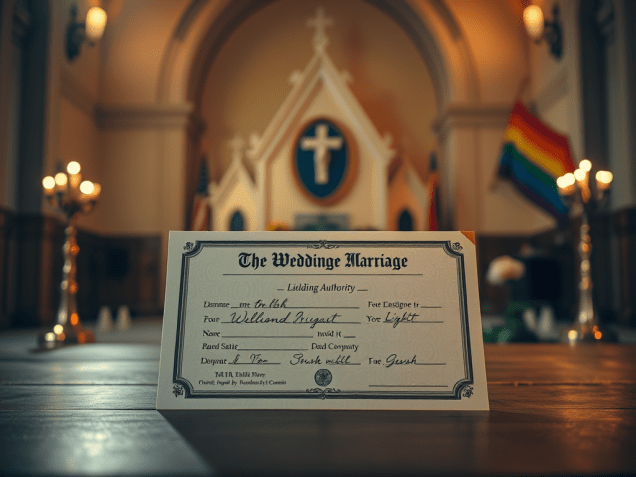




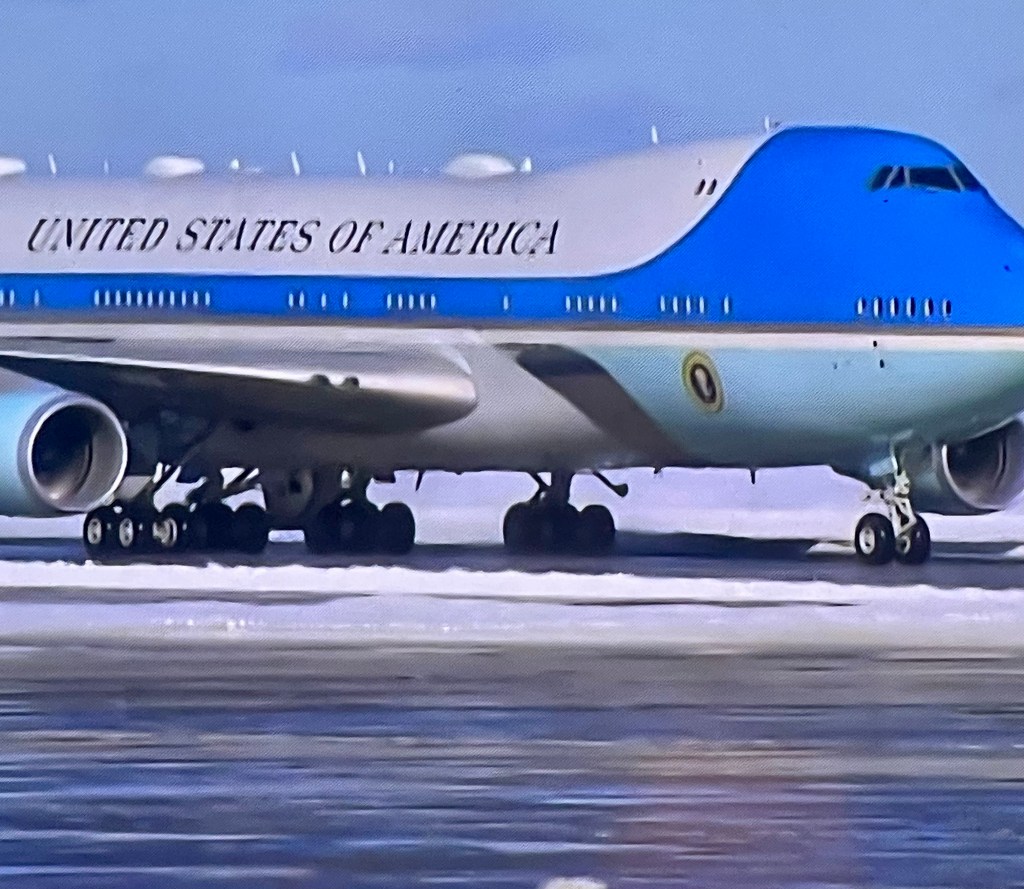




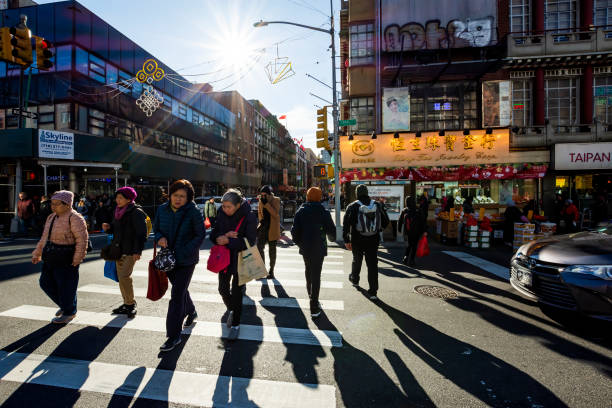


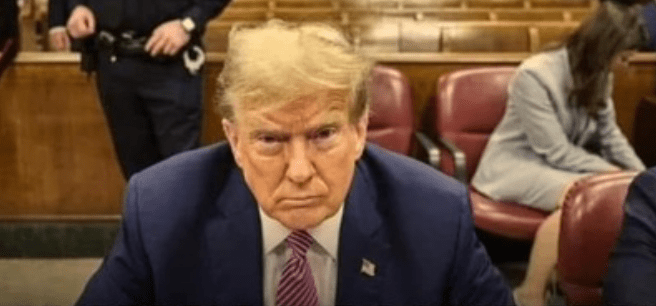


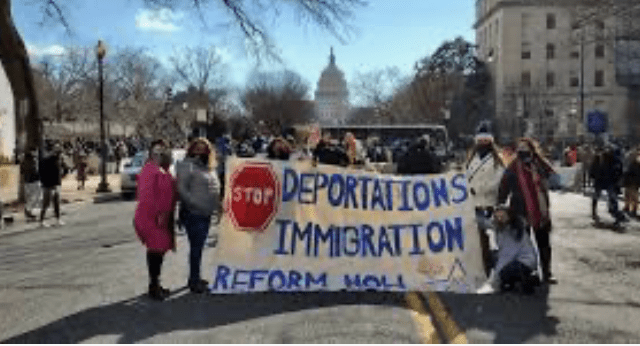

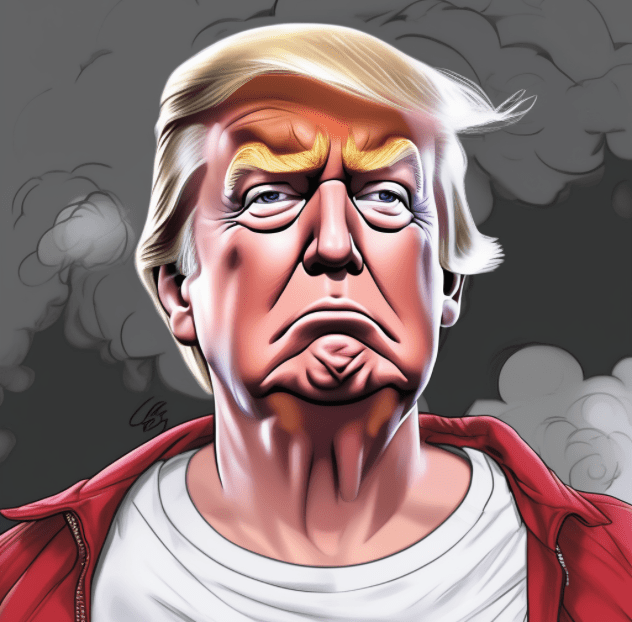


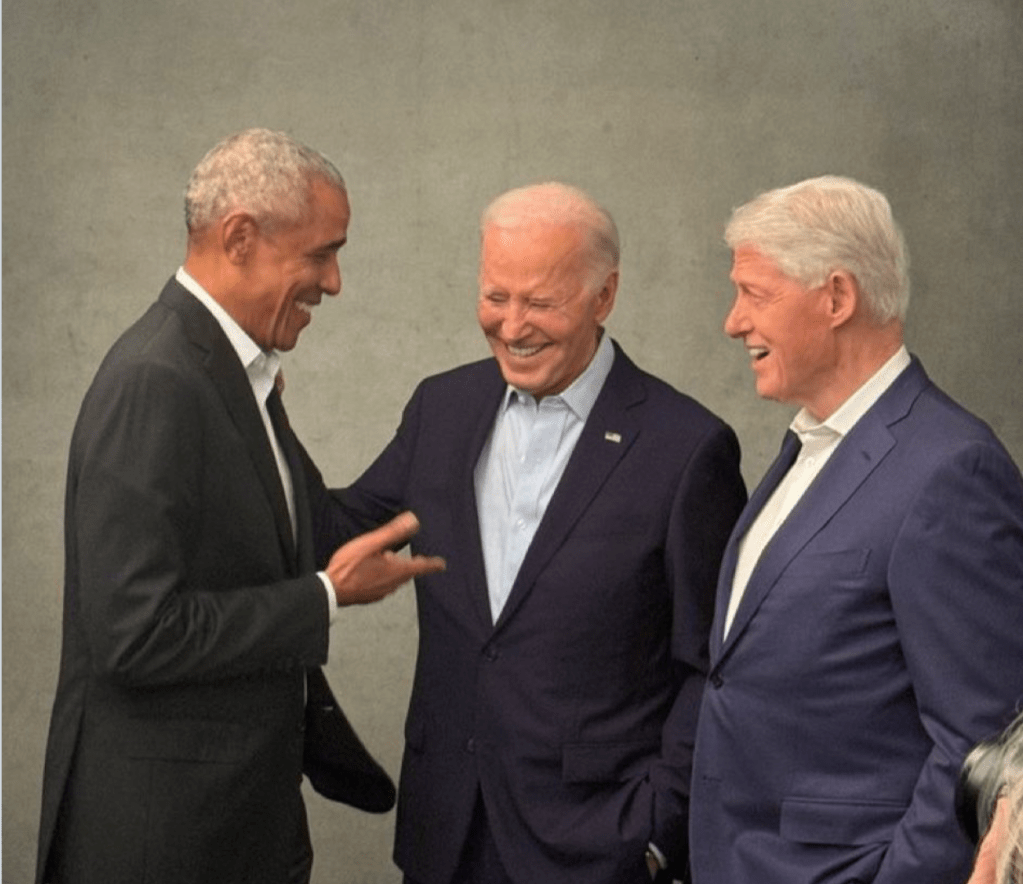
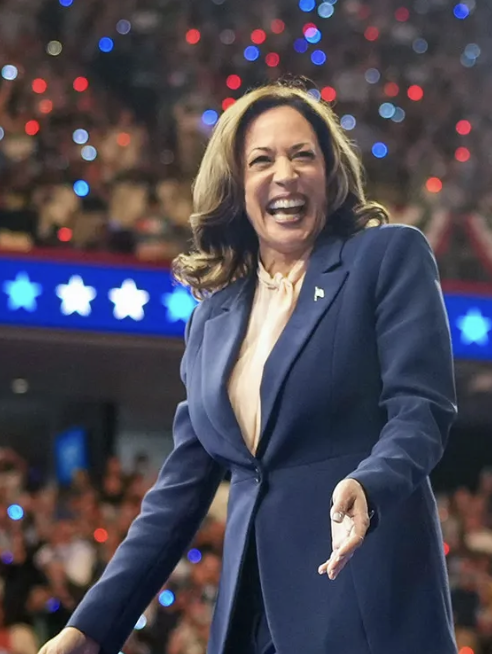
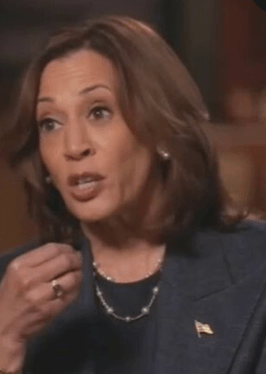




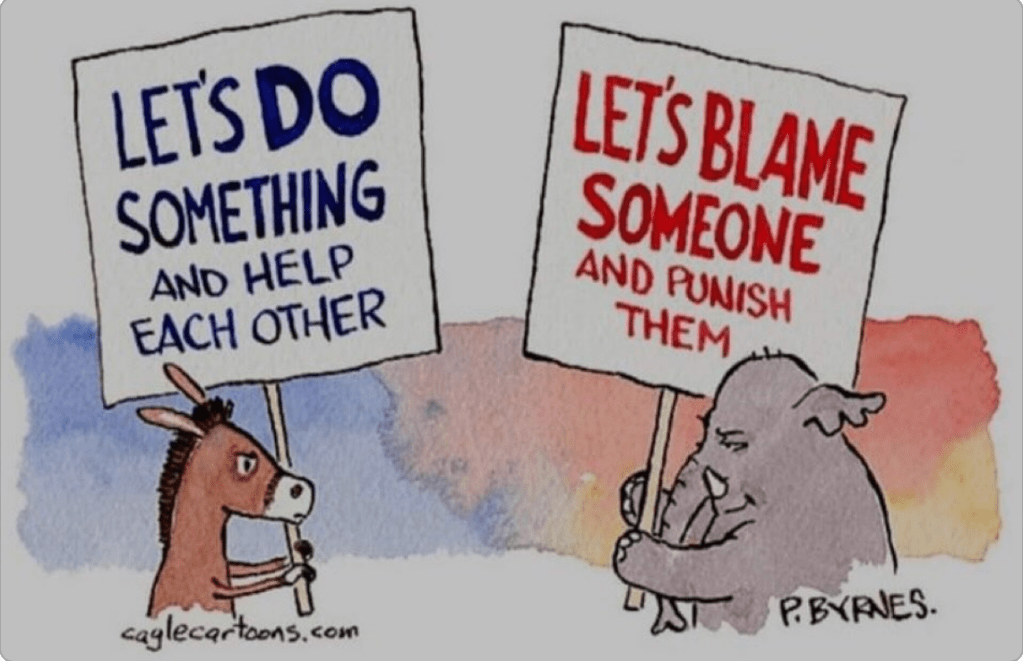
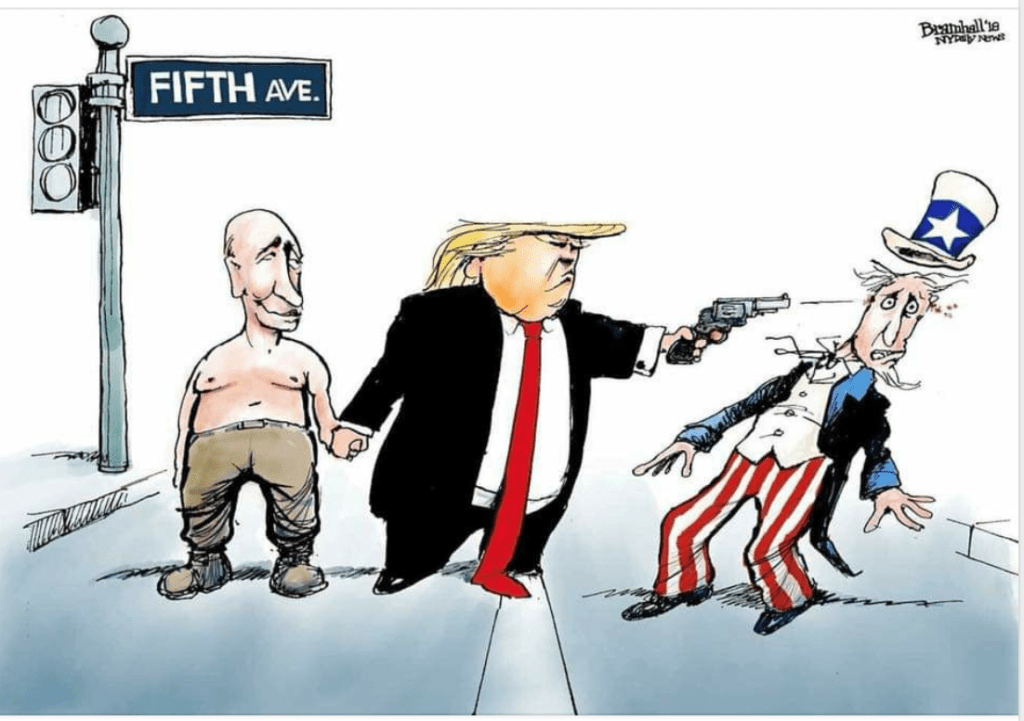









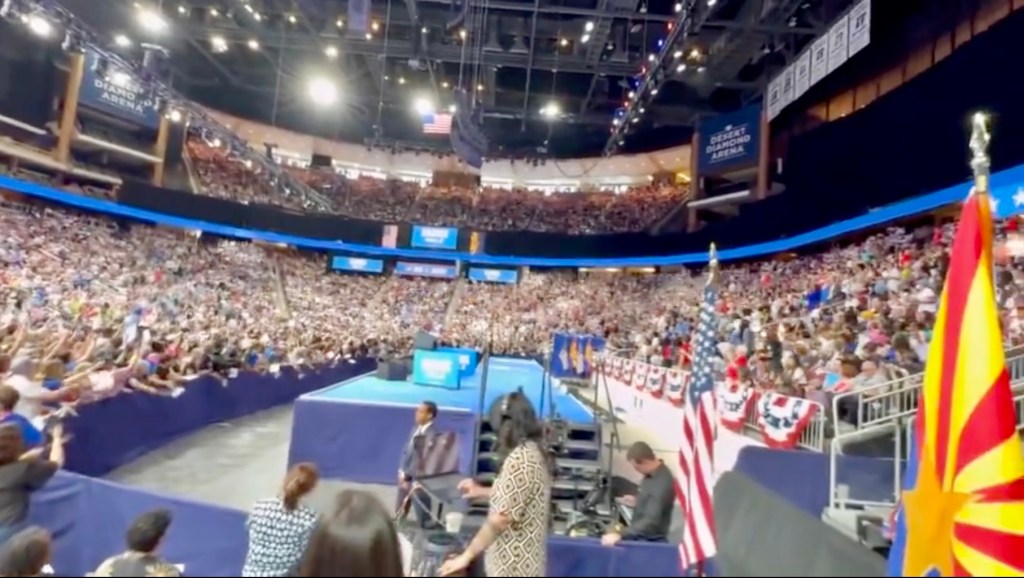
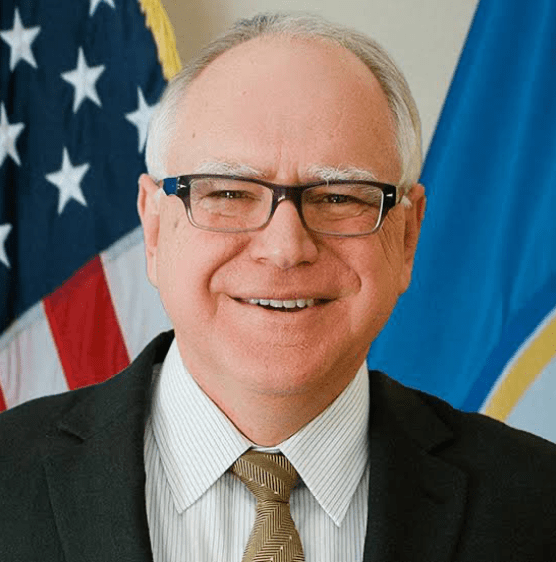





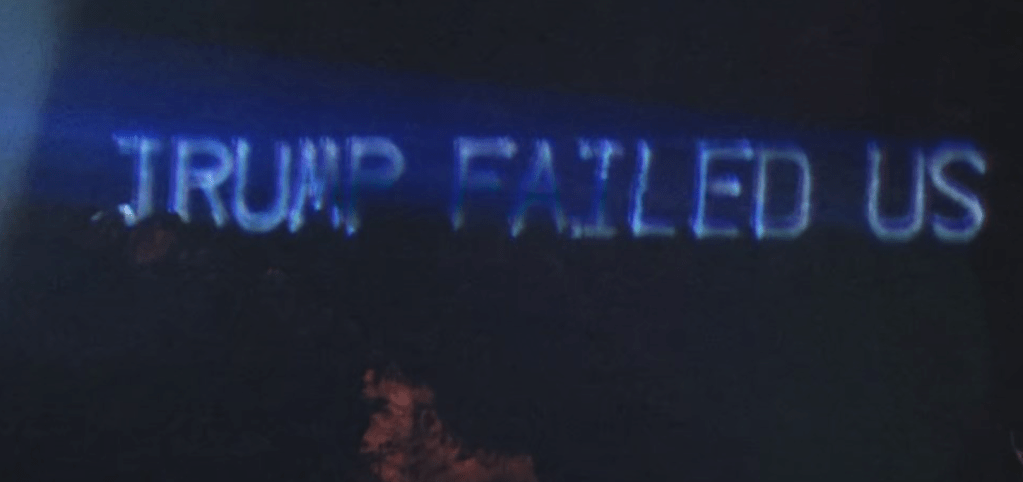

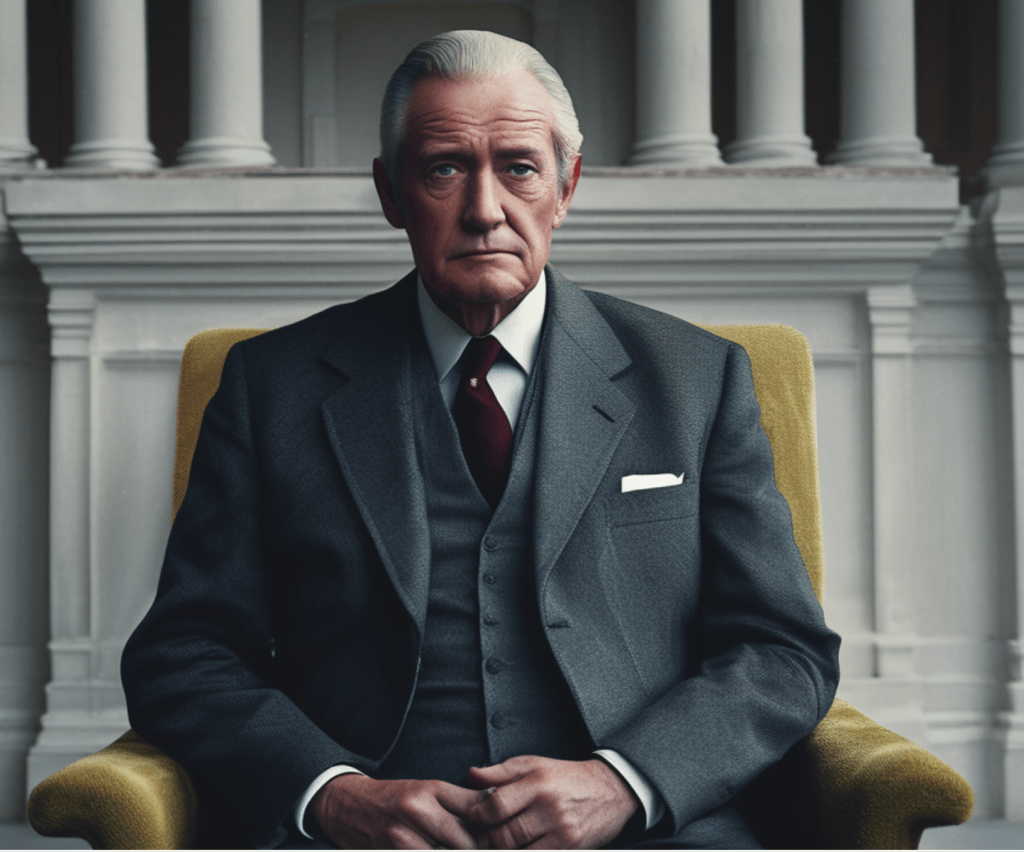

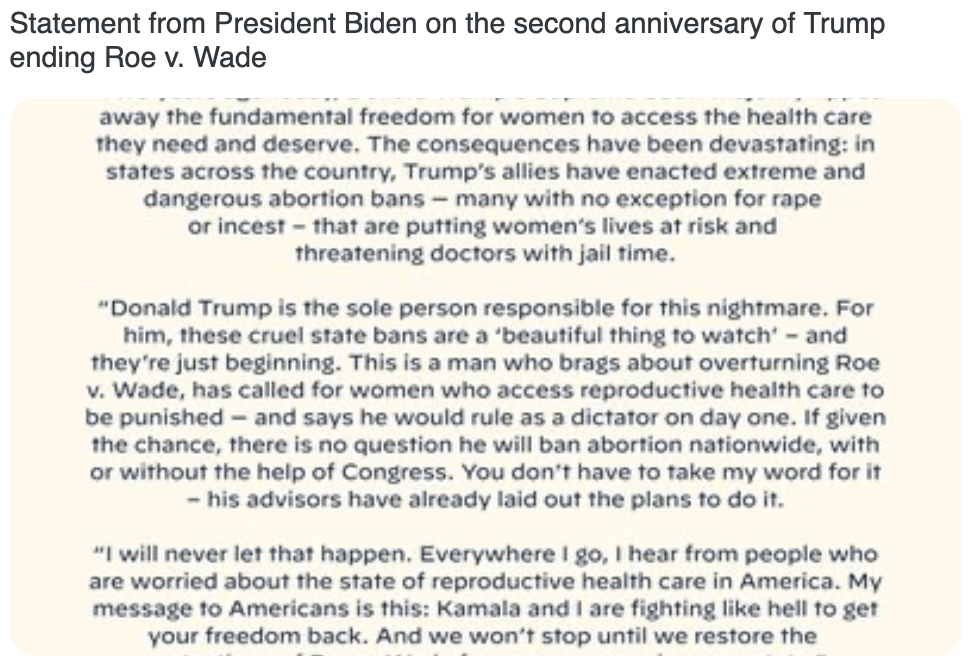

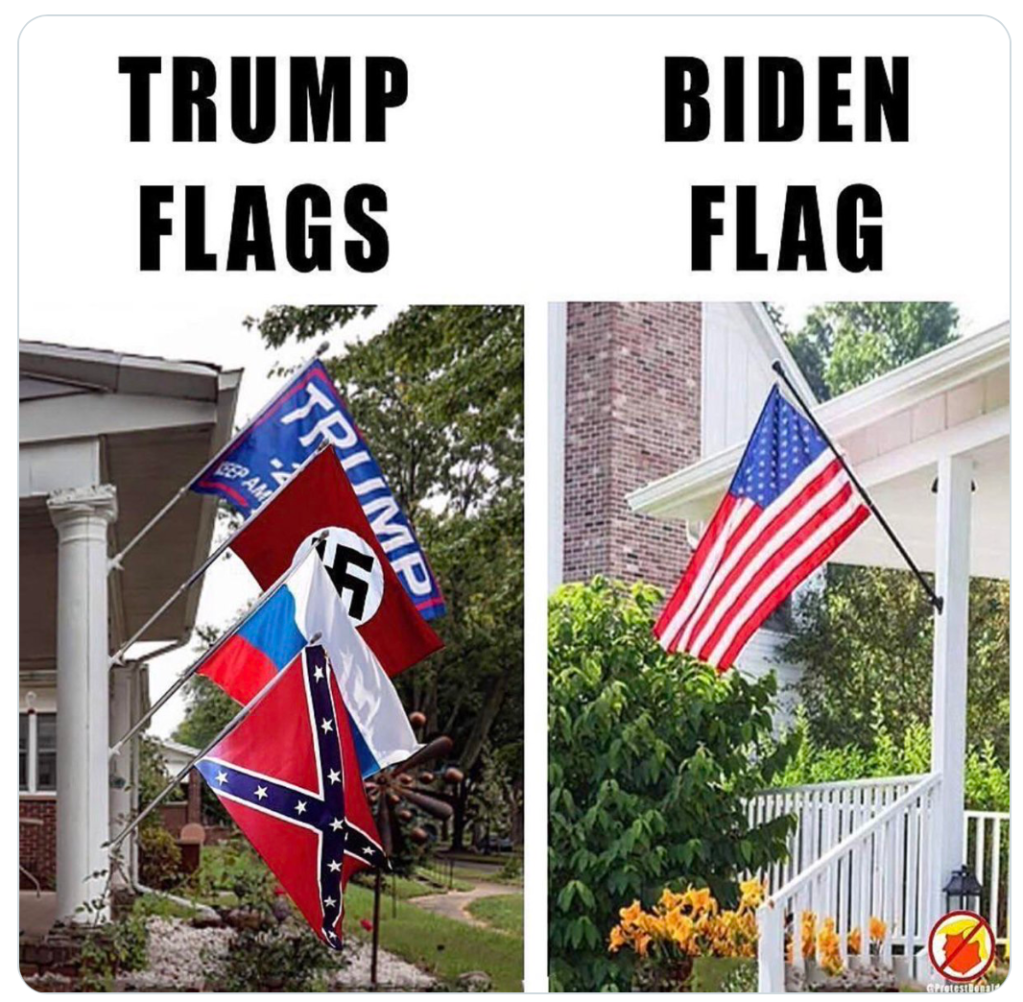
 benandsteve.com