Coming Up In 2026 – I’m Not Dead Yet!

By Benjamin GroffMedia© | benandsteve.com | ©2026

1–2 minutes

Hello to my loyal readers and visitors—this note will be brief, but heartfelt. Over the next few months, you may notice fewer stories appearing here. Please know this isn’t goodbye or silence; it’s simply a shift in rhythm.

I’m taking this time to focus on editing and publishing two books that have been waiting patiently for their moment. Writing new stories while preparing these projects feels like juggling reading, writing, and proofreading all at once. One task has to slow down. This way, the work can be done right. I’ll still share updates along the way, just not always on a daily schedule.

So if things feel a little quieter than usual, don’t worry. I haven’t decided to stay permanently in last year. I also haven’t skipped ahead without you into 2026. I’m still here… somewhere. I’m just surrounded by drafts and red ink. Stories are getting ready to find their way into the world.


By Benjamin GroffMedia© | benandsteve.com | ©2026

Welcome to all the New Subscribers

By Benjamin GroffMedia© | benandsteve.com | ©2026

2–3 minutes

Benjamin Groff II

Welcome—truly welcome—to all my new subscribers.

You have chosen to follow my work. I’ve found my way to yours. Or we’ve somehow crossed paths through shared stories and curiosity. Regardless, I’m grateful you’re here. benandsteve.com is a place built on memory and reflection. We believe every life has value. Every voice deserves to be heard.

Here you’ll find personal stories, history, observations, tributes, and occasional wanderings into humor or wonder. Some pieces are quiet. Some are reflective. Some surprise you. All are written with intention and respect for the human experience we share.

Thank you for taking the time to read, follow, and engage. I hope something here resonates with you. It can steady you. Or if it reminds you that you’re not alone in this wide, complicated world. You’re always welcome back—and I’m glad you found your way here.

A Warm Welcome to New Subscribers

If you’re new here—welcome. Several reasons you are here. (1.) You have subscribed by choice. (2.) You discovered this site through a shared story. (3.) We have found one another through mutual curiosity. Regardless, I’m genuinely glad you’re here.

benandsteve.com is a place for storytelling in many forms. These include personal reflections, family and local history, and tributes. It also encompasses observations and the occasional moment of humor or wonder. Some posts are quiet and reflective. Others lean into memory, loss, resilience, or simple human connection. All are written with care and intention.

Thank you for reading, subscribing, and spending your time here. I hope something you find steadies you, sparks a memory, or reminds you that stories—especially ordinary ones—still matter. You’re always welcome back.

~ Benjamin ~


By Benjamin GroffMedia© | benandsteve.com | ©2026

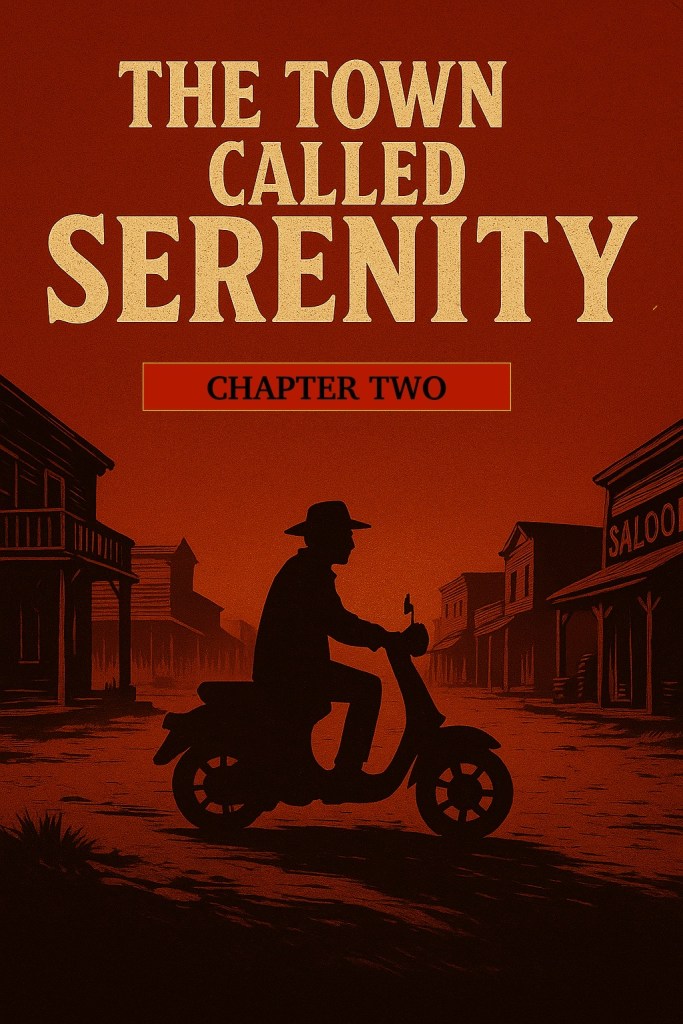
The Town Called Serenity – Chapter Two ~ The Man In The Velvet Chair ~

By Benjamin GroffMedia© | benandsteve.com | 2025 Truth Endures©

3–4 minutes

Chapter Two: The Man in the Velvet Chair

Braddock Cain held court in what used to be Serenity’s town hall. It has been redubbed The Assembly. This tongue-in-cheek title amused him to no end. The building’s original seal featured a gavel and olive branch. It had been charred. A mural of a coiled snake wrapped around a set of broken scales replaced it.

Cain reclined in a velvet chair salvaged from an old theater. His legs were crossed and his boots polished. A glass of brandy swirled in his hand. He dressed like a gentleman, but everything about him screamed predator. His jaw bore a faded scar shaped like a question mark, and his eyes—green, sharp, reptilian—missed nothing.

He was listening to the daily reports from his lieutenants. These included moonshine shipments and bribe tallies. They discussed who’d been bought and who needed reminding. It was during this time that the news came in.

“Marshal rode in today,” 

Said a wiry man named Poke, who hadn’t blinked since 1989. 

“Little fella on a moped. Arrested Julep Jake, if you can believe it.”

Cain’s eyebrow lifted slightly.

“Didn’t shoot him?” 

He asked, his voice smooth as oiled leather.

“No, sir. I hauled him off. Jake’s in the old jailhouse right now. He’s hollerin’ about election fraud. He’s claimin’ he’s immune to state law because of a sacred raccoon spirit.”

Cain chuckled, swirling his drink.

Side Note:

Julep Jake was a Yale-educated botanist. He loved whiskey-fueled nonsense. He habitually wore a sash that read “Honorary Mayor 4 Life.” Despite all this, he had a breakdown during a lecture on invasive species. He ended up in Serenity after wandering the desert in a bathrobe. He decided, on divine instruction, that this was where civilization needed his governance. The raccoon spirit came later, after a bad batch of moonshine.

Cain leaned forward, elbows on his knees. 

“So. The law’s back in town.”

Poke nodded. 

“Says he’s here to clean up.”

Cain smiled faintly. 

“Then let’s give him something to mop up.”

He rose, slow and deliberate. Every movement was calculated with the same precision he used to carve out his little empire. Cain wasn’t just a criminal—he was a tactician. He knew that fear didn’t come from bloodshed alone. It came from control. Predictability. Making people believe that resistance was a form of suicide.

“Send word to the Gentlemen,”

Cain said.

The Gentlemen weren’t gentlemen at all. They were Cain’s enforcers—four men, each with a particular specialty. One was a former preacher who liked to break fingers while quoting scripture. Another was a silent giant who wore a butcher’s apron even on Sundays.

“Tell them I want to meet our new Marshal. Kindly, of course. Offer him a warm Serenity welcome.”

Poke nodded and vanished.

Cain turned to the shattered windows behind him, looking out over his kingdom. Dust swirled in the streets. Somewhere, a gunshot echoed, followed by laughter.

“I do enjoy it when they come in idealistic,”

Cain murmured, sipping his drink. 

“They bleed slower.”

Embracing Honesty in Self-Reflection

Benjamin GroffMedia© | benandsteve.com | 2025 Truth Endures©

2–3 minutes

On Writing a Sincere Self-Analysis

To Thy Oneself Be True!
To My Ownself I Must Be True!

Writing the most sincere self-analysis is no small undertaking. It asks something of us that we’re not always ready to give. It demands honesty, and not just the kind we wear on our sleeves when trying to be humble or modest. It demands the raw kind. The kind that doesn’t flatter or soften but still doesn’t condemn. A self-analysis worth anything must go beyond the stories we’ve rehearsed for friends. It must also reach deeper than the traits we like to highlight on good days. It must ask: Am I willing to know myself, truly? And, more difficult still: Am I willing to share that knowledge with others, even if it unsettles or embarrasses me?

There’s always a temptation to curate the truth—to include only what paints us in a light we can tolerate. We must focus on growth, accomplishments, and kind-heartedness. We should downplay the envy, impatience, and regrets that tug at us when we’re alone. But sincerity demands more. It asks for balance. The glad moments don’t mean as much without the unhappiness that gives them context. Our kindness shines brighter when we own the times we’ve neglected to be kind. Our strength becomes more meaningful when we admit we’ve been weak.

A true self-analysis is like holding up a mirror. It’s not the forgiving kind in your hallway that you glance at before heading out. It’s the close-up, unfiltered reflection you find under harsh light. There, we meet the layers. First, there’s the child we were. Then, comes the adult we became. Finally, there’s the person we are still trying to be. We see the love we gave and the love we withheld. We know the courage and the fear, the moments of pride and the nights of doubt. And in that space, there is room for grace—because sincerity isn’t about judgment but clarity.

So when you write your self-analysis, ask yourself: will I tell it all? Or just the things I like? Will I dare trace the lines that run through my contradictions, triumphs, and failures? The work isn’t in choosing between the good and the bad. It’s in holding them together and saying,

This is who I am—flawed and hopeful, broken in places but still reaching toward something better.

That’s when you know it’s sincere—not because it sounds perfect, but because it doesn’t try to be.

The Island of No Return

GROFF MEDIA 2024© TRUTH ENDURES IMDBPRO

Presented by benandsteve.com By: Benjamin Groff II©

3–4 minutes

Three men sat at the edge of a dock. Each was worn down by the ceaseless hum of modern life. Their gazes were fixed on a small, uninhabited island that shimmered in the midday sun. A mile off the coast, the island was lush with palm trees, surrounded by crystal-clear water, and untouched by civilization. It was perfect, a blank canvas for a life free from the chaos they had come to despise.

The trio’s leader, Warren, a former corporate executive, was the mastermind behind the escape. To buy the island, he’d sold everything—his penthouse, yacht, and stock portfolio.

“Gentlemen,”

he said, gesturing at the island,

“we’re about to start over. No emails, no alarms, no societal nonsense. Just us and the land.”

Tom, a rugged carpenter with calloused hands, nodded.

“I’ll build us the finest cabins you’ve ever seen. Give me trees and tools, and we’ll have a paradise.”

The third man, Elliott, a quiet botanist, adjusted his glasses and smiled faintly.

“And I’ll make sure we know which plants are safe to eat. Nature will supply for us if we respect it.”

They packed their small boat with essentials: tools, seeds, books, and fishing gear. They agreed to leave their phones behind, cutting ties with the rest of the world. “Once we’re there,” Warren declared, “there’s no turning back.”

Arrival

The island greeted them with pristine beaches and a dense jungle that hummed with life. They worked tirelessly in the first weeks. Tom constructed three sturdy cabins near the shoreline. Warren rigged up a rudimentary system for collecting rainwater. Elliott explored the interior, cataloging edible plants and marking trails.

At night, they sat by a fire, listening to the waves and reveling in the simplicity of their new existence.

“This is freedom,”

Warren said one evening.

“We’ve escaped the madness.”

But as the weeks turned to months, cracks began to form in their idyllic retreat.

Isolation

Elliott was the first to show signs of unease.

“The flora here is fascinating,”

he said one night, staring at the fire,

“but I miss my research. Sharing discoveries with others… it gave my work purpose.”

Tom, who had poured his energy into the building, grew restless after the cabins were completed. 

“There’s only so much wood to chop, so many things to fix. I feel… stagnant.”

Warren dismissed their concerns.

“We didn’t come here for purpose or projects. We came to live. You’ve forgotten why we left.”

But Warren, too, struggled. He’d envisioned a utopia, a life stripped of complications, but the endless quiet gnawed at him. Without the structure of his old life, he felt adrift.

The Turning Point

One stormy night, a ship appeared on the horizon. Its lights pierced the darkness, a beacon of their forsaken world.

“Do we signal it?”

Tom asked, his voice wavering.

Warren’s face hardened.

“No. We agreed: no contact.”

Elliott hesitated.

“What if they’re in trouble? Or what if… what if we are?”

The men argued for hours as the storm raged. Ultimately, they let the ship pass without making contact. But the moment lingered, a reminder of the life they’d left behind—and the choice they’d made to stay.

Conclusion

In time, the men adapted. They found a rhythm in the island’s isolation, but each carried a quiet longing for the world they’d abandoned. They didn’t regret their choice, but they understood it now for what it was: a trade, not an escape.

Years later, the island was still theirs, but they were no longer the same men who had arrived. They had built a new life, not without struggles or sacrifices, but one that was undeniably theirs.

They never saw another ship. They often looked out at the horizon. They wondered what have been if they’d signaled that one stormy night.

It Was A BedTime Story My Grandmother Would Tell Me, But It Was The Weekend That I Loved To Spend!

By: Benjamin Groff II© Groff Media 2024© Truth Endures IMDbPro

It was a bedtime story my grandmother used to tell me when I visited their home on weekends. They lived about forty miles west of the farm we had bought, but they had been farmers in the same area. As they grew older, they sold their place and moved to a larger town, closer to conveniences like supermarkets, doctors, hospitals, and stores. I visited them at least one weekend a month, sometimes more, either hopping a westbound Trailways bus or catching a ride with one of my dad’s friends heading out to Texas. On travel days, I dressed to the nines, careful not to show up looking like a bum, especially since people back then still took pride in looking sharp for such things. Times were changing, though. In the sixties, you started seeing folks on the bus with beads, bell bottoms, and cut-off t-shirts, their hair long, male or female.

I was five years old when I first started traveling with my grandparents, and it became a cherished tradition until my grandmother passed when I was eleven. Even as times changed, my routine remained the same. My grandfather would always park in front of the local drugstore that served as the bus stop in their town. A large courthouse sat in the center of the square, and the bus had to make a loop around it before stopping. The airbrakes would hiss, and I was always be the first one off. The bus driver ensured it, especially since I sat beside him on my suitcase for the whole ride.

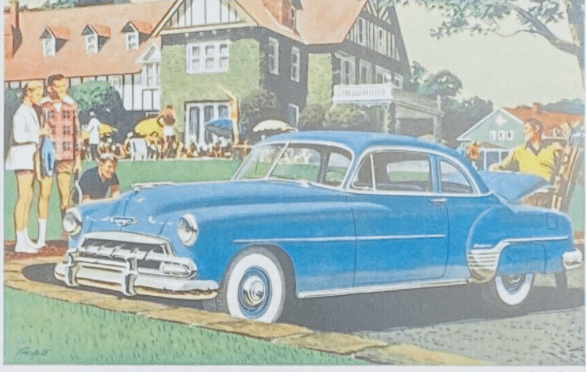
My grandfather, whom I called Pop, would be waiting by the trunk of his 1952 Chevrolet Coupe. As I stepped down those bus steps, the driver would already have handed my suitcase to Pop, who would smile and say, ––––

“Let’s scoot. Mom’s got dinner about ready at home!”

And it was home. My home away from home. I often dreamed of moving there, living with them, and even telling them so. I wanted my dad and our horses to come too because, in my child’s mind, my grandparents loved me so much that they’d love my dad and our horses too.

Pop had a habit of smoking a pipe—or rather, puffing on one. I could spend hours watching him puff smoke into the air in their cozy den. He liked to mix cherrywood tobacco with Prince Albert, and the sweet scent lingered long after he finished, complementing the smells of my grandmother’s cooking, making you want to eat whatever she was making. There was no television after dinner on most evenings. Instead, we’d listen to the ticking of the clock and talk. It was simple, but those talks meant more to me than the grandest concerts I’ve ever attended.

There were exceptions, though. Saturday evenings, we’d watch the news, then Lawrence Welk and Porter Wagoner, followed by a local music show hosted by a furniture store owner. But the TV was always off once Pop went to bed. That’s when my grandmother and I would click it back on for our secret ritual—watching championship wrestling from Oklahoma City. She loved it, getting so worked up that she’d tear tissues to pieces while her favorite wrestlers fought. I’d hand her a new tissue each time she shredded the last one. No one knew about this passion of hers except me, and she confided that she only got to watch wrestling when I visited. It made me feel needed by these two people I loved so much.

At night, I slept on a cot in their bedroom. It was as comfortable as any five-star hotel bed. But before I bedded down, my grandmother would let me crawl between her and Pop in their bed while she told me stories. One of my favorites was when she grew up in East Texas. She’d laugh so hard telling it, tears streaming down her face. It always made me laugh, too.

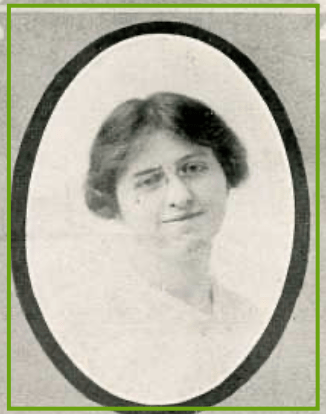
Mom, Florence Lula McElroy, Groff1914

She and her sister Ethyl were watching their little brother, Sam, who had just turned four. The rest of the family worked in the fields when the weather worsened. A funnel cloud was forming in the west, and the sisters, frightened, grabbed Sam and rushed into the farmhouse. Back then, there was no electricity, phones, or fundamental utilities, let alone cars. The girls did the only thing they could think of: they got under the heavy kitchen table, crying as the storm approached.

Not understanding what was happening, Little Sam asked, ––– “What should I do?”

My grandmother told him, ––– “Sam, you should pray!”

But the only prayer the boy knew was the table grace, so he began, ––– “Dear Lord, we thank you for what we are about to receive…”

That’s where the story always stopped because my grandmother would laugh so hard she couldn’t go on. I never knew if the house got hit or the storm blew the farm apart. All I remember is her laughter and how I’d move to the cot, hugging her and giving her a sloppy kiss goodnight.

Years later, I asked my Uncle Sam about that storm. He chuckled and said, ––– “Pots and pans were flying everywhere, and the two sisters were laughing like tea parties. We didn’t lose the house, but it scared me.”

Uncle Sam became my favorite great uncle after that.

I loved hanging out with Aunt Ethyl at family reunions. She dipped snuff—real tobacco, not the stuff you see now. She’d sniff it and tuck some into her upper lip. I could never keep up with her, and my grandmother would have been after me if she ever caught me trying.

On Sunday afternoons, my dad drove to pick me up from the farm. I was always happy to see him but hated leaving my grandparents. I didn’t want to return to the town near our farm—it was never as pleasant as the time spent with Mom and Pop. When I was five, I never imagined that they’d leave this world or that I’d grow up. Life takes the airplane, and time takes the train.

Winning Big, By Realizing How Not To Spend It – A Jackpot In Vegas

A Story by: Benjamin Groff© Groff Media2024© Truth Endures

Vernon and Bernice had traveled from Pumpkin Center, Oklahoma, to Las Vegas to attend a conference paid for by Bernice’s employer, the Magic Pipe Copper Company. The company was not involved in magic, pipes, or cups despite its name. Its primary function was to handle hotel bookings, changes, and cancellations. Any calls unrelated to these services got transferred to another company, Heads Turning Company, which was not affiliated with the Magic Pipe Copper Company.

Bernice’s conference was to begin tomorrow, and Vernon had saved for his part of the trip for nearly a year, knowing he would get to go about Las Vegas alone while Bernice attended the conference during the daytime. Bernice had told Vernon that she didn’t mind if he gambled but didn’t want him to go overboard and go broke. He promised her that he would tell her immediately if their finances changed. She told him that if you win something big, it better be enough for us to live forever because the company would probably fire me for it. She was kidding, but Vernon thought she was serious. He had read about a company in Russia that had all but killed an employee who won big in Las Vegas and tried to stay in the USA with their winnings. Vernon was from a small town and never caught on to the more significant influences of life.

As Bernice left for her conference, she kissed Vernon and said,

“You behave today, and we will go to the all-you-can-eat buffet tonight!”

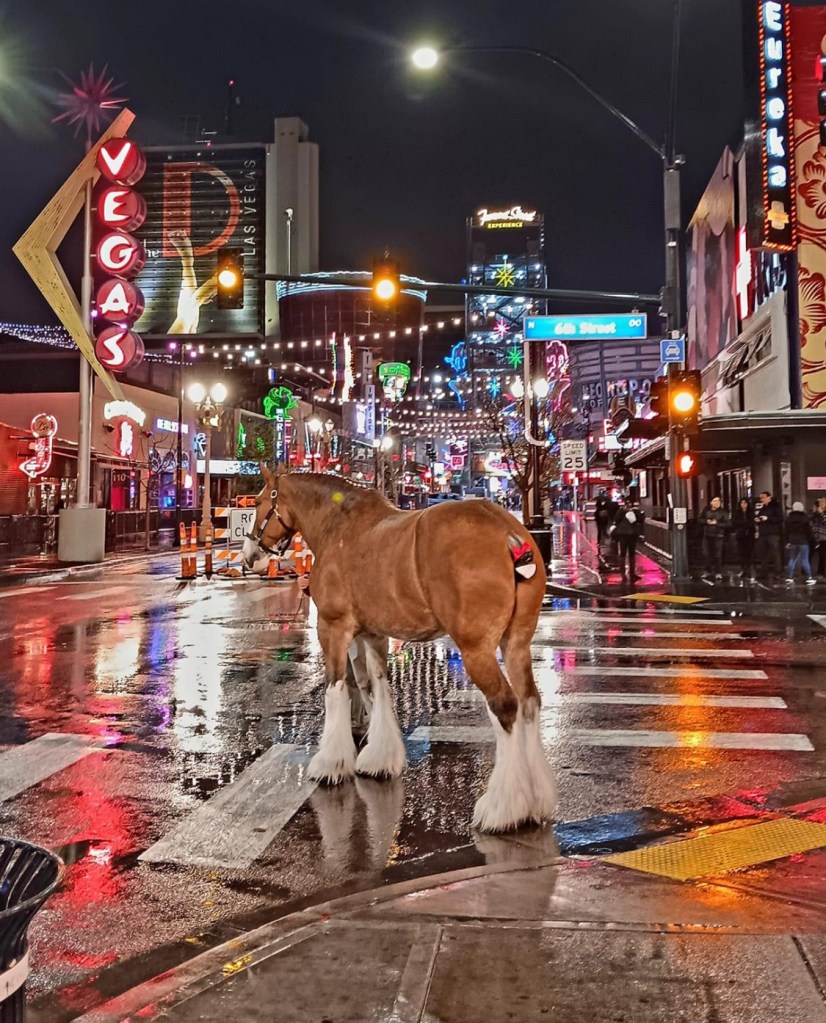
He agreed and returned her kiss. After she left, Vernon hurried around, finished dressing, and checked his cash. He was sure he kept his big bills hidden. Some were in his zipper-hidden belt; some were in his socks under his feet and inside his shoes, and some were in a pocket hidden inside his waistband. Then he had a hundred and fifty folded into a money clip. In his wallet, he kept fifty-ones. To make it look like that was all his money should a robber hold him up. He checked the news for a quick update, and the headlines reported that a horse was blocking Fremont Street near downtown Las Vegas. Suitable for Vernon, he had planned to stay inside the casino most of the morning.

As Vernon left the couple’s hotel room, he double-checked to ensure he locked the room door and had the key card to get back in. Check. Everything was in order. Vernon walked to the elevator and proceeded to the ground floor.

The doors opened onto the Gaming Floor, and one-armed bandits were ringing and rolling, lights were flashing, and loud sounds were banging. All of the attractions caught Vernon’s attention and drew him in closer.

A lady sitting behind one of the machines screamed,

“I just won $1000!” and began jumping up and down.

A man a few rows over hollered,

“I won $100!”

Vernon thought, here I am with my money clip and $150. I have to see what I can win. Vernon sat down, put $20.00 in a slot machine, hit ‘bet everything,’ and rolled suddenly. The screen lit up with “JACKPOT,” and the machine went wild. Nothing came out of the machine, but the sounds were incredible. And people began crowding in around Vernon. People were making all kinds of gestures and comments; Vernon, not knowing what he had just done, said, I don’t know what happened; did I break it? A lady in the crowd said,

“Did you break it? Ha! HE WANTS TO KNOW IF HE BROKE IT”

The crowd erupted into laughter and cheers, their excitement palpable.

The lady replied to Vernon,

HONEY, you didn’t break it. You might have broken the house but didn’t break the machine. You just won a bunch of money—from the looks of things, you just won about Fifty Million Dollars!

Vernon was left in a state of shock. How did a mere $20 bill transform into this? And how was he going to break the news to his wife? He still needed to collect the money, but should he? These thoughts raced through Vernon’s mind when a man in a suit suddenly approached him.

Are you the one who played this machine?

Vernon replied,

Yes, I put in $20 and played, and it started doing this.

The man put a key into the machine, printed a paper, and told Vernon to come. The crowd cheered him as he left. The man took Vernon to the Hotel’s office and asked him to be seated. He then told Vernon that he had just won $92 million and asked if he would like that paid out in cash, check, or wired to his bank. The man told him the law requires him to pay taxes on the winnings, which the bank had already performed. That is why he was only getting $52 million. Vernon was speechless. He said his wife was attending a conference and asked if she had to pay her share too, and the man said no, this takes care of everything. Vernon said how about the business that she works for? Will they get any of it like the guy from Russia had to? The man laughed and said no, this is the United States; for now, with our form of government, those things do not happen here. However, if we allow the wrong people into leadership, that could easily change. So be careful of who you support when you go to vote.

Vern told the man he wanted all but twenty thousand deposited in their home banking account and would take the twenty thousand in cash. Vernon liked it in a bag that wouldn’t draw attention. So the man went to the casino and obtained shopping bags for children’s toys. He returned to the office and showed it to Vernon, letting him pick which bags he wanted to put money in. Then, Vernon left carrying twenty thousand dollars out of the office in children’s toy bags. Vernon returned to the hotel room and waited for Bernice to return from her conference.

At 4:00 PM, Bernice returned from her conference. Vernon asked if she was attending the sessions the next day. She said she was. He told her he had seen all he wanted of Las Vegas and was about ready to go home. She suggested he could surely play poker or slots tomorrow, or wondered if he might have lost all his money. Vernon explained he had not lost all his money, but they would be going home with more than they came with, and that is where he wanted to leave it.

Bernice said,


Let me go to the morning session, at least. There will be a bonus for us doing that. Lord knows we can use the money.

Vernon replied

You know we have all the money we need. More than we will ever need.

Bernice suggested he must have fallen and hit his head. Or he had been drinking the tall drinks the bartender was trying to sell because they always needed more cash come payday.

Vernon explained to her that has changed.

Today, Bernice, that all changed. I won a jackpot, and they put $52 million in our checking account and looked in these toy bags. That is the cash I kept for us to go home on.

Bernice nearly fainted as she looked at the cash and suggested he must have robbed a bank. He explained to her he had won on the first spin of the one-armed bandit and showed her a photo of him accepting the winnings at the hotel lobby. She pointed out they offered an increase in comfort for the two to experience, like a suite, free meals, and bar service. They were giving you a complete complimentary setup.

Vernon dryly said –––

They did, but I told them we already had this one paid for.

Bernice, shockingly looking amazed, –––

You know they would give you a suite and a nice upgrade for free.

Vernon, in his state of innocence, pleaded –––

You are the only sweet I want, and I don’t need to upgrade.

Bernice, looking defeated, thinking out loud –––

What do we need all that money for? You will always need help understanding how to use it.

Vernon agreed with her.

The moral of this story is that the people who win jackpots are rarely the ones who truly have any business access to one.

The ENDING – Monday Morning Was A Killer For One Neighborhood – Ding Dong

A Story By Benjamin Groff© Groff Media2024© Truth Endures

It was a Monday morning, and everyone was starting their week. Neighbors were running about getting to their cars to hit the road and begin to work. John and Mary Wagner were still at home. Both had stayed in their vehicles since arriving home for the weekend, but no one noticed. It wasn’t unusual. They were known for locking their doors on weekends and never leaving the house, so staying home all weekend didn’t signal any concerns.

However, on Monday morning, John was usually the first to leave. He was out of the house and on the road by 6:00 AM to beat rush hour traffic, and Mary would leave by 7:00 AM with their two children, Max and Terri. So what was happening that day? The neighbor two doors down was a lady named Alice Morgan. She watched the neighborhood, curious about the Wagners’ home. 

Why aren’t they moving about this Monday? She asked herself

As the neighborhood drivers leaving for work thinned out, Alice meandered to the Wagners. Walking to the front door, she peered through the front bay window and saw no one inside. She went on up to the door and rang the bell, 

DING DONG, BING, BING, DING, DING, BONG

Alice thought to herself, what a weird doorbell ring. She rang it again to listen to the rhythm,

DING, DONG, BING, BING, DING, DING, BONG

No one came to the door. Curious about the cars remaining in the drive, Alice went to look inside them to see if there was anything strange about them.

Walking under an A-Frame carport, she saw two people in each car. She went up to the first vehicle, a 2017 Ford Pickup, and started to knock on the window before seeing that John Wagner appeared to be stone dead sitting behind its driver’s wheel. He had what looked like a gunshot to his forehead, and a trail of dried blood ran down his head to his chest. Startled, she ran over to Mary’s vehicle to find that Mary also appeared to have been shot in the same manner. The two kids lay dead in the back seat of Mary’s car, a blue 2020 Volvo XC60. Seeing this, Alice began screaming bloody murder and ran down the street, screaming louder and louder as she went toward her home. 

Once inside her home, Alice called 911 and told the operator that she had just found four dead people at her neighbor’s house, and she thought someone murdered four people. The 911 operator asked why she felt someone murdered the four people, and she said they had all had a single gunshot to the forehead and laid over in a car at their home.

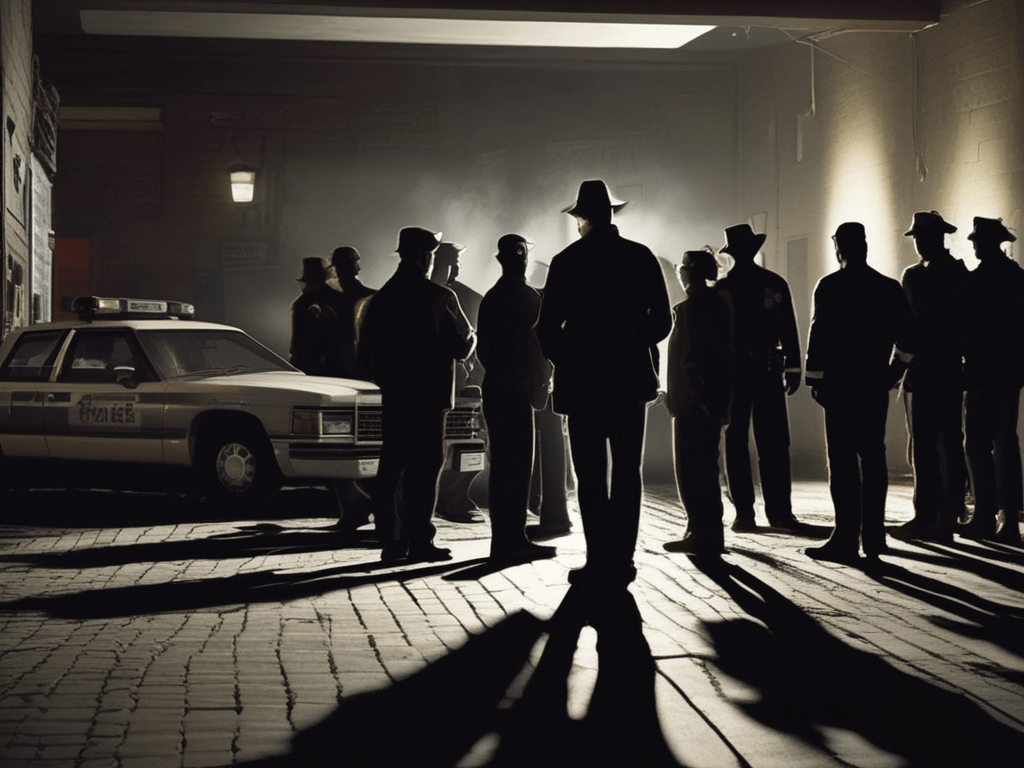
Within two minutes, the City of Appleton Police Department had police officers on the scene. Alice Morgan was in the middle of the crime scene, pointing to the dead bodies and explaining the ding-dong doorbell to police officers. They asked her to sit in a patrol unit so they could get a statement from her in writing and a recording of her saying how and what she had discovered. They put her in the back of a patrol unit while she was still talking non-stop, closed the door, and walked away.

Burt Johnson was the lead detective assigned to investigate what had happened to the family. 

A seasoned detective with a knack for piecing together even the most cryptic of puzzles, Burt Johnson arrived on the scene shortly after the first responders. He assessed the surroundings with a practiced eye, noting the position of the vehicles, the broken glass, and the eerie stillness that hung over the Wagner household.

The forensics team was already at work, taking samples and photographing the scene. Burt walked over to the patrol unit where Alice Morgan sat, her face pale and her hands trembling. He opened the door and crouched down to her level.

“Alice, I’m Detective Johnson. Can you walk me through what you saw this morning?”

Alice took a deep breath and recounted her morning, the odd stillness, the peculiar doorbell chime, and the horrifying discovery of the bodies. Burt listened intently, nodding occasionally.

“Thank you, Alice. You’ve been accommodating,” he said, gently patting her hand. “We’ll get someone to take you home soon. For now, try to relax.”

Burt then moved to the vehicles, examining the positions of the bodies. The gunshot wounds were precise, execution-style. These shootings were not random acts of violence; someone put planning into carrying them out. He noted the positions of the vehicles, the lack of struggle, and the fact that the shooter targeted both parents and children.

A uniformed officer approached Burt. “Detective, we found something in the mailbox. It’s an envelope addressed to you.”

Burt’s eyebrows shot up. He took the envelope, carefully opened it, and pulled out a letter. The handwriting was neat, almost meticulous.

“Detective Johnson, You’re getting warmer. This family was just the beginning. Find me before I find my next target.

  • “The Avenger”

Burt felt a chill run down his spine. The Avenger was a name he was all too familiar with – a shadowy figure who had been linked to several high-profile murders, always leaving behind cryptic notes and taunting the police.

Back at the precinct, Burt convened his team. They pored over the evidence, looking for clues that might lead them to the Avenger. The forensic team reported that no fingerprints or DNA were left behind, but they had found traces of a rare chemical compound used in industrial cleaning agents.

Burt’s mind raced. He remembered a case from years ago involving a disgruntled former employee of an industrial cleaning company. The man, Thomas Greene, had a history of mental instability and a vendetta against those he felt had wronged him. Could Thomas be the Avenger?

With a possible suspect in mind, Burt and his team delved into Thomas Greene’s past, uncovering a pattern of behavior that matched the Avenger’s MO. They also discovered that Thomas recently had been in Appleton.

A breakthrough came when a witness reported seeing a man matching Thomas’s description near the Wagner’s home on Sunday night. Burt mobilized his team, and they tracked Thomas’s movements through security footage and witness statements.

Their efforts paid off. They found Thomas hiding in an abandoned warehouse on the outskirts of town. Burt and his team moved in and apprehended him without incident.

Back at the precinct, under intense interrogation, Thomas eventually broke down. He confessed to the murders, revealing that he had been following the Wagner family for weeks, meticulously planning their deaths. He saw himself as an avenger, righting perceived wrongs with his twisted sense of justice.

The Appleton community breathed a sigh of relief as news of Thomas Greene’s arrest spread. Burt, exhausted but relieved, knew there would be more work to ensure Thomas was prosecuted and put away for good. But for now, he could take comfort in justice being served for the Wagner family.

Still shaken but grateful, Alice Morgan found solace in knowing that her vigilance had played a crucial role in solving the case. The neighborhood, once again, felt safe.

And as Burt Johnson left the precinct that night, he couldn’t help but think about the families still haunted by the Avenger’s previous crimes. He promised to continue his pursuit of justice, no matter where it led him.


Being Blindsided By Two Of The Craziest Drivers In Town ––– Leaves Everyone Jumping Out Of The Way.

A Story By Benjamin H Groff© Groff Media Copyright 2024©

In the quaint town of Willow Springs, the residents were known for their simple and predictable way of life. It was a place where everyone knew everyone, and the townspeople tended to accept change skeptically. That is, until the day Leonard and Frank, two elderly blind men, decided to shake things up with an adventure that would change the town forever.


Leonard and Frank, with their mischievous humor and lighthearted attitudes, had been best friends for decades, bonded by their shared experiences and a mutual love for adventure. Despite their blindness, they were known for their spirited attitudes and naughty humor. So, when they heard about the new self-driving car, they were immediately intrigued.


“Frank, can you believe it?”

Leonard exclaimed one morning over tea.

“A car that drives itself! Imagine the freedom it would give us!”


Frank, equally excited, nodded vigorously.

“Let’s do it, Leonard. Let’s buy one!”


The townsfolk of Willow Springs were accustomed to the sight of Leonard and Frank navigating the streets with their canes, always laughing and chatting animatedly. So, the entire town was curious when a shiny, futuristic self-driving car appeared in front of their modest home.


“Have you heard? Leonard and Frank got one of those new self-driving cars!”

Mrs. Thompson whispered to her neighbor.


“Those two? In a car? The two driving, I’ve got to see,”

her neighbor replied.


On a sunny Saturday morning, Leonard and Frank decided to take their new car, which they affectionately named “Freedom,” for its maiden voyage through town. As they settled into the plush seats, the car’s AI voice greeted them.


“Good morning, Leonard and Frank. Where would you like to go today?”


“To the park, please,”

Leonard said confidently.


As “Freedom” smoothly pulled away from the curb, the neighbors watched in a mix of astonishment and amusement. Some cheered, others gasped, and a few crossed themselves, praying for the safety of everyone involved. A dog barked, a child pointed, and a few people even dropped their groceries in shock.


The car moved gracefully through the streets, impeccably adhering to all traffic laws. Leonard and Frank laughed heartily, relishing the novelty of their adventure. They waved to passersby, who stared in disbelief at the sight of two blind men being chauffeured by a car without a driver.


However, things turned unexpectedly when “Freedom” encountered a detour due to road construction. The car, programmed to follow alternative routes, led Leonard and Frank on a scenic drive through the unfamiliar backstreets of Willow Springs. The residents, already on edge, began to panic.


“Where are they going? They don’t know those roads!”

Mr. Jenkins shouted, hopping on his bicycle to follow them.


As word spread, more townspeople joined the impromptu parade, trailing behind Leonard and Frank’s self-driving car. Some were on foot, others on bikes, and a few even in their cars, all trying to keep up with the unexpected journey.


Oblivious to the commotion behind them, Leonard and Frank were having the time of their lives. “Freedom” took them past the old mill, the blooming orchards, and even down the riverbank. It was a tour of Willow Springs like they had never experienced before.


Meanwhile, the crowd grew more extensive and more frantic. Children pointed and laughed, dogs barked, and a few people even attempted to flag the car down, worried about the safety of their beloved town characters. The mayor, Mr. Roberts, received dozens of calls and texts demanding he do something about the situation.


Finally, “Freedom” brought Leonard and Frank to the town square, where the weekly farmer’s market began. As the car came to a gentle stop, the two friends stepped out, greeted by a mixture of cheers, applause, and sighs of relief.


“What a ride!” Frank exclaimed, grinning from ear to ear.


Leonard nodded, equally ecstatic.

“I haven’t had this much fun in years!”


The mayor approached them, catching his breath from running to the square.

“Gentlemen, you certainly know how to cause a stir,”

he said, trying to suppress a smile.


Leonard and Frank looked at each other and burst into laughter.

“We didn’t mean to cause any trouble,”

Leonard said.

“We just wanted to explore a bit.”


“And explore you did,”

The mayor replied.

“But perhaps giving us a little warning would be appreciated next time.”


From that day on, Leonard and Frank became local legends. The story of the two blind men and their self-driving car spread far and wide, bringing a newfound sense of pride and unity to Willow Springs. Initially thrown into chaos, the community embraced the spirit of adventure and innovation, inspired by their two beloved residents.


And Leonard and Frank? They continued to explore, always ready for their next adventure, with “Freedom” leading the way and a town full of friends cheering them on.

The Comm Commander’s Typical Night In Communications At The Police Department

A Story By Benjamin H Groff© Groff Media Copyright 2024©

The Comm Commander had been very busy at 2 AM. After telling the girls his war stories from his previous assignment at a different department, his shift became busy booking prisoners. Officers began bringing in subjects they arrested for Driving Under The Influence and Public Intoxication following the closing of several nightclubs and bars in the city.

As prisoners piled up in the booking area, one of the girls who had stayed over from an earlier shift moved the booking typewriter over on the book-in counter to open a ledger to log in prisoners’ names. As she was moving the typewriter, a prisoner became offensive and began fighting with the police officers, and two officers had to lift and plant his body down on the counter to get control of him. As they were putting handcuffs back on the man, the officer’s physical strength caused the man’s head to face plant into the typewriter.

The Comm Commander continued to ask book-in questions ––

“do you have any health concerns we should know about?

Prisoner ––––

“I probably do now, with my head in this machine!”

Comm Commander –––

“I will note that you have a typewriter about your head when booking.”

The night was busy until dawn, and there were still officers bringing prisoners in as the day shift began to arrive to start their duties.

As the light of day became brighter, a call came into Communications about a severe auto accident on Interstate 40 east of the city near an overpass involving several vehicles. Dispatch responded to a fire department rescue, fire truck, two ambulances, and two police units. The Comm Commander contacted the Oklahoma Highway Patrol on a point-to-point frequency, requesting they send a state trooper; the first arriving police unit reported back that there were two confirmed fatalities in a burning vehicle. The accident was in Washita County. The Comm Commander notified the Washita County Sheriff’s Office in Cordell, Oklahoma, to send a coroner, and they advised they also had a deputy en route. Such accidents were common in the area, and the department regularly responded to them as a mutual aid agreement with area jurisdictions.

These activities were shared during a night for the Comm Commander during his shift in Communications.

The Comm Commander Tells About Jailing His First Arrest

A Story By Benjamin H Groff© Groff Media Copyright 2024©

It was slightly after 2 AM, and the calls had slowed to officers making traffic stops. They were watching for drunk drivers. The local bars closed then, and the streets would fill with drivers hitting light posts and speed signs.


Keeping track of their locations was a breeze, and the Comm Commander kept a log with details, including every detail radioed over the airwaves. The gals had been egging the Comm Commander to tell them one of his stories about his time at the other departments he had worked at. With a lull in activity, he thought, well, now is as good a time as any.

Edna and Gail had stayed over from their earlier shifts for the occasion. They were both much older than the Comm Commander, and he liked to tease them whenever he could pull a good trick on them. They, in turn, returned the favor. Edna, a divorcee, was snappy and wise. Gail was from the deep South and had a twang in her voice. Plus, she talked of her roots and Alabama every chance she got.

Well, ladies, the Comm Commander began,
“my first arrest was when I was barely 17. I arrested a man known as 15,000. The nickname 15,000 had been given him for the many times he had been arrested for public intoxication. Anyway, he walked into the police department and nearly fell over the dispatch desk. I told him he was going to the tank, and he thanked me. Then he tried to resist arrest when I got the door to the drunk tank open. I got him in there, and he went to sleep. A few days later, after seeing the judge, he was sentenced to two weeks in jail. I was checking on him, and he was having D.T.’s Delirium Tremens”

“Yes, we know what they are Comm Comm.” The ladies interrupted.

The Communications Commander continued,

“Well, I told our Chief JR Toehay, and he said give him a cup of liquor. So, I went to the evidence vault and found the alcohol bottle with the lowest proof that wasn’t evidence for court. I poured a shot into a cup and went to his cell. I opened the door and said hey Wallace, I have a drink for you. He lapped it up. Within a few minutes, he settled down. Over a week, I did that until he was clean, and when he left jail, he was sober. He stayed sober for the first time in years; he had never taken another drink, and he would come by the police department and thank me every night when I was working. He would thank me for being kind to him and helping him. That was when I thought I had finally reached someone doing this job.”

The next guy I arrested came into the police department like that; I had to fight and call for help. He started throwing things over the counter at me and going wild. When we got him into the cell, the Chief told me he was the suspect believed to have beaten a man to death behind the jail not long before I went to work for the department. There wasn’t enough evidence to support an arrest, and he would never have admitted to doing it. I asked if anyone had ever asked him when he was drunk and got told anything he admitted to being intoxicated wouldn’t hold up as a confession. The girl’s eyes were wide and expecting something more, so I said the biggest thing that happened was when the Chief and I helped in a kidnapping.

WHAT? The two ladies both said?

The Comm Commander explained it was under pretenses that a judge got brought to the jail. Five people with Federal Identifiers and Bureau of Indian Affairs Police Badges brought a lady to the town’s jail; the jail was contracted with the BIA as a facility for their agency. They provided legal paperwork authorizing the detention of a lady they had in custody as a material witness. She was to have no visitor, and no one was to know she was in our protective custody. The police department secured her in a female cell with the paperwork signed and sealed by a judge. She did not talk to anyone at the police department.

Two days later, while the Communications Commander was working, he happened to read in the paper that unknown people had kidnapped a federal judge from the Commanche Indian Tribal Headquarters. It also showed the picture of the lady we had in custody. He went to the Chief and told him to show him the newspaper article. The Chief said several colorful words and then called the city attorney. The Chief and Comm Comm, went to the cell, removed the lady, and told her they believed they knew who she was and that she was safe. They also said she could make a phone call and encouraged her to call anyone she thought she could trust. She could stay with the police department and only leave once she knew who she was going with could be trusted. Eventually, the Oklahoma Highway Patrol and a Federal Bureau of Investigation Agent arrived. The Communications Commander explained he stayed by the radio. And said he knew she left with a massive group of people around her, which shows how easy it can be for someone to be falsely locked up in a small town.

The ladies said –– “all this happened in that small town where you came from?”

The Comm Commander said ––

“oh, there was much more that happened while I was there. These are just a few of the things that happened at the jail. We did so much more out on the street. I will have to save for another time because I have three units bringing in prisoners, and I have to go to book them!”

Taking A Seat At The Police Department

It was late spring when the boy took his seat behind the radio at the communications center for the first time. The Dispatch Center, located just inside the lobby’s front entry, led to a stairway that accessed the firefighters’ sleeping quarters, the chief’s and detectives’ offices, and the jail cells.

The city was a blend of lifetime residents with deep roots, newcomers raising families amidst burgeoning industry, and transients. Housing was scarce for recent arrivals. When available, it was expensive and often beyond the reach of a single income, leading to overcrowded living conditions. This frequently caused disputes.

A person might lease a property and sublet to ten or fifteen others. When conflicts arose and one tenant was asked to leave, the police were often called. Each time, officers had to explain it was a civil matter; the leaseholder needed a court order for eviction. Police couldn’t simply eject someone because of a sudden change in the leaseholder’s terms. However, if an arrest was made due to a disturbance, officers could advise the leaseholder to restrict the arrested individual from returning. Openings in housing were rare unless someone died, and there were plenty of deaths in the coming years.

A local motorcycle gang, known for drug dealing and various crimes, frequently had members as guests in our jail. Their threats were often more comical than serious, but every raid on their dens brought more threats. It wasn’t uncommon for lone riders to shoot out the windows of the dispatch center late at night.

After several incidents, the chief began posting officers on the roof with automatic rifles. This tactic worked, as the shootings ceased during their watch.

The boy worked well with a rotating line of female communications officers. The Captain worked the day shift, while the boy was assigned to nights. The women rotated between days and nights each month.

Soon, the boy became known as the Comm Commander for his authoritative style on the radio and in operating the jail. Edna, Gail, Linda, Pam, Patty, and Sheila were the women who became part of his years at Elk City, each leaving a personal mark on his story.

Yet, the Captain was the most significant influence during those dispatch days. It’s clear that the Comm Commander remembered these individuals throughout his life as he journeyed along many paths. More to follow.

The Move Into My LawMans Career

A Story By Benjamin H Groff© Groff Media Copyright 2024©

In his senior year of high school, he went to work at a neighboring police department thirty miles from where they lived. He worked as a jailer-dispatcher. He had just turned 17 years old, and His dad provided authorization from the school and local city government to go to work. Once he had been hired, there was no stopping his progress. He had listened to the police scanner for years and even volunteered at our local police department as a dispatcher and ambulance driver. He was only 16 then. This, to him, was the big time he was getting paid—the town at a rough character about it. A man had been killed behind the police department in the alley not too long before I went to work there. The killer was still at large.

He excelled in his duties. The chief appreciated his attendance record and punctual arrival to shifts. The assistant chief requested he be the only dispatcher assigned to his shift. He gained a reputation throughout the western state for His broadcasting style and etiquette—application of the police 10-code and professional stature that he applied in the tone of his broadcast. He was known as a no-nonsense type of communications officer. If he gave a call, the information was correct, and the officers could be sure he would stay with them through their response. If they needed help and he lost contact with them, neighboring agencies knew he could pull back up out of the blue. And they respected the ability.

Change is inevitable, and when he graduated high school, a neighboring agency offered me a position that would allow me to broaden his skills. It allowed him to gain telecommunication abilities and work with a county-wide agency, and he still had contact with his old pals at the smaller agency, just less often. The training opportunity exposed him to new experiences, and he was closer to home, but he lacked a feeling of being fulfilled. Something was missing that he couldn’t place my finger on. The period was during the oil boom in Oklahoma, and there was a flurry of activity everywhere. It was not uncommon that he held down employment in other adventures while working for these agencies. One had to. The pay needed to be better for making a serious living. He got offers from colleges and employers the first month after graduating high school. I had planned to work through school, so he planned to keep working at one of my jobs. Plans change. One hundred miles away, a city was beaming on the horizon. They had put a notice out they were hiring a crew of new communication officers and would be building a new administration building to host the center. It appeared intriguing. A visit to their department one morning caused further interest.


When a very experienced face met me at the door and asked how they could help me, He recognized it immediately from a statewide broadcast when he heard the voice. As soon as he spoke, they recognized mine. He explained he had word that they were hiring and that he wanted to spread his wings, move away from home, and get out on his own. The boy was also looking for a larger organization with which to become affiliated. The Captain had an application in the boy’s hand and sat in the chief office within thirty minutes. He accepted an offer within the hour and left town within two hours of arriving, trying to think of how to express my two-week notice to his current employer. Even worse, the boy was working out how he would tell my mom and dad he would be moving out. Not that he had not been gone most of the time with my jobs, but it is the idea that their youngest child was moving out and going on his own.


He went to work the following day. Things changed rapidly in law enforcement, now as they did then. The chief had quit after a heated argument with the mayor over funding, and in his boyish manner, he thought it was as good a time as any to throw his hat in the ring to make a statement. Knowing he already had a job made it much easier, so the boy gave his notice. Now, he just had Mother and Dad to tell. He told my dad first. It wasn’t the worst news Pop had by the mood he was already in, but it may have come close. After he went for a ride on his horse and came back in, he said to wait to tell the boy’s mother for a few days and catch her in a good mood. The kid’s mother reminded him of Eunice, off the Carol Burnett show. Or was it that Eunice reminded him of his mother? She always made him laugh doing the funniest of things.

Today, we briefly describe his first year of official employment in law enforcement and how the boy got started. Each stage is more detailed, and there are many more incidental stories about events that would take place in each department. The writer may tell you the stories in a different order, but as they are related to other incidents, those are coming soon.

The Gorb Touch: Continuing the Tradition of Personalized Farewells in Elderton

A Story By Benjamin H Groff© Groff Media Copyright 2024©

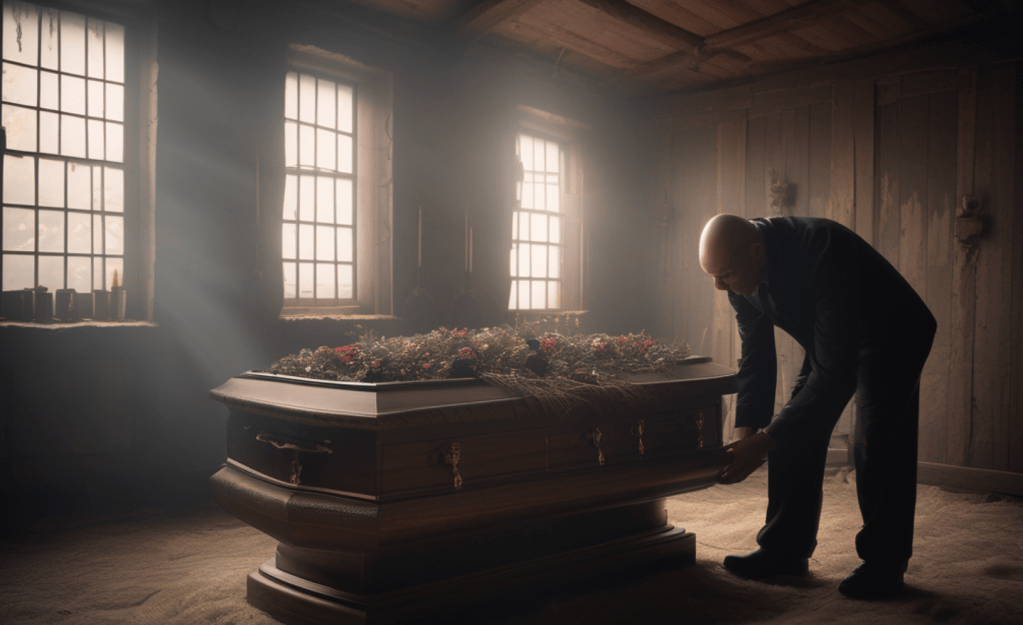
In the small town of Elderton, nestled between rolling hills and dense forests, there lived a man named Mr. Gorb. Mr. Gorb was a meticulous man, a perfectionist in every sense. His business dealings were unique, for Mr. Gorb was the town’s undertaker. However, unlike others in his profession, Mr. Gorb went above and beyond to ensure each client received a personal touch.


Although Mr. Gorb’s clients were all deceased, that didn’t mean they deserved any less care. He believed that everyone deserved a final sendoff that reflected who they were. This philosophy became known as the “Gorb Touch,” a term that resonated deeply within the community.


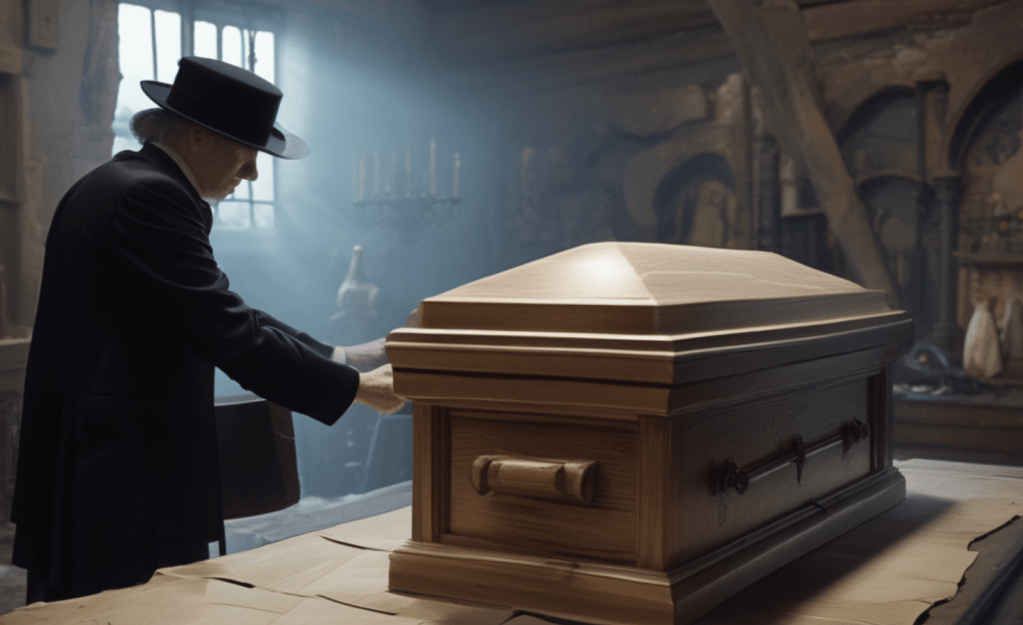
When someone in Elderton passed away, Mr. Gorb would embark on a journey to recreate their likeness as closely as possible to how they appeared when they last walked down Main Street. He would search the town for the most recent photographs of the deceased, often speaking with family members and friends to gather any images they had. He delved into the history of his clients, learning about their favorite outfits, their unique hairstyles, and any other defining features that made them who they were.

Mr. Gorb’s dedication was unparalleled. He would spend hours carefully applying makeup, arranging hair, and selecting the perfect attire for each individual. His attention to detail was astounding, and the results were always breathtaking. The people of Elderton loved Mr. Gorb for his personal touch and the comfort it brought them during their loss.


One crisp autumn morning, the townspeople awoke to shocking news. Mr. Gorb had passed away in his sleep. The entire town was at a loss. Who would now carry on the tradition of the Gorb Touch? Who would prepare Mr. Gorb himself for his final farewell?

Unbeknownst to the townspeople, Mr. Gorb had been quietly training an apprentice. A young man named Thomas had come to Elderton a few years prior, seeking guidance and a place to belong. Mr. Gorb had seen potential in Thomas and had taken him under his wing, teaching him everything he knew about the delicate art of caring for the deceased.


Thomas had learned well. He had absorbed every lesson, technique, and philosophy Mr. Gorb shared with him. And now, as the town mourned the loss of their beloved undertaker, Thomas stepped forward to fulfill his mentor’s legacy.


With a heavy heart, Thomas prepared Mr. Gorb for his final journey. He meticulously followed the same process Mr. Gorb taught, ensuring that every detail was perfect. The townspeople watched in awe and gratitude as Thomas recreated Mr. Gorb’s likeness with the same dedication and care that had become synonymous with the Gorb Touch.


The funeral was a beautiful tribute to Mr. Gorb’s life and work. As the townspeople gathered to say their final goodbyes, they saw the continuation of a tradition that had brought them so much comfort and peace in Thomas. They knew that Mr. Gorb’s legacy would live on through his apprentice and that the personal touch that had defined their community would never be lost.


Thomas continued to serve the people of Elderton with the same compassion and attention to detail that Mr. Gorb had instilled in him. As the years passed, the Gorb Touch remained a cherished tradition, a testament to the enduring impact of one man’s dedication to his craft and community.

Heroic Night in Cedar Hollow: The Legend of Fred Harper

A Story By Benjamin H Groff© Groff Media Copyright 2024©

Fred Harper was a man of simple routines. The mild-mannered police officer of Cedar Hollow, a quaint town of 700 nestled between rolling hills and dense forests, had a nightly patrol route that rarely changed. He preferred it that way. Cedar Hollow was a peaceful place where not much happened, and Fred liked it that way.

His nightly rounds consisted of checking the locked doors of businesses, shining his flashlight into the occasional darkened alley, and waving at the few night owls who might be walking their dogs or taking a late-night stroll.

But on this particular night, the tranquility of Cedar Hollow was shattered by a series of unexpected events, disrupting Fred’s usual routine.
It all began with a frantic call from Mary Jenkins, the usually composed wife of the mayor. Her voice was filled with urgency as she relayed the news about Helen’s labor.

Fred’s heart raced. He’d never delivered a baby before. He rushed to his squad car and sped to Helen’s house. When he arrived, he found Helen in the living room, breathing heavily, with Mary by her side. The tension in the room was palpable, and Fred could feel the weight of the situation on his shoulders.

Upon Fred’s arrival, Mary’s relief was palpable. “Fred, thank God you’re here,” she exclaimed, her face a picture of relief. “You need to help her. Now.”

Fred took a deep breath, remembering the emergency childbirth training he’d received years ago. With Mary’s assistance, he coached Helen through the contractions. After what felt like an eternity, but was in reality only a few intense minutes, the cries of a newborn filled the room. Fred cradled the baby in his arms, his uniform shirt now soaked with sweat.

Just as he handed the baby to a tearfully grateful Helen, his radio crackled to life. “Fred, we need you at the fire station. There’s a fire behind the building, and no one can start the engine.”

Leaving Helen and the baby in Mary’s capable hands, Fred raced to the fire station. Flames were licking the sky, dangerously close to City Hall. Fred jumped into the fire engine, praying his training would return to him. He managed to start the engine and drove it to the blaze. With no other firefighters in sight, he took hold of the hose and aimed it at the inferno. Neighbors, awakened by the commotion, formed a bucket brigade to help douse the flames. Together, they managed to keep the fire from spreading and saved City Hall.

As the last embers got extinguished, Fred’s radio buzzed again. “Officer Harper, there’s a break-in at the bank. Thieves are trying to rob the place.”

Exhausted but determined, Fred headed to the bank. He found a group of masked men attempting to pry open the vault. Drawing his service weapon, he shouted, “Freeze! Cedar Hollow Police!” The thieves, startled by his sudden appearance, attempted to flee. Fred, with unwavering courage, managed to subdue two, but the others escaped into the night. He secured the captured thieves and called for backup from neighboring towns.

The thieves, startled by his sudden appearance, attempted to flee. Fred managed to subdue two, but the others escaped into the night. He secured the captured thieves and called for backup from neighboring towns.
Just as he thought the night couldn’t get any worse, the call came in: “Fred, there’s been a four-car accident at the intersection. Significant injuries reported, and the town’s ambulance is thirty miles away.”

Fred’s mind raced as he arrived at the scene of the collision. Cars were crumpled, and injured people strewn across the road. He did what he could, providing first aid and comforting the victims while calling for an ambulance from a neighboring town. The ambulance, however, got lost on the way, and Fred’s patience became stretched to its limit.

As the first rays of sunlight lit up the sky, Fred finally saw the flashing lights of the neighboring town’s ambulance. He directed them to the injured, ensuring everyone received their needed care. The lady and her newborn, the fire at the station, the bank heist, and now the accident had been the most eventful night in Cedar Hollow’s history.

When the town woke up to a new day, Fred was utterly exhausted. His uniform was torn and dirty, and his body ached from the night’s exertions, but he was filled with a sense of accomplishment. He had faced every challenge alone and come through for his community.

As the townsfolk learned of the night’s events, they became filled with deep admiration and gratitude for Fred. They hailed him as a hero, their voices echoing through the streets of Cedar Hollow. But Fred, the humble officer, just smiled and said, “I was just doing my job.” His modesty only added to the townsfolk’s reverence for him, strengthening the bond of respect and unity within Cedar Hollow.

And Fred Harper, the humble police officer of Cedar Hollow, became a legend. In a town where life was usually quiet and uneventful, the night of chaos and heroism is a stark contrast, etching Fred’s name into the town’s history and leaving a profound mark on Cedar Hollow’s narrative.

The Unforgettable Story of Ethan: A Three-Legged Hero’s Courage and Sacrifice in Willowbrook

A Story By Benjamin H Groff© Groff Media Copyright 2024©

A man named Ethan lived in the quaint village of Willowbrook, nestled among rolling hills and serene landscapes. Ethan was unlike any other in the town; he was born with a third leg. Though some initially viewed him with curiosity and even pity, he became an integral part of the community, his unusual limb symbolizing resilience and strength.


The village cherished its traditions, and none was more beloved than the annual Christmas service held in the old stone church at the heart of Willowbrook. On Christmas Eve, every villager would gather for a night of songs, stories, and the sharing of a festive feast.
However, one fateful Christmas Eve, the peaceful village was disrupted by a band of ruthless hoodlums. Known for their brutal raids, they had been terrorizing nearby towns, leaving a trail of destruction in their wake. The villagers of Willowbrook had heard whispers of their approach but hoped their remoteness would spare them.


As the service commenced, distant hoofbeats grew louder, echoing ominously through the church. Panic spread among the villagers as the doors burst open, revealing the menacing figures of the hoodlums. They forced everyone into the central aisle, threatening violence and demanding valuables.


Ethan, seated near the back, watched the chaos unfold. His heart pounded, not out of fear for himself but for his friends and family. He knew he had to act. As the hoodlums corralled the villagers, Ethan stumbled and fell in the narrow central aisle, his third leg jutting out awkwardly.


Shouts of anger and confusion erupted from the hoodlums as they tripped over Ethan’s leg, one after another. Understanding Ethan’s silent signal, the villagers began to leap over his third leg with practiced ease. The invaders, unfamiliar with the anomaly, continued to fall, rendering themselves unconscious as they hit the stone floor.


Ethan’s bravery gave the villagers the precious moments they needed. The stronger men and women quickly disarmed the stunned hoodlums, binding them with whatever they could find. The church that had been a place of sanctuary became a fortress of courage and quick thinking.
In the aftermath, the village celebrated Ethan as a hero. His act of selflessness and his unique third leg had saved them all. Yet, Ethan, who had always been modest and kind-hearted, succumbed to injuries sustained in the struggle. He passed away that night, surrounded by those he had saved.


Ethan’s story became a legend, and when the townspeople spoke his name, it was done so with reverence and gratitude. A statue was erected in the village square, depicting him with his three legs, a testament to his bravery and the night he saved Willowbrook. Every Christmas Eve, the villagers would gather at the church, now with a plaque dedicated to Ethan, and recount the tale of the man whose unique gift had become their salvation.
The legend of Ethan, the three-legged savior of Willowbrook, lives on, symbolizing how even the most unexpected traits can be the greatest of blessings.

The Discovery of Beeping Moon Rocks: Dr. Richard Campbell’s Journey

A Story By Benjamin H Groff© Groff Media Copyright 2024©

In the bustling halls of NASA’s Johnson Space Center, where scientific minds collaborated to unlock the mysteries of the universe, there was a man named Dr. Richard Campbell. An experienced geologist, Dr. Campbell spent decades studying lunar samples and meteorites. His colleagues revered him for his meticulous research and unyielding skepticism—a trait that earned him both admiration and exasperation.


It all began one unassuming Wednesday morning when a rumor started circulating among the younger scientists—whispers of “moon rocks that beep” echoed through the labs, sparking excitement and curiosity. The story was that during a routine analysis, a peculiar sound echoed from one of the lunar samples hauled back to earth the Apollo missions.


Dr. Campbell dismissed these rumors as sheer nonsense. “Rocks don’t beep,” he asserted firmly whenever the topic arose. His logical mind couldn’t entertain the idea of lunar rocks emitting any sound, let alone beeping. He considered it a prank or, at best, a misinterpretation of data.


However, the buzz around the beeping moon rocks grew too loud to ignore. A young researcher named Dr. Emily Hayes, fresh out of her post-doc, approached Dr. Campbell with a determined look in her eyes. She respected his skepticism but believed there was something worth investigating.
“Dr. Campbell, I’d like you to see this for yourself,” she insisted, holding a tiny sample encased in a protective glass container. Reluctantly, he agreed to examine it in the lab.


Under the laboratory’s sterile white lights, they set up the sample on the analysis table. Dr. Hayes connected it to an array of sensors and amplifiers, the same setup that had reportedly detected the beeping. Dr. Campbell watched with skepticism and curiosity, arms crossed over his chest.


As the seconds ticked by in the sterile laboratory, a faint, almost imperceptible series of beeps reverberated through the speakers. Dr. Campbell’s eyes widened in disbelief. He leaned closer, adjusted his glasses, and listened again. There it was—a clear, rhythmic beeping sound emanating from the moon rock, a sound that defied his logical understanding of lunar geology.


“How is this possible?” he muttered, more to himself than to Dr. Hayes. His mind raced with potential explanations: electrical interference, experimental error, or even a practical joke. But, anticipating his doubts, Dr. Hayes showed him the logs of previous tests, all yielding the same results.


Driven by a newfound curiosity, Dr. Campbell embarked on a meticulous investigation of the phenomenon. He conducted a series of rigorous tests, eliminating every conceivable source of error. Days turned into weeks as he and Dr. Hayes worked tirelessly, scrutinizing every detail, leaving no stone unturned in their pursuit of scientific truth.


Their breakthrough came when they discovered a minute crystalline structure within the rock that had previously been overlooked. These crystals had piezoelectric properties, meaning they could create an electrical charge in response to mechanical stress. They theorized that the beeping was a result of tiny vibrations within the lunar environment that caused these crystals to emit electrical signals, which were then picked up as sound by their sensors.


Dr. Campbell’s initial skepticism gave way to a sense of awe and excitement. The discovery of the beeping moon rocks was not just a scientific breakthrough, but a leap toward our understanding of the moon’s geology and unique properties. He and Dr. Hayes co-authored a paper detailing their findings, a paper that was not just published, but widely celebrated in scientific journals worldwide.


The story of the beeping moon rocks became legendary at NASA, a testament to the importance of curiosity, skepticism, and collaboration in scientific discovery. Dr. Campbell, once the man who didn’t believe in beeping moon rocks, became their most passionate advocate, reminding everyone that the most extraordinary discoveries sometimes come from the most unlikely sources.

City Mice Max and Lily’s Countryside Picnic Adventure

In the summer of 2024, two city mice, Max and Lily, took a break from their bustling urban lives. Yearning for fresh air and tranquility, they planned a weekend getaway to the serene countryside. They packed a delightful picnic basket filled with cheese, bread, and a selection of berries and set off for the rolling hills and meadows.be

After a few hours of travel, they found the perfect spot—a grassy knoll overlooking a gentle river winding through the valley. The beauty of the countryside was breathtaking, with the sun casting a golden glow above the rolling hills. They laid out their blankets, unpacked their baskets, and enjoyed their feast under the warm sun, surrounded by the serene beauty of nature.

As the day went on, dark clouds began to gather on the horizon. Max, ever the cautious one, suggested they pack up and head back to the cottage they had rented. But Lily, captivated by the beauty of the countryside, convinced him to stay a bit longer. “It’s just a little rain, Max. We’ll be fine,” she said with a reassuring smile.

However, the little rain quickly turned into a torrential downpour. The river, once calm and serene, began to swell and rage. Realizing the severity of the situation, Max and Lily quickly gathered their belongings and started returning to the cottage. But the water rose faster than they could move, soon turning the meadow into a swirling expanse of water. The danger was palpable, and their hearts raced with fear as they struggled to reach safety.

They spotted an old, hollow oak tree on a small hill with nowhere to go and the floodwaters rising around them. “There!” shouted Max. “We can take shelter in that tree!” They waded through the water, which was now waist-deep, and climbed into the hollow trunk just as the floodwaters swept over their picnic spot.

Max and Lily huddled inside the tree, shivering from the cold and damp. The hours dragged on, and the rain showed no sign of letting up. They could hear the river’s roar and the crashing of debris being swept along by the flood.

Just as they were beginning to lose hope, the rain finally stopped. The relief was palpable, and they felt a surge of hope as the floodwaters started to recede, leaving a landscape transformed by the storm. Cautiously, Max and Lily emerged from their shelter. The meadow was a muddy mess, and their picnic spot was nowhere to be seen. But they were safe.

Determined to make the best of their situation, Max and Lily set to work. They used their city smarts to fashion a makeshift raft from fallen branches and debris, which they used to navigate the still-swollen river. Eventually, they reached the cottage, which had miraculously remained untouched by the flood.

Tired but relieved, Max and Lily dried off and warmed themselves by the fire. They reflected on their adventure and the dangers they had faced. “Maybe next time, we’ll check the weather forecast before our picnic,” Max joked, eliciting Lily’s tired but genuine laugh.

Their countryside picnic had turned into an unexpected adventure, strengthening their bond and reminding them of the importance of being prepared. As they settled in for the night, they were grateful for their safety and each other, ready to face whatever future adventures might bring.