Christmas the Cat: That Lost The Day Of Christmas And Found It All Over Again For Good!

This story is pulled from the archives as a celebration for the season edition.
Groff Media 2024© Truth Endures IMDbPro

Presented by benandsteve.com By: Benjamin Groff II©
3–4 minutes

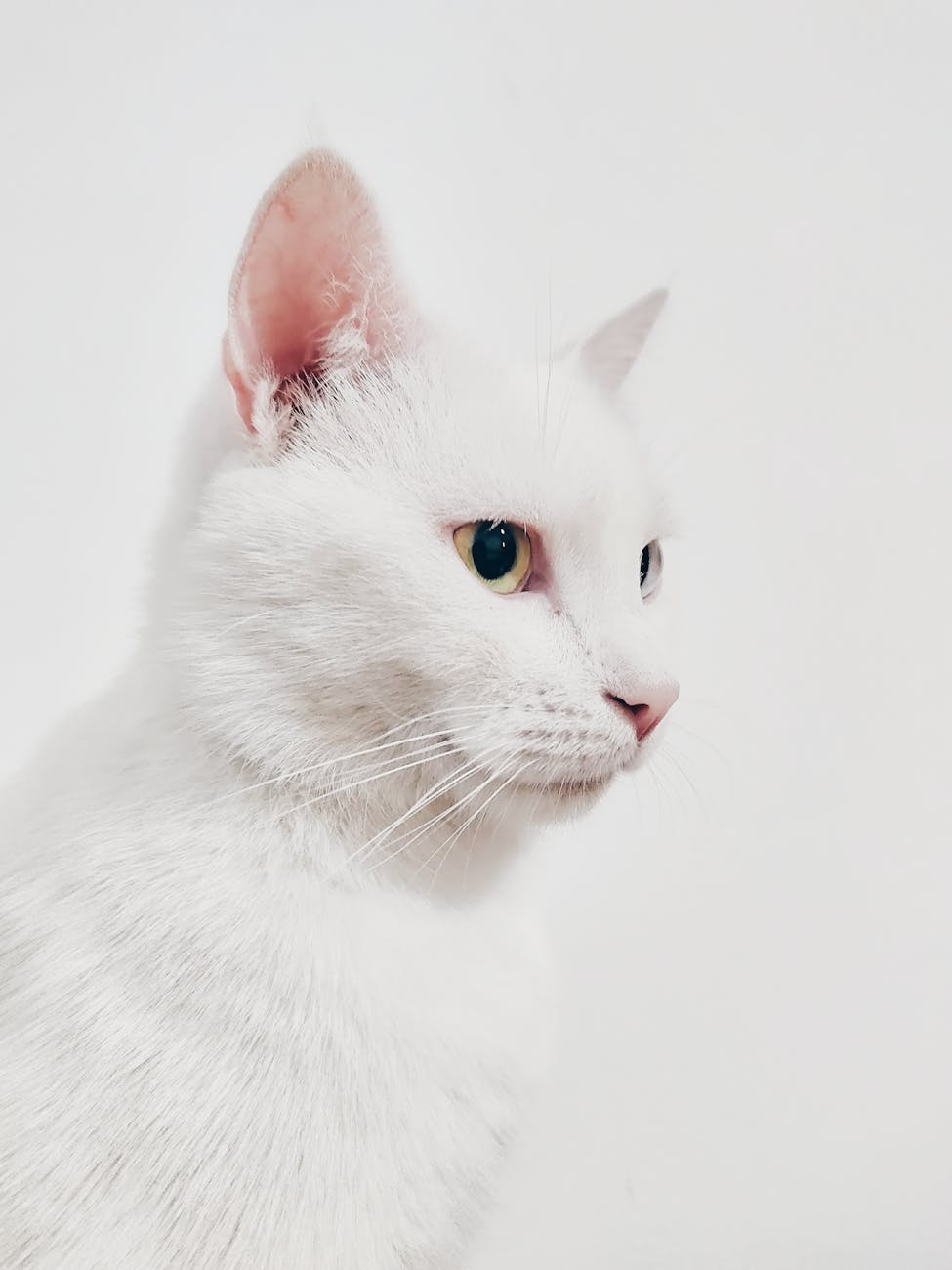
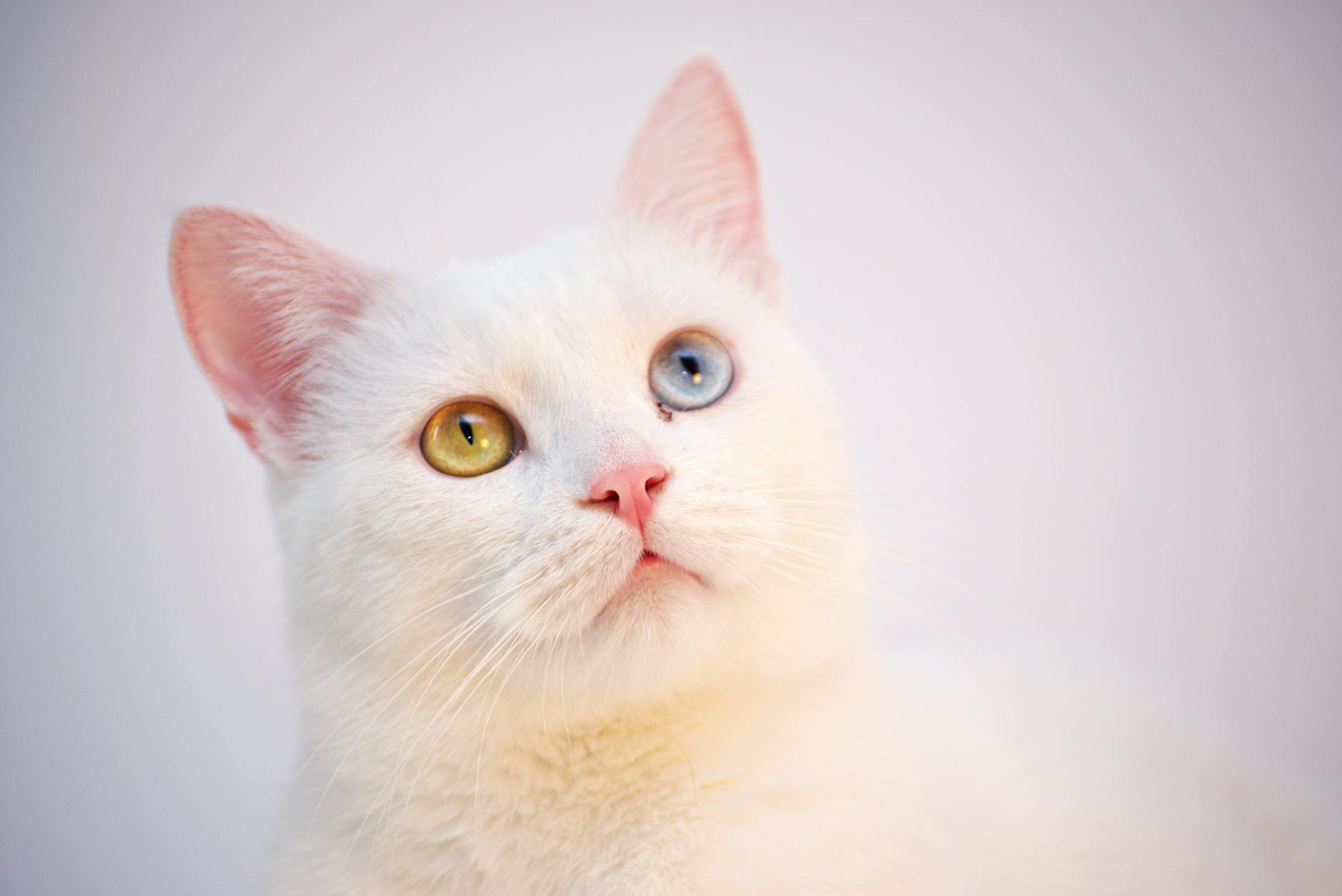
Christmas was a sleek, white cat with a bright red collar and a tiny bell. He sported one green eye. One eye blue. Christmas twinkles the kids called them. He got his name because he was born on Christmas Eve. Since then, his life revolved around the festive season. He loved the glittering lights and the scent of pine. He enjoyed the rustling of wrapping paper. He cherished the joy he saw in his family’s faces.

Christmas morning, the children had excitedly unwrapped their gifts. Afterward, the family went off to visit relatives. Christmas the Cat had wandered into the pantry. Curious, he batted at a loose box of crackers, which tipped over with a crash. Startled, he darted behind a stack of canned goods. In the commotion, someone closed the pantry door, locking him inside.

At first, Christmas thought this was just an oversight. Someone would open the door soon and scoop him up for a cuddle. But the minutes stretched into hours, and the house grew silent. Panic set in. 

He imagined the family around the table, sharing laughter, turkey, and pie. He pictured the children playing with their new toys. The warmth of the fireplace filled the room. Soft carols were in the air. And here he was, trapped in the dark, with only a box of crackers for company. 
Christmas, becoming convinced it was too late until the family returned that evening. His heart sank as he heard the keys jingle and the front door creak. He sat dejectedly on the pantry floor, his tail curled around him.

“Christmas! Where are you, buddy?” 

Called the youngest child, Emily.

The pantry door swung open, and a flood of light spilled in. Christmas blinked and looked up. Emily scooped him into her arms, covering him in kisses.

“We were so worried!” 

She exclaimed. 

“We couldn’t find you anywhere.”

The rest of the family gathered around, showering him with attention. Despite their love, Christmas couldn’t shake his gloom. He meowed mournfully, his usual purr absent.

“What’s wrong, Christmas?” 

Emily asked, stroking his fur. 

“You’re safe now.”

Her father, overhearing, knelt beside her.

“I think Christmas thinks he missed Christmas Day.” 

He said with a chuckle.

Emily’s eyes widened. 

“Oh no! That isn’t very good. We need to tell him it’s okay.”

She cradled Christmas close and said softly,

“You didn’t miss Christmas, silly kitty. Even if the day is over, Christmas isn’t just one day. It’s about love, kindness, and being together. We can celebrate Christmas every single day.”

He looked up at her, his green eyes shining. The bell on his collar jingled as he rubbed his head against her cheek.

That night, Emily insisted they set up a special celebration for him. They lit the tree again. They brought out leftover turkey for a feast. They even gave him a shiny bow to play with. As Christmas sat in Emily’s lap, batting at the bow, he realized she was right. Christmas wasn’t just about one day. It was about the joy and love that filled the house every day of the year.

Christmas the Cat didn’t fret about the calendar from that moment on. Whether it was July or December, he purred as loudly when the family was together. After all, every day is Christmas as long as there was love.
The Paradox of Charlie North

The man whose loving heart brought conflict and rift with unexpected rewards he showered on others.

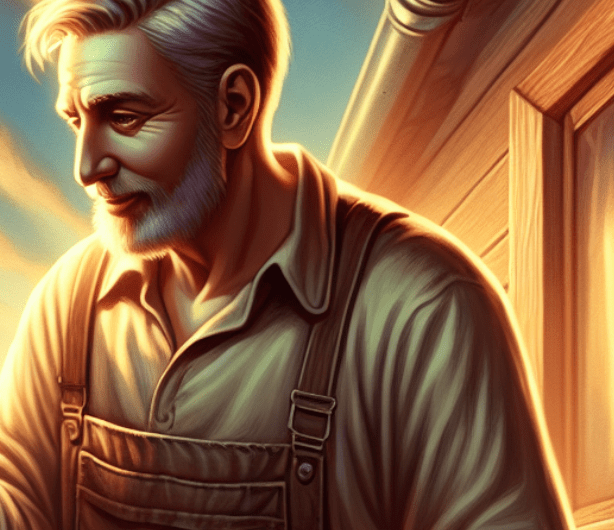
Charlie North was a familiar figure in the small town of Millbrook, known for his heart as expansive as the sky. He would readily abandon his own tasks to assist a neighbor with a leaky roof or chauffeur an elderly friend to a medical appointment. His acts of kindness and warmth were unparalleled, and everyone who crossed paths with Charlie held a special place for him in their hearts.

Yet, Charlie’s well-intentioned nature had a flip side that often led to discord: he was overbearing. His eagerness to assist frequently transformed into a forceful insistence that his approach was superior, and his constant involvement in others’ lives often left them feeling suffocated. This dichotomy of love and overbearingness earned him a mixed reputation.

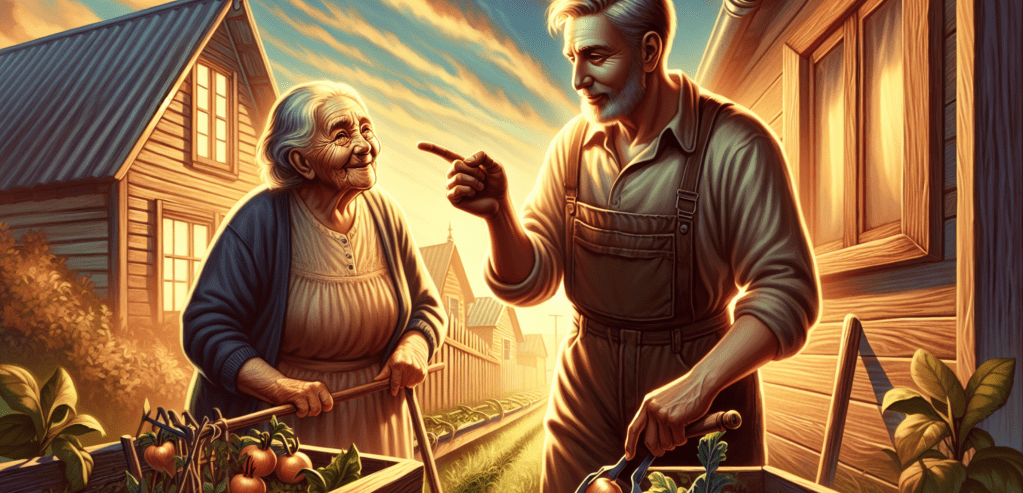
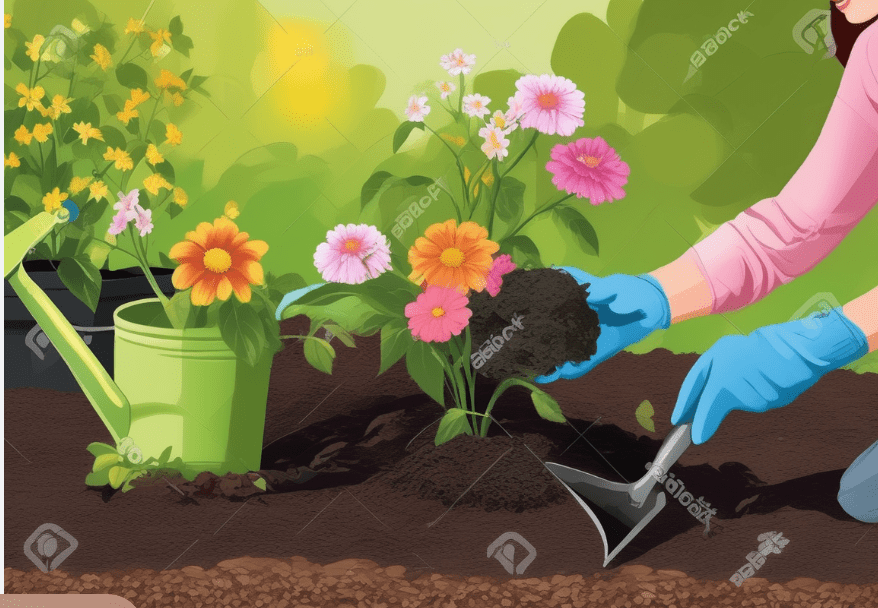
One sunny morning, Charlie decided to help Mrs. Henderson with her garden. The widow was grateful for the help but soon became overwhelmed by Charlie’s detailed plans and strict schedules. He dictated the type of flowers to plant, the precise soil mixture, and the exact watering schedule. Mrs. Henderson, who enjoyed gardening as a leisurely and personal hobby, felt her joy drained by Charlie’s micromanagement.

“I appreciate your help, Charlie, but I think I’d like to do some of this on my own,”

Mrs. Henderson said, trying to sound polite.

Charlie was taken aback. He wanted to help, but he needed help to see how his thorough plans were anything but beneficial.

“But, Mrs. Henderson, if we don’t follow the schedule, the flowers won’t thrive as they should,”

he insisted.

As the weeks went by, similar incidents unfolded. At the community bake sale, Charlie’s meticulous organization turned into a rigid control. Initially, the townsfolk appreciated his dedication, but soon they felt stifled and unappreciated. The once vibrant community events started to lose their charm, replaced by a silent resentment towards Charlie’s overbearing ways.

One evening, as Charlie sat on his porch, his lifelong friend, Tom, joined him. Tom was one of the few people who could speak candidly to Charlie.

“Charlie, I’ve known you forever,” Tom began gently. “You’ve got a heart of gold, but sometimes you don’t realize how you come across to others.”

Charlie frowned, puzzled. “I just want to help, Tom. I want everything to be perfect for everyone.”

“I know you do, and that’s what makes you so special,”

Tom said, choosing his words carefully.

“But people need space to make their own choices, even if things don’t turn out perfectly.”

Determined to change, Charlie began to pull back. He continued to offer his help, but he consciously tried to listen more and dictate less. Charlie volunteered at the next community event but let others take the lead. He bit his tongue when things didn’t go as he would have planned, learning to appreciate the different ways people approached problems.

It was a difficult adjustment for Charlie, and he often felt the urge to step in and take control. But slowly, he noticed a difference. Mrs. Henderson’s garden flourished in its way; it was not perfect, but vibrant and full of life. The bake sale was a chaotic success, filled with laughter and camaraderie. People began to welcome Charlie’s presence again without the undercurrent of tension that had once accompanied his help.

Over time, Charlie found a balance. He channeled his love and generosity in ways that empowered others rather than overshadowing them. He was still the same Charlie North—big-hearted and always ready to lend a hand—but had learned to temper his overbearing nature. This transformation made him not only loved but truly appreciated, a testament to the power of self-awareness and the enduring strength of a loving soul.

That night, Charlie lay awake, wrestling with Tom’s words. He reflected on the times his help had been more of a hindrance, the faces of his friends and neighbors flashing through his mind—grateful at first but then strained and unhappy.

And so, Charlie’s story became one of growth and redemption, a testament to the power of self-awareness and the enduring strength of a loving soul.

Verdantia: The Rainbow City and the Festival of Lumina

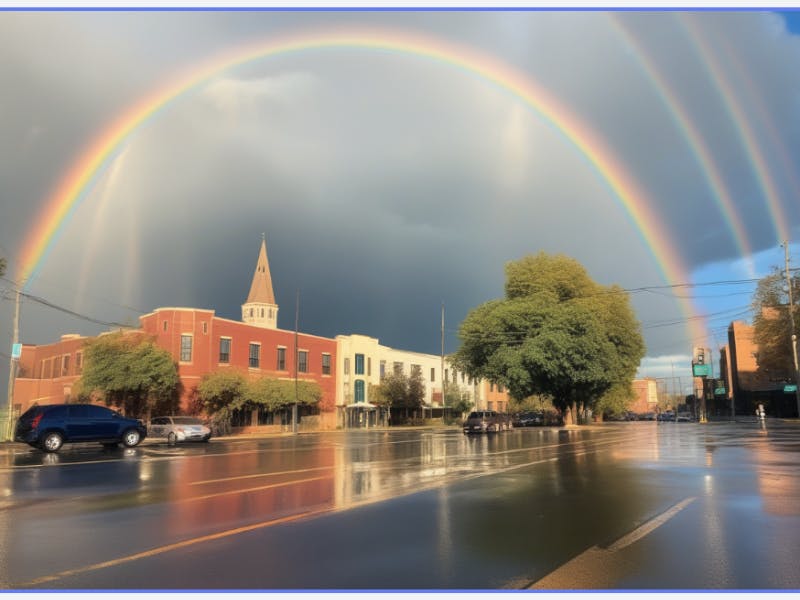
Once upon a time, in a small, unassuming town named Verdantia, an extraordinary phenomenon brought magic to the lives of its residents. Verdantia was known for its picturesque streets lined with red-brick buildings and verdant trees, but what truly set it apart was its ability to produce the most stunning rainbows anyone had ever seen.

One late afternoon, after a sudden downpour, the clouds parted, and the sun cast its golden rays across the wet streets. As the townsfolk went about their business, a magnificent rainbow began to form, arching over the town’s central square. It wasn’t just any rainbow; it was a double rainbow, with vibrant colors so vivid they seemed almost tangible.

The people of Verdantia, who had grown accustomed to the beauty of rainbows, stopped in their tracks, mesmerized by the sight. The rainbow appeared to touch down at two significant landmarks in the town—the spire of the old church and the ancient oak tree standing proudly at the intersection of Main Street and Elm.

As legend had it, Verdantia was a place where rainbows were believed to be portals to realms of wonder and enchantment. The townspeople knew this was no ordinary occurrence. The elders of the town, keepers of its history and secrets, gathered quickly. They had long awaited the appearance of such a rainbow, a sign foretold in their lore that marked the beginning of a special event known as the Festival of Lumina.

The Festival of Lumina was a rare celebration that took place once every hundred years, marked by a rainbow so grand that it stretched across the sky, connecting the past with the future, the ordinary with the extraordinary. This festival was a time when the boundaries between the human world and the world of magic blurred, allowing dreams and reality to intertwine.

As the double rainbow shimmered, a soft, melodic hum filled the air. Children giggled with delight, and adults felt a warm, nostalgic pull at their hearts. The air around the rainbow seemed to sparkle, and for a moment, time itself felt as if it had slowed down. From the base of the rainbow at the church, a figure emerged—a guardian of the ancient lore, known as Seraphina, the Keeper of Light.

Seraphina, with her radiant presence and flowing silver robes, held out a staff that glowed with the colors of the rainbow. She spoke in a voice that resonated like the soft chime of bells, “People of Verdantia, the time has come to celebrate the Festival of Lumina. Today, the veil between worlds is thin, and the magic of the rainbow is at your command.”

The town erupted in joyous celebration. Musicians played enchanting melodies, artisans displayed their finest crafts, and bakers offered sweet treats that seemed to shimmer with a magical glaze. Children ran around, chasing the elusive ends of the rainbow, hoping to find hidden treasures and secret wonders.

As evening fell, the rainbow’s glow intensified, casting a luminous light over Verdantia. The townspeople gathered under the ancient oak tree, where Seraphina led a ritual to honor the rainbow and its magic. She spoke of unity, hope, and the power of dreams, encouraging everyone to embrace the wonder within their hearts.

The Festival of Lumina continued through the night, with stories of old being shared around bonfires, and dances that seemed to weave through the very fabric of the rainbow’s light. As dawn approached, the double rainbow slowly faded, but the magic lingered in the hearts of the people.

Verdantia, forever touched by the beauty and enchantment of the rainbow, became a place where dreams were cherished, and the magic of the Festival of Lumina was remembered and celebrated in smaller ways every day. The rainbow city, as it came to be known, stood as a beacon of hope, joy, and the enduring power of wonder.

Midnight: Guardian of Secrets in Solstice Hollow

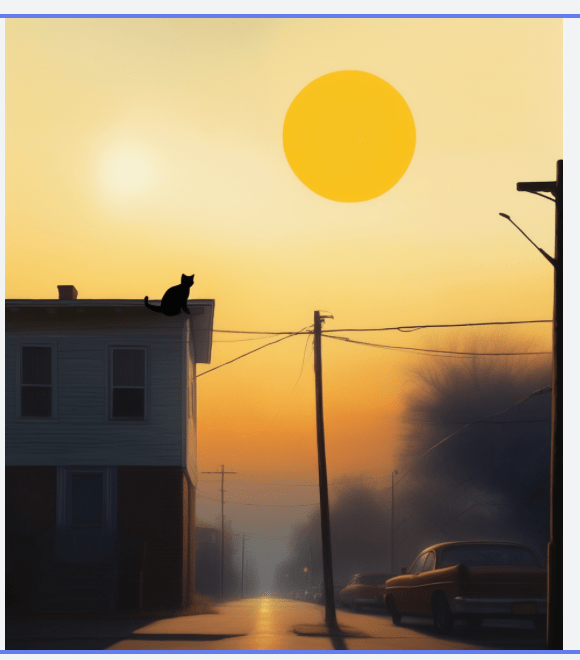
In the small, forgotten town of Solstice Hollow, days bled into each other with the relentless monotony of time. The sun hung heavy and perpetually on the horizon, a blazing sphere casting an otherworldly glow over the desolate streets. It was always twilight here, neither night nor day, as if the town existed in a pocket of suspended reality.

The alley in the photograph was known as Whispering Lane, a narrow pathway flanked by crumbling buildings that seemed to sigh with the weight of their own history. Shadows stretched long and lean across the cracked pavement, and the air was thick with the scent of old wood and dust. At the intersection of the lane and Main Street stood an old house, its paint peeling and windows dark, a silent sentinel in this forgotten part of the world.

On the roof of this house sat a black cat, its eyes glinting like emeralds in the perpetual twilight. The cat, known to the townsfolk as Midnight, had been there for as long as anyone could remember. Legend had it that Midnight was not an ordinary cat, but a guardian of secrets, a keeper of the town’s strange and sorrowful tales.

One such tale was that of Eleanor Weaver, a young woman who had lived in Solstice Hollow many decades ago. Eleanor was a spirited and curious soul, always wandering the boundaries of the town, seeking something beyond the endless dusk. She was fascinated by Whispering Lane, drawn to its eerie silence and the whispers that seemed to emanate from the very walls.

One evening, Eleanor ventured further down the lane than ever before. The sun, fixed in its eternal descent, bathed the alley in a warm, golden hue, casting long shadows that seemed to beckon her forward. As she walked, she heard faint murmurs, indistinct yet strangely comforting, as if the lane itself were sharing its secrets with her.

At the end of the lane, where the shadows were deepest, Eleanor discovered a hidden door set into the side of an old brick building. The door was ancient and weathered, its surface etched with cryptic symbols. With a mixture of trepidation and excitement, she pushed it open and stepped inside.

What Eleanor found beyond the door was a realm beyond her wildest imaginings—a place where time flowed differently, and the laws of reality were mere suggestions. She wandered through dreamlike landscapes, met beings of light and shadow, and learned the true nature of Solstice Hollow. She discovered that the town was a sanctuary, a refuge for those who had lost their way in the world. The perpetual twilight was a barrier, a protective veil that kept the town hidden from the rest of existence.

Days turned into weeks, and weeks into months, yet Eleanor felt no urge to return. She had found her place, her purpose, in this otherworldly dimension. But as with all who ventured too far into the unknown, a time came when she had to make a choice: remain in the dreamscape forever, or return to the world she had left behind.

Eleanor chose to return, carrying with her the knowledge and serenity she had gained. She emerged from the hidden door, back into the eternal twilight of Whispering Lane. The townsfolk noticed a change in her—a quiet wisdom in her eyes, a sense of peace that seemed to radiate from her very being. She never spoke of what she had seen, but Midnight, the ever-watchful cat, seemed to understand.

Years passed, and Eleanor’s tale became part of the whispered legends of Solstice Hollow. The hidden door was never found again, and some began to doubt it had ever existed. Yet, on still evenings when the sun cast its golden glow over Whispering Lane, the whispers could still be heard, faint but persistent, as if the alley itself remembered.

Midnight remained on the rooftop, a silent guardian, watching over the town and its secrets. And in the timeless twilight of Solstice Hollow, life continued, a delicate dance between reality and the unknown.

Bella Saves The Day

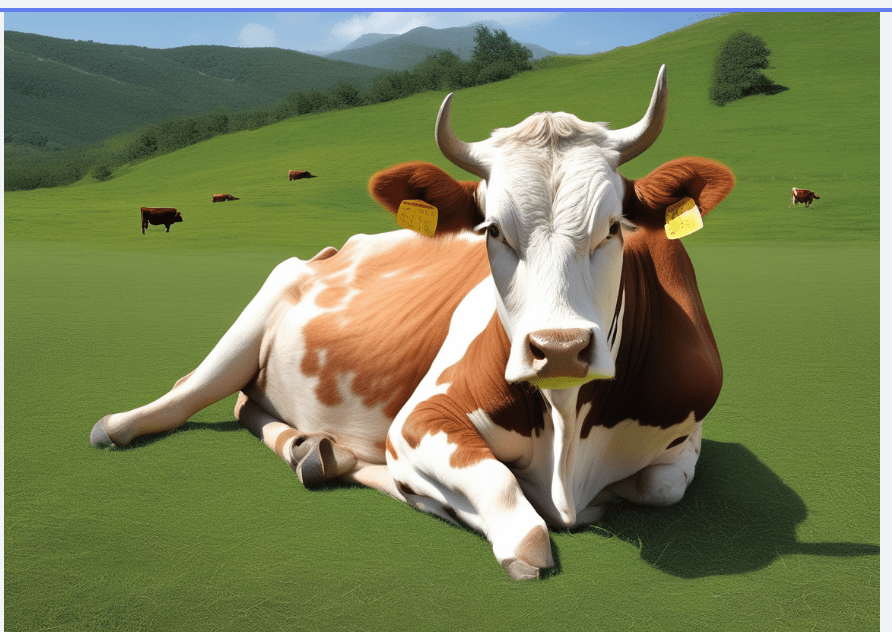
Once upon a time, in the idyllic countryside of Cloverfield, there lived a milk cow named Bella. Bella, with her gentle eyes and a coat that was brown and white as snow, was the heart and soul of a small family farm nestled between rolling hills and vibrant meadows. Her reputation preceded her, known throughout the village for her abundant milk and her kind and serene demeanor.

Each day, Bella’s world would brighten with the first light of dawn. 

As the sun peeked over the horizon, Farmer Joe, a kind-hearted man with a weathered face and a perpetual twinkle in his eye, would greet Bella with a warm smile, his voice filled with affection,

“Good morning, Bella!”

Bella, in turn, would respond with a soft moo, her eyes sparkling with joy at the sight of her favorite human.

Farmer Joe would lead Bella to the milking shed, where she would stand patiently, chewing on sweet clover while Farmer Joe hummed old folk tunes. He had a gentle touch, and Bella never felt any discomfort. As the rhythmic sound of milk filling the pail echoed through the shed, Bella felt a deep sense of contentment, knowing her milk would soon nourish the family and their neighbors.

Bella’s milk was known for its rich and creamy texture. Every morning, Farmer Joe’s wife, Martha, would churn some of the milk into butter and cheese, filling their kitchen with delicious aromas. Martha’s dairy products were the talk of the town, and people from neighboring villages would come to buy them. But Martha always saved a special treat for Bella: a handful of fresh, juicy apples.

After her morning milking, Bella spent her day grazing in the lush pastures, enjoying the company of her fellow cows and the playful calves that bounded around. She had a special friend among the herd, a young and curious calf named Daisy. Daisy followed Bella everywhere, imitating her every move and looking up to her as a wise and gentle mentor.

One day, as Bella and Daisy were grazing near the forest’s edge, they heard a faint, distressed bleating. Bella’s ears perked up, and she looked around to find the source of the sound. It didn’t take long to spot a tiny lamb stuck in a thorny bush, its wool tangled and its eyes wide with fear.

Bella, with her calm and reassuring presence, approached the lamb slowly. Daisy watched in awe as Bella, displaying a courage that belied her gentle nature, gently used her nose to nudge the lamb free from the thorns. Once the lamb was free, it nuzzled Bella in gratitude before scampering to find its flock.

Daisy trotted up to Bella, eyes wide with admiration.

“Bella, you’re so brave!”

she exclaimed.

As the sun began to set, casting a golden glow over Cloverfield, Farmer Joe came to bring Bella and the other cows back to the barn. He noticed a new spring in Bella’s step and the proud look in Daisy’s eyes.

“Had an adventure today, did we?”

he asked, patting Bella affectionately. Bella responded with a contented moo, happy to be home and looking forward to another peaceful night.

Inside the barn, Bella settled into her cozy stall filled with fresh straw. As she lay down, she felt a deep sense of fulfillment. Bella had her family, friends, and the beautiful Cloverfield to call home. She closed her eyes, listening to the soft rustling of the barn and the distant hoot of an owl, grateful for the life she led and the small joys of each day. The tranquility of the night enveloped her, promising a peaceful sleep and a new day filled with possibilities.

And so, Bella the milk cow drifted off to sleep, dreaming of green pastures and new adventures, ready to face whatever the next day would bring with her steady heart and gentle spirit.

George’s Story About Going TO A Horse Sale With His Dad And Friend Maynord

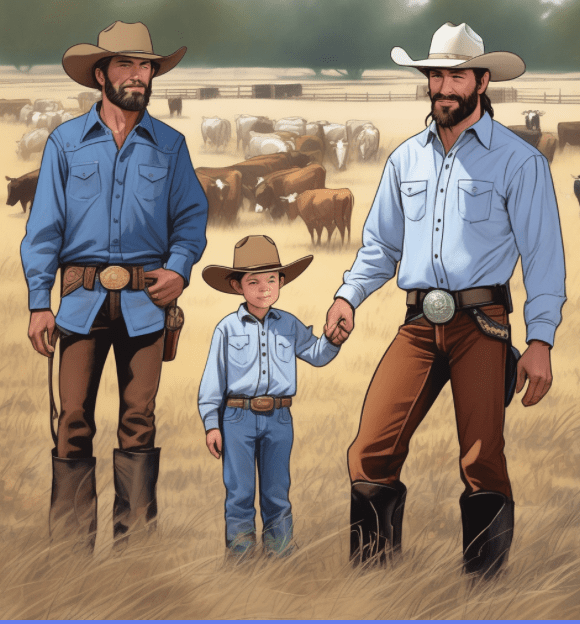
George was a happy-go-lucky sort of kid. His father raised quarter horses, and together, they were buddies. They go nearly everywhere together. George and his father’s friend Maynord, an older gentleman, probably a few years older than George’s father, spoiled George, treating him especially grandly. George didn’t emphasize the letter ‘s’ in some of his words, and some words he would say might need to be clarified. His father was known as a horseman and stern man, yet respected by most people, eyebrows raised to the bible-toting folks.

Maynord had a grown daughter who had already left home, but he and his wife had never had a son. With George, Maynord had the time of his life. As did George. The two were better buddies than Maynord, and George’s father became. But George would never say that to his father. Maynord treated George to parades, cheeseburgers, and ice cream cones and even got him a dog. George named the pooch, Ryder after Maynord’s last name.

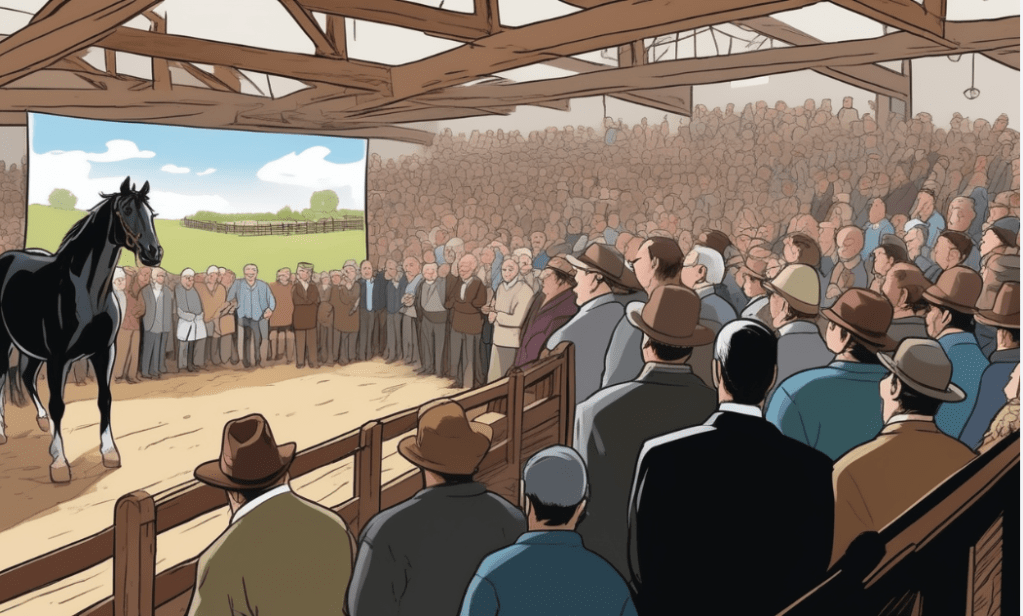
The two looked forward to Friday and Saturday nights. That is when George’s dad would take George and Maynord to auction barns in nearby cities where horses were sold. There, they would watch the many horses come through the sale ring, and the owners talk them up, saying how great of an animal the horse is, and try to sell it for top dollar. Of course, George’s father had always arrived before the auction to watch the horses lead in so he could see how they handled it and whether they were challenging to work with in getting to holding pens. He could also see if any auction workers tried to ride the horses before entering the sale ring and if the horses handled well. There were always little mishaps in the sale ring, a rider losing his grip and falling off, or a horse doing what the owner said it would not do. Or donkeys would be brought in, which always made George and Maynord laugh. They would jokingly suggest George’s father buy several to go with his quarter horses. The biggest thrill of the sales barn adventures was the cafe located within; that is where, halfway through, George and Maynord would slip away and eat cheeseburgers and drink soda pop.

The horse sales, as George and his father referred to them, caused the problem. Maynord didn’t help with the situation because he referred to the auctions as horse sales. And he had never referred to the auctioning of horses as anything else.

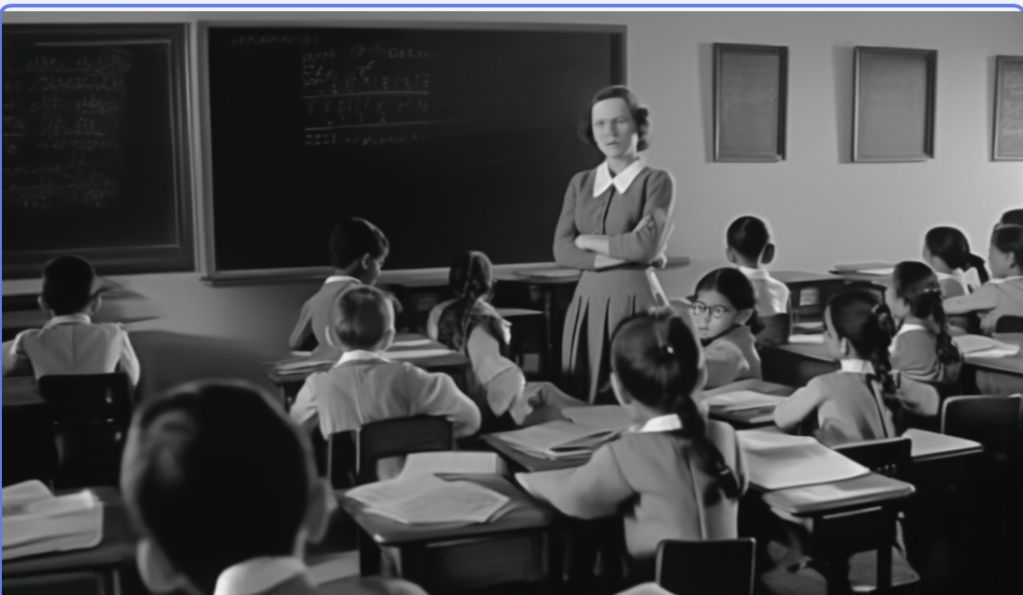
It was in the classroom one Monday morning when the third-grade teacher asked the class for each student to stand and say what the most fun activity they took part in over the weekend was. The town had just had a fair, and the teacher expected the students to explain their actions while visiting the celebration. And that is what the students did until coming to George. 

George stood and said –––

“My dad and our friend Maynord took me to the city horse sale, and my dad bought two. 

The teacher said –––

“George, you went where, and your dad what?”

George replied –––

“My dad took me to a horse sale and bought two. His friend Maynord helped with one of them. They made me watch from the pickup.” 

The teacher, turning pale, said –

“George, stop talking; that is enough! Class, that is enough of what we enjoyed this weekend. I will have George explain what he did to the principal.”

George was perplexed. Hasn’t anyone ever watched a horse being sold and loaded into a livestock trailer? Why would the principal need to hear about it? Indeed, he knows about people selling horses.

In the office, the principal was being informed by the teacher about what she had heard and how terrible it was that this father and his friend had taken an 8-year-old boy to whore house and had him watch the goings on with two women. The principal then asked George what exactly did you say to your teacher? 

Which George explained –––

“I just told her ––– My dad, Maynord, and I went to a horse sale, where my dad bought two horses. They made me get in the pickup and watch them while loading the horses so I wouldn’t get hurt or in the way. There have been days, I have even held on to some guys horse when he had too many to handle. But I didn’t get to explain it in such detail because the teacher told me to stop talking before I could tell more about what I was talking about. We go to horse sales every weekend. I don’t know what the big deal is!”

The principal and now the school’s superintendent were both in the office. Their faces were beet red, and they were trying to keep from laughing. The teacher, now understanding the situation, felt overreactive and apologizing. 

Meanwhile, George is confused and asks everyone in the room –––

“Haven’t you all ever heard of horse sales? Horse sales? Horse Sales! A Place where a man can sell his horse? My dad, Maynord and I go to them every Friday and Saturday night, you should come with us and see what it is all about. If you get bored with the horse sale, you can get a cheeseburger, as I sometimes do. I don’t understand what this is all about just because I told my story about going to the horse sale with my dad and Maynord.”

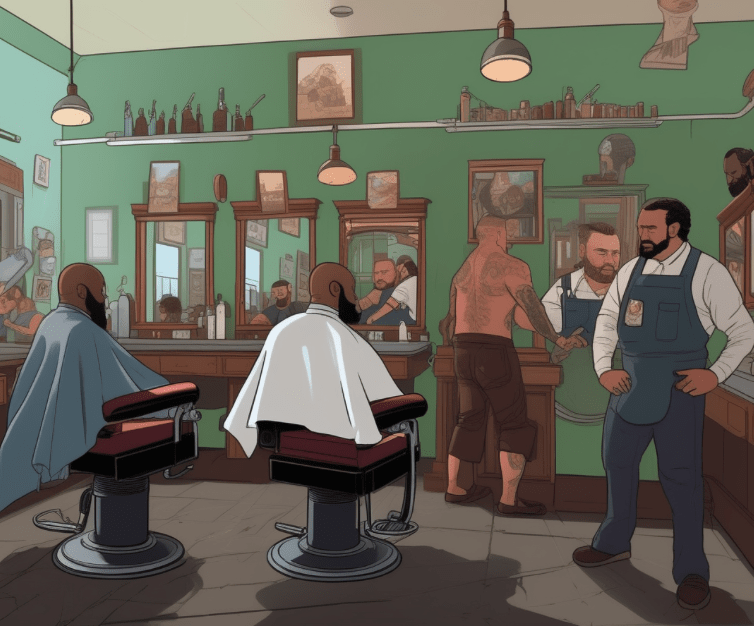
George’s dad, the town barber, was called and told of the situation. He later held court in his barber’s chair with his shop’s regulars. There, they had the bursts of laughter the school officials experienced.

Leaving the office, it was the loudest laughter George can ever remember hearing to this date. It wasn’t until he was older did he understand the rhyming of the words between horse and whores and how it could sound to others when saying to them ––– 

“You are headed to a horse sale to see what you can find.”