The Power of Actuality Reporting in Journalism

1–2 minutes

I came across this news report and was genuinely impressed by its craftsmanship. The reporter doesn’t just tell the story. They show it. They use actuality reporting and a wraparound technique that gives the piece depth and authenticity. It’s the type of journalism that doesn’t just inform—it immerses you. This level of storytelling should be seen and appreciated by more people.

Exciting News! benandsteve.com and our media links are thrilled to be featured on Medioq – Happy Thanksgiving…

Groff Media 2024© Truth Endures IMDbPro

Presented by benandsteve.com By: Benjamin Groff II©

1–2 minutes

benandsteve.com is going places—online and in life. We are proud to announce that we are being listed by Medioq, which connects news and information sites and exchanges information with you online.

“Exciting News! We are thrilled to be featured on Medioq, a premier platform connecting individuals with top-notch media, news, and broadcasting companies worldwide. Explore our profile to stay informed, entertained, and associated with the latest news and updates: https://www.medioq.com/XX/Unknown/1582006558765140/Galaxy8News

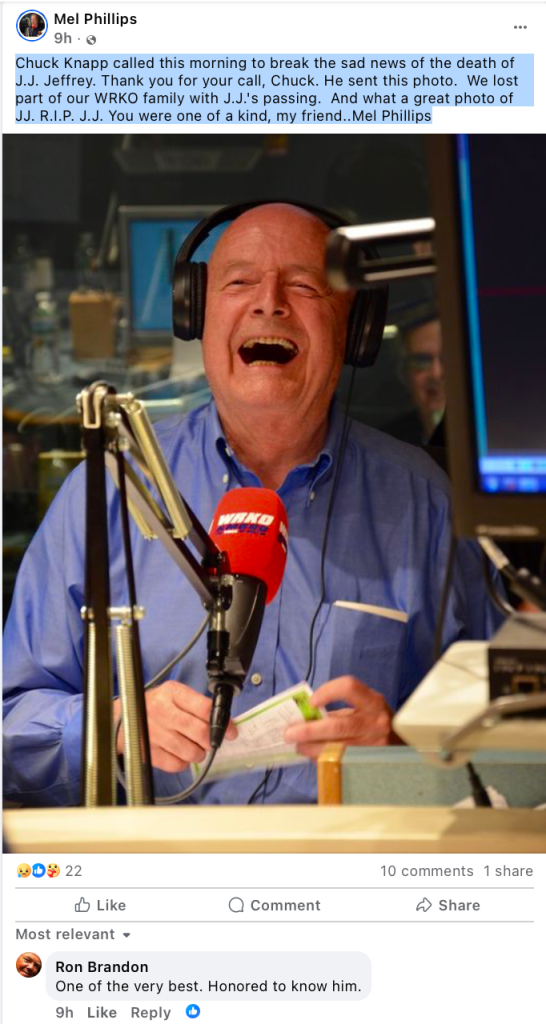
Joseph Noyes “J.J.” Jeffrey, Beloved DJ and Broadcasting Pioneer, Passes Away at 84

In Memoriam By: Benjamin H. Groff II© Groff Media 2024© Truth Endures

Joseph Noyes “J.J.” Jeffrey, a renowned DJ who became a respected station owner, passed away at the age of 84 following a brief battle with cancer. A native of Portland, ME, Jeffrey began his broadcasting career in his home state in the 1950s. His early career included stints at various local stations, where he honed his signature high-energy style and developed a deep passion for Top 40 radio.

Jeffrey’s career took off when he became the afternoon host at WRKO Boston, one of the nation’s premier Top 40 stations. His success in Boston led to similar roles at two of the biggest Top 40 powerhouses of the time: WFIL in Philadelphia and WLS in Chicago. Known for his vibrant personality and memorable catchphrases, Jeffrey quickly became a household name in each of these markets.

In 1975, Jeffrey transitioned from behind the mic to station ownership, partnering with Bob Fuller to launch Fuller-Jeffrey Broadcasting. Their first acquisition was 102.9 WBLM in Lewiston/Portland, ME. Over the next two decades, the company expanded its reach, owning clusters of stations across the country, including in Modesto, Sacramento, Santa Cruz, Santa Rosa, CA, and Des Moines, IA. Fuller-Jeffrey Broadcasting’s portfolio was sold to Citadel in 1999, forming what is now largely Townsquare Media’s clusters in Portland and Portsmouth, NH.

Not one to rest, Jeffrey and Fuller immediately launched Atlantic Coast Radio, building another prominent radio group in Portland, ME. Their stations included the Sports format “WEEI” on 95.5 WPPI Topsham and 95.9 WPEI Saco, “The Big Jab” 96.3 WJJB-FM Gray, and Conservative Talk 1310 WLOB.

J.J. Jeffrey will be remembered for his contributions to the radio industry, both as a beloved on-air talent and as a visionary station owner. He leaves behind a legacy of passion, innovation, and an enduring impact on the world of broadcasting.

My Experience With Live Coverage of Severe Weather Events by KKBS 92.7FM: A Crucial Role From The 1990s…

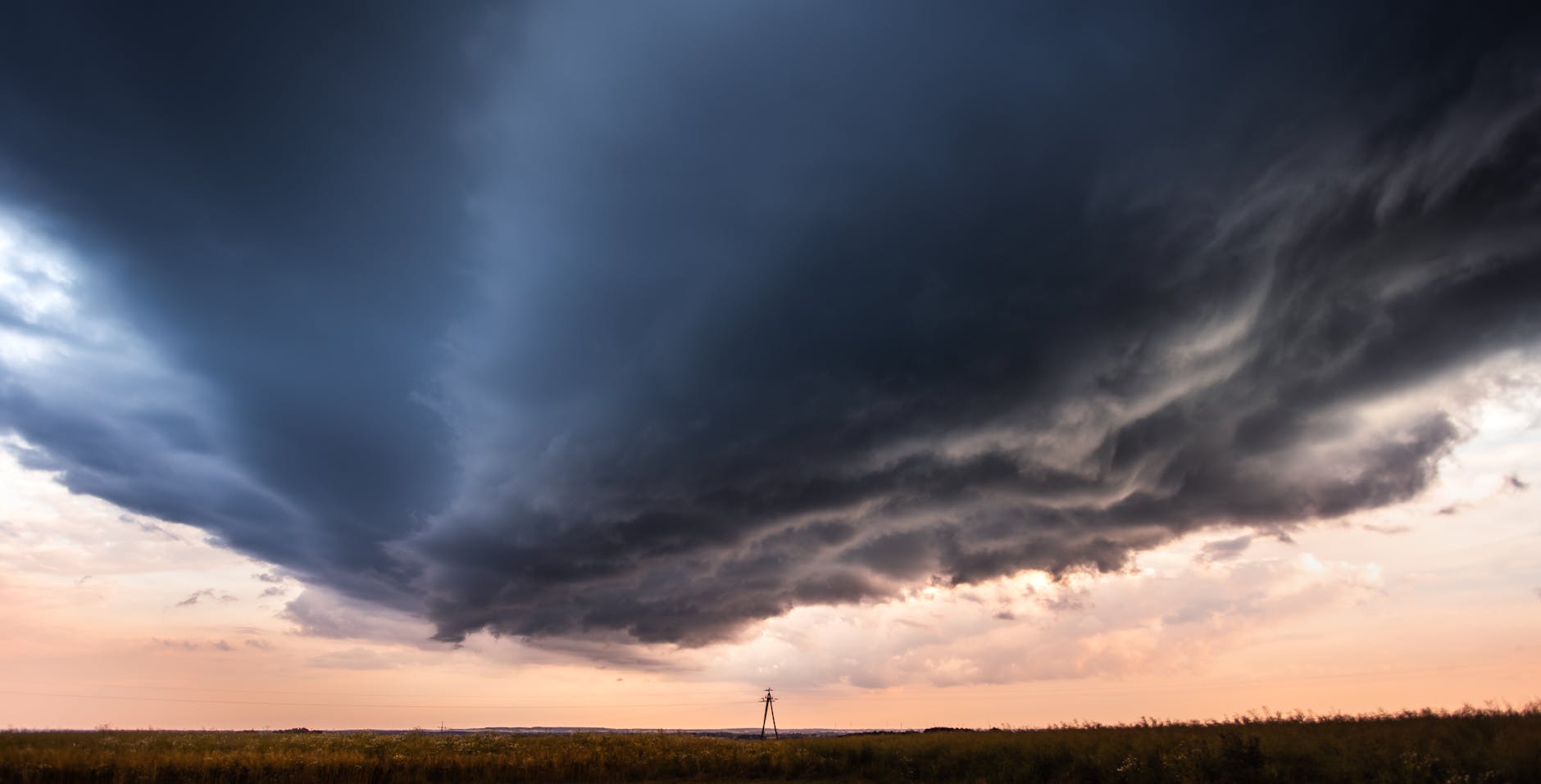
The sky was cloudy to the southwest, and humidity had been building since the morning. Many had yet to pay attention to weather patterns forming in the Oklahoma and Texas Panhandles, particularly dew points that were above average. Everything was out of balance. No one was paying attention except for one News Director at a small community radio station in the Oklahoma Panhandle community of Guymon. That news director was me, Benjamin Groff II (JR), and our role in providing live coverage of severe weather events was crucial.

It had been a busy day for the news department at KKBS 92.7FM. The Oklahoma Secretary of State had been in town attending Civic functions, plus a rape trial at the Texas County Court House was underway, and the suspect had been a topic that brought turmoil in the community for his alleged sexual abuse of a child. There was also an ax murder victim discovered in a dirt cellar in Steven’s County, Kansas, and the Hugoton Court House was buzzing with activity as the sheriff there had a suspect in custody.

The KKBS broadcast signal reached a five-state region, covering the Oklahoma Panhandle, the Northern Texas Panhandle, Southwest Kansas, Southeast counties of Colorado, and Northeast New Mexico. An anomaly in broadcasting also allowed the station’s signal to get received on radios and listened to by residents of Vernal, Utah. Listeners from the area would call the station often with their weather conditions and share local news to be part of the radio station’s mix. Our commitment to serving the community was unwavering, and we valued every listener’s contribution.

In Perryton, Texas, to the southeast of Guymon, a city of less than 7500 souls, the area mainly consisted of farmers and ranchers. KKBS radio station also reached Spearman, Gruver, Stratford, and Dalhart, Texas. In each community, the station, under my direction, established contacts and points of communication to use during news events. The same situation existed in southwest Kansas from Elkhart, Dalhart, Liberal, Hugoton, Johnson City, and Ulysses.

The radio station studio on the north side of Guymon is a one-story building set behind a hill on one side. The broadcast tower is near the city center. It was on the same tower as most emergency services and, thus, on an emergency roster for being tended to promptly during power outages. Our studios were placed on priority through a demand I had made to the power company after I explained that we broadcast to every community in five states and were rebroadcast through each cable carrier of every community. We need to get back on the air to broadcast emergency notices to the people as soon as possible. I did not realize I made such an impact that the power company initiated a person to guarantee our station downtime was as minimal as sixty seconds or less. It was good that it happened.

As the day continued, I stepped outside and felt the air. I had felt the conditions before. It had been in my hometown 12 years earlier when a storm ripped through the area and tore the hell out of the county, killing a lifetime resident of the town and his wife as they were hunkered down in their cellar. Being a retired police officer, I had a sixth sense, which led me to believe we were in store for something more. I felt it. There were times I sit in the newsroom on an afternoon on a slow day and think out loud, saying this feels like a plane crash day, and low and behold, we would be breaking a plane crash somewhere in the valley later. It was the same way this day, and I began planning for it.

I asked our sales team to be on call and ready to return to the station within ten minutes of getting my call, not to ask questions, get in their car, and come. They would answer calls and send me information about storm coverage. They should send their families to storm cellars, and they would be OK with us; the hill protects the station. I asked our evening staff to get ready to rock and roll so that it would be different from business as usual. I was going to be interrupting their shows, and we would be going live with actual news actualities from the field, raw broadcast, and they needed to get prepared for raw emotions to get heard. When it happened, they were not. But maybe they were more than they would have been.

Shortly before 4 PM, I noticed on an antiquated system that there was a massive hail storm in north Texas Panhandle County near Gruver, Texas; I called the Gruver Texas City Manager from the newsroom. I always contacted people in a way that allowed me to quickly air with them regardless of what was happening; in this case, it was gold. I asked him if he was getting hail. He said he was and was trying to drive west out of town; I buzzed the main studio to get ready to go live at any moment with breaking news, and suddenly AJ, the city manager, said

OH MY GOD, BEN, THERE IS A TORNADO ON THE GROUND WEST OF GRUVER, TEXAS, AND IT IS MOVING NORTH…

I flashed the hand signal and said go live; use the weather signal…

Stacy was on the board and broke into music with a particular news weather bulletin where I came on and issued a “KKBS TORNADO WARNING” and had the city manager describe what he was seeing. After the conversation, I returned and said that the National Weather Service has yet to issue a Tornado Warning, and we are in contact with them trying to get them to notice the storm.

A small radio station in the Oklahoma Panhandle doesn’t carry much weight with the National Weather Service, and they should have paid more attention to what we were trying to explain to them or the fact that we had an actual sighting by a city manager. We contacted the Channel4 Meteorologist who used to offer services to our station and explained to him what we were seeing, and he said he would turn his radar toward us and take a look; as he did, he said,

Map-Radar Image is for reference purpose only not actual radar screen used.

Holy Moly! That looks like a hook echo! Has the National Weather Service put out anything on this yet?

I explained to him our frustration with the weather people, and he said look, I am going live and putting my warning out, I told him we had already put ours out. He said

Thank GOD. I hope people are listening!

The Local Civil Defense and the owner of the other radio station in Guymon were listening, and they were severely upset that we were putting out a weather warning without their authorization. They even entered their radio station (one I once worked at KGYN) and denied on air there was any chance of severe weather today, saying the other stations were nuts. The Civil Defense Director went as far as to call our station owner and threaten her with an FCC violation complaint. She called me and asked what type of warning I issued. I explained that I issued a KKBS weather warning and a KKBS tornado warning, confirmed by a city manager talking to us live on the air from Gruver, Texas. She smiled and said issue some more.

I continued broadcasting the weather warnings and hear the disgusting remarks on the police radio frequencies from the civil defense director and his people over our decision to warn people about the threat of undesirable weather moving into the region. What is more, the storm producing the tornado was now moving into an area referred to as Hitchland, an agriculture-based community and ranching area. As we were broadcasting, our friend from the television station called and told me he had confirmation that a tornado was on the ground. We then broke into our programming and broadcast that a tornado had hit the area, and there were casualties. As we did, we began to get phone calls about fatalities in the area. As we tracked this storm, we warned the Beaver County, Oklahoma communities that they would be in the track of the storm-producing tornados.

The dry line producing these storms was like a whiplash effect; it produced storms in front and behind its path. Another line of storms formed twenty miles west of Guymon, stretching from Guymon to Elkhart to Johnson City, Kansas. It was a night of stress and high excitement for those who enjoy broadcasting under pressure.

During one segment of events, the bank that the radio station shared the building with was hosting Claudette Henry, the Oklahoma Secretary of State, at a reception that evening; while I was broadcasting live during one of the live storm updates, I saw Ms. Henry walk past the newsroom. I quickly wrapped up, stretched my headphones cord to the door, and shouted.

“Is that Claudette?”

She responded

“It Sure Is”

In my best Oklahoma demeanor

“I get you to do a live interview with me quickly?”

Claudette said,

“Let’s go for it!”

The interview consisted of talking about how she can’t fly out of Guymon until our radio station gives the all-clear and mentioning how everyone in five states is listening to you guys. She said she was impressed with the quality of coverage we provided; she didn’t expect to see it in Guymon.

My station’s owner was sitting in the basement at her beauty shop, listening to the radio and receiving phone calls on her cell phone. She was one of the few people in town at the time who had a cell phone, and everyone called her on it. On this night, it was to thank her for providing a station with such a spectacular news team.

It have been better news for everyone. The operations manager had called the station manager a bitch during a sporting broadcast, and then failing to join in the weather broadcast appeared to have ended their relationship. The next day, she dismissed him from his duties and placed them upon me and his salary. A few years later, she added the sales manager responsibilities to my duties. A few years later, I accepted a position in Cheyenne, Wyoming.

It was the 1990s and anything goes was a leftover motto from the 80s!

From A Horse Sale To A “CB” Coffee Break”

A True Story By: Benjamin Groff© Groff Media 2024© Truth Endures

Join Us For a Coffee Break!

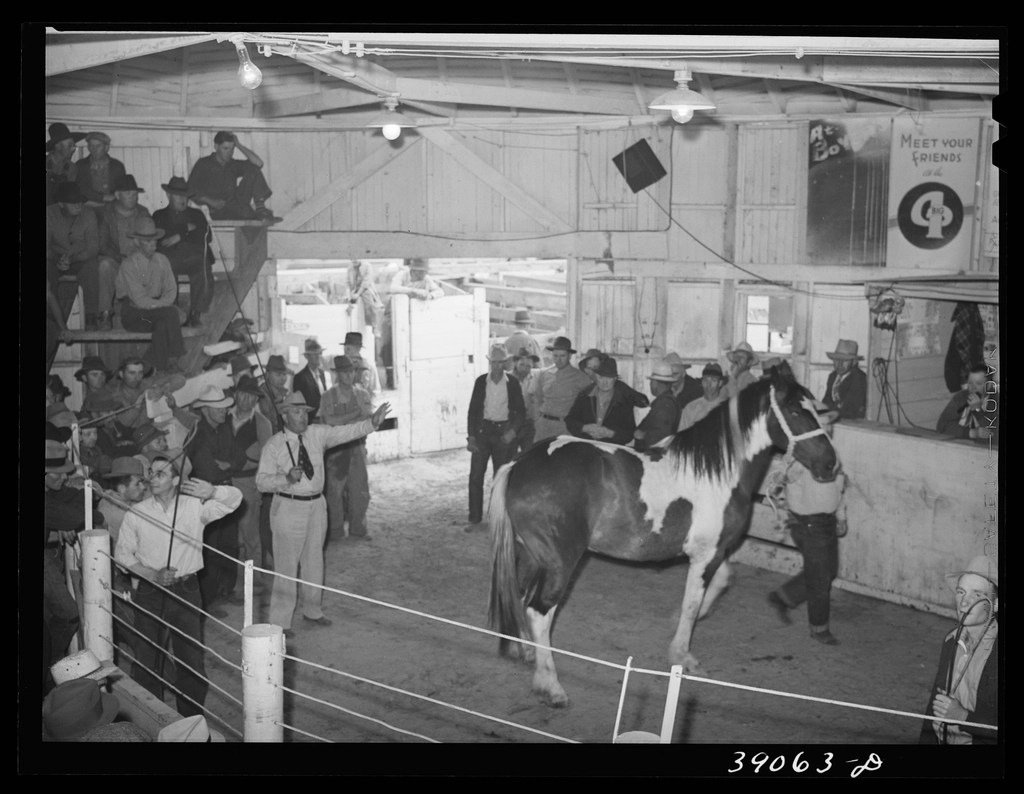
If you’ve read previous stories about my dad and me heading to horse sales during my youth, you’ll know it was a ritual we performed every Friday and Saturday night. It wasn’t just about the horses but the time we spent together and the bond we shared. Somewhere, someplace, we could always find a horse sale. And if the horse sales took a break in the summer, we’d catch a rodeo, no matter how far we had to drive.

I saw more of Oklahoma at night than I ever did during the day. That’s when my dad and I would drive the state highways, venturing wherever the road took us. But this particular trip was different. We were going to our regular sale in the city, about 30 miles from home.

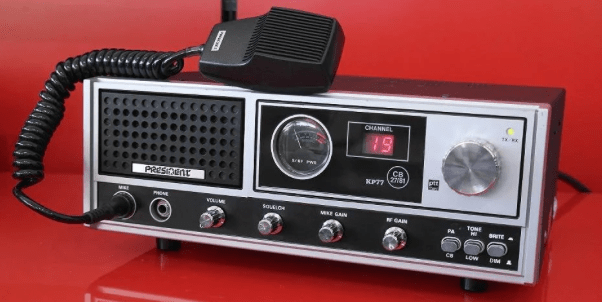
It was the 1970s, and Citizen Band (CB) radio had become all the rage. I had three older brothers, all grown, who installed CB radios in their vehicles, catching my dad’s attention. Before long, we also had one in our pickup, tuned in, and received signals from all over. Dad outfitted our rig with twin whip antennas and a power mic; he even considered adding an amplifier but decided against it after hearing the FCC might crack down on him. My dad always did things by the book. So we were content rolling down the highway, our handles “Big Jake” for him and “Gentle Ben” for me.

We’d pick up reports about ‘Bears in the Air’ and ‘Bear Setups’ just down the road. Although we were doing the speed limit, Dad would ease up on the accelerator to humor me, making me think those reports were helping. On our way to the horse sale that night, we heard a spectrum of new voices on the air—voices we’d never heard before.

I told my dad they were coming in too consistently and clearly to be skip signals; they had to be close.

He said, “Let’s listen to them a minute.”

As we tuned in, these voices discussed being in Indian City and staying set up all night. They invited anyone to come by, mentioning they were at the Coffee Break on the east side of town, near the rodeo grounds. The ‘Coffee Break’ was a popular gathering spot for CB radio enthusiasts to meet, socialize, and share their experiences.

Indian City was the nickname for Anadarko, where we were headed for the horse sale. The town was known for its tourist attraction, Indian City, USA, with teepees and all—a gimmick that drew in visitors.

Dad keyed up the mic and gave a breaker. One of the new voices responded. Dad explained we were headed to a horse sale and might drop by for a cup if the horses weren’t any good later.

They said,

“Come on by! Have you ever been to one of our Coffee Breaks?”

Dad replied,

“That’s a big negatory!”

Well then,” they said,

“park wherever you can and find Booth 12—that’s where we’re set up.

We went to the horse sale, and I spied a horse or two I thought Dad might be interested in. But around 11:00 PM, he nudged me and said,

“Let’s go to the Coffee Break. I want to see what it’s about, and I’m sure you do, too.”

I wanted to say yes, but those two horses had not come up. We had a herd of horses back home, so missing one or two wouldn’t matter. Besides, I was curious about what we’d get into at this place.

When we arrived at the rodeo grounds, the area was full of campers, RVs, and tents—huge tents, at least to me. The tent poles seemed massive, with lighting strung throughout by wire. I wasn’t sure if it was safe, but I trusted my dad as he led the way.

We found what we thought was Booth 12, where a lady sat in a folding lawn chair. She looked up at me and said, 

“Hi, sweetie. You run away from home?”

I quickly replied,

“Oh no, I’m here with my dad; we’re looking for Booth 12.”

She smiled, a crooked grin on her face, and said,

“You’re looking for Honey Badger! HONEY BADGER, GET YOUR ASS OUT HERE!”

From around the corner came a short man with a balding head and a potbelly. He hadn’t shaved in a week and said,

“What is it, Wilda? You don’t have to yell! Oh, hello.”

I whispered to my dad,

“The lady’s name is Wilda,”

Mimicking the style of Sgt—Friday and Officer Bill Gannon on Dragnet.

My dad looked down at me and used his favorite phrase when I tried to do impressions: 

“Don’t be stupid.”

Honey Badger had sharp ears because when he heard Dad’s voice, he said, 

“I know him—that’s Big Jake. We talked to you a few hours ago, and I’ve heard you before when we passed through these parts. I’m Honey Badger. Let me show you around. Wilda, you want to watch the boy?”

Dad told me to stay with Wilda, promising he’d be right back. I wasn’t sure what was happening, but I decided to start searching if I didn’t hear from him by the top of the hour. For all I knew, these could be aliens from another planet up to something strange. I had just turned ten, and the year before, my dad and I had to walk home after the truck we test-drove broke down on our way home from a horse sale. I could take on whatever might be behind those dark tents—or at least that’s what I told myself.

In the meantime, Wilda and I managed to strike up a friendship. She told me they were from Kansas and had retired. Honey Badger worked with honeybees as a hobby, hence his CB name. She said,

“And I’m the Queen Bee; I get on that radio and just Buzz.”

Wilda looked like a much older Ms. Kitty—a short, broad, ancient Ms. Kitty. Her voice reminded me of one of the blonde girls on The Andy Griffith Show who gave Andy and Barney a hard time. She was a sweet soul who must’ve lived quite a life. She got me a hot cup of Pepsi and talked about missing her TV show to come on this trip with Honey Badger. But she said, –––

“It’s worth it. You don’t know when one of you is going to die. You want to do all the things in life you can before you call it quits.”

She shared stories about her and her husband’s adventures, and I did my best to look interested, though I only sometimes followed along.

Dad must have been gone for thirty minutes. I had no idea what he was doing, but I sure had a lot of intelligence gathered from Queen Bee to share with him.

When he finally returned, he scooped me up, thanked Queen Bee for having us over, and assured her we’d made friends on the southern plains that stretched far north.

As we got into the pickup and headed home, I noticed Dad pushed his hat back on his head, just like he did at Christmas when he and one of my uncles secretly toasted shots at my grandparents. He was in such a good mood, so I shared my findings. –––

“So,” I began, “Wilda—or Queen Bee—said they’ve been to several states doing Coffee Breaks because she can’t have kids, and he doesn’t want any. He also has some car problems that he can’t fix. She told me he lost his left nut in the war. But I don’t think he’s still driving the same car he had when he was in the war.”

At the time, I thought whatever Dad had been up to must’ve been a lot of fun because he laughed all the way home. Within a year or two, I realized Honey Badger hadn’t lost a lugnut at all—but maybe it was better when he had.

There are Memorials left behind for those CB Radioer’s who’ve met up and passed on by clicking here.


A Young Officer Finding Law Enforcement

A Story By Benjamin H Groff© Groff Media Copyright 2024©

It was the early 1980s, and he rolled into the city from the South. The police department was easy to find. The radio tower extended high above the building and be seen from miles away. Pulling up in front for the first time as an officer gave him a true sense of purpose. He felt independence because he was on his own for the first time since graduating.

He entered the building to be fitted for uniforms. He also received his equipment there. During this time, he met two officers who would feature prominently in his future years. One he met right away. His name was Lee. Lee provided him with a resource for his first housing solution. This was in a town that the oil boom had overrun. People lived in tents in the town park and alongside the road. The other officer was Eddie. He was a Deputy from Cheyenne. Eddie had the actual house, a three-bedroom mobile home in a city-owned trailer court. The jurisdiction provided this to city employees to live. The rent was cheap by local standards and answered an immediate need. It did, though, come with a police K9 and two roommates who have been more neat and orderly.

The police department operated out of a building shared with the fire department. The jail was on the second floor above the communications center. The fire crew slept across from the jail cells on the second level. This raised issues for a city that had doubled in population and area due to annexation. Voters approved a tax proposal to build a new police station and jail. They also planned to rebuild the fire station. Blueprints for the new station were in place, though its construction was several years away.

In court cases, Chicago judges had pointed to the city defendants. Elk City, Oklahoma was a place where they can get a one-way bus ticket. Or pick the choice to get six months in jail. Most people opted to take the bus ticket. The type of characters sent to the area ranged from criminals to mentally unstable to socially dysfunctional. It would be years before the area recovered from the judge’s poor decisions in making such a move. Before then, there would be murders, rapes, and worse.

The city was busy 24 hours a day. Calls for patrol unit service were backed up by three to four calls at a time. When calls did get caught up, it didn’t last long. The shifts were rotational. In that, there was never an entire shift on and off at the same time. Night shifts changed at 6 AM and 8 AM, and Day shifts changed at 4 PM and 8 PM. A mid-shift operated from 2 PM to 2 AM. Each officer worked ten-hour shifts with three days off. The schedule permitted officers to work extra assignments at security posts. This was necessary when gas wells blew their tops out. Roadblocks also had to go in place out in the county. Officers earn as much as $300 on their days off, pulling such assignments. And if there weren’t such assignments, you always pull OT. You take comp time. An officer used this later instead of vacation or sick days. An advantage that the city offered other municipalities didn’t.

The allure of lights, excitement, and action made Elk City, Oklahoma’s bustling oil town so attractive. It captivated an 18-year-old just out of high school. It also kept him there for many years, leading him through years of service. The young officer had already been briefed well in law enforcement with his earlier departments. There are histories from those days. They will come alive in the future. They will tell of his Elk City Days and how he became known throughout western Oklahoma.

In the next few weeks, he will watch the front door. He needs to see if he must duck bullets coming through the station’s windows.

The Move Into My LawMans Career

A Story By Benjamin H Groff© Groff Media Copyright 2024©

In his senior year of high school, he went to work at a neighboring police department thirty miles from where they lived. He worked as a jailer-dispatcher. He had just turned 17 years old, and His dad provided authorization from the school and local city government to go to work. Once he had been hired, there was no stopping his progress. He had listened to the police scanner for years and even volunteered at our local police department as a dispatcher and ambulance driver. He was only 16 then. This, to him, was the big time he was getting paid—the town at a rough character about it. A man had been killed behind the police department in the alley not too long before I went to work there. The killer was still at large.

He excelled in his duties. The chief appreciated his attendance record and punctual arrival to shifts. The assistant chief requested he be the only dispatcher assigned to his shift. He gained a reputation throughout the western state for His broadcasting style and etiquette—application of the police 10-code and professional stature that he applied in the tone of his broadcast. He was known as a no-nonsense type of communications officer. If he gave a call, the information was correct, and the officers could be sure he would stay with them through their response. If they needed help and he lost contact with them, neighboring agencies knew he could pull back up out of the blue. And they respected the ability.

Change is inevitable, and when he graduated high school, a neighboring agency offered me a position that would allow me to broaden his skills. It allowed him to gain telecommunication abilities and work with a county-wide agency, and he still had contact with his old pals at the smaller agency, just less often. The training opportunity exposed him to new experiences, and he was closer to home, but he lacked a feeling of being fulfilled. Something was missing that he couldn’t place my finger on. The period was during the oil boom in Oklahoma, and there was a flurry of activity everywhere. It was not uncommon that he held down employment in other adventures while working for these agencies. One had to. The pay needed to be better for making a serious living. He got offers from colleges and employers the first month after graduating high school. I had planned to work through school, so he planned to keep working at one of my jobs. Plans change. One hundred miles away, a city was beaming on the horizon. They had put a notice out they were hiring a crew of new communication officers and would be building a new administration building to host the center. It appeared intriguing. A visit to their department one morning caused further interest.


When a very experienced face met me at the door and asked how they could help me, He recognized it immediately from a statewide broadcast when he heard the voice. As soon as he spoke, they recognized mine. He explained he had word that they were hiring and that he wanted to spread his wings, move away from home, and get out on his own. The boy was also looking for a larger organization with which to become affiliated. The Captain had an application in the boy’s hand and sat in the chief office within thirty minutes. He accepted an offer within the hour and left town within two hours of arriving, trying to think of how to express my two-week notice to his current employer. Even worse, the boy was working out how he would tell my mom and dad he would be moving out. Not that he had not been gone most of the time with my jobs, but it is the idea that their youngest child was moving out and going on his own.


He went to work the following day. Things changed rapidly in law enforcement, now as they did then. The chief had quit after a heated argument with the mayor over funding, and in his boyish manner, he thought it was as good a time as any to throw his hat in the ring to make a statement. Knowing he already had a job made it much easier, so the boy gave his notice. Now, he just had Mother and Dad to tell. He told my dad first. It wasn’t the worst news Pop had by the mood he was already in, but it may have come close. After he went for a ride on his horse and came back in, he said to wait to tell the boy’s mother for a few days and catch her in a good mood. The kid’s mother reminded him of Eunice, off the Carol Burnett show. Or was it that Eunice reminded him of his mother? She always made him laugh doing the funniest of things.

Today, we briefly describe his first year of official employment in law enforcement and how the boy got started. Each stage is more detailed, and there are many more incidental stories about events that would take place in each department. The writer may tell you the stories in a different order, but as they are related to other incidents, those are coming soon.

IT WAS JUST ANOTHER DAY, UNTIL THE PHONE CALL!

Photo by Anthony ud83dude42 on Pexels.com
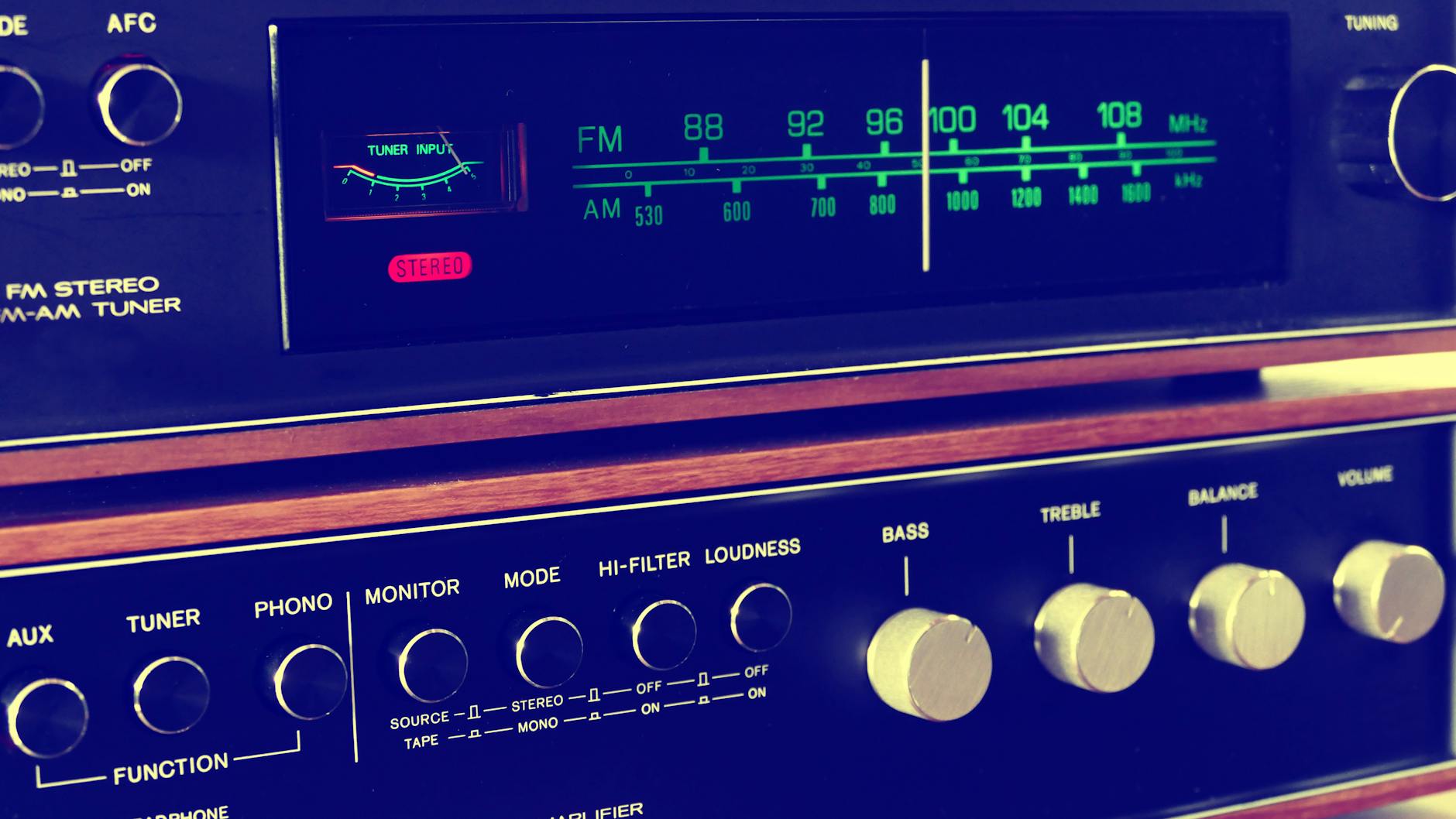
  • For all anyone knew, it was just another day. The sun was rising and appeared to be sunny, with average temperatures warming to 75 degrees by midafternoon, with a light wind from the south. That was the weather forecast everyone heard to start the day, as it echoed from speakers in the downtown square broadcasting from the local radio station KBAD. Topping the news from KBAD included a report concerning a house fire, two auto accidents, and a lost dog report. The station did not broadcast national news because the management felt it included more divisive material for the community and the station’s audience. KBAD’s motto promoted the station and its fans as * Kindhearted * Brilliant * Ambitious and * Devoted! It had a unique frequency on the AM Dial at 1000.0khz AM and 100.0mhz FM. The frequency identifier permitted those who wish to find it an easy way to remember its location on the radio dial. Operating by remote control authorization from the Federal Communications Commission, KBAD’s radio tower stood in two separate locations. The FM Broadcast Transmitter and Antenna broadcast on the same tower as many of the local television stations’ antenna services towers near the edge of town. The AM Broadcast Transmitter was with three directional towers west of the city on a hill that permitted the station to fluctuate power between sunrise – sunset – sunrise hours. The AM station reduced power during the daytime, and the signal with increased power would reach a different area than at night. The night signal could reach several states.
Photo by Mwabonje Ringa on Pexels.com

       The day was unfolding as usual, with one of our regular radio programs in full swing. Suddenly, in the midst of a phone-in segment, a caller made a startling revelation –––

“Do you people know that there is a guy hanging from your radio tower west of town? He is just dangling there.”

The Host was surprised by the caller comment and replied

 Sir, this is a live show. Please, this is not a time for pranks.

The caller shot back. – The caller’s voice was urgent, his words cutting through the airwaves.

‘This is not a joke,’ he insisted. ‘There’s a man, about three-fourths of the way up your middle tower, hanging upside down. You need to get him help.’

The Host, with urgency in his voice, told listeners

We take this seriously; our station manager and engineer are coming to the tower, and emergency responders are responding.

The Host then suggested that the caller should have notified 911 before calling the radio station first.

The man hanging upside down had been hired as a contractor to change the red blinking lights once a year to make sure that it met FCC requirements. On his way up, he experienced a fatal heart attack. He was tied off and had his safety gear on, which prevented him from falling when he could not continue climbing or descent. Due to how high he was, a specialized team of climbers had to be dispatched from over three hundred miles away to go to the scene and create a plan to lower him. It took over 24 hours to get the man to the ground safely.