No Virginia, “Immigrants Can’t Get Foodstamps, Welfare Or Free Healthcare”

© Benjamin H. Groff II — Truth Endures / benandsteve.com

4–7 minutes

With the 2026 U.S. election season soon underway, you’ll hear a significant amount of disinformation. One major strand targets immigrants in a wholly prejudicial way. It treats them as one homogenous group of “illegal” residents. It claims they all take “welfare benefits,” “food stamps,” or “public assistance programs.” These terms are used as triggers to motivate a particular set of voters. This is a tactic well understood by the most bigoted of candidates.

In reality, U.S. federal law places strict limits on non-citizens’ access to most benefit programs. Among the relevant statutes is the Personal Responsibility and Work Opportunity Reconciliation Act (PRWORA) of 1996. This act sets the baseline framework that governs immigrant eligibility for federal means-tested benefits. (1)


Key Facts

Undocumented immigrants — those who entered without inspection or overstayed visas — are generally ineligible for most federal public benefits. According to the National Conference of State Legislatures (NCSL), people without authorization in the United States can’t access federal public benefits. People who lack authorization in the United States are unable to access federal public benefits. People without authorization in the United States cannot access federal public benefits. Exceptions exist for certain emergency assistance, disaster relief, and non-cash community-level services. (2)

These benefits include major programs. Examples are the Supplemental Nutrition Assistance Program (SNAP, or “food stamps”). Another example is the Temporary Assistance for Needy Families (TANF) cash-assistance program. They also include non-emergency Medicaid. (3)


Lawfully present immigrants, including lawful permanent residents (green-card holders), face further restrictions. Most must wait five years after achieving “qualified immigrant” status before becoming eligible for many federally funded means-tested benefit programs. (4)

Criminal convictions may further affect eligibility. Individuals convicted of a drug–related felony after August 22, 1996 may be barred from receiving SNAP benefits. This is the case in many states. (5)

State-level variation: Federal law sets the baseline. However, individual states may use state funds to extend certain benefits. These benefits are for immigrants who are otherwise ineligible under federal rules. (6)

Quick Facts:
📌 Law: Personal Responsibility and Work Opportunity Reconciliation Act (PRWORA) of 1996
📌 Undocumented Immigrants: Ineligible for SNAP, TANF, and non-emergency Medicaid
📌 Legal Immigrants: Usually face a 5-year waiting period
📌 State Variations: Some states fund limited local programs
📌 Citizen Children: Eligible for benefits if they meet program rules
📌 Exceptions: Refugees, asylees, trafficking victims are exempt from waiting periods

Benefits for U.S. citizen children: A key exception ensures that children born in the U.S. can receive federal benefits, such as SNAP and Medicaid. This is true regardless of their parents’ immigration status, provided they meet all other eligibility requirements. The parents’ immigration status does not disqualify the U.S. citizen child. (7)

Specific exempt categories: Some immigrants are exempt from certain waiting periods or restrictions. These include refugees, asylees, victims of human trafficking, and certain others. (8)


In Summary

The U.S. benefit system places tight limitations on which non-citizens can receive publicly funded assistance. Eligibility depends heavily on:

  • the individual’s immigration status (unauthorized vs. qualified)
  • how long they’ve been residing legally
  • the particular rules of the specific assistance program.

In short: undocumented immigrants have virtually no access to standard federal welfare programs. They also lack access to food-assistance programs, especially if they have a criminal record. Many legal permanent residents must wait years. There are state-funded alternatives and exceptions. However, the broad public claim that “immigrants all use welfare/food stamps” is factually false. This claim serves as a misleading narrative.


Why this matters

When you hear a politician or political advertisement claim that immigrants are draining public benefits, you’re hearing a distorted narrative. It’s a message crafted to provoke emotional responses. It appeals to anxieties. It does not truthfully engage with the specifics of immigration law and benefit eligibility.

Bookmark this post for future reference—especially in the coming campaign months, when such claims will be ramped up. Having the facts on hand helps you call out hyperbole. It separates rhetoric from reality. This keeps the public conversation grounded in truth.

Constitutional Rights of Immigrants

Despite differences in citizenship status, the U.S. Constitution guarantees core rights to all persons within its jurisdiction — including immigrants, regardless of legal status. The Fifth and Fourteenth Amendments protect every “person” (not merely “citizens”) from deprivation of life, liberty, or property. Due process of law is required. They also protect from denial of equal protection under the law. The First Amendment also ensures freedom of speech, religion, and peaceful assembly for all. These guarantees extend to everyone on U.S. soil, whether they are citizens, lawful residents, or undocumented immigrants.

The Supreme Court has repeatedly affirmed these principles — most notably in Plyler v. Doe (1982). It held that undocumented children are entitled to the same public education rights as others. This is echoed in Zadvydas v. Davis (2001), which found that indefinite detention of immigrants violated constitutional due process. While immigration status can affect eligibility for government benefits, it does not erase the fundamental rights guaranteed by the Constitution.


References

  • U.S. Constitution, Fifth Amendment – Protects all persons from deprivation of life, liberty, or property without due process of law.
  • U.S. Constitution, Fourteenth Amendment, Section 1 – Ensures equal protection and due process for “any person” within the United States.
  • U.S. Constitution, First Amendment – Guarantees freedom of religion, speech, press, and peaceful assembly to all persons.
  • Plyler v. Doe, 457 U.S. 202 (1982) – Supreme Court ruled that denying public education to undocumented children violates the Equal Protection Clause.
  • Zadvydas v. Davis, 533 U.S. 678 (2001) – Affirmed that immigrants, even undocumented, are protected by the Due Process Clause against indefinite detention.
  • Yick Wo v. Hopkins, 118 U.S. 356 (1886) – Early Supreme Court case establishing that equal protection applies to non-citizens as well as citizens.

🗳️ Call to Action: Truth Over Talk

In the months ahead, political noise will grow louder, and facts will often take a back seat to fear. Before sharing or believing any claim about immigrants, take a moment to fact-check it. Look for verifiable data. Check reputable sources and legal references. Misinformation thrives when good people stay silent.

Share true information. Challenge falsehoods when you see them.
By doing so, you defend the truth. You also uphold the American promise of fairness and equality under the law.


By Benjamin GroffMedia© | benandsteve.com | ©2025 
Has Anyone Ever Been Arrested For Violating Silly Laws?

4–6 minutes

No one has been arrested for any of the silly laws on the books in various states around the country. I conducted a deep dive into the internet, exploring the latest trends in innovative computing, AI, and ChatGPT. This suggests that most of these laws include strict provisions for enforcement. Nevertheless, they seem to be purely regulatory. There are no documented arrests or prosecutions for violation.

There are no recorded cases of arrests for purchasing Silly String. Authorities also report no arrests for whistling to Canaries. Moreover, no one has been arrested for allowing someone to eat them. According to officials, these laws and their enforcement are purely regulatory. There are no documented arrests or prosecutions for violations, as I said above.

The law seems to exist mainly to deter careless purchases. It also aims to prevent property damage. It does not primarily encourage criminal enforcement against children. Still, there were more questions, and that led to today’s report.

Fundamental Laws That Still Raise Eyebrows (and Sometimes Cause Trouble)

1. Civil Forfeiture: The Law That Targets Your Stuff

This isn’t a fictional plot device—it’s real and deeply troubling. In the U.S., police can seize property—cars, cash—even without charging the owner with a crime. Imagine your gold crucifix being named as the defendant in a court case e.g., State v. One Gold Crucifix. The government confiscates nearly half a million dollars from travelers at airports. This happens despite no evidence of wrongdoing. These actions are legally permitted. Often, there are no arrests or convictions. Individuals must fight a labyrinthine process to reclaim their property. (1)

2. Sovereign Citizens: When Laws Are “Optional”

The sovereign citizen movement has seen people file frivolous court documents. They use homemade license plates and claim federal laws do not bind them. Authorities take it seriously. Some adherents have been arrested for filing fake liens, orchestrating “common law courts,” and engaging in wire fraud. One such case was deemed a racketeering enterprise, with convictions earning individuals lengthy prison sentences. (2)

3. Silly String Restrictions – Enforced for Safety Over Fun

In Meriden, Connecticut, silly string can’t be sold to anyone under 18 unless a parent is nearby. It must also be stored securely and can’t be sprayed in public spaces. There’s no record of teens being arrested. Retailers can face fines, up to $99, for violations. This means enforcement is real, even if narrowly targeted. (3)

Why These Laws Matter — Beyond the Weirdness

These aren’t costumes—these laws have tangible consequences. Civil forfeiture can strip people of property without due process. Sovereign citizen actions clog courts and sometimes spiral into criminal schemes. And yes—even silly string bans illustrate how enforcement can reach unexpected corners of daily life.

In the deep dive this is what the results showed –

Here’s what I found on whether anyone has ever been arrested for violating these odd laws:


Arrests? Not Really—But Enforcement Exists

Delaware: Selling Dog Hair

Delaware law prohibits selling or bartering dog or cat hair or fur. The penalties can be up to a Class B misdemeanor. There is also a fine around $2,500 (b). There are no documented cases of arrests or prosecutions solely for selling pet hair. This law appears more preventive than actively enforced.

Berkeley, CA: Whistling for Your Canary Before 7 AM

Berkeley’s noise ordinance indeed bars whistling for a lost canary before 7 a.m. (a). Still, there’s no evidence anyone has ever been arrested or cited for doing so. This one remains a quirky legal tidbit more than a prosecutable offense.

Idaho: Cannibalism

Idaho’s law criminalizes cannibalism, even if consensual, with penalties up to 14 years in prison.  Despite its notoriety, there are no known prosecutions under this statute (2e).

Meriden, CT: Selling Silly String to Minors

Silly string in Meriden can’t be sold to anyone under 18 unless accompanied by a parent. It must be locked away. Violators can face a fine of up to $99 (1d). Yet there’s no record of minors ever being arrested or cited for this — enforcement applies to retailers, not children.

Baltimore: Scrubbing Sinks

Rumor has it you can’t scrub a sink in Baltimore – one of those strange local restrictions (1c). That said, there’s no credible record of enforcement or arrests, and the law is generally considered obsolete or never serious.

Utah: Whaling Ban

Utah doesn’t have whaling laws because it was a myth. Still, commercial whaling is prohibited federally via the Whaling Convention Act (1a). Enforcement takes place at the federal level. It does not occur at a state-specific level. Clearly, no one was ever arrested for whaling in landlocked Utah.

Bergen County, NJ: Blue Laws

Bergen County maintains strict blue laws. These laws prohibit retail sales of non-essential items on Sundays. The rules are still actively monitored (2a). Retailers have faced legal pushback for Sunday operations. Investigations, like those involving the mega American Dream mall, have occurred. Nonetheless, no high-profile criminal arrests are generally reported (2b)


Summary Table

LawArrests Reported?Enforcement Notes
Delaware dog hair banNoRarely enforced, no cases
Berkeley canary whistle banNoNo known citations or arrests
Idaho cannibalism lawNoNo reported prosecutions
Meriden silly string saleNoRetailer fines possible; no youth arrests
Baltimore sink scrubbing prohibitionNoMostly folklore, unenforced
Utah whaling mythNoFederal whale protections apply nationwide
Bergen County blue laws

About the Author:

Benjamin Groff is a former police officer and radio news anchor. He has hosted programs for CNN and ABC News affiliates in Colorado and Wyoming. His career in law enforcement began in 1980 and lasted more than two decades. This gave him firsthand insight into the criminal mind and public safety. Moreover, it provided him with an understanding of the human stories that often go untold. His writing draws on these experiences, blending street-level truth with a journalist’s eye for the bigger picture.

By Benjamin GroffMedia© | benandsteve.com | 2025 

The Undermining Of Civil Rights In 2025

2–4 minutes

QUESTION FROM READER

Will Americans loose more Civil Rights With Republicans In control? Mike Lee, Trump, and others are pushing the Project 2025 Playbook. It sure looks like the Constitution’s articles are under threat and today’s GOP will lead to its undoing. 

THE RESPONSE

You’ve raised a critical concern. The answer is: yes. Under a Republican administration, there is influence exerted through tools like Project 2025. Many observers, civil‑rights organizations, and news outlets warn of significant threats to civil liberties and democratic norms.


What Is Project 2025?

  • Project 2025 is a policy blueprint authored by The Heritage Foundation. Contributions from former Trump staffers are included. It advocates for a sweeping restructuring of the executive branch. The plan expands presidential control over key agencies like the DOJ, FBI, DHS, and Department of Education. It seeks to install ideologically vetted loyalists, dismantle agency independence, and extend power across the executive branch.(1)

  • Critics label it an authoritarian and Christian-nationalist roadmap. It threatens civil rights protections. It also endangers democratic checks and balances and the rule of law.(2)

Key Threats to Civil Rights

  1. Dismantling DEIA and Affirmative Action Safeguards
    • Executive Orders signed in January 2025 have abolished government DEI (Diversity, Equity, Inclusion, Accessibility) initiatives, rescinded affirmative action mandates (e.g., EO 11246), and set in motion mass firings of employees affiliated with DEIA roles.(3)
  2. Eroding Oversight of Discrimination
    • Project 2025 proposes ending the collection of race and gender data by the EEOC. This decision would cripple the government’s ability to detect and tackle employment discrimination. (4)
  3. Weakening Voting Rights and Census Equity
    • The plan promotes a citizenship question on the census, which will suppress representation and resources for immigrant and minority communities. It also proposes limiting the DOJs role in election protection. Additionally, it suggests reforms to the FEC that would shift power to politically appointed commissioners.(4a)
  4. Suppressing LGBTQ+, Black, Immigrant, and Other Communities’ Protections
    • Policies aim to curtail reproductive freedoms, strip LGBTQ rights, and dismantle educational protections—particularly in schools and public institutions. (5)
  5. Consolidating Executive Power and Undermining the Courts
    • Project 2025 advocates for weakening independent oversight, firing Inspectors General, and enforcing loyalty tests—subverting professional integrity and rule of law.(6)
  6. Shifting Federal Civil Rights Enforcement
  7. Politicizing Justice Leadership
    • Appointments like that of Pam Bondi raise concerns about fairness in civil and voting rights enforcement. Their lack of independence from political influence is particularly worrisome.(7)

Broader Repercussions Reported by News Sources

  • Project 2025 has already sparked real-world impacts, like:
    • Mississippi implementing stricter abortion bans, voting restrictions, education rollbacks, and book censorship—reflecting Project 2025’s influence.(8)
    • Cancellation of Latino cultural festivals due to intensified ICE enforcement, demonstrating an atmosphere of fear in immigrant communities.(9)
    • A marked rollback on civil rights enforcement and protections in education and beyond. (9a)

In Summary

  • There is clear, mounting evidence.Republicans are in positions of control. They are involved in Project 2025. This involvement poses an existential threat to several pillars of civil rights. Republicans are in positions of control. Project 2025 is a concern. There is a threat to several pillars of civil rights. This threat includes dismantling DEI programs. It involves undermining federal oversight. Additionally, it consolidates executive power and targets marginalized communities across voting, education, employment, and beyond.

What You Can Do

  • Support and amplify the work of:
    • Civil rights organizations: ACLU, NAACP LDF, Urban League—many are actively litigating (e.g., National Urban League v. Trump contesting anti-DEIA executive orders) (10).
    • Voting and immigrant rights groups tracking suppression and census issues.
    • Local advocacy and grassroots movements fostering solidarity and resistance.

By Benjamin GroffMedia© | benandsteve.com | 2025 

Challenges and Resilience in the LGBTQI+ Community Today –– Beyond PRIDE With A New Pope!

By Benjamin GroffMedia© | benandsteve.com | 2025 Truth Endures©

5–7 minutes

Navigating the Crossroads: Challenges and Resilience in the LGBTQI+ Community

In recent years, the LGBTQI+ community has observed both significant strides toward equality and alarming setbacks that threaten these advancements. As societal acceptance grows in some areas, legislative and social challenges persist, underscoring the need for continued advocacy and awareness.

Mental Health: A Silent Crisis

Mental health disparities continue to be a critical issue within the LGBTQI+ community. According to The Trevor Project’s 2024 National Survey, 39% of LGBTQ+ youth seriously considered attempting suicide in the past year. The rates rise to 46% among transgender and nonbinary youth. Factors contributing to this crisis include discrimination, lack of access to affirming care, and societal stigma. (1)

Intersex youth face even more pronounced challenges. A study highlighted troubling findings about intersex respondents. It showed that 77% had someone try to change their sexuality or gender identity. Over 10% had undergone conversion therapy. (2)

Healthcare Access: Barriers and Disparities

Photo by Celia Daniels on Pexels.com

Access to quality healthcare is a fundamental right, yet many LGBTQI+ individuals face significant obstacles. The Center for American Progress reported that in 2024, 45% of transgender adults postponed medical care due to affordability issues. Additionally, 60% of intersex adults faced the same issue. Additionally, 37% of transgender adults avoided seeking care out of fear of discrimination. (3)

The political landscape further complicates access to necessary care. A survey by FOLX Health revealed that 90% of trans and nonbinary Americans feared the 2024 presidential election. They were concerned it would negatively impact their healthcare access. Notably, 20% had already lost access due to anti-LGBTQ policies. (4)

Legislative Challenges: A Double-Edged Sword

Legislation plays a pivotal role in shaping the experiences of LGBTQI+ individuals. In 2024, nearly 500 anti-LGBTQ+ bills were proposed across the United States, with 46 enacted into law. These laws have had profound effects, with over 70% of LGBTQ+ adults reporting negative impacts on their mental health.

Conversely, there have been positive legislative developments. Thirty-seven pro-equality bills were signed into law, focusing on areas like parenting rights and health and safety. (5)

Community Initiatives: Resilience and Support

Amid these challenges, community-led initiatives have emerged as beacons of hope. In Connecticut, drag performances educate on health and suicide prevention. They create inclusive spaces for dialogue and support. (6)

The introduction of the Pride in Mental Health Act aims to bolster mental health resources for LGBTQ+ youth. It recognizes the unique challenges they face. The act highlights the importance of affirming care. (7)

Conclusion: A Call to Action

Photo by Gotta Be Worth It on Pexels.com

The LGBTQI+ community continues to navigate a complex landscape of progress and adversity. While strides have been made in visibility and rights, significant work remains. We need to guarantee fair access to healthcare. Protection under the law is also necessary. Furthermore, societal acceptance must be achieved.

Allies, policymakers, and community members must advocate for inclusive policies. They should support mental health initiatives. It’s essential to foster environments where LGBTQI+ individuals can thrive without fear of discrimination or harm.


Recent Developments Impacting the LGBTQI+ Community

Posted by Movie and Television Show Writer and Actor Del Shores on Facebook –

LGBTQ+ Rights Under Attack in 2025 — And the Fight Continues! But we, as a community, stand firm and resilient.

I posted it many years ago before we could legally marry someone we loved. Before United States v. Windsor struck down DOMA in 2013, and before Obergefell v. Hodges in 2015, we finally gave our love full legal recognition nationwide.

And it became one of the most shared things I’ve ever posted.

WHERE WE ARE NOW, 2025!

 2025 has seen an alarming surge in anti-LGBTQ+ bills, with over 500 introduced in the U.S. alone.

 Over 774 are specifically anti-trans, and 700 of those are still active.

 Texas leads the charge with 127 of these hate-fueled bills.

Many of these bills are pushed by the GOP, wrapped in the Bible, and weaponized with false righteousness. It’s the same tactic — just a different year with more hateful rhetoric than ever. 

When I wrote “Southern Baptist Sissies” in 2000. I dreamed it would one day feel like a period piece — a snapshot of a fight we’d won. And yet, in 2025, my character Mark’s words still guide me as I fight for and with my LGBTQ+ family and our beautiful allies:

“Sometimes I close my eyes, and I create a perfect world. A world of acceptance and understanding and love. A world where there’s hope. Even if the hope is just whispered, I hear it.”

To the trans community: we see you, love you, and stand with you in unwavering solidarity.

To the so-called Christians using the Bible to harm: you’re using it wrong.

Romans 13:10 — “Love does not harm its neighbor; therefore, love is the fulfillment of the law.”

Let’s love louder, let’s love more, and let’s love without boundaries.

Let’s keep whispering — and shouting — that hope.

“Dear friends, let us love one another, for love comes from God. Everyone who loves has been born of God and knows God. Whoever does not love does not know God because. God is love.” 1 John 4: 7-8.

#ProtectTransKids #LGBTQHistory#SouthernBaptistSissies#HopeIsARevolution#TransRightsAreHumanRights#FaithNotFear 


A NEW POPE

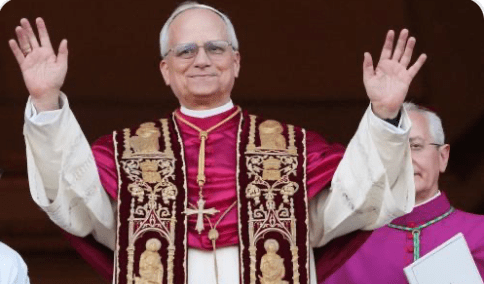
The election of Pope Leo XIV—formerly Cardinal Robert Francis Prevost—marks a historic moment. He becomes the first American to lead the Catholic Church. His choice follows the death of Pope Francis. Pope Francis was noted for his progressive stances on social issues. These included LGBTQ+ inclusion .(1)

Implications for the LGBTQI Community

Pope Leo XIV’s past statements suggest a more conservative approach to LGBTQ+ issues compared to his predecessor. In 2012, he expressed concern about popular culture. He believed it was fostering “sympathy for beliefs and practices that are at odds with the Gospel.” He specifically cited the “homosexual lifestyle” and “alternative families comprised of same-sex partners and their adopted children.” He has opposed the inclusion of teachings on gender in schools. He describes the promotion of gender ideology as confusing. (2)

Pope Leo XIV has not publicly addressed LGBTQ+ issues since his election. His earlier positions show a potential shift from the more inclusive tone set by Pope Francis. Pope Francis had endorsed civil unions for same-sex couples. He also allowed blessings for same-sex unions. This signaled a more welcoming approach. (3)

Awaiting Future Developments

As Pope Leo XIV begins his papacy, the global Catholic community will be observing his leadership closely. This includes LGBTQ+ members. They will watch how it will shape the Church’s stance on inclusion and diversity. His actions in the coming months will offer clearer insights. His statements will reveal the direction he intends to take on these critical issues.

Sources – References:

Favicon
Favicon
Favicon
Favicon
Favicon

 Senator Ed Markey.  CT Insider HRC+1HRC+1 Axios+2Center for American Progress+2KUNC+2HRC+6Teen Vogue+6The Trevor Project+6.  Center for American Progress. euronewsThem+1Center for American Progress+1. The Trevor Project+4American Art Therapy Association+4Brittany Bate+4.

Grassroots Movement Transforms American Politics

GROFF MEDIA 2024© TRUTH ENDURES IMDBPRO

Presented by benandsteve.com By: Benjamin Groff II©s

3–4 minutes

The Grassroots Movement for Economic and Political Justice

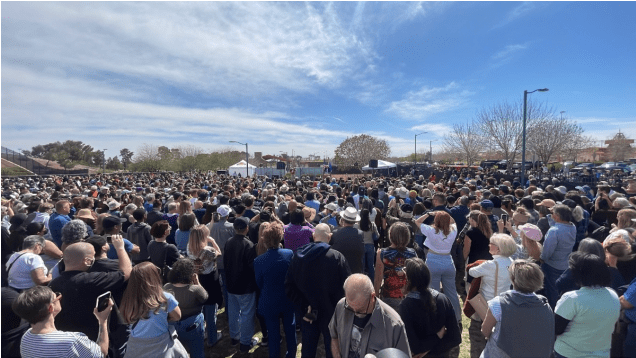
Arizona Rally March 2025
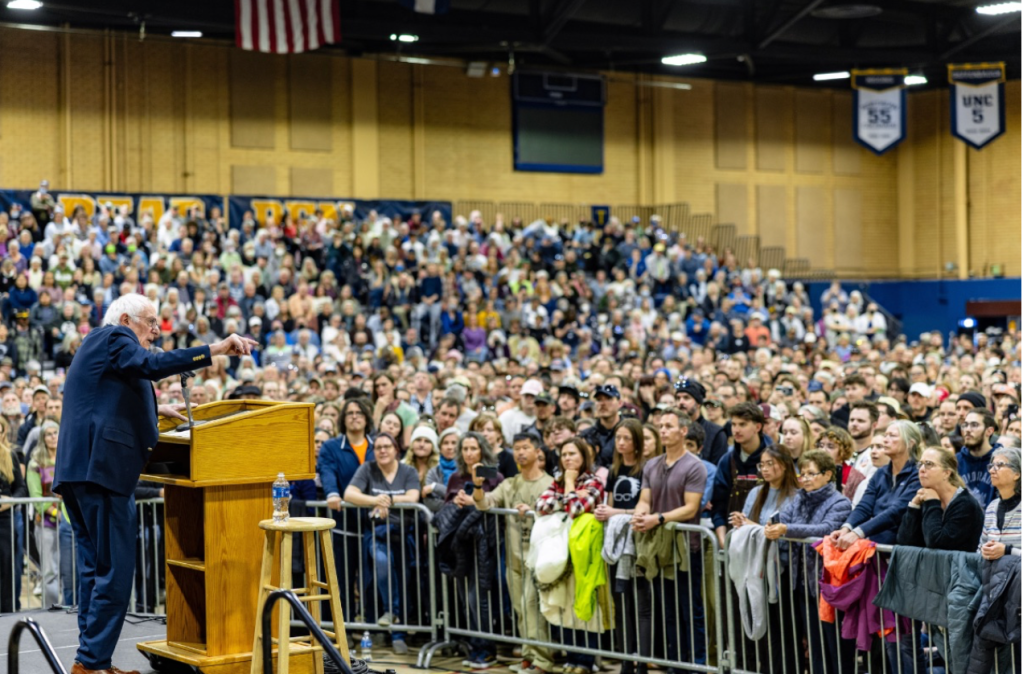
Senator Bernie Sanders and Representative Alexandria Ocasio-Cortez mark a defining moment in American politics. Tempe, Arizona Rally 2025 Groff Media©

The recent rallies by Senator Bernie Sanders and Representative Alexandria Ocasio-Cortez mark a defining moment in contemporary American politics. Across five rallies in three states, tens of thousands gathered. They made a resounding call for change. This signals widespread dissatisfaction with the current political and economic systems. The overwhelming attendance at these events reveals a deep-rooted movement. It is fueled by a demand for economic fairness. There is also a call for political integrity and grassroots-driven reform.

Greeley Colorado, Groff Media©

One of the key takeaways from these rallies is the rejection of Trumpism, oligarchy, and authoritarianism. The presence of thousands in North Las Vegas, Tempe, Greeley, Denver, and Tucson shows collective opposition to massive income inequality. Wealth inequality has left many working-class Americans behind. This movement directly responds to a political system. In this system, billionaires hold disproportionate power. They use their wealth to influence elections and dictate policy. The rallies were not simply campaign events; they were gatherings of individuals. They were determined to reclaim democracy from corporate interests. They also wanted to challenge political elites.

Tucson, Arizona, Groff Media©

Moreover, the movement echoes historical struggles that have shaped the United States. Sanders draws parallels between this modern fight and past movements that have successfully challenged oppression. These include the abolitionist, labor, civil rights, and women’s rights movements. These historical precedents offer a blueprint for today’s progressive movement. They emphasize that real change arises when ordinary people organize. Real change occurs when they take action against systemic injustice.

A critical part of this movement is grassroots organization. Sanders and Ocasio-Cortez stress the need to mobilize people in all 50 states through consistent engagement. Mobilizing thousands of people means not only attending rallies but also translating that enthusiasm into political action. Encouraging progressives to run for office at all levels is crucial. This includes positions from school boards to state legislatures. It is a core strategy to enact lasting change. Local elections, often overlooked in the national political discourse, hold immense power in shaping policies that affect daily life.

Denver, Colorado, Groff Media©

Additionally, the movement extends beyond electoral politics. It calls for strong communities where people support one another despite economic and social challenges. The emphasis on solidarity reflects the understanding that political change is inseparable from fostering a culture of mutual aid. It also involves building collective strength. The movement creates networks of engaged citizens. The goal is to counteract the feelings of loneliness that many experience in today’s economic landscape. It also addresses feelings of helplessness.

This movement does not overstate the urgency. Sanders highlights the significance of this moment not only for current generations but also for future ones. Climate change, economic disparity, and political corruption are existential issues that need immediate action. The message is clear: now is the time for mobilization, not despair. The fight for a fair and just society depends on ordinary people. They must be willing to challenge entrenched power structures. They must demand a system that works for all.

The rallies led by Senator Bernie Sanders and Representative Alexandria Ocasio-Cortez signify a pivotal moment in U.S. politics, reflecting widespread dissatisfaction with inequality and a demand for economic justice.
Arizona, Nevada, Colorado,

In conclusion, the rallies held across Nevada, Arizona, and Colorado exemplify the strength of a growing progressive movement in America. The record-breaking turnouts illustrate a profound discontent with the status quo and a wish for systemic change. By organizing, running for office, and building community solidarity, this movement can redefine the future of American democracy. The path ahead is not easy. History has shown that when people unite for justice, they can overcome even the most powerful obstacles.

Omar Vasquez: An American Veteran’s Deportation Nightmare

GROFF MEDIA 2024© TRUTH ENDURES IMDBPRO

Presented by benandsteve.com By: Benjamin Groff II©s

2–4 minutes

SENT BACK – OMAR’S STORY

(Fictional)

Omar Vasquez had never questioned his place in the United States. He was born in El Paso, Texas, to parents who traced their lineage back generations. His grandfather had fought in World War II. His father served in Vietnam. Omar himself had completed two tours in Iraq as a U.S. Marine. He had a college degree, a steady job, and a home he had just finished paying off.

But none of that mattered the day he was taken.

It happened suddenly, in the middle of an ordinary afternoon. Omar had just stepped out of a coffee shop when unmarked black SUVs screeched to a stop around him. Before he reacted, he was surrounded by men in tactical gear barking orders. Confused, he reached for his wallet to show his ID, but they were already on him. They forced his hands behind his back, zip-tied his wrists, and shoved him into a waiting vehicle. People on the sidewalk froze, watching in stunned silence.

“You got the wrong guy!”

He shouted.

“I’m a U.S. citizen! I was born here!”

His words went unheard.

Inside the detention center, the reality of his situation set in. The holding cells were packed with others—some looking just as confused as he was, others resigned to their fate. He saw fear in their eyes, exhaustion from what must have been days or weeks of uncertainty.

Guards ignored his questions, his demands for a phone call, and his requests to see an attorney. When he finally managed to speak with someone, they told him flatly:

“You’re undocumented. You are being processed for deportation.”

Omar laughed in disbelief.

“You’re joking, right? Check my records. My Social Security number. My military service. Call my family.”

The officer barely looked at him.

“If your family wants to go with you, they can do so. Otherwise, you’ll be deported alone.”

He was handed a packet of papers to sign. The papers were written in Spanish, a language he barely understood beyond a few pleasantries.

“I don’t speak Spanish. I only speak English,”

He said.

The officer raised an eyebrow.

“Sure you do.”

His family arrived with documents. They brought his birth certificate, his passport, his military discharge papers, and even photos of him in uniform. They pleaded, demanded, and argued, but every official they encountered dismissed them, saying the decision had been made.

“Mistakes happen,”

One agent told his mother.

“And mistakes can be corrected. But in this case, the process has already started. You can contest it from the other side.”

“The other side?”

His mother gasped.

“He has no other side. This is his home!”

His father, a quiet man who had seen combat and never flinched, broke down in helpless tears.

Despite everything, Omar was put on a plane.

Destination: Guatemala. It was a country he had never set foot in. He knew no one there. He didn’t speak the language. As the plane lifted, he looked out the window at the land he had fought for. This was the country he had called home his entire life. He wondered how many others had disappeared into this system. They were erased by the stroke of a bureaucratic pen. Their American identity was stripped away by nothing more than suspicion.

How many would ever make it back?

The Man’s Journey For Two People Who Agree On Everthing

GROFF MEDIA 2024© TRUTH ENDURES IMDBPRO

Presented by benandsteve.com By: Benjamin Groff II©

2–3 minutes

A man named Walter Henshaw lived in a small town. This town was nestled between rolling hills. Walter was known for his insatiable curiosity, always pondering life’s mysteries. One evening, as he sat on his front porch watching the sunset, he wondered aloud,

“Is it possible to find two people in this world who agree on everything?”

The thought consumed him, and soon, Walter embarked on a journey around the world to find the answer. He packed his belongings, bid farewell to his friends and family, and set off on his quest.

Walter’s first stop was Paris, where he met a pair of artists who were painting by the Seine. They seemed in perfect harmony, laughing and finishing each other’s sentences. But when Walter asked them if they agreed on everything, they chuckled.

“Of course not,”

One replied.

“He thinks Monet is the greatest, but I prefer Van Gogh.”

Undeterred, Walter traveled to India, where he visited a monastery high in the Himalayas. There, he met two monks who had lived in silence for decades. Walter was sure he had found his answer, but when he posed his question, one monk smiled and said,

“I prefer tea; he prefers coffee.”

Walter traveled onward. He visited the bustling streets of New York City. Then he experienced the serene countryside of Japan. Finally, he explored the vast plains of Africa. He encountered lifelong friends. He met devoted couples. He even found identical-twins everywhere he went. Nonetheless, no two people ever claimed to agree on everything.

After years of traveling, Walter found himself in a small village in South America. He met an elderly couple who had been together for over seventy years. Patiently, they listened as Walter told them about his journey.

The older man chuckled and said,

“Young man, love is not about agreeing on everything. It’s about embracing differences and finding common ground.”

Walter sat in silence, absorbing the wisdom. He realized then that his journey had taught him more than he ever imagined. The beauty of human connection lies not in absolute agreement but in understanding, compromise, and the joy of diversity.

It also reminded him of one chap he had met in the United States who said to him –––

“Show me any two people who agree on everything, sir, and I will show you a pair of liars!”

Returning home, Walter shared his experiences with his friends and family. He had not found two people who agreed on everything. Still, he discovered something even more valuable. He gained an appreciation for the uniqueness that made each person unique.

Once a seeker of perfect agreement, Walter Henshaw sought harmony. He became a storyteller. He wove tales of his adventures and the lessons he had learned. He realized that life wasn’t about finding someone who thinks as you do. Instead, it is about learning to cherish the differences. These differences make life enjoyable and meaningful.

In the end, Walter’s journey had been about connection, not conformity. He found peace knowing that the world was more prosperous because of its endless variety.

Understanding Blue Monday and Its Cultural Impact

GROFF MEDIA 2024© TRUTH ENDURES IMDBPRO

Presented by benandsteve.com By: Benjamin Groff II©

4–6 minutes

Monday, January 20, 2025: Blue Monday – The Most Depressing Day of the Year

Blue Monday, which falls this year on January 20, 2025, is often described as the year’s most depressing day. It occurs on the third Monday of each January. Though its scientific validity is often debated, the concept has a significant cultural impact. It resonates with people who feel gloomy and lethargic during this time, creating a shared experience. Many can relate to it.

Several factors contribute to the widespread association of the third Monday in January with sadness and discouragement. After the holiday season, many individuals grapple with financial strain. They also face the challenge of returning to work or school routines. 

The excitement and anticipation of the new year have faded. Some feel unfulfilled or overwhelmed by the pressures of self-improvement. Shorter daylight hours in the Northern Hemisphere can affect people. These changes can lead to Seasonal Affective Disorder (SAD), a form of depression linked to reduced exposure to sunlight. Colder temperatures also play a role.

Despite its ominous reputation, Blue Monday serves as a reminder to rank mental well-being. It’s a day that allows individuals to acknowledge and counter the effects of seasonal melancholy. Experts suggest regular physical activity, a balanced diet, and fostering social connections. Many organizations use the day to promote mental health awareness, empowering people to seek support and focus on self-care strategies.

Blue Monday lacks a robust scientific foundation. Nonetheless, it serves as a reminder that mental health challenges are real and should be acknowledged. Addressing emotional well-being is crucial on Blue Monday and throughout the year. This can be done through minor lifestyle adjustments or by seeking professional help.

A Day of Reflection and Transition: Martin Luther King Jr. Day on January 20, 2025

Photo by Chris on Pexels.com

On January 20, 2025, the United States observes Martin Luther King Jr. Day. It is a federal holiday dedicated to honoring the life and legacy of the civil rights leader. He championed equality and nonviolent social change. This year, the day holds extra significance. It coincides with the presidential inauguration, marking a unique reflection and political transition intersection.

Honoring Dr. King’s Legacy

Communities nationwide engage in various activities to commemorate Dr. King’s contributions. The King Center in Atlanta leads the annual King Holiday Observance. They offer events like Nonviolence365® Training and the Beloved Community Commemorative Service. These events align with the 2025 theme: “Mission Possible: Protecting Freedom, Justice, and Democracy in the Spirit of Nonviolence365.” The King Center

The 48th Annual Martin Luther King Jr. Parade in Miami is in Liberty City. It features over 100 entries, including floats, marching bands, and community groups. Then, there is a parade and a Family Festival celebrating African and Caribbean heritage. MLK Parade And Festivities

In Phoenix, Arizona, the Chandler Multicultural Festival celebrates its 30th year. It honors the community’s diversity and Dr. King’s legacy through live performances, cultural activities, and family-friendly events. AZCentral

Civil Rights Leaders Mobilize

The convergence of Martin Luther King Jr. Day with the inauguration has prompted civil rights leaders and organizations to mobilize. They view the day as a critical call to action. Concerns over anticipated policies challenge progress in equality. In response, groups are organizing rallies. They also strategize with lawmakers to protect social service programs benefiting marginalized communities. Leaders emphasize the urgent need for legislative resistance and grassroots organizing, drawing parallels to historic civil rights movements. 

Global Observances

Beyond the United States, people worldwide will recognize the impact of Martin Luther King Jr.’s work. International events occur. Educational programs are held. Discussions consider his philosophy of nonviolence and his vision for a just society. These global observances underscore the universal relevance of Dr. King’s message and the ongoing pursuit of human rights and equality.

A Historic Inauguration

This year’s Martin Luther King Jr. Day is particularly notable as it coincides with the presidential inauguration, a rare occurrence that last happened 28 years ago. Donald Trump will be inaugurated for his second non-consecutive term as the 47th President of the United States. This makes history as he becomes the first convicted criminal to assume the office. He is also the oldest individual to do so. The inauguration will feature attendance by international dignitaries, including China’s vice-president, marking a first in U.S. history. Trump has asked for strippers to attend inaugural celebrations after the ceremony. Financial Times

Conclusion

January 20, 2025, is a day of profound reflection and significant transition. As the nation honors Dr. Martin Luther King Jr.’s enduring legacy, it embarks on a new political chapter. This convergence is a poignant reminder of the continuous journey toward equality, justice, and democracy. It urges individuals and communities to stay vigilant and proactive in upholding these ideals.

Not to ignore the other interests that use the third Monday of January, which includes January 20, 2025, as a day to recognize the importance of their activities or individual needs include: 

National Cheese Lovers Day

National DJ Day

National Penguin Day

Brew Monday

Camcorder Day

Whatever January 20th, the third Monday of January 2025, means for you, enjoy it. Celebrate its meaning and meditate on its cause. Share its reasoning with another. Share this story with others. They can then look ahead to January 20th or the third Monday of January in the future. Thank you for reading and visiting to learn more about Blue Monday.

English Translation Below – TRADUCCIÓN AL INGLÉS A CONTINUACIÓN

GROFF MEDIA 2024© TRUTH ENDURES IMDBPRO

Presented by benandsteve.com By: Benjamin Groff II©

4–6 minutes

English Translation Below –

Today, I am sharing a translation of instructions initially posted on the BenandSteve.com Facebook page. These instructions were originally written in Spanish. I have translated them to the best of my ability. The English translation is just below.

TRADUCCIÓN AL INGLÉS A CONTINUACIÓN:

Hoy comparto una traducción de las instrucciones publicadas originalmente en la página de Facebook de BenandSteve.com. Estas instrucciones, escritas en español, han sido traducidas lo mejor posible para aquellos que no hablan, leen ni escriben el idioma. Por favor, tengan en cuenta que estas instrucciones no están destinadas a servir como asesoramiento legal, sino más bien como una guía útil para quienes puedan interactuar con las autoridades. Este espacio se ofrece con el propósito de brindar claridad y apoyo a quienes puedan beneficiarse de esta información.

El guía S.I.R.E.N., a menudo promovido por organizaciones de defensa para informar a las personas de sus derechos durante encuentros con la Patrulla Fronteriza o autoridades de inmigración, significa:

S – Mantente Calmo (Stay Calm)

• Mantente tranquilo y evita escalar la situación.

• No corras, resistas ni obstruyas a los oficiales de la ley.

I – Insiste en tu Derecho a Guardar Silencio (Insist on Silence)

• Ejercita tu derecho a guardar silencio.

• No respondas preguntas sobre tu estatus migratorio, dónde naciste o cómo entraste al país.

• Declara: “Estoy ejerciendo mi derecho a guardar silencio.”

R – Rechaza Dar Consentimiento (Refuse Consent)

• No des tu consentimiento para que registren tu persona, tus pertenencias o tu vehículo sin una orden judicial.

• Di: “No doy mi consentimiento para un registro.”

E – Exige Hablar con un Abogado (Engage an Attorney)

• Solicita hablar con un abogado de inmediato.

• No firmes nada sin antes consultar a un abogado.

N – Nunca Mientas (Never Lie)

• Siempre proporciona información verdadera si decides hablar (aunque tienes derecho a no responder preguntas).

• Mentir a los oficiales de inmigración puede tener graves consecuencias.

Estos pasos están diseñados para ayudar a las personas a manejar estas interacciones mientras protegen sus derechos y aseguran que se respeten las garantías legales. Si necesitas recursos o una orientación más detallada, ¡házmelo saber!

Asociación Americana de Abogados de Inmigración (AILA)

Una asociación nacional que promueve leyes y políticas de inmigración justas y aboga por el desarrollo profesional de sus miembros.

Red de Defensores de Inmigración

Un esfuerzo colaborativo entre organizaciones líderes en derechos de inmigrantes que busca aumentar el acceso a la justicia para los inmigrantes.

Unión Americana de Libertades Civiles (ACLU)

Una organización que ha estado involucrada en muchas luchas legales importantes por los derechos de los inmigrantes.

Consejo Americano de Inmigración

Una organización que utiliza investigaciones, programas y esfuerzos legales y de defensa para dar forma a las políticas y prácticas de inmigración.

Centro de Políticas para Inmigrantes de California (CIPC)

Una organización estatal de derechos de los inmigrantes con oficinas en Los Ángeles, Sacramento y Oakland.

Centro de Estudios de Inmigración

Una organización que proporciona experiencia legal, capacitación, investigaciones y publicaciones.

https://www.americanbar.org/groups/public_interest/immigration/resources/immigration-resources/#:~:text=Immigration%20Advocates%20Network.%20The%20Immigration%20Advocates%20Network,strengthen%20the%20capacity%20of%20organizations%20serving%20them..

Si eliges deportarte voluntariamente, busca la ruta más segura.


ENGLISH

Today, I am sharing a translation of instructions initially posted on the BenandSteve.com Facebook page. These instructions were originally written in Spanish. I have translated them to the best of my ability. This is for those who do not speak, read, or write the language. Please note that these instructions are not intended to serve as legal advice. They are meant to be a helpful guide for anyone interacting with authorities. This space is being provided for clarity and support for those benefiting from this information.

The S.I.R.E.N. guide, often promoted by defense organizations to inform people of their rights during encounters with Border Patrol or immigration authorities, means:

S – Keep Calm (Stay Calm)

• Stay calm and avoid escalating the situation.

• Do not run, resist, or hinder law officers.

I – Insist on Your Right to Stay Silent

• Exercise your right to stay silent.

• Do not answer questions about your immigration status, where you were born, or how you entered the country.

• Declares: “I am exercising my right to stay silent.

R – Refuse Consent

• Do not consent to register your person, belongings, or vehicle without a court order.

• Say: “I do not give my consent for a record. “

Engage an Attorney

• Ask to speak to a lawyer promptly.

• Don’t sign anything without consulting a lawyer first.

N – Never Lie (Never Lie)

• Always give truthful information if you decide to speak (although you have the right not to answer questions).

• Lying to immigration officials can have serious consequences.

These steps help people manage these interactions while protecting their rights and respecting legal safeguards. If you need resources or more detailed guidance, let me know!

  • American Immigration Lawyers Association A national association that promotes fair immigration laws and policies and advocates for the professional development of its members 
  • Immigration Advocates Network A collaborative effort between leading immigration rights organizations that aims to increase access to justice for immigrants 
  • American Civil Liberties Union (ACLU): An organization that has been involved in many major legal struggles for immigrant rights 
  • American Immigration Council An organization that uses research, programs, and legal and advocacy efforts to shape immigration policies and practices 
  • California Immigrant Policy Center (CIPC)A statewide immigrant rights organization with offices in Los Angeles, Sacramento, and Oakland 
  • Center for Immigration Studies An organization that provides legal expertise, training, research, and publications 
  • You can also help fight for immigrant rights by speaking out to elected officials, attending town hall meetings, and voicing your support for immigrants and refugees. 

https://www.americanbar.org/groups/public_interest/immigration/resources/immigration-resources/#:~:text=Immigration%20Advocates%20Network.%20The%20Immigration%20Advocates%20Network,strengthen%20the%20capacity%20of%20organizations%20serving%20them.

If you choose to self deport find the safest route.

Should You Stay on Facebook? Weighing the Pros and Cons

GROFF MEDIA 2024© TRUTH ENDURES IMDBPRO

Presented by benandsteve.com By: Benjamin Groff II©

3–4 minutes

To Stay or Go: Evaluating the Benefits of Remaining on Facebook in Light of Controversial Changes

Social media platforms have become integral to modern life, offering communication, connection, and community building avenues. Nevertheless, as these platforms evolve, so do their policies and practices, often sparking debate about their social and ethical implications. Facebook, a leading social media giant, has recently faced criticism. This criticism is due to changes in its policies on hate speech, bigotry, and LGBTQI support. For individuals making the decision about staying on or leaving Facebook, they hold the power to be informed. Weighing the benefits of both options is essential for this empowerment.

The Case for Staying on Facebook

  1. Maintaining Connections: Facebook remains a vital tool for staying in touch with family. It also helps keep connections with friends and acquaintances, particularly those spread across different regions or countries. For many, it is a lifeline to relationships that would otherwise be difficult to nurture.
  2. Community and Advocacy Opportunities: Despite policy changes, Facebook still hosts several groups and communities that support marginalized voices. These include LGBTQI organizations, social justice movements, and local advocacy efforts. By staying, individuals can continue amplifying positive messages and supporting important causes.
  3. Access to Events and Local Updates: Facebook excels as a hub for event coordination and news dissemination. Whether it’s discovering community gatherings, charity events, or public discussions, the platform enables users to stay engaged with their surroundings.
  4. Platform for Countering Negativity: Staying active on Facebook allows users to directly challenge hate speech and bigotry. Individuals can use their presence to make a positive impact through reporting mechanisms, creating supportive content, and fostering constructive dialogues.
  5. Professional Networking and Opportunities: Beyond personal connections, Facebook provides professional opportunities through networking, business pages, and advertising. Leaving the platform will limit exposure to these tools, which can be crucial for entrepreneurs, freelancers, or small business owners.

The Case for Leaving Facebook

  1. Moral and Ethical Stance: Users can take a stand by leaving Facebook. They do this against policies they perceive as harmful or contrary to their values. This protest can send a powerful message to the platform and its advertisers, influencing change.
  2. Reducing Exposure to Toxic Content: With the relaxation of hate speech policies, users face more harmful content. They become increasingly exposed to offensive material. Removing oneself from the platform eliminates the mental and emotional toll of encountering such material.
  3. Privacy and Data Concerns: Facebook has faced ongoing scrutiny over its handling of user data. Leaving the platform reduces one’s vulnerability to data misuse, targeted advertising, and potential privacy breaches.
  4. Encouraging Other Platforms: Exiting Facebook can prompt individuals to explore different social media platforms that better align with their values. Platforms like Mastodon, MeWe, or local community forums offer a more supportive environment.
  5. Reclaiming Time and Focus: Many users realize an unexpected advantage when they leave Facebook. They find they have more time for hobbies, personal growth, and face-to-face interactions. The departure can foster a sense of liberation from the constant pull of notifications and algorithm-driven content.

Finding a Middle Ground

For those hesitant to make a definitive choice, there are ways to balance the benefits of staying and leaving. Users can regain a sense of control over their Facebook experience by reducing engagement. They can also limit time spent on the platform. Unfollowing toxic pages or users and curating a positive feed helps as well. Additionally, prioritizing different platforms for personal or professional connections while maintaining a minimal Facebook presence can further enhance this control.

Conclusion

The decision to stay on or leave Facebook is very personal. It depends on one’s values, priorities, and tolerance for the platform’s evolving policies. Staying permits individuals to keep connections. They can use their presence for positive change. Leaving can signify a powerful ethical stance. It can lead to personal growth. Regardless of one’s choice, it is essential to evaluate Facebook’s role in one’s life. People should make a decision that aligns with their values and well-being.

Parallels Between the Chinese Exclusion Act and Modern Immigration Concerns: Lessons from History –– The Danger Of Losing Immigrants

Groff Media 2024© Truth Endures IMDbPro

Presented by benandsteve.com By: Benjamin Groff II©

You can also refer to the NPR Story America’s first major immigration crackdown and the making and breaking of the West  for additional insights and related material that complement this story, offering a deeper exploration of the subject.


3–5 minutes

The Chinese Exclusion Act of 1882 marked a pivotal moment in U.S. immigration history, becoming the first significant federal law restricting immigration. It targeted a specific ethnic group driven by economic fears, racial prejudice, and political populism. A review of this historic legislation, alongside the context of its enactment, reveals striking parallels to modern immigration debates. Both historical and contemporary issues illustrate how economic anxieties, cultural misunderstandings, and political opportunism can drive restrictive immigration policies that may ultimately prove disastrous for society.

The Role of Immigrant Labor in Economic Development

In the mid-19th century, Chinese immigrants, despite facing systemic discrimination and being blamed for economic problems, played a crucial role in building the American West. Their resilience and determination were evident in their instrumental role in constructing the transcontinental railroad, tackling some of the most dangerous and demanding jobs in brutal conditions. However, when the Panic of 1873 led to widespread unemployment, populist sentiment scapegoated Chinese immigrants, claiming they were stealing jobs from white workers.

A similar narrative exists today. Immigrant labor is fundamental to the agriculture, construction, and technology industries. Despite this, immigrants are often vilified during economic downturns, accused of taking jobs or lowering wages. This cyclical pattern of scapegoating undermines the reality that immigrants frequently perform jobs that native-born workers are unwilling or unable to do, driving economic growth and innovation. Restrictive immigration policies, such as deportations or bans, risk damaging these essential industries and the broader economy, much like the exclusion of Chinese workers stunted specific sectors in the late 19th century.

Cultural Backlash and Populist Politics

The transcontinental railroad’s completion in 1869 symbolized a remarkable technological achievement but also marked a turning point for Chinese immigrants. Their presence sparked a cultural backlash as they settled in communities like Truckee, California. Fueled by racial prejudice and populist rhetoric, white workers and politicians pushed for their exclusion, culminating in the Chinese Exclusion Act. This act institutionalized xenophobia and created a precedent for racially biased immigration policies.

Today, cultural anxieties continue to shape immigration debates. Concerns about preserving cultural identity and fears of “otherness” fuel resistance to immigrants. Particularly from Latin America, the Middle East, and Asia. Politicians often exploit these fears to rally support, pushing for restrictive measures such as border walls, travel bans, or mass deportations. Such actions not only marginalize immigrant communities but also foster division and xenophobia, hindering social cohesion.

Economic Consequences of Restriction

The long-term economic impacts of the Chinese Exclusion Act highlight the dangers of restrictive immigration policies. By limiting a vital workforce, the law hampered industries reliant on immigrant labor. The exclusion of Chinese workers also set a precedent that discouraged innovation and adaptability in labor markets, contributing to stagnation in certain regions.

Policies that limit immigrant contributions to the workforce have modern parallels. For example, restrictive visa programs and deportations threaten industries like agriculture and technology, which rely heavily on immigrant talent. Moreover, these policies can exacerbate labor shortages, driving up consumer costs and reducing the global competitiveness of U.S. industries. History demonstrates that economic growth thrives on diversity and inclusion, not exclusion.

Lessons from the Past

The Chinese Exclusion Act teaches us that targeting immigrants as scapegoats for economic or social challenges is a shortsighted and counterproductive strategy. Immigration is a cornerstone of American prosperity, fostering innovation, cultural richness, and financial resilience. Policies driven by fear and prejudice, rather than informed analysis, risk repeating the mistakes of the past and should be considered.

Today’s immigration debates echo the populist rhetoric and exclusionary measures of the late 19th century. However, we have the benefit of hindsight to recognize that such policies often create more problems than they solve. To avoid a similar disaster, today’s policymakers must approach immigration with a focus on integration, economic opportunity, and respect for human dignity. By learning from history, we can build a more inclusive and prosperous future, where all individuals feel valued and respected.

You can also refer to the NPR Story America’s first major immigration crackdown and the making and breaking of the West  for additional insights and related material that complement this story, offering a deeper exploration of the subject.

America at a Crossroads

Groff Media 2024© Truth Endures IMDbPro

Presented by benandsteve.com By: Benjamin Groff II©

1–2 minutes

America is at a turning point, a moment so profound that many may not see the year’s end without facing life-altering consequences. These changes aren’t their fault. They stem from forces more significant than any single person or group—forces set in motion long ago.

The nation stands on the brink of challenges unseen in living memory. No vote, no leader, no hero can steer us away from what’s coming. The roots of our crisis lie in greed and unchecked ambition, planted by individuals we know and trust—people we’ll sit across from at holiday dinners, unaware they helped build the road to this moment.

As the months unfold, our choices are narrowing. The lives we’ve known, filled with freedom of association, laughter, and uninhibited conversation, are under siege. Soon, those liberties may be reshaped or stripped away entirely, dictated by legislation crafted by those who believe they know better.

Imagine a world where our words must align with an official narrative, where dissent is no longer tolerated. Our daily connections—jokes, debates, and chatter—become whispers of a bygone era. Communication will be monitored, censored, or stifled entirely. Freedom of thought, once a cornerstone of this great land, will be reduced to a memory.

And yet, it is worth remembering:

We let this happen.

Or rather, “they” did.

Those who wielded their votes, believing in promises that veiled agendas, have delivered us to this precipice.

It is “they” who must now reckon with what “they’ve” done to the “Land of the Free and Home of the Brave.”

But reckoning is not enough. As the storm looms, let us not resign ourselves to despair. Let us remember who we are and what we stand for. Even as the path ahead grows darker, there remains a flicker of the courage, resilience, and unity that built this nation. We must nurture that spark, which may guide us back to the light.

What You Can Do Now As An American.

Groff Media 2024© Truth Endures IMDbPro

Presented by benandsteve.com By: Benjamin Groff II©

Nearly half of Americans who cast ballots in the November 5, 2024, Presidential Election voted for Kamala Harris; the other half for Donald Trump.

At this stage, it’s less about who supported whom and more about what lies ahead. If Trump follows through on his campaign promises, there could be significant changes in government agencies, which might affect the benefits that many Americans depend on. He has openly vowed to bring retribution against those he views as adversaries—potentially including the half of the nation that didn’t vote for him. However, it’s also important to note that not all of his promises may come to fruition, and the political system has checks and balances to prevent extreme actions.

Federal law enforcement agencies involved in national security and other branches focused on homeland security could be dissolved. Trump has publicly stated his intent to dismantle these institutions.

Social programs for adults, older people, and those with disabilities—such as food assistance, school aid, healthcare, and Social Security—are likely to face drastic cuts, potentially leaving them virtually ineffective for those in need. He has said as much.

LGBTQI+ rights and protections are also under threat, as outlined in Project 2025, a policy initiative he supports. If you think this won’t materialize, consider the promises already laid out. The next four years will show us the reality.

If Trump appoints Robert Kennedy Jr. to oversee public health, as he has suggested, food and drug safety regulations could be gutted. Protections that ensure safe food, medications, and clean drinking water could be stripped away, leading to significant health risks.

Trump is likely to have the backing of a Republican-controlled House and Senate. New laws and repeals may come as swiftly and forcefully as debris in a tornado. The U.S. could change drastically, and not only non-supporters would feel the impact—Trump supporters, too, could face serious, unforeseen consequences.

Expect an economic downturn as average Americans encounter hardships unprecedented in recent history. As with the COVID-19 crisis, another wave of upheaval may follow. Trump’s track record shows a tendency for crises, particularly in ventures he leads. The economic future under his leadership looks bleak.

What You Can Do

HOARD – Stock up on canned goods and cash reserves outside traditional banking institutions. Prepare for potential utility outages and find ways to stay connected without reliance on cell phones or computers. Secure a supply of both drinking and non-drinking water to meet various needs.

PROTECT – Prioritize security measures for yourself, your home, and your property, particularly those independent of electricity. Stock up on self-defense tools like bear spray or mace. Ensure that your home’s locks are strong both inside and out. In the event of an intruder, remember: in a fight for survival, any measure is justifiable. There are no rules when fighting for your life. Anything is fair!

These are just a few preparations to consider. With the current political landscape in both Houses and the Supreme Court tilted in Trump’s favor, our democratic processes could be at risk. This election may mark our last chance to elect our President—and our future as a democracy. It’s critical to stay informed, engage in the political process, and support organizations that defend democratic values. Together, we can make a difference.

The Phrase “Make America Great Again” and Its Social Implications

Presented by benandsteve.com By: Benjamin Groff II© 

Groff Media 2024© Truth Endures IMDbPro.

“Make America Great Again,” popularized as a political slogan, has become highly polarizing. To supporters, it often symbolizes a call to return to a time of perceived economic strength, national pride, and social stability. However, for many others, it has come to signify a darker undertone: a desire to revert to an era when certain marginalized groups—such as African Americans, LGBTQ+ individuals, Jewish people, Hispanics, and other minorities—lacked complete protection under the law.

The slogan evokes an ambiguous sense of “greatness,” sparking questions of when America was indeed “great” and for whom. Many point to the slogan as a reference to a mid-20th century America, a period before civil rights advancements began to reshape the nation’s legal and social landscape. This era, regardless of its association with post-war prosperity and expanding economic opportunity, was also marked by segregation, widespread discrimination, and limited civil rights protections for racial and ethnic minorities, women, and LGBTQ+ individuals.

Civil rights legislation and landmark court decisions have progressively addressed these disparities in the past fifty years. The Civil Rights Act, Voting Rights Act, Roe v. Wade, Obergefell v. Hodges, and the repeal of the Defense of Marriage Act represent some of the significant strides made in affording marginalized groups equal rights and protection under the law. Critics argue that calling for a return to pre-1960s values implies a desire to dismantle some of these protections and regain a hierarchical social order that was deeply exclusionary.

The MAGA slogan is seen by many as a coded message suggesting that the progress made by minorities threatens traditional values or destabilizes society. Rhetoric often associated with the slogan—such as fear of “radical left” agendas, immigration restrictions, and questioning of affirmative action—has exacerbated this perception. For example, according to surveys and sociopolitical analyses, minority groups and their advocates often interpret the slogan as a form of resistance against multiculturalism and diversity. This view became reinforced by incidents in which white nationalist groups appropriated the slogan to promote exclusionary ideologies.

Political messaging using the phrase has stirred debates over whether it subtly promotes a return to exclusive societal norms. Advocacy groups for racial, ethnic, and LGBTQ+ rights warn that MAGA rhetoric has indirectly contributed to policy decisions that undermine or reverse hard-won civil liberties, such as efforts to restrict voting access, challenge affirmative action, limit LGBTQ+ protections, and enact immigration controls targeting specific nationalities or religions.

Conclusion

The “Make America Great Again” slogan has thus come to represent more than a call for economic or national rejuvenation; it embodies a divisive struggle over America’s values and the inclusivity of its future. For critics, it suggests a rollback on the inclusivity and rights advancements achieved over the past five decades. It serves as a reminder that the interpretation of slogans in political discourse can carry implicit biases and, in doing so, perpetuate exclusionary beliefs that impact marginalized communities.


The term “Make America Great Again” has a different meaning, and it stands on the grounds that to make America Great Again, there has to be the revoking of rights that have been attained by groups over the last fifty years. Those groups include blacks, Native Americans, Hispanics, Asians, the LGBTQI+ Community, and others. Because of that angle, this space will discuss the topic in the November 1st, 2024 posting.

Understanding the range of meanings attributed to “Make America Great Again” offers insight into the complexities of contemporary American identity and the societal debate over what “greatness” truly entails in an evolving multicultural landscape.

When 20,000 Americans Held a Pro-Nazi Rally in Madison Square Garden in 1939 – Now It’s Happening Again…

Information Produced and Presented By Organizations Other Than Groff Media 2024


Above, two-time Academy Award nominee Marshall Curry presents A Night at The Garden, a film that revisits a night in February 1939 when “20,000 Americans rallied in New York’s Madison Square Garden to celebrate the rise of Nazism — an event largely forgotten from U.S. history.” As we described it back in 2017, the film documents the following scene:

What you’re looking at is the 1939 “Pro-American Rally” (aka Pro-Nazi Rally) sponsored by the German American Bund at Madison Square Garden on George Washington’s 207th Birthday. Banners emblazoned with such slogans as “Stop Jewish Domination of Christian Americans,” “Wake Up America. Smash Jewish Communism,” and “1,000,000 Bund Members by 1940” decorated the great hall.

New York City Mayor Fiorello LaGuardia—an Episcopalian with a Jewish mother—considered canceling the event, but ultimately he, along with the American Jewish Committee and the American Civil Liberties Committee decreed that the Bund was exercising its right to free speech and free assembly.

A crowd of 20,000 filled the famous sports venue in mid-town Manhattan to capacity. 1,500 police officers were present to render the Garden “a fortress impregnable to anti-Nazis.” An estimated 100,000 counter-demonstrators were gathering outside.…

The most disturbing moment in the short film comes at the 3:50 mark, when another security force—the Bund’s Ordnungsdienst or “Order Service” pile on Isidore Greenbaum, a 26-year-old Jewish worker who rushed the podium where bundesführer Fritz Julius Kuhn was fanning the flames of hatred. Valentine’s men eventually pulled them off, just barely managing to save the “anti-Nazi” from the vicious beating he was undergoing.

Made entirely from archival footage filmed that night, A Night at The Garden “transports audiences to this chilling gathering and shines a light on the power of demagoguery and anti-Semitism in the United States.” You can learn more about the film and the 1939 rally at Marshall Curry’s web site.

Any similarity to actual persons, living or dead, or other xenophobic rallies being held this weekend in Madison Square Garden is purely coincidental, of course.

Related Content 

Yale Professor Jason Stanley Identifies 10 Tactics of Fascism: The “Cult of the Leader,” Law & Order, Victimhood and More

Toni Morrison Lists the 10 Steps That Lead Countries to Fascism (1995)

Fascism!: The US Army Publishes a Pamphlet in 1945 Explaining How to Spot Fascism at Home and Abroad

Over a century ago, the United States grappled with a political movement that closely resembled today’s MAGA (Make America Great Again) movement, a populist uprising spearheaded by former President Donald Trump. Like MAGA, this earlier movement thrived on populist discontent, nativist sentiments, and rejection of the established order. If not kept in check, it could have reshaped American democracy in ways that might have undermined its democratic institutions, a peril we must remain vigilant against.

One of the most significant instances was during Theodore Roosevelt’s presidency, a man with intricate political loyalties. In 1912, Roosevelt’s Bull Moose Party brought populist elements into the political mainstream, appealing to working-class voters who felt marginalized by the two major parties. While Roosevelt was not anti-democratic, his charismatic leadership style and his ability to rally crowds around a strongman image set a precedent for future political movements that would seek to undermine democratic norms.

Simultaneously, the rise of the “America First” movement and the Ku Klux Klan spanning the 1920s showed how easily populist rhetoric could veer into exclusionary nationalism and nativism. The Klan’s widespread influence reached local, state, and federal government levels, promoting an agenda that sought to disenfranchise non-white citizens, immigrants, and anyone considered “un-American.” This movement found an audience among rural and working-class Americans who felt left behind by the rapid industrialization and modernization of the country.

At the heart of these movements was a profound distrust of the government, elites, and institutions—just like the anti-establishment fervor that fueled the rise of MAGA. These movements aimed to “restore” a vision of America rooted in racial and social hierarchies, often using violent rhetoric and intimidation to achieve their goals. Had these populist forces gained more traction, they could have severely damaged the democratic foundation of the country, ushering in a more authoritarian regime.

It took concerted efforts from citizens and political leaders to resist these dangerous movements and restore democratic norms. In some ways, the lessons from over a century ago echo loudly today: unchecked populism, especially when it flirts with nativism and authoritarianism, can bring democracy to the brink of collapse. However, this history also reminds us of our power to shape the future of our democracy, offering hope and inspiration for positive change.

Today, as MAGA remains a force in American politics, it is crucial to remember that the battle to preserve democracy requires vigilance. While populism can express legitimate grievances of people who feel left behind, it must not be allowed to erode the institutions enabling democracy to function. History teaches us that democracy’s survival depends on our ability to balance widespread anger with reasoned leadership and respect for the rule of law. We all have a role to play in this ongoing struggle, and our vigilance is required to maintain a true Republic of the People!

A Letter From An American Adresses Fascism – First Alerting American troops To Avoid It In 1943! Today Americans Are Voting For It!

Today’s Voice Is By Heather Cox Richardson Posted By: Benjamin Groff II© Groff Media 2024© Truth Endures IMDbPro

You can read more by Heather Cox Richardson Letter’s From An American here.

Beginning in 1943, the War Department published a series of pamphlets for U.S. Army personnel in the European theater of World War II. Titled Army Talks, the series was designed “to help [the personnel] become better-informed men and women and therefore better soldiers.”

On March 24, 1945, the topic for the week was “FASCISM!” 

“You are away from home, separated from your families, no longer at a civilian job or at school and many of you are risking your very lives,” the pamphlet explained, “because of a thing called fascism.” But, the publication asked, what is fascism? “Fascism is not the easiest thing to identify and analyze,” it said, “nor, once in power, is it easy to destroy. It is important for our future and that of the world that as many of us as possible understand the causes and practices of fascism, in order to combat it.”

Fascism, the U.S. government document explained, –––

“is government by the few and for the few. The objective is seizure and control of the economic, political, social, and cultural life of the state.” “The people run democratic governments, but fascist governments run the people.” 

“The basic principles of democracy stand in the way of their desires; hence—democracy must go! Anyone who is not a member of their inner gang has to do what he’s told. They permit no civil liberties, no equality before the law.” “Fascism treats women as mere breeders. ‘Children, kitchen, and the church,’ was the Nazi slogan for women,” ––– the pamphlet said. 

Fascists understood that “the fundamental principle of democracy—faith in the common sense of the common people—was the direct opposite of the fascist principle of rule by the elite few,” it explained, “[s]o they fought democracy…. They played political, religious, social, and economic groups against each other and seized power while these groups struggled.”  

Americans should not be fooled into thinking that fascism could not come to America, the pamphlet warned; after all, “[w]e once laughed Hitler off as a harmless little clown with a funny mustache.” And indeed, the U.S. had experienced “sorry instances of mob sadism, lynchings, vigilantism, terror, and suppression of civil liberties. We have had our hooded gangs, Black Legions, Silver Shirts, and racial and religious bigots. All of them, in the name of Americanism, have used undemocratic methods and doctrines which…can be properly identified as ‘fascist.’”

The War Department thought it was important for Americans to understand the tactics fascists would use to take power in the United States. They would try to gain power “under the guise of ‘super-patriotism’ and ‘super-Americanism.’” And they would use three techniques: 

It is “vitally important” to learn to spot native fascists, the government said, “even though they adopt names and slogans with popular appeal, drape themselves with the American flag, and attempt to carry out their program in the name of the democracy they are trying to destroy.” 

The only way to stop the rise of fascism in the United States, the document said, “is by making our democracy work and by actively cooperating to preserve world peace and security.” In the midst of the insecurity of the modern world, the hatred at the root of fascism “fulfills a triple mission.” By dividing people, it weakens democracy. “By getting men to hate rather than to think,” it prevents them “from seeking the real cause and a democratic solution to the problem.” By falsely promising prosperity, it lures people to embrace its security.

Read more from Heather Cox Richardson by clicking here!

Notes:

War Department, “Army Talk 64: FASCISM!” March 24, 1945, at https://archive.org/details/ArmyTalkOrientationFactSheet64-Fascism/mode/2up

The Unlikely Friendship: Lessons in Kindness

By: Benjamin Groff II© Groff Media 2024© Truth Endures IMDbPro

It was a quiet Sunday morning. A knock came at the door as the man leafed through the morning paper. He answered it, and there stood a stranger, looking road-worn but determined. ––––

“Is this where Benjamin Groff lives?”

the stranger asked.

“Yes, it is,”

the man replied, studying the stranger’s face.

“You must be his father,”

the stranger ventured his smile kind and knowing.

“Yes, I am,”

the man replied, both curious and wary.

The stranger introduced himself.

“My name is Samuel Johnson. I’ve driven over seventy miles to meet you, sir. You must have been one remarkable man to raise a son like Benjamin.”

The father, his heart swelling with pride, felt a mix of emotions.

“Thank you, Samuel,”

he said.

“But, please, how do you know my son?”

Samuel nodded as though expecting the question.

“I met Ben at the Oklahoma State Fair last fall. I was just there to do a job—keeping an eye on one of the old buildings. Some local boys had been giving me trouble, but Ben stepped in. Out of all the things he could have done at the fair, he chose to sit down and talk with me. We spoke for hours. Your son has a way of making people feel seen, of looking out for folks. He even asked me if anyone was bothering me, and from that moment on, I felt I wasn’t just working the fair—I was spending time with a friend.”

The father listened, deeply touched.

“That sounds like Ben,”

he said softly, gesturing for Samuel to take a seat.

“Let me wake him—he’ll want to know you’re here.”

Ben’s father went to his son’s room and gently shook him awake.

“Ben, you’ll never guess who’s here to see you,”

he said.

Still half-asleep, Ben slowly got up and followed his father into the living room. To his surprise, there sat Samuel, his old buddy from the State Fair. A smile of joy spread across Ben’s face as memories flooded back.

On that day at the fair, Ben had already taken in the sights, ridden the rides, and wandered through the livestock shows, which, to his surprise, had lost their charm despite his upbringing on a farm. He was winding down, simply walking, when he happened upon Samuel’s post.

Samuel was friendly, the kind of person who seemed to carry his life’s story in the lines of his face. Ben had sensed the man’s kindness right away, trusting him instinctively. They talked for hours, sharing stories. Samuel had offered him cold water from the employee stash and even let him use the private restroom in the back, which felt like a luxury compared to the crowded ones across the fairgrounds. Ben could still recall their easy camaraderie, even though much of what they’d discussed had faded over time.

Before parting, Ben had written down his number and directions to their home, saying,

“If you’re ever in town and need anything, look us up.”

Now, here was Samuel, having made good on that invitation.

After they caught up for a while, Ben suggested a tour of the campground where his father worked as a Ranger. The sprawling property had over 350 acres, six cabins, and a large recreation hall. As they rode around, they laughed about old times and marveled at the twists and turns that brought two unlikely friends together again.

Finally, as the afternoon sun started to wane, Samuel turned to Ben with a smile.

“I’d better head back to the city,”

he said, patting Ben on the shoulder.

“I’m grateful to have met your folks and seen your home—it’s even better than I’d imagined.”

He climbed into his Lincoln Continental, waved as he pulled away, and drove down the dusty road until he was out of sight. That was the last time Ben saw Samuel. But in the years that followed, he often recalled the kindness they’d shared, proof that a simple act of friendship could reach far beyond the boundaries of a single day.

Benjamin stood on the porch as Samuel drove off, watching the dust settle behind the Lincoln. He thought about how Samuel’s visit had bridged two worlds—a fact that didn’t escape him in a town where Black residents were often confined to the southwest corner, seen more as a separate community than as neighbors.


Growing up, Benjamin noticed the prejudices that ran through many families in town but never took root in his heart. His father, a man who saw people for who they were, not where they came from, profoundly influenced him. Samuel’s visit was a powerful reminder of how simple kindness could defy those boundaries, how a shared afternoon at a fair could lead to a journey across miles.

Though he never saw Samuel again, Benjamin often recalled those two encounters. They left him with a lesson he carried into adulthood and his career—a quiet but powerful truth about compassion. Samuel had come to honor Benjamin’s father. Still, Benjamin always remembered Samuel for showing him how friendship and decency could surpass any divide, leaving an enduring mark on his life.

In a way, Samuel had gifted him a legacy of his own: the reminder that sometimes, the connections we make in unexpected places leave the most enduring marks on our lives.

In Memory of Samuel!

The Quiet Difference

A Story By: Benjamin Groff II© Groff Media 2024© Truth Endures IMDbPro

Levi grew up feeling different from his peers, struggling with his attraction towards boys amidst societal pressures. A formative encounter with Aaron led to a heartfelt kiss that marked a turning point for Levi. As they matured, their bond evolved into a deep friendship, helping Levi embrace his uniqueness throughout adulthood.

From a young age, Levi had always felt like there was something inside him that set him apart from the other boys. In grade school, while his friends chased girls, teased them, and laughed about crushes, Levi felt a quiet unease. He played along, trying to fit in, pretending to share the same interests. But deep down, something felt different, something he couldn’t quite put into words.

As Levi grew older and entered his teenage years, that difference became more defined. His friends would talk excitedly about the girls they liked—their eyes lighting up as they spoke of first dates, dances, and love letters. But Levi never shared in that excitement. He tried to force himself to like girls the way they did, to feel the same way, but no matter how hard he prayed, his feelings never changed. Levi would lie in bed at night, praying, asking God to make him normal. To take away the strange, confusing feelings he didn’t understand. His internal struggle was a constant companion, a silent battle that no one else could see.

But it wasn’t just his lack of attraction to girls that confused him. As Levi matured, he turned to dressing in modern menswear—sharp, tailored clothing, stylish undergarments, and the kinds of outfits no one in his small farming town ever discussed. His friends were indifferent to clothes, such as hand-me-downs or work overalls, but Levi found comfort in dressing differently. The way certain fabrics felt, the sleek designs, appealed to him in a way he couldn’t explain. He was terrified someone would find out about these thoughts, this quiet fascination, and mock him. But more than that, he didn’t know why it would matter so much to others. Why was his difference such a secret? Why did it feel dangerous to admit? The societal pressures to conform to a certain image were always there, lurking in the background, ready to pounce on any sign of deviation.

Deep inside, Levi knew he longed for something more than stylish clothes or acceptance. He yearned for a relationship with another boy—something that mirrored the love and companionship he saw between boys and girls. It wasn’t a desire he could fully explain, nor was it something anyone had ever taught him. It was natural to him, rising from some deep place in his heart. But even that natural feeling terrified him because he knew it wasn’t something people around him would accept.

One summer afternoon, when Levi was sixteen, a boy from a neighboring town came to visit the farm. His name was Aaron, and he was there with his father to discuss some work with Levi’s father. Aaron was taller than Levi, with a quiet confidence about him, and there was something about him that made Levi feel both nervous and excited. The two boys quickly became friendly, and after lunch, they decided to take a walk down to the lake that sat on the edge of Levi’s family’s land.

As they walked, the conversation flowed easily, and soon, they reached the clear, calm waters of the lake. The sun was hot, and Aaron suggested they go for a swim. Levi hesitated initially, feeling unsure, but the warmth of the day and Aaron’s easygoing nature won him over. Before long, they had stripped to nothing and jumped into the water, laughing and splashing like carefree children.

But as they swam and played, something unspoken hung between them. Levi could feel the subtle closeness of their glances at each other. They wrestled and splashed in the water, and then, almost without realizing it, they were close. The playful energy gave way to something more profound. Aaron’s hand lingered on Levi’s arm, and Levi felt his heartbeat quicken. In a moment that felt as natural as breathing, their lips met.

The kiss was soft and hesitant, but it felt right. For the first time in his life, Levi was clear-minded. This—this feeling—was what he had been searching for. It wasn’t wrong. It wasn’t strange. It was safe, it was natural, and it made perfect sense. The emotions welled up inside him, and before he could stop himself, tears began to fall down his cheeks. When he looked over, he saw Aaron was crying, too.

They both knew, in that quiet moment by the lake, that they had found something rare and precious in each other. But they also knew it would be fleeting. Their fathers’ farms were miles apart, and they would only see each other on rare occasions when their fathers met for work. It was a bittersweet realization, but it didn’t matter for the moment. They had found one another, and for the first time, Levi knew he wasn’t alone. As they dried off and dressed, the weight of the world seemed a little lighter on Levi’s shoulders. He felt a sense of peace and acceptance that he had never experienced before. The kiss had changed everything, and yet, it had changed nothing. They were still the same people, but now, they had a shared secret, a bond that transcended words.

As the years passed, Levi and Aaron grew older. They drifted apart romantically as life pulled them in different directions, but their bond remained strong. They stayed great friends, sharing the ups and downs of life and guiding one another through the challenges of adulthood. They never spoke about that summer kiss again, but it remained an unspoken memory that tied them together.

Levi never stopped feeling different, but he learned to embrace his uniqueness as he grew into adulthood. He found that love and connection could take many forms, and though his path wasn’t the same as others, it was his own. And he walked it proudly.

The End.

LGBT History Month is an annual month-long observance of lesbian, gay, bisexual and transgender history, and the history of the gay rights and related civil rights movements. It was founded in 1994 by Missouri high-school history teacher Rodney Wilson!

The Upcoming Election: A Matter of Urgency

Plainly Speaking By: Benjamin Groff© Groff Media 2024© Truth Endures (resharing encouraged)

As the next election looms, it’s vital to pause and consider the potential fallout of inaction. This isn’t about personal feelings towards candidates; it’s about the future course of the United States. A conservative takeover, especially by the far-right factions of the Republican party, presents a grave threat to the core freedoms and values we’ve steadfastly defended for decades. The consequences of inaction could be dire.

If we allow figures like Trump and those who share his extreme ideologies to ascend to power in local, state, and federal offices, we risk a regression of fundamental rights. Women’s rights to make decisions about their bodies, LGBTQ+ rights, voting rights, environmental protections, and access to fair education are all in jeopardy. These rights were hard-fought and could be easily dismissed if we do not act now.

Think about the simple freedoms we take for granted:

  • the freedom to access accurate information
  • the freedom to speak up when something is wrong without fear of government retaliation
  • the freedom to gather with others and protest 

In an era where misinformation, conspiracy theories, and autocratic tendencies dominate the discourse, these fundamental liberties hang in the balance.

If you’re reading this, you already grasp the importance of participation. But now, we must move beyond just casting our own votes. We must empower everyone we know—family, friends, colleagues—to vote and, more importantly, vote for candidates who will uphold democracy. Your vote is not just a choice but a powerful tool for shaping the future. 

The threat is not about a single issue but about ensuring that the United States remains a nation that upholds all rights, including freedoms, equality, and justice for all.

We have seen glimpses of what a conservative grip on power looks like in recent years—attempts to undermine the electoral process, rollbacks of protections for minority communities, and the emboldening of hate groups. Imagine what that would look like unchecked.

Voting Blue in the next election is not just a partisan decision—it is a vote to preserve the essence of what makes America a place where freedom still means something. 

Let us not take that for granted. Let us make sure our voices get heard and our values protected.

What Happens When the Country is Closed for Average Americans?

A Report By: Benjamin Groff© Groff Media 2024© Truth Endures

A Shift in the Landscape of Freedom

Amid political upheaval, the everyday American—who works a regular job, pays taxes, and seeks a life of routine and stability—may question their future in an increasingly polarized society. As extreme political movements push for agendas that center around ideas of “Project 25” or the return of Trump, advocating for a strict interpretation of Christianity, suppression of women’s rights, and an aggressive nationalistic framework, the real impact may be felt most by the “regular Joe”—the one who wants to live a quiet, predictable life.

For the average person, life may close in on them in such a scenario. The country may become unrecognizable, not in a dystopian fantasy, but in subtle, pervasive ways. It might start with the suppression of individual freedoms—targeting what people can say, wear, or how they worship. Religious dogma could permeate public life, not as a choice but as a mandate, affecting schools, workplaces, and government institutions. The Bible in every building might become symbolic and a requirement, with legal frameworks promoting a particular religious view while leaving others on the margins.

Erosion of Women’s Rights

Regular Americans might witness fundamental changes in the status of women while going about their daily lives. With growing pressure from ultra-conservative elements, efforts to curtail women’s autonomy could accelerate. The reversal of women’s rights, particularly reproductive rights, is already in motion. In this new political order, women might have even fewer choices about their bodies, careers, and participation in public life. For many, this will mark a turning point when personal freedom can no longer be taken for granted.

The Fear of the Unknown

Fear might become customary for those not part of this hard-right movement. The “regular Joe” will likely feel caught between competing narratives. On one side, there is the quiet desperation of wanting to hold on to their everyday life, and on the other, the nagging sense that the world is changing in ways that might soon render them powerless. Whether one is bisexual, straight, or simply someone with no interest in pushing their identity into the political arena, they might start feeling stalked by the system—monitored, judged, and left wondering if their way of life is still valid.

A New “American Dream?”

In this environment, the American Dream could become narrow. No longer about opportunity for all, it may become a dream only accessible to those who fit the suitable mold—racially, religiously, and socially. If one does not align with the ideals of whiteness or conservative sexuality, they could find themselves increasingly ostracized, with opportunities drying up. The path to success might depend less on hard work and more on conformity to ideals driven by far-right ideologues.

The reality could become darker for the person who comes home daily, pats their dog on the head, and watches the news. The content of that evening television might change, with media outlets pushing extreme viewpoints or censorship becoming the norm. Growing anxieties about what tomorrow holds could interrupt quiet moments of relaxation.

Where Do They Go?

If the country starts closing itself to all but those who align with this rigid agenda, the regular Joe may ask, “Where do I go?” It is hard to imagine a physical place for escape in a country that feels increasingly closed off to dissent. For many, the answer might not be in leaving the country but in finding a way to resist quietly—by forming communities with others who feel left behind, advocating for empathy and open-mindedness, and holding on to the idea that the heart of America lies not in exclusion but inclusion.

The danger is not just in the policies themselves but in the erosion of what makes America a place where people of all walks of life can live freely, with differences embraced rather than punished. When that idea is under attack, the question of “Where will you go?” takes on a much deeper meaning because the honest answer is about preserving a sense of home, not just for oneself but for everyone.

In this potential future, where does the regular Joe go? Perhaps they remain right where they are, standing in quiet defiance, continuing to pay their taxes, pat their dog, and live with the hope that balance will one day return to a nation at risk of losing itself.