Midnight came with a storm. The people surged into the square, led not by weapons, but by sheer will. They banged pots, rang bells, and carried torches. Harper stood at the front, her vest pockets heavy with rocks, ready for the only weapon she trusted—humiliation over bloodshed.
The guards pushed ahead, but when the first stone struck a helmet, ringing like a bell, the crowd roared. Pebbles, words, laughter—it all became a wall the Council couldn’t breach. The guards faltered. For the first time, they looked uncertain. Some even turned and fled.
By dawn, Haven’s Reach was not free—but it was different. The Council still ruled, but the people had tasted their own power. Harper knew the road ahead would be long. She also knew this: fear never again be the island’s only ruler.
Some days in history roar with drama. Others whisper their significance so softly we almost miss it. October 20 is one of those whispering days. Yet, it carries lessons about resilience. It also teaches about change and the long arc of progress.
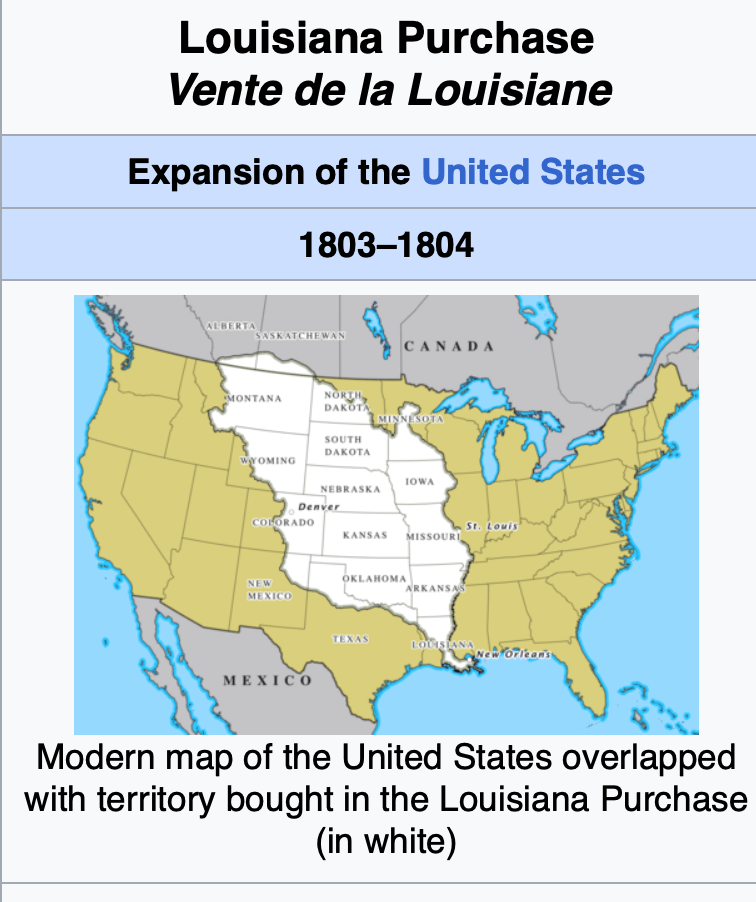
On October 20, 1803, the U.S. Senate ratified the Louisiana Purchase Treaty, doubling the size of a young America. It wasn’t just a land deal; it was a leap of faith in a still-unfolding national experiment. The deal shaped the destiny of millions who had not yet been born and transformed how people saw opportunity. That’s one perspective on October 20. It reminds us that big things often start quietly. They are inked onto paper while the world goes about its business.
Fast-forward to October 20, 1973 — the “Saturday Night Massacre” during Watergate. The Attorney General and his deputy resigned rather than obey President Nixon’s order to fire the Watergate special prosecutor. It was a night of constitutional crisis, but also a night when individuals drew lines they would not cross. In retrospect, it became a defining moment of accountability, integrity, and public trust.
Even in culture, October 20 pops up. It’s the birthdate of artists, athletes, and ordinary people whose work changed lives. It’s also National Youth Confidence Day. It’s a chance to celebrate the courage of young people. They are forging their own paths, as each generation must.
So what does this all mean for us on October 20, 2025?
Maybe it’s a nudge to honor the quiet decisions. It is about the unsigned papers and the moments of private courage. These shape our futures just as much as public fireworks. Maybe it’s a reminder to invest in tomorrow. Take the risk. Speak the truth. Double down on hope, even when nobody’s watching.
October 20 is not a “holiday” in the traditional sense. It is a hinge day. It is one of those unassuming points on the calendar. History reminds us that the choices we make today become the landmarks of tomorrow.
Beginning in 1943, the War Department published a series of pamphlets for U.S. Army personnel in the European theater of World War II. Titled Army Talks, the series was designed “to help [the personnel] become better-informed men and women and therefore better soldiers.”
On March 24, 1945, the topic for the week was “FASCISM!”
“You are away from home, separated from your families, no longer at a civilian job or at school and many of you are risking your very lives,” the pamphlet explained, “because of a thing called fascism.” But, the publication asked, what is fascism? “Fascism is not the easiest thing to identify and analyze,” it said, “nor, once in power, is it easy to destroy. It is important for our future and that of the world that as many of us as possible understand the causes and practices of fascism, in order to combat it.”
Fascism, the U.S. government document explained, –––
“is government by the few and for the few. The objective is seizure and control of the economic, political, social, and cultural life of the state.” “The people run democratic governments, but fascist governments run the people.”
“The basic principles of democracy stand in the way of their desires; hence—democracy must go! Anyone who is not a member of their inner gang has to do what he’s told. They permit no civil liberties, no equality before the law.” “Fascism treats women as mere breeders. ‘Children, kitchen, and the church,’ was the Nazi slogan for women,” ––– the pamphlet said.
Fascists “make their own rules and change them when they choose…. They maintain themselves in power by use of force combined with propaganda based on primitive ideas of ‘blood’ and ‘race,’ by skillful manipulation of fear and hate, and by false promise of security. The propaganda glorifies war and insists it is smart and ‘realistic’ to be pitiless and violent.”
Fascists understood that “the fundamental principle of democracy—faith in the common sense of the common people—was the direct opposite of the fascist principle of rule by the elite few,” it explained, “[s]o they fought democracy…. They played political, religious, social, and economic groups against each other and seized power while these groups struggled.”
Americans should not be fooled into thinking that fascism could not come to America, the pamphlet warned; after all, “[w]e once laughed Hitler off as a harmless little clown with a funny mustache.” And indeed, the U.S. had experienced “sorry instances of mob sadism, lynchings, vigilantism, terror, and suppression of civil liberties. We have had our hooded gangs, Black Legions, Silver Shirts, and racial and religious bigots. All of them, in the name of Americanism, have used undemocratic methods and doctrines which…can be properly identified as ‘fascist.’”
The War Department thought it was important for Americans to understand the tactics fascists would use to take power in the United States. They would try to gain power “under the guise of ‘super-patriotism’ and ‘super-Americanism.’” And they would use three techniques:
First, they would pit religious, racial, and economic groups against one another to break down national unity. Part of that effort to divide and conquer would be a “well-planned ‘hate campaign’ against minority races, religions, and other groups.”
Second, they would deny any need for international cooperation, because that would fly in the face of their insistence that their supporters were better than everyone else. “In place of international cooperation, the fascists seek to substitute a perverted sort of ultra-nationalism which tells their people that they are the only people in the world who count. With this goes hatred and suspicion toward the people of all other nations.”
Third, fascists would insist that “the world has but two choices—either fascism or communism, and they label as ‘communists’ everyone who refuses to support them.”
It is “vitally important” to learn to spot native fascists, the government said, “even though they adopt names and slogans with popular appeal, drape themselves with the American flag, and attempt to carry out their program in the name of the democracy they are trying to destroy.”
The only way to stop the rise of fascism in the United States, the document said, “is by making our democracy work and by actively cooperating to preserve world peace and security.” In the midst of the insecurity of the modern world, the hatred at the root of fascism “fulfills a triple mission.” By dividing people, it weakens democracy. “By getting men to hate rather than to think,” it prevents them “from seeking the real cause and a democratic solution to the problem.” By falsely promising prosperity, it lures people to embrace its security.
“Fascism thrives on indifference and ignorance,” it warned. Freedom requires “being alert and on guard against the infringement not only of our own freedom but the freedom of every American. If we permit discrimination, prejudice, or hate to rob anyone of his democratic rights, our own freedom and all democracy is threatened.”
Over a century ago, the United States grappled with a political movement that bears striking similarities to today’s MAGA (Make America Great Again) movement, a populist uprising spearheaded by former President Donald Trump. Like MAGA, this earlier movement thrived on populist discontent, nativist sentiments, and a rejection of the established order. If not kept in check, it could have reshaped American democracy in ways that might have undermined its democratic institutions, a peril we must remain vigilant against.
One of the most significant instances of this was during Theodore Roosevelt’s presidency, a man with intricate political loyalties. In 1912, Roosevelt’s Bull Moose Party brought populist elements into the political mainstream, appealing to working-class voters who felt marginalized by the two major parties. While Roosevelt was not anti-democratic, his charismatic leadership style and his ability to rally crowds around a strongman image set a precedent for future political movements that would seek to undermine democratic norms.
Simultaneously, the rise of the “America First” movement and the Ku Klux Klan spanning the 1920s showed how easily populist rhetoric could veer into exclusionary nationalism and nativism. The Klan’s widespread influence reached local, state, and federal government levels, promoting an agenda that sought to disenfranchise non-white citizens, immigrants, and anyone considered “un-American.” This movement found an audience among rural and working-class Americans who felt left behind by the rapid industrialization and modernization of the country.
At the heart of these movements was a profound distrust of the government, elites, and institutions—just like the anti-establishment fervor that fueled the rise of MAGA. These movements aimed to “restore” a vision of America rooted in racial and social hierarchies, often using violent rhetoric and intimidation to achieve their goals. Had these populist forces gained more traction, they could have severely damaged the democratic foundation of the country, ushering in a more authoritarian regime.
It took concerted efforts from both citizens and political leaders to resist these dangerous movements and restore democratic norms. In some ways, the lessons from over a century ago echo loudly today: unchecked populism, especially when it flirts with nativism and authoritarianism, can bring democracy to the brink of collapse. However, this history also reminds us of our power to shape the future of our democracy, offering hope and inspiration for positive change.
Today, as MAGA remains a force in American politics, it is crucial to remember that the battle to preserve democracy requires vigilance. While populism can express legitimate grievances of people who feel left behind, it must not be allowed to erode the very institutions that allow democracy to function. History teaches us that democracy’s survival depends on our collective ability to balance popular anger with reasoned leadership and respect for the rule of law. We all have a role to play in this ongoing struggle, and it is our vigilance that will keep democracy alive.
You can also find a more information concerning this subject at Salon.com click here.
Election Day is a moment filled with hope, anticipation, and often anxiety as we vote for the candidates we believe in. However, there’s always the possibility that the candidate we support won’t win. So, what should you do if that happens? Here are a few constructive actions to consider when facing such an outcome.
Remember That Democracy Is About Participation, Not Just Winning
Democracy thrives on diverse opinions; your vote is a meaningful contribution to that system. Even if your candidate doesn’t win, participating in the democratic process is vital. It sends a message about your values, priorities, and what you believe is best for your community or country.
Instead of viewing the result as a failure, consider it a reflection of the broader political landscape and the desires of your fellow citizens. Democracy works because people are free to express differing opinions, and your vote, win or lose, plays a vital role in configuring the future.
Engage in Positive Civic Action
Remember, politics doesn’t end on Election Day. There are numerous ways to stay involved in the causes you care about. Even if your candidate doesn’t win, the issues they represent remain crucial. Consider joining advocacy groups, volunteering for community organizations, or attending city council meetings. Your civic engagement at the local level can directly impact your community more than national politics. By continuing to advocate for the issues that matter most to you, you’re helping to shape policy and public opinion, regardless of the election result.
By continuing to advocate for the issues that matter most to you, you’re helping to shape policy and public opinion, regardless of the election result.
Be Respectful of Others’ Views
Election outcomes can feel deeply personal, especially when we are passionate about a candidate or cause. However, it’s important to remember that democracy requires respect for differing viewpoints. Avoid lashing out at those who supported the opposition if your candidate doesn’t win. Instead, engage in respectful dialogue and understand why others voted differently.
Remember, productive conversations can lead to greater understanding and help build coalitions for future elections. Your ability to listen and engage constructively can influence future political outcomes. By continuing to advocate for the issues that matter most to you, you’re helping to shape policy and public opinion, regardless of the election result.
Prepare for the Next Election
The results of one election are not the end of the story. Candidates and policies evolve, and new elections will always come. Take this time to reflect on why your candidate didn’t win. Were their policies too out of step with the electorate? Was the campaign messaging weak? Understanding these factors can help you become a more informed voter and activist in the next election cycle.
Consider getting involved in the early stages of the next campaign. Whether you work on voter registration drives, participate in debates, or even consider running for local office yourself, the future is always open to those who stay engaged.
Stay Informed and Hold Leaders Accountable
Regardless of who wins, it’s crucial to stay informed about what elected leaders are doing once they are in office. Please pay attention to their decisions and promises they keep or fail to keep. Even if your preferred candidate loses, your role as a constituent remains critical. You can hold elected officials accountable by writing letters, making phone calls, or organizing petitions. Democracy doesn’t end at the ballot box. Citizens’ ongoing scrutiny and engagement ensure that leaders remain responsive to the people’s needs.
Democracy doesn’t end at the ballot box. Citizens’ ongoing scrutiny and engagement ensure that leaders remain responsive to the people’s needs.
Take Care of Your Emotional Well-Being
Elections can be emotionally taxing if you heavily invest in a particular candidate or outcome. If the result doesn’t go your way, it’s natural to feel disappointed or frustrated. Take some time to process your emotions healthily. Talk to friends or family members about your feelings, participate in activities that bring you joy and distract you from disappointment, or take a break from politics altogether for a few days to give yourself a mental reset. Remember, it’s okay to feel disappointed, but it’s important to take care of yourself during these times.
Maintaining your emotional well-being is essential for yourself and your ability to continue contributing positively to political discussions and future elections.
Conclusion
If your candidate doesn’t win on Election Day, don’t despair. Democracy is a long and evolving process, and every election provides new opportunities for learning and growth. By staying engaged, respecting others’ views, and preparing for future elections, you can continue to be a positive force for the issues you care about. Your participation matters, win or lose, and it’s through this continued involvement that meaningful change happens over time.
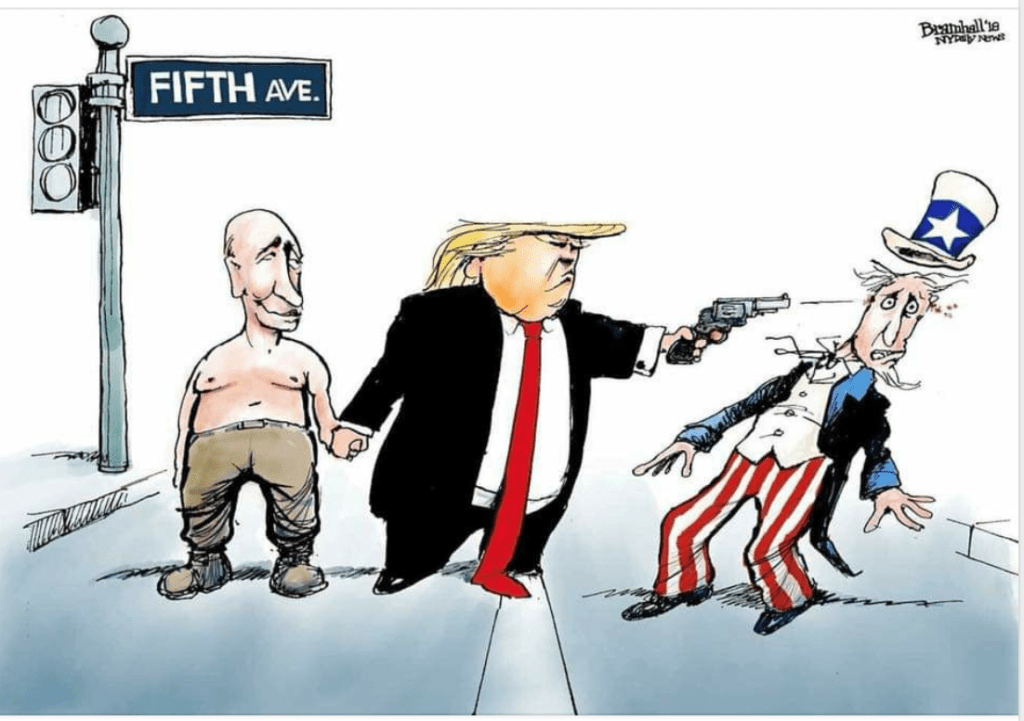
As the next election looms, it’s vital to pause and consider the potential fallout of inaction. This isn’t about personal feelings towards candidates; it’s about the future course of the United States. A conservative takeover, especially by the far-right factions of the Republican party, presents a grave threat to the core freedoms and values we’ve steadfastly defended for decades. The consequences of inaction could be dire.
If we allow figures like Trump and those who share his extreme ideologies to ascend to power in local, state, and federal offices, we risk a regression of fundamental rights. Women’s rights to make decisions about their bodies, LGBTQ+ rights, voting rights, environmental protections, and access to fair education are all in jeopardy. These rights were hard-fought and could be easily dismissed if we do not act now.
Think about the simple freedoms we take for granted:
the freedom to access accurate information
the freedom to speak up when something is wrong without fear of government retaliation
the freedom to gather with others and protest
In an era where misinformation, conspiracy theories, and autocratic tendencies dominate the discourse, these fundamental liberties hang in the balance.
If you’re reading this, you already grasp the importance of participation. But now, we must move beyond just casting our own votes. We must empower everyone we know—family, friends, colleagues—to vote and, more importantly, vote for candidates who will uphold democracy. Your vote is not just a choice but a powerful tool for shaping the future.
The threat is not about a single issue but about ensuring that the United States remains a nation that upholds all rights, including freedoms, equality, and justice for all.
We have seen glimpses of what a conservative grip on power looks like in recent years—attempts to undermine the electoral process, rollbacks of protections for minority communities, and the emboldening of hate groups. Imagine what that would look like unchecked.
Voting Blue in the next election is not just a partisan decision—it is a vote to preserve the essence of what makes America a place where freedom still means something.
Let us not take that for granted. Let us make sure our voices get heard and our values protected.
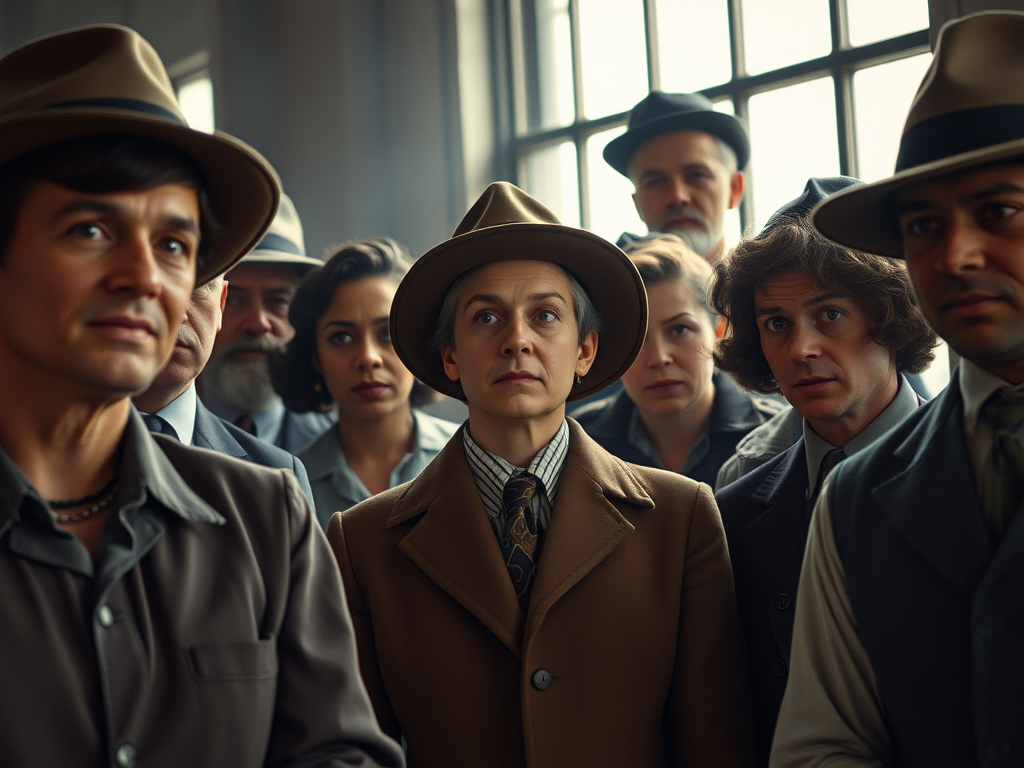
Amid political upheaval, the everyday American—who works a regular job, pays taxes, and seeks a life of routine and stability—may question their future in an increasingly polarized society. As extreme political movements push for agendas that center around ideas of “Project 25” or the return of Trump, advocating for a strict interpretation of Christianity, suppression of women’s rights, and an aggressive nationalistic framework, the real impact may be felt most by the “regular Joe”—the one who wants to live a quiet, predictable life.
For the average person, life may close in on them in such a scenario. The country may become unrecognizable, not in a dystopian fantasy, but in subtle, pervasive ways. It might start with the suppression of individual freedoms—targeting what people can say, wear, or how they worship. Religious dogma could permeate public life, not as a choice but as a mandate, affecting schools, workplaces, and government institutions. The Bible in every building might become symbolic and a requirement, with legal frameworks promoting a particular religious view while leaving others on the margins.
Erosion of Women’s Rights
Regular Americans might witness fundamental changes in the status of women while going about their daily lives. With growing pressure from ultra-conservative elements, efforts to curtail women’s autonomy could accelerate. The reversal of women’s rights, particularly reproductive rights, is already in motion. In this new political order, women might have even fewer choices about their bodies, careers, and participation in public life. For many, this will mark a turning point when personal freedom can no longer be taken for granted.
The Fear of the Unknown
Fear might become customary for those not part of this hard-right movement. The “regular Joe” will likely feel caught between competing narratives. On one side, there is the quiet desperation of wanting to hold on to their everyday life, and on the other, the nagging sense that the world is changing in ways that might soon render them powerless. Whether one is bisexual, straight, or simply someone with no interest in pushing their identity into the political arena, they might start feeling stalked by the system—monitored, judged, and left wondering if their way of life is still valid.
A New “American Dream?”
In this environment, the American Dream could become narrow. No longer about opportunity for all, it may become a dream only accessible to those who fit the suitable mold—racially, religiously, and socially. If one does not align with the ideals of whiteness or conservative sexuality, they could find themselves increasingly ostracized, with opportunities drying up. The path to success might depend less on hard work and more on conformity to ideals driven by far-right ideologues.
The reality could become darker for the person who comes home daily, pats their dog on the head, and watches the news. The content of that evening television might change, with media outlets pushing extreme viewpoints or censorship becoming the norm. Growing anxieties about what tomorrow holds could interrupt quiet moments of relaxation.
Where Do They Go?
If the country starts closing itself to all but those who align with this rigid agenda, the regular Joe may ask, “Where do I go?” It is hard to imagine a physical place for escape in a country that feels increasingly closed off to dissent. For many, the answer might not be in leaving the country but in finding a way to resist quietly—by forming communities with others who feel left behind, advocating for empathy and open-mindedness, and holding on to the idea that the heart of America lies not in exclusion but inclusion.
The danger is not just in the policies themselves but in the erosion of what makes America a place where people of all walks of life can live freely, with differences embraced rather than punished. When that idea is under attack, the question of “Where will you go?” takes on a much deeper meaning because the honest answer is about preserving a sense of home, not just for oneself but for everyone.
In this potential future, where does the regular Joe go? Perhaps they remain right where they are, standing in quiet defiance, continuing to pay their taxes, pat their dog, and live with the hope that balance will one day return to a nation at risk of losing itself.









 benandsteve.com