“The Peanut Farmer and the Minnesota Senator”

Peering through the Oval Office Window: A Look Back

Groff Media 2024© Truth Endures IMDbPro

Presented by benandsteve.com By: Benjamin Groff II©
2–3 minutes

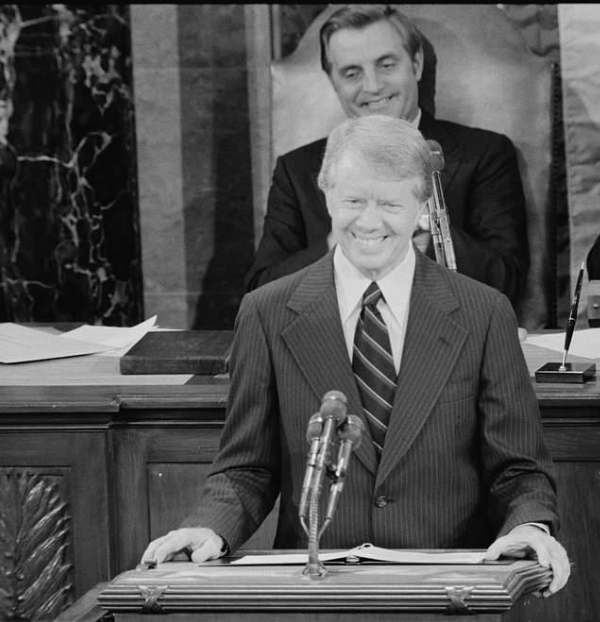
In the summer of 1977, President Jimmy Carter leaned back in his chair in the Oval Office. A pensive smile tugged at the corners of his mouth. Across from him sat Vice President Walter Mondale, poring over a stack of briefing papers with his trademark focus. One man was a farmer from Georgia. The other man was a lawyer from Minnesota. The two couldn’t have been more different in background. Yet, their partnership was rooted in a shared commitment to serving the American people.

“Fritz,” 

Carter said, using Mondale’s nickname, 

“you ever think we’re trying to do too much at once?”

Mondale looked up, his brow furrowed. 

“Every day, Mr. President. But that doesn’t mean we stop trying.”

The two had agreed early on that their administration would focus on transparency and morality in government. It was a lofty goal, especially after the shadow of Watergate. Carter gave Mondale an unprecedented role as vice president. He granted him full access to meetings and decision-making processes. Mondale had a seat at the table in all major discussions.

That day’s agenda included preparations for the Camp David Accords. Carter knew the stakes were high. Peace in the Middle East was a dream worth pursuing, but the path was challenging.

“I’ve been thinking about how we can get Sadat and Menachem (Begin) to see eye to eye,” 

Carter mused, tapping his pen on his desk. 

“I need you to be my sounding board, as always.”

Mondale nodded, adjusting his glasses. 

“They both trust you, Jimmy. That’s the key. You have a way of connecting with people, even when the odds seem impossible.”

Carter chuckled softly. 

“Must be the peanut farmer in me.”

Over the months, the two worked tirelessly. Mondale often acted as a mediator in Congress, navigating the political complexities Carter sometimes found frustrating. When the energy crisis hit, Mondale suggested convening regional governors to gather diverse perspectives.

One evening, after a particularly grueling day, they found themselves alone in the Rose Garden. The air was warm and scented with magnolias, and the stars above were unusually bright.

“Fritz,” 

Carter said, breaking the silence, 

“I couldn’t do this without you. You keep me grounded.”

Mondale smiled, a rare expression of pride crossing his face. 

“You’d manage, Jimmy. But I’m glad I’m here to help.”
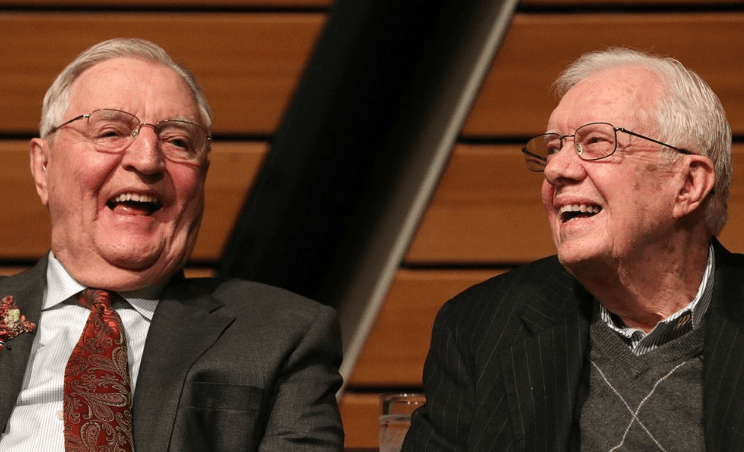
Their friendship, forged in the fire of challenges and the weight of leadership, became a hallmark of their administration. Though history would judge their tenure with mixed opinions, their mutual respect and dedication to principle left a lasting legacy.

As the years passed, Carter and Mondale’s bond endured. At their core, they remained two men dedicated to the idea that leadership meant service, not power. They carried this lesson beyond the White House walls.

A lesson that needs to be passed on increasingly so now!
The Story Of The Unchecked Mayor

Groff Media 2024© Truth Endures IMDbPro

Presented by benandsteve.com By: Benjamin Groff II©

In a small city, one man’s election as Mayor marked a drastic turning point. Traditionally, city decisions required approval from a council of six members, with a majority vote ensuring every person wielded only a little power. But soon after taking office, the Mayor and his political allies on the council pushed through changes that redefined his role. They granted him unprecedented authority to make sweeping decisions for the city and its residents, bypassing the usual oversight.

But that initial optimism soon eroded, giving way to a profound sense of disappointment and betrayal. The Mayor began filling oversight boards and committees with his chosen people—none of whom had relevant experience. They promised to “clean house” and end wasteful spending, but their true motives quickly surfaced.

The Commissioner of Streets and Lights, handpicked by the Mayor, promptly fired the street crew and supervisors, many of whom had worked for the city for over fifteen years and were approaching retirement. The Commissioner hired the Mayor’s son’s paving company in their place, and he also contracted two out-of-town electricians for lighting maintenance. These new hires lacked the skills to handle the city’s infrastructure needs, but the Mayor’s orders were clear. The supposed “savings” were diverted into three hidden accounts linked to companies the Mayor quietly operated on the side.

The Mayor restructured Water and Trash Services similarly. Water management was outsourced to a neighboring town with little regard for the community’s best interests. Trash collection was reduced to once a week, and a company from two towns away was hired, offering only minimal service. The Mayor’s promised savings got funneled into an account controlled solely by the Mayor.

Every city department followed the same grim trajectory. Once-dedicated employees were let go and replaced by disinterested newcomers complaining about their low wages and minimal benefits. City services deteriorated rapidly, with potholes on the streets, frequent power outages, and overflowing trash bins, leaving residents dismayed as their quality of life declined.

The townspeople soon noticed their bills creeping upward—first by ten dollars, then by thirty, with no explanation or improvement in service. This financial strain, coupled with crumbling city infrastructure, directly resulted from the Mayor’s unchecked power and self-serving decisions, placing a heavy burden and stress on the residents.

Residents registered with the opposing political party received letters citing dubious code violations and demanding fines. Those who contested were slapped with even more violations, driving many to leave the city altogether. Once most of his opposition had been driven out, the Mayor enacted a new ordinance requiring his remaining supporters to pay a “privilege to live here” fee. When citizens objected, he sent his security force to arrest vocal dissenters, warning others of eviction if they did not comply.

The Mayor’s reign of intimidation didn’t stop there. He established a “Mayor’s Court,” where anyone accused of a crime—even minor infractions—was jailed indefinitely. Their families could “buy” their release, but only at exorbitant prices, often reaching hundreds of thousands of dollars. The city had become a prison, and its leader was a dictator.

Many residents clung to the hope that this nightmare would end with the Mayor’s death. But when he passed away, the townspeople were horrified to learn that city law now dictated his son would inherit his office.

This tale serves as a stark warning: when voting, beware of who you trust with power. Sometimes, that choice can cost more than you ever imagined.

Join Us In This Fight For Equality * Arizona *Utah *Montana *Texas And More…

A Report By: Benjamin Groff II© Groff Media 2024© Truth Endures IMDbPro

Your participation in the 2024 election is set to be a pivotal moment in American politics. With control of the presidency and Senate hanging in the balance, a handful of key Senate races across the nation will determine which party holds the majority, shaping the country’s legislative future for years to come. Your vote and support are critical at this crucial time.

Currently, Democrats hold a slim 51-49 majority in the Senate, which includes three Independents who caucus with us. With 34 Senate seats up for grabs in November, Republicans are determined to flip the chamber. One notable challenge is in West Virginia, where Senator Joe Manchin’s retirement is likely to result in a Republican win. The stakes are high, and the outcome will have lasting consequences on the direction of national policy.

  • National political climate: The overall political environment, particularly the presidential race between Donald Trump and Kamala Harris, will heavily influence down-ballot Senate races.
  • State demographics and voting patterns: States like Montana, where Trump won decisively in 2020, present tough challenges for Democratic incumbents.
  • Candidate quality and campaigns: The strength of individual candidates, their campaigns, and their ability to connect with voters will be pivotal, with fundraising, messaging, and strategy all influencing the results.
  • Key issues: Voters are likely to prioritize topics like inflation, immigration, abortion, and healthcare, with candidates attempting to address these concerns.

At least seven Democratic-held seats are highly competitive this fall, particularly in battleground states. Montana, for example, is a race to watch closely. Senator Jon Tester (D-MT) is trailing Republican challenger Tim Sheehy. In a state that Donald Trump won by a significant margin in 2020, Tester faces an uphill battle. The polling shows similar challenges for Democratic candidates in other key races, such as Texas and Florida.

In Texas, Trump is ahead of Harris by seven points, while Republican Senator Ted Cruz leads his challenger Colin Allred by just four points. In Florida, Trump holds a 13-point lead over Harris, and Senator Rick Scott leads Democratic challenger Debbie Mucarsel-Powell by nine points.

An independent candidate, Dan Osborn, is running against Republican incumbent Deb Fischer in Nebraska. Should Osborn win and decline to caucus with either party, it could further complicate the Senate’s balance of power. However, past independent bids in similar states have failed to unseat Republican incumbents.

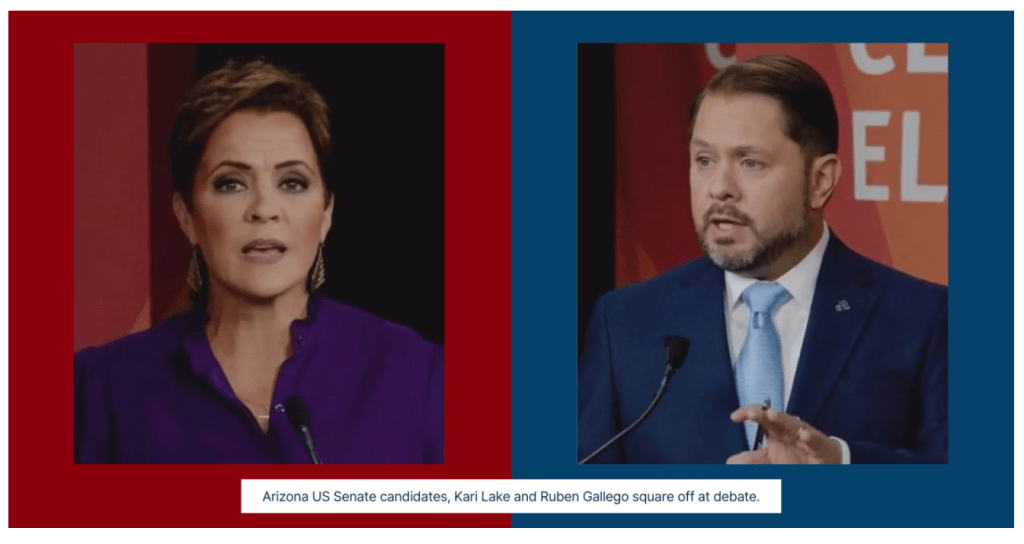
The Arizona Senate race is particularly significant, as it could tip the balance of power in the Senate. Incumbent Independent Senator Kyrsten Sinema’s retirement has opened the door for a competitive contest between Democrat Ruben Gallego and Republican Kari Lake.

Ruben Gallego, a five-term Democratic congressman and Iraq War veteran, emphasizes his pragmatic leadership and strong support for LGBTQ rights. His record includes co-sponsoring the Equality Act and advocating for transgender rights, veterans, and LGBTQ individuals. Polls show Gallego leading Lake by an average of 50% to 42%, with strong support among likely voters.

Kari Lake, a former newscaster and staunch ally of Donald Trump, has built her campaign around issues like inflation and immigration. However, her embrace of election denialism and divisive rhetoric has limited her appeal among moderate Republicans and independents. Despite her efforts, Lake trails in most polls, and Arizona’s shifting demographics favor Gallego’s chances.

The Arizona race has taken on additional significance for LGBTQ rights. Gallego’s commitment to equality and his consistent voting record, including support for the Respect for Marriage Act, stands in stark contrast to Lake’s history of inflammatory remarks and policies hostile to the LGBTQ community. Lake has made derogatory comments about LGBTQ issues and aligned herself with far-right figures, which has raised concerns among civil rights advocates.

This election will shape the future of American politics, and Arizona could play a key role in determining the balance of power in the Senate. We need you to join us in this fight for equality. Help us get out the vote this Saturday as we canvass neighborhoods with Equality Arizona and Equality Utah. Every Arizona vote matters, and together, we can make a difference!

What If My Candidate Doesn’t Win? What Do I Do on Election Day?

A Report By: Benjamin Groff© Groff Media 2024© Truth Endures

Election Day is a moment filled with hope, anticipation, and often anxiety as we vote for the candidates we believe in. However, there’s always the possibility that the candidate we support won’t win. So, what should you do if that happens? Here are a few constructive actions to consider when facing such an outcome.

  • Remember That Democracy Is About Participation, Not Just Winning

Democracy thrives on diverse opinions; your vote is a meaningful contribution to that system. Even if your candidate doesn’t win, participating in the democratic process is vital. It sends a message about your values, priorities, and what you believe is best for your community or country.

Instead of viewing the result as a failure, consider it a reflection of the broader political landscape and the desires of your fellow citizens. Democracy works because people are free to express differing opinions, and your vote, win or lose, plays a vital role in configuring the future.

  • Engage in Positive Civic Action

Remember, politics doesn’t end on Election Day. There are numerous ways to stay involved in the causes you care about. Even if your candidate doesn’t win, the issues they represent remain crucial. Consider joining advocacy groups, volunteering for community organizations, or attending city council meetings. Your civic engagement at the local level can directly impact your community more than national politics. By continuing to advocate for the issues that matter most to you, you’re helping to shape policy and public opinion, regardless of the election result.

By continuing to advocate for the issues that matter most to you, you’re helping to shape policy and public opinion, regardless of the election result.

  • Be Respectful of Others’ Views

Election outcomes can feel deeply personal, especially when we are passionate about a candidate or cause. However, it’s important to remember that democracy requires respect for differing viewpoints. Avoid lashing out at those who supported the opposition if your candidate doesn’t win. Instead, engage in respectful dialogue and understand why others voted differently.

Remember, productive conversations can lead to greater understanding and help build coalitions for future elections. Your ability to listen and engage constructively can influence future political outcomes. By continuing to advocate for the issues that matter most to you, you’re helping to shape policy and public opinion, regardless of the election result.

  • Prepare for the Next Election

The results of one election are not the end of the story. Candidates and policies evolve, and new elections will always come. Take this time to reflect on why your candidate didn’t win. Were their policies too out of step with the electorate? Was the campaign messaging weak? Understanding these factors can help you become a more informed voter and activist in the next election cycle.

Consider getting involved in the early stages of the next campaign. Whether you work on voter registration drives, participate in debates, or even consider running for local office yourself, the future is always open to those who stay engaged.

  • Stay Informed and Hold Leaders Accountable

Regardless of who wins, it’s crucial to stay informed about what elected leaders are doing once they are in office. Please pay attention to their decisions and promises they keep or fail to keep. Even if your preferred candidate loses, your role as a constituent remains critical. You can hold elected officials accountable by writing letters, making phone calls, or organizing petitions. Democracy doesn’t end at the ballot box. Citizens’ ongoing scrutiny and engagement ensure that leaders remain responsive to the people’s needs.

Democracy doesn’t end at the ballot box. Citizens’ ongoing scrutiny and engagement ensure that leaders remain responsive to the people’s needs.

  • Take Care of Your Emotional Well-Being

Elections can be emotionally taxing if you heavily invest in a particular candidate or outcome. If the result doesn’t go your way, it’s natural to feel disappointed or frustrated. Take some time to process your emotions healthily. Talk to friends or family members about your feelings, participate in activities that bring you joy and distract you from disappointment, or take a break from politics altogether for a few days to give yourself a mental reset. Remember, it’s okay to feel disappointed, but it’s important to take care of yourself during these times.

Maintaining your emotional well-being is essential for yourself and your ability to continue contributing positively to political discussions and future elections.

Conclusion

If your candidate doesn’t win on Election Day, don’t despair. Democracy is a long and evolving process, and every election provides new opportunities for learning and growth. By staying engaged, respecting others’ views, and preparing for future elections, you can continue to be a positive force for the issues you care about. Your participation matters, win or lose, and it’s through this continued involvement that meaningful change happens over time.

The Upcoming Election: A Matter of Urgency

Plainly Speaking By: Benjamin Groff© Groff Media 2024© Truth Endures (resharing encouraged)

As the next election looms, it’s vital to pause and consider the potential fallout of inaction. This isn’t about personal feelings towards candidates; it’s about the future course of the United States. A conservative takeover, especially by the far-right factions of the Republican party, presents a grave threat to the core freedoms and values we’ve steadfastly defended for decades. The consequences of inaction could be dire.

If we allow figures like Trump and those who share his extreme ideologies to ascend to power in local, state, and federal offices, we risk a regression of fundamental rights. Women’s rights to make decisions about their bodies, LGBTQ+ rights, voting rights, environmental protections, and access to fair education are all in jeopardy. These rights were hard-fought and could be easily dismissed if we do not act now.

Think about the simple freedoms we take for granted:

  • the freedom to access accurate information
  • the freedom to speak up when something is wrong without fear of government retaliation
  • the freedom to gather with others and protest 

In an era where misinformation, conspiracy theories, and autocratic tendencies dominate the discourse, these fundamental liberties hang in the balance.

If you’re reading this, you already grasp the importance of participation. But now, we must move beyond just casting our own votes. We must empower everyone we know—family, friends, colleagues—to vote and, more importantly, vote for candidates who will uphold democracy. Your vote is not just a choice but a powerful tool for shaping the future. 

The threat is not about a single issue but about ensuring that the United States remains a nation that upholds all rights, including freedoms, equality, and justice for all.

We have seen glimpses of what a conservative grip on power looks like in recent years—attempts to undermine the electoral process, rollbacks of protections for minority communities, and the emboldening of hate groups. Imagine what that would look like unchecked.

Voting Blue in the next election is not just a partisan decision—it is a vote to preserve the essence of what makes America a place where freedom still means something. 

Let us not take that for granted. Let us make sure our voices get heard and our values protected.

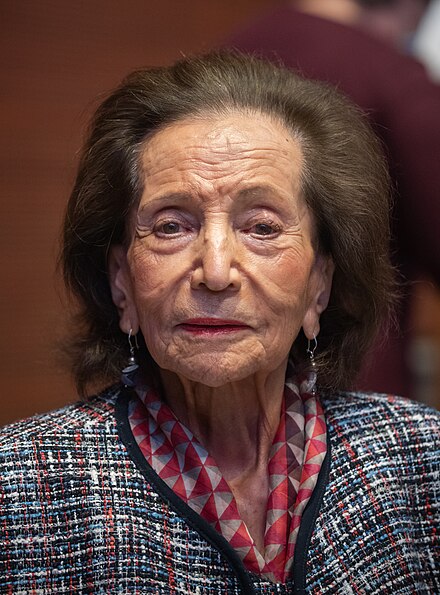
Ifigenia Martínez y Hernández, 99, Mexican politician and diplomat, senator (1988–1991, 2018–2024), president (since 2024) and four-time member of the chamber of deputies

Ifigenia Martha Martínez y Hernández
(16 June 1925 – 5 October 2024)

Ifigenia Martha Martínez y Hernández, a distinguished Mexican economist, diplomat, and politician, passed away on 5 October 2024 at the age of 99. Throughout her life, she was a pillar of Mexican political and economic thought, serving her country with dedication and vision.

Born on 16 June 1925, Martínez completed her undergraduate studies in economics at the National Autonomous University of Mexico (UNAM) and pursued further education, earning a master’s degree in economics from Harvard University. Her passion for academia and public service led her to become the head of the Faculty of Economics at UNAM, a position she held from 1966 to 1970. Her influence extended beyond the classroom, shaping the next generation of Mexican economists.

Martínez was not only a scholar but also a trailblazing politician. Over her illustrious career, she was affiliated with several prominent political parties, including the Institutional Revolutionary Party (PRI), the Party of the Democratic Revolution (PRD), which she co-founded with Cuauhtémoc Cárdenas and Porfirio Muñoz Ledo, and the National Regeneration Movement (Morena). Her commitment to Mexico’s development and progress led her to serve multiple terms in the Chamber of Deputies, first elected in 1976, and later in 1994, 2009, and 2024. She also held a seat in the Senate, representing the Federal District in 1988 and serving again in 2018 through proportional representation.

One of the crowning moments of her political career occurred just days before her passing, when she presided over the inauguration of Claudia Sheinbaum as President of Mexico on 1 October 2024. In a historic ceremony, she had the honor of handing Sheinbaum the presidential sash, symbolizing a peaceful and democratic transfer of power.

Ifigenia Martínez’s legacy will live on through her immense contributions to Mexican politics, her advocacy for social justice, and her unwavering commitment to her nation’s well-being. She leaves behind a lasting imprint on Mexico’s political landscape and will be remembered for her intellect, leadership, and grace.

She is survived by a grateful nation, which honors her profound impact on its history.