
There comes a time when you have to draw a line and decide what you stand for. Because if you don’t stand for something, sooner or later you’ll fall for anything.
Groff Media ©2026 benandsteve.com Truth Endures
This week I made the next announcement:
“I have made the decision to stop any association with content connected to CBS, CBS News, CNN, FOX, and Flipboard. I can no longer, in good conscience, republish material from these organizations. I also can’t promote content from organizations that use media in ways I find troubling.“
A Change in Direction
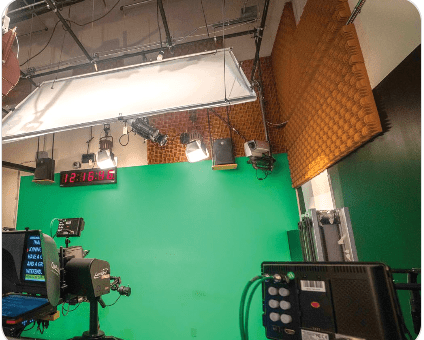
There are moments in history when small events start to reveal a much larger shift. What has been happening inside major American media organizations lately is one of those moments. Stephen Colbert is a prominent public voice. He finds himself at the center of controversy shortly after openly criticizing corporate decisions tied to network leadership. This situation naturally raises questions. Is outspoken criticism still welcome within the walls of the companies that broadcast it?
At the same time, reports of internal conflict surrounding the newsroom at 60 Minutes have emerged. These reports involve one of the most respected investigative news teams in television. They have only deepened those concerns. Leadership changes have occurred. Public statements from newsroom figures have surfaced. Accounts of staff unease suggest that journalists inside the organization are feeling pressures. These pressures extend beyond the simple business of reporting the news.
This is where the issue becomes larger than one show, one host, or even one network. The concern is about the atmosphere surrounding journalism itself. When reporters start to sense that pursuing certain stories will carry professional consequences, the chilling effect spreads quickly. Investigative reporting depends on courage, independence, and the understanding that truth—not corporate comfort or political pressure—guides editorial decisions.
My declaration about stepping away from redistributing material from major outlets is rooted in this concern. It is not an attack on journalism. In fact, it is the opposite. It is a defense of what journalism is supposed to be. A free press only remains free when reporters and editors can pursue facts without intimidation. They must be capable of chasing stories without fear of reprisal. Reporters should not have to wonder whether the story they are chasing will upset powerful interests behind the scenes.
Journalists should never have to look over their shoulder before telling the truth. If they do, the public will lose more than just a few television programs. They will also lose newspaper columns. We will lose something far more important. We will lose the ability to trust someone. Somewhere, someone is still willing to ask the hard questions.

History teaches us that the erosion of press freedom rarely begins with a dramatic announcement. It usually starts quietly—with a decision here, a resignation there, a story that suddenly feels too risky to pursue. The public does not notice at first. But journalists do. They feel the shift in the air long before anyone else sees it. When reporters question if the truth cost them their platform, the damage has begun. They question if it risks their career or the support of their newsroom. This damage shows that fear is overshadowing press freedom. My decision to step back from amplifying certain media outlets is not born from anger. It is born from concern. A healthy democracy depends on journalists who can pursue facts without fear. If the press ever needs to seek permission to reveal the truth, the public will suffer. This greater loss impacts more than just a television program or a headline. We will have lost our watchdog.
It is up to us. The average Joe. To start doing something. What will you do?
3 responses to “When the Press Begins to Look Over Its Shoulder”
-
It’s one of my concerns, too. The job of journalists and reporters becomes risky now. They’re not safe if they tell the truth, especially since powerful people are involved in it. I don’t know about news these days if it’s true or just be polished to protect someone else. The media becomes chaotic, as well as politics. I don’t understand, and I dislike to hear something disgusting about it.
LikeLike
-
Thank you, Hazel. Many people are torn between speaking up or staying quiet and hoping things change. But dust doesn’t move unless someone disturbs it. Sometimes the only way to slow what’s happening is to challenge it. If my words inspire even one person to act, and that person inspires another, then they have done their job.
-
Yeah. Hopefully some are courageous enough to speak and make a change. We’ll never know. My pleasure, Benjamin. Healing vibes to you.
LikeLike
-
-



 benandsteve.com
Leave a comment