The Opinionated Gentleman: “I used to like him before I heard what he had to say.”

GROFF MEDIA 2024ยฉ TRUTH ENDURES IMDBPRO

Presented by benandsteve.com By: Benjamin Groff IIยฉ

2โ€“3 minutes

Richard Pearce considered himself a fair man, a gentleman of discernment. His friendships were plentiful, his network expansive, and his reputation as a conversationalist well-earned.

He had a knack for summing people up with a single statement, a phrase he used so often it had become a trademark:

“I used to like him before I heard what he had to say.”

It wasn’t meant to be cruelโ€”at least, Richard didn’t think so. It was his way of assessing character, of sorting wheat from chaff. But those who knew him best saw it differently.

One sunny afternoon, Richard found himself at a small cafรฉ in the park. A friend of a friend, Henry Townsend, joined him unexpectedly. Henry, a boisterous man with a ready laugh, was a newcomer to their social circle.

“I hear you’re a man of strong opinions, Richard,”

Henry said as he stirred his coffee.

Richard tilted his head, amused.

“I suppose you can say that. I have a good read on people.”

“Well, let’s see then. What do you think of me?”

Richard smiled politely, his eyes narrowing.

“You’re affable, sharp-wittedโ€ฆ but prone to over-explanation.”

Henry laughed heartily.

“Fair enough! And what do you think about James Potter?”

Richard leaned back, swirling his tea.

“Ah, James. I used to like him before I heard what he had to say.”

Henry’s smile faltered.

“What did he say?”

“Oh, something about how he sees charity as a personal failing in those who accept it. Can you imagine? A man with such shallow views.”

Henry’s brows furrowed.

“Did you ask him why he thought that? Maybe he has a deeper story.”

Richard waved the thought away.

“One’s words show their heart, Henry. Why dig further?”

~

Months passed, and Richard’s circle seemed to shrink. The people he dismissed began avoiding him, and conversations grew shorter. Henry, nevertheless, remained a steadfast presence. One day, Richard couldn’t help but ask.

“Why do you stay, Henry? Surely, I’ve said something to offend you by now.”

Henry grinned.

“Oh, plenty of times! But if I left, you would not get the chance to hear what you haven’t heard yet.”

Richard frowned.

“What do you mean?”

“You write people off after hearing one thing. But people aren’t books you can skim, Richard. They’re libraries. If you only read one page, you miss the whole story.”


That evening, as Richard walked home alone, Henry’s words lingered. The cafรฉ, once bustling with friendly faces, seemed quieter now. For the first time, Richard wondered if he’d been too quick with his judgment, too harsh with his words. He couldn’t help but think, —-

And he couldn’t help but think, โ€“โ€“โ€“โ€“

And he couldn’t help but think, that he had been too quick to judge, too eager to dismiss. He couldn’t help but think โ€“โ€“โ€“โ€“

I used to like myself before I heard what I had to say.

And, before I realized the impact of my words and the depth of my own biases.

A Love That Endures

GROFF MEDIA 2024ยฉ TRUTH ENDURES IMDBPRO

Presented by benandsteve.com By: Benjamin Groff IIยฉ

2โ€“3 minutes

Anna sat on the edge of her porch swing, the crisp autumn air wrapping around her like a familiar shawl. She cradled a weathered photo album filled with snapshots of a life well-lived with her husband, Thomas. Though he had passed a year ago, his presence lingered in every corner of their home. She noticed the faint scent of his aftershave in the closet. The carved wooden birdhouse he made hung by the garden. The laughter seemed to echo from the walls.

The sun dipped below the horizon. It painted the sky in hues of orange and violet. Anna whispered, “Death have taken your body, Thomas, but you’re still here.”

In the quiet, she remembered the words their pastor had spoken at his funeral: *Death takes the body. God takes the soul. Our minds hold the memories. Our hearts holds on to the love. Our spiritual beliefs let us know we will meet again.

Her memories of Thomas were not just memories, they were vibrant, living moments. They replayed in her mind like a cherished movie. She saw how his eyes crinkled when he smiled. She heard his deep belly laugh. She felt the strength of his hand in hers as they danced in the kitchen.

Though grief often pressed against her chest, her heart was not empty. It was full of loveโ€”a love that hadn’t dimmed with time. She placed a hand over her chest and smiled. She knew it was where Thomas still resided. He was a glowing ember that would never go out.

Every Sunday, Anna would visit the little white church where they had exchanged vows so long ago. She found not just solace, but peace there, her faith bridging the earthly and the divine. She believed Thomas was in God’s care now, his soul at peace, waiting patiently for her.

One evening, as she closed the photo album, she noticed the first star twinkling in the sky. She gazed upward and whispered, “I’ll see you again, Thomas. Until then, I’ll carry you here.” She touched her head. “Here.” She placed her hand on her chest. “And here.” She folded her hands in prayer.

At that moment, Anna felt a warmth envelop her. It seemed like Thomas himself was reminding her. Real, enduring love that never truly is separated by time or space.

She smiled and rocked gently on the swing, humming the melody of their favorite song. The stars above her were a quiet witness to the eternal connection between two hearts.

The Last to Fall

Groff Media 2024ยฉ Truth Endures IMDbPro

Presented by benandsteve.com By: Benjamin Groff IIยฉ

3โ€“5 minutes

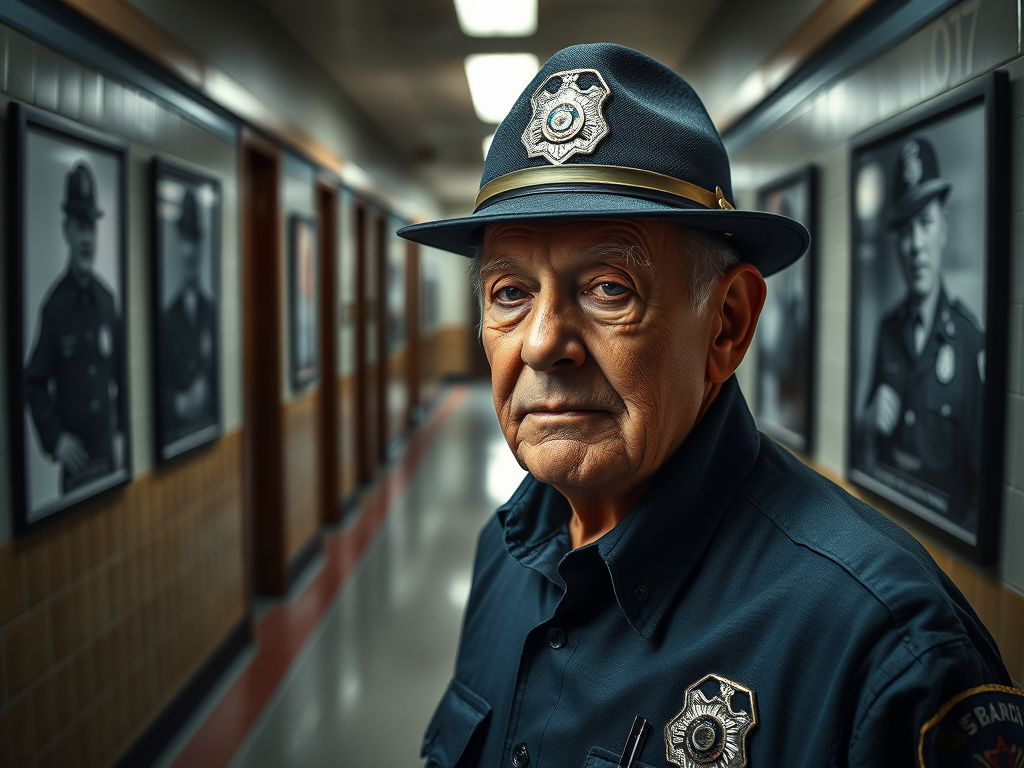
The stories of “The Magnificent Seven” were told with reverence in the small, aging town of Canadian. It nestles in the shadow of a mountain range near the Comanche Indian Reservations. They were not just police officers. They were beacons of bravery. Each one was a sentinel of justice. They had shaped the history of law enforcement in the area. Their tales of courage, integrity, and unyielding commitment to the badge echoed in the walls of the old precinct. Black-and-white photos of the seven adorned the main hallway.

Now, only one of them remained.

Thomas “Tommy” Wade was the last to fall. At 82, he still carried himself with the dignity that had defined his career. Time had dulled the sharpness of his features. Nonetheless, his piercing blue eyesโ€”eyes that had stared down criminals and shielded victimsโ€”had not lost their fire. Tommy had outlived his brothers-in-arms. It was not because he was the strongest or the fastest. It was because, as he often quipped, โ€“โ€“โ€“

“I was just lucky.”

Yet, his legacy, his unwavering commitment to service, and his enduring impact on the community, was far from luck.

It was more than luck, though. Tommy had survived gunfights, ambushes, and even a close call with a car bomb planted by a vengeful felon. But his survival wasn’t the story. The story was about how he and his six comrades had redefined serving and protecting.

The Legends

Each member of the Magnificent Seven had a chapter in the book of Canadian history.

  • James “Big Jim” Hawthorne was the largest and strongest of the group. He was known for breaking up a bar brawl single-handedly. He tossed men around like rag dolls without ever drawing his weapon. He always said โ€“โ€“โ€“
    • “Strength is knowing when not to use it.”
  • Eddie Diaz, the marksman, had ended a three-day hostage standoff with a single, precise shot that saved a child’s life. He was quiet and almost shy, but his calm precision made him a hero when danger arose.
  • “Doc” Peterson, the team medic, was a genius at keeping people alive in harrowing circumstances. A former Army medic, he carried his battlefield skills into the streets of Canadian.

Walter “Walt” Grayson, the thinker, used his sharp intellect to outwit criminal masterminds. He often ended conflicts before they began by anticipating a felon’s next move.

Frankie “Spitfire” McNeil, the youngest, was impulsive but had a heart as big as the town. He chased down burglars on foot and once shielded a family from gunfire with his own body.

Samuel “Sam” Colton, the leader, brought them all together. Sam’s vision for law enforcement was rooted in community service and compassion. He was a mentor, a father figure, and a friend.

And then there was Tommy Wade, the glue that held them together. He was the everyman who listened, mediated disputes, and ensured the team had each other’s backs.

A Legacy Remembered

On the day of Tommy’s memorial, the whole town gathered. The mayor spoke, recounting the officers’ countless acts of heroism. Citizens shared personal stories. They spoke of how one of the Seven had saved their lives. Others talked about how the Seven brought justice to their families.

But Tommy’s granddaughter, Emily, delivered the most poignant eulogy. She stood before the crowd, holding the silver badge her grandfather had carried for over thirty years.

“My grandfather used to tell me stories of these men,”

she began, her voice trembling.

“He told me that each carried a burdenโ€”of duty, danger, and sacrifice. They didn’t wear capes or fly through the air. They walked the streets, often alone, and faced fear head-on so the rest of us didn’t have to.”

Emily paused, holding the badge close to her chest.

“He also told me that they weren’t perfect. They made mistakes and carried regrets. But what set them apart was their unwavering moral compass. They believed in justice, fairness, and the value of every life.”

As the crowd listened, she added,

“They were the best of us. My grandfather was the last to fall. He always said it wasn’t about the badge or the recognition. It was about the people they served.”

The Eternal Flame

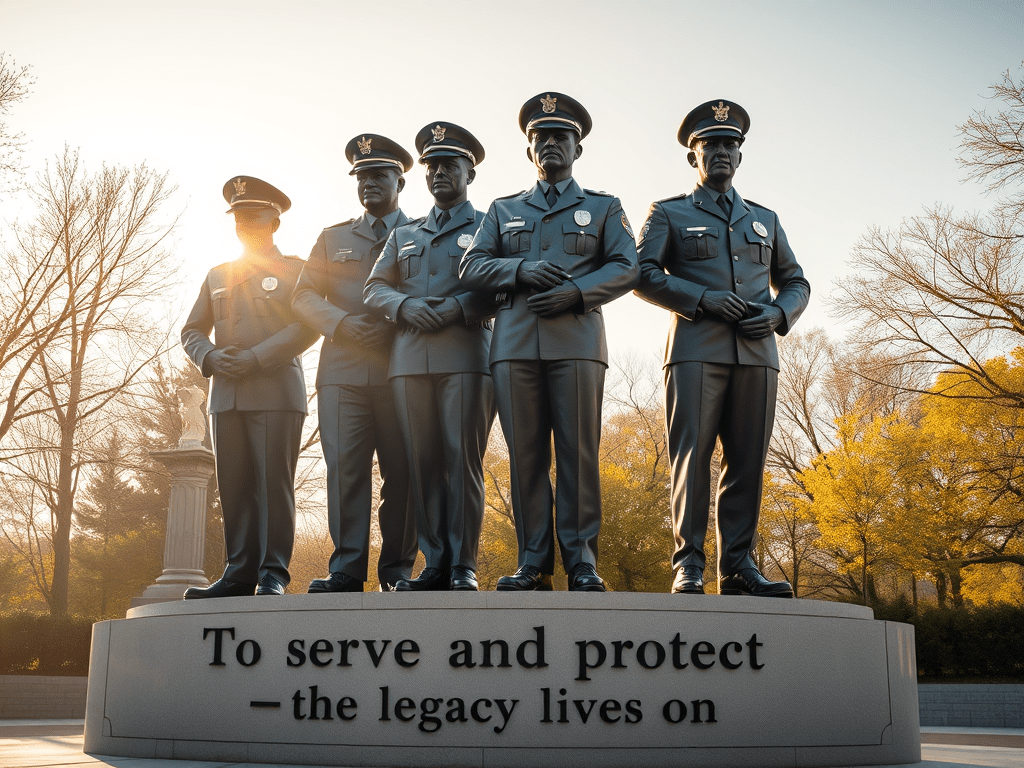
A statue now stands in the Canadian central park: seven figures, shoulder to shoulder, their badges gleaming in the sunlight. Inscribed at the base are the words: “To serve and protectโ€”the legacy lives on.”

The Magnificent Seven are gone, but their stories endure. These tales are whispered in classrooms and retold at family dinners. They are honored in the lives of the officers who came after them. Tommy Wade have been the last to fall, but the spirit of his team will never fade.

Otis, the Guardian of the Pack

Groff Media 2024ยฉ Truth Endures IMDbPro

Presented by benandsteve.com By: Benjamin Groff IIยฉ

3โ€“4 minutes

From the moment Ben and Steve walked into the shelter, Otis knew they were his people. It wasn’t just how they crouched down to his level. It was the warmth in their eyes and the promise in their voices.

“You’re coming home with us,”

Steve had said. Otis had wagged his tail so hard he nearly toppled over. He vowed then and there to be the best protector any family ask for.


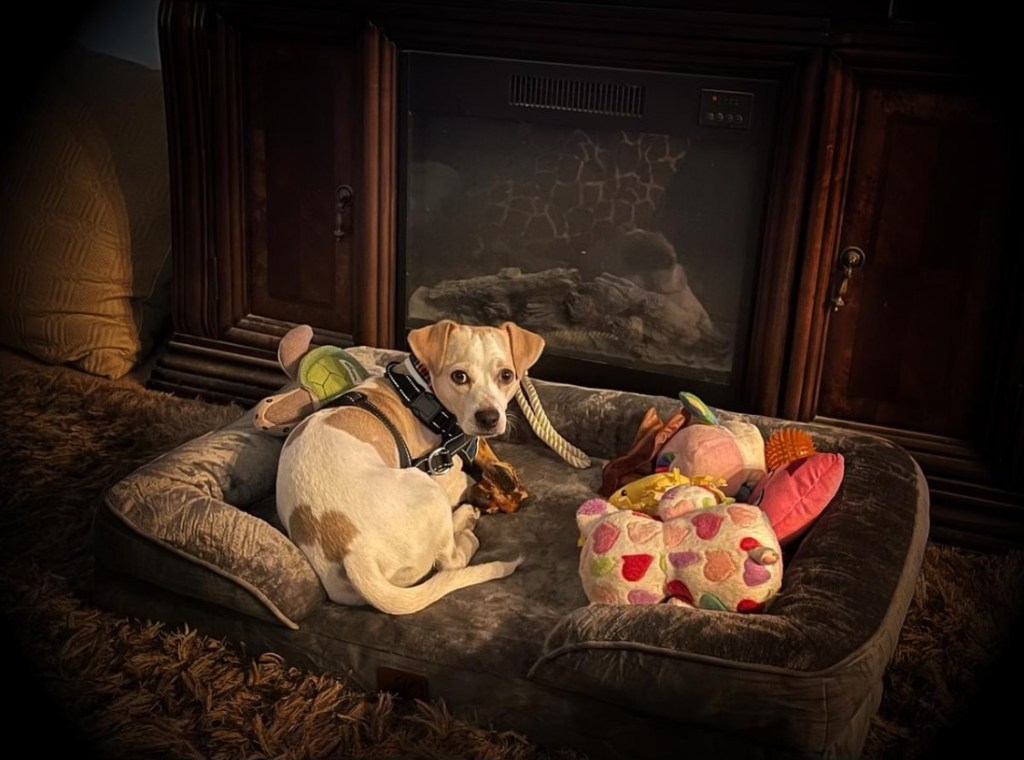
Life in his new home was nothing short of paradise. Otis had a cozy bed by the fireplace, more toys than he can chew, and an endless supply of love. But what truly mattered to him was his duty to keep Ben and Steve safe. He took it upon himself to investigate every rustle in the bushes, every knock at the door. No leaf dared to blow towards his masters without Otis standing his ground.

Otis’s vigilance, nevertheless, had its challenges. After one too many encounters with a growling Otis, the mail carrier learned to toss packages from a distance. Neighborhood passerby’s hoped drop off leaflets and country club newsletters. They were met with a flurry of barks so fierce they often retreated before reaching the door.


Things came to a head one sunny Saturday when their neighbor Marlene, visited. Otis had met her once before and didn’t trust her an inch. She was too loud, animated, and far too close to his people to his liking. When Marlene leaned in to hug Steve, Otis darted between them, barking his warning. Steve scooped him up, carrying him to the laundry room for a “time out.”

“Otis, you need to relax,”

Steve said, his voice equal parts exasperation and affection. Otis stared back, unconvinced. Who would protect them if he wasn’t on duty?


During one memorable stormy night, Otis proved why his protectiveness wasn’t just a quirkโ€”it was his calling. The wind howled, rain lashed against the windows, and the house creaked under the storm’s force. Otis lay at the foot of the bed, his ears perked. Suddenly, a loud crash echoed from the backyard.

Ben and Steve bolted upright. Otis was already off the bed. He growled as he raced to the source of the noise. They found him at the patio door. He barked furiously at a tree branch. The branch had broken off and slammed into the house. While it wasn’t an intruder, Otis’s readiness reassured them that no danger would catch them off guard.


Over time, Ben and Steve learned to appreciate Otis’s protective nature and quirks. They worked with a trainer to help him distinguish between threats and friendly visitors, but his fierce loyalty never wavered. Otis accepted his ‘time outs’ with dignity. He understood that even the most dedicated guardians needed to let their pack relax occasionally.

Otis knew one thing for certain in his heart. Ben and Steve had rescued him from a lonely life. He would spend every day making sure they were loved, protected, and never alone. His love for them was as deep as the ocean, and his loyalty as unyielding as the mountains.

Uncovering Crime: The Relentless Pursuit of Justice

It was a typical summer night in western Oklahoma, and Officer Ben Groff enjoyed a rare night off. He planned to eat at a restaurant on the city’s west side. He drove there in his newly purchased 1985 Dodge Ram. Gaming gold and black under the streetlights, the pickup was his pride and joy. As he cruised along old Route 66, he rolled down the window to enjoy the cool evening breeze.

At an intersection, a red Jeep pulled up beside him. Its driver, a man about Groff’s age, turned down his radio and hollered over the traffic.

“I like your truck; that is slick, man!

Groff grinned.

“Thanks! Your Jeep’s pretty nice too!”

The man motioned toward the Sonic drive-in up ahead.

“Pull over. Let’s talk!”

Curious and lacking close friends outside the police department, Groff agreed. They parked at Sonic, grabbed burgers, and swapped stories about their vehicles and work. The man introduced himself as Lenny and said he had a knack for making fast friends. Groff, still, couldn’t ignore the possibility that this chance meeting lead to more than small talk. Lenny’s interest in trucks worried Groff. His easy charm also raised Groff’s suspicion.

That night, over beers at Groff’s house, a tentative friendship began to form. But Groff had a strategy. He suspected Lenny was his way into a group linked to a string of thefts plaguing the city. The Chief of Police gave a cautious blessing. Groff embedded himself in this new circle of acquaintances. He balanced camaraderie with the thin line of professional detachment.

Walking the Tightrope


The deeper Groff immersed himself, the more skeptical his fellow officers became. Some resented his approach, accusing him of consorting with known criminals. Others were envious of how the community responded positively to Groff’s efforts. For Groff, the criticism was a necessary price. He knew abandoning the operation would make months of effort meaningless.

By late November 1985, Groff’s relentless workโ€”juggling undercover meetings, regular patrol shifts, and state-mandated trainingโ€”was starting to pay off. A critical breakthrough came unexpectedly when one of Lenny’s associates sold Groff a set of truck railings. The thrill of the chase was palpable as Groff made the buy and then cross-referenced recent police reports. Sure enough, a burglary at Bill’s Auto listed truck railings among the stolen items.

It was the break he’d been waiting for.

Closing the Net


The next day, Groff burst into the Chief’s office, his excitement barely contained.

“I’ve got them, Chief! One of them sold me stolen property. If I press him, I can flip him and take down the whole operation!”

The Chief, weary but intrigued, leaned ahead.

“Are you serious? You’re sure this will work?”

Groff nodded.

“I’m sure. But I need to move fast before they catch wind of it.”

“Not alone,”

the Chief said firmly.

“We’ll grab a detective. Let’s do this right.”

The weight of responsibility was heavy on Groff’s shoulders. He agreed but insisted on leading the first confrontation alone. He wanted to avoid spooking the suspect. The Chief and the detective parked discreetly down the street as Groff pulled into the suspect’s driveway.

Groff agreed but insisted on leading the first confrontation alone to avoid spooking the suspect. The Chief and the detective parked discreetly down the street as Groff pulled into the suspect’s driveway.

The suspect, Joey, took his time answering the door. His surprise was clear when he saw Groff in uniform.

“Joey,”

Groff began, his voice steely,

“I know everythingโ€”the railings, the bumpers, all of it. This is your one shot to come clean before this place gets torn apart. Don’t blow it.”

Joey’s defiance crumbled.

“How’d you find out?”

he stammered.

Groff played it cool.

“You sold me stolen property. It wasn’t hard to figure out.”

Joey hesitated, then blurted,

“There’s moreโ€”way more.”

The Haul


Inside Joey’s attic, Groff and the suspect found a treasure trove of stolen goods. They discovered jewelry, electronics, vehicle accessories, and a firearm. Over $40,000 in items were recovered from Joey’s residence alone. Joey’s confession led to six extra arrests, dismantling a theft ring that had operated for three years.

But the investigation didn’t end there. Interviews with the subjects hinted at more profound corruption, implicating former high-ranking officers in a grocery robbery scheme. Groff pressed for a deeper probe, but political resistance and departmental politics hampered his efforts.

Despite these setbacks, Groff’s work earned him a reputation as a relentless investigator. He was willing to make personal sacrifices to serve justice. The satisfaction of justice served was palpable. Groff’s relentless pursuit of the truth led to the dismantling of a major theft ring. That summer night on Route 66 started a chain of events. It led to one of the most significant cases of his career.

The Day Communications Sent the Cavalry to My Rescue โ€“โ€“โ€“ Thanks To Chester

Groff Media 2024ยฉ Truth Endures IMDbPro

Presented by benandsteve.com By: Benjamin Groff IIยฉ

3โ€“5 minutes

It was one of those perfect spring days in April when everything felt right. The sun warmed the air to a comfortable 70 degrees. I rolled down my cruiser’s windows for the first time in months. I patrolled the streets of Elk City. That morning, the west side was my focus, a quiet stretch where anything unusual instantly stood out. That’s where I spotted Chester Hessman.

Ah, Chester Hessman. Everyone in Elk City knew him. Born and raised here, Chester was as much a part of the town as its aging brick buildings. He shared the unofficial title of “town drunk.” Another character held this title, too, whose story fills its chapter. Chester, though, was unique. He had a charm akin to Otis Campbell from The Andy Griffith Show. Otis was a regular at the jail with a presence so familiar that he also had his key.

Chester was skinny and of medium height. He was always disheveled. If he was out in public, he was most certainly drunk. Today, he was directing traffic in the middle of a bustling four-lane intersection, completely ignoring the functioning traffic light overhead.

I flipped on my red-and-blue lights and eased my cruiser into the intersection, pulling up beside him. Stepping out, I called him โ€“โ€“โ€“โ€“

“Chester, you’re going to put me out of a job! How about I give you a ride home instead?”

Chester turned toward me, swaying on unsteady legs. He gave me a gummy smileโ€”he hadn’t had teeth for yearsโ€”and replied, โ€“โ€“โ€“

“I’d love ya for it!”

I chuckled, helped him into the passenger seat, and gave him a friendly warning. โ€“โ€“โ€“

“Now listen, Chester. I need you to sit tight and behave. Don’t think about jumping out or causing trouble, or it’s straight to jail. Got it?”

“I plomise!”

he slurred, laughing and babbling as I buckled him in.

Pulling away, I turned off the lights and debated whether to radio in the meeting. Chester had just been released from jail that morning. I hoped he would stay out of trouble if I got him homeโ€”at least for the day. I decided to keep it off the books. What would go wrong?

Well, a lot, as it turned out.


We were only a few blocks from Chester’s house when a priority call came over the radio.

Unit 3, Unit 4, Unit 2, and Unit 6: Report of six individuals behind Braum’s on 3rd Street. They are shooting at each other with a gun.

I was the closest unit, just a block away. Chester looked at me, confused as I explained the situation. โ€“โ€“โ€“

“Chester, you’ve ridden along before. You know the drillโ€”stay in the car, keep your head down, and don’t touch anything for the love of God. Got it?”

He nodded solemnly, briefly giving the impression he was sober.

“I’ll watch out for ya, Officer Ben. Don’t worry.”

As I pulled up to Braum’s, I spotted six figures loitering near the back of the building. I radioed in,

“Unit 3: Headquarters, I’m 10-97 with six 10-12s. I’ll be out with them.”

Communication was acknowledged, and I stepped out to approach the group. But as I got closer, my portable radio began emitting a garbled, high-pitched noise. Annoyed, I assumed it was interference and turned the volume down.

The six “suspects” were kids playing with a toy air gun. We had a brief chat about how their game looked to the public. I suggested they move their play to a less conspicuous location. They nodded, embarrassed but cooperative.


As I headed back to my cruiser, I heard sirens approaching from all directions. Confused, I quickened my pace and opened the car door to find Chester holding my radio mic.

“Chester,”

I said, trying to process the scene.

“What are you doing?”

He grinned at me like a naughty child caught red-handed. โ€“โ€“โ€“

“Just makin’ some sounds, Officer Ben. Ain’t it funny?”

It wasn’t. The “interference” I’d heard earlier was Chester making garbled noises on my radio. When I turned my portable’s volume down, Communications assumed the worst. They thought I was injured. Worse, they thought I was trying to signal for help. They’d dispatched every available unit, fire, and ambulance to my location.

Chester’s laughter echoed as the reality of the situation sank in. What was supposed to be a quiet favor for Chester had turned into a full-blown emergency response.


I drove Chester straight to jail. He laughed the entire ride, still holding the microphone like his toy. I went to radio headquarters. I needed to explain to my supervisor how Elk City’s most infamous drunk had hijacked my radio, sparking chaos.

As I left the station that day, I still heard Chester laughing from his cell. I didn’t find it nearly as amusing.

A Dog Will Always Keep You Honest – Truly!

Groff Media 2024ยฉ Truth Endures IMDbPro

Presented by benandsteve.com By: Benjamin Groff IIยฉ

2โ€“4 minutes

They will always find ways to expose the truth whenever it is necessary. A dog will keep you honest because they are always watching you. They know everything you do. They hear everything you say.

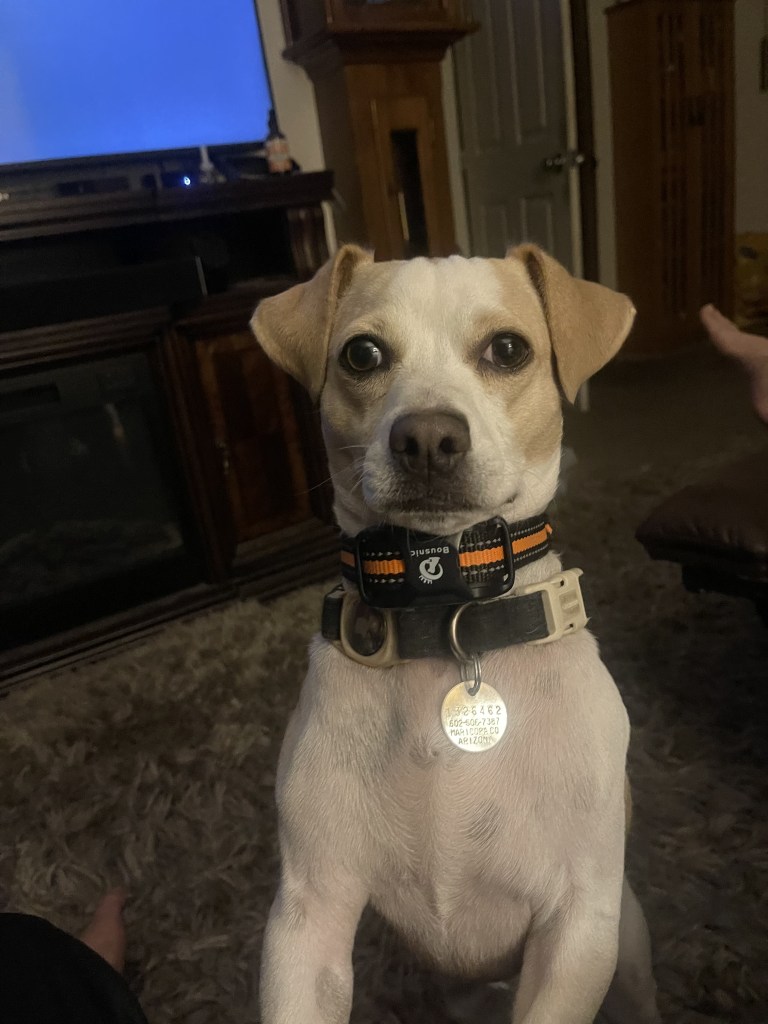
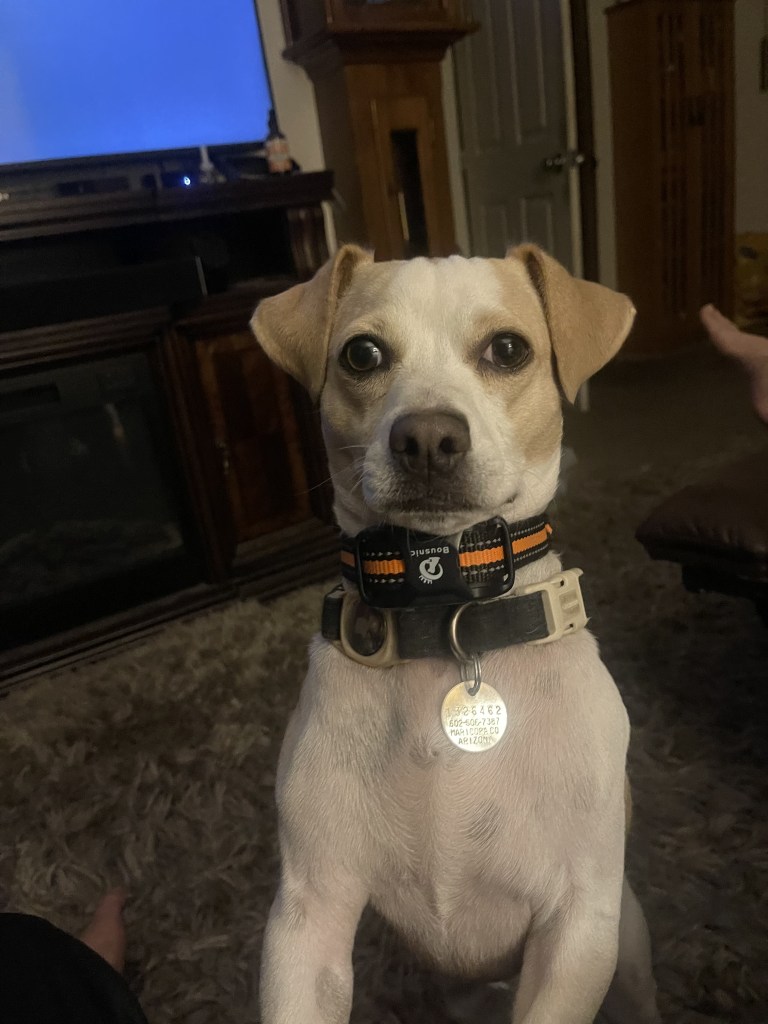
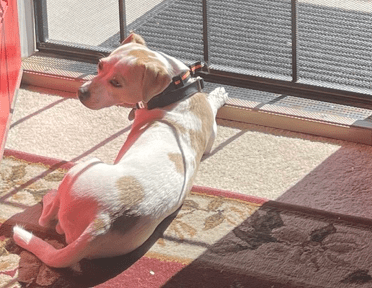
Take, for example, Otis, a Jack Russell Terrier with soulful eyes and a tail that wagged like a metronome. Otis belonged to Ben and Steve, who pride themselves on being organized and composed. But Otis saw through it all. He knew when Steve “accidentally” skipped the morning bike ride. Steve chose instead to lounge in his recliner with a cup of coffee. Steve tried to cover up his lapse in discipline. He mentioned a “hectic morning” to explain his work demands. Otis carried the bike shorts he had abandoned by the door into the middle of the living room. His silent reproach was explicit.

Dogs, after all, have a way of sniffing out the truthโ€”not just with their noses but with their instincts. Otis had a keen sense of timing. He knew when Ben told little white lies to his mother over the phone. Ben claimed his last doctor’s appointment suggested he was healthy. Meanwhile, he was polishing off a bag of chips. Otis would sit by his feet. He stared intently, daring Ben to admit to the salty crunch he tried to hide. Finally, Ben conceded and gave Otis a chip. He did it to keep Otis quiet during the phone conversation.

But Otis’s honesty wasn’t just about catching lies. He had an uncanny ability to bring clarity to the chaos. One summer, Ben and Steve’s neighbor, Mary, argued about a missing garden gnome. Steve assured Mary they hadn’t seen it. Yet, when they let Otis out that evening, he returned with the gnome in his jaws, proudly wagging his tail. Maybe Ben and Steve had borrowed it. Or Otis had “borrowed” it himself. The truth stood on four legs, panting happily.

Otis also kept Steve honest about his emotions. When Steve plastered on a smile for his colleagues after a lousy day, Otis knew better. He’d gently nudge Steve’s arm. Sometimes, he laid his head on Steve’s lap. This grounded Steve with the companionship that didn’t tolerate pretending. Dogs don’t care for masks; they prefer the raw, unfiltered you.

And that’s the magic of a dog’s honesty. They don’t demand perfectionโ€”they demand authenticity. They hold you accountable not with judgment but with love. Otis didn’t care if Steve skipped a bike ride. He didn’t care if Ben ate chips or if there had been a misplaced garden gnome. What mattered was that they learned to face the truth. It was messy, but they became a better version of themselves because of it. Otis is a good boy, and he proved it, by helping others be good!

A dog will always keep you honest because they never stop believing in the good in you. They don’t just witness your lifeโ€”they join in it, gently guiding you toward honesty in ways only a dog can.

If you have room in your heart and home for a pet, consider visiting your local animal shelter. These shelters hold loving animals waiting for a second chance to find their forever family. Adopting a pet changes their life and brings warmth, joy, and companionship to your own. A new furry friend can be the missing piece that turns your house into a proper home.

Standing Watch At A Western Oklahoma Oil Well Blowout.

Groff Media 2024ยฉ Truth Endures IMDbPro

Presented by benandsteve.com By: Benjamin Groff IIยฉ

3โ€“5 minutes

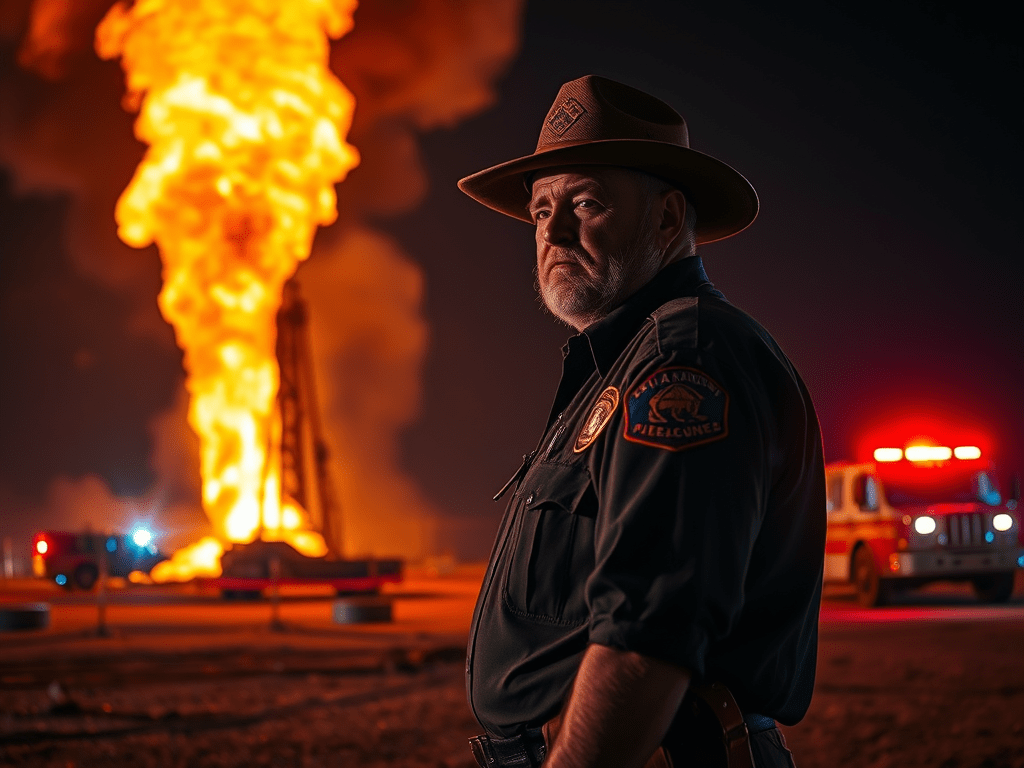
The midnight wind howled across the open plains of Elk City, Oklahoma. It carried with it the acrid stench of crude oil. Officer Ben Groff sensed the urgency of the situation. He adjusted his hat and squinted into the orange glow from the ruptured well. The blowout had sent a geyser of oil and gas roaring skyward earlier that evening. Now it loomed like a ticking time bomb. Nearby tanks, filled with thousands of gallons of oil, were dangerously close to the chaotic inferno.

Ben’s radio crackled to life.

“Unit 3, you still holding up out there?

Came Chief Smith’s voice, heavy with concern.

“Yeah, Chief,”

Ben replied, his tone steady but cautious.

“Still no sign of the fire spreading, but the pressure’s climbing. The oil company’s crew says it will be hours before they can cap this.”

“Good. Keep everyone clear. If those tanks go โ€“โ€“ Well, you know.”

The Chief replied.

Ben glanced over his shoulder toward the blockade he’d set up a quarter-mile away. Emergency lights from firetrucks and patrol cars painted the dark sky red and blue. Despite the late hour, onlookers had gathered, their curiosity undeterred by the danger.

“Roger that,”

he said.

He turned back to the scene. Flames licked the blackened steel of the wellhead, dancing with reckless abandon. He felt the heat even from his position, a hundred yards away. His job was simple, yet it was a constant reminder of the imminent danger. He had to make sure no one came close enough to worsen things. Simple, but nerve-wracking.

Suddenly, a sharp sound pierced the nightโ€”a metallic creak followed by the unmistakable hiss of escaping gas. Ben’s heart raced as he angled his unit’s spotlight, sweeping it toward the tanks. One of the smaller storage units had started to swell, its walls bulging under the pressure.

“Unit 3 to Unit 1 – Chief, we’ve got a problem,”

Ben said on his radio.

“We see it,”

Smith replied.

“Fire team’s moving in to cool it down. Stay put, Groff.”

Stay put. The phrase echoed in Ben’s mind. It was his job, but standing watch over a potential explosion felt like waiting for lightning to strike. He tightened his grip on his duty belt and exhaled a long, steady breath.

Out of the corner of his eye, a sudden movement caught Ben’s attention. A shadow darted near the edge of the well site, and in that split second, Ben’s heart skipped a beat. The potential danger was now tangible.

“Hey!”

Ben shouted, drawing his sidearm.

“Who’s there?”

The figure froze, then turned toward himโ€”a teenager, wide-eyed and terrified.

“My dad works out here!”

The boy yelled.

“I think he’s still at the tanks!”

Ben’s stomach sank. He knew most of the local oilfield workers and their families. If the boy was right, someone’s life was on the line.

“Stay back! You want to get blow’d up?”

Ben ordered, with his Okie drawl, sprinting toward the tanks. The boy tried to follow, but Ben’s stern glare stopped him.

Reaching the tanks, Ben shouted over the roar of the fire.

“Anybody here? Call out!”

A faint cough answered him. Ben scanned the area with his flashlight and spotted a man slumped near the base of one of the tanks. The man’s face smeared with soot.

“Hang on!”

Ben yelled, holstering his weapon and grabbing the man under the arms. The heat was nearly unbearable as he dragged the worker away, his boots slipping in the slick oil-coated ground.

Behind him, a loud bang split the airโ€”a pressure-release valve venting gas. The flames flared brighter, hungrily reaching toward the tanks.

Ben hauled the man to safety, where fire crews took over, administering oxygen and checking for injuries. The teenager rushed ahead, tears streaming down his face as he embraced his father.

Ben stepped back, his breath coming in ragged gasps. He looked toward the wellhead, where firefighters were now dousing the tanks with foam. The danger wasn’t over; the worst had been averted thanks to the fire department. The relief was palpable, not just for Ben, but for the boy and his family.

“Good work, Guys,”

Smith’s voice crackled over the radio.

Ben waited to reply. He stood there, sweat mixing with the grime on his face. Watching the flames fight their losing battle against the relentless efforts of the fire crew. His role in the emergency response was crucial, and he acted bravely and quickly.

Another night in Elk City. Another close call.

Highway Reckoning – When There Is Real Blood On The Highway โ€“โ€“โ€“ “He said we were both going to die!”

Groff Media 2024ยฉ Truth Endures IMDbPro

Presented by benandsteve.com By: Benjamin Groff IIยฉ

3โ€“5 minutes

Officer Ben Groff had been juggling back-to-back court appearances at the Beckham County courthouse all morning. The docket was full of traffic violations and a few petty crimes, each case chewing away precious hours he would rather spend patrolling Elk City streets. 

The courtroom’s musty air and the monotony of testimonies felt like a prison until his radio crackled to life with a voice that cut through the monotony like a razor.

“Priority call for Elk City PD. Possible domestic disturbance turned vehicle crash at Interstate 40 and State Highway 6. Ambulances en route. Officers needed to secure the scene. Witnesses report shots fired. Groff and Wheeler, you’re closest.”

Groff glanced at his fellow officer, Lieutenant Wheeler, seated across the room as a witness for a separate case. Wheeler’s eyes mirrored the same urgency. Without needing words, both men left the courthouse, striding quickly to their cruisers.

Moments later, Groff sped East on Interstate 40 toward the reported scene, the shrill wail of his siren slicing through the rural quiet. The chaos became evident as he neared the overpass where Interstate 40 crossed Old Highway 66.

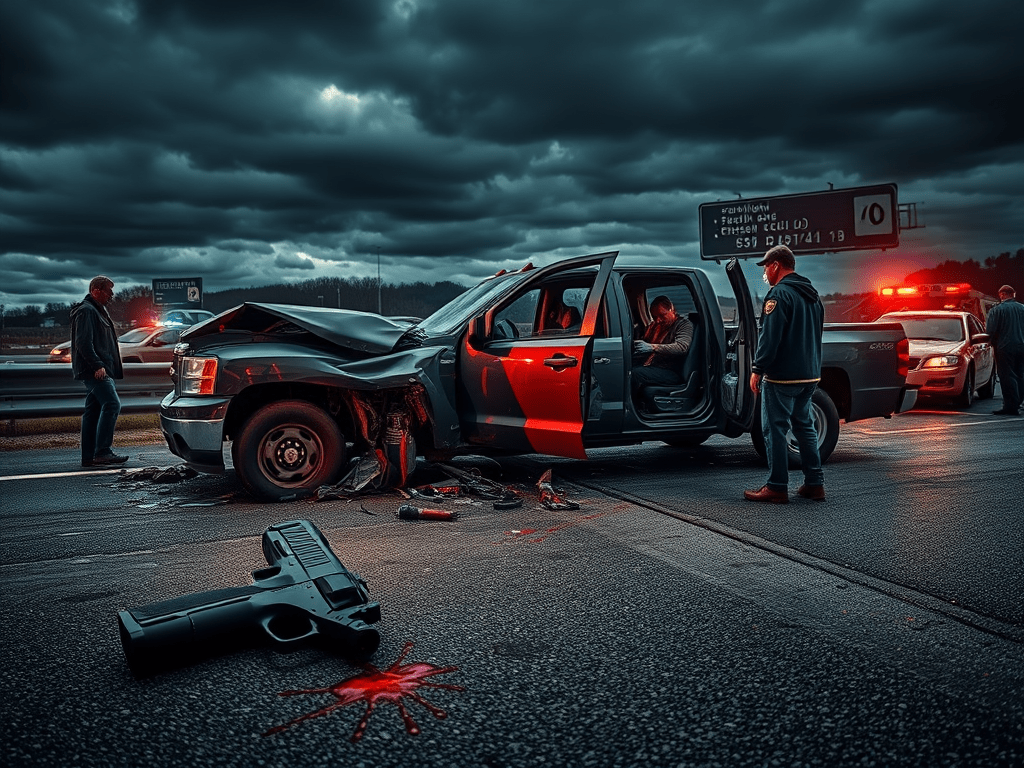
A mangled pickup truck rested askew across the interstate median, its engine smoking and horn blaring. A crushed sedan lay twenty yards away, its front end obliterated. Skid marks and shattered glass littered the asphalt like jagged scars. Traffic had stopped, and several drivers had exited their vehicles to rubberneck or assist.

Groff slowed only enough to navigate the melee before parking behind Wheeler’s cruiser. As Groff exited his vehicle, he took in the sceneโ€”a woman, visibly distraught, sat against the guardrail, holding a bloodied handgun. Paramedics surrounded her, carefully taking the weapon from her trembling hands.

“Groff, over here!”ย 

Wheeler shouted, pointing toward the pickup.

Inside, a man slumped lifelessly in the driver’s seat, a gunshot wound to his head. His hands still gripped the steering wheel, frozen in what seemed to be the final moment of his fatal decision. He had experienced the syndrome known in police work as having a Cadaveric Spasm or Instantaneous Rigor. 

“She shot him, Ben,”ย 

Wheeler said grimly. 

“Witnesses say he tried to crash the truck into the underpass while she fought him off.”

Groff nodded, taking in Wheeler’s words while scanning for immediate threats. 

“What caused the head-on with the sedan?”

“When she shot him, the truck swerved across the median into oncoming traffic,”

Wheeler explained. 

“A family of three was in that car. Paramedics say they’re alive, but it’s bad.”

“He said we were both going to die!”

Groff approached the woman at the guardrail, her tear-streaked face contorted in anguish. 

“Ma’am, I’m Officer Groff. I need you to tell me what happened.”

Through sobs, she explained the escalating argument at a gas station on Old Highway 66. Her husband, enraged over perceived slights, had driven recklessly onto the interstate, swerving wildly. When she tried to grab the wheel to prevent him from crashing into the underpass, he attacked her. In desperation, she retrieved the handgun from the glovebox and fired.

“He said we were both going to die!”

She whispered, her voice quaking. 

“I didn’t want to hurt him, but I couldn’t let him kill us.”

Groff nodded solemnly, trying to balance empathy with the need for clarity. 

“You did what you thought was necessary to survive. Right now, our focus is ensuring you’re safe and getting everyone the help they need.”

As he spoke, highway patrol officers arrived to assist with traffic control. Paramedics transported the injured family to the hospital, and the medical examiner began their grim work on the deceased husband.

Groff and Wheeler pieced together the scene as investigators. The domestic dispute was the tragic catalyst but also underscored the unpredictable volatility of police and emergency calls.

Hours later, Groff sat on the hood of his cruiser, staring at the fading sunlight over Interstate 40. Wheeler joined him, his expression weary. 

“Another senseless tragedy,”ย 

Wheeler said.

“Yeah,”

Groff replied, the day’s weight pressing down. 

“But at least she survived.”

The call would haunt them both for a long time, a stark reminder of the thin line officers walk between preserving life and untangling the wreckage of human conflict. For Groff, it was just another chapter in a small-town officer’s unpredictable, often harrowing life.

A Last Breath in Elk City โ€“โ€“ An Emergency Calls Impact

Groff Media 2024ยฉ Truth Endures IMDbPro

Presented by benandsteve.com By: Benjamin Groff IIยฉ

2โ€“4 minutes

Officer Ben Groff was sipping his coffee when the dispatcher’s voice crackled over the radio:

Ben’s heart sank. Unresponsive calls rarely ended well, but there was no time for speculation. He flipped on his patrol car’s lights, the urgency of the situation palpable, and sped through Elk City’s quiet streets.

Pulling up to the modest brick house, upon arrival, Ben was met by the frantic figure of a woman waving her arms. Her cries cut through the crisp evening air.

“Help him! Please, he’s not breathing!”ย 

She screamed, her voice thick with terror and desperation, cutting through the crisp evening air.

Ben rushed through the backyard gate to find a man sprawled on the grass. His skin had a bluish tinge, his lips ashen. A can of tobacco lay spilled nearby, and the faint, acrid scent of chewing tobacco lingered in the air. Without hesitation, Ben dropped to his knees and began chest compressions.

“Stay with me, buddy!”ย 

He muttered, counting each press. He tilted the man’s head back and prepared for rescue breaths. As his lips met the man’s, the bitter taste of tobacco hit him like a punch. He pushed past theย revulsion, determined to do everything he could.

Minutes felt like hours as he alternated compressions and breaths. The wife, clutching her robe, sobbed uncontrollably nearby.

The wail of the Elk City Fire Department’s engine announced the arrival of help. Firefighters and paramedics streamed into the backyard, their calm precision contrasting with the chaos. The wife’s sobs turned into hopeful gasps as they quickly took over, attaching monitors and preparing to transport the man.

Ben stood back, his chest heaving, sweat mixing with the cool night air. The lead paramedic gave him a somber shake of the head. “We’ll do what we can on the way.”

The wife collapsed to her knees.

“He can’t be gone! He just can’t!”ย 

She cried, clutching at Ben’s uniform. He knelt beside her, steadying her trembling shoulders.

“Ma’am, listen to me,”

He said gently.

“Let’s get you to the hospital. I’ll take you.”

Ben helped her into his patrol car and jumped into the driver’s seat. With lights and sirens blazing, he circled Elk City’s streets, his mind racing. This kind of call never left youโ€”the taste of desperation as real as the tobacco on his tongue, the weight of every life lost or saved resting heavily on your shoulders.

As they reached the hospital, Ben parked and helped the woman inside. She stumbled into the emergency room, her cries echoing in the sterile space. He stayed close, quietly offering whatever comfort he could, the uncertainty of the man’s fate hanging heavy in the air.

“Thank you for trying,”ย 

The medical team wheeled the man into the ER, leaving Ben and the man’s wife in a stark, quiet waiting room. She gripped his arm as though it were a lifeline.

She whispered between sobs.

Ben nodded, feeling the weight of her words. In a job where victories were rare, and heartbreak was plenty, sometimes all you could do was try. And for this woman, in her darkest hour, his effort mattered. Officer Groff remained with the lady until her family arrived to hear the news and begin to support her grieving. The heartbreaking call was not the first for Groff and would not be the last!

When You Fight For your Life Any Thing Is Fair! Lt Wheeler’s Advice Of A Lifetime

Groff Media 2024ยฉ Truth Endures IMDbPro

Presented by benandsteve.com By: Benjamin Groff IIยฉ


3โ€“5 minutes
Officer Steve Mahan
Shot and Killed Jan 5. 1983

As I prepared for work, the memory of Officer Steve Mahan lingered heavily in my thoughts. He had been shot and killed on January 5th, 1983โ€”a day etched in tragedy. That morning, a dense, unrelenting fog blanketed the world as if nature itself mourned the impending loss. I recalled how the rescue helicopter, grounded by the impenetrable fog, couldn’t transport him to a larger hospital equipped to treat his severe head trauma. Desperate, the doctors had no choice but to send him by ambulance over 100 miles away.


The ambulance crawled through the soupy mist, often unable to exceed 30 miles per hour. Time was slipping away, and the slow, arduous journey became a race against death. Despite their best efforts, he passed en route, his life extinguished before the fog could lift.


That day haunted me. As I pulled on my uniform, I reminded myself that tonight, I would be assigned to the very unit he had been using on the night he was executed. A weight settled on my shouldersโ€”not fear but a solemn understanding of the risks we all faced. Yet, I felt a measure of reassurance knowing that Lt. Wheeler would be by my side, his steady guidance serving as both a compass and a shield against the uncertainty of the streets.

On my first day of patrol, the challenges of the job revealed themselves immediately, with a fatality marking my inaugural call. It was a sobering introduction to the weight of my duty. My Lieutenant, a seasoned mentor, shared his wisdom throughout the shift as we navigated the Oklahoma Statutes, Title 21. He precisely explained how every crime must meet specific legal criteria before being classified as such and emphasized the foundational principle that every suspect is presumed innocent until proven guilty. That early understanding of the law, I realized, was not just knowledgeโ€”it was a tool for justice and fairness, critical to our line of work.

The second day began differently. I was well-rested but curious about what this shift could bring. What could top the tragic death of the older woman the day before? The night unfolded quietly at first. My Lieutenant and I were patrolling the city’s southern section, with him now shifting the conversation to Title 47 of the Oklahoma Statutes, covering traffic laws and their nuances.

Then, without warning, the calm was shattered. The Lieutenant slammed our unit’s transmission into park and leapt out, his movements fluid and precise. Before I could react, he bolted to my side of the vehicle and tackled a man gripping his wife by the hair on the sidewalk. It had all happened instantlyโ€”I hadn’t even registered the altercation out of the corner of my eye. When I opened my door, Lieutenant Wheeler was already cuffing the suspect with practiced efficiency.

I stood momentarily frozen, feeling like I had failed to pull my weight. The Lieutenant’s decisive action was a masterclass in vigilance, and I resolved to sharpen my instincts.

After ensuring the woman was safe and gathering her statement, we booked the man into jail on charges of public intoxication, disorderly conduct, and assault and battery. The routine of patrol resumed, but the night had already taken on a different tone. During this lull, Lieutenant Wheeler imparted what I’ve come to regard as the most crucial lesson of my career.

He also stressed the importance of situational awareness and knowing the city like the back of my hand. While my previous experience in communications had given me a solid understanding of the city from a dispatcher’s perspective, patrolling the streets was entirely different.

He taught me to read the moving pieces of the urban puzzleโ€”to develop a comprehensive view that encompassed the road ahead and the vast expanses on either side. Under his guidance, my observational skills sharpened, leading to accomplishments such as preventing a potential robbery and aiding in a successful arrest, which I could later be proud of.

It felt like I’d absorbed a semester’s criminal justice training in just two nights. But nothing could have prepared me for what was to come on the third night. Neither of us could have anticipated the events that would unfold, including a high-speed escort and a tense high profile traffic stop and truthfully, neither of us would have chosen to.

What happened next would change everything. Yet, in the end, it would pass unnoticed by the worldโ€”a fleeting moment in the grand scheme of our duty. This moment, however, was a stark reminder of the unpredictable nature of our work and the need for constant vigilance and resilience. That is the story which unfolded for day three.

Gerald The Goose Goes Mad On Park Goers Until He Finds Officer Tom A Friend For Life.

Groff Media 2024ยฉ Truth Endures IMDbPro

Presented by benandsteve.com By: Benjamin Groff IIยฉ


In the heart of a bustling city, there was a quaint park known for its serene beauty and vibrant wildlife. Among the ducks and swans was one particularly notorious residentโ€”a mad goose named Gerald. Gerald had a reputation for chasing unsuspecting park-goers, honking furiously and flapping his wings in a display of avian aggression.

One sunny afternoon, the park was filled with families enjoying picnics and children playing games. A commotion erupted as Gerald began his usual antics, sending people scattering in all directions. Exasperated by the chaos, the park’s caretaker decided it was time to call for help. Enter Officer Tom, a kind-hearted police officer known for his patience and love for animals.

Officer Tom arrived at the park, his calm demeanor contrasting sharply with the commotion around him. As he approached Gerald, the goose stopped, tilting his head curiously. Something about Officer Tom intrigued Gerald. Instead of chasing him away, Gerald shuffled to the officer and nuzzled his leg affectionately.

Seeing the unexpected bond forming, Officer Tom decided to take Gerald home. He became the goose’s sole caretaker, and they developed a deep friendship. A gentle loyalty to Tom replaced Gerald’s wild antics, and the two became inseparable. They were a familiar sight around town, with Gerald waddling faithfully beside Tom on his daily patrols.

As the years passed, Officer Tom grew older, and his hair turned silver. Gerald, too, showed signs of aging, but their bond remained as strong as ever. The townspeople grew fond of the duo, often stopping to chat with Tom and feed Gerald treats. They became beloved characters in the town’s story, symbolizing friendship and loyalty.

One day, the town was struck by the sad news of Officer Tom’s passing. The townspeople mourned the passing of their beloved officer, but their hearts also went out to Gerald, who was now alone. Concerned about the old goose, the townspeople gathered to decide what to do.

In a touching display of unity, the town took turns caring for Gerald. Each day, a different family welcomed him into their home, ensuring he was well-fed and loved. Though he missed his dear friend, Tom, Gerald found comfort in the townspeople’s kindness.

And so, Gerald lived out his days surrounded by the love and care of the community. The story of the mad goose and the kind-hearted officer became a cherished legend, reminding everyone of the power of friendship and the importance of looking out for one another.

Leave a comment

This site uses Akismet to reduce spam. Learn how your comment data is processed.

Otis The Dog That Trouble Finds

Groff Media 2024ยฉ Truth Enduresย IMDbPro.

Presented by benandsteve.com By: Benjamin Groff IIยฉ 


One sunny morning, Otis, a slick Jack Russell Terrier with a gleam in his eyes

and mischief in his heart, woke up. His fur was a brilliant shade of gold, shimmering in the sunlight, and his tail wagged with such enthusiasm that it could power a windmill. The day started innocently enough; we had breakfast at our favorite restaurant and came home. With his wagging tail and big, innocent eyes, Otis welcomed us home and helped us as we tidied up around the house. But Otis is no ordinary dogโ€”trouble seems to find him as a squirrel finds an acorn. He gets these spurts of energy known well as zoomies.

It’s like he’s a magnet for mishaps, a walking comedy show. Wherever he goes, calamity follows. He’s so adorable that it’s impossible not to chuckle when his wrecking ball hits.

It wasn’t long before Otis’s nose led him to the kitchen. The scent of freshly baked bread cooling on the counter was just too tempting. He stood on his hind legs, stretching his neck as far as it would go. Just then, a slight breeze blew through an open window, knocking a paper off the fridge and startling Otis. He yelped and bumped into the counter in a flurry of fur and paws. The bread tumbled down, landing squarely on the floor.

When we walked in, Otis stood over the fallen loaf, his big, brown eyes looking up at us with a mix of innocence and apology. His expression seemed to say, “I didn’t mean to!” It’s hard not to forgive him when he looks at you like that.

We sighed but couldn’t help the tiny smile tugging at your lips. Before picking up the bread, Otis had darted out of the room, ears flapping, tail wagging like a flag, and disappeared into the yard.

As the day went on, Otis’s streak of bad luck continued. While exploring under the porch, he got tangled in a ball of twine that a handyman had left behind. Emerging from the shadows, he looked wide-eyed and confused, like a dog-sized spider web. The neighbors couldn’t help but chuckle when they saw him, tangled and guilty-looking. One even offered to help untangle him, but Otis, being Otis, managed to free himself in a comical fashion.

Capping off his day – Otis’s curiosity got the best of him once more when he found a potted plant by the front door. It only took a nudge from his nose for the pot to tip over, spilling soil all over the welcome mat. He sniffed the dirt, sneezed, and left tiny paw prints leading to his bed, where he flopped down, exhausted.

When found, he looked up with that sweet, guilty face as if saying, I swear, I don’t know how it happened!

Despite the chaos, we knelt and scratched behind his ears. Otis nuzzled into my hand, eyes closing in contentment. As much trouble as he got into, he was ours, and those mishaps only make our days a little more memorableโ€”and a lot more fun. His presence, filled with joy, even amid his mischievous adventures, is a constant reminder of the happiness pets bring into our lives.

Toby and Spitfire The Horse That Had Never Been Rode!

Groff Media 2024ยฉ Truth Endures IMDbPro.

Presented by benandsteve.com By: Benjamin Groff IIยฉ 

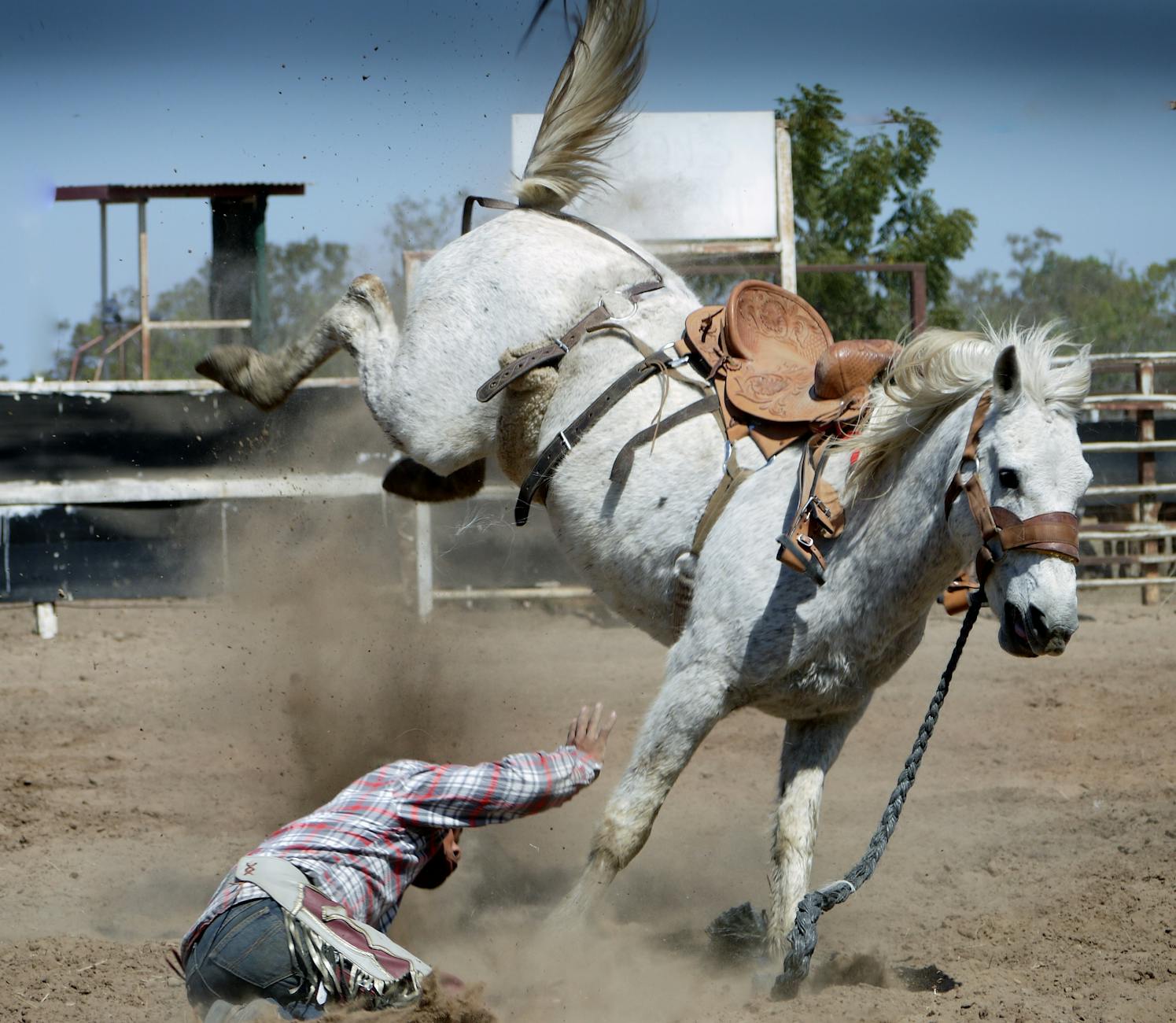
Ranch Hands told stories of Spitfire on the Whispering Pines Ranchโ€”a wild and untamable horse that earned his name with every snort and stomp. Cowboys from every corner of the county had tried to ride him, only to find themselves airborne within moments, landing with bruised pride and sore limbs. Spitfire’s eyes would glimmer with a defiant fire as if daring the next rider even to try.

But one summer day, the world shifted on its axis when a nine-year-old boy named Toby visited the ranch. Toby’s light frame was offset by the quiet resilience of a child who had learned to conquer more obstacles than many seasoned ranchhands. Born with legs that didn’t work like other kids, Toby’s movements were careful and deliberate, assisted by crutches that clinked softly with each step.


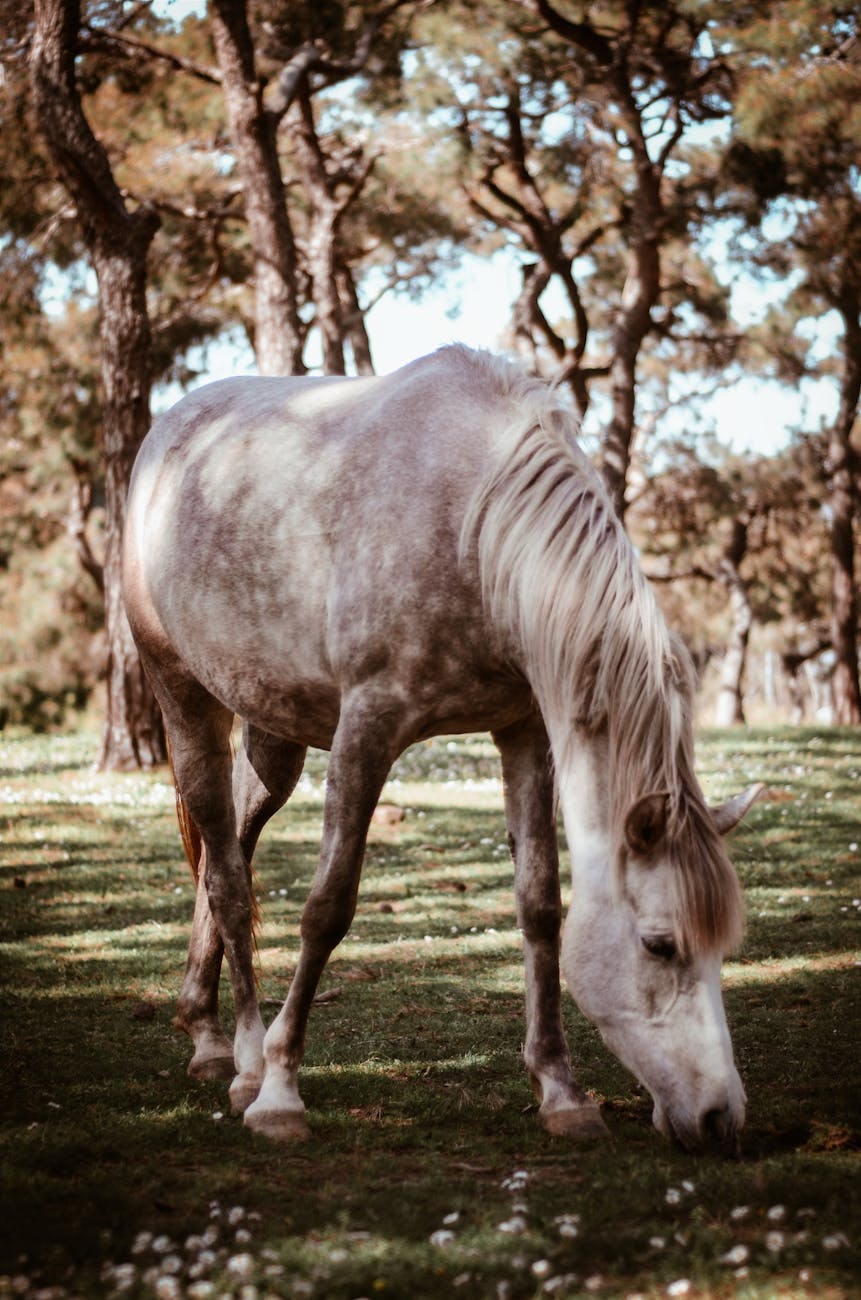
Drawn by a gentle breeze and the soft nickering sounds, Toby found himself near Spitfire’s corral. The horse stood apart, tossing his white mane like a storm cloud, eyes wary and sharp. But as Toby watched, something stirred in Spitfire’s gaze; a flicker of curiosity outshone his usual mistrust.


Before anyone could stop him, Toby set his crutches by the fence and used the railings to hoist himself. Spitfire’s ears flicked, muscles tensed, but he didn’t move away. Instead, he watched the boy with an intensity that made time pause.


With tiny movements, Toby approached. He whispered soft words that only the horse could hear, offering no challenge, only companionship. Spitfire took a cautious step forward, then another. The horse’s powerful head bent down a moment later, and his breath warmed Toby’s outstretched fingers.


The ranchhands who came running, yelling warnings, froze as they witnessed the impossible: Spitfire, the proud, untamable beast, knelt in the dust as if making a silent vow. Toby’s smile lit up his face as he settled onto Spitfire’s broad back, and for the first time, Spitfire carried a rider not with rebellion but grace.

They could remember when the horse was born in a south pasture four springs ago and got herded into the corrals for the first time. That someone had got that close and made peace with the critter.


“You couldn’t get close enough to feed him,” โ€“โ€“โ€“ said Harland the leadhand.

“Given how cantankerous he is, how could the kid get that close to him?” โ€“โ€“โ€“ said Orville, an outfitter.

The stunned onlookers could only watch in awe as they moved in perfect harmony. Toby, the boy who faced each day with quiet determination, had found his match in the fierce spirit of a horse that would allow no other. And Spitfire, known for his wild, unbroken heart, found a rider worthy of his trust in a child who saw him as a friend. Not as a challenge. Teaching the ranchhands, as opposed to spurs and whips, a gentle touch can go a long way!

Unpacking ‘Make America Great Again’: What MAGA Overlooks in Its Vision of the Past

Presented by benandsteve.com By: Benjamin Groff IIยฉ

Groff Media 2024ยฉ Truth Enduresย IMDbPro


The fall of 2024 found a vibrant small community town hall filled with locals from every walk of life. The walls became lined with a diverse array of familiar faces of the neighborhoodโ€”retired teachers, young activists, military veterans, and longtime friends who had lived through decades of change, some of it hard-won, others bittersweet. On the stage, with a sign readingย “Let’s Talk About Greatness,”ย stood a panel, each holding their idea of what that greatness looked like.

Jared, a man in his late sixties with a MAGA hat perched atop his head, leaned forward as he spoke, โ€“โ€“โ€“

“I want my kids and grandkids to grow up in a country that feels strong, proud, and unitedโ€”like it was back then. We all knew our neighbors. Families were close-knit. There was a sense of American unity.”

Dolores, a retired history teacher, nodded beside him. But as the crowd listened, some exchanged looks. โ€“โ€“โ€“

“So, Jared, I get what you’re saying,” a young local journalist interrupted Lena. But when we say ‘back then,’ do we mean the same thing?”

Jared paused, looking thoughtful, as Dolores took the microphone. โ€“โ€“โ€“

“We tend to remember the good and forget the rest,” she said gently. I remember growing up in the fifties and sixties. It was stable and ideal for some of us, but not everyone. This ‘great’ past we want to go back to meant certain people couldn’t vote. Others had to hide who they loved. And womenโ€”our dreams were seen as distractions to a family.”

There was a hush as Dolores’s words hung in the air.

“I don’t think Jared meant that,”

โ€“โ€“โ€“ came a soft voice from the audience. It was Naomi, a single mother and community organizer.

“But when we say we want to ‘Make America Great Again,’ we have to askโ€”for whom?ย The history we’re returning to was not the same experience for everyone.”

The community members exchanged glances. Jared turned back to the crowd. โ€“โ€“โ€“

“I respect what you’re saying, Naomi,”

he replied, genuinely thoughtfully. โ€“โ€“โ€“

“When I say ‘greatness,’ I’m not talking about racism or inequality. I’m talking about hard work, pride, patriotismโ€”things that feel like they’re slipping away.”

Naomi nodded understanding, fostering a sense of mutual respect and value for each other’s perspectives, highlighting the importance of open and respectful dialogue in the community.

“But the wordย againย implies that we want to go backward,”

โ€“โ€“โ€“ Lena pointed out.

“And, for me, that’s concerning. I love this country and respect what’s gone into making it better. I mean, we have interracial marriage, legal protections for LGBTQ+ people, voting rights for everyone.”

โ€“โ€“โ€“ Lena paused, looking at Jared.

“To me, that’s American greatnessโ€”now.”

As the meeting unfolded, the debate deepened. Various members shared stories of progress and hardships. Kayla, a small business owner, spoke about her pride in balancing work and motherhood.

“When I hearย traditional values, I think of something different than my grandmother might have,”

โ€“โ€“โ€“ she said.

“My values include family, hard work, women’s rights, and equal opportunities.”

Another voice said,

“Look, I served in the military, and I believe in protecting this country,”

โ€“โ€“โ€“ said Tom, a retired Marine and a man with a thick gray beard.

“I fought for an America that moves forward and doesn’t leave anyone behind. ‘Greatness’ is complexโ€”strong enough to protect everyone’s rights.”

The meeting wrapped up with the group realizing that “greatness” was many things, each person’s version holding personal meaning. Dolores took the microphone one last time:

“Maybe we can remember thisโ€”our vision of a truly great America embraces both the good of the past and the advancements we’ve made. To build greatness, we don’t go backward. We keep moving and evolving, ensuring that each generation has the opportunity to contribute to a better America, instilling a sense of hope and optimism in the audience for the future.”

The room echoed with nods of agreement, and as the townspeople filed out, they carried forward a renewed understanding: that the road to greatness was not paved with nostalgia alone but with a willingness to grow beyond it.

The world is going to POT, and we are watching it go!

A view of the world as it is today by: Benjamin Groff IIยฉ Groff Media 2024ยฉ Truth Enduresย IMDbPro

My dad and grandfather are gone now, but neither would support a liar, cheat, rapist, insurrectionist, dictator, or someone who supports one, or generally speaking, a creep or ‘weirdo.’ 

There are other reasons you can look at as well. For instance, a candidate such has a sexual offense judgment against him, and he is under indictment for countless federal crimes; in the last year, one of the candidates was in the air, flying, on their way to being arrested, just as much as he was campaigning at one point.ย 

One or more of those reasons would have been reason enough to consider looking into the person’s background. And three to four, would have been reason enough to reject a person all together. Someone who was strongly running for public office would have been rejected. Now, the GOP considers it a qualification required for all Republican candidates.

The candidates have endorsements from KKK members. They boast about, a presidential politician having endorsements from dictators. They wallow in such markings, and candidates publicly brag about laws they will violate first, if elected. And this makes them the most qualified candidate. Going as far as boasting about becoming a dictator. Going about telling people this is the last election they will have to worry about voting in.ย 

Why? Does that mean the Constitution is going to get ripped apart, shredded, and there will no longer be a United States where the people choose its leaders? It appears it doesn’t matter to the people who are numb and following this character. They appear to have zoned out of reality.ย 

My grandfather, father, uncles, aunts, and even a few dogs and horses I’ve had would not have allowed the goings on to persist. The greatest generation has died chiefly off; fewer of them now than ever are living, which sadly shows in our world. They were the ones who knew what happens when the world that falls to fascism. When reality hits and the world dies. It is beginning as America will turn grey; it will become a black-and-white construct of anything anyone remembers of its being, if these destructionists are permitted to have their way with the country. We only hope enough voters come to the polls and and vote, and save our America!

My dad had a favorite saying: the older I got, the wiser he’d get. And he was right; I wish he were here to help us out of this madness!

JD Groff At Rest And Getting Wiser Every Day!

Meeting Mendez

A Story By: Benjamin Groffยฉ Groff Media 2024ยฉ Truth Endures

Ralph and Kevin had been friends for over twenty years, sharing a modest two-bedroom apartment in a cozy part of the city. Both were in their fifties and lived parallel lives, working different jobsโ€”Ralph as a graphic designer and Kevin as a financial advisorโ€”but always finding time for each other. They joked about finding “the one” someday, but their hope had always been tinged with sarcasm. At their age, they felt the ideal guy might never show up.

But then something shifted.

It started on an ordinary Monday morning. They sat at the kitchen table, sipping their coffees, when Kevin casually mentioned he had met someone the night before. “His name is Mendez,” he said, a sly smile across his face. “And Ralph, he’sโ€ฆ everything.”

Ralph’s stomach did a somersault. He had indeed met someone, too. Just last night, after his art gallery event, he found himself in a dimly lit bar, the kind that seemed to exist in a world of its own. And there, perched at the corner of the bar, was Mendezโ€”a man who could only be described as strikingly handsome, with dark eyes that seemed to hold a universe of secrets, a soft-spoken charm that was as disarming as it was alluring, and a smile that could light up the darkest of rooms.

“Funny you say that,” Ralph replied. “I met someone, too. His name’s also Mendez. We hit it off.”

Kevin chuckled, taking a long sip from his coffee. “What are the odds?”

Their conversations in the following days were filled with similar stories of their encounters with Mendez. Kevin would describe how they had shared a romantic evening stroll by the river, and Ralph would excitedly mention how they had gone dancing the same night. Their descriptions of this enigmatic Mendez were eerily similarโ€”his chiseled jawline, his gentle laugh, the way he seemed to know exactly what to say to make them feel like the only person in the room. Yet neither of them suspected anything was off. After all, Mendez was a common enough last name, right?

But as the weeks passed, their mutual friends noticed something strange. At morning coffee with their usual crowd, Ralph and Kevin would each gush about their dates from the night before. They discussed romantic dinners, late-night jazz clubs, and private rooftop moments. Their stories mirrored one another so closely that their friends couldn’t help but wonderโ€”were they seeing the same man?

“Wait a minute,” said Lisa, a close friend, during one of their coffee meetups. “You both met this guy named Mendez? And you’re telling me he took you both to the same jazz club on different nights?”

The group laughed, but the tension between Ralph and Kevin grew. Were they falling for the same guy? They started to second-guess every detailโ€”his favorite wine, his weekend plans, the way he called them “his secret muse.”

Still, neither wanted to believe it. Kevin would ask, “Did your Mendez talk about his job?”

Ralph would reply, “Yeah, he mentioned something about being in real estate.”

“Same here. But, come on, we’re seeing different guys. That’s impossible.”

Finally, the tension reached a breaking point. One Saturday night, the two friends finally agreed to go out together to introduce themselves to their respective Mendez. They picked a lively nightclub known for its cool vibe and easy conversation. Ralph’s heart raced as he considered the possibility of confronting the truth.

When they arrived, they scanned the crowd, both eager and nervous. And then, there he wasโ€”Mendez, standing by the bar, smiling warmly at them.

Only to their utter surprise, there were two of them.

Ralph and Kevin exchanged bewildered glances as the two men, identical except for subtle differences, made their way over. The Mendez brothersโ€”Marco and Luisโ€”stood side by side, charming as ever.

Kevin burst into laughter. “You’ve got to be kidding me!” he exclaimed, his amusement contagious.

Ralph shook his head, grinning in disbelief. “Twins? Really?”

The four sat down, exchanging stories and laughing about the coincidence. As it turned out, Marco had met Kevin at one bar, and Luis had met Ralph at another. They had no idea their new romantic interests were roommates.

It wasn’t the love triangle they had fearedโ€”it was something far better, a delightful twist that brought them closer.

And just like that, Ralph and Kevin realized that sometimes, the universe works in mysteriousโ€”and surprisingly humorousโ€”ways, leaving them and their friends in fits of laughter.

The Intestate Legacy of John Ellis, Esq.

A Glimpsing Report By: Benjamin Groffยฉ Groff Media 2024ยฉ Truth Endures

The name John Ellis, Esq. still echoes in the rolling hills and creeks of Deep River, North Carolina. To those who knew him, he was a stern yet fair Justice of the Peace, ruling his township with a measured hand, holding court in his modest home, and settling disputes with the wisdom of a man who had seen both war and peace. However, there was one mystery about John Ellis that no one could quite explain. For all his legal prowess and the order he brought to his community, John Ellis died without leaving a willโ€”a fact unsettled his descendants for years to come and continues to intrigue history enthusiasts and those interested in legal history.

The year was 1812, and a biting winter frost clung to the edges of the Ellis estate, an imposing tract of land the Earl of Granville granted to John fifty years earlier. John’s death cast a long shadow on the west side of Deep River, where his 520 acres stretch over the rugged terrain. His wife, Mary Quinn Ellis, now widowed and frail, remained in their home in Fort Mill, York County, South Carolina, surrounded by memories of their eleven children and the life they had built together. John’spassing was not unexpectedโ€”he was 83โ€”but the silence he left behind was.

It wasn’t just his absence that haunted those around him. It was the absence of something elseโ€”his final words, his will. John had settled countless estates during his time as Justice of the Peace, ensuring families were provided for, debts were settled, and the land was distributed correctly. And yet, he left no such document for his own family. Eighteen years would pass before his estate got probated in 1831, long after his burial in the family cemetery at Jumping Branch Creek. The delay gnawed at the Ellis children, especially William Quinn, the eldest son, who should have inherited the bulk of the estate. But the land was silent, locked in bureaucratic limbo.

In the years following John’s death, whispers swelled through the small towns of North Carolina and South Carolina, where his family had deep roots. The family cemetery where John and Mary would get buried became a place of whispered tales. Some said that John had left instructions hidden somewhere on his landโ€”perhaps in a letter or beneath a cornerstone in his house. His children, it was said, spent months after his death combing through every inch of the property but found nothing. These rumors and folklore added a layer of fascination to the mystery of John Ellis’s intestate legacy.

The most curious rumor concerned the woods that bordered the Ellis estate. Hunters and travelers passing through Rowan and Tryon Counties spoke of a strange figureโ€”an older man who resembled John Ellis, seen walking among the trees, sometimes at dusk, sometimes at dawn. This figure, they claimed, seemed to be searching for something, bending low to inspect the ground or pausing by the river as if lost in thought. Others said the older man appeared near the family cemetery, wandering among the graves silently.

By 1831, when the estate was finally resolved and divided among the children, most of these tales had faded into local folklore. But there was one final piece of the story that remained unexplained. One autumn afternoon, shortly after the estate gets settled, a group of workers clearing trees from the property stumbled upon a small, hidden clearing by the river. There, beneath a heavy stone, they found a weathered leather-bound book half-buried in the soil. This discovery added a new chapter to the mystery of John Ellis’s intestate legacy, sparking curiosity and speculation.

“To those who come after, let the land be their guide. All answers will be revealed in the river’s flow and the earth’s turning. I leave my legacy to the water, where I once made peace.”

No one knew what John had meant, but the discovery only deepened the mystery surrounding his death. Had John left his will in the elements, knowing it would be lost to time? Or had he chosen, in his final years, to let go of the very legal structures he had spent his life upholding?

The land remained, of course, just as the family stayed. However, the legend of John Ellis, Esq. grew with each passing year. And those who ventured near Deep River, when the mist was thick and the air still, would sometimes swear they heard a voice, carried on the wind, speaking words too faint to be understood.

Perhaps, they said, John Ellis had finally found his willโ€”hidden somewhere between the river and the earth, waiting for those brave enough to listen.
 

The End.

The Legend Of Earl and Maynard And Boy Scout Troop 159 – High Atop Mount Sopris!

A Story By: Benjamin Groff IIยฉ Groff Media 2024ยฉ Truth Endures

The wind howled through the pines as Boy Scout Troop 159 huddled together, trying to keep warm. Their campfire flickered weakly in the clearing, barely enough to fight the growing cold. The storm was coming, the first winter blast of the season. It had crept in on them like an ambush, driven by the low-pressure system spinning in from California’s Baja Peninsula.

Scoutmaster Pearson sat by the fire, pale and shivering. He’d confidently led them into the wilds of Mount Sopris, but now he looked lost, his breaths shallow. His assistant, Mr. Haines, leaned against a tree, coughing into a handkerchief. The boys had whispered that it could be Covid-19, but no one wanted to say it aloud.

“We sleep here,” Pearson rasped, his voice barely louder than the crackling fire. The boys exchanged worried glances, unsure of what to do.

“Shouldn’t we move, sir?” asked Danny, the oldest scout, his voice steady despite the fear in his eyes. “Get lower before the snow hits?”

Pearson shook his head weakly. “Too farโ€ฆ it’sโ€ฆ it’s better to stay.”

They had marched for hours, though the cold terrain made it feel like days. Each step felt heavier as they passed by the marker where it was said John Denver had written “Rocky Mountain High.” The mountains loomed like sentinels in the fading light, watching the troops struggle.

But it wasn’t the storm that haunted their thoughts. It was the legend.

As they had set out that morning, Mr. Haines had told stories of Earl and Maynard, the two mysterious backwoodsmen who supposedly lived on the mountain. Most people thought they were fictional characters, spun from the drunken memories of old-timers in Carbondale’s pubs, but the boys had listened with wide eyes as Haines spoke, their imaginations running wild with the possibilities.

“No one ever sees ’em,” Haines had said, his voice low and conspiratorial. “But those who’ve been lost on this mountain and lived to tell the tale always say they feltโ€ฆ something. It’s like someone was watching. Some even claim Earl and Maynard saved them.”

With the snow already beginning to fall, Danny thought back to that tale. His gut twisted with uncertainty. Was there any truth to it?

“Come on, guys, get your sleeping bags out,” Danny urged, trying to sound calm despite his racing heart. The sky had darkened, and the storm clouds were heavy with snow. The wind snapped through the clearing like the mountain was breathing down on them. Fear and uncertainty hung in the air, thick and palpable.

Something rustled in the trees as the boys settled in for the night. Danny jerked his head up, his eyes scanning the darkness beyond the fire. He strained to listen, but the wind masked everything.

“Did you hear that?” one of the younger boys, Jacob, whispered.

Danny shook his head, not wanting to frighten the others, but deep down, he had heard it too. Somethingโ€”or someoneโ€”was out there.

Hours passed, and the storm hit hard. Snow piled up quickly, covering their small camp in a thick, white blanket. The fire had gone out, and the temperature dropped below freezing. Danny shivered uncontrollably in his sleeping bag, his mind racing through every possible scenario. They were lost. They had sick leaders. And the storm was only getting worse.

Then, something changed.

In the middle of the night, Danny sat up when the wind howled loudest. The air felt differentโ€”calmer, almost still. He blinked in the dim light and noticed something strange. Just beyond the edge of their clearing, the snow had been disturbed. Large footprintsโ€”deep, wide, and unmistakableโ€”led from the forest to the edge of their camp.

His heart pounded as he nudged Jacob awake. “Look at that,” Danny whispered, pointing to the unmistakable footprints. Jacob’s eyes widened in shock and disbelief. “Who-what is that? No one’s been out here!” he exclaimed, his voice a mix of fear and wonder.

Jacob’s eyes widened. “Whoโ€”what is that? No one’s been out here!”

Suddenly, the sound of snapping branches filled the air. The boys froze, their breath catching in their throats. The smell of wood smoke drifted through the clearing from the shadows, though their own fire had long since died out.

“Come on,” Danny said, his voice shaky but determined. He grabbed a flashlight and motioned for Jacob to follow. “We’ve got to see where this leads.” Their fear was palpable, but they refused to let it paralyze them.

They followed the tracks, their boots crunching in the snow. The prints led them deeper into the woods, winding through the trees. The further they walked, the more a strange warmth surrounded themโ€”almost unnatural, given the biting cold of the storm.

Then, they saw it.

An old cabin stood nestled between the trees, its roof sagging under the weight of the snow, but smoke curled from its chimney. The door creaked open slightly as if someone had left in a hurry.

Without thinking, Danny pushed the door wider. Inside, there was no one. But there was warmth. A fire roared in the stone hearth, and two tin mugs of coffee steamed on the table. More importantly, there were blankets, canned food, and an old map tacked to the wall with a safe path marked in pencil that led directly back to the mountain’s base.

The boys exchanged wide-eyed glances. “Whoโ€ฆ who do you think was here?” Jacob whispered.

Danny shook his head slowly. His eyes drifted to the wall, where a small, yellowed note was pinned next to the map. Scrawled in faded ink were the initials, E&M.

“Do you thinkโ€ฆ?” Jacob began, but Danny cut him off with a glance. He didn’t know what to think.

The boys gathered supplies and hurried back to camp, guiding the others to the cabin. By dawn, the storm had eased, and they began their descent down the mountain, safe and warm.

No one spoke of the tracks, the fire, the cabin, or the initials on the wall.

But as they reached the base of the mountain, the legend of Earl and Maynard lived onโ€”alive, as ever, in the back of their minds.

Where Will An Individual Be When They Get There?

An Insight By Benjamin Groffยฉ Groff Media 2024ยฉ Truth Endures

Gregory Halloway, a man who had spent much of his life navigating a world filled with expectations and routines, found himself unable to shake a persistent question:ย “Do you know where you will be when you get to where you are going?”ย This question, seemingly simple at first, grew more complex and intriguing the more he pondered it.

One morning, he decided to take this question to the streets. He asked his co-workers, neighbors, and even strangers passing by in the park. Everyone offered a different answer, often shaped by their immediate concernsโ€”a promotion, a dream home, or retirement. However, to Gregory, none of their answers captured the depth of what he sought.
As days went by, the question began to evolve. It was not about a physical location or a milestone. Gregory realized he was asking about something more profound:ย the essence of one’s journey in life.ย Did societal pressures predetermine it, or was there a self-will that guided each step? Were people truly aware of where their decisions were taking them, or were they drifting from one event to another on autopilot?

Gregory sat down with an old mentor, Mrs. Callahan, who had always seemed to possess a quiet wisdom. Over tea, he asked her the question. She looked at him thoughtfully and replied,

“Where I am going is not a place on a map but a state of mind. It is peace, it is fulfillment, it is the discovery of who they are beyond the roles I play. The ‘where’ is fluid and shaped by what they are willing to confront within themselves.”

Her answer struck Gregory deeply. Was this the missing piece? Realizing where they are going is not just external but internalโ€”a product of understanding themselves, their desires, their fears, and their drive.

For the next few weeks, Gregory delved deep into his own life, questioning his motivations. Were they truly his, or were they borrowed from the expectations of others? He noticed how often he pursued goals without considering their significance, and how fear and insecurity often dictated his path, steering him away from uncomfortable but necessary choices.

And then, the revelation dawned on him: self-will. The ultimate destination was not just about achieving a tangible goal but about aligning with one’s inner purpose. Gregory’s understanding of life’s journey shifted. It was less about a final destination and more about the transformative process of becoming who one was meant to be.

Gregory returned to his question, but this time, he asked himself:ย 

“Do I know where I will be when I get to where I am going?”

Gregory smiled, realizing he did not need an answer. The beauty of the question was that it forced him to confront the process, not the end. It was a way of understanding that wherever Gregory ended up, it would be shaped by how consciously he lived each moment, how much of his true self Gregory brought into each decision, and how deeply he understood his drive.

The ultimate journey was not about getting to a place but about who Gregory would become.