THE LAST RIDE FOR THE MAN FROM PLAINS GEORGIA

Groff Media 2024© Truth Endures IMDbPro

Presented by benandsteve.com By: Benjamin Groff II©

2–3 minutes

In the early hours of January 4, 2025, a somber hush fell over the rolling plains of Georgia. The sun shone gently over the landscape. A motorcade departed from Phoebe Sumter Medical Center in Americus. It bore the flag-draped casket of the 39th President of the United States, Jimmy Carter. The journey marked the start of a six-day tribute. It honored a man who dedicated his life to service, peace, and humanity.
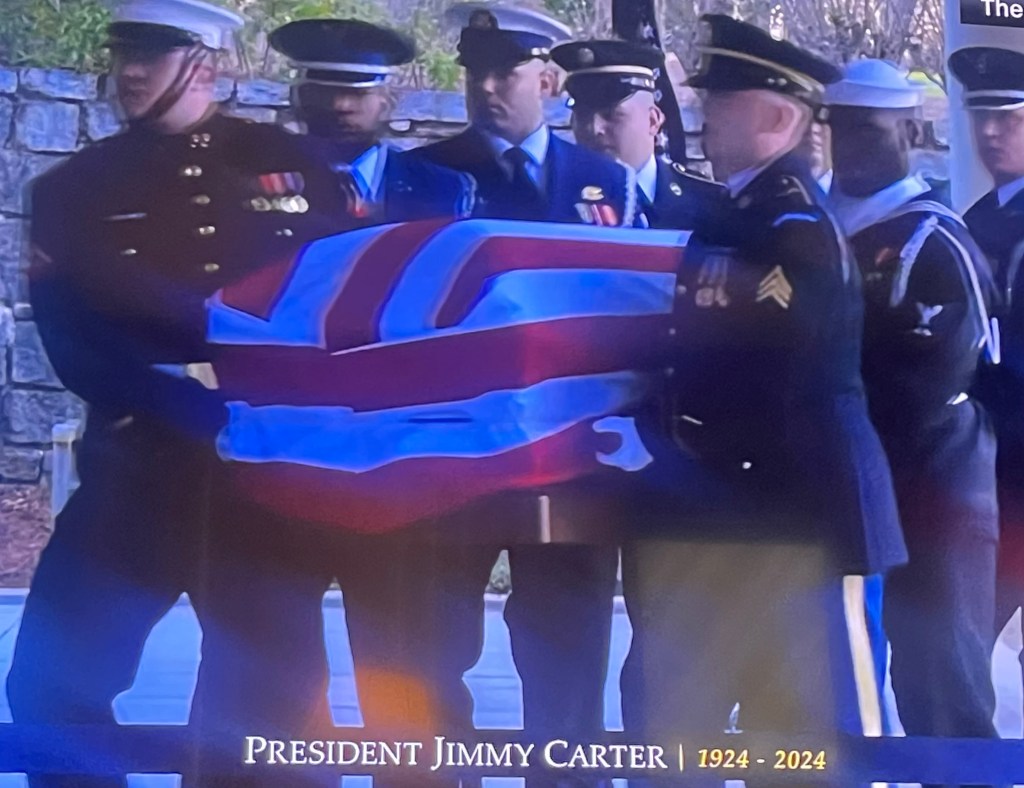
The procession moved through Carter’s hometown of Plains, passing by his boyhood home in Archery. Here, the old farm bell tolled 39 times. Each chime resonated with the years he had served as the nation’s leader. It symbolized each year of his presidency. Family members, including his children, grandchildren, and great-grandchildren, accompanied the casket, their faces reflecting both sorrow and pride. Former Secret Service agents had once protected him. They now served as pallbearers. They honored their final duty to the man they had revered.

Along the route, admirers gathered. Some held flowers. Others wore commemorative pins. They were all united in their wish to pay homage to a beloved figure. The motorcade continued to Atlanta. There, Carter’s body would lie in repose at the Carter Presidential Center. This arrangement provided the public with the opportunity to offer their respects. 

On January 7, the casket will be transported to Washington, D.C., where President Carter will lie in state at the U.S. Capitol. A state funeral is scheduled for January 9 at the Washington National Cathedral. Dignitaries will honor his legacy there, including President Joe Biden. The funeral will be a solemn event. There will be a military honor guard. A close family member will deliver a eulogy.

Carter’s journey will reach its conclusion after the national ceremonies. He will return to Plains, Georgia, for a private funeral service at Maranatha Baptist Church. He will be laid to rest beside his beloved wife, Rosalynn. This is the place where his remarkable journey began. It would now conclude there.  
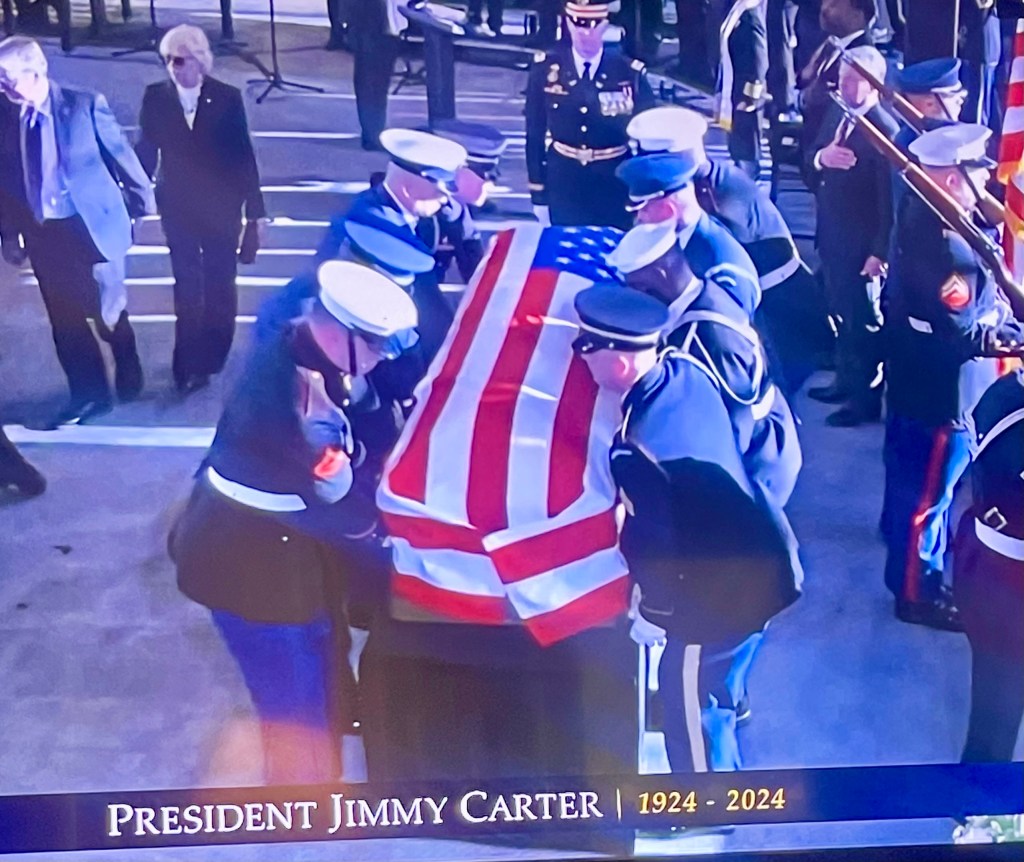
As the week unfolds, the nation will ponder on the life of a president who remained a humble servant. Jimmy Carter’s final ride is not just a passage from life to death. It is a testament to a legacy that will endure in the hearts of the people he has touched. This marks the end of a remarkable journey.

The Nation Honors Former President and man Jimmy Carter!

References:

New York Post

Former President Jimmy Carter’s funeral procession begins in Georgia

Today

Politico

Jimmy Carter’s 6-day state funeral begins with a motorcade through south Georgia

Today

AP News

Jimmy Carter’s flag-draped casket is on its way to Atlanta as the 39th president’s state funeral begins

Today

Jimmy Carter: A President’s Quiet Resolve

Groff Media 2024© Truth Endures IMDbPro

Presented by benandsteve.com By: Benjamin Groff II©

2–3 minutes

Jimmy Carter
The Carter Center Photo

Jimmy Carter served as the 39th President of the United States from 1977 to 1981. He brought a quiet and deliberate resolve to the Oval Office. Carter was a former peanut farmer and Georgia governor. His presidency was shaped by his outsider status. He was known for his Southern charm and deep sense of morality. This quiet resolve was tested by the significant challenges he faced, but it never wavered.

Carter inherited a nation grappling with inflation, an energy crisis, and a faltering trust in government post-Watergate. Undeterred, he tackled the energy crisis head-on. He donned a cardigan during televised addresses to encourage Americans to conserve energy. He also urged Congress to pass legislation for renewable resources and energy independence. His solar panels on the White House symbolized a progressive-thinking approach that would resonate decades later.

On the international stage, Carter championed human rights, placing them at the core of U.S. foreign policy. His leadership during the Camp David Accords remains a hallmark of his presidency. It was a historic peace treaty between Egypt and Israel. This significant achievement demonstrated his commitment to diplomacy and peace. It marked the first time an Arab country formally recognized Israel.

Jimmy Carter
The Carter Center Photo

Yet, Carter’s term was also marred by challenges. The Iranian hostage crisis cast a long shadow as 52 Americans were held captive for 444 days. The crisis tested his patience. It also tested his diplomacy. The eventual release of the hostages coincided with Ronald Reagan’s inauguration. This became a bittersweet moment in his legacy. Carter showed resilience during this crisis. It proved his unwavering commitment to his duties as President.

Jimmy Carter – The Carter Center Photo

Carter served only one term. His presidency reflected his unwavering belief in doing what was right. He did this regardless of political consequences. His tenure laid the groundwork for a post-presidential humanitarian service life, earning him the Nobel Peace Prize decades later. This continued commitment to the greater good is a testament to the lasting impact of his presidency.

Jimmy Carter’s time in office was not marked by soaring rhetoric or overwhelming popularity. Still, it was defined by integrity, resilience, and a steadfast commitment to the greater good.

Jimmy Carter and the Little Peanut Stand

Groff Media 2024© Truth Endures IMDbPro

Presented by benandsteve.com By: Benjamin Groff II©

2–3 minutes

Earl Carter and Children

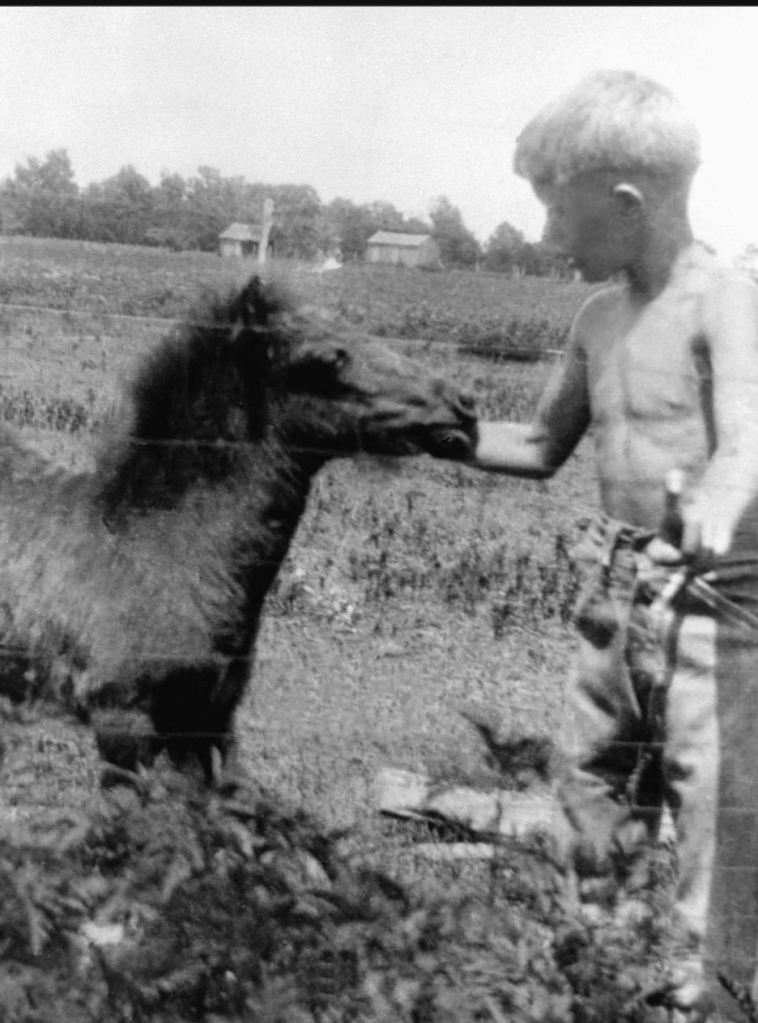
The summer in Plains, Georgia, was hot and humid. Young Jimmy Carter, no more than ten years old, sat under the shade of an old pecan tree. Beside him stood a makeshift wooden stand crafted from spare planks his father had discarded. A hand-painted sign read, “Peanuts 5¢ a Bag.”

Jimmy’s father, Earl, suggested selling peanuts after the latest harvest.

“You’ll learn the value of hard work,”

Earl had said, his weathered hand resting on Jimmy’s shoulder.

“And how to talk to people. That’s important.”

Jimmy Carter

Jimmy took the advice seriously. He woke early each morning to bag the peanuts. He carefully measured each part to guarantee every customer got their money’s worth. Then he’d march down the dirt road to the little stand. He would sit there until the sun dipped low in the sky.

On this particular day, business was slow. The air was thick with the buzz of cicadas, and Jimmy’s mind wandered as he stared down the empty road. He thought about the world beyond Plains. It was a world he’d only glimpsed in books. Travelers passing through town also told him stories about it.

As he mused, a car sputtered to a stop nearby. It was an old Ford, its green paint faded and dust-caked. A man stepped out, dressed in overalls and a straw hat. He approached the stand with a friendly smile.

“Afternoon, young man,”

the stranger said, his voice tinged with a twang.

“How much for a bag of those peanuts?”

“Five cents, sir,”

Jimmy replied, standing up straight.

The man chuckled.

“You drive a hard bargain, but I reckon it’s worth it.”

He handed Jimmy a shiny nickel, and Jimmy passed him a bag of peanuts in return.

The man lingered, munching on the peanuts as he leaned against the car.

“You’re Earl Carter’s boy, ain’t ya?”

“Yes, sir.”

“Well, you got his knack for business. Ever think about what you wanna do when you’re older?”

Jimmy hesitated, then spoke with quiet determination.

“I think I’d like to help people. Maybe be a farmer like my dad, or –– maybe even something bigger. Like a teacher or someone who solves problems.”

The man nodded thoughtfully.

Jimmy Carter was a teenager then. He was number 10 in a group portrait of the Plains High School basketball team. The photo was taken in Plains, Georgia, around 1940.

“That’s a fine ambition. Keep that kindness in your heart, boy. The world can use more folks like you.”

Jimmy smiled, his youthful confidence bolstered by the stranger’s words.

Years later, as President of the United States, Jimmy Carter often recalled that summer by the peanut stand. There, under the pecan tree, he first learned the value of hard work. He also learned humility and the simple power of connecting with others. These were lessons that would guide him throughout his life.

The stand was long gone. But, the spirit of that little boy with big dreams remained. It was forever rooted in the red soil of Plains.

Learn more about Jimmy Carter in photos. Got to the source for photos used in this writing by clicking here.

A News Report Waiting For Its Headline “Politicians Play With How Votes Get Certified!”

A Story By: Benjamin Groff© Groff Media 2024© Truth Endures

In the heart of Georgia, the political landscape was shifting beneath the surface, unseen by most but sensed by many. The Georgia State Election Board, a government body entrusted with overseeing the state’s election rules, had recently become a focal point of national attention. Former President Donald Trump had praised the board in an unusual move, commending three members: Janice Johnston, Rick Jeffares, and Janelle King. “Pitbulls fighting for honesty, transparency, and victory,” he had called them. But what exactly were they fighting for?

Max Flugrath, director of communications for Fair Fight Action, a keen political observer, had meticulously followed these developments. He noted the oddity of Trump’s involvement in such detailed matters. Typically, Trump preferred grand gestures and sweeping statements rather than delving into the minutiae of election certification rules. Yet here he was, thanking these newly appointed board members for their efforts to change Georgia’s certification rules.

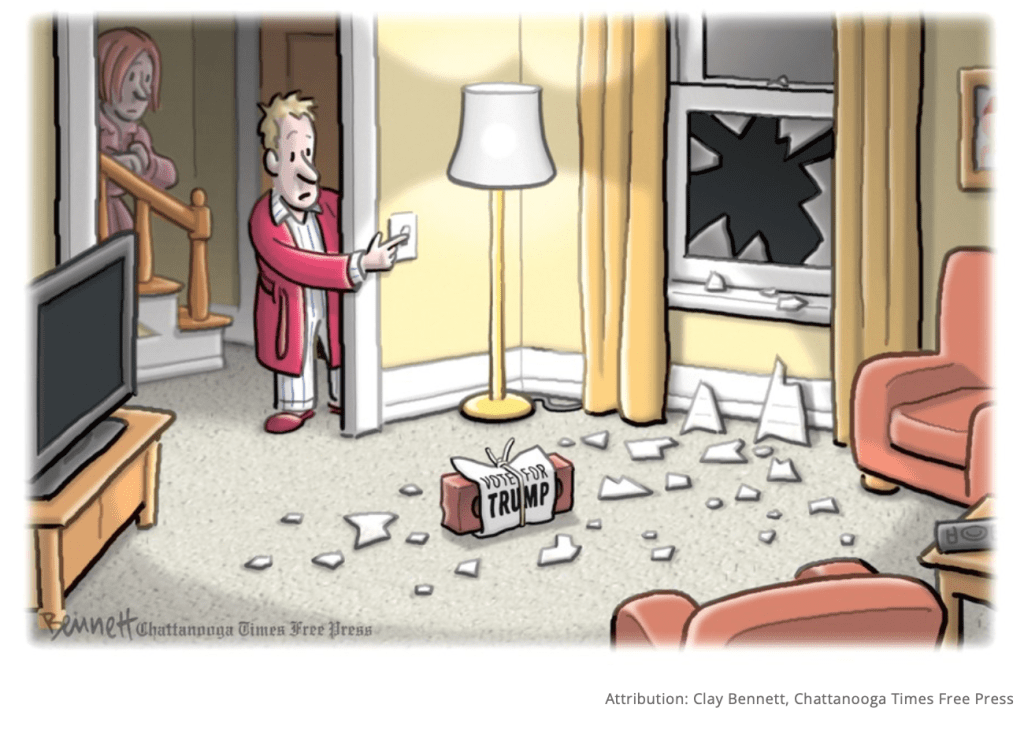
The backdrop to this intrigue was a rapidly approaching election, less than 100 days away. The Trump-aligned members of the Georgia State Election Board had convened a meeting that Flugrath noted was unlawfully noticed and carried out. In this meeting, they advanced changes to the state’s election certification process, changes that could potentially undermine the democratic processes in Georgia. These changes could lead to delays in election results, create uncertainty, and allow for manipulation of the election outcome, a cause for concern for all citizens.

A lawsuit quickly followed, challenging the legality and transparency of the board’s actions. The controversy forced the board to hold another vote on some of the proposed election rule changes, scheduled for Tuesday, August 6. The proposed changes were alarming to many. One such rule would empower local election officials to slow down or refuse to certify the 2024 election results. With election deniers in local election positions, the implications were chilling.

Flugrath’s analysis painted a stark picture. The new rules, if passed, could be used to sow doubt in the election results, creating delays and uncertainty. The behavior you read about is not just a Georgia issue; similar behavior patterns were emerging in other states. Across the country, efforts were underway to change election rules, often under the guise of ensuring honesty and transparency. It’s vital for Americans to remain vigilant and demand transparency in these processes, as they have the potential to undermine the very foundation of democratic elections.

In Texas, a similar narrative was unfolding. The state’s election board, encouraged by Georgia’s actions, began proposing changes to the certification process. In Florida, [newly appointed election officials, who were praised by Trump for their dedication and were seen as his allies], were pushing for rules that would grant them unprecedented power over election outcomes. Even in Pennsylvania, whispers of changes to election certification rules were becoming louder.

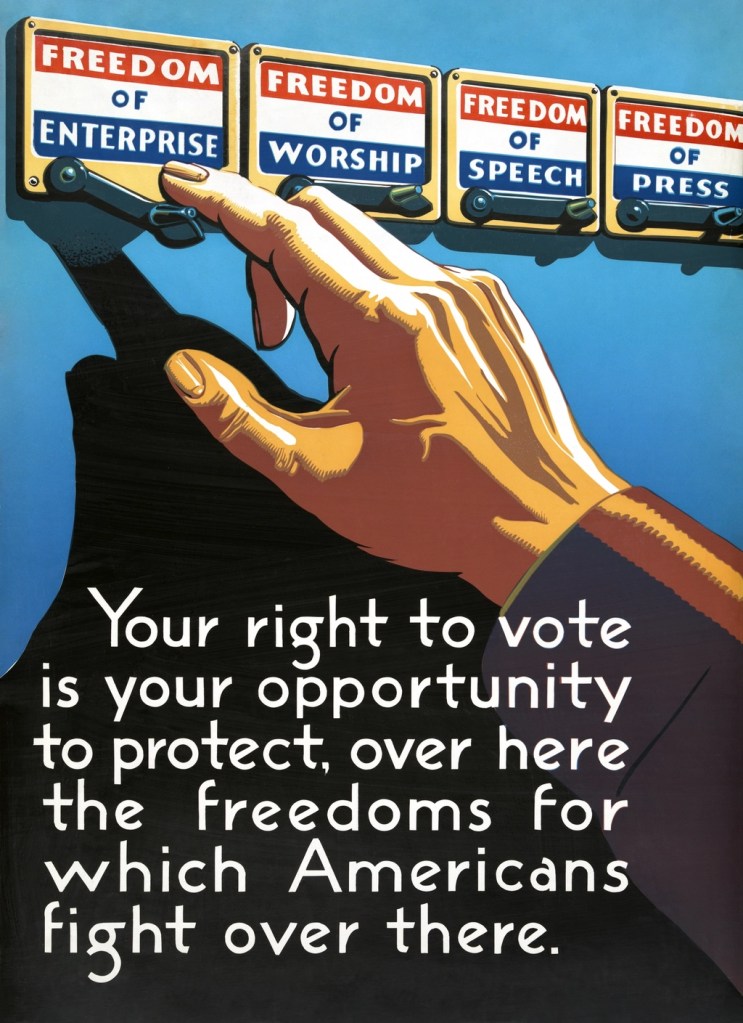
As the shadows of democracy stretched across the nation, citizens found themselves in a united battle for the integrity of their elections. Flugrath’s warnings resonated, echoing the sentiments of those who valued transparency and fairness. The fight was about the upcoming election and preserving the principles that had long underpinned the democratic process. It’s a fight that unites us all, regardless of our political affiliations.

The day the vote arrived in Georgia. Protesters gathered outside the election board’s meeting, voicing dissent. Inside, the tension was palpable. The board members, conscious of the national scrutiny, deliberated their decision. The future of Georgia’s election rules hung in the balance, a microcosm of the broader struggle across the United States.

As the sun set, the board announced its decision. The proposed changes got narrowly voted down, a victory for those advocating transparency and fairness. But the battle was far from over. The events in Georgia had set a precedent, a reminder of the fragility of democracy and the constant vigilance required to protect it.

Flugrath watched the aftermath with cautious optimism. The shadows of inequity are held at bay for now, but the fight for the soul of American democracy continued. The story unfolded in real-time, with the stakes higher than ever.

This story is about a news report that could be featured in any newspaper or news program in the United States. It is taken from actual events currently taking place. Whether or not this is the exact outcome relies upon the people of Georgia. The news report may be the opposite of what you just read. The board voted to instate these rules and overthrow the state election to favor any person of their choice.

Read the article that inspired this story. It is reality. We hope this story comes true. Sadly, it looks like it will become fiction. The originating news report may be found here!