Midnight: Guardian of Secrets in Solstice Hollow

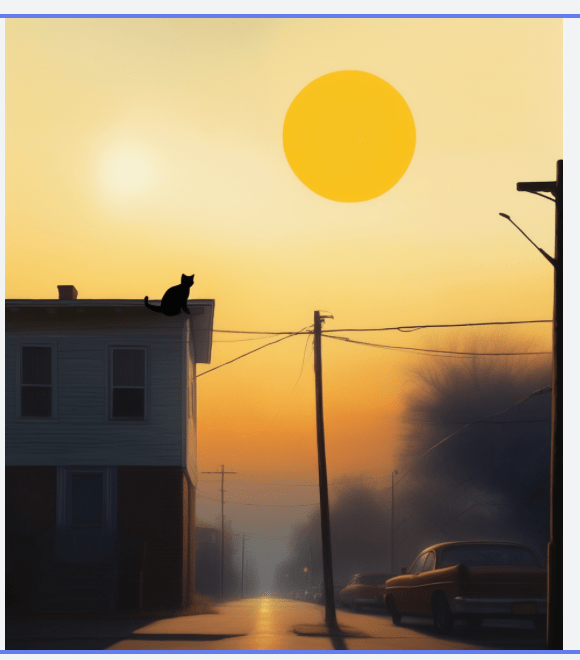
In the small, forgotten town of Solstice Hollow, days bled into each other with the relentless monotony of time. The sun hung heavy and perpetually on the horizon, a blazing sphere casting an otherworldly glow over the desolate streets. It was always twilight here, neither night nor day, as if the town existed in a pocket of suspended reality.

The alley in the photograph was known as Whispering Lane, a narrow pathway flanked by crumbling buildings that seemed to sigh with the weight of their own history. Shadows stretched long and lean across the cracked pavement, and the air was thick with the scent of old wood and dust. At the intersection of the lane and Main Street stood an old house, its paint peeling and windows dark, a silent sentinel in this forgotten part of the world.

On the roof of this house sat a black cat, its eyes glinting like emeralds in the perpetual twilight. The cat, known to the townsfolk as Midnight, had been there for as long as anyone could remember. Legend had it that Midnight was not an ordinary cat, but a guardian of secrets, a keeper of the town’s strange and sorrowful tales.

One such tale was that of Eleanor Weaver, a young woman who had lived in Solstice Hollow many decades ago. Eleanor was a spirited and curious soul, always wandering the boundaries of the town, seeking something beyond the endless dusk. She was fascinated by Whispering Lane, drawn to its eerie silence and the whispers that seemed to emanate from the very walls.

One evening, Eleanor ventured further down the lane than ever before. The sun, fixed in its eternal descent, bathed the alley in a warm, golden hue, casting long shadows that seemed to beckon her forward. As she walked, she heard faint murmurs, indistinct yet strangely comforting, as if the lane itself were sharing its secrets with her.

At the end of the lane, where the shadows were deepest, Eleanor discovered a hidden door set into the side of an old brick building. The door was ancient and weathered, its surface etched with cryptic symbols. With a mixture of trepidation and excitement, she pushed it open and stepped inside.

What Eleanor found beyond the door was a realm beyond her wildest imaginings—a place where time flowed differently, and the laws of reality were mere suggestions. She wandered through dreamlike landscapes, met beings of light and shadow, and learned the true nature of Solstice Hollow. She discovered that the town was a sanctuary, a refuge for those who had lost their way in the world. The perpetual twilight was a barrier, a protective veil that kept the town hidden from the rest of existence.

Days turned into weeks, and weeks into months, yet Eleanor felt no urge to return. She had found her place, her purpose, in this otherworldly dimension. But as with all who ventured too far into the unknown, a time came when she had to make a choice: remain in the dreamscape forever, or return to the world she had left behind.

Eleanor chose to return, carrying with her the knowledge and serenity she had gained. She emerged from the hidden door, back into the eternal twilight of Whispering Lane. The townsfolk noticed a change in her—a quiet wisdom in her eyes, a sense of peace that seemed to radiate from her very being. She never spoke of what she had seen, but Midnight, the ever-watchful cat, seemed to understand.

Years passed, and Eleanor’s tale became part of the whispered legends of Solstice Hollow. The hidden door was never found again, and some began to doubt it had ever existed. Yet, on still evenings when the sun cast its golden glow over Whispering Lane, the whispers could still be heard, faint but persistent, as if the alley itself remembered.

Midnight remained on the rooftop, a silent guardian, watching over the town and its secrets. And in the timeless twilight of Solstice Hollow, life continued, a delicate dance between reality and the unknown.

Fred and Matilda

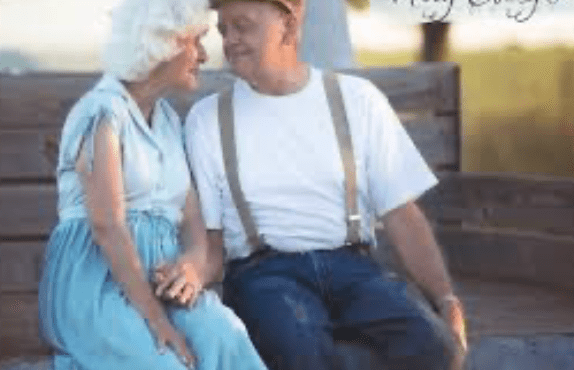
Fred and Matilda had been retired for over ten years. They had passed their silver years and were entering their golden years. Both had begun to experience forgetfulness, which was not severe but inconvenient. Fred would forget his wallet when he left home to go to town, or Matilda would forget to put extra tissues in her purse. She needed them to keep her nose wiped due to spring’s seasonal allergy season.

Today, Fred and Matilda left their modest bungalow midcentury home on East Kiowa Street in Corprol, Oklahoma. They traveled thirty miles to see the couple’s son nearby. Due to Fred’s’ safe’ driving, the drive should take just over fifty minutes. He never exceeded fifty miles an hour and usually kept their ’53 Chevrolet Coup topped at 45 miles per hour. Matilda was known for always talking to Fred when he was driving. She never shut up.

Matilda would say to him –––

“Fred, ease to the left, honey; now go back to the right and watch it. Oh no—a car is coming! Now, someone is behind us. Wait, a car is approaching us; I think the guy behind us will pass us.

Fred and Matilda’s son, Bill, looked at the clock at 1:00 PM. His parents should have been at his place at 11:00 AM. He thought they stopped by their old farm and got lost in time, recalling days when they had lived in the farming area for more than forty years, and everyone knew them. Even so, the people from those days mainly had moved on just as they had. So, it was unusual to find a two-hour distraction without calling him to let him know they would be delayed.

Matilda, a constant verbal navigational bird, was a familiar presence to Fred. Her chatter, a constant companion during their drives, was a source of comfort to him. He had grown accustomed to her voice, finding solace in the sound. Fred’s driving was noticeably worse when she wasn’t there, a testament to her voice’s role in his life.

At 3:00 PM, Bill was beside himself. Where were Fred and Matilda? He called their home to make sure they had not decided to go back home and make the trip another day; the phone just rang and rang. He called Fred’s and Matilda’s cell phones, but no one answered. Bill decided it was time to notify authorities.

Bill called the Ninekakh Police Department, and Officer Nadine Smith answered. Nadine had a strong ‘Okie” accent and a sweet demeanor.

“Ninekakh Police Department, Officer Smith, Who can I help today?”

Bill was stunned by the sweetness and tone of Nadine’s voice and how comfortable she made him feel just by answering the call he had placed. Bill said –––

“Hi, my name is Bill Roth. My parents, Fred and Matilda Roth, are late getting to my home outside Singer; they were driving here from Corprol.”

Knowing Bill was concerned and having met the Roths several times, Nadine knew they were not the type to disappear carelessly. Nadine asked –––

“Bill, honey, how old are your parents? Do you know what they are driving, and do you have any identification to help find them? And what were they doing today?”

Bill was quick to answer –––

My parents are driving a blue 53 Chevrolet Coupe two-door in their mid-70s. They were moving from Corpral to Singer to visit me today. They might have stopped by the old farm to remember old times, but I don’t know. They have never really been this late. Fred always wears grey pants, a white shirt, and a baseball cap, and Matilda usually wears a dress, blue or gray, that extends below the knee, with flat shoes; they both have gray hair. They quit taking photographs twenty years ago because both said it made them look like they were aging to get new pictures taken. They won’t even stand still for someone to get them in a cell phone, selfie-type picture.”

Nadine, taking a deep breath, said –––

Wow! Thank you. That is a whole lot of information, but it isn’t. I will get out and look at the highway between the two towns for them and any side roads. Also, I’ll put this out on the radio for other departments to be on the lookout for. Meanwhile, I suggest you stay where you are if they arrive at your place or call you.

Bill was a nervous wreck. Thoughts raced through his mind of where they could be, what could have happened, and then who could have taken them or could they have been robbed. They could have been running off the road by another driver in a road rage incident. Bill remembered the time he got lost hiking with friends and how much worry it brought his parents. He thought to himself, ‘Payback is hell!’ Exhausted from thinking, Bill yells out loud –

“At least they knew where to start looking for me. I was out hiking, and they had a starting point. Hell, I don’t have a clue where these two old farts are!”

As Nadine was patrolling from the Ninekah Sheriff’s Department heading south toward Corprol, she saw a roadside melon and vegetable sales stand, the type set up to sell from the back of an old truck. She pulled over and talked to the farmer who was selling his goods and asked if he had seen anyone matching the description of Fred and Matilda. 

“Yep, I saw them! They were two feisty people. For their age, I was surprised. 

Nadine surprised that her luck had paid off, asked the farmer what he meant, and he replied –––

“Well, this young guy was here too, and he had one of those cell phones out taking pictures of him and his girlfriend; it could have been his boyfriend. I couldn’t tell by looking. Anyway, he got a picture of the two older people and told them he hoped he and his sweety could be just like them when they got to be antique. And that is when all hell broke loose. The older adults didn’t want those pictures going anywhere. The young couple took off, and the others left behind them. I never saw two older adults driving like that. They were laying rubber.

Nadine called Bill and told him what the farmer told her, and Bill, in a chilling voice, responded,

“Christ, it’s Christmas 2015 all over again. They did the same thing when someone took a photo of them in the background at a convenience store on Christmas Eve of 2015. We saw them again in February. The family of the people who took the photos still hasn’t seen their people. The last report anyone ever heard was that they were trying to outrun an old couple driving a Blue 53 Chevy Coupe.”

Officer Nadine Smith ––– Adam 851 Clear from report at 1700 hours, 15 miles south of Singer, on Highway 41, clear.  

Dispatch to Smith, Affirmative, 1700 hours, KMH 253.

Officer Smith drove to Bill’s home, where she discovered a blue 53 Chevrolet Coupe appearing to stick out of an outbuilding on the property. She went to Bill’s Door and rang the bell. When he answered, she asked if his parents had been in contact. He said they had not. 

Smith asked Bill to walk out and look at the car in the shed, which, to his surprise, was his parents’ vehicle.

How did they get past me? And where are they now?

Fred and Matilda, in their enthusiastic but forgetful state, had indeed managed to return home unnoticed. Bill and Officer Smith, both puzzled and concerned, carefully approached the shed where the car was parked. The vehicle, though covered, was the distinctive blue ’53 Chevrolet Coupe.

“Bill, stay behind me,” 

Officer Smith instructed, her hand resting on her holster just in case.

“Let’s check inside,” Bill suggested.

Together, they slowly lifted the cover off the car, revealing it entirely. The sight brought a mix of relief and confusion to Bill’s face. The vehicle looked unscathed as if a chauffeur had driven the couple from a leisurely trip.

As they peered into the car, they noticed the keys were still in the ignition, and Matilda’s purse was on the passenger seat. But there were no signs of Fred and Matilda themselves.

“Where could they have gone?

 Bill murmured, more to himself than anyone else.

Officer Smith walked around the shed, looking for any further clues. Just then, they heard a faint, familiar sound coming from the back of the house. Following the noise, they discovered Fred and Matilda sitting on a swing in the backyard, calmly chatting and sipping on lemonade.

“Dad! Mom! What on earth happened?” 

Bill exclaimed, running towards them.

Fred looked up, somewhat surprised but pleased to see his son.

“Oh, Bill, there you are! We were wondering when you’d find us.”

With a serene smile, Matilda added,

“We decided to take a little detour to the old farm, but then we thought we’d better come back home when it started getting late. We didn’t want to worry you.”

Torn between relief and frustration, Bill tried to keep his voice steady.

“Why didn’t you call me? We’ve been worried sick!”

Fred scratched his head, looking a bit sheepish.

“Well, son, we did mean to call you, but then Matilda realized she left her phone at home, and mine ran out of battery. By the time we returned, we were so tired we just sat down for a rest.”

Upon witnessing the heartfelt reunion, Officer Smith felt a wave of relief wash over her.

Mr. and Mrs. Roth, it’s good to see you’re both safe. You gave us quite a scare.”

Ever the apologetic, Matilda said,

“We’re sorry, dear. We didn’t mean to cause any trouble. We’ll be more careful next time.”

Fred nodded in agreement.

“Yes, we’ll charge the phone next time and keep it with us.”

Bill sighed deeply, his worry slowly dissipating.

“Just glad you’re both okay. Next time, please, let’s avoid any more detours.”

Fred chuckled. “Deal. How about we all go inside and have some of Matilda’s famous apple pie? It’s been a long day.”

As they walked back into the house, Bill couldn’t help but feel grateful for the small blessings—his parents were safe, and despite their forgetfulness, they still had their spirited sense of adventure. It was another reminder of how precious these moments were, even when they came with a bit of worry.

George and The Bear, A Life Turned Around

By: Benjamin Groff

A new neighbor moved down the road. His name was George. He had two strong mules that could pull a plow, a milk cow, and a rooster, but no hens. It looked like he had just taken up living in an old hut abandoned by old farmers who once lived in the area and had gone on. Bill and Nora lived down the road, and further up the hill lived John and his wife, Laura.  

Bill, on his horse, was on his way to check on John and Laura when he passed George’s new living setup. Seeing George’s farming efforts, Bill decided to stop and extend a warm welcome. He introduced George to the rest of the neighbors, John, Laura, and his wife, Nora, and invited him to visit anytime. Bill emphasized the mutual reliance of neighbors and assured George that their door was always open, fostering a sense of community and support. 

Bill, after his brief encounter with George, continued his journey to John and Laura’s home. He shared the news of their new neighbor, George, and they all agreed on a plan. They decided to reach out to George and invite him for a warm community dinner on Sunday, a gesture that would help him feel welcomed to their little community.

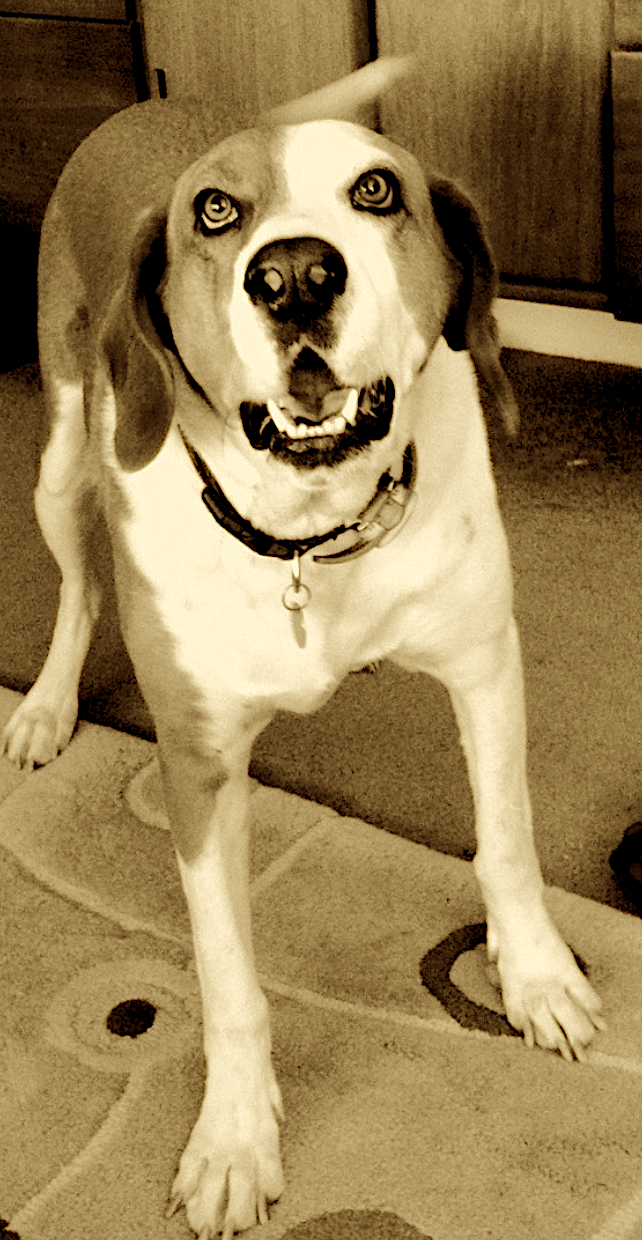
That night, Bill fed his animals on his farm and locked his barn. He and his wife settled down in their home with a cozy fire flickering in the fireplace. They sat and thought about how lucky they were to have their little farm and life. It was to be a cool night but not cold, and Nora left their bedroom window cracked to let fresh air in as they slept. It must’ve been after midnight when Bill and Nora’s dog “Blue” started barking, and Bill yelled for him to lay down and go to sleep, saying to Blue,

“We’ll go hunting tomorrow, dog!”

The dog, looking miffed, he had heard something unusual but obeyed Bill and lay down, all the while staring out the door, watching for something to move.

The following day, Bill went out to feed his livestock and noticed hay, corn, and other items had gone missing from his barn. The back barn door swung open –– Bill recalled –– it had not been the night before. He saddled his horse and rode to John’s, and they, too, had been missing several things: pots and pans, a chicken, and a piece of meat from their smokehouse. Bill told John not to say anything to George until they knew the new neighbor had anything to do with the missing items. Just because George was new to the area didn’t mean he had taken anything.

On his way home, Bill stopped by to check on George. But, it looked like George was still asleep, and his wife, whom Bill hadn’t met, was timid and only waved through the door. So Bill rode his horse back home.

When he got home, Bill had a hunch and got some stiff bailing wire used to bundle hay. He stuck it into his corn cobs, which he stored in his feed storage bins. He then slid a small band onto a few of his best hens’ legs. That night, Bill and Nora went to bed and again had their window cracked open, and Blue was guarding them next to the bed. Sometime after midnight, Blue began barking and scratching at the door. And again, Bill told him to lie down. But this time, Bill knew why Blue was barking.

The following day, Bill went to his barn, and sure enough, the corncobs he had placed the wire on were gone. Some hay and the hens he had slipped the bans on their legs were gone. Bill returned to the house, had breakfast, and told Nora he was going over to Georges. When he arrived, the neighbor was out in his yard, and the two men met. And Bill asked George if he could see George’s mules. As they were looking at the mules, George saw a corncob and broke it open, and there was a wire. The wire he had stuck in it the night before.

Bill turned to George and said,

“George, this corncob is mine. I put this wire in there last night. I will find the same thing if I break open a few more corncobs. And, I have seen several hens you have today that you didn’t have yesterday, and they have a ban on their legs. I know because I placed it on them last night as well. John is also missing some meat and old pots and pans up the road, and I’ve heard talk from other neighbors about missing things around. We don’t do such things around here!”

George apologized and said that he would bring the items he took back before the day’s end.

At sundown the following day, Bill and John were talking, and they had not heard from George but knew he was at home. George had not returned anything. Other men who were missing items met Bill, and they said ––

“we need to teach George we don’t steal.”

They all agreed. The men went and hitched a team of horses up to a wagon and put an old whiskey barrel and some rope in it. They then went to George’s. When he came out onto his porch, the men surrounded him, tied him up, and put him in the wagon. Some of the men’s wives came to stay with George’s wife while the men took him out in the wagon. 

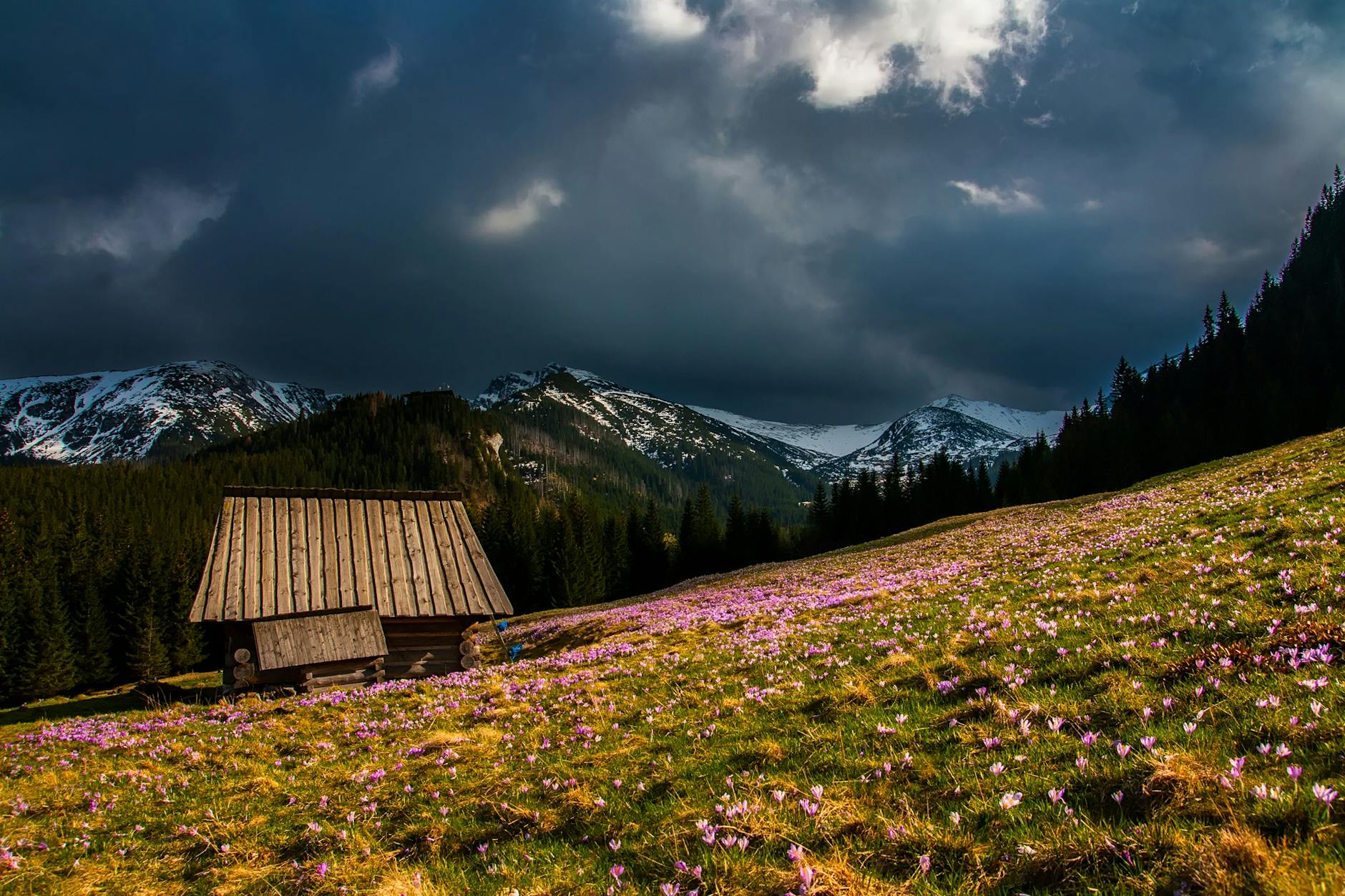
They climbed a tall, steep mountain that was clear of trees on one side. When they got to the top, they set the whiskey barrel out and told George to get inside. He did. Then they tacked on the top. George could only see one small hole in the side of the barrel.

The men told “George, this is your punishment for stealing from us. You are to be in this barrel overnight”, but they were interrupted.

A big ole bear came sniffing out of the woods, and the men jumped on the wagon and took off. Looking out of the hole, George couldn’t see what was going on, but the bear backed up to the barrel, sticking its tail in the hole. When it did, George grabbed it and scared the bear, causing it to run down the mountainside. As it did, the barrel rolled, banged, thumped, jumped, flew, hit, and jarred the barrel. Causing to fall to pieces when it hit the bottom of the mountain. George was beaten and bruised but alive, and the neighbor men in the wagon were all waiting on him. Two of them got on each side of him and helped him into the wagon; another handed him a jar of salve, telling him it would take care of every scratch on him. When he healed, the other men told him to hitch his mules up to his wagon and come by their place, and they’d have some items to help him start farming and set up a house with his wife. Bill and John told him that he never had to steal again in his life. All he had to do was be a good neighbor and help others when they needed it, and others in the community would help him. Bill said, “If you are having trouble, don’t starve. We’ll help you out, just like you will help us out when we need it.”

If you are having trouble, don’t starve. We’ll help you out, just like you will help us out when we need it. 

Then, all the farmers and people who lived in the area came together on a sunny afternoon and celebrated having new neighbors, George and Bessie. There was food, games and their fellowship built lifetime bonds. From then on George was the best neighbor and went on to pass on the lessons he learned from Bill and John and the other farmers and neighbors who had turned him away from stealing.

The End!