In emergency services there is a moment most people never see.
It usually happens sometime after midnight, when the world is quiet and the station lights are dim. The calls have slowed down just enough that someone finally drifts off in the Bunkroom.
Then the tones drop.
Within seconds the calm disappears. Boots hit the floor, radios crackle to life, and another emergency begins.
For many first responders, that moment repeats itself again and again over the course of a shift. Sleep comes in fragments—ten minutes here, twenty minutes there—if it comes at all.
Yet the work still has to be done.
Patients still need treatment. Ambulances still need to move quickly and safely through traffic. Decisions still have to be made in seconds.
So how do first responders manage when sleep is scarce?
The answer, in many cases, is a combination of training, teamwork, and habits built over years of long nights.
Coffee: The Unofficial Fuel of Emergency Services
Walk into almost any firehouse, EMS station, or dispatch center. You will find a coffee pot that never truly turns off.
Caffeine has become the unofficial fuel of emergency work. It sharpens focus, pushes back fatigue, and gives providers the extra edge they need when exhaustion begins to creep in.
But caffeine is a temporary solution, not a cure. It can help providers stay alert for short periods, but it cannot replace the restorative effects of real sleep.
Still, for many crews working through the night, that cup of coffee becomes a small but necessary ally.
The Power of the Partner Check
Another important defense against fatigue is something emergency services have relied on for decades—watching out for each other.
In EMS and law enforcement alike, partners often double-check each other’s work when exhaustion sets in.
One medic confirms a medication dose while the other prepares it. A partner reviews a treatment decision before it is carried out. A tired driver is reminded to pull over or slow down when fatigue becomes obvious.
These small moments of teamwork are often invisible to the public. Still, they are an important safety net inside the profession.
Experience and Muscle Memory
Years of training also play a role in helping providers function when they are tired.
Many of the most critical skills in emergency medicine are practiced repeatedly until they become almost automatic. Starting an IV, assessing a patient’s airway, or reading a cardiac monitor are actions that experienced providers perform almost instinctively.
That muscle memory helps bridge the gap when fatigue clouds thinking.
But even the most experienced provider is still human. Fatigue eventually catches up with everyone.
Humor in the Middle of the Night
One of the most common coping tools in emergency services may surprise outsiders: humor.
First responders have a long tradition of gallows humor. It’s a way of releasing tension, staying connected with coworkers, and pushing through difficult moments.
A quiet station at three in the morning may suddenly erupt in laughter. It might be over a joke, a story from a previous call, or something completely ridiculous.
That humor isn’t about disrespect. It’s about survival.
Sometimes laughter is the only thing that keeps a tired crew moving through the night.
The Quiet Drive Back to the Station
After the sirens fade, the patient is delivered to the hospital. There is often a quiet drive back to the station.
For many providers, that ride is the moment when exhaustion becomes most noticeable.
The adrenaline of the call is gone. The road stretches ahead. The body begins to remember how tired it really is.
Those moments are why conversations about fatigue are becoming more important within emergency services.
First responders have always found ways to push through exhaustion. However, the goal should never be simply to endure it.
The goal should be to manage it.
A Profession Built on Dedication
The reality is that fatigue has always been part of emergency services.
Long shifts and unpredictable calls are part of the job. The responsibility of protecting the public adds to it. This means the job will never fit neatly into a normal sleep schedule.
But despite those challenges, first responders continue to answer the call.
They rely on training, teamwork, and professionalism to carry them through the long nights.
And when the tones drop again—whether it’s midnight, three in the morning, or just before sunrise—they get up and go.
An International Discussion For Police,Fire, EMT’s, Dispatch and You!
WHEN EMERGENCIES ARRISE AND THOSE RESPONDING ARE TOO TIRED TO BE THERE
For paramedics, EMTs, and first responders, sleep often becomes the one thing emergency medicine never seems to deliver. The science is clear—fatigue affects judgment, safety, and patient care. Yet the process still runs on sleepless shifts.
When the Tones Drop at 3 A.M.: Fatigue and the Reality of EMS Life
For EMS providers, fatigue isn’t just an inconvenience or a badge of honor. It’s a real operational risk that affects patient care, provider safety, and the long-term health of the workforce. Research over the past several decades has repeatedly shown that lack of sleep slows reaction time. It interferes with judgment. It also increases the likelihood of mistakes and accidents.
You understand something the general public rarely sees if you’ve ever been jolted awake in a station Bunkroom. This happens when the shrill sound of dispatch tones rings at 2:47 in the morning. In emergency medical services, sleep often feels like something promised but rarely delivered.
Anyone who has worked long shifts in emergency services knows exactly what that looks like in the real world. The medic drives back from a call, fighting heavy eyelids. The paramedic double-checks medication calculations at four in the morning because the numbers won’t quite settle in the brain. The crew member stares at a cardiac screen, trying to push through mental fog.
Before we talk about solutions, it helps to understand how EMS developed this culture of chronic sleep deprivation. It’s also important to know why meaningful rest can be so difficult to find on the job.
Sleep isn’t a luxury. It’s a biological need that allows the brain and body to recover and operate properly. Most adults need somewhere between seven and nine hours of restorative sleep within a 24-hour period.
For EMS providers, reaching even half that amount during a shift can feel like a victory.
Research shows that the effects of sleep deprivation can be dramatic:
• After approximately 17 hours awake, a person’s cognitive performance declines significantly. It begins to resemble someone with a blood alcohol concentration around 0.05%. • After 24 hours without sleep, impairment can resemble a 0.10% BAC, well above the legal driving limit in most states. • Fatigue affects reaction speed, memory, and the ability to make complex decisions—all critical skills in emergency medicine.
Studies examining EMS providers have also revealed troubling patterns. Many report experiencing severe fatigue regularly. A significant number acknowledge that they have fallen asleep behind the wheel after finishing a shift.
For providers in the field, these statistics aren’t abstract numbers. They show up in everyday moments:
• struggling to concentrate on a pediatric medication calculation • catching yourself drifting at a stoplight on the way back to the station • taking longer than usual to interpret patient data during a call
The long-term consequences of chronic sleep deprivation can also be severe. Poor sleep has been linked with higher risks of heart disease, diabetes, obesity, depression, and anxiety. Over time, fatigue contributes to burnout and drives experienced providers away from the profession.
Ironically, other industries that rely on safety-critical decision making—like aviation and commercial trucking—strictly regulate work hours and rest periods. EMS, nonetheless, often operates under schedules that allow providers to stay on duty for 24 hours or longer.
How EMS Ended Up With 24-Hour Shifts
Many EMS scheduling practices trace their roots to the fire service.
When modern EMS systems began developing in the 1960s and 1970s, many ambulance operations were integrated into fire departments. Firefighters traditionally worked 24 hours on duty. They followed this with 48 hours off. This schedule was manageable when fire calls were relatively infrequent.
EMS adopted this structure, even though medical call volumes soon far exceeded those of fire responses.
There were several reasons the schedule remained popular:
Staffing efficiency Long shifts need fewer personnel to keep coverage.
Fewer commutes Working a 24-hour shift means fewer trips to and from work during the week. This is something many providers appreciate, especially those in rural areas.
Overtime opportunities Long shifts make it easier to pick up extra work. This increases income for providers. It also reduces hiring pressure on agencies.
Tradition Like many aspects of emergency services culture, once a system becomes established it tends to stay that way.
Other Scheduling Models
Although the 24-hour shift remains common in many departments, other models are used as well.
12-hour shifts Common in high-volume urban EMS systems. They reduce extreme fatigue but need more staff and more frequent shift changes.
Kelly schedules A modified version of the 24/48 rotation that periodically adds an extra day off for recovery.
48/96 rotations Two days on duty followed by four days off. Some providers enjoy the extended time off, but fatigue can become severe if call volume is high.
Peak-hour staffing Extra crews are scheduled during the busiest times of day to reduce workload during overnight hours.
Each system has advantages and disadvantages. The challenge for agencies is balancing staffing levels, budgets, and provider well-being.
The Reality of Multiple Jobs
Another factor contributing to fatigue is the financial reality of EMS work.
Many providers hold second—or even third—jobs to make ends meet. A medic often finishes a 24-hour shift at one service. Then, they report to another agency for extra hours.
In some cases, providers stay awake and working for 48 hours or longer. While overtime can be financially appealing, the physical and mental toll can be enormous.
Why Sleep Is So Difficult in EMS
Even when schedules theoretically allow for rest, real-world conditions often make sleep difficult.
Unpredictable call volume One shift is quiet, while the next produces a constant stream of calls.
Station environments Bunkrooms are noisy, crowded, or poorly designed for restorative sleep.
Cultural expectations In some departments, daytime naps are still discouraged despite overnight calls.
Stigma surrounding fatigue Many providers hesitate to admit exhaustion for fear of appearing weak.
The result is a workforce that often operates on minimal rest while still being expected to deliver high-level medical care.
What Agencies Are Trying
Across the United States and internationally, EMS organizations have begun experimenting with strategies to tackle fatigue.
Fatigue management programs Training and policies designed to recognize fatigue as a safety hazard.
Improved sleep spaces Some agencies are redesigning stations to create quieter, darker rest areas for crews.
Adjusted shift schedules Shorter shifts or hybrid scheduling models may reduce extreme fatigue.
Data-driven staffing Deploying extra units during peak call hours can reduce workload during overnight periods.
None of these solutions is perfect. Budget constraints, staffing shortages, and operational demands make large changes difficult for many agencies.
Still, awareness of the issue is growing.
Personal Responsibility Matters Too
While system design plays a major role, providers also have some responsibility for managing fatigue.
That means prioritizing sleep on off-days, maintaining healthy routines, and recognizing when exhaustion affect performance.
Emergency services professionals often pride themselves on toughness, but fatigue is not a personal weakness—it’s a biological reality. Recognizing its effects is part of professional responsibility.
When fatigue becomes normalized within a profession, the consequences ripple outward.
Operational efficiency declines. Morale suffers. Experienced providers leave the field.
Most importantly, fatigue can affect the quality of care patients get.
Communities depend on EMS professionals to respond quickly and make critical decisions under pressure. Those responsibilities need clear thinking and alertness—something difficult to keep without adequate rest.
Moving Forward
Fatigue will always be part of emergency services to some degree. The unpredictable nature of the job makes perfect schedules impossible.
But acknowledging the problem is an important first step.
Agencies can explore smarter scheduling, better rest environments, and policies that recognize fatigue as a safety issue. Providers can take steps to manage their own sleep habits and recovery time.
The tones will still drop in the middle of the night. That’s part of the job.
The profession can continue working toward systems. These systems protect both the providers who answer those calls. They also protect the communities they serve.
Tomorrow Part II – Running on Coffee and Commitment: How First Responders Survive Fatigue
References
Williamson AM, Feyer AM. Moderate sleep deprivation produces impairments in cognitive and motor performance equivalent to legally prescribed levels of alcohol intoxication. Occup Environ Med. 2000 Oct;57(10):649-55. doi: 10.1136/oem.57.10.649. PMID: 10984335; PMCID: PMC1739867.
Billings JM. Firefighter sleep: a pilot study of the agreement between actigraphy and self-reported sleep measures. J Clin Sleep Med. 2022 Jan 1;18(1):109-117. doi: 10.5664/jcsm.9566. PMID: 34314350; PMCID: PMC8807900.
Patterson PD, Martin SE, Brassil BN, Hsiao WH, Weaver MD, Okerman TS, Seitz SN, Patterson CG, Robinson K. The Emergency Medical Services Sleep Health Study: A cluster-randomized trial. Sleep Health. 2023 Feb;9(1):64-76. doi: 10.1016/j.sleh.2022.09.013. Epub 2022 Nov 10. PMID: 36372657.
Cox M, Cramm H. Laying the foundation: exploring the family impact of public safety personnel sleep health. FACETS. 2025;10:1-14. doi: 10.1139/facets-2025-0081
Holland-Winkler AM, Greene DR, Oberther TJ. The Cyclical Battle of Insomnia and Mental Health Impairment in Firefighters: A Narrative Review. J Clin Med. 2024 Apr 9;13(8):2169. doi: 10.3390/jcm13082169. PMID: 38673442; PMCID: PMC11050272.
Marvin G, Schram B, Orr R, Canetti EFD. Occupation-Induced Fatigue and Impacts on Emergency First Responders: A Systematic Review. Int J Environ Res Public Health. 2023 Nov 12;20(22):7055. doi: 10.3390/ijerph20227055. PMID: 37998287; PMCID: PMC10671419.
Huang G, Lee TY, Banda KJ, Pien LC, Jen HJ, Chen R, Liu D, Hsiao SS, Chou KR. Prevalence of sleep disorders among first responders for medical emergencies: A meta-analysis. J Glob Health. 2022 Oct 20;12:04092. doi: 10.7189/jogh.12.04092. PMID: 36269052; PMCID: PMC9585923.
Billings JM, Jahnke SA. Effects of a 24/48 to 48/96 Shift Schedule Change on Firefighter Sleep and Health: Short-Term Improvements and Six-Month Stability. Int J Environ Res Public Health. 2025 Nov 5;22(11):1678. doi: 10.3390/ijerph22111678. PMID: 41302624; PMCID: PMC12652382.
Be sure to follow up on emergency news and information at JEMS.
This Story From The Classics. Posted Originally in 2024 it is Reposted this year as part of the best of the best stories benandsteve.com are sharing at years end.
The last three days of the year often get overlooked. During this time, services go unnoticed around the average town or city. This well can be the case where you live.Police, Fire, Ambulance, and 911 Operators all do an incredible job. They work tirelessly in the build up to the New Year Eve Celebration and all the socializing involved. All the socializing is not celebratory, and the people they deal with are not all friendly.
As the year drew close, the city was abuzz with anticipation for the New Year’s celebrations. But for the fire, police, and ambulance services, the last three days of the year were anything but quiet. These dedicated men and women often worked long shifts. They sacrificed their own celebrations. They were on the front lines, ensuring the community’s safety and well-being.
Day One: December 29th
The fire department received a call about a house fire in the early morning hours. Flames engulfed the old wooden structure, and the firefighters worked tirelessly to control the blaze. They managed to rescue a family trapped inside, their faces covered in soot but grateful to be alive. Investigators later determined that a faulty space heater caused the fire. This serves as a stark reminder of the dangers of winter.
Meanwhile, the police were called to a domestic disturbance in a quiet suburban neighborhood. A heated argument escalated. Officers arrived with their professional demeanor and calm approach. They managed to defuse the situation. This ensured that both parties were safe and had a chance to cool down.
The ambulance service was dispatched to a car accident on the icy roads. A young driver had lost control of his vehicle and skidded into a tree. Paramedics worked quickly to stabilize him and transport him to the hospital. Despite the crash’s seriousness, the driver was expected to fully recover.
Day Two: December 30th
The fire department responded to a call about a gas leak in an apartment building. Residents were evacuated as firefighters located the source of the leak and shut it off. Their quick response and decisive action prevented a potential explosion. This reassured the residents. They were allowed to return to their homes once it was deemed safe.
The police were called to a robbery at a local convenience store. The suspect had fled the scene, but officers gathered evidence and track him down. The thief was apprehended and taken into custody, and the stolen goods were returned to the relieved store owner.
The ambulance service received a call about an elderly woman who had fallen in her home. Paramedics arrived to find her in pain and incapable of moving. They carefully lifted her onto a stretcher. They transported her to the hospital. At the hospital, she was treated for a broken hip. Her family was grateful for the swift and compassionate care she received.
Day Three: December 31st
On New Year’s Eve, the fire department was on high alert as fireworks lit up the night sky. They responded to several small fires caused by stray sparks, but thankfully, none resulted in severe damage. Firefighters patrolled the city, ensuring that everyone enjoyed the celebrations safely despite the potential dangers they faced.
The police were busy with calls about noise complaints and public intoxication. Officers maintained a visible presence in the city center, where crowds had gathered to watch the fireworks show. They worked to keep the peace and make sure everyone rang in the new year without incident.
The ambulance service was called to help a young woman who had collapsed at a New Year’s party. Paramedics quickly assessed her condition and determined that she had consumed too much alcohol. They provided her with the necessary care and transported her to the hospital for further observation.
When the clock struck midnight, the city erupted in cheers and celebrations. The fire, police, and ambulance services continued their vigilant watch, ready to respond to emergencies. For them, the end of the year was just another day. They served and protected their community. This often came at the cost of their own family celebrations.
Remember this New Year’s Eve and throughout the Holiday Season, Do Not Drink And Drive. Party Responsibly. Stay Alive For 2025!
First responders are trained to notice patterns long before studies are commissioned or policies are rewritten. Sometimes danger announces itself not with a single catastrophic event, but with repetition—quiet, unsettling repetition. Over a single 24-hour period, I recorded eight separate headlines. Each headline involved police officers being struck by vehicles while working crashes or traffic stops. Eight. Different states. Different agencies. Same outcome. This situation raises a controversial and long overdue question. Are modern LED strobe lights unintentionally putting first responders in greater danger?
There was a time when emergency lights rotated. They swept. They moved with rhythm. The old beacons gave drivers something important—a visual break. A moment for the brain to process direction, distance, and motion. Today’s LED systems don’t rotate; they pulse. Rapidly.
Aggressively. Relentlessly. High-intensity strobes which floods the visual field, especially at night. Instead of guiding a driver away from danger, it overwhelms the brain’s ability to react. The result, in theory, is not panic—but fixation. The eyes lock on. The vehicle drifts toward the brightest point. Not out of intent, but neurological confusion.
Some call it “target fixation,” a phenomenon well known to pilots, motorcyclists, and tactical drivers. Under stress, humans often steer toward what they’re staring at—even when that object shows danger. Combine that instinct with modern LED strobes. These strobes flash faster than the brain comfortably processes. The warning light becomes a lure. A hypnotic point of focus. A tragic beacon.
Eight Officers Were Struck In 24 Hours. Different States. Same Strobe Style Lighting.
Is it time to ask whether modern emergency strobes are warning drivers—or pulling them in?
Within just one day, these were the headlines recorded:
• 1 arrested for allegedly driving while intoxicated after rear-ending a police cruiser on I-465
• Las Vegas police officer injured after vehicle hit while investigating a separate crash
• Effingham County deputy hospitalized after being struck by a vehicle, authorities confirm
• Police cruiser struck by car, officer injured in Naugatuck
• State trooper vehicle damaged after being hit during a traffic stop
• Norman police officer critically injured after being struck by a car on State Highway 9
• Winston-Salem police officer injured after impaired driver crashed into three patrol cars
• Waterbury man injured Naugatuck officer in hit-and-run crash
Eight incidents. One recurring element: emergency lighting designed to protect, now contributing to harm.
This is not an indictment of technology, nor a dismissal of impaired or reckless driving. Accountability still matters. But safety demands that we ask difficult questions—even when the answers challenge long-standing assumptions. If the very lights meant to warn motorists are instead disorienting them, then tradition, training, and procurement policies deserve re-examination.
Officers and firefighters shouldn’t have to stand in the road. They shouldn’t be wondering whether the light behind them is helping. They shouldn’t wonder if it’s painting a target on their back.
Sometimes progress requires us to look backward. Sometimes the old way worked better. And sometimes, the most dangerous thing on the roadside isn’t the driver who fails to slow down. Instead, it’s the light that never lets them look away.
This isn’t meant to be the final word — it’s meant to start a conversation.
If you’re a first responder, dispatcher, firefighter, EMT, tow operator, or a motorist, your experience matters. If you have ever felt disoriented by modern emergency lighting, your experience matters.
Have you noticed drivers drifting toward scenes instead of away from them? Do today’s LED strobes feel different than the rotating lights of the past? Or do you believe visibility has improved safety overall?
Share your thoughts, experiences, or observations in the comments. Respectful discussion is encouraged. If patterns are being noticed on the roadside long before they’re studied in boardrooms, it’s worth listening. Lives depend on it.
Benjamin Groff is a former police officer and radio news anchor. He has hosted programs for CNN and ABC News affiliates in Oklahoma, Colorado, and Wyoming. His career in law enforcement began in 1980 and lasted more than two decades. This gave him first hand insight into the criminal mind and public safety. Moreover, it provided him with an understanding of the human stories that often go untold. His writing draws on these experiences, blending street-level truth with a journalist’s eye for the bigger picture.
Police work operated on instinct, humor, and gritty common sense before body cameras. Every arrest didn’t turn into a viral upload back then. This approach belonged to another era. Officers learned from veterans who passed down unwritten rules — some practical, some questionable, and some downright hilarious. These stories aren’t a manual. They’re memories from a world that helped shape the officers we later became.
Don’s Lessons for Rookie Officers
Don was a seasoned officer whose wisdom mixed patience with a dry, knowing humor. He often told rookies about the prisoners who would scream for an entire transport ride. These are the same kind you see in fifteen-minute viral videos today.
He’d tell the infamous alum-powder story with a wink.
“Keep a plastic bag of it in your shirt pocket.
If you get a screamer, take a pinch and flick it – they will shut up!”
This always left rookies unsure whether he was pulling their leg. Or, was he sharing some relic from an era with fewer rules and more noise? His message was never about techniques. It was about the mindset: don’t let chaos set the tone. And always keep your humor intact.
The “Dog!” Brake Test
Another bit of old-school folklore involved the rowdy back-seat prisoner who wouldn’t stop cussing or kicking. Officers had a classic trick:
Get the patrol car up to about forty-five miles an hour.
Slam on the brakes.
Yell,
“Dog!”
The prisoner would slam into the cage divider and go silent. This silence would last until the second dog ran across the road. By the time they arrived at the jail, the only thing left in them was concern for the imaginary dogs.
It wasn’t policy. It wasn’t pretty. It was one of those stories officers shared over coffee. They shook their heads at “the way things used to be.”
The Gilligan’s Island Sobriety Test
DUI stops had their own brand of comedy. When you already knew the drunk driver was going to jail, the roadside field tests became… creative.
The “Gilligan’s Island Test” was a favorite:
Place your left hand over your head. Hold your right ear with your right hand. Balance on one foot. Sing the theme to Gilligan’s Island.
Most never made it past “a three-hour tour.”
It broke the tension. And after a long, cold night, sometimes everyone needed that.
Jurisdiction and the Art of Paperwork Avoidance
Jurisdiction lines used to shift like sand depending on who wanted — or didn’t want — the call. If the incident required endless paperwork, officers suddenly cared very deeply about city-limit boundaries, council-meeting notes, and outdated maps.
Veterans avoided calls they weren’t dispatched to, knowing the penalty: days off lost to court subpoenas. Midnight-shift officers often clocked out at dawn. They then sat in a courtroom until midafternoon. They did this while waiting for cases where they never said a word.
It was exhausting, but it was part of the rhythm of old-school policing.
A Time Before Cameras — And a Time With More Witnesses
These stories sound wild today, but much of policing back then was driven by common sense and community trust. People knew officers, and officers knew their people.
Citizens were often the first to speak up if an officer crossed a line. This happened long before social media or body cams existed. Even without technology, accountability came from individuals who believed in keeping standards high.
Most officers didn’t stop someone without a genuine reason. Those who abused that privilege rarely lasted. It was an unwritten rule — understood, enforced, and expected.
Closing Reflection
Old-school policing wasn’t perfect — not by a long shot. But it existed in a different world with different expectations. Humor softened harder edges. Community relationships carried more weight. And the job, for better or worse, relied on improvisation.
Today’s policing is built on transparency and technology, and that’s a good evolution. But these stories stay important. They are reminders of the human side of the badge, the long nights, and the strange solutions. These stories also recall the characters who trained us and the moments that shaped us along the way.
One persistent problem is untruths. Misinformation continues to mislead the public. These actions make the police look unfavorable.
Benjamin Groff is a former police officer and radio news anchor. He has hosted programs for CNN and ABC News affiliates in Colorado and Wyoming. His career in law enforcement began in 1980 and lasted more than two decades. This gave him firsthand insight into the criminal mind and public safety. Moreover, it provided him with an understanding of the human stories that often go untold. His writing draws on these experiences, blending street-level truth with a journalist’s eye for the bigger picture.
Henry had been laying low for months. He wasn’t exactly on the best terms with the brass at his small police department. He’d been on the midnight shift so long, most people in town barely remembered he worked there. To entertain himself, he left funny notes about the place signed “John Henry.” The detective division took six months to figure out who was behind the jokes. They learned the truth only by accident.
Henry confessed to one of the detectives during a neighborly beer session. The young detective was desperate for some action. He had gone a year without a single arrest. He thought maybe Henry can teach him a thing or two. Henry didn’t hold back: “For starters, I’m not sitting on my ass in the office for eight hours.” It stung. The detective had only one unit in his division. His wet-hen supervisor kept him glued to a desk. Henry, on the other hand, led the department in felony arrests for two years straight. His bluntness was legendary, especially among supervisors who loved to hate him.
But it was what happened at 3:00 a.m. one night that sealed Henry’s reputation. He pulled his black-and-white patrol unit up to the north entry door of the station. He wanted to check his oil. He also wanted to check his transmission fluid. Both were low. As he topped the transmission, some spilled onto the exhaust pipes and burst into flames. In seconds, the underside of the cruiser was lit up like a bonfire. Henry shouted, “Shit! Shit! Shit!” sprinted inside, grabbed the fire extinguisher, and went to work.
The flames went out. A massive cloud of extinguisher powder billowed everywhere—under the car, across the pavement, and straight into the police department itself. The breathalyzer, computers, and half the office equipment were dusted in a fine white film. To anyone walking in, it looked like a cocaine snowstorm had blown through the station.
Henry realized it would take 18 hours to clean, and he wasn’t about to spend his shift playing janitor. He called to a cat he saw over in a alley way. It came to him. He picked it up and threw it into the station. Then he rolled the extinguisher across the floor causing it to seem that it had knocked over. He dusted off his hands and thought: “Shit happens. Things happen. And I’ll be in the far south district when they find this mess.” shut and locked the door and headed south. And that is where he was at 0800. Day shift radioed saying they were 10-8. Henry replied, good I am Ten Dash Seven!
To this day, no one ever heard the story—until now. The Cat? No one ever mentioned it again!
Walking the White Line: From Hymns to Highway Patrols
If you’ve ever been told to “walk a straight white line,” the meaning depends a lot on where you’re standing. It also depends on who’s watching. In the Welsh valleys of How Green Was My Valley, the “white line” was a poetic path. It symbolized memory and loss. In American trucker slang, it’s the hypnotic blur of endless road miles. But to a police officer at 1 a.m. on the shoulder of a highway, that white line is all about one thing: sobriety.
A Path in Song and Story
In How Green Was My Valley, the final scene drifts to Alfred Newman’s Finale. It is woven with the Welsh hymn Pen Calfaria. Its the “white line” was a poetic path of memory and loss. “This shall never leave my memory”, feels like a pledge. This pledge is to never forget where you’ve walked. The “white line” here is a metaphorical road. It signifies a way home, a journey of life. It is the one path you try to stay true to.
Road Paint and Real Lines
Outside of metaphor, the first real white lines appeared on American roads in the early 20th century. Two names claim credit:
A leaking milk wagon inspired Edward Hines in 1911.
Dr. June McCarroll, who proposed painted center lines after a close call in 1917.
Whichever story you buy, the point is safety—keeping drivers in their lane and avoiding head-on collisions. And from there, the idea of “walking the line” naturally started meaning “stay where you’re supposed to.”
Law and Order: The Walk-and-Turn
The “walk the white line” sobriety test isn’t ancient Irish pub lore or a circus stunt. It’s a product of late 1970s American law enforcement. The U.S. National Highway Traffic Safety Administration (NHTSA) funded research to standardize roadside sobriety tests. Out of those studies came the now-famous “Walk and Turn” test:
Nine heel-to-toe steps along a straight line.
Turn in a prescribed way.
Nine steps back.
It’s part of the Standardized Field Sobriety Tests (SFSTs), along with the horizontal gaze test and the one-leg stand. The idea is to challenge both balance and divided attention—two abilities alcohol loves to mess with.
Officers used informal techniques before the SFSTs. They asked suspects to touch their nose. Suspects were also asked to recite the alphabet or, yes, walk a straight line. These early “white line” walks have been inspired by the painted road markings. They also have been inspired by circus balance acts. Alternatively, the practical idea of watching someone try to move in a perfectly straight path have been the inspiration.
Beyond the Pavement
Hymns about life’s journey include the image of a narrow path you must follow. Truckers experience “white line fever.” Country music promises fidelity with songs like Johnny Cash’s“I Walk the Line.” This imagery runs deep in human storytelling. The white line is painted down the middle of a highway, showing control and direction. It can also be imagined across the green hills of Wales. It shows the consequences of straying.
The modern police test feel clinical—clipboards, flashlights, and a yellow legal pad. Nevertheless, the symbolism is the same. Can you keep your feet steady? Is your head clear, and can you stay on the line?
Sometimes, the answer to “where did it come from?” is that it came from everywhere. It came from roads, songs, and courtrooms. It also originated from the human habit of evaluating a person’s worth. This is done by observing how well they adhere to the path.
The Mexican beagle crickets arrived five days ago. Already, the Arizona Department of Wildlife had received over 300 complaints. Not about damage, mind you—but about the music.
“They’re too dang punctual,”
one retiree griped.
“They hum like my mother-in-law when she’s judging me,”
wrote another.
One anonymous caller just yelled. “MAKE IT STOP!” for forty-two seconds before hanging up.
Buck Milford was used to desert weirdness. He’d once ticketed a man for driving a dune buggy made entirely of rattlesnake skins. But nothing prepared him for Carl Sandlins latest idea: The Great Cricket Peace Yodel.
“I’ve been listenin’ to ‘em closely,”
Carl explained, pacing in front of his yurt-slash-taco-stand.
“And I think they respond to pitch. What we got here is a musical species. They ain’t hostile—they just need harmony!”
Carl wore what he called his “diplomatic vest.” It was a sequined denim jacket with fringe. He also equipped himself with an old harmonica, a rusted washboard, and a five-gallon pickle bucket labeledAMBASSADOR DRUM.
Buck just stared at him.
“You sure you haven’t been drinking your aloe again, Carl?”
But Carl was undeterred. That night at 2:00 a.m., he set up two lawn chairs. Fifteen minutes before the crickets’ usual humming ritual, he arranged a battery-powered spotlight. He also prepared a megaphone duct-taped to a broomstick.
“Alright, fellas,”
he said into the megaphone.
“Let’s talk tunes!”
Buck sat in the cruiser, sipping lukewarm coffee, radio off. “This is going to end with him either arrested, abducted, or somehow elected,” he muttered.
At exactly 2:15 a.m., right on schedule, the desert came alive with humming.
But this time… Carl joined in.
He yodeled.
He drummed.
He played a harmonica solo that sounded like a walrus stepping on bubble wrap.
And for thirty glorious seconds… the crickets paused.
Then, they hummed louder than ever.
They didn’t just hum The Andy Griffith Show this time. They mashed it up with Achy Breaky Heart. It sounded suspiciously like a 1996 Taco Bell jingle.
Carl dropped his bucket.
“They answered me, Buck! I think we’re collaborating!”
Buck opened his door.
“Carl, I think they’re angry.”
Suddenly, thousands of beagle crickets surged toward the yurt, drawn to the sounds of tin, harmonica, and misguided ambition. They swarmed Carl’s taco stand, leapt onto the megaphone, and—somehow—turned on his margarita blender.
It spun wildly. Salsa flew.
The crickets began line-dancing.
Buck had seen a lot, but beagle crickets doing synchronized grapevines under a disco light powered by solar lawn gnomes? That was new.
The next morning, the bugs had gone quiet. Carl stood in the rubble of his salsa bar. He was shirtless and proud.
“We made contact,”
he said, eyes shining.
“They danced, Buck. They danced!”
Buck surveyed the scene: overturned lawn chairs, chewed speaker wire, a cricket still stuck in a jar of queso.
“Well, Carl,”
he said,
“either they liked your music—or they mistook you for a piñata.”
Carl smiled.
“Doesn’t matter. Tonight, I’m bringin’ in the banjo!”
SO! CARL. He is bringing in the Banjo! Will it be on his knee? And will someone named Ole Susanna show up in Chapter Five if Carl swings that Banjo too wildly? That is a story for tomorrow. So be sure to check back and see if the Mexican Beagle Crickets have segued into classical jazz. Also, will the Highway Patrol get Buck a larger fly swatter?
If there was one thing Arizona didn’t need more of, it was heat.
But if there was one thing Arizonans couldn’t resist, it was a challenge.
Influencer Lacey Blu—a 24-year-old “solar chef” with 1.2 million followers and zero life experience—announced she’d be filming a bacon-cooking demonstration. Doing so on the hood of her Tesla at high noon. Trooper Buck Milford knew it was going to be a long day. Especially since Teslas were along way off from being invented.
“Cooking with the sun is so sustainable,”
she chirped into her phone.
“And so am I! #SizzleWithLace #SolarSnackQueen”
She parked off Highway 85 near a dead saguaro. She laid out her cookware—an iron skillet, three strips of thick-cut hickory bacon, and a side of emotional entitlement.
Buck arrived just as the bacon began to curl. He was curious about the cell phone since those too were new to this century. They were at least twenty five years from being even a brick phone.
“I’m gonna need you to step away from the car, ma’am,”
he said, tipping his hat.
“It’s 119 degrees, and your bacon grease just started a brush fire the size of a toddler’s birthday party.”
Lacey didn’t look up.
“Sir, this is my content.”
Behind her, a small flame began creeping across the sand toward a long-abandoned outhouse that somehow also caught fire. A confused jackrabbit ran out holding what looked like a burning flyer for a 1997 monster truck rally.
“Content’s one thing,”
Buck said, reaching for his fire extinguisher,
“but that yucca plant’s fixin’ to blow like a Roman candle.”
Just then, Carl Sandlin appeared on an electric scooter with a garden hose coiled like a lasso.
“I saw the smoke!”
he cried.
“Is it aliens again? Or someone makin’ fajitas?”
Buck didn’t answer. He was too busy putting out the bacon blaze while Lacey livestreamed the whole thing.
“Look, everyone!”
she squealed to her followers.
“This is Officer Cowboy. He’s putting out the fire I started! So heroic!”
Carl joined in, spraying more bystanders than actual flames.
“We got trouble, Buck! The beagle crickets are back. They were hummin’ ‘Jailhouse Rock’ this time!”
Buck finished dousing the car. He shook the foam off his arms. He wiped a trail of sweat from his forehead. It had been working its way toward his belt buckle since 10 a.m.
“Well, Carl, if the crickets are Elvis fans now, we’re all in trouble.”
The bacon was ruined. The hood of the Tesla had buckled like a soda can. And the only thing Lacey cared about was that the foam had splattered her ring light.
“You just cost me a brand deal!”
she snapped at Buck.
“I was working with MapleFix! It’s the official bacon of heatwave influencers!”
Buck gave her a long, flat stare.
“You can mail your complaints to the Arizona Department of Common Sense.”
That night, the local paper ran the headline:
INFLUENCER IGNITES BACON BLAZE; TROOPER BUCK SAVES CACTUS AND PRIDE — Saguaro Sentinel, pg. 3 next to coupon for 2-for-1 tarpaulin boots.
The Mexican beagle crickets showed up that night, as always. This time, they hummedRing of Fire.
Buck had just finished adjusting the old police scanner. It had been playing reruns of Hee Haw for the last hour. Suddenly, his radio crackled to life.
“Unit 12, please respond. Caller at mile marker 88 reports a suspicious hovering object. Caller believes it is extraterrestrial. Or a reflective commode. Please advise.”
Buck sighed and reached for his hat, which had molded to the dashboard like a forgotten tortilla.
“Lord help us,”
he muttered.
“If this is Carl again, I’m asking for hazard pay.”
Carl Sandlin, local yodeler and self-certified UFOlogist, had a unique reputation. It’s one you earn from a lifetime of heatstroke. Add to that expired beef jerky. Lastly, he had a mother who named him after her favorite brand of tooth powder.
Buck shifted the Impala into drive and pulled away from the shade of a sagging mesquite tree. The tires made a sound like frying bacon as they peeled off the scorched asphalt.
When he reached mile marker 88, Carl stood there. He was shirtless, shoeless, and sunburned. Carl was waving a fishing net wrapped in tin foil like a broken butterfly catcher.
“There it is, Buck!”
Carl bellowed.
“Hoverin’ just above my taco stand for forty-five minutes. Scared off my lunchtime crowd. Even the iguanas cleared out!”
Buck squinted toward the horizon. Sure enough, something metallic shimmered in the distance. It wobbled slightly in the heatwaves, casting a strange, shiny glow.
“You mean that thing?”
Buck asked, pointing.
Carl nodded so hard his hat flew off.
“Absolutely. That’s either an alien escape pod or a deluxe Porta-John.”
Buck pulled binoculars from his glove compartment, which were so fogged up with heat condensation they doubled as kaleidoscopes. After rubbing them on his sleeve, he focused in.
“…That’s a new solar-powered PortaCooler,”
he said finally.
“The highway crew’s been installing them for the road workers. It’s got misting fans, Bluetooth, and a cactus-scented air freshener.”
Carl squinted, unimpressed.
“You sure it ain’t Martian technology? Smells like sassafras and bad decisions over there.”
Buck stepped out of his patrol car, the soles of his boots sticking to the pavement with every step.
“Carl, unless the Martians are unionized and drive state-issued work trucks, I’m pretty sure they’re not putting in restrooms. Those restrooms aren’t off Route 85.”
Just then, as if to punctuate the point, a group of Mexican beagle crickets marched across the road. All in unison. All humming the Andy Griffith Show theme at exactly 2:15 p.m.
Carl froze.
Buck froze.
Even the misting PortaCooler froze up and made a high-pitched wheeze like it, too, was creeped out.
Carl whispered,
“You reckon they’re trying to send a message?”
Buck tipped his hat back and said,
“Only message I’m gettin’ is that we need stronger bug spray… and fewer heat hallucinations.”
The crickets finished their tune, executed a perfect pivot, and disappeared into the desert brush.
Carl crossed his arms.
“I still say that cooler’s alien.”
Buck opened the door to his cruiser and called over his shoulder.
“Well, if they are aliens, they’re better at plumbing than our city council.”
He chuckled as he pulled away, leaving Carl saluting the shimmering cooler like it was the mother ship.
It had been a hot day in the Arizona Desert. The sun had sizzled the sands in the Sonoran Desert for the last month. High temperatures reached over 115 degrees for each day during the past seven days. The weather forecast warned of night temperatures reaching 120°F or higher in the days ahead. Arizona State Trooper Wayne Milford had his 1968 Chevrolet Impala Patrol car parked outside Ajo. He had filled the fuel tank with fuel. An ice chest was filled with water. This was in case motorists or hikers needed rescue in the barren desert regions. Buck was known for his mishaps.
Trooper Milford was widely appreciated for his sense of humor. He would show community members safety tips during public meetings when he had spare time. He also attended public events during his off-duty time. He was respected by those even that received traffic tickets from and who had been arrested by the state trooper. Because he was known as a fair individual.
That summer was challenging. The extreme heat and the invasion of the Mexican beagle cricket placed the whole state under stress. Trooper Milford became essential because there would be more surprises than one could shake a stick at. And Buck had ton’s of sticks!
The Mexican beagle cricket wasn’t actually from Mexico. It didn’t bark like a beagle. Yet, it did hum the theme song to The Andy Griffith Show at exactly 2:15 a.m., every night, in unison. No one knew why. Some said it was a mating call. Others blamed radiation. Buck didn’t care. He kept a fly swatter in the glove box and an old harmonica to confuse them.
On this particular Thursday, Buck had just finished explaining the dangers of cooking bacon on your car hood. This activity was a popular desert pastime. He was speaking to a group of overheated tourists from Connecticut when his police radio crackled.
“Unit 12, we’ve got a report of a suspicious object at mile marker 88. The caller says it might be a UFO or possibly a very shiny porta-potty. Please respond.”
Buck took a sip from his melted water bottle, sighed, and muttered,
“Well, that’s probably just Carl again.”
Carl Sandlin is a local conspiracy theorist and professional yodeler. He had been filing UFO reports ever since a silver taco truck passed him on I-10 doing 95.
Still, the procedure was the procedure. Buck fired up the Impala. He turned on the siren, which sounded more like a kazoo than a siren thanks to a duct-tape repair. Then, he rumbled down the dusty road.
When he reached mile marker 88, he saw Carl. Carl was shirtless and shoeless. He was holding up what appeared to be a fishing net wrapped in aluminum foil.
“There it is, Buck!”
Carl shouted, pointing to a shimmering metal shape in the distance.
“That thing’s been hovering over my taco stand for an hour. My queso is boiling itself!”
Buck squinted. The heatwaves shimmered, giving everything a wobbly, dreamlike quality.
“Carl… that’s a new solar-powered PortaCooler. The highway crew just installed it yesterday. It’s got a misting feature and Wi-Fi.”
Carl blinked.
“You mean I can update my blog from out here now?”
“Yes, Carl.”
“Well, dang.”
Just then, a convoy of beagle crickets marched across the road in front of them, humming their nightly tune.
Buck and Carl watched in silence.
Carl finally said,
“You reckon they take requests?”
Well! You Reckon? They Take Request? We’ll have to wait until tomorrow. We need to find out if Buck will have to drive across the Grand Canyon State. He might be swatting at those Mexican Beagle Crickets. Or will the state hook a sprayer up to his unit? Check back tomorrow for another very exciting story, from the Valley of The Sun, where this story is being written!
The Day the Radios Fell Silent: A Personal Account of May 26, 1978
It was a warm May morning in 1978. I was 15 years old, working the phones at my dad’s office at Camp Red Rock in western Oklahoma. For several days, law enforcement radio traffic had been intense—more active than usual, more urgent. Something serious was happening.
An All-Points Bulletin had been issued statewide: two inmates had escaped from the Oklahoma State Prison in McAlester. They were described as extremely dangerous men, capable of committing horrific crimes. The Oklahoma Highway Patrol (OHP) and local authorities launched a massive manhunt, focusing on the southeastern region of the state. While there were scattered reports from other areas, the belief was that the fugitives remained nearby and on foot.
Trooper Houston F. “Pappy” Summers, Motor Vehicle Inspection (MVI) Division in Enid.
Still, troubling reports emerged—houses broken into, firearms stolen, and even a car gone missing. An army of troopers scoured the countryside. The fugitives had to move carefully, methodically, to avoid detection. The search had only been underway for days, but it felt like weeks.
May 26, 1978, arrived. It would become one of the darkest days in the history of the Oklahoma Highway Patrol.
Although I was hundreds of miles away from the action, the search was broadcast live to my ears. The ranger office where I worked was equipped with radios that picked up all law enforcement frequencies. I heard it all: the calls, the coordination, the chaos.
Trooper Billy G. Young, Woodward MVI detachment.
That morning, a somber message came over the radio from Highway Patrol District Headquarters:
“Attention all stations and units: All nets are 10-63 until further notice.”
In plain terms, this meant that the radio network was reserved exclusively for emergency traffic related to the escapees. No unnecessary chatter. But maintaining a “10-63 net” requires constant reinforcement. Officers rotate shifts. New dispatchers come on duty. Without reminders, the rule starts to fade, and soon enough, radio traffic returns to normal. That’s exactly what happened.
As the air unit tried to communicate with ground teams, their messages were drowned out by unrelated conversations. Then, something chilling unfolded.
Lieutenant Pat Grimes, Internal Affairs.
I listened in real time. The air unit tried to warn a team of troopers. They had approached a area. The escapees were hiding—just beyond the trees, lying in wait. The troopers, thinking it was a routine check, got out of their car casually. Suddenly, gunfire erupted. It was an ambush.
One of the troopers managed to retreat to his vehicle and tried to call for backup. The air unit, having seen everything from above, struggled to get through. The radio frequencies were jammed with idle chatter. It was a communications nightmare that have cost lives.
I sat there, helpless, listening to the air unit reporting the tragedy to headquarters. The dispatcher pleaded for all units to clear the net so emergency aid is dispatched. I was stunned—devastated. This moment became a lasting lesson in why radio discipline can be a matter of life and death.
Later that day, I was shocked again—two more troopers had been shot in the same area. And then, I heard the message that signaled the manhunt was over:
“Be advised, the search for the escapees is over. All units and stations can return to regular assignments.”
That phrase said it all. The escapees were no longer a threat. They hadn’t been captured—they were dead. Had they been taken alive, the dispatch would have named the unit responsible for their arrest.
The Fallen
Three troopers lost their lives that day:
Trooper Houston F. “Pappy” Summers, 62, a 32-year veteran stationed with the Motor Vehicle Inspection (MVI) Division in Enid.
Trooper Billy G. Young, 50, with 25 years of service, attached to the Woodward MVI detachment.
Lieutenant Pat Grimes, 36, from Internal Affairs, nearing his 12th year with the Patrol.
Summers and Young died in a gunfight on a rural road near Kenefic. This occurred after the escapees stole a farmer’s truck and weapons. The troopers, unaware of what they were driving into, were ambushed.
Later that day, in the small town of Caddo, Lt. Grimes and his partner, Lt. Hoyt Hughes, were searching a residential area when they, too, came under fire. Grimes was fatally shot. Hughes was wounded but managed to exit the vehicle and return fire at close range, killing one of the fugitives.
Just moments later, Lt. Mike Williams of the Durant detachment arrived. He fatally shot the second escapee. This action brought an end to a 34-day reign of terror that had stretched across six states.
The two escapees caused the deaths of eight people. This number includes the three troopers. They also injured at least three others during their violent run from justice.
Final Thoughts
What I heard that day shaped me. During my time in the police academy, I learned something important. My account of the events closely aligned with what was eventually confirmed. The tragedy of May 26, 1978, became a case study. It highlighted the importance of radio discipline. The event also emphasized operational coordination and situational awareness.
But for me, it was more than that. It was personal. I was there—listening. And I will never forget the sound of silence that followed.
The mid-shift clocked out at 0200 hours. Officer Tim Roff was left alone on the graveyard shift. He was the only officer covering the North and South Districts. Every radio call felt heavier. Every silence stretched longer. He hoped the mutual aid agreement with neighboring jurisdictions would hold if things spiraled beyond his reach. But for now, it was just him, his determination a steady flame in the darkness.
Alone.
Roff approached every call with a practiced urgency. He arrived fast, assessed fast, and moved on fast. Each moment was calculated to cover as much ground as one man can.
At 0330 hours, the dispatch’s voice crackled over the radio, sharp and urgent:
“Tim, we’ve got a report. The male suspect drove an older blue Chevy Monte Carlo, heading to 230 North Madison Street. Planning to kidnap a child from the grandmother watching them tonight.”
A chill settled in Roff’s chest. Alone or not, this couldn’t wait. Dispatch gave him a phone number for more intel.
On Patrol
He stopped briefly at the north division substation and called the number. The story spilled out: Robert Sams, 38 years old, white male, born February 20th, was not alone—he was bringing others. He didn’t have custody of the children, but he was coming to take them anyway. He was planning to run, wanting to force the mother’s hand.
Roff parked his cruiser near the house and waited. Time slowed. Every passing headlight made his pulse jump. Then—there it was. Like clockwork, the Monte Carlo crept down NW 23rd and turned onto Madison. Roff pulled in behind. He hit the emergency lights and followed as the car swung into the driveway. The tension in the air was palpable.
Before Roff even opened his door, the driver bolted for the house.
“Damn it,”
Roff muttered, keying the mic.
“Need backup.”
But the nearest unit was a reserve officer, miles away, filling in from another city—not tonight.
Roff watched the front door swallow the man and grimaced.
“What is this?” he muttered bitterly. “National Take-the-Night-Off Day for cops—and no one told me.”
When backup finally arrived, Roff pointed to the car’s occupants.
“Watch them—don’t let anyone leave.”
Then he approached the front door and knocked.
A woman opened it, anxious, shifting on her feet.
“He ran out the back,”
she said.
Roff’s instincts flared. He circled to the rear, scanning the rain-soaked earth outside the back door. Not a single footprint. Untouched. She’d lied.
He jogged back around. His heart pounded harder now—not from the chase. It was from the relentless math of being outnumbered and alone. The fear was a heavy burden on his shoulders.
He called to the backup officer, loud enough for the woman to hear:
“If anyone comes out the back—shoot!”
He knew it wouldn’t happen, but fear was leverage.
Facing the woman again, he leveled his voice.
“I know you’re lying. If you don’t come clean, I’ll take you in for harboring a fugitive.”
It wasn’t airtight, but it was enough.
Her shoulders sagged.
“He’s in the garage,”
she admitted.
“Under the table.”
She led him through the house. At the garage door, Roff drew his sidearm. Alone again, with no cover. His stomach clenched.
“Come out,”
he commanded,
“or I’ll shoot.”
A shaky voice from under the table:
“Don’t shoot! I’m coming out!”
Roff cuffed Sam and walked him to the cruiser. He identified the other passengers and radioed dispatch for warrant checks. One by one, the answers came: felony warrant. Felony warrant. Felony warrant. Every single one.
Four prisoners. One patrol car. A 25-mile drive to the county jail. And no one else to cover his city.
Roff radioed neighboring agencies asking them to cover calls if any came in. Then he called the sheriff’s office for the official notification ––
“County, be advised I am 10-15 four times to your location. If there are any calls for my area, ask area units to cover calls per the mutual aid compact.”
He locked them in, buckled them tight, and checked the restraints twice. Just as he closed the last door, a car pulled behind him. A woman stepped out, flashing her ID—the child’s mother.
“It’s over,” Roff told her. “We stopped it.”
She followed him inside and retrieved her child. Relief flooded her face as she hugged her baby, her tears a testament to the fear she had endured. She left, her steps lighter, her burden lifted.
Roff radioed the sheriff’s office,
As Roff pulled onto the highway toward the jail, the prisoners chatted pleasantly in the back seat. Their casual demeanor was unsettling, given the gravity of their crimes. But Roff’s nerves stayed taut. His eyes flicked to the mirror every few seconds. He was alone with four felons and had 25 miles of dark road ahead.
At the jail, the booking officer whistled when he saw them.
“You win tonight’s prize, Roff. Biggest catch I’ve seen from one guy in a long time. Hell it will probably hold as a record for a month or two.”
Roff just nodded, the weight of the night still pressing against his chest. The adrenaline was fading, leaving a hollow feeling. He was alone again, with the echoes of the night’s events reverberating in his mind.
My grandfather had a host of brothers. Their father, Ulrich Groff Jr., had been married twice—the second time after his first wife died. Among my grandfather’s many brothers was one named Frank. In the family, he was known as Grand Uncle Frank or Great Uncle Frank, depending on who was telling. Frank lived a colorful, hard-worn life. He was the one who taught me how to ride a bike and always had a funny story to tell. He was raised on a farm. He worked odd jobs in his youth. Eventually, he found a steady calling with the Chicago Police Department.
Frank’s career on the force was mostly uneventful, at least by police standards. He would occasionally talk about the small-time crooks. He mentioned the drunks and the desperate people. He and his partner had to haul these people off to jail. But there was one story he told with a quiet solemnity—one that never left him. It was a time when being a police officer was a tough job, especially in a city like Chicago. The streets were rough, and the criminals should not be taken lightly.
Frank Groff
It was the night his partner died.
According to Frank, it had been a typical shift. He and his partner had picked up a couple of rowdy men, causing trouble. One of them shoved Frank’s partner during the scuffle. The man was quickly subdued and locked up. As far as Frank knew, it was nothing out of the ordinary. They had handled far worse and walked away without a scratch.
But the next morning, a knock at Frank’s door brought grim news. Fellow officers informed him that his partner, John Blazek, had passed away during the night.
John had hit his head during the scuffle—no one thought much of it at the time, including John himself. Like many men of his era, he brushed it off, finished his shift, and went home. Officer Blazek called a fellow officer to give him a ride. He didn’t feel quite right. Still, no one suspected anything serious. He went to bed and never woke up. The suddenness of his passing left everyone in shock and disbelief.
The official record read:
John Blazek
Patrolman John Blazek died after suffering a head injury. He fell or was pushed to the floor inside the 22nd District’s cell room. This incident occurred at 943 West Maxwell Street the prior night. He did not realize he had suffered a skull fracture. He attempted to go home at the end of his shift at 8:00 am. Blazek did not walk home and called another officer to pick him up. Once he got home, his condition worsened. He passed away the next day from the head injury.
Patrolman Blazek was a U.S. Army veteran of World War I who had served with the Chicago Police Department for 26 years. His sudden and unexpected death left a void in the community. His wife and two sons survive him.
Frank never quite recovered from that night. Though he stayed on the force, something in him changed. He stopped talking about the job as much. When he did, it was with a heavier voice. He had arrested many criminals and survived several street scuffles. Yet, the quiet death of his partner haunted him the most. They didn’t see it coming. He retired a few years later, and we see that the incident had taken a toll on him. He spent his days quietly, often lost in thought.
Years later, after Frank’s retirement, we found a worn copy of the police report. It was on John Blazek’s death and among his things. It was folded carefully into the pages of his Bible. Eventually, Frank passed on. On the back, in his handwriting, were the words:
“We don’t always know the moment something changes us. But we carry it. Always.”
Earning the Badge: How Jack Webb Won the Respect of the L.A.P.D.
Gaining the gratitude of the Los Angeles Police Department is no small accomplishment, especially for a television creator. Yet, after nearly two decades of portraying law enforcement with integrity and realism, Jack Webb did just that.
Best known as the mind behind groundbreaking crime dramas Dragnet and Adam-12. Webb distinguished himself from other producers and directors. He excelled in an industry often criticized for sensationalism.
Rather than relying on over-the-top drama to capture ratings, he took a different approach: authenticity. Webb regularly consulted real-life officers, ensuring his shows reflected the true spirit and procedures of police work.
That commitment to realism earned him more than high ratings—it won him the deep admiration of the L.A.P.D. itself.
In 1968, the department honored Webb with a unique and heartfelt gesture. They presented him with the original Badge 714, famously worn by Sgt. Joe Friday in Dragnet. It was a symbolic gift that carried the full weight of the department’s appreciation.
“This is only a small token of our appreciation to you, Jack, and for all the things you have done for our department dating back to when Dragnet first went on the radio in 1949,”
Said then-L.A.P.D. Chief Thomas Reddin during the presentation.
“This badge has never been issued to anyone else; the entire force feels it belongs to you.”
The moment left Webb deeply moved.
“For one of the very few times in my life,” he said, “I’m at a loss for words. I can’t express my feelings.”
According to The Cumberland News, the L.A.P.D. viewed the gift as more than just a gesture of thanks. It was also a tribute to Webb’s enduring impact on the public image of police officers. This image is not defined by glamour or exaggeration. Instead, it is characterized by honesty and respect.
Reruns of the Dragnet Show can still be watched on television channels like MeTV.
When I began my career in law enforcement, I experienced many “firsts.” One of the earliest was being assigned to a beat. I patrolled the alleys and streets of downtown, checking businesses and parks at night. The darkness was deep and constant. If fear crept in, the silence can feel almost haunting at times.
But I never let the shadows spook me. Not the sudden dash of a stray cat nor the wind rattling loose tin from an awning overhead. For a long time, I found nothing out of the ordinary. That is, until one night.
It happened in the park, beneath a pavilion by the river’s edge. I noticed someone lying across a picnic table. At nearly 2 a.m., the park was supposed to be empty. I stayed alert as I approached. I was constantly aware that people didn’t always travel alone. I didn’t want to be caught off guard.
As I approached, I spotted a can of spray paint beside her. A streak of glossy red paint coated her nose and mouth, dripping down her chin. She was a woman, and visibly pregnant, nearly full-term by the look of her.
I tried to wake her, but she didn’t respond. Her pulse was faint. Luckily, I had just been issued a portable radio—until recently, we’d relied on call boxes for communication. The radio gave me direct access to headquarters.
I keyed the mic and said,
“I need an ambulance under the pavilion at the river’s edge entrance. I have an unconscious female subject who appears to have been huffing paint. She’s approximately nine months pregnant.”
Headquarters confirmed and dispatched an ambulance promptly. Once it arrived, I assisted the paramedics. The woman was transported to a local hospital and then transferred to a larger facility for specialized care.
While searching the area, I found someone nearby who had passed out by the riverbank. I managed to rouse him. He was a man, around 32 years old, clearly intoxicated and unsteady. I placed him under arrest for public intoxication.
As I helped him up to the road, he turned to me and asked quietly,
“Is she going to be okay? I told her not to do that–– but she wouldn’t listen. That’s my baby, you know? I hope she’s alright.”
“Yes,”
I said.
I said,
“I hope the baby is okay, too. I’ve arranged a ride and a safe place for you to sleep tonight.”
The transport unit pulled up. As he climbed in, he paused, looked at me, and said,
“I’m glad you found us. It has saved both of us. Thank you!”
I nodded and replied,
“You’re welcome, try to get some sleep.”
It was one of the few times someone going to jail thanked me for stepping into their life. There would be other moments like this, but not many involving an unborn child.
I later learned the mother’s actions had not affected the baby. She had been admitted for addiction treatment, and hopefully, she stayed through the delivery and beyond. I never saw her again. I often think of that night. I think of how close things came to ending differently. Sometimes, just showing up can change everything.
It was evening, and heavy traffic moved steadily along the narrow two-lane highway connecting small towns in the region. The road served as a lifeline, carrying motorists and buses through these quiet Oklahoma communities.
Law enforcement has fascinated me for as long as I can remember. My dad worked night shifts, patrolling the eastern region near the oil fields. In the summers, he served as a ranger at a nearby campsite. Winters drew him to different assignments, often more demanding and remote.
One of the state vehicles always remained parked at the ranger’s residence—our home—while my dad took the other on duty. That night felt like any other.
My bedroom was tucked into the back corner of the house. Even during winter, I often left the window cracked to let in the crisp night air. From there, I heard the distant hum of traffic about a mile to the south.
As I lay on my bed studying for a test the next day, a sound split the quiet—a crash. Loud. Tires screeched. Then came the unmistakable bang of an impact.
It wasn’t the first time I’d heard it. A stretch of highway nearby had a reputation for accidents. Without hesitation, I grabbed my flashlight, told my mom there’d been a wreck, and jumped into the ranger truck. I had just earned my driver’s license, and the weight of responsibility was fresh on my shoulders.
Once on the road, I grabbed the radio and called it into the local police.
“It sounds bad—there have to be at least two vehicles involved.”
The Chief of Police from the nearest town confirmed he was en route. I pushed down the gas pedal and sped toward the highway. I noticed no cars coming eastbound as I turned onto it—an ominous sign. About two miles west, I saw the wreck.
A Greyhound bus had collided with a pickup truck. Both vehicles were mangled, partially in the ditch and partially blocking the road. The bus’s windshield was gone, and passengers were scattered everywhere—some dazed, others crying out.
The bus driver was lying in a yard 100 feet away. He was still strapped into his seat. The seat had been ejected from the bus. A man lay next to him. Both were dead. The bus had come to rest on the pickup truck, crushing its cab.
Flames licked at the wreckage. There was no chance anyone inside the pickup had survived.
Before officers arrived, I radioed again:
“Get every ambulance in the county out here. This is bad.”
A bread truck delivery driver had just finished his route and stumbled upon the crash. Without hesitation, he unloaded his remaining bread onto the roadside. He began helping by filling his truck with victims to shuttle them to the hospital.
There had been thirty-two people on board. Survivors said a passenger had been drinking and became increasingly aggressive. The driver warned him to settle down, but the man charged ahead and grappled with the driver. That man now lay dead beside him in the yard.
The response was massive—five police agencies, three fire departments, and four ambulance services. That same night, a basketball tournament had drawn spectators to a nearby town. Many who had been on their way became unexpected witnesses to a horrific scene.
Inside the crushed pickup were two passengers—the aunt and uncle of a local fire chief. The tragedy hit close to home.
Years later, as a police officer, I would respond to countless serious accidents. But none would ever match that cold winter night’s scale. None equaled its raw emotion. It was the first crash I saw with my own eyes.
Steve Mahan was a laid-back guy — the sleepy type. He rarely overreacted, and getting him excited about anything was hard. One day, Sgt. Mahan responded to a bomb threat at a local school. When he found the suspicious device, he calmly picked it up. He put it in the trunk of his patrol car. Then he drove it back to the police station.
He carried it inside without much fuss and placed it on the booking counter.
I had never seen the top brass lose it all at the same time. The Chief, the Major, and the Captain were all upset at once. They cussed and yelled in perfect unison, ordering Mahan to promptly take the device back outside. Then they called the fire department, which, ironically, was located right next door.
The fire department’s first response?
“Have him bring it over.”
The Chief shut that idea down on the spot.
If I remember right, Mahan took it to the shooting range. The three top brass joined him there with rifles in hand. They tried to get it to explode.
It turned out to be a dummy.
Thankfully, it was because I was working on the other side of that booking counter the whole time.
Sgt. Steven Mahan was killed in the line of duty on January 5, 1983. That night, his girlfriend was working at the police department. Another female dispatcher was also there. He drove upon an armed robbery in progress at a local hotel. Unbeknownst to him, he was moving into an ambush.
After handing over the cash, the hotel clerk ducked behind the counter and observed the unfolding scene. She promptly called the police, reporting that an officer had been shot in the head. She couldn’t recognize the unit number but noted the word “Supervisor” on the vehicle’s front panel.
Upon realizing it was him, Sgt. Mahan’s girlfriend became understandably distraught. The other dispatcher maintained composure under extreme pressure. She coordinated response units. She relayed critical information from the hotel clerk to surrounding agencies. The suspects were taken into custody within the hour thanks to swift action and coordination.
Sgt. Mahan had been overpowered and shot in the head with a .25 caliber pistol, then fatally shot again in the back of the head with his service weapon. The officers rushed him to the local hospital in the back of a patrol unit. Dense fog made air transport impossible. An ambulance was then dispatched for the nearly three-hour drive to the nearest trauma center. It traveled through whiteout conditions with visibility near zero.
I arrived at the station about an hour after the shooting. I was designated as the point of contact for media outlets. They were calling nonstop. I remained in contact with the ambulance, his girlfriend, and a fellow officer riding alongside Sgt. Mahan. The driver reported struggling to reach even 35 mph on the fog-covered interstate.
Killed In The Line Of Duty – Elk City, Oklahoma
Roughly thirty miles from the trauma hospital, I heard the ambulance driver radio for local police assistance. They needed help to reach the nearest hospital. The ambulance had to exit the highway. I knew what that meant. I called the Chief’s office. I delivered the news. We had just lost our first officer in the line of duty.
Official Summary –
Bobby Lynn Ross was convicted of the 1983 murder of Elk City Police Sgt. Steve Mahan, who was 30 years old at the time. Two co-defendants were also convicted of second-degree murder in connection with the case.
On January 5, 1983, Sgt. Mahan was conducting a routine check when he drove up to the Los Quartos Inn in Elk City, Oklahoma. Unbeknownst to him, an armed robbery was already in progress. Mahan interrupted the robbery, during which Bobby Lynn Ross had already threatened to kill the motel clerk.
Ross disarmed Sgt. Mahan and ordered him to lie on the ground. Although the officer complied, Ross shot him multiple times at close range with a .25-caliber pistol—then took Mahan’s service weapon and shot him again.
Ross was convicted of first-degree murder and robbery with firearms on October 21, 1983.
During a failed clemency hearing before the Oklahoma Pardon and Parole Board on November 19, Ross asked for forgiveness. He addressed Mahan’s family. He claimed he had changed. Sgt. Mahan’s daughter, who was only 18 months old when her father was killed, submitted a heartfelt letter to the board:
“I missed out on all the opportunities that most children had. My father was stolen from me before I even had a chance to know him. My father was doing his job, not out trying to disrupt people’s lives. All I ask for is justice to be served.”
That night, Elk City police detective Jim LaFarlette sped through the darkness. His dying colleague was in the back of a patrol car. A family lost a son. A child lost her father. A community lost a hero.
“We all under the badge were deprived of a brother,”
LaFarlette said of the murder of Elk City police Sgt. Steven Mahan on Jan. 5, 1983. Ross was put to death by lethal injection on December 9th, 1999. Ross had lived 11 years longer than Mahan was allowed.
It was the day of Bobby Lynn Ross’s execution. I called Elk City Police Chief Bill Putman to confirm that the execution was moving ahead. He assured me that it was. He informed me that he and Officer Jim LaFarlette would attend to witness it themselves. Indeed, they did.
It started when I was around ten years old—I began seeing life in ten-year intervals. Every decade, I would take stock of where I was. I would think about where I am going. I would consider who was still with me and who was no longer there. Sometimes, life separates us through distance, sometimes through death.
In my first ten years, I had already experienced both. Friends I met in school came and went, their families moving away before we had time to build anything lasting. Loss was something my grandparents had gently prepared me for, though it didn’t soften the blow when it happened.
One of the first deaths I remember was a neighbor of theirs, a man named Tom. I often visited his house with my grandfather, sitting and listening as they talked. When he passed, I already knew before anyone told me. That morning, the hearse pulled up to his house after passing my grandparents’ place. I also knew my grandfather had spent the night with him, sitting in quiet vigil. Tom’s funeral was the first I ever attended.
Then there was Maynord, a clumsy old farmer with an Okie drawl and a stride to match. He was my dad’s friend, but I saw him as my best friend. His death hit me harder than I ever expected. One moment, he was there. He was laughing and rambling on as he always did. The next moment—gone—a heart attack took him suddenly and finally. I was only eight. I carried that weight for years, incapable of understanding how life takes people without warning.
By the time I turned ten, I thought I had braced myself for loss. I believed that nothing would catch me off guard again. But life has a way of proving us wrong.
At eleven, I came home from school one afternoon. I found my mother already there. This was unusual enough to make my stomach tighten. She called me outside. We stood together on the ledge in front of our house. She then broke the news. My grandmother had died suddenly that day. No warning. No time to prepare. Just gone.
I didn’t cry right away. Instead, my mind turned inward, searching for meaning in something so senseless. Was this some punishment? Had I done something wrong? Was God teaching me a lesson? And if so—what was it? It took years for me to understand that life doesn’t work that way. It happens and keeps happening, regardless of what we think or how ready we believe we are.
Over the next decade, I watched more family members slip away—some suddenly, others with the slow certainty of time. Friends moved and lives shifted. By the time I reached twenty, I had seen the past ten years as a lesson in endurance. I had learned what to hold onto and what to let go of.
But life doesn’t follow our plans. It unfolds in its way, teaching us not through intention but experience. And the next ten years would drive that lesson home in ways I never expected.
As a law enforcement officer, I would be called to homes where deaths had occurred. I had attended so many of these that the coroner trusted me. He allowed me to make the death declaration over the phone. Then, he signed the death certificate. I sat with family members until the body was removed from the home. I held grieving loved ones the best I was able.
The hardest of these instances included the death of a 15-year-old disabled child. She depended on her parents for every facet of life. Feeding, being on a respirator, medications, cleaning, and moving about the home. They had been the life inside her, literally. She passed one morning as the mother was feeding her and couldn’t get the respirator back on quickly enough. The parents were wrecks when I arrived on the scene. It was the most emotional death scene I ever had to deal with. I called a police Chaplain to the scene because, quite frankly, it was beyond what I was equipped to handle.
I discovered he was speechless and powerless to be of much use either. I sat with the parents and promised them it wasn’t their fault. That life goes when we don’t want it to. I couldn’t tell them about all my experiences, but I wanted them to know they were not alone. I left my calling card and asked them to call if they needed anything. I checked back in on them days later. It was no easier then.
During my time as a police officer, I experienced the ultimate sacrifice twice. Two fellow officers were killed in the line of duty.
The first happened late one night during a robbery at a hotel on the city’s edge. The officer interrupted the thieves, but they overpowered him. One of the assailants shot him, and then—adding to the horror—they used his weapon to finish the job. The hotel clerk, hidden in an ideal location, saw their getaway and critically described the vehicle. Thanks to that information, the suspects were arrested soon after. The gunman was convicted and sentenced to death. He was executed in 2000.
I was on radio duty. An ambulance was transporting the officer. It tried to navigate through thick fog on its way to a larger hospital. When the driver suddenly exited the highway, I knew what that meant—the officer was gone. I promptly called the chief’s office. But by then, news outlets, always tuned into police transmissions, had already picked up on the situation. The department’s phone lines were jammed with calls. I took on the role of spokesperson. I did my best to clear the lines quickly. This was so they can be used for local needs. That was January 1983.
Less than two years later, in October 1984, I had been transferred to patrol. One night, we were responding to a vehicle accident outside our jurisdiction. My unit’s radio picked up an urgent transmission. A state trooper was down.
We were en route to the accident. Then, the assigned ambulance reported it was just a car in a ditch. We weren’t needed. But by then, we were already far outside the city, and no other units were nearby. I radioed the county sheriff’s office, advising them of our location and availability. They authorized us to continue north on State Highway 6.
As we traveled, more details about the suspect’s vehicle came through. Then, we spotted it. My partner and I intercepted the car and pulled it over. The driver’s license was expired, but we knew little else at the time. Only later did we learn a chilling detail. He had left his valid driver’s license with the trooper he had shot.
We were transferring the suspect to a deputy’s vehicle. Then, word came through that the ambulance transporting the trooper was lost. They were struggling to find the hospital. We raced to intercept them.
We arrived at the emergency room. A First Lieutenant with the highway patrol and I broke the safety keepers on the stretcher. We pulled the trooper out of the ambulance ourselves. The paramedics were in shock, frozen by the weight of what had happened. We pushed the stretcher down the corridor. As we rounded a corner into the ER, the trooper’s arm fell from the cot. It knocked pens and pencils everywhere. That’s when I knew.
He was gone.
Still, I refused to leave him. I stood at the head of the stretcher, unwilling to let him be alone. Finally, the doctors and nurses forced me away. I didn’t want to go.
Out in the hallway, my own Lieutenant stood waiting.
“We’ve got reports to write,”
He said.
“While it’s fresh in your mind.”
I looked him straight in the eye.
“This night will forever be fresh in my mind.”
Every ten years, I look back on the events of the earlier decade. I wonder what will be in store for the next ten years! My mother is pushing 95 years-of-age and I doubt she is in my next ten years. I am just hoping that I am in my next ten years.
It had been a relatively slow night. There were the usual calls—nothing out of the ordinary. A lady reported a prowler near her home in the North Division. Tim was assigned there for the night due to staffing shortages. Usually, he worked in the South Division, but tonight, he was covering unfamiliar ground. He had made several traffic stops—broken taillights, expired tags, and speeding violations—but nothing major.
Tim was known for his relentless patrol work, stopping burglaries in progress, nabbing car thieves, and making felony arrests. He led his department in felony arrests. But just after midnight, he got a call from dispatch that promised to be something different.
“Unit 852, report of a missing man. Dialysis patient. Suicidal. See the reporting party at 515 North Main Street.”
515 North Main was in the oldest part of town. The houses date back to when the city was just a settlement. It wasn’t a known trouble location—not one of the repeat offenders officers constantly got sent to.
As Tim pulled up, he saw a porch light glowing. The house was a white A-frame with an overhang, modest but well-kept. Before he knocked, the door swung open. Inside, several people stood around, dressed as if they were about to go out for the evening.
Tim identified himself.
“Hello, I’m Officer Roff. I understand someone is missing?”
A woman stepped ahead.
“I’m Kathy Gifford. Yes, my husband is missing. I don’t know how, but he’s gone!”
Tim raised an eyebrow.
“You don’t know how?”
Mrs. Gifford wrung her hands.
“He’s skin and bones. He can barely walk. He’s on dialysis, and he probably doesn’t have long to live.”
She took a deep breath.
“He didn’t want me to go dancing with my friends tonight. He begged me to stay. He said it would be the last time I saw him if I walked out that door. But I thought he was just being dramatic.”
Tim had been a cop long enough to know that people sometimes exaggerated. He took her words with caution.
“Did you search the house?”
Everyone nodded.
“We did. He is not here.”
“What’s his name?”
“James Gifford, but he goes by Jimmy.”
Tim instructed everyone to stay put as he searched the house. He checked every room, corner, under sheets, and inside closets, calling out Jimmy’s name at every turn.
Ten minutes into the search, he entered the couple’s bedroom.
Mrs. Gifford sighed.
“There’s no use looking in here. I’ve already searched everywhere.”
Tim wasn’t about to take her word for it.
“I have to be thorough before filing a missing persons report.”
He called out again.
“Jimmy, this is Officer Roff with the Police Department. If you’re in here, tell me now! I’m about to search your room, and anything unlawful I find will result in criminal charges.”
Silence. Then, whispers from the people behind him.
Tim checked under the bed. Nothing was there. He turned to scan the room when Mrs. Gifford suddenly gasped.
“Oh my God, he has the gun!”
Tim spun around.
“A gun? Don’t you think that’s something you should’ve mentioned earlier?”
His hand instinctively went to his sidearm, unsnapping the holster. He stepped to the closet door and pulled it open. It was dark inside. He clicked on his flashlight and swept the beam across the space. Nothing. Then, near the front of the closet, he saw a pile of laundry.
Beneath it, Jimmy lay motionless, staring straight up at the ceiling. A .25 Automatic rested on his bony chest.
Tim’s breath caught.
“Jesus!”
His outburst sent the people behind him scattering, running out of the house.
His training took over. Tim drew his weapon and leveled it at Jimmy.
“Don’t move! Don’t reach for the gun!”
But Jimmy never flinched. He just looked up at Tim, his expression empty.
Tim quickly reached down, grabbed the pistol off Jimmy’s chest, and took a step back.
“Get up. Get out of the closet.”
Jimmy slowly sat up, his frail body trembling.
Tim exhaled, his adrenaline still surging.
“What the hell was this all about?”
Jimmy sighed.
“I just wanted to scare her. Make her feel bad for leaving me. Make her think twice next time. That’s all.”
Tim shook his head.
“You know, there are better ways to ask for attention.”
Jimmy just looked at him, defeated.
Tim crossed his arms.
“Look, you have two choices. Either you voluntarily go to a mental health unit tonight, or you surrender this gun until Monday.”
Jimmy hesitated.
Tim pressed on.
“You can come pick it up at the police department after you cool down. But I’m not walking out of here knowing I am back in two hours for a murder-suicide.”
After a long pause, Jimmy sighed.
“Fine. Take the gun.”
Tim secured the weapon and turned back toward the doorway, where Mrs. Gifford and her friends had cautiously gathered again. He shook his head and muttered,
“This is the Ruby Don’t Take Your Love to Town call to beat all others.”
One of the men raised an eyebrow.
“What?”
Tim smirked.
“You know, the song. The guy’s disabled, and his woman goes out dancing anyway. I never thought I’d see it play out in real life.”
The room fell silent.
Tim exhaled, holstered his weapon, and radioed in.
“Unit 852, situation under control. Subject located. No further assistance needed.”
As he walked out, he couldn’t help but shake his head.

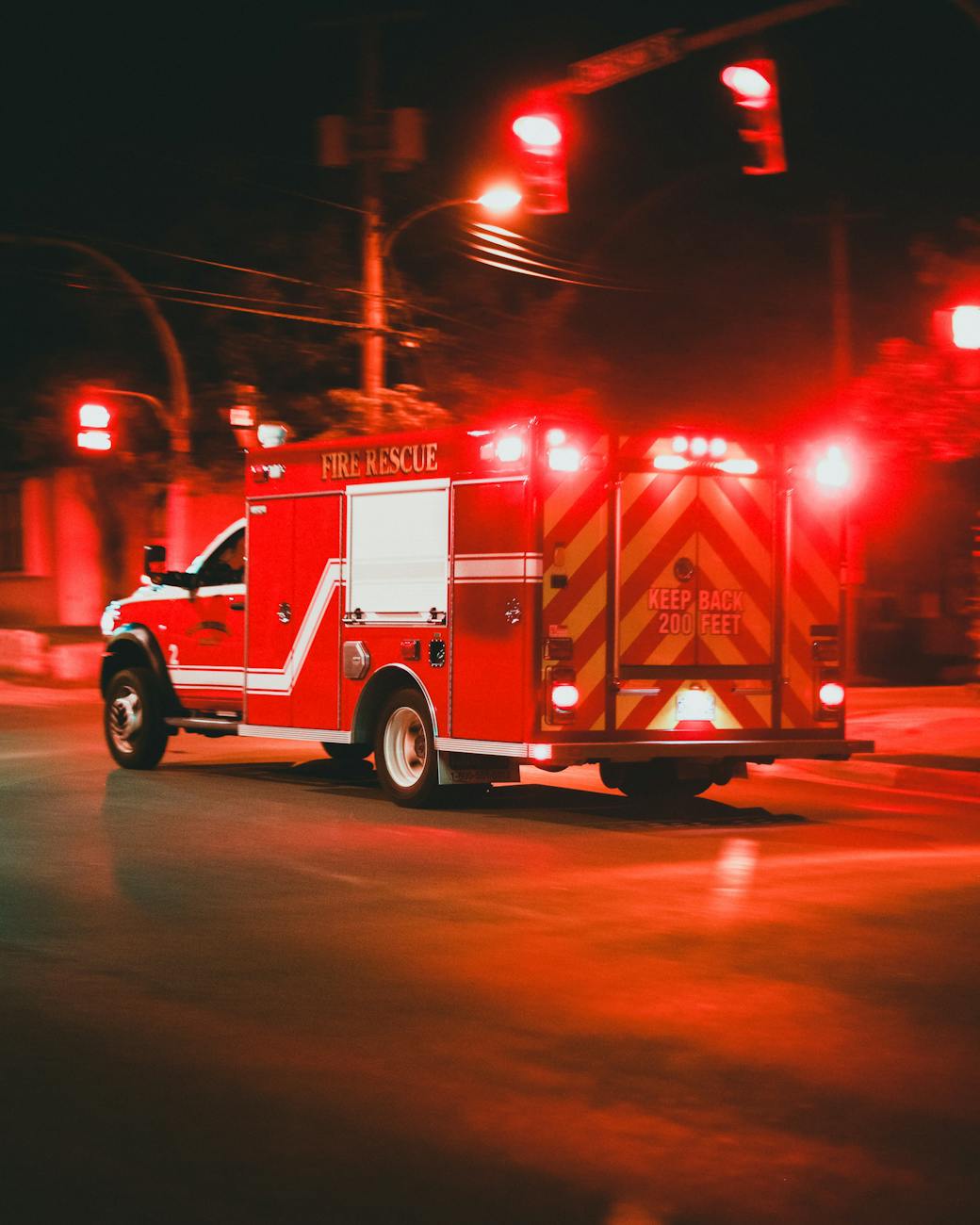
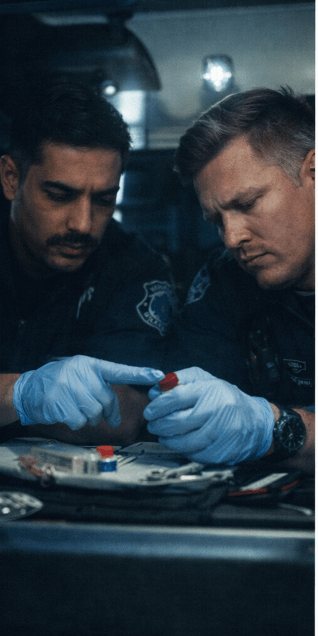
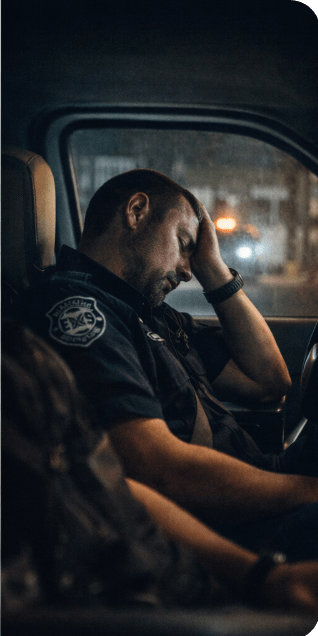
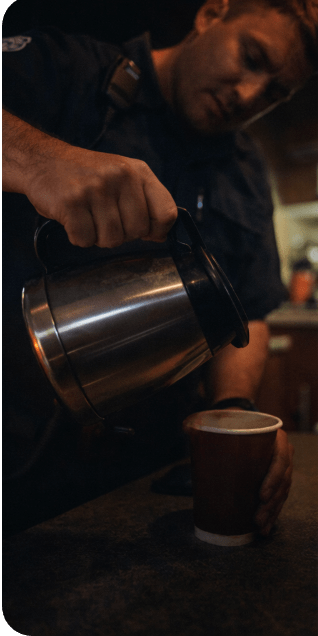

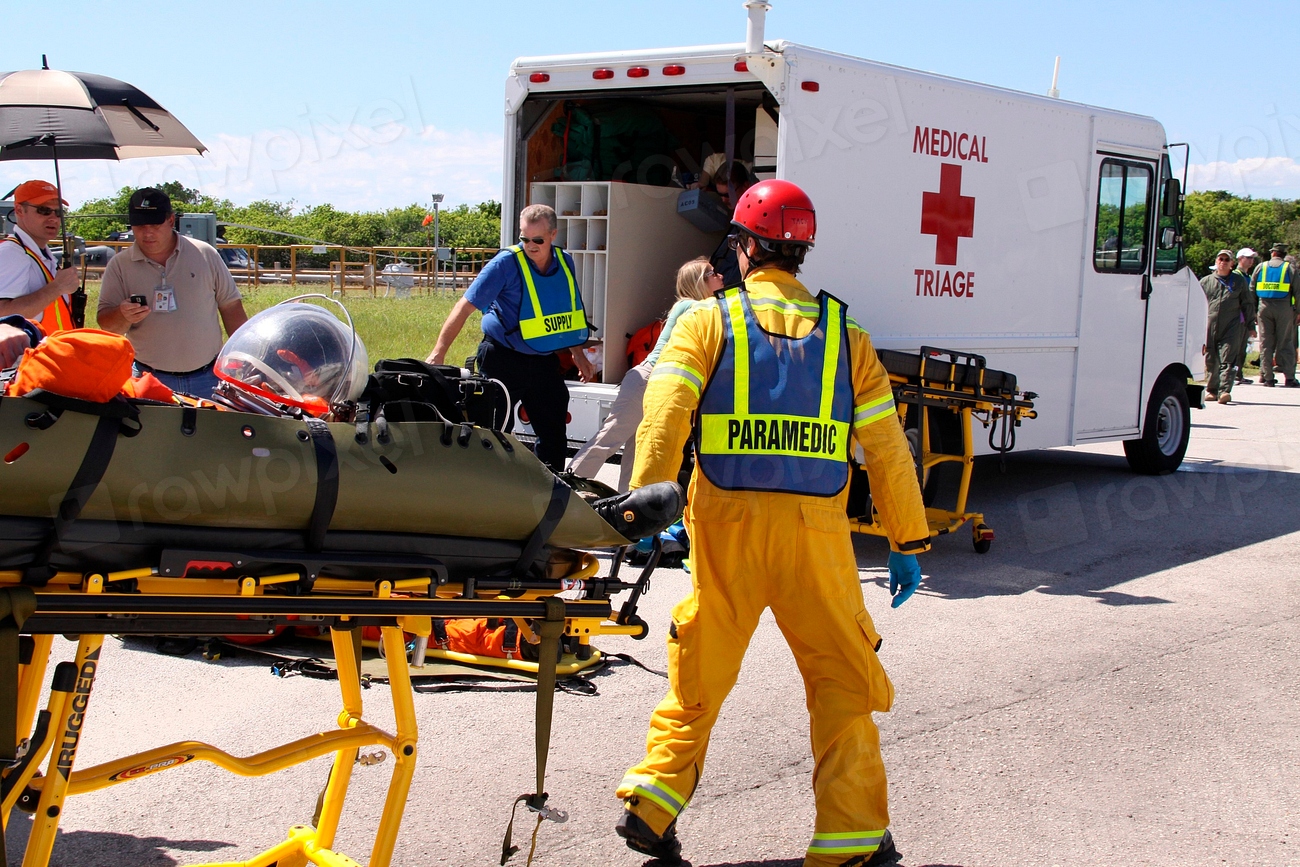

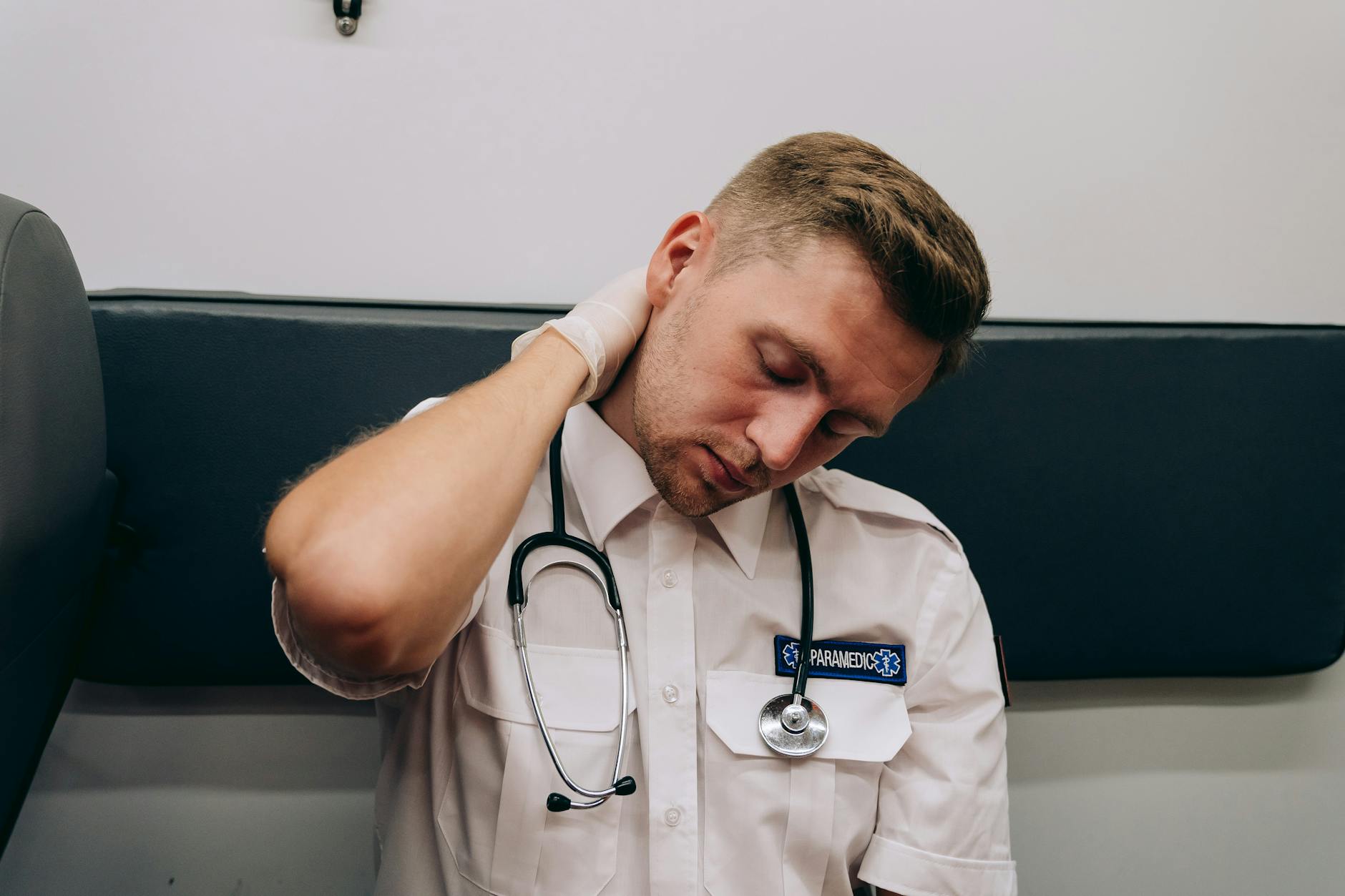
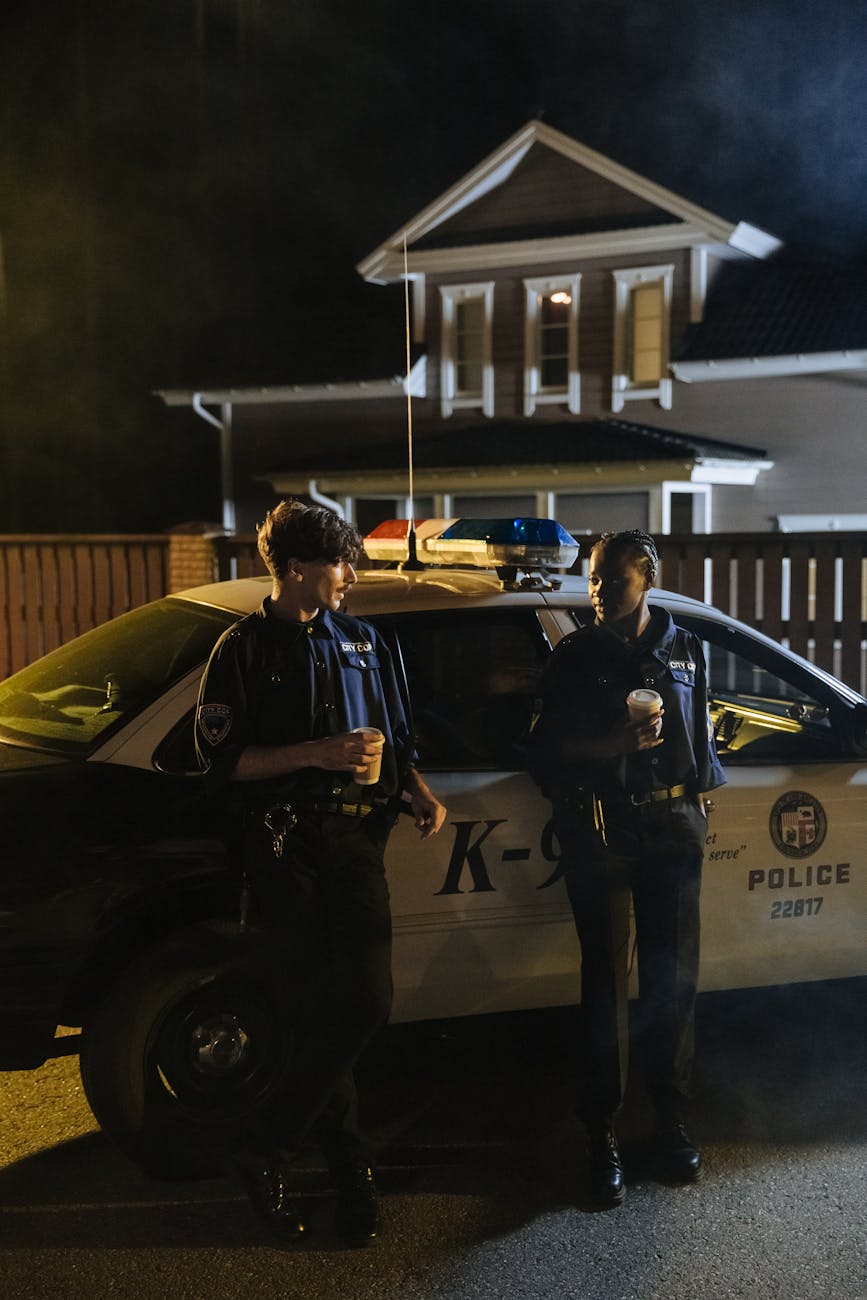



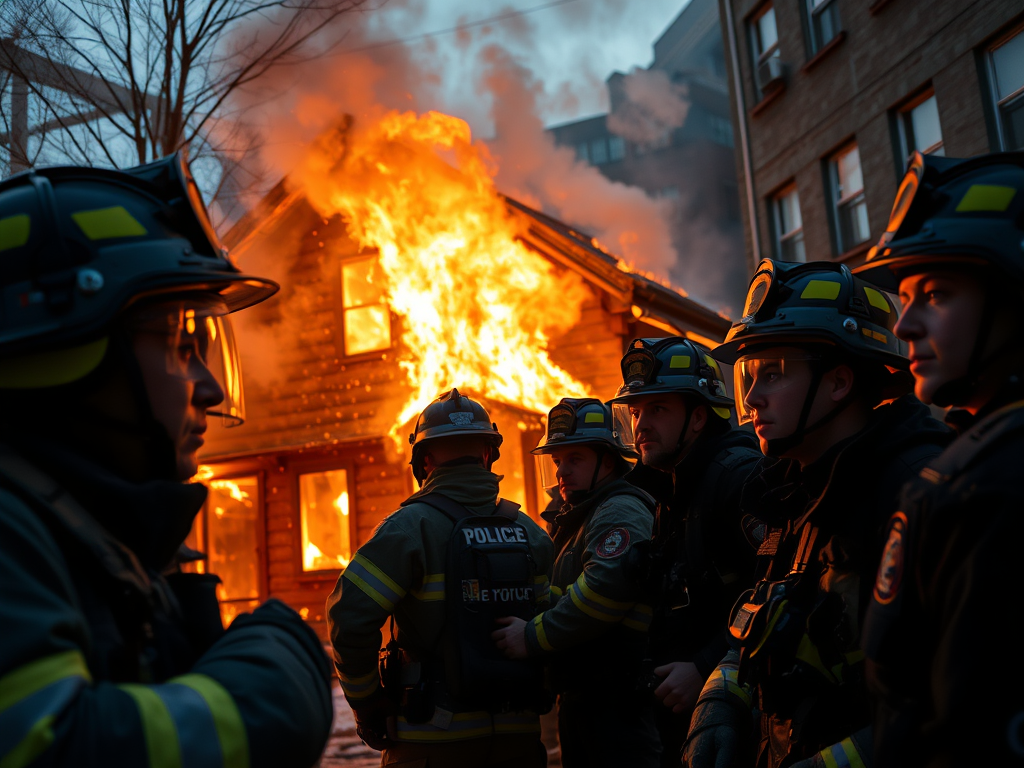

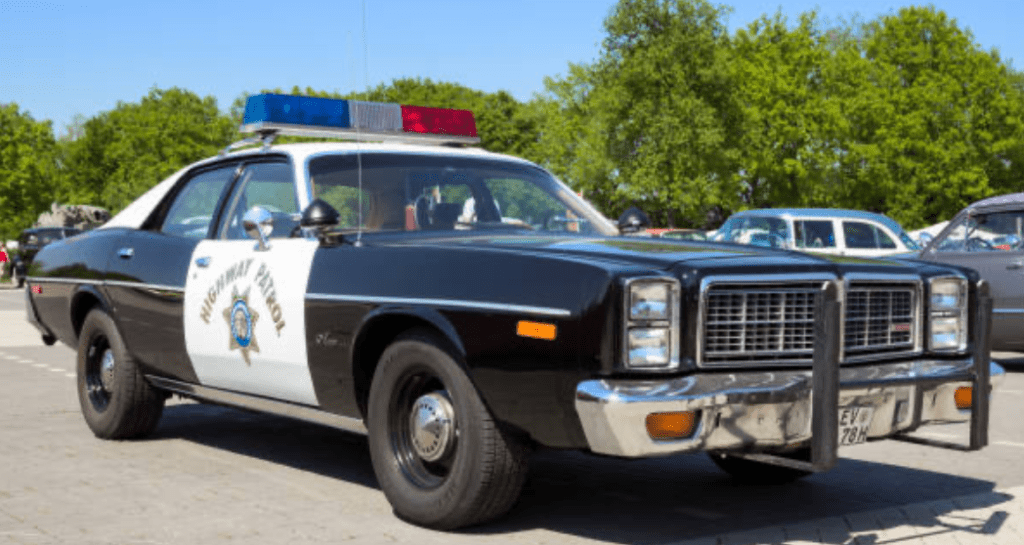











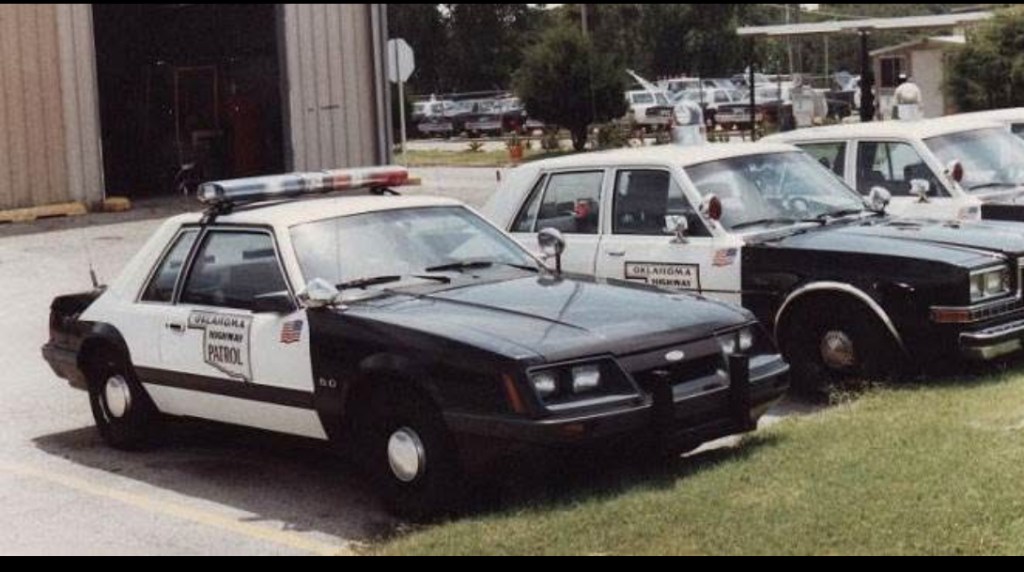




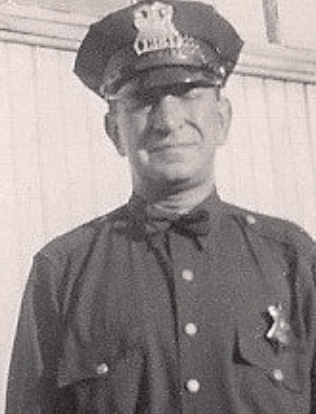


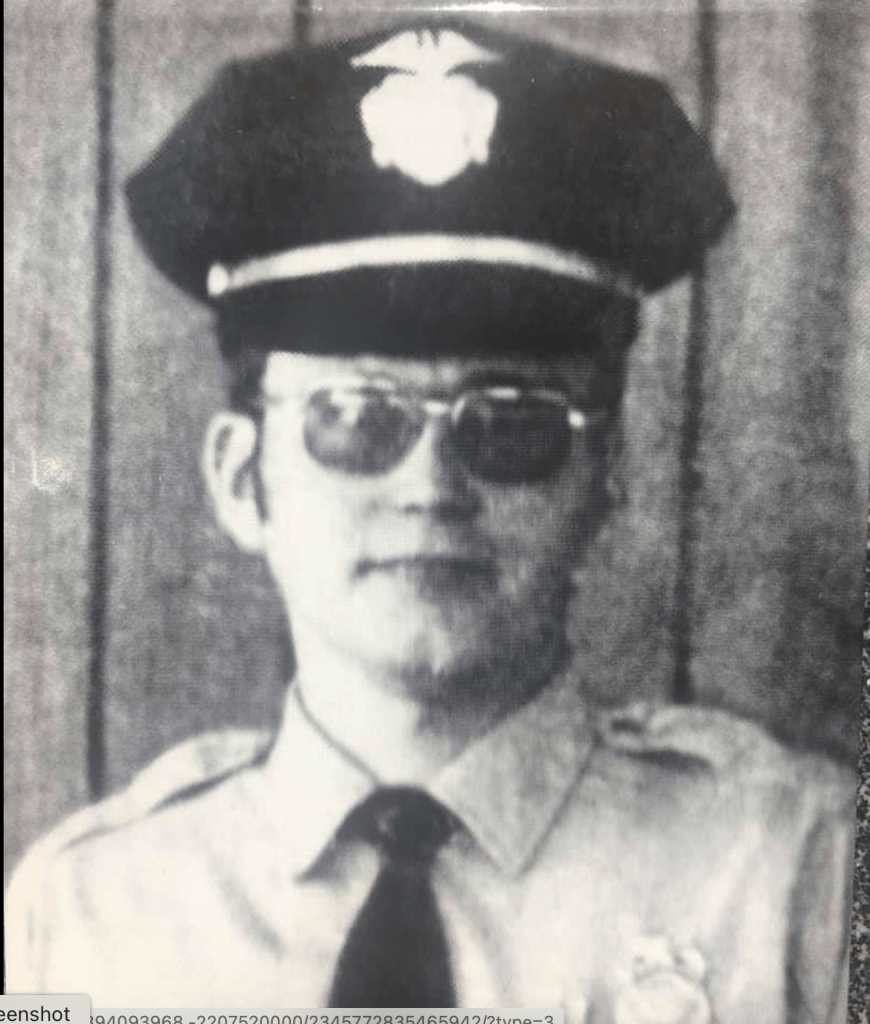


 benandsteve.com