Memorial Day: From Local Tribute to National Holiday

By Benjamin GroffMedia© | benandsteve.com | 2025 Truth Endures

2–3 minutes

The First Memorial Day: Honoring the Fallen After the Civil War

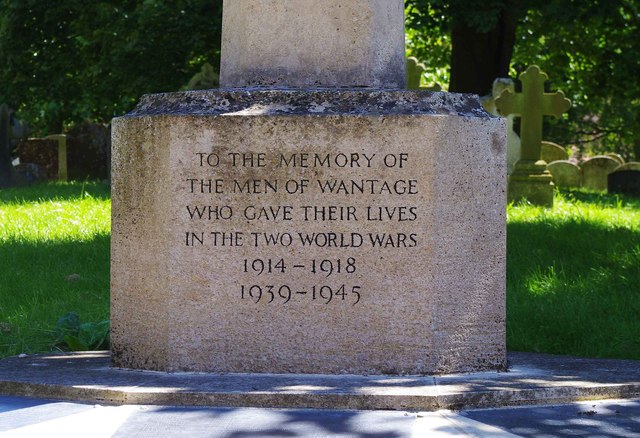
Photo by Jerry Butler Pexels.com

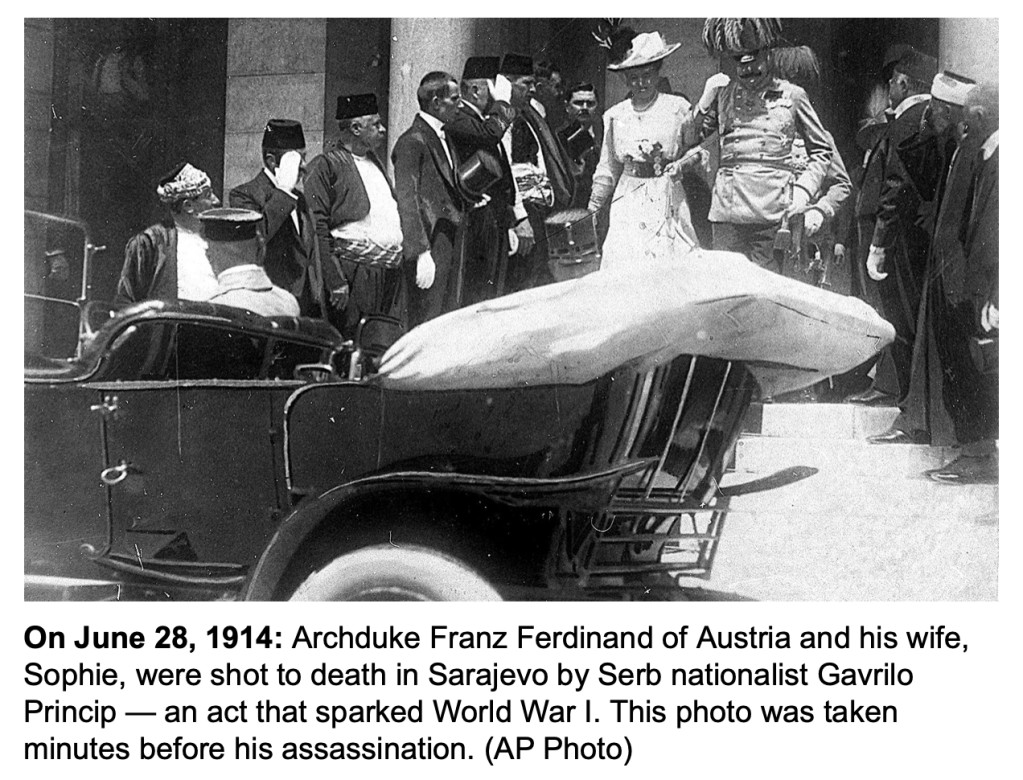
In the aftermath of the American Civil War—a conflict that claimed more lives than any other in U.S. history—communities across the nation were left mourning. By 1865, with the war concluded, families faced the grim task of honoring more than 600,000 soldiers who had died. This collective grief gave rise to a new tradition: a day of remembrance.

Many towns and cities began their own informal commemorations of fallen soldiers. An early observance of what would become Memorial Day occurred in Charleston, South Carolina. It happened on May 1, 1865. There, newly freed African Americans held a ceremony to honor Union soldiers. These soldiers had died in a Confederate prison camp.

During the war, Confederate forces converted the city’s Washington Racecourse. Today, it is known as Hampton Park. They turned it into a prison for Union soldiers. Over 260 Union troops died there from disease and exposure and were buried in unmarked graves. After the Confederacy’s defeat, Black residents of Charleston, many of them formerly enslaved, took action. They worked to give those soldiers a proper burial. They reinterred the bodies. They built a fence around the site. They marked it with a sign that read: “Martyrs of the Race Course.”

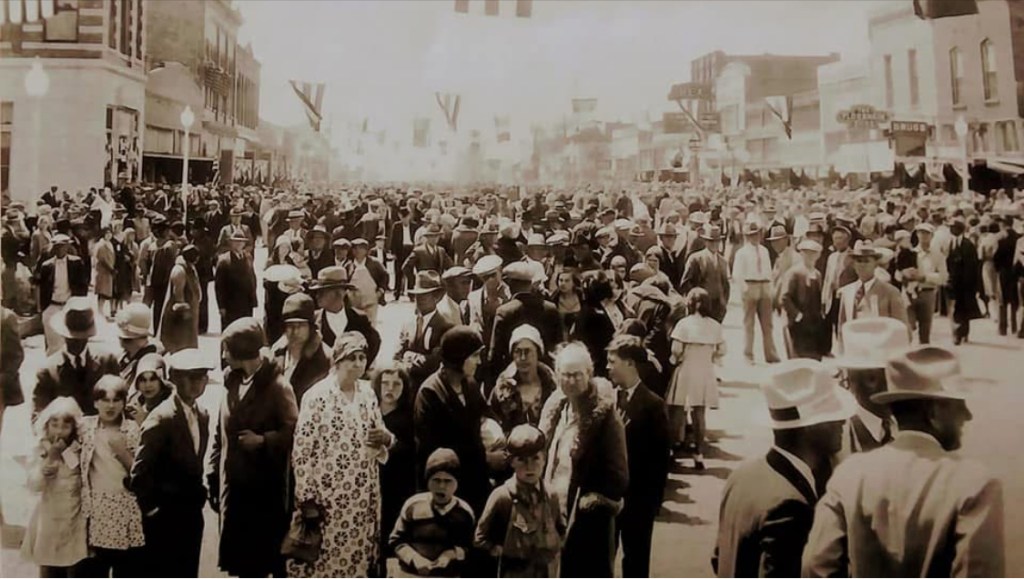
On May 1, a crowd of around 10,000 people—including freedmen, Union troops, and white missionaries—gathered for a solemn procession. The event included prayers, singing, speeches, and the laying of flowers. Children marched with armfuls of blossoms, and the day ended with picnics and patriotic performances. This Charleston observance was largely forgotten in the national narrative for decades. Now, many historians recognize it as the first Memorial Day.

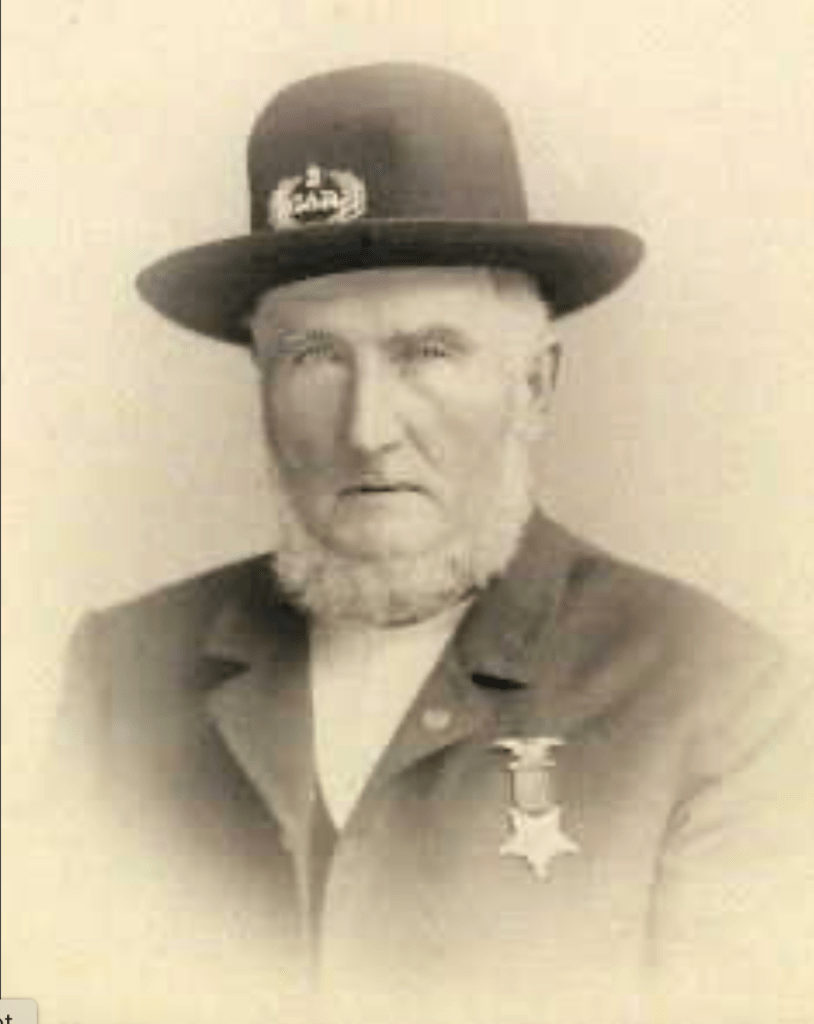
Nonetheless, the tradition took broader root a few years later. In 1868, Union General John A. Logan, head of a veterans’ organization called the Grand Army of the Republic, issued a proclamation. He declared May 30 as Decoration Day, a time to decorate the graves of fallen soldiers with flowers. That year, ceremonies were held at over 100 cemeteries across the country. A major event took place at Arlington National Cemetery. Flowers were placed on the graves of both Union and Confederate soldiers.

Photo by Hub JACQU on Pexels.com

Over time, Decoration Day evolved into Memorial Day, gradually becoming a national holiday. After World War I, its purpose expanded to honor all Americans who died in military service. In 1971, Memorial Day was declared a federal holiday. It was moved to the last Monday in May. This change ensures a long weekend of remembrance.

Today, Memorial Day is a time for reflection. It is also a time for gratitude. It honors those who gave their lives in service to the United States—from the Civil War to the current day.


Twila Elouise: The ‘Standard Oil Baby’ and Her Amazing Birth Story

By Benjamin GroffMedia© | benandsteve.com | 2025 Truth Endures

3–4 minutes

A Frightening, Comical, and Hostile Ride: The Birth of Twila Elouise

By early June of 1960, Oklahoma’s summer heat had already settled in, pressing down across the vast plains. In Oklahoma City, JD Groff attended a convention of oil producers. He was representing Standard Oil Company alongside his superior. His superior was a man named Harold. Harold had a reputation for being both respected and heavy-handed with a whiskey glass.

Meanwhile, back in Clinton, JD’s wife Marjorie—known to family and friends as Margie—had decided to stay home during JD’s trip. Margie had four children already—Sheldon, Terry, Dennis, and Juli. She wanted to stay close to JD’s sister and brother-in-law. They could quickly step in and help with the kids if she needed to go to the hospital. It was a decision made with foresight and care, and as it turned out, it was the right one.

On June 2, Margie went into labor.

Her calm steadiness defined her actions. She went to the hospital, and the children were safely in good hands. Virgil Downing, her son-in-law, knew that JD needed to be reached quickly. He called the hotel in Oklahoma City. The oil convention was being held there. He had the front desk page, JD Groff.

“They called my name right in the middle of the banquet,” 

JD later recalled. 

“Everything stopped. I knew right then — it was time.”

JD bolted from the room, his heart pounding and his hands reaching for his keys when Harold intercepted him.

“You’re not driving,”

Harold slurred, wagging a finger. 

“You’ll crash the damn car. You’re too excited, Groff. I’ll take you.”

JD tried to argue and pry the keys back, insisting that Harold should not drive. He even asked him multiple times to pull over. They should then switch places. Harold refused every time. He repeated with drunken certainty that he was the safer choice.

“You’ll wrap us around a tree,” 

Harold barked, gripping the wheel with one hand and gesturing wildly with the other. 

“You’re gonna be a daddy tonight, shaking too much to steer.”

A two-hour rollercoaster ride across the Oklahoma highways followed. It was a journey that JD would remember for the rest of his life.

“He passed cars on the left, passed them on the right,” 

JD said later. 

“He cussed at every truck, hollered at every red light, and nearly rear-ended a tractor. At one point, he tried lighting a cigar while doing 80 down a back road.”

As JD would describe, 

“frightening, comical, and hostile all at once.”

By some miracle, they made it to Clinton in one piece. JD leaped from the car, bolted into the hospital, and made it to Margie’s side just in time.

That evening, on June 2, 1960, their daughter was born: Twila Elouise Groff.

JD had already picked the name. Twila for its soft, lyrical sound. Elouise served as a tribute to the Groff family lineage. This name stretched back to the family’s Swiss heritage. It was carried by strong women long before the Groffs ever set foot in America.

Twila’s birth quickly became more than a family milestone — it became a local legend.

In the next weeks and months, oil producers stopped by JD’s Standard Oil station in Clinton. Sales associates also visited. Colleagues from the convention came by as well. They checked in. 

“How’s the baby?”

They’d ask. 

“Did Harold drive you the whole way like a bat out of hell?”

Before long, the story had taken on a life of its own. Twila became affectionately known among oil company executives as 

“The Standard Oil Baby.” 

Her name would be mentioned at future conventions and meetings across Oklahoma. JD’s wild ride—and Twila’s prompt arrival—became an industry folklore, retold with laughter, awe, and camaraderie.

Years later, when new sales associates came through Clinton, they’d stop in and say, 

“Is this where the Standard Oil Baby lives?”

And JD, with that familiar half-smile, would nod proudly and say, 

“Yes, sir. That’s her.”

Remembering John S. Foster Jr.: A Key Figure in Nuclear Deterrence

By Benjamin GroffMedia© | benandsteve.com | 2025 Truth Endures©

2–3 minutes

John S. Foster Jr., 102, Pioneering Physicist and Architect of U.S. Nuclear Deterrence, Dies

John Stuart Foster Jr. was a visionary physicist. His career spanned over eight decades of American scientific and defense innovation. He passed away on April 25, 2025, in Goleta, California. He was 102.​ (1)

Born on September 18, 1922, in New Haven, Connecticut, Foster was the son of renowned Canadian physicist John S. Foster Sr. He began his academic journey at McGill University, earning a Bachelor of Science degree in 1948. He later obtained a Ph.D. in physics from the University of California, Berkeley, in 1952.​ (2)

Foster’s skill during World War II was instrumental in developing radar and countermeasure technologies at Harvard’s Radio Research Laboratory. He served as a scientific advisor to the 15th Air Force in the Mediterranean Theater. This role further demonstrated his dedication to the war effort. (3)

In 1952, Foster was recruited by Edward Teller to join the Lawrence Livermore National Laboratory (LLNL). His leadership in nuclear weapons design at LLNL was groundbreaking. He eventually became the director in 1961. This leadership fostered a culture of innovation and collaboration that continues to inspire today.

From 1965 to 1973, Foster served as the Director of Defense Research and Engineering at the U.S. Department of Defense, advising four Secretaries of Defense and two Presidents. He championed advancements in smart weapons, night vision, and reconnaissance technologies.​ (4)

After his tenure at the Pentagon, Foster joined TRW Inc. as Vice President of Science and Technology, later serving on its board of directors. He remained an influential figure in national security. He participated in the Defense Science Board. He also joined the President’s Foreign Intelligence Advisory Board. Additionally, he served on the Commission to Assess the Threat to the United States from Electromagnetic Pulse (EMP) Attack. ​(5)

Foster’s contributions earned him many accolades. These include the Enrico Fermi Award and the Founder’s Award from the National Academy of Engineering. He also received multiple Department of Defense Distinguished Public Service Medals. He was also honored internationally. He received the Knight Commander’s Cross of the Order of Merit of the Federal Republic of Germany. He was named Commander of the French Legion of Honor.​ (6)

In recognition of his enduring legacy, LLNL established the John S. Foster Jr. Medal, awarded annually to individuals demonstrating exceptional leadership in national security science and technology. (7)

Foster is survived by his family and a legacy that continues to influence U.S. defense policy and scientific research.​

A memorial service will be held at Lawrence Livermore National Laboratory. Instead of flowers, the family requests donations be made to the Livermore Lab Foundation in his honor.​ (8)

From Alps to Illinois: Ulrich L. Groff’s Inspiring Life Story

By Benjamin GroffMedia© | benandsteve.com | 2025 Truth Endures©

3–5 minutes

The Life and Legacy of Ulrich L. Groff

Ulrich Groff Sr.

Ulrich L. Groff was born on October 8, 1848, in the alpine village of Wengen, nestled in the canton of Bern, Switzerland. Ulrich and Mary Miller Groff were Swiss natives. They were described on their immigration papers as “tillers of the soil.” These were farmers seeking a better future. In Switzerland, the Groff family lived in a small but close-knit community. It was in this environment that Ulrich learned the values of hard work. He also learned perseverance and family unity.

In 1852, when Ulrich was just four years old, the Groff family made a monumental journey to America. 

Their voyage took them across the Atlantic Ocean. This information is from family records shared by Sylvia Little, the mother of Jackie Lee Little. They traveled aboard one of the last great sailing ships. The journey lasted a whole month at sea before they landed in the port of New Orleans. From there, the family traveled north through the Wabash and Illinois Rivers, eventually arriving in Vincennes, Indiana.

There, they purchased wagons and teams of oxen to make the final leg of their journey. The Groffs settled in Richland County, Illinois. They would lay down roots and build a new life from the ground up. They faced challenges like language barriers, unfamiliar customs, and the harshness of the American frontier.

By 1860, the Groffs had firmly established themselves in Claremont Township, Richland County. The census that year listed young Ulrich as a ten-year-old student, attending school alongside his brothers Michael and Joseph. His father, a determined farmer, was farming 640 dollars’ worth of land—no small feat for an immigrant family. It was a humble beginning but one filled with purpose and promise.

On December 6, 1870, Ulrich Jr. married Martha Allen Eaks in Richland County. Martha had been born in Cannon City, Tennessee, on December 11, 1849, to William C. and Frances Eakes. Ulrich and Martha began a family together and raised their children on the Illinois prairie.

Ulrich Groff Jr. And Family

By 1880, Ulrich was a working farmer, and he and Martha had three sons: Ira Allen, Harvey S., and Otis E. Over the years, their household expanded to include nine children, with Benjamin H. Groff I. becoming a middle child. Eight of Ulrich Jr.’s children survived to adulthood. The Groff household, a warm and united family, also became a multi-generational home. By 1900, Ulrich’s mother, Mary, was a 74-year-old widow. She had survived the long journey from Switzerland. She also overcame the challenges of building a life in a new land. At that time, she was living with the family.

Martha passed away on February 22, 1906, at 56, and was laid to rest in Eureka Cemetery in Claremont. In 1909, Ulrich remarried, taking Ellen L. Richter of Olney, Illinois, as his wife. Ellen had been born in Bullitt County, Kentucky, to James and Catherine Yates Richter. Ulrich and Ellen had no children together. Later, they helped raise two grandchildren, Cleo and Walker. They stepped in after the children lost their father, Odis Edward Groff.

Ulrich bridged two continents and saw a century of change. He became a U.S. citizen in 1869 and worked on Illinois soil, much like his ancestors did in Switzerland. He never learned to read or write but valued education and ensured his children access it. His life was defined by perseverance, faith, and the quiet strength of a man who carried his family’s burden. Ulrich also became a respected member of the Richland County community. He was known for his hard work, honesty, and willingness to help others.

Ulrich Jr. passed away on June 6, 1927, at the age of 78 years, 7 months, and 29 days. He was buried beside Martha in Eureka Cemetery. Ellen lived on until 1939 when she passed away at the age of 82. She, too, was buried in Eureka.

The legacy of Ulrich L. Groff endures in the farmland he once tilled. It continues through the descendants he raised. The journey his family made was filled with hope. It was marked by courage and the will to start again. They traveled from the Alps of Switzerland to the heartland of Illinois.

Before Otis passed away, he and Ulrich’s son, Benjamin, discovered land in Oklahoma. In the early 1900s, they began farming it together. Benjamin and his sister, Laura Alice Dowty, eventually settled there permanently. They raised their families there and spent the rest of their lives on that land.

The Heartfelt Impact of Loss in Law Enforcement

By Benjamin GroffMedia© | benandsteve.com | 2025 Truth Endures©

3–4 minutes

JOHN BLAZEK

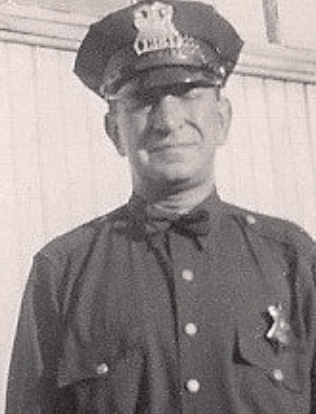
My grandfather had a host of brothers. Their father, Ulrich Groff Jr., had been married twice—the second time after his first wife died. Among my grandfather’s many brothers was one named Frank. In the family, he was known as Grand Uncle Frank or Great Uncle Frank, depending on who was telling. Frank lived a colorful, hard-worn life. He was the one who taught me how to ride a bike and always had a funny story to tell. He was raised on a farm. He worked odd jobs in his youth. Eventually, he found a steady calling with the Chicago Police Department.

Frank’s career on the force was mostly uneventful, at least by police standards. He would occasionally talk about the small-time crooks. He mentioned the drunks and the desperate people. He and his partner had to haul these people off to jail. But there was one story he told with a quiet solemnity—one that never left him. It was a time when being a police officer was a tough job, especially in a city like Chicago. The streets were rough, and the criminals should not be taken lightly.

Frank Groff

It was the night his partner died.

According to Frank, it had been a typical shift. He and his partner had picked up a couple of rowdy men, causing trouble. One of them shoved Frank’s partner during the scuffle. The man was quickly subdued and locked up. As far as Frank knew, it was nothing out of the ordinary. They had handled far worse and walked away without a scratch.

But the next morning, a knock at Frank’s door brought grim news. Fellow officers informed him that his partner, John Blazek, had passed away during the night.

John had hit his head during the scuffle—no one thought much of it at the time, including John himself. Like many men of his era, he brushed it off, finished his shift, and went home. Officer Blazek called a fellow officer to give him a ride. He didn’t feel quite right. Still, no one suspected anything serious. He went to bed and never woke up. The suddenness of his passing left everyone in shock and disbelief.

The official record read:

John Blazek

Patrolman John Blazek died after suffering a head injury. He fell or was pushed to the floor inside the 22nd District’s cell room. This incident occurred at 943 West Maxwell Street the prior night. He did not realize he had suffered a skull fracture. He attempted to go home at the end of his shift at 8:00 am. Blazek did not walk home and called another officer to pick him up. Once he got home, his condition worsened. He passed away the next day from the head injury.

Patrolman Blazek was a U.S. Army veteran of World War I who had served with the Chicago Police Department for 26 years. His sudden and unexpected death left a void in the community. His wife and two sons survive him.

Frank never quite recovered from that night. Though he stayed on the force, something in him changed. He stopped talking about the job as much. When he did, it was with a heavier voice. He had arrested many criminals and survived several street scuffles. Yet, the quiet death of his partner haunted him the most. They didn’t see it coming. He retired a few years later, and we see that the incident had taken a toll on him. He spent his days quietly, often lost in thought.

Years later, after Frank’s retirement, we found a worn copy of the police report. It was on John Blazek’s death and among his things. It was folded carefully into the pages of his Bible. Eventually, Frank passed on. On the back, in his handwriting, were the words:

“We don’t always know the moment something changes us. But we carry it. Always.”

From Cotton Fields to Sheriff: The Story of Jess Bowling

By Benjamin GroffMedia© | benandsteve.com | 2025 Truth Endures©

4–5 minutes

Sheriff Jess “Pooch” Bowling, Jr.: From Cotton Fields to County Leader

Jess ‘Pooch’ Bowling

Jess Bowling, Jr. was born in Binger, Oklahoma, on August 23, 1924. At just 11 years old, he left behind half his family. He also left the dusty plains of Oklahoma. He sought a new beginning in California. With his father and brother, young Jess traveled west in a weathered 1929 Buick. They finally settled in the small agricultural town of Dos Palos. His mother, two sisters, and another brother stayed behind in Oklahoma—a family split by circumstance but not by love.

Life in California was anything but easy. Jess Jr. rose with the sun. He toiled in the cotton fields until it set. He contributed what he could to help his family survive. It was hard work—grueling and endless—but there was resilience in the struggle. Sheriff later joked, “We did live in the biggest tent in Dos Palos!”

His father, Jess Sr., quickly became a cornerstone of the growing town. He opened a grocery store, invested in rental properties, and became active in local politics. His leadership and business savvy earned him a seat on the city council and, eventually, the title of Mayor.

Jess Jr. worked in the family store while attending school. He graduated from Dos Palos High School with a reputation for dependability and quiet strength. Not long after, fate stepped in when he met Darlene, a young woman from Iowa visiting relatives. The two married in 1945 and raised three children—Sharlynn, Shirley, and Michael.

The Badge and the Beat

Simulated Photo

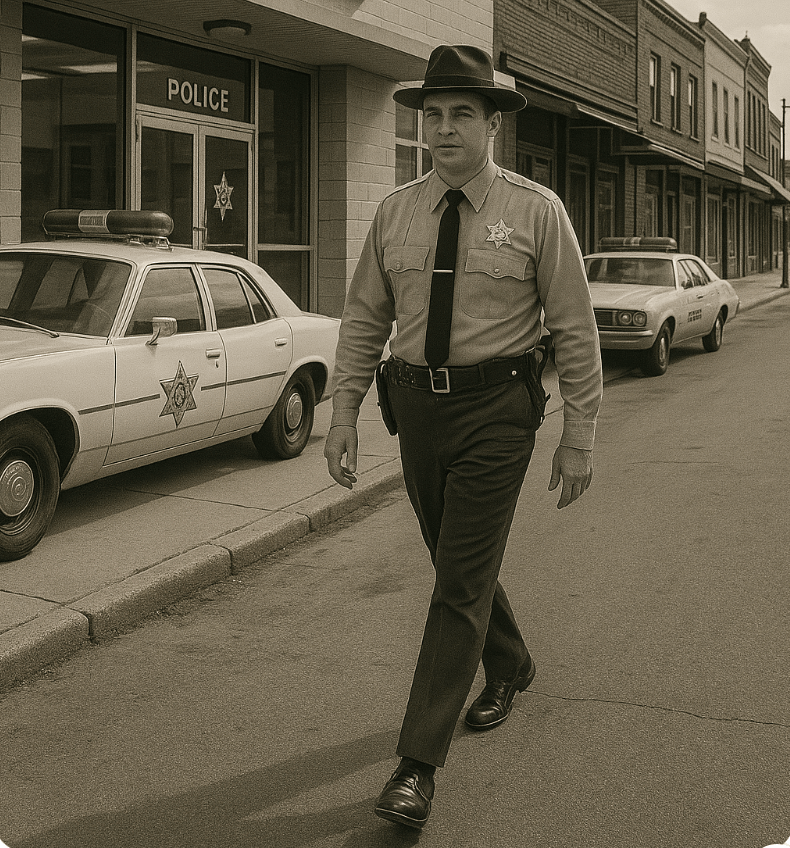
Jess Bowling’s journey into law enforcement began in 1953 when he joined the Dos Palos Police Department. His first assignment? Tackling the town’s parking problem. Officer Bowling issued dozens of citations, doing so with a steady hand and a sense of duty. He even issued one to his father, the Mayor. Years later, he found that very ticket among his father’s possessions, a keepsake of humor and integrity.

Although that first stint in law enforcement was brief, it planted a seed. After returning to the family store, Bowling joined the Atwater Police Department in 1956. In 1958, he made the move that would define his career: joining the Merced County Sheriff’s Department.

Simulated Photo

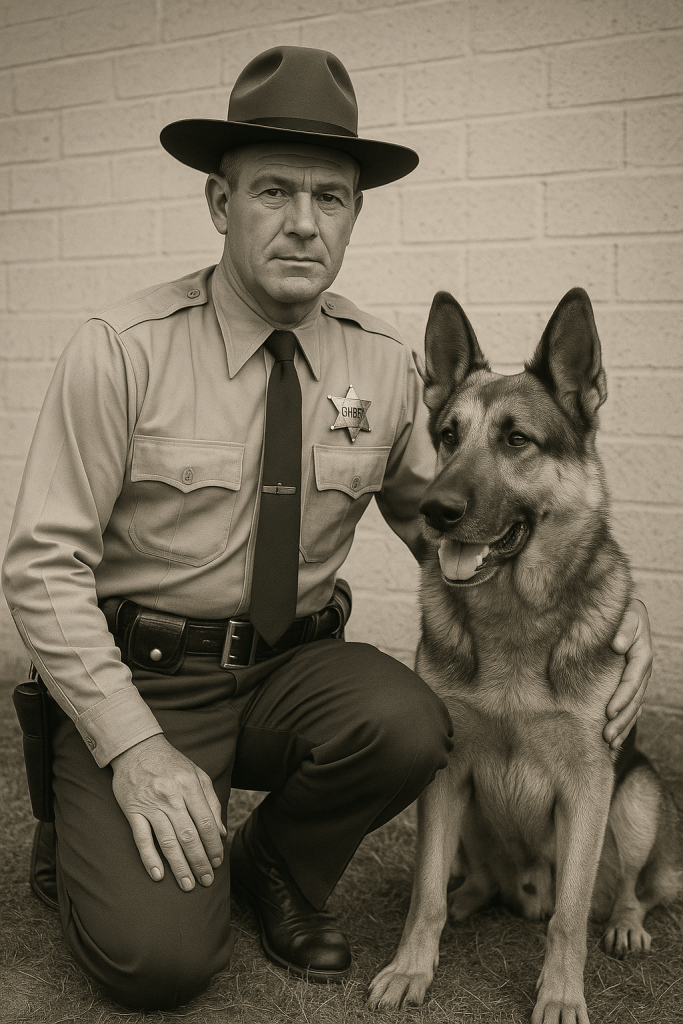
In 1963, Bowling became the department’s first-ever canine handler, partnered with a large, loyal German Shepherd named Jim. Together, they helped pioneer a new era of policing.

By 1974, Jess Bowling had risen to the rank of Lieutenant when tragedy struck—the sudden passing of Sheriff Earl McKeown. In the aftermath, Bowling was appointed interim Sheriff. The people had already decided by the time the special election rolled around in May 1975. Bowling’s steady leadership and quiet competence earned him the Sheriff’s badge in his own right.

Reformer, Leader, Trailblazer

Sheriff Bowling led the department through six transformative years. He spearheaded major innovations that professionalized law enforcement in Merced County. Under his administration:

  • The Corrections Division was established, moving jail staffing from deputies to trained corrections officers.
  • Dispatch services were assigned to civilian professionals, freeing up sworn deputies for fieldwork.
  • He launched the county’s first-ever 24-hour patrol, marking the end of the “resident deputy” model.
  • He hired Merced’s first female deputy, breaking gender barriers in local law enforcement.
  • The department acquired its first handheld radios, enabling Bowling to reintroduce the classic “walking beat cop” in areas like Winton.

These weren’t just administrative changes but foundational shifts that shaped the Sheriff’s Department into a modern, responsive force.

His achievements were not only admired—they were preserved. Jess “Pooch” Bowling’s remarkable career is documented in a collection. His family lovingly maintains it as a tribute to a life of service.

Legacy and Final Salute

I had the privilege of knowing the Bowling family. One of my sisters even married Jess’s nephew. Every time he returned to town, Sheriff Bowling brought a yearbook from the department he once led. He proudly pointed out the growth and accomplishments of his former team. The department’s scope, the number of divisions, and the professionalism he helped instill always struck me, as did his accomplishments.

1974 – The first female deputy was sworn in

1974 – First portable transceivers issued to deputies

1974 – The first 24-hour patrol begins

1977 – First Special Emergency Response Team (SERT) organized

1977 – Marshal’s Office established

1980 – Hostage negotiators were trained and included on the SERT team

Merced County Sheriff’s Office, California

But behind the badge was a man who never forgot where he came from. Before the titles and the accolades, Jess “Pooch” Bowling was a boy in a Buick. He was a cotton picker working under the sun. He was a young man doing what he could to help his family survive.

After a doctor advised him to retire due to a serious heart condition, Sheriff Bowling stepped down in 1980. He lived to celebrate his 80th birthday during Merced County’s 150th anniversary in 2005. This honor was fitting for a man who helped shape its modern history.

Jess “Pooch” Bowling passed away on April 18, 2007. He was laid to rest beside his beloved Darlene in Dos Palos Cemetery.

His story is one of grit, integrity, and service. It is a journey from the cotton fields to the highest badge in the county.

Reflecting on the Oklahoma City Bombing: 30 Years Later

By Benjamin GroffMedia© | benandsteve.com | 2025 Truth Endures©

2–4 minutes

Thirty Years Ago Today

Thirty years ago, today, I was standing in a Federal Building when my pager went off. The screen lit up with all 9s—a code used to signal an emergency assignment. I needed to contact headquarters right away.

I had just stepped out of a federal courtroom in Denver, Colorado. Moments earlier, I had been inside, preparing to testify in a significant case involving a syndicated burglary operation. I’d been working undercover, embedded deep within their ranks. The courtroom was tense, but a recess had been called, and a few of us decided to grab coffee downstairs.

As we stepped into the elevator, my pager buzzed. I glanced around—no one else’s device had gone off. A sinking feeling set in, but I said nothing. When we reached the first floor, I peeled away from the group and went to a pay phone. I called my office.

My supervisor’s voice was grim on the other end of the line. A bombing had just occurred in downtown Oklahoma City. It was devastating—an entire city block destroyed, surrounding buildings heavily damaged. The scope of it was hard to fathom.

My first words were my gut instinct.
If they’re still alive, the person who did this is already on the road, on one of the Interstates. They’re putting as much distance as possible between themselves and the blast. They’ll go until they feel safe, then hunker down and watch.

Shortly after that call, my pager buzzed again—this time from the Federal Prosecutor’s Office. They informed me that all federal court proceedings were being canceled nationwide. I wouldn’t be needed back in court that day.

With nothing more to do, I contacted relatives in Oklahoma to ensure their safety. Then, like so many others, I returned to my room. I sat glued to the television and watched the horror unfold in real time.

The next day, I waited to hear if I’d stay in Denver. I wondered whether I would be reassigned. Another page came in from my office. A state trooper had made a traffic stop north of Oklahoma City. The individual taken into custody matched a profile. My instincts had been right.

In the weeks that followed, the nation learned his name. I choose not to say it now. Some people deserve to be remembered. He is not one of them.

Now, on this Saturday, April 19th, 2025, it’s been thirty years. Half of the people living in Oklahoma City today were either not born or didn’t live there in 1995. The memory of that day is fading, becoming a chapter in history instead of a scar felt daily.

Many survivors have since passed. Families of the victims have grown older, some have gone entirely. Some of those in the building that day were too young to remember it now. The face of that tragedy has changed, but its weight remains.

The Oklahoma City Bombing was the first of two national tragedies I learned about while standing in an elevator. The second came years later, on a crisp September morning—9/11. I remember thinking about stairs a lot after that. Elevators started to feel cursed.

But I never gave in to fear. I always got back in and waited for the doors to close. I figured if I didn’t, they would win.

And I wasn’t about to let that happen.

Gallows Humor: Essential for First Responders’ Survival

Benjamin GroffMedia© | benandsteve.com | 2025 Truth Endures©

3–5 minutes

We had to invest a lot of time making each other laugh. Honestly, the truth behind what we dealt with every day was so damn depressing. I’m talking about my days in law enforcement. There were long shifts, chaos, and tragedies. We pulled practical jokes to stay sane.

We had an incredibly well-liked lieutenant. I admired him immensely. He was competent, dedicated, and a strong leader. Yet somehow, he always found himself in absurd situations. He was often under fire from the chief. I’ll admit, on more than one occasion, I have played a small role in those misadventures.

One day, we were in the breakroom. It never failed. Just as you were halfway through a cup of coffee, a call would come down. You’d have to bolt. Out of habit, everyone would set their half-filled cups on the vending machine on the way out. When we returned from a call, the lieutenant came in, frustrated. He began to reprimand everyone for making the breakroom look like a pigsty. This was ironic, given the usual state of his desk.

The Coffee Cup Incident
The Coffee Cup Case

He stomped to the vending machine and picked up the abandoned cups. The first few were empty, which he confirmed by holding them up to the light, right over his face. Then he grabbed one that still had coffee and did the same. It spilled directly onto his uniform. He stood there stunned, dripping. The rest of us just sat, silently watching like it was a movie scene.

I walked over, grabbed his tie, and wrung it out. A drip of coffee came out and landed on his boot. The whole shift erupted in laughter. The lieutenant stormed out, fired up his patrol car, and squealed the tires, leaving the station.

Unluckily for him, the chief had parked just down the street to watch the night shift in action. He saw the whole thing and chewed the lieutenant for over an hour.

Despite the pranks, the lieutenant and I had a solid bond. One time, he made a big announcement at shift change in front of everyone. He said he’d be riding with me to assess my patrolling skills. I just looked at him and said, “That’s fine, but you’re gonna have to sit over there and be quiet.” The room burst into laughter. He chuckled and said,

“Only you could get away with saying something like that.”

That was our partnership. He knew I’d undoubtedly have his back, no matter what. Off-duty, we were good friends. We went fishing together. We also vacationed with each other’s families. I had his back more than once when things got real in the field.

There were other moments, too. One traffic officer had a bad habit of leaving his patrol unit running and unlocked outside the station. It was just begging for a prank. One night, another officer and I gave in to temptation. My buddy hopped in the driver’s seat; I took the passenger side. He threw it into drive, and off we went—sirens blaring.

Inside, the officer was digging through his briefcase, organizing reports. When we took off, he jumped so high that he spilled the contents everywhere. Another officer watching couldn’t stop laughing long enough to explain that it was just us. The guy never left his car running again.

Someone had a bright idea once. They sprinkled paper punch-outs and glitter on the ceiling fan blades above the chief’s desk. The switch was right next to where he sat. We all gathered casually in the hallway outside his office the next day as he walked in and sat down. He flipped the fan on, and poof—a cloud of glitter and confetti rained down. He was not amused, but the image of him sitting there covered in sparkles was priceless.

It sounds like a waste of time to outsiders, but these pranks were how we coped. We had seen some of the worst humanity had to offer—child abuse cases, fatal car crashes, suicides. These moments of humor were survival mechanisms. It’s not unique to us; veterans, ER nurses, and paramedics do it. It’s often called gallows humor, and studies have shown it serves a psychological role. A 2022 article in Police1 explains the benefits of using dark humor in traumatic fields. It helps create emotional distance and encourages bonding. It also prevents burnout.

To the public, the jokes sound crude or inappropriate. But behind closed doors, it was how we held onto our sanity. This was true among those who carried the weight of human suffering daily. It was how we kept the darkness from winning.

Sgt. Steve Mahan: A Line of Duty Sacrifice

Benjamin GroffMedia© | benandsteve.com | 2025 Truth Endures©

4–6 minutes

The Sgt. Steve Mahan StoryElk City, Oklahoma

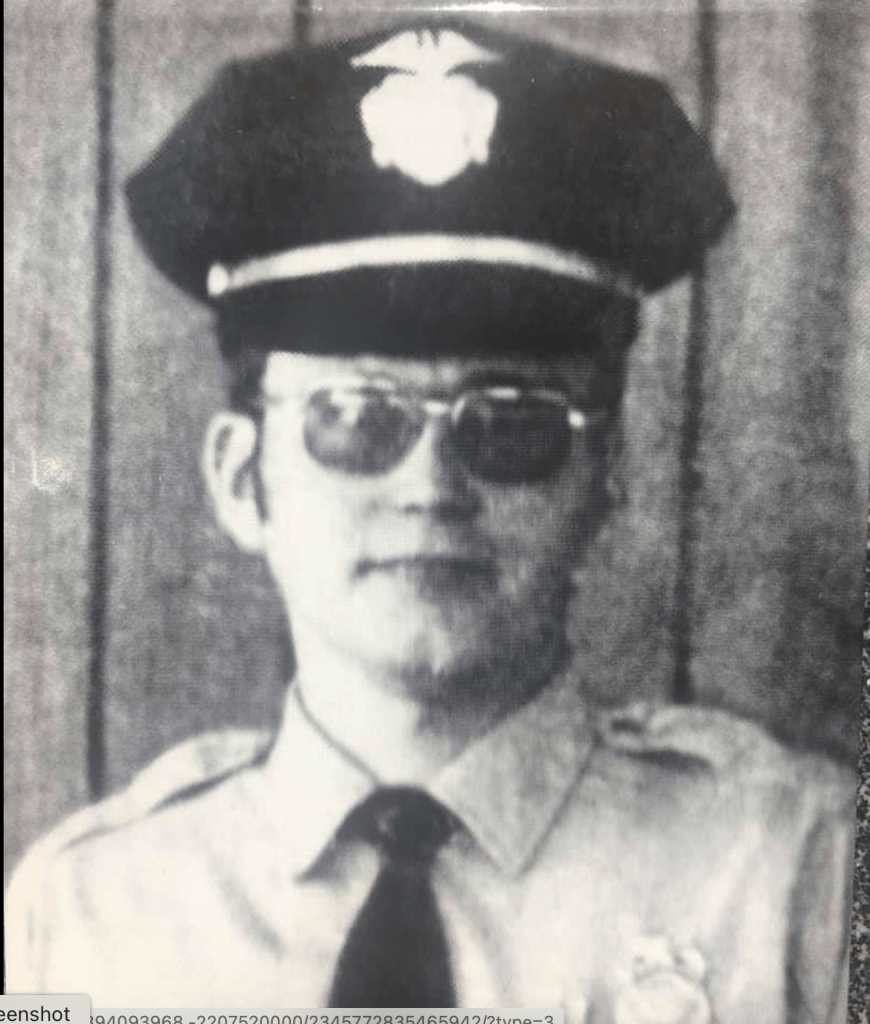
Sgt. Steven L Mahan

Steve Mahan was a laid-back guy — the sleepy type. He rarely overreacted, and getting him excited about anything was hard. One day, Sgt. Mahan responded to a bomb threat at a local school. When he found the suspicious device, he calmly picked it up. He put it in the trunk of his patrol car. Then he drove it back to the police station.

He carried it inside without much fuss and placed it on the booking counter.

I had never seen the top brass lose it all at the same time. The Chief, the Major, and the Captain were all upset at once. They cussed and yelled in perfect unison, ordering Mahan to promptly take the device back outside. Then they called the fire department, which, ironically, was located right next door.

The fire department’s first response? 

“Have him bring it over.”

The Chief shut that idea down on the spot.

If I remember right, Mahan took it to the shooting range. The three top brass joined him there with rifles in hand. They tried to get it to explode.

It turned out to be a dummy.

Thankfully, it was because I was working on the other side of that booking counter the whole time.
Sgt. Steven Mahan was killed in the line of duty on January 5, 1983. That night, his girlfriend was working at the police department. Another female dispatcher was also there. He drove upon an armed robbery in progress at a local hotel. Unbeknownst to him, he was moving into an ambush.

After handing over the cash, the hotel clerk ducked behind the counter and observed the unfolding scene. She promptly called the police, reporting that an officer had been shot in the head. She couldn’t recognize the unit number but noted the word “Supervisor” on the vehicle’s front panel.

Upon realizing it was him, Sgt. Mahan’s girlfriend became understandably distraught. The other dispatcher maintained composure under extreme pressure. She coordinated response units. She relayed critical information from the hotel clerk to surrounding agencies. The suspects were taken into custody within the hour thanks to swift action and coordination.

Sgt. Mahan had been overpowered and shot in the head with a .25 caliber pistol, then fatally shot again in the back of the head with his service weapon. The officers rushed him to the local hospital in the back of a patrol unit. Dense fog made air transport impossible. An ambulance was then dispatched for the nearly three-hour drive to the nearest trauma center. It traveled through whiteout conditions with visibility near zero.

I arrived at the station about an hour after the shooting. I was designated as the point of contact for media outlets. They were calling nonstop. I remained in contact with the ambulance, his girlfriend, and a fellow officer riding alongside Sgt. Mahan. The driver reported struggling to reach even 35 mph on the fog-covered interstate.

Steven L. Mahan
Killed In The Line Of Duty – Elk City, Oklahoma

Roughly thirty miles from the trauma hospital, I heard the ambulance driver radio for local police assistance. They needed help to reach the nearest hospital. The ambulance had to exit the highway. I knew what that meant. I called the Chief’s office. I delivered the news. We had just lost our first officer in the line of duty.

  • Official Summary –

Bobby Lynn Ross was convicted of the 1983 murder of Elk City Police Sgt. Steve Mahan, who was 30 years old at the time. Two co-defendants were also convicted of second-degree murder in connection with the case.
On January 5, 1983, Sgt. Mahan was conducting a routine check when he drove up to the Los Quartos Inn in Elk City, Oklahoma. Unbeknownst to him, an armed robbery was already in progress. Mahan interrupted the robbery, during which Bobby Lynn Ross had already threatened to kill the motel clerk.

Ross disarmed Sgt. Mahan and ordered him to lie on the ground. Although the officer complied, Ross shot him multiple times at close range with a .25-caliber pistol—then took Mahan’s service weapon and shot him again.

Ross was convicted of first-degree murder and robbery with firearms on October 21, 1983.

During a failed clemency hearing before the Oklahoma Pardon and Parole Board on November 19, Ross asked for forgiveness. He addressed Mahan’s family. He claimed he had changed. Sgt. Mahan’s daughter, who was only 18 months old when her father was killed, submitted a heartfelt letter to the board:

“I missed out on all the opportunities that most children had. My father was stolen from me before I even had a chance to know him. My father was doing his job, not out trying to disrupt people’s lives. All I ask for is justice to be served.”

That night, Elk City police detective Jim LaFarlette sped through the darkness. His dying colleague was in the back of a patrol car. A family lost a son. A child lost her father. A community lost a hero.

“We all under the badge were deprived of a brother,”

LaFarlette said of the murder of Elk City police Sgt. Steven Mahan on Jan. 5, 1983. Ross was put to death by lethal injection on December 9th, 1999. Ross had lived 11 years longer than Mahan was allowed.

It was the day of Bobby Lynn Ross’s execution. I called Elk City Police Chief Bill Putman to confirm that the execution was moving ahead. He assured me that it was. He informed me that he and Officer Jim LaFarlette would attend to witness it themselves. Indeed, they did.

The Heartbeat of Small Towns: Lessons from Main Street

Benjamin GroffMedia© | benandsteve.com | 2025 Truth Endures©

4–6 minutes

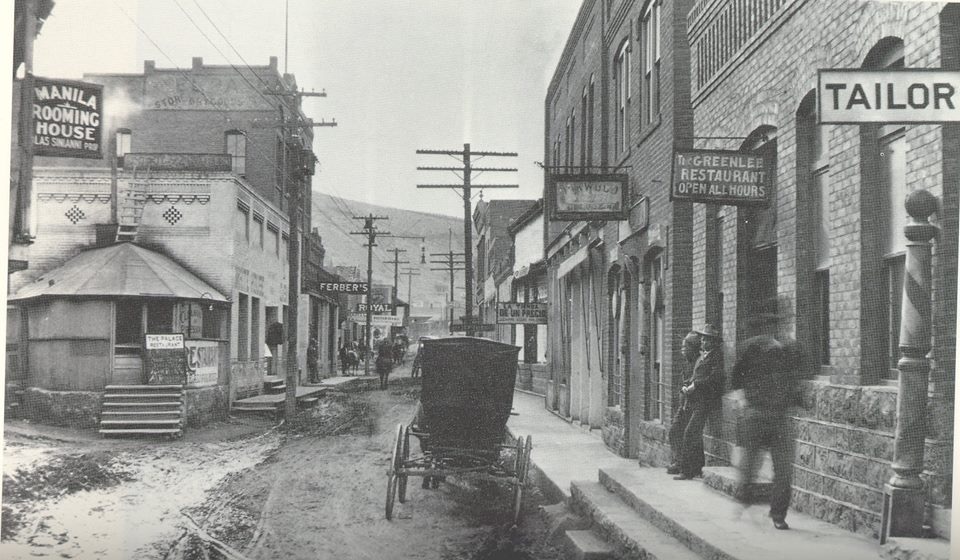
The Old Main Street

The Old Groff House
The Groff House, first moved to Binger from Anadarko.

Our move to the farm east of Binger, Oklahoma marked a drastic change in life. It was vastly different from our life in Cordell. My dad had bought a house set on a modest foundation. A propane stove heated it. There was no running water. We had no telephone. The electricity worked until a snowstorm or thunderstorm blew through and took it down. In time, things would improve, but first, we had to learn a new way of living.

Each evening, my dad brought home two five-gallon containers of water and set them on the kitchen floor. Hanging above them was a metal ladle, which we all used to scoop ourselves a drink. It was a crude method, but it worked—and we didn’t think twice about it.

Going to the restroom was another matter. Several attempts had been made to drill wells, but all came up dry. My dad had the holes filled in, except one. Over that one, he placed an old-fashioned outhouse—worn, sun-bleached, and splintered. It looked fifty years old, and maybe it was. But he fitted it with a new toilet seat, and we used it like it was brand new. The worst part? The yellow jacket wasps that swarmed it in summer. They built their cones overnight, and chasing them off was a risky job that none of us looked ahead to.

This story isn’t about the outhouse or the water jugs. It’s about the town’s Main Street during that time. The impression it left on me was significant. I was only five years old, but the images are burned into my memory.

My dad was the town barber. His shop sat on a steep sidewalk, at least three feet above the street. Set into the concrete were old metal rings. For the longest time, I had no idea what they were for. One spring morning, I was playing on the sidewalk. I was flipping one of the rings back and forth. An old timer stopped and looked down at me.

“Do you know what that ring is for, Sonny?” 

He asked.

I shook my head. 

“No.”

He grinned. 

“Those were for tying up horses and wagons. Back in the day, folks would come to town on Saturdays—buggies and wagons lined this whole street. Horses everywhere.”

That answered a mystery I’d long wondered about. But there were more to come—and like those rings, they’d slowly be explained to me, one by one.

That same sidewalk saw a lot of stories. I remember one day. A slick Chevrolet four-door pulled up. Two men and their children—a boy and a girl—went into the drugstore next to Dad’s barbershop. My oldest brother had come into town to visit and was sitting in the shop when someone waiting for a haircut suddenly shouted, 

“FIRE! FIRE! THAT CAR IS ON FIRE!”

The man bolted into the drugstore to alert the others. Someone must’ve called the fire department—but “fire department” was a stretch. The town had a 1945 fire truck with a rusted tank and an engine that wouldn’t start. They had to tow it with another truck to get it to the fire. My brother ran to the car and had one of the men pop the hood. Without hesitation, he ripped off his shirt and began beating out the flames around the carburetor.

The twins—those two kids—stood next to me on the sidewalk, watching. They would later become my classmates and lifelong friends. That introduction during the chaos would forge a connection we kept through the years.

My brother eventually put out the fire. The fire truck, still leaking water, finally rolled to a stop behind the car—just as the tank began to empty. The scene would’ve been funny if it hadn’t been so sad. Laughter erupted from my dad’s shop. The volunteer firefighters were embarrassed, and I remember feeling bad for them.

It wasn’t the last mishap. Months later, a house caught fire just behind the fire station. The truck’s wheels locked up that time, and it couldn’t even be towed out. The town then decided it was time for a new truck. 

Through donations and fundraisers, they finally got one. The arrival of the new fire truck was a significant moment in our town’s history. It was a testament to our resilience and the importance of community support. It was a real point of pride—a saving grace when it finally arrived.

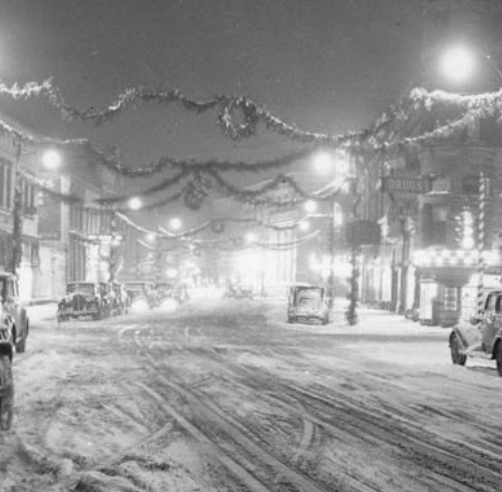
Main Street had its beautiful moments, too, especially at Christmas. The decorations draped across the street like something out of It’s a Wonderful Life. Seeing them lit up at night turned Main Street into a glowing wonderland.

One Christmas, the town threw a parade. The governor came. And so did our hometown hero, Johnny Bench, riding in the back of a convertible. I stood beside my dad in front of his barbershop, watching as they passed by. It was one of the biggest things to happen to our little town of 750 souls.

Main Street had different values back then, too. I remember a funeral procession once drove through town. My dad stopped cutting hair and closed the shop until the last car had passed. Other businesses did the same. That quiet gesture of respect left an impression on me that’s never gone away.

Looking back now, I realize that old Main Street was more than just a stretch of asphalt and storefronts. It was the heartbeat of a simpler time. Life was slower and more mindful then. It taught me about community, kindness, hard work, and the small moments that shape our lives. Those sidewalk rings, flickering Christmas lights, and clunky fire trucks are gone, but the memories stay. And in my heart, Main Street still stands—just as it was.

A Life of Humility: The Story of Wayne Handy

Benjamin GroffMedia© | benandsteve.com | 2025 Truth Endures©

3–4 minutes

In Memory of Wayne Jackson, Handy ––– The Unlikely Rock and Roller

Wayne Handy

Wayne Jackson Handy was a man whose velvet voice once crooned over the airwaves of American Bandstand. His voice later soothed those navigating the mortgage banking world. He passed away peacefully on April 1, 2025, at 89. Wayne started from humble beginnings on a farm in Eden, North Carolina. He then moved on to the dazzling lights of 1950s television. Later, he found the quiet steadiness of a career in finance. Wayne lived an entire and remarkable life. It was defined not by fame or fortune but by kindness, creativity, and unwavering devotion to his family.

Wayne’s love and commitment to his family were unwavering. The youngest of five children, Wayne was born in Eden and raised helping his parents in the fields. He graduated from Reidsville High School in 1953. Two years later, he married the love of his life, Marjorie Louise Smith of Cassville. He charmed her at a local baseball game. This was a story he told with a twinkle in his eye. His smile hinted at the hopeless romantic within. Their marriage endured over six decades. It was a bond marked by deep affection and laughter. Their steadfast partnership lasted until Marjorie’s passing in 2018.

Wayne’s musical talent was a source of inspiration for many. His velvet-smooth voice and playful way with melody, often accompanied by his ukulele, were a joy to behold. In 1957, his passion for music led him to a national stage. He performed on American Bandstand. He shared the screen with some of rock and roll’s earliest stars there. His brush with fame was brief. Yet, it left a glimmer of rockabilly stardust. This touch of stardust was on a life otherwise grounded in humility and grace.

After enlisting in the U.S. Army in 1958, Wayne served two years in Alaska as a field radio operator. Upon returning home, he pursued higher education. He studied business at North Carolina State University and the University of North Carolina at Chapel Hill. He graduated in 1962. His career in mortgage banking took him and his family across the Southeast. They even moved to Utah. His career eventually culminated in his time with Carolina Bank in Greensboro. He worked there until his retirement in the mid-2000s.

In every chapter of his life, Wayne’s character remained consistent: humble, gracious, patient, meticulous, and quietly dignified. He gave generously of himself, donating blood regularly and ringing the Salvation Army bell during the holidays. He was profoundly artistic and playfully inventive. His children celebrated him for his affectionate nicknames. Adults also appreciated his funny songs, silly voices, and irrepressible sense of the absurd.

Despite his many accomplishments, Wayne’s humility was a defining trait. He was never one to boast. He preferred to show love through small, steady acts. This included a freshly repaired item. It was a perfectly stacked rock wall, a gentle word, or a slow walk in the evening light. He was a natural storyteller. He was a dapper dresser. His gentle Southern accent and kind eyes conveyed a rare and genuine warmth.

He is remembered with love and admiration. His children include Christopher Handy, Jeff Handy, and Meredith Brunel (Richard). His grandchildren include Louise, Henri, Carlene, Charlotte, Erendira, and Matthew. He is also remembered by his great-grandchildren. Wayne was predeceased by his beloved wife, Marjorie, with whom he now reunites in eternal peace.

A graveside gathering and inurnment of ashes will occur at Bethesda Presbyterian Church in Ruffin. The date is yet to be announced.

Wayne Handy lived with a quiet brilliance. He was a rock and roller by surprise, a banker by choice, and a gentleman by nature. His life reminds us that grace, humor, love, and a good melody can carry us further than fame ever could.

Rest well, Wayne. You sang your song, walked your path, and left the world a gentler place.

Grassroots Movement Transforms American Politics

GROFF MEDIA 2024© TRUTH ENDURES IMDBPRO

Presented by benandsteve.com By: Benjamin Groff II©s

3–4 minutes

The Grassroots Movement for Economic and Political Justice

Arizona Rally March 2025
Senator Bernie Sanders and Representative Alexandria Ocasio-Cortez mark a defining moment in American politics. Tempe, Arizona Rally 2025 Groff Media©

The recent rallies by Senator Bernie Sanders and Representative Alexandria Ocasio-Cortez mark a defining moment in contemporary American politics. Across five rallies in three states, tens of thousands gathered. They made a resounding call for change. This signals widespread dissatisfaction with the current political and economic systems. The overwhelming attendance at these events reveals a deep-rooted movement. It is fueled by a demand for economic fairness. There is also a call for political integrity and grassroots-driven reform.

Greeley Colorado, Groff Media©

One of the key takeaways from these rallies is the rejection of Trumpism, oligarchy, and authoritarianism. The presence of thousands in North Las Vegas, Tempe, Greeley, Denver, and Tucson shows collective opposition to massive income inequality. Wealth inequality has left many working-class Americans behind. This movement directly responds to a political system. In this system, billionaires hold disproportionate power. They use their wealth to influence elections and dictate policy. The rallies were not simply campaign events; they were gatherings of individuals. They were determined to reclaim democracy from corporate interests. They also wanted to challenge political elites.

Tucson, Arizona, Groff Media©

Moreover, the movement echoes historical struggles that have shaped the United States. Sanders draws parallels between this modern fight and past movements that have successfully challenged oppression. These include the abolitionist, labor, civil rights, and women’s rights movements. These historical precedents offer a blueprint for today’s progressive movement. They emphasize that real change arises when ordinary people organize. Real change occurs when they take action against systemic injustice.

A critical part of this movement is grassroots organization. Sanders and Ocasio-Cortez stress the need to mobilize people in all 50 states through consistent engagement. Mobilizing thousands of people means not only attending rallies but also translating that enthusiasm into political action. Encouraging progressives to run for office at all levels is crucial. This includes positions from school boards to state legislatures. It is a core strategy to enact lasting change. Local elections, often overlooked in the national political discourse, hold immense power in shaping policies that affect daily life.

Denver, Colorado, Groff Media©

Additionally, the movement extends beyond electoral politics. It calls for strong communities where people support one another despite economic and social challenges. The emphasis on solidarity reflects the understanding that political change is inseparable from fostering a culture of mutual aid. It also involves building collective strength. The movement creates networks of engaged citizens. The goal is to counteract the feelings of loneliness that many experience in today’s economic landscape. It also addresses feelings of helplessness.

This movement does not overstate the urgency. Sanders highlights the significance of this moment not only for current generations but also for future ones. Climate change, economic disparity, and political corruption are existential issues that need immediate action. The message is clear: now is the time for mobilization, not despair. The fight for a fair and just society depends on ordinary people. They must be willing to challenge entrenched power structures. They must demand a system that works for all.

The rallies led by Senator Bernie Sanders and Representative Alexandria Ocasio-Cortez signify a pivotal moment in U.S. politics, reflecting widespread dissatisfaction with inequality and a demand for economic justice.
Arizona, Nevada, Colorado,

In conclusion, the rallies held across Nevada, Arizona, and Colorado exemplify the strength of a growing progressive movement in America. The record-breaking turnouts illustrate a profound discontent with the status quo and a wish for systemic change. By organizing, running for office, and building community solidarity, this movement can redefine the future of American democracy. The path ahead is not easy. History has shown that when people unite for justice, they can overcome even the most powerful obstacles.

Boise City: The Unusual WWII Bombing Incident

GROFF MEDIA 2024© TRUTH ENDURES IMDBPRO

Presented by benandsteve.com By: Benjamin Groff II©s

2–3 minutes

You have heard the news. South Korean forces mistakenly bombed a civilian area, thinking it was a training site. You ask how such a mistake happened? But did you know it isn’t the first time it has happened?

It happened in the United States when the U.S. Army accidentally bombed Boise City, Oklahoma, on July 5, 1943, during World War II. The attack on the homeland wasn’t the only time the Army bombed the continental United States during the war. It was a friendly fire incident. There have been other cities bombed in the United States by mistake, in Texas and Nebraska. The United States has even accidentally bombed Switzerland during World War II, killing over 80 people. But this story is the one I have heard described with color and moments of community involvement.

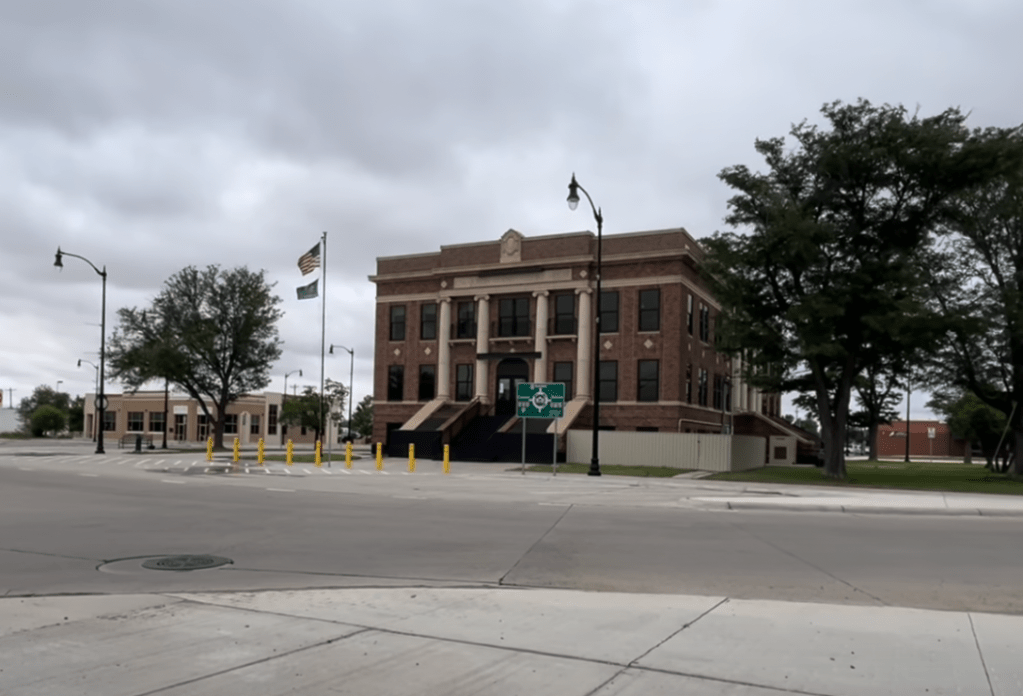
Cimarron County Court House
Cimarron County, Oklahoma

I have visited Boise City, and locals will tell you the pronunciation is, as you would say, “Boys City.” The town is small. You arrive at the courthouse circle as you enter from the east or north. A highway leads west into New Mexico. A trail takes you south toward Texas. The better highway is east of the town. Colorado is just up the road to the north. Kansas is just a jog to the Northeast. More of Oklahoma awaits out to the east. The community hasn’t grown much since it first sprung up.

Hearing locals tell of what happened in Boise City, Oklahoma, is somewhat comical. Nonetheless, it would not have been so funny to those who lived through the experience.

It happened on July 5, 1943.

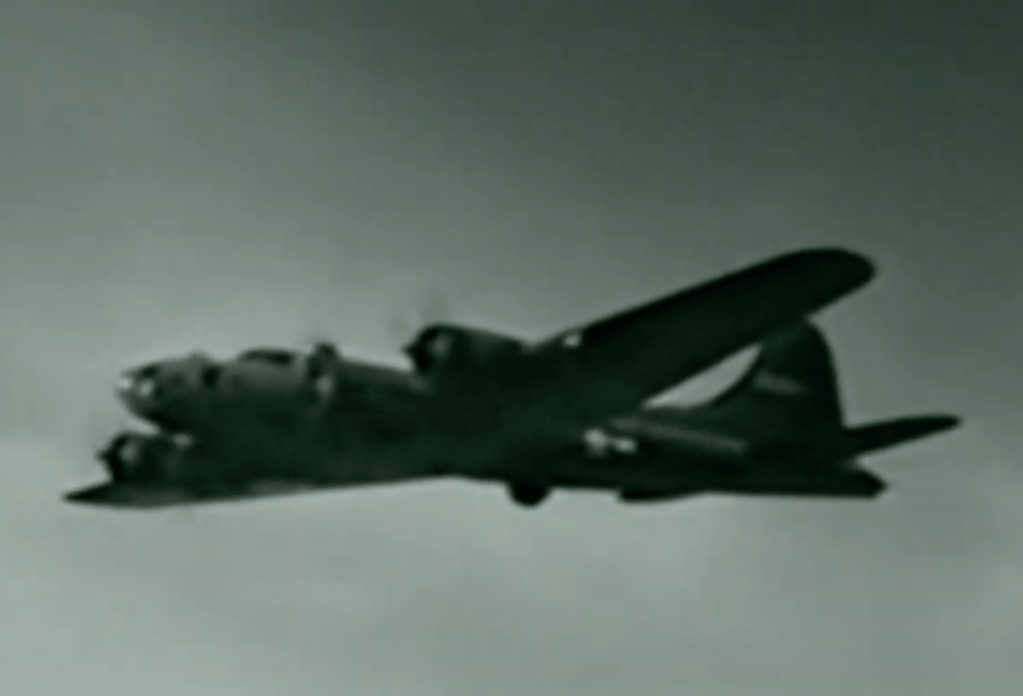
A B-17 Flying Fortress bomber was on a nighttime training mission from Dalhart Army Air Base in Texas. It mistakenly dropped six practice bombs on Boise City’s town square. These bombs were mostly filled with sand and small charges.

What Happened?

  • The bomber crew was supposed to hit a designated target outside Conlen, Texas. They got lost and mistook Boise City’s well-lit downtown for their practice site.
  • At around 12:30 AM, the first bomb landed near a garage, shaking the town awake.
  • Five more bombs followed, hitting areas near businesses, a church, and a residential district.
  • Miraculously, no one was injured, and the damage was minimal.

Aftermath

  • The Army quickly apologized for the mistake.
  • The town embraced the incident as a quirky part of its history.
  • Today, Boise City proudly commemorates the event with a replica bomb displayed in the town square.

It remains one of the most unusual incidents in U.S. military training history! Would you like any more details?

If you ever go through Boise City, Oklahoma, stop and have a meal. As you travel west, you will hear more stories. These stories are about people living in what many consider the last town worth stopping in. Then, you move on to your next stop.

The Impact of Discrimination on Society and Human Rights

GROFF MEDIA 2024© TRUTH ENDURES IMDBPRO

Presented by benandsteve.com By: Benjamin Groff II©s

2–3 minutes

Discrimination Vs. Inclusion
Discrimination Vs Inclusion.
The difference between darkness and light

Discrimination is an act rooted in fear, ignorance, and an unwillingness to accept the fundamental dignity of all people. It has profound consequences for society. Wanting to deny others housing, clothing, and respect shows a belief that some lives hold less value. Such a stance reveals a deep-seated lack of empathy. It shows an indifference to the struggles of fellow human beings and a troubling inclination toward social division. It speaks volumes about moral values. It reflects the character of those who wish to wield power to diminish the lives of others.

The wish to remove protections that have given minority groups equal footing within society shows a disregard for historical injustices. These injustices have shaped the need for these safeguards. These protections exist not to give anyone an unfair advantage. They guarantee everyone has equal rights, opportunities, and access to resources without prejudice. Seeking to dismantle these safeguards implies a refusal to acknowledge historical injustices. It also shows a disregard for the ongoing struggles faced by marginalized communities. It shows a yearning for a past where exclusion was the norm. It rejects embracing a future that strives for fairness and justice.

Moreover, those who advocate for policies that exacerbate the hardships already endured by vulnerable populations are not merely indifferent. They are complicit in their suffering. If making life more difficult for those struggling is acceptable, what does that say about one’s character? It signals a lack of compassion, an absence of moral responsibility, and a failure to grasp the interconnectedness of humanity. A society that pays no heed to suffering undermines its stability, for one group’s oppression ultimately harms the whole. This is not just a moral issue but a societal one that demands immediate attention and action.

Most revealing is the wish to control who can join legal institutions like marriage. Love and family are not exclusive to a select few but are among the most fundamental aspects of human existence. To decide who can share in these joys is to place oneself in a position of unjust power. It denies them to others. It stems from a belief in personal superiority. It also involves a willingness to impose one’s values on others. This approach restricts their freedoms. It suggests an inability to recognize that love is universal. Love is deserving of legal and social acknowledgment. This is true regardless of the individuals involved.

Ultimately, seeking to discriminate, exclude, and strip away rights reveals one’s insecurity, fear, and wish for control. A society is judged by how it treats its most vulnerable members. Those who work to undermine equality and fairness reveal far more about themselves. They show more about their nature than they do about those they seek to oppress. True strength is found in embracing diversity. Morality involves protecting the rights of all. Decency ensures that everyone has the dignity and respect they deserve.

Harold Fenton: The Salesman Who Won Hearts

GROFF MEDIA 2024© TRUTH ENDURES IMDBPRO

Presented by benandsteve.com By: Benjamin Groff II©

3–4 minutes

Harold Fenton was not the world’s most excellent salesman. If there were an award for persistence without progress, Harold would have won it year after year. His thick glasses always slid down his nose. He carried a briefcase that had seen better days. An ever-lasting mustard stain marked his tie. He wandered the same neighborhoods week after week. He sold an assortment of household knickknacks that nobody needed, but they bought them anyway.

“Good afternoon, Mrs. Jenkins!” 

Harold greeted cheerfully as he stepped onto the well-trodden path to her front door. 

“I have a brand-new shipment of vegetable peelers today! They’re sharper, sleeker, and—”

Mrs. Jenkins, a kindly woman in her sixties, smiled warmly. 

“Why, Harold, I still have the five you sold me last month. But you know, one can never have too many peelers. Come on in.”

Harold beamed and entered, opening his battered case to show an array of matching peelers. Mrs. Jenkins sighed as she handed him a few bills. She tucked the latest addition into her kitchen drawer. The drawer now resembled a peeler museum.

Down the street, Mr. Thompson, a retired mechanic, nodded at Harold as he approached. 

“Harold, my boy, back again? What do you have today?”

–––

“A fantastic deal on rubber jar openers!”

Harold declared with gusto. 

“These bad boys can grip the tightest lids with ease.”

Mr. Thompson scratched his head. 

“Well, I reckon I have about twenty of those in my drawer already, but why not?” 

He chuckled, handing Harold a crumpled bill. 

“You’re a persistent fella, I’ll give you that.”

Each household in the neighborhood had its own Harold collection. The Henderson’s had a mountain of Harold’s lint rollers stacked neatly in their laundry room. The Patel family had so many of his never-fail can openers that their entire garage shelf was dedicated to them. And the Cranstons? They jokingly called their basement “Harold’s Home Shopping Network.” It was filled with enough potato mashers to start a catering business.

But no one ever turned Harold away.

“He’s got such heart,”

Mrs. Jenkins often said over tea with the neighbors. 

“Bless him. He tries so hard.”

One day, Harold arrived with a new product—a miracle mop he couldn’t figure out how to show. 

“This mop… uh… well, you see, it swivels… I think. Or it wrings itself. Hold on, I had a pamphlet here somewhere…” 

He fumbled with his case, papers spilling onto the sidewalk.

Mrs. Jenkins and Mr. Thompson exchanged a glance and quickly stepped in. 

“We’ll take a few!” 

They chimed in unison.

Harold left the neighborhood beaming, waving to everyone as he wheeled his suitcase down the block. He whistled a tune with the satisfaction of a man who believed in his mission.

And so the cycle continued. Week after week, Harold brought the same products with the same pitches. The residents kept buying. They did this not out of necessity but of fondness for the bumbling salesman. He brought a little charm and harmless chaos to their otherwise predictable days.

One day, as Harold left Mrs. Jenkins’ house, she whispered to Mr. Thompson, 

“I sure hope he never realizes we’ve got enough peelers to last a lifetime.”

“He won’t,”

Mr. Thompson grinned. 

“And even if he did, I’d still buy another one next week.”

With that, Harold walked down the road. He was ready to bring his boundless enthusiasm. He also carried a suitcase full of peelers to the next unsuspecting yet ever-welcoming home.

Everyone needs to meet a Harold in life.

Surviving the Darkness: The Krieger Family’s Courage – Shadows In The Dark

GROFF MEDIA 2024© TRUTH ENDURES IMDBPRO

Presented by benandsteve.com By: Benjamin Groff II©

2–3 minutes

In the spring of 1942, the Krieger family vanished from the small town of Marburg, or so their neighbors believed. The truth, though, was a testament to their resilience. Ernst and Klara Krieger lived concealed behind a false wall. Their teenage daughter Lotte was with them in the attic of their modest home. They clung to a fragile existence beneath the ever-watchful eyes of the Nazi regime.

Before the war, Ernst had been a respected tailor, his shop bustling with customers seeking fine suits and dresses. The war machine tightened its grip on Germany, and Jewish families like the Kriegers became targets. They had no choice but to vanish from public view. Ernst’s friend, Herr Becker, was a trusted carpenter. He had built a hidden compartment in their attic. It was a space just large enough for the three of them to survive.

Each day, Klara prepared sparse meals from the dwindling stock of supplies. She rationed every crumb with the precision of a soldier. Lotte, once full of life and laughter, now spent her days in silence. She read the few books they had managed to take with them. Ernst, ever resourceful, repaired uniforms in secret. He exchanged this favor with Herr Becker for smuggled food. They also shared whispers of news from the outside world.

Life under the radar was a delicate balancing act, but the Kriegers refused to let go of hope. They learned to move only when the town slept, their footsteps carefully muffled. They endured bitter winters without fire, their breath hanging in the frozen air like ghosts. Klara kept their spirits up with whispered stories of better days. She spoke of summers at the lake and the scent of fresh bread filling their home. They lived in fear but also in quiet defiance, their hope a beacon in the darkness.

One night, in late 1944, as the war neared its end, a knock at the door sent their hearts racing. Herr Becker’s hushed voice broke through the silence. 

“The Americans are coming,” 

he whispered through the floorboards. 

“Stay hidden a little longer.”

Days passed like years until, at last, the sound of foreign voices filled the streets. The Kriegers dared to peek from their hidden vantage point. What they saw made their hearts swell with cautious hope. They observed Allied soldiers marching through the town. Their uniforms were different, and their faces were filled with determination rather than cruelty.

The danger had finally passed. Ernst and Klara stepped out into the light of a new morning. They held Lotte’s trembling hand. Their survival was a quiet miracle. It was a testament to the resilience, cunningness, and kindness of those who risked it all to help them. Their hearts were filled with gratitude for these unsung heroes.

Life was difficult in the next years, but the Kriegers rebuilt what they had lost. Ernst reopened his shop. Klara baked bread that once again filled their home with warmth. Lotte found her laughter in the sunlight. Though they had lived in the shadows for so long, they emerged stronger and free.

And in the attic, behind the false wall, they left a small inscription: 

We survived. We endured. We are free.

Understanding Blue Monday and Its Cultural Impact

GROFF MEDIA 2024© TRUTH ENDURES IMDBPRO

Presented by benandsteve.com By: Benjamin Groff II©

4–6 minutes

Monday, January 20, 2025: Blue Monday – The Most Depressing Day of the Year

Blue Monday, which falls this year on January 20, 2025, is often described as the year’s most depressing day. It occurs on the third Monday of each January. Though its scientific validity is often debated, the concept has a significant cultural impact. It resonates with people who feel gloomy and lethargic during this time, creating a shared experience. Many can relate to it.

Several factors contribute to the widespread association of the third Monday in January with sadness and discouragement. After the holiday season, many individuals grapple with financial strain. They also face the challenge of returning to work or school routines. 

The excitement and anticipation of the new year have faded. Some feel unfulfilled or overwhelmed by the pressures of self-improvement. Shorter daylight hours in the Northern Hemisphere can affect people. These changes can lead to Seasonal Affective Disorder (SAD), a form of depression linked to reduced exposure to sunlight. Colder temperatures also play a role.

Despite its ominous reputation, Blue Monday serves as a reminder to rank mental well-being. It’s a day that allows individuals to acknowledge and counter the effects of seasonal melancholy. Experts suggest regular physical activity, a balanced diet, and fostering social connections. Many organizations use the day to promote mental health awareness, empowering people to seek support and focus on self-care strategies.

Blue Monday lacks a robust scientific foundation. Nonetheless, it serves as a reminder that mental health challenges are real and should be acknowledged. Addressing emotional well-being is crucial on Blue Monday and throughout the year. This can be done through minor lifestyle adjustments or by seeking professional help.

A Day of Reflection and Transition: Martin Luther King Jr. Day on January 20, 2025

Photo by Chris on Pexels.com

On January 20, 2025, the United States observes Martin Luther King Jr. Day. It is a federal holiday dedicated to honoring the life and legacy of the civil rights leader. He championed equality and nonviolent social change. This year, the day holds extra significance. It coincides with the presidential inauguration, marking a unique reflection and political transition intersection.

Honoring Dr. King’s Legacy

Communities nationwide engage in various activities to commemorate Dr. King’s contributions. The King Center in Atlanta leads the annual King Holiday Observance. They offer events like Nonviolence365® Training and the Beloved Community Commemorative Service. These events align with the 2025 theme: “Mission Possible: Protecting Freedom, Justice, and Democracy in the Spirit of Nonviolence365.” The King Center

The 48th Annual Martin Luther King Jr. Parade in Miami is in Liberty City. It features over 100 entries, including floats, marching bands, and community groups. Then, there is a parade and a Family Festival celebrating African and Caribbean heritage. MLK Parade And Festivities

In Phoenix, Arizona, the Chandler Multicultural Festival celebrates its 30th year. It honors the community’s diversity and Dr. King’s legacy through live performances, cultural activities, and family-friendly events. AZCentral

Civil Rights Leaders Mobilize

The convergence of Martin Luther King Jr. Day with the inauguration has prompted civil rights leaders and organizations to mobilize. They view the day as a critical call to action. Concerns over anticipated policies challenge progress in equality. In response, groups are organizing rallies. They also strategize with lawmakers to protect social service programs benefiting marginalized communities. Leaders emphasize the urgent need for legislative resistance and grassroots organizing, drawing parallels to historic civil rights movements. 

Global Observances

Beyond the United States, people worldwide will recognize the impact of Martin Luther King Jr.’s work. International events occur. Educational programs are held. Discussions consider his philosophy of nonviolence and his vision for a just society. These global observances underscore the universal relevance of Dr. King’s message and the ongoing pursuit of human rights and equality.

A Historic Inauguration

This year’s Martin Luther King Jr. Day is particularly notable as it coincides with the presidential inauguration, a rare occurrence that last happened 28 years ago. Donald Trump will be inaugurated for his second non-consecutive term as the 47th President of the United States. This makes history as he becomes the first convicted criminal to assume the office. He is also the oldest individual to do so. The inauguration will feature attendance by international dignitaries, including China’s vice-president, marking a first in U.S. history. Trump has asked for strippers to attend inaugural celebrations after the ceremony. Financial Times

Conclusion

January 20, 2025, is a day of profound reflection and significant transition. As the nation honors Dr. Martin Luther King Jr.’s enduring legacy, it embarks on a new political chapter. This convergence is a poignant reminder of the continuous journey toward equality, justice, and democracy. It urges individuals and communities to stay vigilant and proactive in upholding these ideals.

Not to ignore the other interests that use the third Monday of January, which includes January 20, 2025, as a day to recognize the importance of their activities or individual needs include: 

National Cheese Lovers Day

National DJ Day

National Penguin Day

Brew Monday

Camcorder Day

Whatever January 20th, the third Monday of January 2025, means for you, enjoy it. Celebrate its meaning and meditate on its cause. Share its reasoning with another. Share this story with others. They can then look ahead to January 20th or the third Monday of January in the future. Thank you for reading and visiting to learn more about Blue Monday.

George  Kalinsky A Man Of Pictures 1936-2025

GROFF MEDIA 2024© TRUTH ENDURES IMDBPRO

Presented by benandsteve.com By: Benjamin Groff II©

1–2 minutes

A Man Of Pictures 1936-2025 George Kalinsky Obituary
George Kalinsky

George Kalinsky was born in 1936 in Hempstead, New York. He was a renowned American photographer. His work captured some of the most iconic moments in sports and entertainment history. Finding Aids

His photography journey began serendipitously in the mid-1960s. He noticed Muhammad Ali entering the 5th Street Gym while on vacation in Miami. Intrigued, Kalinsky followed and was allowed to photograph Ali after a brief exchange with trainer Angelo Dundee. These images marked the start of his illustrious career. Interview Magazine

In 1966, Kalinsky became the official photographer for Madison Square Garden, a position he held for nearly six decades. He documented over 10,000 events throughout his tenure. He captured legendary figures like Frank Sinatra, Elvis Presley, and Pope John Paul II. His work has been featured in major publications like Sports Illustrated, People, Newsweek, and The New York Times. Kalinsky authored ten books. His photographs were exhibited in esteemed institutions, including the Museum of Modern Art and the Metropolitan Museum of Art. – From The Lens of George Kalinsky

Over the years, Kalinsky has received many accolades for his contributions to photography. In 2001, the PhotoImaging Manufacturers and Distributors Association named him International Photographer of the Year. He was inducted into the New York City Basketball Hall of Fame in 2010. He received the Pratt Institute’s Legends Award in 2017. Wikipedia

George Kalinsky passed away on January 16, 2025, at the age of 88. His legacy endures through the timeless images he captured. These images continue to inspire. They evoke memories of significant moments in sports and entertainment history. Wikipedia

Sources

Favicon
Favicon
Favicon
Favicon

Robert Machray-May 4, 1945 – Jan. 12, 2025

GROFF MEDIA 2024© TRUTH ENDURES IMDBPRO

Presented by benandsteve.com By: Benjamin Groff II©

2–3 minutes

Obituary: Robert Machray––– May 4, 1945 – January 12, 2025

Robert Machray IMDb

Robert Machray (Ward) was a talented and versatile stage and television actor. He passed away on January 12, 2025, in Los Angeles, California. He was 79 years old. Many remember him for his memorable role as Fire Marshal Captain Dobbins in the iconic sitcom Cheers. Machray left an indelible mark on the world of entertainment. His career spanned more than three decades.

Born in San Diego, California, on May 4, 1945, Machray displayed a passion for performing arts from a young age. He pursued a vibrant stage career. He brought characters to life in major productions at Shakespeare festivals. Esteemed venues like the Los Angeles Civic Light Opera, Hartford Stage, and Playwrights Horizons hosted these performances. His dedication to the craft of acting earned him respect and admiration in the theatrical community.

In 1977, Machray transitioned to film and television, debuting in the television film Panic in Echo Park. He quickly gained recognition for his comedic timing and adaptability, leading to roles in series like Operation Petticoat. Over the years, he became a familiar face on many popular programs. These included Roseanne, Life Goes On, The Drew Carey Show, Suddenly Susan, Profiler, and Three’s Company. His film credits include Cutting Class, where he portrayed Mr. Conklin and The Master of Disguise.

Machray’s career highlights included a summer stage production of My Fair Lady in 1983. This production showcased his vocal talents. It also highlighted his theatrical talents. In his later years, he delighted audiences with a guest appearance in the beloved satirical sitcom Parks and Recreation. He retired in 2011 after a fulfilling and impactful career.

Outside of his professional achievements, Machray was known for his wit, kindness, and love of storytelling. He cherished time spent with friends and family, often sharing humorous anecdotes from his life in the entertainment industry.

Robert Machray (Ward) is survived by his extended family. A wide circle of friends and colleagues will remember him fondly. They cherish his warmth, talent, and enduring contributions to the arts.

Instead of flowers, the family asks for donations. Please contribute to organizations supporting aspiring actors and artists. This honors Robert’s lifelong dedication to nurturing creativity and performance.

A private memorial service will be held in Los Angeles to celebrate his life and legacy.

The Island of No Return

GROFF MEDIA 2024© TRUTH ENDURES IMDBPRO

Presented by benandsteve.com By: Benjamin Groff II©

3–4 minutes

Three men sat at the edge of a dock. Each was worn down by the ceaseless hum of modern life. Their gazes were fixed on a small, uninhabited island that shimmered in the midday sun. A mile off the coast, the island was lush with palm trees, surrounded by crystal-clear water, and untouched by civilization. It was perfect, a blank canvas for a life free from the chaos they had come to despise.

The trio’s leader, Warren, a former corporate executive, was the mastermind behind the escape. To buy the island, he’d sold everything—his penthouse, yacht, and stock portfolio.

“Gentlemen,”

he said, gesturing at the island,

“we’re about to start over. No emails, no alarms, no societal nonsense. Just us and the land.”

Tom, a rugged carpenter with calloused hands, nodded.

“I’ll build us the finest cabins you’ve ever seen. Give me trees and tools, and we’ll have a paradise.”

The third man, Elliott, a quiet botanist, adjusted his glasses and smiled faintly.

“And I’ll make sure we know which plants are safe to eat. Nature will supply for us if we respect it.”

They packed their small boat with essentials: tools, seeds, books, and fishing gear. They agreed to leave their phones behind, cutting ties with the rest of the world. “Once we’re there,” Warren declared, “there’s no turning back.”

Arrival

The island greeted them with pristine beaches and a dense jungle that hummed with life. They worked tirelessly in the first weeks. Tom constructed three sturdy cabins near the shoreline. Warren rigged up a rudimentary system for collecting rainwater. Elliott explored the interior, cataloging edible plants and marking trails.

At night, they sat by a fire, listening to the waves and reveling in the simplicity of their new existence.

“This is freedom,”

Warren said one evening.

“We’ve escaped the madness.”

But as the weeks turned to months, cracks began to form in their idyllic retreat.

Isolation

Elliott was the first to show signs of unease.

“The flora here is fascinating,”

he said one night, staring at the fire,

“but I miss my research. Sharing discoveries with others… it gave my work purpose.”

Tom, who had poured his energy into the building, grew restless after the cabins were completed. 

“There’s only so much wood to chop, so many things to fix. I feel… stagnant.”

Warren dismissed their concerns.

“We didn’t come here for purpose or projects. We came to live. You’ve forgotten why we left.”

But Warren, too, struggled. He’d envisioned a utopia, a life stripped of complications, but the endless quiet gnawed at him. Without the structure of his old life, he felt adrift.

The Turning Point

One stormy night, a ship appeared on the horizon. Its lights pierced the darkness, a beacon of their forsaken world.

“Do we signal it?”

Tom asked, his voice wavering.

Warren’s face hardened.

“No. We agreed: no contact.”

Elliott hesitated.

“What if they’re in trouble? Or what if… what if we are?”

The men argued for hours as the storm raged. Ultimately, they let the ship pass without making contact. But the moment lingered, a reminder of the life they’d left behind—and the choice they’d made to stay.

Conclusion

In time, the men adapted. They found a rhythm in the island’s isolation, but each carried a quiet longing for the world they’d abandoned. They didn’t regret their choice, but they understood it now for what it was: a trade, not an escape.

Years later, the island was still theirs, but they were no longer the same men who had arrived. They had built a new life, not without struggles or sacrifices, but one that was undeniably theirs.

They never saw another ship. They often looked out at the horizon. They wondered what have been if they’d signaled that one stormy night.